Llanfairfechan (4)

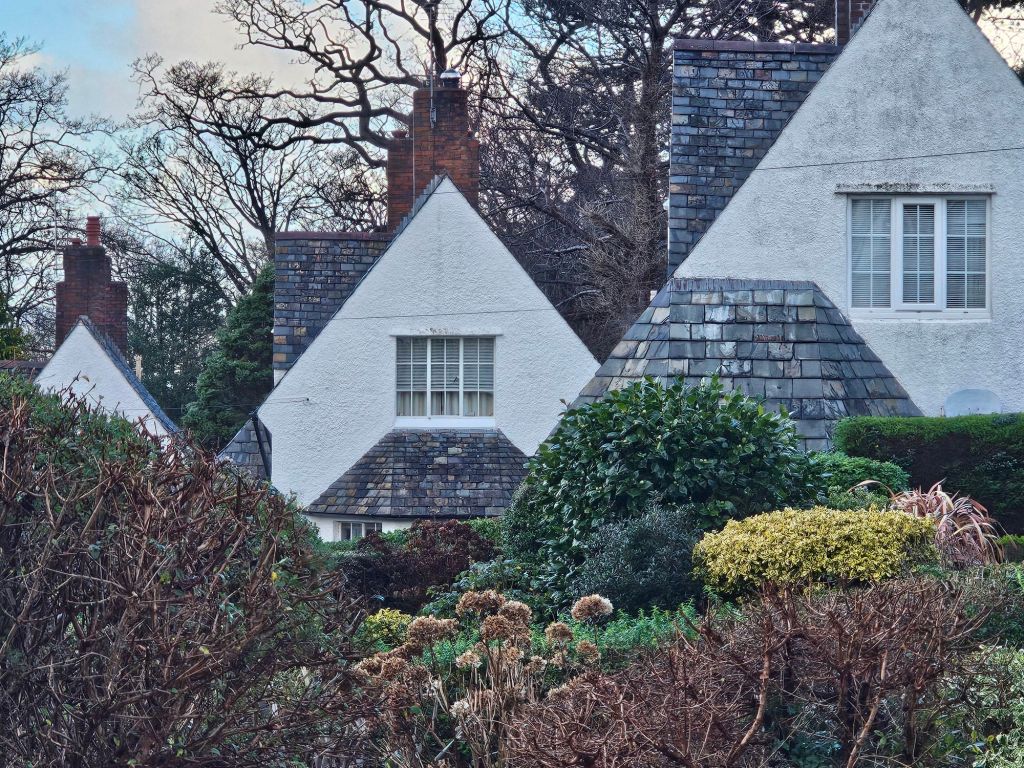
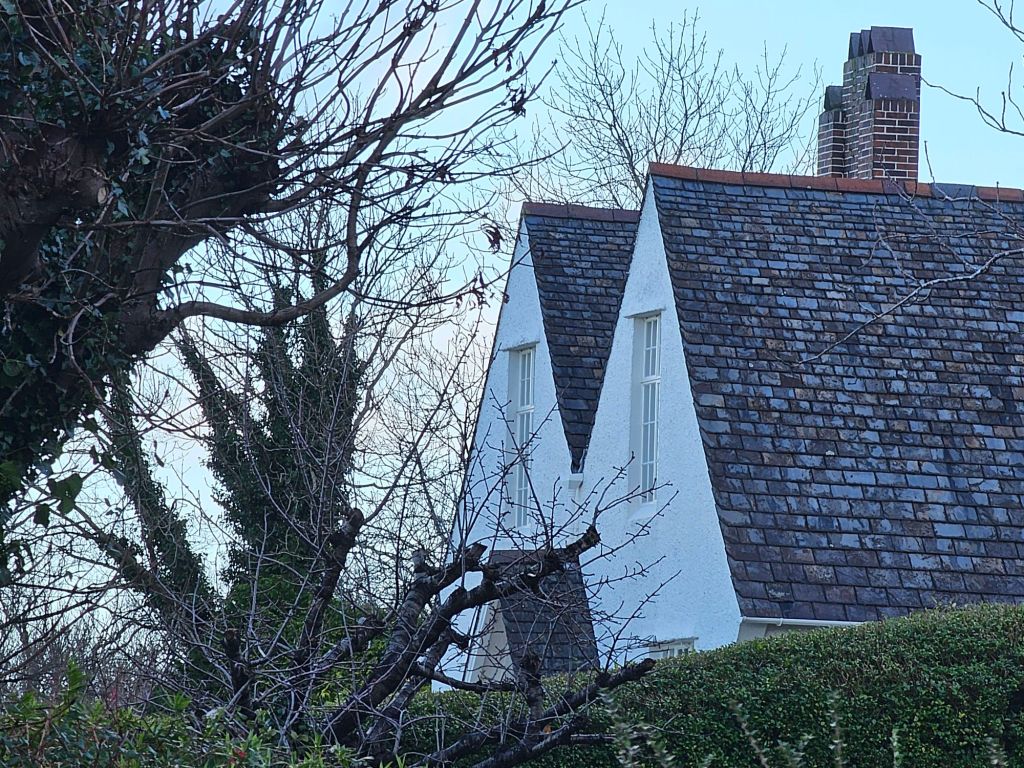
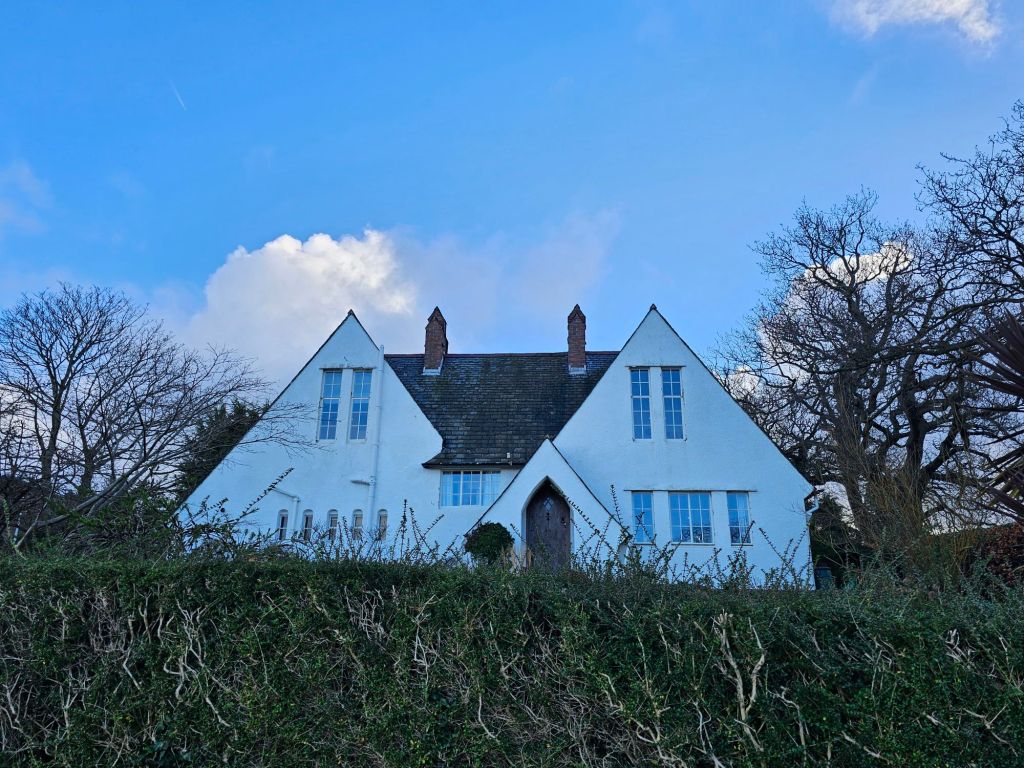
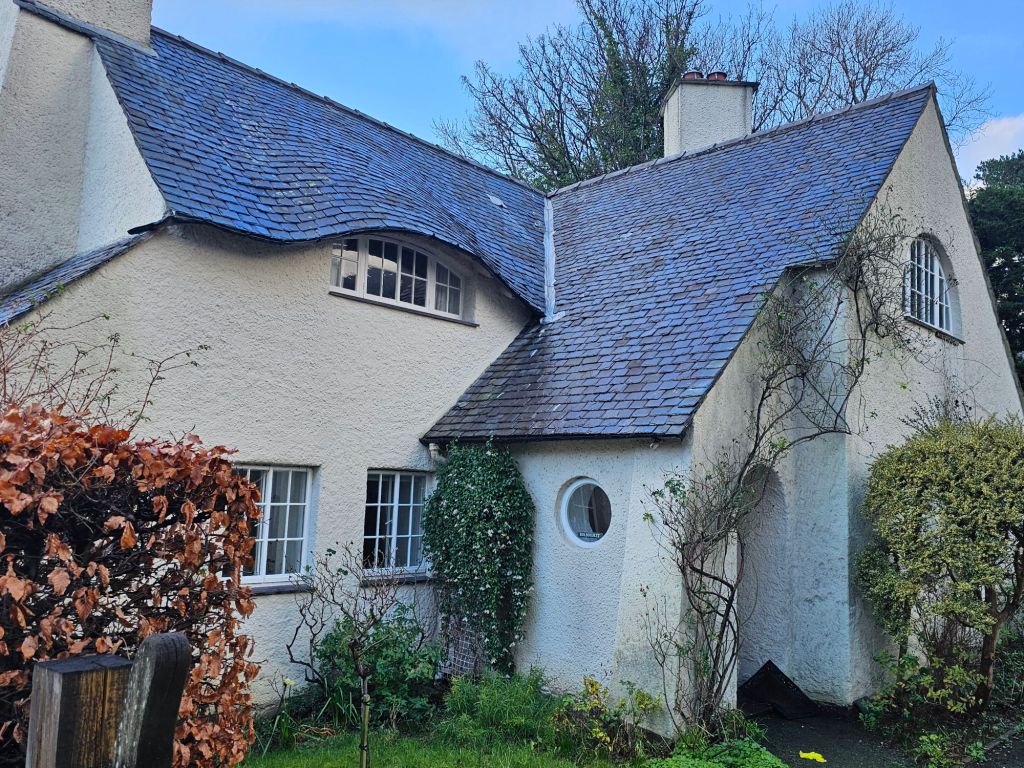
It’s always a treat to visit Llanfairfechan, Herbert North’s model village high above the sea half way between Bangor and Conway. He built Wern Isaf in 1900, having just got married and worked for Lutyens. He began to build houses on Park Road in 1899.

Bolnhurst was one of the first, slightly more mannered than his later style became:-

The later ones are a bit more angular, part- Voysey, but independent-minded and well preserved, a flexible language:-

Two lovely ones at the top of the hill:-

Standard

St. Baglan’s

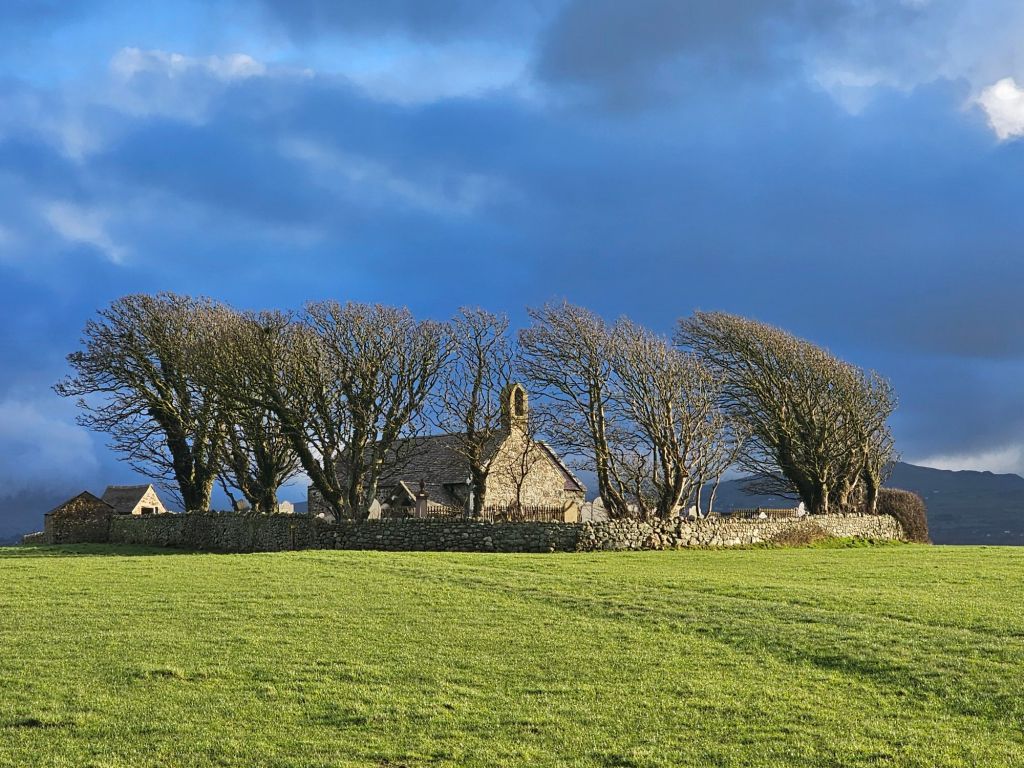
Readers of my blog will know that we’re very keen on St. Baglan’s, Llanfaglan, the church where Lord Snowdon is buried – even in spite of the fact that the gate is almost always locked except once when there was a funeral.

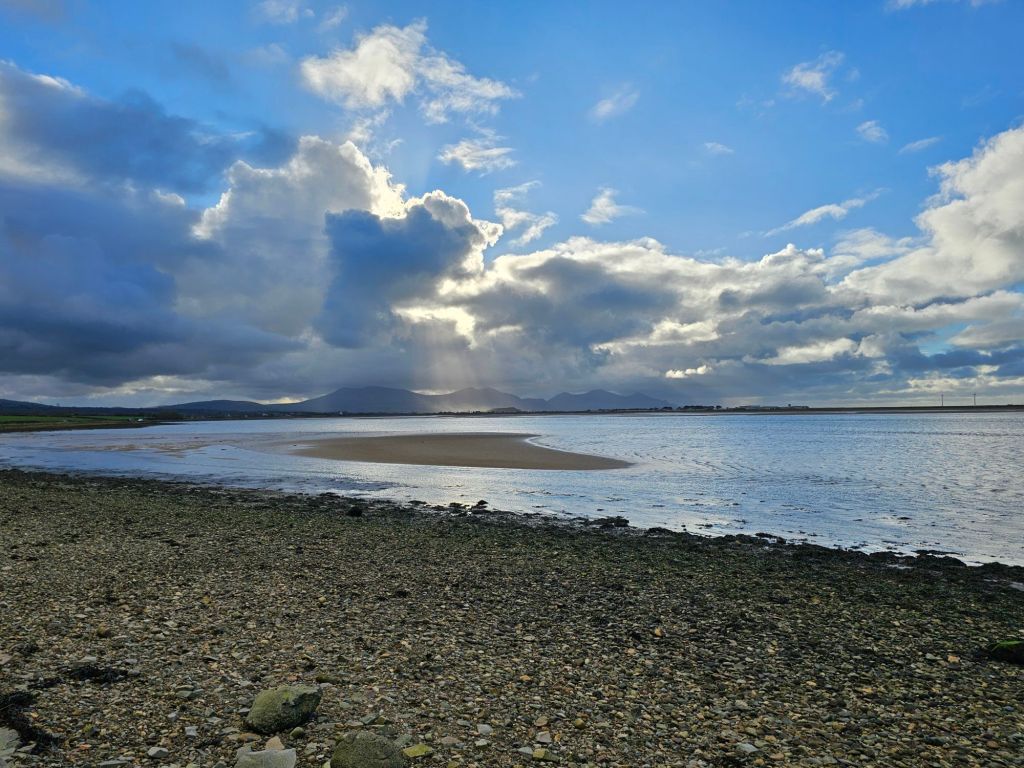
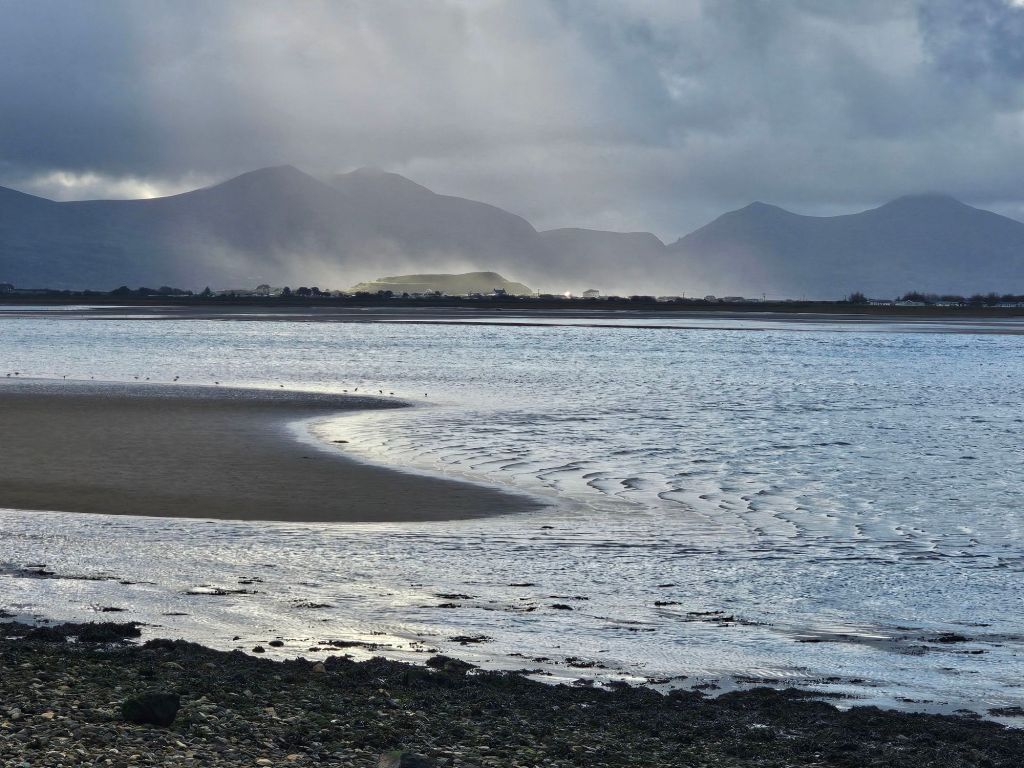
It is in the middle of a remote field on the coast beyond Caernarvon:-

The estuary beside it is exceptionally beautiful:-

Standard

Port Penrhyn

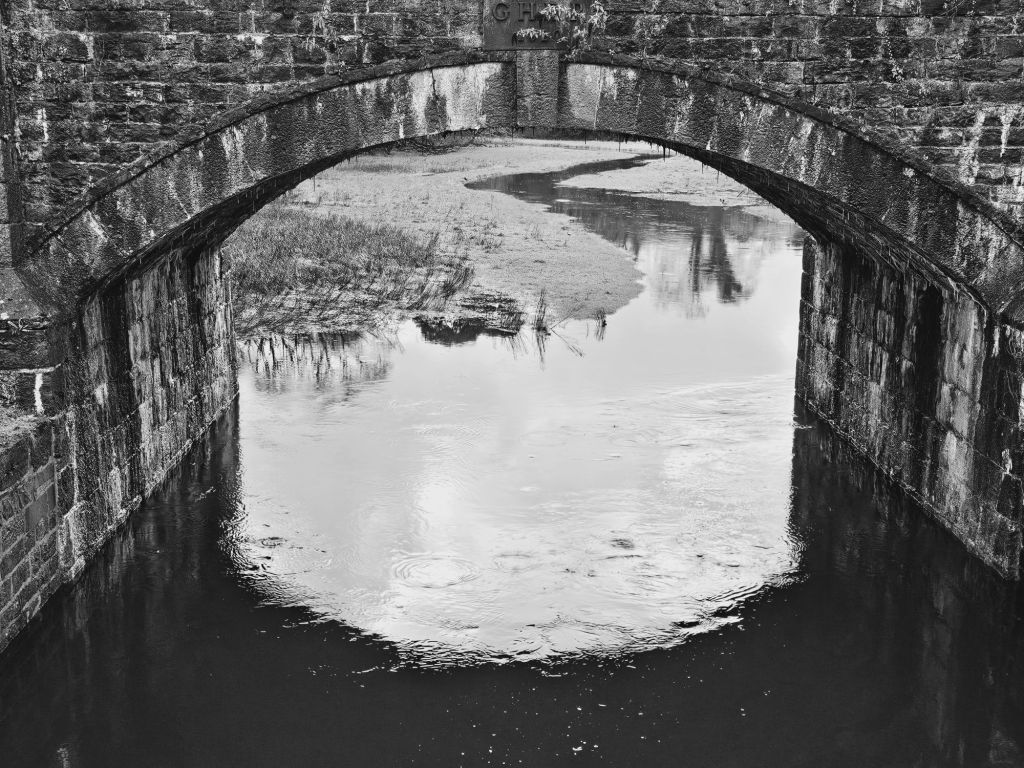
We went down to Port Penrhyn yesterday, which contains good remnants of the late eighteenth-century harbour.  No fish.

Good wooden boats:-

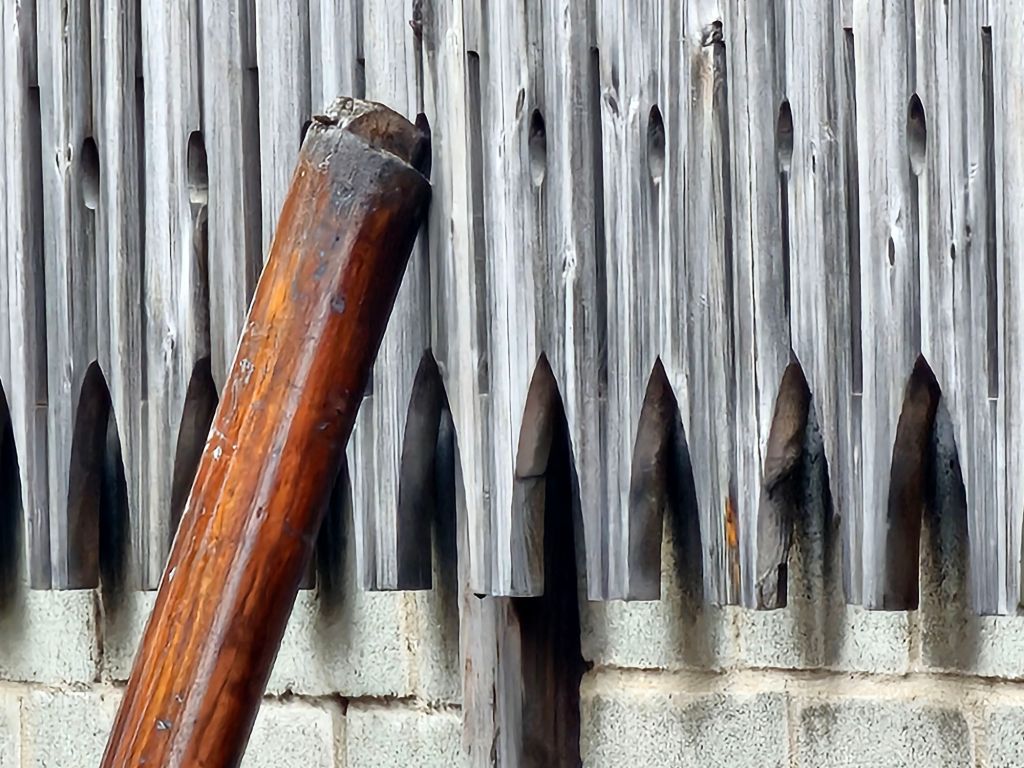
Decorative boarding:-

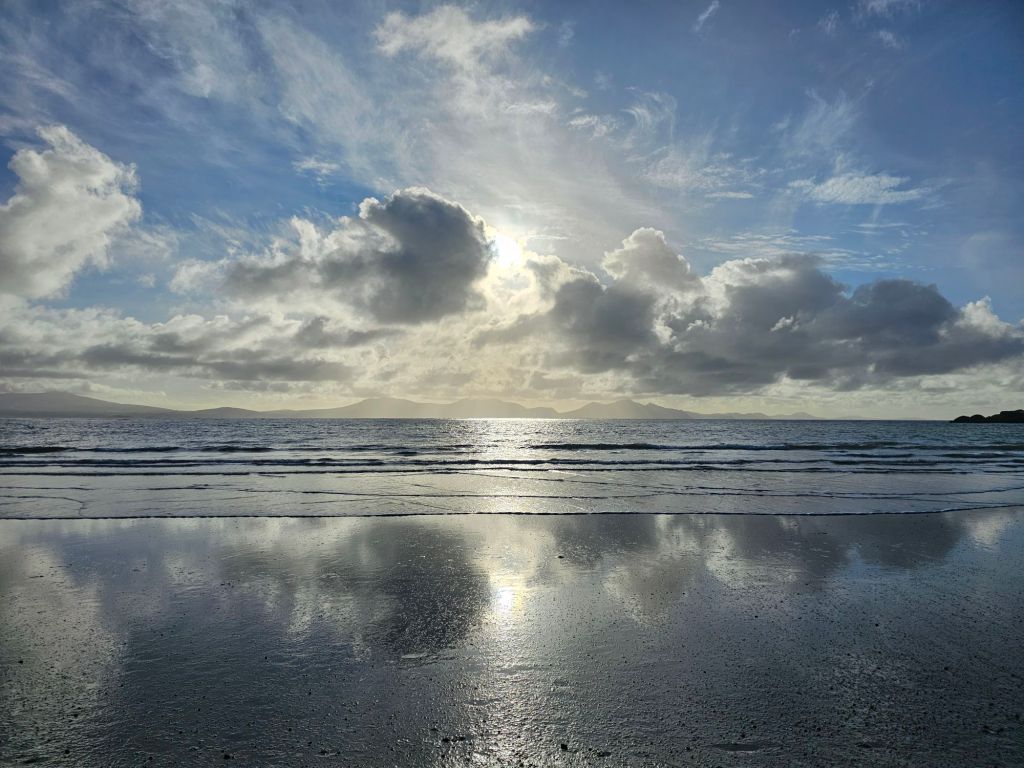
And views towards Great Orme:-

Standard

City Development

I have been alerted to a recent article in the New York Times about the continuing demand for the best quality office space in the City, a piece of apparent boosterism at a time when most of the evidence seems to point in the other direction: a decline in demand, apparent vacancies, offices keen to shrink to save money when so many people are now working only a three-day week in the office post-COVID. But I suppose I hope that the City’s planning committee are right and that all the tower blocks they are allowing to be built will be let.

https://www.nytimes.com/2023/12/13/business/central-london-office-space.html?mwgrp=a-dbar&unlocked_article_code=1.KU0.rqjD.syIjXDenO9u_&smid=em-share

Standard

John Raven

I find it odd that my uncle John Raven who led a richly varied life as a classicist and Senior Tutor of King’s College, Cambridge is now chiefly remembered for a paper he wrote for Trinity College, Cambridge in 1948 demonstrating that plants which had been discovered on Rhum by John Heslop-Harrison, the Professor of Botany at Newcastle University, had been put there fraudulently.

The episode has already been the subject of a book, The Rum Affair, published in 1999, and was this morning the subject of a short programme (see below) on scientific hoaxes:-

https://www.bbc.co.uk/sounds/play/m001ptb5?partner=uk.co.bbc&origin=share-mobile

I hadn’t remembered that he published that they couldn’t be natives in Nature without mentioning how they had got there, although it seems that the people in the local big house had already guessed.

Standard

Woman and Fish

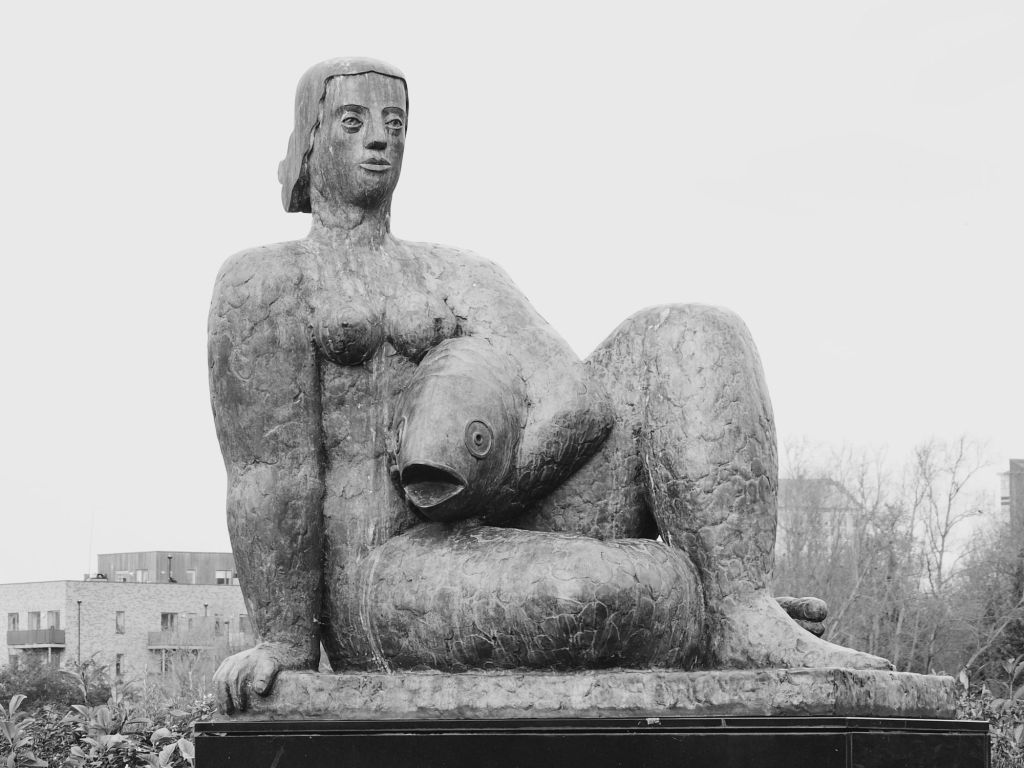
I feel badly that I had not registered the local campaign to return the replica of Frank Dobson’ sculpture Woman and Fish (the original was first decapitated in 1979 and later destroyed in 2002) to its original location at the junction between Cambridge Heath Road and Cephas Street where its plinth still survives.

This morning I went to see where it is now at the bottom of Millwall Park – perfectly respectable and no doubt safer from vandalism, but not its intended location at the heart of the Cleveland Estate where it was placed in the high noon of civic idealism in 1963:-

Funds have apparently been allocated in the Tower Hamlets budget for it to be moved, but the Council is now dragging its feet.

Maybe it could be a New Year’s resolution to get it moved.

Standard

Jean-Étienne Liotard

We went to the small, but very choice exhibition of work by Liotard in the Sunley Room at the National Gallery.

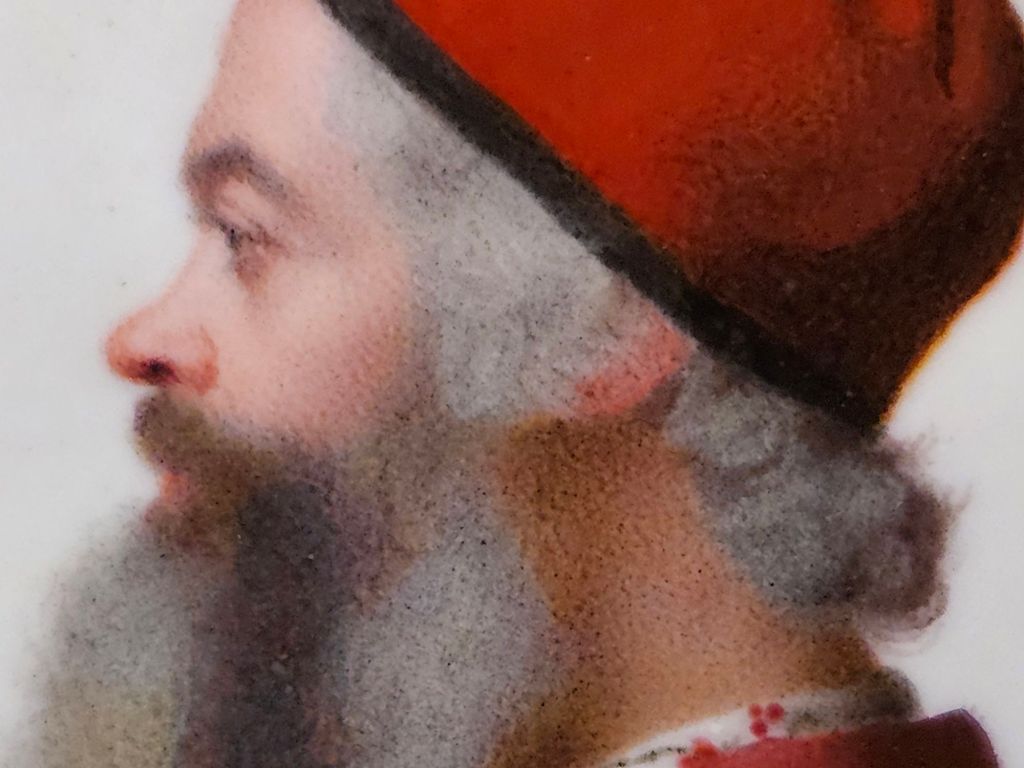
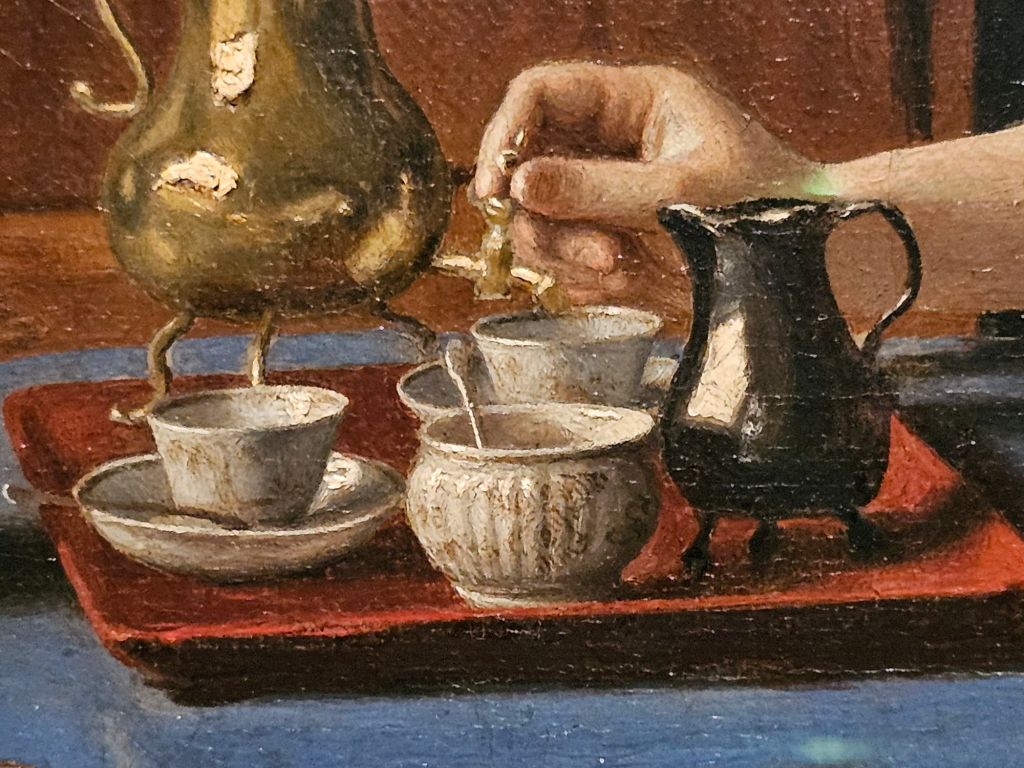
I found its focus on the two versions of a portrait of the Lavergne Family Breakfast, one in pastels dated 1754 and the other a very exact, but much deader, precise copy in oil dated 1772, less interesting than the other work surrounding it: the amazing self portrait in the Royal Collection, said to have been once owned by Horace Walpole, although the online catalogue of the Royal Collection says that it ‘may’ have been acquired by Augusta, Princess of Wales on 15 August 1753:-

The Rijksmuseum looks as if it has acquired one recently – it’s very beautiful;-

The exhibition is very well worth seeing, although small.

A treat for the New Year !

Standard

2024

The obvious corollary of looking back over 2023 is looking forward to 2024.

My biggest hope for 2024 is that Michael Gove will turn down the so-called Slab, a monster building project which is planned for the South Bank nearly next door to the National Theatre and opposite Somerset House. It will dwarf St. Paul’s.

The exhibition of models of the Warburg Institute opens at the Architectural Association on 18 January.  The book which accompanies it, already published, is excellent.

Only today, we were speculating whether and when the new Grand Egyptian Museum in Cairo will finally open.  The Financial Times says February, but not definitely, an unusual way to open a museum.

Gavin Stamp’s posthumous book Interwar: British Architecture 1919-1939 is being published on 7 March.  Definitely something to look forward to.

The last volume in the revised second – sometimes third – editions of Pevsner will be published in June.  Staffordshire, as revised by the late Christopher Wakeling.  A heroic moment, marking the end of a seventy-three year project since the publication of two thin volumes on Cornwall  and Nottinghamshire in July 1951, with their brown-and-white, austerity covers designed by Hans Schmoller.  Price 3/6d.  ‘Well worth a place in your rucksack’, according to the Daily Mirror.

The new look Warburg Institute, revived and revamped by Haworth Tompkins, who proved their brilliance at the London Library, is due to open in September.

The big expansion and reconfiguring of the Frick Collection by Annabelle Selldorf is due to open in the autumn.

So, is the new LACMA designed by Peter Zumthor. What will the verdict be, nearly twenty years after the project began ?

If readers have suggestions of architectural things I should see or write about in my monthly column in The Critic, do please let me know.
Standard