2023

I have been trying to figure out 2023, my 69th. year.

Not very satisfactory politically, I feel: the tail end of a government which has has given up on any prospect of re-election; a resigned sense even amongst ministers that it has run out of steam after too long a run, although I suppose it is always possible that they will be re-energised by electioneering, which I sometimes feel is the only thing they have been really good at, brave at campaigning, but hopeless at government. They have been so totally unwilling to trust anyone to do it on their behalf, as if everyone is the enemy and they have no friends, in spite of their electoral success. Odd that.

There have been too many deaths, starting with my older brother, Richard who tripped on his way to the gym and hit his head on a rock. I missed his burial in Tyre, but went to a commemorative party in the small town in south-west France where he lived when not in Lebanon and so wished I had been there when he was alive.

It was the 300th. anniversary of the death of Wren: much to celebrate. And of the birth of William Chambers, much less well noticed, with only a conference held in Sweden where he was born.

Then, it was the year when the thefts at the British Museum were discovered and we were promised a fully independent report on how and why they had happened by the end of the year, but it still feels deeply mysterious how and why they took place over such a long period of time. Maybe we will find out one day.

I would have liked to have seen Sydney Modern, but did see the new National Museum in Oslo, a deeply impressive building and architectural project, built to last and restoring one’s faith in the symbolic function of the museum.

But the point of this post is really only to wish my friends and readers, some of whom I only discover by accident, a Happy New Year.
Standard

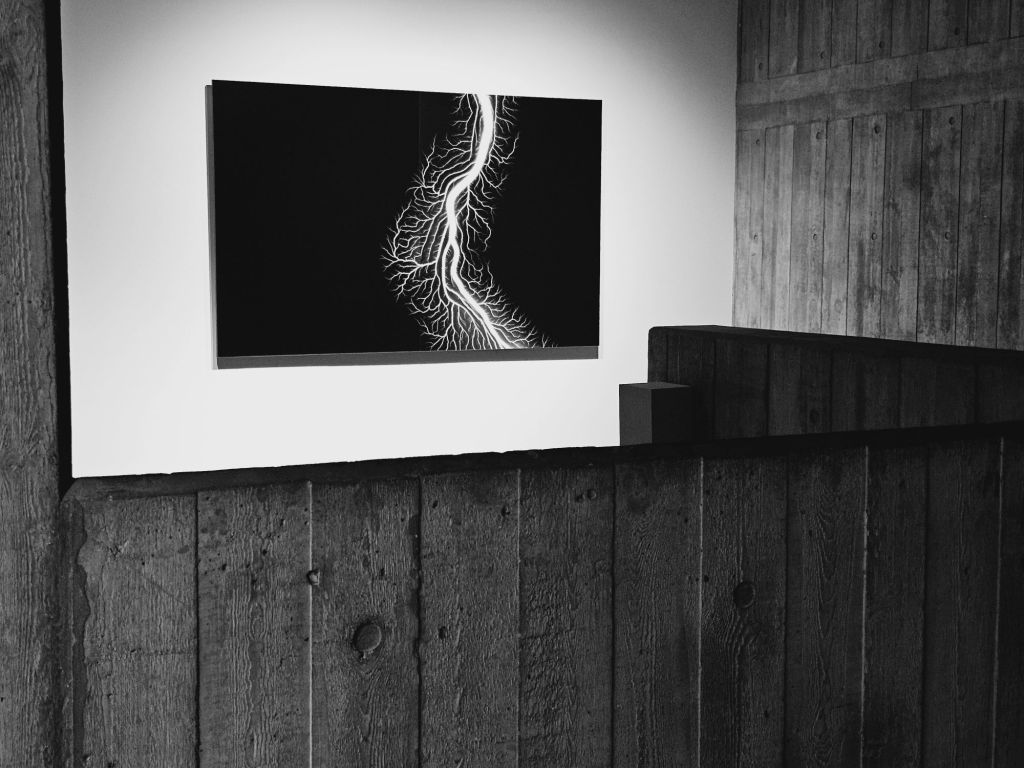
Hiroshi Sugimoto

We went to the Sugimoto exhibition at the Hayward Gallery – deeply impressive, especially the early work taken in the late 1970s when he was working as a dealer in New York and started photographing dioramas in the American Museum of Natural History which are spookily hyper-realist; and then his photographs of the inside of cinemas which need to be seen not in reproduction, again because of the extreme precision of images taken on an 8×10 large-plate camera.

The Hayward Gallery provided a good setting for the work:-

Standard

Stone Carvers (3)

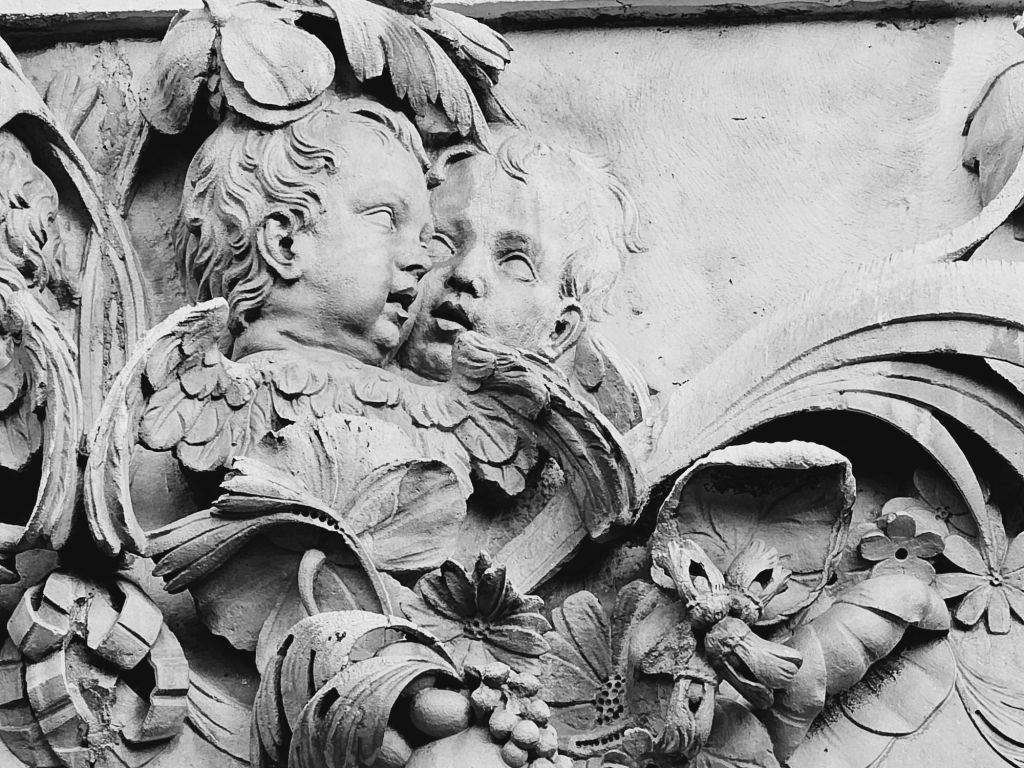
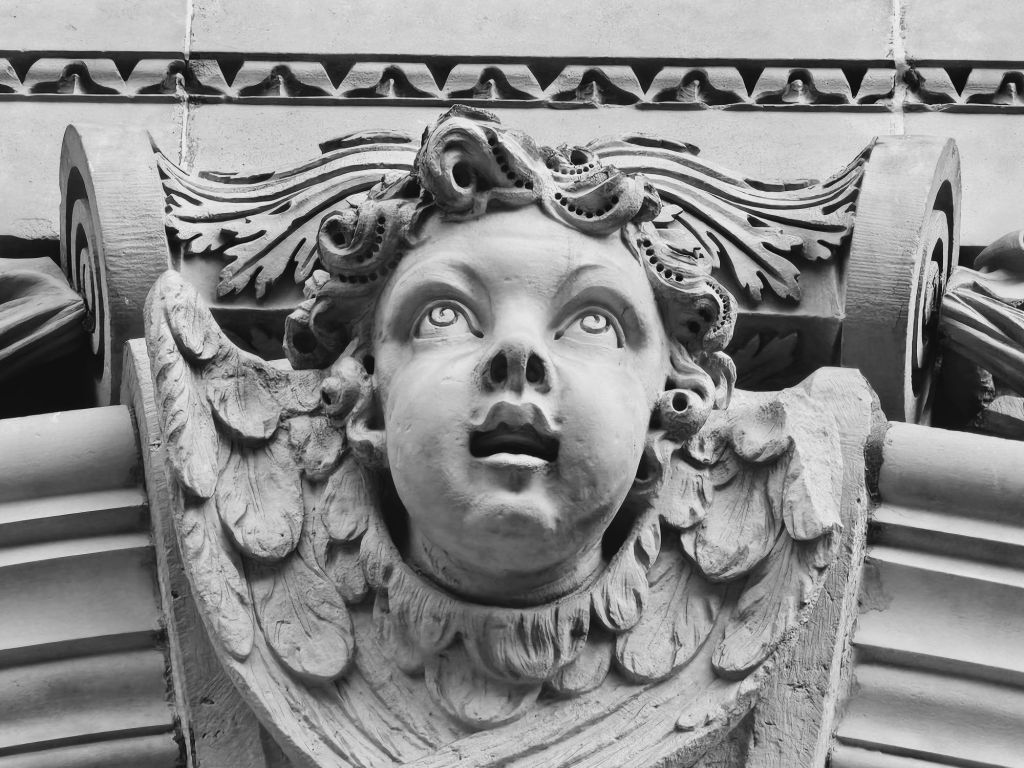
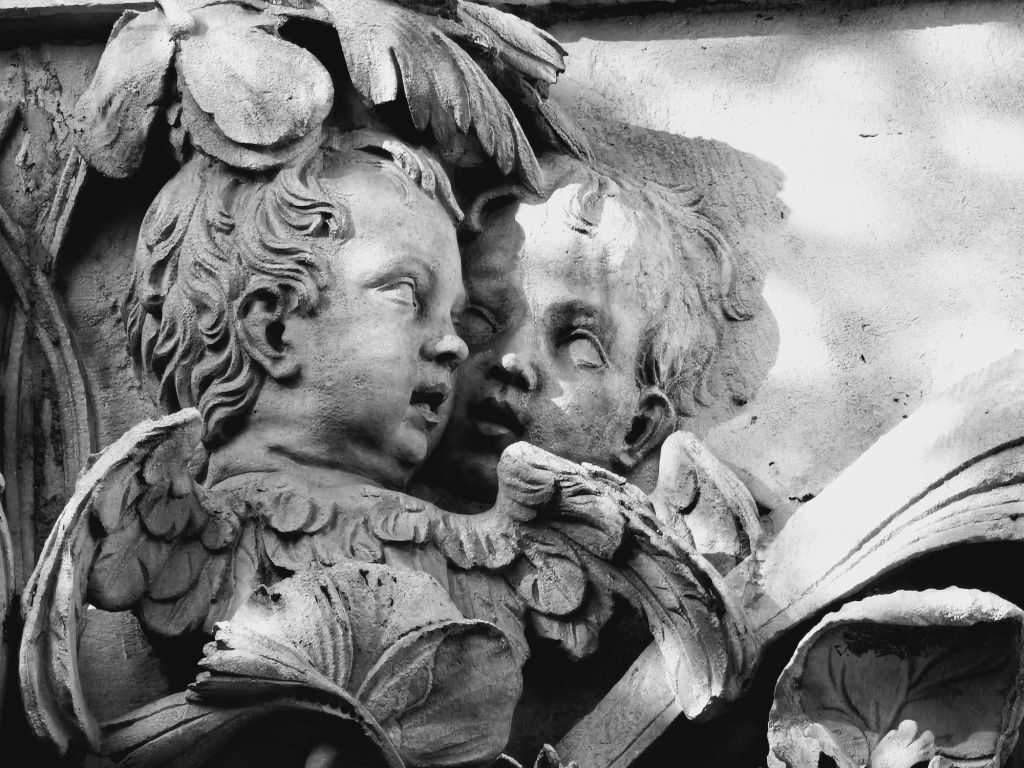
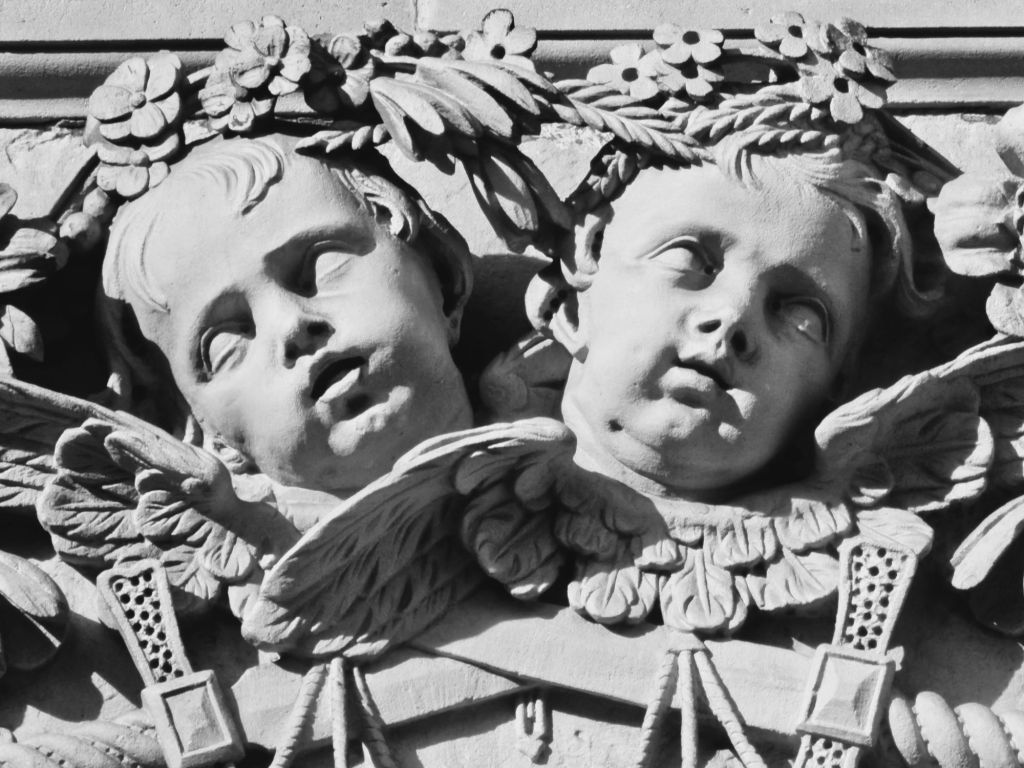
As you will have detected, I have become mildly obsessed by the question of attribution of the stone carving on the exterior of St. Paul’s, so much so that I went this morning to have another look at the carving of the cherubs I used for my Christmas card:-

As I thought, they are better – more life-like, with one of them in shallow half relief – than the majority of the other cherubs which are lively and robust, but much cruder:-

The location of the twin cherubs above is on the external wall of the chancel close to the east end, so in the area which seems to have been overseen by Thomas Strong before his death.

There was probably a difference between the work undertaken by Edward Strong after his father’s death – Edward was really more a building contractor than a mason, responsible for the organisation of labour and big teams of workmen (he was employing sixty five people in the 1690s), whilst Edward Pearce who took on a contract for the remainder of the south chancel was more of an artist, a member of the Painter Stainers Company before labour laws were liberated to allow skilled labour from outside London.

So, I hypothesise, without any evidence, that the putti are by Edward Pearce, a demonstration of his skill in order to win the contract for the next stage of building work. But I hope there is someone who knows better.

Standard

Stone Carvers (2)

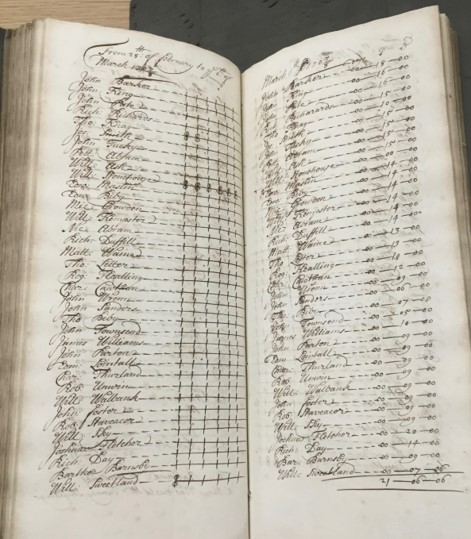
I have realised that my last post grossly oversimplified the number of mason-contractors involved in undertaking work at St. Paul’s. Yes, Thomas Strong and Joshua Marshall signed the initial contract, and Edward Strong took over following Thomas’s premature death in 1681, remaining the only contractor involved from beginning to end. But there were at least four others involved in taking on contracts, as shown in a diagram in James Campbell’s excellent book, Building St. Paul’s, including Edward Pearce, himself a very skilled sculptor, responsible for the bust of Wren in the Ashmolean, who had the contract for the south portico. Pearce was then superseded by Christopher Kempster and Ephraim Beauchamp, who were responsible for the south-west tower. William Kempster’s day books, relating to work at the west end and the dome, demonstrate how complicated it is to work out exactly who did what (see https://manyheadedmonster.com/2019/02/11/a-page-in-the-life-of-william-kempster-master-mason-and-scribbling-accountant/):-

Standard

Stone Carvers (1)

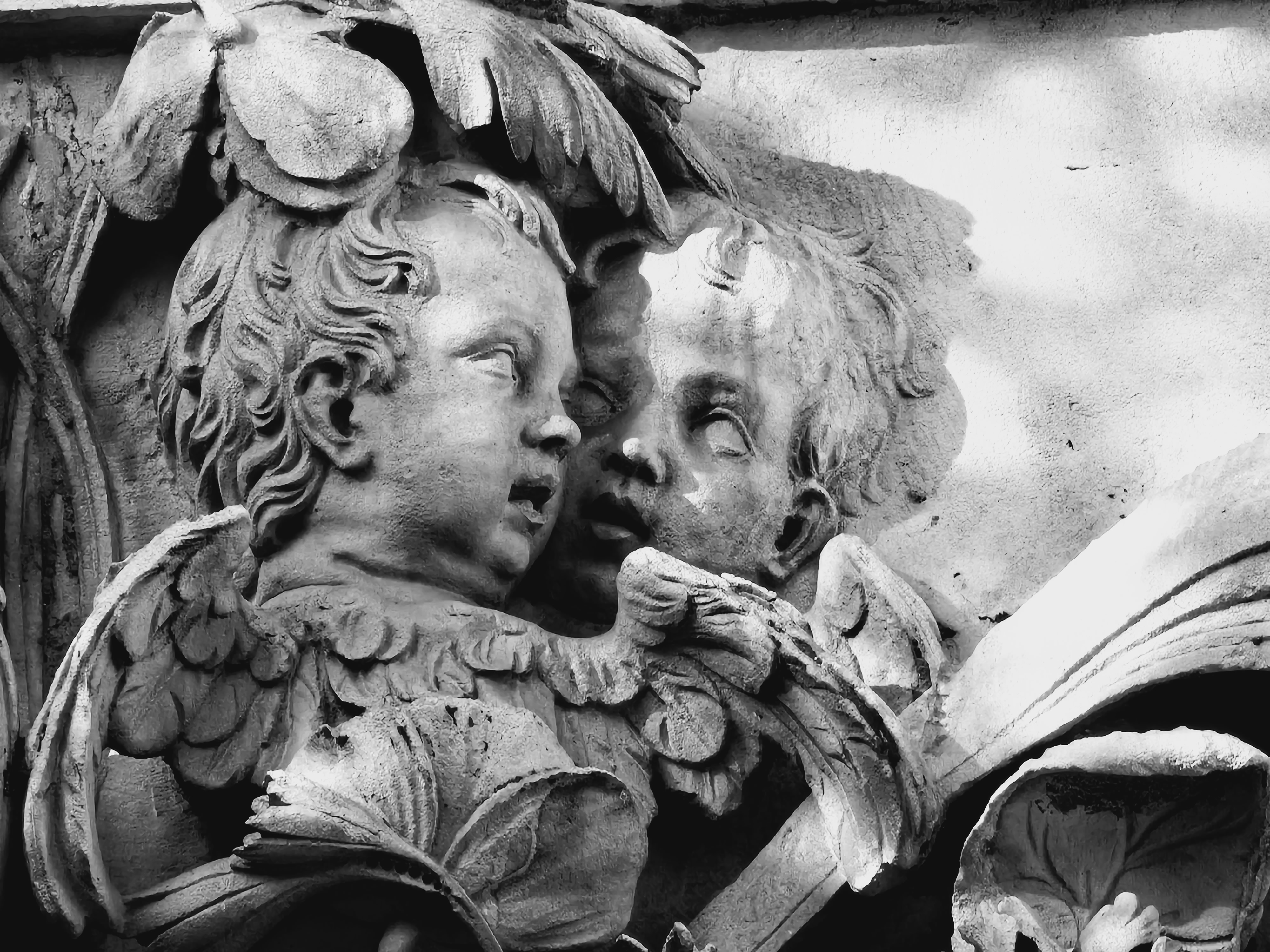
Several people have asked me about who was responsible for the stone carving on my Christmas card:-

The answer is not straightforward (I have been helped by Sandy Nairne).

Thomas Strong and Joshua Marshall were recruited by Christopher Wren as the mason-contactors for the construction of St. Paul’s. Thomas laid its foundation stone on 21 June 1675. By 1678, there were thirty-five masons at work according to the records of the masons’ company. Thomas Strong is recorded as having made a lot of money ‘in doing work in Rebuilding the City and in selling stone to others’. Thomas Strong died ‘about Midsumer 1681’ at which point his business was taken over by his younger brother Edward.

So, the stone carving is likely to have been undertaken by one of the masons employed by the Strongs – anonymous but highly skilled:-

Standard

Lord Byron (2)

The life (and death) of Byron will be marked next year, the bicentenary of his death, but much of it in Athens:-

https://www.eefshp.org/en/2024-year-of-lord-byron-and-philhellenism-announcement-of-the-actions-to-be-sponsored-by-shp-and-the-philhellenism-museum/

Standard

Happy Christmas

I have been doing my Christmas cards. I have realised that something went wrong with my list last year because the list was short whereas I like the fact that it is a moment when one can contact people one has half lost touch with. 

This is a moment for me to thank my readers – a small and mostly invisible community which I scarcely knew existed until I stopped blogging for a bit (all of a week) and was touched by the numbers of people who I discovered were secret readers, not necessarily known to me.

So, thank you for being readers and Happy Christmas to you all !

Standard

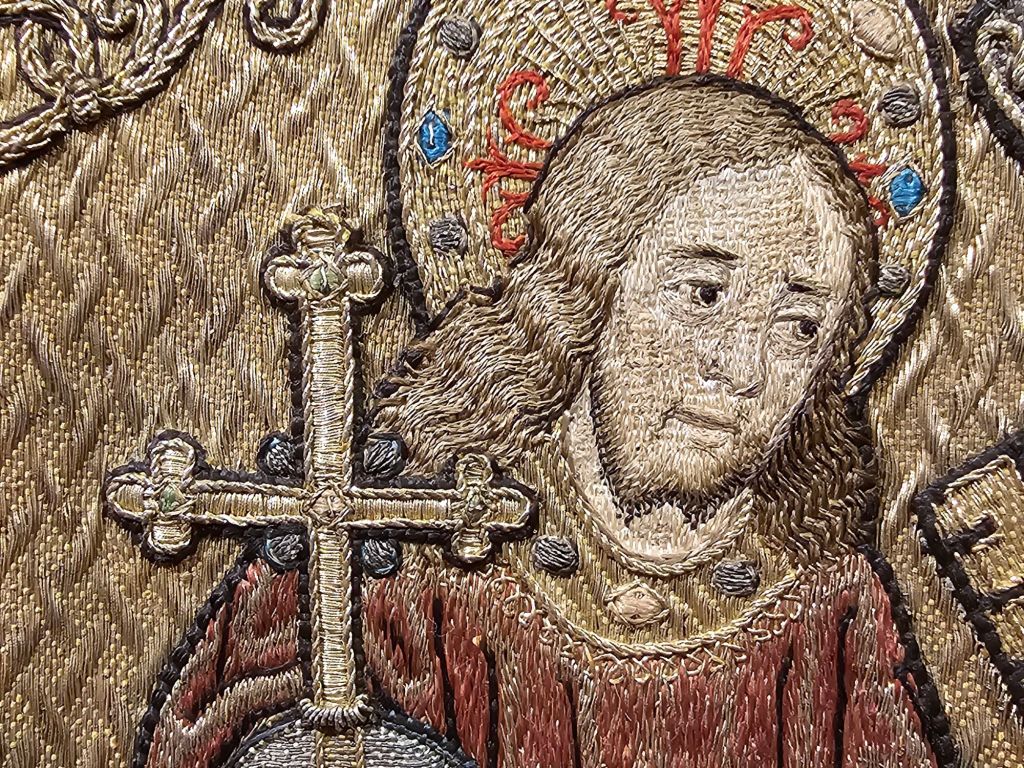
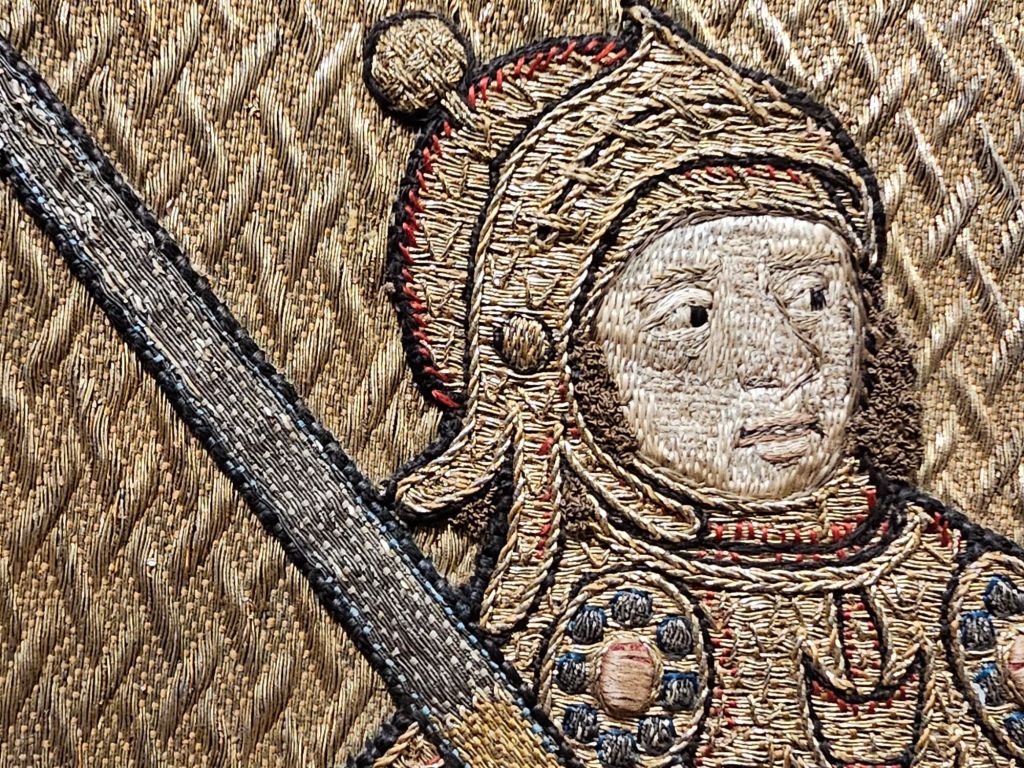
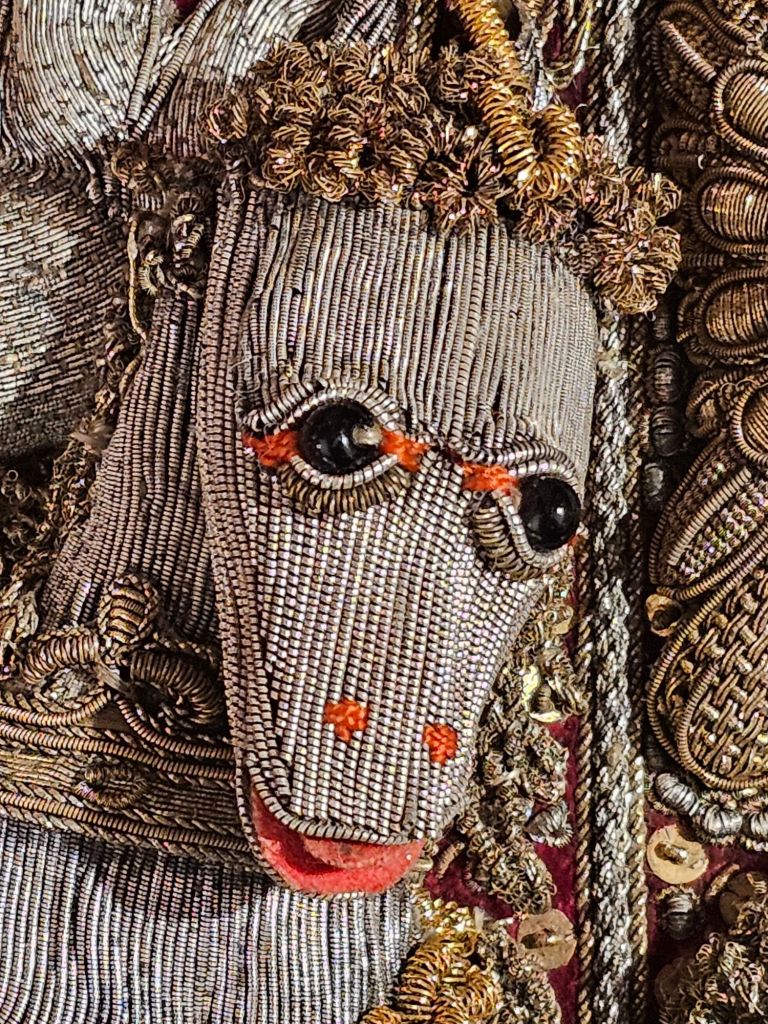
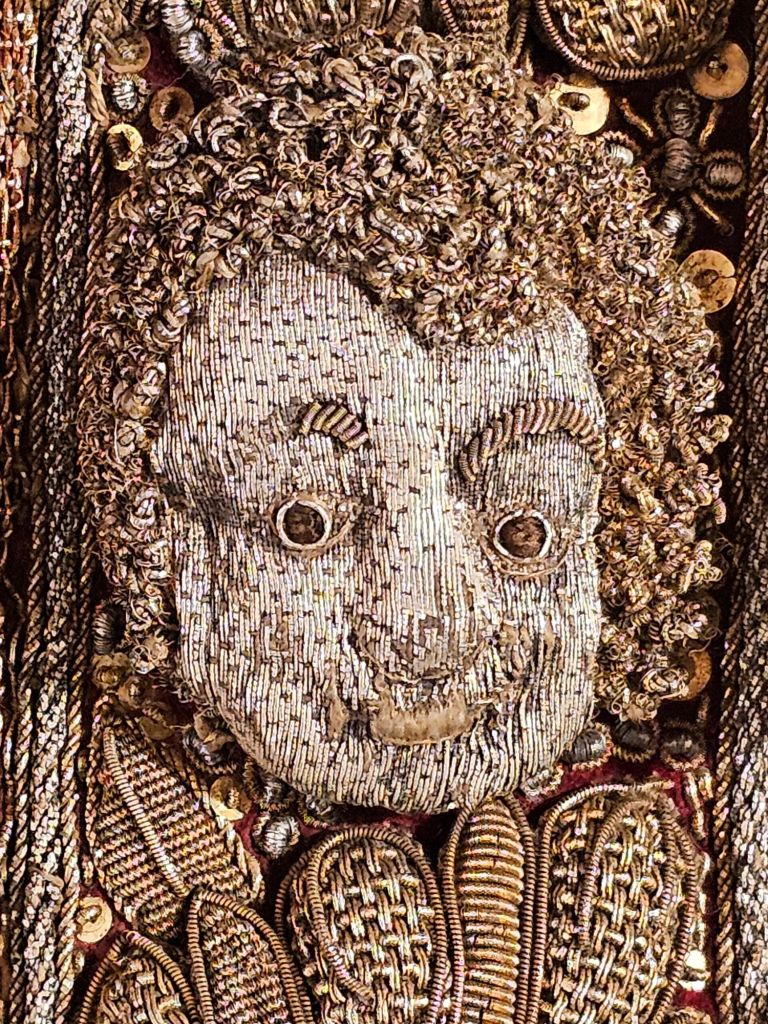
Treasures of Gold and Silver Wire

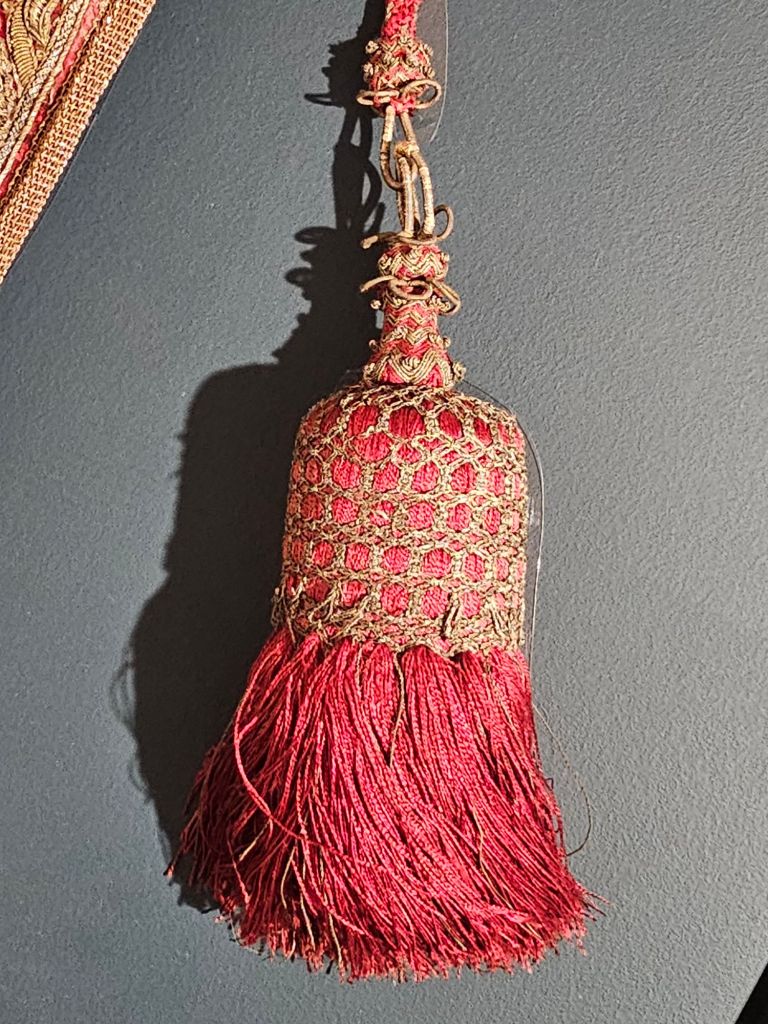
We caught the tail end of an exhibition organised by the Worshipful Company of Wire Drawers at the Guildhall Gallery.

It had a beautiful piece of Opus Anglicanum – the Fishmonger Pall, 1512-1530:-

And the Burse of the Great Seal of England which belonged to Sir Orlando Bridgeman (Weston Park):-

Standard

Warburg Institute (2)

Today is the day of the London launch of the new book about the various architectural incarnations of the Warburg Institute (see below): first, from 1926, in a suburb of Hamburg next door to Aby Warburg’s house, which was already totally overwhelmed by books when Fritz Saxl first arrived in 1910; then, from 1933 to 1938, in the basement of Thames House on the Embankment, after the Warburg Institute had had to move to London, as installed by Godfrey Samuel, a young Tecton architect who was simultaneously designing a house for Fritz Saxl and Gertrud Bing in Bromley, with separate entrances, separate kitchens and the sleeping arrangements undefined; then in the Imperial Institute where Rudolf Wittkower shared a room with the young Anthony Blunt; and from 1958 in its current building in Woburn Square as part of the masterplan drawn up for London University by Charles Holden which contains in its layout memories of the systematic intellectual order of the original building in Hamburg. The book by Tim Anstey, Mari Lending and assorted contributors is very informative about the library and the migration of architectural layouts, a good Warburgian topic.

And today is the ninetieth birthday, to the day, of the arrival of the Warburg in London, an event of still under-appreciated intellectual significance.

https://www.amazon.co.uk/Warburg-Models-Buildings-as-Bilderfahrzeuge/dp/3775755209

Standard

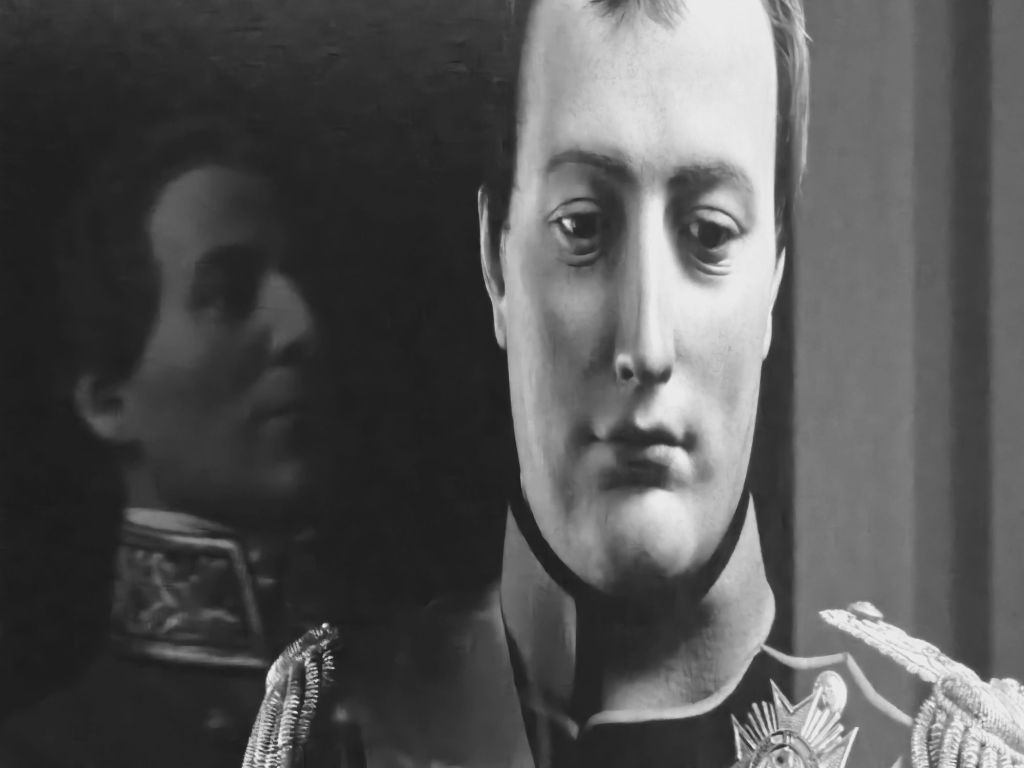
Lord Byron (1)

I’m ashamed to say that until recently, I had not realised that there is a commemorative statue of Lord Byron marooned on a traffic island in the middle of Park Lane.

Such commemorative statues have an ambiguous status because it is seldom clear who is responsible for their care and upkeep. Now, the Department for Culture and the Royal Parks have agreed that it can, and should, be moved, only providing that the Byron Society can raise £350,000 to cover the costs of its conservation.

If the Greek government would like to humiliate the British government, then they could pay for the removal of the great Philhellenist, as they paid for the original plinth, a gesture of international belief in the virtues of commemoration.

http://www.thebyronsociety.com/rescuing-the-byron-memorial-statue

Standard