Umbria 1977

One of the consequences of attending the memorial event for Mark Brockbank last night is that I re-met my old friend, Bill Neave, with whom we went on holiday in a small village, Acqualoreto near Todi, in the summer of 1977. I had remembered that he was a very good photographer. In fact, I thought that he had studied photography in Brussels. He had kept photographs of the holiday which he has now kindly sent with permission to reproduce them, which I do because they are stills from another era .

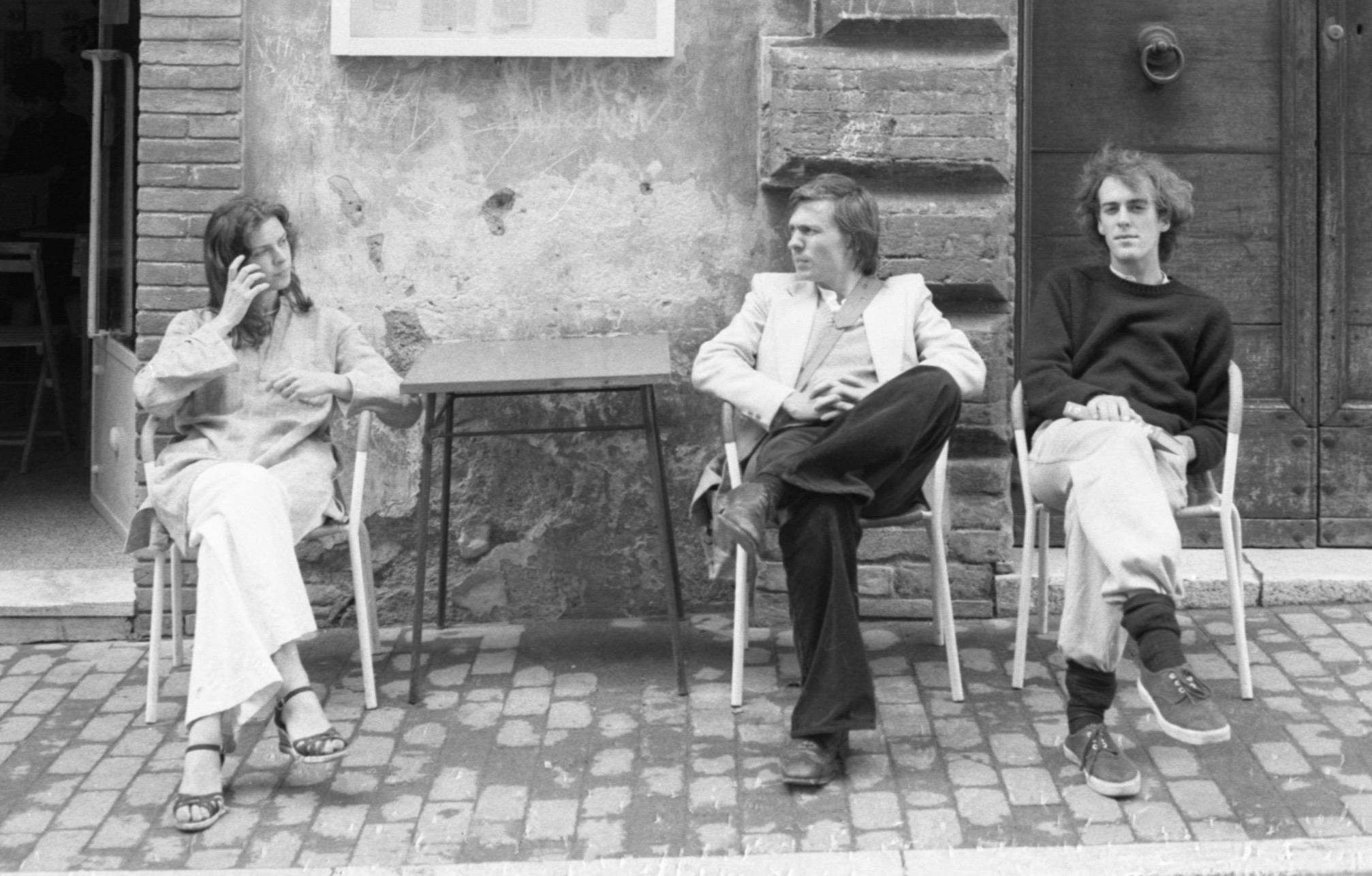
There is a photograph of Mark Brockbank as he was before he became a big wheel in the insurance industry:-

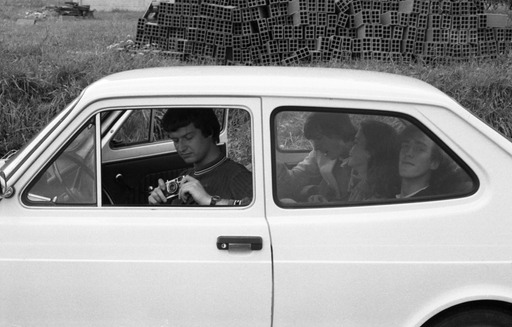
I like the picture of us all stuffed into what must have been Bill’s rented Fiat (it’s me looking out of the back window):-

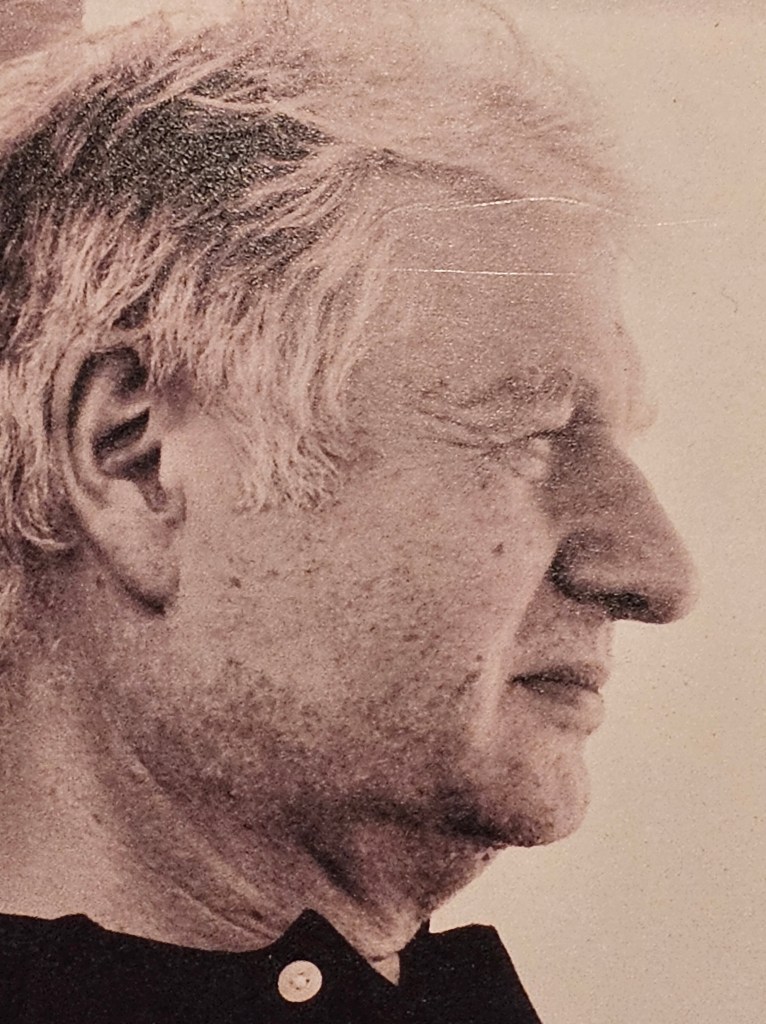
I once had some hair, a lot of it:-

It was so beautiful:-

Standard

Dixon.Jones (1)

Jeremy Dixon and Edward Jones gave the Inaugural Robert Maxwell Lecture on Monday, a chance to look back on their long careers, particularly during the period before they worked in partnership when they sometimes collaborated, as when they worked for the Milton Keynes Development Corporation in the early 1970s and on the aborted project for a new Northampton Town Hall, but more often separately, which helped to illuminate the differences in their approach to architecture.

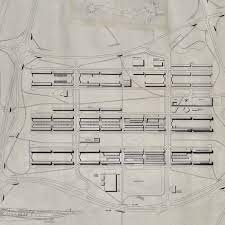
Jeremy was probably more disillusioned by the failures of the Modern Movement in the 1970s following the project that they both worked on at Netherfield at Milton Keynes:-

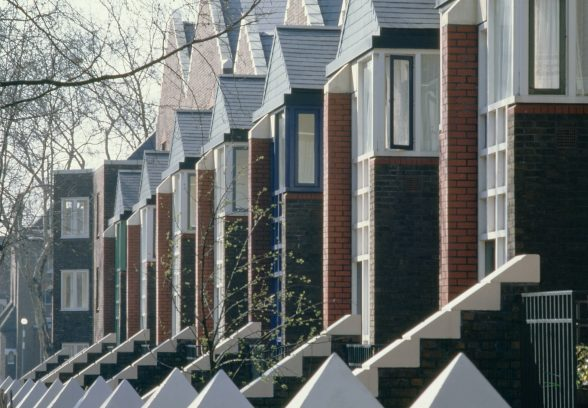
He then treated housing more traditionally at St. Mark’s Road, a key project of the period:-

And he was deeply interested in the materiality of architecture, as demonstrated by the library he did for Darwin College, Cambridge:-

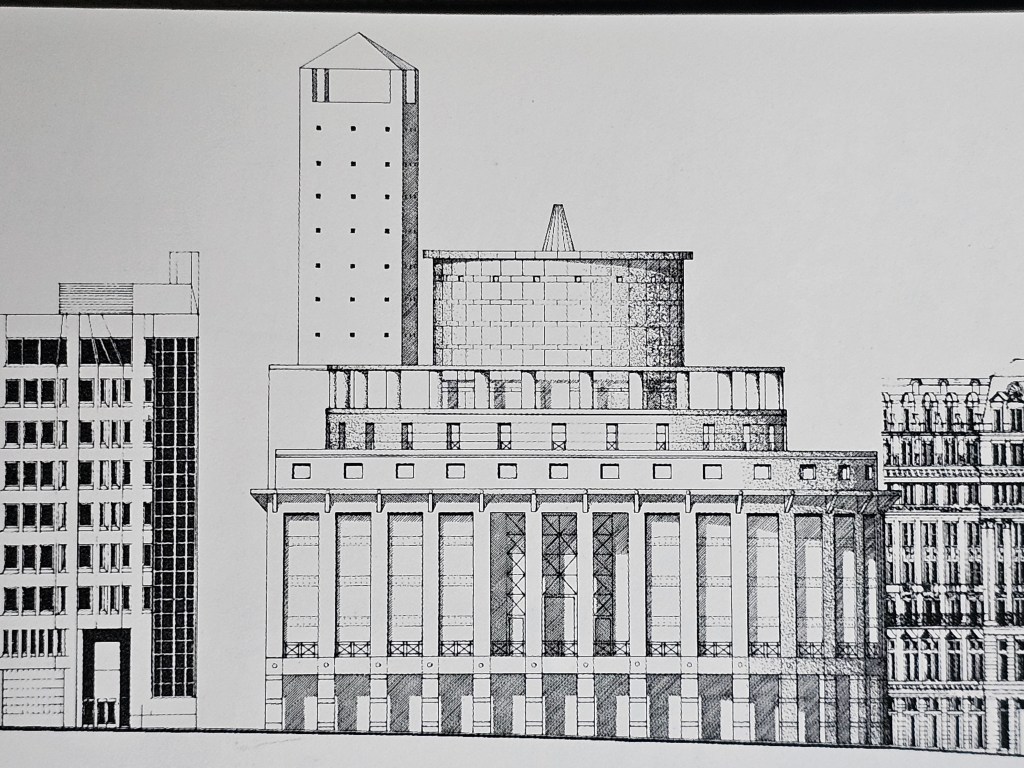
Edward, on the other hand, after a period teaching in Cornell and at the Royal College of Art, was more interested in issues of urban design and in the 1980s went full-blown monumental. I had never looked at his designs for Grand Buildings on the south-west corner of Trafalgar Square. Imagine if it had been built:-

And, of course, he did Mississauga Town Hall:-

Standard

Mark Brockbank

We went to a memorial event of our friend, Mark Brockbank. It is strange how one can know someone very well, but not know much about how they make their living, in his case as a titan of the insurance world. When I first met him in 1973, he had recently trained as an accountant and had not yet joined Willis, Faber Dumas. He was a person of obvious intelligence, keen on opera and bridge. He deeply disapproved of the fact that I drank beer from cans and hitchhiked. The article below gives the gist of his career in establishing the Brockbank Group and selling up when he was not yet fifty to live in Montagu Square, Miami, Monte Carlo and Mykonos. But he was not an obvious plutocrat: an interesting and complex person who was interested in architecture and, as was said at the memorial event, was very loyal to his friends. He used to ring up very regularly and I will miss his calls.

https://www.theinsurer.com/news/remembering-mark-brockbank-one-of-lloyds-most-influential-underwriters/

Standard

Simon Lewty (3)

I went last night to see a small, but very choice exhibition of the work of Simon Lewty, show by Art First in their gallery in St. Mary’s Walk, just south of Walcot Square. It shows the full range of his later work, including a large-scale work from his Serpentine exhibition which has survived the fire of some of his work from this period.

https://www.theguardian.com/artanddesign/2022/jan/06/simon-lewty-obituary?CMP=Share_AndroidApp_Other

Standard

The Flying Chariot

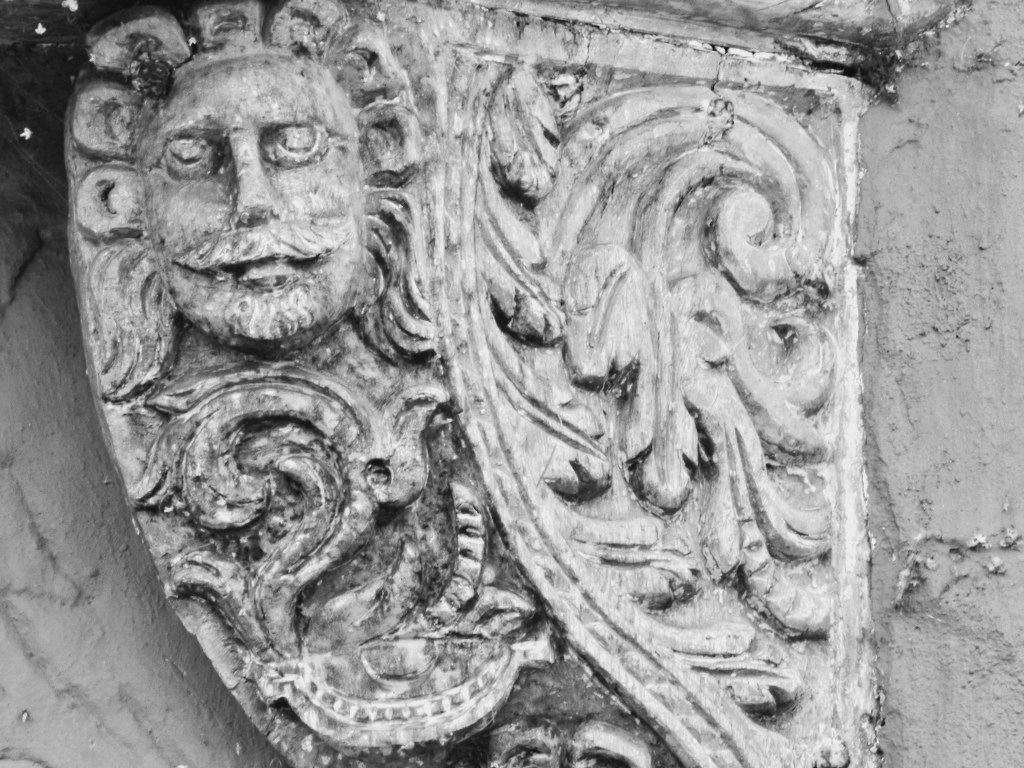
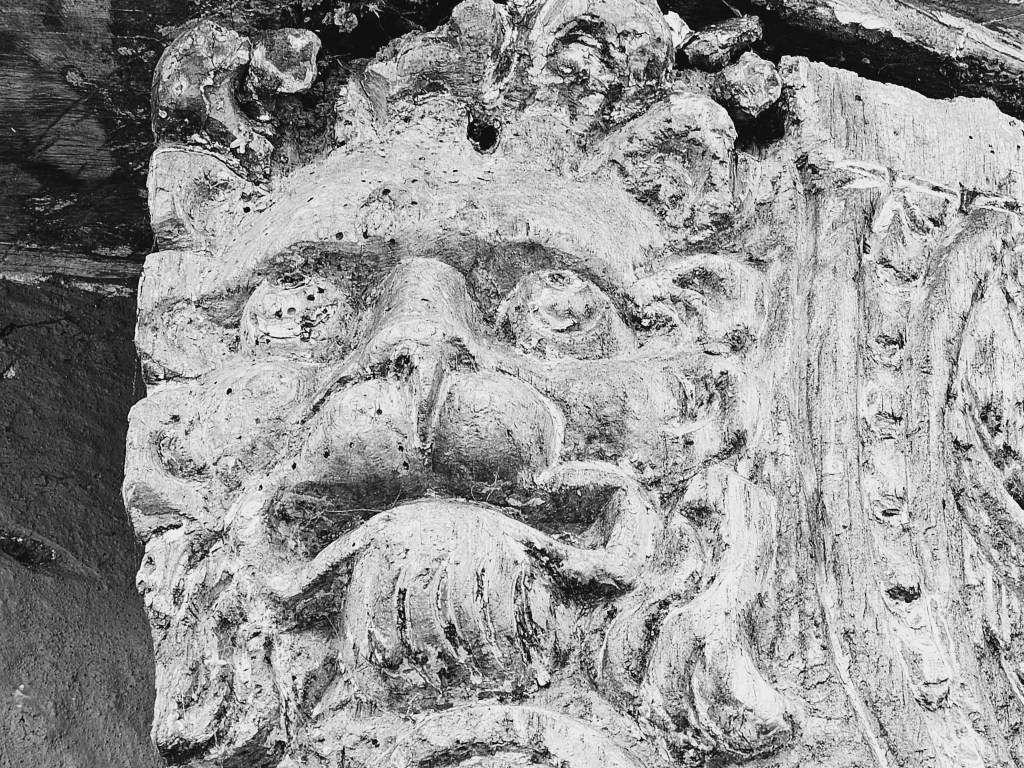
We went to Hadleigh yesterday and admired the vigorous seventeenth-century wood carving on the front of a house which was once an Inn called ‘The Flying Chariot’:-

Standard

Nugent Cachemaille-Day (1)

One of the things that Jim Grover who organised the exhibition on Nugent Cachemaille-Day found frustrating was that there is no easily accessible image of him, in spite of the fact that he was reasonably well known and only died in 1976.

There are actually two likenesses listed in his entry for the DNB, one held by the British Architectural Library and apparently reproduced in Architect and Building News in July 1934, the other in private ownership, presumably his daughter, Ruth Day, born in 1940. Neither are available online.

If anyone reading this is in the RIBA, could they send me a copy of the photograph which I can forward to Clapham ?

Standard

St. James’s Church, Park Hill

This morning, I bicycled to Clapham to see St. James’s Church, Park Hill, south of the Common, which is open on Tuesdays and Fridays from 11 to 2 and has an excellent exhibition (till October 15th.) both on the church and its architect, Nugent Cachemaille-Day.

The current church replaced a gothic revival Church, which was bombed in the war on the night of Monday 16th. September, a week or so into the Blitz.  It took a long time to build a new church.  £56,000 came from the War Damage Commission, £10,000 had to be raised from the Congregation.  The architect was Nugent Cachemaille-Day.  The new Church was consecrated on 13 September 1958.

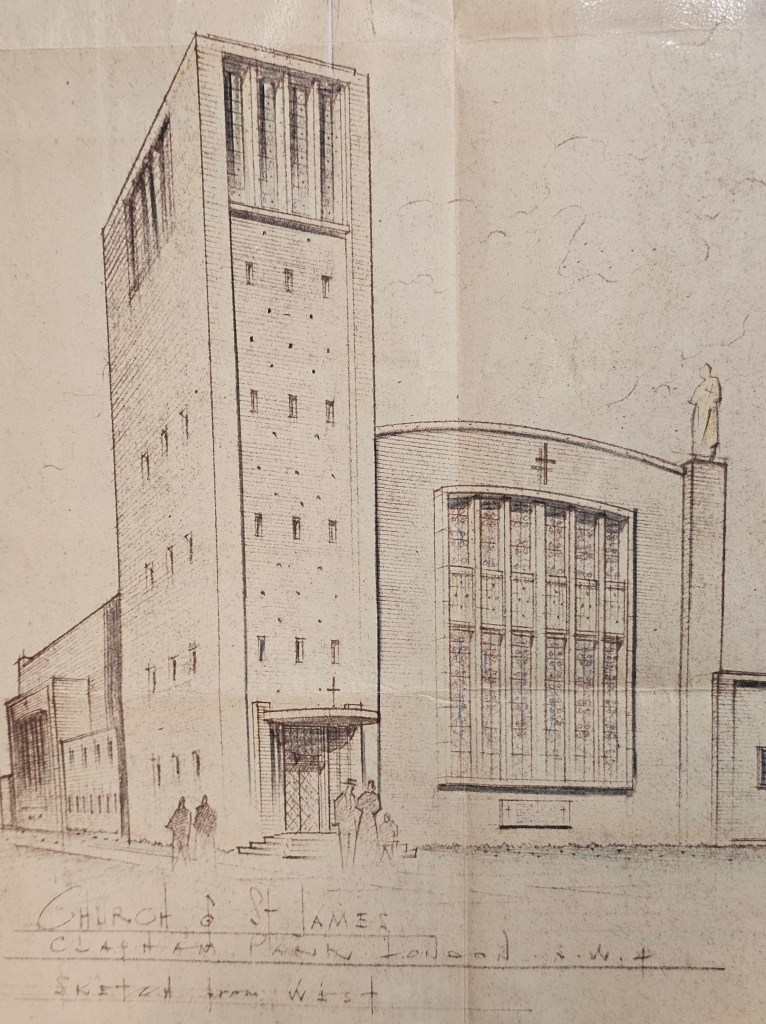
The exhibition includes original architectural drawings, discovered in a drawer in the vestry.  Born 1896, educated at Westminster and then the Architectural Association, he was working for Louis de Soissons in 1920 when he did a beautifully detailed plan of Welwyn Garden City. After working as an assistant to Goodhart-Rendel (their style is similar), he set up in practice in 1929 and specialised in church buildings, including St. Nicholas, Burnage in Manchester which opened in 1932 and was – presumably still is – boldly brick and abstract, presumably more Scandinavian than Corbusian.

This is one of the drawings of the church:-

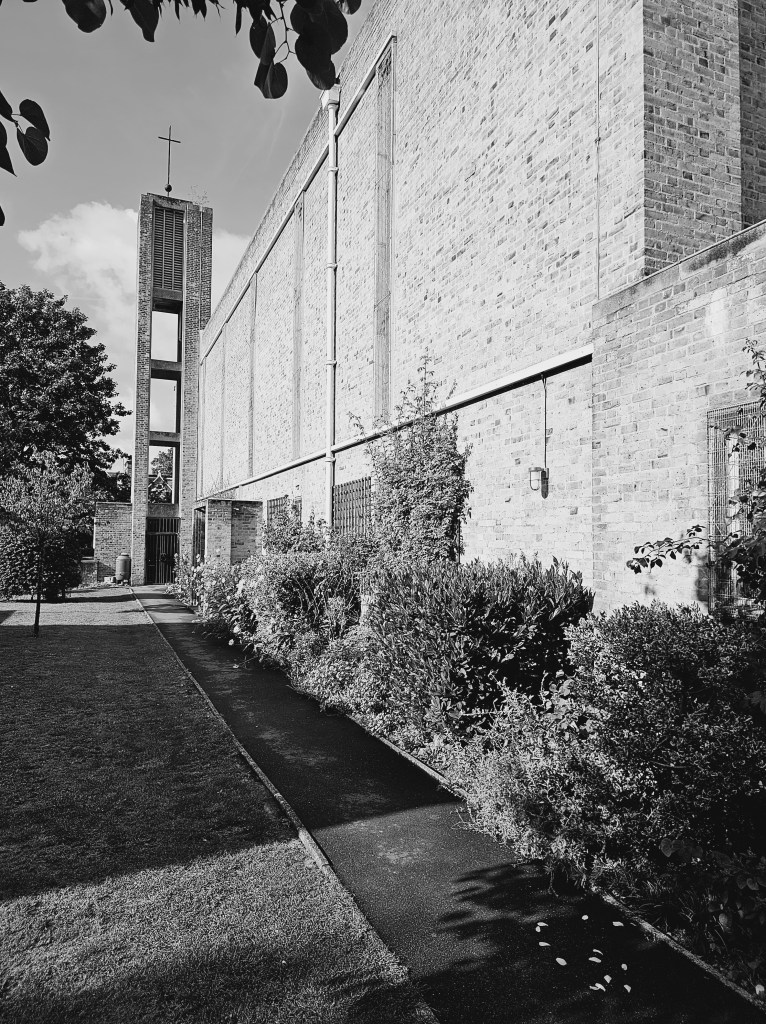
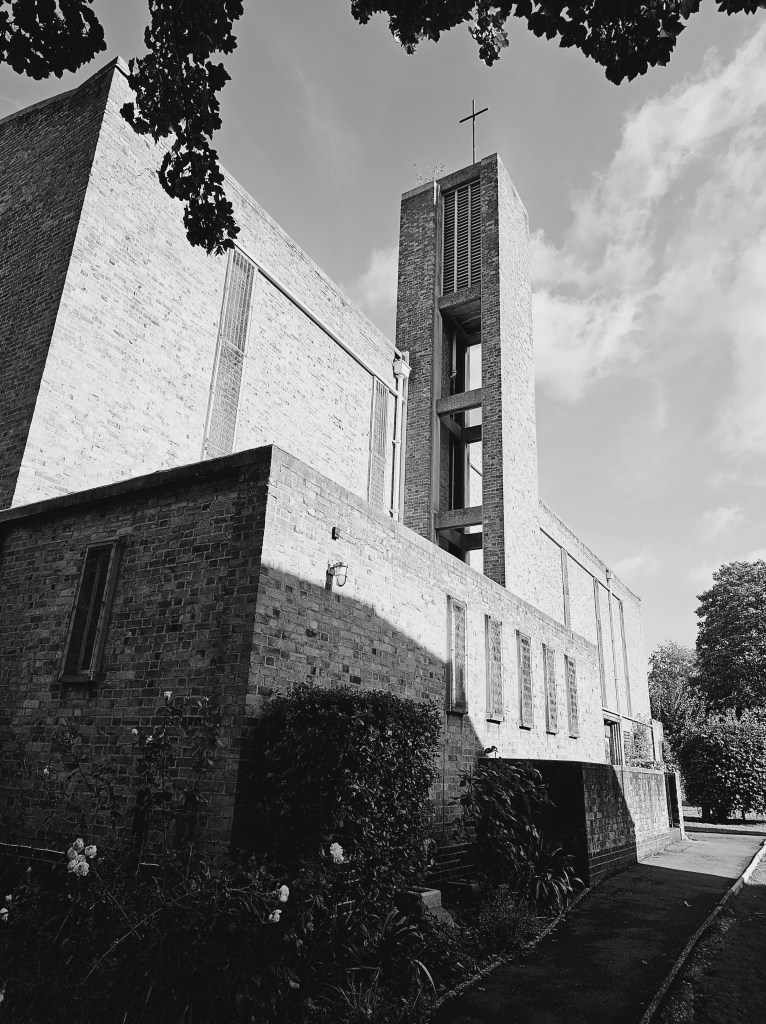
The Church from outside:-

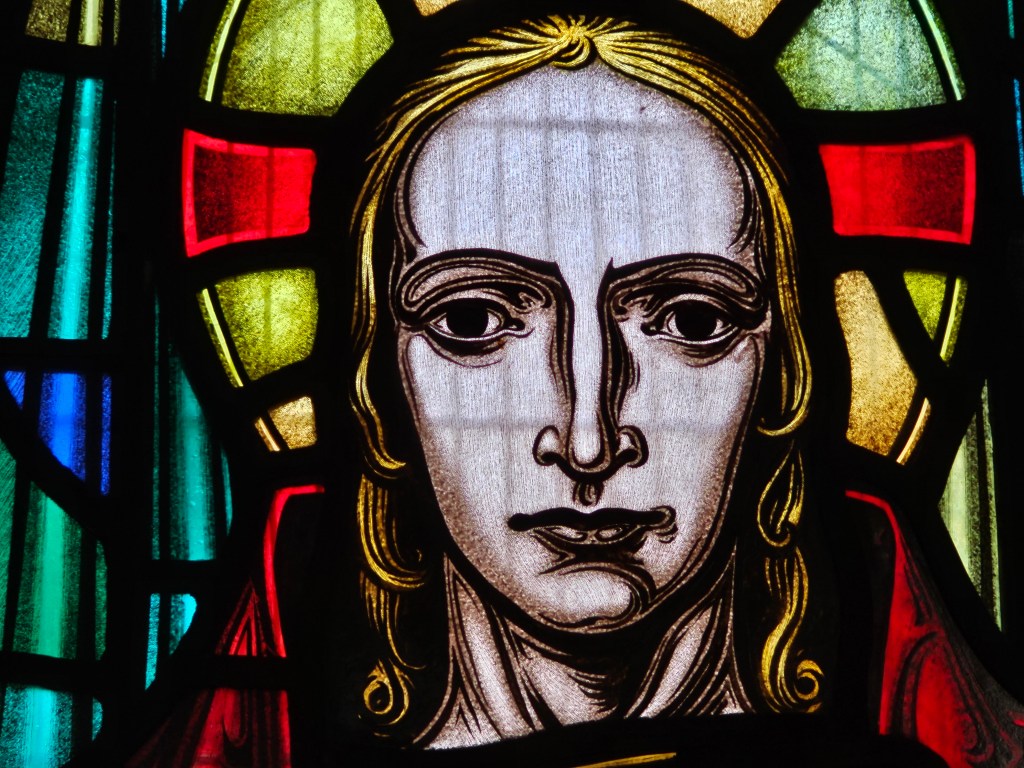
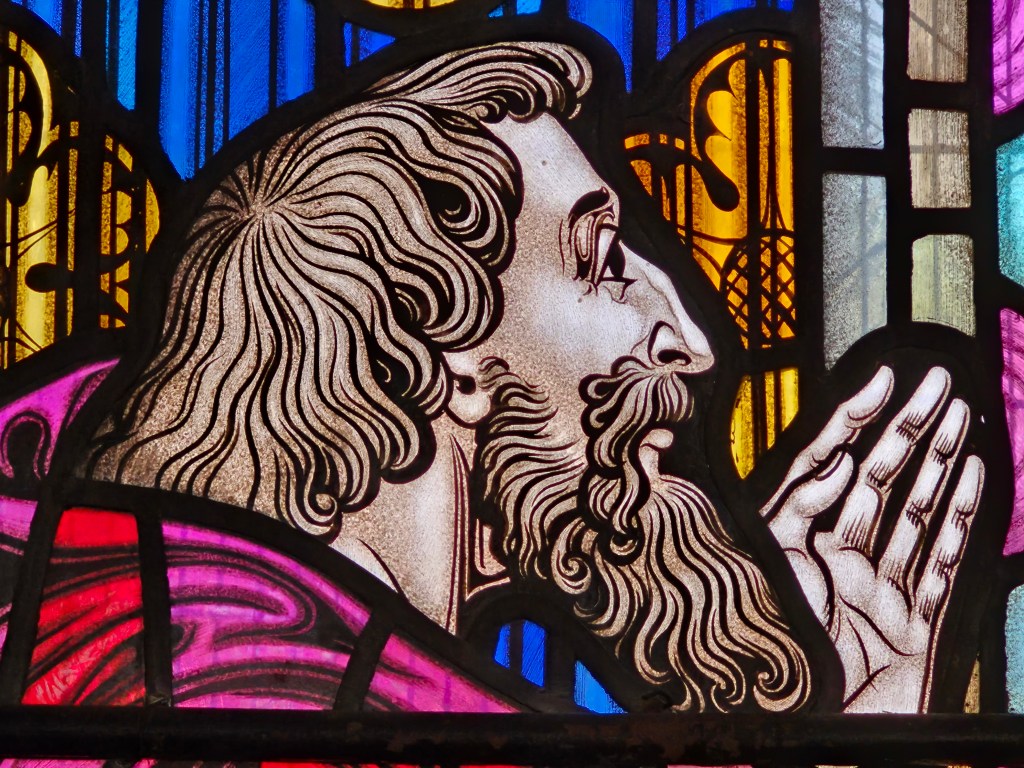
The stained glass windows are by Arthur Erridge, who worked for Powell and Sons before the war, and Wippell in the 1950s till his death in 1961:-

Standard

Bevis Marks Synagogue (3)

One of my discoveries during lockdown was the Bevis Marks Synagogue, a remarkable survival right in the heart of the city, within a stone’s throw of Aldgate and just within the old city walls. The building opened in 1701 and has been in continuous use ever since, at the heart of the city’s Jewish community, narrowly escaping being blown up by the IRA in 1992. Its architect, Joseph Avis, was a Quaker who had worked under Wren.

Two years ago, the Synagogue was involved in a long planning battle because a developer wanted to build a 47-storey tower block on Bury Street, so close that it would have blocked out almost all daylight from the Synagogue. After a tough campaign, the City’s planning Committee sensibly turned the application down and everyone breathed a sigh of relief. It was the first sign that it was not necessarily in the city’s best interest to pursue a relentless policy of high-rise growth, ignoring its history and any sense of respect for one of its long-term communities.

So, what have the developers done ? They have bought the building next door and are about to submit a proposal for a 42-storey tower, hoping that this time round it will be hard for the Synagogue to galvanise opposition so effectively again.

This is outrageously cynical. I hope that the City’s planners will simply turn down the proposal at pre-application stage and make it clear that once the planning committee has made a decision, that is the decision, and lopping off five storeys is an inadequate, wrong-headed response.

Meanwhile, not just to preserve the Synagogue itself, but the surrounding area, there is a proposal to create a proper conservation area round it.

It would be good if you could support it to its full extent (Option 3) (Have Your Say Today – Creechurch Conservation Area – Commonplace
Standard