Venice: City of Pictures

I didn’t think it would be possible to write a new, fresh and original book about Venice, but Martin Gayford has managed it in his Venice: City of Pictures which comes out officially on October 5th. 

It adopts just the right tone of voice – deeply knowledgeable about the experience of visiting Venice, contantly thoughtful, alert both to the city and the different ways that it has been depicted, beginning with Gentile Bellini and ending with Paula Rego and Howard Hodgkin.

He writes as if he knows the artists personally, which in some ways he perhaps does after a lifetime of visiting Venice, reading about them, meeting them, going to the Biennale and, above all, looking at their art. It speeds up towards the end, but he still manages to say interesting and unexpected things about, for example, Carlo Scarpa.

I can’t think of a better way of introducing Venice and it makes me want to get on a plane at once.
Standard

Peter Grimes

Last night, we went to Peter Grimes at ENO, a brilliant production, so darkly sinister, by David Alden, bringing out all the undertones of Britten. It is hard to believe that ENO might not exist soon, stabbed in the back by government underfunding. It seemed pretty full and particularly full of young people and a production different in feel from Deborah Warner’s recent production in Covent Garden. Of course, ENO has had its problems. But it felt as it is supposed to, making opera properly democratic.

Standard

Vikingur Ólaffson (3)

We listened to so much of Vikingur Ólaffson during lockdown: most of all, his recordings of work by Bach, but later, also, Debussy and Rameau. They were so fluid, so intense. They felt as if they matched the experience of lockdown.

On Friday, we went to hear him live at the Festival Hall, playing the Goldberg Variations. It felt slightly weird to enjoy his free interpretations which have always felt so private, like personal meditations, with a thousand other people in a space so vast and so public, not helped by the mobile phone which went off right at the start. It was certainly an experience. Bach turned into dreams.

Standard

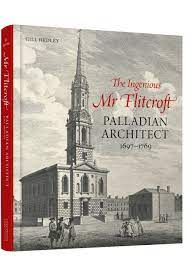
The Ingenious Mr Flitcroft

A great treat has arrived in the post – an advance copy of Gill Hedley’s new biography of  Henry Flitcroft, to which I was generously asked to write an introduction, mainly because in April 2016 I wrote a somewhat disparaging blog post about Flitcoft as ‘one of those rather dull, first generation Palladians, who made architecture less interesting than it was when Vanbrugh and Hawksmoor were at the Office of Works’.  Suffice it to say that Gill Hedley has demonstrated that Flitcroft’s life and work were far from dull and that, by investigating his career in such depth, she has demonstrated a great deal about mid-eighteenth-century architectural practice.

https://www.lundhumphries.com/products/the-ingenious-mr-flitcroft-palladian-architect

Standard

The Professional World of Sir Christopher Wren

I went to what may have been the last of the conferences organised to mark the 300th. anniversary of Wren’s death, which only demonstrated that, because of the great length of his professional career, the range of his involvement in important buildings besides St. Paul’s and the City Churches, there is still a vast amount to learn in time for the 400th. anniversary of his birth, for which preparations may already be being made by the Royal Society (they mark births not deaths) in 2032.

The thing which sticks in my mind was from Anthony Geraghty’s opening paper which included an unexpected quote from The Tatler no.52, about an architect Nestor, ‘a skilful Architect, and in a manner the inventor of the use of mechanic powers’. Nestor was apparently bashful and did not know how to blow ‘the trumpet of his own fame’. This was Wren: too modest for his own good, slow in publishing his scientific work in his youth and slow in claiming credit for his great works later on.

Standard

Seaton Delaval (2)

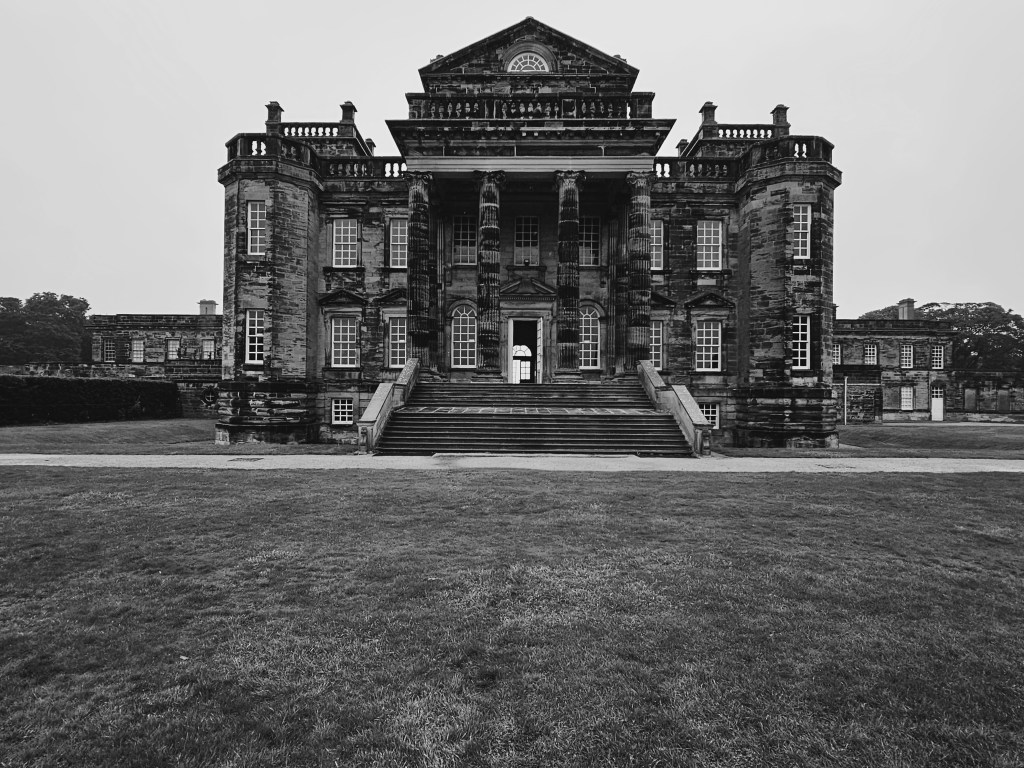
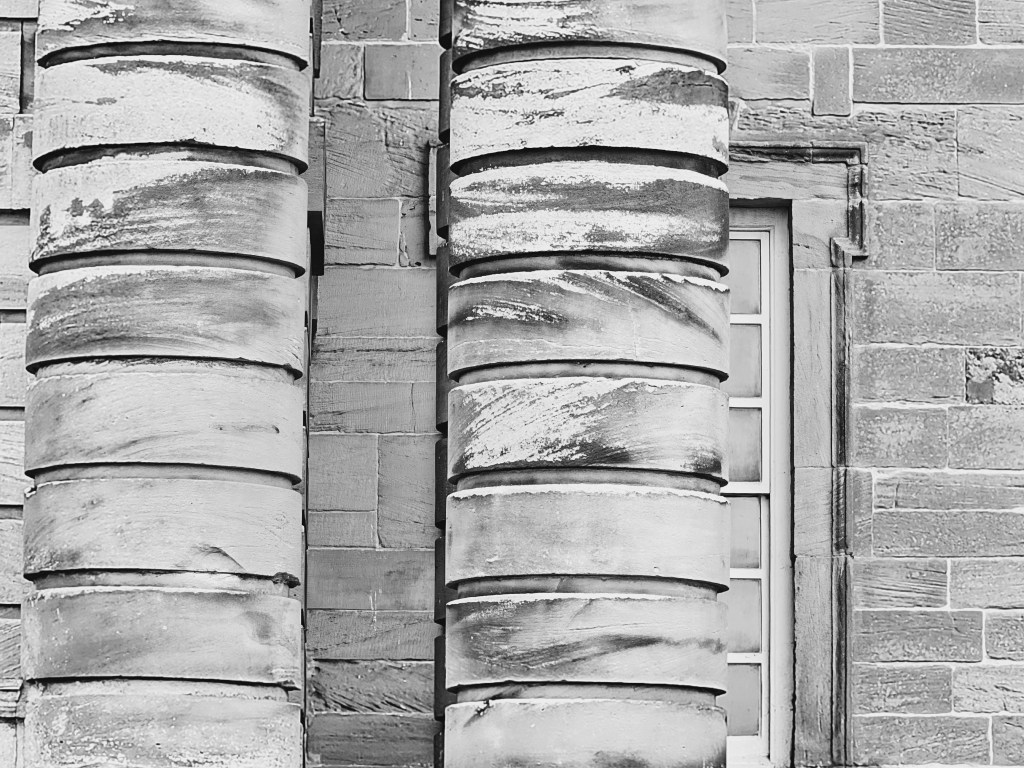
I have been pondering the architectural qualities of Seaton Delaval since visiting yesterday: it is partly owing to the amount of exterior activity in relation to the relatively small building behind. On the garden façade, there is an immense portico contained between the two corner turrets, so that it is nearly all portico, which is presumably why John Dobson proposed flanking wings in the early nineteenth century to reduce the sense of compression in its façade:-

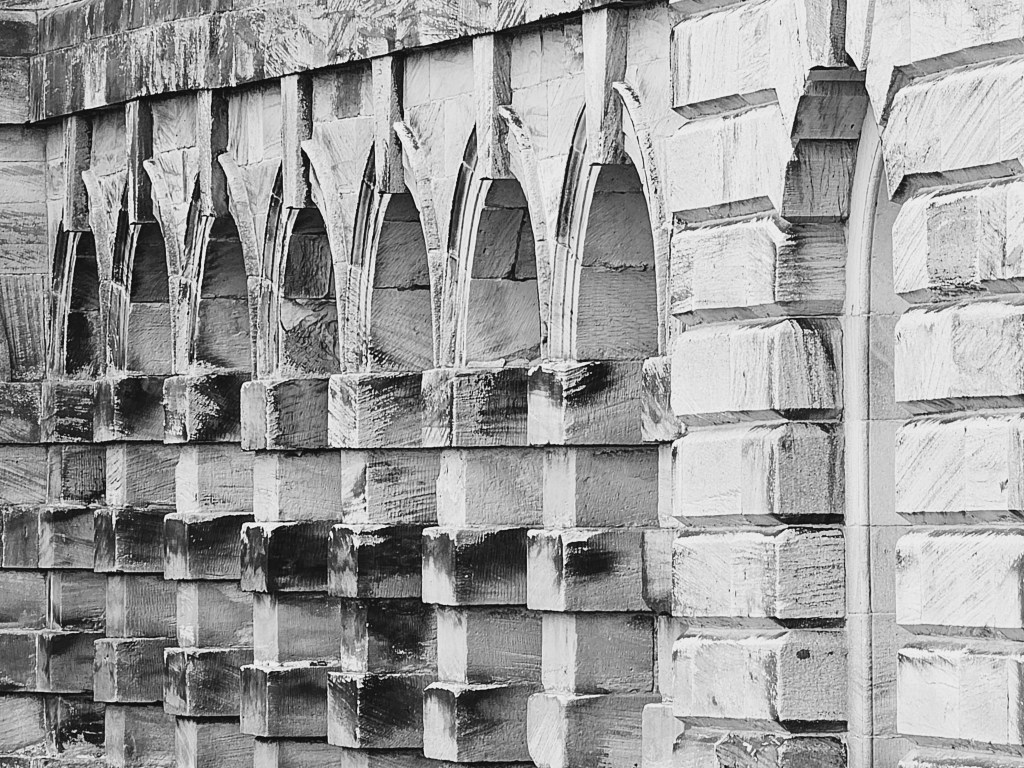
Also, Vanbrugh uses big blocks of stone in a very abstract way to give architectural emphasis:-

Standard

Seaton Delaval (1)

I have always loved Seaton Delaval ever since I first visited in the summer of 1975 in search of the mausoleum: its grandeur; the way it dominates the landscape looking out to the North Sea; its dark stone and austerity; reminiscent of elements of Blenheim, but shrunk. 

The Delavals were big local landowners.  Vice Admiral George Delaval, who commissioned Vanbrugh to design Seaton Delaval, joined the navy and was 3rd. Lieutenant on HMS Lenox in 1693.  He travelled to Spain with Lord Peterborough in 1705, was an Envoy to Lisbon in 1707, negotiated an agreement with the Sultan of Morocco in 1708, and was Envoy Extraordinary to the King of Portugal for three years 1710. So, he was widely travelled and came back from his travels with money.

In 1718, he bought Seaton Delaval off his impoverished cousin and embarked on the construction of a grand family seat, telling his brother that he wanted to devote his old age to ‘repairing the old house, making a garden and planting forest trees’.

It was late Vanbrugh, more or less at the same time as Vanbrugh Castle, very high, without many rooms on each floor, but small corner rooms which make the outline feel fortified. It was burnt out in 1822 and only survives as a ruin, since 2011 under the care of the National Trust:-

Inside is what survives of a cantilevered stone staircase:-

The burnt Muses in the Entrance Hall:-

The remains of a chimney piece in the Entrance Hall:-

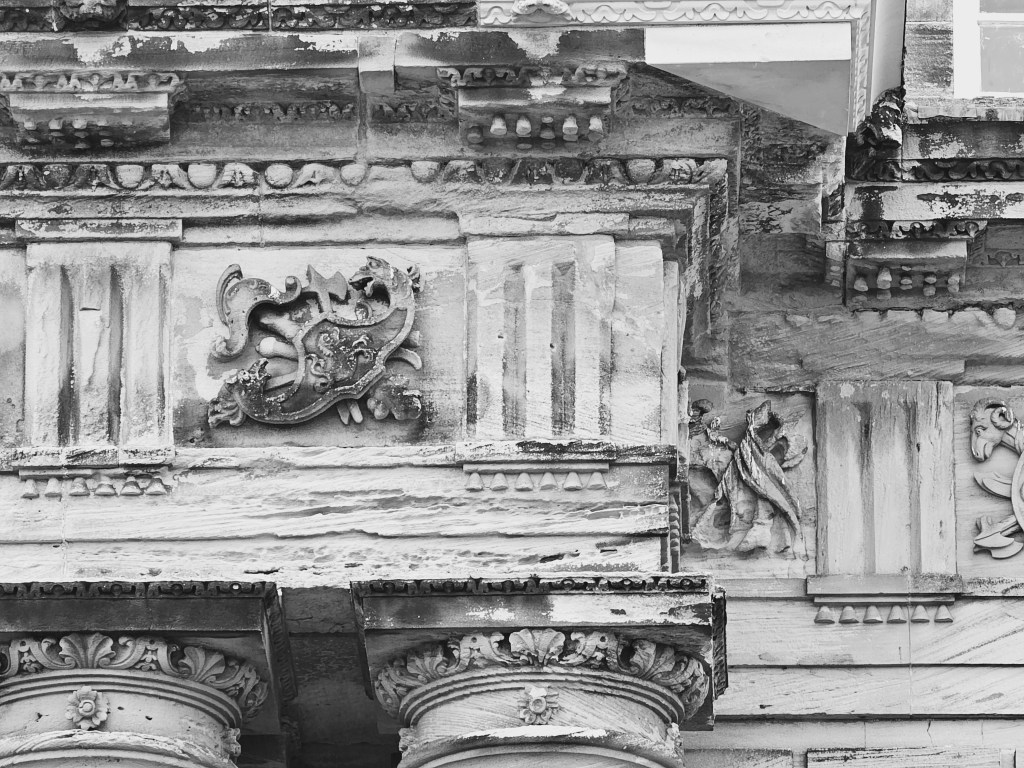
And the splendours of the service wing:-

Standard

The Chapel at Auckland Castle

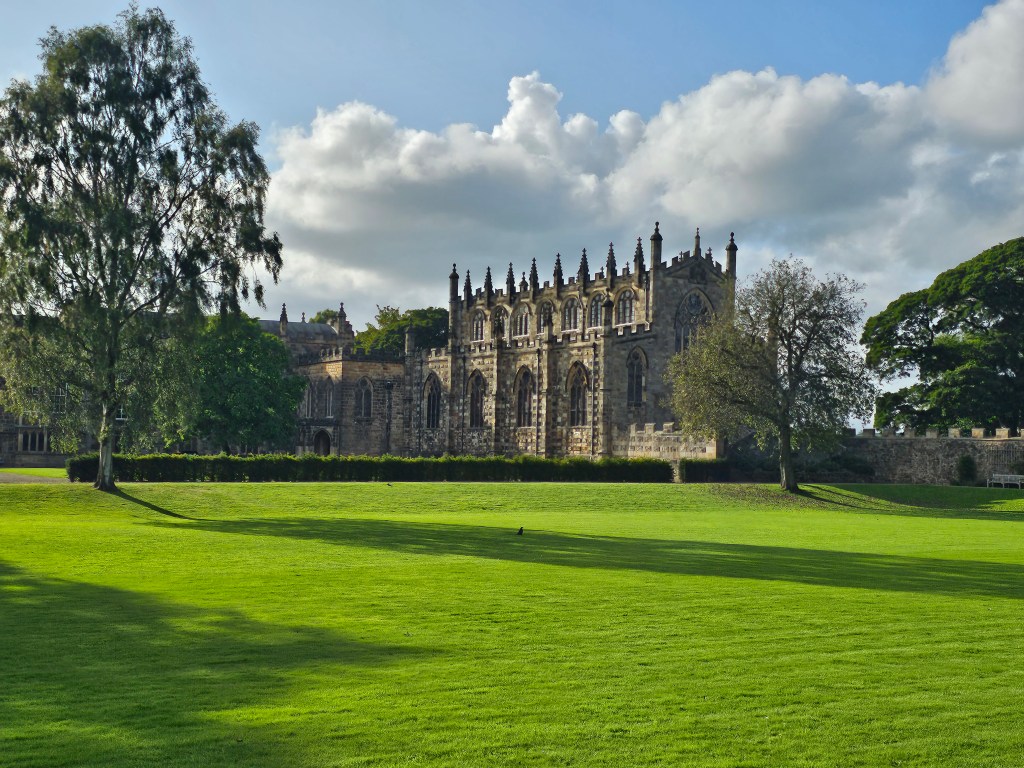
I am an admirer of the chapel at Auckland Castle, a sacred space in the way of spaces which are now not so much used, but it has had a long life as the domestic chapel of the Bishops of Durham, who were prince bishops, at least as powerful in the secular world as the spiritual:-

Standard

The Faith Museum (1)

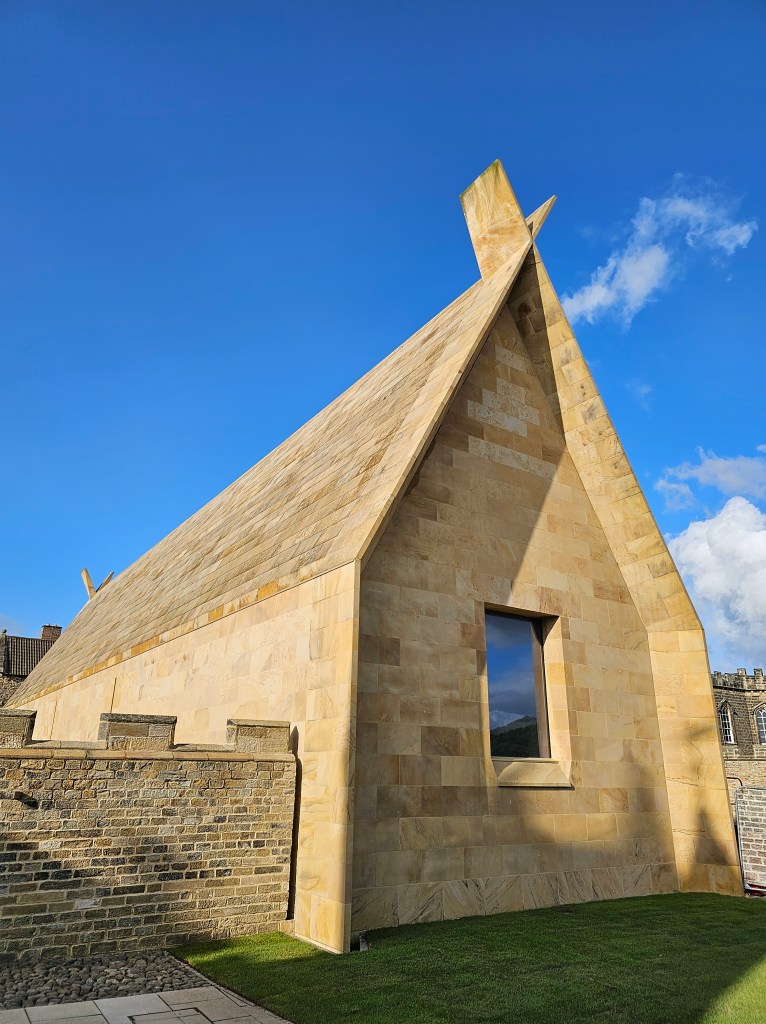
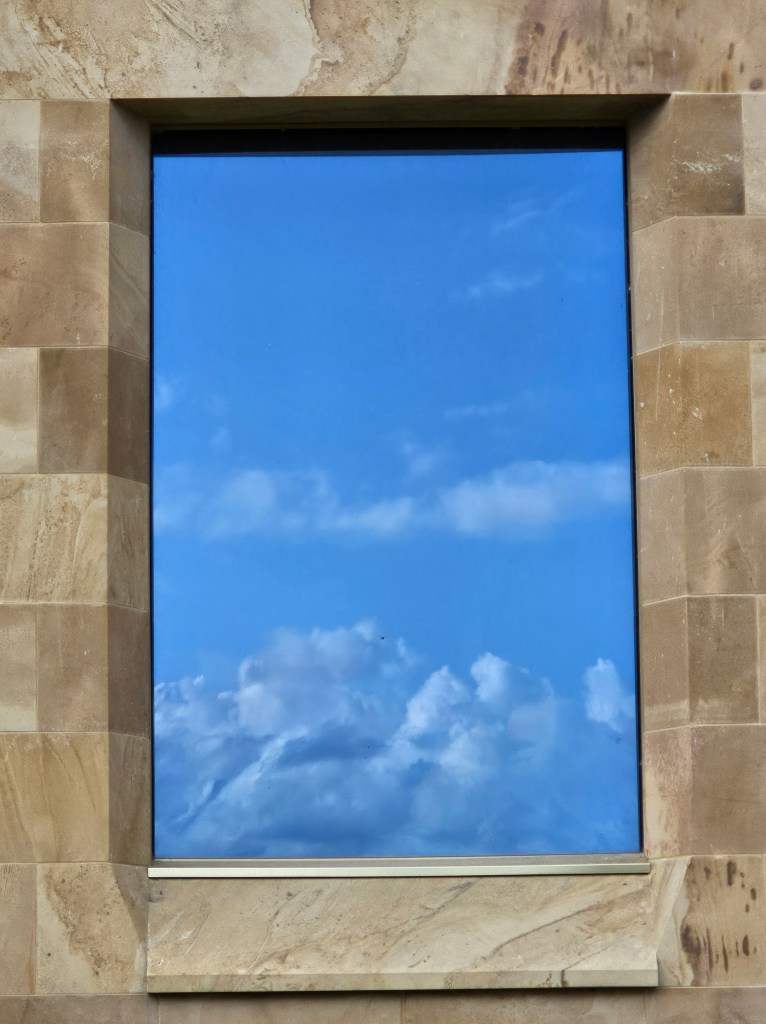
I went to an event today to celebrate the imminent, long-awaited opening of the Faith Museum in Bishop Auckland: an astonishing – in some ways, utopian – project to introduce the history of (mostly) Christianity through archaeology, art and more conventional museum displays in a building by Niall McLaughlin:-

Standard

Pope’s Amphitheatre

Following on from the discussion as to whether or not the amphitheatre in the garden of Vanbrugh Castle dates back to Vanbrugh’s time, I happened to come across a reference to the amphitheatre that Alexander Pope had had made in his garden by March 1726, the month of Vanbrugh’s death, when he wrote to the Earl of Oxford how ‘‘I have just turfed a little Bridgemannic theatre myself.  It was done by a detachment of his [Bridgeman’s] workmen from the Prince’s, all at a stroke, and it is yet unpaid for, but that is nothing with a poetical genius’. Vanbrugh, of course, worked closely with Bridgeman at Stowe. So, it is not unimaginable that he had a ‘little Bridgemannic theatre’ too. I don’t think Vanbrugh much liked Pope – and vice versa – but it wouldn’t have stopped them following the same idea.

Standard