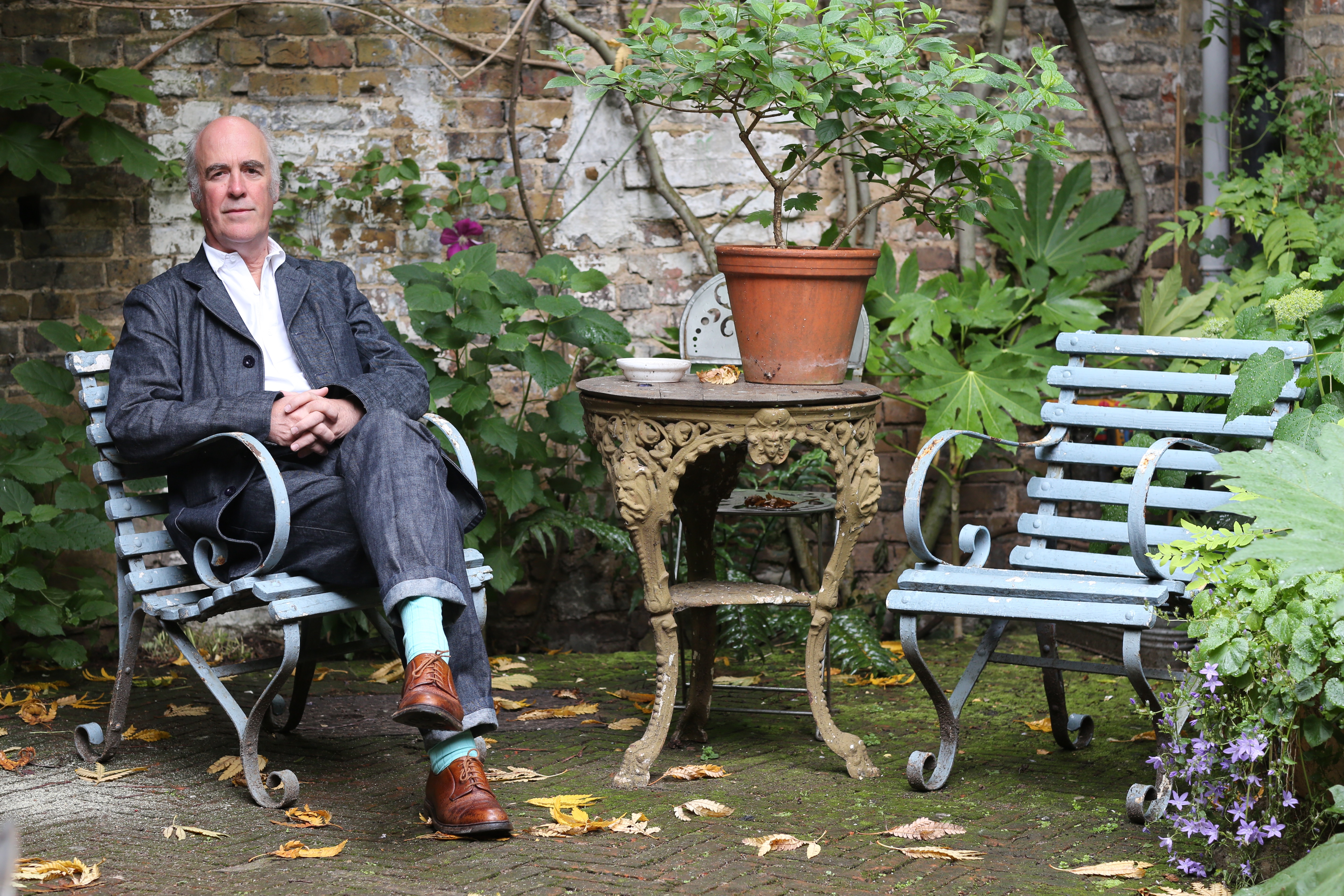




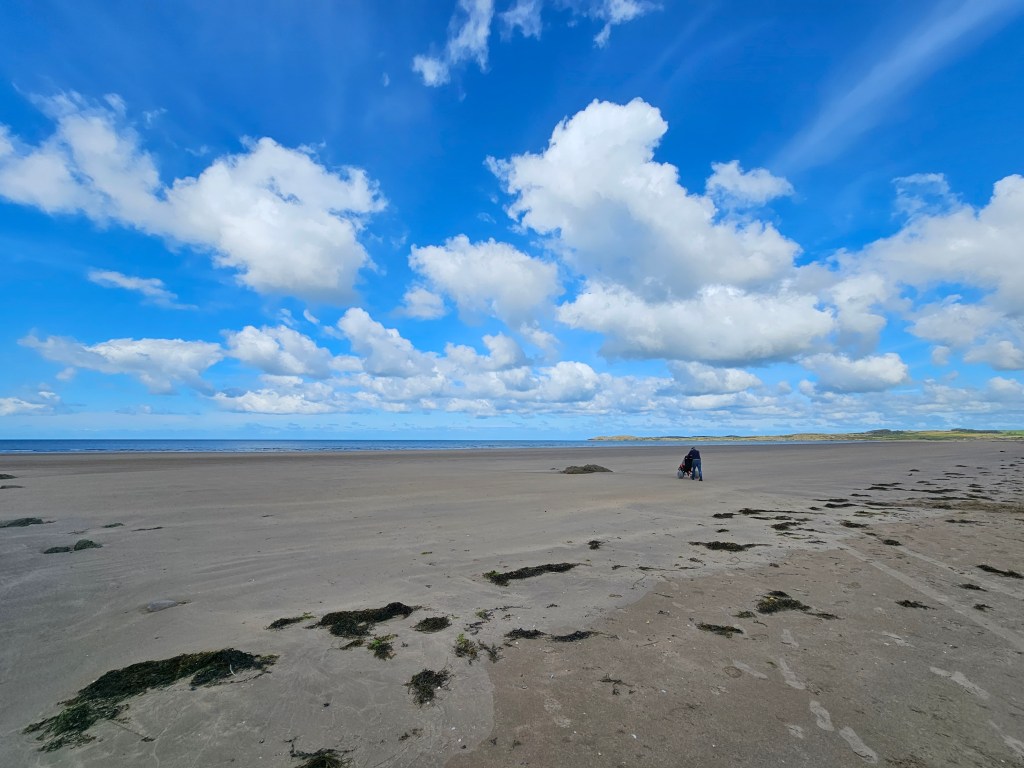
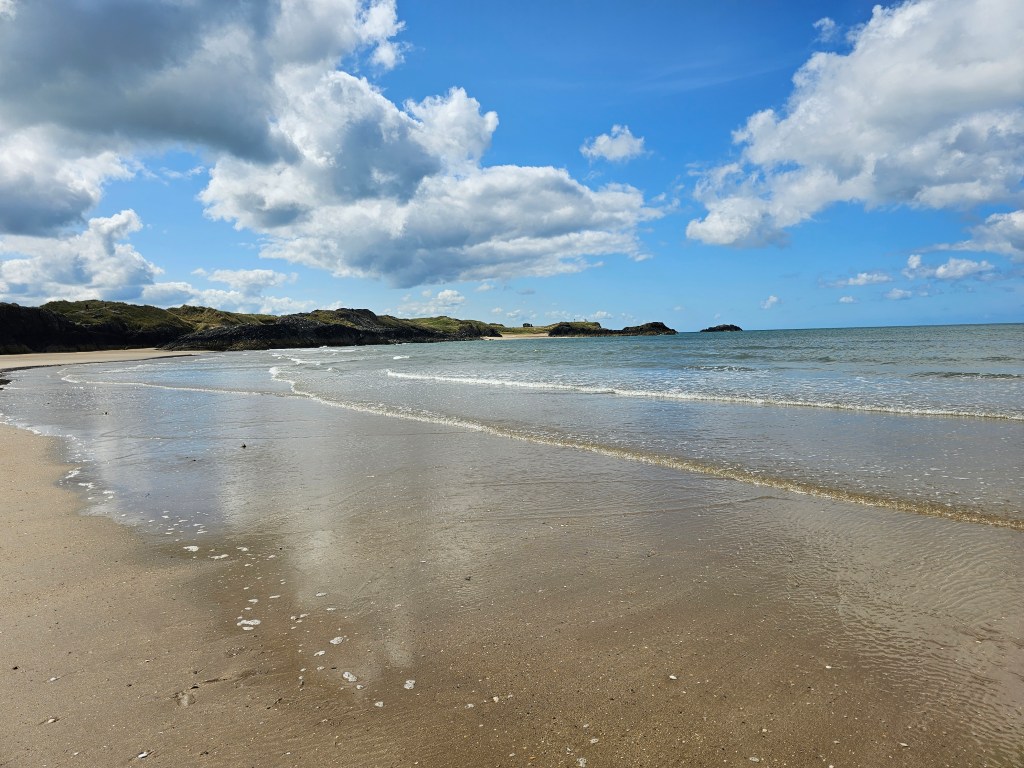
It’s been such dreary weather that I haven’t been taking any photographs, but today the sun shone:-

The arrival of the August/September issue of The Critic with my views, nearly all positive, of the new look NPG, led me to see if my article on The Modern House had appeared online. It has (see below). It was an attempt to describe the revolution in attitude brought about by the website, The Modern House, which has made 1950s and 1960s modernist housing so desirable through good descriptions and photography, quite different from the puritanical earnestness which traditionally surrounded social housing.
https://thecritic.co.uk/issues/july-2023/modern-houses-buyers-actually-want/
I was sent a copy of the biography of Sir John Elliott which has just appeared online (see below) because it begins with the picture of John I was involved in commissioning when I was at the National Portrait Gallery; but I read to the end because it provides a fascinating and very detailed account of a remarkable historian – so incredibly hard working, so wide ranging, both a parachutist and a truffle hunter, who managed to maintain his humanity to the end. It’s a long read, but worth it.
https://www.thebritishacademy.ac.uk/publishing/memoirs/21/elliott-john-1930-2022/
The issues surrounding the Whitechapel Bell Foundry will not go away. It symbolises many of the problems involved with the planning system. Historic England considered plans to redevelop the Whitechapel Bell Foundry back in early 2017 at a time when the Hughes family who had owned it for four generations had sold it to an east end property developer, Vince Goldstein, who had in turn sold it to a New York venture capitalist, Bippy Segal. On the basis of a recommendation of their then Historic Buildings Representative, Mike Dunn, now working for a commercial firm, the London Advisory Committee accepted that it was legitimate for the building to be turned into a hotel (interestingly, Dunn describes the role of Historic England as ‘providing expert advice to local authorities, developers and the public’, not ‘the protection and preservation of historic buildings’). This in turn informed the view of the planning inspector, who accepted the plans of Raycliff Capital following a planning inquiry.
But Raycliff Capital has now put the site on the open market and the contents of the Bell Foundry have been sold. The site is being allowed to deteriorate.
So, what is being done about this ?
So far, nothing.
Raycliff Capital have refused to accept an offer, made in good faith, by the London Bell Foundry. Tower Hamlets stands by whilst one of its most important historical assets deteriorates. Historic England has apparently made its decision and nothing that has happened since has so far altered it. Six years have passed whilst everyone wrings their hands about what has happened. But no-one seems able to do anything about it.
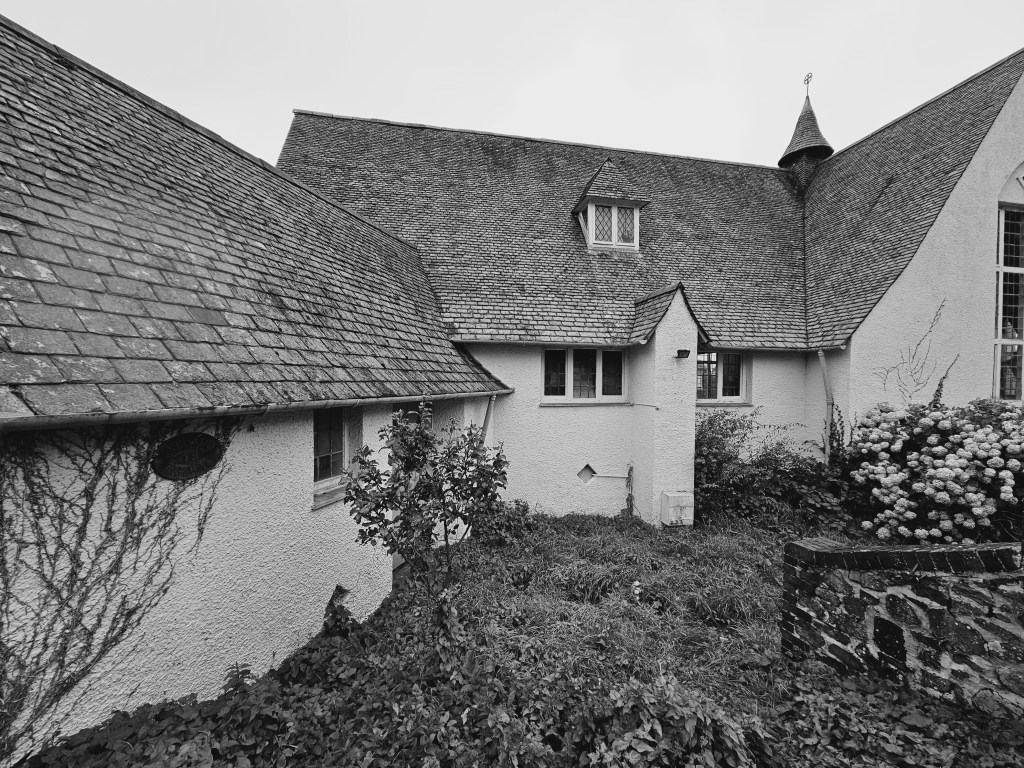
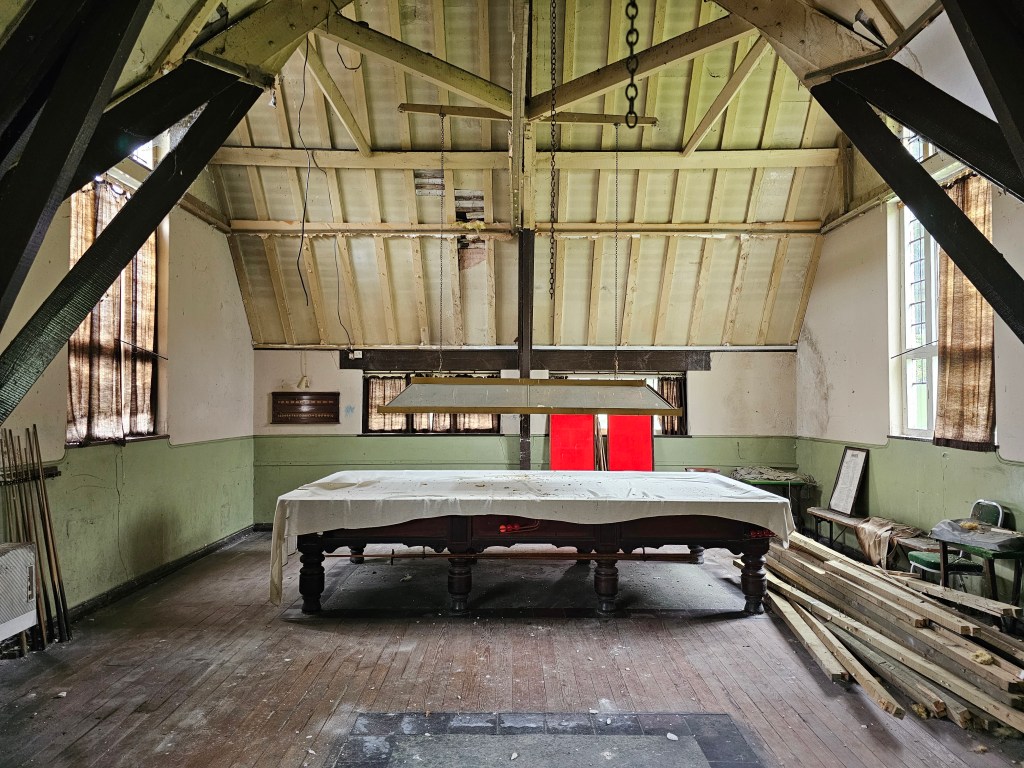
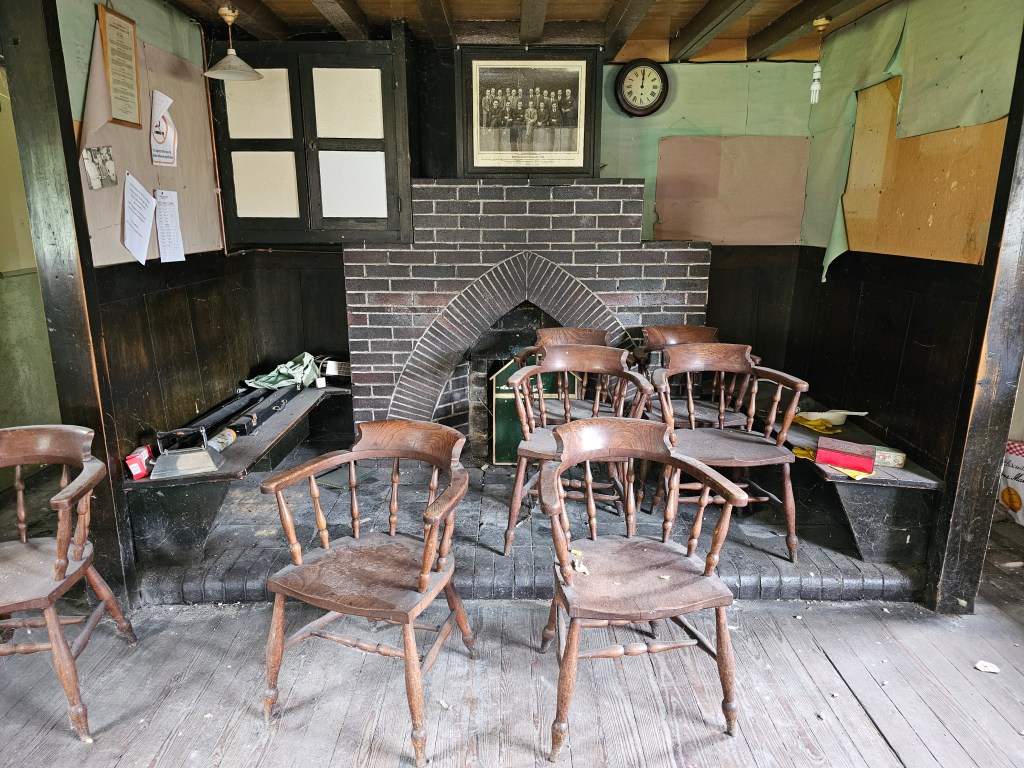
I have taken an interest in the future of the Church Institute and adjacent Churchmen’s Club at Llanfairfechan, which are extraordinarily well-preserved examples of arts-and-crafts architecture, so redolent of community ethos between the wars. The buildings are in need of an imaginative solution which protects their character – tricky because they are both small scale. Ideally, they should be in the care of a trust.
This is the Church Institute (more drizzle):-
And this is the interior of the adjacent Churchmen’s Club where ex-soldiers could play billiards after the First World War:-
We walked out to the lighthouse on Llanddwyn Island: bad weather, but still atmospheric in the drizzle:-
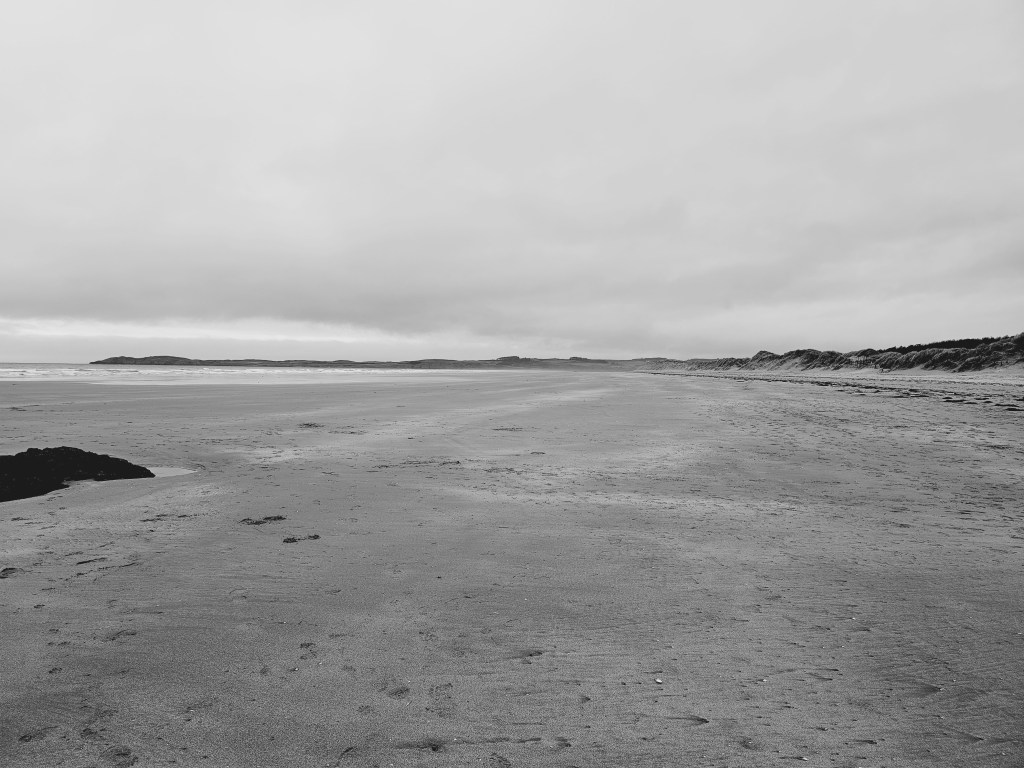
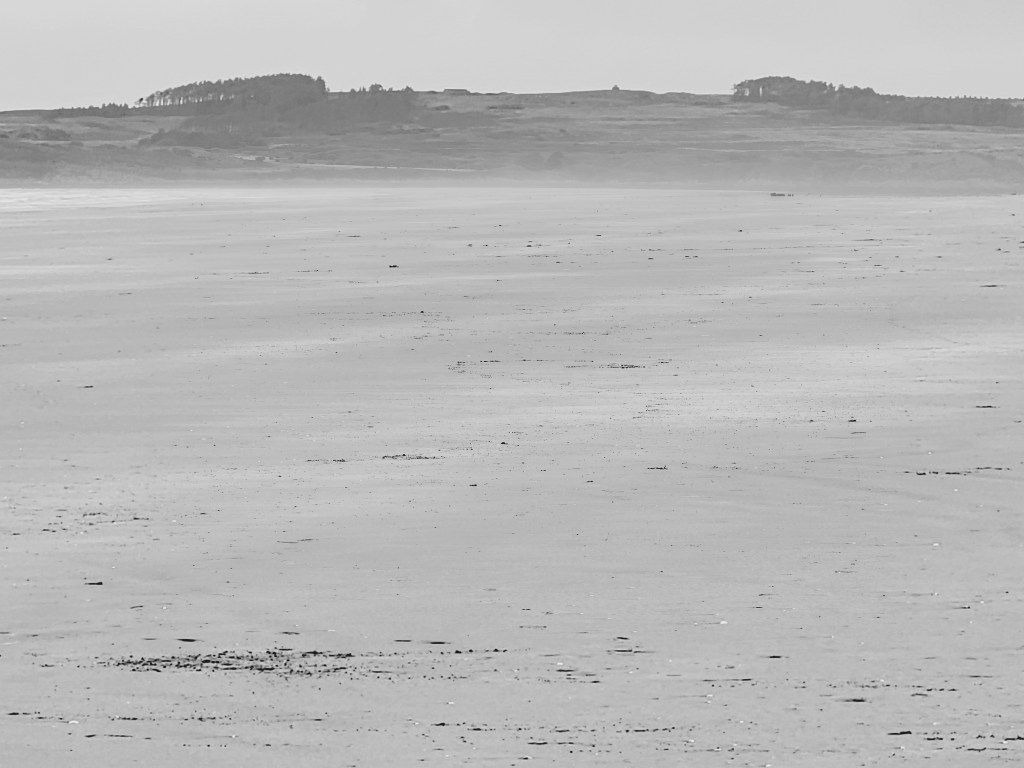

There was sea holly by the beach:-


Then we saw the lighthouse in the distance:-
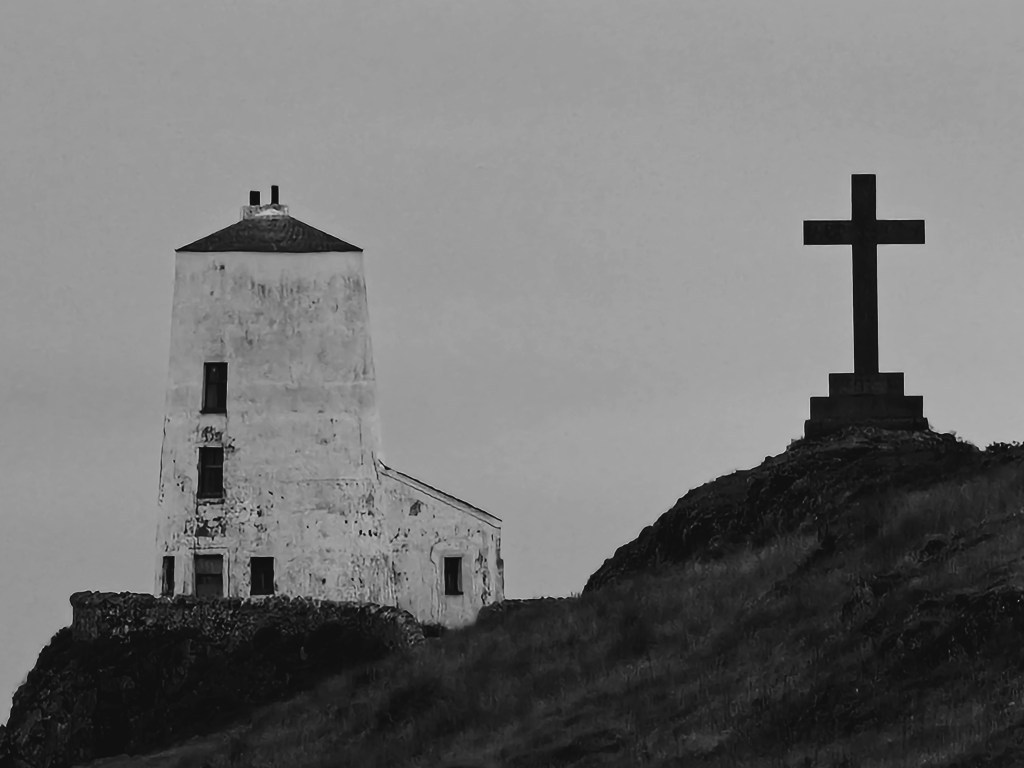
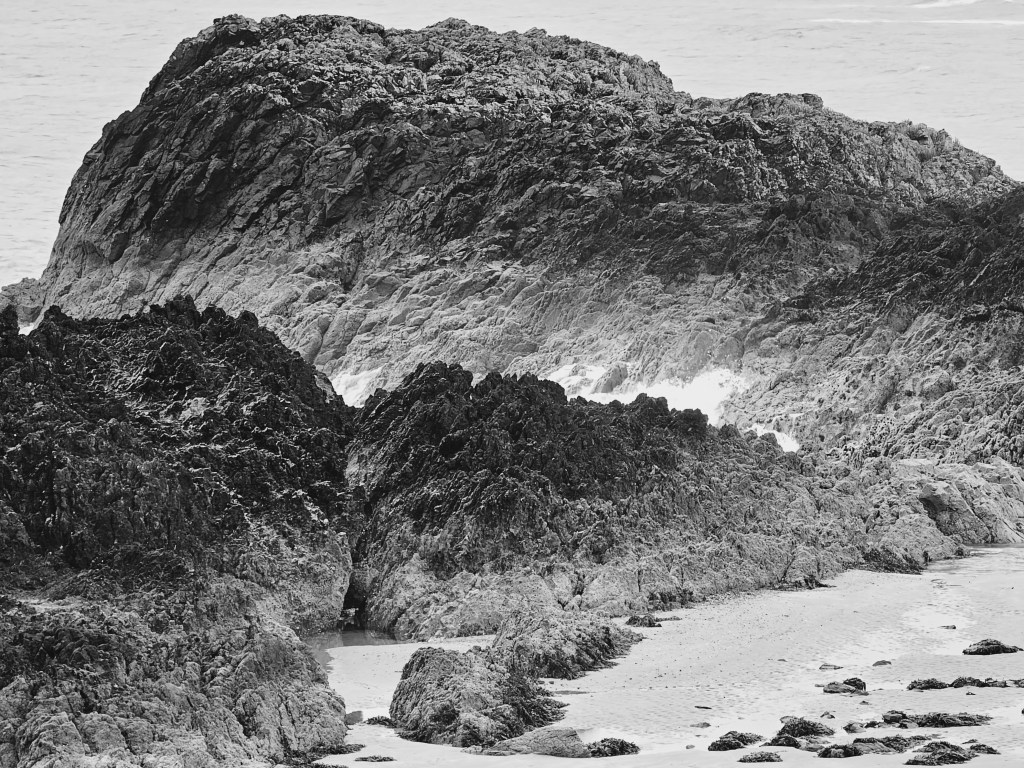
The cottages:-
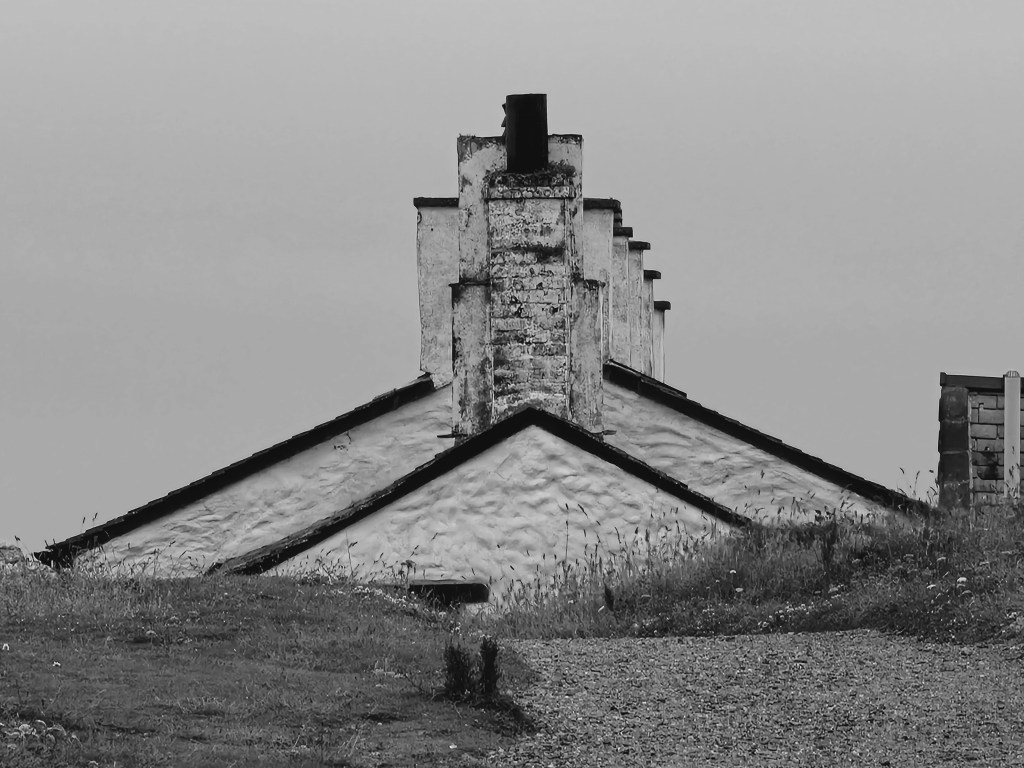
Back to the forest:-

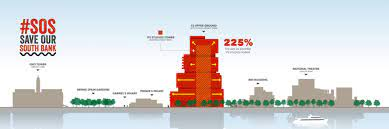
Now that Michael Gove has shown the courage of his convictions in turning down permission for Marks and Spencer to demolish its flagship store in Oxford Street, let’s hope he does the same for a much more monstrous carbuncle planned for the south side of the River Thames in one of the most prominent sites in London – a vast megalith which not least will dwarf the House of Commons and make St. Paul’s look insignificant. One of the problems with these planning enquiries is that they drag on and on, so that everyone forgets what is at stake.
Just in case you’ve forgotten I am posting an image of what is proposed:-

 | Charles | Saumarez | Smith |
You must be logged in to post a comment.