It’s such good news that Michael Gove has refused permission for Marks and Spencer to redevelop its flagship store on Oxford Street. It’s not an especially distinguished building, but infinitely preferable to the measly nondescript building which was planned to replace it, having at least some sense of civic dignity which the replacement totally lacks. But more important than the character of the architecture was whether or not it is sensible in the current environment gratuitously to demolish an existing building, rather than seek to refurbish it. In the course of the debate surrounding Marks and Spencer, the mood in the architectural profession has rightly shifted to refurbishment where possible. Marks and Spencer could, and should, have been a leader in this movement, but instead adopted nihilistic corporate values, as reflected in the vituperative comments of its Chief Executive. Gove should be congratulated.
Author Archives: Charles Saumarez Smith
Museum of the Home (2)
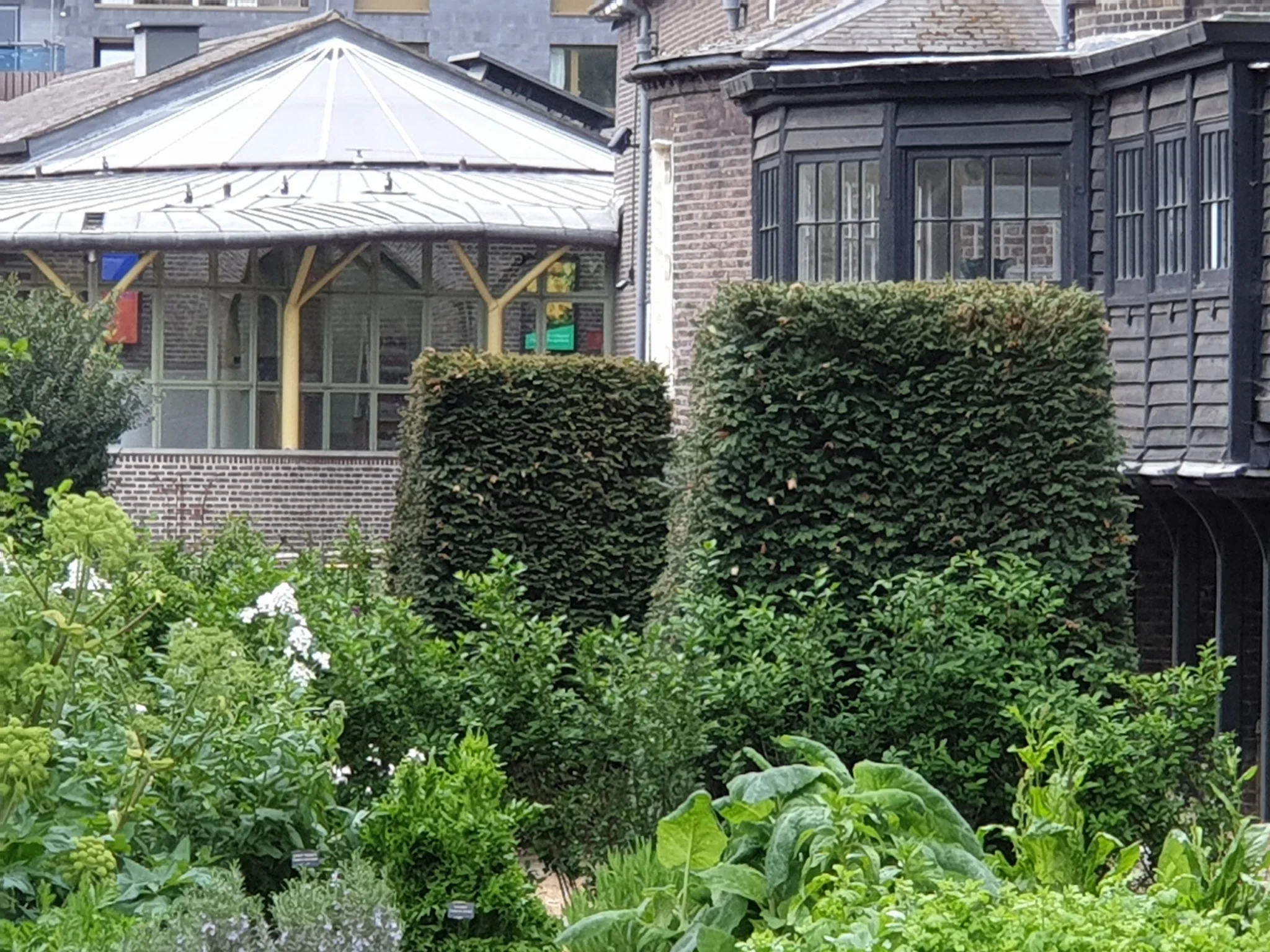
I’m pleased to see that the Museum of the Home has been given a Reinvention Award by the RIBA: pleased not least that the RIBA now has a Reinvention Award, which recognises high-quality buildings which involve a considerable amount of adaptation and re-use as the Museum of the Home does, preserving the existing early eighteenth-century almshouse building, creating a new run of galleries in the basement and opening a new garden, all of it done with skill.
One wonders where this leaves the Marks and Spencer building in Oxford Street where Marks and Spencer plan to demolish their existing flagship store to replace it with a notably bland office block, as if this will help to regenerate Oxford Street. Michael Gove is due to make an announcement any minute.
https://www.ft.com/content/881d861b-0760-4a1c-a014-8e2023b61e58
Swarm
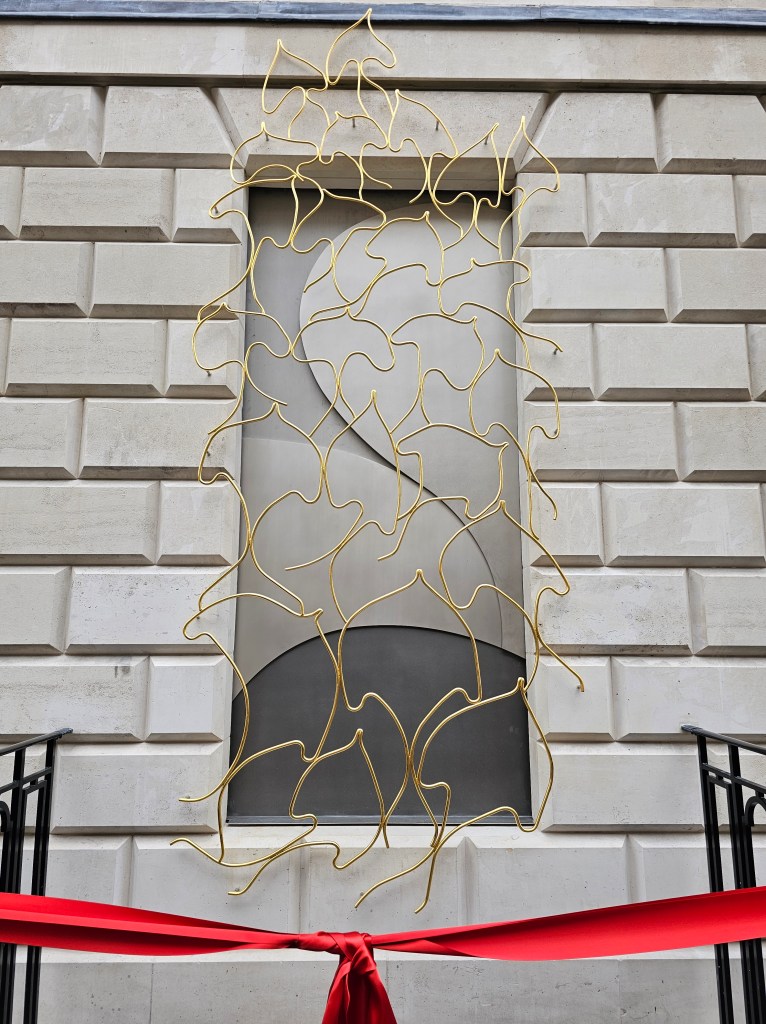
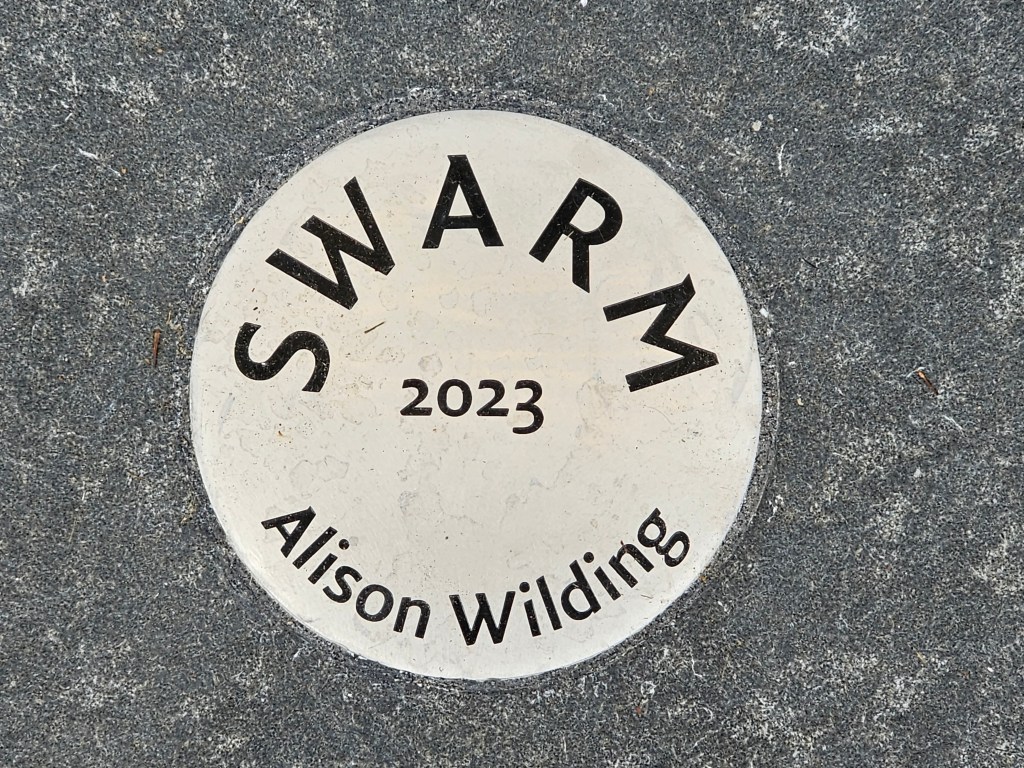
We went to the unveiling of Swarm, a new, surprisingly delicate and refined piece of public sculpture by Alison Wilding on the side of what used to be the Canadian Embassy, Macdonald House, built by the Grosvenor Estate in the late 1930s and originally occupied by the American Embassy. The building was sold to the Lhoda Group in 2013 who commissioned Eric Parry to reconstruct it, which involved taking the building down, laying it out in the Isle of Dogs and then building it anew. The commission was overseen by Modus Operandi:-
David Lowenthal (2)
Last September, I went to a long-delayed memorial event for the late David Lowenthal, a historian and geographer I greatly admired who died in September 2018 in his late nineties (he was born on 26 April 1923). As a result, I was asked to contribute a short essay to a volume of essays by friends and colleagues which had already been published as a special volume of Landscape Research. Rather amazingly, this volume is already available with a new introduction and my essay in spite of the fact that I feel that have only just delivered my contribution.
You can get it with a hefty discount from Pages of Hackney, our nearly local bookshop (David Lowenthal’s Archipelagic and Transatlantic Landscapes: His Public and Scholarly Heritage – Pages of Hackney).

Anselm Kiefer
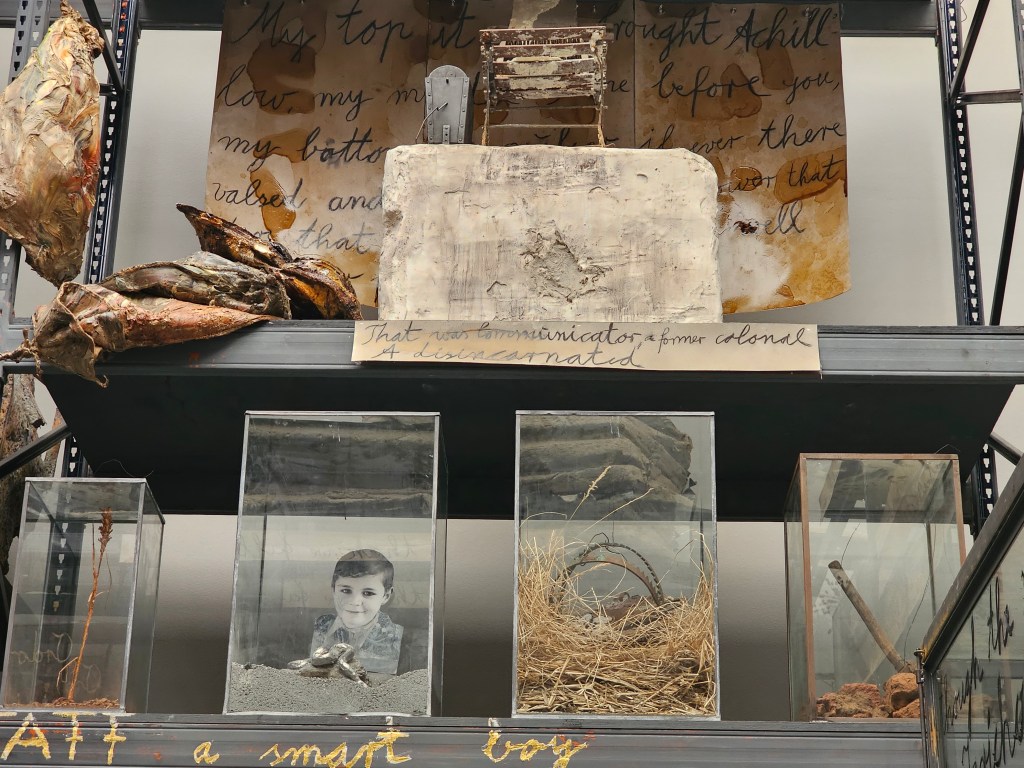
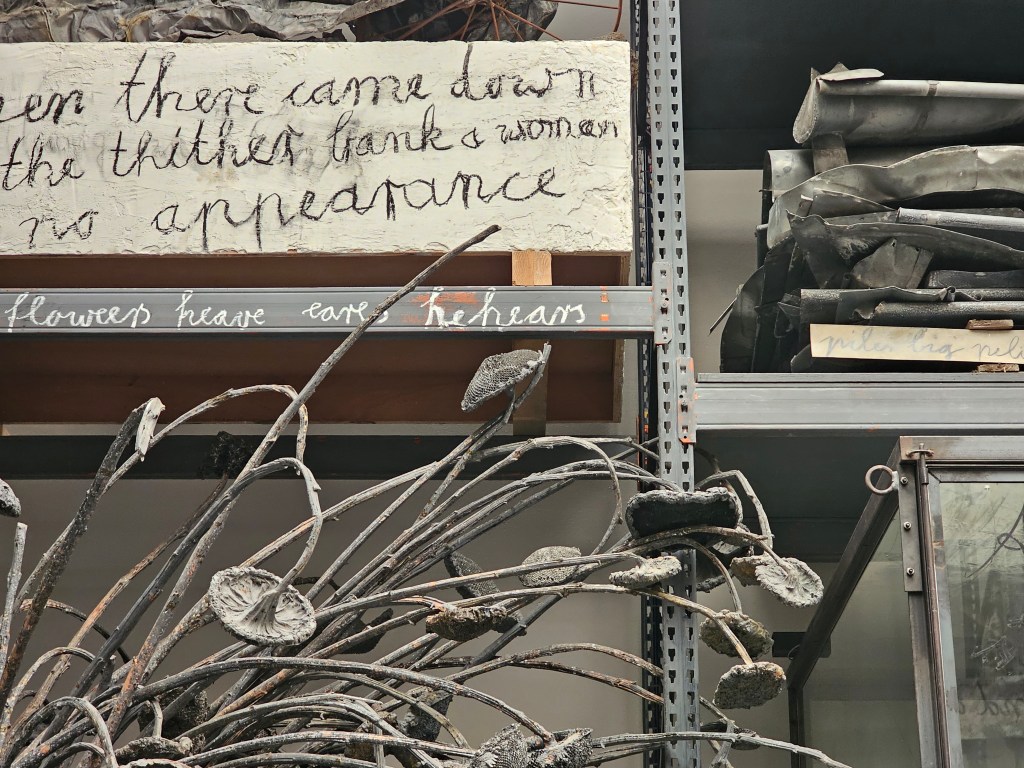
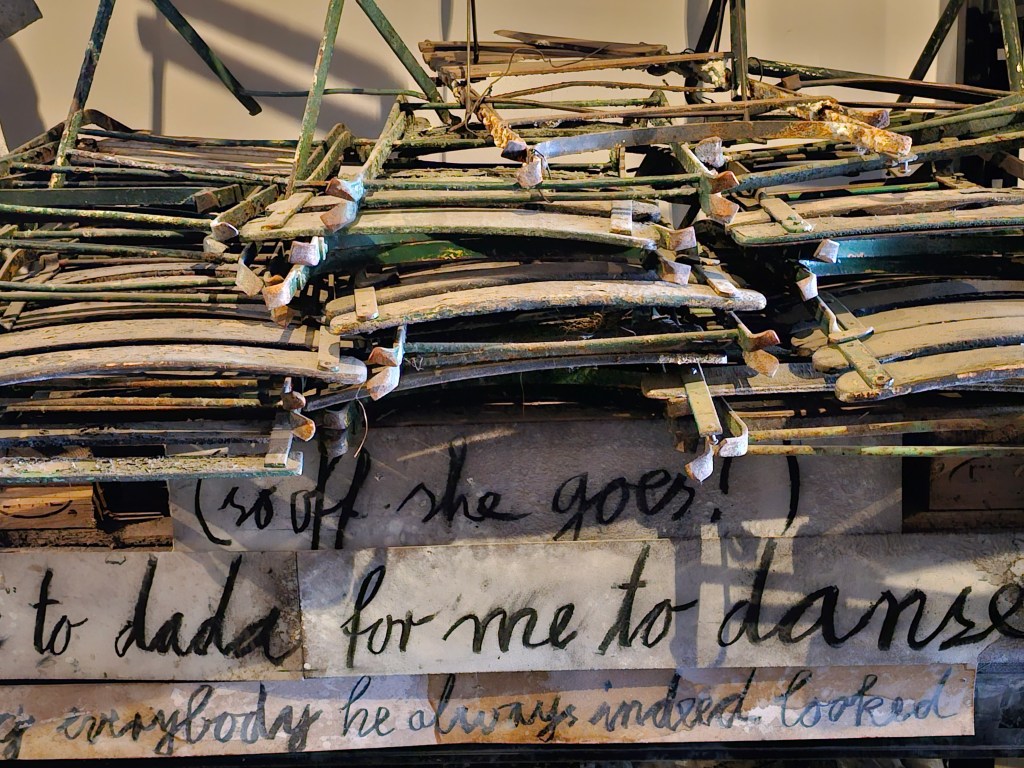
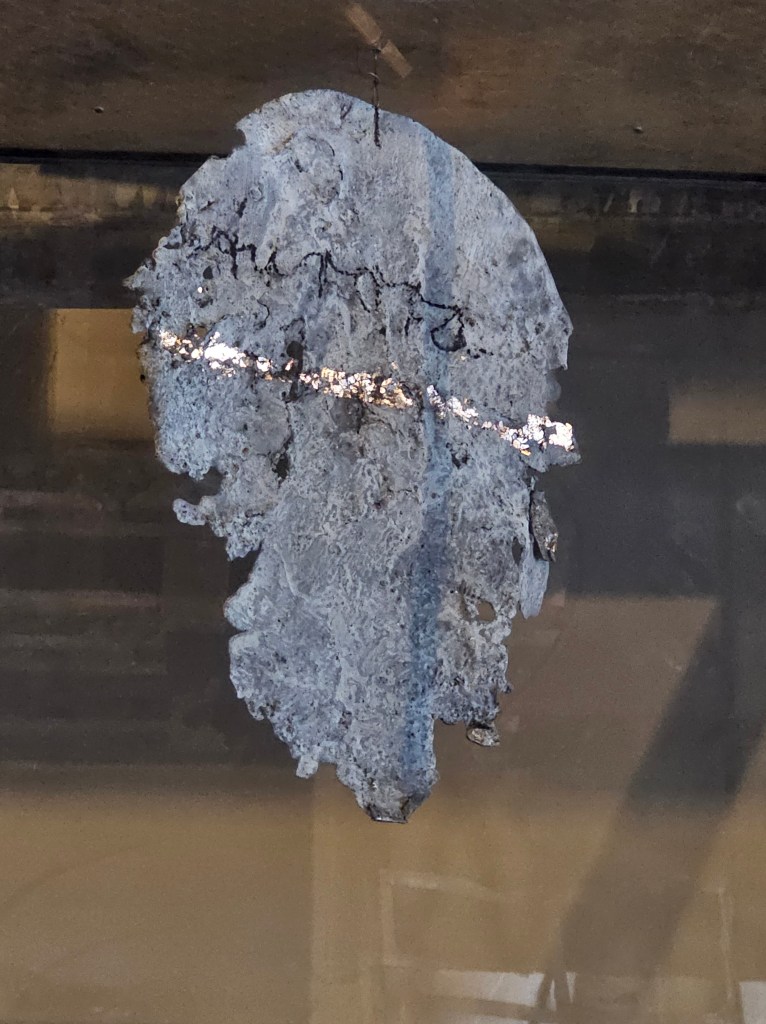
I strongly recommend Anselm Kiefer’s Finnegans Wake exhibition at White Cube in Bermondsey: so dense, so intense, using the different spaces inventively, hard to imagine how it was installed:-
Farnham, Surrey
I spent a sadly damp half day at Farnham, Surrey visiting 1, Middle Avenue, an admirable new build house, using elements of an arts-and-craft vernacular, but in a modern way, which has been long listed for the Stirling Prize and, if the prize has an interest in private housing, should be on the short list as well.
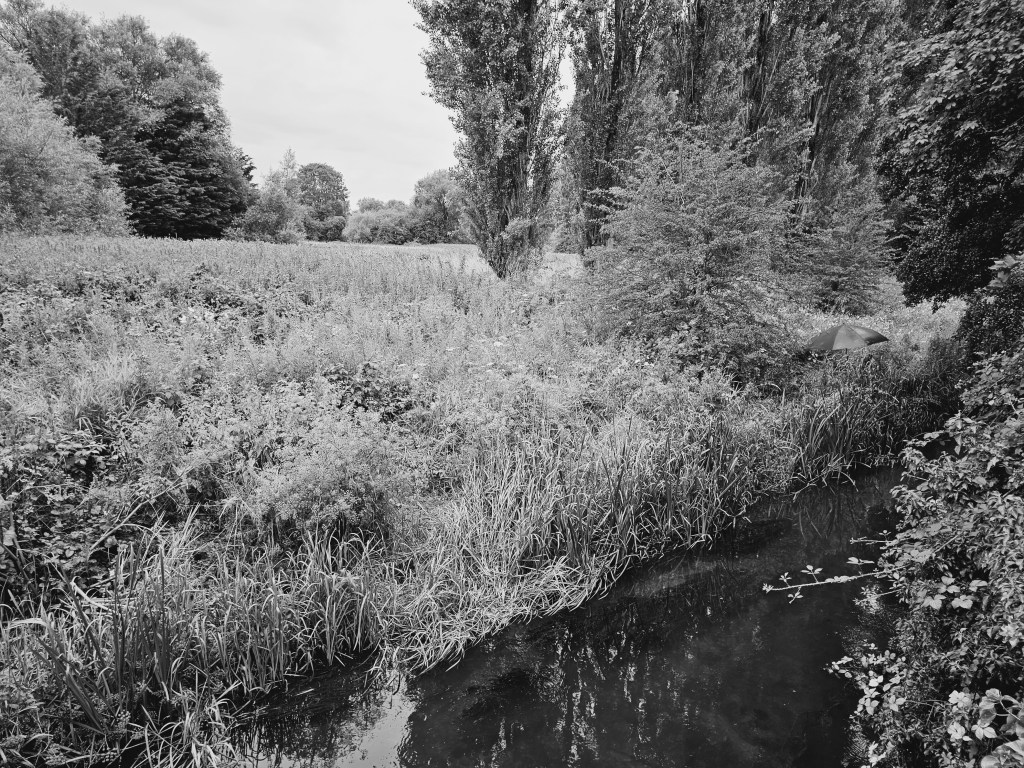
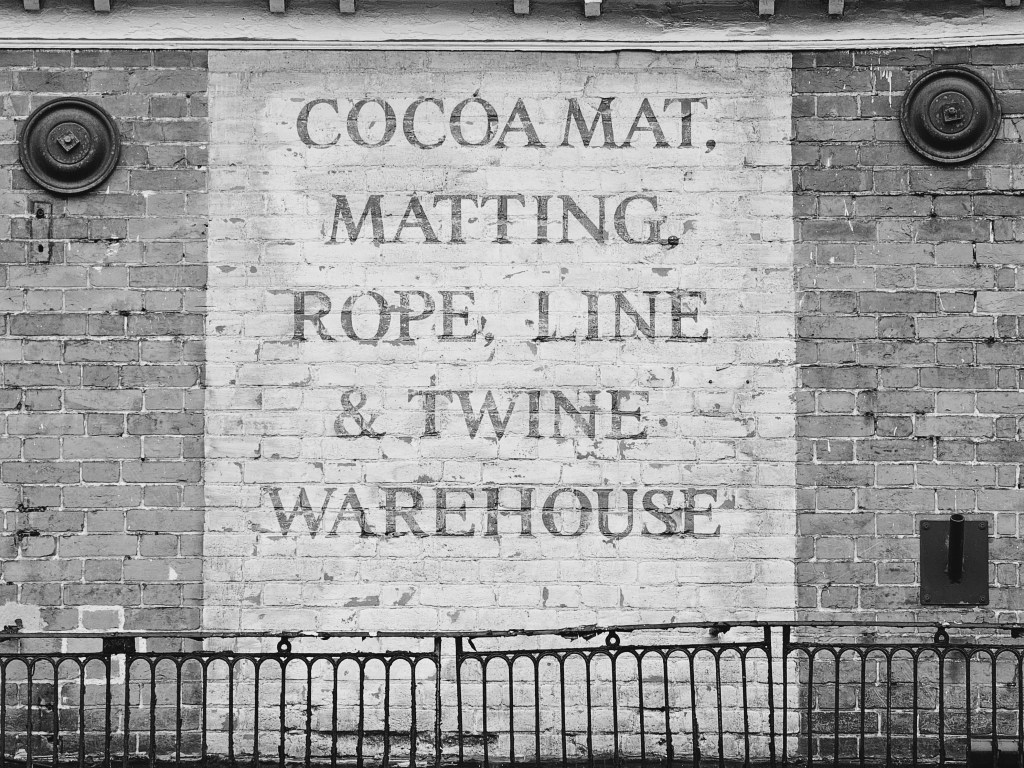
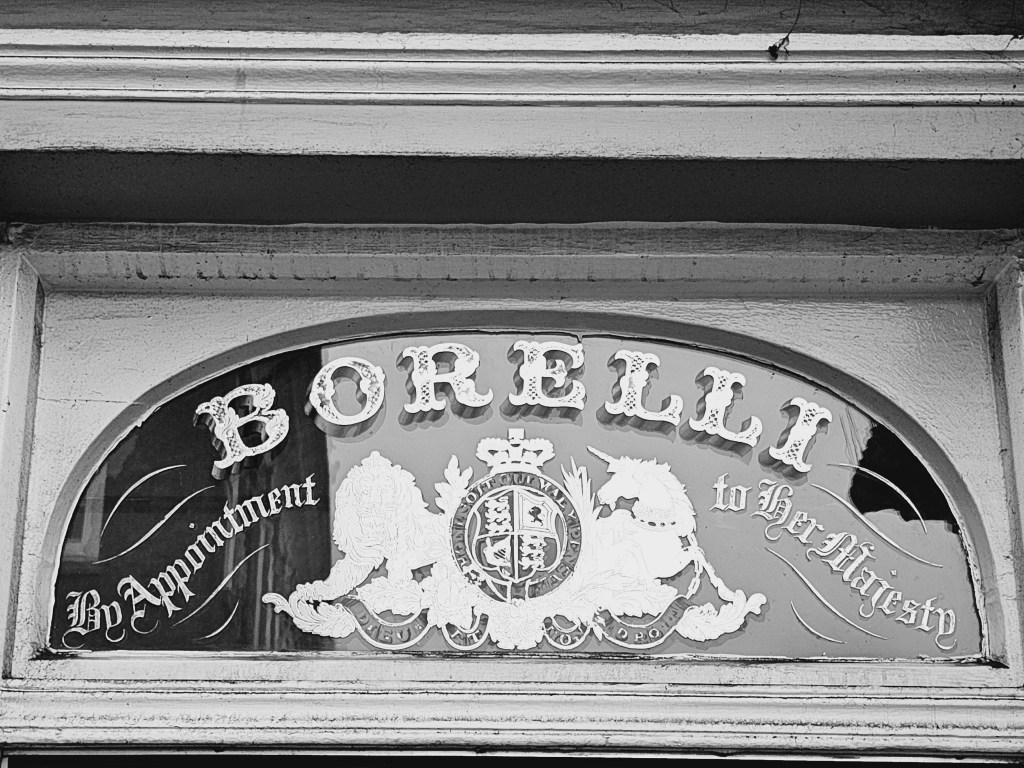
I then wandered round the town, or what’s left of it, in the drizzle. They have kept the fine Georgian streetscapes, but everything else seemed to be a sea of motorcars, including all parked in the historic Castle Street – a pity for a town which is described as architecturally exceptional and probably once was before being blighted by 4x4s:-
Morris 1300
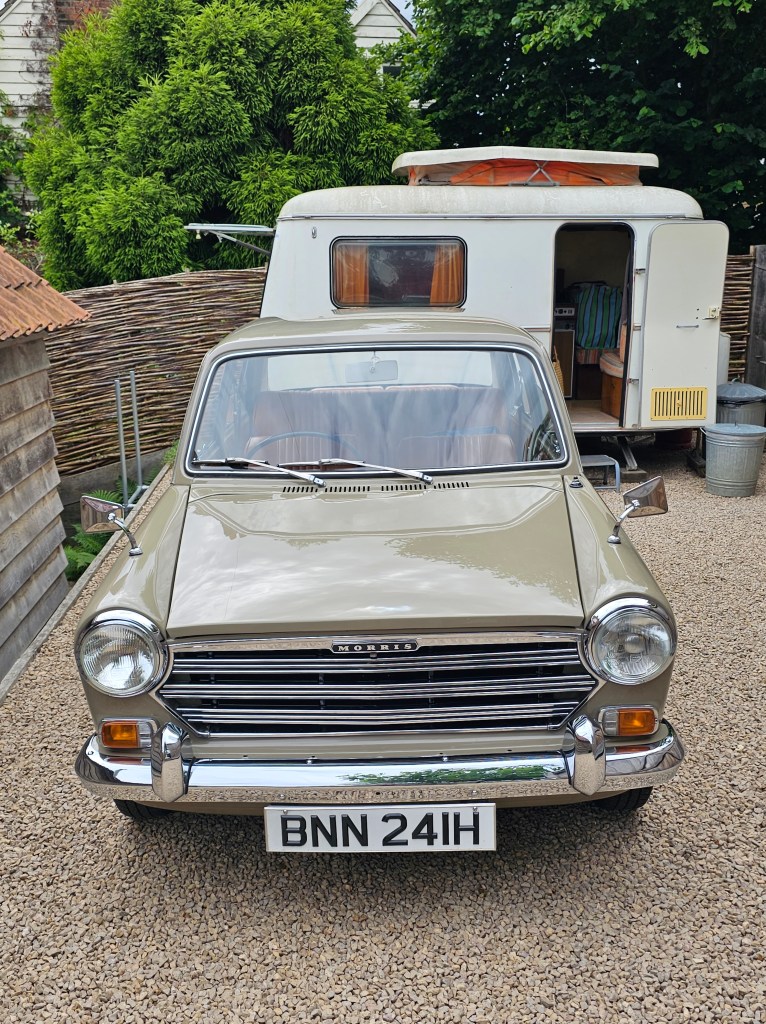
We had lunch in Loughton. In the front yard was what looked like a brand new Morris 1300. I found it much more deeply nostalgic than the average vintage car, maybe because my mother had a Morris 1100, I think grey rather than biscuit, parked outside at home. It looked so small, although I was assured it’s not, like a model car:-
Architecture Today Awards
I haven’t previously registered the Architecture Today awards, probably because instead of celebrating novelty, they focus on use and how buildings have weathered the test of time: so, less heroic and less obviously noticeable than the buildings which win the Stirling Prize. Some are recent eg Wright and Wright’s work for St. John’s College, Oxford, solid and serious in a context where longevity is essential. Penoyre & Prasad’s Rushton Street Surgery is shown in a photograph taken by Sunand Prasad, where the building is less visible than the way it has been absorbed into its surroundings. Several are renovation projects eg the Barbican. It makes one think about the nature of quality in architecture with a focus on architectural sensitivity, not novelty: a good shift in direction.
https://architecturetoday.co.uk/finalists-unveiled-for-architecture-today-awards-2023/
 | Charles | Saumarez | Smith |
You must be logged in to post a comment.