
Of course, I was being dense when I wrote my previous blog about those who studied in the History Faculty Building, because one of them was Rowan’s older brother, Charles, who read History Part 2, and may well have been influenced by his experience of the History Faculty Building to dislike modern architecture. And Charles was a friend of Oliver Letwin, who read History, Part 1 and 2. So, perhaps there is a pattern to the building’s influence. But there were surely other influences at work in the 1970s response to high modernism.
Author Archives: Charles Saumarez Smith
Stirling’s History Library (1)
I was intrigued by a tweet by Rowan Moore which says that ‘Unfortunately quite a lot of opinion formers studied history at Cambridge and their experience of Stirling’s building was all they needed to bash modern architecture forever’.
It’s true that Gavin Stamp read history Part 1 in 1968, the year the new History Faculty Building opened. I doubt he liked the experience because he was the most vigorous campaigner against the continued existence of the building.
Who else, I wonder, is Rowan referring to ? Did Clive Aslet also read History Part 1 ? Possibly. Alan Powers ? As it happens, all three have been vigorous supporters of much modern architecture, just not so much the pure, and somewhat dogmatic, modernism represented by the History Faculty Building.
I spent my first week at Cambridge working in the history faculty library. The chairs were not very comfortable and there was an uneasy feeling of being surveyed as one worked because the building was supposedly designed on the model of Jeremy Bentham’s Panopticon. I retreated at the first possible opportunity to the University Library (a modern building) which had open shelf access and the most lovely tea room in the basement. I can’t remember anyone actually using the History Library, apart for lectures, but we were very actively discouraged from attending them by our Director of Studies, so I didn’t.
Did it influence my attitude to modern architecture ? Maybe a bit. It did feel rather aggressively unconcerned with the users of the building, a formal construct which sat in the Sidgwick Site, but bore little relation to it. Of course, it was designed not long before its architect himself turned against modern architecture, employing Léon Krier in his office, a much more formidable opponent of modernism than any of us history graduates.


Plas Cadnant (7)
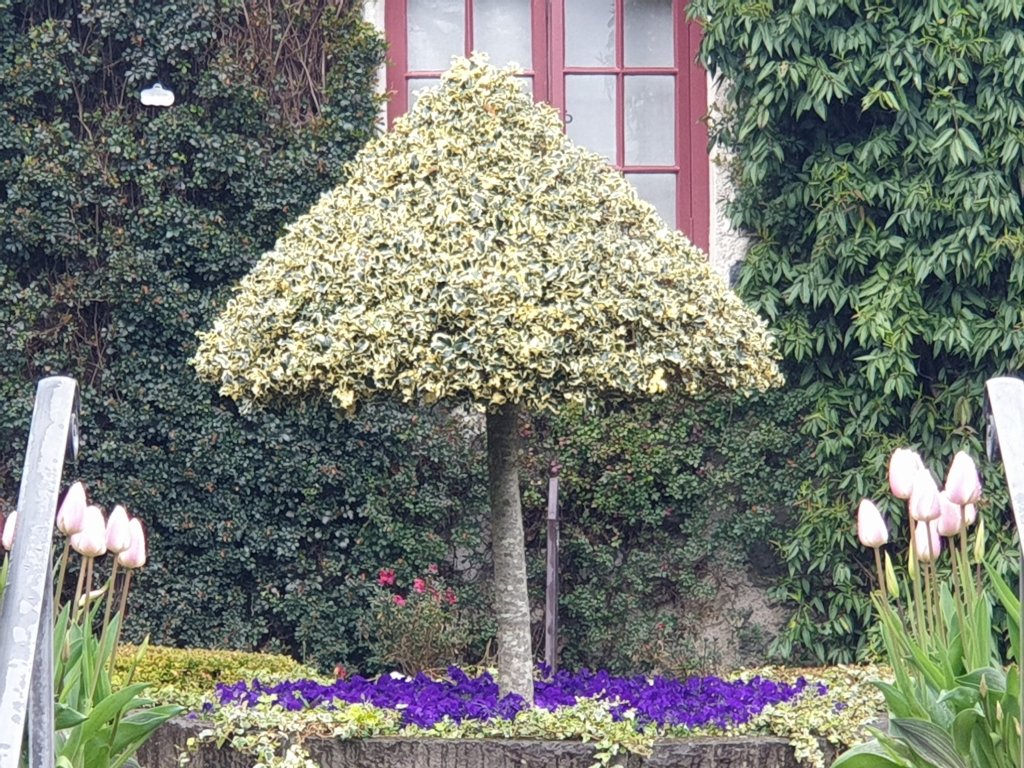
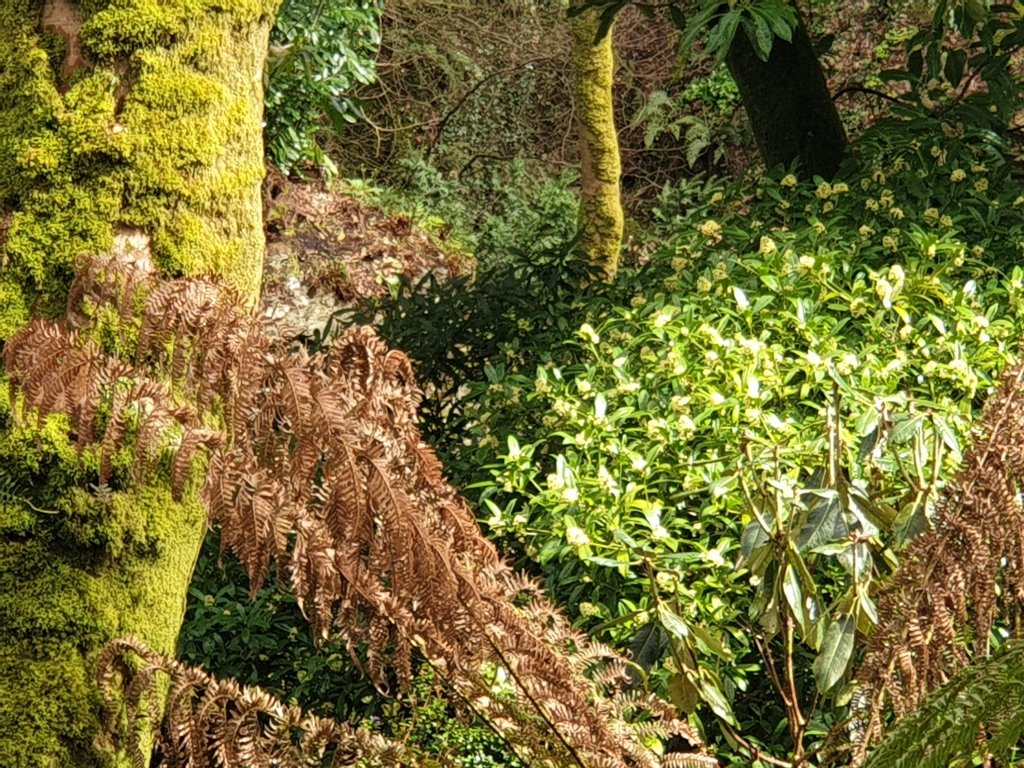
Others were deterred by the weather forecast from visiting Plas Cadnant on Bank Holiday Monday, so we were able to enjoy its steep dell nearly on our own:-






Clough Williams-Ellis
Visiting Plas Brondanw today raises the issue of how seriously one should regard the long career of Clough Williams-Ellis as a semi-amateur, but talented architect – he only spent a few months at the Architectural Association which he found by looking it up in the telephone directory.
What I hadn’t properly realised was the extent to which Plas Brondanw became a centre of liberals on holiday, a kind of mountaineering version of Hampstead, with cottages leased to Bertrand Russell, a relation through Amabel, who was a Strachey, Eric Hobsbawm, E.P. Thompson et. al., all attracted to mountaineering and a kind of strenuous Welsh retreat. I always thought of him in terms of doing up posh houses in Oxfordshire, but maybe there is a different side to him.
Plas Brondanw (2)
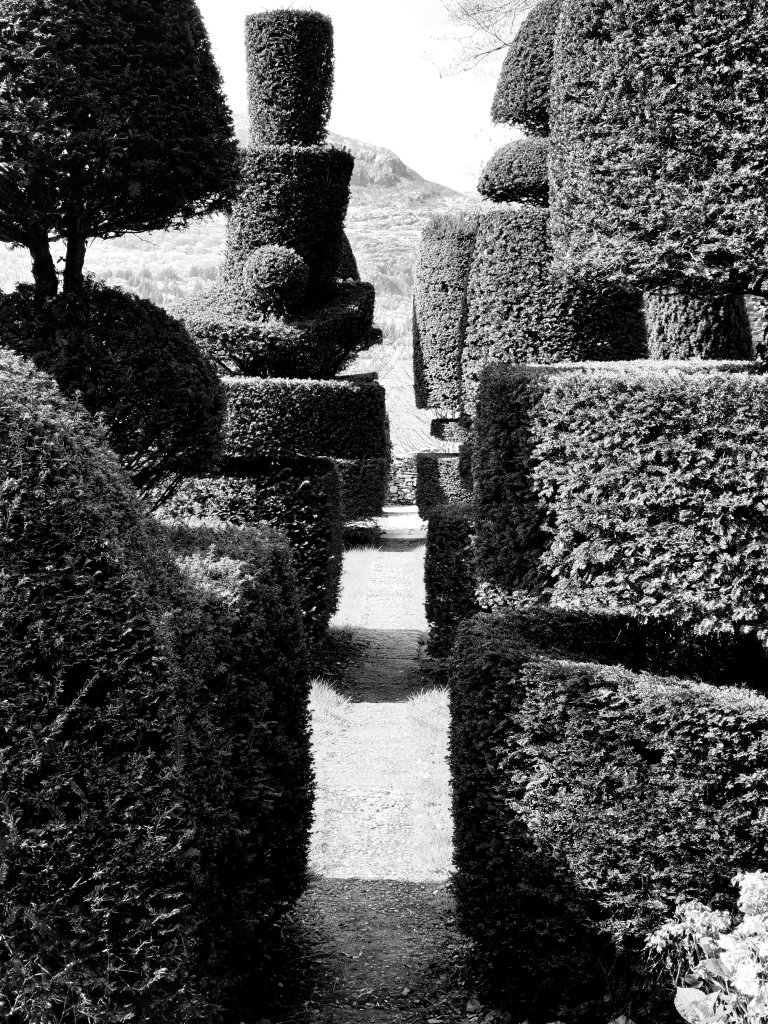
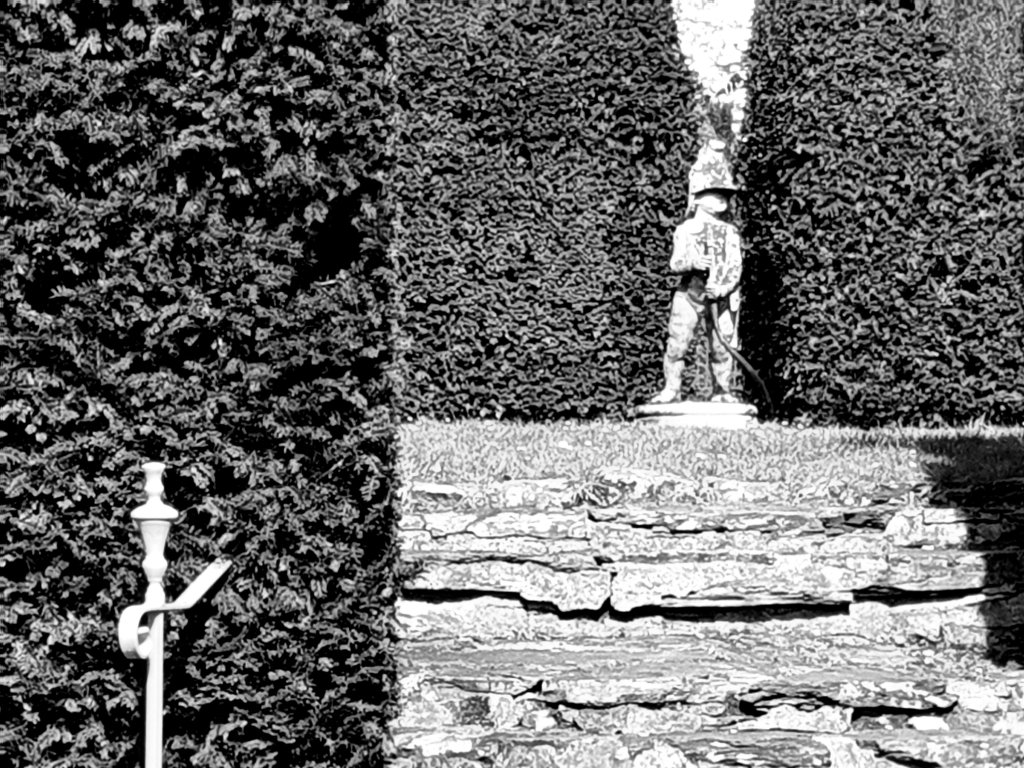
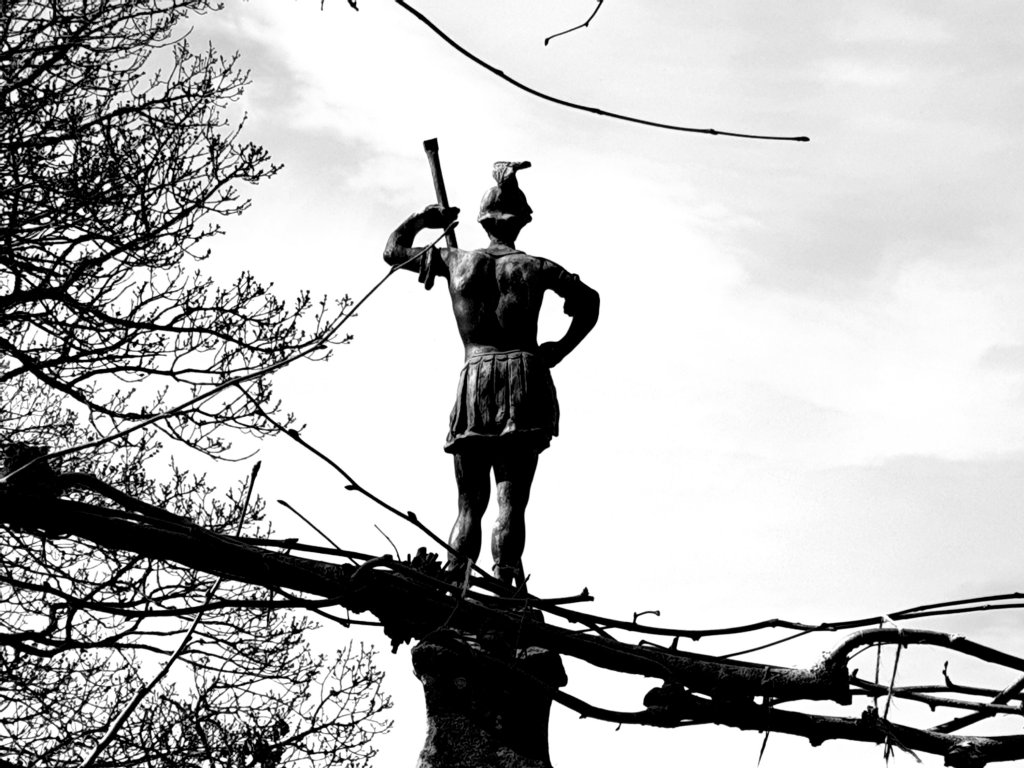
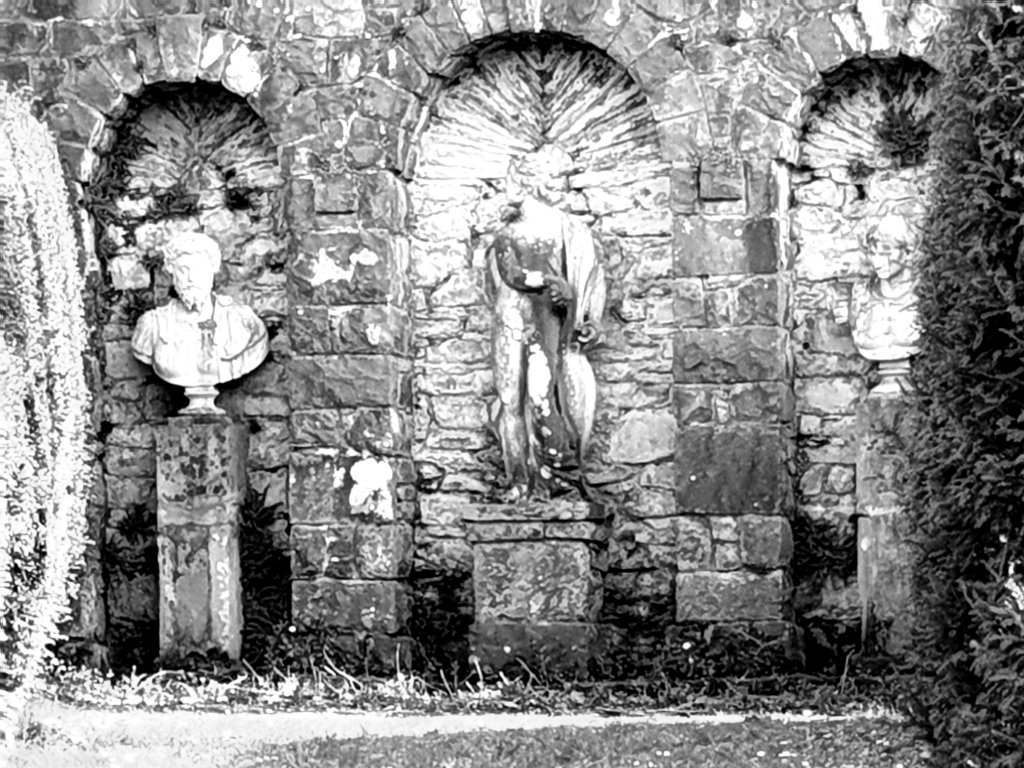
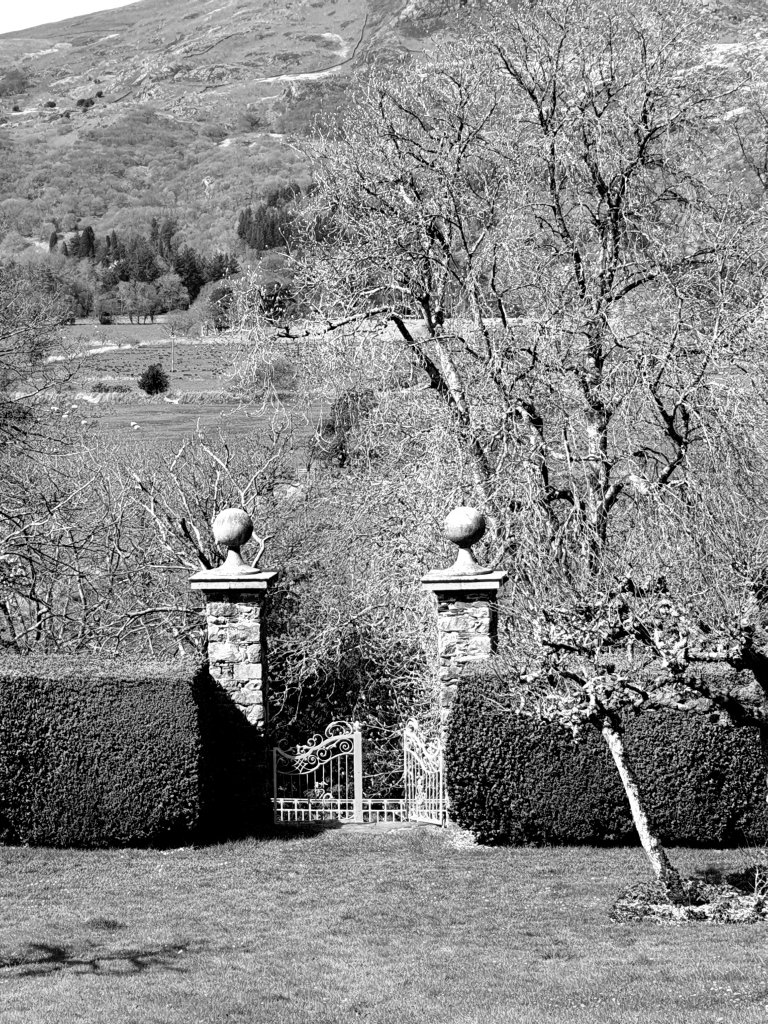
We haven’t been to Plas Brondanw in a long while – Clough Williams Ellis’s seventeenth–century house on a steep hillside looking across the Porthmadog valley to the mountains, a spectacularly picturesque setting which he enhanced with an elaborate Italianate layout and planting begun before the First World War.
Brilliant topiary:-


A garden pavilion:-

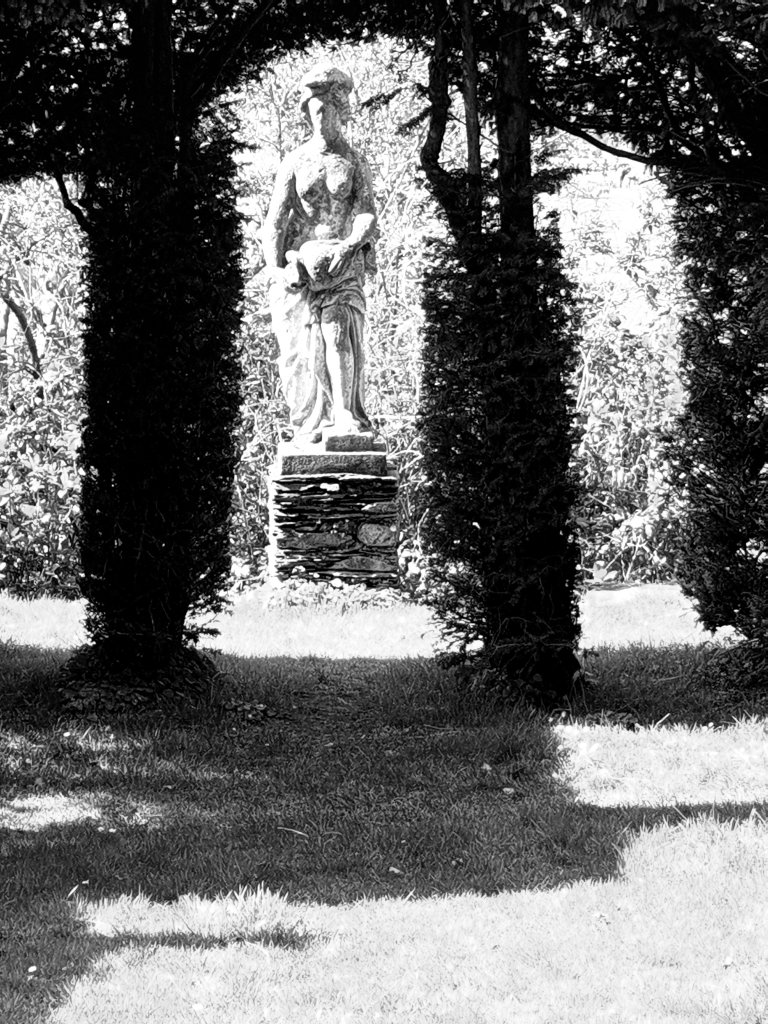
A multitude of garden statues:-

And views out towards the mountains:-

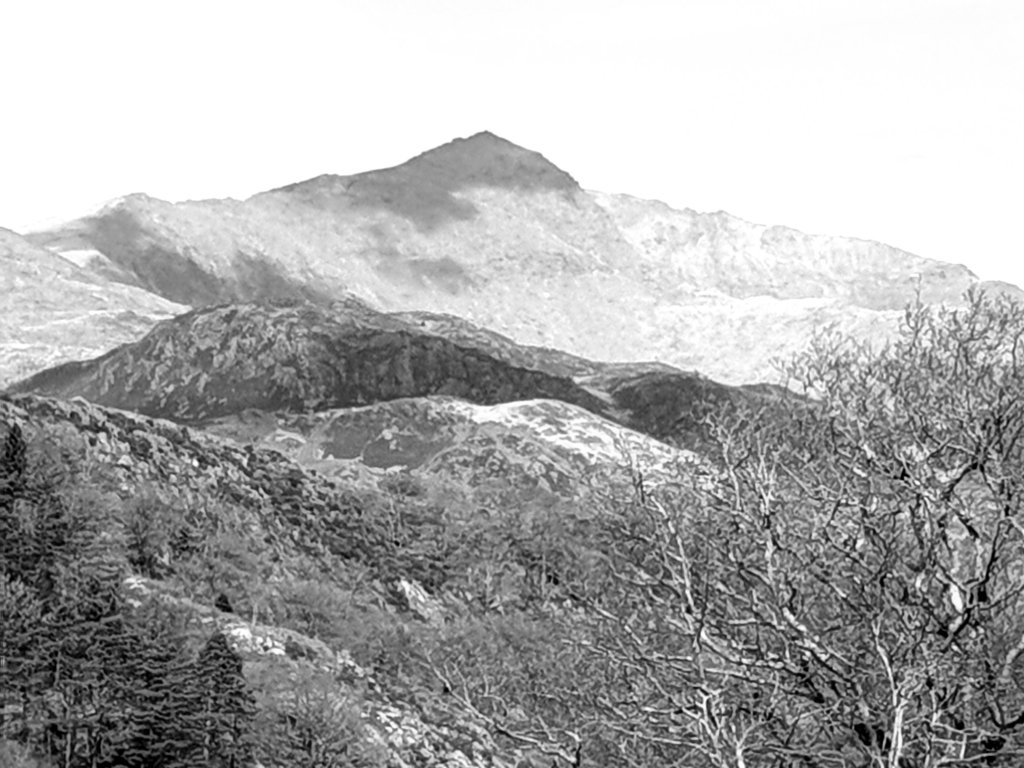
St. Brothen
We drove through the mountains by way of Bedgellert to see St. Brothen, a church in the care of the Friends of Friendless Churches, up a minor road beyond Garreg, hidden below a farmyard in a highly picturesque position surrounded by woods:-

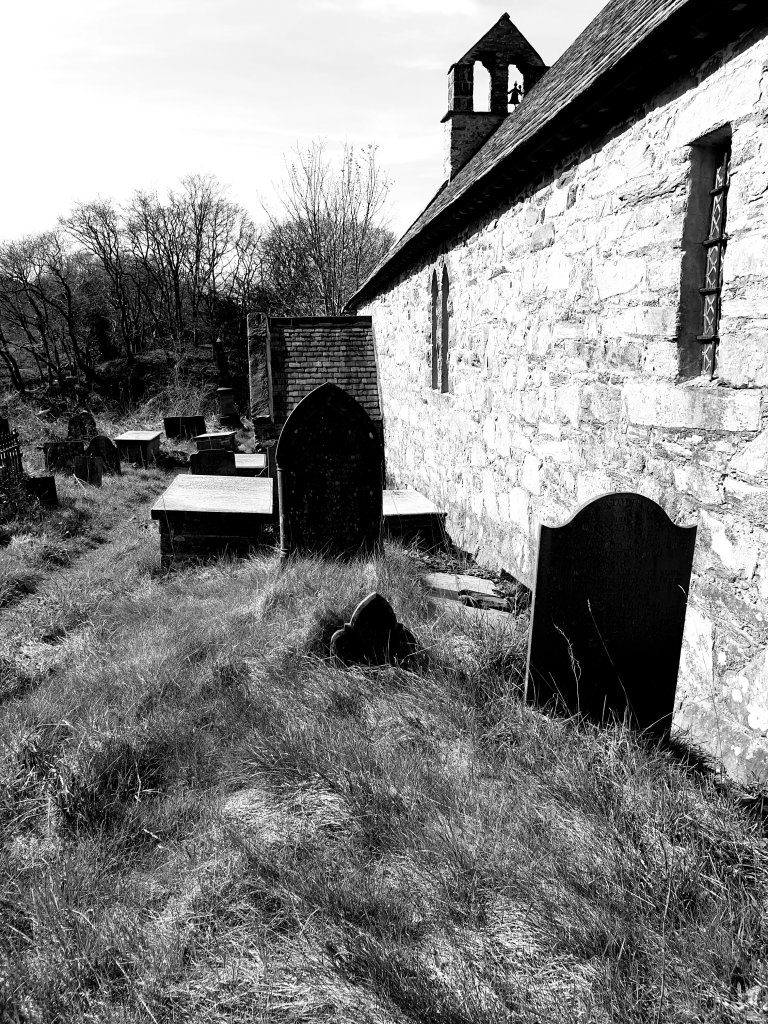
Inside is very unspoilt, cared for, but not much used:-

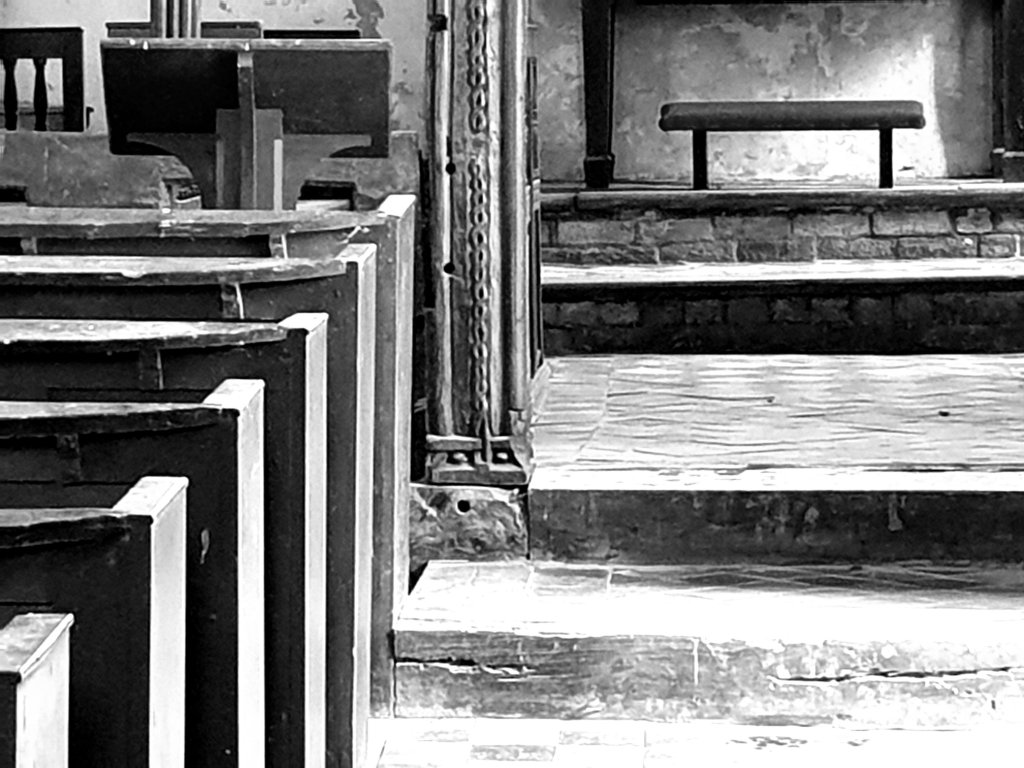

The churchyard overgrown:-


Pentagram (2)
I have been asked about the availability of the book about Pentagram. The answer is that I was kindly sent a copy of the special edition, but Unit Editions are producing copies to order (https://uniteditions.com/products/pentagram-living-by-design-pre-order).
If you are interested, I strongly recommend it. It provides a great deal of information about the back history of Pentagram, how it came to be established, as well as succinct biographies of all its partners, including Alan Fletcher, Colin Forbes, Kenneth Grange and Theo Crosby, its founders. The text is by Adrian Shaughnessy, who has also published the book which is itself, as it should be, a brilliant piece of book production. Not cheap:-

 | Charles | Saumarez | Smith |
You must be logged in to post a comment.