The Marshall Building

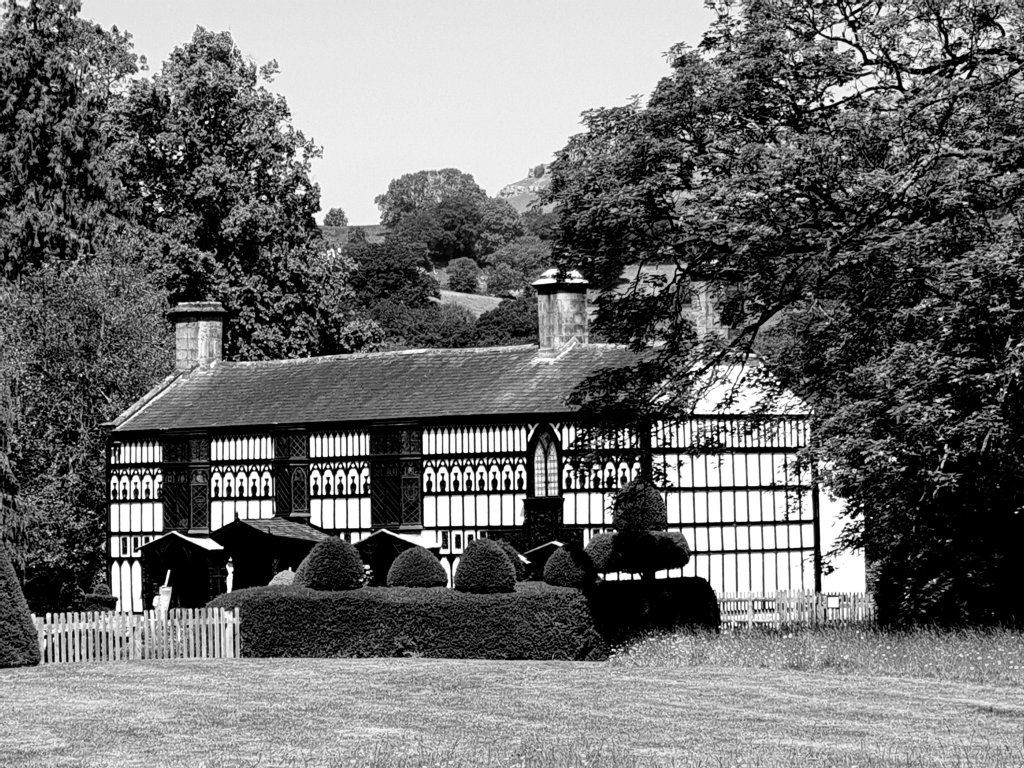
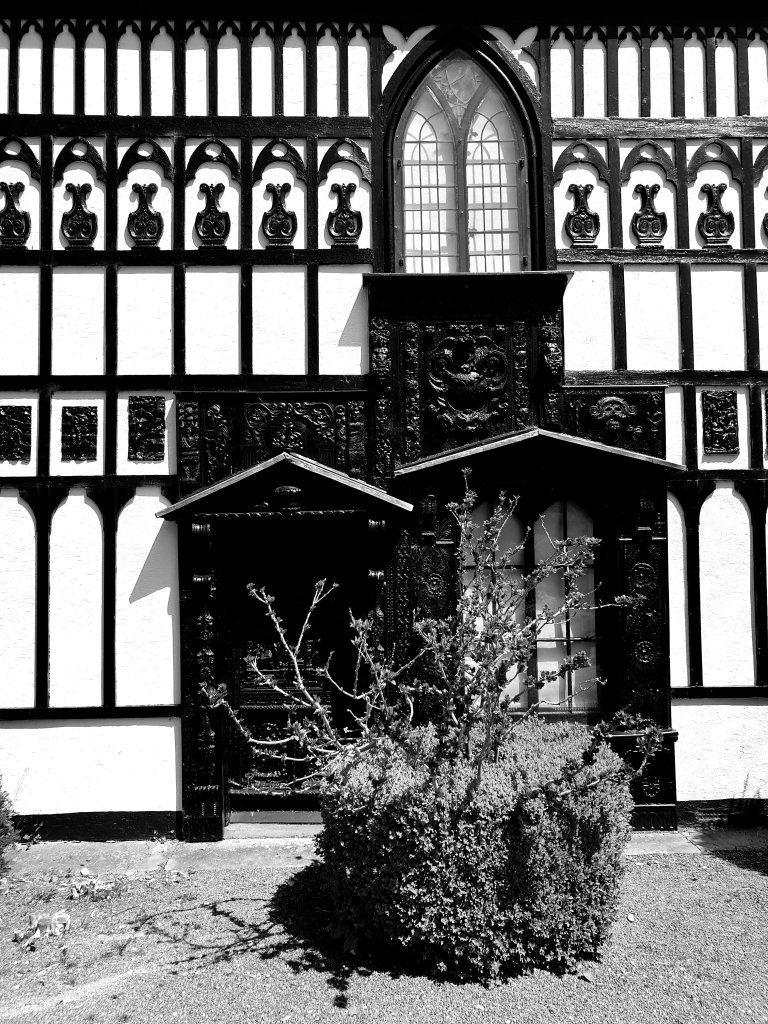
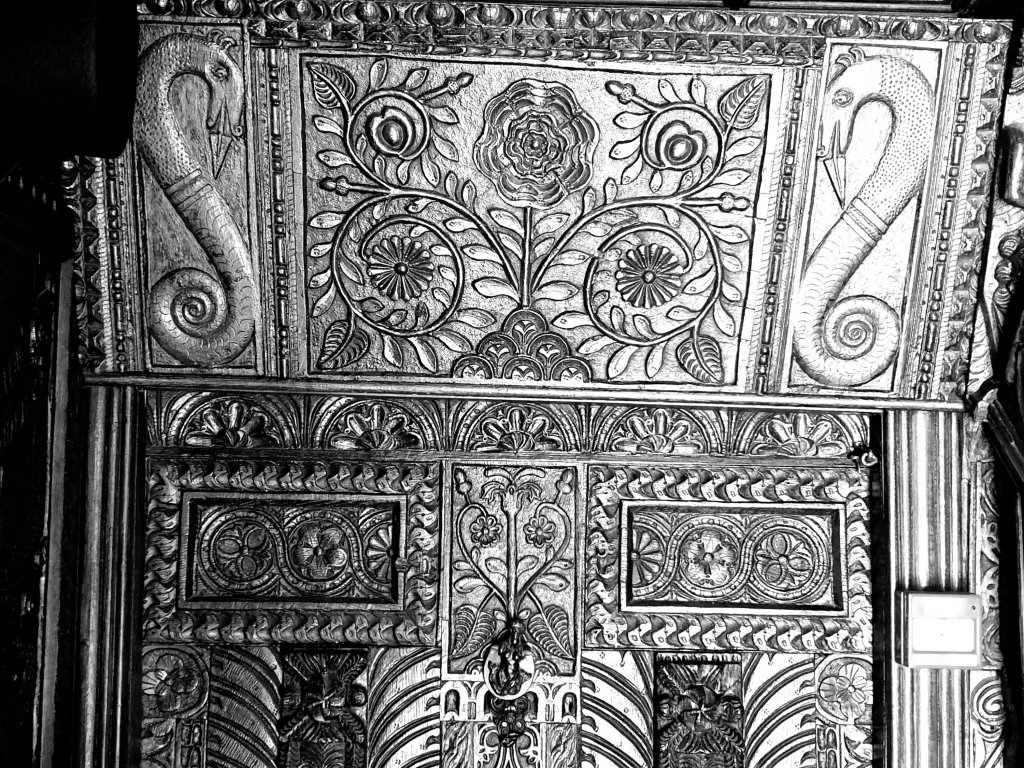
Last week, I went to see the new building at the LSE by Grafton Architects – another pretty impressive big project, £145 million the quoted cost, but worth it for what it does in terms of giving LSE a public face on Lincoln’s Inn Fields and giving the university more of a presence on its complex site: an interesting building, half quasi-concrete, neo-brutalist, but with a very strong humane feel, with lots of space for working and beautiful gardens on the rooftop. For some reason, my picture of the roof terraces didn’t make it onto the blog:-

Nor did my picture up into the heart of the building:-

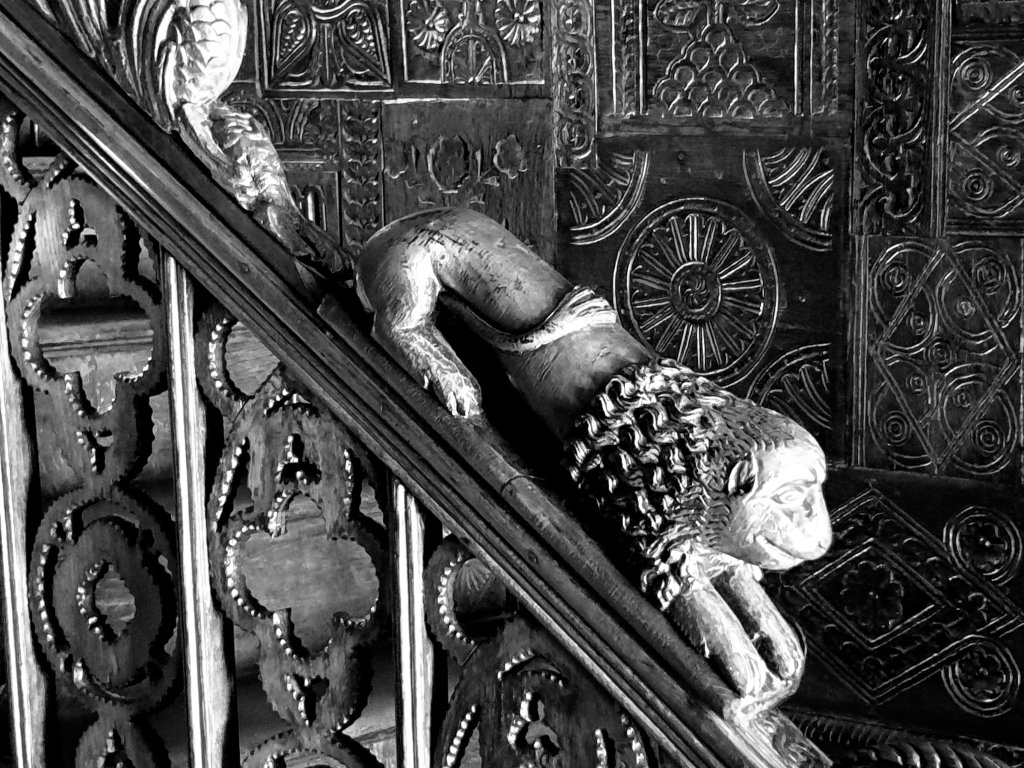
Nor my picture of the staircase:-

For my more considered views, see the blog below:-

https://www.architectureclub.co.uk/events/behind-the-scenes-the-marshall-building

Standard

Tower Hamlets Town Hall (2)

It will be well known to readers of my blog that I am not a big fan of Tower Hamlets and its planning policies, not least for the decision of its planning committee to grant permission for redevelopment of the Whitechapel Bell Foundry, the most priceless historical asset which is now being allowed to decay unused (https://thecritic.co.uk/issues/february-2023/the-beastly-east/).

But, I cannot disguise that I am very impressed by the redevelopment of the old London Hospital building which was in a terrible state of decay into the new Tower Hamlets Town Hall. It has been done by AHMM and is a clever mix of the new and the old – restoring the main façade, keeping the porte-cochère, but adding what is essentially all new build at the back, but done with character and including a Council Chamber where we can all go and listen to debates.

It opened apparently without fanfare on Monday and already looks incredibly well used, with loads of places to park your bike and a good sense of relationship to the street, with a park being planned behind.

Now, Mayor Rahman and his planning committee need to address what is to happen to the Bell Foundry. Compulsory purchase ? They have demonstrated that they are capable of imaginative redevelopment. Please can they apply these skills to the development of the Bell Foundry as a Centre for Craft Skills, combining new and old technology ?

Standard

Bakor Monoliths (1)

There is a small exhibition just to the right of the entrance of the British Museum devoted to its Bakor Monolith, bought from an auction house in 1974, having previously been owned by Mr. C.A.L. Brooks (so far, untraced) (https://www.britishmuseum.org/exhibitions/bakor-monoliths-endangered-heritage):-

These monoliths were first documented by Charles Partridge, a British colonial officer in 1903, who took photographs of them shown in the exhibition:-

They were then studied in the 1960s by Philip Alison, who worked for the Nigerian Forestry Department. He documented 295 stones. Many were smuggled out to Cameroon during the Biafran War.

If you want to know more, there is an accompanying book, currently only available under the counter:-

And an interview in Cultural Property News (https://culturalpropertynews.org/interview-factum-foundations-ferdinand-saumarez-smith/).

Standard

Donatello

An amazing, very dense exhibition, far more work than I had expected, not just by Donatello, but sculpture from all over Italy and, not least, from the V&A.

David (1408):-

Seated Virgin and Child (c.1415):-

Enthroned Virgin and Child (c.1420):-

Donatello and Michelozzo’s panels from Prato Cathedral:-

Bust of a Man (c.1455) from the Bargello:-

Donatello and Deiderio da Settignano’s John the Baptist from the Bargello:-

Standard

St. Mary-le-Strand (2)

Following my recent visit to St. Mary-le-Strand, I have been reading the excellent book about it, available in the church, by Peter Maplestone, which makes clear a lot I did not know. Mainly, that it was Thomas Archer, not James Gibbs, who was originally commissioned to design the church in April 1714. The foundation stone was laid on 15 July 1714 and the building was already well under way when Gibbs took over in November 1714 (ie after the accession of George I). Gibbs’s design was preferred over that of Vanbrugh, not, I think, because Gibbs was a Tory and Vanbrugh a Whig – Vanbrugh, after all, had recently been knighted – but because Gibbs had devoted more time and effort to his design and had the support of Christopher Wren. The issue is not so much why Vanbrugh’s design was turned down, but why Archer was ousted.

Standard

The Public Sphere

I have been sent the attached excellent article about a new exhibition at MOMA about small-scale, architect-generated public projects in New York, which are designed to rectify what I think of as the current impoverishment of the public sphere.

There are good initiatives in London, too, of which the pedestrianisation of the Strand is an excellent example – getting rid of traffic, putting in seating, making St. Mary-le-Strand accessible, treating the City as a platform for interaction, not a place of pure profit. I see it was done by the Centre for Urban Science and Progress (CUSP) at King’s College, London and I hope they win lots of awards for it.

The new Queen Elizabeth line also has a sense of generosity and spaciousness in its design. If only this could have extended to providing what used to be known as Public Conveniences. I don’t know what they are now called because they no longer exist.

PEOPLE OVER PROFIT as the graffiti says on the front of the increasingly derelict Whitechapel Bell Foundry which has become a morality tale for our times, lining the pockets of politicians instead of acting for the public good.

https://www.theguardian.com/artanddesign/2023/feb/24/new-york-new-architecture-how-is-the-city-changing-with-the-times?CMP=Share_AndroidApp_Other

Standard

St. Mary-le-Strand (1)

Yesterday, I had the utmost pleasure in seeing the newly pedestrianised Strand. Some things do get better. One of the great pleasures is that St. Mary-le-Strand is open and easily accessible instead of being a blackened traffic island surrounded by buses. There is also an intriguing performance of its history inside which, so far as I could tell, was very well informed, giving a feel for the recruitment of Gibbs instead of Vanbrugh. It doesn’t sound altogether plausible that Wren packed the Commission with Tories who would support Gibbs over Vanbrugh, but I liked the narrative nonetheless:-

Standard

Anthony Green RA (1)

News of Anthony Green’s death is very sad. He was a pillar of the RA when I first went there – a stalwart member of Council and took over as chairman of the Exhibitions Committee. He had great knowledge and good humour, without any side and friendly with everyone.

Since I was in the neighbourhood, I went to see the exhibition of his work at Chris Beetles Gallery in Ryder Street. There are several self portraits, which in the circumstances are unbearably poignant:-

https://www.theartnewspaper.com/2023/02/15/anthony-greenwhose-wife-mary-was-the-muse-for-a-unique-set-of-narrative-paintingshas-died-aged-83

Standard

Sir Christopher Wren (2)

The tercentenary of Christopher Wren’s death is approaching fast – he died on Saturday 300 years ago. I’m pleased to have just received the latest (March) issue of The Critic which includes my slightly more considered thoughts about his personality than was possible at the annual dinner of the Chartered Company of Architects. I will post the article once it becomes available online. Meanwhile, I am posting an image of the wonderful portrait bust of him by Edward Pearce in the Ashmolean – so vivid, a face of such obvious intelligence, the closest one can come to him after three hundred years:-

Standard

The Beastly East

My piece for this month’s The Critic was on the still relatively new Survey of London volumes on Whitechapel – a bit late I know, because I went to the launch last June. But I discovered that they are just as meticulous in recording recent changes in property ownership as they are those of the eighteenth century. And so I discovered who actually owns all those monster new tower blocks in Aldgate and how many times they have changed owner in the last ten years. They are nearly all offshore. One is owned by a Texan disc jockey.

This brings me to the scandal of the Whitechapel Bell Foundry which you may recall was sold in December 2016 – SEVEN YEARS AGO – to a New York venture capitalist who wanted to turn it into a boutique hotel. Well, after his plans were supported by Historic England as an example of adventurous change-of-use (change-of-use to a listed building should have been legally forbidden since there was a perfectly viable plan to keep it as a foundry) and after the planning Inspector found in favour of the scheme, Robert Jenrick gave it planning permission in spite of tweeting on the day that it was a rotten scheme until it was pointed out that he had signed the approval.

So what has happened since ? Precisely nothing. The building has been left to rot by the New York venture capitalist. The Mayor does nothing. Historic England has egg on its face.

There is still a perfectly viable plan to put it back to use. Can we please encourage the venture capitalist to return the building to its historic purpose ? The London Bell Foundry will help.

https://thecritic.co.uk/issues/february-2023/the-beastly-east/?s=09

Standard