


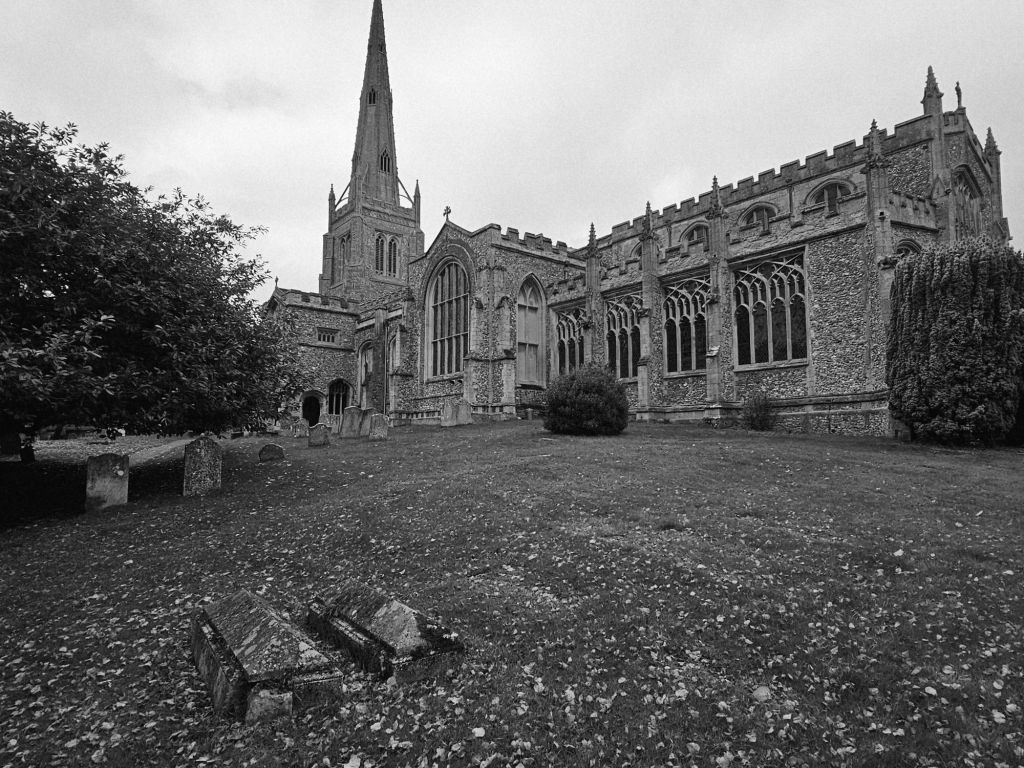
I stopped off in Thaxted to see its wonderful, empty, light church where Conrad Noel was the Red Vicar, flying the red flag alongside the flag of St. George.
There is an exceptionally fine bust of him by Gertrude Hermes, dated 1938:-

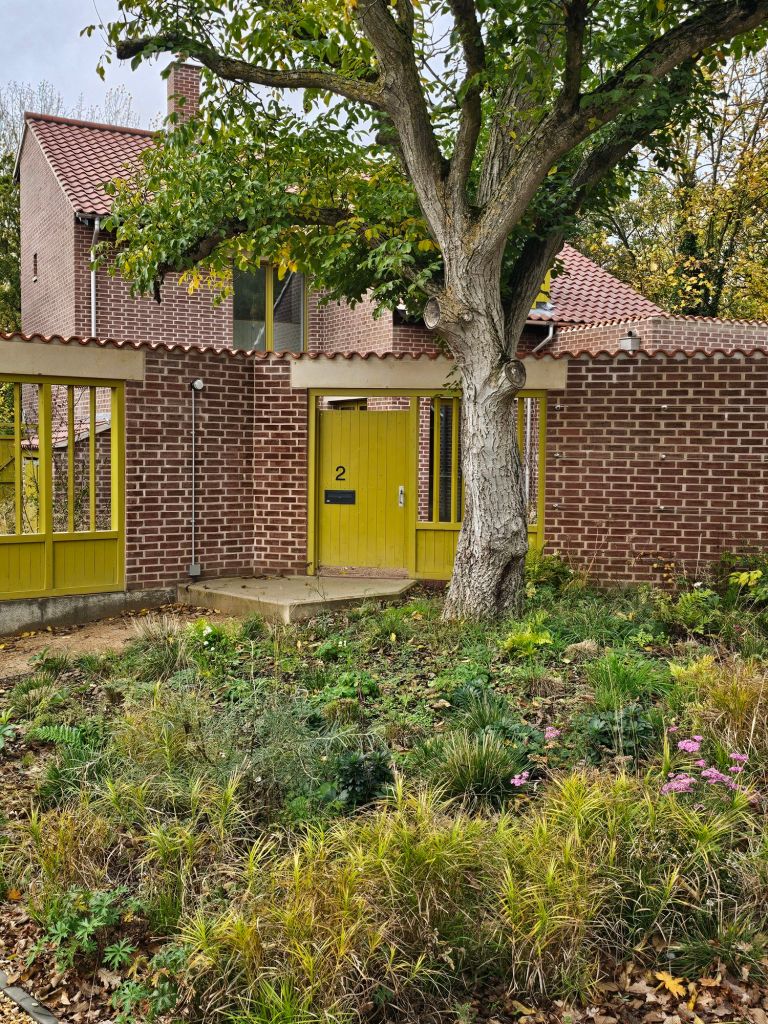
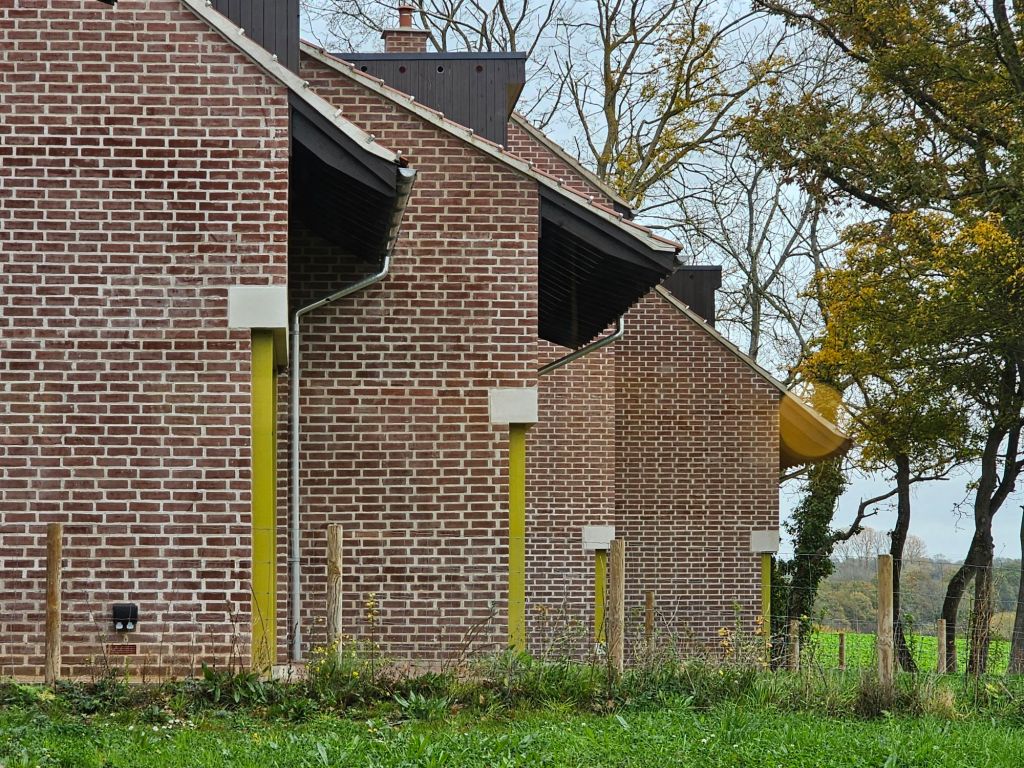
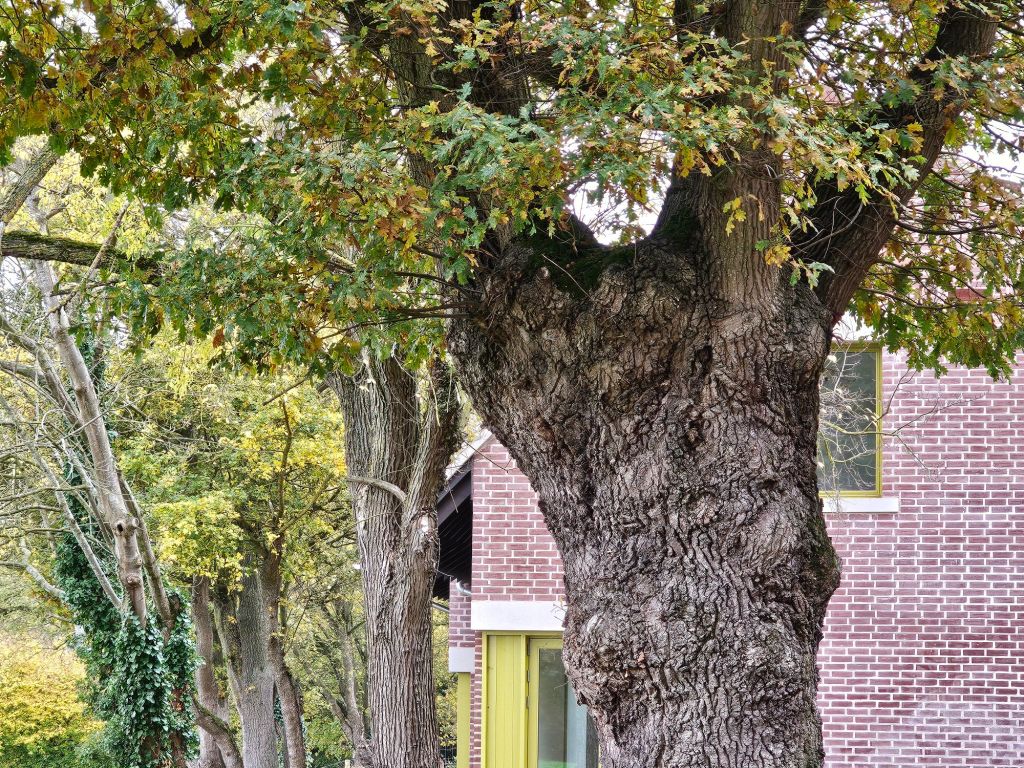
I read about Charles Moore Place on the Modern House website and thought it looked interesting: not that I want to buy a new house, but that it is possible to design so called ‘executive homes’ with thought and care. As it happens, it is surrounded by multiple new build estates, which are much more standardised and just as expensive.
So, I can only applaud the developer-cum-contractor, Rooff, and the architects, Sergisson Bates for taking so much trouble in the design of a building type which, certainly architecturally, benefits from good quality construction, scrupulous design and fresh thinking:-
https://share.google/vPdmvOeTBria6HNRX

I sadly missed the launch of the book Provenance in Architecture: A Dictionary at the Warburg Institute last Friday, but have been dipping into my copy whenever possible over the weekend (I contributed the entry on Craft).
It is essentially the handbook to an approach to architecture which focuses not on authorship or style, the traditional concerns of architectural history, but the trajectory of buildings through their history, not just through an examination of the complexity of their origins, but their subsequent life through changing ownership, use, adaptation and, sometimes, destruction. It is an intellectual history as much as an architectural one: very Warburgian in ethos.
Each of the entries is not really an examination of a linguistic term, but a mini-architectural or thematic case study, so it is much more readable than the average dictionary.
Uwe Fleckner, the Director of the Warburg Haus in Hamburg (and much else) and Mari Lending of the Oslo School of Architecture have done an astonishing job in commissioning, editing and overseeing the book, which has been handsomely produced by Hatje Cantz.

One of the pleasures of seeing several properties in Spitalfields in quick succession was the opportunity to compare different approaches to conservation.
19, Princelet Street has a philosophy of minimal intervention: stabilising the fabric just enough to ensure that it is safe to visit, but otherwise to do as little as possible to retain the atmosphere of past time and create a space for historical contemplation.
The House of Annetta presents a somewhat different set of opportunities and challenges because its previous owner, Annetta Pedretti, had herself deconstructed so much of the fabric of the building down to its material bones. Here the philosophy is to reinvest the building with social life through engagement with, and the involvement of, the local community, so that the built fabric becomes merely the backdrop to multifarious social activity.
Then, Dennis Severs’s house where each room is treated, as Severs described it, as ‘a still life drama’, part of a theatrical experience in which authenticity is less important than evocation.
Each different in purpose and effect.
A lesson in the politics and practice of conservation.

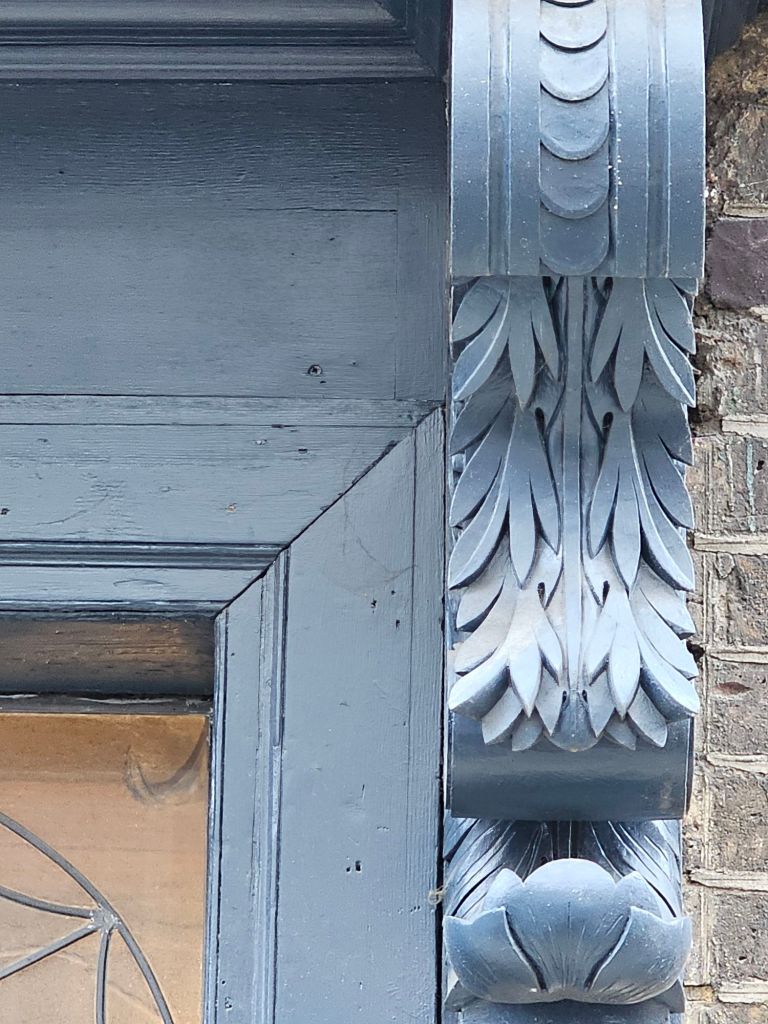
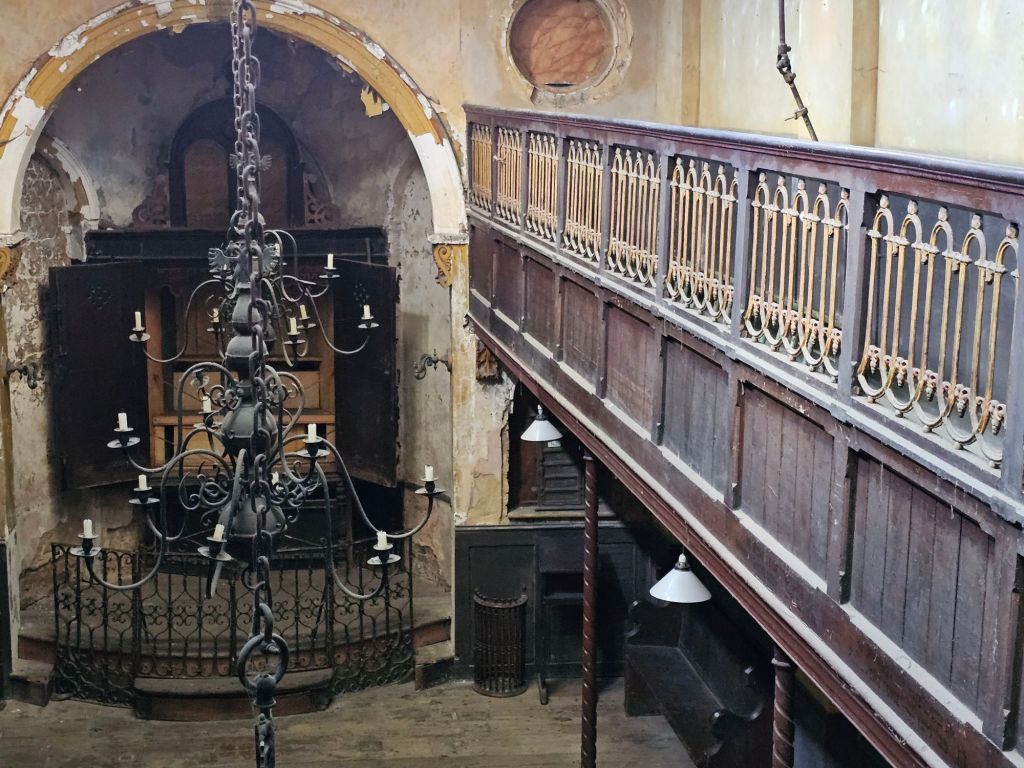
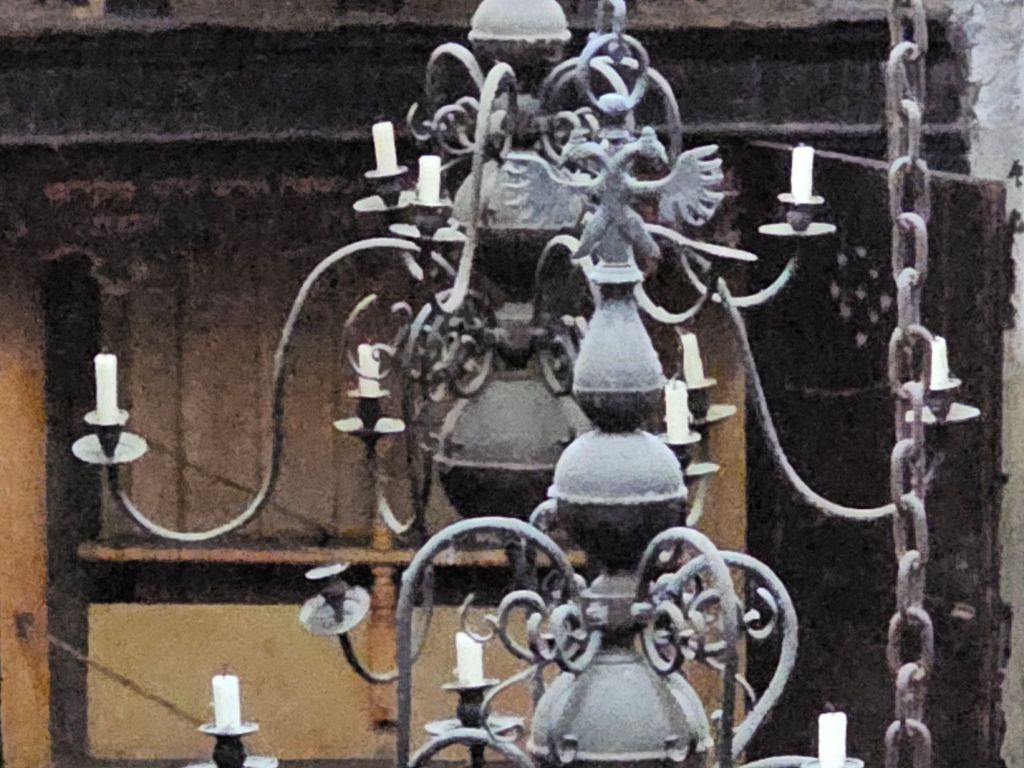
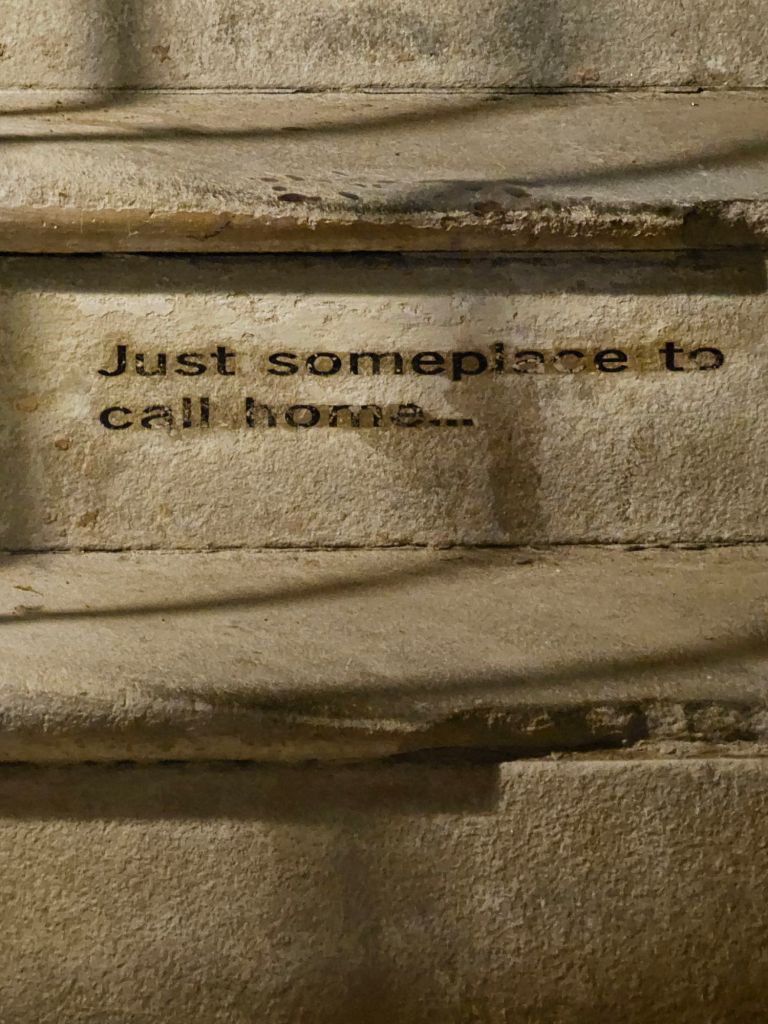
I have been to the synagogue in Princelet Street a couple of times before; but was again impressed by the sense of walking into a time capsule, so little has changed since it was deconsecrated in 1980 and acquired by the Spitalfields Trust.
Everything rattles and shakes, but that is part of the atmosphere:-


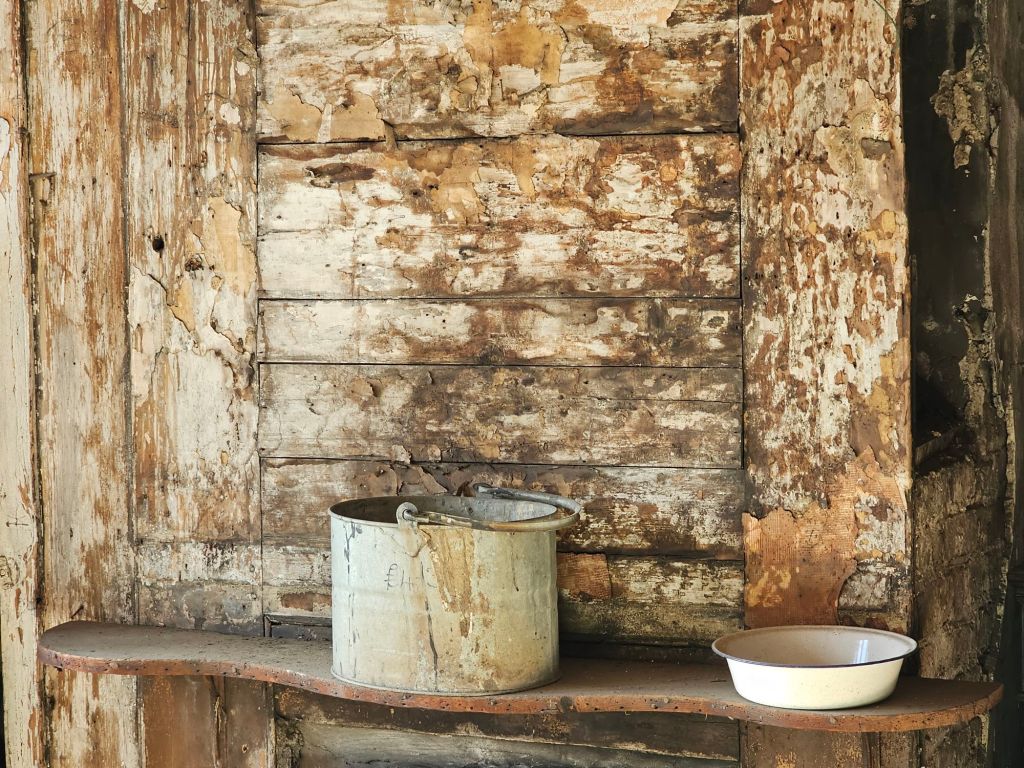
On the top floor is David Rodinsky’s room:-


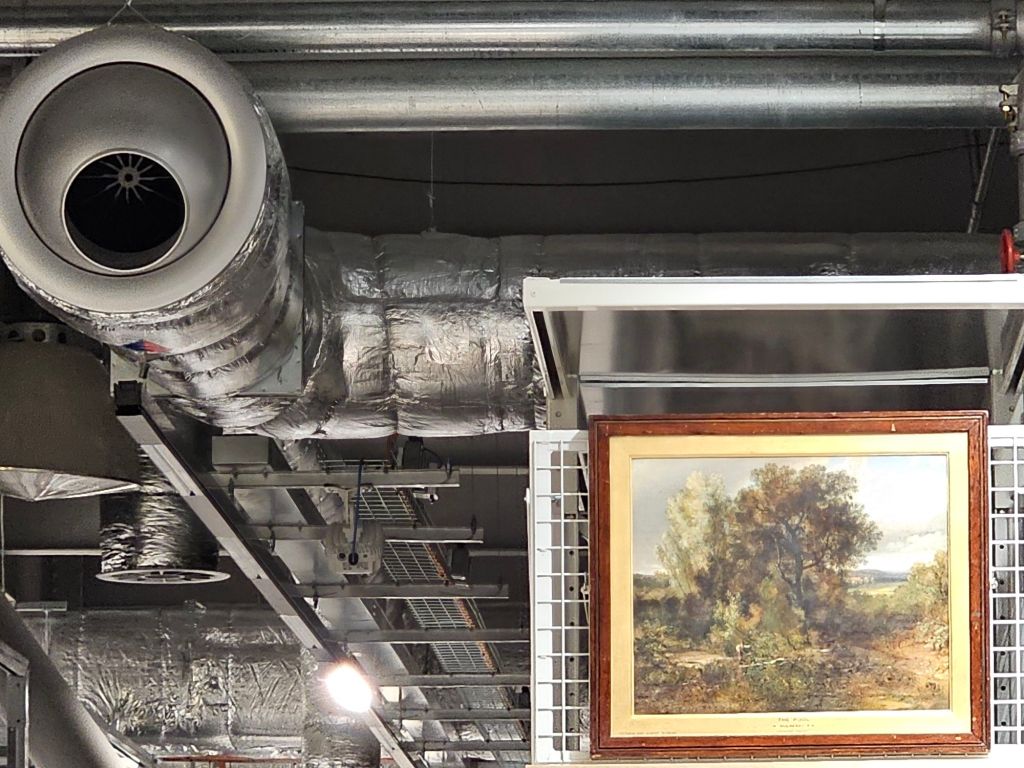
I haven’t been back to V&A East Storehouse as often as I planned; but it certainly hasn’t lost its sense of overwhelming surprise, of pandemonium, but in a good sense.
It was a Saturday afternoon: absolutely packed. They have had 250,000 visitors already in four months, so will get over a million visitors a year for the sense of wonder and exploration, not knowing what to expect or what to find:-




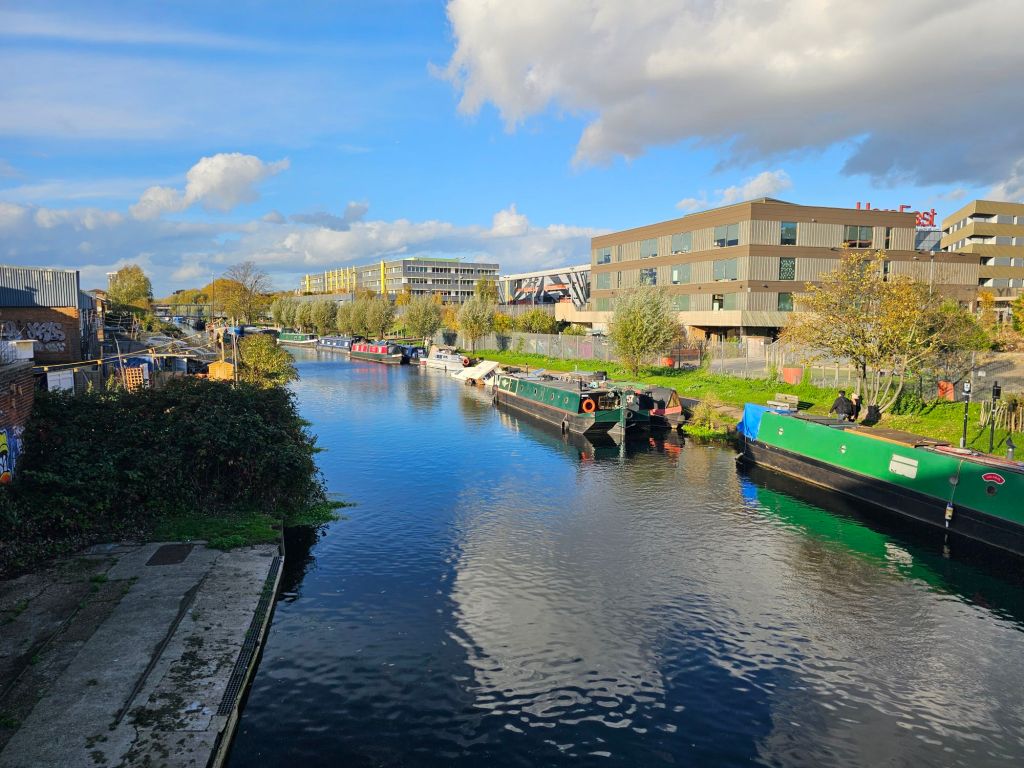
I organised a walking tour of Hackney Wick this afternoon.
I found it interesting because although I bicycle through it pretty often, I hadn’t registered how much of it is under reconstruction with huge new building developments, roads closed and the whole neighbourhood a building site.
So, the question is whether its curious mixture of new build and surviving industrial development, its graffiti and bars, can survive the onslaught of new development, however sympathetically it’s done.
I doubt it.


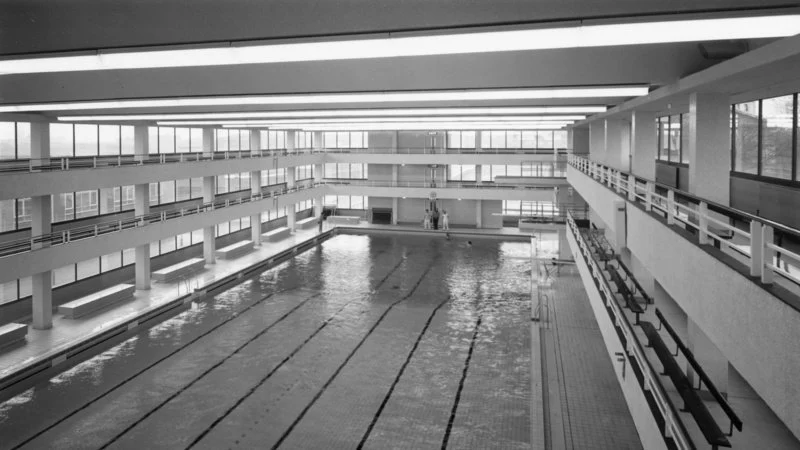
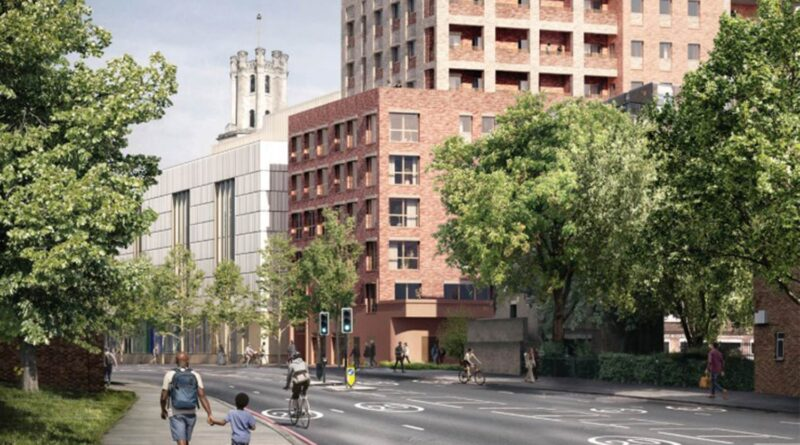
I have been alerted to the plans to demolish and redevelop the site of St. George’s Pool in Shadwell.
It sounds as if the pool has been in trouble for a while in spite of being expensively refurbished in 2012. It was closed in 2020 because of COVID and has not been re-opened since.
Its architect, Reginald Uren is an interesting figure. Born in New Zealand, he was trained as an architect there before coming to London in 1929 to study at the Bartlett and work for Charles Holden on some of the stations on the Piccadilly Line. In 1933, he won the competition to design Hornsey Town Hall which he did in a grandly Scandinavian style. In the 1950s, his firm, Slater, Uren and Pike, was responsible for the design of John Lewis and additions to Peter Jones. The swimming baths were designed in the mid-1960s.
This is what they used to look like:-
This is what is planned to replace it:-
We are part of the Ruby Hughes fan club and went to hear her perform today at the Wigmore Hall. You can listen to the concert on Radio 3 too. Sublime. Songs by Errolyn Wallen who I should have known about, but didn’t, Benjamin Britten’s ‘I wonder as I wander’, then, Charles Ives and back to Errolyn Wallen, finishing with a song about Rain and two encores. You can presumably hear it on Playback.
 | Charles | Saumarez | Smith |
You must be logged in to post a comment.