London Feeds Itself

I have been enjoying the essays in London Feeds Itself, the book produced to coincide with this year’s Open House. In some ways the best of the essays – because it provides an overview to the volume as a whole – is the Introduction by Jonathan Nunn, reproduced below. The book is a sociology of eating in London, concentrating on the huge variety of places to eat outside the centre, including the history of the Chinese restaurants of Limehouse and a lot about the ecology of Indian/Pakistani/Bangladeshi restaurants in Whitechapel, including Lahore One off the Commercial Road, Dhaka Biryani and Kolapata in the Mile End Road (they don’t give addresses) and, to my surprise, the culture of the PFCs, the chicken shops (Perfect Fried Chicken) which line the Mile End Road.

https://mailchi.mp/openhouseworldwide/free-extract-from-london-feeds-itself?e=6b32f5aa49

Standard

A.N. Wilson

I have been really enjoying Andrew Wilson’s memoir, Confessions, which arrived through the post on Monday: a very entertaining, but also sometimes darker description of his upbringing and early marriage, including a lot of introspection and gossip. The thing I found by far the most shocking was the date of his birth in 1950 because when I first met him – it must have been in 1971 – he was already married, living in a little terrace house in Jericho and wearing a three-piece suit, having been kitted out by his father at a tailor in South Wales and because – I never knew this – wearing a sports jacket was regarded as the garb of an undergraduate.

There’s a particularly good short chapter on Wedgwood where his father was a successful managing director during the 1950s – ex-army, deeply inculcated with belief in the potteries, extremely knowledgeable and quite adventurous in the choice of artists who were commissioned – and how in 1962, when the firm went public, he was fired and Wedgwood then gobbled up all the other smaller potteries, effectively destroying Stoke-on-Trent as a centre of manufacture. There is a lesson here (he tells it) about how Britain excelled in traditional craft skills and that it may not have been as inevitable as we have been encouraged to think that these industries were all axed – not least because the idea of the smaller specialist company focussed round design and skill has been maintained in Germany.

Standard

The Slab (3)

Thank goodness Greg Clark has called in the so-called Slab for a planning inquiry.

It will be a test case for the system. Let’s hope the Inspector finds good reason to reject such a monstrous, out-of-scale, ill-placed development which would dwarf the National Theatre nearly next door and Somerset House opposite. Please can it be built on the Isle of Dogs, not in such a prominent site on the curve of the river ?

https://www.architectsjournal.co.uk/news/government-calls-in-makes-south-bank-tower-for-inquiry

Standard

John Wonnacott: A Biographical Study (8)

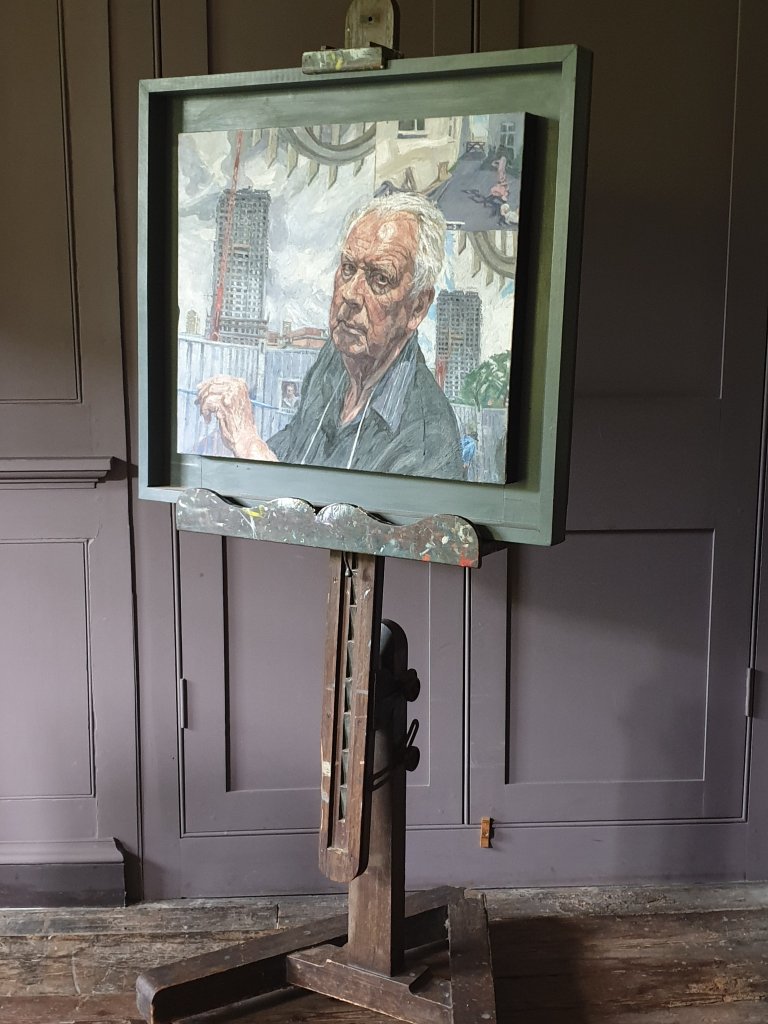
For anyone who has access to The Literary Review, there is the first review of my book about John Wonnacott. I have only been able to read the first two paragraphs, but greatly admire Frances’s recent book The Real and the Romantic: Art between Two World Wars which does for the 1920s and 1930s a version of what I am interested in for the 1980s: that is, providing a broader and more plural narrative of the development of art which admits that some of the more conservative artists should be looked at undogmatically.

I’m grateful to her for reviewing it.

https://literaryreview.co.uk/life-study

Standard

Cotesbach Hall (3)

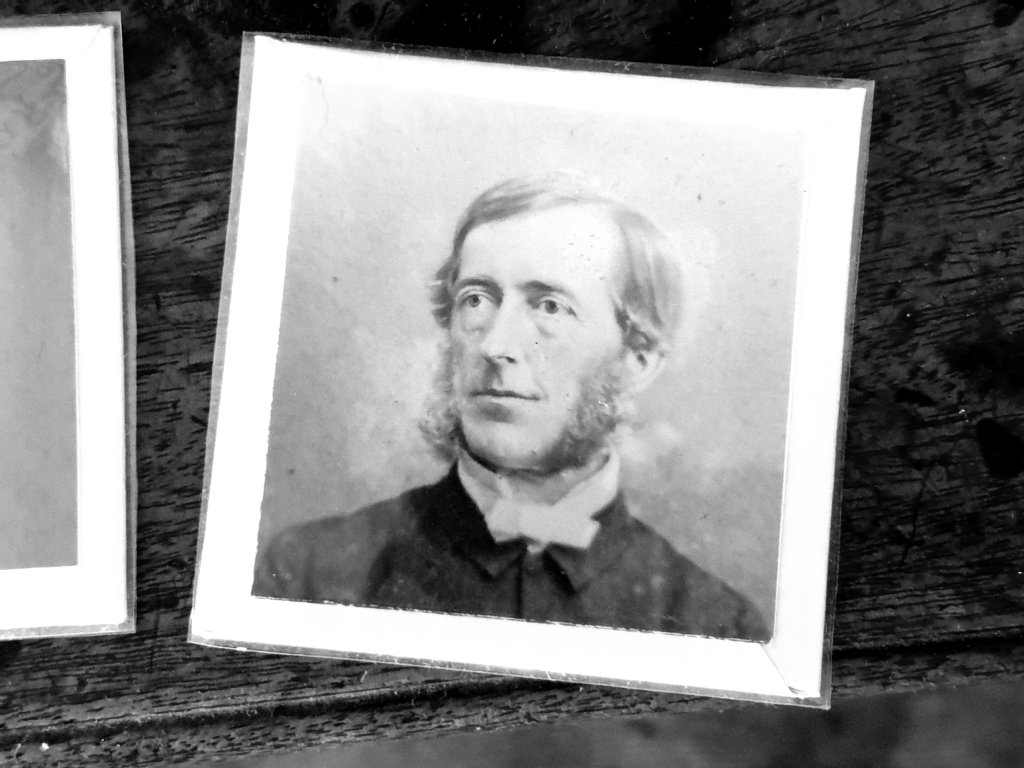
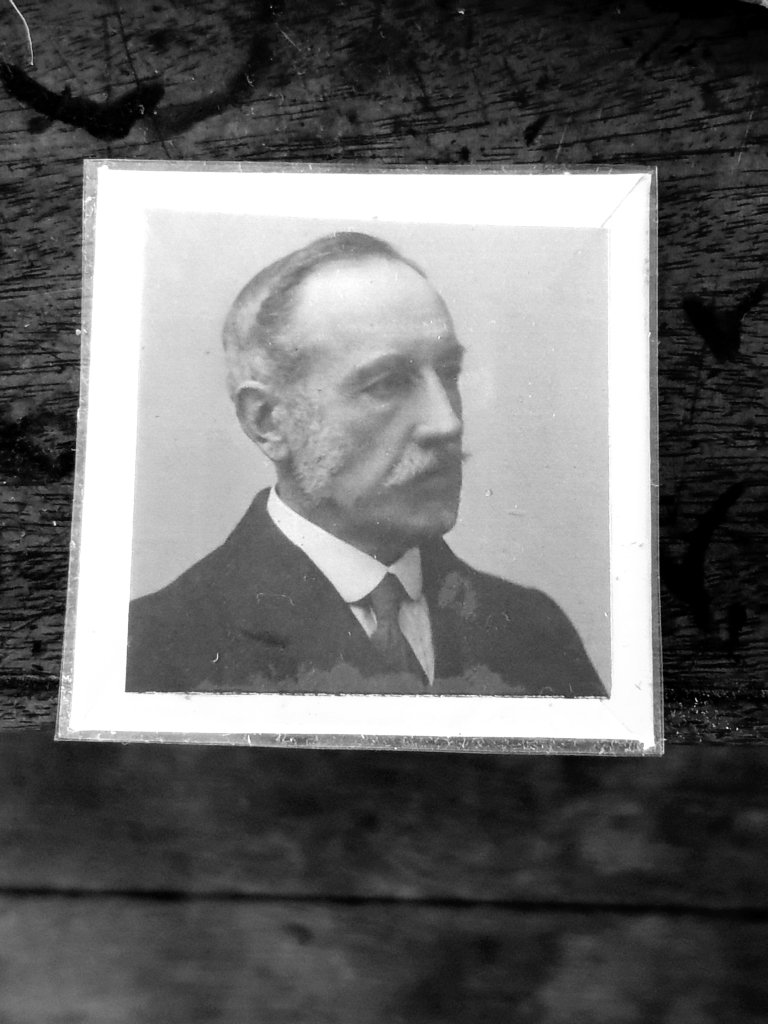
The last of my posts about Cotesbach will not mean much to anybody but me – the family memorabilia laid out on the piano in the drawing room, which included a photograph of the wedding of Rhona Hanbury to Brigadier General Vigant de Falbe in the summer of 1911, just before the outbreak of war. It was at Poles in Hertfordshire. The house was sold two years later:-

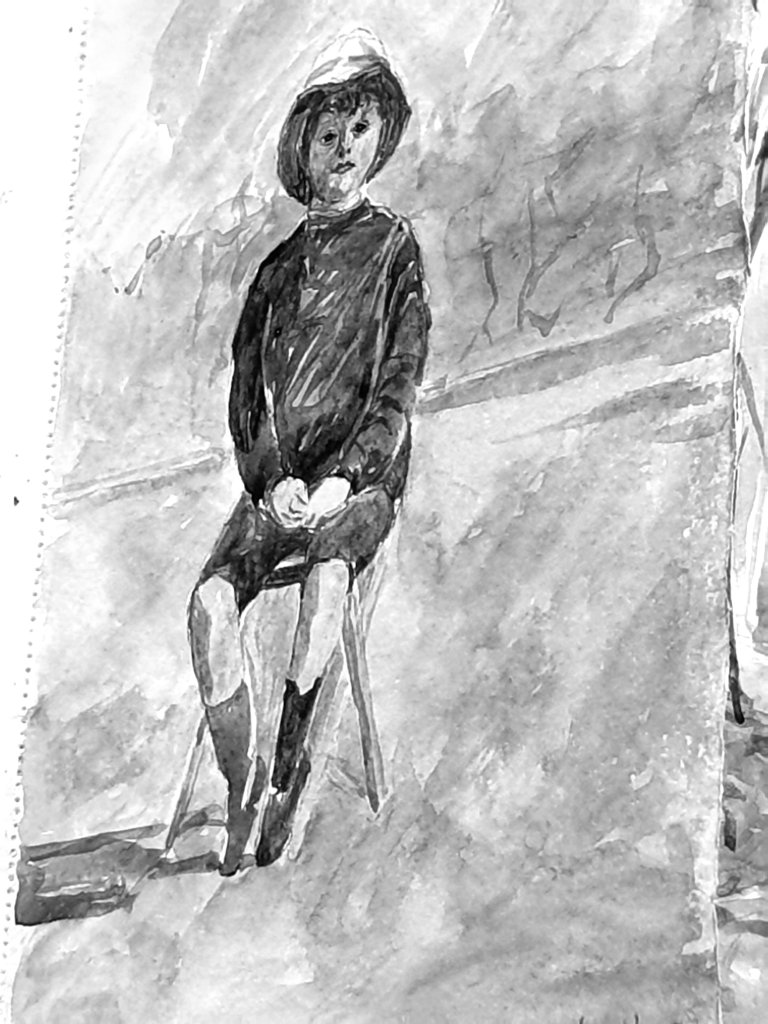
And in a tiny little sketchbook was a watercolour of my father in 1918 at home in King Henry’s Road where he lived during the First World War:-

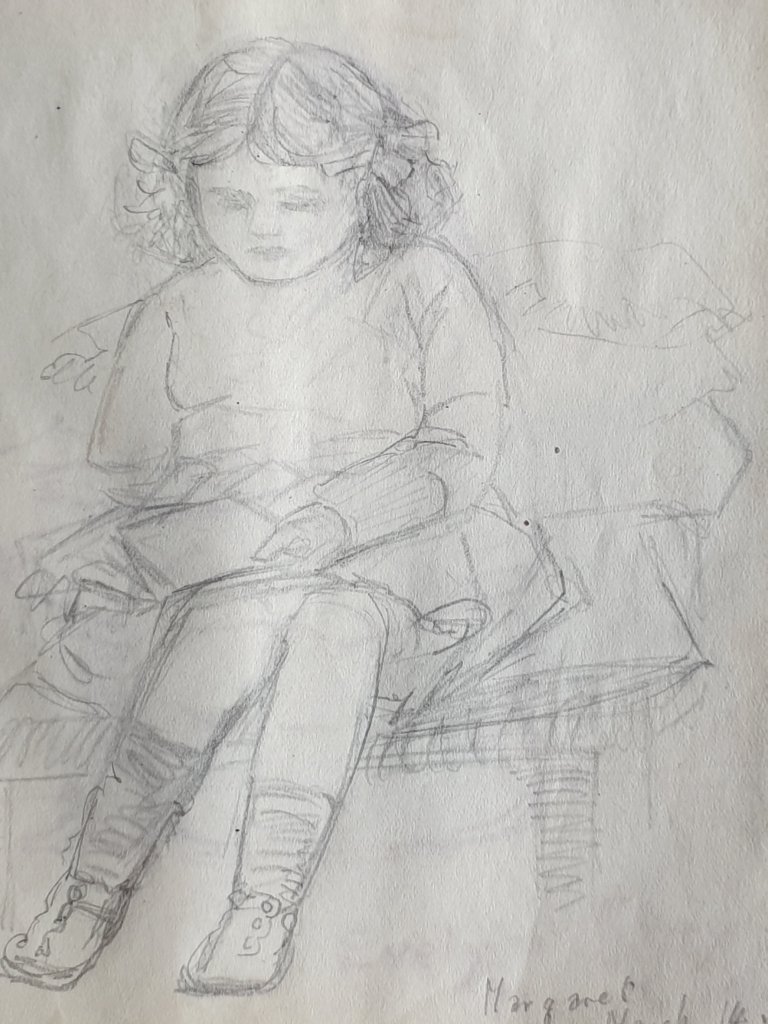
And my Aunt Margaret, studious as a child as ever afterwards:-

Standard

Cotesbach Hall (2)

The stable yard at Cotesbach Hall is full of surprises, not least an excellent café within easy reach of the M1, much better as a pit stop than a motorway service station:-

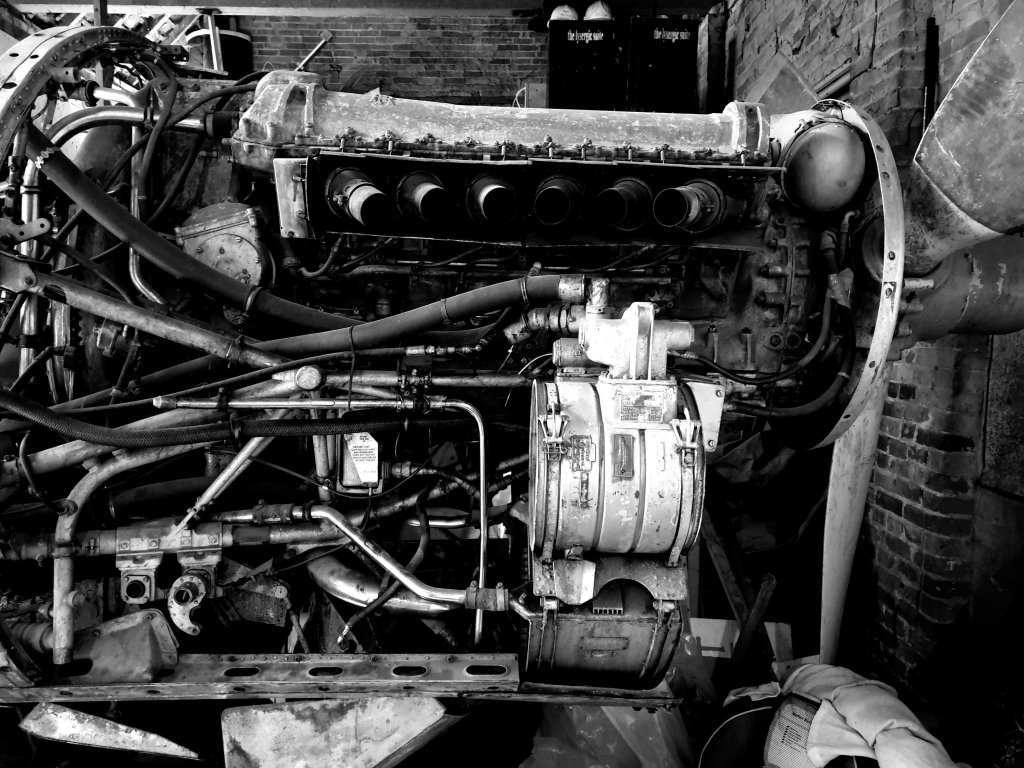
In one of the barns is the remains of the Rolls Royce engine Merlin taken from the Spitfires which flew in the Battle of Britain:-

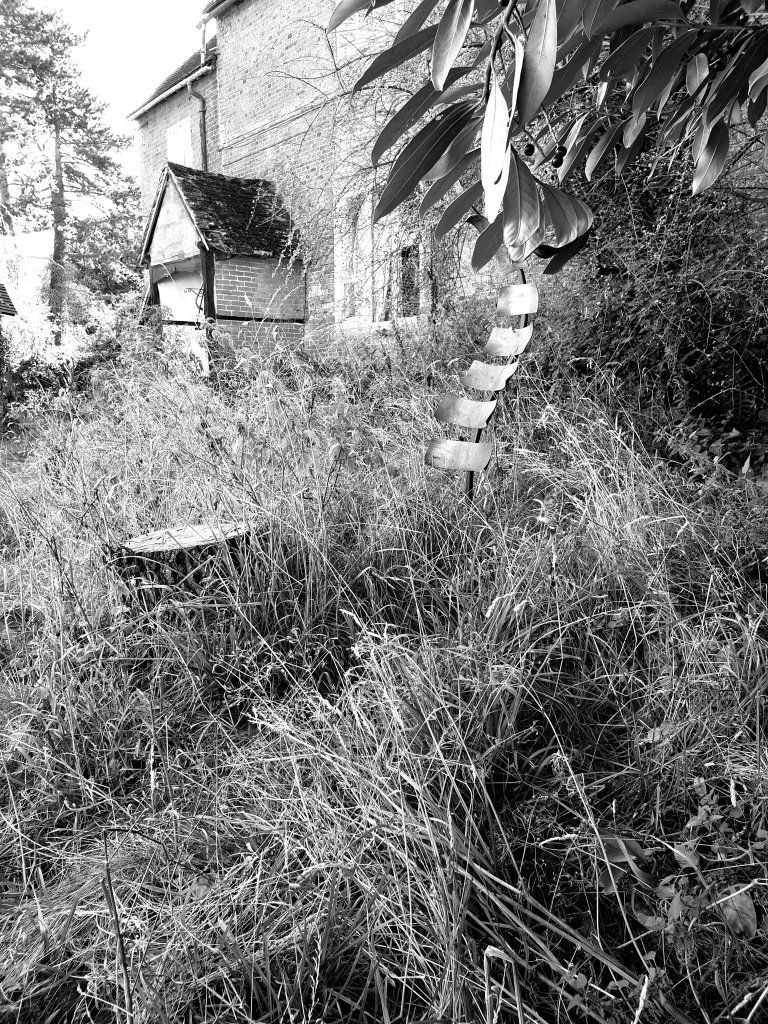
Above is the old Manor House, a sleeping beauty of an old house built in 1630 and awaiting restoration:-

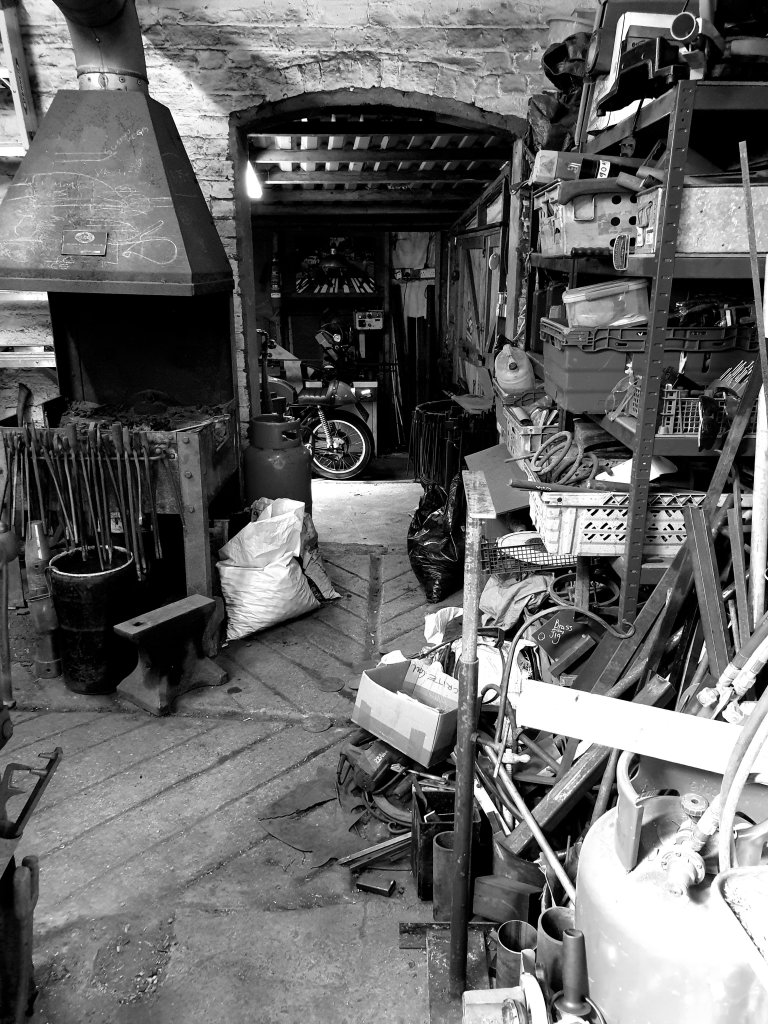
There is a Blacksmith’s:-

Best of all is the room used as a pub, which looks as if it hasn’t been used much during lockdown:-

Standard

Cotesbach Hall (1)

I have been to Cotesbach Hall before, but every time I go I am moved by the sense of the accretion of history – generation after generation of Marriotts adding to the history of the house in a way which is much more present than in houses which have been modernised.

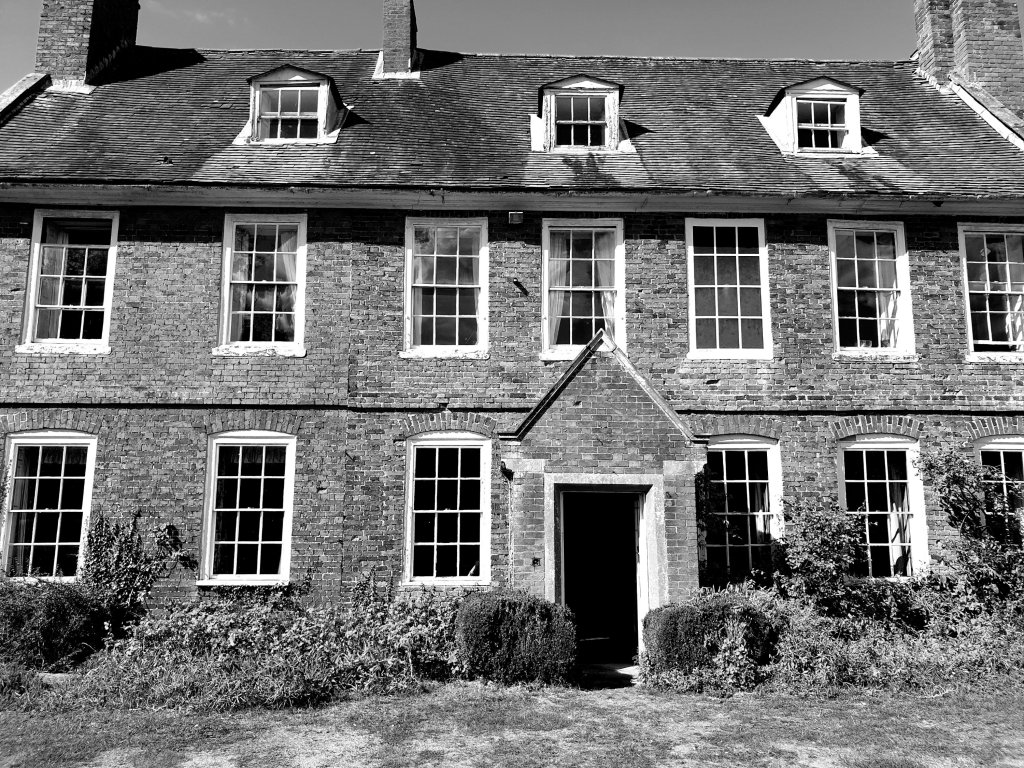
The Queen Anne front, with later Georgian wings:-

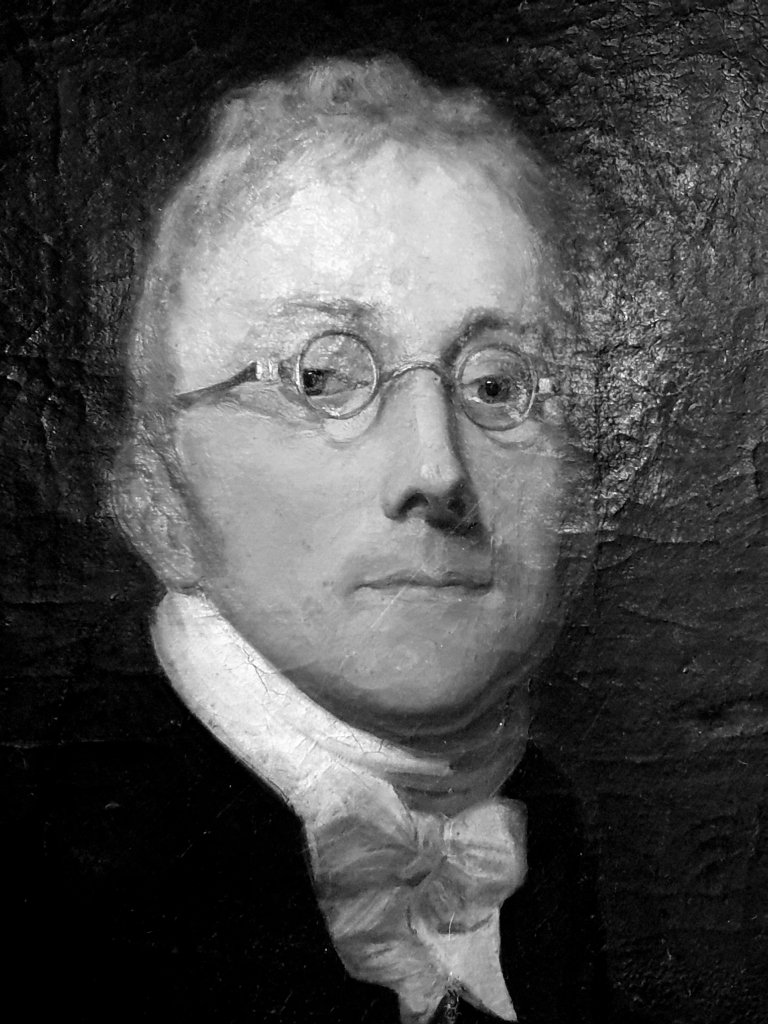
Inside, there are portraits and photographs of Marriott ancestors:-

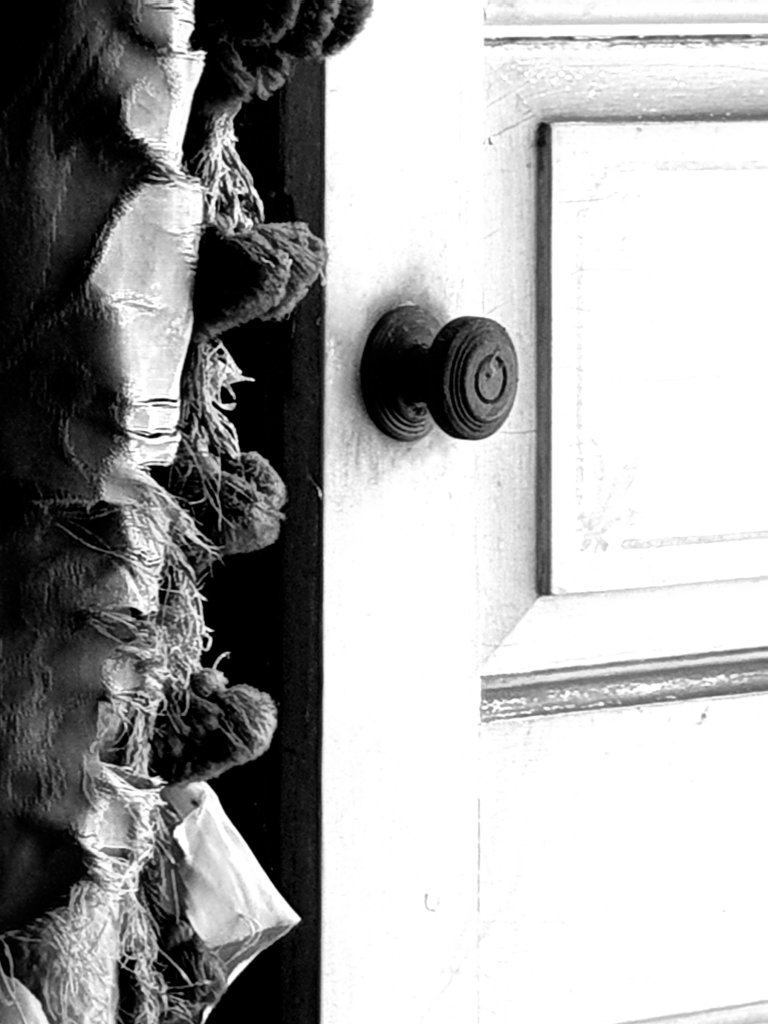
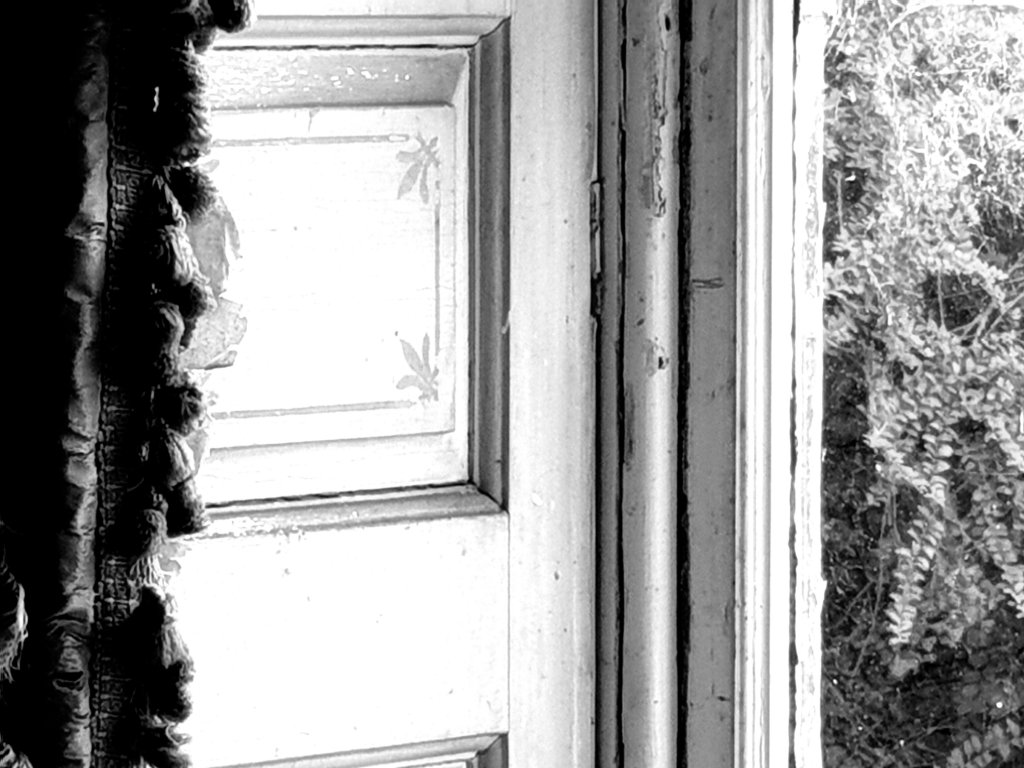
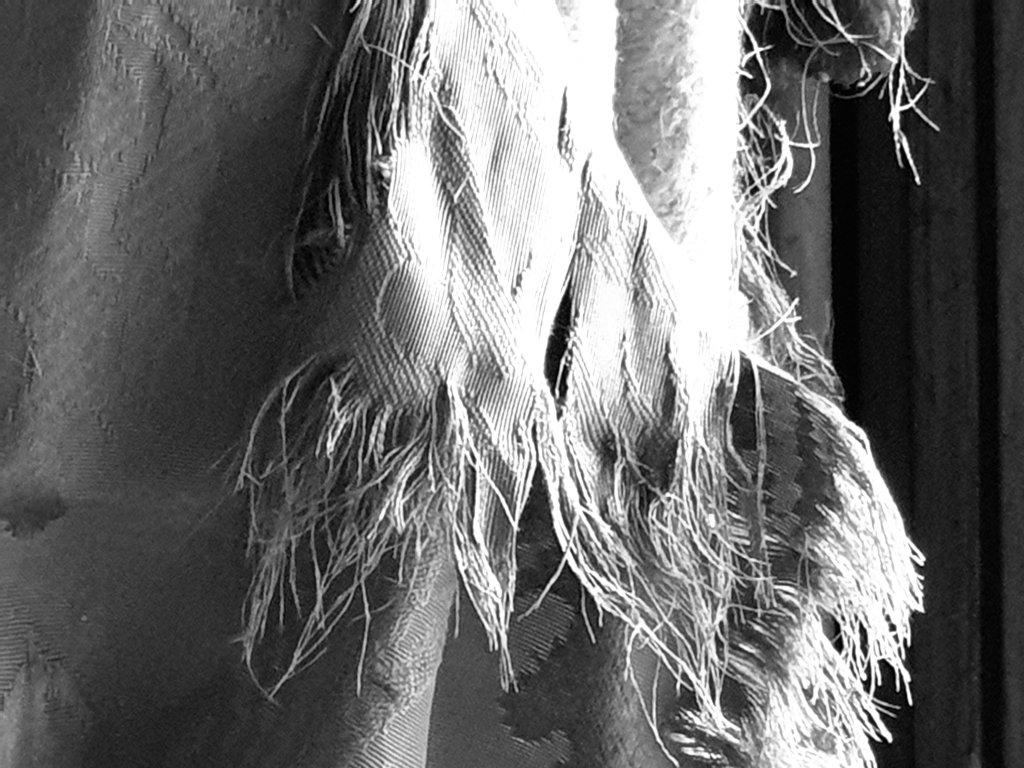
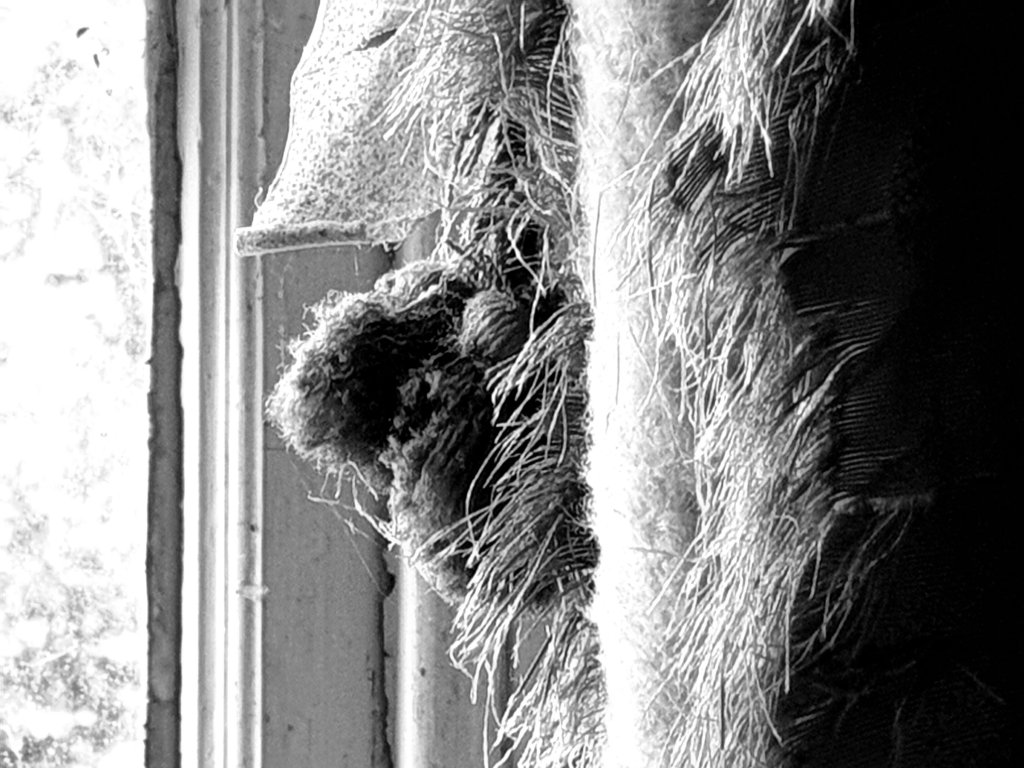
It feels faintly improper and intrusive to post pictures of the interiors, so will only post details of the shutters and curtains in the drawing room:-

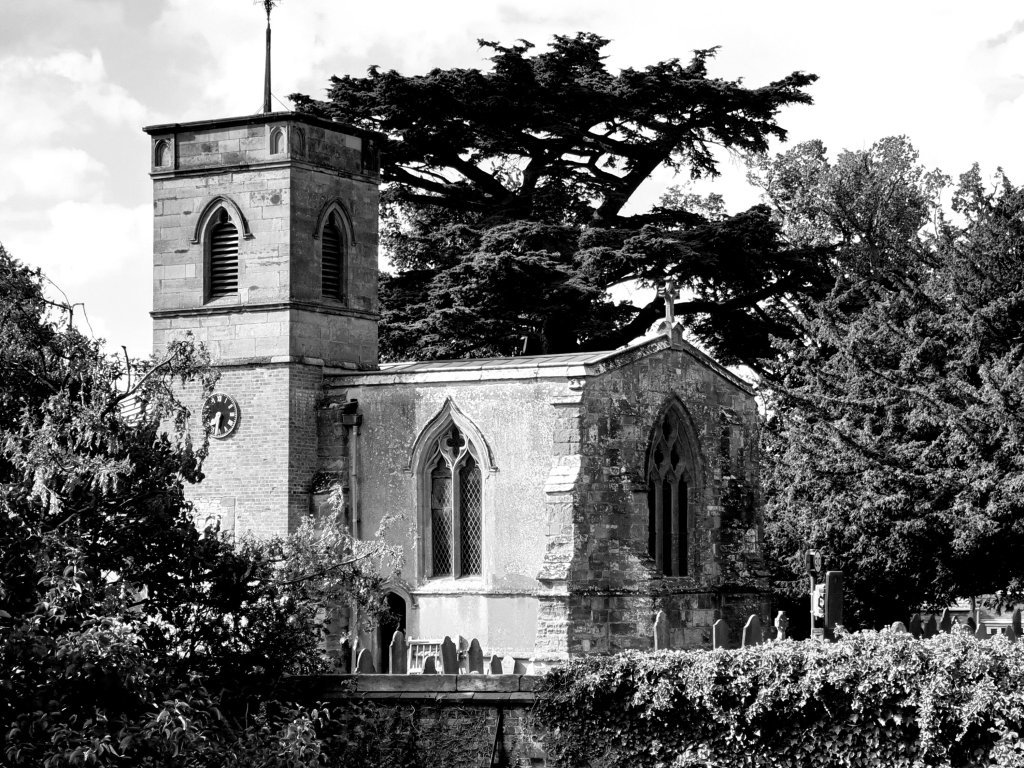
And of the church from the garden:-

Standard

V&A/RCA MA Course in the History of Design (3)

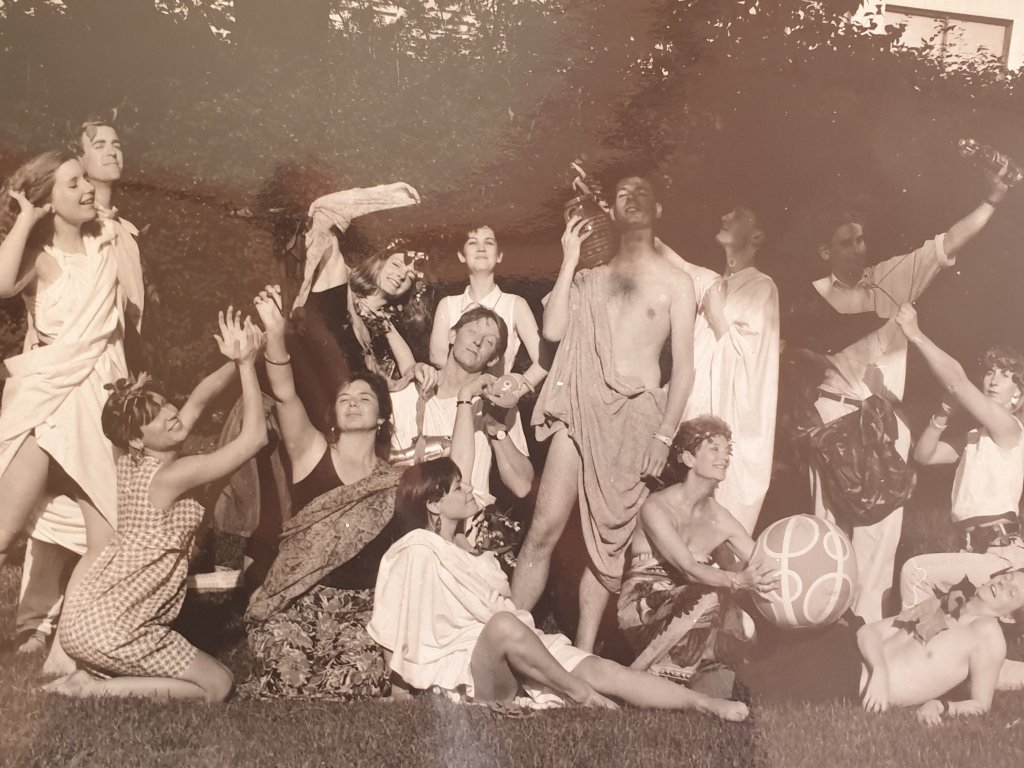
My final post in this series is a tableau vivante from the class of 1987. I have only the faintest recollection of this. It was performed in a park in Prague – I think in June 1988, much to the surprise of the locals, who apparently thought our behaviour unorthodox. The former Director of the Sainsbury Centre is lying down, stripped to the waist, bottom right and the President of the Society of Architectural Historians is extremely prominent centre left:-

Standard

V&A/RCA MA Course in the History of Design (2)

Sophy Newton – de Falbe as was – who had organised the event to celebrate/commemorate the establishment of the V&A/RCA MA Course in the History of Design, must have been born with the instincts of an archivist because she has kept so much of the paperwork associated with the establishment of the Course, which I am taking the liberty of reproducing for the historical record.

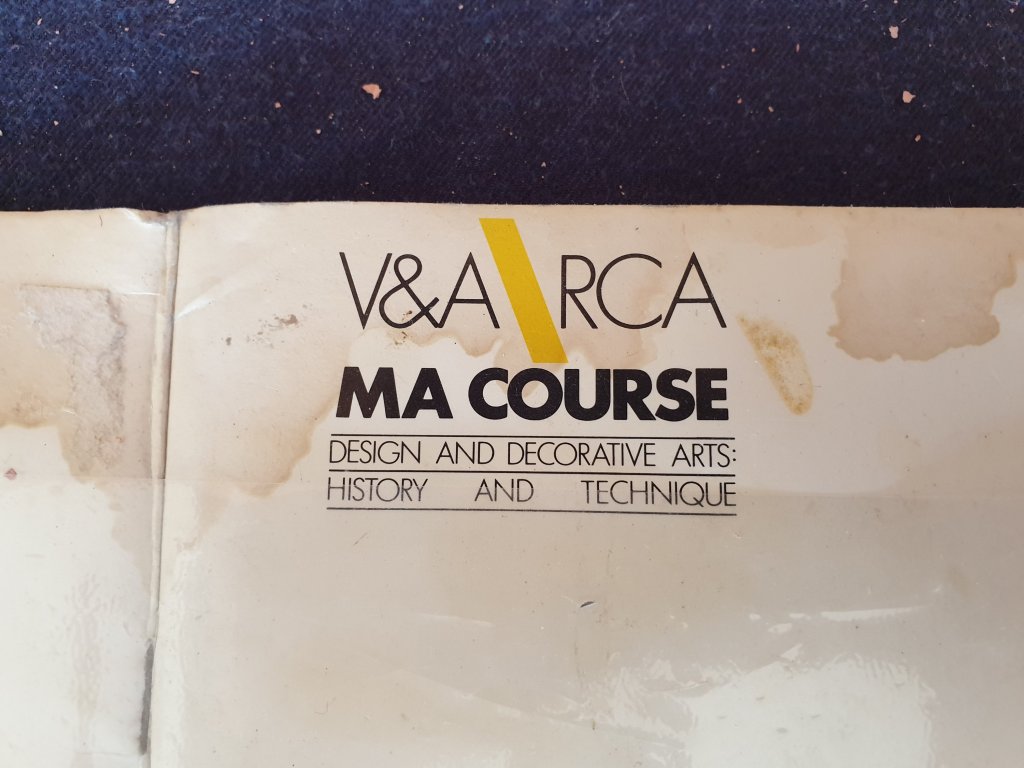
The first brochure advertising it (note the original title):-

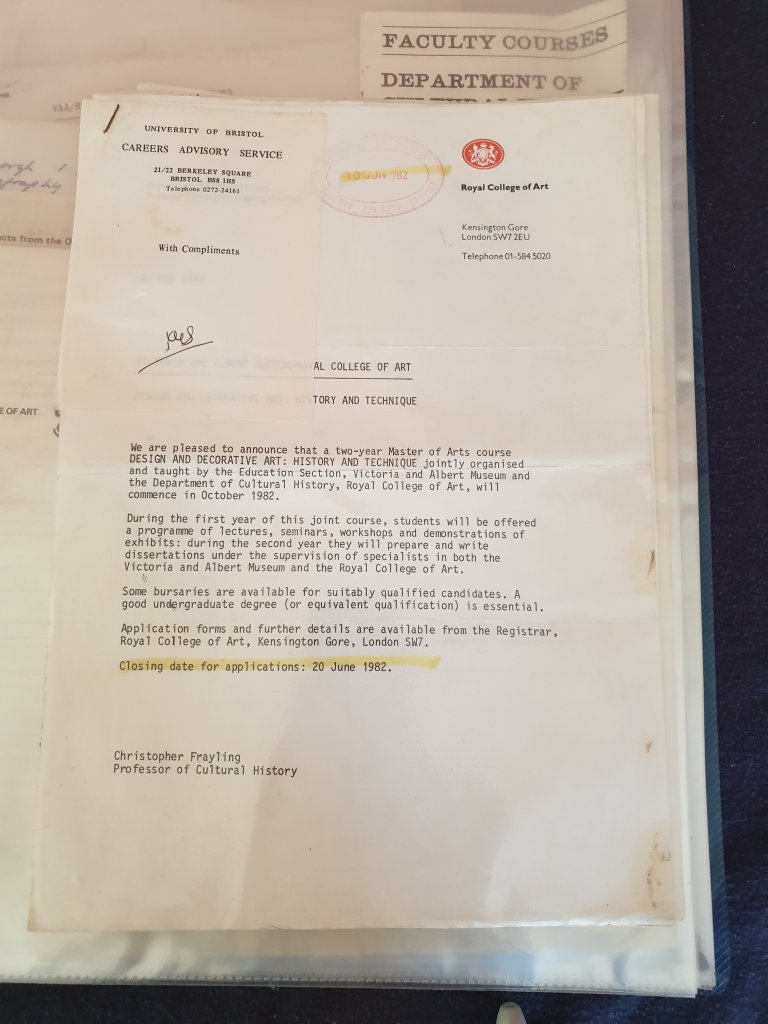
The letter about it sent by Chris Frayling to the Bristol Careers Advisory Service:-

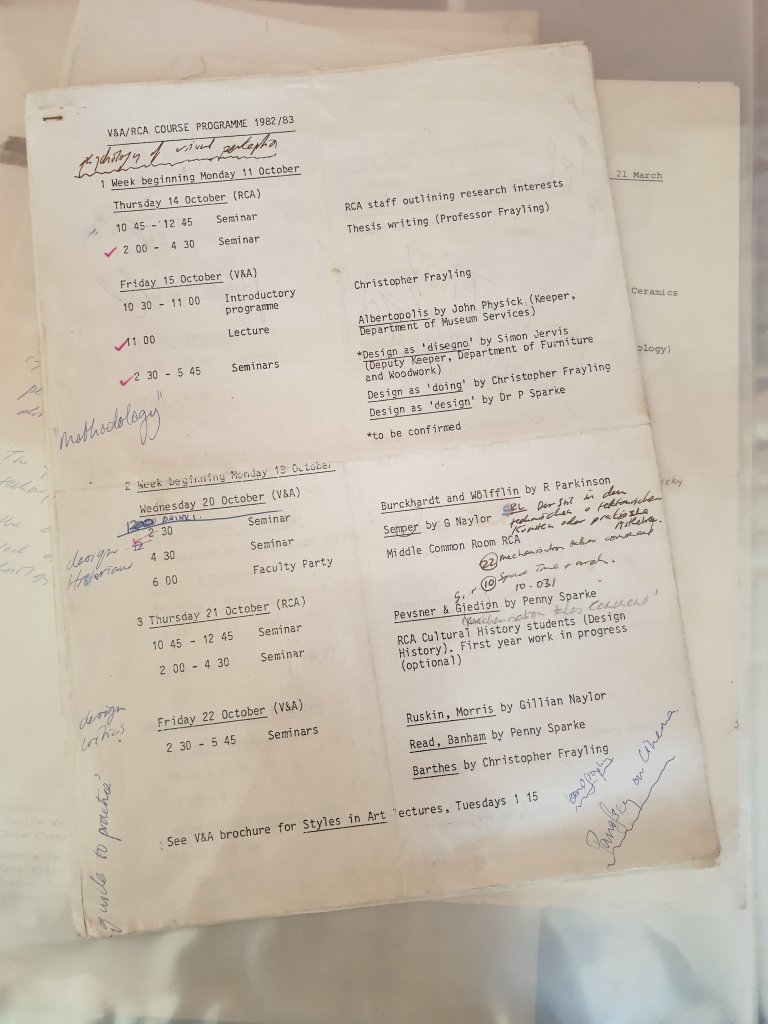
The first team’s programme (rather art historical – I would have liked to hear the seminar ‘Panofsky on Cinema’):-

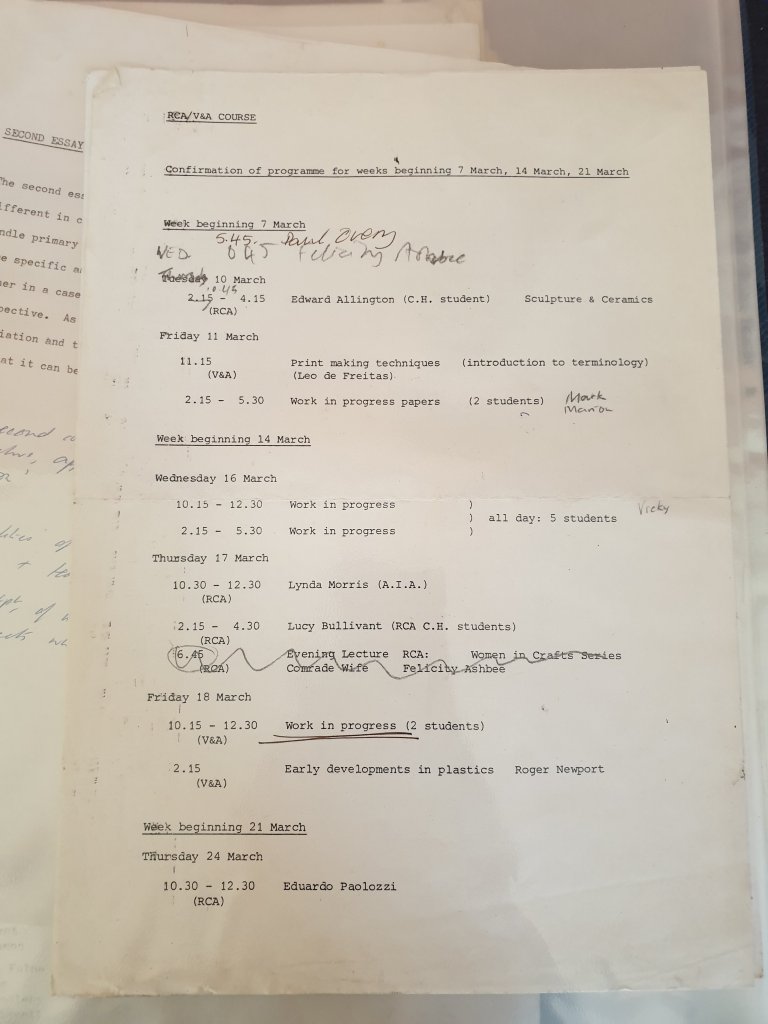
Part of the second team’s programme:-

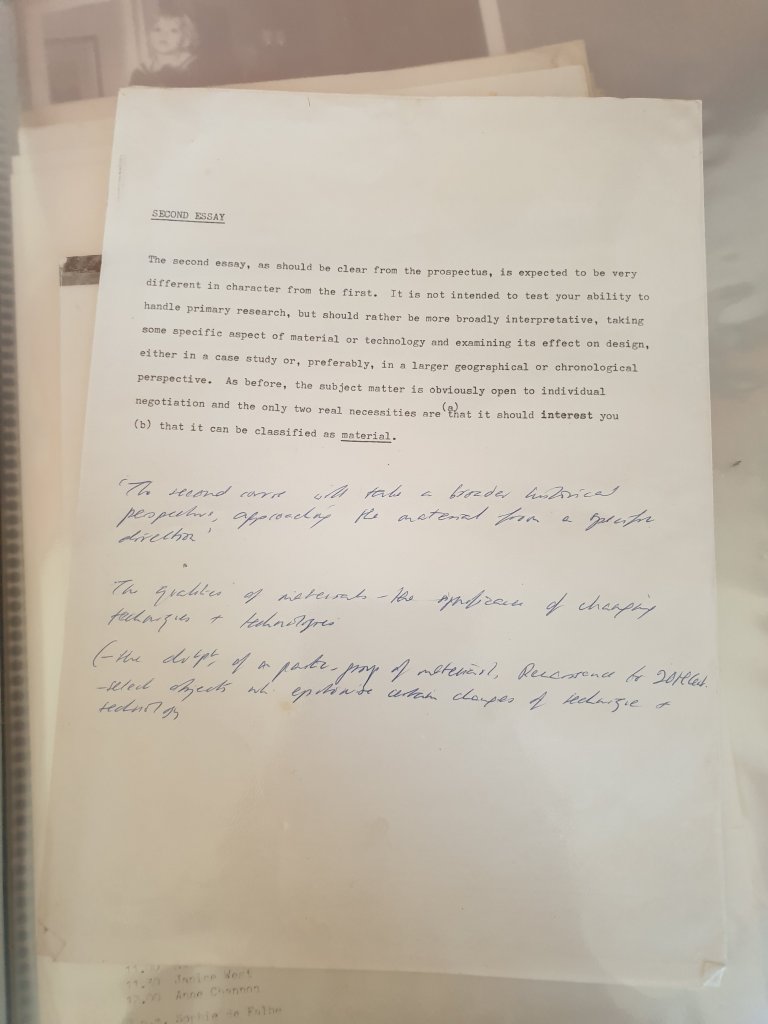
The requirements for the second essay:-

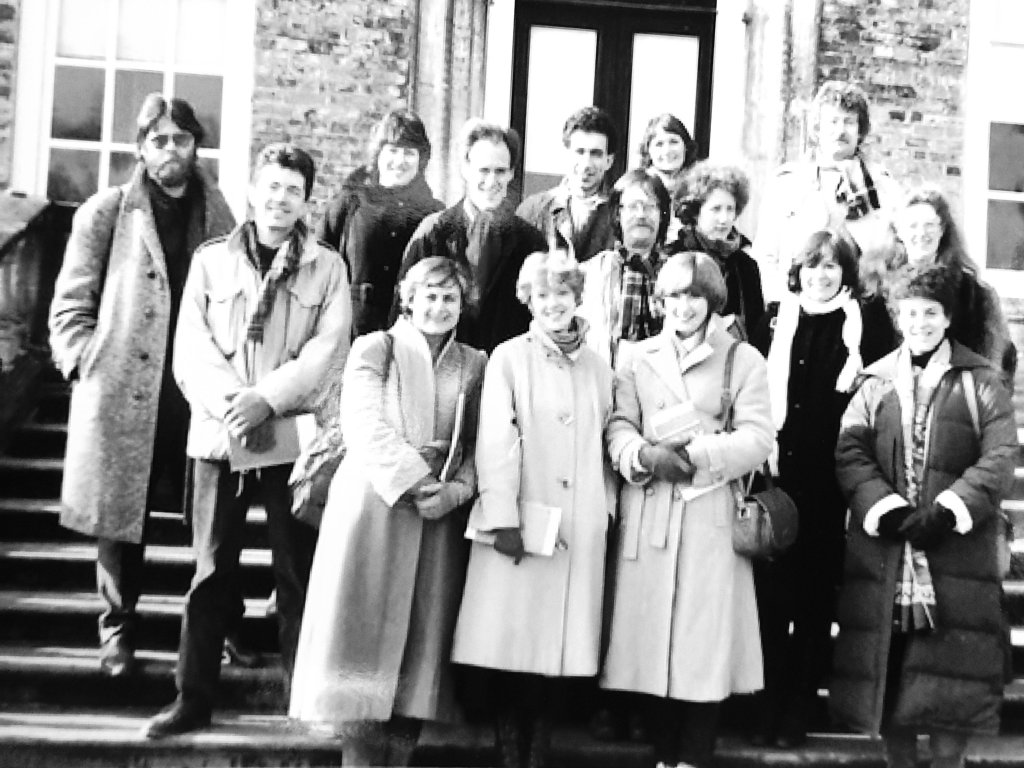
And a picture from a study trip to Erddig in which I recognised nearly everyone except myself (I still had hair then):-

Standard

V&A/RCA MA Course in the History of Design (1)

We held a small, informal, but very moving gathering of the first generation of students who started as students on the V&A/RCA MA Course in the History of Design (or, as it was then called, Design and Decorative Arts: History and Technique) in September 1982 – forty years ago, plus a small number of students from later generations.

Roy Strong came and spoke about his role in establishing the course in the teeth of implacable hostility from his Keepers; it was based on his experience of the interdisciplinarity of the Warburg Institute, crossing boundaries away from the material-based departments so deeply entrenched at the V&A.

Then, Chris Frayling spoke about his experience of establishing the Course at the Royal College of Art, from the time of his interview as Professor of Cultural History. There was a sense of rift between the two institutions: the Royal College totally modernist, hostile to history; the V&A very strongly antiquarian and not much interested in contemporary design.

The two of them met metaphorically half way up Exhibition Road. Gillian Nayor and Penny Sparke were hired as tutors. The Course was approved in early 1982. The first students arrived in September 1982, the month that I was offered a job as Assistant Keeper at the V&A. The rest is history – a complex history because everyone remembers it differently.

I hope their talks have been recorded, because it was invaluable oral history.

Standard