Architecture and Artifice

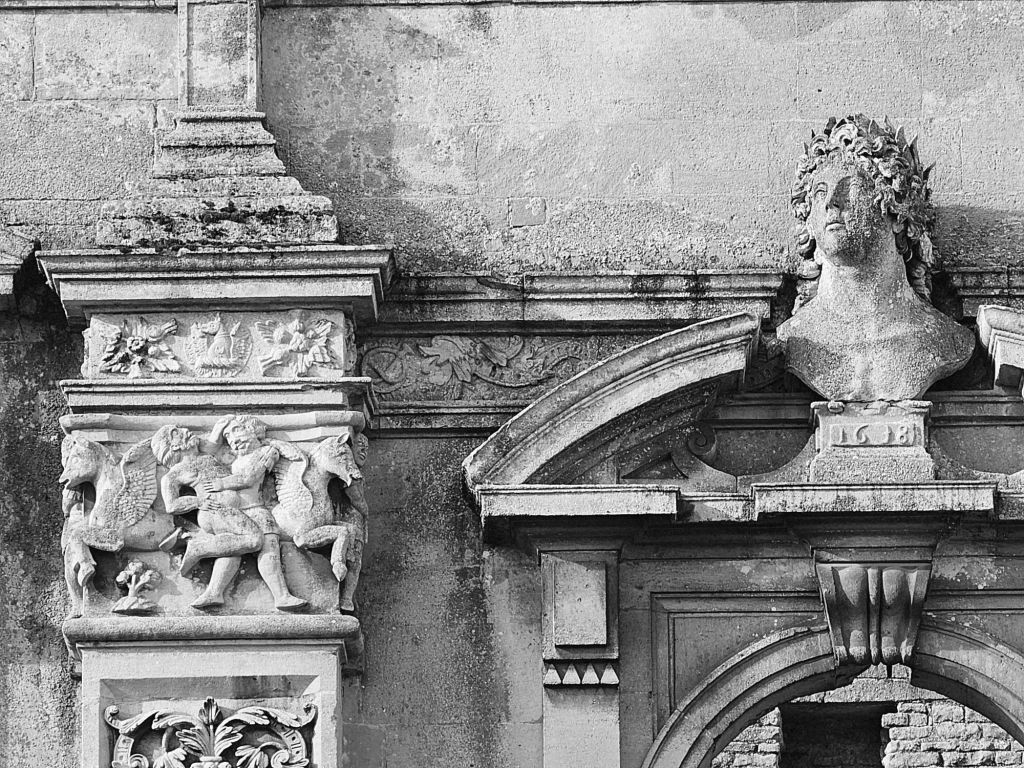
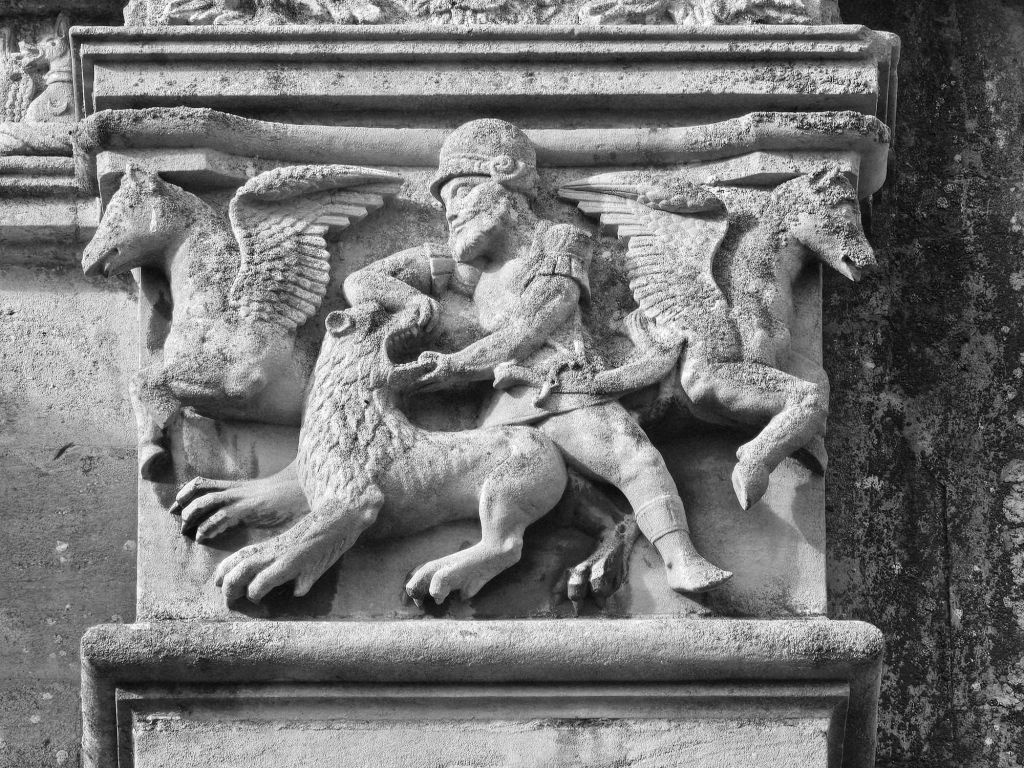
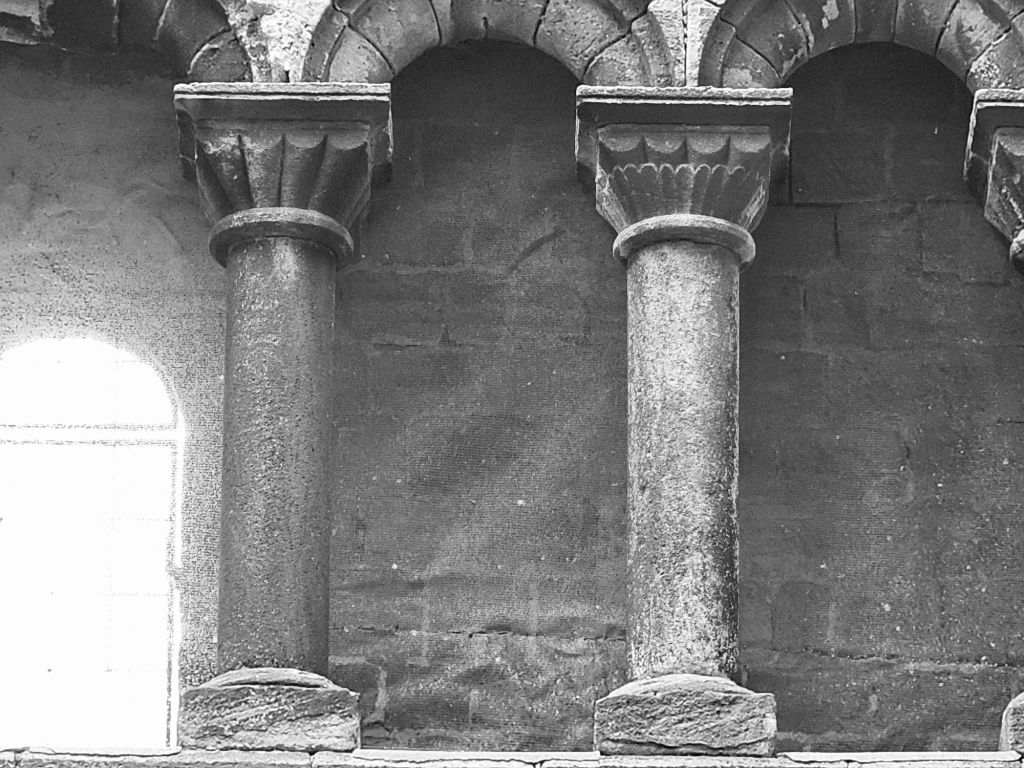
I have been reading Christine Casey’s exemplary new book, Architecture and Artifice: The Crafted Surface in Eighteenth-Century Building Practice which has just been published by the Paul Mellon Centre. It brilliantly explores the role of the craftsmen who worked under the architects, how they were instructed, how much autonomy they were allowed in the details of construction, and how much the quality of early eighteenth-century buildings lies not in the overall design, but their surface quality. Not surprisingly, she uses both Castle Howard and Blenheim as examples where the interaction between Vanbrugh as architect and the host of highly skilled builders, tradesmen, stone carvers and carpenters is relatively well documented and states correctly that, in my monograph on Castle Howard, I did not do enough to explore the role of a craftsman like Henri Nadauld who was responsible for the amazing carved capitals in the Great Hall. It’s a very good book and may encourage others to explore these questions which have been relatively neglected because of the focus of architectural historians on the agency of the architect.
Standard

Alan Bowness (3)

It was the launch last night of Alan Bowness’s Writings 1950-2016, 602 pages of text, including a comprehensive and model bibliography beginning with a letter he wrote in his school magazine, The Gower, in July 1946 in which he wrote how ‘In these days of a general lowering of cultural standards it is a great mistake to suggest that the official magazine of a school which is proud of its progressive tradition should surrender its high standards to curry popularity’. The bibliography ends with the contribution Bowness made to a radio programme about Anthony Blunt in June 2020 (he studied art history under Blunt at the Courtauld in the early 1950s and it was Blunt who hired him to teach there in 1957 which he did up until his appointment to be Director of the Tate in 1980; one of the odd things I learned was that Blunt disapproved of Bowness inviting contemporary artists to talk to the students as if a knowledge of contemporary art practice would corrupt their understanding of history).

The book has been beautifully designed by Mark Thomson, who did a lot of work for Karsten Schubert and his publishing house, Ridinghouse. He has also designed (also beautifully) John Vanbrugh: The Drama of Architecture.

I am intrigued by the cover photograph taken in December 1968 of Bowness in his office at the Courtauld studying what looks like a black-and-white lantern slide. It was taken by a German photographer, Erhard Wehrmann and curiously replicates the photograph of Anthony Blunt by Snowdon:-

Standard

John Vanbrugh: The Critical Response

There are apparently five tickets left for my talk next week about Vanbrugh’s reputation in the eighteenth century:-

Standard

John Vanbrugh: The Drama of Architecture (12)

I have a horrible feeling that I may not have signed up to John Sandoe’s invariably excellent, printed Christmas list.

How many people will thus miss the perfect Christmas present, so charmingly and succinctly described ?

https://johnsandoe.com/product/john-vanbrugh-the-drama-of-architecture/

Standard

Postmen’s Park

Goldsmith’s Fair gives me an annual opportunity to explore unseen bits of the City.

This year, I walked through Postmen’s Park which idiotically I knew about, but had never seen: G.F. Watts’s idea of commemorating the unsung heroes and heroines who lose their lives in saving the lives of others.

It’s just next door to Little Britain, itself a good Victorian streetscape:-

I found the memorials both charming and moving, the unseen. 

It should surely be kept up-to-date:-

Standard

Goldsmith’s Fair 2025 (2)

Goldsmith’s Fair is a bit of a marathon for the exhibitors and Romilly’s exhibition was made possible by Karolina Brodnicka, who is herself a very talented jeweller and was indefatigable in overseeing everything with charm and enthusiasm:-

Standard

John Vanbrugh: The Drama of Architecture (11)

Annette Rubery has now posted her recording of our discussion about Vanbrugh if you want something to listen to while cooking.  It’s quite a bit longer than the transcript:-

https://annetterubery.substack.com/p/q-and-a-with-charles-saumarez-smith-7fa?utm_source=podcast-email%2Csubstack&publication_id=2641061&post_id=171544020&utm_campaign=email-play-on-substack&utm_medium=email&utm_content=play_card_show_title&r=izzy2&triedRedirect=true

Standard

John Vanbrugh: The Drama of Architecture (10)

Back in August, I had a very enjoyable and interesting conversation with Annette Rubery, a writer and literary scholar who is herself writing a book about Vanbrugh and his circle, provisionally entitled British Enchanters: John Vanbrugh, his friends and the theatre which changed a nation.

She has just published a record of our conversation on her Substack called The Lichfield Rambler:-

https://open.substack.com/pub/annetterubery/p/q-and-a-with-charles-saumarez-smith?utm_campaign=post&utm_medium=email

Standard

Radcliffe Observatory

One of the pleasures of visiting the Stephen Schwarzman Centre for the Humanities is that it enables a good view of the Radcliffe Observatory immediately to its north, a fine a neoclassical building, originally designed by Henry Keene in 1772, who was displaced by James Wyatt the following year who added a free version of the Tower of the Winds on top:-

Standard