The Sainsbury Wing (1)

I have only just caught up with Rowan Moore’s careful analysis of some of the problems and issues surrounding the Sainsbury Wing, whose redevelopment is considerably complicated by the fact that it is a building of such exceptional historical importance, but possibly more admired for its intellectual ingenuity than loved, apart from the wonderful top floor galleries.

My own view is that its entrance was compromised from the beginning by the fact that Bob Venturi and Denise Scott Brown were not allowed to design the furniture and fittings themselves, so the gallery instead commissioned Venturi pastiche; half the entrance was chopped off to make a bookshop of an entirely different character; and over time it accumulated a lot of extra desks which meant that the original design was no longer legible. The passage from darkness into light, a characteristic of a Renaissance church (both Venturi and Scott Brown spent time in Rome in the early 1950s), and the more baroque feature of a grand escalier are, rightly or wrongly, no longer regarded as appropriate ways of approaching the experience of a great museum. So, some level of rethinking and redesign was necessary.

Annabelle Selldorf has sensibly opened the entrance space up to give it more height. She would be condemned if she tried to imitate Venturi and Scott Brown (Scott Brown herself is anti-pastiche) and she may now equally be criticised by Rowan Moore and others for being too polite. It’s a nearly impossible task.

https://www.theguardian.com/artanddesign/2022/jun/19/the-sainsbury-wing-redesign-spare-us-the-art-world-good-taste

Standard

Kew Palace

We also went to Kew Palace as well as the Herbarium. I haven’t been since it was totally overhauled by Historic Royal Palaces in 2006 – we thought very successfully with much new fabric, but enough kept of the original, and good quality, straightforward description of the use of the rooms, much of it unexpectedly moving in telling the story of George III’s incarceration on the ground floor, with Queen Charlotte and his daughters all upstairs, joining him poignantly for supper each evening.

Upstairs, there was a recording of Handel’s Sarabande in D Minor, a way of recollecting how poor mad George would console himself by playing alone on the harpsichord:-

Standard

Ruby Hughes (1)

Quite an amazing performance by Ruby Hughes at King’s Place tonight: most of all, Benjamin Britten’s Les Illuminations, a song cycle first performed in 1940 – a work of such great and varied intensity, even ferocity – ‘J’ai seul la clef de cette parade sauvage’. Also, settings by Edmund Finnis of poems by Alice Oswald and ‘Che is può fare’ by Barbara Strozzi. All of it unknown – to me, at least – and revelatory. Not to forget the Manchester Collective who were the performers alongside her.

Standard

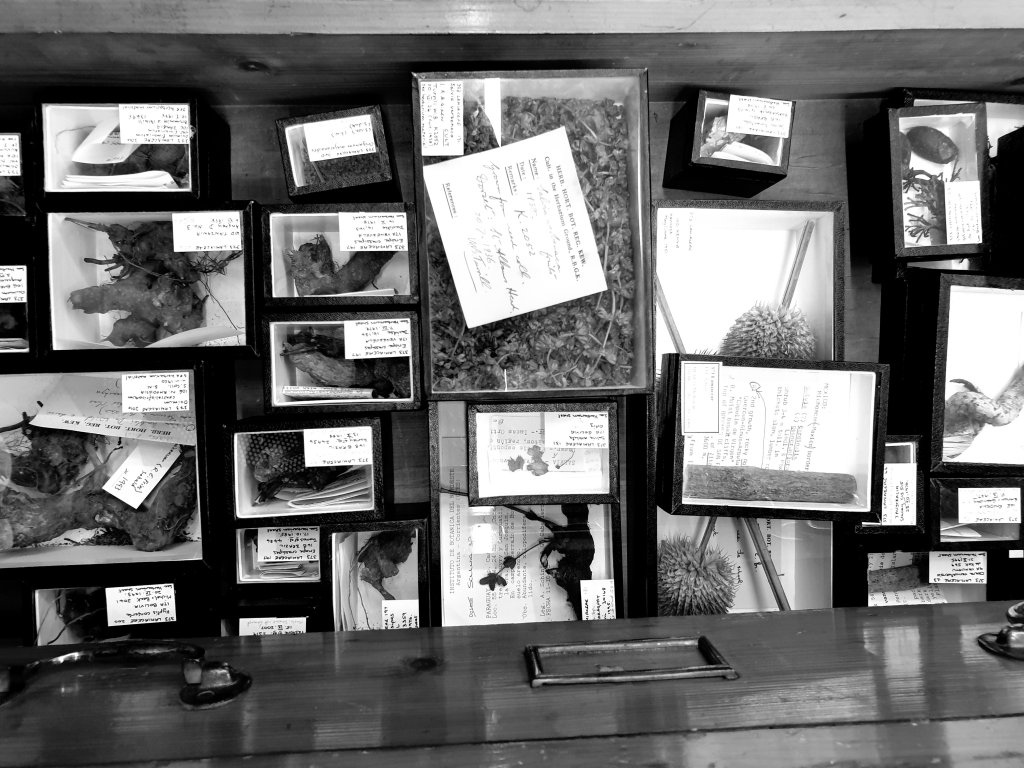
The Herbarium

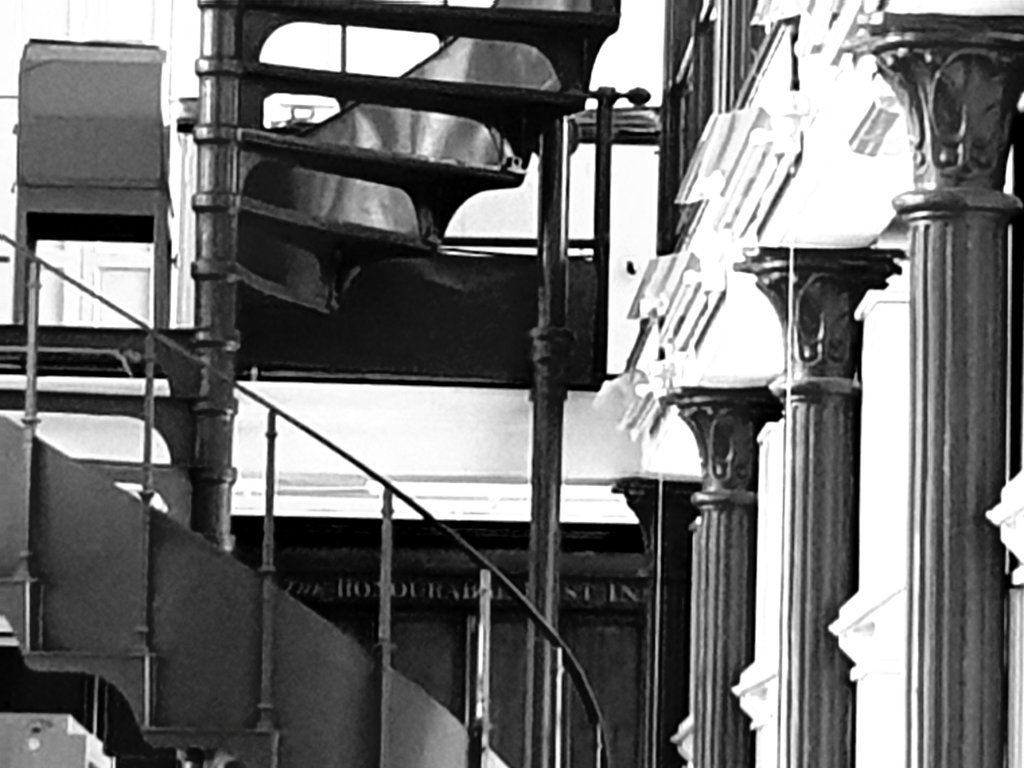
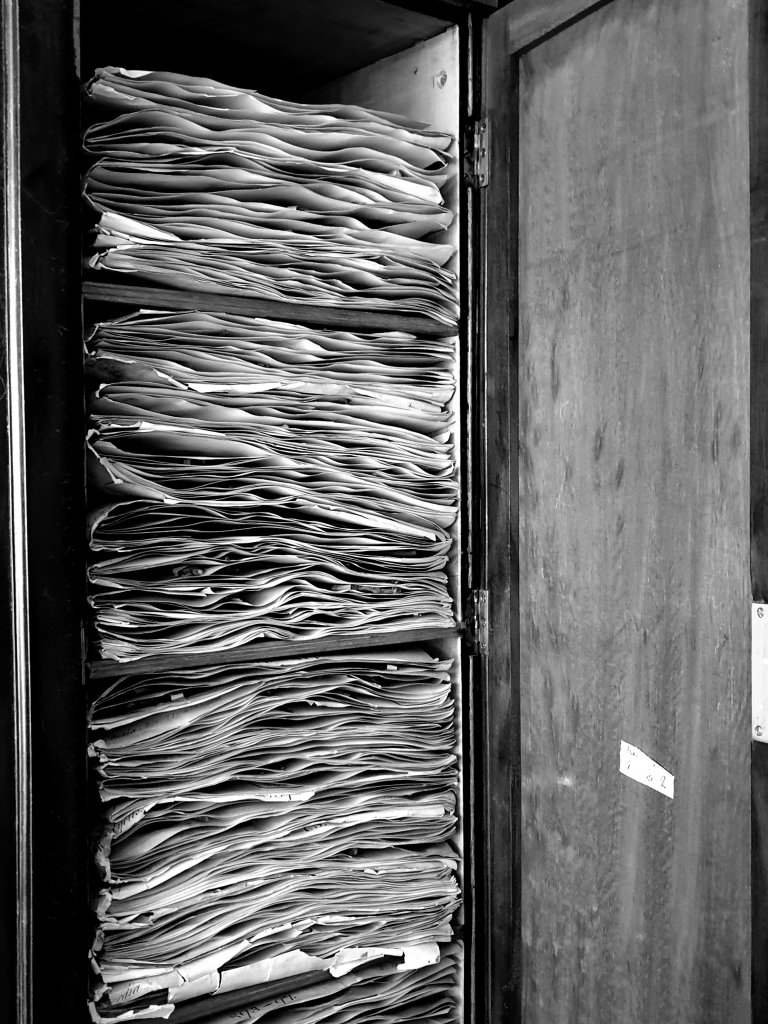
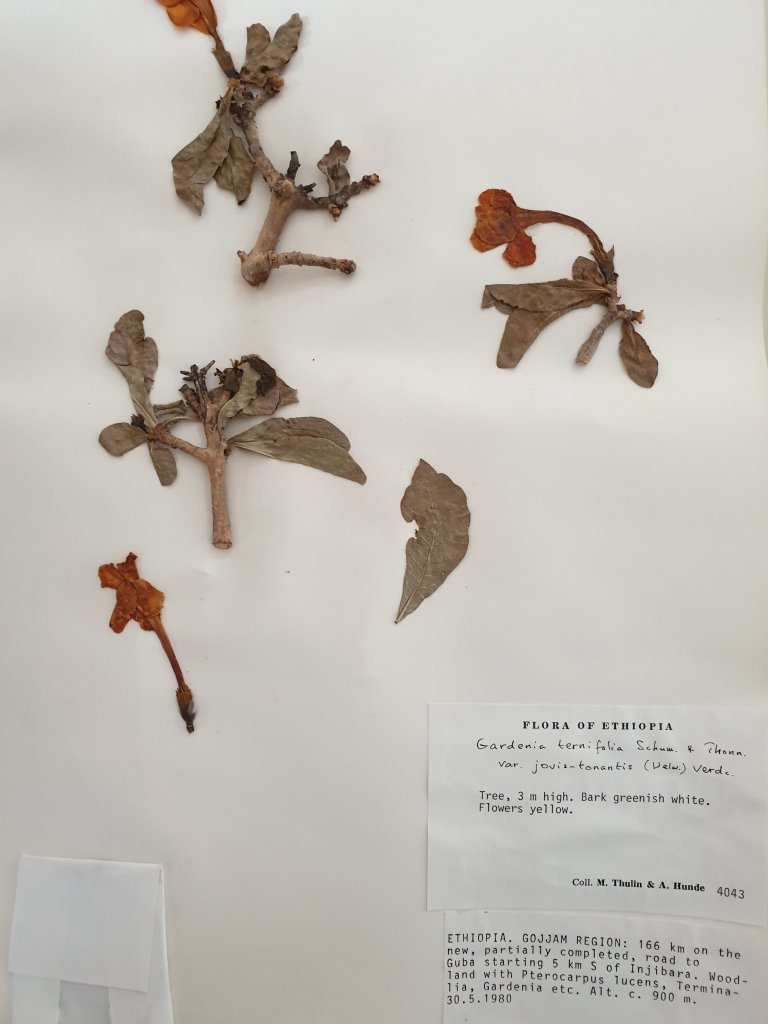
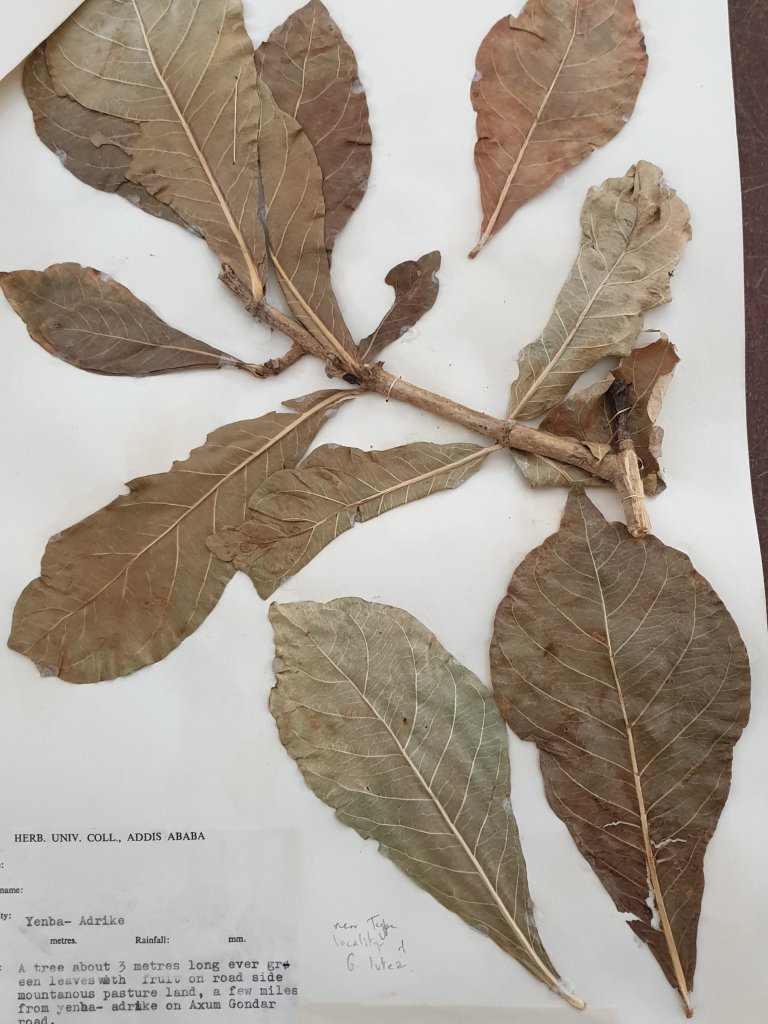
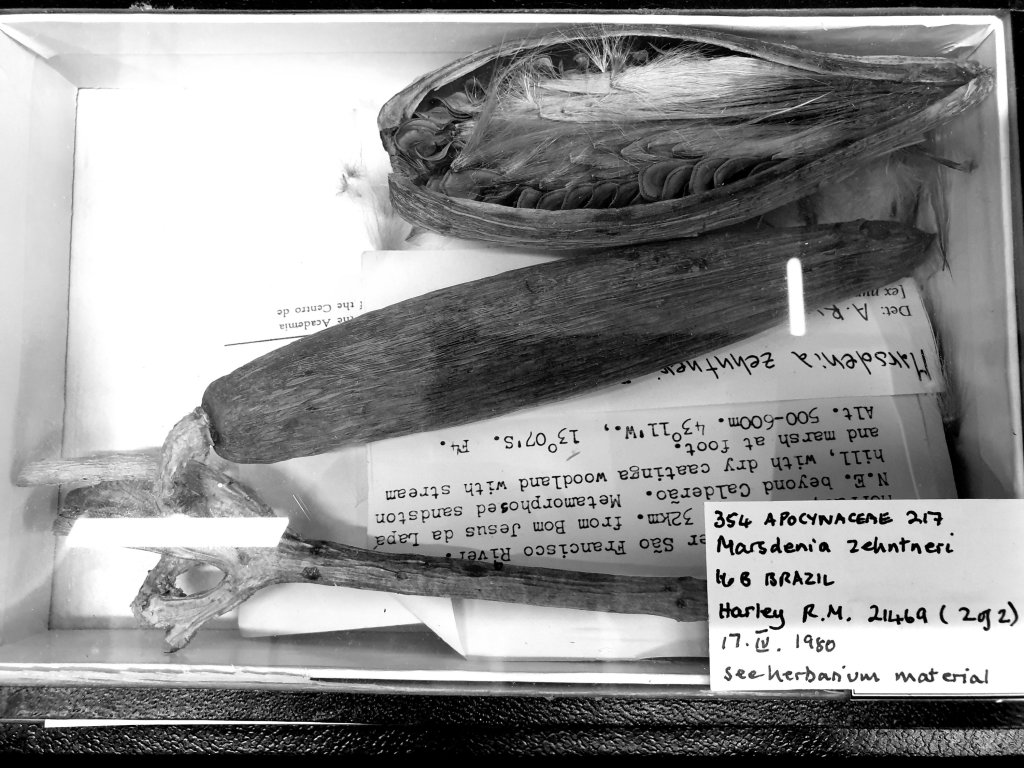
We were initiated into the mysteries of the Royal Botanic Gardens at Kew by seeing its Herbarium on a special behind-the-scenes visit: an extraordinary archive of dried plants collected from round the world and then stored, including a special collection transferred from the Linnaean Society. I have seldom experienced such a strong sense of global taxonomic knowledge:-

And the plants themselves:-

Standard

Tropical Plants

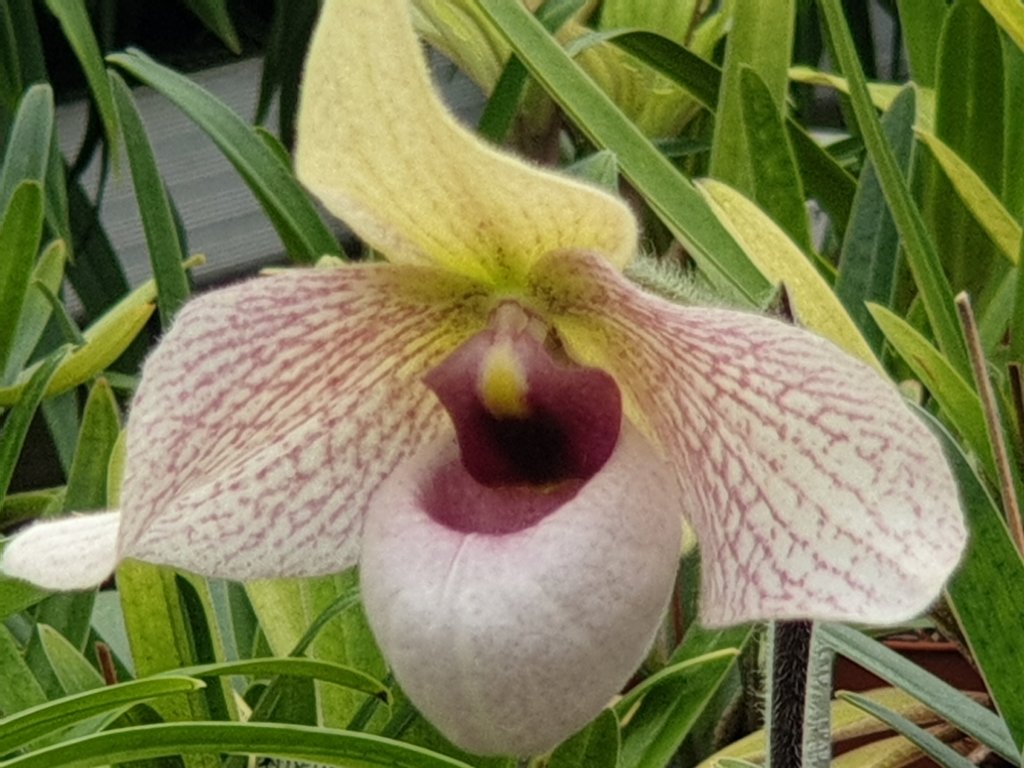
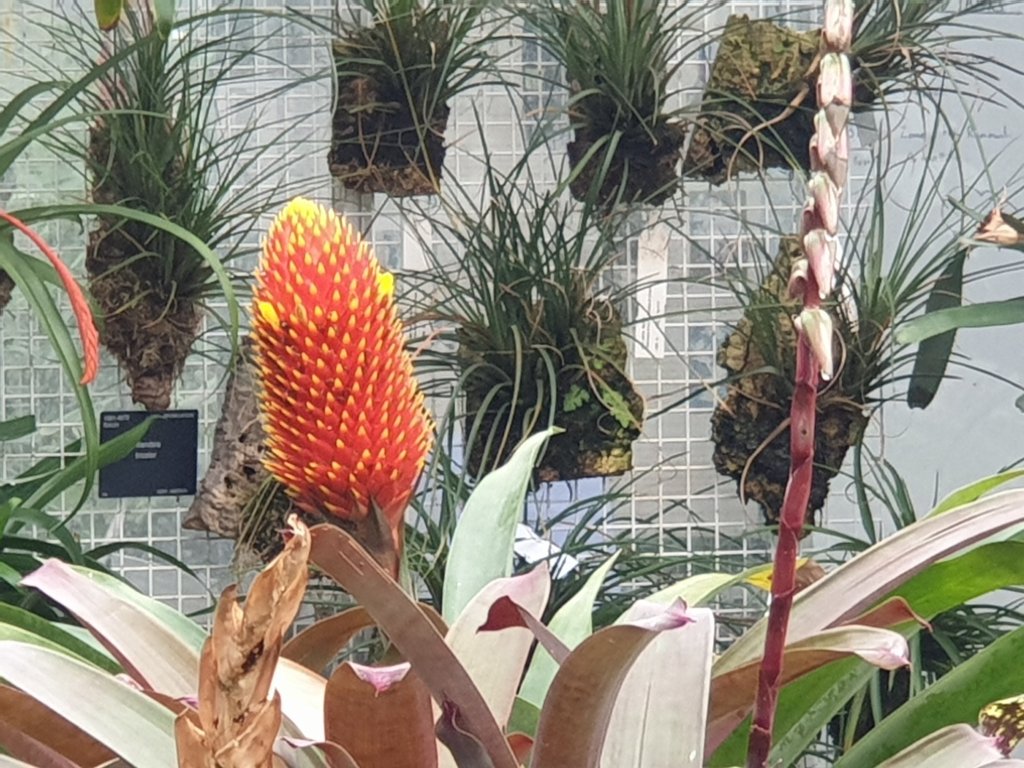
We went into Kew’s tropical greenhouses, an extraordinary experience: travelling to Madagascar and Brazil through their plants and vegetation:-

We started with orchids:-

Then to a greenhouse devoted to Bromeliads:-

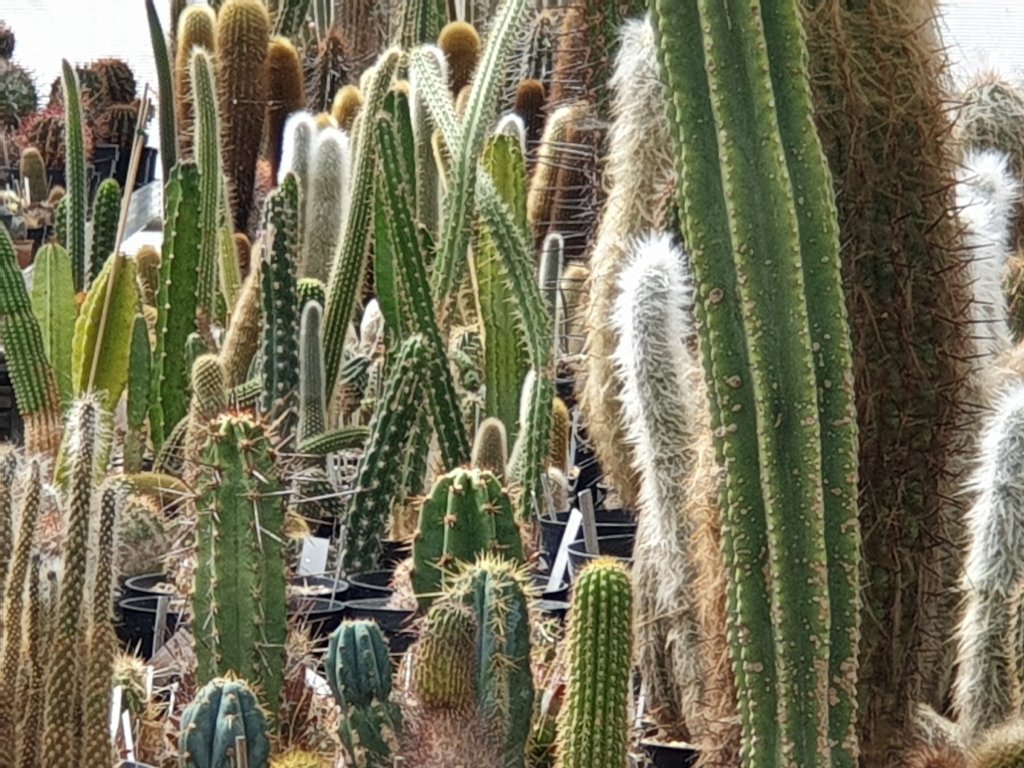
Then, Cacti:-

Melano-cactus:-

Euphorbia:-

Carnivorous plants:-

Standard

Stratford (2)

A few weeks ago, I took myself off to explore the former Olympic Village, north of Stratford. I formed a very negative impression of its anonymity as a model of recent town planning, so was encouraged (quite rightly) to take a walking tour today organised by Allies and Morrison, the architects who did much of the planning of Olympic Park from 2005 onwards. Of course, it helps to know more about the historical process of planning and design and how decisions were made about the layout of the park and who did what.

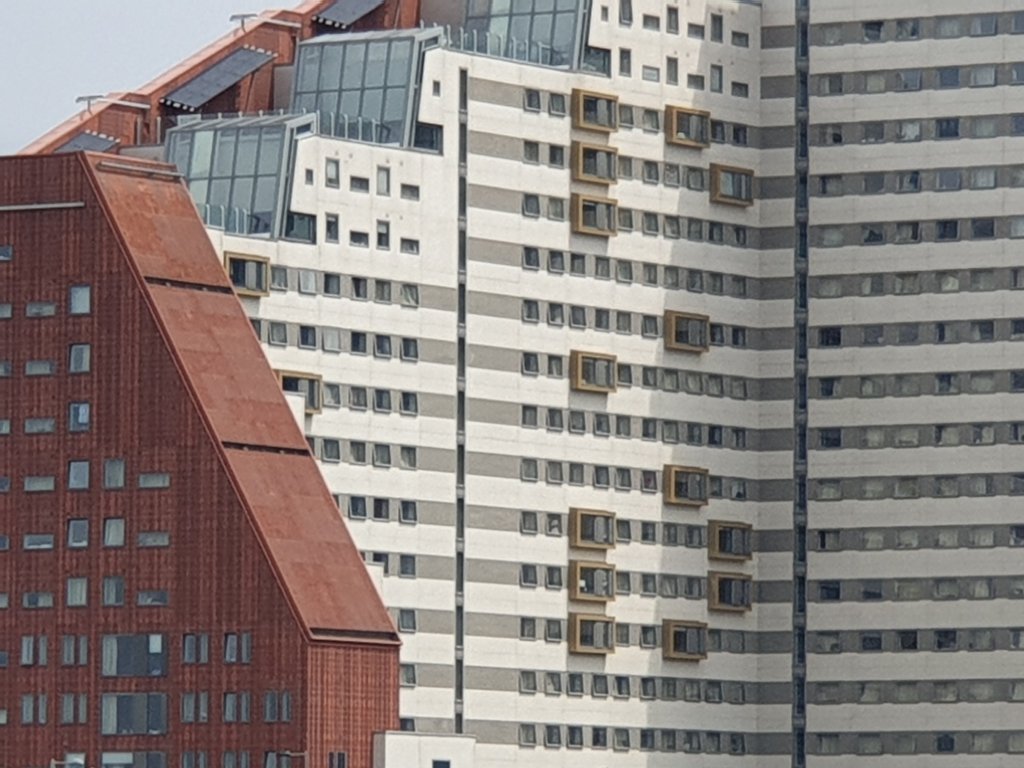
Olympic Village itself was laid out on the European model: broad boulevards and big apartment blocks, the Corbusian model of town planning:-

Immediately north of what is now called East Village is an area of new development, Chobham Manor, laid out more on the London model, with terrace housing designed by Haworth Tompkins, less anonymous and with a different feel:-

Also, it helps to see behind the big blocks where some of the design is smaller scale and more varied:-

I still prefer the grittier bits of Olympic Park next door to Hackney Wick because it is rougher and less manicured, some of it designed (or un-designed) by muf:-

This is the new Stratford. More tower blocks. But the park itself is good, especially, I realised, the northern half towards the Velodrome which is wilder and has a different character:-

Standard

Architectural Education

For anyone interested in the nature of architectural education, the attached seems like a pretty measured and illuminating critique of one person’s experience of life at the Bartlett.

On twitter, there is a comment that non-architects should not have the temerity to get involved in this discussion. It’s for architects only. But this seems to be at the core of the problem. Architecture is a public art, requiring a sense of its wider, public responsibilities, not a private indulgence.

Besides, the issues are important in other areas of education as well, not just architecture.

https://www.bdonline.co.uk/opinion/bartlett-report-sheds-much-needed-light-on-our-professions-wider-failings/5117931.article?s=09

Standard

Runnymede

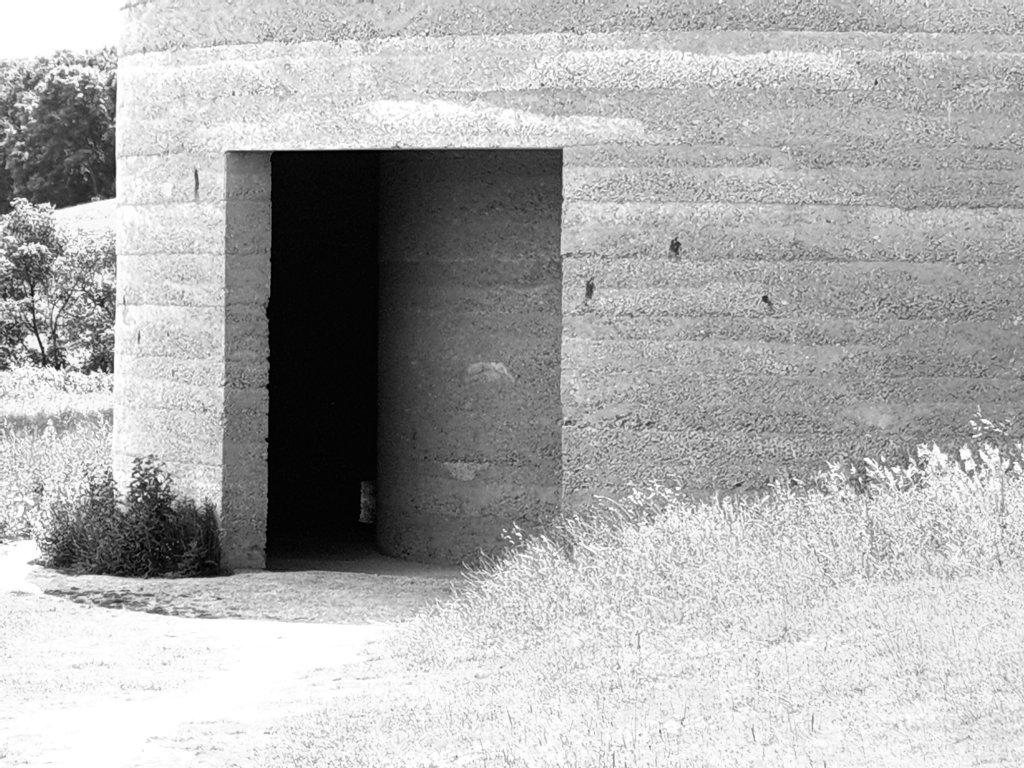
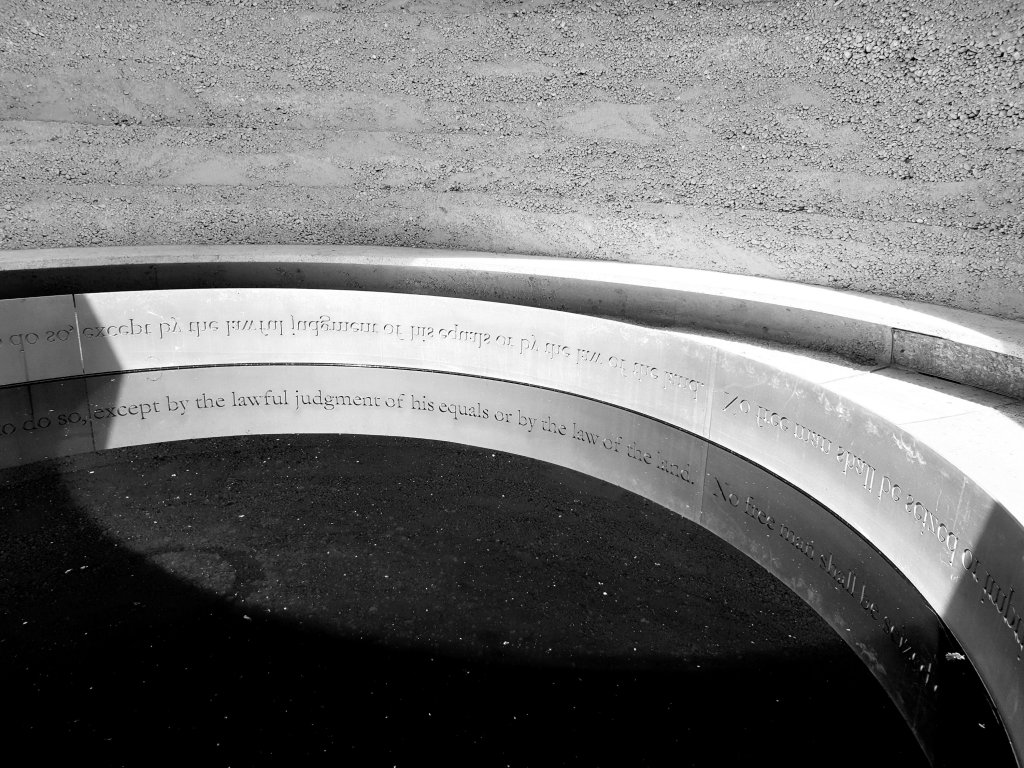
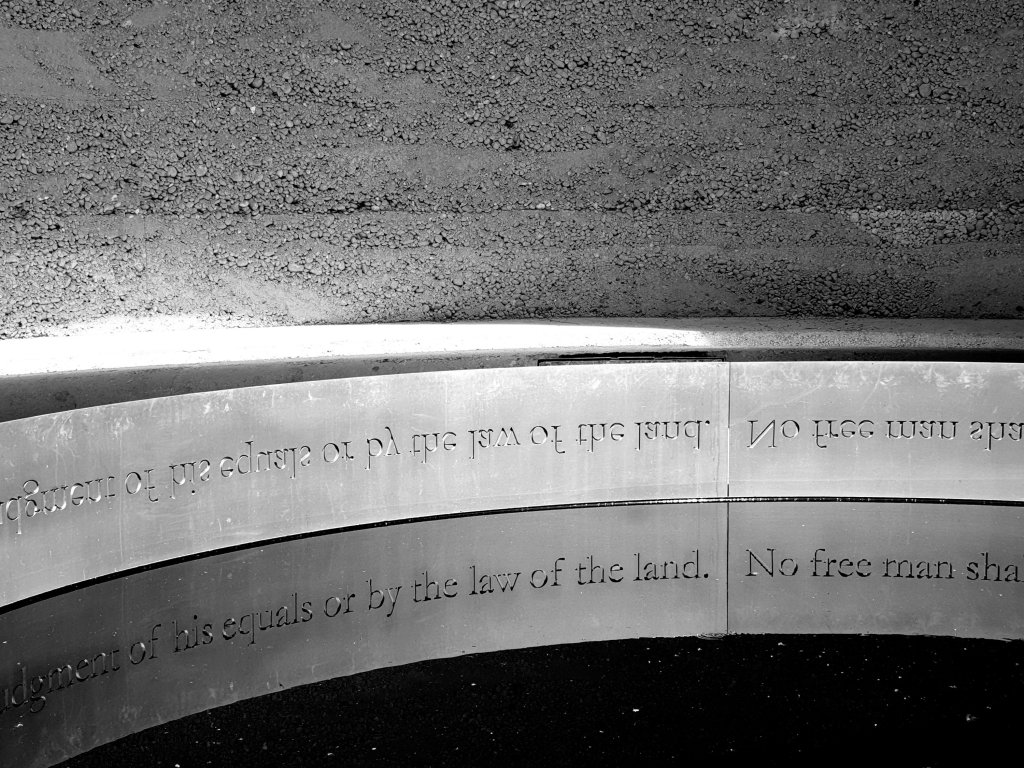
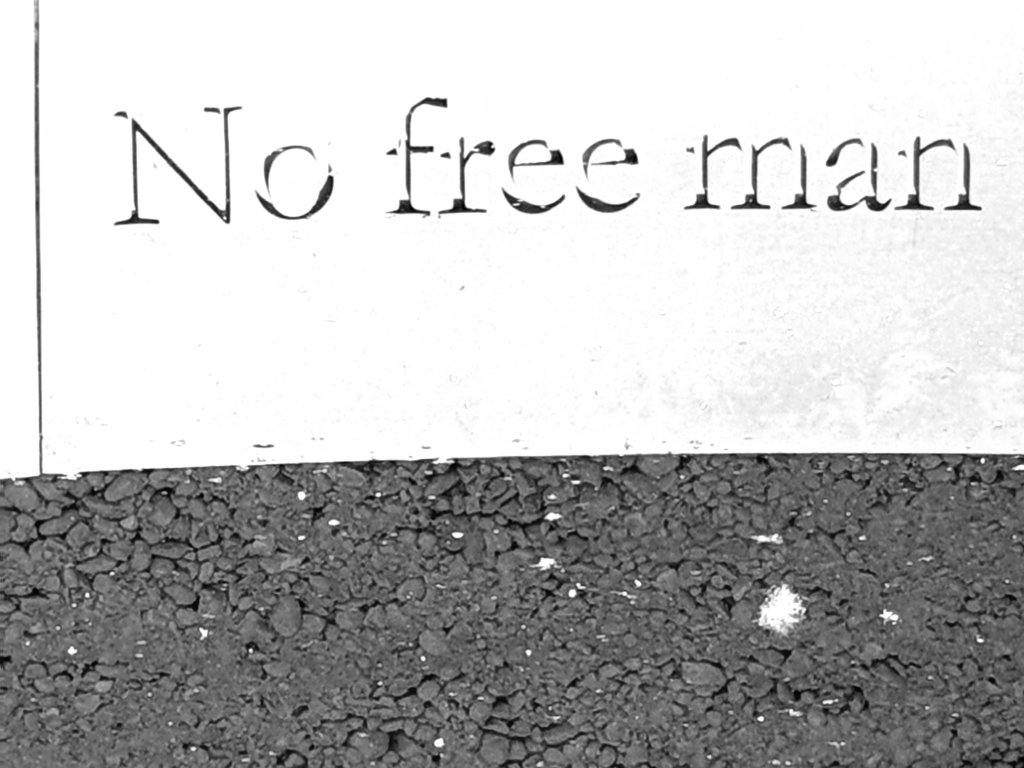
I went to Runnymede to see Mark Wallinger’s deeply atmospheric memorial, originally commissioned to celebrate the 800th. anniversary of the signing of Magna Carta and unveiled in 2018. It stands at the edge of a field, next to deep woodland (Cooper’s Hill), and is constructed out of rammed earth which mirrors the local soil. It is unexpectedly poetic – very quiet and still, so close to Heathrow, and deeply redolent of the importance of the rule of law, with its inscription (Rule 39) which is only legible in its reflection in the dark water:-

No man shall be seized or imprisoned, or stripped of his rights and possessions, or outlawed or exiled, or deprived of his standing in any way, nor will we proceed with force against him, or send others to do so, except by the lawful judgment of his equals or by the law of the land.

Standard

New Architecture in Cambridge

For the June issue of The Critic, I have written about two recent buildings in Cambridge. The first is the exemplary new library in Magdalene, designed by Niall McLaughlin, as good a new building as I’ve seen, in an extremely sensitive location, so beautifully crafted; the second is the Dorothy Garrod Building at Newnham by Walters and Cohen, giving Newnham a different feel, also well judged.

I find it reassuring looking at buildings which are designed to last 400 years. It is part of the brief, as opposed to the ephemeral life of office buildings in London which have a life span of 25 years (look at what’s happened in Broadgate).

https://thecritic.co.uk/issues/june-2022/broad-horizons/

Standard

Whitechapel Bell Foundry (103)

I caught a glimpse of Grayson’s bell at the RA last night, with Grayson himself beside it.

Let’s hope it will draw further attention to the plight of the Bell Foundry and the tragedy of its loss:-

Standard