Postwar Modern

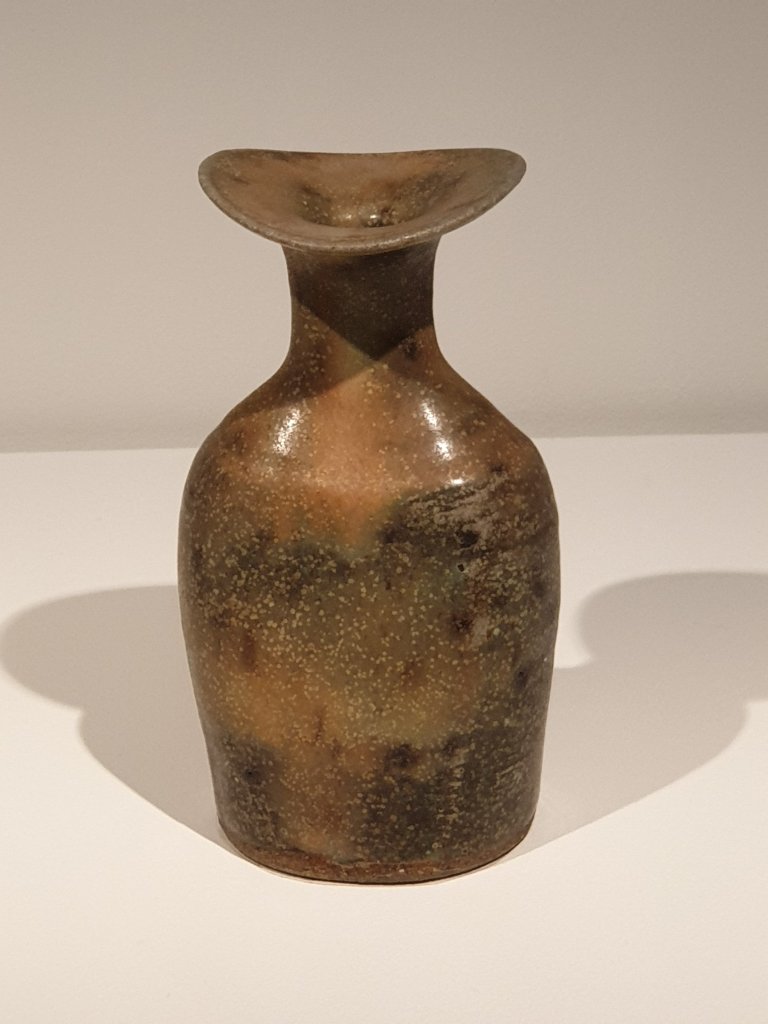
We went to the exhibition at the Barbican on postwar painting, which is in many ways a revelation:  half familiar because so many of the artists have remained well known – Francis Bacon, John Bratby, Eduardo Paolozzi, Prunella Clough;  half deeply unfamiliar because so much of the work is little seen and not well known.   I thought the organisation of the exhibition by topic worked really well, like the section on Cruising which gets one to view the paintings of Bacon and Hockney purely in terms of their sexuality and the following section, Surface/Vessel which combines the work of Lucie Rie and William Scott, obvious as a pairing when one sees it, but not necessarily seen before.   No catalogue available as yet.

Lucie Rie, Bottle, Dolomite Glaze:-

Standard

The Burrell Collection (2)

Following Edwin Heathcote’s recent review of the Burrell Collection, I was pleased to find another review online today, also admirable in that it treats the building not just architecturally, but as a place to show off Burrell’s collection to best effect. I am sad now that I saw the new building before the works of art had been fully installed.

https://www.apollo-magazine.com/the-burrell-collection-glasgow-museum-reopening/?s=09

Standard

WhatsApp

I am intrigued by how much government business is now conducted on WhatsApp, particularly everything involving bribery and peculation, which seems increasingly widespread. Why do they use it ? Obviously because it’s not traceable and so they are not accountable. I remember a while ago being encouraged to use text messages rather than email because it would not be traceable. But are there not strict rules round this ? And why are they not being followed ? It’s not just going to be bad for the writing of history, but it is already bad because it looks as if it is being done very deliberately to evade scrutiny and mask corruption.

https://www.theguardian.com/politics/2022/mar/24/matt-hancock-failed-to-disclose-messages-with-owen-paterson-over-covid-contracts?CMP=Share_AndroidApp_Other

Standard

The War in Ukraine (4)

I have only just seen the letter published yesterday by the former defence attache in the Moscow Embassy. It rings true. Downing Street was still accepting donations from oligarchs in January and we have a Lord of Siberia sitting in the House of Lords. This might inhibit the government’s air of self-congratulation about how much it has helped Ukraine, but it doesn’t seem to because so many of their practices are themselves so obviously Putinesque.

https://www.ft.com/content/857d2ccd-2853-43ba-b6b9-88e04b42ba93

Standard

Sir Simon Milton

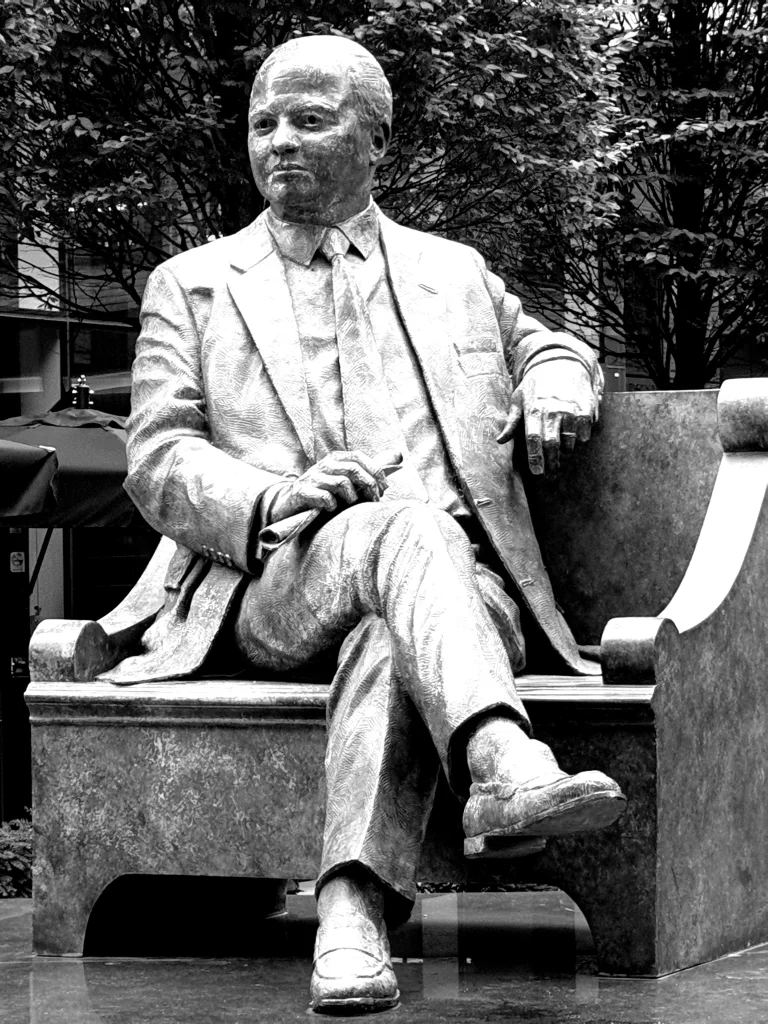
At the height of the debates about public statuary in London and who should be torn down, I happened to come across a large statue in a new public square just behind the new Tower Theatre of someone I didn’t recognise:-

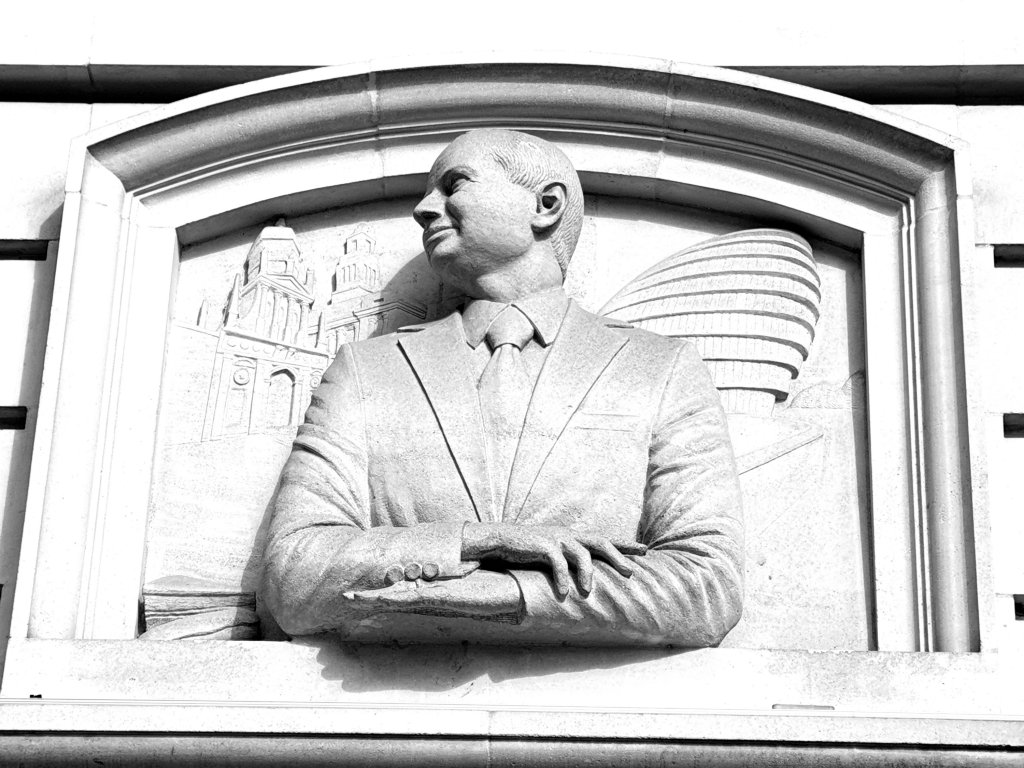
Who was it ? I looked at the inscription. The answer was Sir Simon Milton, Deputy Mayor of London, 2008 to 2011. It rang a bell with me because I remembered another recent portrait bust on a public building in Piccadilly, in which the background of City Hall is made to look – quite convincingly – like angel’s wings. It’s by a stone carver called Alan Micklethwaite and by the standards of modern stone carving is, in my view, rather successful. It is also of Sir Simon Milton:-

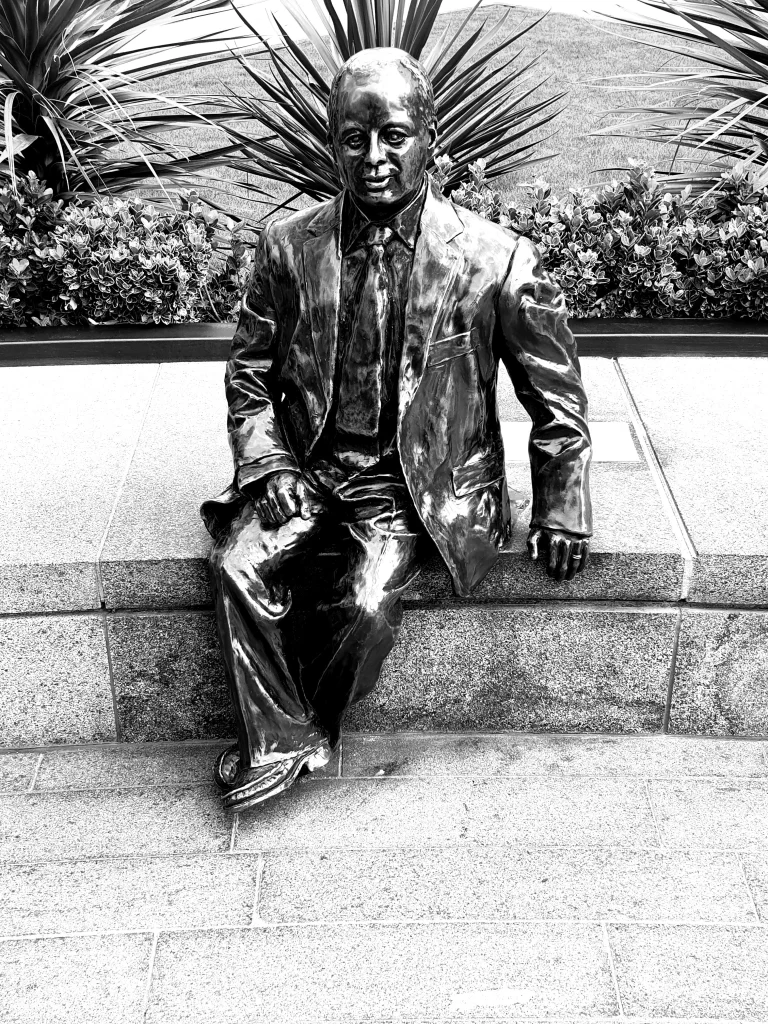
So, I looked him up. I hadn’t really registered what a key figure he had been in Westminster politics and later at City Hall, but by chance I had come across Ian Greer in the 1990s who ran the public relations firm that Milton worked for then. It got caught up in the cash-for-questions scandal and acted for Mohammed Al Fayed. So, I started trying to figure out why he has been so widely commemorated. The answer seemed to be that he was a hero of London property developers because he had been so incredibly liberal in giving them permission for new property developments and they were going to miss him now that he was no longer at the helm. Boris Johnson was elected Mayor on a platform of reducing the freedoms which Ken Livingstone had introduced to London’s planning. But, as seems to be a pattern, once in office, he did the opposite. New buildings boomed all over the place. I have not sought to discover how much hospitality Milton accepted from property developers whilst he was at City Hall, but I remembered that his partner, Robert Davis, who I liked, stood down from chairing the planning committee at Westminster when it was discovered that they had had Christmas lunch at the Ritz paid for by a property developer. It was always said that Ian Greer introduced the culture of brown envelopes into British politics and it has made me wonder exactly what is the relationship between London property development, local planning committees and lunches at the Ritz.

Anyway, I regard it as intriguing that Sir Simon Milton should be the most commemorated person of our times and have written about him in this month’s edition of The Critic, now available online (see below):-

https://thecritic.co.uk/issues/march-2022/on-a-pedestal/

Standard

The Burrell Collection (1)

I’m so glad that Edwin Heathcote has written such a carefully considered and balanced review of the new Burrell Collection (see attached, but only available to subscribers).

For those who have not been following this issue, one of the original architects of the Burrell Collection, John Meunier, has been fighting an unexpectedly successful campaign against its recent radical renovation by John McAslan, claiming that the renovation has changed the way that visitors experience the building, which is indeed true. Originally, the entrance was through an ecclesiastical portico and down a long entrance enfilade which apparently got progressively silted up with commercial clutter. The combination meant that fewer and fewer people visited the wonderful collection, down from 1 million when the building opened to 150,000 when it closed. So, McAslan has opened up a much bigger and more public entrance to encourage people in from the surrounding Pollok Park. This may be a change in architectural priorities, but it reflects a change in the museum’s priorities. In the middle of the building was a lecture theatre which was apparently little used. McAslan has transformed it into a place of public congregation, a bit like the central space of the Design Museum. Yes, you can say it is now a bit of a cliché, but again it is a change from something which didn’t work to something which can and should be a public benefit.

My own feeling on visiting the new Burrell was that McAslan has very much respected the character of the original – the quality of spaces, the use of materials, and has restored a building which had become dilapidated into something which is really remarkable, as it was when it first opened.

You can read my assessment in the April issue of The Critic which will probably be out in hard copy next week, although not online till mid-April. As you can tell, I am a bit protective of the renovation because Glasgow Life have spent £68 million on restoring the building and I feel they should be congratulated, without too much carping.

https://on.ft.com/3Iu7KU8
Standard

Cambridge

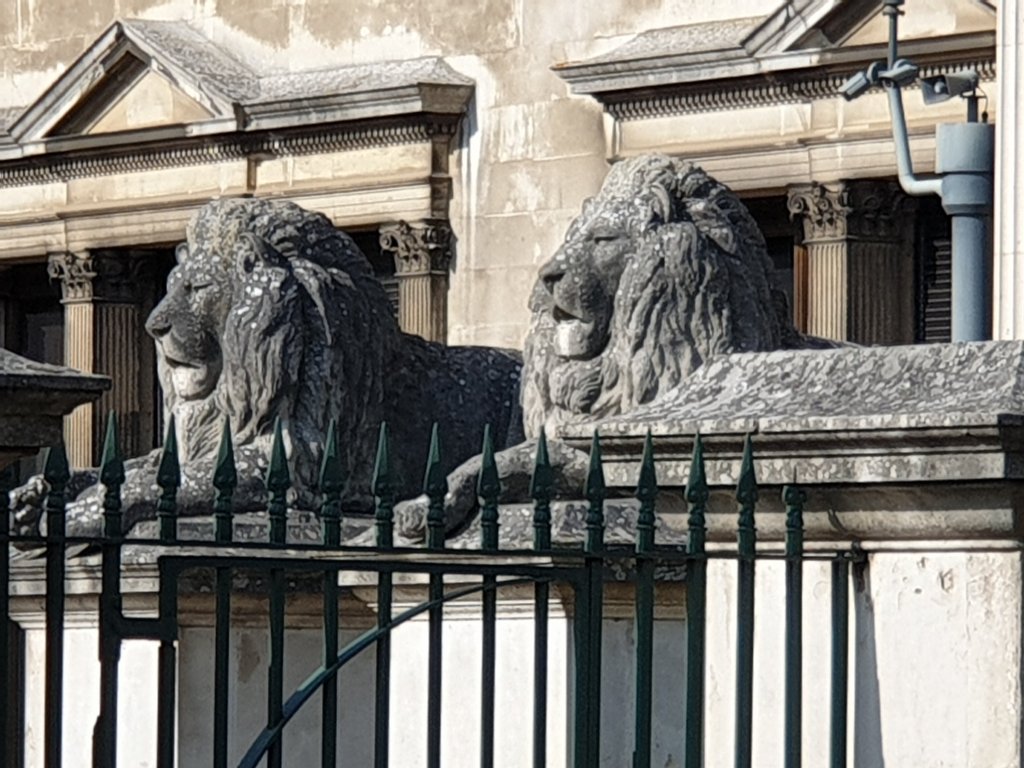
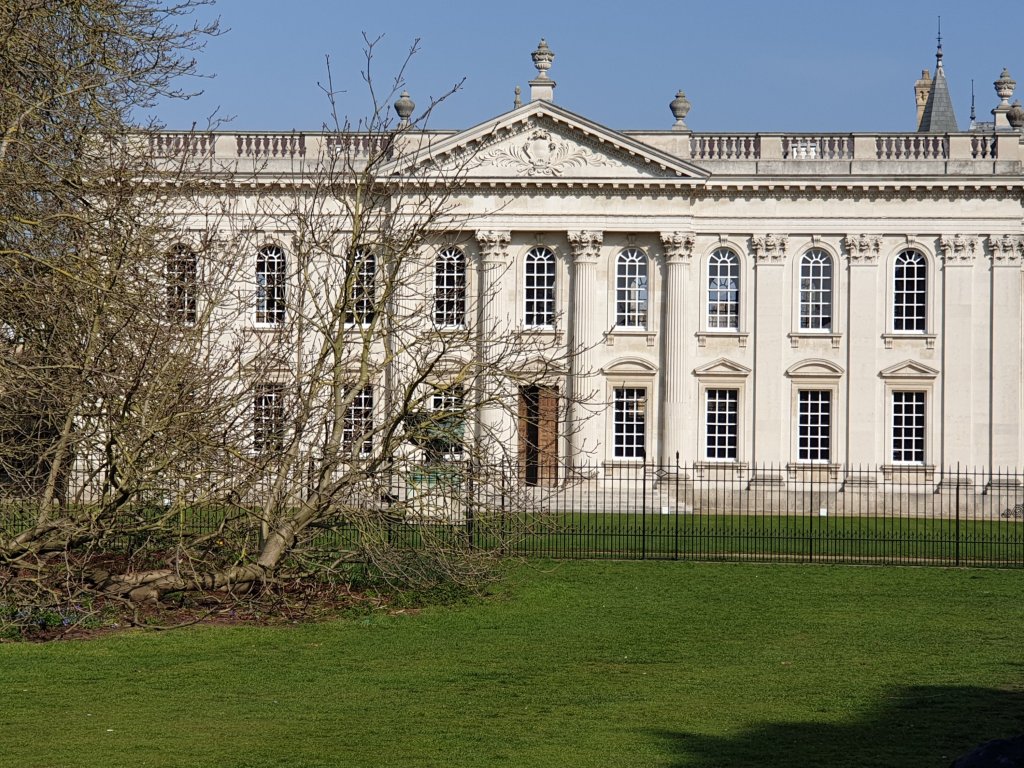
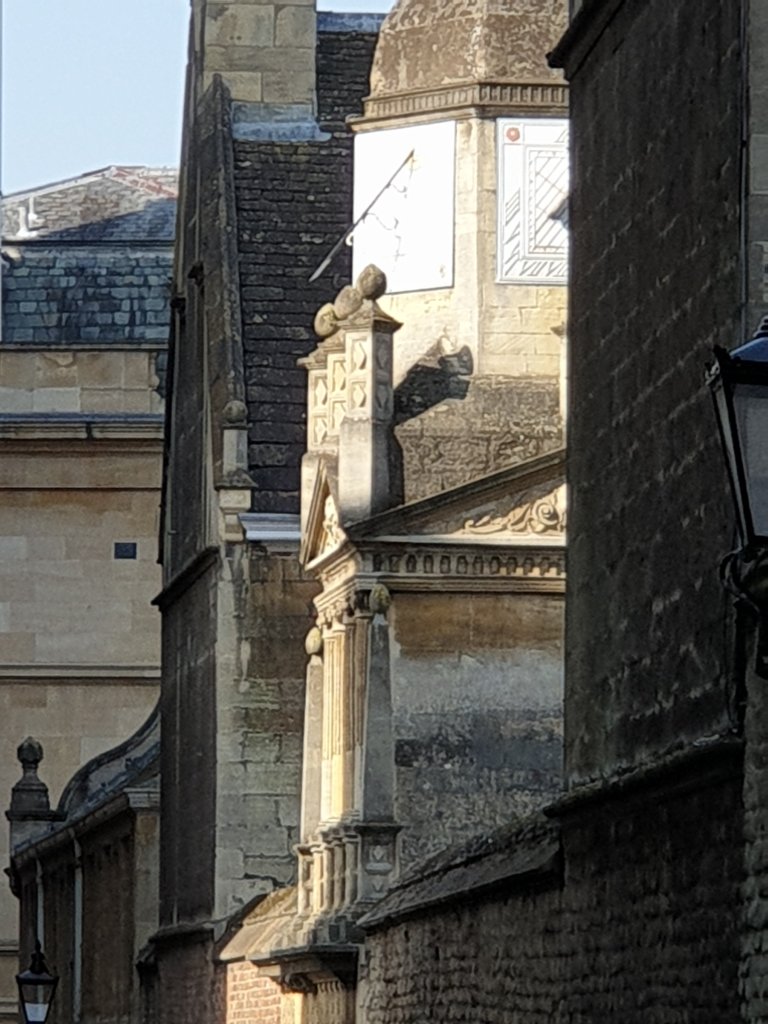
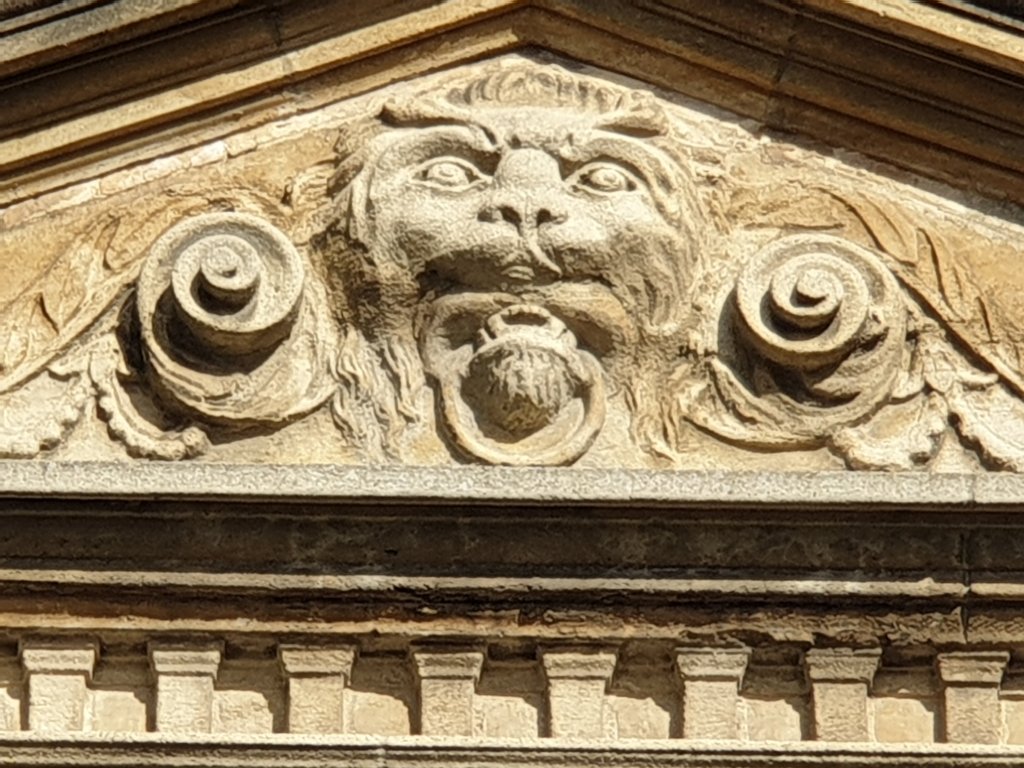
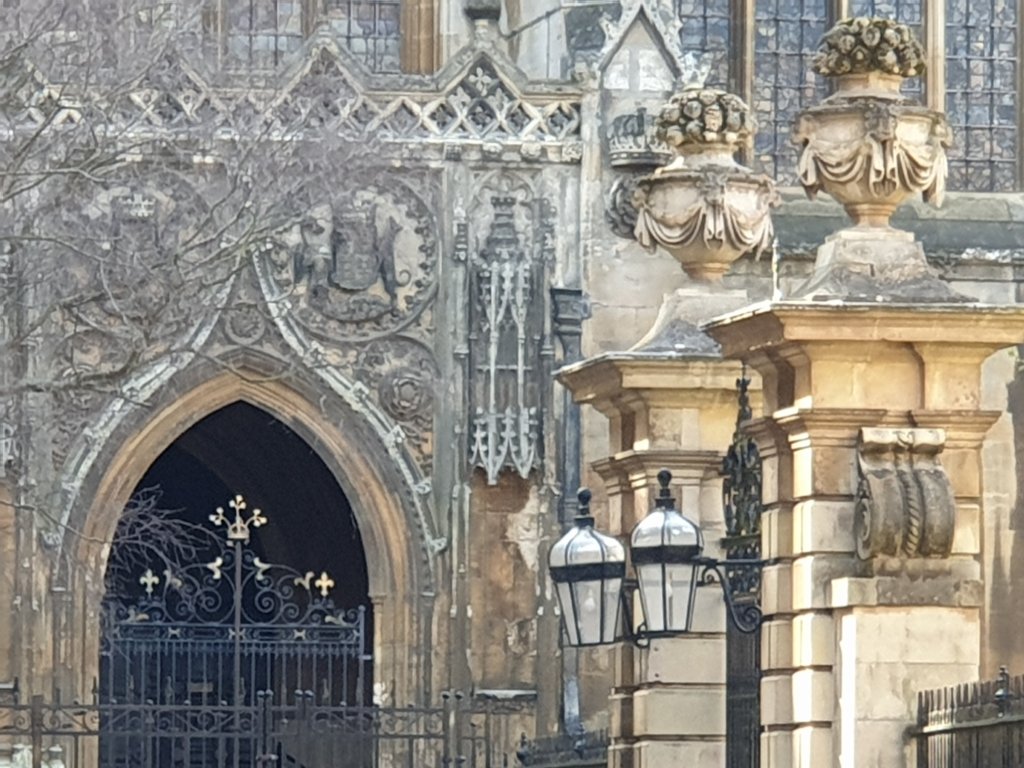
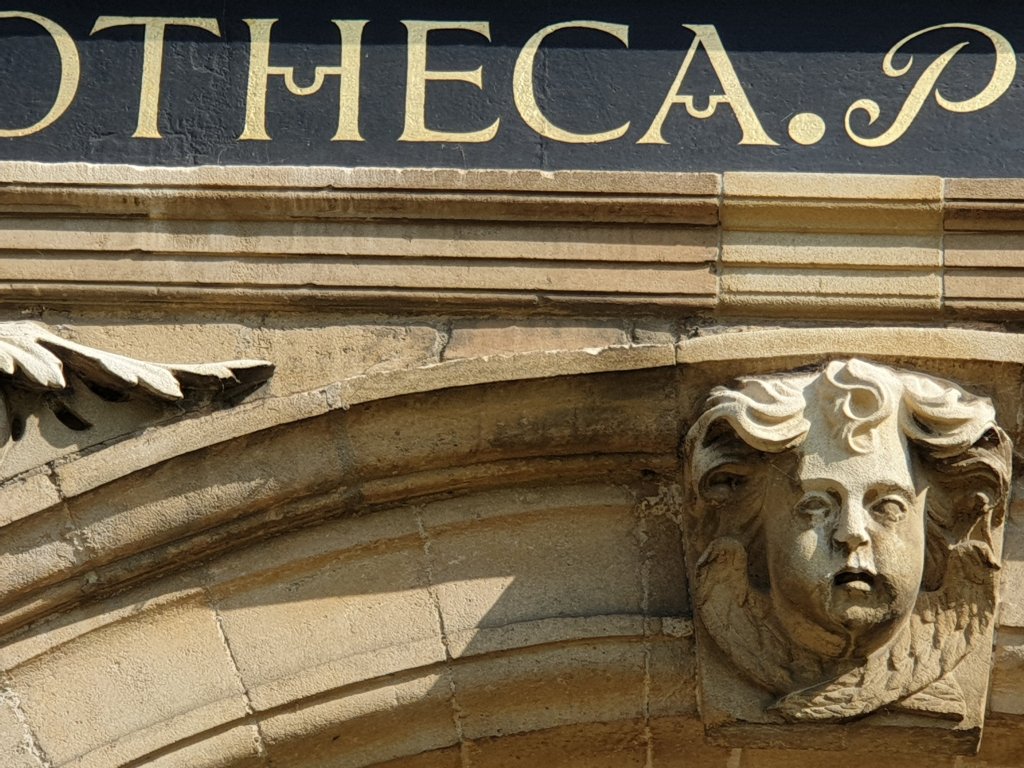
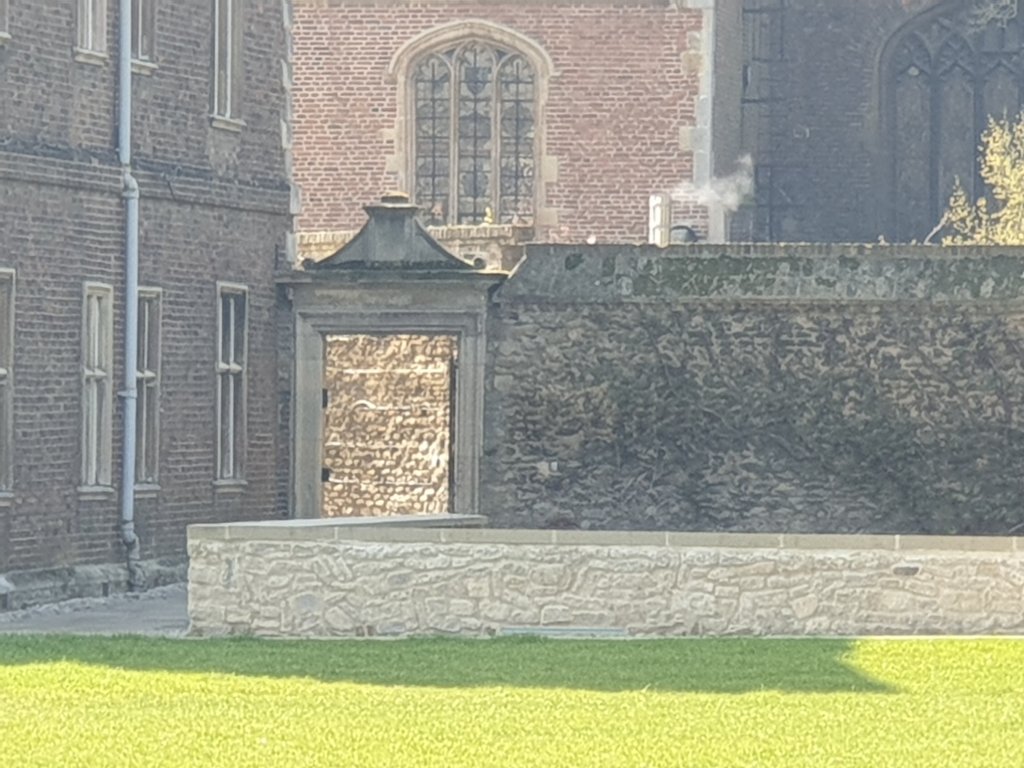
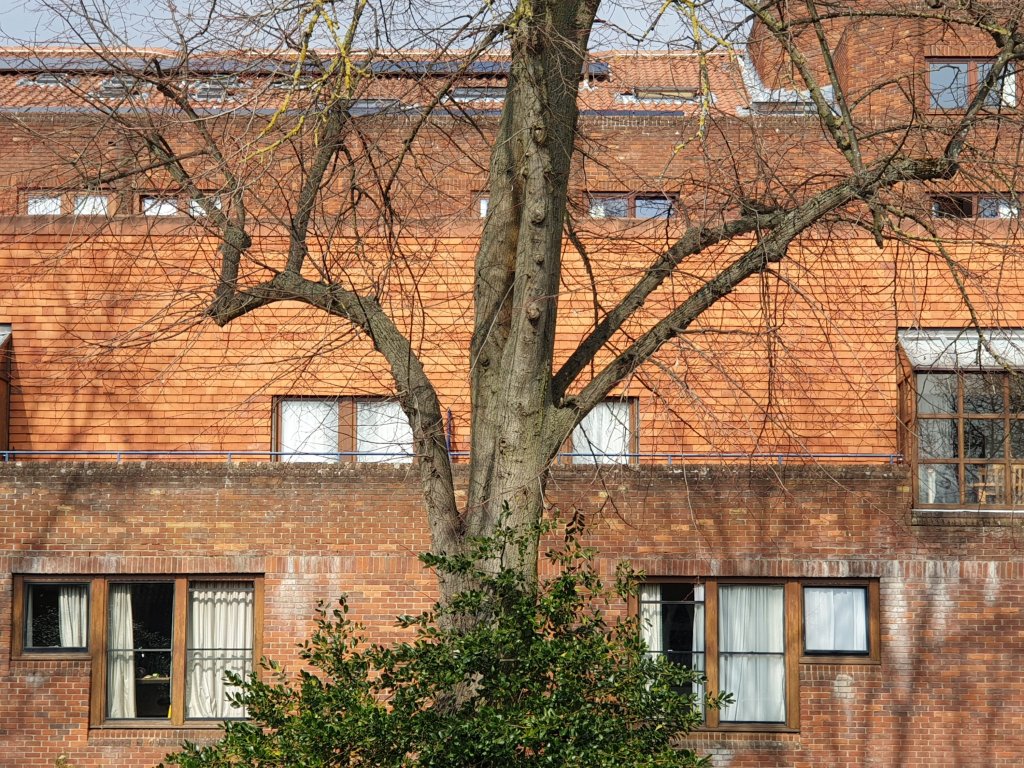
Now that I have recovered from tramping round Cambridge yesterday, I am posting some miscellaneous pictures of it on a beautiful clear spring day – maybe a bit too picture postcard, but pretty beautiful nonetheless:-

Standard

Elizabeth: A Portrait in Parts

Following my recent post about Roger Michell and The Duke, I have just learned that his film about the Queen is being released for the Platinum Jubilee (June 3).

I’m really pleased – it’s very brilliant, irreverent, but none the worse for that. Something to look forward to, with an amazing use of documentary and archival footage, and showing her as a human being as well as the Queen.

Standard

The Duke

I went to see the Duke last night: such a treat. Of course, it’s open to the accusation of being over-sentimental and caricaturing those northerners from Newcastle and the smooth ways of Londoners who spend money on art, but I didn’t think any the worse for that. I knew some of the story, but certainly not all of it and not the twist at the end, revealing, as I now discover is true, that it wasn’t Kempton Bunton who stole the painting after all, but his son, John, who, as the film reveals, subsequently confessed, but wasn’t prosecuted as an unreliable witness. They showed a picture of Michael Levey as if he was the Director at the time, whereas it was Philip Hendy, but the film is not intended as factual, but a funny, entertaining romance, true in spirit and true to Jeremy Hutchinson’s successful defence of Bunton.

So sad that it was Roger Michell’s last film, not least because he was working on a celebration of seventy years of the Queen for her platinum jubilee, which I hope was sufficiently finished before his death still to be seen.

Standard

The New Library, Magdalene College

A while ago, I spotted the very distinctive silhouette of Magdalene’s New Library from the rooftop restaurant of the Varsity Hotel.   It looked interesting and indeed is.   First opened a year ago, it is the product of a competition in 2013, won by Niall McLaughlin, not least for a drawing he did showing the relationship between the planned New Library and the existing seventeenth-century Pepys Building which used to house the college library on its ground floor.  

It’s not purely a library – more a complex set of private and semi-public work spaces for undergraduates, full of daylight, partly because of its high wood vaults, and with an exemplary use of oak, designed for a lifespan of four hundred years, quite a remarkable achievement given the extreme sensitivity of its site in a corner of the Fellows’ Garden.  If it’s not shortlisted for the Stirling Prize, it deserves to be, as good a modern building as I’ve seen.

One’s first view over the wall of the Master’s  Lodge:-

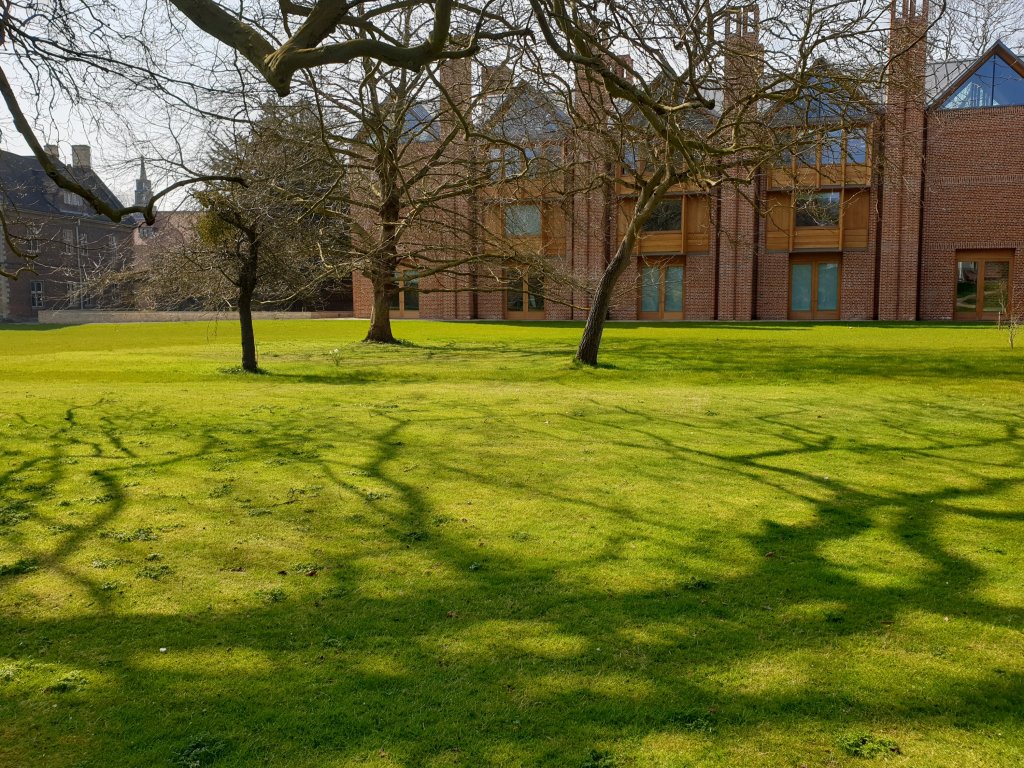
This is how it looks from across the Fellow’s Garden – built from Yorkshire brick to fit in with the material of the rest of the college:-

This is the entrance façade:-

Inside, it’s three storeys high, with a deliberately complex layout of staircases and smaller library spaces round the top-line main hall, all of it very beautifully detailed:-

Standard