Gladstone Pottery Museum

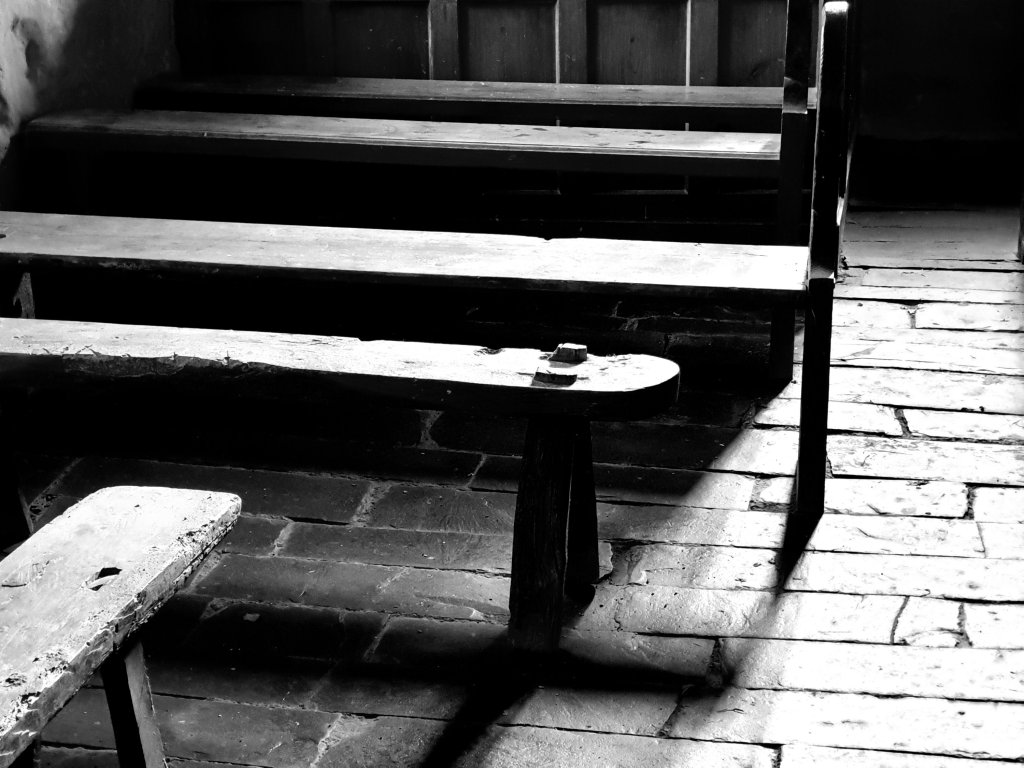
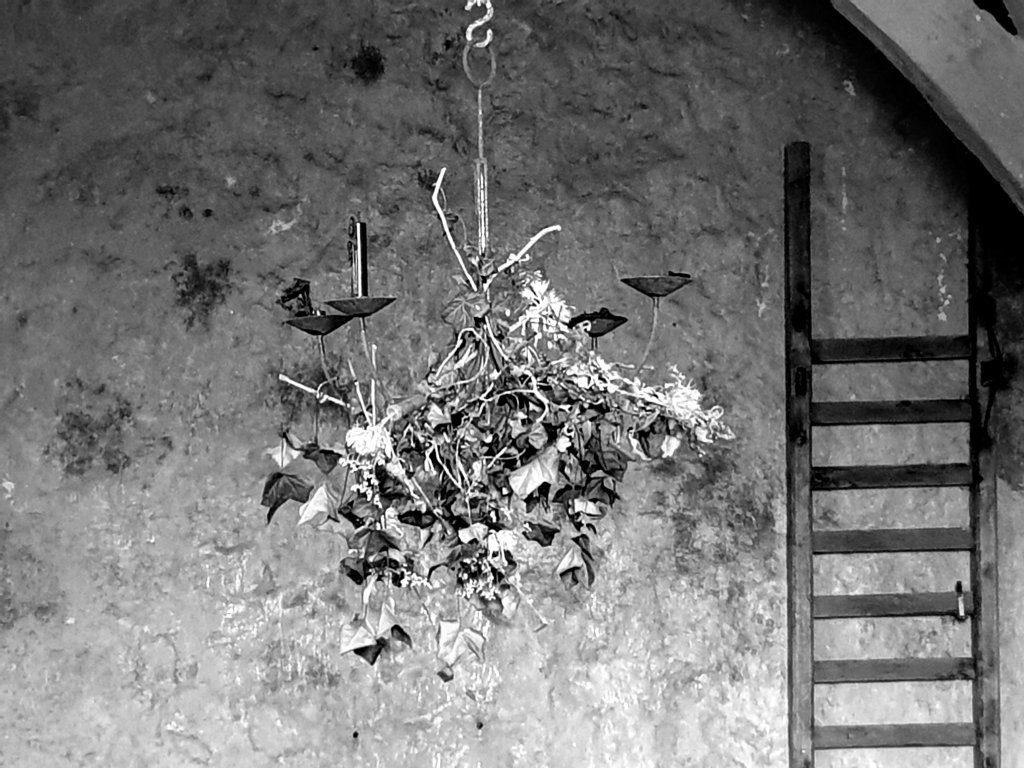
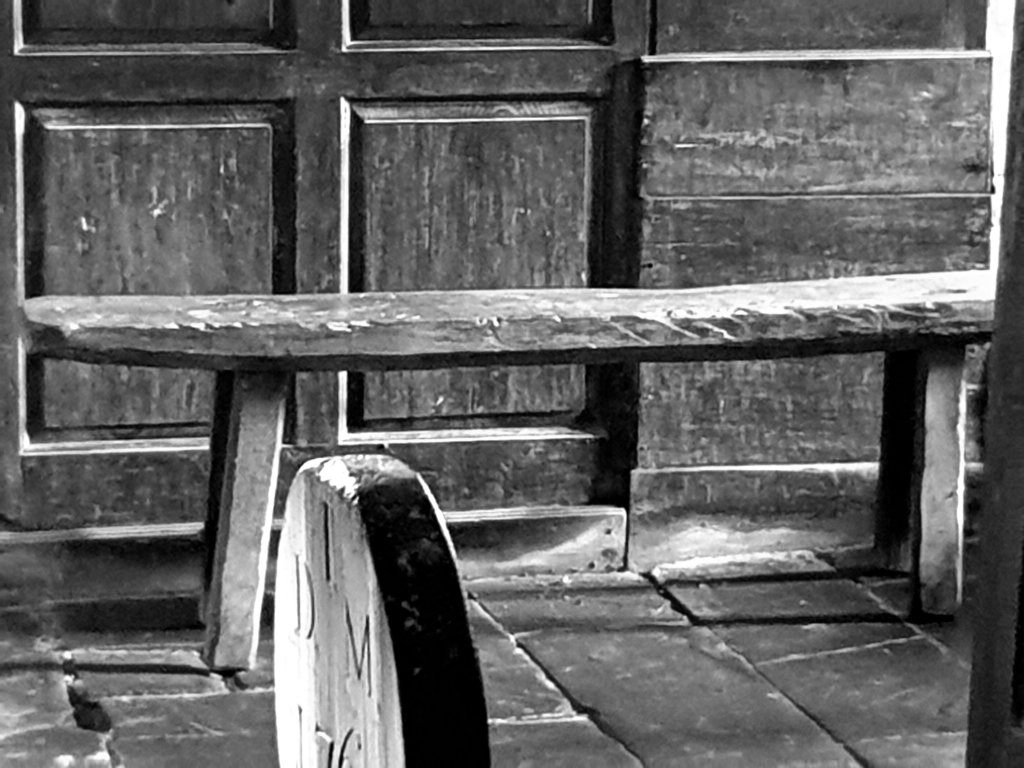
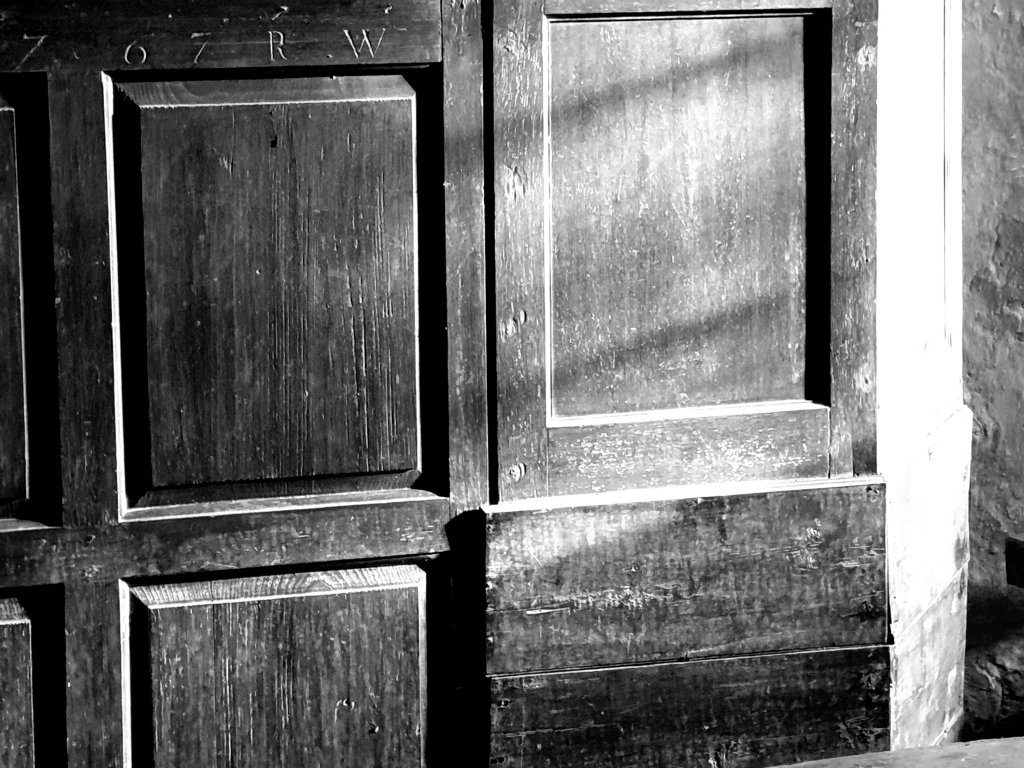
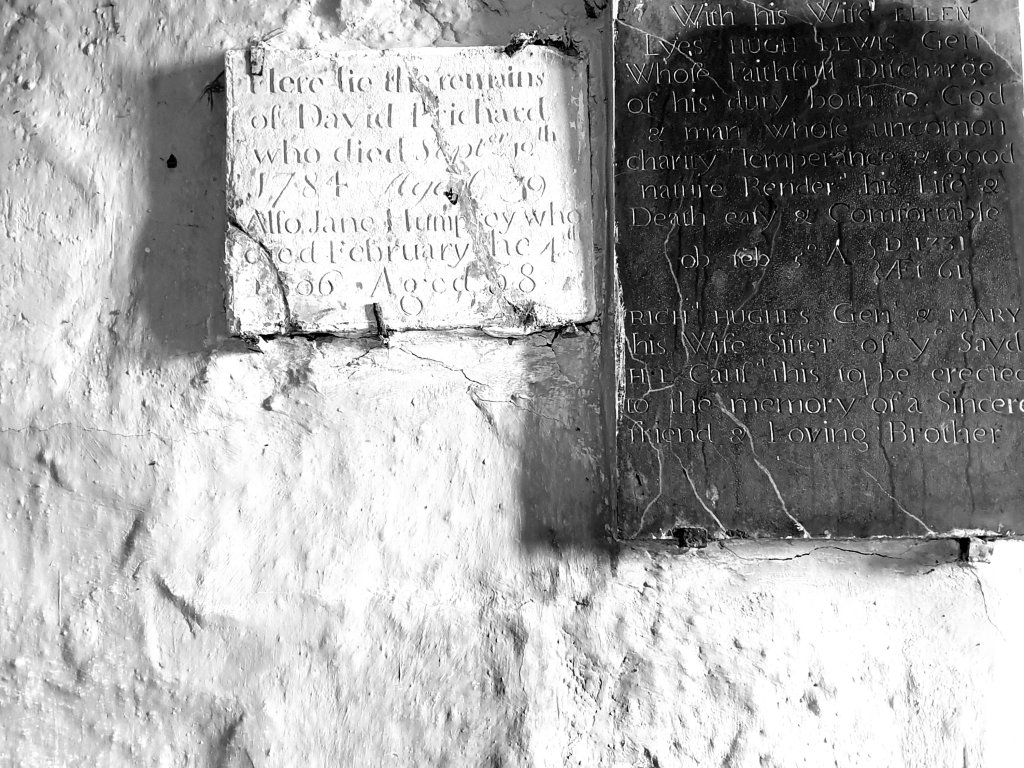
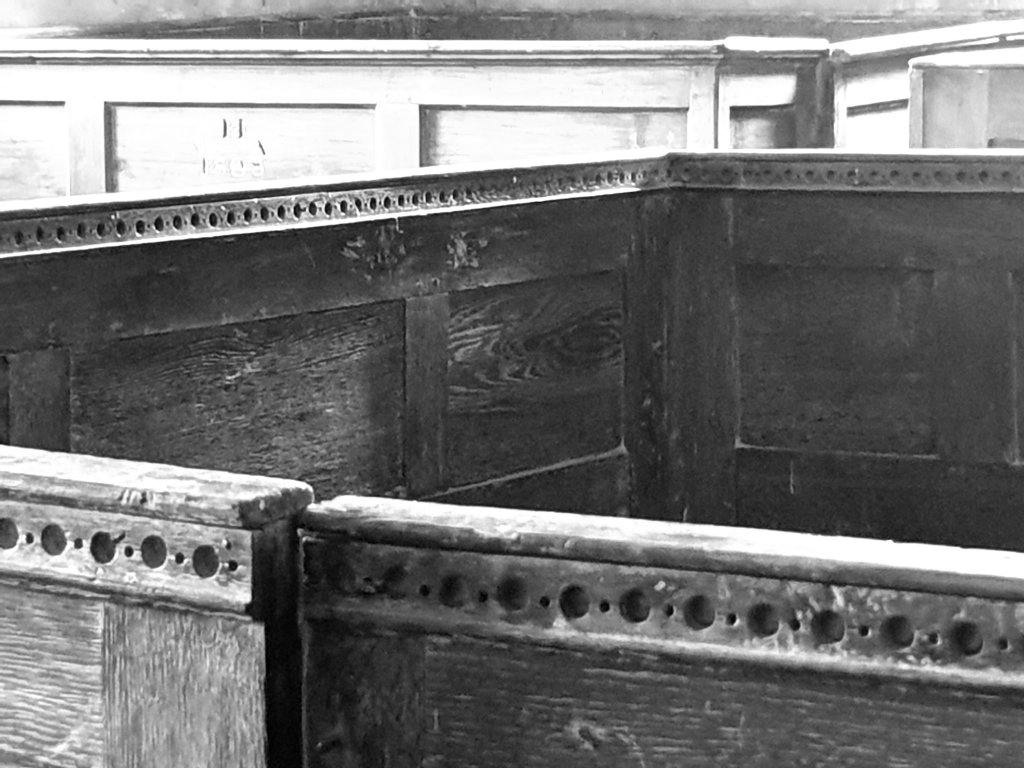
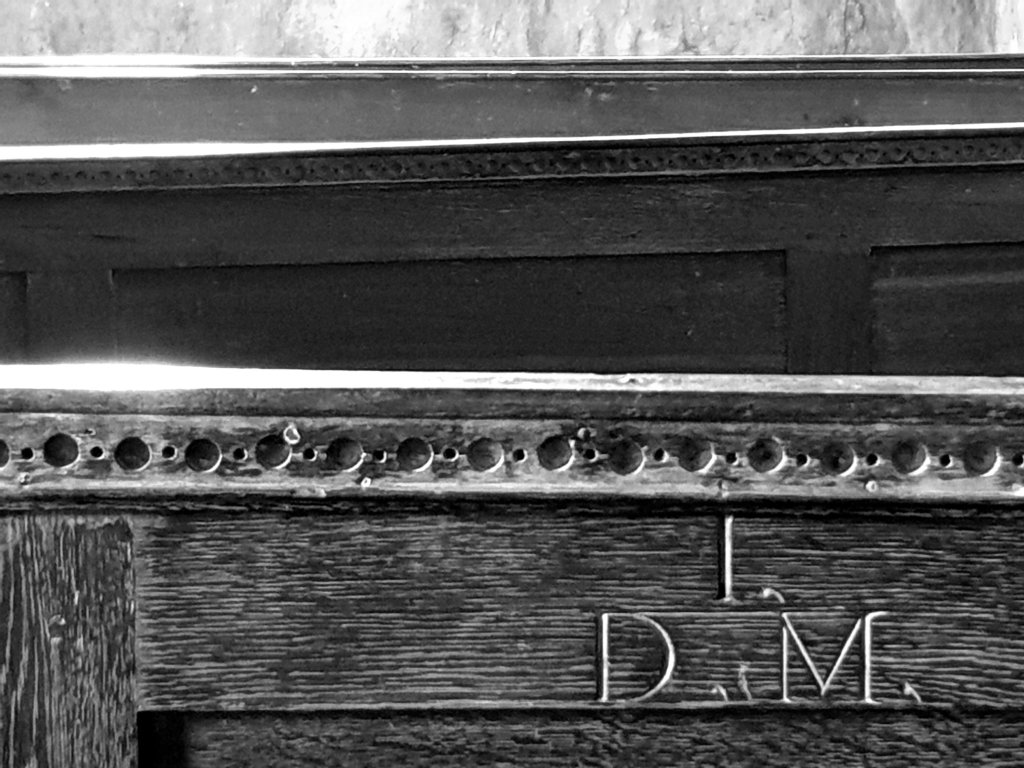
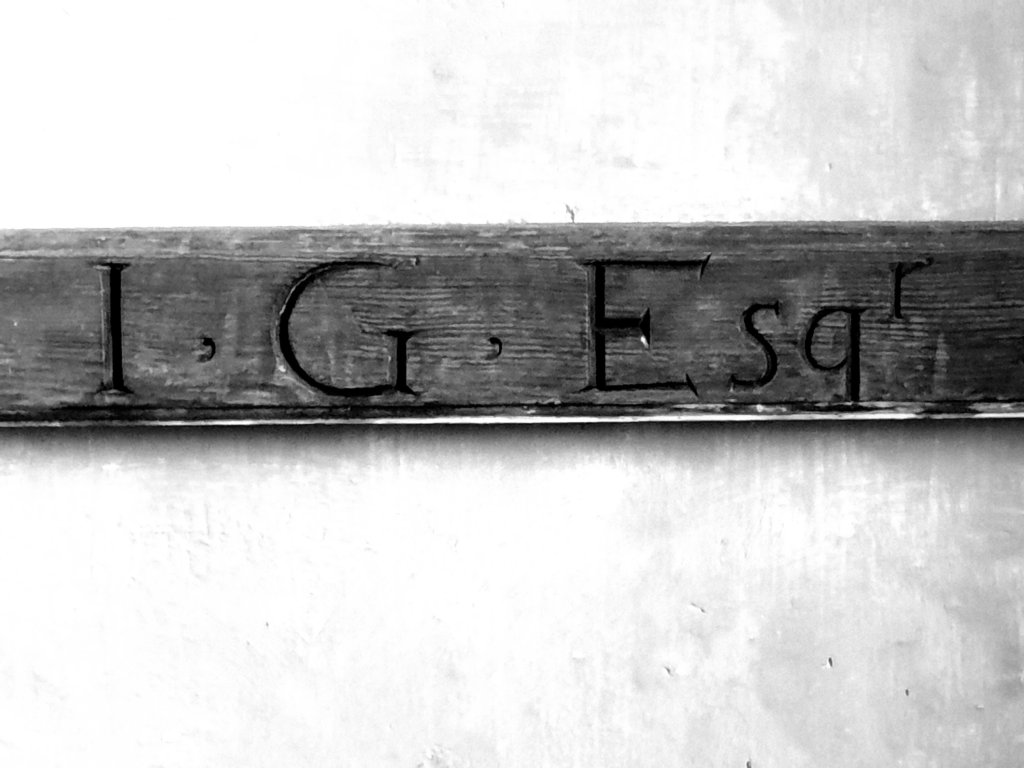
I thought I should maybe repost some pictures I took on my last visit to the Gladstone Pottery Museum (https://charlessaumarezsmith.com/2017/05/14/gladstone-pottery-museum/) in the light of the likely decision by the conservative-run council to close it for most of the winter, at the same time as losing the majority of the curators in the wonderful Stoke Museum, one of the greatest places to see a comprehensive collection of English pottery.

A government should be judged by its actions. In spite of so much protest about the loss of history and the need to protect and preserve a true version of the past, as well as an election platform in favour of levelling up, its record so far in protecting history is not impressive: it has allowed the destruction of the Whitechapel Bell Foundry; its economic policy will now require Stoke-on-Trent to lose the expertise which enables a creative and scholarly interpretation of its past.

Standard

Simon Lewty (2)

I have been very mildly castigated for suggesting in my recent post about Simon Lewty that he may have somewhat dropped out of public view after a period in the mid-1980s when he had exhibitions more or less simultaneously at the Ikon Gallery in Birmingham and then at the Serpentine and was taken on by Anne Berthoud who showed his work in her gallery in Clifford Street. I exaggerated this sense of him dropping out of public view. The truth is that his work went on being seen and shown in exhibitions – for example, there was an exhibition at the Mead Art Gallery and Nottingham in 1992 – and he continued to be represented by Art First who showed his work over a period of thirty years in their gallery upstairs on Cork Street and later in Eastcastle Street.

My point was more that he was not the type to promote himself; that his work has not been shown, as it deserves to be, by Tate. I hope his recent death will lead to a reappraisal, as people now look back on artists who were prominent in the 1970s and 1980s. He was in so many ways a great original.

Standard

Simon Lewty (1)

The attached very sensitive obituary of Simon Lewty has just been posted online. It is by the art historian, Paul Hills, who knew Lewty when teaching at Warwick in the mid-1970s.

Lewty was a remarkable artist, living almost entirely in the realm of his imagination, combining graphics, calligraphy and arcane, sometimes primitive imagery in a distinctive and highly original way, informed by a deeply stocked knowledge of the history of art – medieval, mystical and contemporary. He was an artist who was highly regarded in the mid-1980s when, as Hills says, he had exhibitions at the Serpentine and Ikon Gallery, but then disappeared from public view, too shy for his own good, too concerned with the realm of the imagination, only visiting Swanage after finding the experience of Chartres Cathedral too overwhelming.

I’m pleased to learn that he has been recorded by the National Sound Archive, which will reveal the ideas and beliefs which informed his art.

https://www.theguardian.com/artanddesign/2022/jan/06/simon-lewty-obituary?CMP=Share_AndroidApp_Other

Standard

Mark Girouard

I spotted the attached discussion about the life and work of Mark Girouard to celebrate the publication of his Biographical Dictionary of English Architecture 1540-1640 and his ninetieth birthday.

He talks incredibly impressively, demonstrating his extraordinary range of publications, not just work on the country house for which he is now best remembered – the Victorian Country House (1971) and Life in the English Country House (1978), but also a reminder that one of his early books was on Victorian pubs, that he spent five years at the Bartlett training to be an architect, and wrote a very good and lively biography of Jim Stirling, as well as being a great admirer, which I did not know, of the work of Denys Lasdun. The only thing I felt was missing was recognition of his role in protecting Spitalfields. Now, he’s apparently written a novel.

Standard

Conway

I’ve not always been that keen on Conway in summer – we’ve never found anywhere to eat – but liked it out of season, seeing the Castle from the quay:-

And we liked the Palace Cinema, by the same architects as Harlech Theatre, but pre-war and pseudo-medieval:-

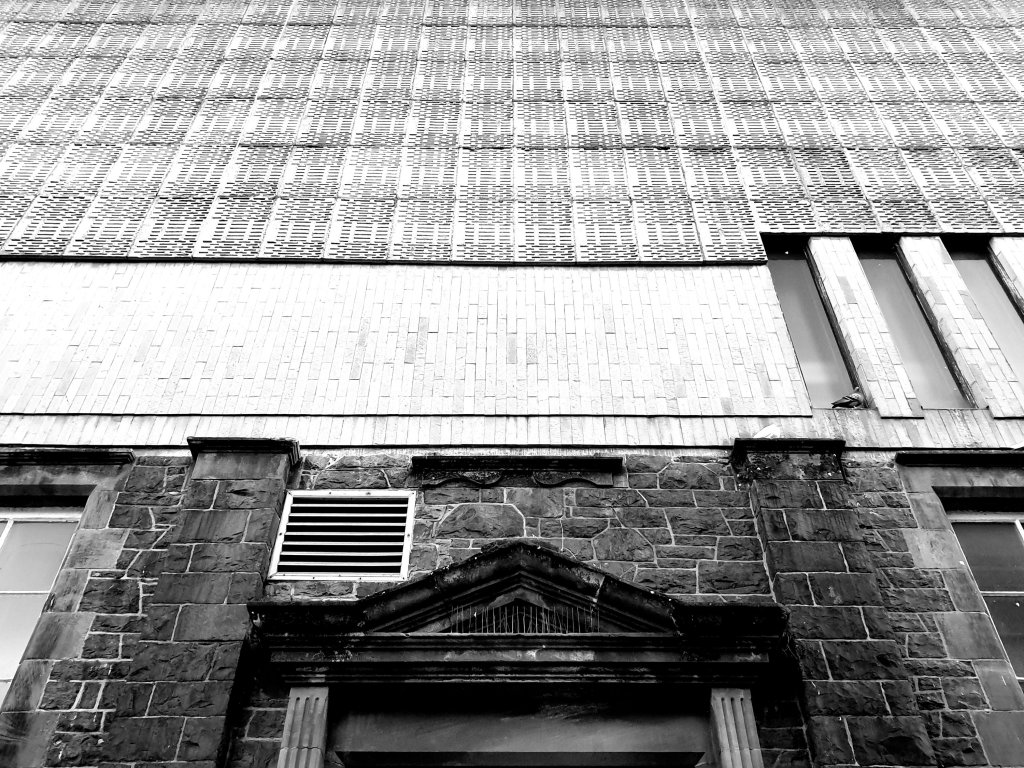
The Civic Hall, now sold for redevelopment, has an odd 1960s extension, totally out of sympathy with its surroundings:-

There are good medieval houses:-

The smallest house in Britain:-

And fish-and-chips in the Castle Hotel.

Standard

St. Mary, Tal-y-Llyn

St. Mary, Tal-y-Llyn is the sole survivor of a village which was swept away by the Black Death: strange to think of it without a congregation for more than six hundred years, isolated and surrounded by farmland:-

Standard

Britannia Bridge

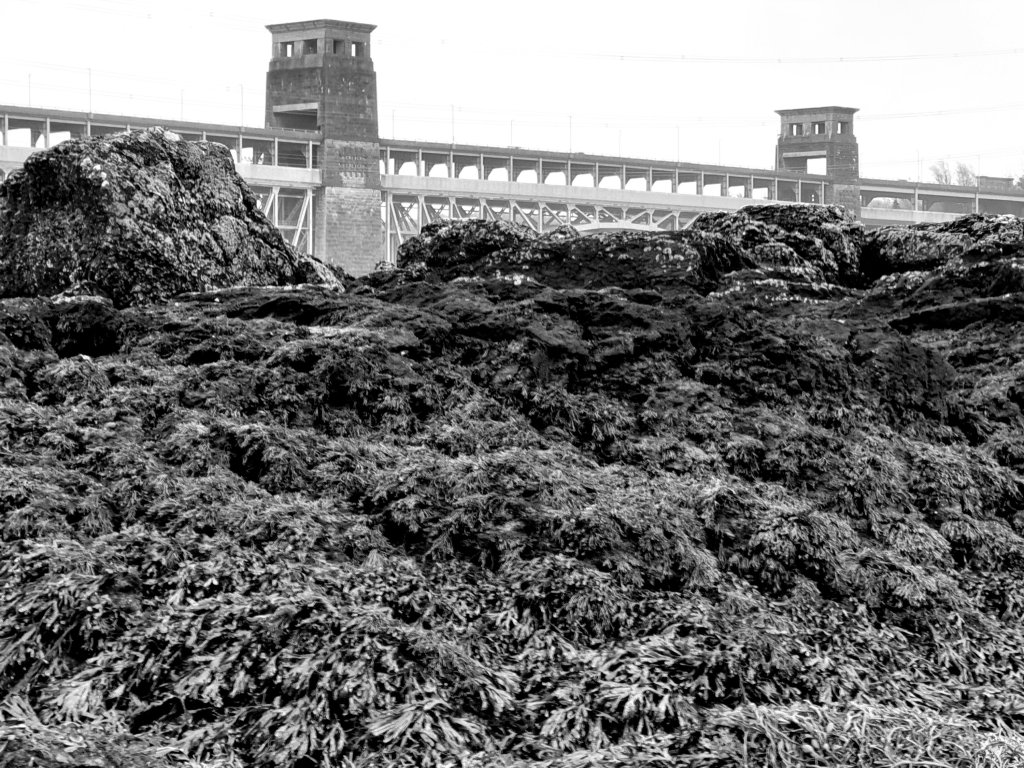
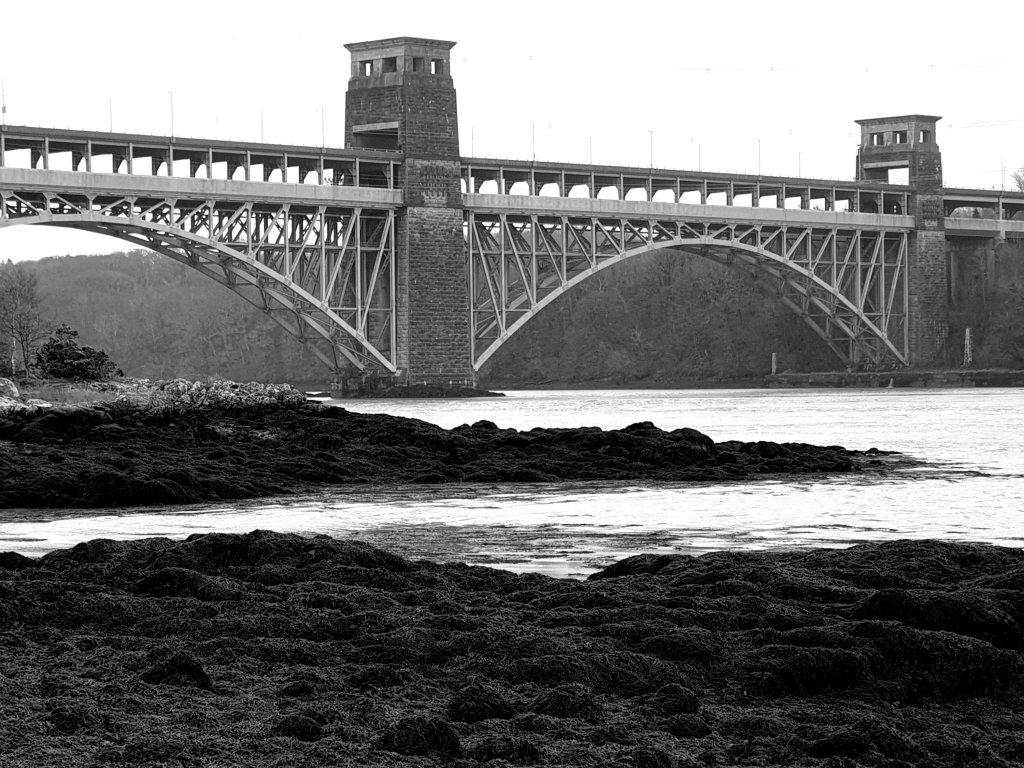
The second of the two great Anglesey Bridges is the Britannia Bridge, designed by Robert Stephenson to take the railway to Holyhead and accidentally burnt down in 1970, leaving only the great stone piers intact:-

Standard

Menai Suspension Bridge

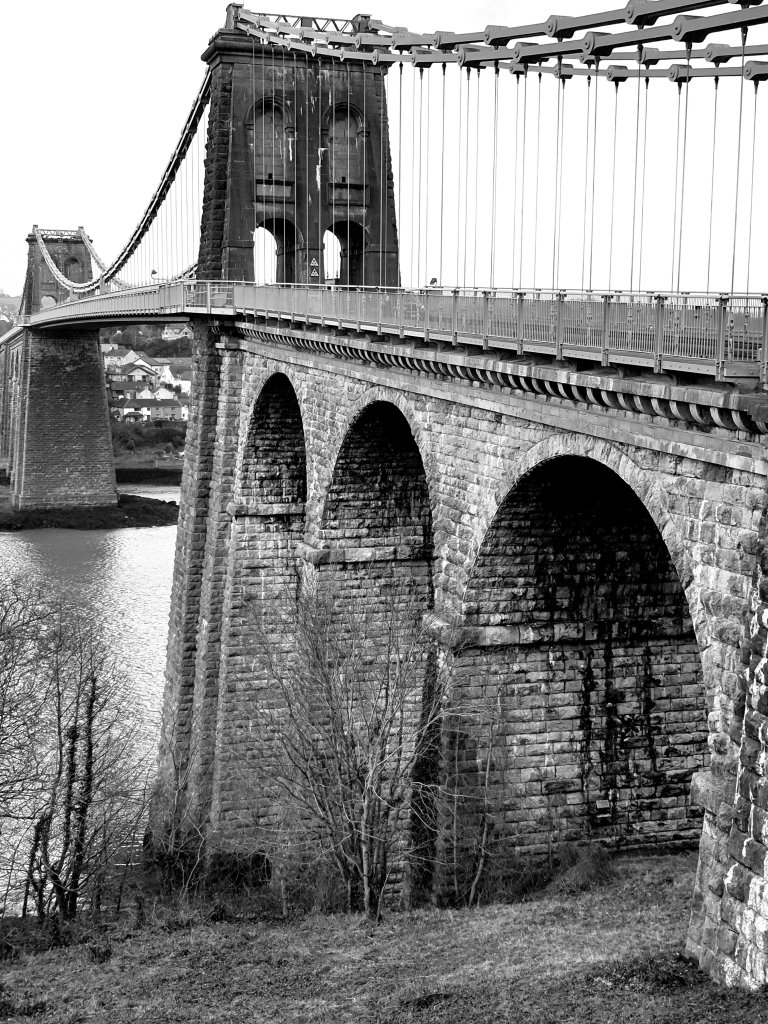
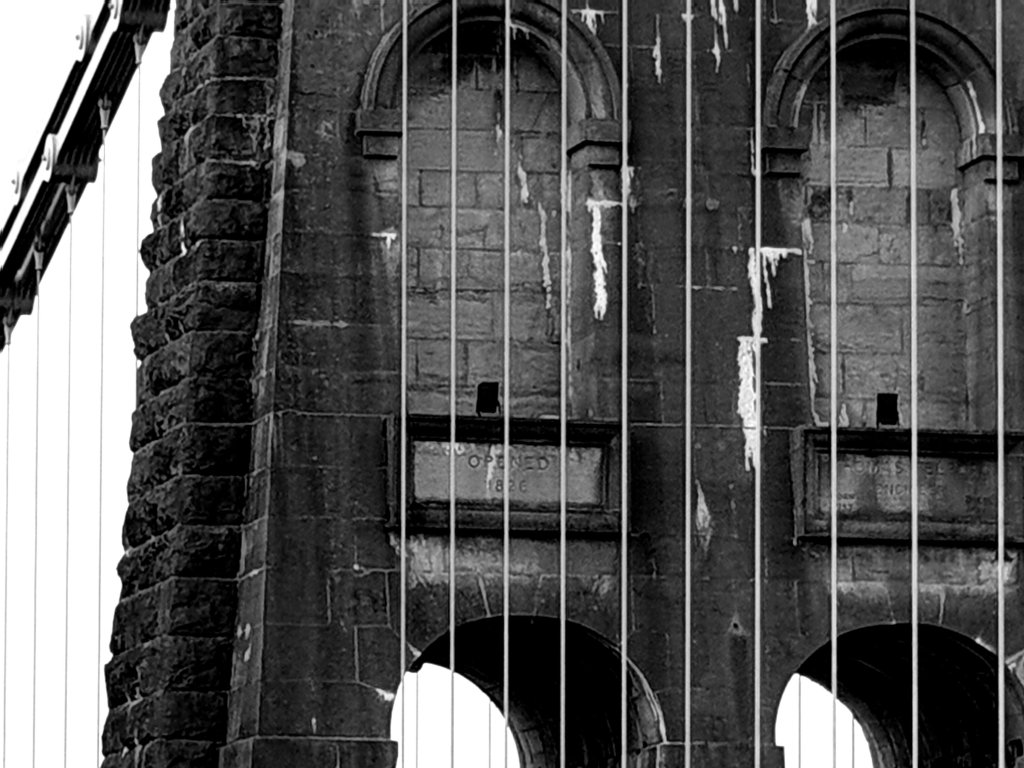
We went to explore the glories of the two great bridges which guard to crossing to Anglesey, astonishing feats of engineering, particularly the earlier of the two, the Menai Suspension Bridge, the construction of which began in 1819, when George III was still on the throne:-

It’s a fine combination of robustness and elegance, standing so high above the Menai Straits:-

Standard

St. Baglan’s, Llanfaglan

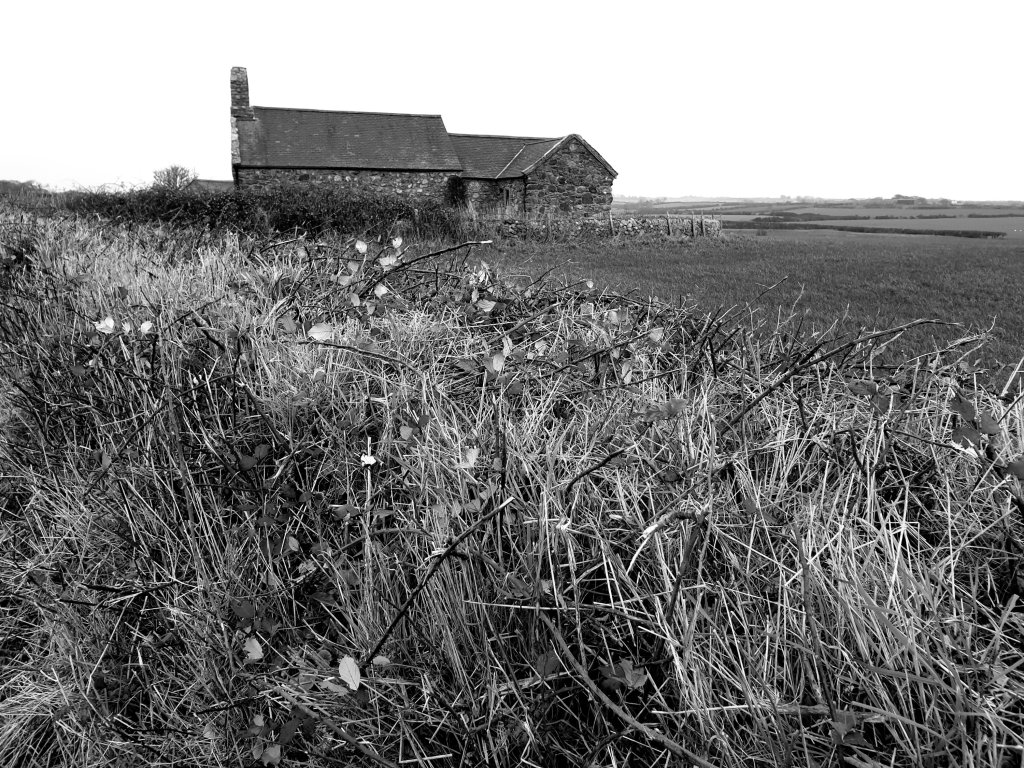
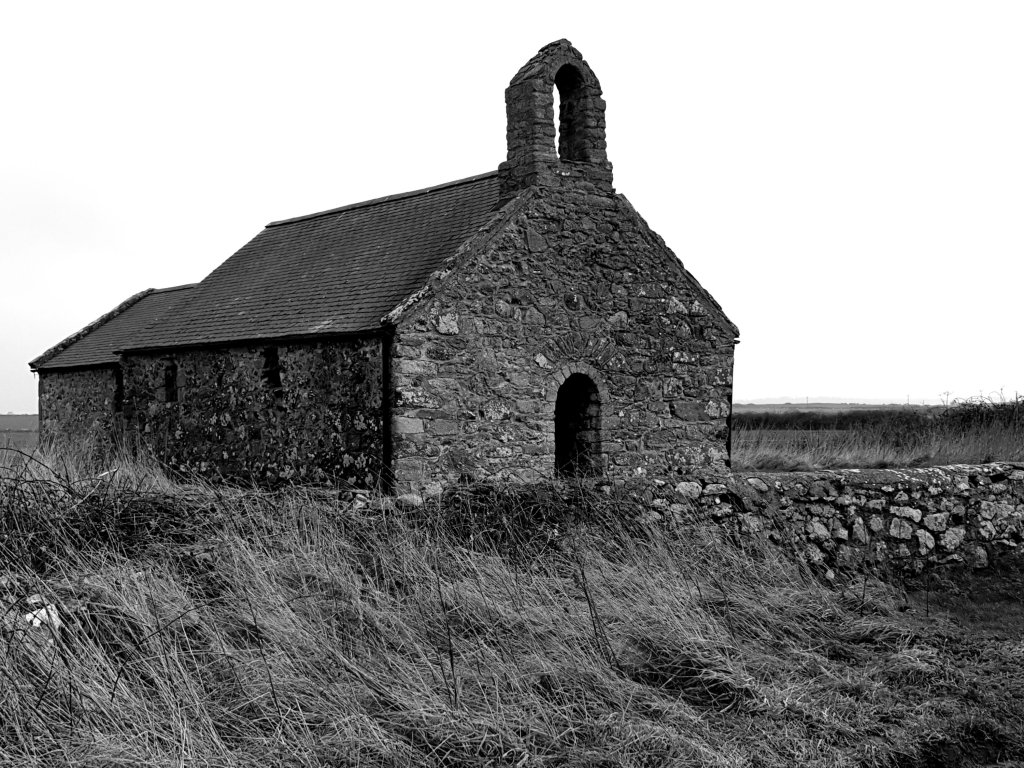
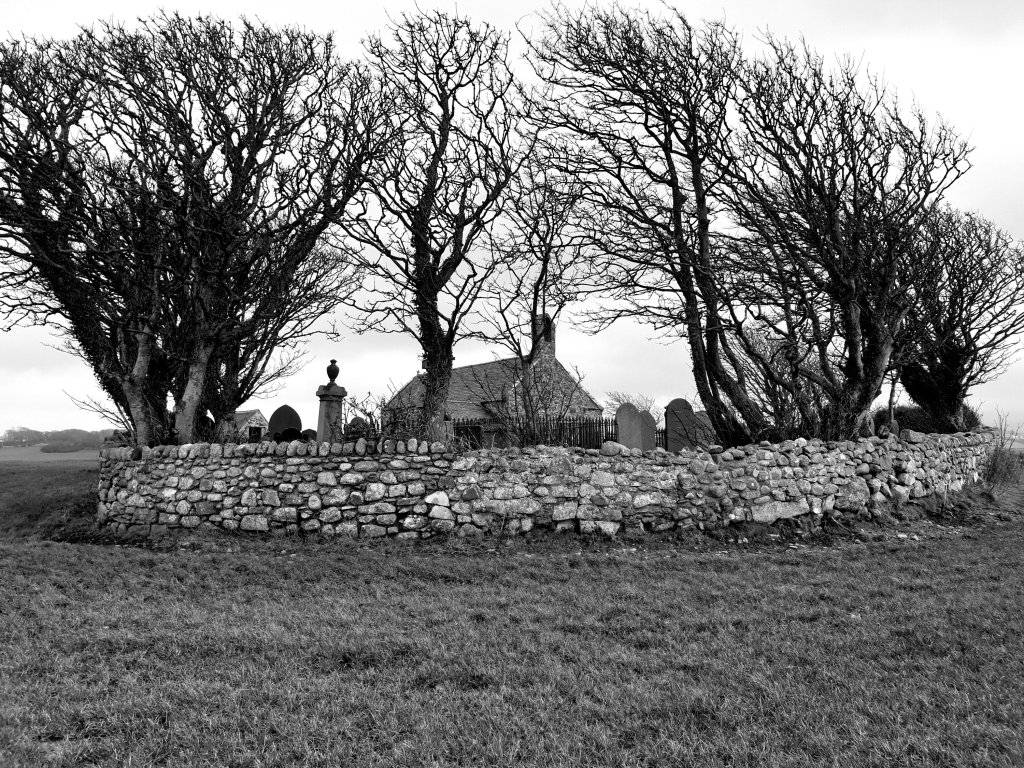
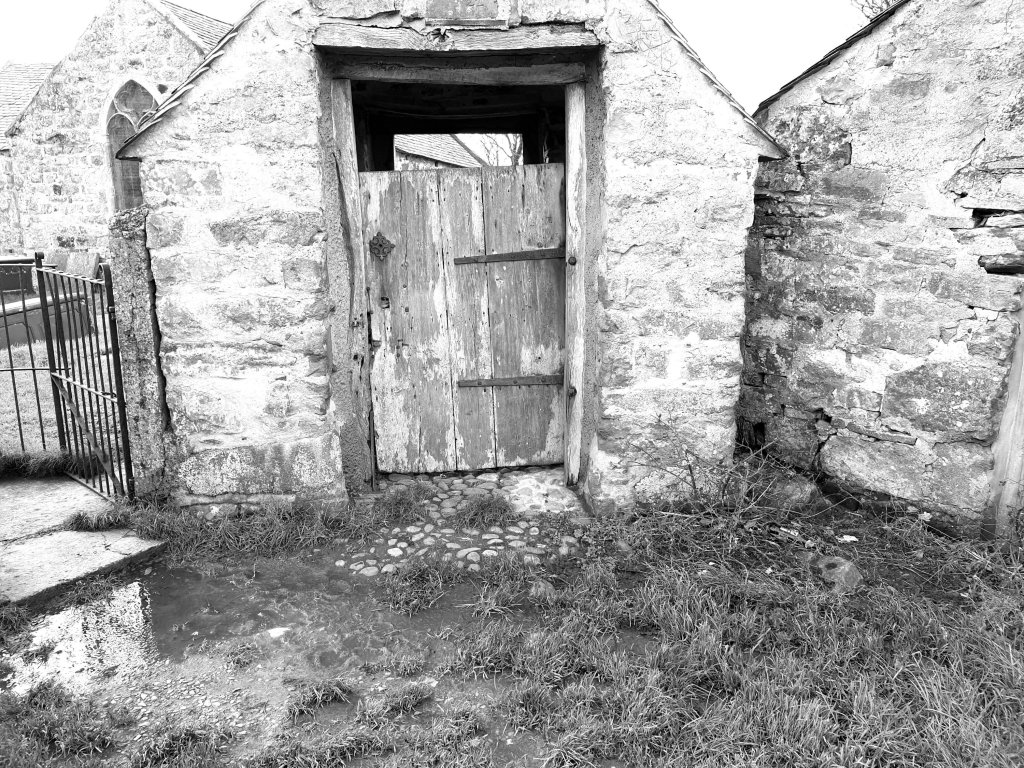
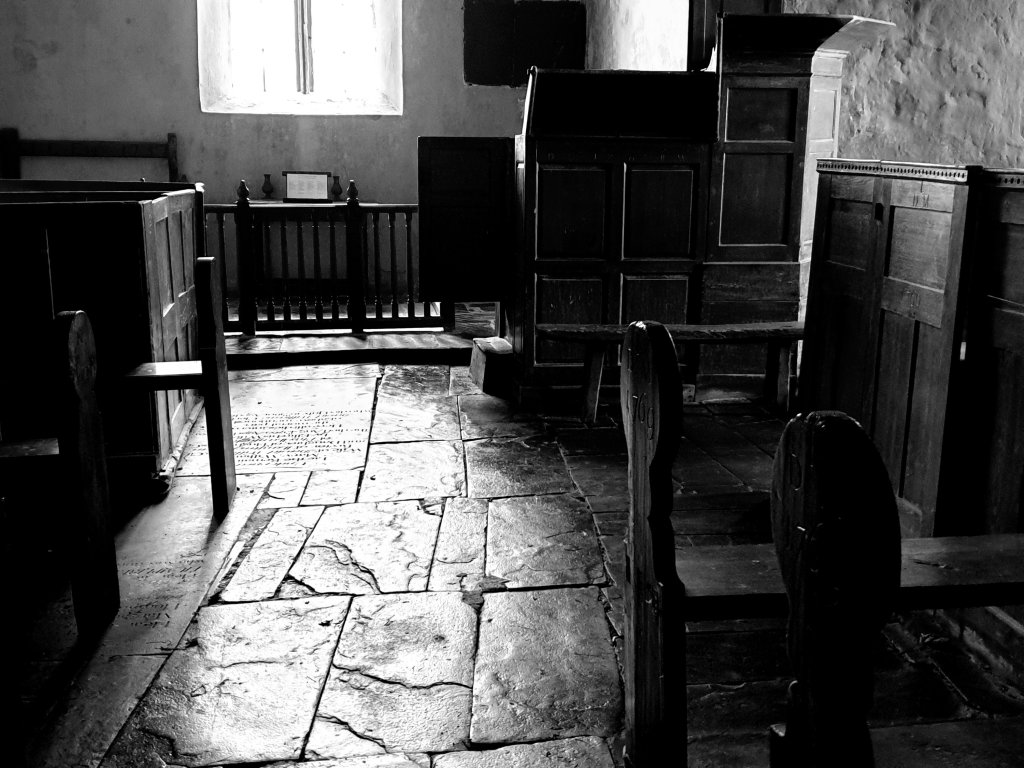
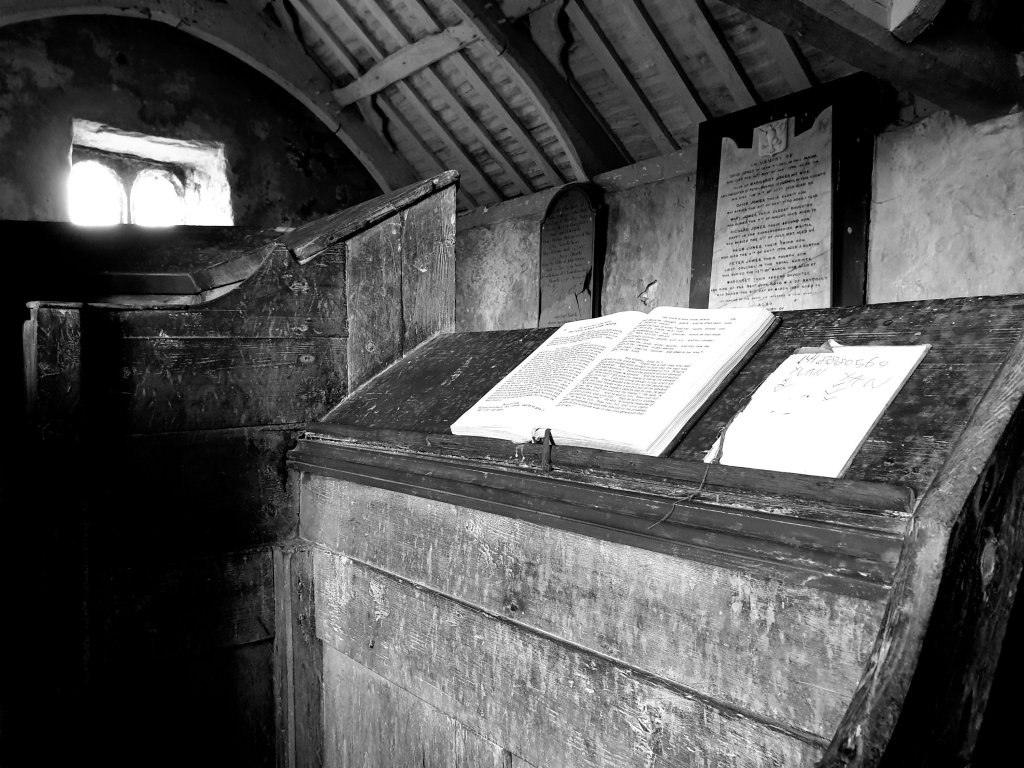
We love St. Baglan’s: so quiet, so isolated on a knoll by the side of the Straits on the site of an earlier church, looked after by the Friends of Friendless Churches since February 1991:-

Standard

Looking forwards

What is there to look forward to in 2022 ?

In terms of museum openings, the Burrell Collection re-opens in March after a radical renovation of its building in Pollok Park. The new National Museum of Art, Architecture and Design opens in Oslo on June 11th. combining the collections of the former National Gallery, the Museum of Contemporary Art and the Norwegian Museum of Decorative Arts and Design. The Barbican will soon announce the results of its architectural competition, which will give an indication as to how radically it plans to re-invent itself, to justify the huge budget allocated to it. And the big extension to the Art Gallery of New South Wales by SANAA is due to open in December.

In London, Gainsborough’s Blue Boy arrives at the National Gallery a hundred years after he left for California, its Raphael exhibition opens, God willing, in April, and it is doing a Lucian Freud exhibition next autumn. The Royal Academy is doing a William Kentridge exhibition in the autumn. And in March, the Barbican is opening what looks to be a radical reappraisal of the character of post-war art in Postwar Modern: New Art in Britain 1945-1965, something which Tate Britain should have done. Langlands & Bell are doing an exhibition at Charleston, Cornelia Parker has a retrospective at Tate Britain. And I’m really pleased to see that the Ikon is doing an exhibition on Crivelli, which we were encouraged to do at the RA. Also, don’t miss Gold of the Great Steppe which closes at the Fitzwilliam at the end of January.

In terms of books, I’ve been looking forward to Owen Hatherley’s Modern Buildings in Britain: a Gazetteer, now being published in April. Frances Spalding has written a study of art between the wars, The Real and the Romantic: English Art between the Two World Wars. There’s also a book coming out about Culture as Scandal: the Hermitage Story, co-written by its director, Mikhail Piotrovsky, an intriguing thought.

What else ? There’s the opening of Niall McLaughlin’s Faith Museum at Bishop Auckland, but I don’t know when that’s happening. Also, David Kohn is doing an interesting expansion of New College, Oxford.

There’s much coming up, COVID permitting.

Standard