Whitechapel Bell Foundry (99)

The publication of the Gentle Author’s twelfth annual report is a reminder of how much the campaign to save the Whitechapel Bell Foundry owes to him – his relentless and always well-informed campaigning on a host of local issues, fighting on several fronts simultaneously with roots in the local community.

He reveals, as I had also been told, that there was a report that a senior figure in the Department of Housing, Communities and Local Government had been given club membership for ‘expediting’ the approval of planning permission for the Bell Foundry. I assume that the person who made the report was unwilling to be fingered as the source. It left an abiding impression that, if a senior figure in the decision-making process could accept club membership as an inducement to speed up planning permission, were other people along the way offered similar encouragement ? Club membership is, of course, not money in brown envelopes. It’s still a troubling report, even as unauthenticated rumour, casting a cloud over the decision and its rectitude.

https://spitalfieldslife.com/2021/08/27/twelfth-annual-report/?s=09
Standard

Building the Modern Museum

I thought I normally saw Aesthetica – I’m certainly on their mailing list – but I missed the very nice, clear and generous review of my museums book, as attached:-

https://aestheticamagazine.com/building-the-modern-museum/?s=09

Standard

RIBA London Awards 2021

I always like seeing the longlist for the RIBA regional awards because it provides a good conspectus of current building trends. The London list is vast, including, I’m pleased to see, David Chipperfield’s radical renovation of the Museum of Mankind building in Burlington Gardens, with Julian Harrap rightly credited as a partner in the project.

I notice that lots of the projects are now in East London, including the winner, which is Glenn Howell’s new building for English National Ballet on City Island, a peninsula next to Canning Town, a thoughtful, if reticent project, which probably shows the taste for lower key, less showy architecture post-COVID. Lots look worth visiting.

https://www.bdonline.co.uk/news/peter-barber-sweeps-the-board-as-riba-london-award-winners-revealed/5113473.article?s=09

Standard

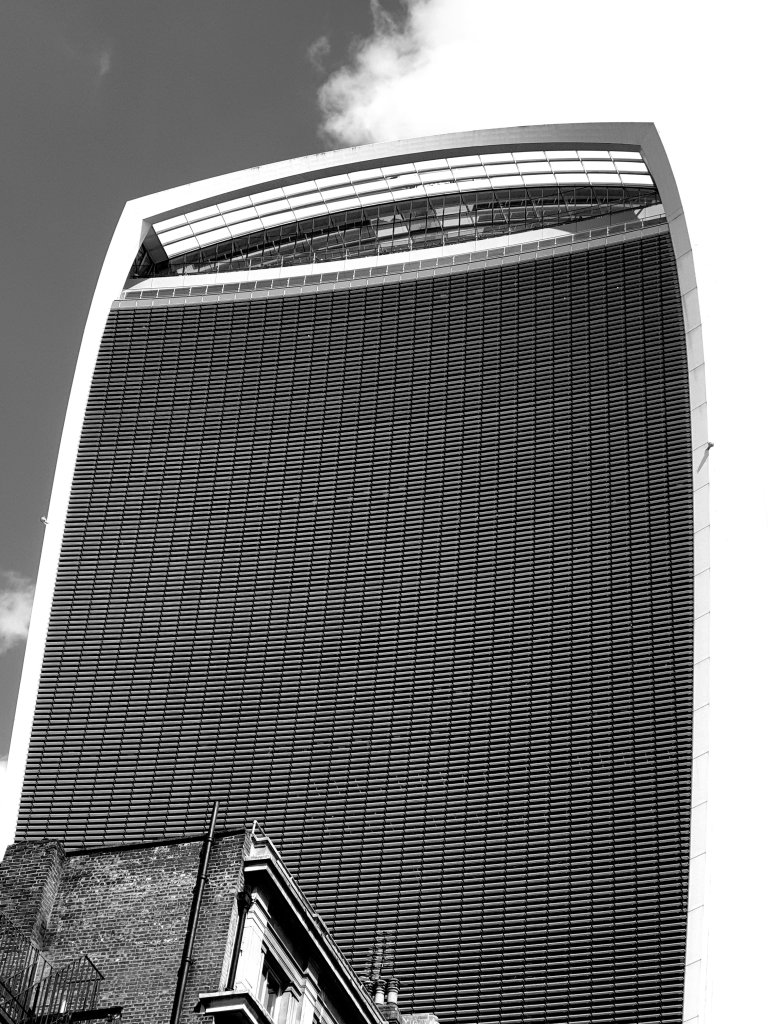
The Walkie-Talkie

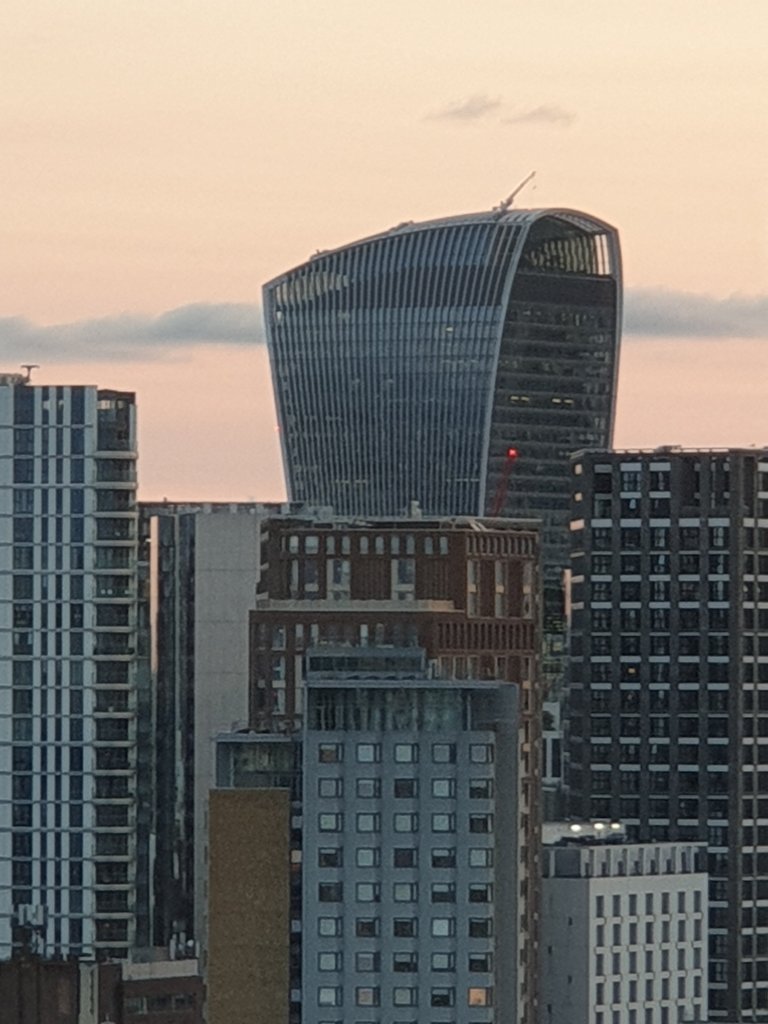
I have got mildly fascinated by the Walkie-Talkie, or 20, Fenchurch Street as it is officially known. How was it that the City Fathers, normally rather conservative, breached all their own guidelines, to allow the construction of such an obviously bloated and inelegant monster, thereby allowing everyone else to build big and ugly in an upward competition, such that even the architects of many of the high-rise buildings are now complaining about the poor quality of the buildings other than those they have themselves designed ?

There is an interesting account of Tom Dyckhoff meeting John Prescott when he was deputy prime minister in Dyckhoff’s excellent The Age of Spectacle: Adventures in Architecture and the 21st. Century City, in which Prescott emerges as an evangelist for what he describes accurately as ‘a new wow factor…That’s WHAT IT IS ! It’s buildings that strike you and you say, ‘Bloody ‘ell’. This is indeed exactly what I say when I look at the Walkie-Talkie. How and why did someone think it was such a great idea to put up so many monster buildings when they already had Canary Wharf ? So, it was a product of Blairism, an embrace of the free market in design by the old left.

Peter Rees describes it as a fruit basket:-

Standard

Sir Wyndham Deedes

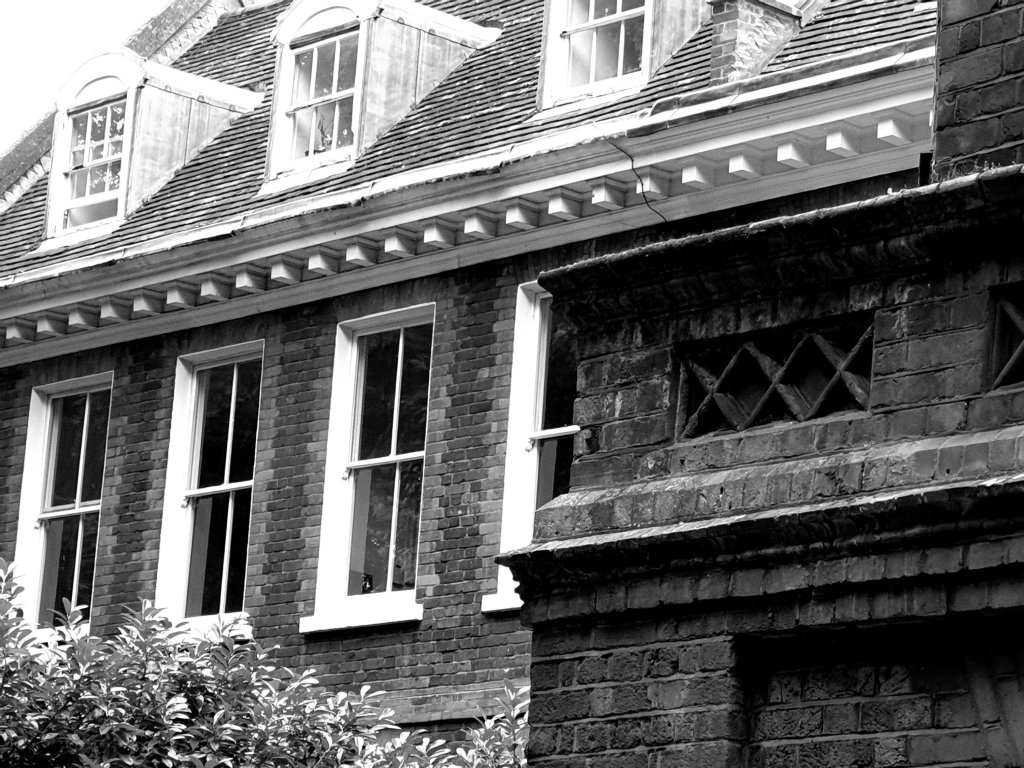
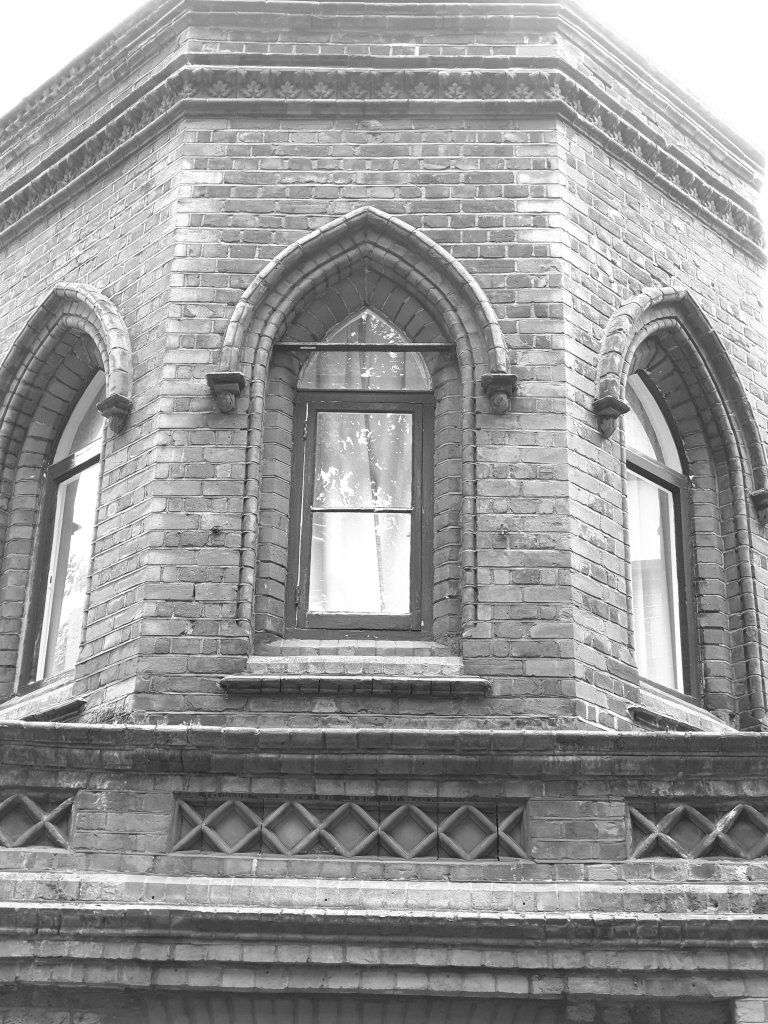
In walking through the park just north of Bethnal Green tube station, I was surprised to see a gothic revival chapel attached to one of the pair of fine 1680s houses, which turns out to have been the Institute of Community Studies founded by Michael Young and is currently for sale:-

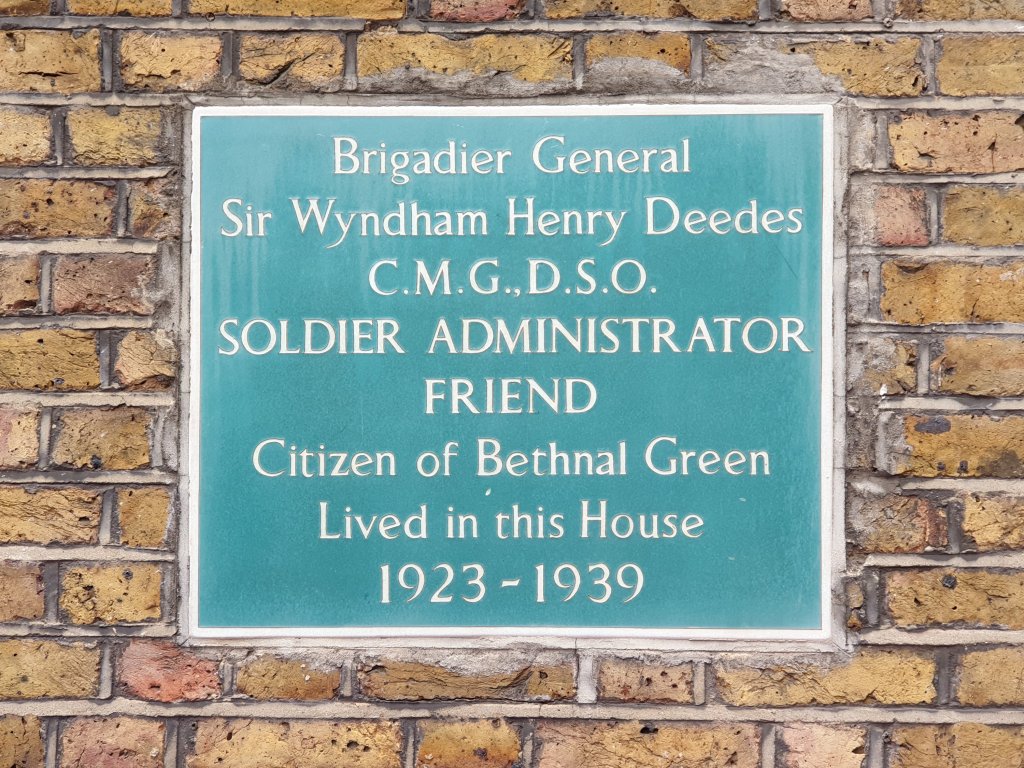
There is a very unexpected inscription attached to the chapel:-

It turns out that Wyndham Deedes, having fought in the Boer War and at Gallipoli, and serving as Chief Secretary to the British High Commissioner in Palestine, devoted himself to unpaid social work in East London, opening a bookshop, translating Turkish novels into English, eating only a biscuit for lunch, and a labour member for Bethnal Green on the London County Council, retiring to Hythe where he had sold Saltwood Castle to live in a one-room bedsit.

Standard

Lister House

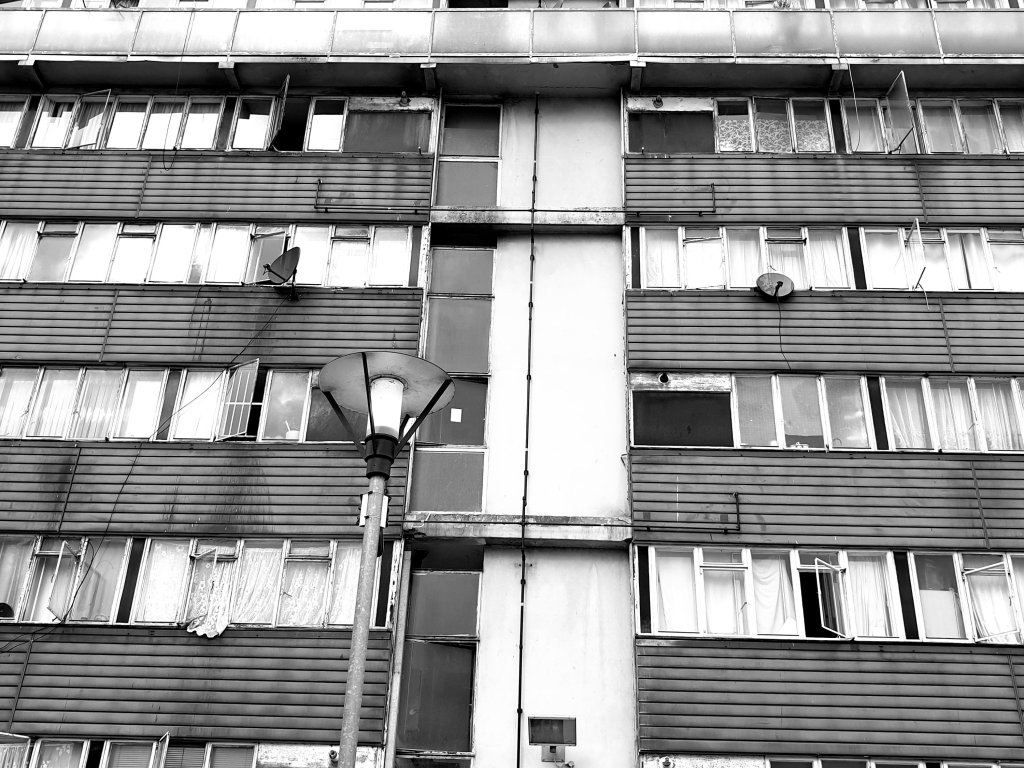
I was interested to see the obituary of John Stillman, recently deceased, whose firm, Stillman and Eastwick Field is credited with the design of Lister House on Vallance Road. It’s a 1956 block, elsewhere said to have been designed by Count Ralph Smorczewski, a Polish count, brought up on his family’s estates, fought in the Polish Resistance, and arrived in England after the war as an officer in the Eighth Army, then registered to study at the Architectural Association and worked for Stillman and Eastwick Field, before moving to Monte Carlo: an unusual figure to have been involved in the reconstruction of Whitechapel:-

https://www.theguardian.com/artanddesign/2021/aug/22/john-stillman-obituary?CMP=Share_AndroidApp_Other

Standard

St. Magnus the Martyr

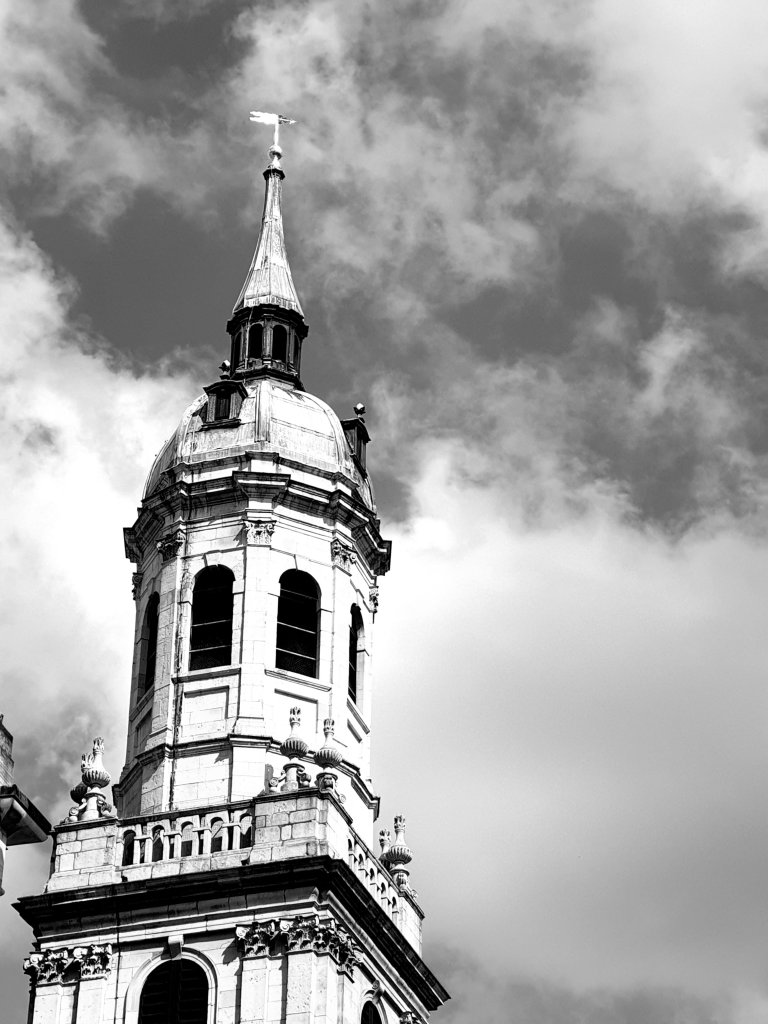
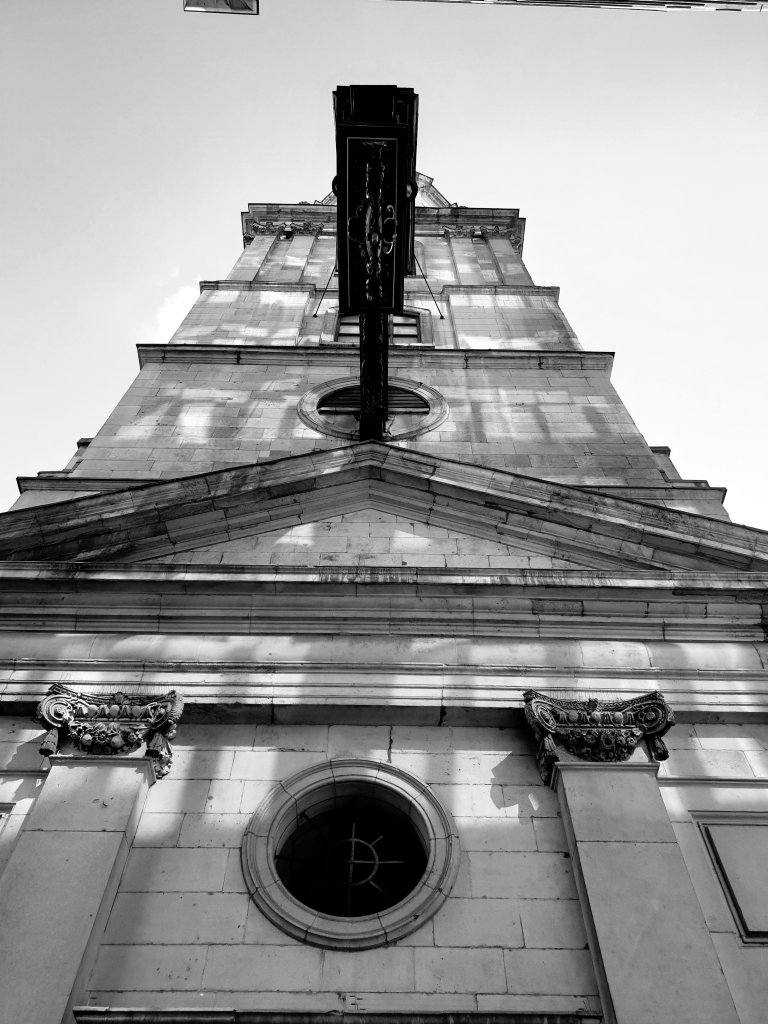
Going to the Grinling Gibbons exhibition made me realise that I don’t know the City Churches nearly as well as I should. So, I called in on one I don’t think I have ever been in to – St. Magnus the Martyr, marooned on the wrong side of Lower Thames Street, but open and smelling strongly of incense as a citadel of the high church since the 1920s at least. First to be burnt in the Great Fire, it was one of the first to be reconstructed, reopened in 1676 with an elegant landmark steeple, modelled on the Jesuit church in Antwerp (there was a drawing of it in Wren’s office) and visible from across the river:-

The history of the interior is complicated. The woodwork was initially the responsibility of a joiner, William Grey, then Mathhew Banckes Senior and Thomas Lock, who worked for Wren. But it was considerably reconfigured in the 1920s when the box pews were removed and the reredos reconstructed:-

Standard

The Custom House (1)

I have been tipped off that there is a big issue with the Custom House, a historically very significant, but relatively unfamiliar building on the Thames just west of the Tower of London, which is easily accessible on foot from the Tower, but pretty cut off from the rest of the City by Lower Thames Street, which, as a traffic-clogged dual carriageway, does not exactly encourage exploration of the river frontage – in effect, its public value was destroyed by 1960s road planning.

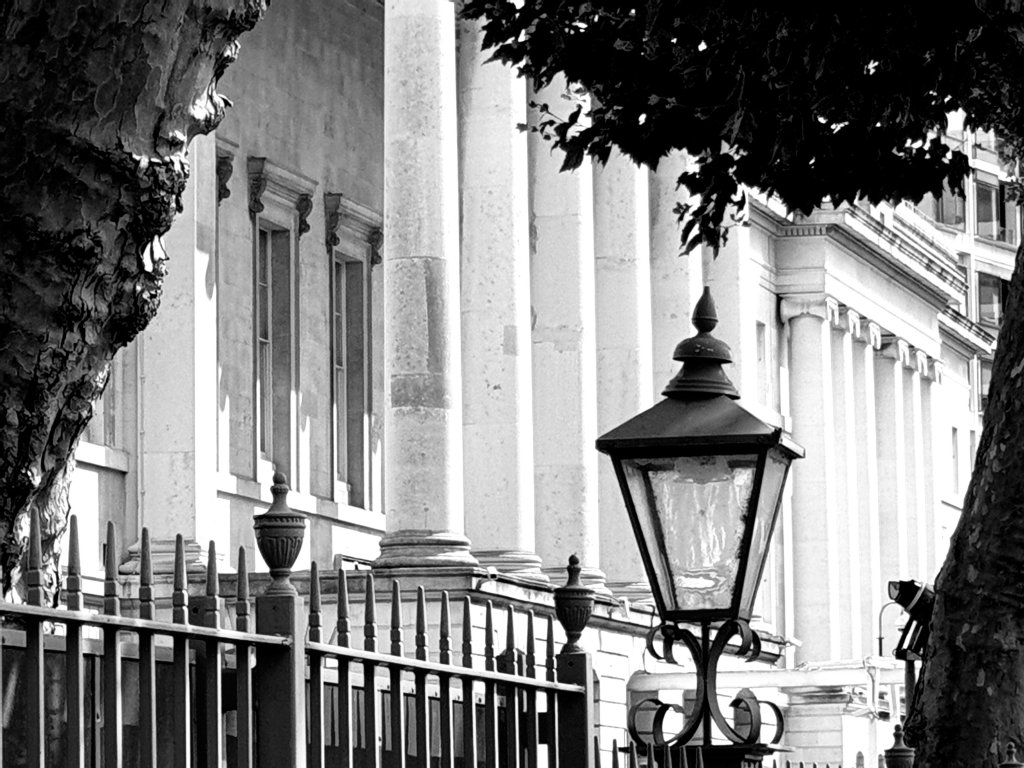
The current building, which is impressive in a low-key neoclassical way, was put up in 1813, designed by David Laing, a pupil of John Soane. He had been appointed Surveyor to the Customs in 1810, responsible also for a new customs house in Plymouth. Not surprisingly, its most prominent façade is towards the river, with a central block reconstructed by Robert Smirke, architect of the British Museum and a fellow student of Soane: a building of obvious historic importance in terms of the relationship of the City to river trade, responsible historically for the collection of customs on goods imported from all over the world.

The building has been used until this year by HM Customs and Revenue, but was sold twenty years ago by Gordon Brown when Chancellor to Mapeley, a property company based in Bermuda – an unusual transaction for a puritanical Scot, transferring a major public building to the private sector. It is now in the process of being sold and being developed – you guessed it – as a hotel, as if London post-COVID has an unlimited appetite for luxury hotels, instead of being made available, like Somerset House, for improved public use. It’s presumably just a convenient way of offloading its upkeep to the private sector.

The city planning committee are about to consider the plans (20/00631/FULMAJ). Do we trust them to do the right thing and consider more imaginative proposals ?

London has long needed a proper Museum of Photography. And a Museum of Fashion. We need things to lure foreign tourists back to London. And the pattern of work is changing. The City needs to think imaginatively and creatively about its future.

Standard

Whitechapel Station (2)

One of the consequences of the new Whitechapel Station is that you get a good view of some of the more obscure bits of old Whitechapel, behind the street façades:-

Standard

Whitechapel Station (1)

This post is a tiny bit geekie, but there was something rather wonderful about being able to walk through the main entrance of Whitechapel Station after about five years into a broad expanse of new station in preparation for the opening of Crossrail, which will tie three bits of line together – or four if you distinguish the District line from the Hammersmith and City. You can see what they have done from above, throwing a big expanse of new station across all three lines, behind the old Victorian shop fronts and the local dry cleaner:-

Standard