Brick Lane and beyond

I walked up Brick Lane.

I assume this is Bishopsgate Yard awaiting redevelopment:-

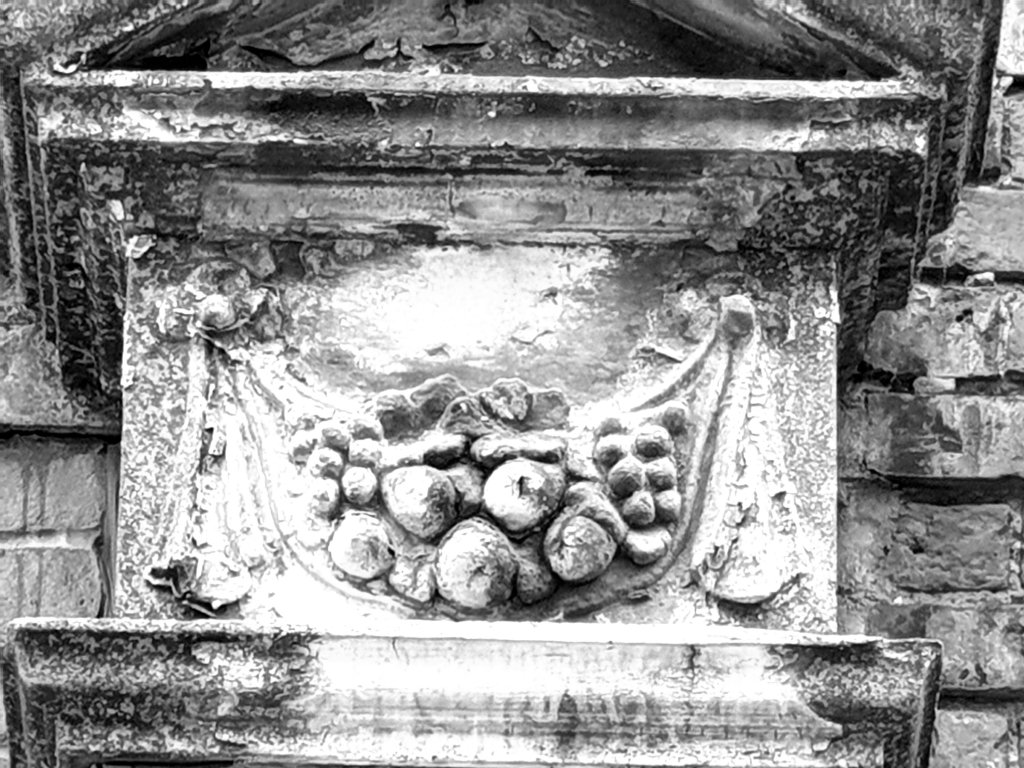
There’s a nice bit of unlikely decoration at the corner of Sclater Street:-

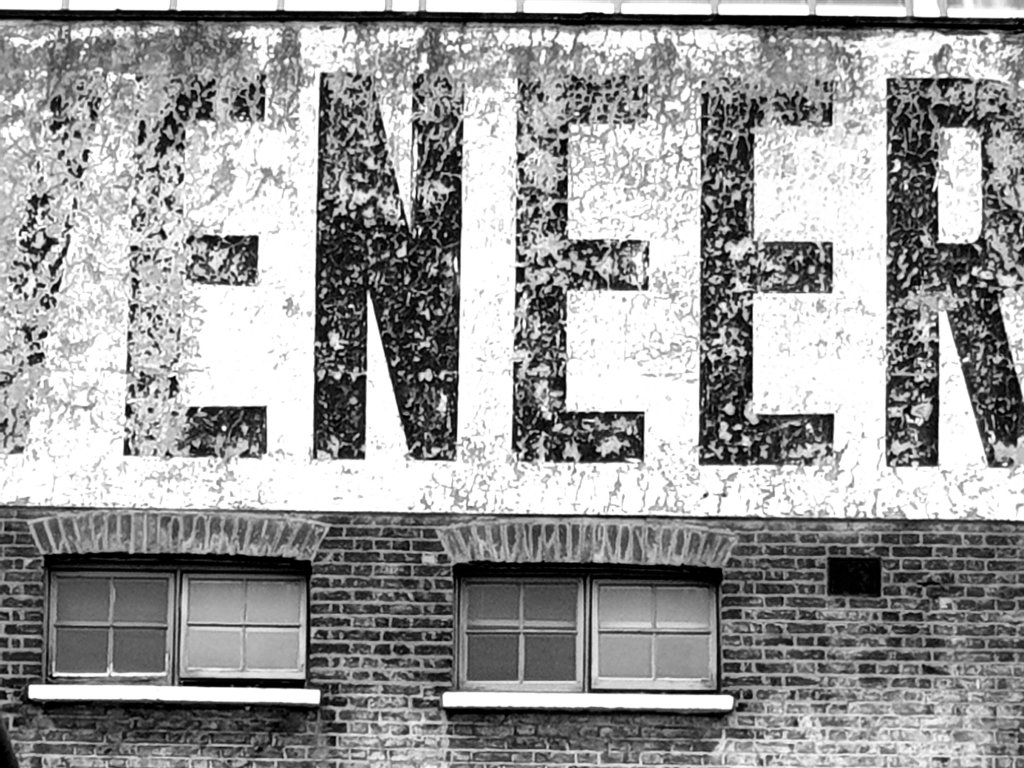
A residual memory of the furniture trade on a warehouse north of the Museum of the Home:-

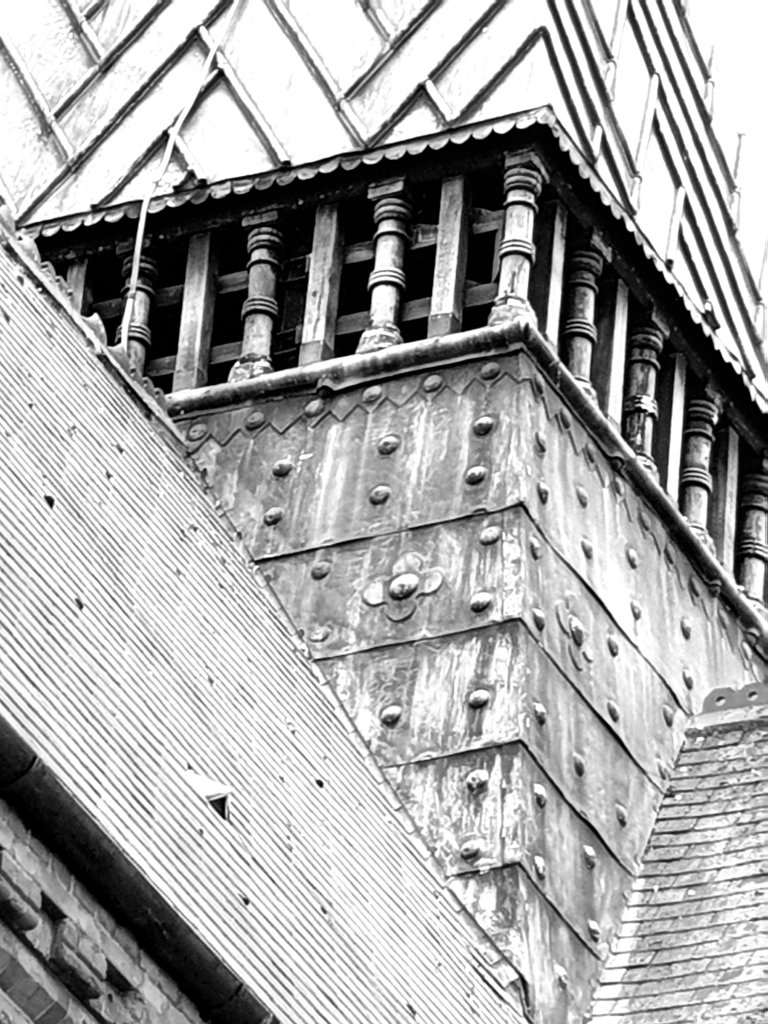
The belfry of St. Chad, Haggerston, designed by James Brooks:-

A distant view of George Loveless House on the Dorset Estate, designed by Lubetkin:-

The west door of St. Peter’s, Bethnal Green, designed by Lewis Vulliamy:-

The architectural riches of Bethnal Green.

Standard

Museums as Culture Factories

I am posting information about a conversation I am doing at the National Gallery on Saturday 25th. September with Richard Williams, a Professor of Contemporary Visual Cultures at Edinburgh, who has just written an excellent analysis of the current state of the public museum, concentrating on its status as part of the wider cultural economy, as much a part of movements in contemporary architecture as for the white cube display of contemporary art (as well as simultaneously publishing a book about Reyner Banham):-

https://forarthistory.org.uk/events/museums-as-culture-factories/

Standard

Out with the new!

As readers of my blog will know, I have been particularly struck Post-COVID by the pace of new building development in London. The streets may still be empty and people are not returning to work, but everywhere old buildings are being torn down and monstrous new buildings erected, as if the mere fact of redevelopment is a sign that the economy is in good shape. But much of it looks totally gratuitous. What is happening to French Railways House on Piccadilly is a good example. A good office building is being torn down to be replaced by a nearly equivalent bad one. If the government is remotely serious about issues of climate change (is it ?), it should surely be looking at whether this is necessary.

https://www.theguardian.com/commentisfree/2021/aug/18/the-guardian-view-on-buildings-out-with-the-new-for-the-planets-sake?CMP=Share_AndroidApp_Other

Standard

LEB Building (2)

Now that I have been alerted to the fact that the LEB Building on Cambridge Heath Road is on the Twentieth Century Society’s list of the Top 10 Twentieth Century Buildings at Risk (https://c20society.org.uk/news/top-10-c20-society-buildings-at-risk-list-2021#dismiss-cookie-notice), it seems all the more odd – and foolish – that Tower Hamlets, which owned the building up till 2017, should have sold it and be in the process of allowing its demolition for another big block of faceless flats. It is not as if Tower Hamlets has an overwhelming number of historically important buildings and, as has been pointed out, the LEB Building belongs to a vocabulary of post-war civic and urban reconstruction which is surely worth preserving – and indeed is a very important part of the history of Stepney and Bethnal Green, the heartland of post-war civic improvement. It seems that there is a Faustian pact between local government and developers: that local government wants and needs the income from development, so is prepared to sacrifice historic buildings irrespective of their historic importance and, equally important, of the environmental cost of preferring new build to conservation. It’s probably too late to do things differently, but it’s part of a pattern which will look crazy in retrospect.

Standard

Bethnal Green Road

To complete my peregrinations on the way to buy sushi (Sushi Show, highly recommended), I liked the capitals on the side of the Bethnal Green Tavern:-

And some of the shop windows:-

Standard

Gales Gardens

It’s terrible how one can live in area and not know it.   In looking at the back of the LEB Building in the Cambridge Heath Road, I discovered not just one local brewery called Boxcar with a tin of Xylophone Island to be sampled tonight (bottles of Mills beer for £17 can only be consumed on the premises) :-

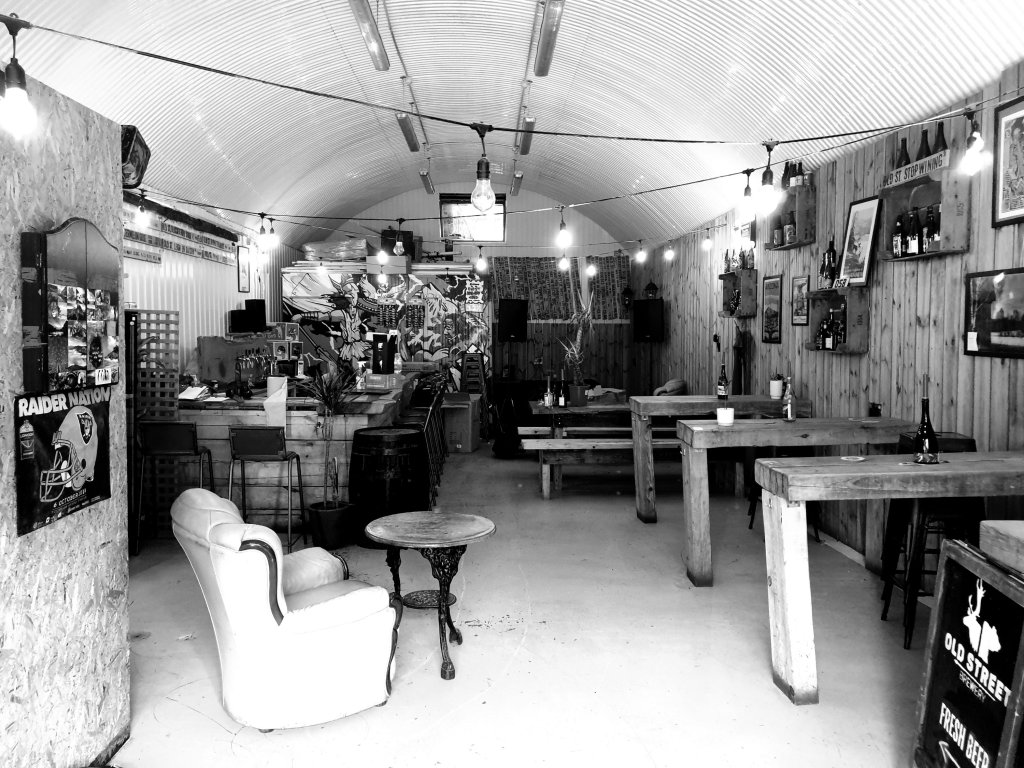
But another called the Old Street Brewery and Taproom behind the railway track:-

And a Winery:-

Standard

LEB Building (1)

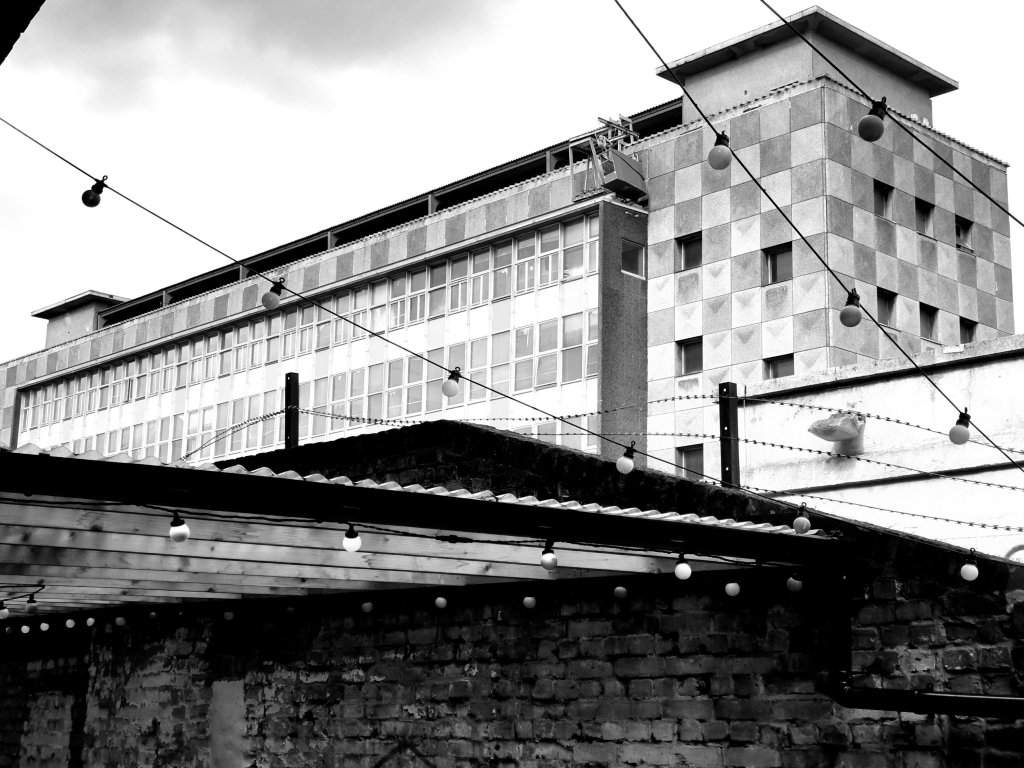
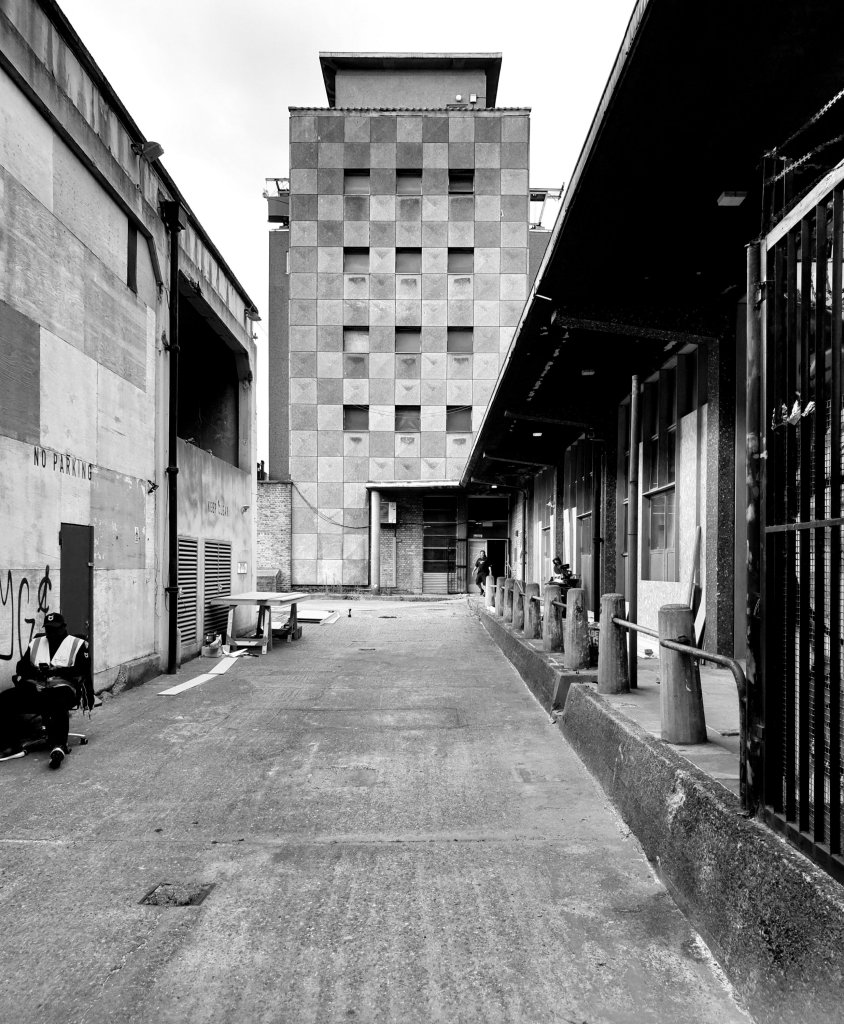
I remember being told about the London Electricity Board building on Cambridge Heath Road and paid no attention to it, but on my way to buy some sushi I walked past it. For those of you who know about Tower Hamlets and its general attitude to buildings of any character, it has just been sold by the Council to be demolished in spite of being admired by Pevsner. Well, I am not going to pretend it is in the same league as the Whitechapel Bell Foundry, but it is not without a certain 1950s, Stalinist anti-charm, described by Pevsner as ‘a striking effort at reintroducing large public buildings at the heart of the borough’. Not any more. Why can’t they suggest refurbishment rather than demolition ? No doubt the Mayor has once again told the planning committee to oppose conservation:-

Standard

Britain’s Country Houses

I was pleased to read Sam Knight’s long, thoughtful and well-informed account of the travails of the National Trust and how it interprets the history of the country houses in its care. It is well balanced, helped by the staff of the National Trust and by conversations with its critics, including Charles Moore.

I would make a couple of additional comments. It is often assumed that the narrative surrounding country houses used to be purely celebratory. But there has long been a more exploratory, sometimes critical and historically informed counter-narrative, inaugurated by Mark Girouard in his Slade lectures of 1974 which resulted in Life in the English Country House, published in 1978. No reader of Girouard would be surprised that they involved power, prestige and possible plunder. In the 1980s, there was not only the deeply informed critique of the romanticisation of British history by the heritage industry, On Living in an Old Country by Patrick Wright, but also critical articles on the excessively celebratory tone of the 1985 Washington exhibition by both David Cannadine and Linda Colley. Attitudes to the country house were not quite as innocent, or historically ignorant, as is sometimes suggested.

The second thing which was perhaps glossed over in the article was that what aroused the ire of the National Trust’s critics was not so much Corinne Fowler’s report on the history of its properties as the report prepared by Tony Berry, the Trust’s Director of Visitor Experience, which suggested a deep antipathy to the Trust’s historic and statutory responsibilities to look after for the houses in its care, together with a plan for large numbers of redundancies from its specialist staff. It’s good that this has been, to some extent, abandoned.

https://www.newyorker.com/magazine/2021/08/23/britains-idyllic-country-houses-reveal-a-darker-history?utm_source=NYR_REG_GATE&utm_medium=social&utm_campaign=onsite-share&utm_brand=the-new-yorker&utm_social-type=earned

Standard

Grinling Gibbons

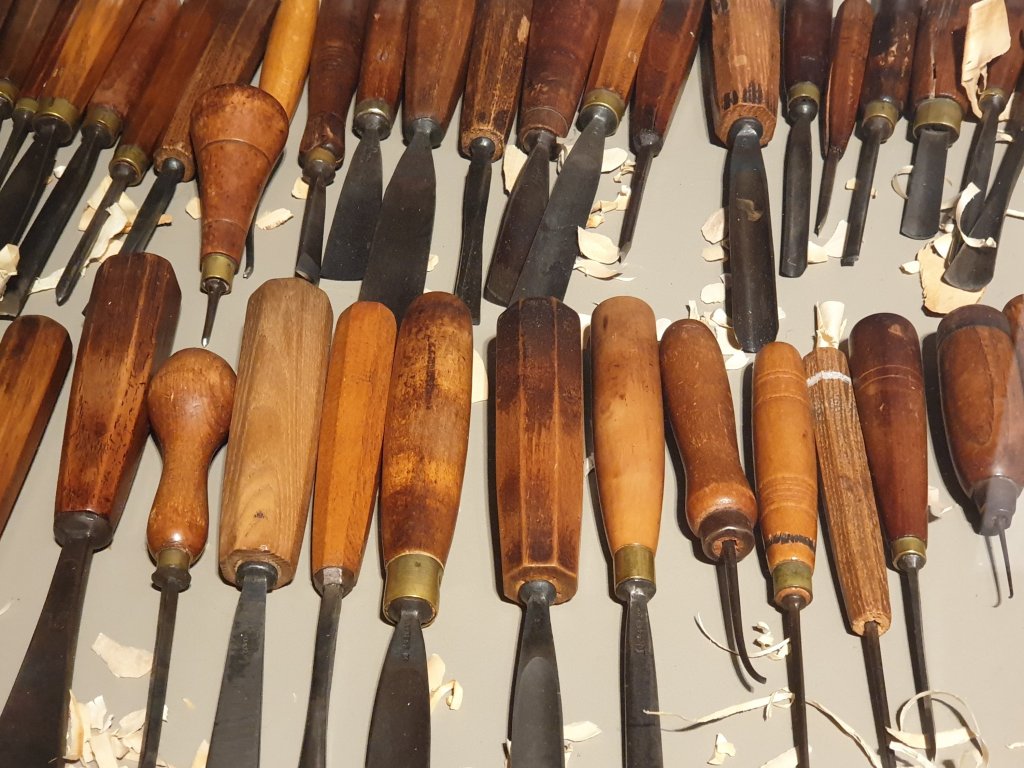
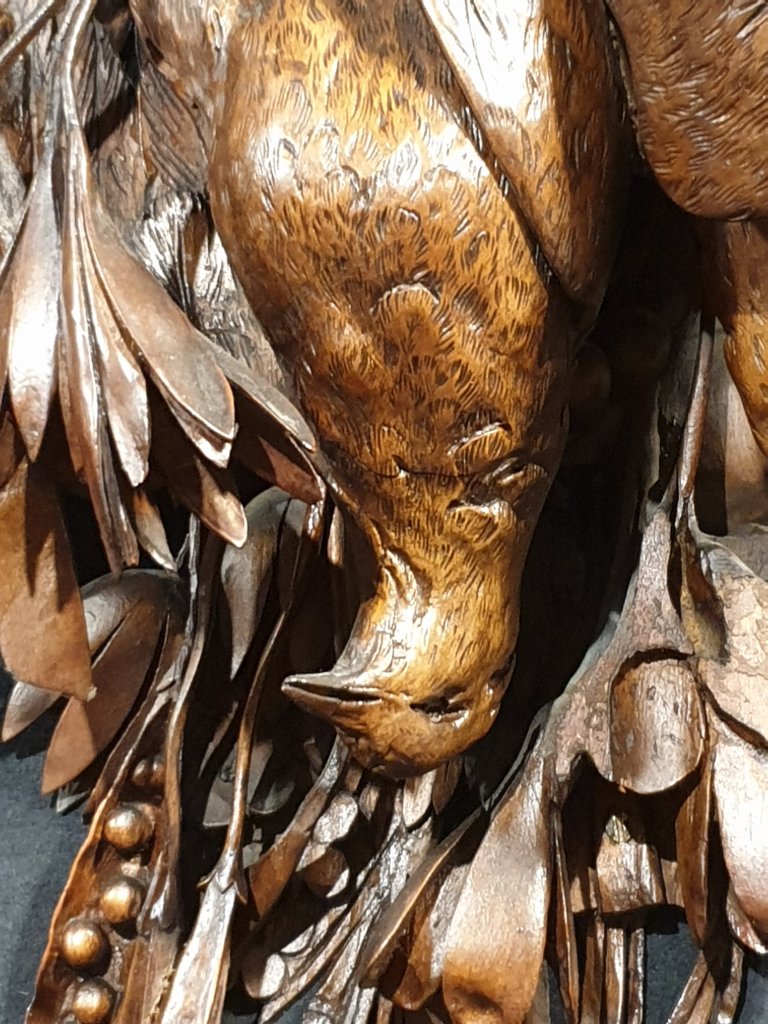
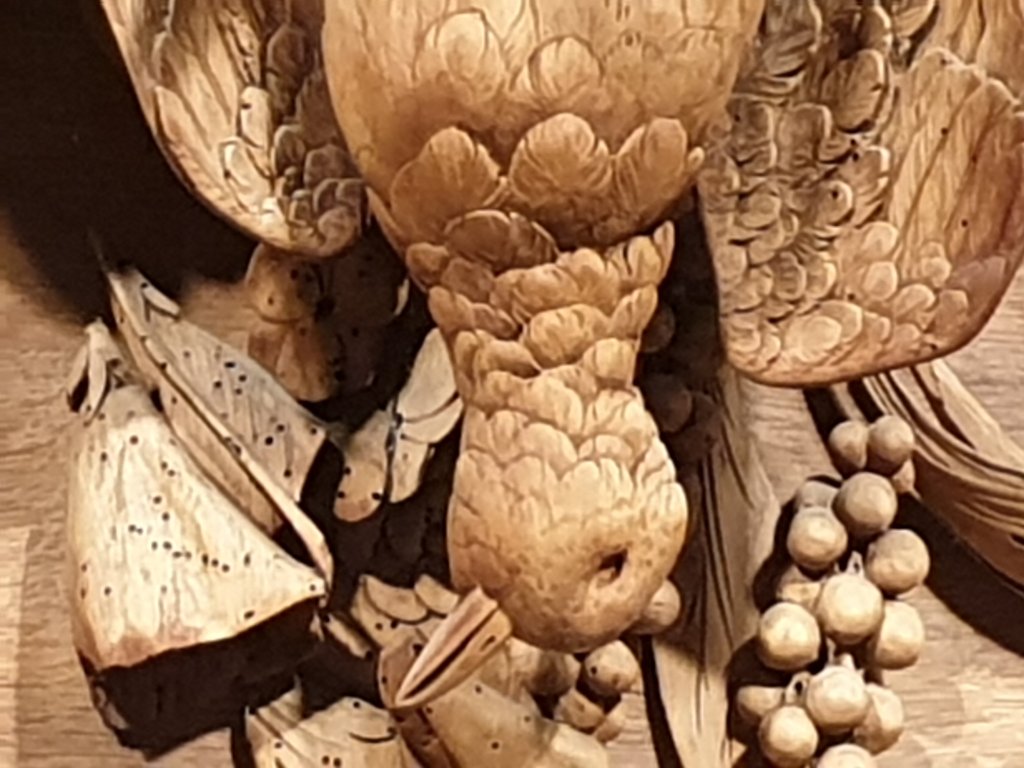
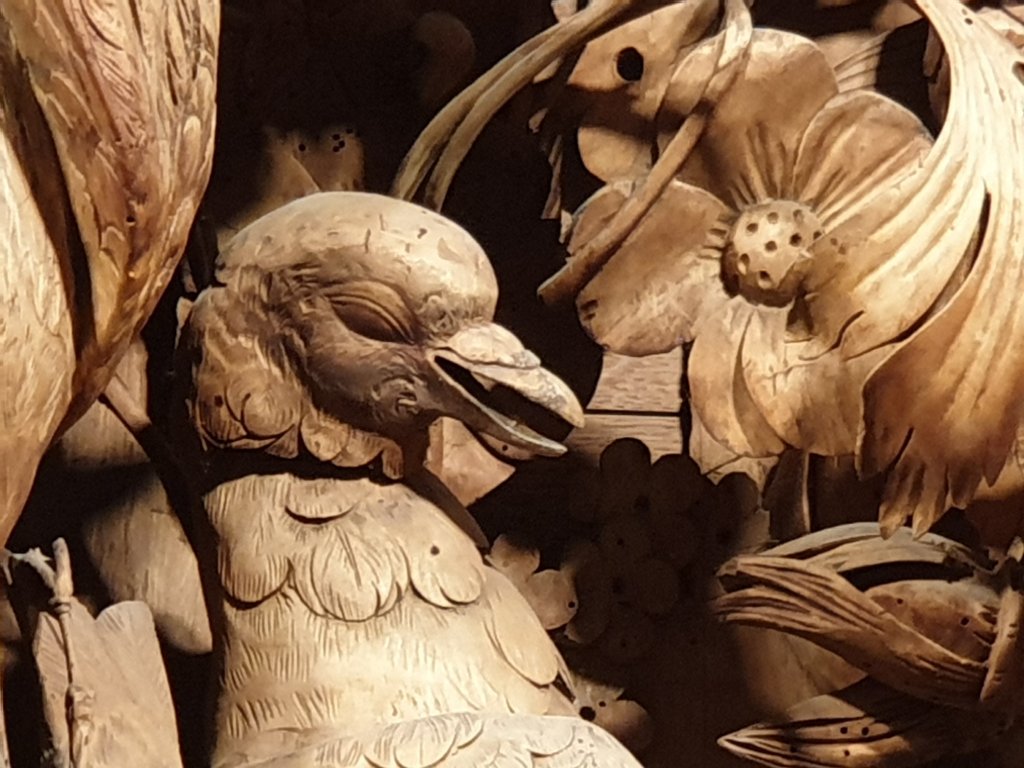
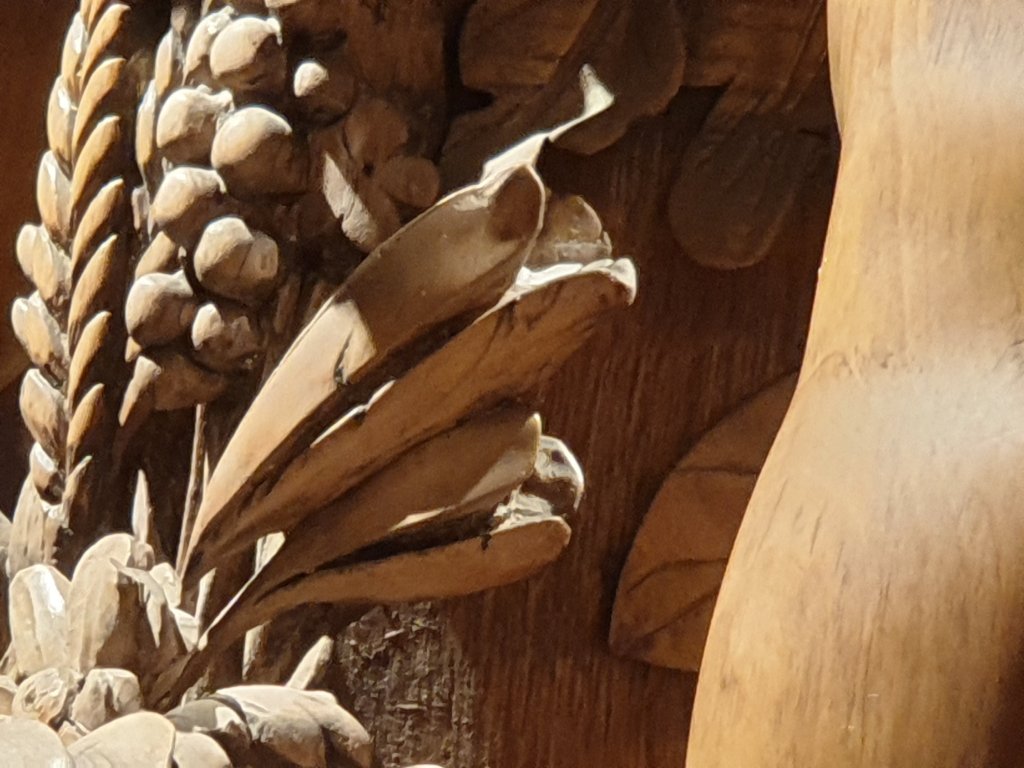
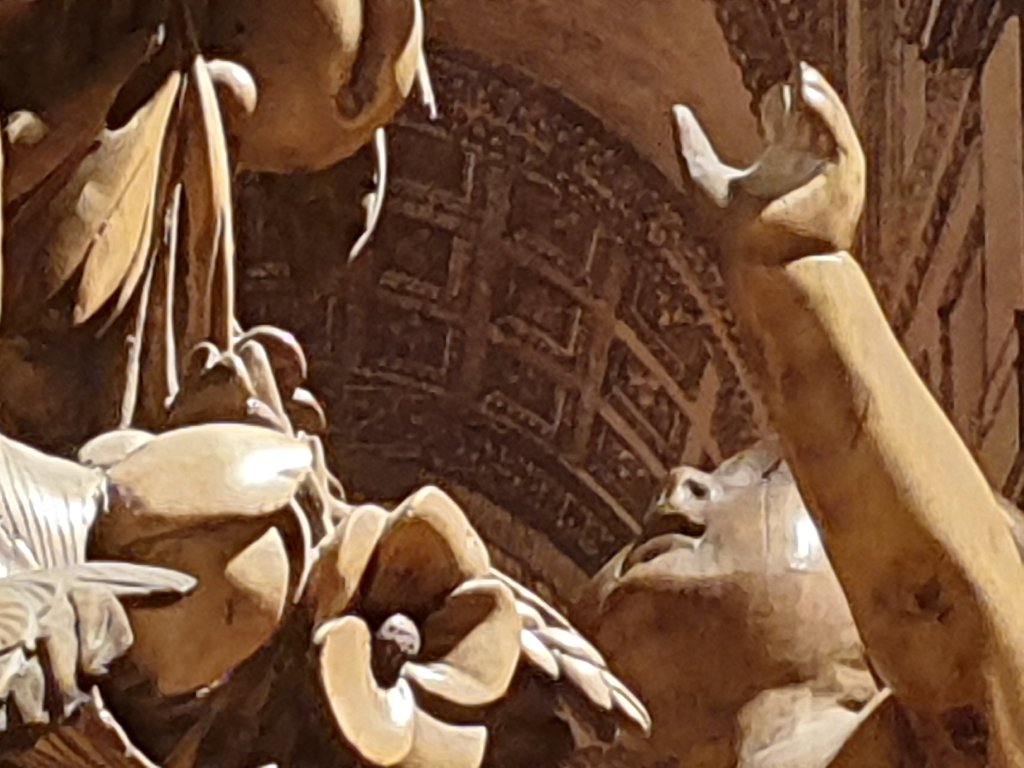
I wasn’t convinced that I would make it to the Grinling Gibbons exhibition before it transfers to Compton Verney, but was pleased I did – small, but choice, starting with a display of carving tools from the studio of the late David Esterly, who was such an advocate for Gibbons:-

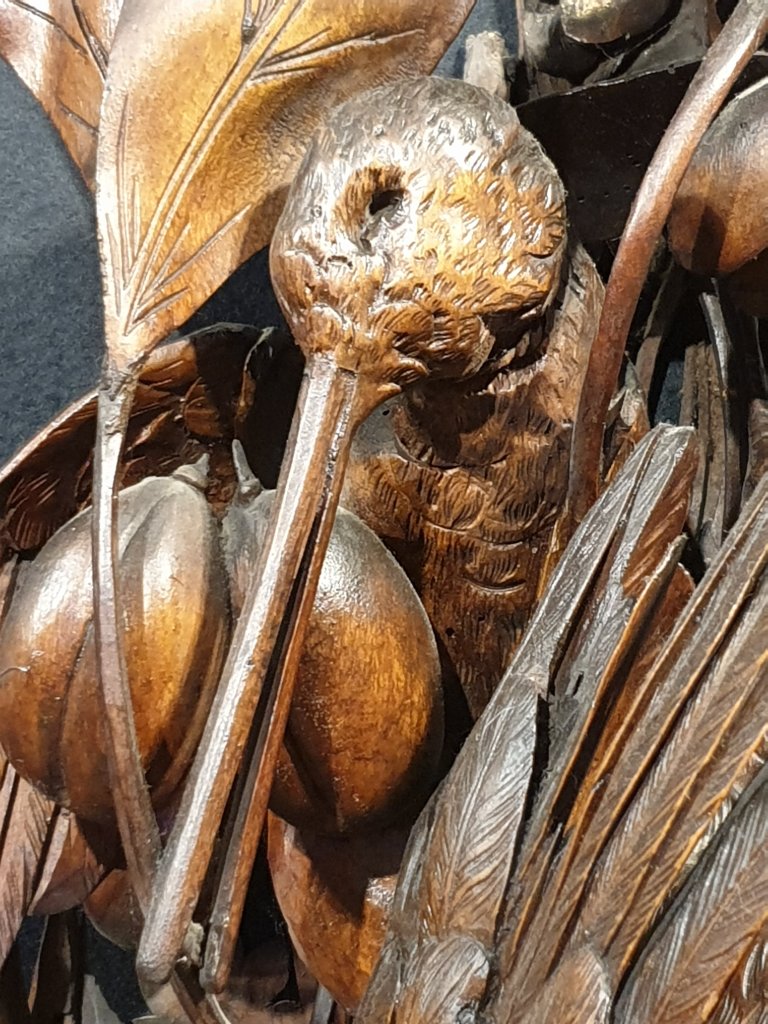
It’s very nice to be able to study Gibbons’s carvings – and carving technique up close:-

He’s pretty amazing (these two photographs are from Northbrook House in Kirtlington):-

I don’t think I have ever seen the font cover from All-Hallows-by-the-Tower:-

It’s quite an achievement to have put the exhibition together for Gibbons’s tercentenary.

Standard

Michael M. Thomas

Michael Thomas, a New York writer and bon viveur, has died, to my great sadness. He introduced me to New York high society at a cocktail party in 1977 – higher than I’ve ever experienced since as it included Lincoln Kirstein, who invited us to visit the inner sanctum of the Pierpont Morgan to see its manuscripts, and John Pope-Hennessy, who eyed me glassily and talked in his curious antiquated falsetto. Michael was interesting in that his father had worked for Lehman Bros., he himself worked as a curator of paintings at the Met. before himself joining Lehmans in 1961 and becoming a writer and columnist ten years later. He was quite a character.

Standard