Whitechapel Bell Foundry (77)

As a way of recording and recollecting what has been lost, I am re-posting the blog I wrote on 25 February 2017, the first and only time I ever saw the inside of the Whitechapel Bell Foundry when it was still in operation. It was an extraordinary survival, still preserving what were essentially late medieval systems of production.

I don’t know anywhere which was equivalently powerful or demonstrated so clearly such traditional systems of hand-made production.

https://charlessaumarezsmith.com/2017/02/25/whitechapel-bell-foundry-6/

Standard

Whitechapel Bell Foundry (76)

I can scarcely bear it.

After four years of fighting and campaigning and sometimes weekly meetings fund-raising, the Secretary of State has made his decision. The Whitechapel Bell Foundry will be turned into a hotel. Four and a half centuries of bell-making in Whitechapel has gone to pot and another bit of British history will be turned into an ersatz coffee bar – what Historic England, in their wisdom, responsible for the preservation of the historic fabric of England, calls ‘adaptive re-use’, a totally weaselly term, which allows the Commissioners to celebrate the plundering of the past for the purposes of private enrichment, perhaps not surprising now that all trustees are going to have to take an oath of loyalty to the Prime Minister.

Before I sign off on this topic for the 76th. time, I would like to thank and celebrate the work of Re:Form and Factum Arte which put forward such cogent and well-considered plans to protect the Bell Foundry and re-instate it. And also to thank all those people who contributed large and small sums to the appeal, many of them my friends and blog-followers. Your support – and the support of all those hundreds and thousands of people who have written and campaigned to save the Bell Foundry – has been really appreciated.

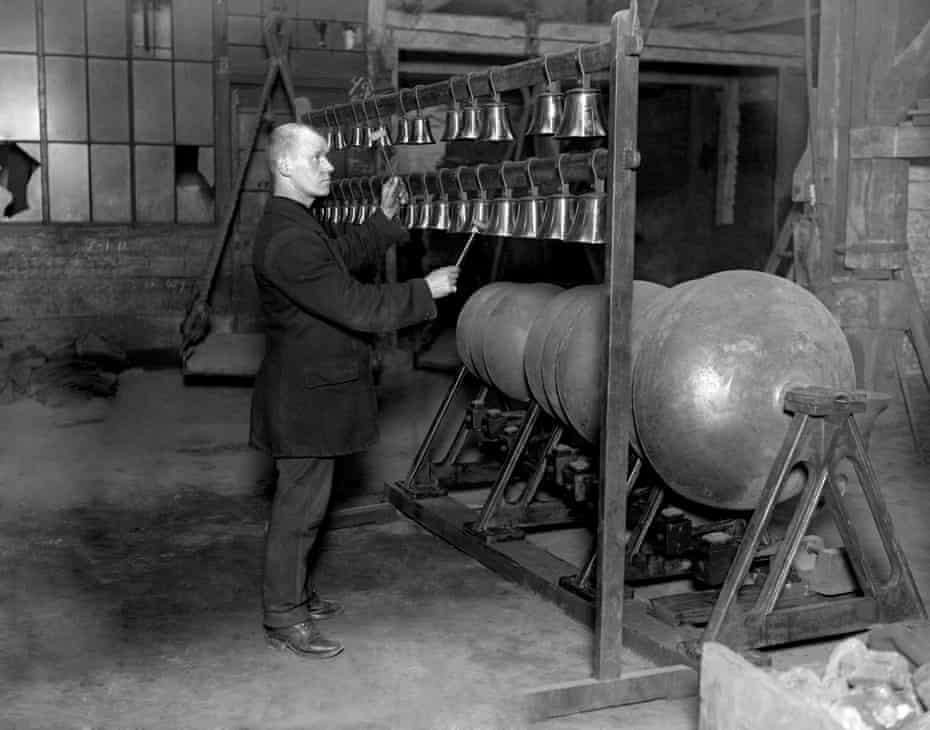
For those of you who did not see it, I attach the excellent article in the Guardian a couple of days ago (https://www.theguardian.com/news/2021/may/11/whitechapel-bell-foundry-battle-save-britains-oldest-factory). And a mournful picture from 1919 as bell making moves to China:-

A photo dated 1919 of a worker at the Whitechapel Bell Foundry.
Standard

Flânerie (1)

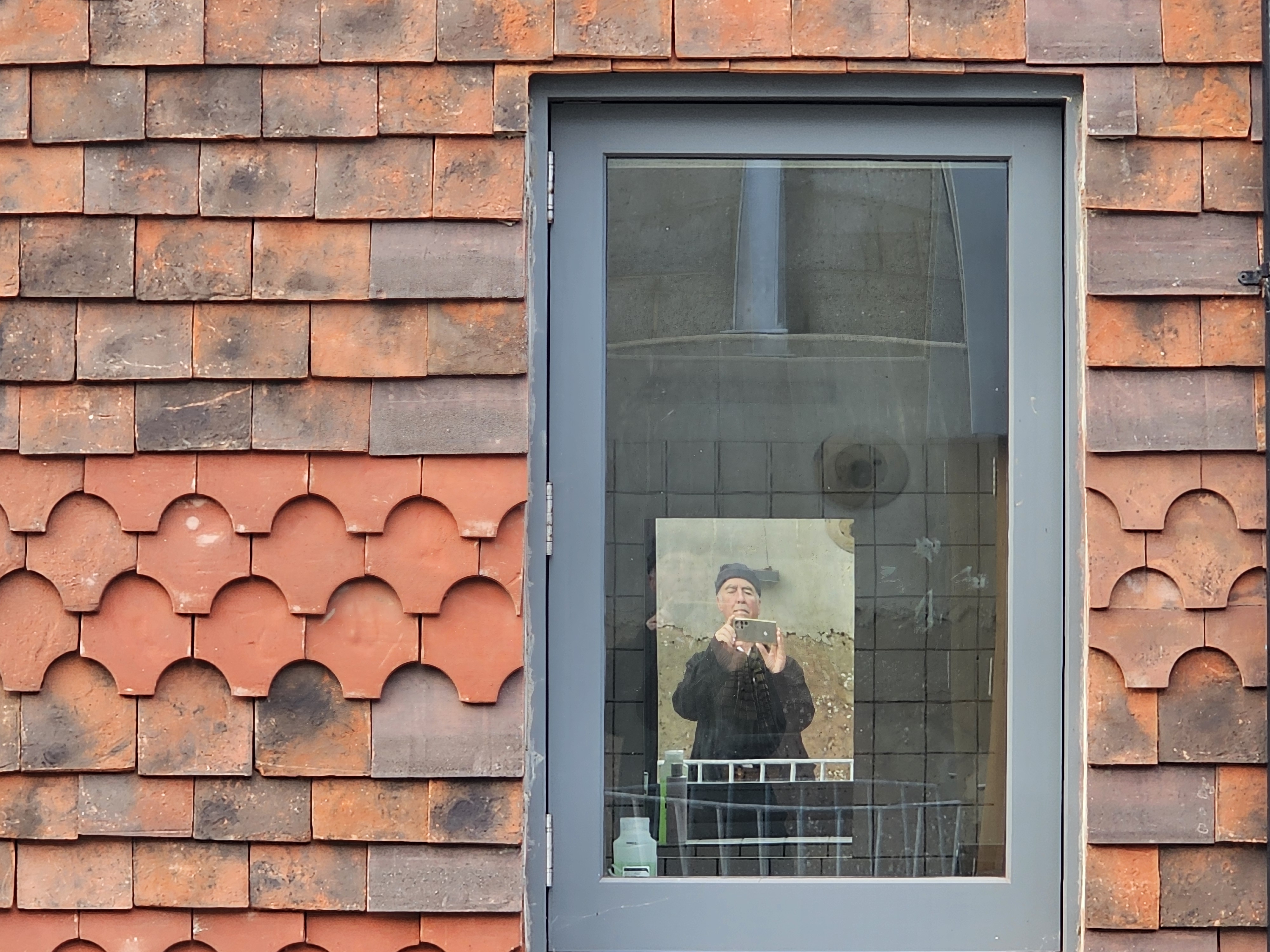
I went for a haircut – the first at my usual barber for many moons – which allowed for a spot of exploration of West London, including my first visit to Sally Clarke’s new shop at the corner of Westbourne Grove and Portobello Road, one of the few good things that has emerged from COVID. Such a pleasure to see the rows of macaroons !

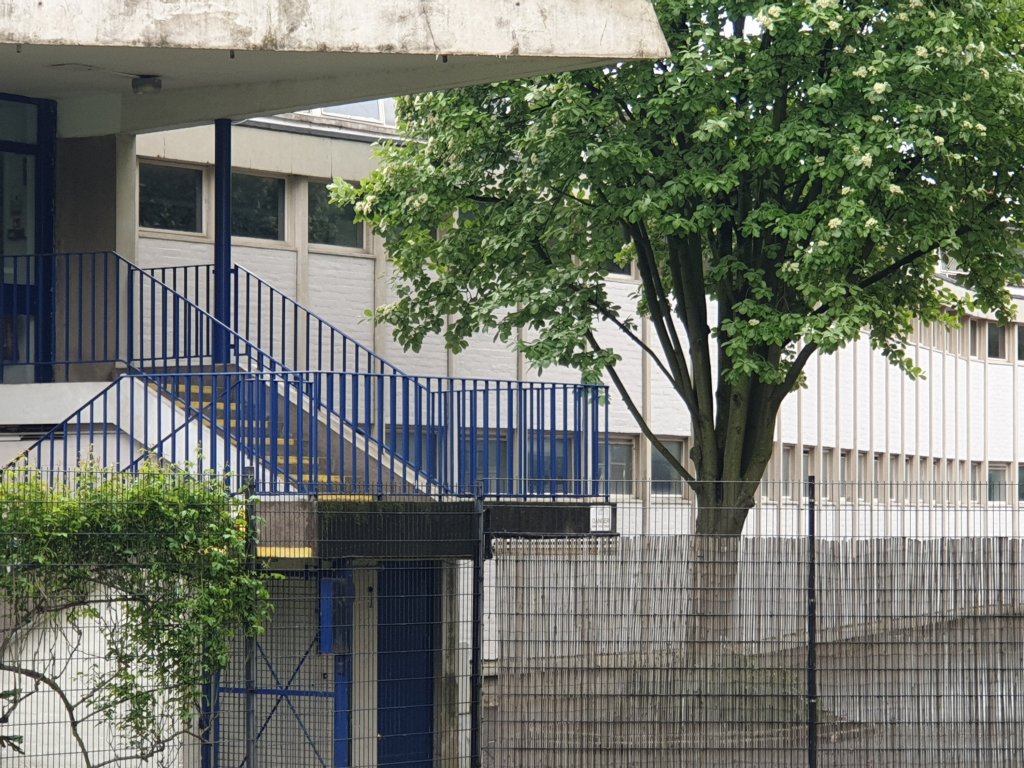
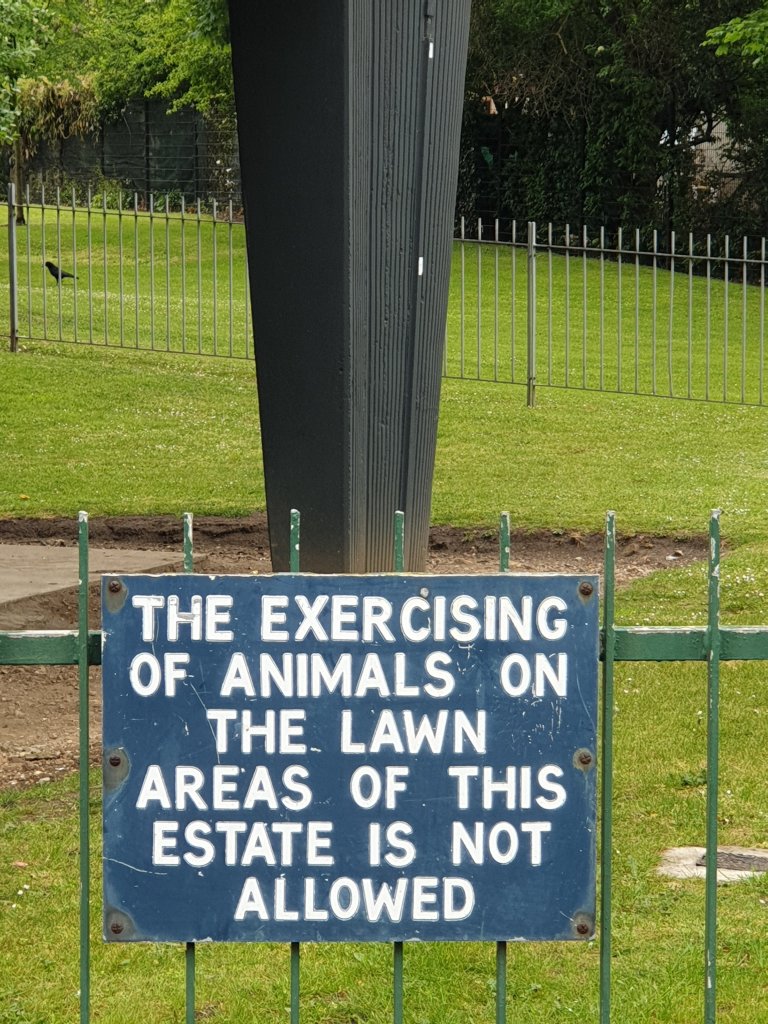
And I walked through the Hallfield Estate, a surprisingly intact post-war development, designed by Berthold Lubetkin, its construction overseen by Denys Lasdun and still preserving a nearly perfect atmosphere of Eastern Europeanism:-

Standard

A Daily Dose of Architectural Books

Over the last few months, I have become both a subscriber – it’s free – and a devotee of a blog called A Daily Dose of Architectural Books, which pops into one’s inbox every day in the late afternoon with a recondite recommendation from the huge range of recent architectural publications, which are otherwise hard to keep track of. Today, he has been generous enough to feature my book. It exemplifies his approach – careful, scrupulous, and giving a very good indication of what to expect. It’s pretty impressive that he can do a new book in such detail every day.

https://archidose.blogspot.com/2021/05/the-art-museum-in-modern-times.html?m=1

Standard

The Marram Grass

I have just read that the Marram Grass is closing, at least for the time being. It’s our local restaurant in Anglesey. I used to go for breakfast to use their wifi and then discovered that it was in the Good Food Guide: a wonderful place, originally serving the local campsite and then gradually turning itself into a foodie haven, but keeping the campsite ambience, a remarkable achievement.

https://www.dailypost.co.uk/news/north-wales-news/one-north-wales-best-loved-20574066

Standard

St. Paul, Deptford (2)

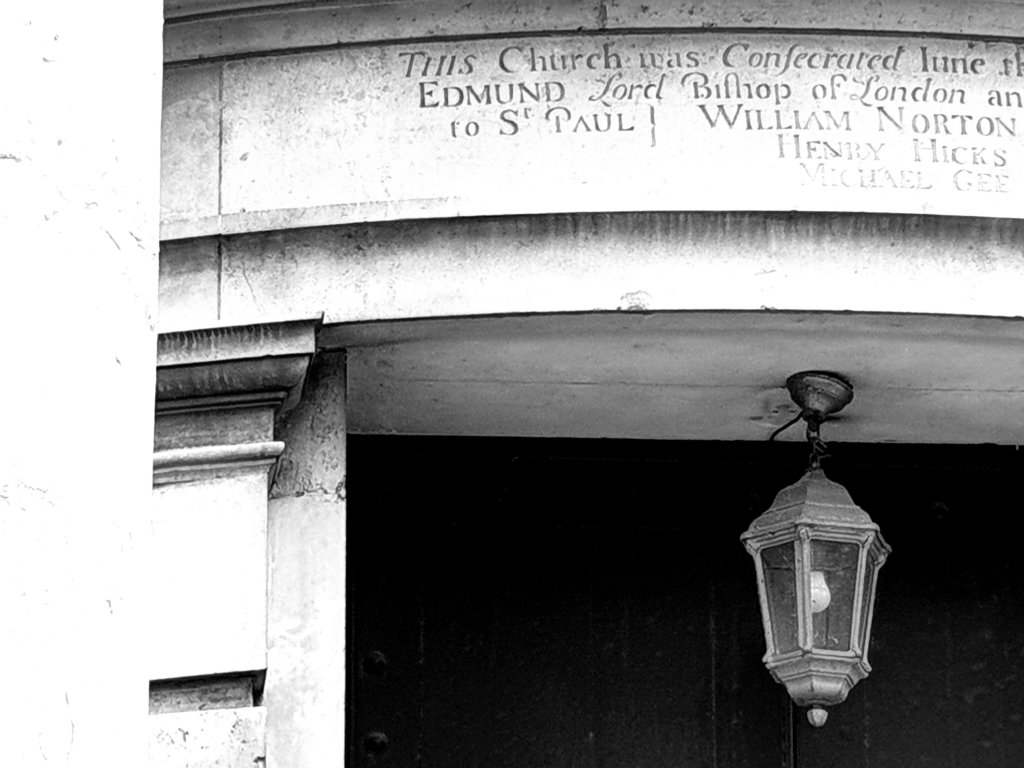
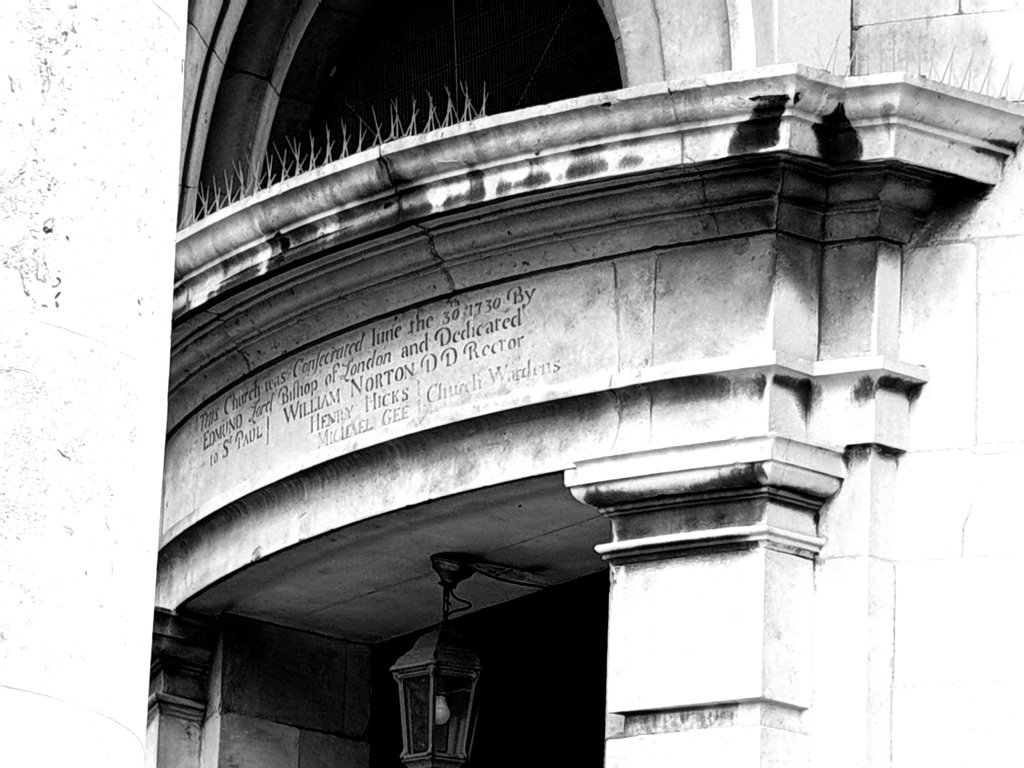
The Rector of St. Paul’s, Deptford mentioned that there used to be Rectory to the south of the church, also designed by Thomas Archer, but not any more. I looked it up. It was the most astonishing building – more mannered and idiosyncratic in its design than the church itself, its grand entrance flanked by octagonal rooms and with a curiously elaborate look-out on the roof. It was demolished in the 1880s:-

1730 St Paul, Deptford by Thomas Archer completed. St Paul's church was one  of 50 new churches proposed for London in 1… | Saint paul, London places,  The great fire
Standard

St. Paul, Deptford (1)

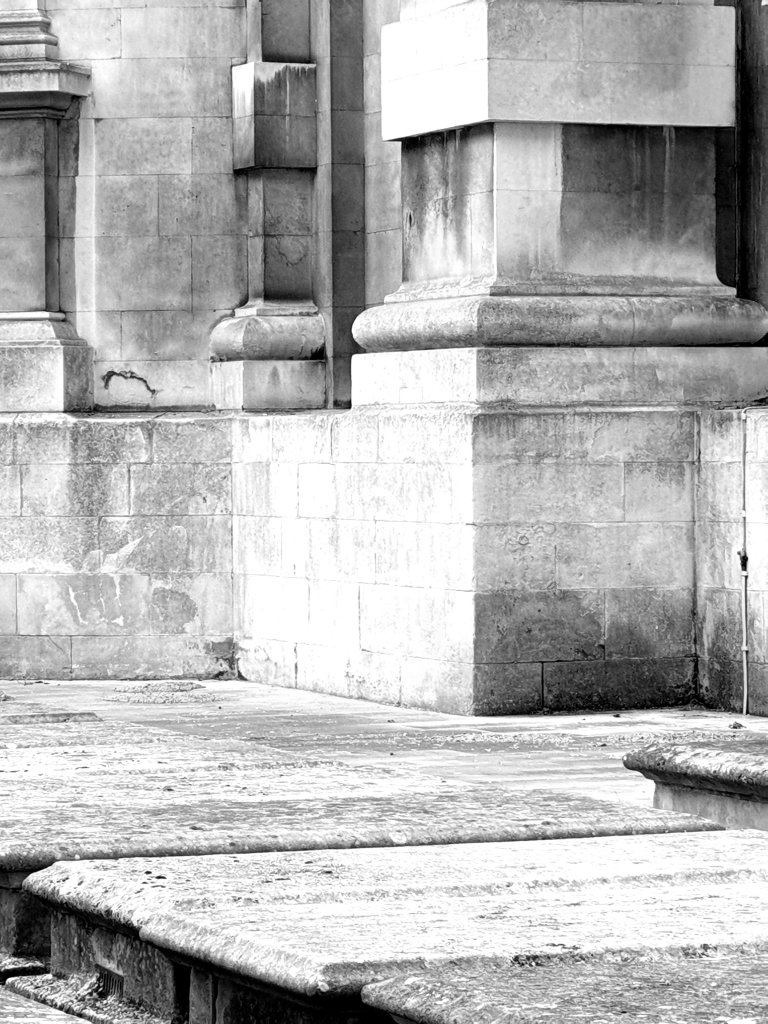
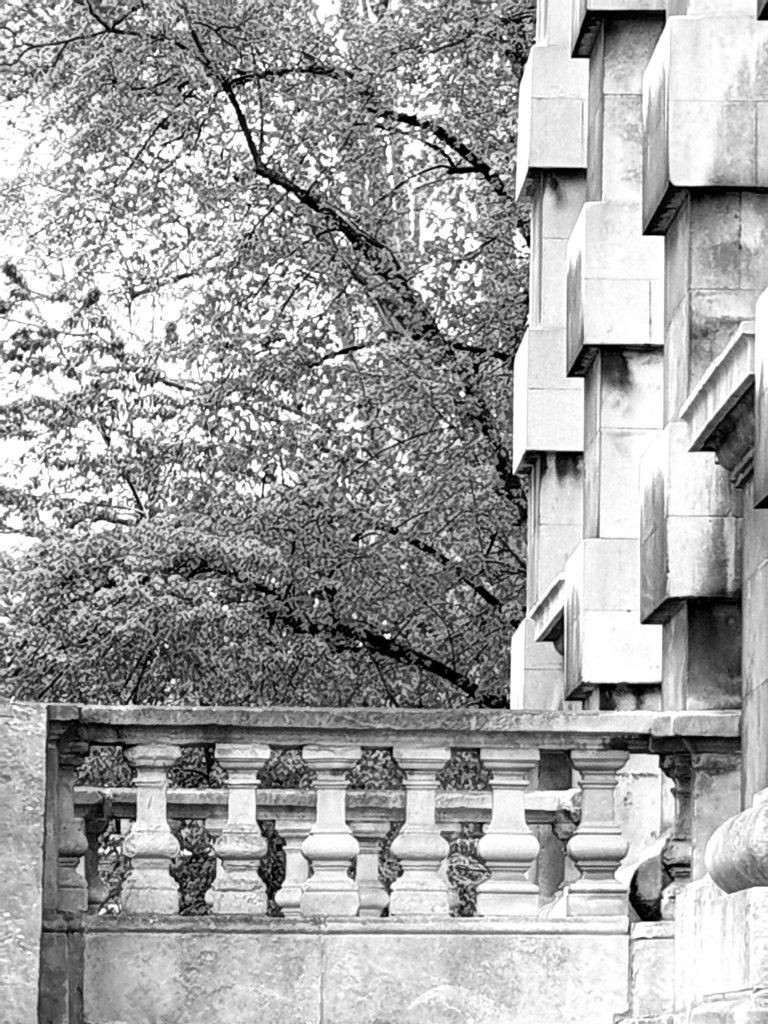
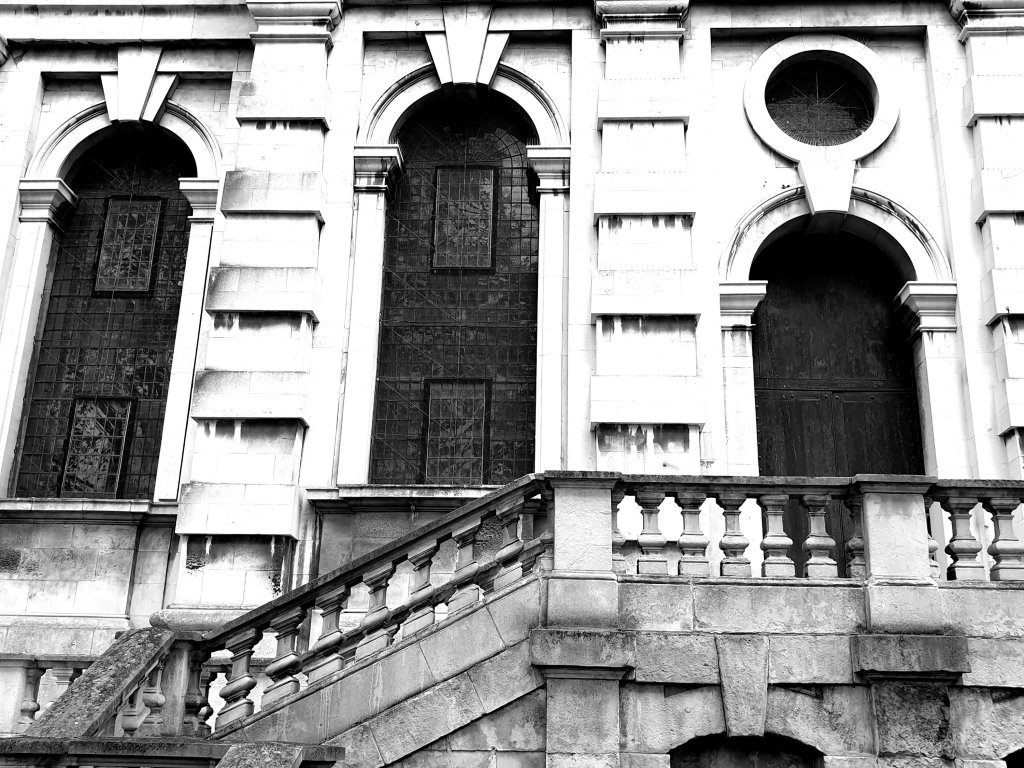
St. Paul, Deptford was closed again, but at least the churchyard was open, so we were able to enjoy its Roman stone-carving at close quarters – vigorous and less mannered than Hawksmoor:-

Standard

Albury Street

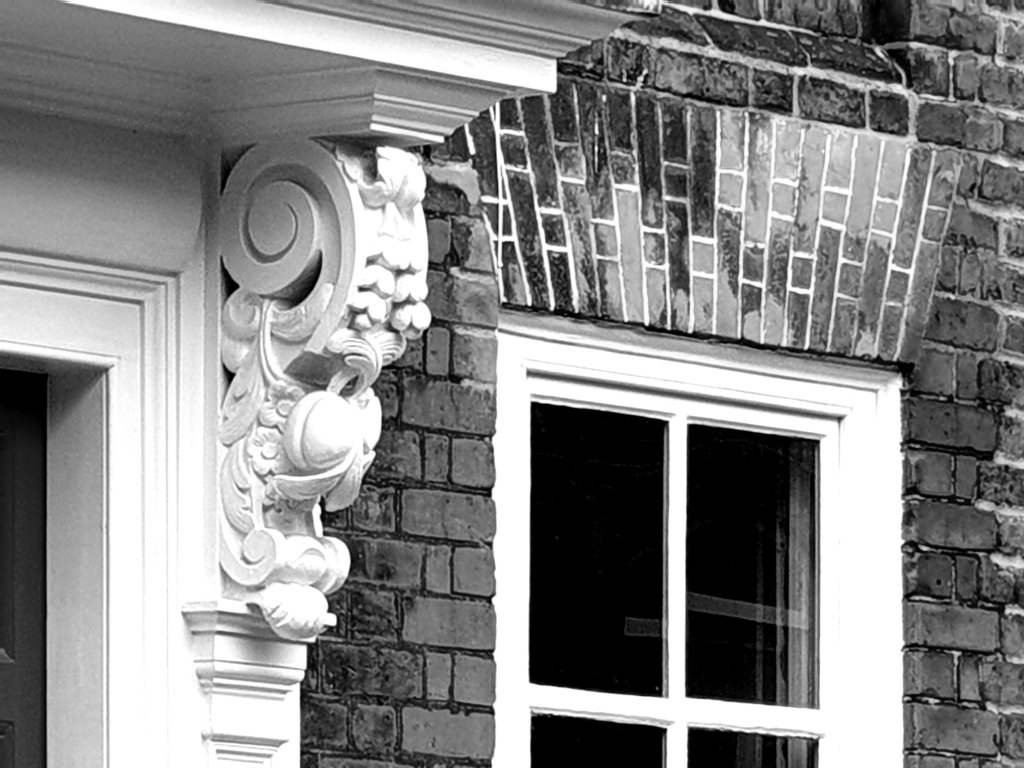
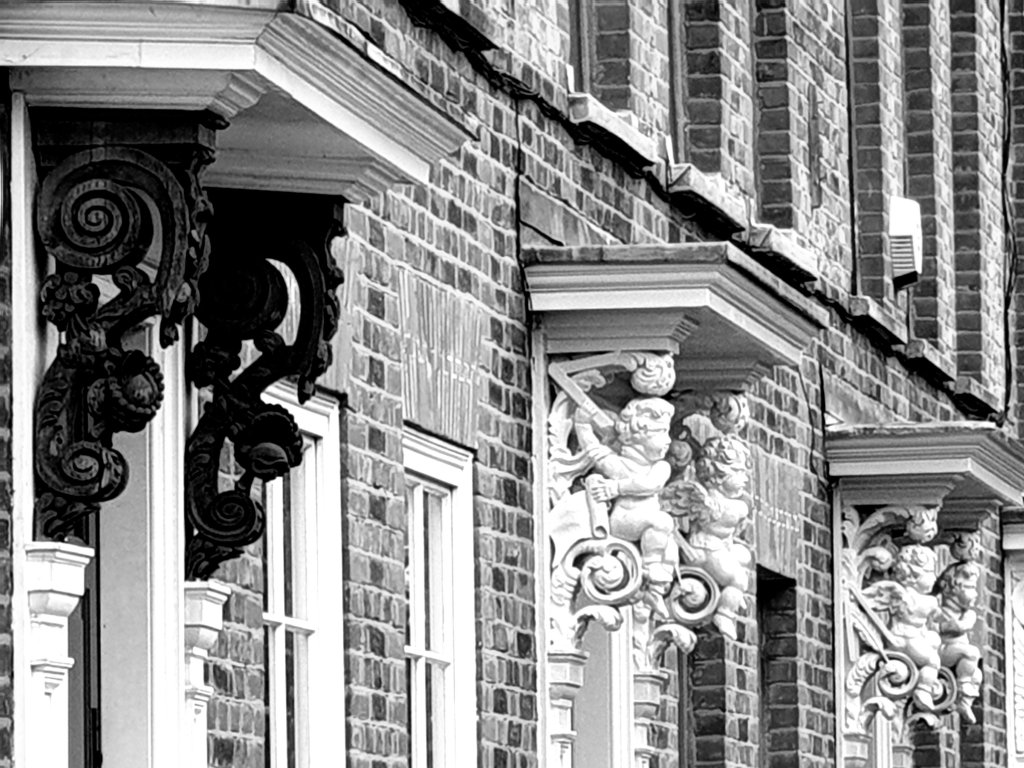
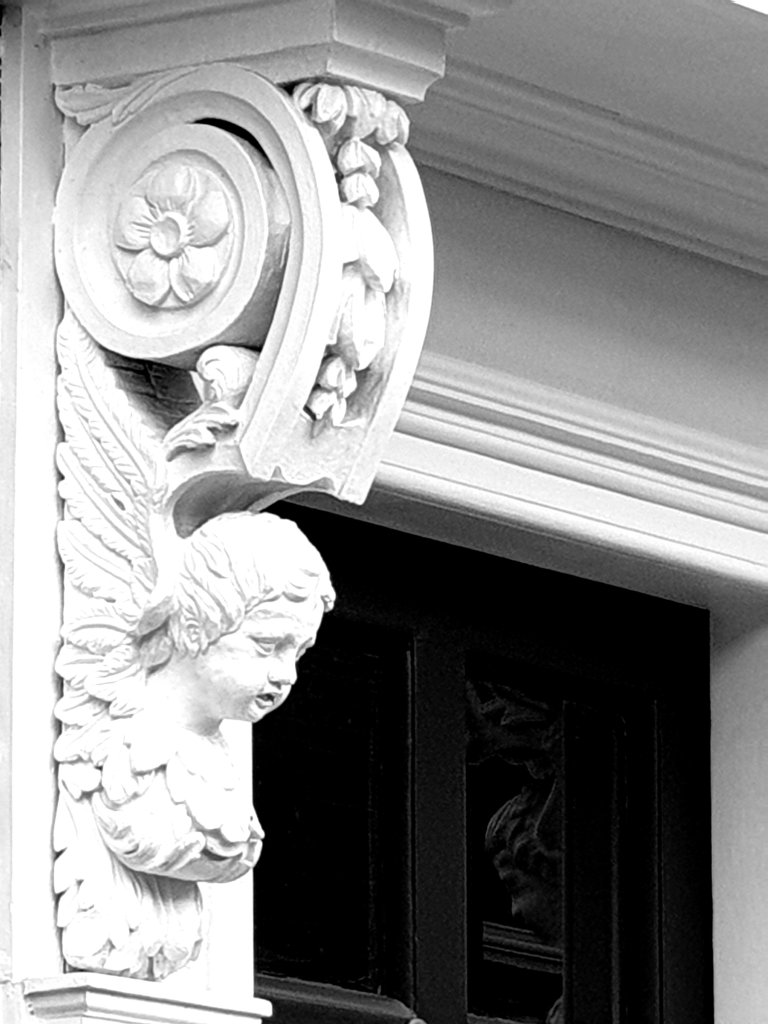
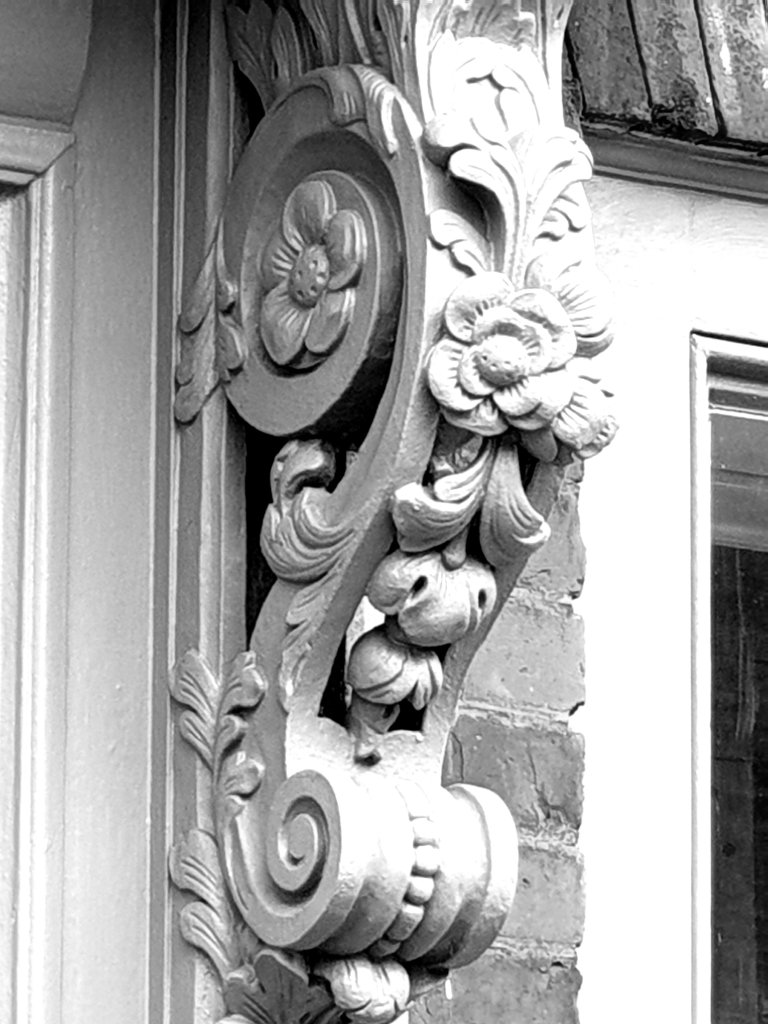
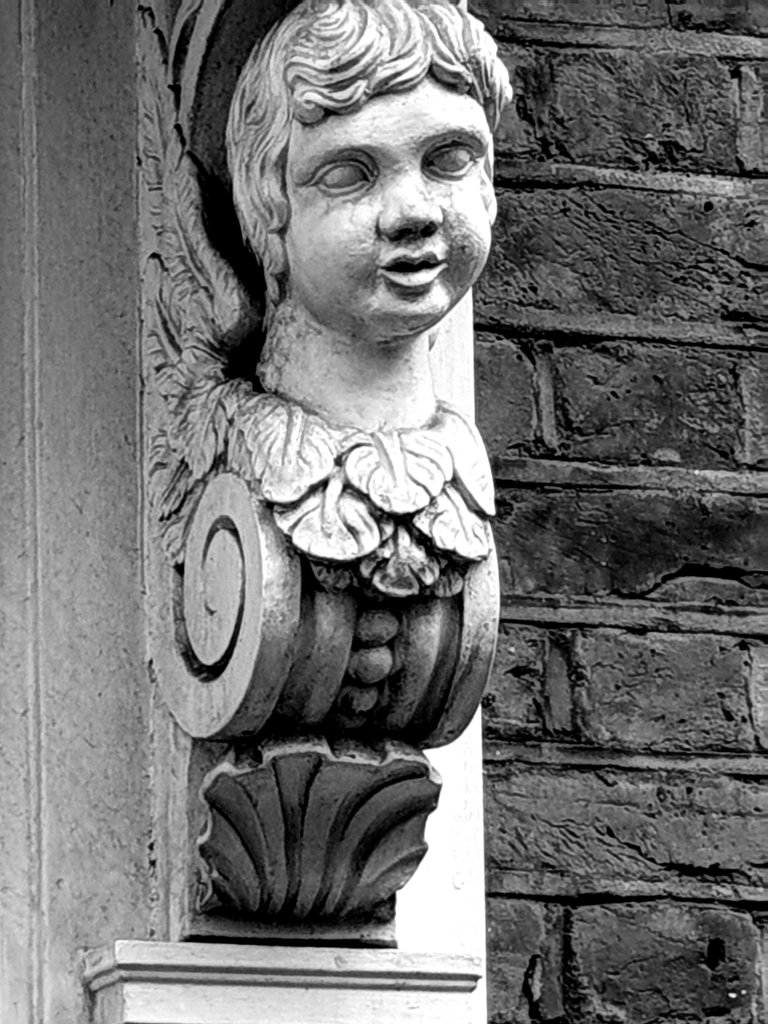
I had forgotten how fine the houses are in Albury Street, just off the High Street in Deptford, with elaborate carved brackets all the way along the street, a recollection of when Deptford was a prosperous riverside village, close to London, but related more to the river and shipbuilding than the distant city, with Emma Hamilton and Nelson reportedly shacking up at no.34:-

Standard

Whitechapel Bell Foundry (75)

For several months, I have known that Hettie O’Brien, an opinion editor at the Guardian, was hard at work on a Long Read about the Whitechapel Bell Foundry. I was worried that it might not appear in time for the verdict due to be delivered any minute by Robert Jenrick, the Secretary of State for Housing, Communities and Local Government.

It is an admirably fair and well-informed piece which casts the debate about the future of the Bell Foundry between the two principal actors: Alan Hughes, the fourth-generation proprietor, who took the decision, apparently with a heavy heart, to sell the business to a local property speculator after years of operating it at a loss; and Nigel Taylor, his employee, a fantastic enthusiastic for the history and technology of bells, who passionately wanted the skills of bell-making to be preserved and could have organised a management buy-out if the opportunity had been given.

It is a very sad story. At its heart is a view held by Hughes that if his family was not able to operate the company at a profit in Whitechapel, then nobody else could, so nobody was given the chance. The business was never put on the open market, nor indeed was the property, but sold for £5.1 million and then flipped not long afterwards for £7.9 million to a New York venture capitalist.

There will be many people who take the view of Alan Hughes – that this is the way of the world and proprietors should be at liberty to sell their property at maximum profit, irrespective of the importance and public interest in its historic use. But it is worth remembering that not far away, C.R. Ashbee campaigned for the preservation of the Trinity Green Almshouses, which led to the establishment of the Survey of London, and effective legislation for the preservation of historic buildings.

Are we simply to abandon history for profit post-COVID and put the interests of speculators above those of the local community ? Is there really no way that Jenrick can intervene and either encourage or compel Siegal to reinstate the foundry as a working foundry, as Re:Form and Factum Arte have so imaginatively and effectively proposed ?

He can easily sign the form sitting on his desk and forbid the redevelopment.

https://www.theguardian.com/news/2021/may/11/whitechapel-bell-foundry-battle-save-britains-oldest-factory?CMP=Share_AndroidApp_Other
Standard