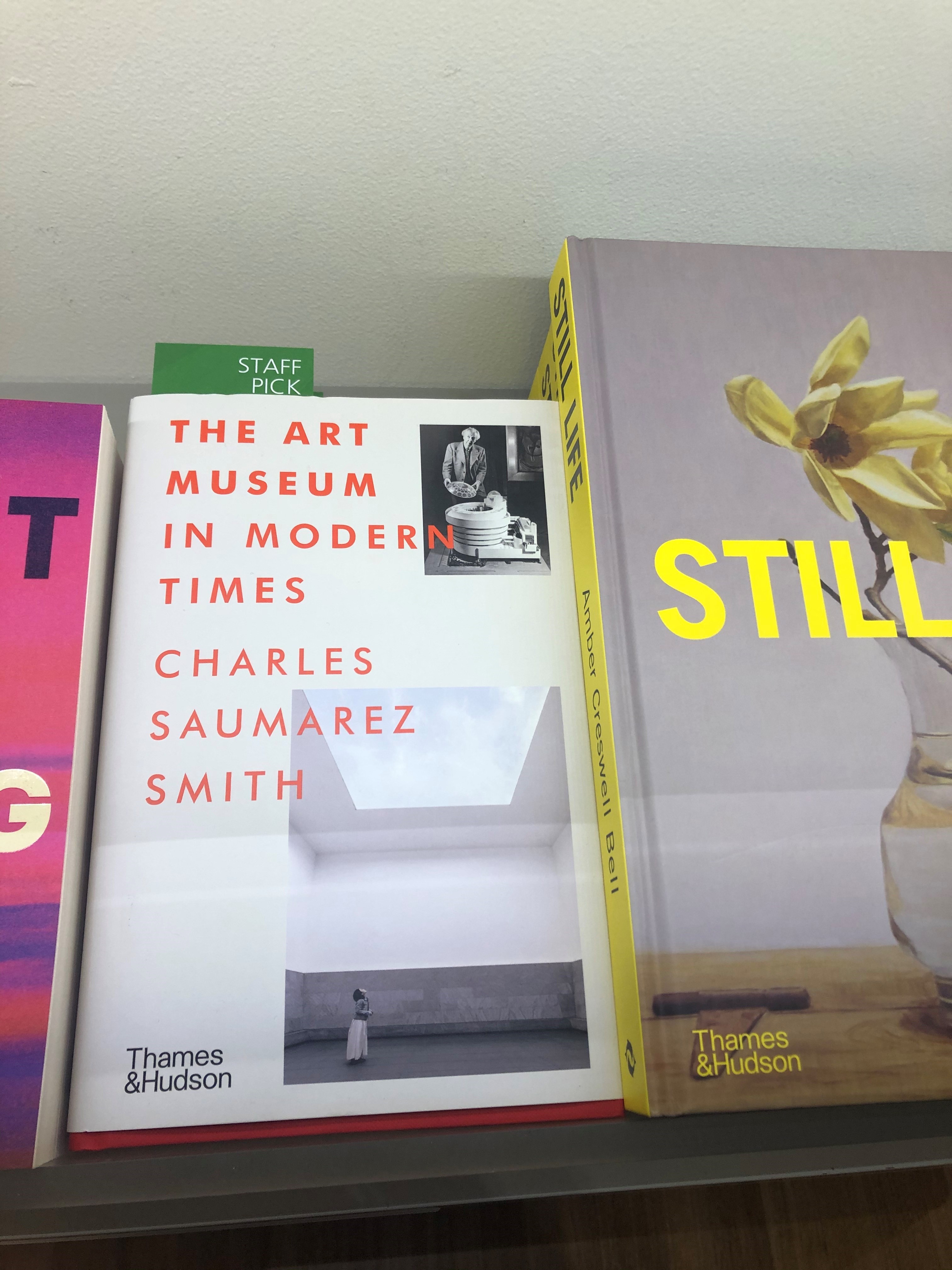
I am very touched to have been sent a picture of my book on sale in bookshop of the Art Gallery of New South Wales, currently celebrating its 150th. anniversary and itself undergoing a radical transformation by the Japanese architects, SANAA, due to open next year:-
I had planned to go and visit some of those East Coast art museums next week and take in Cambridge, Massachusetts en route. But no more. The Harvard lecture survives on Zoom:-
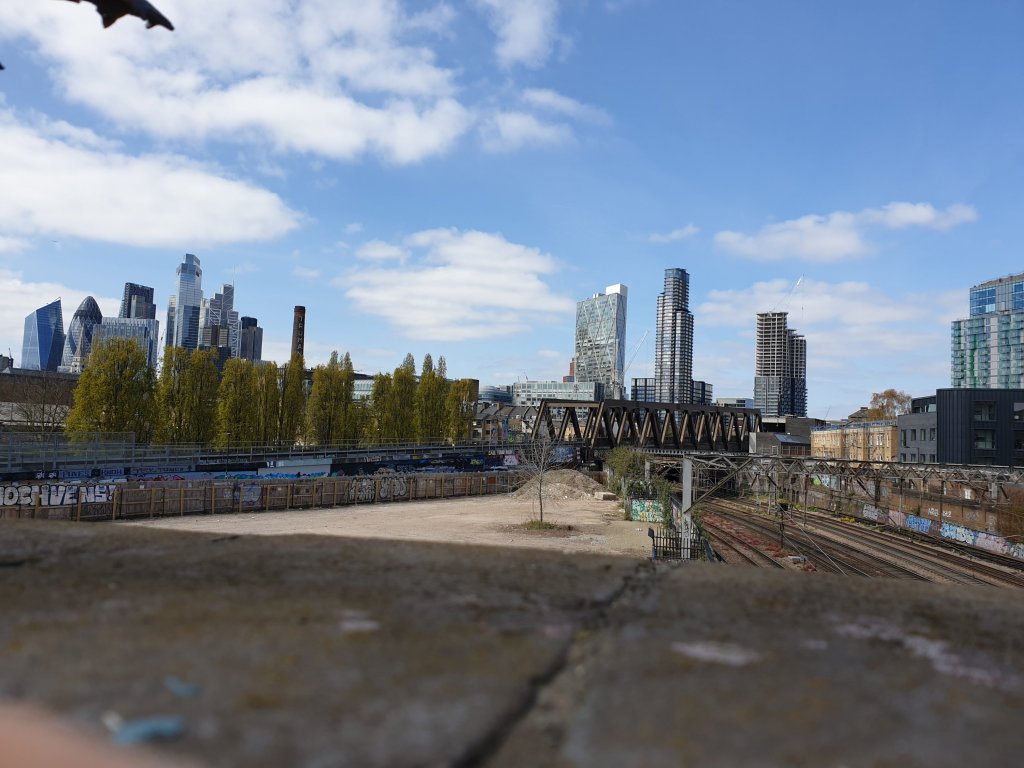
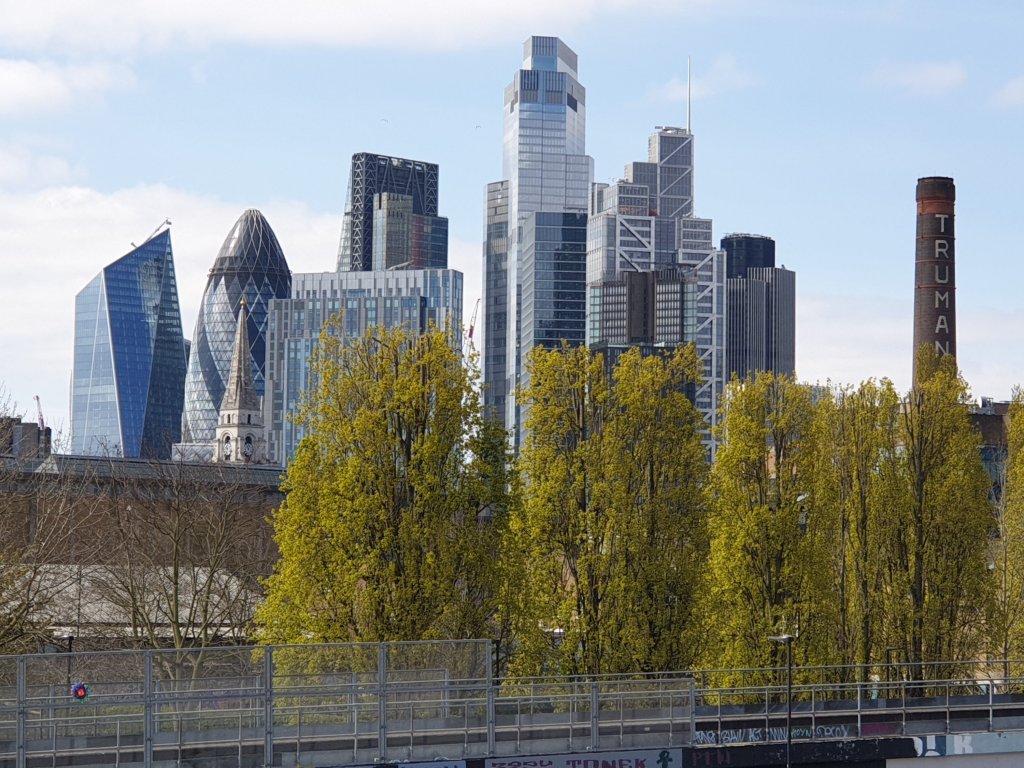
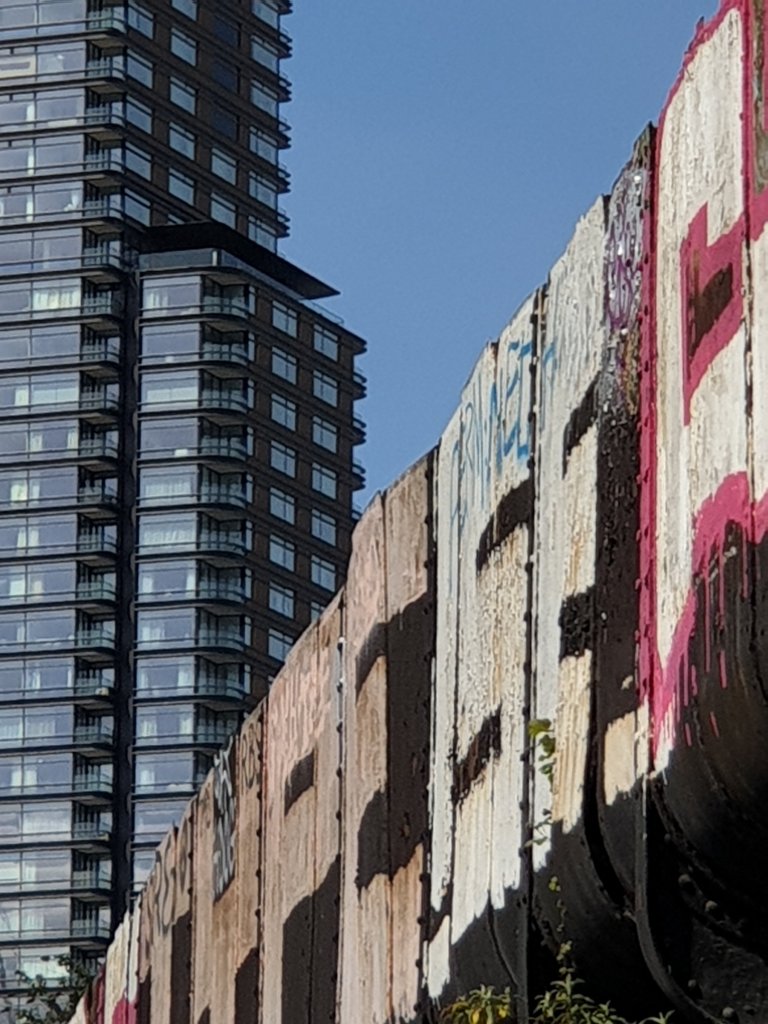
In walking round Spitalfields this morning, I was a bit amazed and shocked by the recent gigantism of the City, lowering over its surroundings, ready to trample over everything round about.
You can see the old chimney of Truman’s brewery and the tower of Christ Church, Spitalfields:-
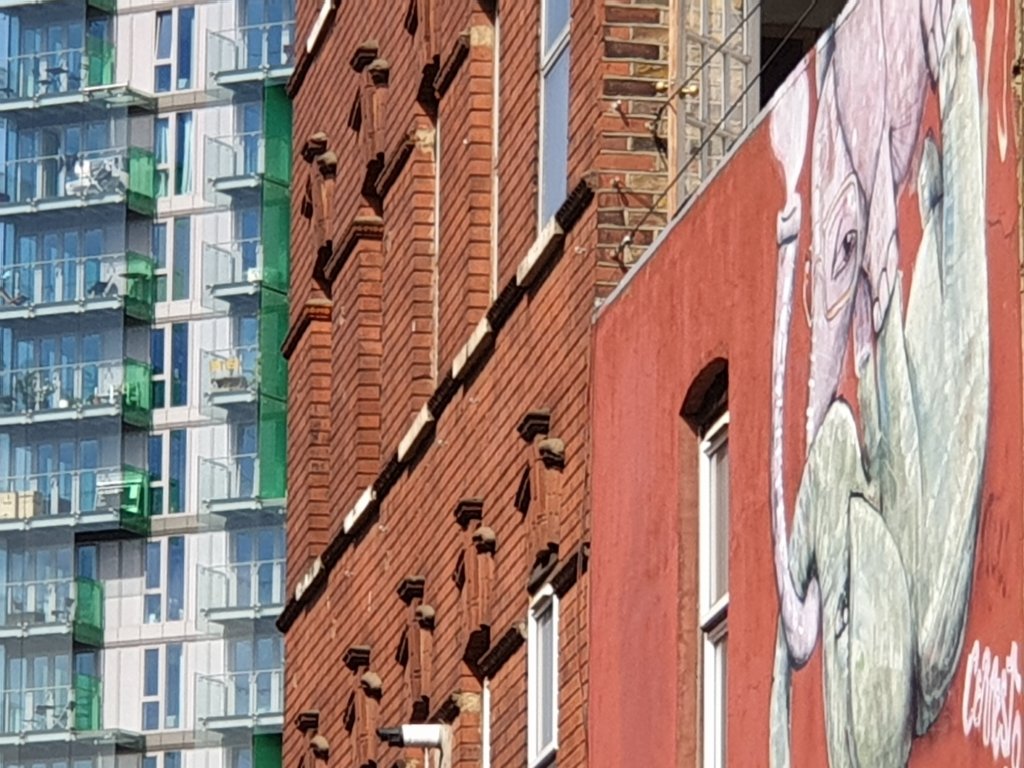
You get increasingly strange juxtapositions of the old and the new:-
I like the old myself – it’s precious and not just in isolation, all sanitised like Spitalfields Market, but as part of the texture of the city as a whole:-
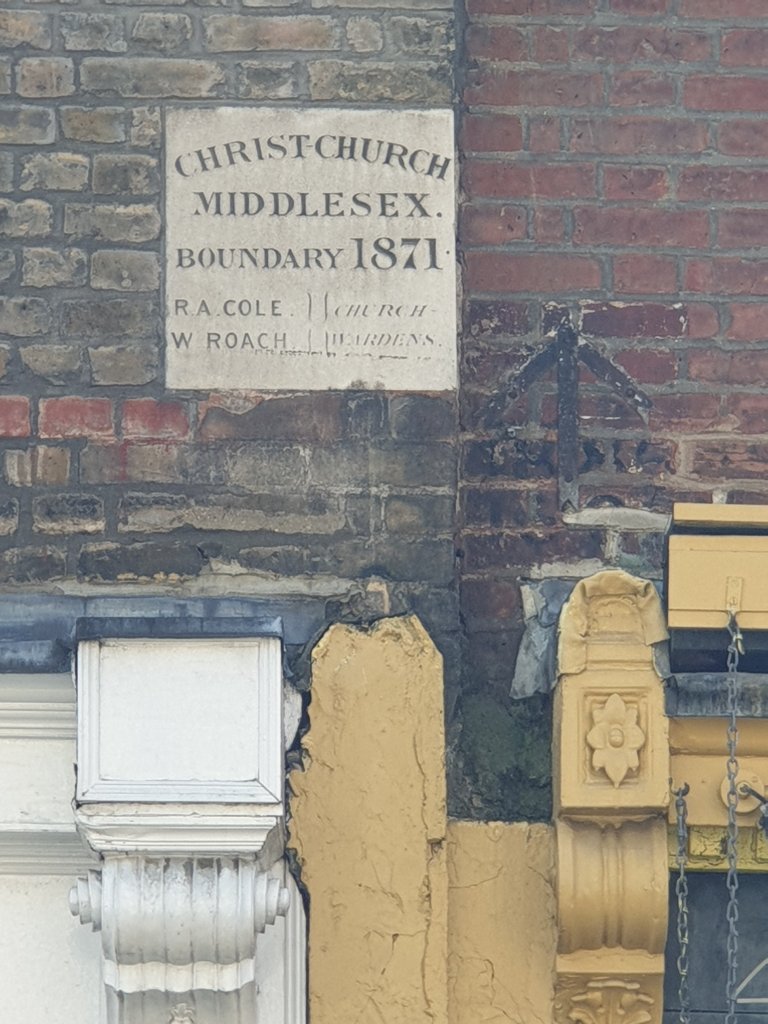
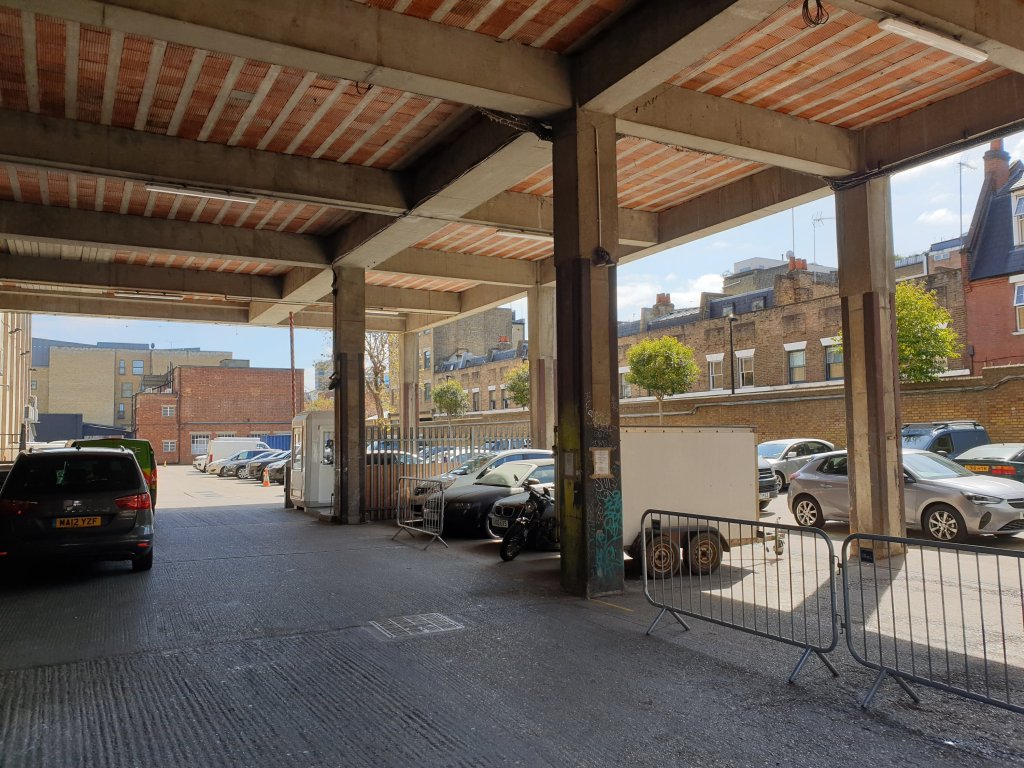
I haven’t got involved in the current battle to Save Brick Lane because I couldn’t figure out where the proposed development of the Truman Hanbury & Buxton site is going to be and exactly the nature of the damage it will cause. So, I went to look this morning.
It looks like a classic battle between big-time property development and the local community. Brick Lane has been gradually changing in character because of changing property values. Now, whoever owns the Truman Hanbury & Buxton site immediately opposite the historic site of the eighteenth-century brewery plans to develop it. Since it’s currently just a car park, it’s not surprising that it is viewed as a site for development. The question is: will what is built pay any attention to the character of the surrounding neighbourhood ? The answer is surely no, to judge from available illustrations.
The Tower Hamlets Planning Committee meets tomorrow. Can they not request that the developer works with an architect who has some interest and sensitivity to the surrounding neighbourhood ?
It happens that Assemble, the Turner-prize-winning architectural practice are working in the neighbourhood. Could the developers not be required to hold an architectural competition ?
Development always seems to be as big as can be, without regard for character, which is rapidly eating away at Spitalfields, a neighbourhood of extraordinary historical and architectural importance. The ecology is fragile. Tower Hamlets seems spineless. So is Historic England. It is not just depressing, but tragic.
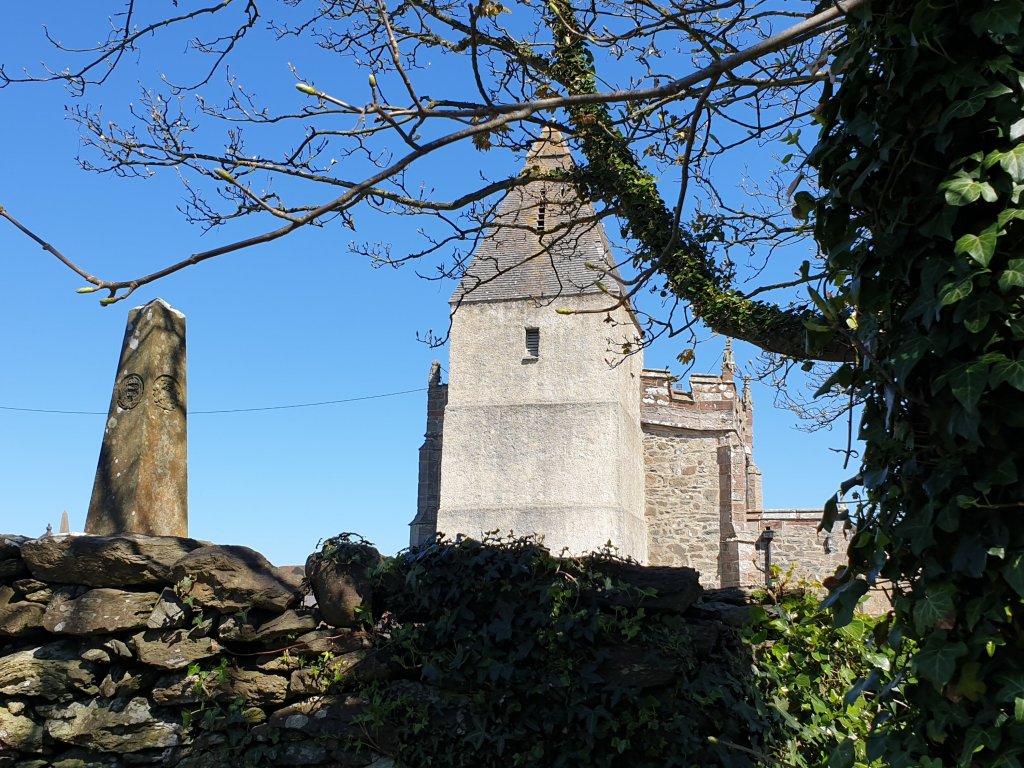
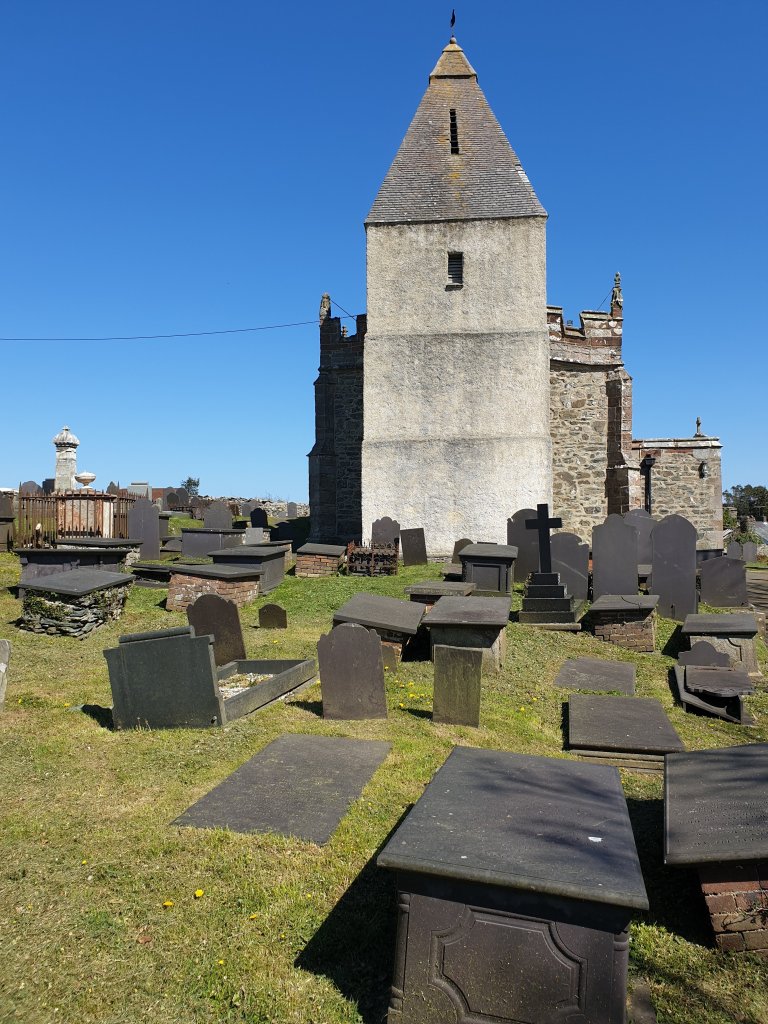
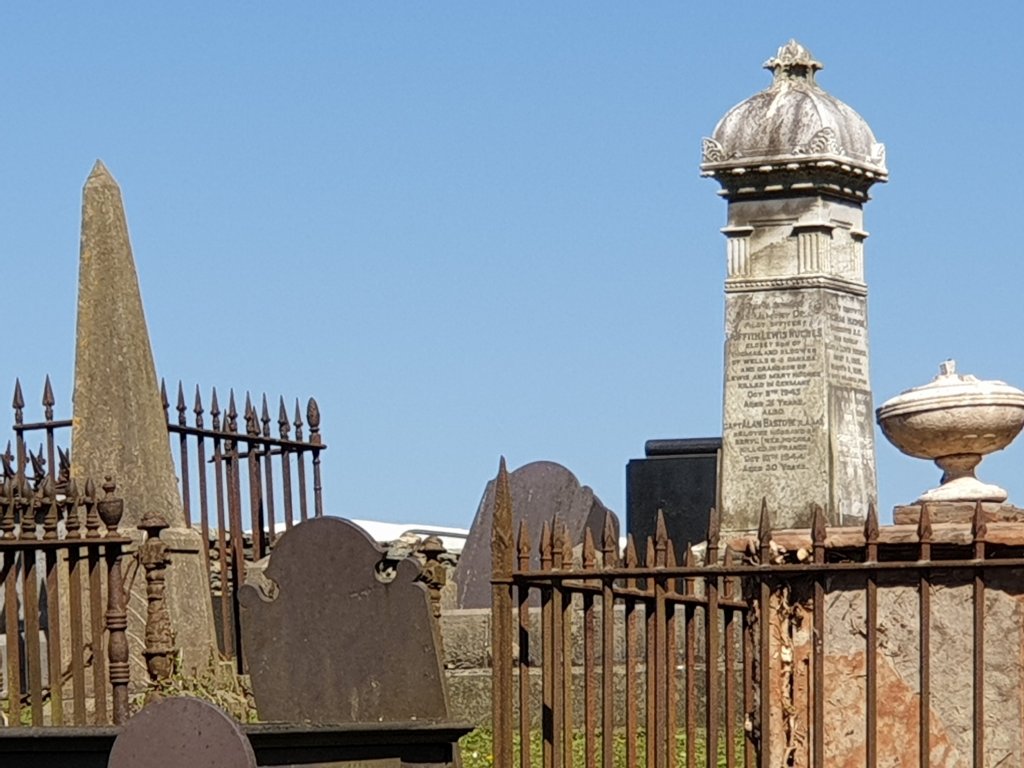
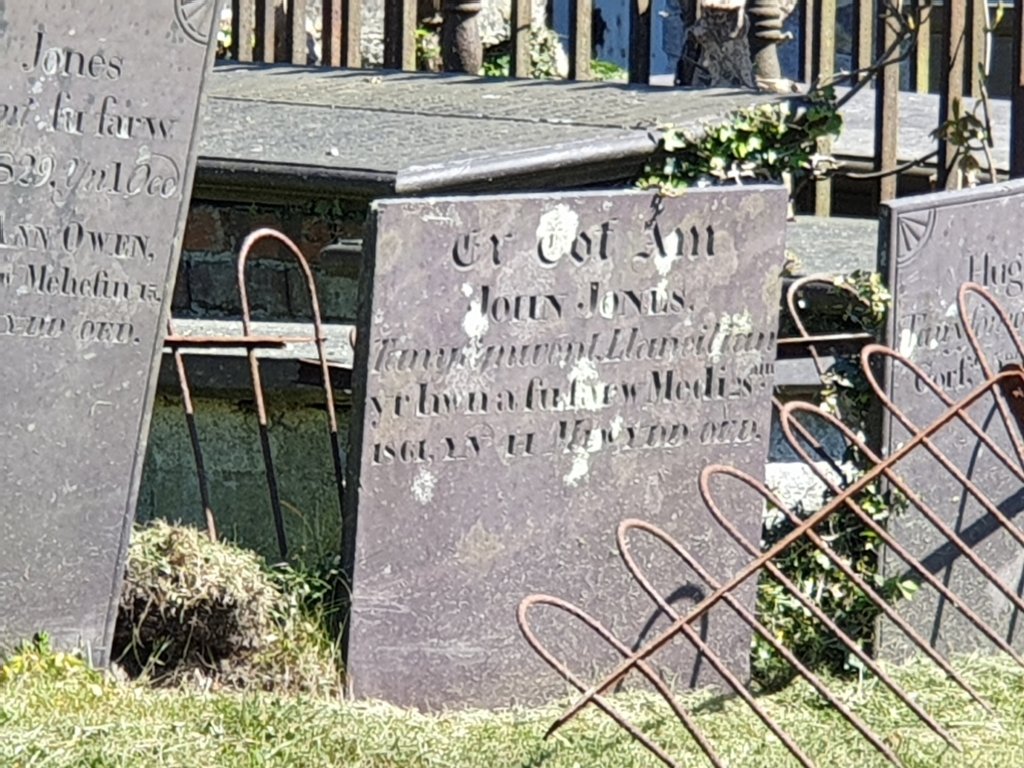
We had been once before to see St. Eilian in the far north-east of the island, a church with a beautifully elementary Romanesque west tower and surrounded by slate tombs:-
I could not ask for a more thoughtful or more considered review of my book than has appeared in The New Criterion, weighing up each of my individual accounts of museums, sometimes disagreeing with my praise, as in my admiration for Lina Bo Bardi, but always attentive to the nuance of my approach. It’s just what a writer wants.
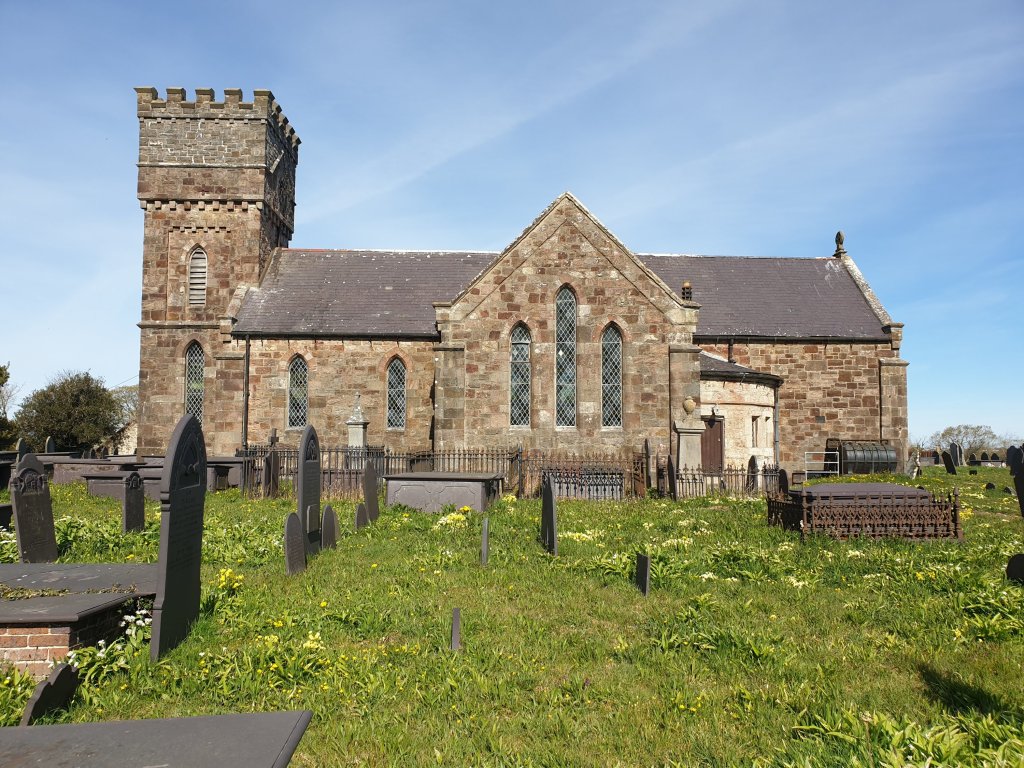
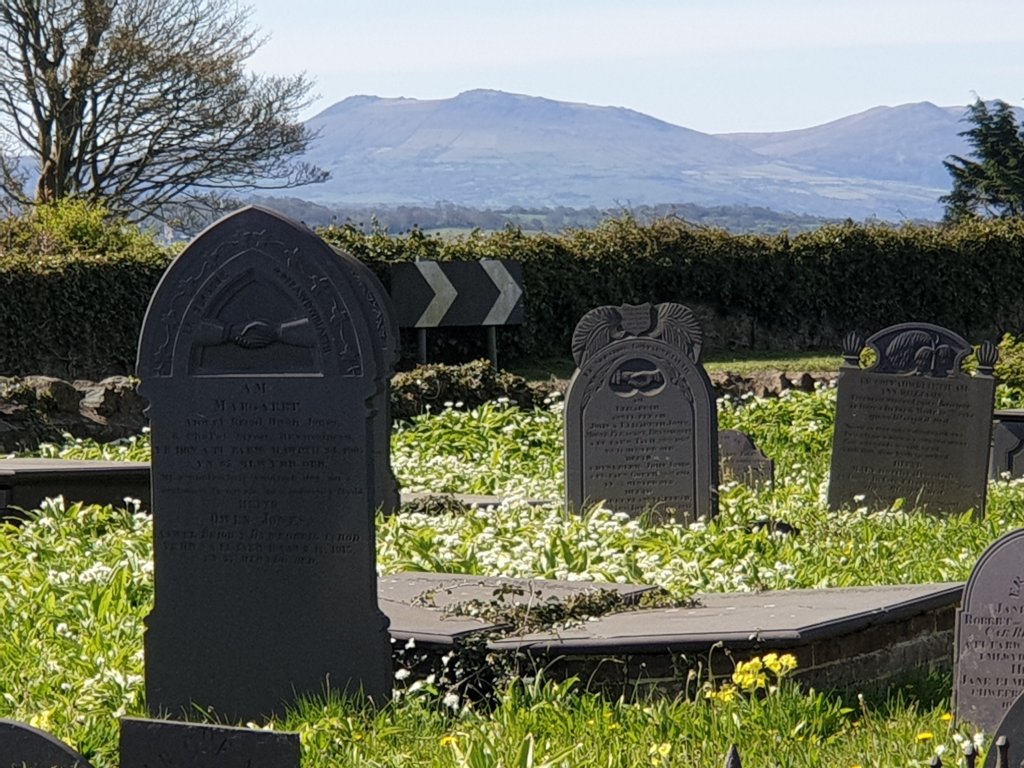
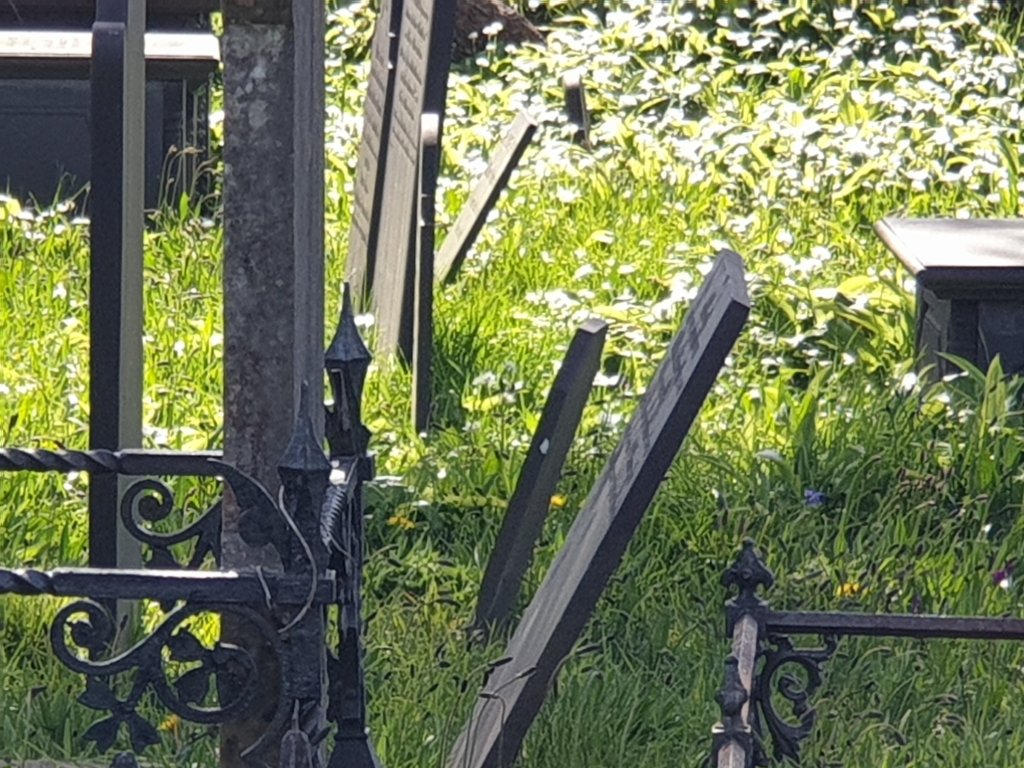
I called in at the new church at Brysiencyn (new because the old church at Llanidan had fallen into a ruin) to admire the wild flowers in the churchyard which can be half glimpsed from the road.
The church itself is orthodox, but early Gothic Revival by John Welch, an architect based in Douglas on the Isle of Man, who was hired by the then Lord Boston, a local landowner, who was presumably patron of the parish:-








 | Charles | Saumarez | Smith |
You must be logged in to post a comment.