So, there are still 24 hours to bid on works, including one of Romilly’s sea fans, in aid of Tom and Sue Stuart-Smith’s wonderful educational project at Serge Hill, whereby local schoolchildren can be introduced to the glories of nature.
We, meanwhile, listened to Mozart’s Prussian Quartet no.2, composed for Friedrich Wilhelm II of Prussia, who was himself a cellist, and Debussy’s Les Chansons du Bilitis, sung beautifully by Alexandra Achillea.
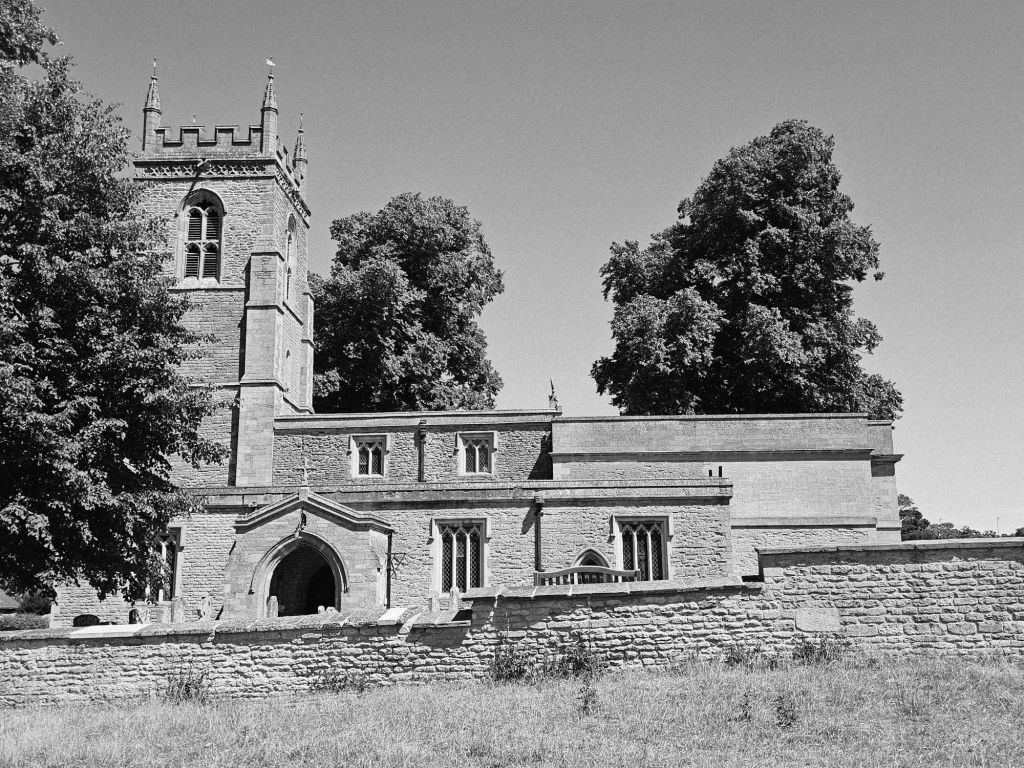
I have long wanted to see the church at Warkton which houses the tombs of the Dukes of Montagu:-
Yesterday was my chance as it was open for a concert by the Venice Music Project. We only caught the tail end of the concert – two pieces by Vivialdi and Pergolesi’s Quando corpus morietur’ – but were then blown away by the scale and magnificence of the monuments which completely dominate the chancel, added to the local medieval church following the death of John, 2nd Duke of Montagu in 1749 instead of constructing a family mausoleum in the grounds of Boughton.
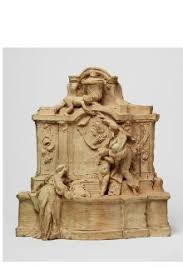
The second duke wasn’t much liked by his mother-in-law, the Duchess of Marlborough, but she probably wasn’t the easiest of mothers-in-law. She wrote that ‘All his talents lie in things only natural in boys of fifteen years old, and he is about two and fifty. To get people into his gardens and wet them with squirts, and to invite people to his country houses, and put things into their beds to make them itch, and twenty such pretty fancies like these’. But he certainly got a good send-off from his wife who commissioned Roubiliac to design his monument. He produced two small terracotta models which survive in the V&A-
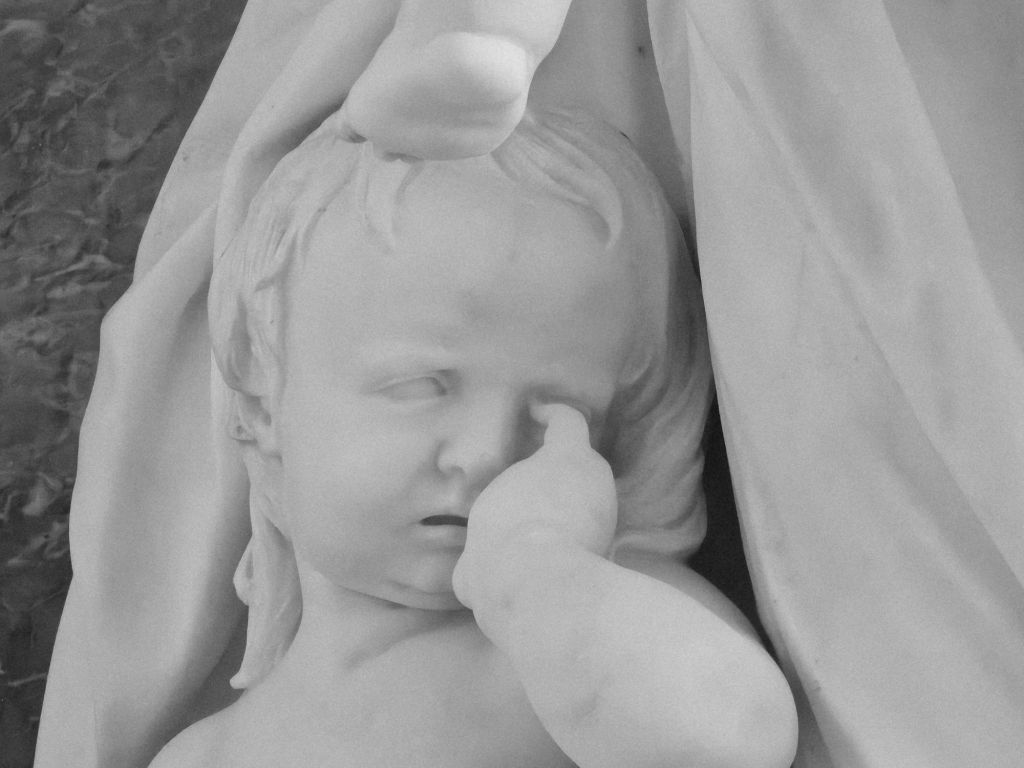
Charity unveils a plaque of the Duke while down below the Duchess is shown weeping.
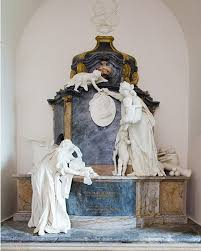
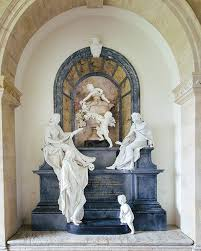
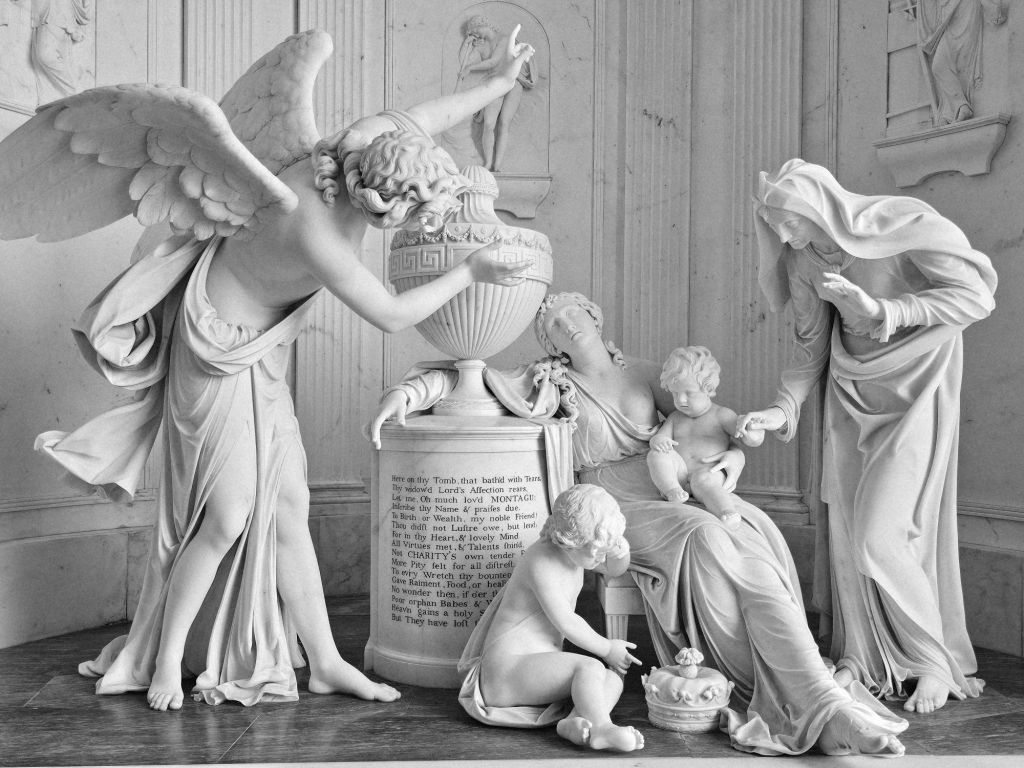
This is the monument in situ:-
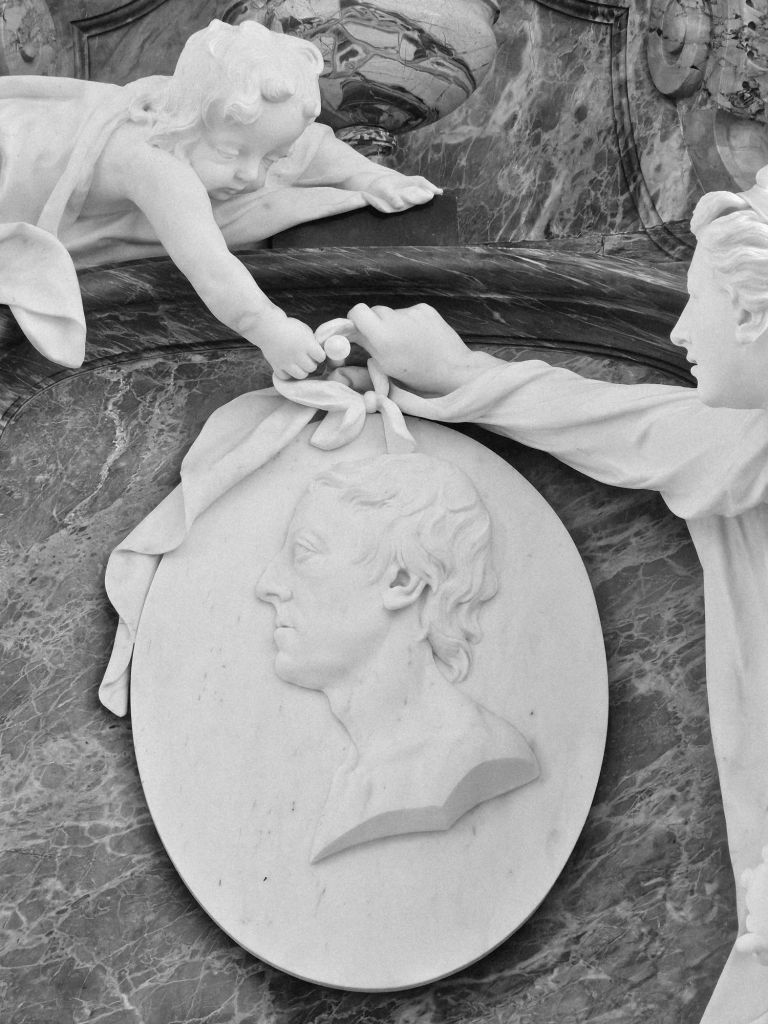
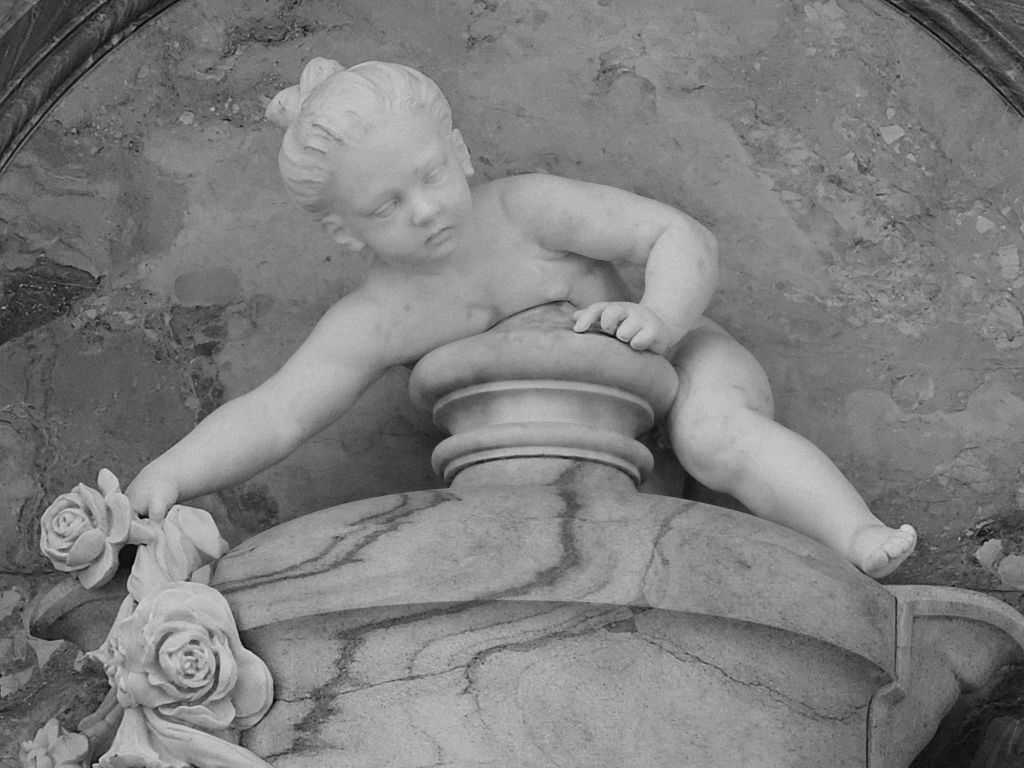
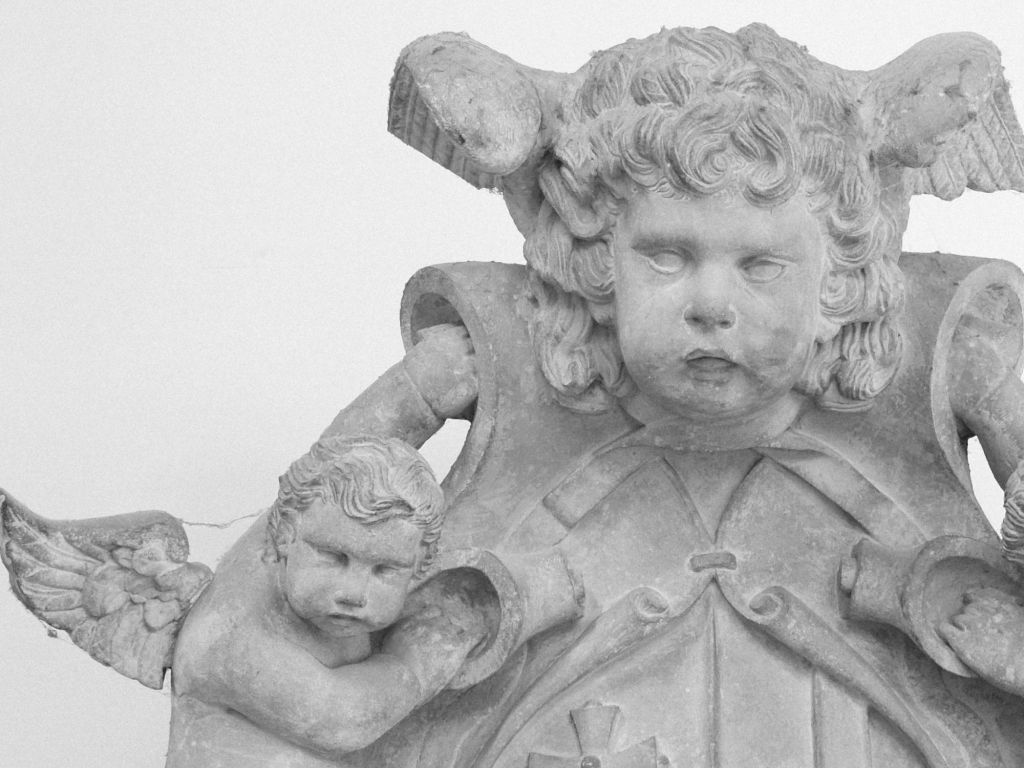
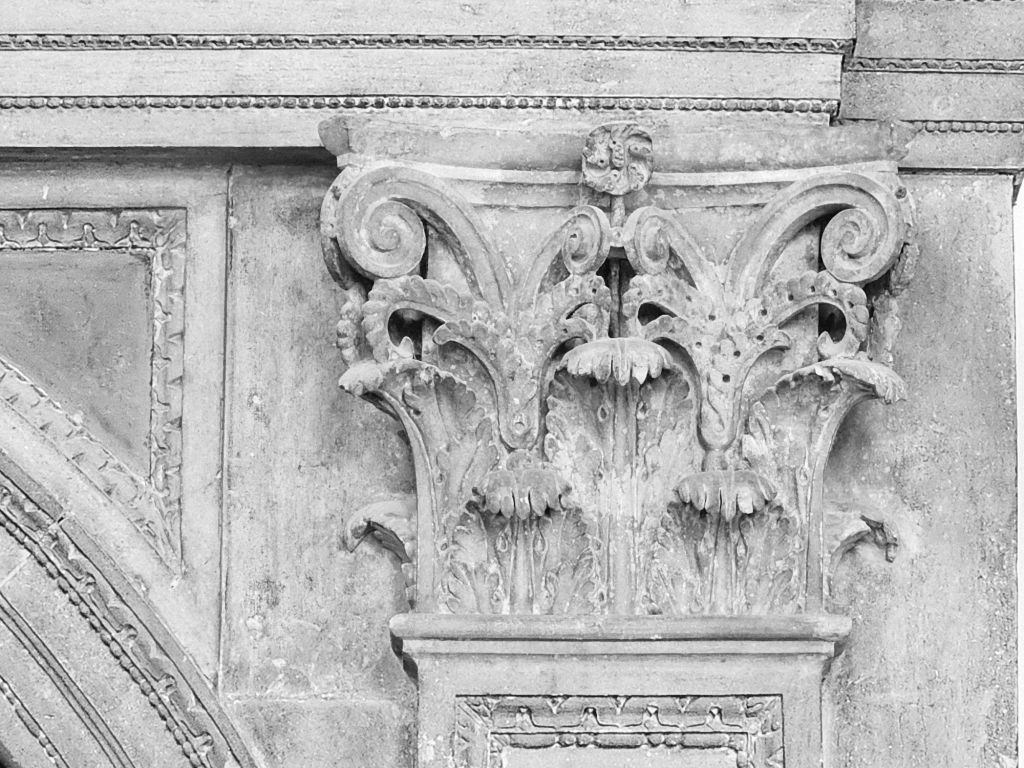
And some details:-
The Duchess died two years later in 1751. Her daughter, Mary, then commissioned Roubiliac to design a companion monument, equally fine, with the three fates, Clotho, Atropos and Lachesis, mourning her loss:-
Lady Mary got a more neoclassical, but equally fine monument, by Peter Mathias van Gelder to a design by Robert Adam:-
I have been looking out for the announcement of funding for Vanbrugh 300, the official (or semi-official) celebrations to mark the tercentenary of Vanbrugh’s death of ‘a quinsy in the throat’ on 26 March 1726. It has now appeared on the NLHF’s website (https://www.heritagefund.org.uk/projects/vanbrugh-300), which means that Vanbrugh, who I have often felt was at risk of being over-shadowed by his assistant, Nicholas Hawksmoor, will now be re-instated and recognised for the remarkable breadth of his talents – a theatrical impresario, a playwright amongst architects, the designer of a big new theatre, the Queen’s Theatre, Haymarket, as well as of Castle Howard and Blenheim.
It’s brilliant that the Georgian Group is overseeing the programme of events.
Every time I walk past 88, Dean Street – I do so quite often, walking down from the Elizabeth Line – I am amazed by number 88, a newsagents, which has a remarkably well preserved late Georgian shop front.
It’s not in bad condition, but today it appeared to be propped up, as if it might be about to collapse.
There can’t be very many surviving Georgian shop fronts with perfectly preserved rococo detail, long after rococo was fashionable.
I used to do posts about the Warburg Institute to keep in touch with Daphne Warburg Astor, who called the great art historian Aby Warburg ‘Uncle Aby’, although strictly he was her great-uncle; but this is no longer possible.
Last night Paul Taylor, the Curator of the Warburg’s Photographic Collection, gave a brilliant short account of the Warburg’s history, including a photograph of Ernst Gombrich which I had never seen. It is of him, his wife, Ilse (left), and Otto Kurz (far right), his friend and intellectual ally, and Trude Weiss, not long after the Gombrichs had married and arrived in England:-
I found it interesting because it shows him as he was before the war, an Austrian intellectual who always described himself as a historian, not an art historian. He was given a short contract by Fritz Saxl to order the papers of Warburg, a task he found boring, but led ultimately to the publication of his intellectual biography of Warburg in 1970. I also came across the illuminating short blog post by his son, Richard, which I hadn’t seen before (https://www.carlgombrich.org/post/memoir-of-ernst-gombrich-guest-post-by-richard-gombrich) and strongly recommend.
I called in on Leila’s today to buy some fruit – Kent-grown cherries – and find out how the campaign is going.
There is a sad irony in that Tower Hamlets Council was in the process of opening a ‘Community Hub’ in one of the shops up the street which it has failed to let at the new, much increased rent.
So, they drive out existing small businesses and then replace them with chain stores or council services, losing the character of the neighbourhood. But isn’t this very short-sighted, not least because the economy of Redchurch Street and Calvert Avenue has been based on small traders, who are essential to its success ?
For some reason, I was able to read the attached article about the renovation of Lambeth Palace, in spite of it being behind a pay wall.
It reminds me of my recent visit to see behing-the-scenes at Lambeth Palace.
I was impressed by how much had been done – a big cost, but it didn’t seem that great given the scale of the renovation.
I was also interested by the way young architects are now – rightly – as interested in renovation as in new build. We should surely have a system of architectural education which recognises this, as in Norway.
It needs as many people as possible from Tower Hamlets to sign the petition (see below).
The new rent has been set based on the rents in Redchurch Street. But Redchurch Street is different from Calvert Avenue. Calvert Avenue has a community feel to it.
The council should not be punishing success. Leila has helped the regeneration of Arnold Circus and the surrounding neighbourhood. The Council should – at the very least – look at a strategy for Calvert Avenue, given its importance to the area, not farm it out to a rackrenting agency.
Actually, they should consult Leila about the strategy.
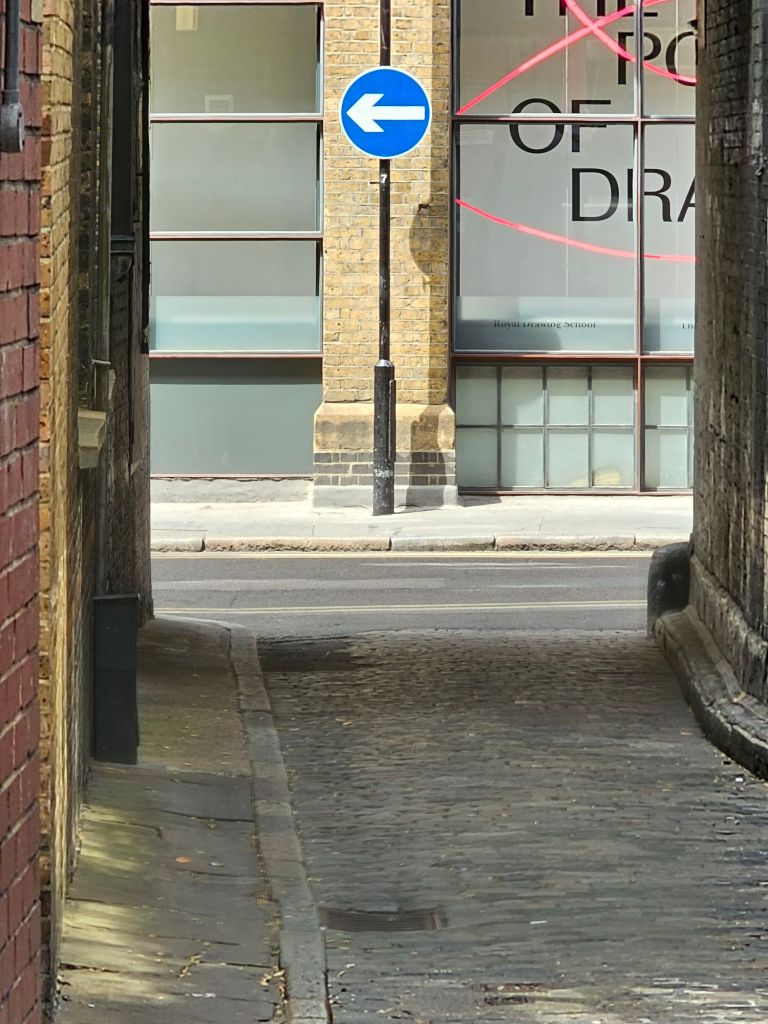
I went to see the exhibition celebrating 25 years of the Royal Drawing School, which is vastly much easier to appreciate in Charlotte Road than St. James’s Palace: an interesting mix of artists from recent graduates to David Hockney, with their thoughts on drawing and its importance.
It’s well worth seeing.
Also, the new corporate identity designed – beautifully – by Harry Pearce and Romilly Winter of Pentagram, with a specially designed typeface:-








 | Charles | Saumarez | Smith |
You must be logged in to post a comment.