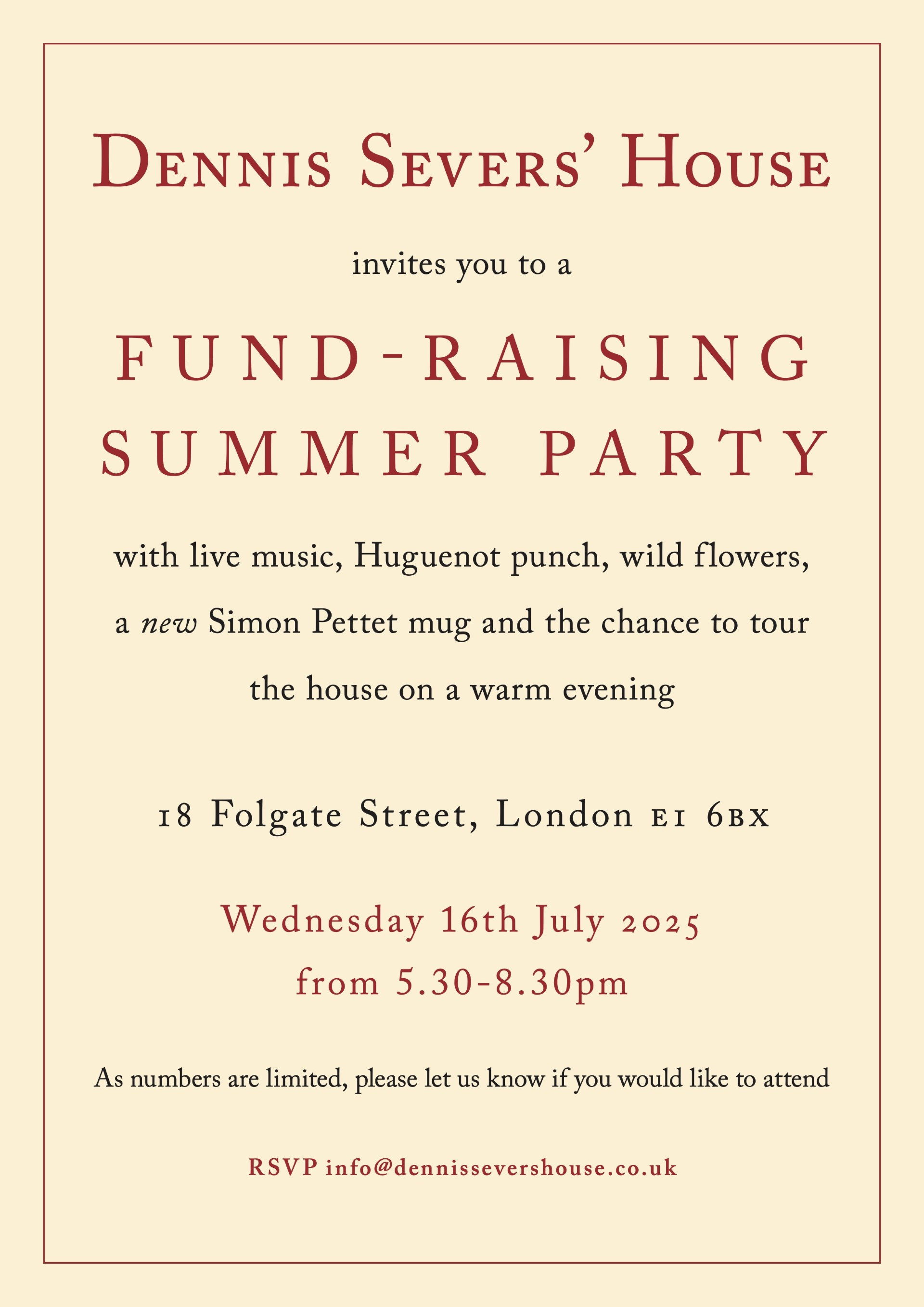
I have been encouraged by Rupert Thomas, the Director of Dennis Severs’ House in Folgate Street, to post information about their Summer Fund-raising Party.
I know from experience that it is easy to let the years roll by without visiting it because you have to book. But now is your chance. All it requires is to become a Friend or make a donation. I always love going.
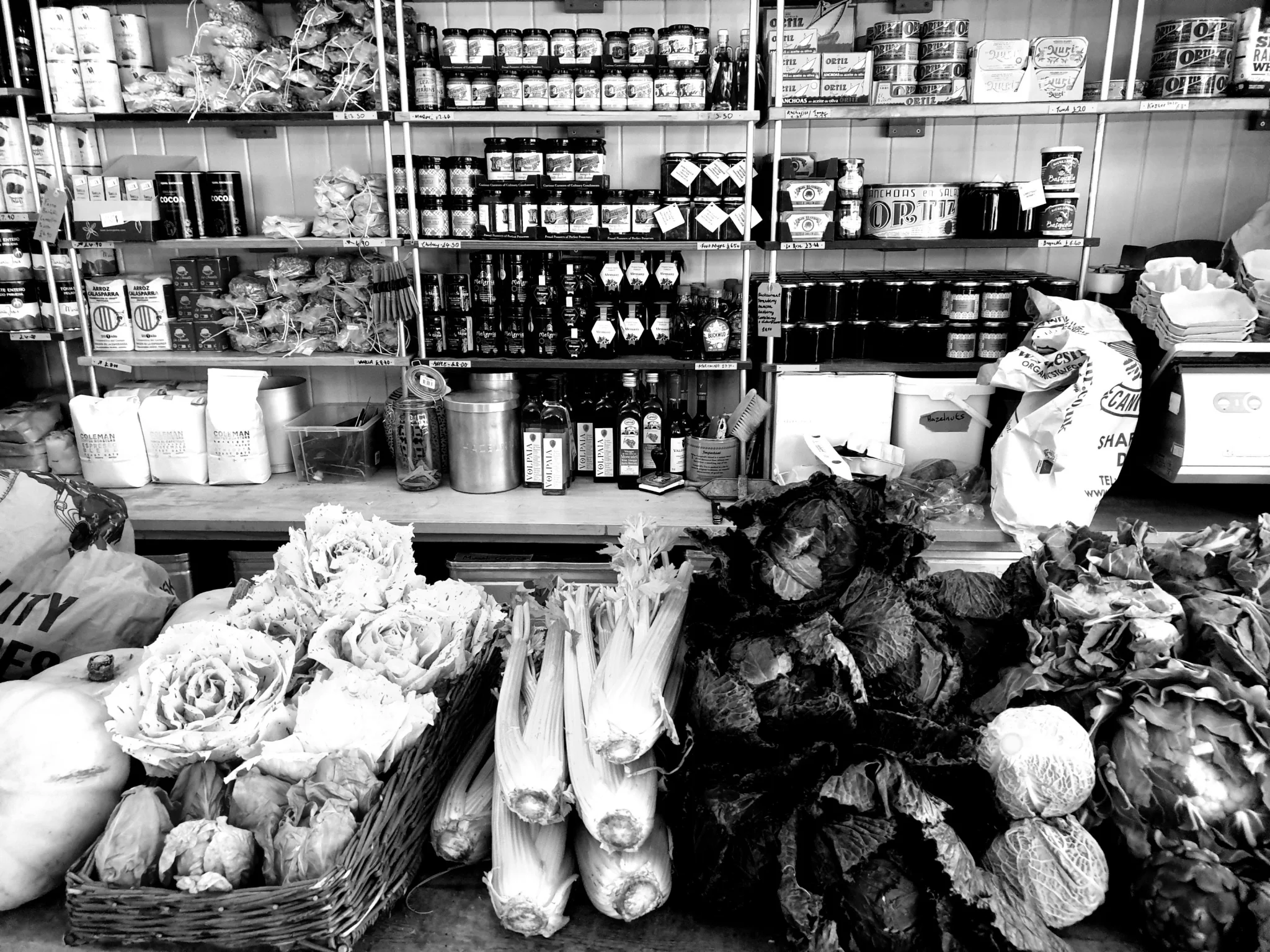
I have just been sent the petition to save Leila’s Shop.
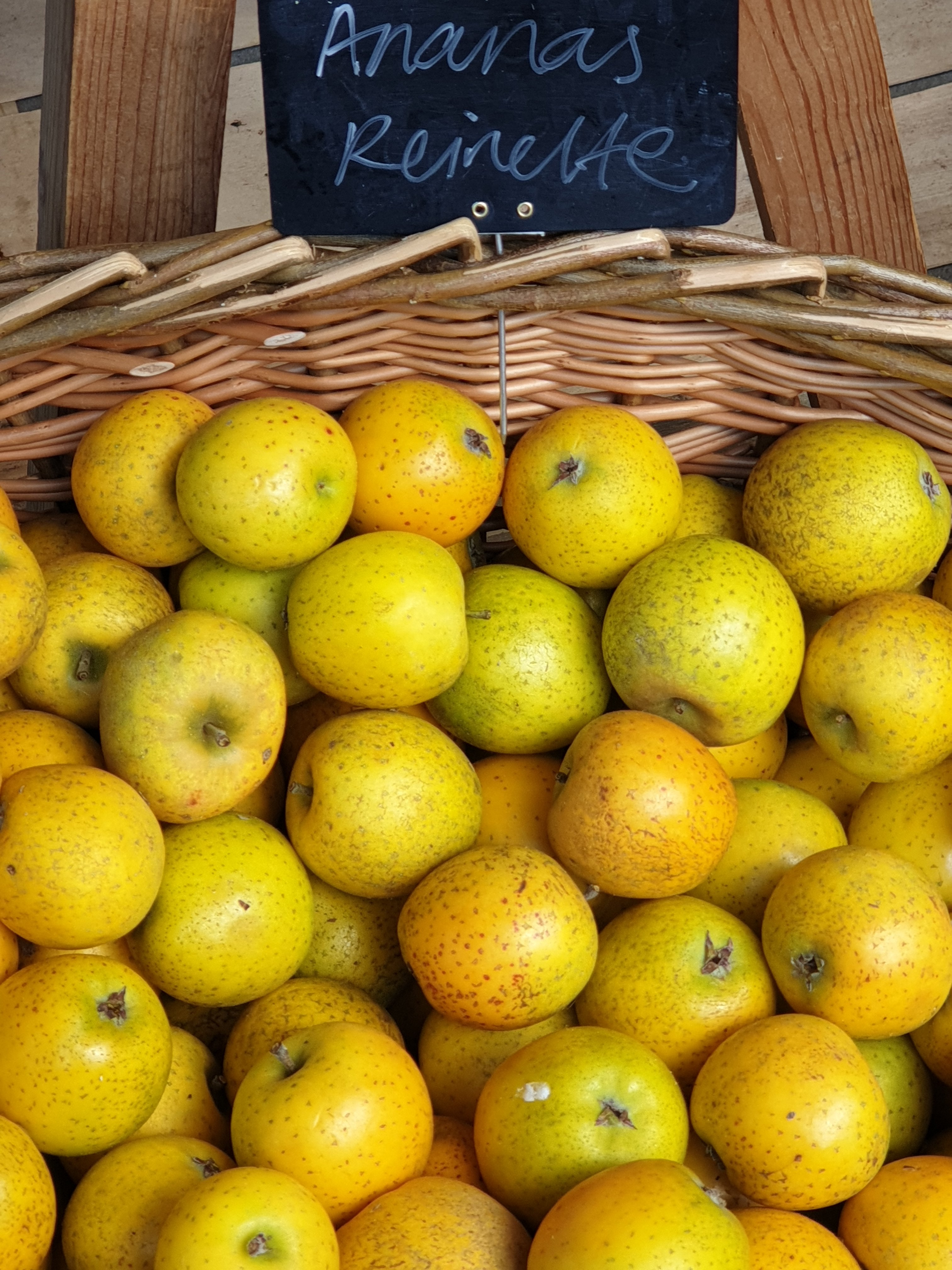
I have loved Leila’s over a long period of time, but especially during and since COVID, when I properly discovered the pleasures of her shop: her cheese which comes from Neal’s Yard; her bread from E5; her apples which she sources herself; her deep knowledge of the food she serves and where it comes from.
There is a strong sense that she is at the heart of the local community and Tower Hamlets should be putting a preservation order on her, not evicting her.
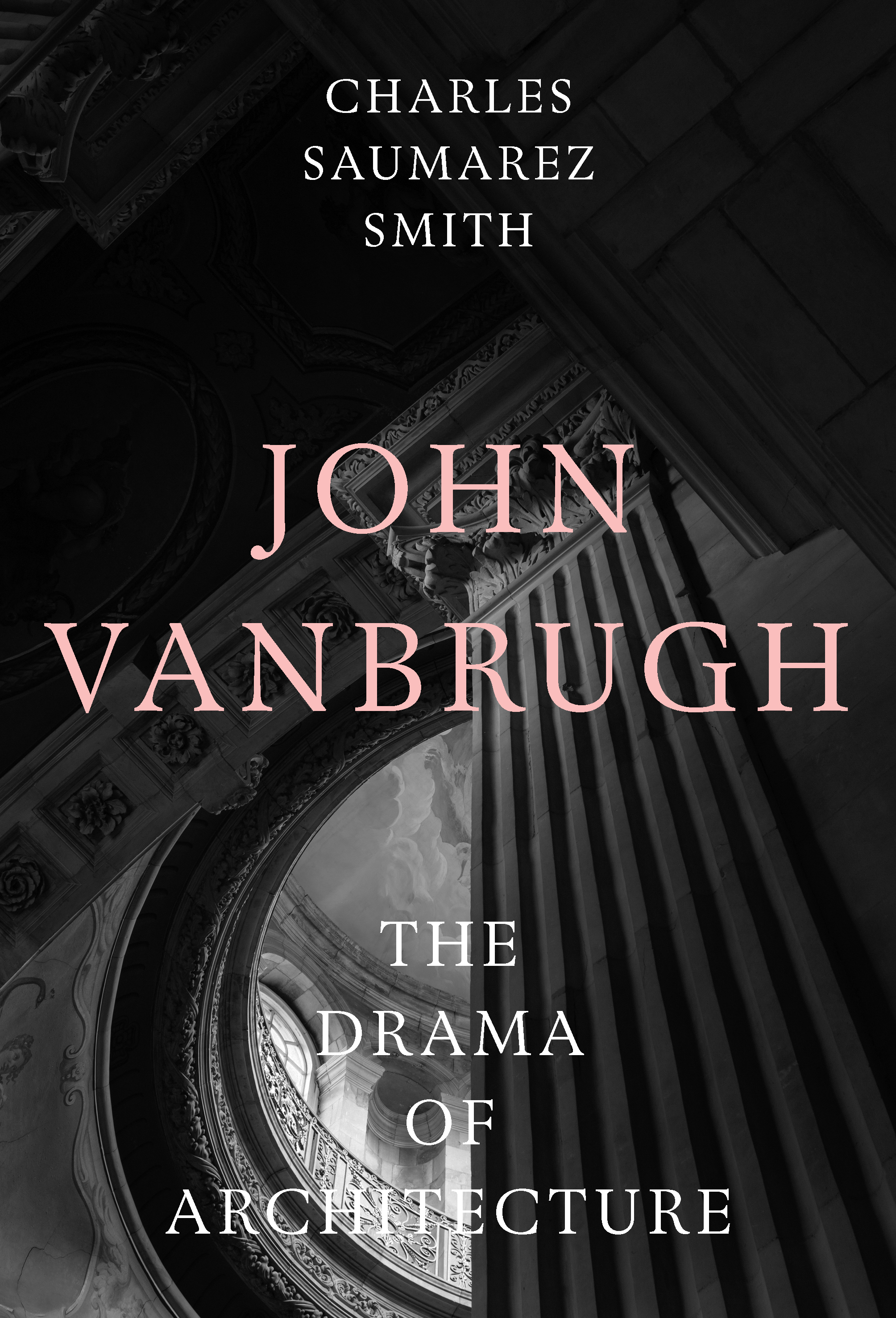
You may be wondering what is happening about my book, John Vanbrugh: The Drama of Architecture.
The truth is that I have been a bit superstitious about saying too much about it until it was all ready, done and dusted and off to the printer in Bosnia.
It will be published by Lund Humphries on Thursday 20th. November with a lunchtime talk at the Wigmore Hall, thanks to John Gilhooly and his team.
Last night was an event to celebrate the twenty fifth anniversary of the Royal Drawing School. 25 artists had been asked to contribute work, including the King and Rufus Wainwright who performed Hallelujah on the piano. It was hard to get a chance to see the work, but it will be shown at the Royal Drawing School in Charlotte Road from next Tuesday and is commemorated in a beautifully produced large book, designed by Pentagram. It shows the work, together with quotations about the importance of drawing.
I particularly like the comment by Tim Burton:-
Drawings are like an abstract diary for me…a time, a place, a feeling. Nothing literal, but a memory.
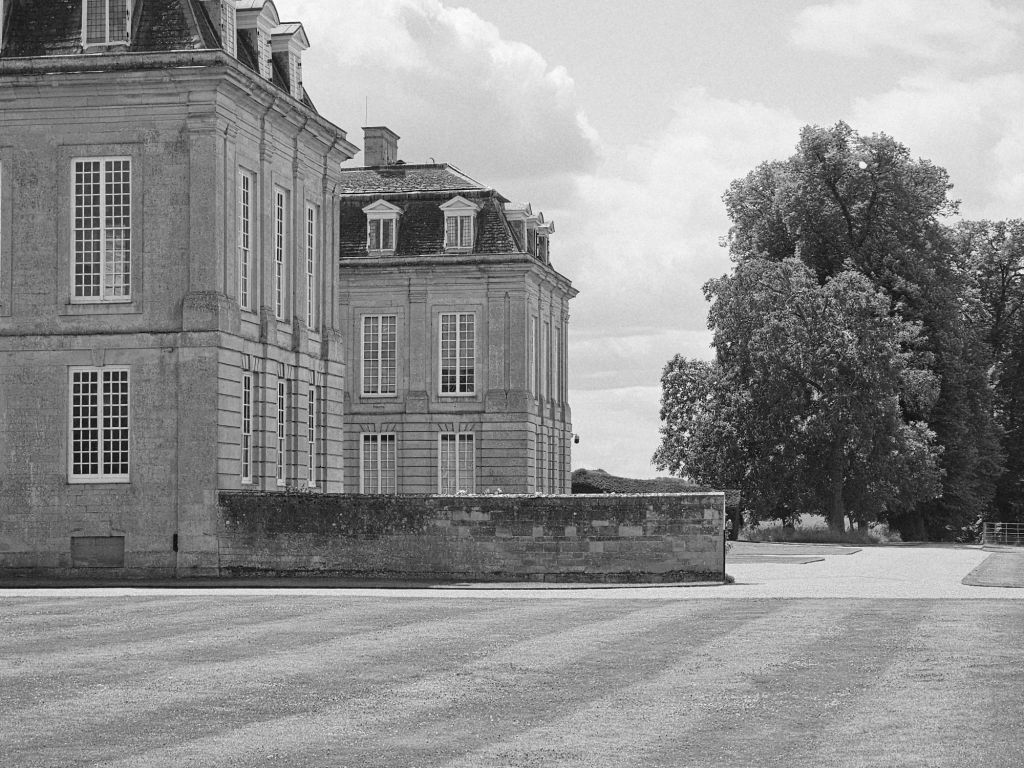
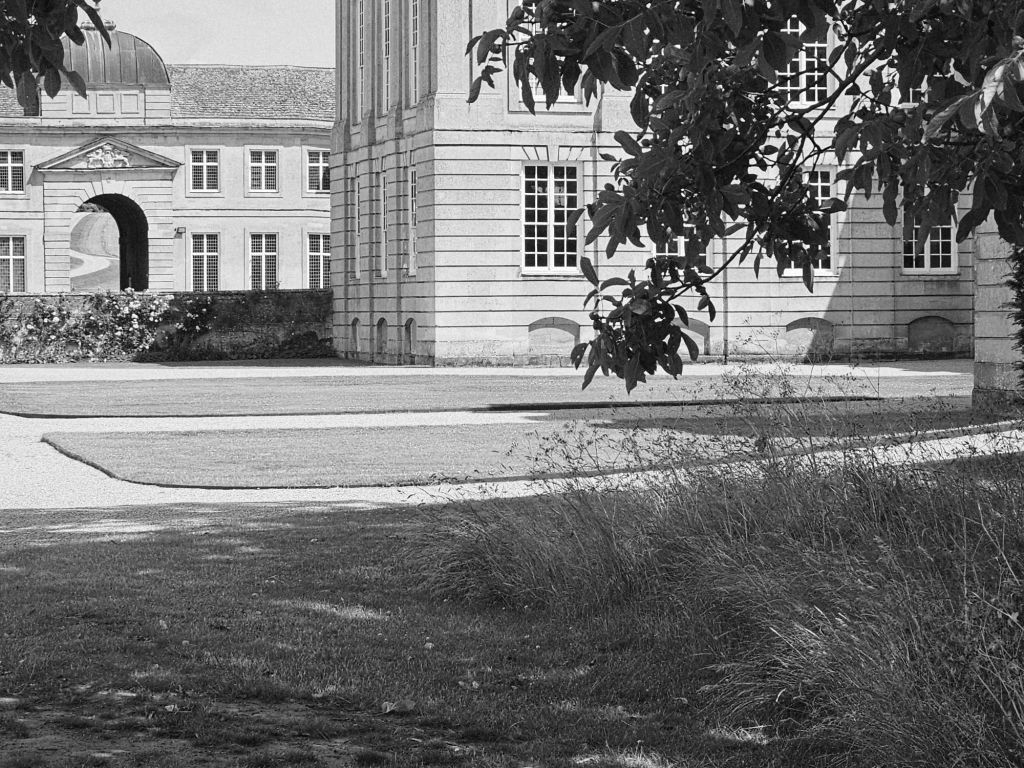
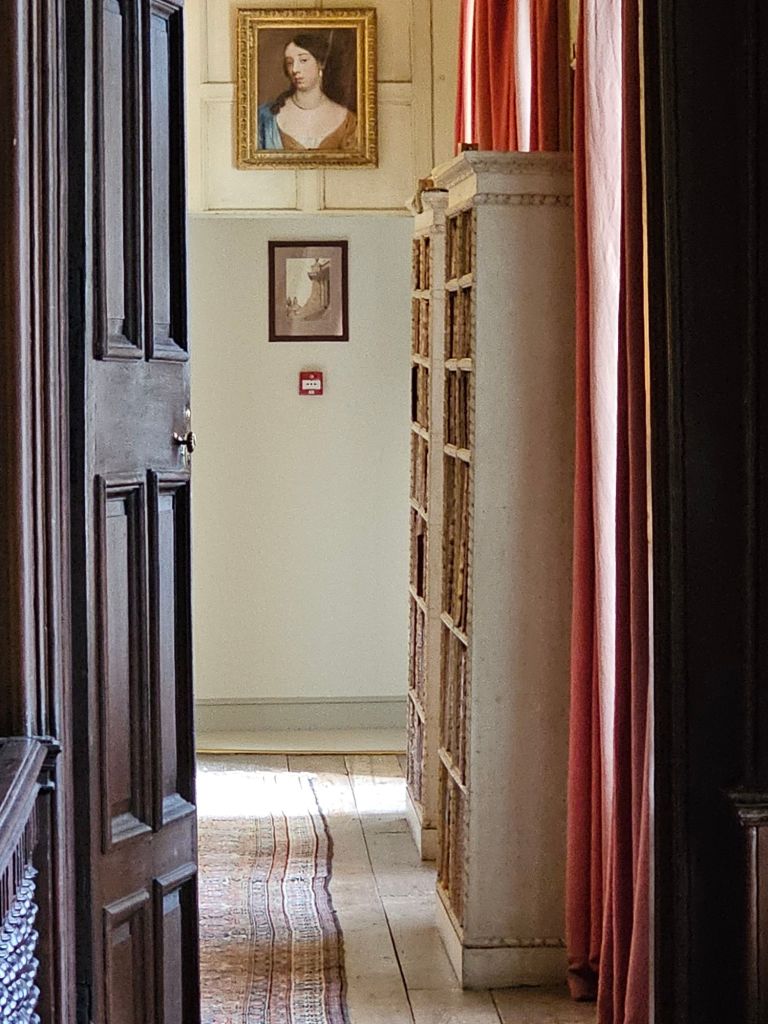
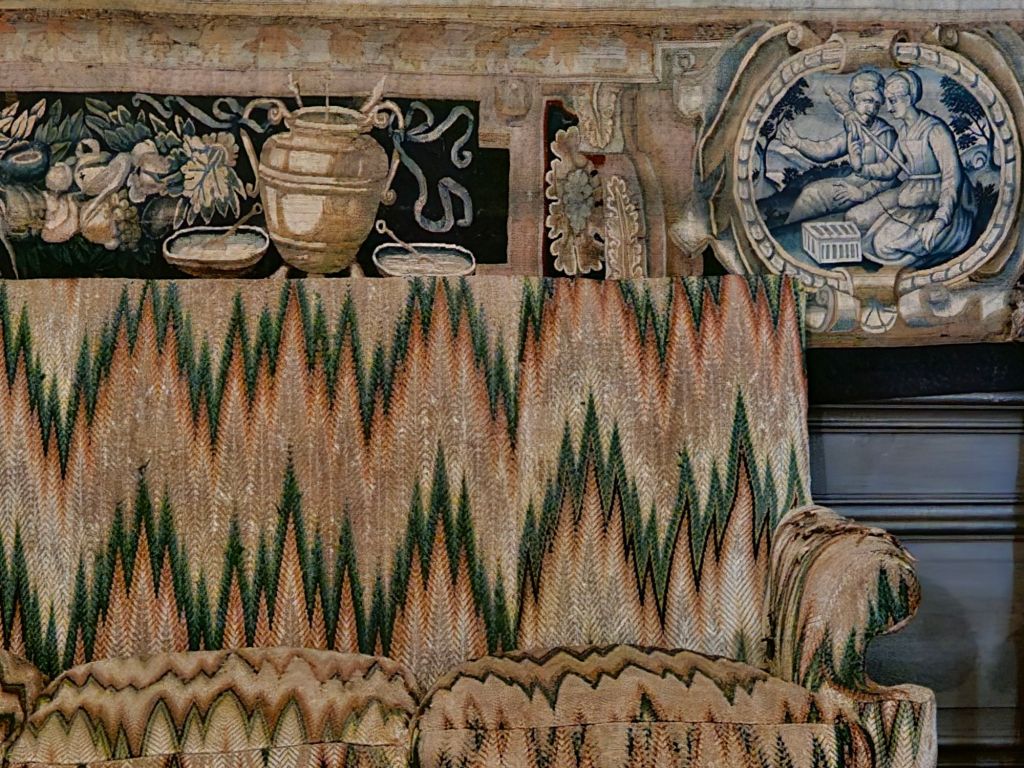
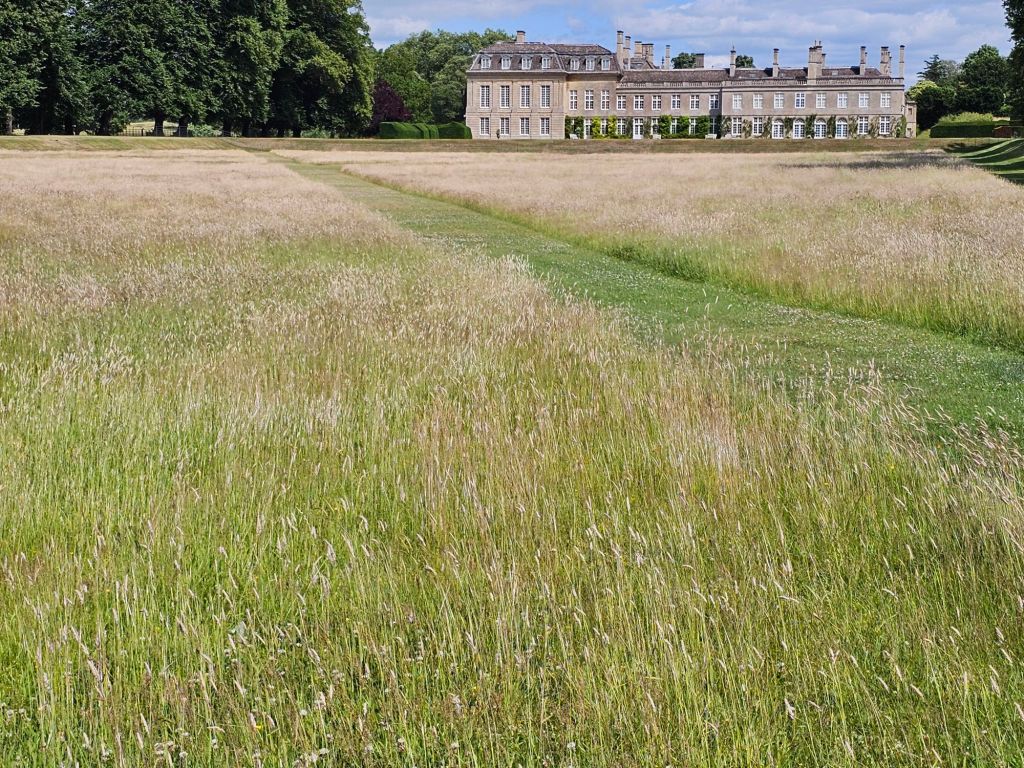
I always love visiting Boughton – the sense of a French château lost in the Northamptonshire countryside; but I have never previously had the Duke’s tour which made sense of the complex history of the Montagus.
Sir Edward Montagu acquired the estate in 1528.
The 3rd. Sir Edward Montagu was made a peer in 1528.
After the Restoration, Ralph Montagu becomes Ambassador in Paris, develops Francophile tastes and builds Boughton – architect unknown – in the 1680s. He became a Duke in 1705:-
John Montagu, the second Duke, was more of an aesthete, ‘a most amiable man’ according to Horace Walpole.
This is the north front attached to and wrapped around the Tudor hall:-
Schubert’s Piano Sonata in A Minor played fortissimo by Elisabeth Leonskaja on the top floor of the Ragged School Museum last night must rank as one of the more memorable musical experiences. She is nearly 80, trained in Russia, plays Schubert in a way that does not feel Schubertian, but with such power and intensity of feeling. It didn’t seem to matter at all that there was another concert going on in the park next door because everyone was rapt. Not to mention Pavel Kolesnikov and Samson Tsoy playing together and a performance of the Piano Trio in B flat major with Elisabeth Leonskaja on the piano. Quite an evening.
We went to an astonishing concert on the top floor of the Ragged School Museum: boiling hot, windows open, the sound of motorbikes and seagulls competing with the most sublime performances of Schubert’s piano music – Four Impromptus played by Samson Troy, Six Moments Musicaux by Pavel Kolesnikov and, most memorable of all, Three Klavierstücke played by Elisabeth Leonskaja, a fellow Russian, born in Tbilisi in 1945, left Russia for Vienna in 1978. It was incredibly intense.
I have been sent a very careful, thoughtful and well-informed description/discussion of Peter Zumthor’s new building for LACMA which is nearing completion after a mere 25 years of planning, conception, fund-raising and frequent controversy:-

 | Charles | Saumarez | Smith |
You must be logged in to post a comment.