J.H.Plumb (1)

I have spent the day reading the bizarre, fascinating and ultimately macabre, warts-and-all biography of Jack Plumb, which has been written by Neil McKendrick, an early pupil, life-time protégé and long-term friend, ally and supporter, even when towards the end of Plumb’s life it became nearly impossible. I was just about aware of the extent to which he lost all sense of restraint in the last years of his life as I witnessed his voluble and intolerable abuse of his successor-but-one as Master, whose election I’m pleased to discover he had supported. It’s a sad tale because it obviously clouded his many and remarkable achievements as a writer, teacher and historian.

There is a chapter which defends his record as Master of Christ’s. I certainly owe Jack an immense debt of gratitude for establishing the Christie’s Research Fellowship in the Decorative Arts to which I was appointed not long after he became Master and for being a deeply supportive and life-enhancing friend and ally for the time that I was a fellow there and thereafter.
Standard

John Dancy (1)

I have only just found out that my old headmaster, John Dancy, died last week aged 99. For some reason, he was rather prejudiced against me, even in spite of the fact that I sat at his feet to study Religious Knowledge A level, where he taught us about the Book of Daniel. In retrospect, he was a remarkable and admirable person, a scholarly and very donnish headmaster, who had indeed been a fellow of Wadham before becoming a schoolmaster at Winchester, headmaster of Lancing aged 33 and of Marlborough from 1961 to 1972. And he was a liberal and reforming headmaster, responsible for the introduction of co-education while I was at school. My last contact with him was quite recent when he wrote me a letter expressing astonishment that I had appeared in a television programme and even more astonishment that my views were apparently treated with respect, something he couldn’t disguise that after 50 years he thought very odd.

https://images.app.goo.gl/8eNEuM7RGpwh1UTc8

Standard

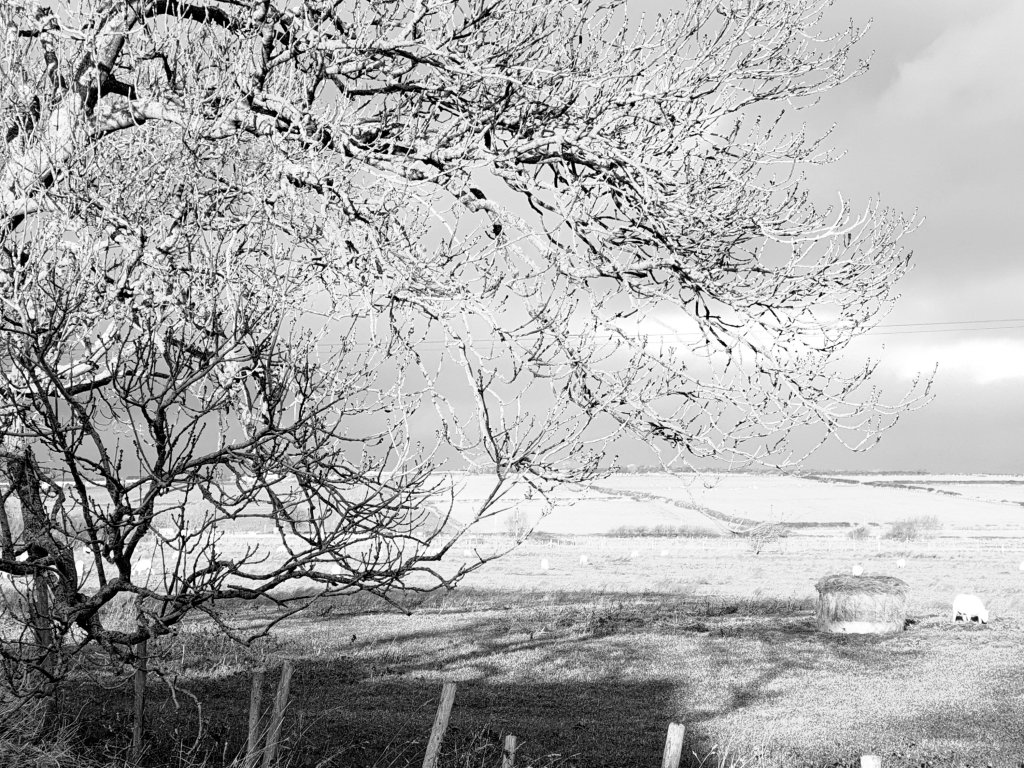
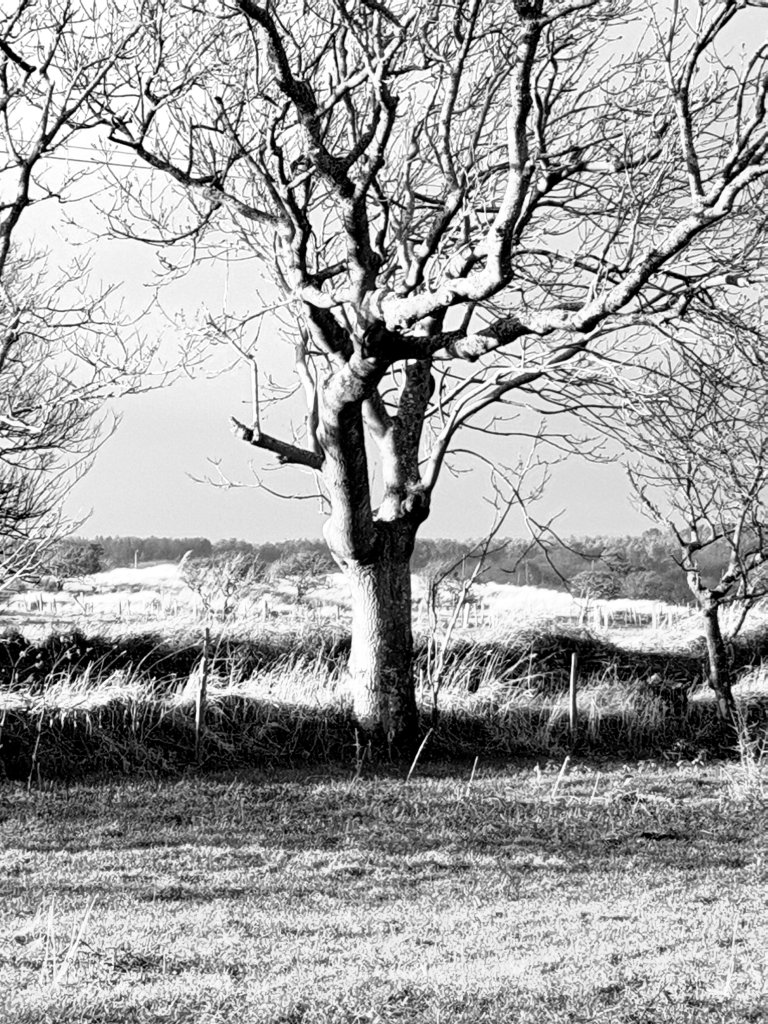
Winter Woodland

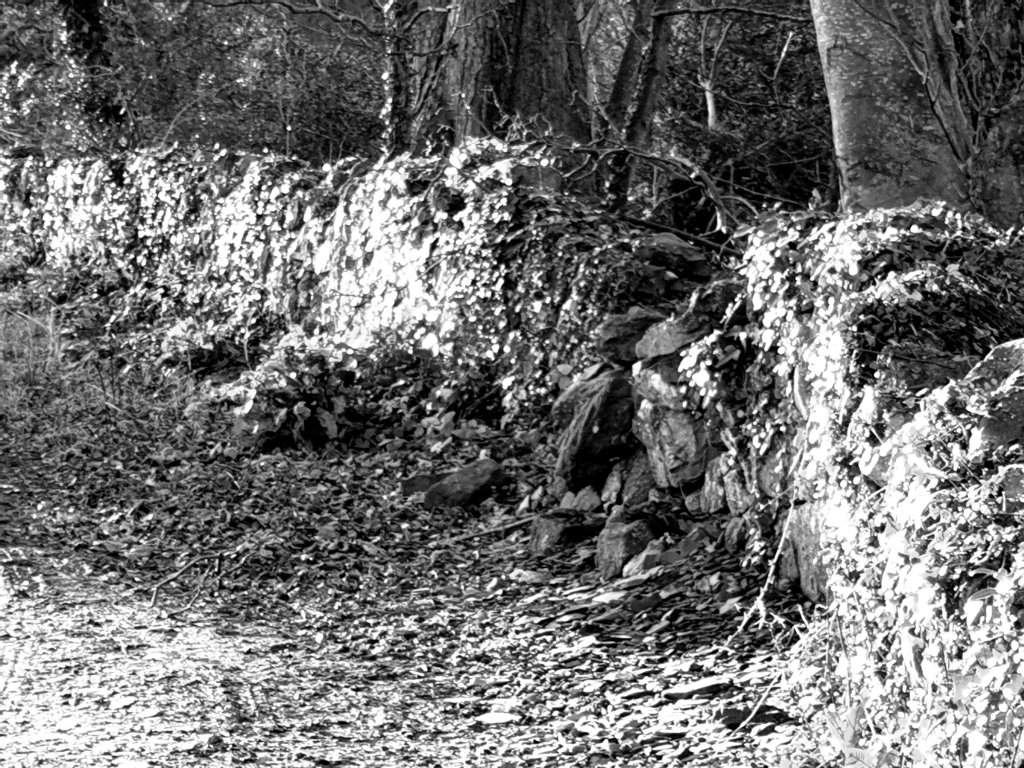
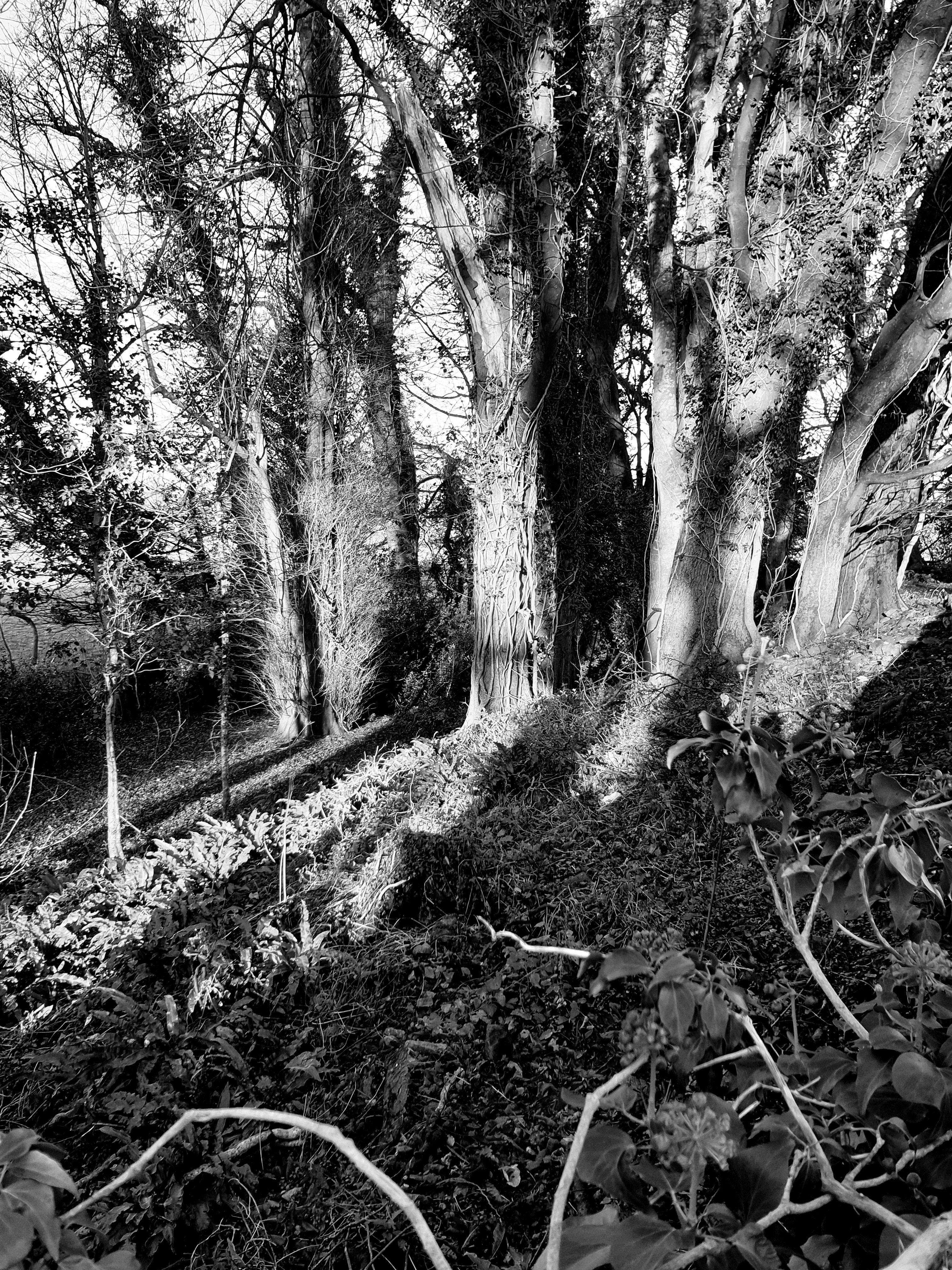
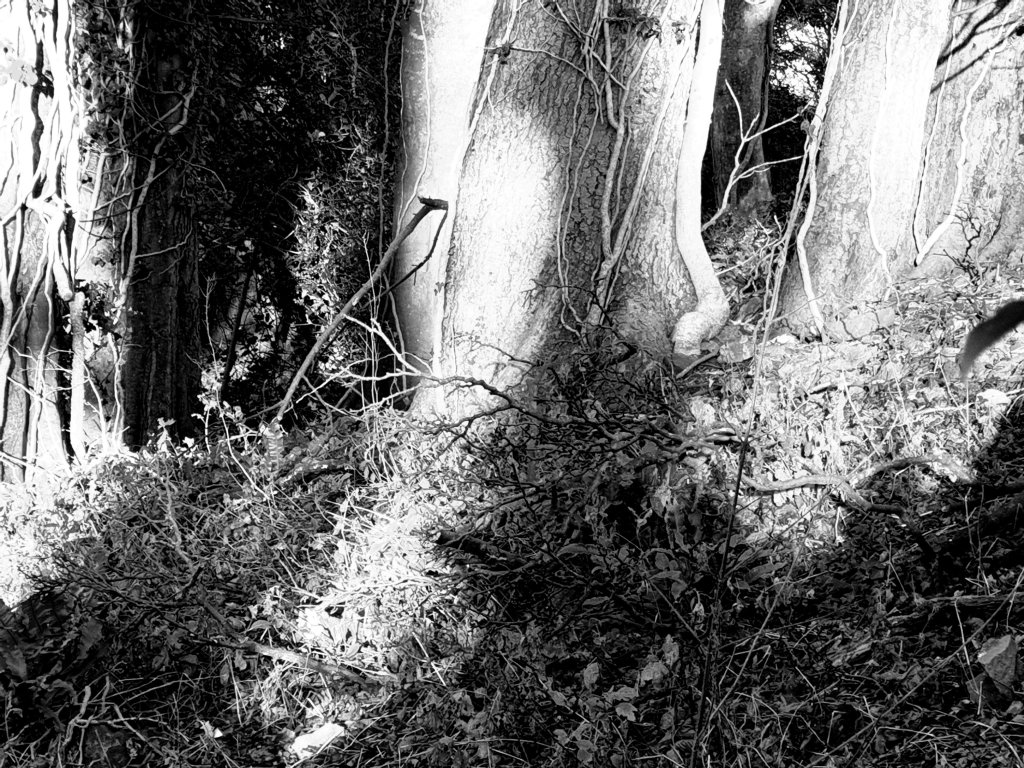
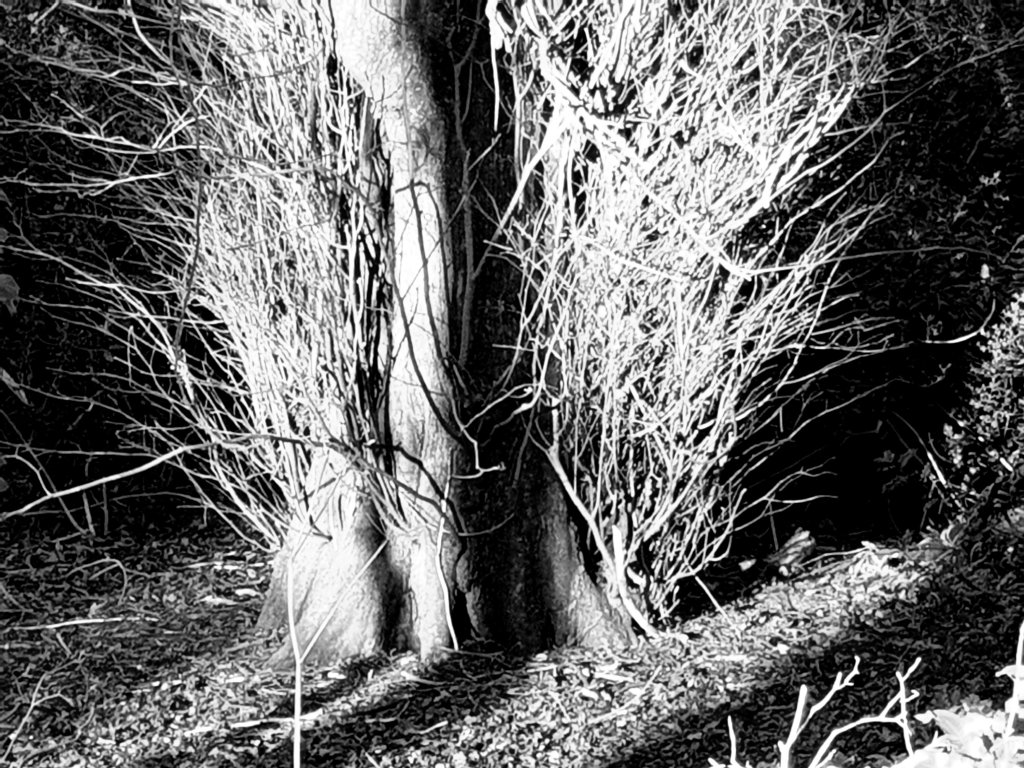
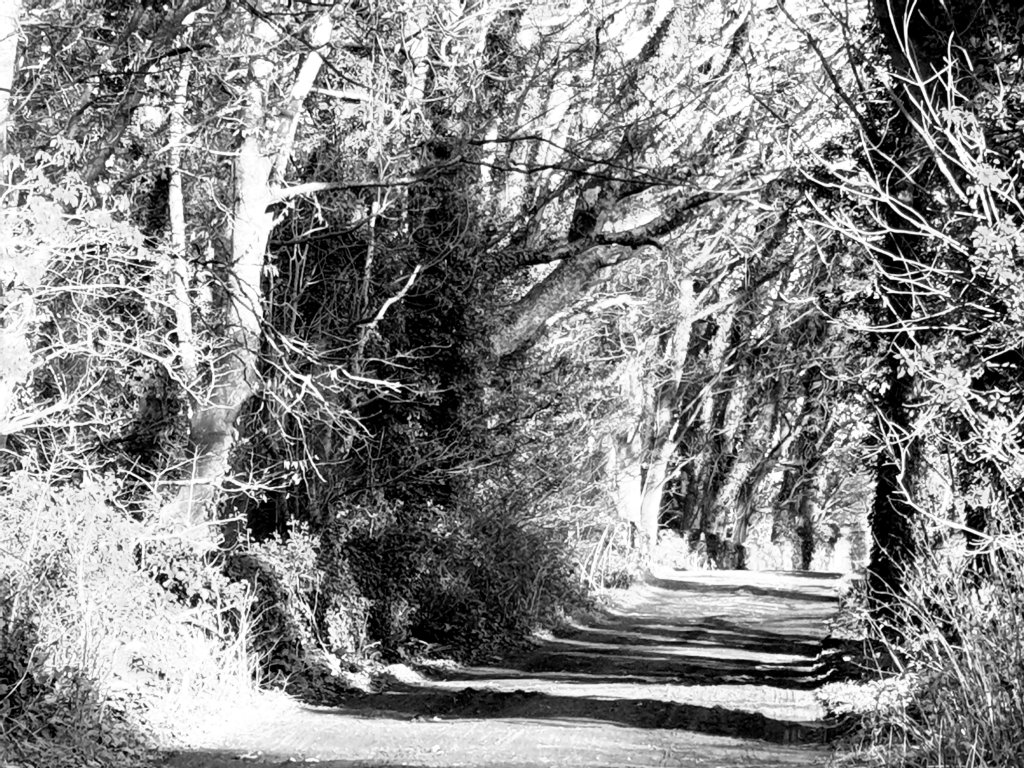
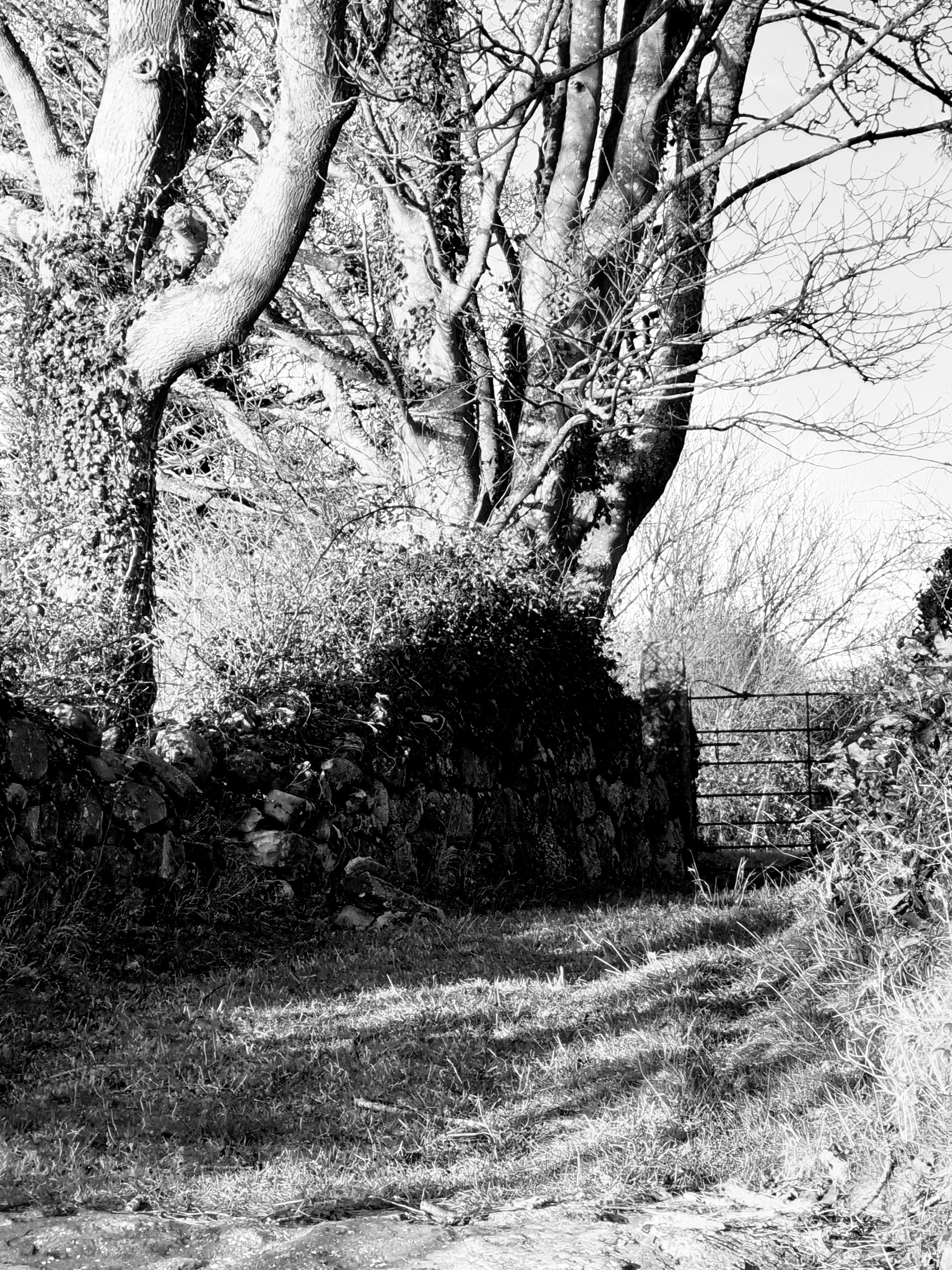
Now that we are back in London, the quality of winter light in the trees of Anglesey is all the more precious, particularly as we missed a beautifully sunny New Year’s Day, nearly the only people on the M1:-

Standard

Whitechapel Bell Foundry (25)

Even in Anglesey I fret, as the year comes to an end, on the fate of the Bell Foundry.

I have been helped by Charles O’Brien, the chairman of the London Advisory Committee (and, by an odd coincidence, the author of the entry on the Bell Foundry in the revised edition of Pevsner’s London East) to see that it was difficult for Historic England to intervene at the time the Bell Foundry was sold, since it was sold behind their back with no request for help.

But this does not answer the core question. What advice did they take on whether or not the Bell Foundry could be maintained as a bell foundry before they permitted (and, indeed, have encouraged) a change-of-use, as they were legally required to do ? Did they seek advice from other foundries as to whether there were ways and means of making the Bell Foundry economically viable ? Did they pay attention to the new markets for bells opening up in China ? Or did they take the word of the Hughes family only that a Bell Foundry was no longer economically viable ?

If, as is hoped, Robert Jenrick calls the planning decision in for review, this would give an opportunity for a more forensic legal examination of what advice Historic England received and sought on the opportunities for maintaining the operation intact before taking the golden shilling of a New York venture capitalist and not merely allowing, but supporting, it being turned instead into a boutique hotel.

Happy New Year !

Standard

Jonathan Miller

I haven’t been able to get out of my head the voice of Jonathan Miller in an archival interview which was re-broadcast on Saturday night – his particular tone of extraordinarily wide-ranging intellectual authority and curiosity, quizzical, successful in so many different dimensions with such ease in his youth when he was an Apostle and appeared in Beyond the Fringe and was taken on by Huw Weldon to edit Monitor, but then in later life he became oddly and totally unnecessarily peevish, as if all the blessings which had fallen into his lap were never enough to satisfy him. I liked and admired him. He sat for his portrait to Stephen Conroy, whose work he had come across while working in Glasgow, and who produced a finely pensive and brooding portrait. He’s the subject of 28 other portraits in the NPG, the first a photograph by Jane Bown in 1954, when he was only 20, and including images by Cecil Beaton and Bill Brandt, the last by Tom, his son, in 2016. So, he’s unlikely to be forgotten even if he ended up disappointed by his own achievements.

Standard

Talyllyn

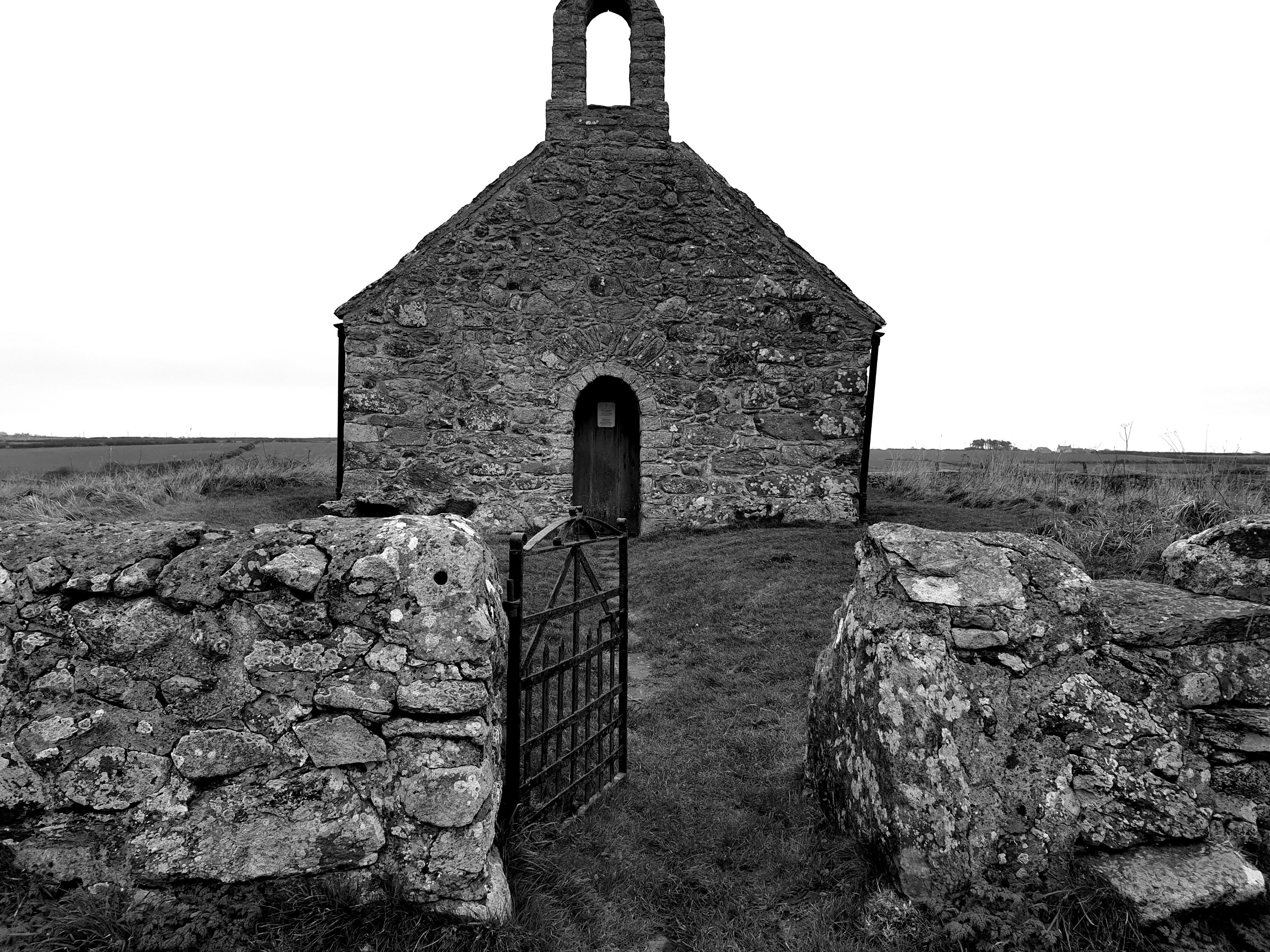
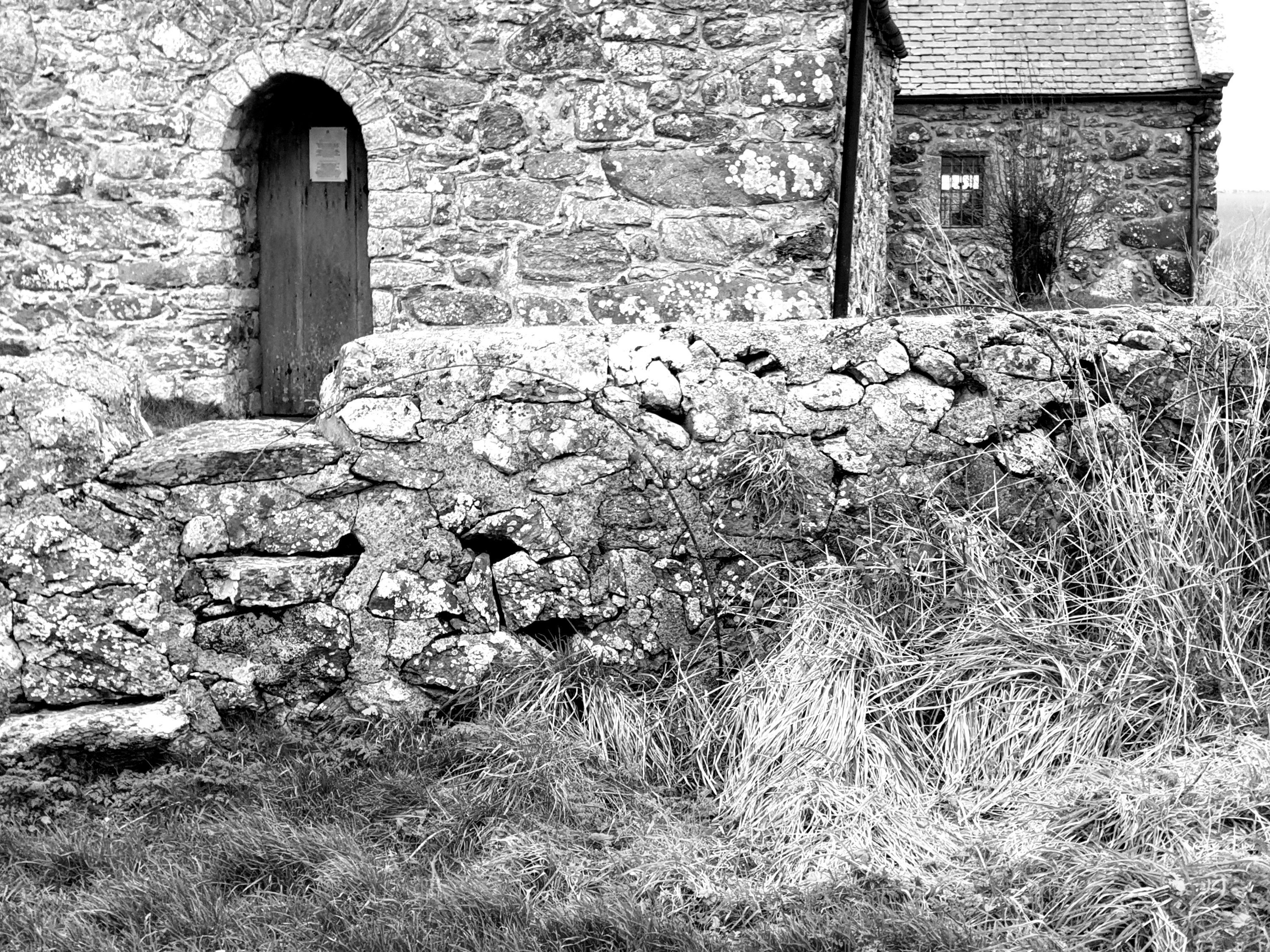
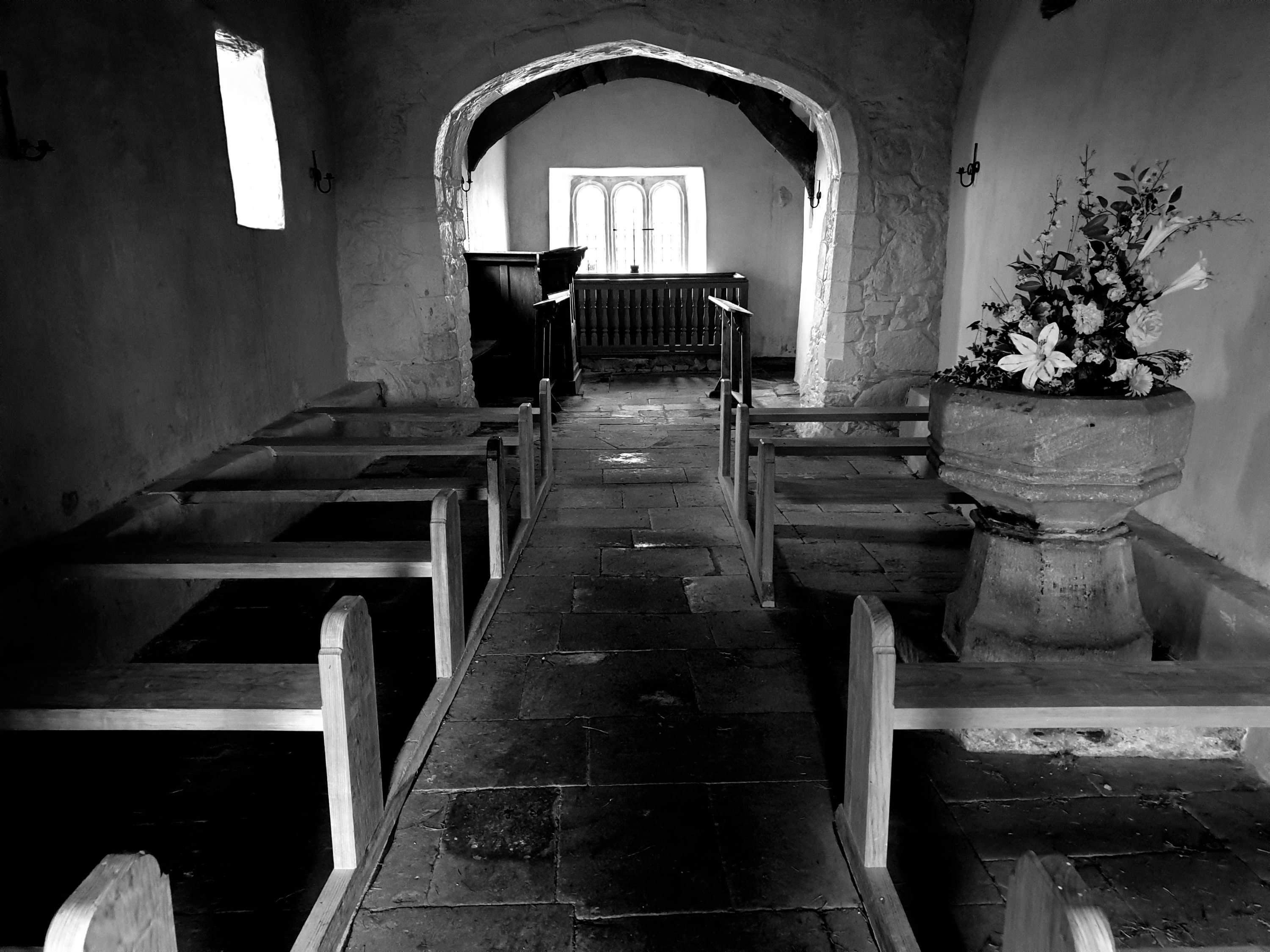
We stopped en route at St. Mary, Talyllyn, nearly all that remains of a village decimated by the Black Death, now standing remote beside the road surrounded by fields. It is maintained – beautifully – by the Friends of Friendless Churches, a place of great peacefulness:-

Standard

Llaneilian

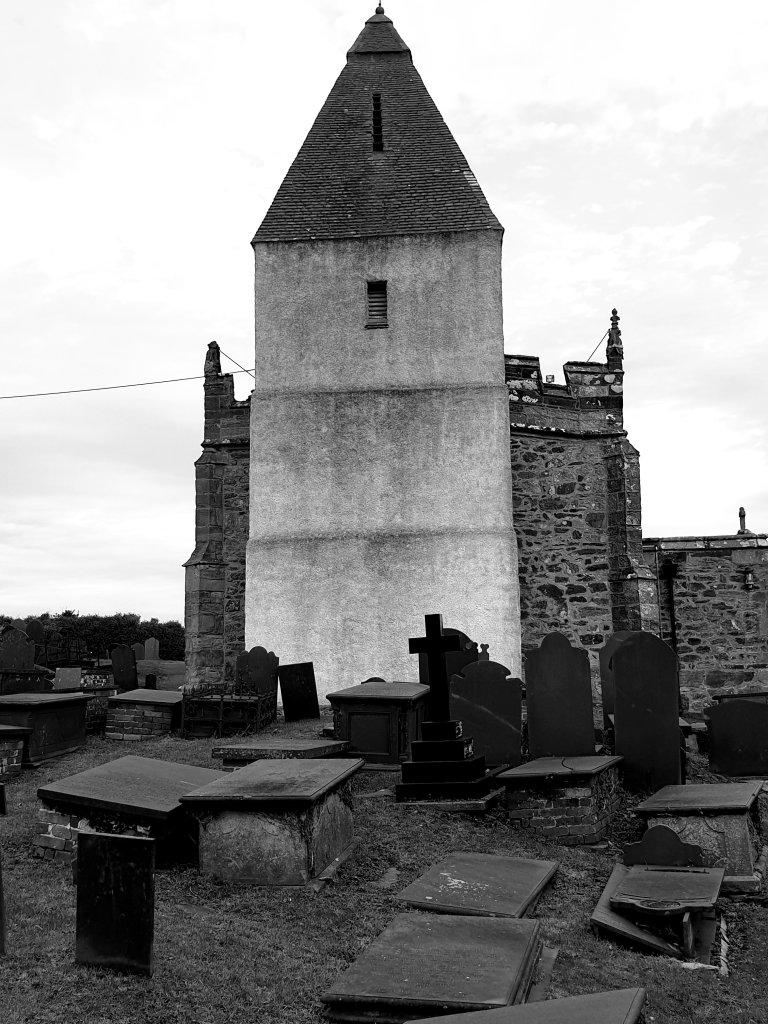
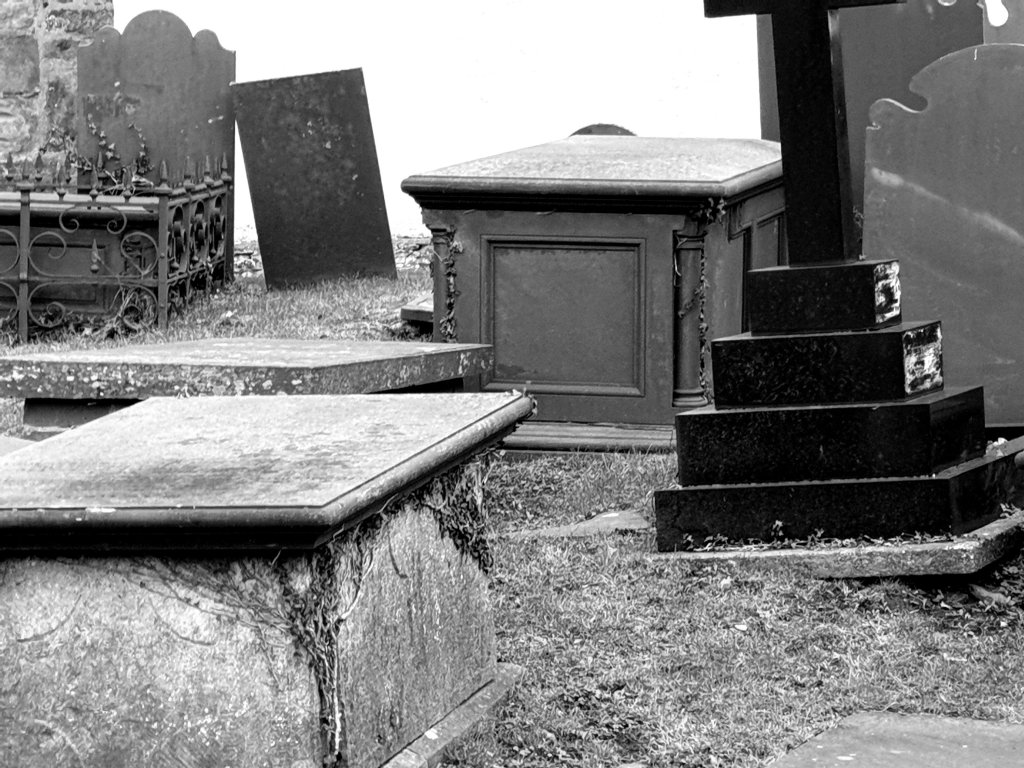
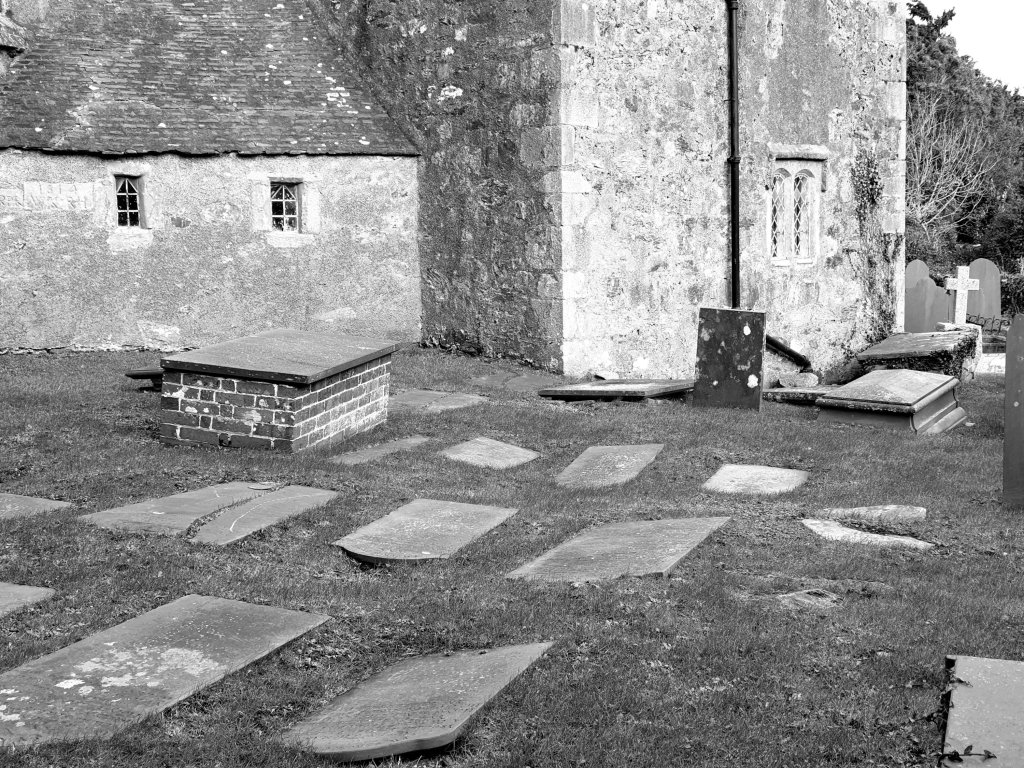
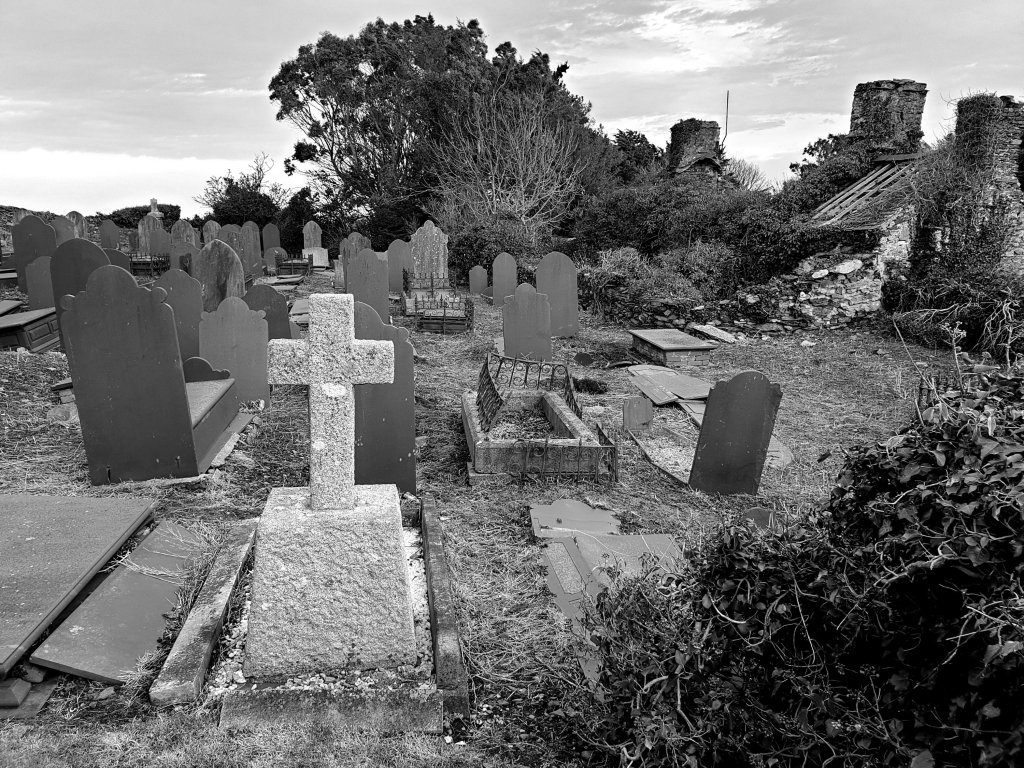
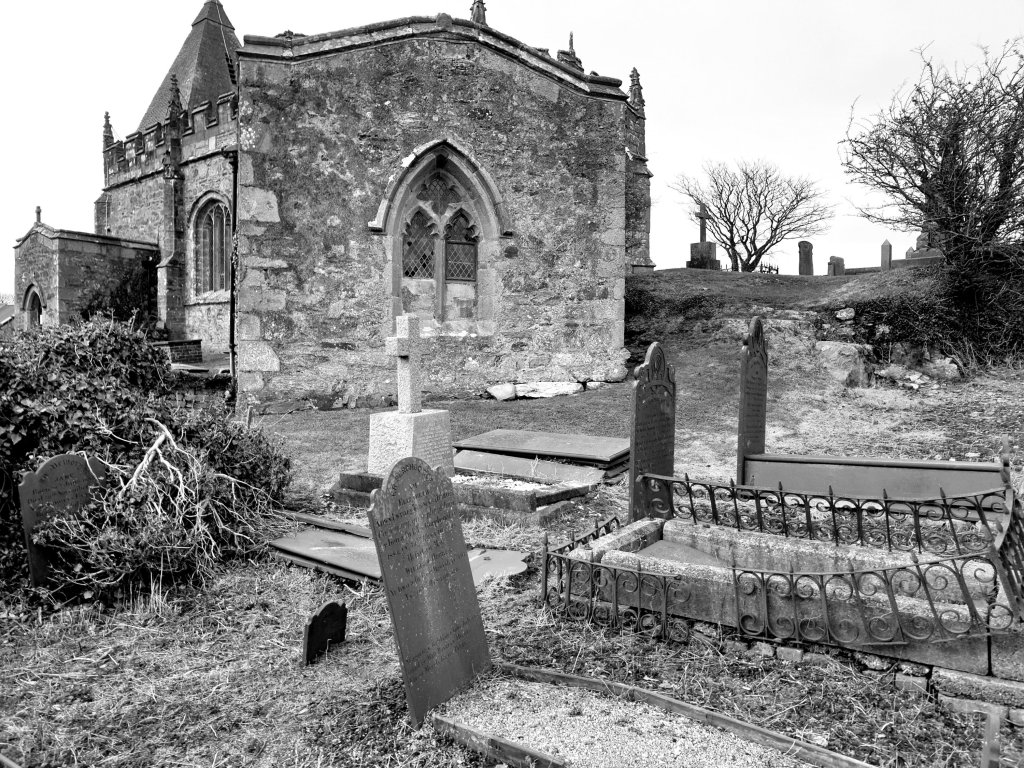
We went to the windswept north-west of the island, as far as can be, to see the church of St. Eilian, with its distinctive pyramidal, Romanesque tower. Of course, it was closed, but still atmospheric, with its slate tombs and shrine chapel added to the east end:-

Standard