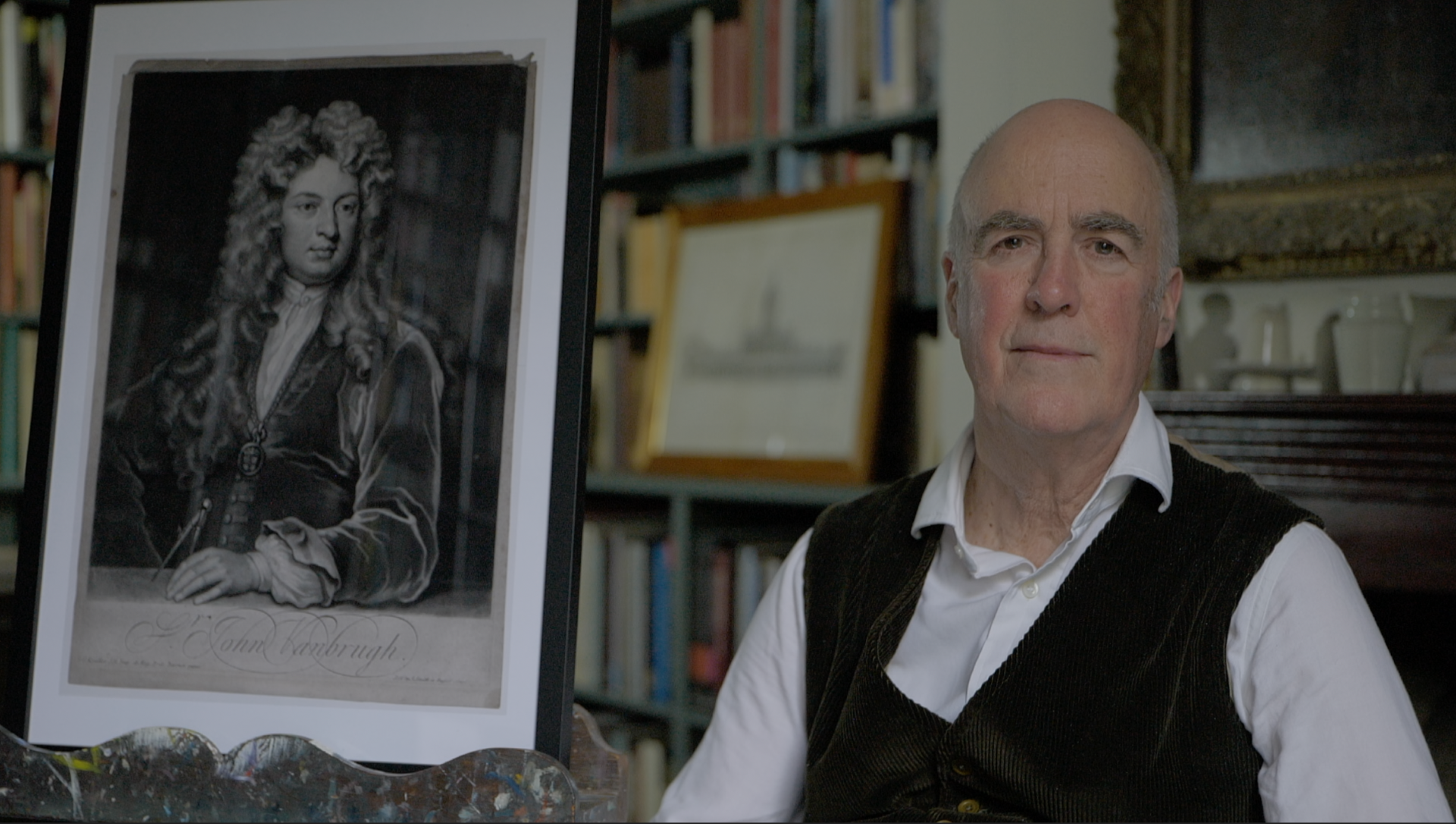
After a concert of music by Chopin and Mussorgsky, we went to the night market.

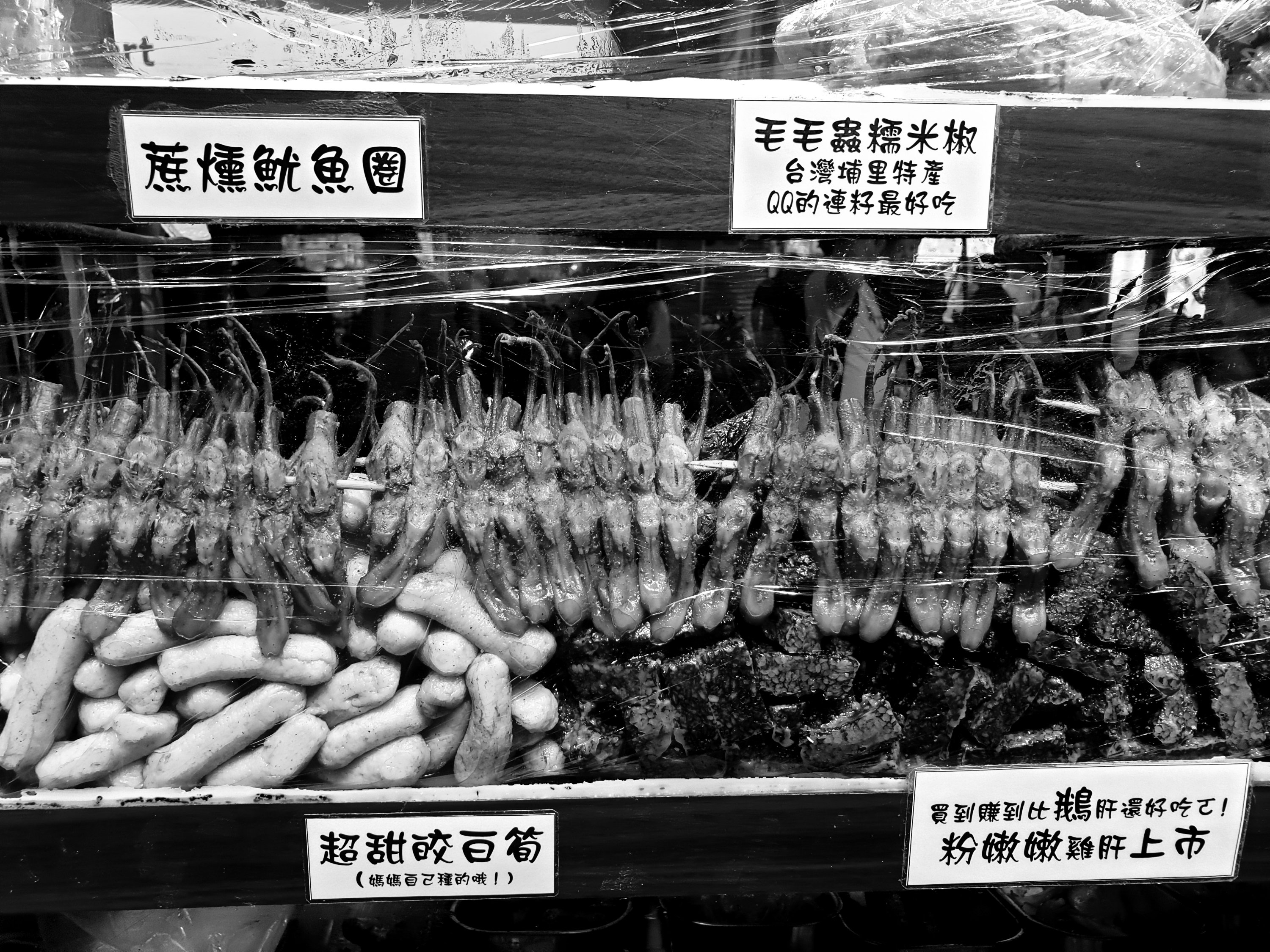

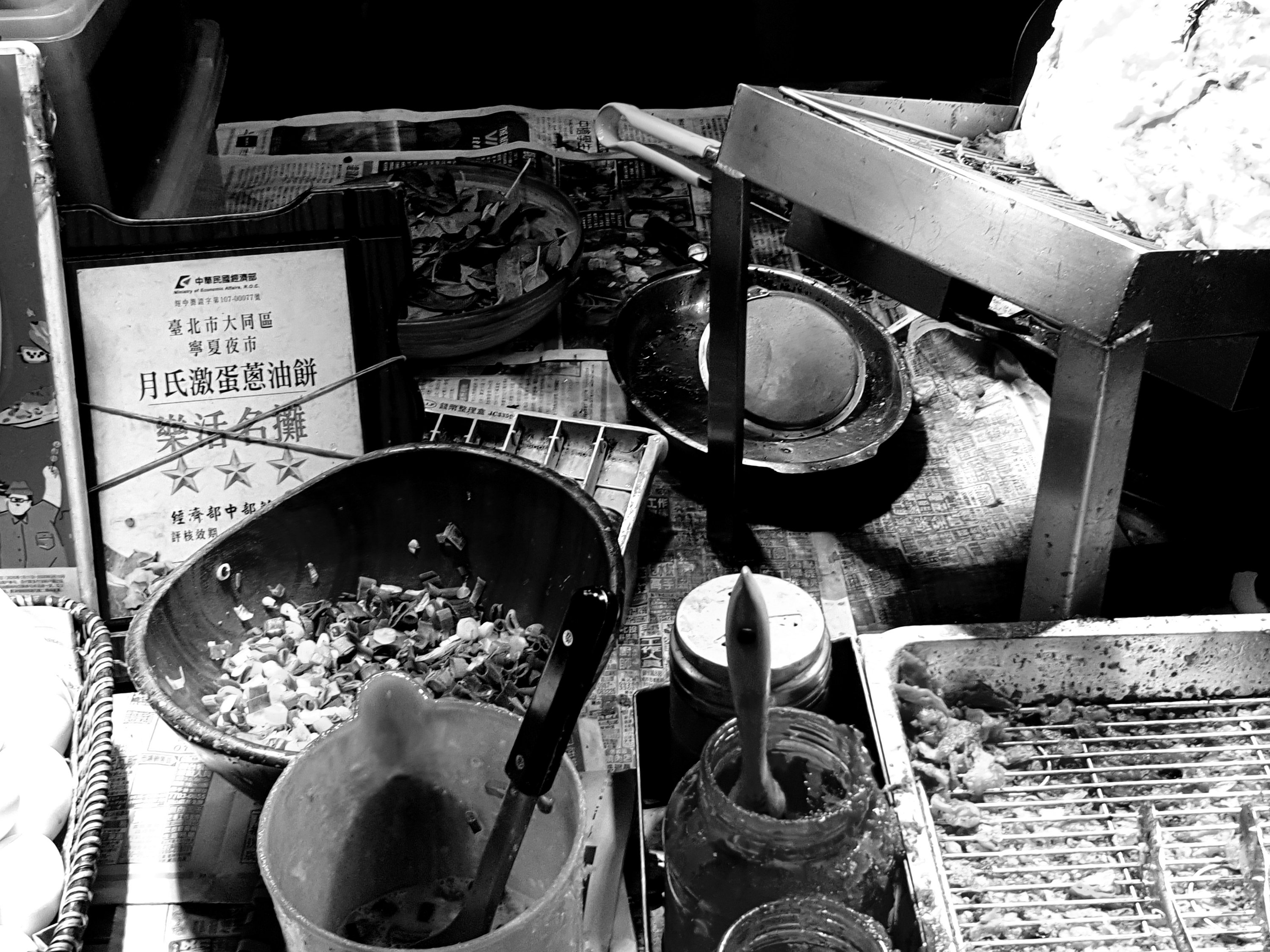
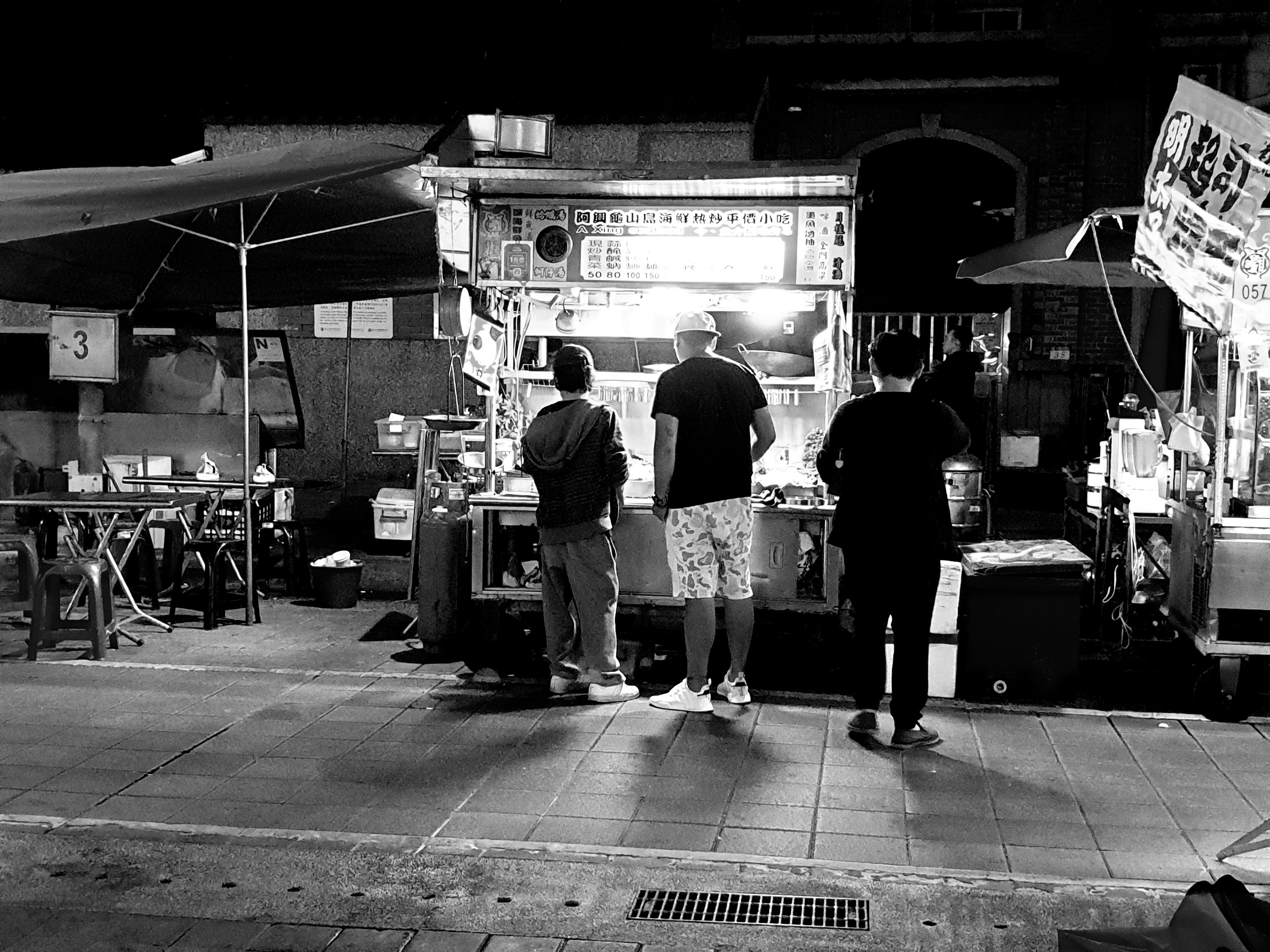


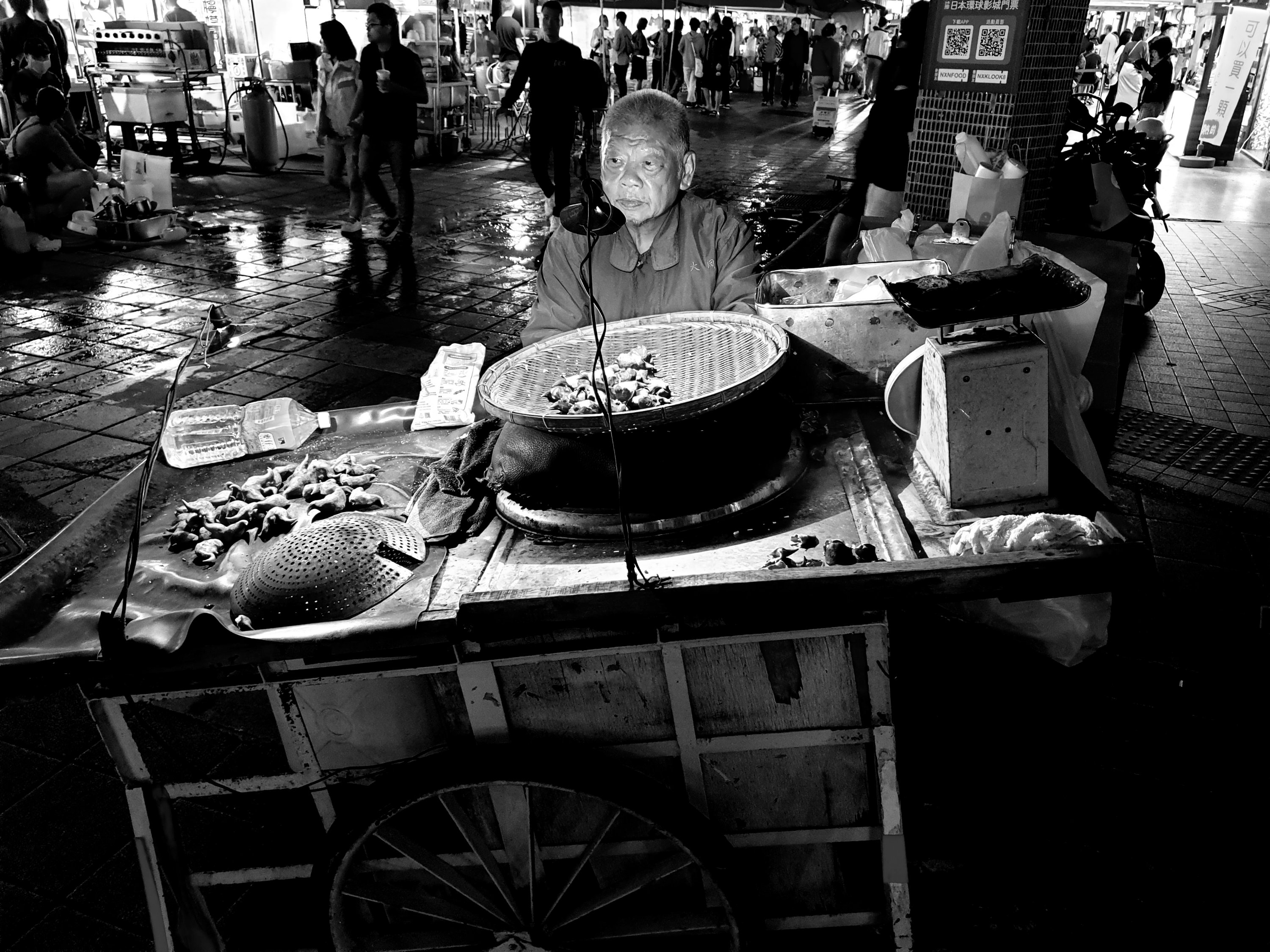
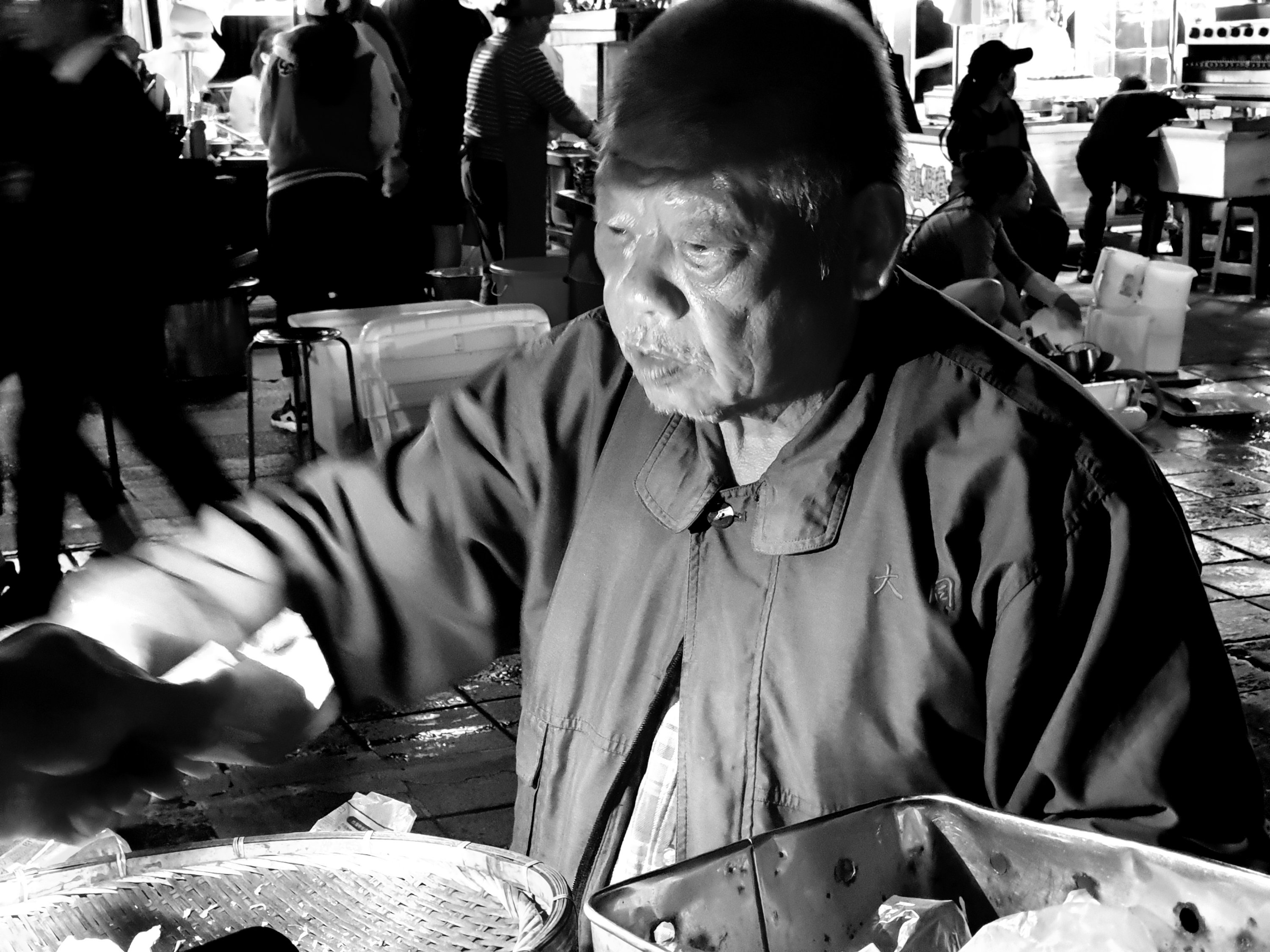
After a concert of music by Chopin and Mussorgsky, we went to the night market.
One of the benefits of travelling has been the opportunity to read and digest Ways of Drawing, the Royal Drawing School’s recently published bible, containing the thoughts and ideas of its teaching staff and ex-students, including a brilliant description of what it feels like to be an artist’s model by Isley Lynn (but no pictures of what she looks like), a description of the pleasures and experience of drawing in the countryside by Daniel Chatto and of drawing items of natural history close-up by Clara Drummond. Cumulatively, the essays convey the intensity of the experience of drawing and of how it gets one to think as well as look. They’ve printed 10,000 copies, which shows how popular it is expected to be.
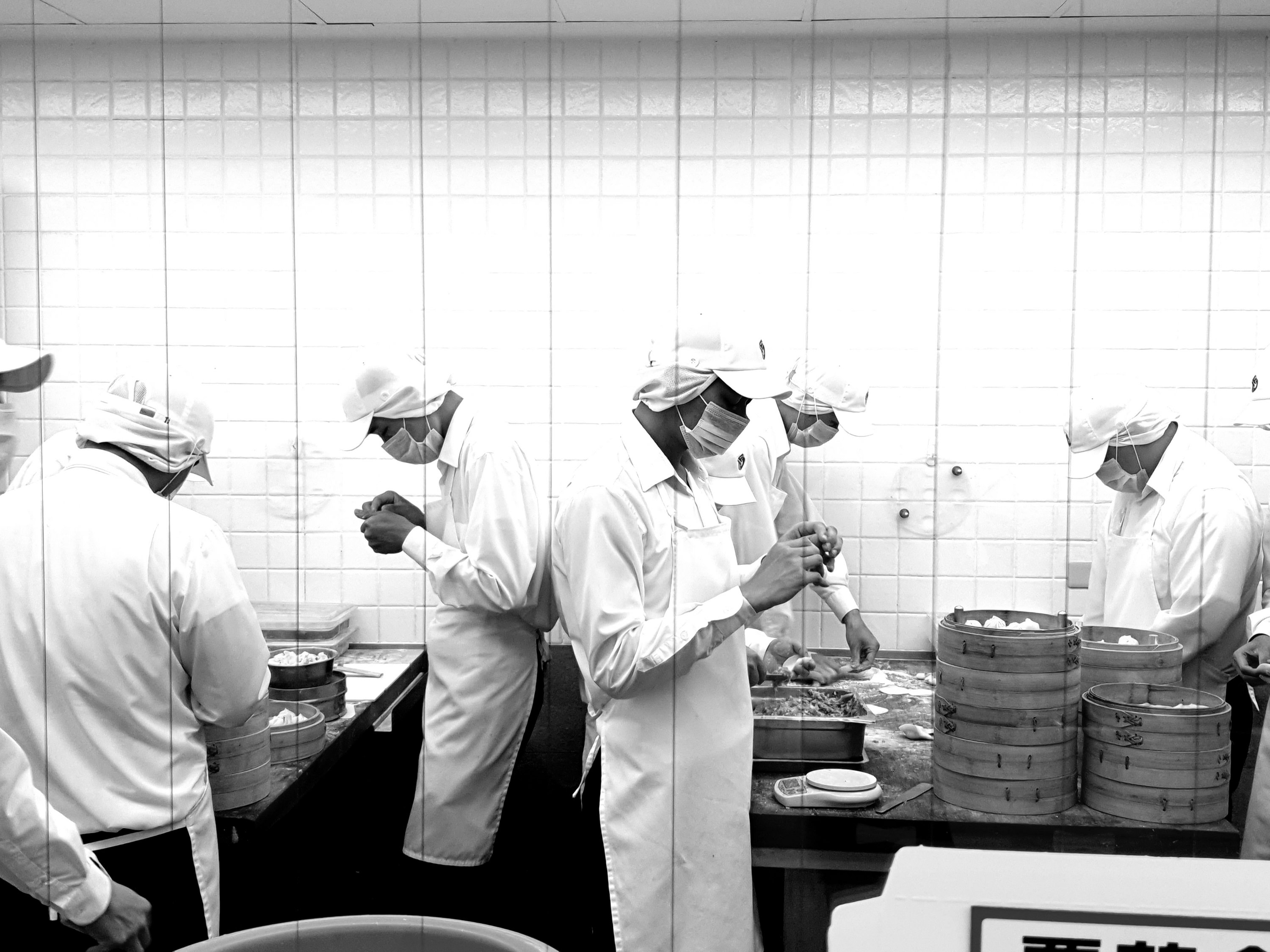
We were taken to Din Tai Fung, the home of Taiwenese dumplings which has apparently recently opened in Covent Garden. A scene of wild activity:-
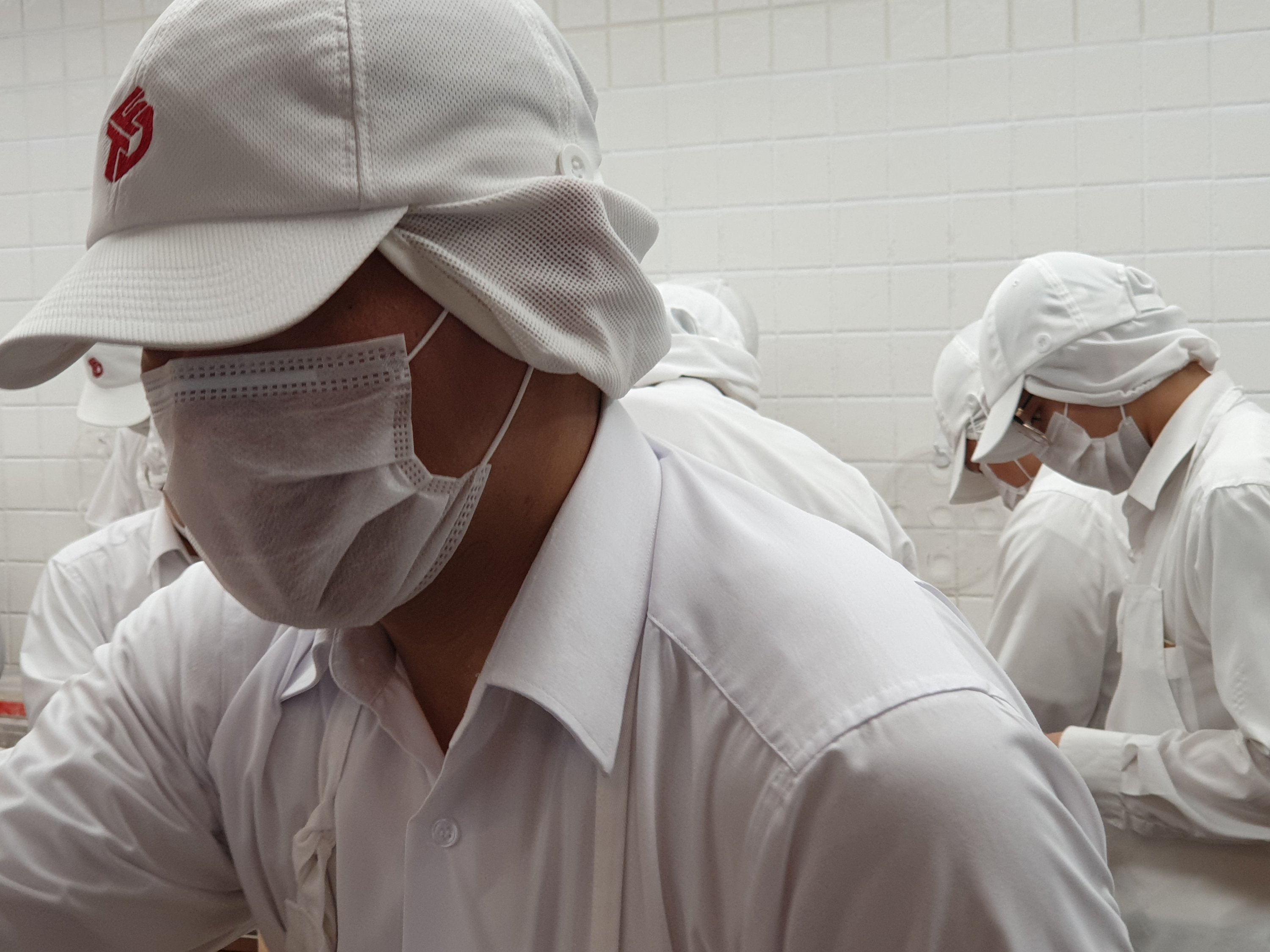
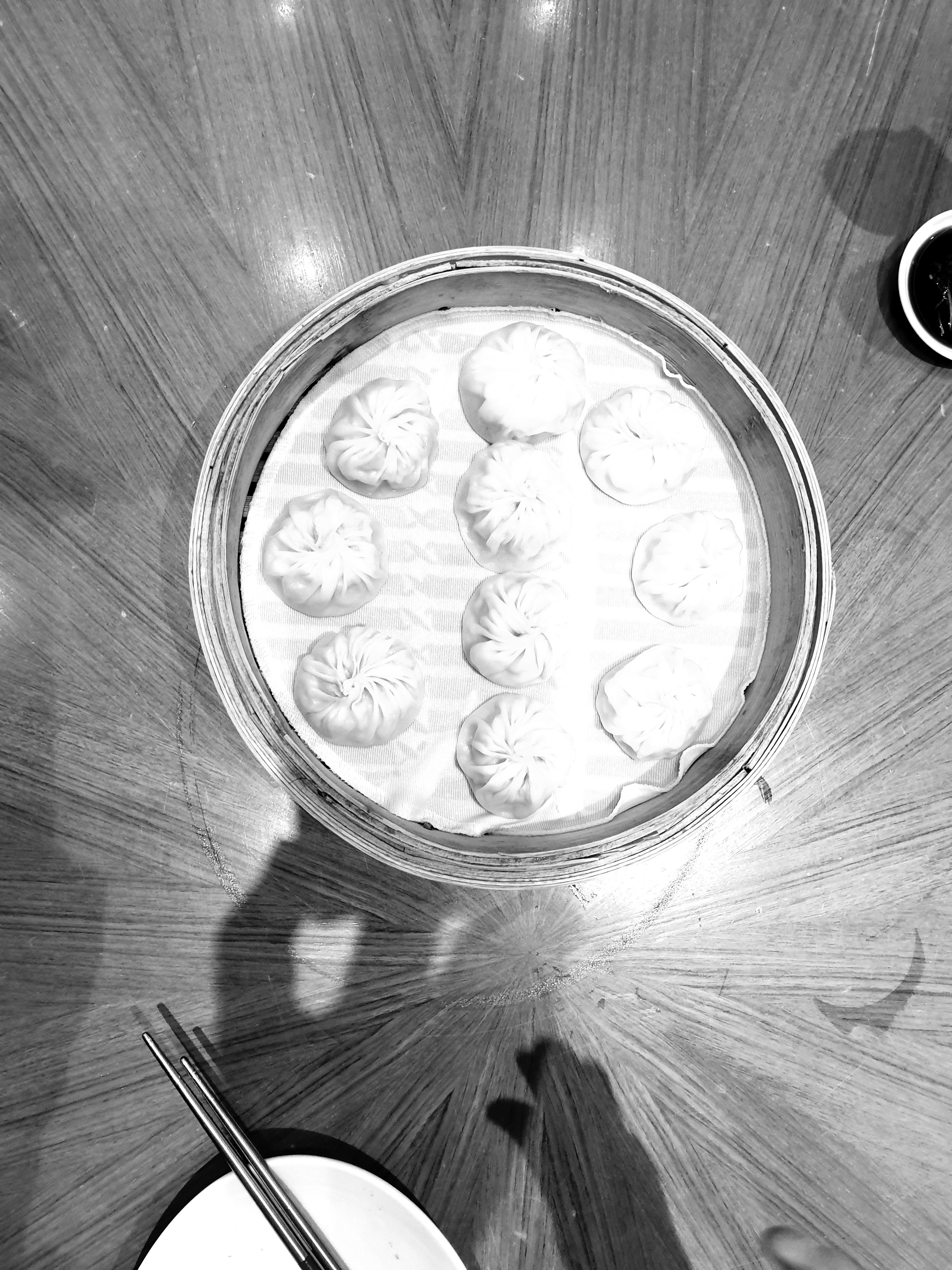
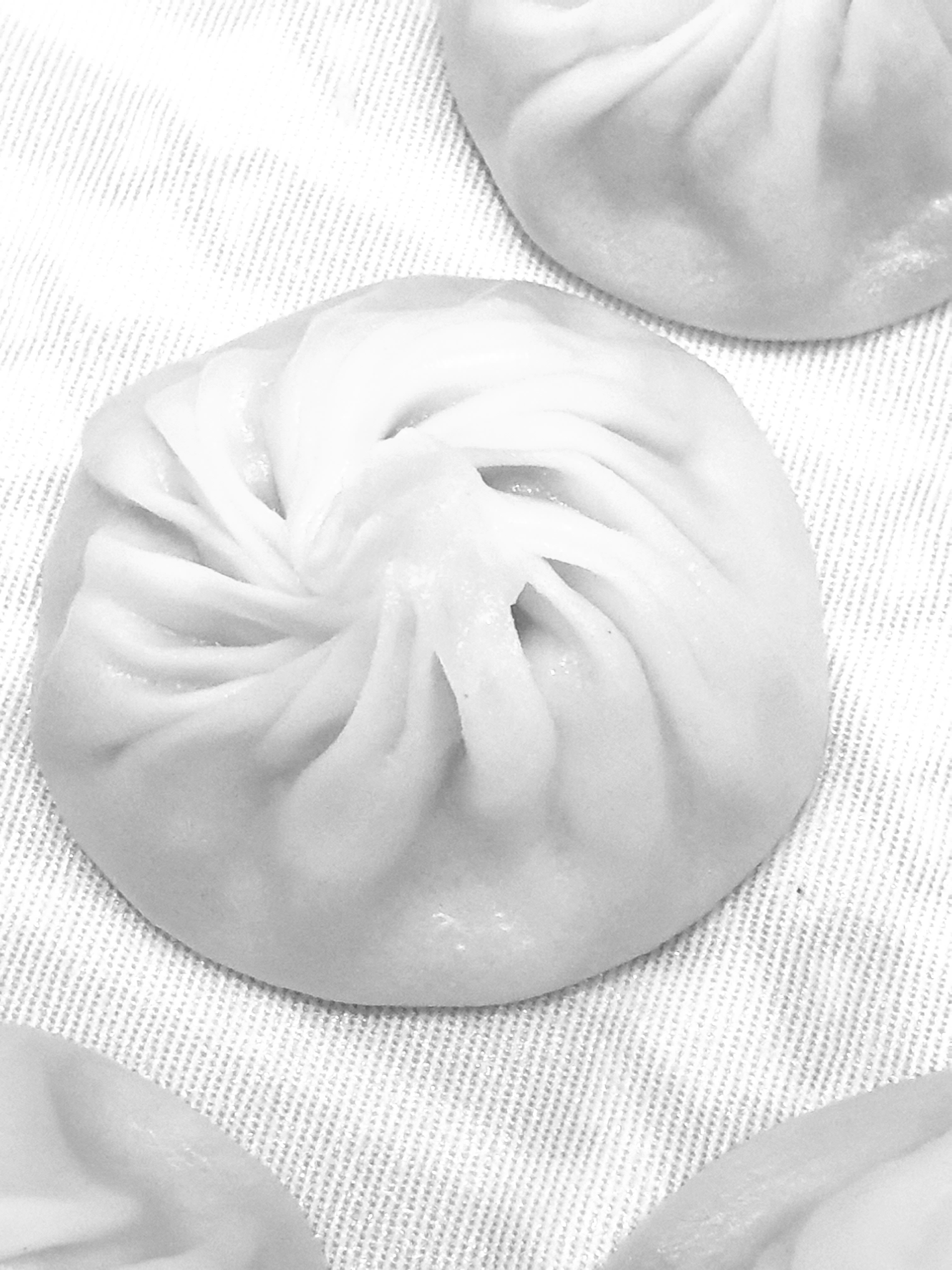
Pretty delicious.
I felt the extreme angst of only having a morning to visit the National Palace Museum, one of the great museums of the world with its Imperial collections, the residue of all the works put into packing cases in 1933, and transported first to Shanghai, then Nanking, and eventually between December 1948 and February 1949 to Taiwan, where they were displayed in a new museum in the mid-1960s.
We started with the jades:-
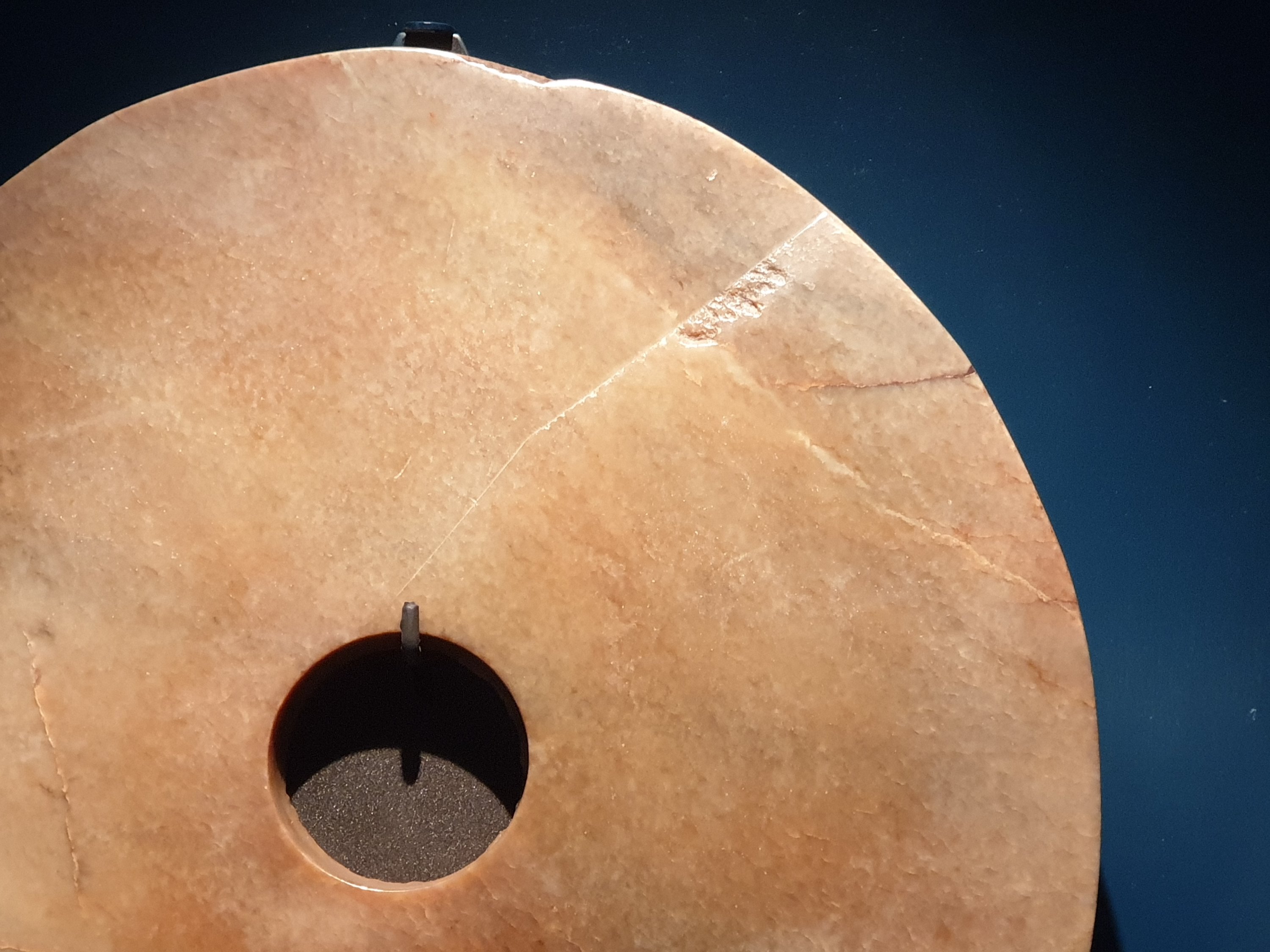
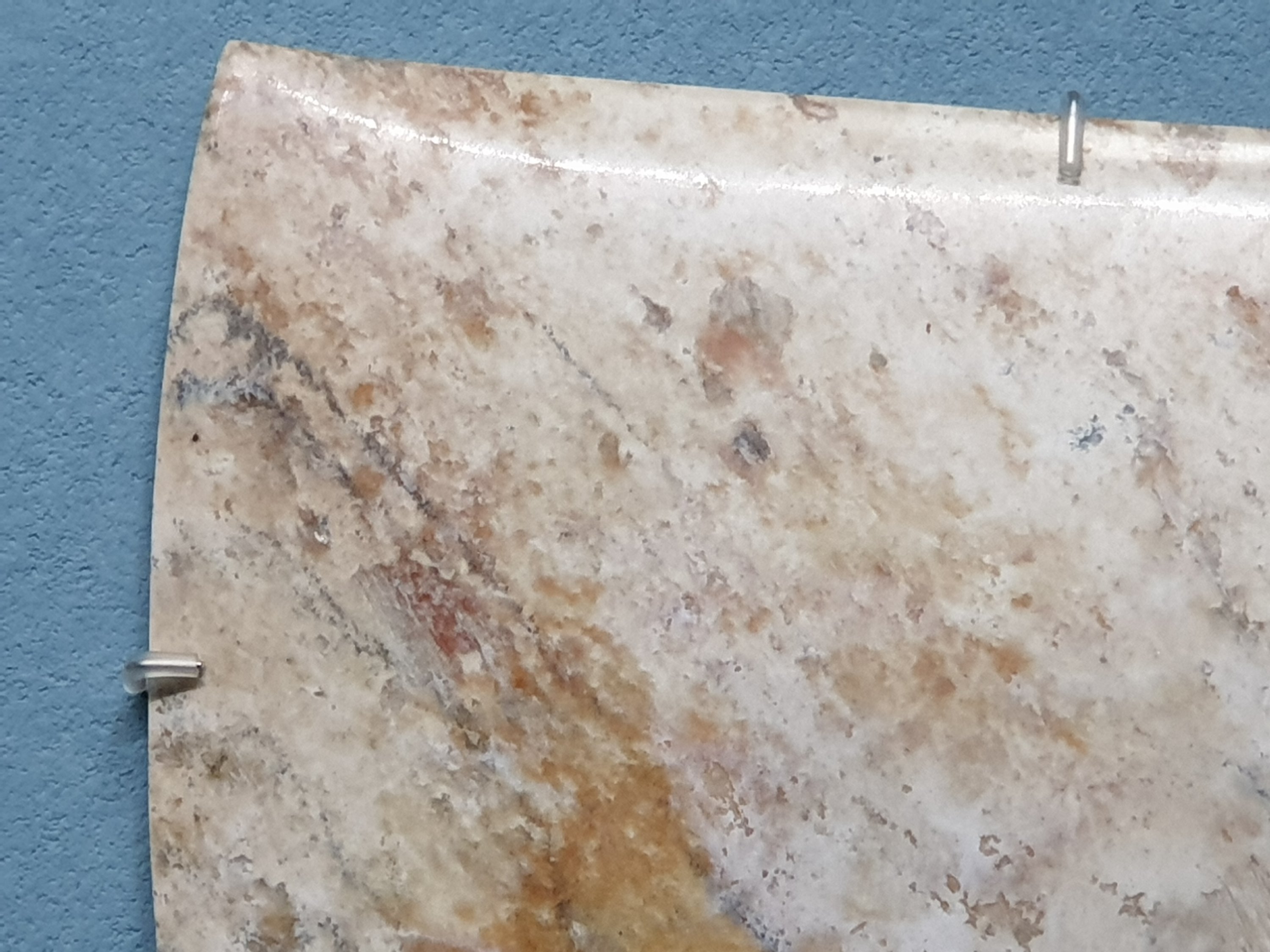
I tried to remember what Craig Clunas taught in his seminar about the Cong:-
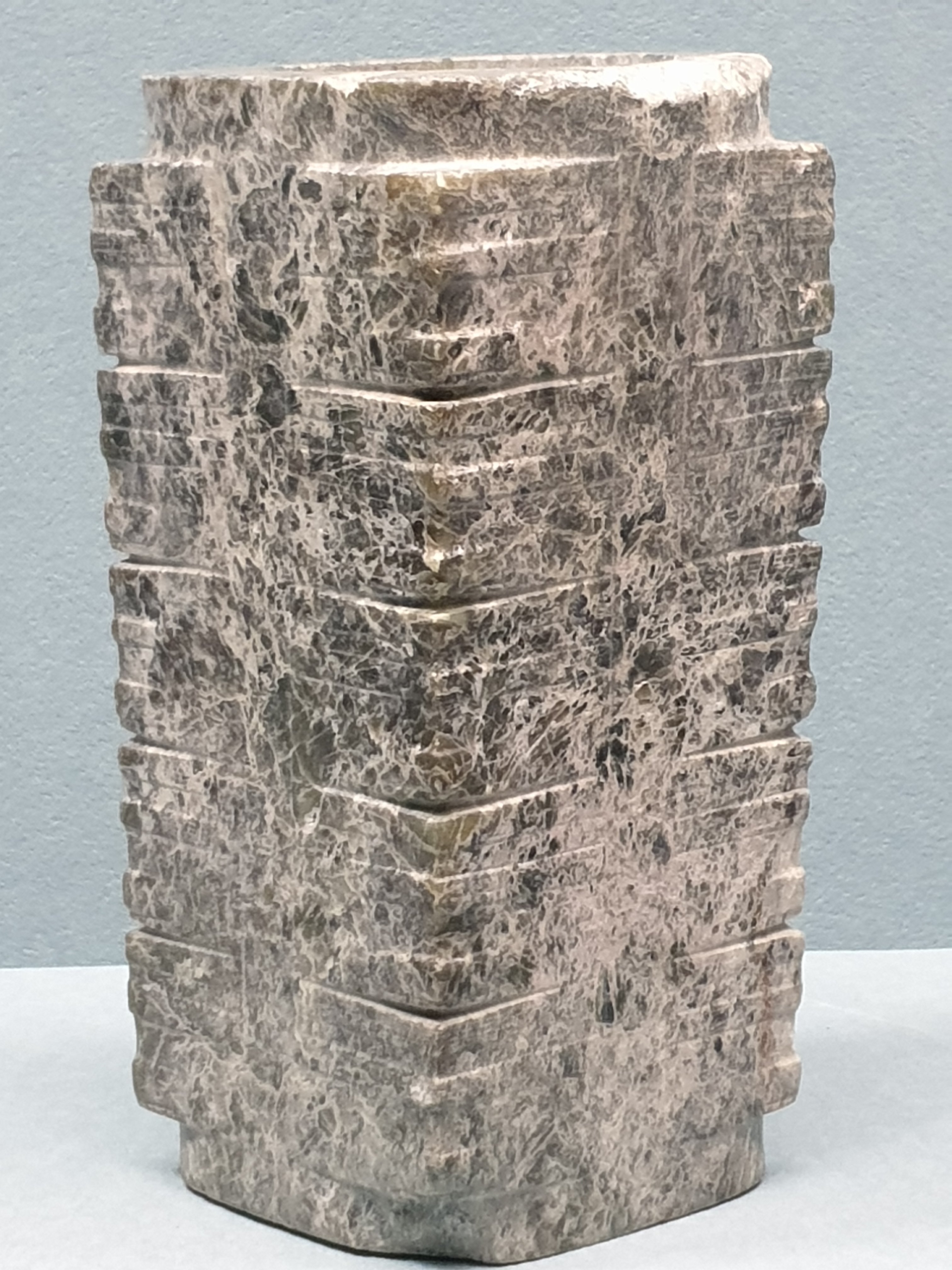
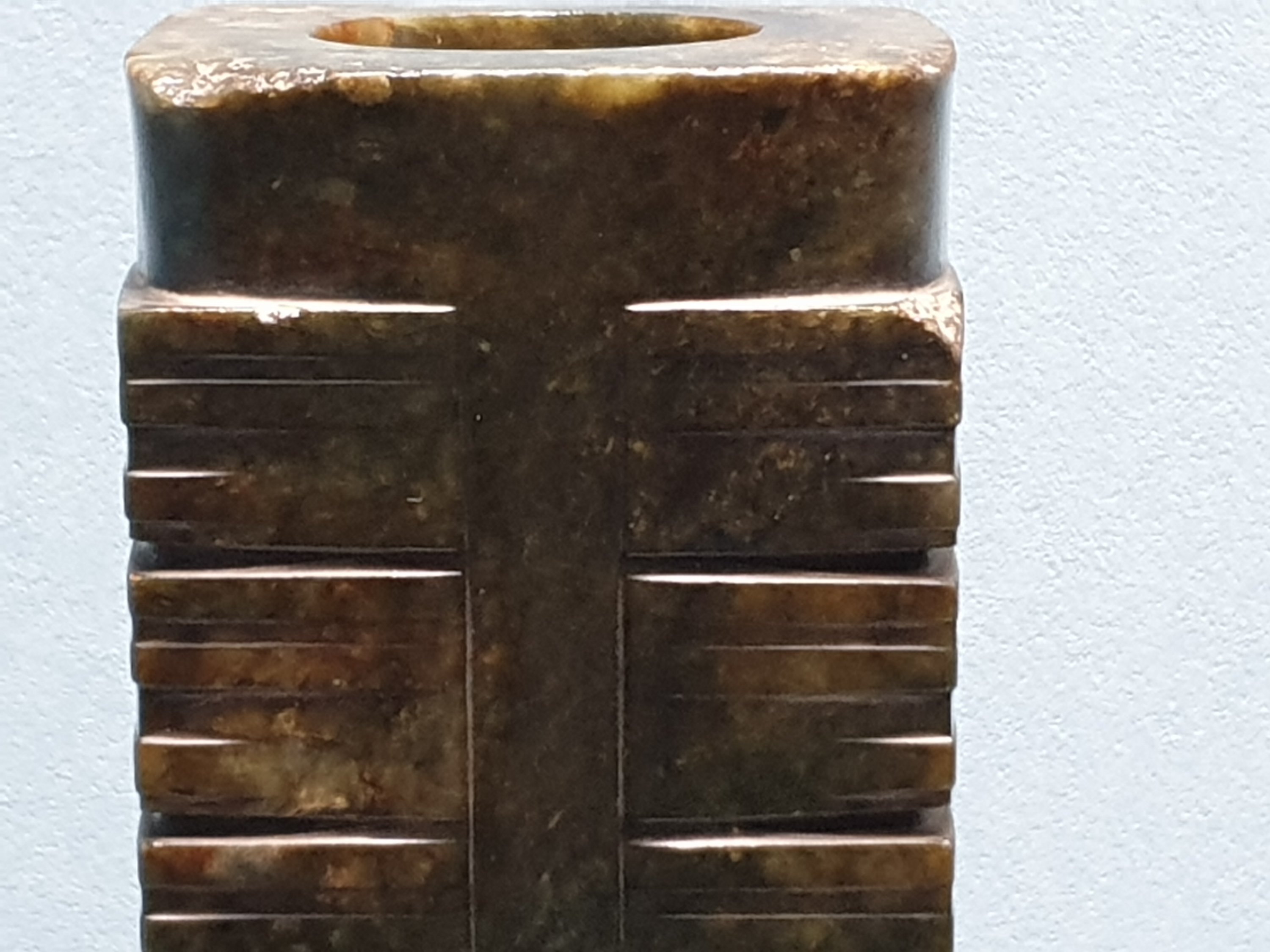
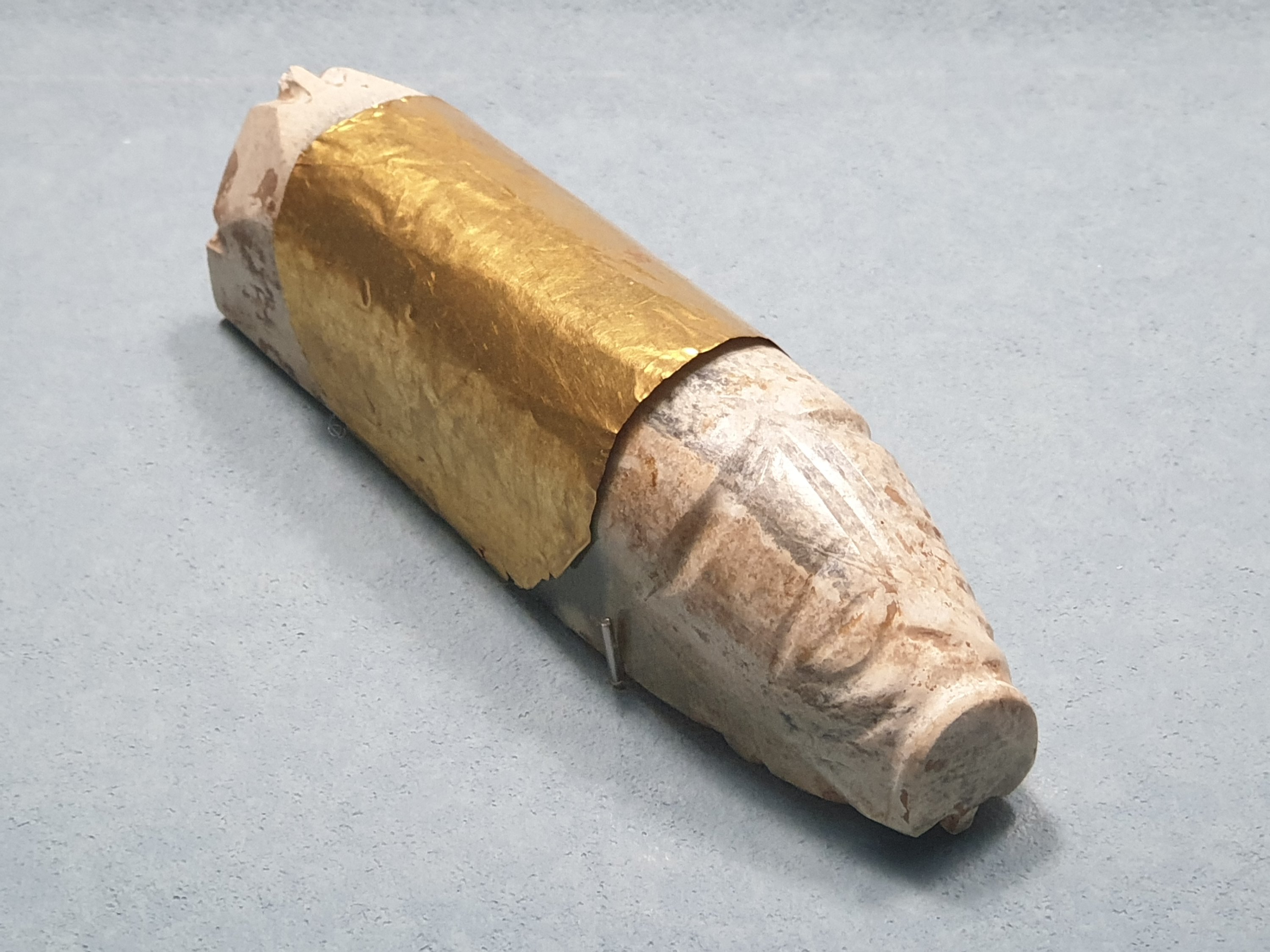
Jade Pigs were to hold as one entered into the next world:-
Then, we looked at bronzes. A cauldron from the late Shang Dynasty (c.13th. Century BCE):-
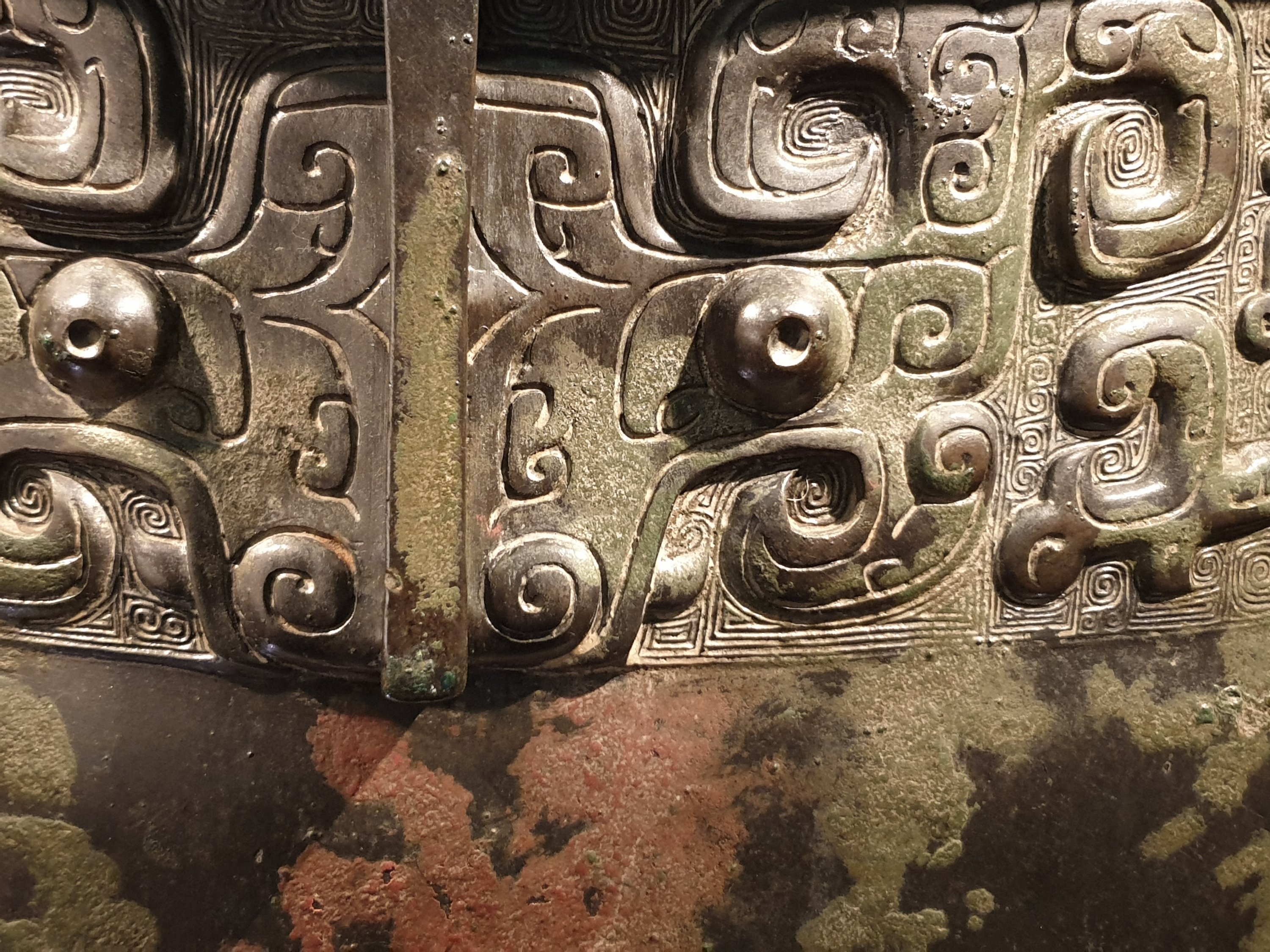
A wine vessel from the 11th. century BCE:-
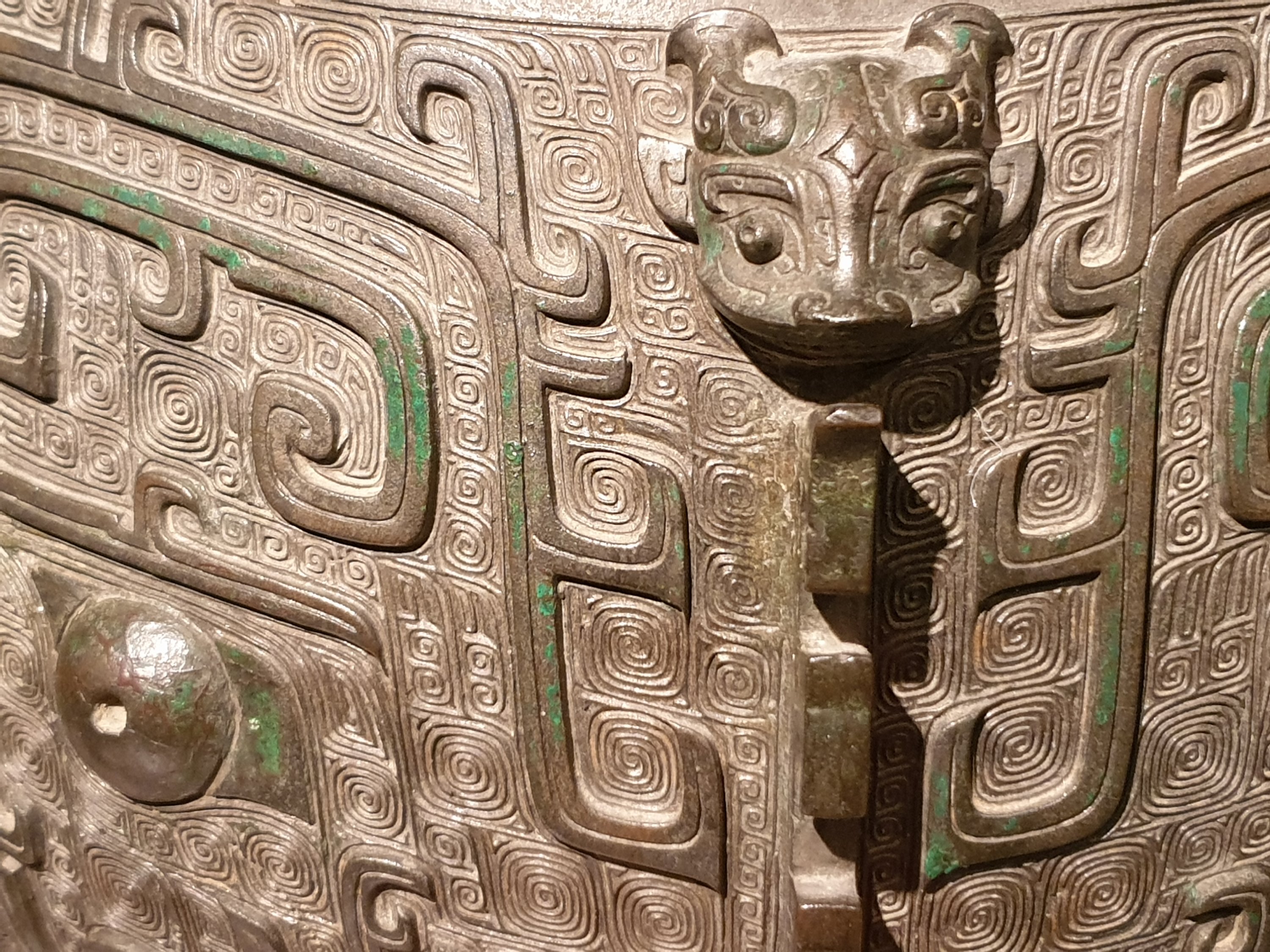
The pattern on a flask from the 5th century BCE:-
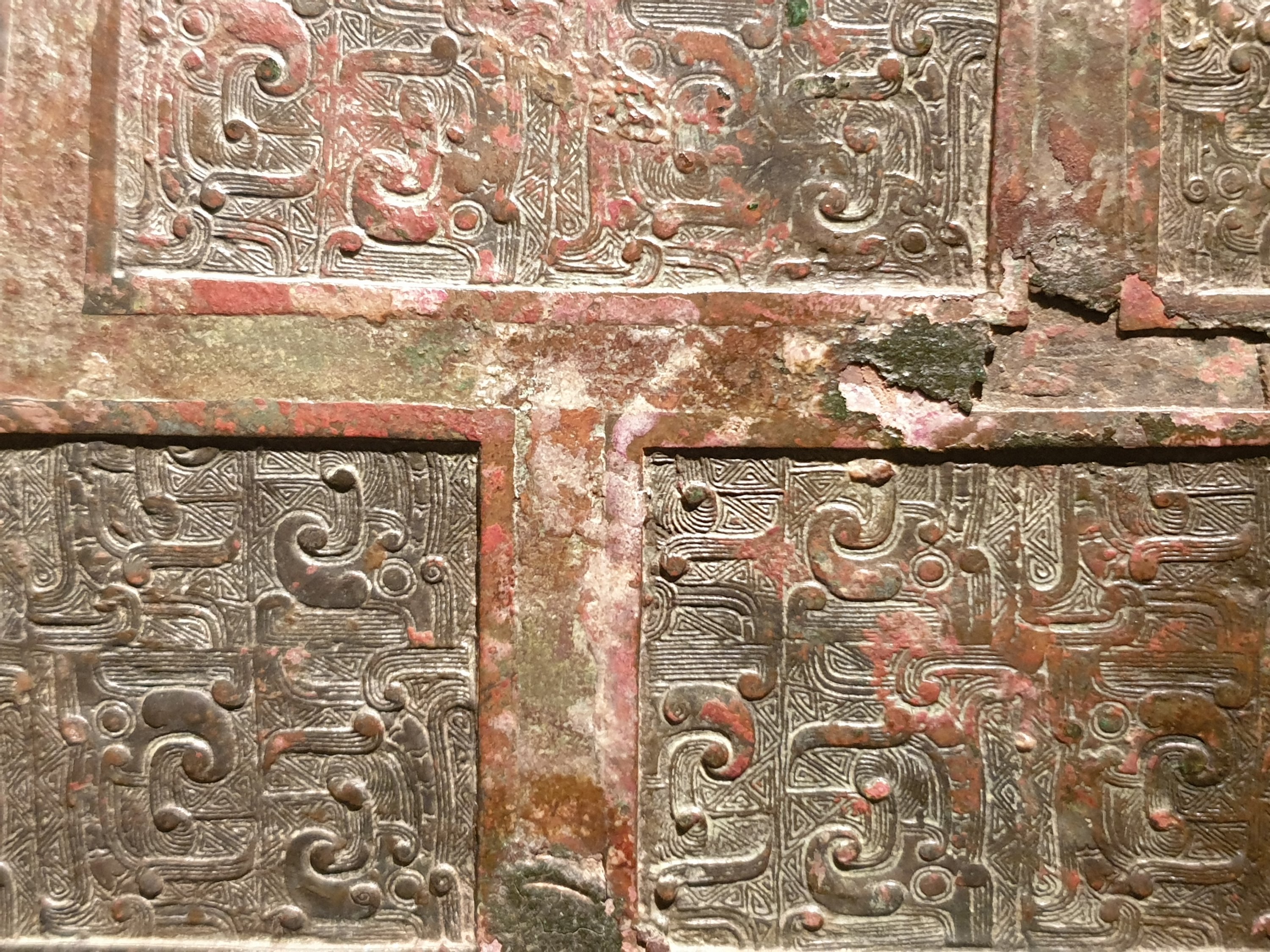
A container from the Han Dynasty (25-220 AD):-
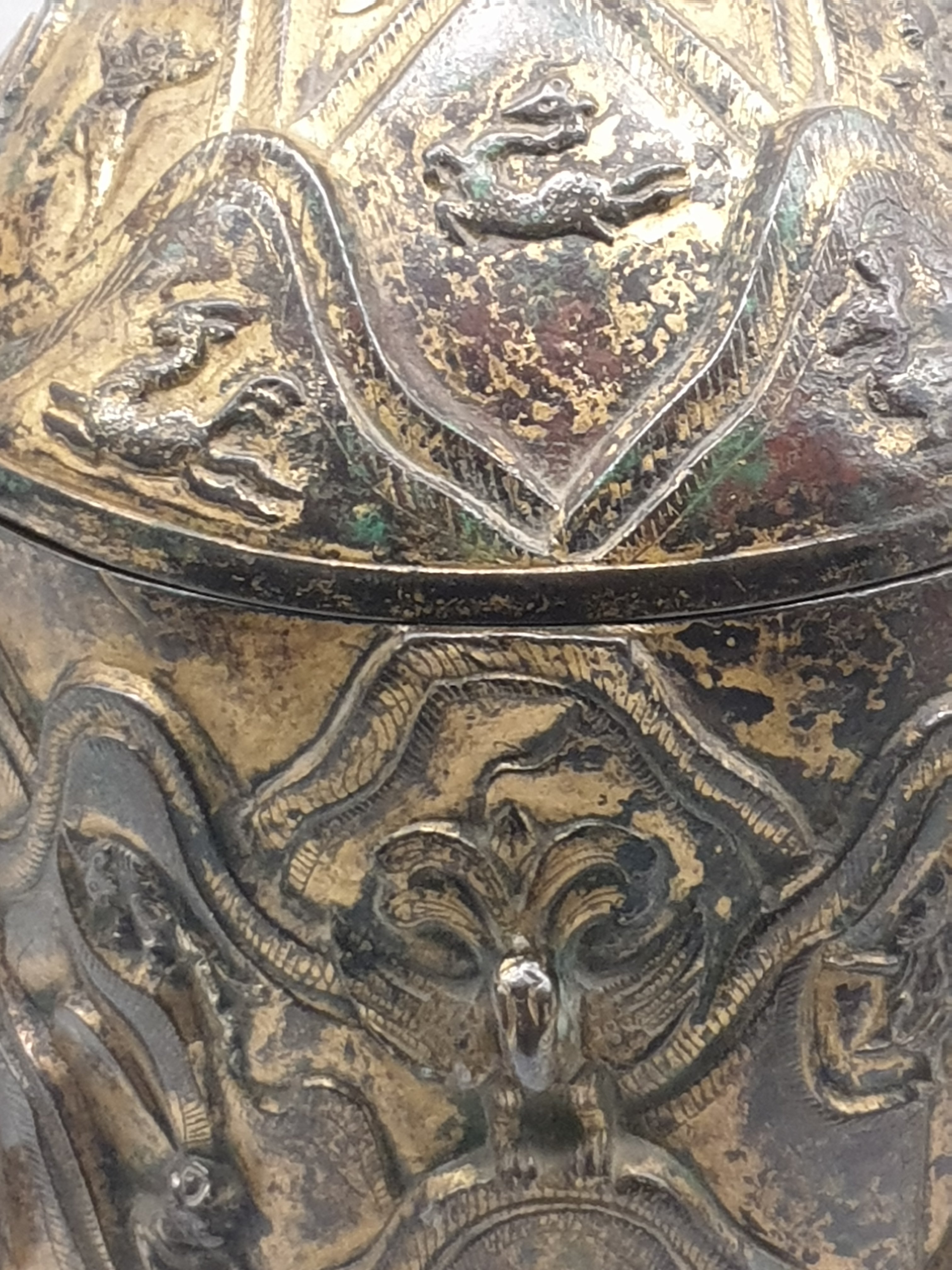
Down to painting and calligraphy, where we admired an eighteenth-century depiction of Li Bai’s ‘Preface to the Banquet at the Peach and Plum Garden on a Spring Evening’:-
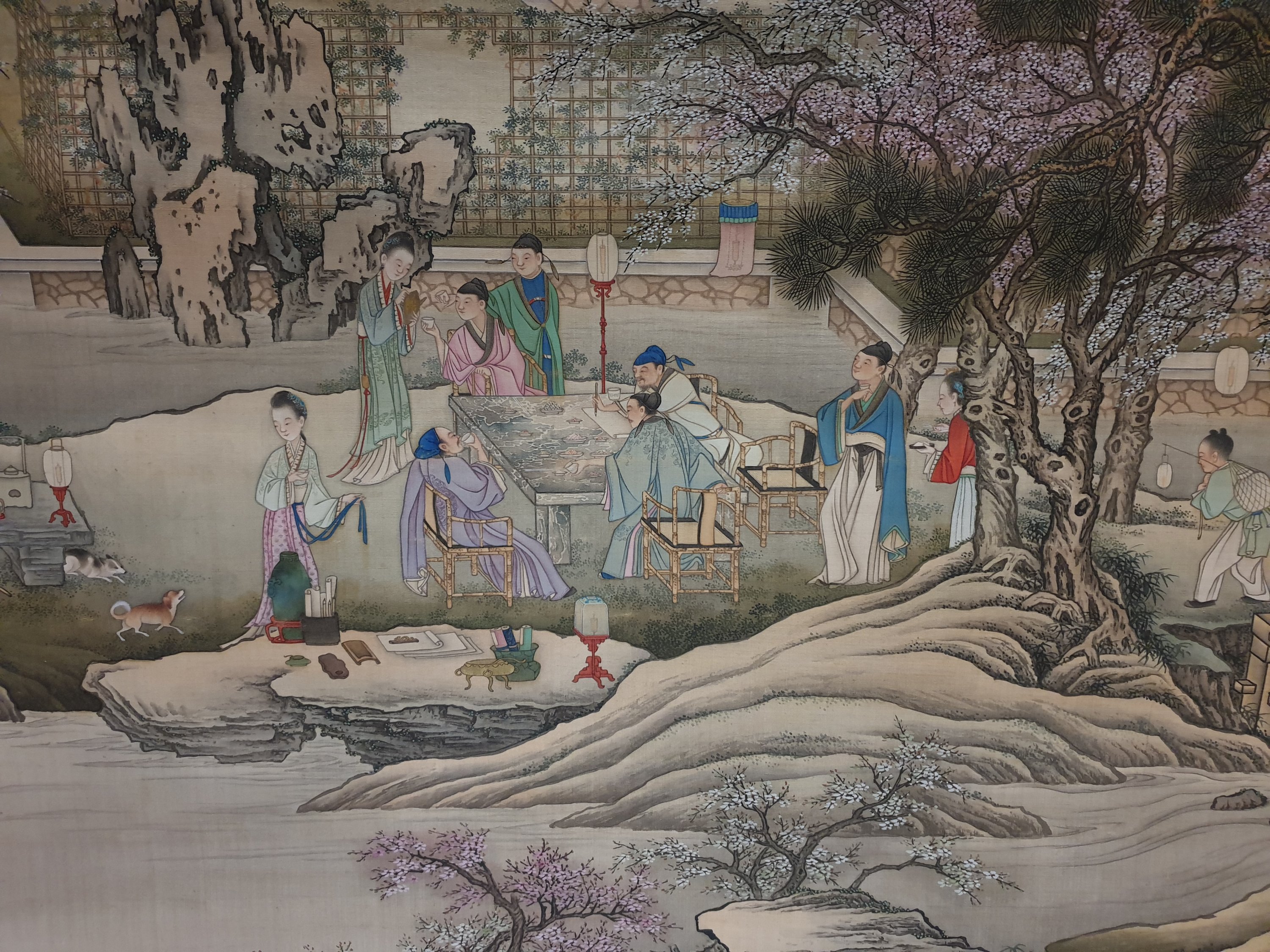
I barely had a chance to study the amazing collection of ceramics. I suppose it’s always possible that one day I will come back.
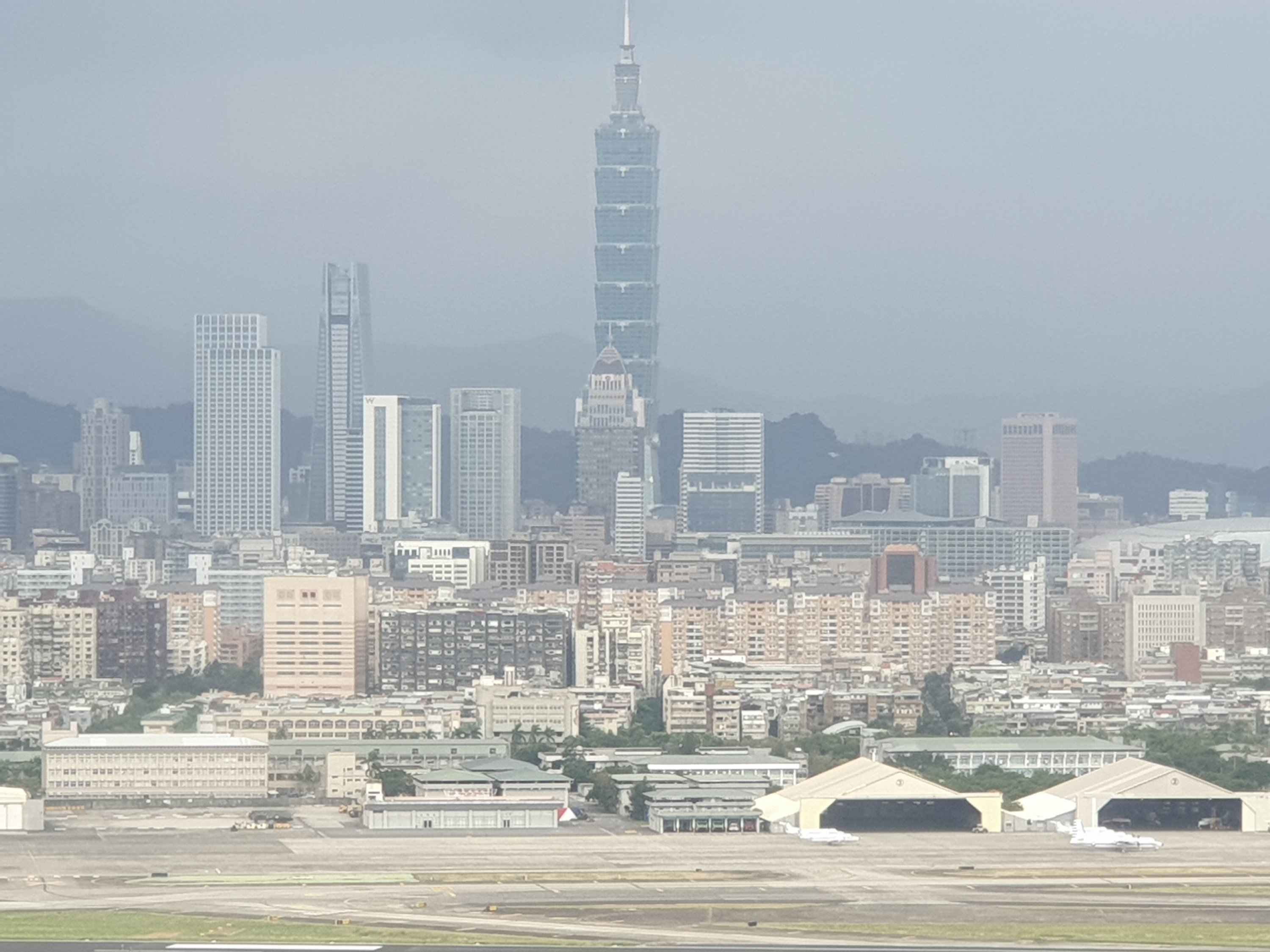
I’ve been trying to fathom Taipei: a new culture to me; offshore; a cultural mix of Chinese and Japanese; the centre for the manufacture of semi-conductors; half the billionaires at dinner last night were Taiwanese; it has apparently retained more of its old architecture than Shanghai; a population of over 20 million; safe; no litter on the streets. I look out from my hotel room across the city towards Taipei 101, which was the world’s tallest building from 2004 to 2010. Built in the style of a pagoda:-
Next stop was Li Lei’s studio in the smarter, but leafy suburbs:-
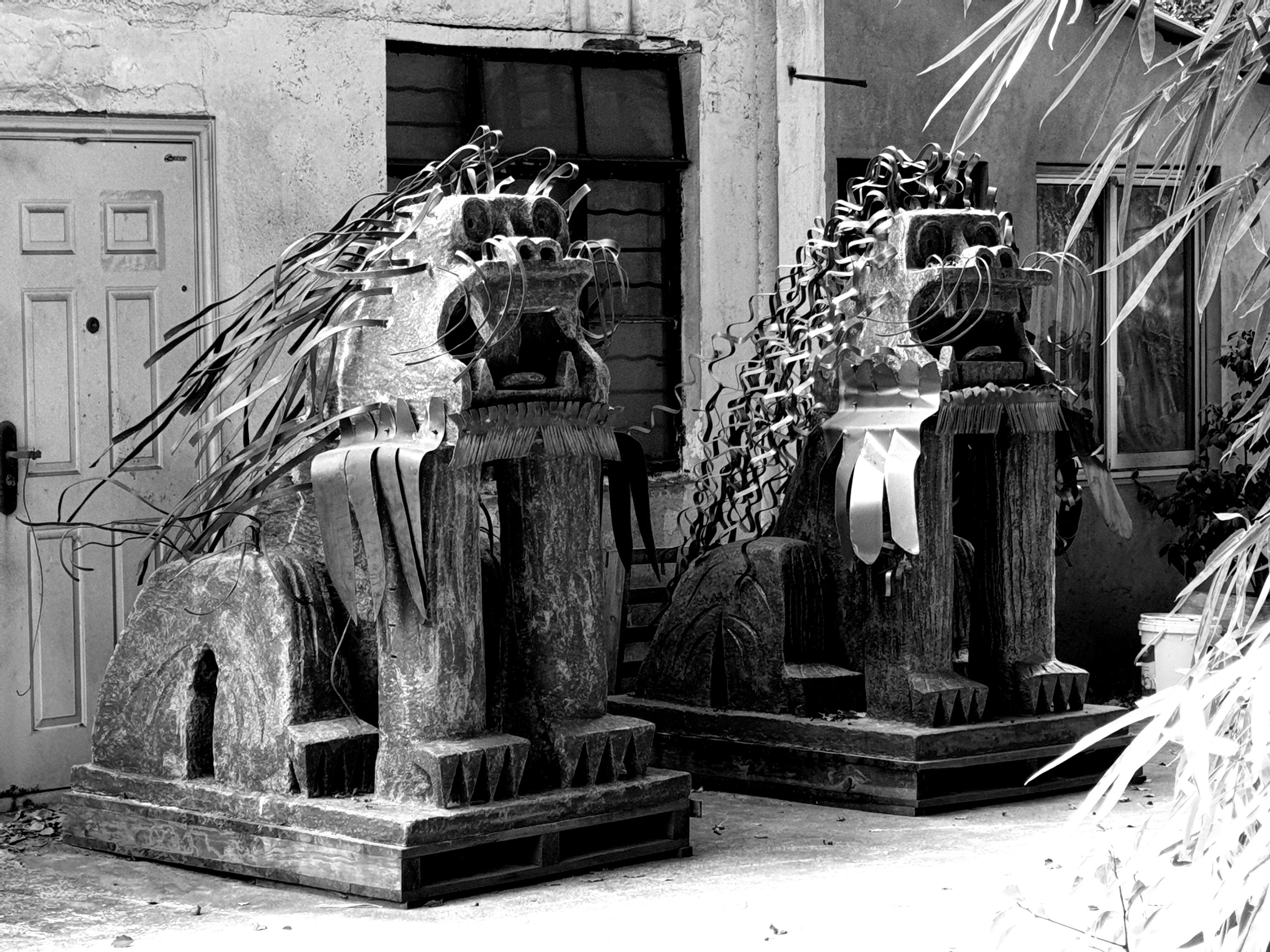
Li Lei had organised half of Shanghai’s press for a press conference:-
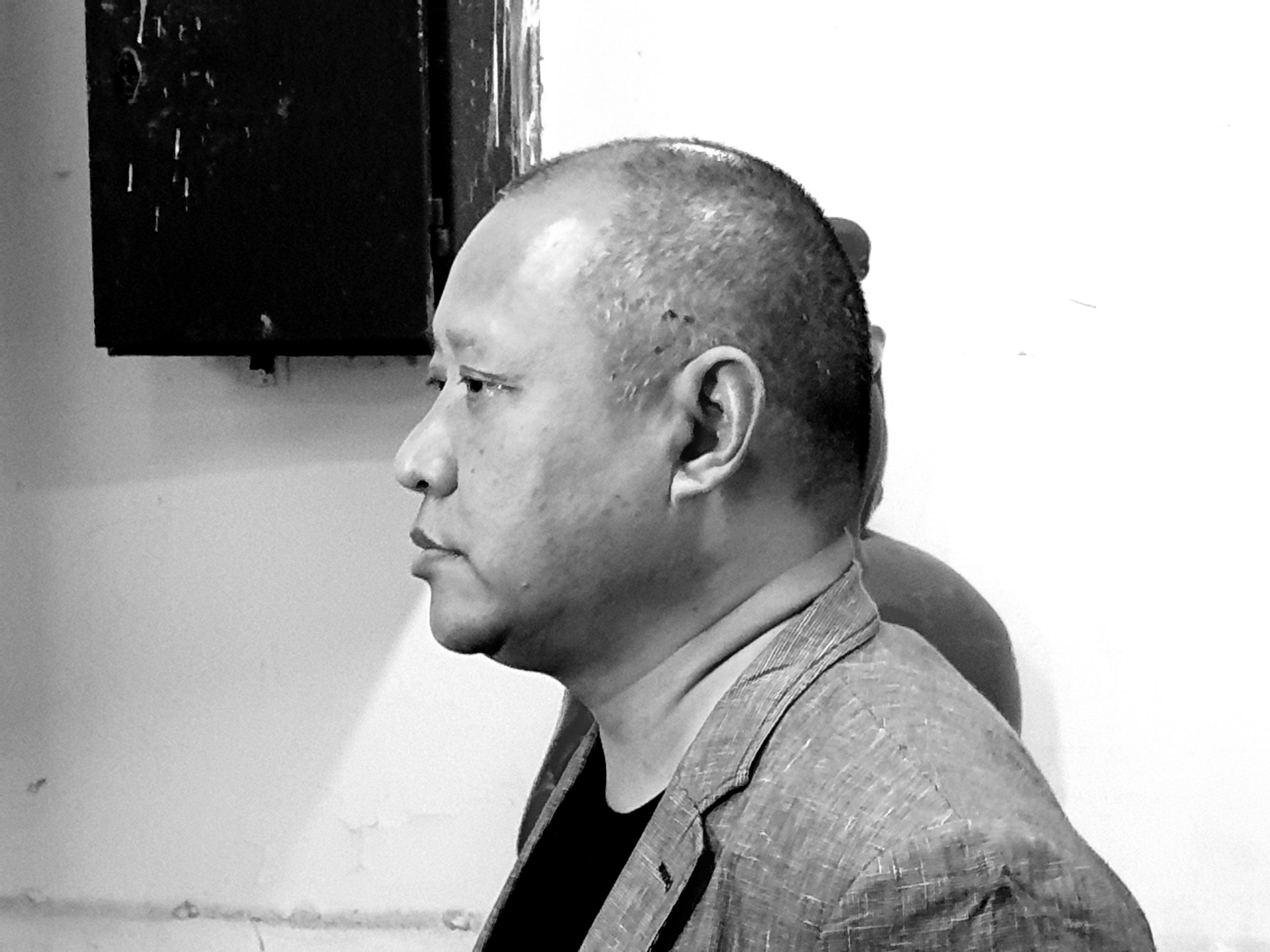
Then, we prepared to celebrate:-
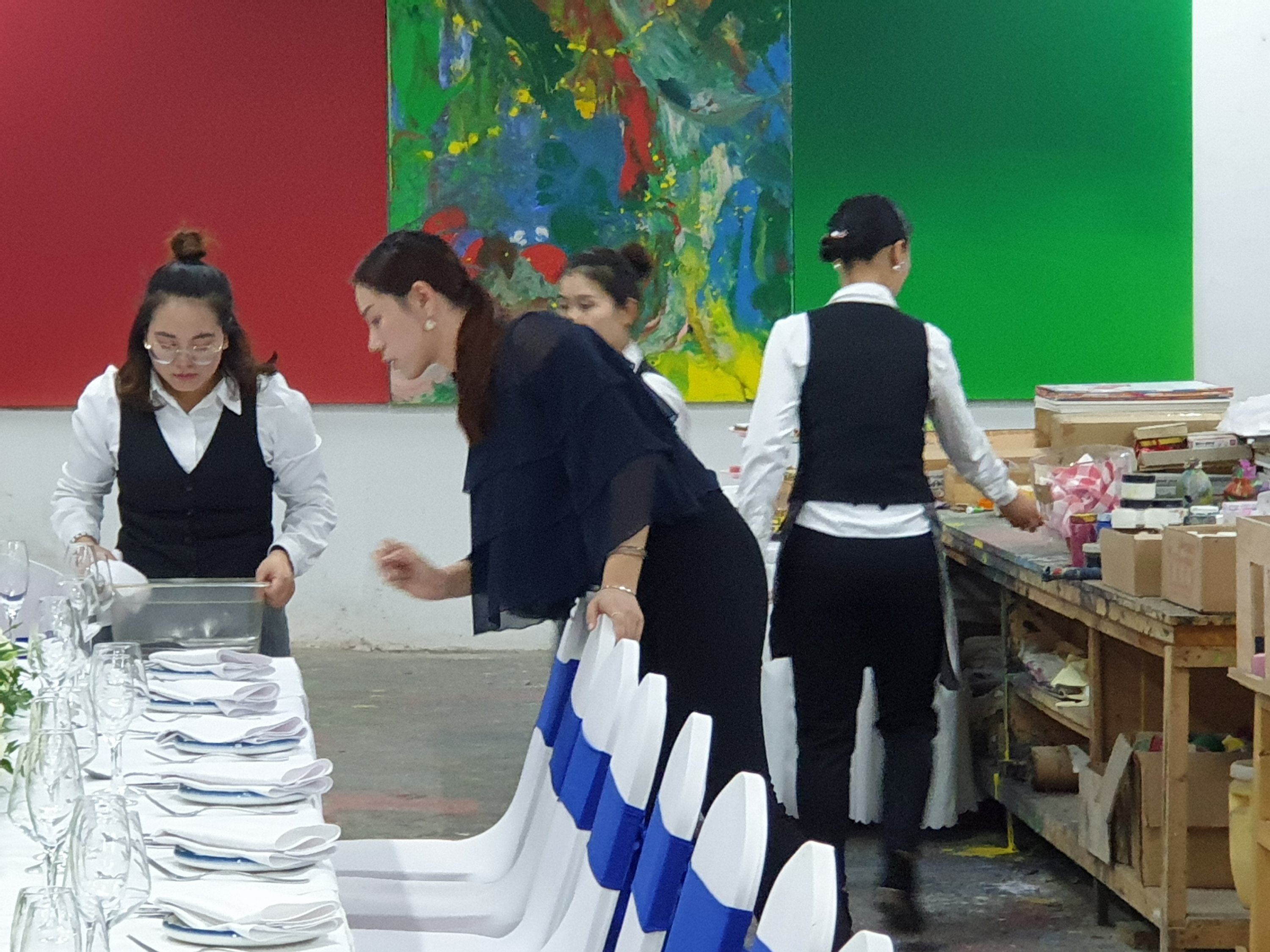
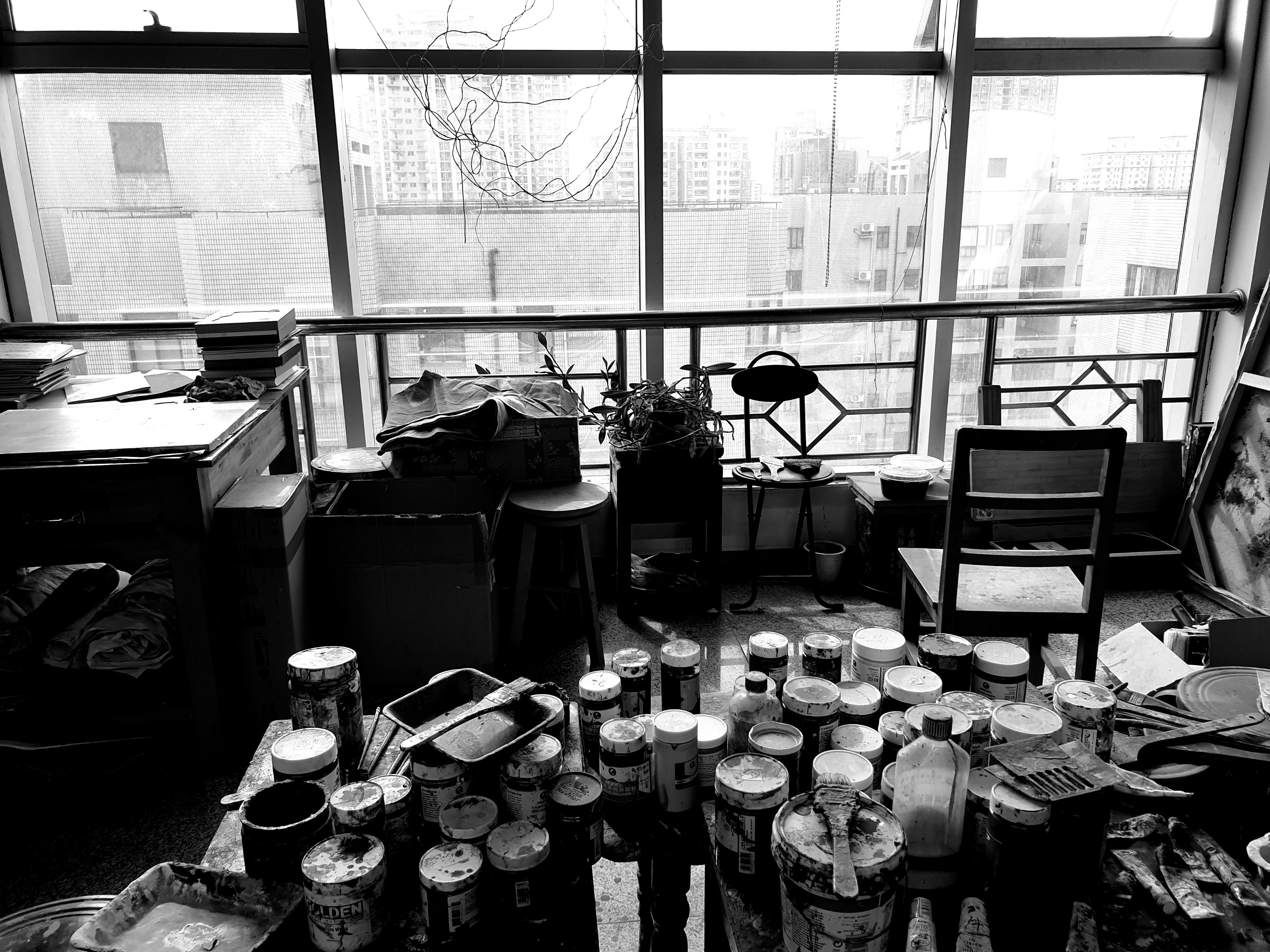
We started off close to the top floor of an apartment block in the studio of Wang Jieyin, drinking tea with the sun coming in:-
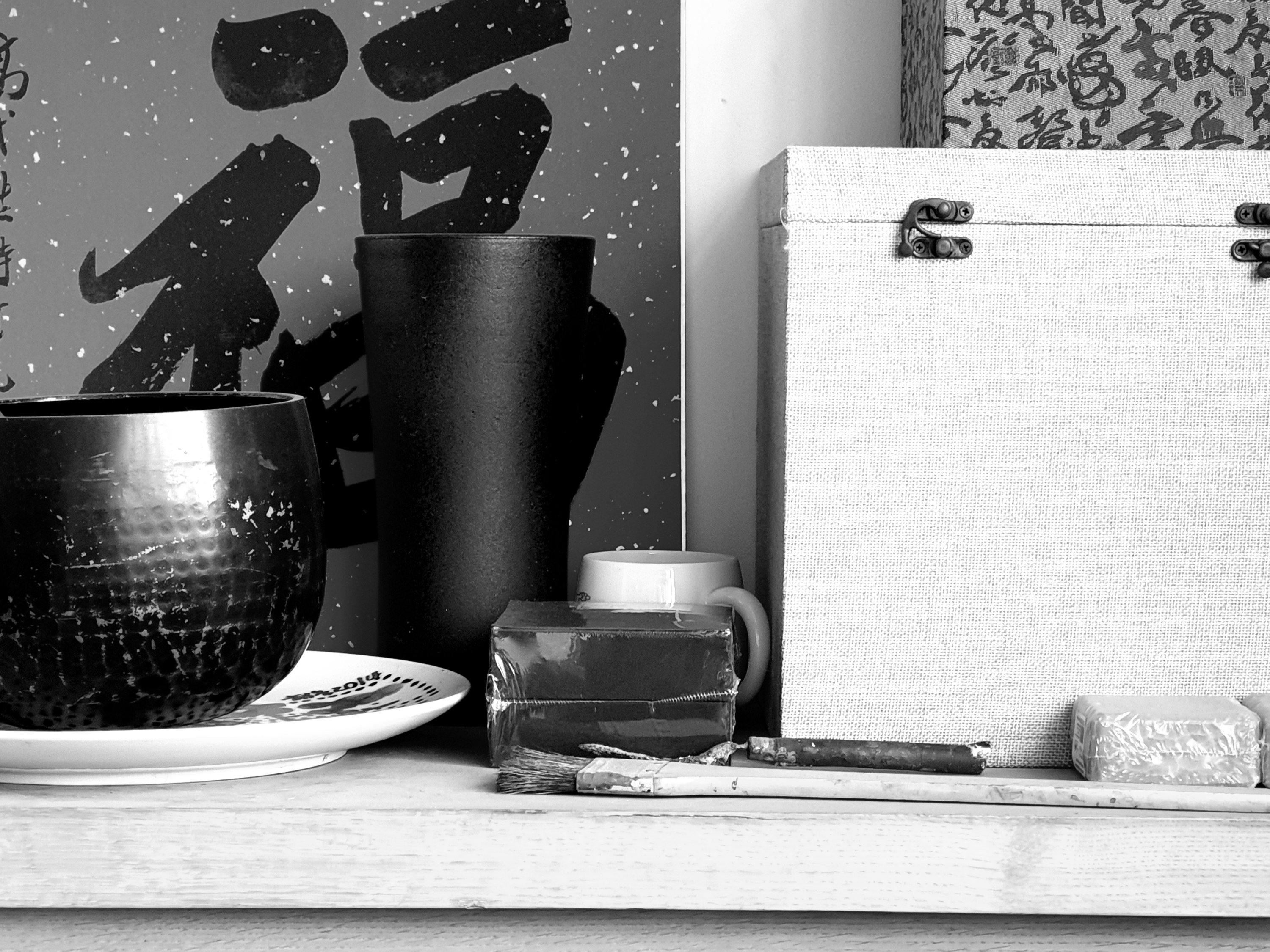

I was nervous of photographing him because it felt intrusive:-
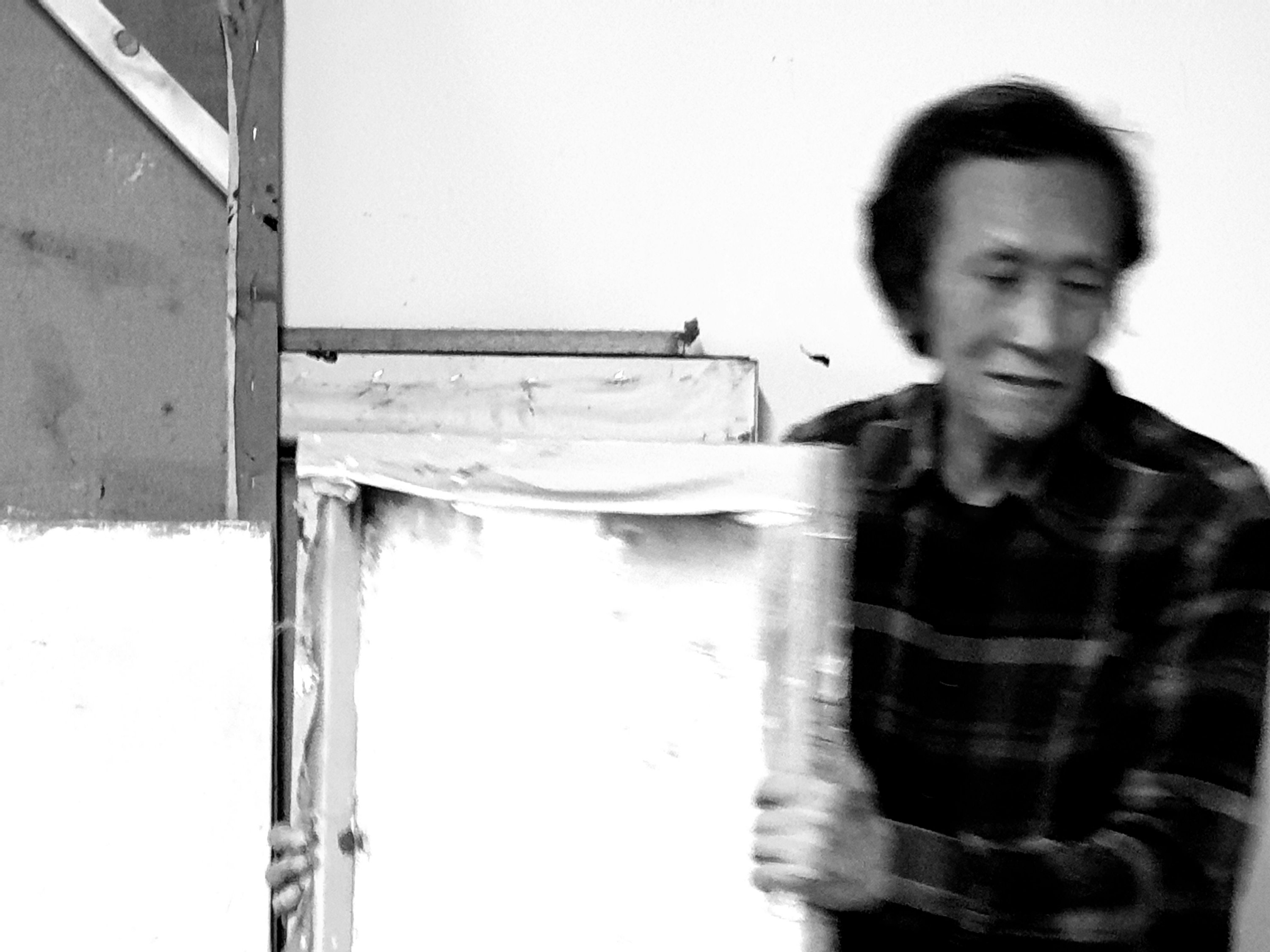
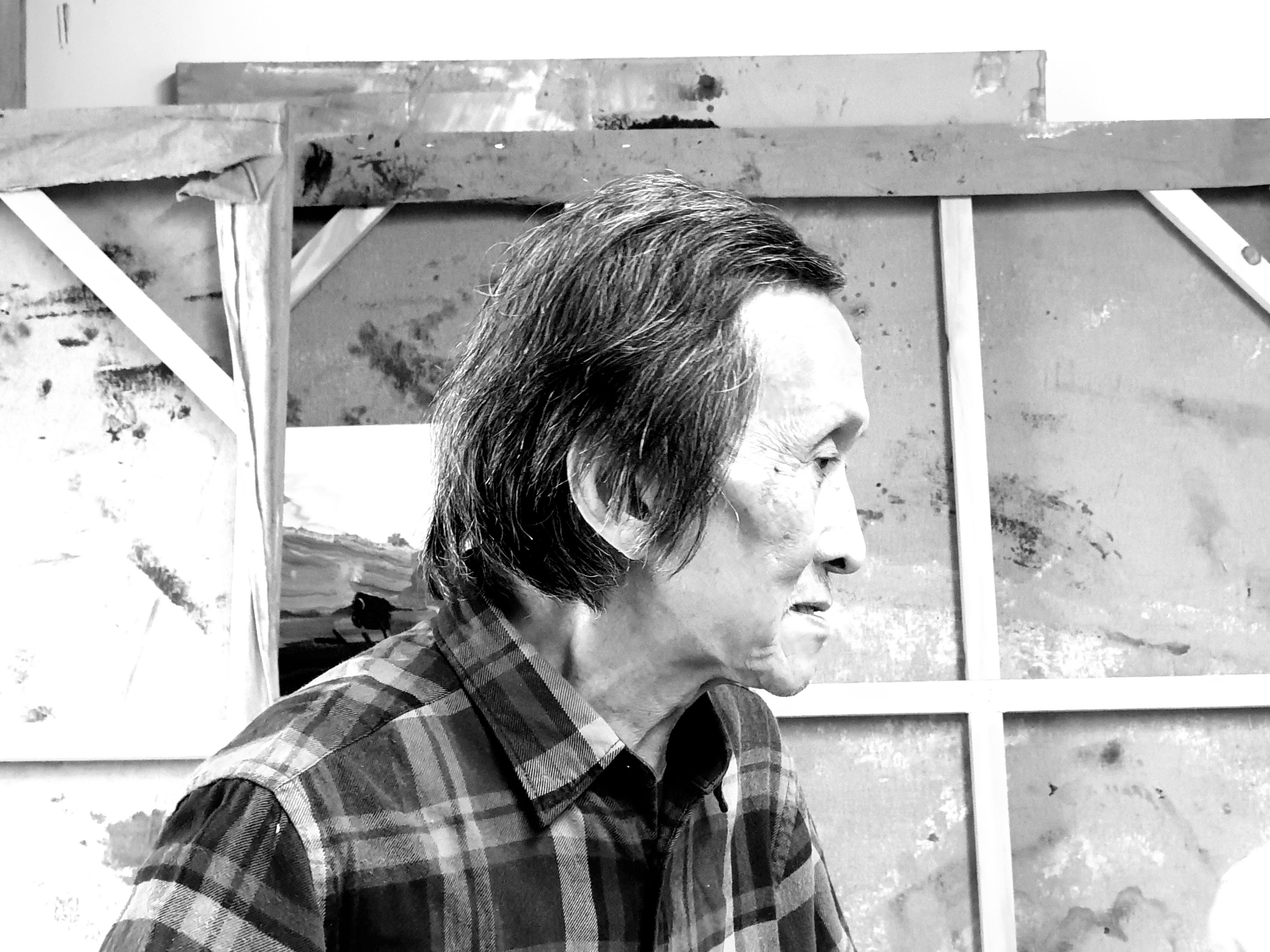
He paints remembered landscapes, looking out from his studio:-
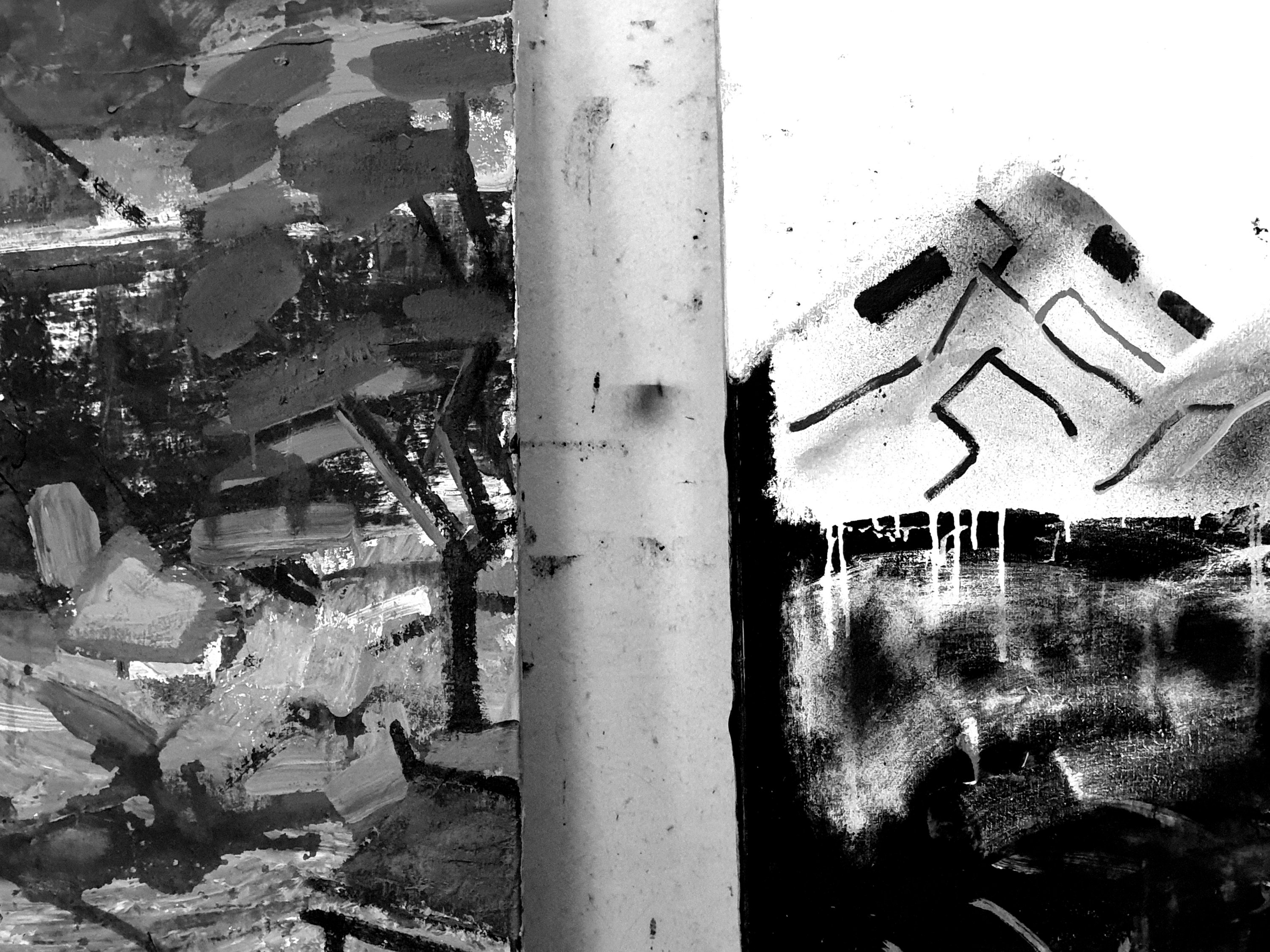
I’ve been thinking about the answer to a question about the status of ink in western cultures: which is, that it is a medium that has been used primarily for writing, but not for art; and then quickly realising how little we, or at least I, use ink nowadays, the pots of Quink on the desk, the leak of the fountain pen, the inky fingers, the pen now not even being used to sign cheques as cheques have so nearly completely gone out of use. So the question is how that changes the meaning of ink.
Following a Comment on my blog from an old friend of Nick Coker, the model for Anthony in The Souvenir, that the film misrepresents him by focussing on his later, and indisputably tragic, later decline as a result of heroin addiction, I can only say that I did think that the film conveyed a lot of his mystery and roué charm, as well as subtly mythologising him in the role of Anthony; and that Joanna Hogg had made very strenuous efforts to make it as true to life as possible, within the conventions of dramatised fictionalisation, including his monogrammed velvet slippers.
We had the second part of the symposium on Contemporary Ink Painting at the Suning Art Museum at which two of the senior figures in the field spoke: Li Lei, who marries the tradition of ink painting to a more international feeling for abstract expressionism; and Wang Jieyin, an artist now in his late seventies, who trained as a printmaker, taught Li Lei and spoke with the authority of someone who has spent a lifetime teaching about the importance of ink as a natural medium of expression for Chinese artists, with a symbolic significance because of its use by artists in the past. There is an exhibition downstairs which shows the full range of contemporary ink painting – some traditional, some calligraphic, some abstract expressionist, some obviously Chinese, some not at all.
 | Charles | Saumarez | Smith |
You must be logged in to post a comment.