The Beach at Aberffraw

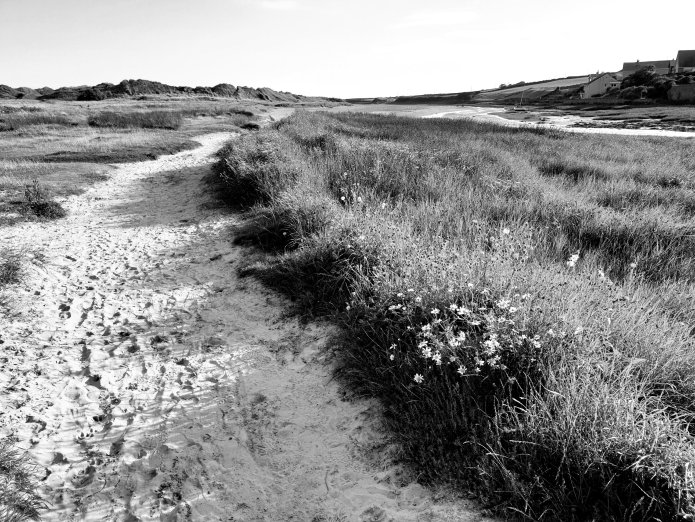
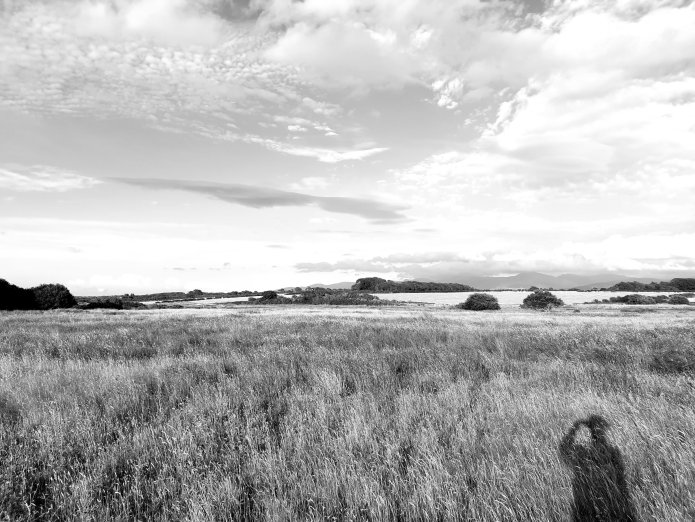
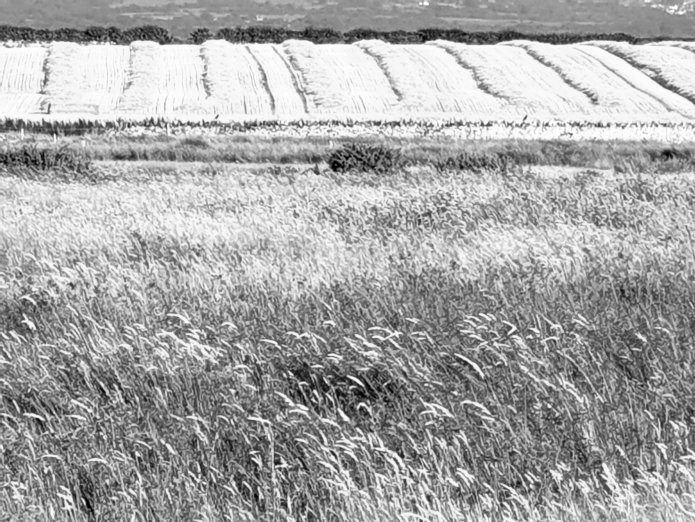
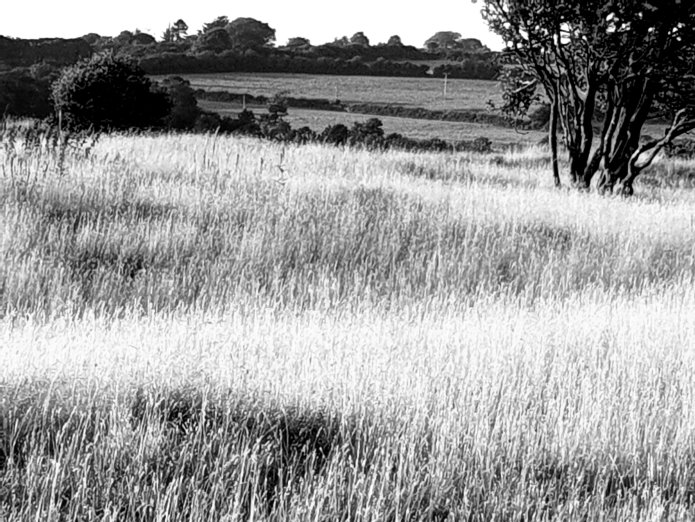
We haven’t been to the beach at Aberffraw for at least ten years as, not surprisingly, it is not exactly disabled friendly, being at least a mile from the nearest road. But this did not stop us from trying to walk along the track by the Afon:-

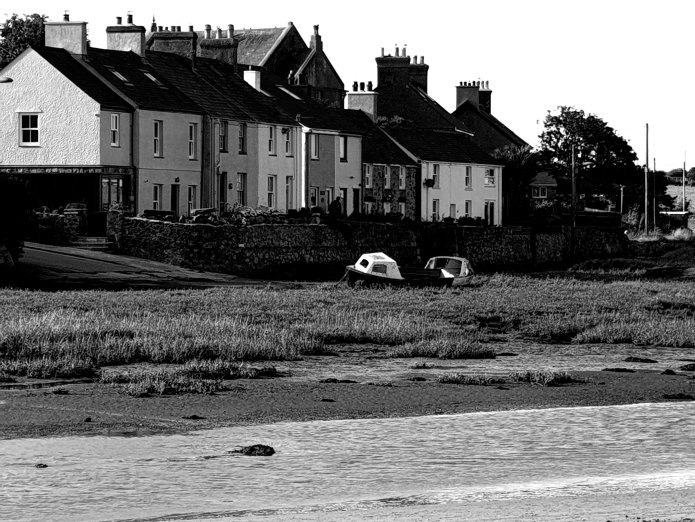
Past the cottages:-

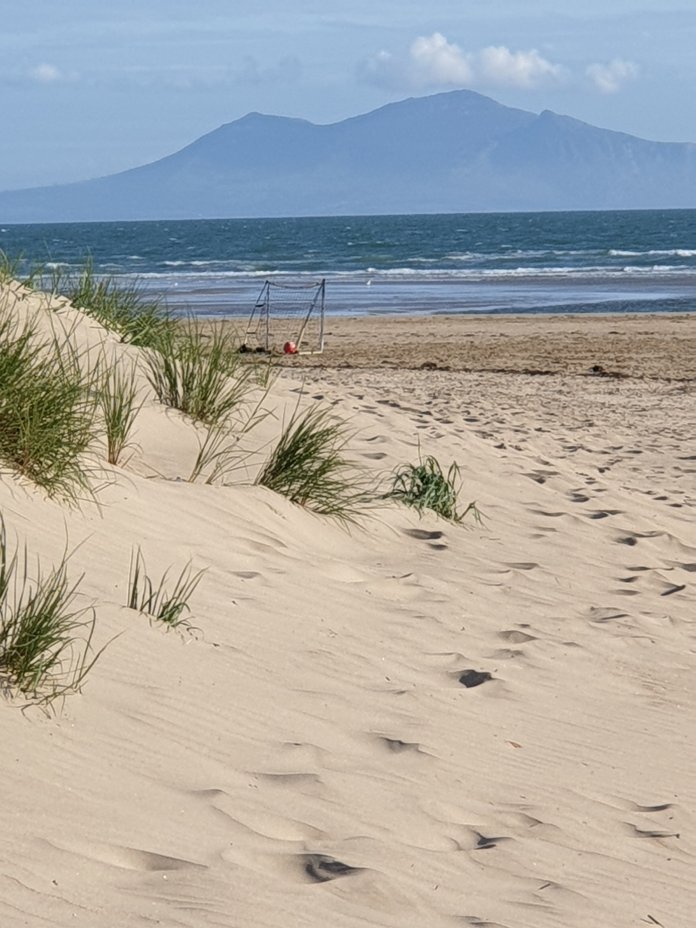
We got as far as the bend in the river with a small, fragile glimpse of the mountains beyond:-

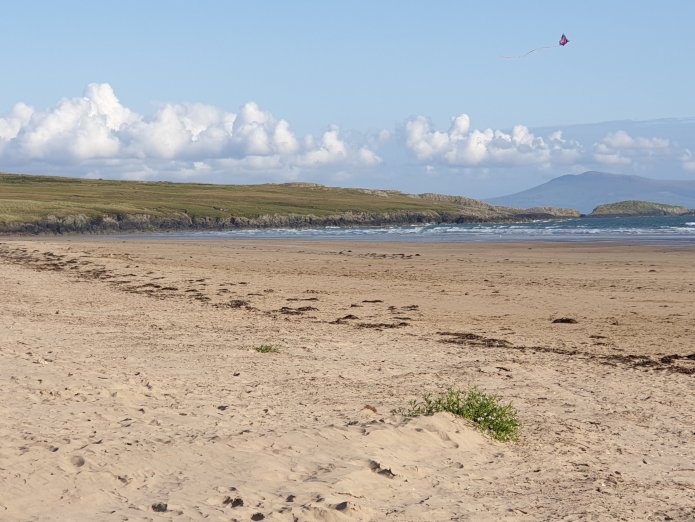
It wasn’t straightforward. I crept round to see an abandoned goal post, the great expanse of pristine sand and a single kite flying in the wind:-

Standard

InterRail (1)

I have just read that Britain is pulling out of the InterRail scheme which enables young people to travel round Europe in their gap year. A sign of the times. I bought an InterRail pass in 1972, its first year of operation, to travel round Eastern Europe, starting in Split in what was then Yugoslavia, travelling south to Dubrovnik, then on a single track train which took ten hours from Skopje to Lake Ochrid and on to Belgrade, Budapest, Prague, Warsaw and Berlin, often sleeping overnight on trains.

It was part of my education, learning about the culture of other countries and the kindness of strangers.

It was also part of the process of Europeanisation, breaking out from the narrow horizons of a childhood of almost no foreign travel.

I don’t know why it is being axed, but it is emblematic of the current retreat to neo-1950s insularity by those who have enjoyed, but not apparently learned from, decades of European travel.

Standard

The cave of Kamukuwaká

Last night, we listened to a programme which we had been recommended (we missed it when it was first broadcast) about the wilful destruction – but it is not know by whom – of engravings and petroglyphs in a sacred cave belonging to the Wauja, indigenous people living in the Amazon whose way of life, music, and sacred rituals are under threat owing to Bolsanaro’s encouragement of the destruction of the rain forest and tolerance of pollution by mercury of the rivers. Factum Foundation, who are involved in the preservation of the Whitechapel Bell Foundry, had gone on an expedition in January 2018 to survey the cave. When they returned in September much of the cave had been destroyed.

https://www.bbc.co.uk/programmes/m000765p

Standard

Whitechapel Bell Foundry

I have stopped commenting recently on the fate of the Whitechapel Bell Foundry because I thought there was nothing left to say as we await with trepidation the decision of Tower Hamlets planning committee, now delayed, apparently because of the discovery of Roman remains under the Foundry.

But out of the blue, the Daily Mail has just published a succinct and pithy summary of the importance of the Foundry and the risk that it might be turned into ‘a prospective party pad for hedge-funders in search of a poolside mojito’.

The only thing missing from this account is that Historic England, the government agency responsible for the preservation of historic building, is supporting the Foundry’s destruction.

Maybe with the support of the Daily Mail, a few MPs might look into why this should be.

https://www.dailymail.co.uk/news/article-7320823/amp/Foundry-forged-Big-Ben-turned-hotel-locals-arent-taking-quietly.html?__twitter_impression=true

Standard

Trawsfynydd Nuclear Power Station

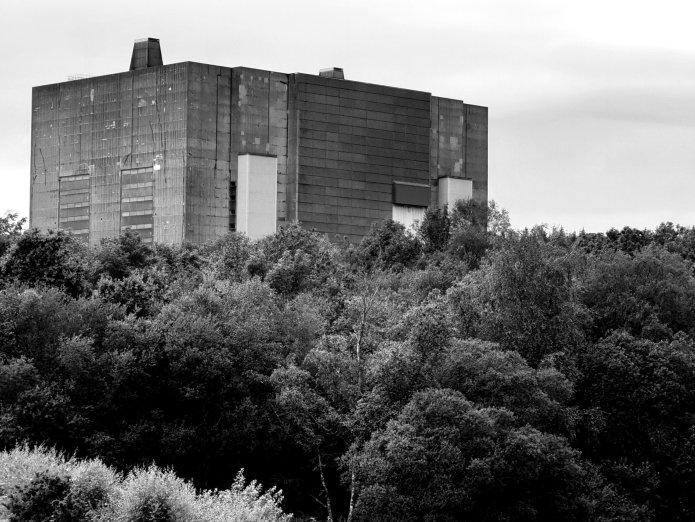
I stopped on the way back to admire Basil Spence’s nuclear power station, designed in 1959 on the banks of an artificial lake on the recommendation of Dame Sylvia Crowe, the landscape consultant. I remembered that it looks particularly fine glowering from the south side of the lake:-

It’s impressive close up, too:-

Long decommissioned, there has been an occasional threat of demolition.

Standard

Mid-Wales

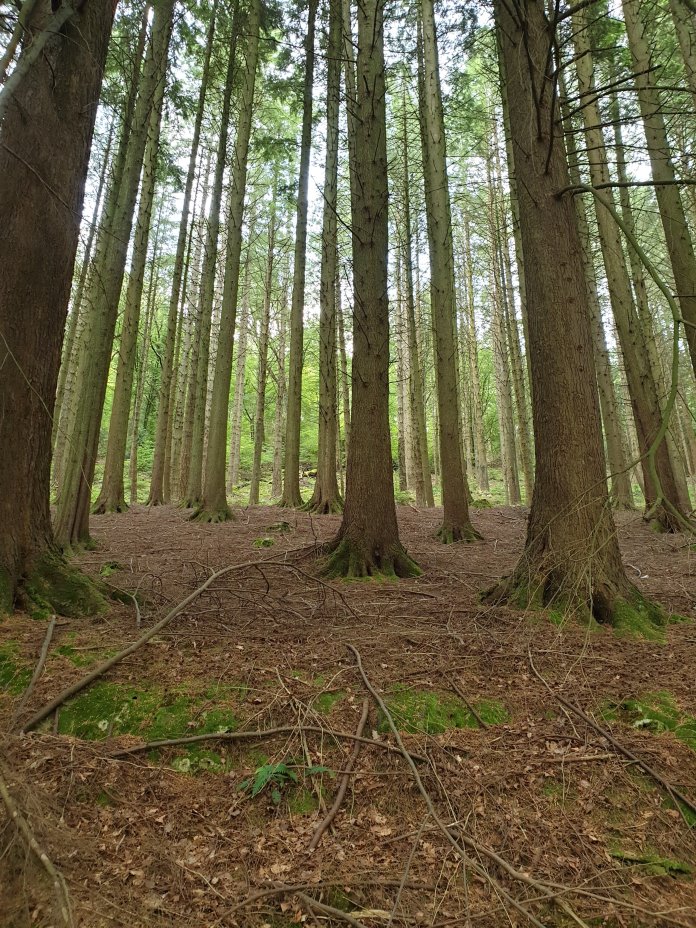
I spent the weekend in mid-Wales, north of Machynlleth – a very different environment from the north, more mountainous, less inhabited, dominated by the fact that much of the land was acquired by the Forestry Commission between the wars, creating a half managed treescape:-

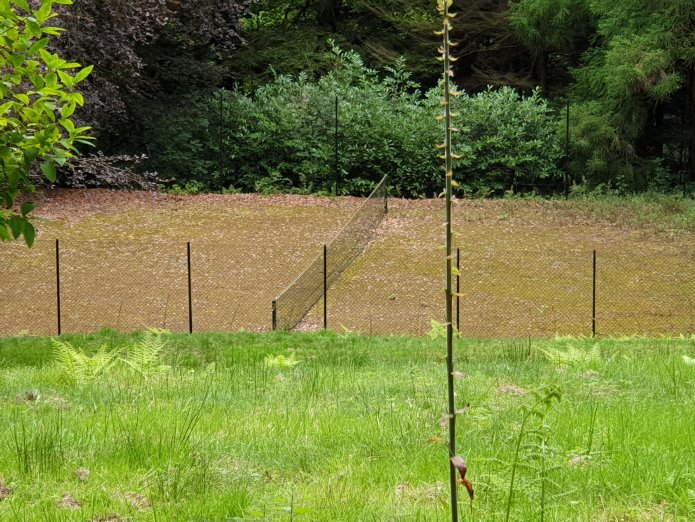
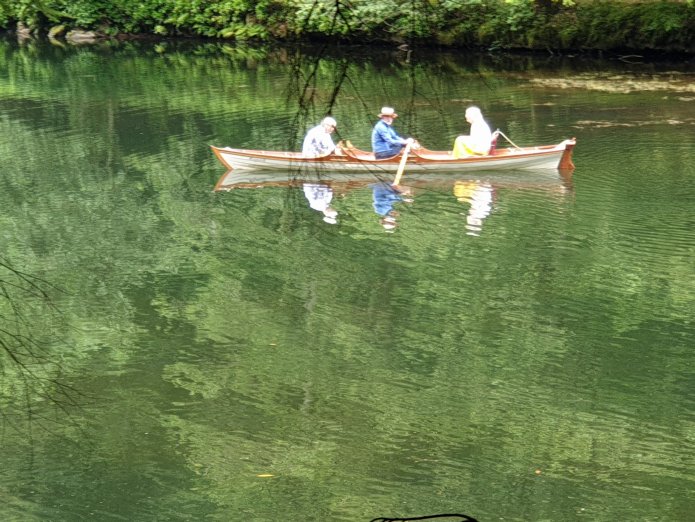
I explored the surrounding woods and what survives of a old sporting estate, complete with early tennis court, boating pond and shrine converted out of an ice house:-

Standard

Chris Orr RA

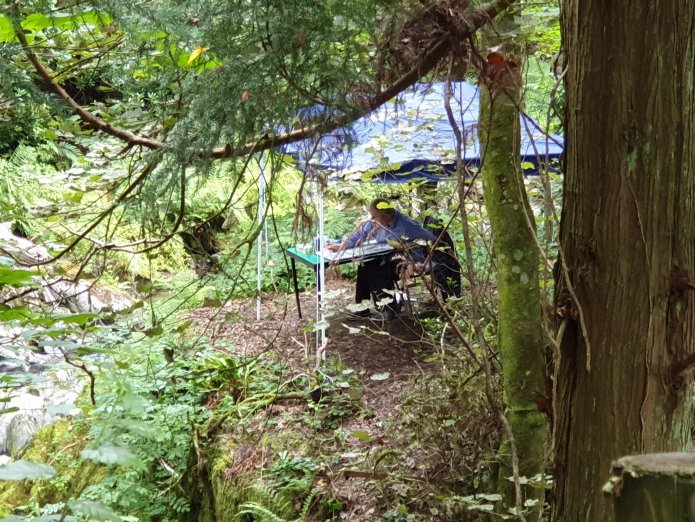
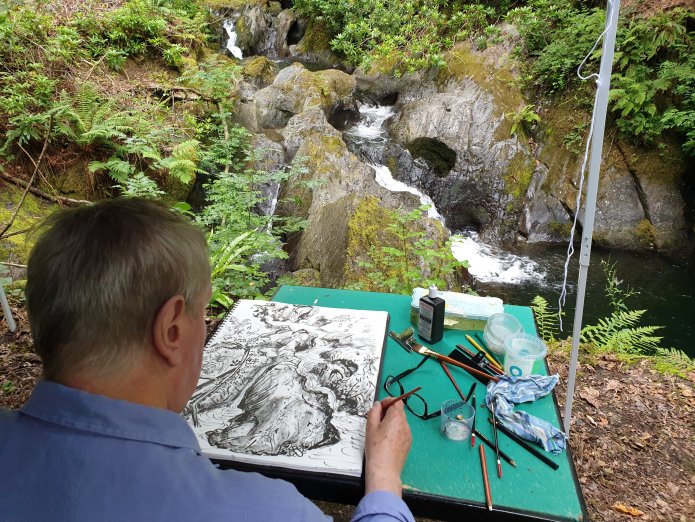
I walked down to the local waterfall and was pleased to find Chris Orr RA painting it under a makeshift tent, for all the world as if he was John Ruskin, but, unlike Ruskin, he was converting it into a Chinese Waterfall in the manner of Chiang Yee who made conventional English scenes look as if they were in Peking:-

Standard

St. Mark, Brithdir

I stopped off en route to Machynlleth to try and find St. Mark’s, Brithdir, which I have tried to do several times previously, but without success. The truth is that it is hard to spot, next door to what looks like a private drive and surrounded by a forest of thickly planted rhodendendra. But it is so worth it ! A magical, quiet, nearly perfect arts-and-crafts church, which miraculously turned out to be open, although I hadn’t expected it to be (it’s officially open in September), designed by Henry Wilson, who worked for J.D. Sedding, taking over his practice in 1891, but with the details of execution overseen by two of his assistants – Herbert North, later of Llanfairfechnan, and C.H.B. Quennell, co-author of A History of Everyday Things.

The church was commissioned by Louisa Jane Richards, a local landowner, in memory of her second husband, the Rev. Charles Tooth (Carlo Denti, as he was known in the family), chaplain of St. Mark’s, Florence, who died shortly after their marriage. The exterior is austere, but with a finely detailed bellcote:-

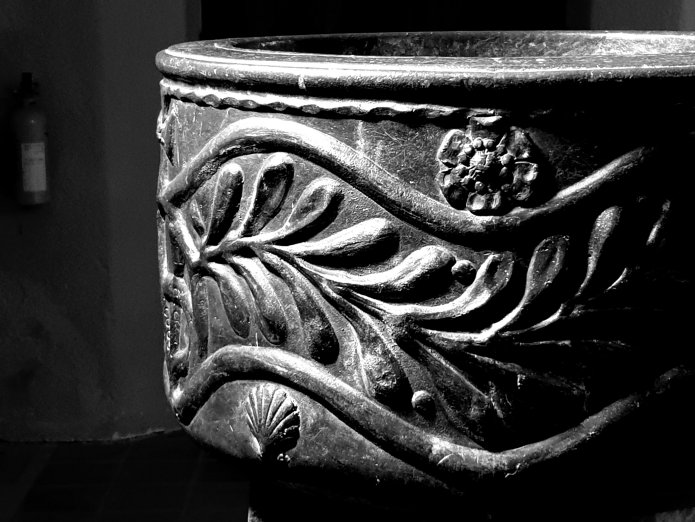
The interior is also mostly plain, dominated by a lead font, designed by Wilson and cast by William Dodds, who taught leadwork at Lethaby’s Central School:-

But what is amazing about the interior is the wonderful, low relief, repoussée beaten copper altar frontal, also designed by Wilson and a great masterpiece of arts-and-crafts design, glowing in the dark of the chancel:-
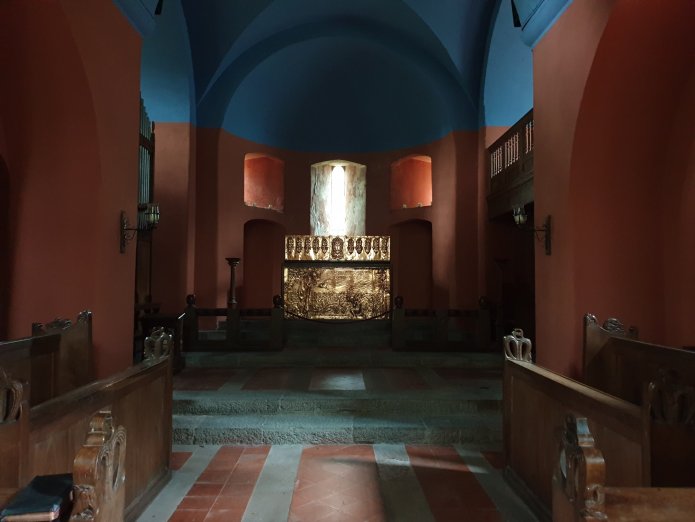
Charles Tooth is depicted with his guardian angel:-

The font is nearly equally fine, also by Wilson who established his own metalwork and jewellery workshop in 1898, just after the church was completed:-

I cannot recommend the church more highly.

Standard