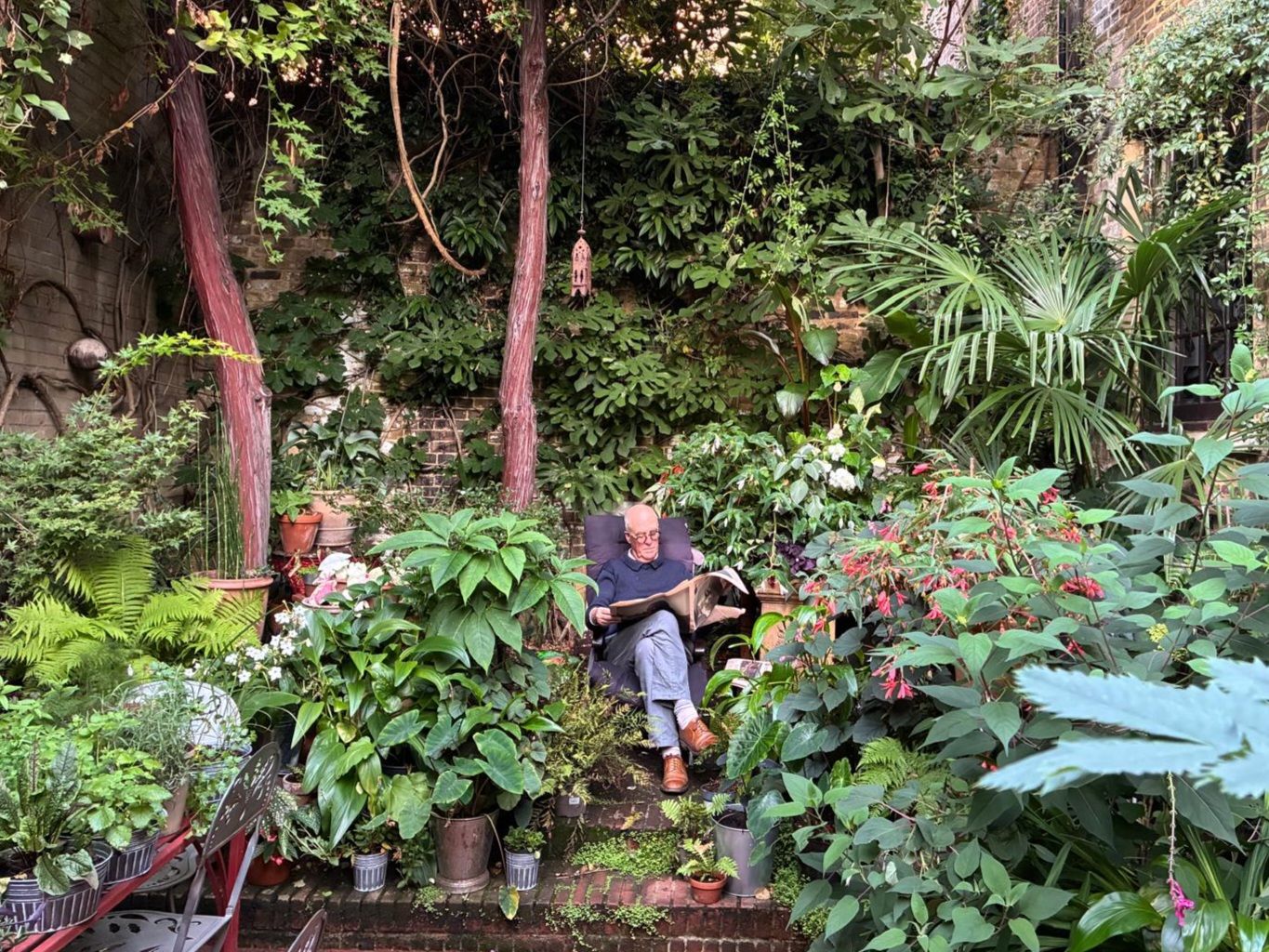
More on Sadler’s Wells East:-
https://www.architectureclub.co.uk/blog/view/tour-sadlers-wells-east
More on Sadler’s Wells East:-
https://www.architectureclub.co.uk/blog/view/tour-sadlers-wells-east
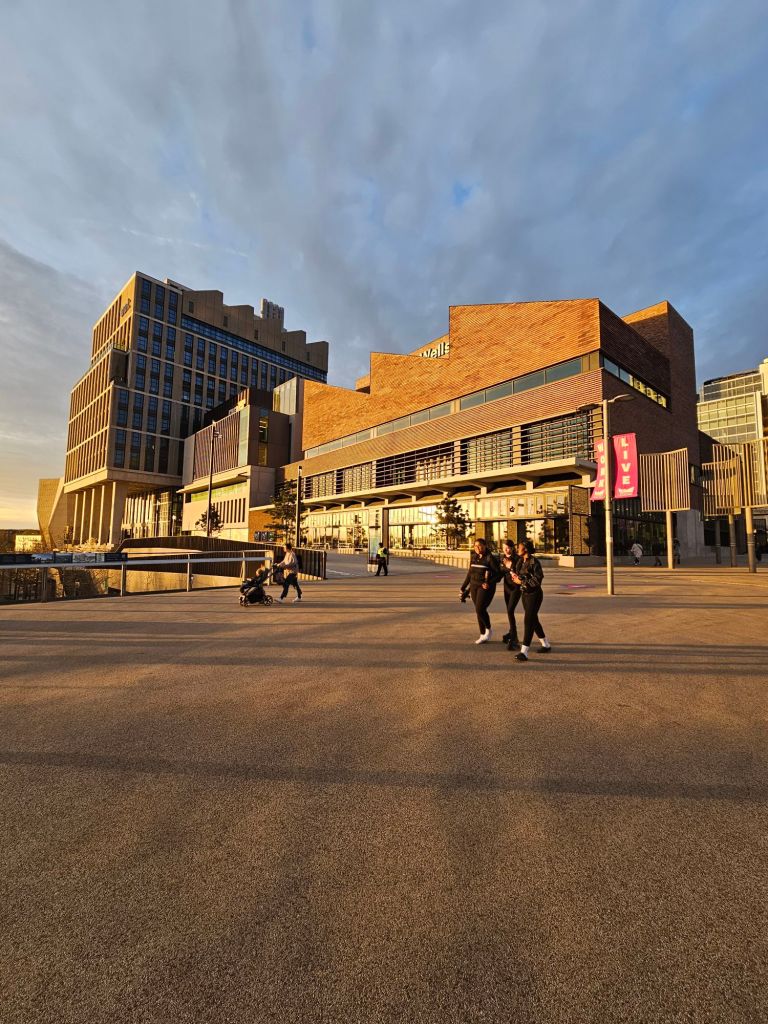
In case you get the impression that it is always a nightmare going round London with a wheelchair, I should say that yesterday we went to Sadler’s Wells East and everything was perfect. Big lifts. Wide doors. Lots of space. The architects had obviously been very attentive to wheelchair access. It was a lovely experience:-
Because it was sunny and Mother’s Day, we thought we would go on an expedition to Pitzhanger Manor, Ealing to see Alison Watt’s exhibition.
In theory, it’s easy to get from Whitechapel to Ealing Broadway. I looked up to check that Ealing Broadway station is wheelchair accessible and failed to spot that the station is, but the trains are not. You have to arrange for someone to meet you with a ramp. Just before Bond Street, I got anxious, but the announcement was unclear what to do. A big mistake. There is no way for a wheelchair to get off the train between Paddington and Reading. So, it looked as if we would have a day out in Maidenhead instead.
At Iver, we were encouraged to ring the driver to explain our dilemma. Some one came to extricate us and put us on the train back to Ealing Broadway. But at Ealing Broadway, there was no-one with a ramp to help us off. Eventually, another very helpful person arrived to help us off and we set off to see Pitzhanger Manor.
But at Pitzhanger Manor, the lift was bust. There is only one lift.
So we sat in the sun in the park instead.
Each year I study the long lists for the RIBA Awards looking for interesting projects which might otherwise have escaped my attention.
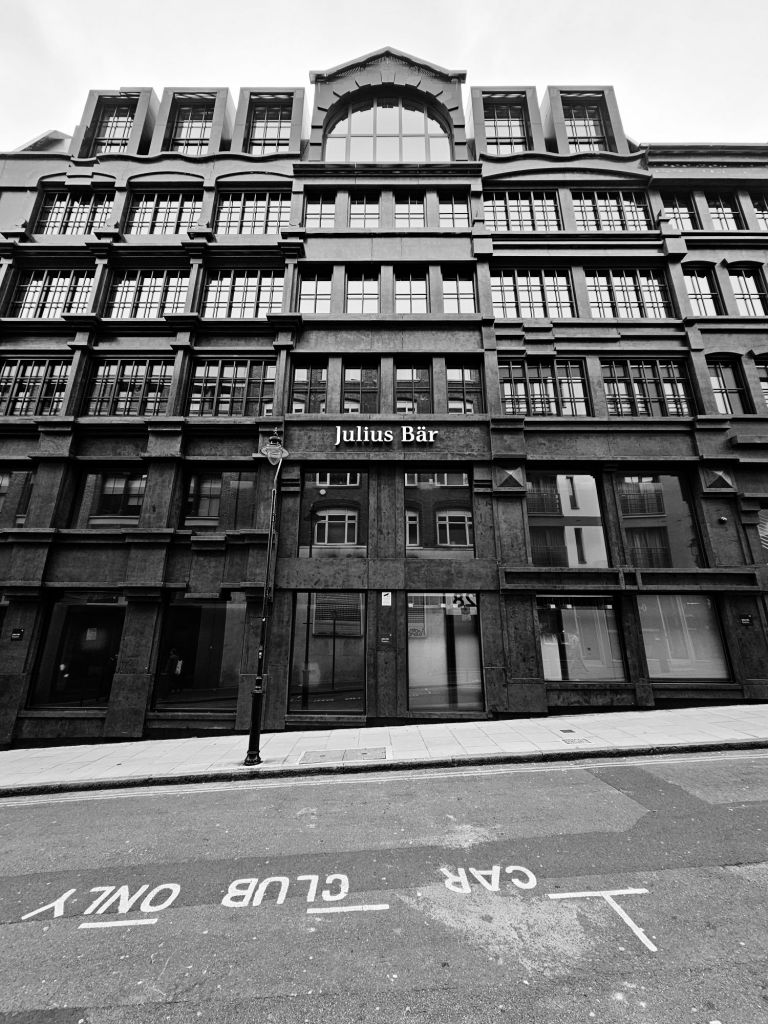
This year, I was intrigued to see 8, Bleeding Heart Yard, a project by Groupwork which you might easily walk past without noticing – in a way that’s its point that it should mesh well with its warehouse surroundings:-



I never know when the articles I write for The Critic are going to go online. Anyway, I have just spotted that my piece for March is now available, as below:-
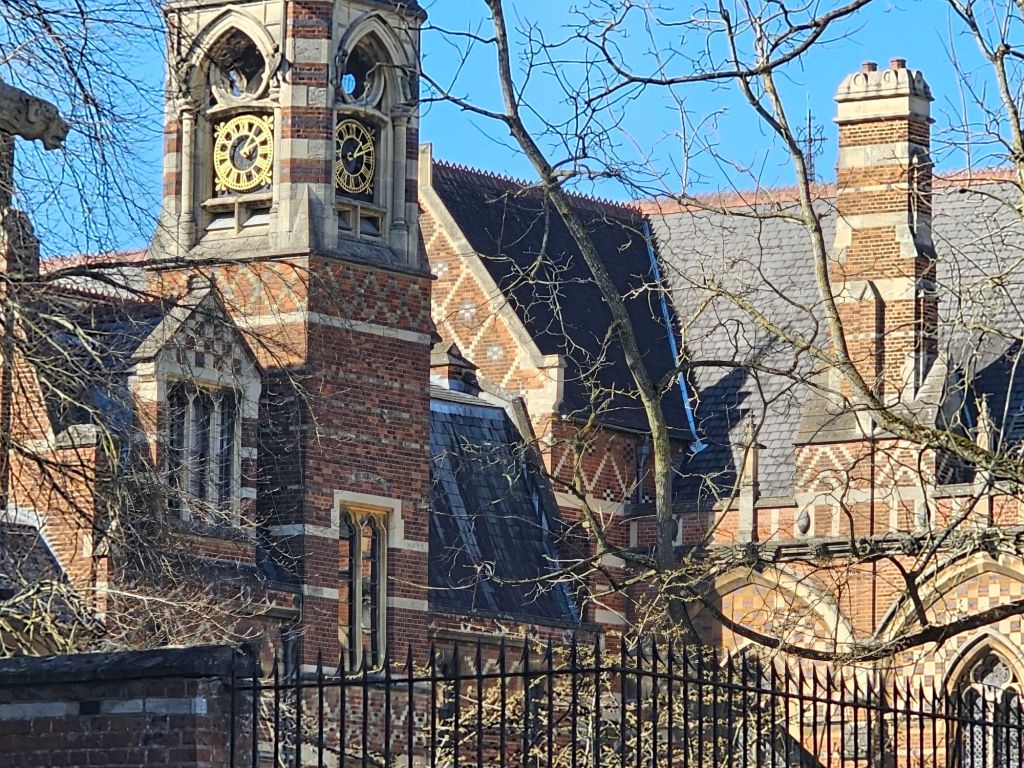
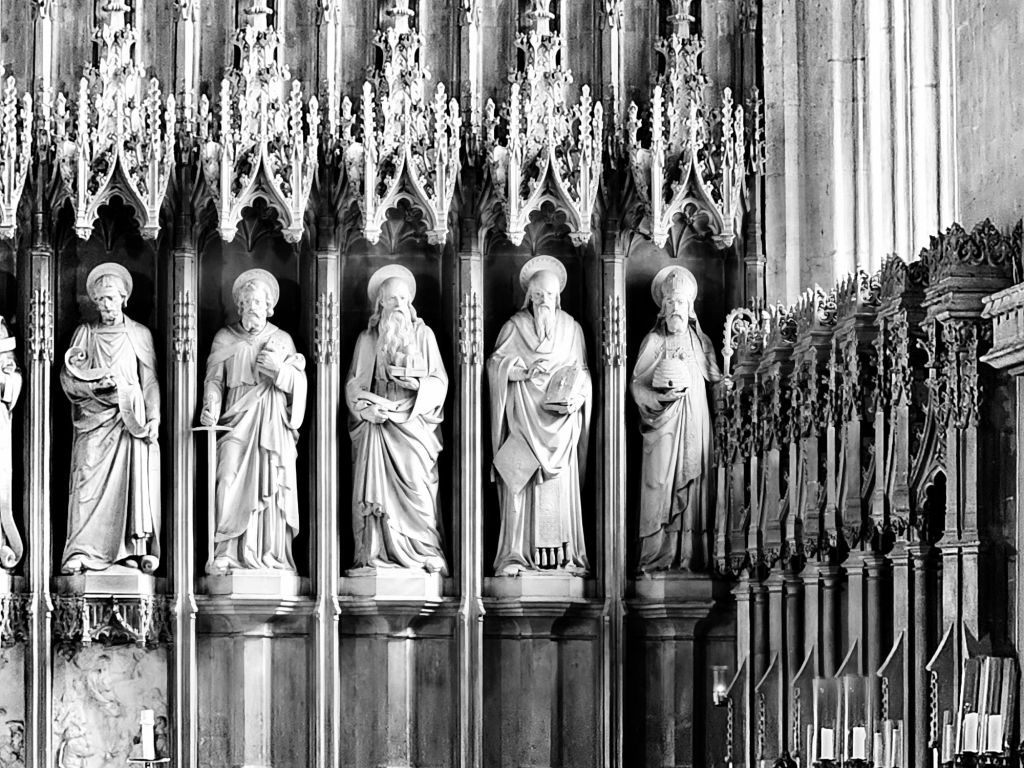
I saw some good bits of Oxford Gothic.
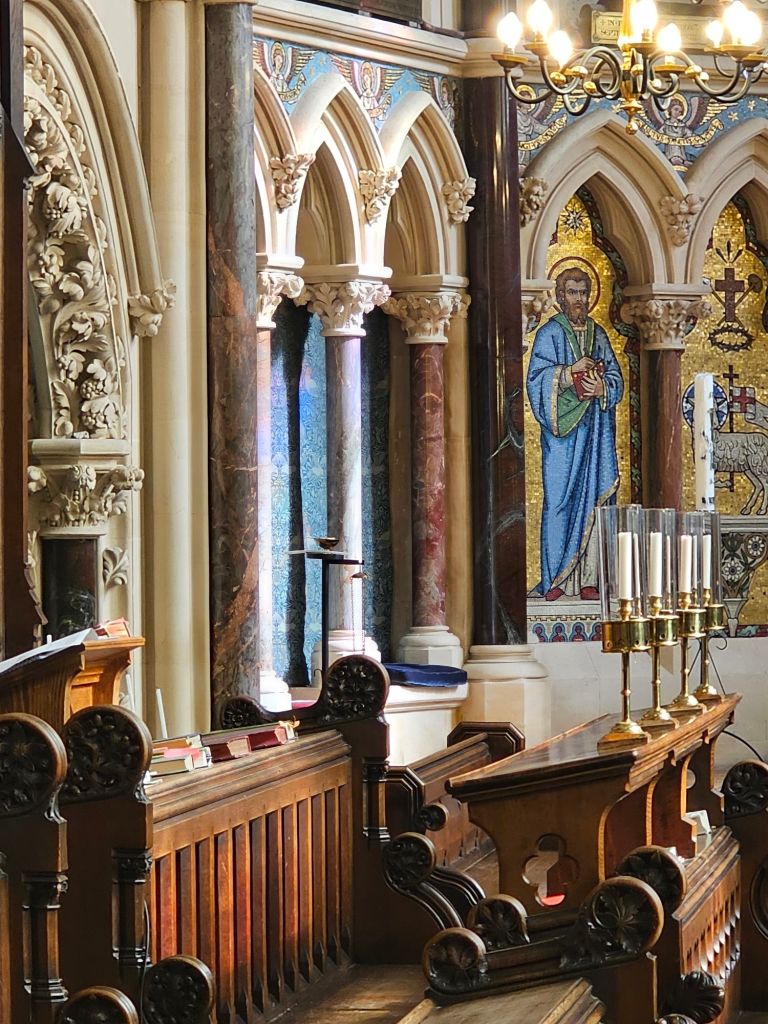
Gilbert Scott’s in Exeter College chapel:-
Deane and Woodward in the University Museum:-
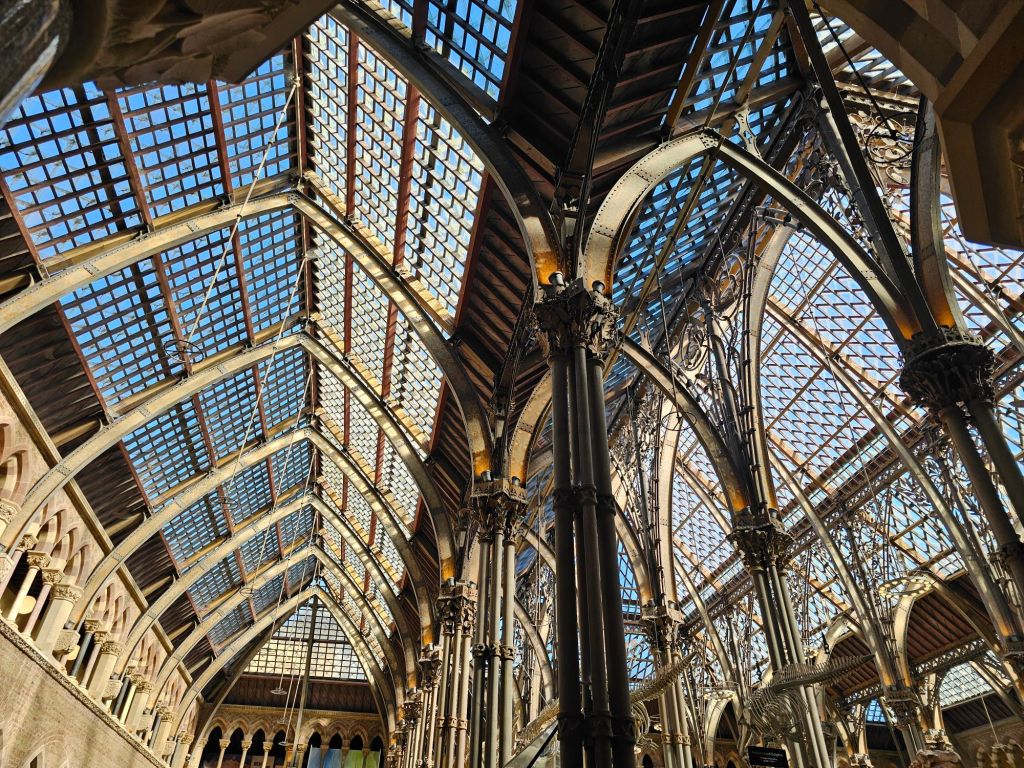
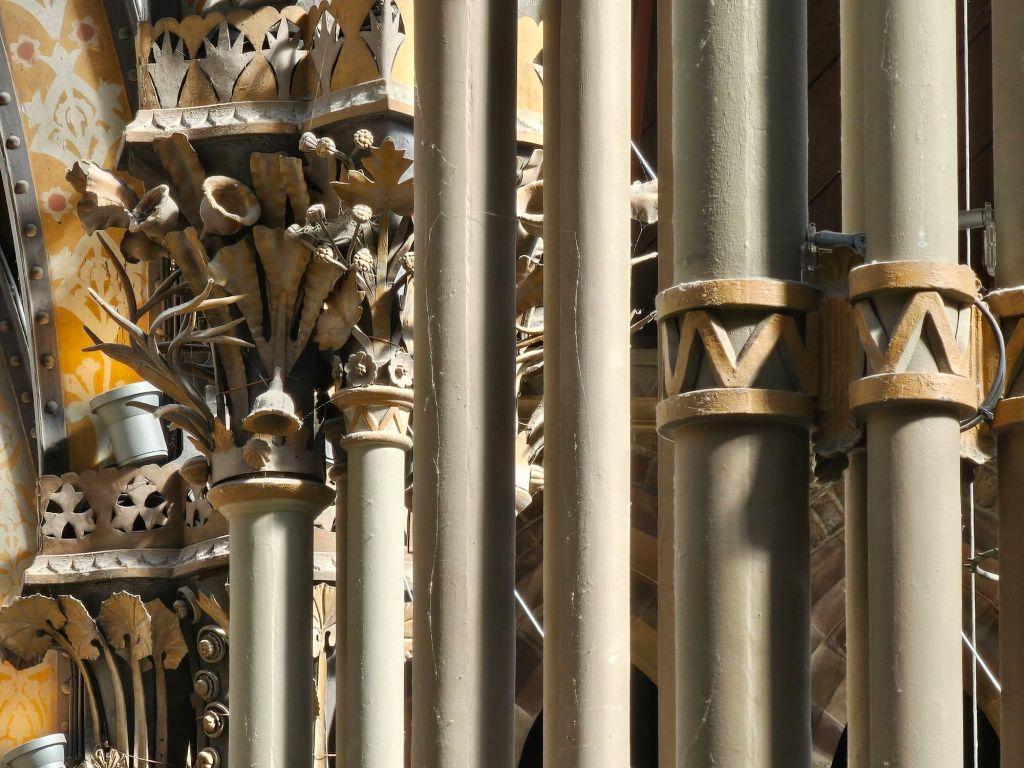
Butterfield in Keble (one day I might actually get to see the chapel):-
And true gothic in New College Chapel:-
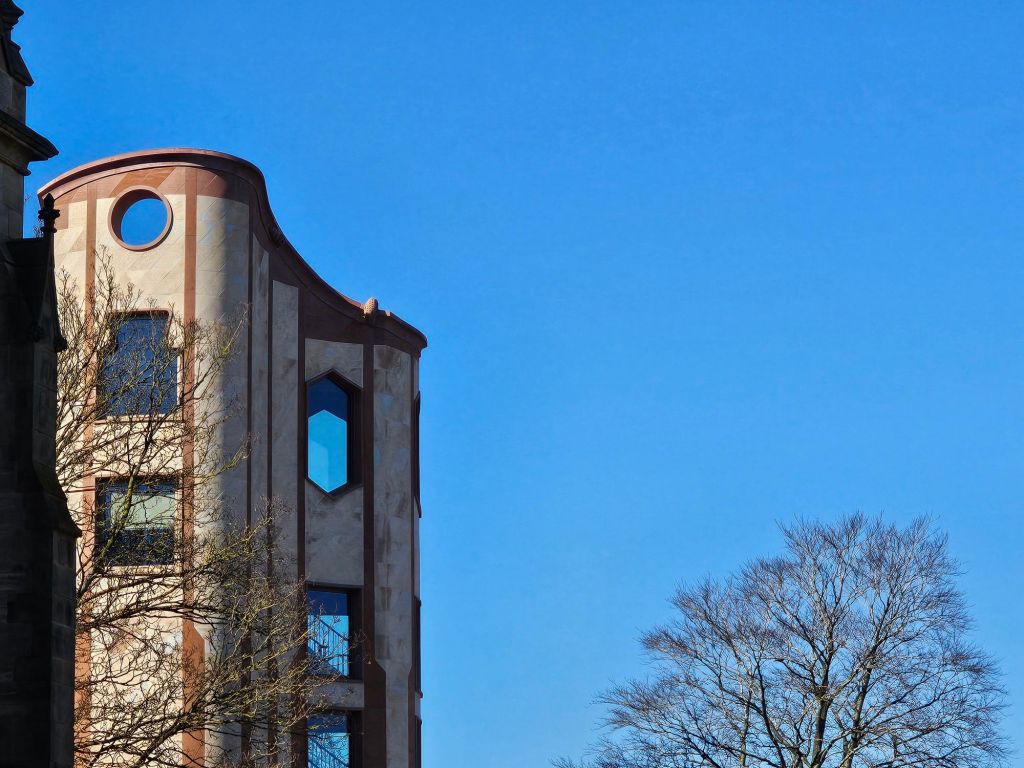
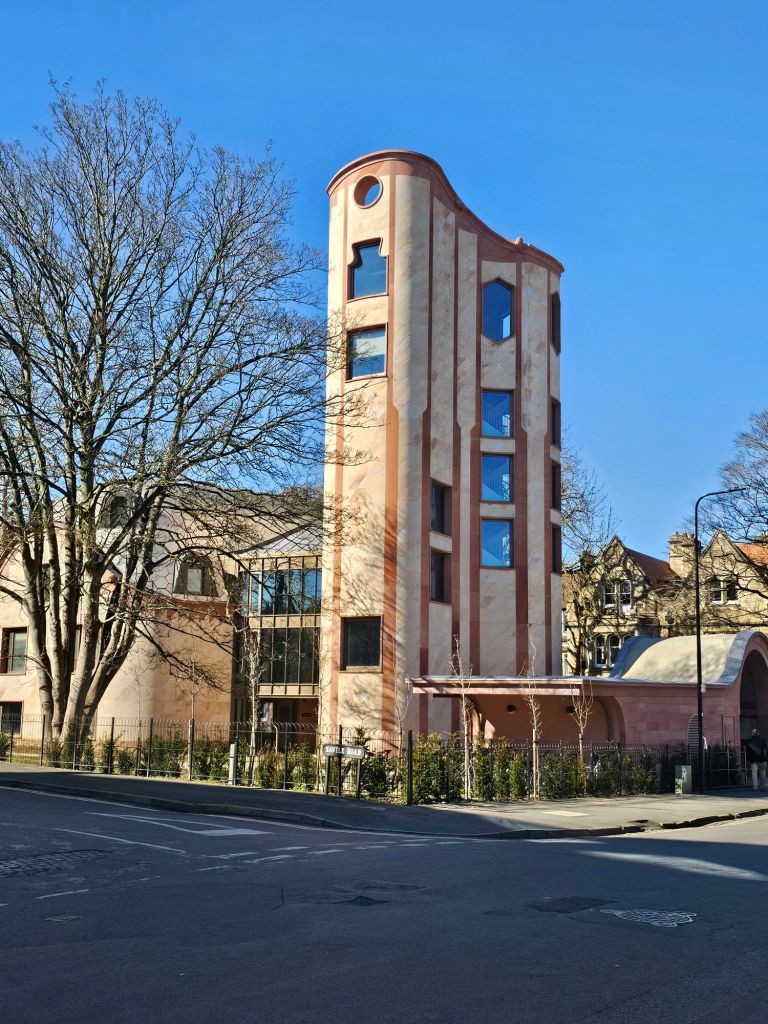
The Gradel Quadrangle is definitely a fascinating project, as described by William Aslet in The Critic last year (see below).
You first see the tower as you walk up Mansfield Road:-
Then the Porter’s Lodge:-

The quality of stonework is superb:-
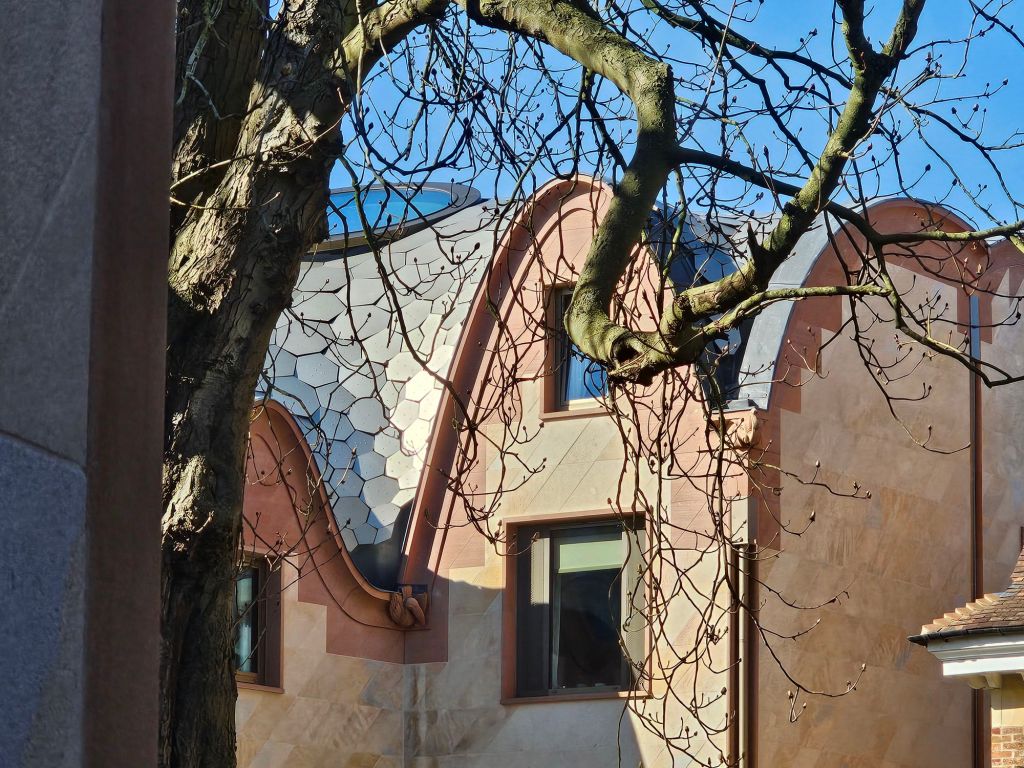
It’s an adventurous, thoughtful, brave set of buildings, half contextual, but also a bit wild:-
https://thecritic.co.uk/issues/july-2024/the-gradel-quadrangles-at-new-college-oxford/
I was in Oxford to see New College’s new Gradel Quadrangle, but realised that I was invited last year to see the renovation of Gilbert Scott’s library at Exeter College. It is many moons since I have been into Exeter, the college of William Morris and Edward Burne-Jones, and I had never seen its library, next to the Fellow’s Garden:-
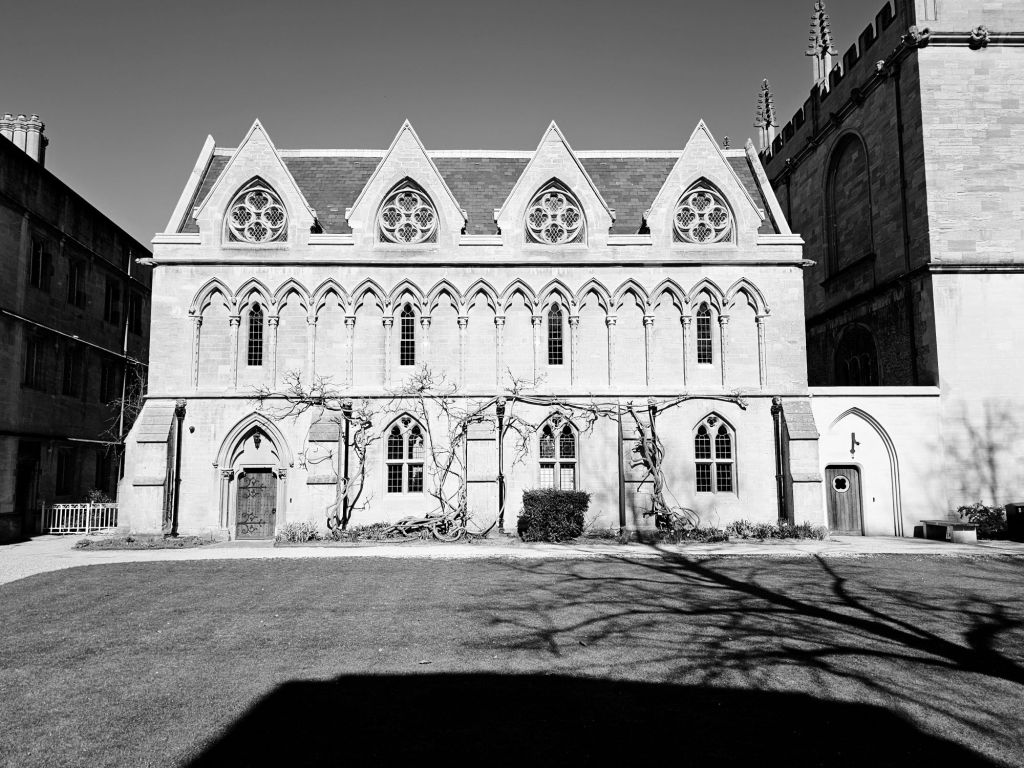
It’s been very beautifully and thoughtfully renovated by Nex and Donald Insall, advised by Hannah Parham, a former student of the college, then working for Insall. What was particularly impressive was the incredible quality of the woodwork throughout
It is on the long list for an RIBA award – good that such careful, well-considered and un-show-off work makes the cut. The joinery definitely deserves a medal.
On our return from the Warburg we were able to have Stilton and black bread, fresh from Cologne. It felt appropriate:-
https://baeckereizimmermann.de/de/produkte/schwarzbrot.html

It was the first performance in the Warburg’s new lecture hall in which Mahler’s Das Lied von der Erde was accompanied on Gombrich’s Grotrian-Steinweg piano, newly restored like the Institute itself.
Gombrich’s mother had been trained as a concert pianist and knew both Mahler and Schoenberg.
He married one of her pupils, Else Heller, in 1936, the year that they moved to London so that he could take up a post as a research assistant at the Warburg Institute. They took the piano with them, not an easy thing to transport. In later life they would play chamber music together.
Else died aged 96 and so the family donated the piano to the Warburg, to which Gombrich had devoted his life.
 | Charles | Saumarez | Smith |
You must be logged in to post a comment.