There is reference in my Comments section to an event this coming Thursday in St. Anne’s, Limehouse.
If it’s not yet full up, I strongly recommend it as an opportunity to hear Iain Sinclair whose poem Lud Heat published in 1975 inspired Peter Ackroyd’s novel Hawksmoor a decade later and helped feed the cult of Hawksmoor. He is in conversation with Owen Hopkins, author of From the Shadows: The Architecture and Afterlife of Nicholas Hawksmoor and the photographer, Hélène Binet. A wonderful line-up.
I was luckily able to go to the opening last night of the big exhibition of Leonard McComb’s work at Oriel Môn, just outside Llangefni.
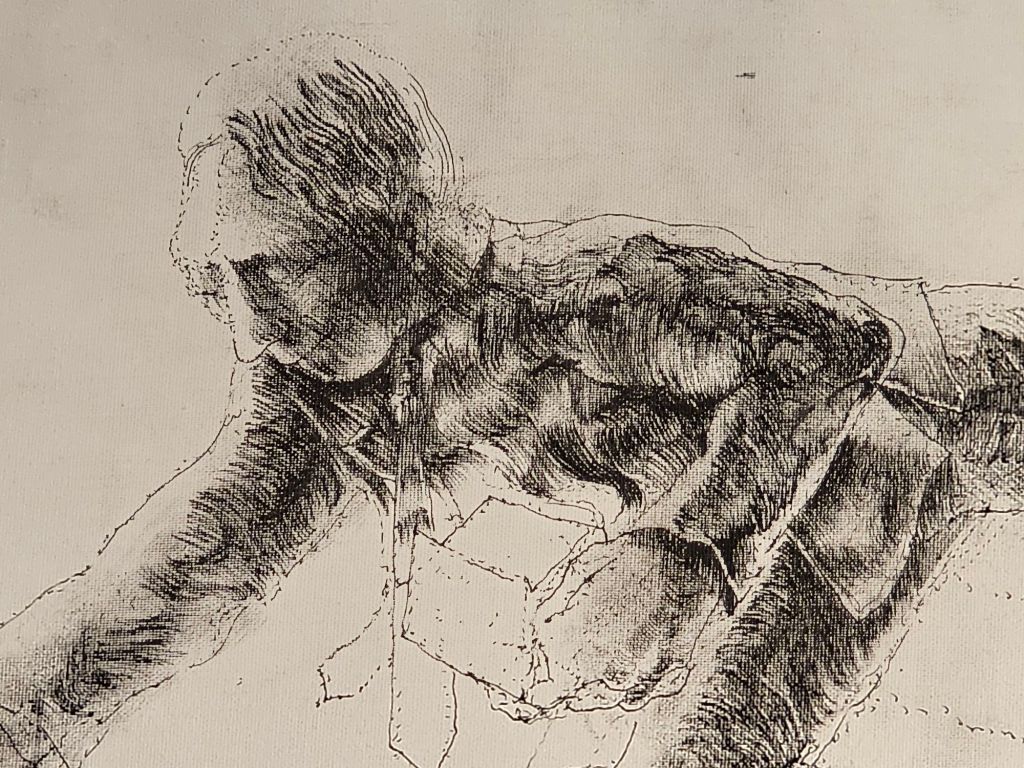
It’s being held at Oriel Môn, because, unbeknownst to me, his mother spent the latter part of her life in Benllech, so Len knew the island well, loved the local landscape and completed two massive drawings of the local rocks which I have not previously seen, although Rock and Sea Anglesey won the Hugh Casson Prize for Drawing in 2005, so was presumably shown in that year’s Summer Exhibition.
What comes across is how visually sensitive he was as an artist, with a slightly visionary undercurrent, and how good he was as a portrait painter. The NPG have lent both his Self-Portrait, acquired from his estate,and his brilliant portrait of Doris Lessing, a commission. The Tate have lent Young Woman Holding Duck (1993).
It is the first time his work has been shown in any depth since his death in June 2018. I don’t think I knew that he had qualified at the Slade as a sculptor having spent a number of years as a graphic artist, going to evening classes at the Manchester School of Art.
His last retrospective was at the Serpentine in 1983. It’s a good opportunity to see the full range of his work.
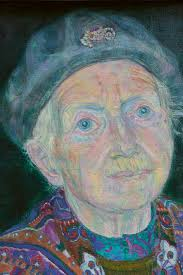
This is a portrait of his mother, now in the collection of Manchester Art Gallery:-
I apologise to all those who might have received an email from me asking them to open up a document. Luckily, most people realised it was a scam, but it is horrible how easy it seems to be for someone to penetrate one’s Gmail account. I have done what I can to solve it.
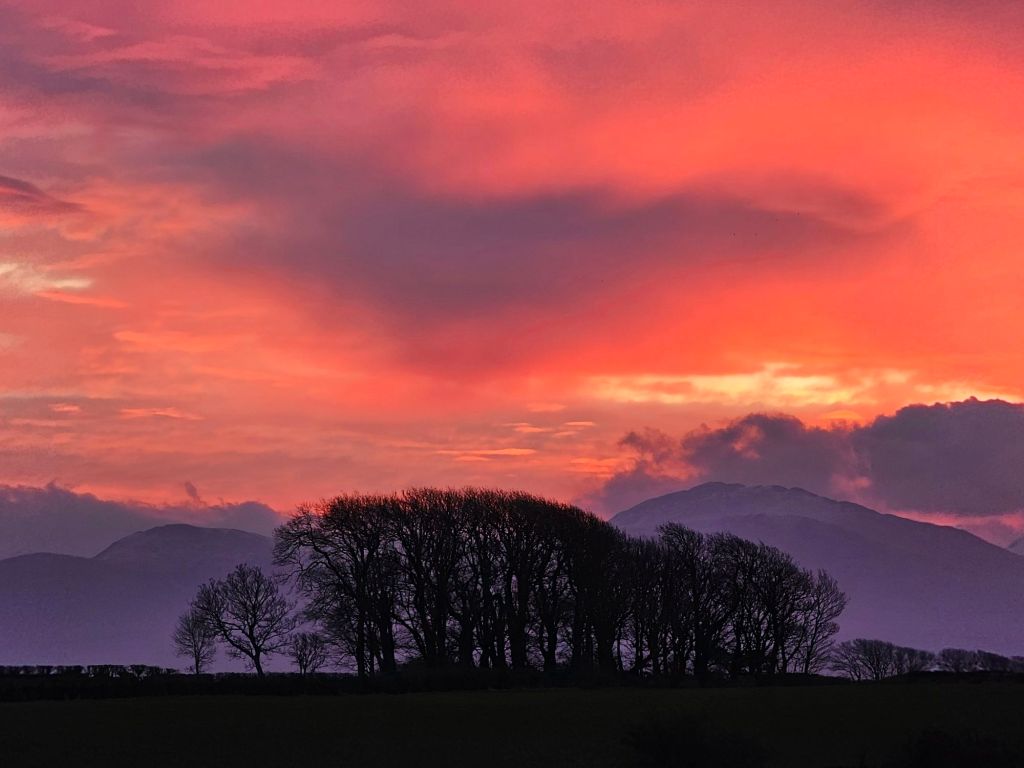
I was just enjoying waking up in Wales and the beauties of the sunrise when I discovered the my email contacts list has been hacked and everyone I know has been sent a bid document which looks superficially plausible except it comes from CHARLES SMITH, not me.
I haven’t previously listened to any of the recent Open City podcasts on single buildings, but not surprisingly was very pleased and interested to listen to such a serious and systematic analysis of the architecture of St. Anne’s Limehouse by George Saumarez Smith and Matthew Lloyd Roberts (listen below).
It’s rare to hear such close and thoughtful criticism of single buildings – cultural, historical, contextual and, more unusually, stylistic, based on George’s deep knowledge of classicism.
The book on Vanbrugh that I have been working on – I started writing seriously over Christmas 2021 – seems suddenly a touch more real now that you can pre-order it on Amazon. It’s being copy edited at the moment. 75,000 words. It comes out in November just in time for Christmas, an exhibition at the Soane Museum in February a year from now, and Vanbrugh’s tercentenary on 26 March 2026. A Vanbrugh-fest, I hope.
The Royal Opera House was selling tickets cheap for Festen, but possibly not any more after its first night last night: so horrifyingly and briefly intense. I didn’t know at all what to expect, but thought it pretty powerful stuff.
We are mourning the death of my nephew Joe who has died aged only 53, the chairman of the British Horseracing Authority. As the Sun says, he took to racing young, not a family characteristic, and was brilliant at all aspects of betting. It was a great benefit to me when I went to the National Portrait Gallery that my trustees knew him as the racing correspondent of the Daily Telegraph. ‘Kind, thoughtful, funny intelligent’. A good description. A terrible loss.
If you are in central London this week, I recommend a visit to the exhibition by Louis Pohl Koseda in Christie’s exhibition galleries to the left of the entrance on King Street.
Louis was a student at the Royal Drawing School, graduating in 2023, when he won the Christie’s Award which gave him a year in which to pursue his work. He has been astonishingly prolific, drawing scenes from his imagination, but also located in the city. The work is amazing.
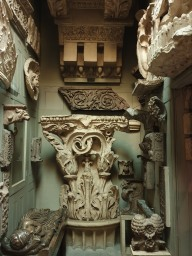
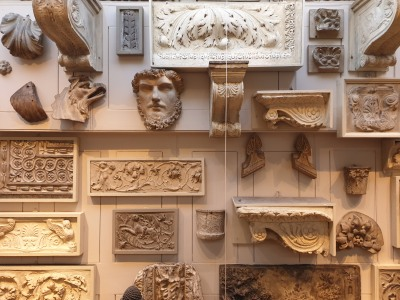
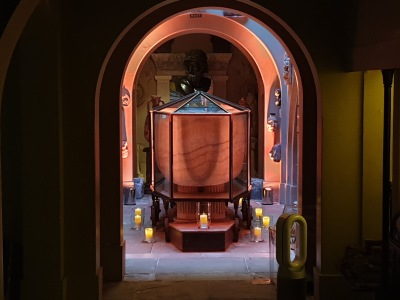
I find the Soane Museum endlessly fascinating, always different every time I go. I have discovered I have a surprising number of pictures of its interiors taken over the last couple of years.




 | Charles | Saumarez | Smith |
You must be logged in to post a comment.