
We had our first, all-staff meeting in David Chipperfield’s new, hemispherical lecture theatre in Burlington Gardens this morning. At 7.45, the place was still under wraps, the leather seats by Bill Amberg still covered by plastic sheeting. By 9.00, two hundred or so people were sitting in the steeply raked amphitheatre, individually visible because the space is daylit, like a Renaissance anatomy theatre, or as David Chipperfield thinks, like the Teatro Olimpico in Vicenza (he is lecturing there this Saturday). It’s a very different experience from talking in a darkened lecture hall: the sense of assembled, proximate faces, each of whom is in an unexpectedly individual relationship with the speaker. I still can’t post photographs, but will soon.
Burlington Gardens
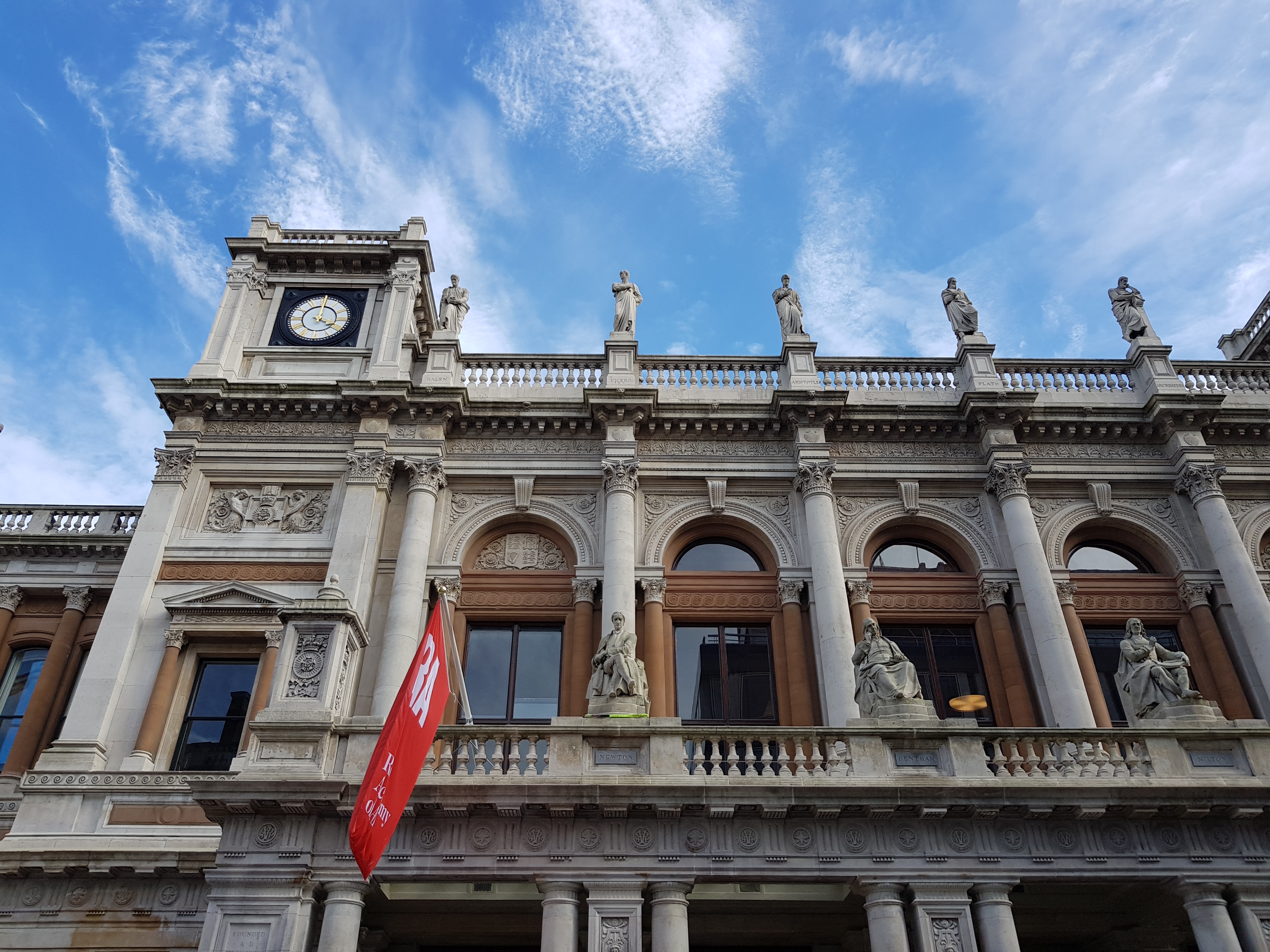
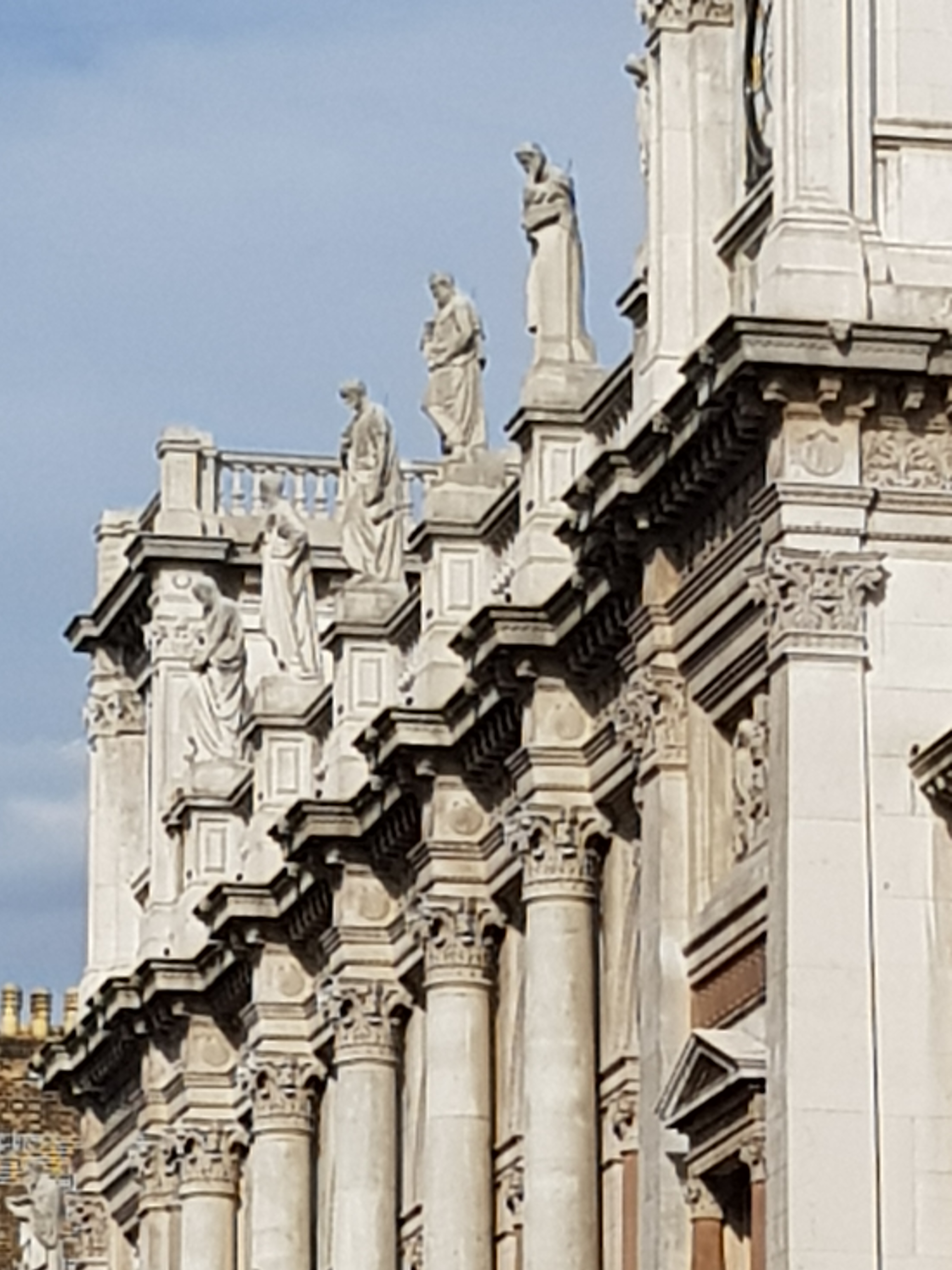
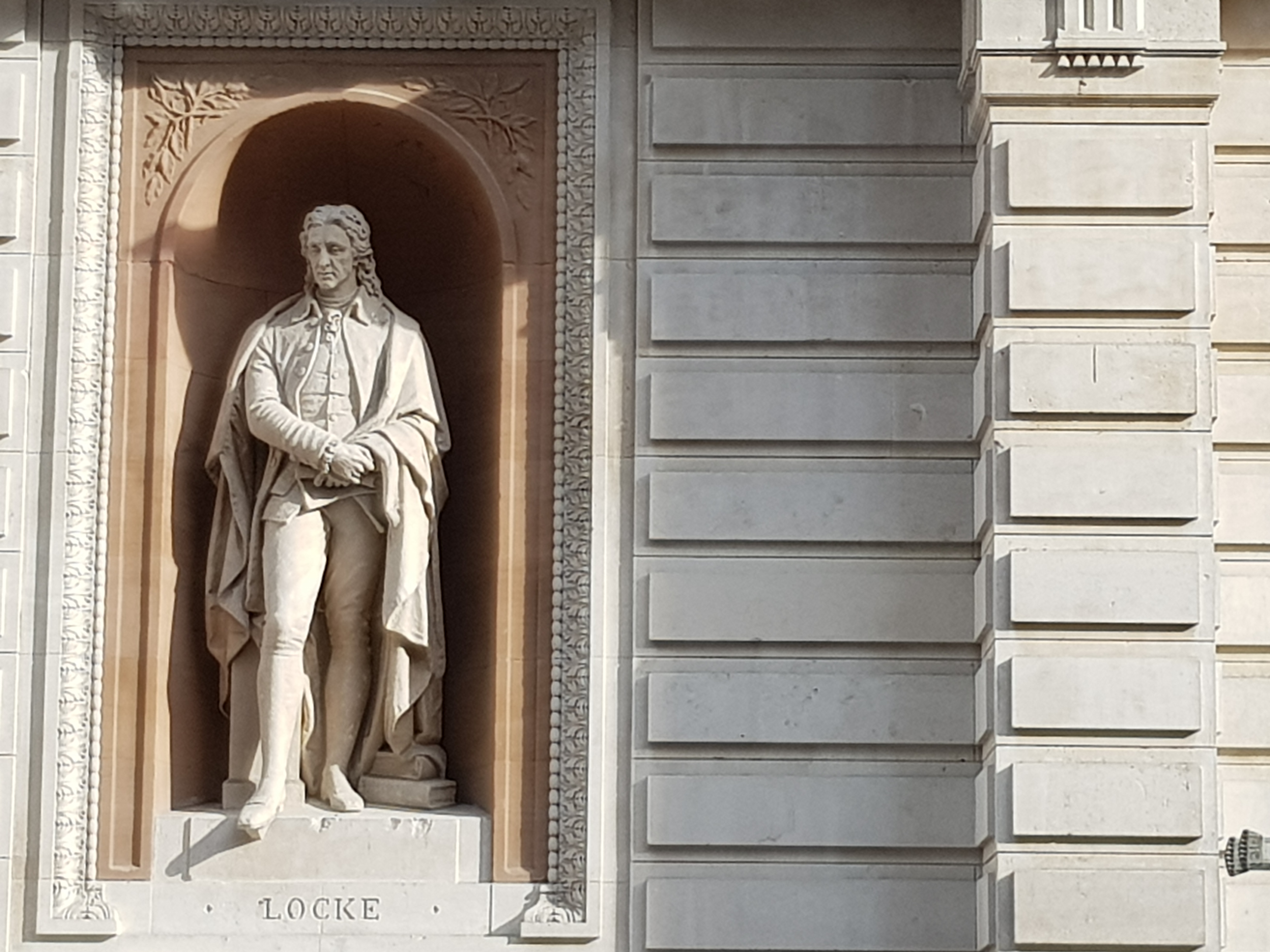
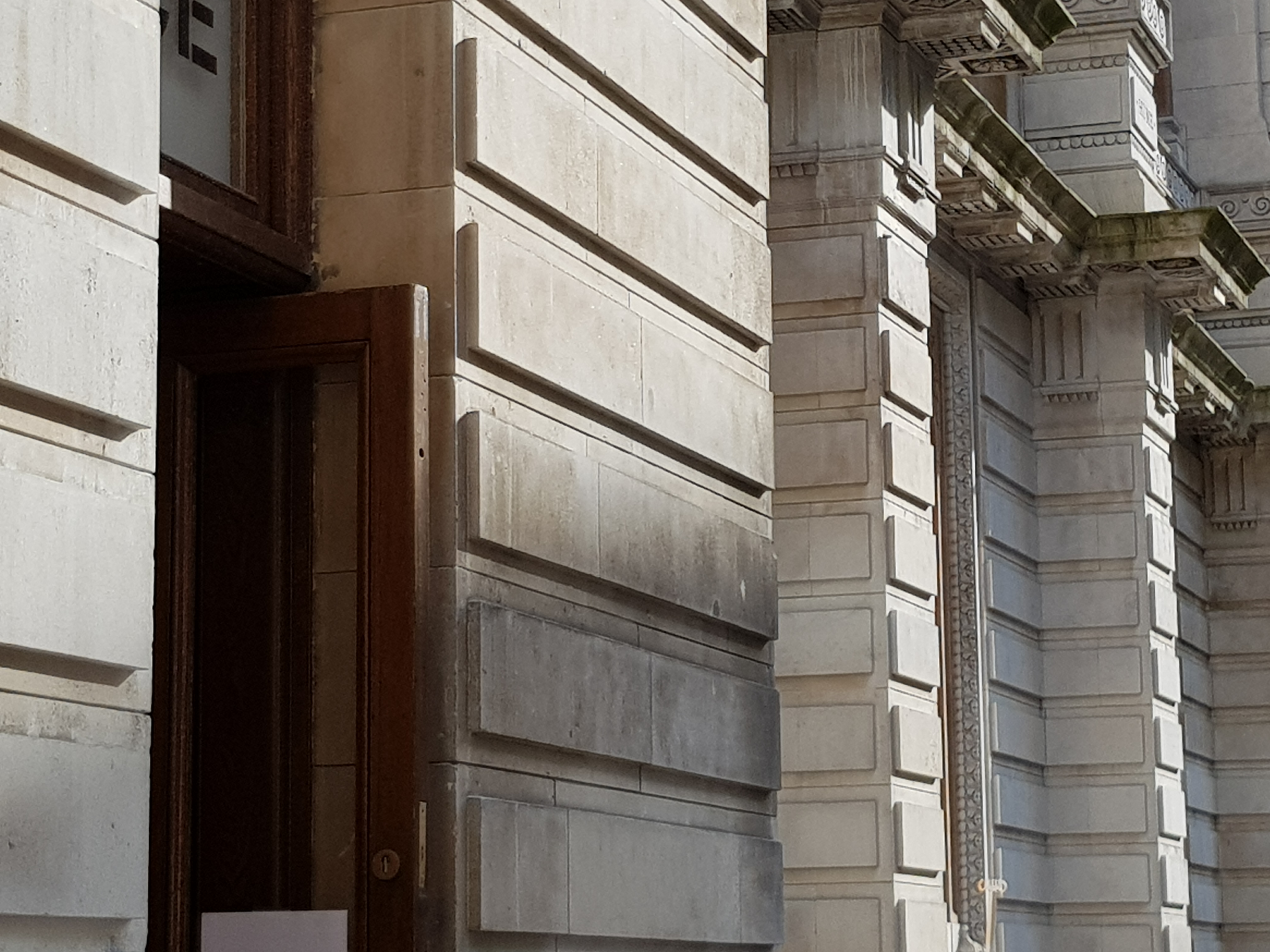
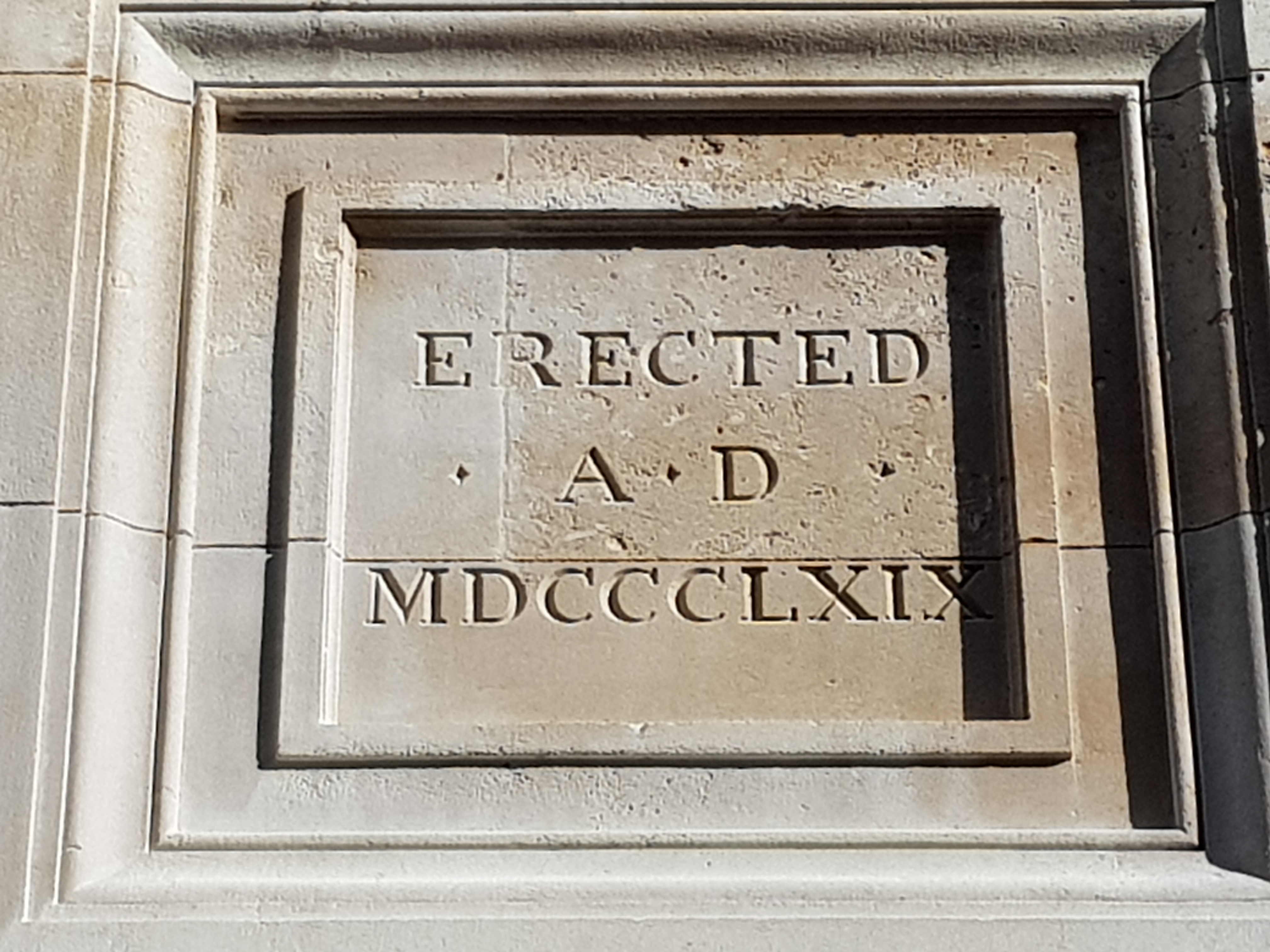
There are ten days till our building opens to the public. I took a stroll round it last night, admiring the cleaned façade in the evening sun:-
The Private Life of the Royal Academy (2)
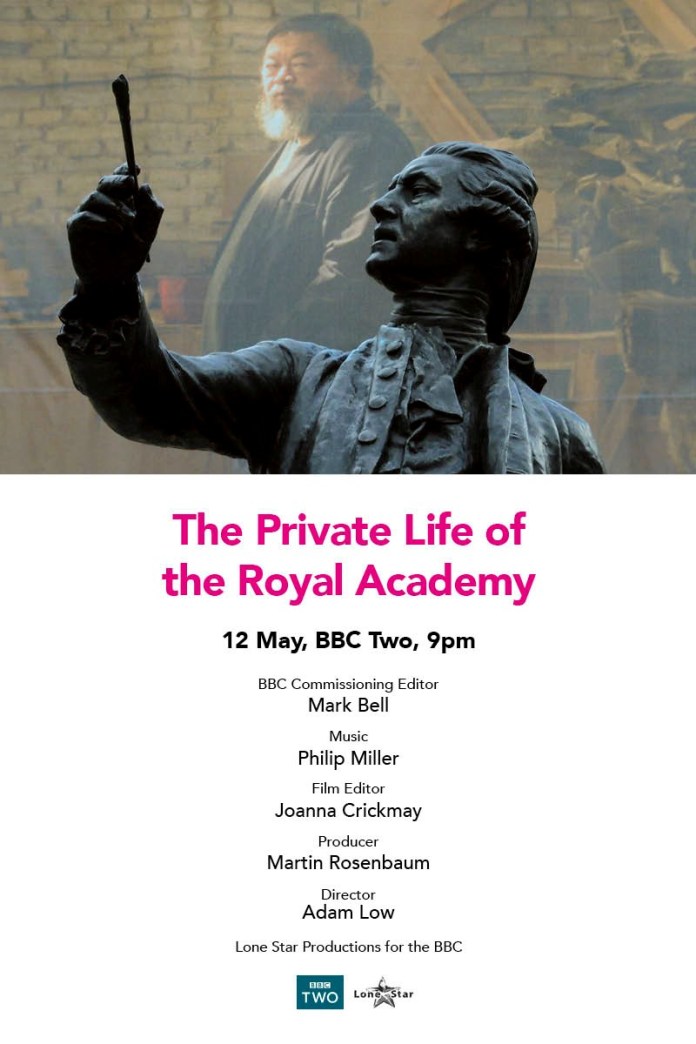
I now know when the film about the Royal Academy is going out on television – this Saturday at 9 p.m. and thereafter available on i-player. Having digested it and heard many comments, I can strongly recommend it as a view behind-the-scenes of the RA and how it operates:-
Winchelsea Beach
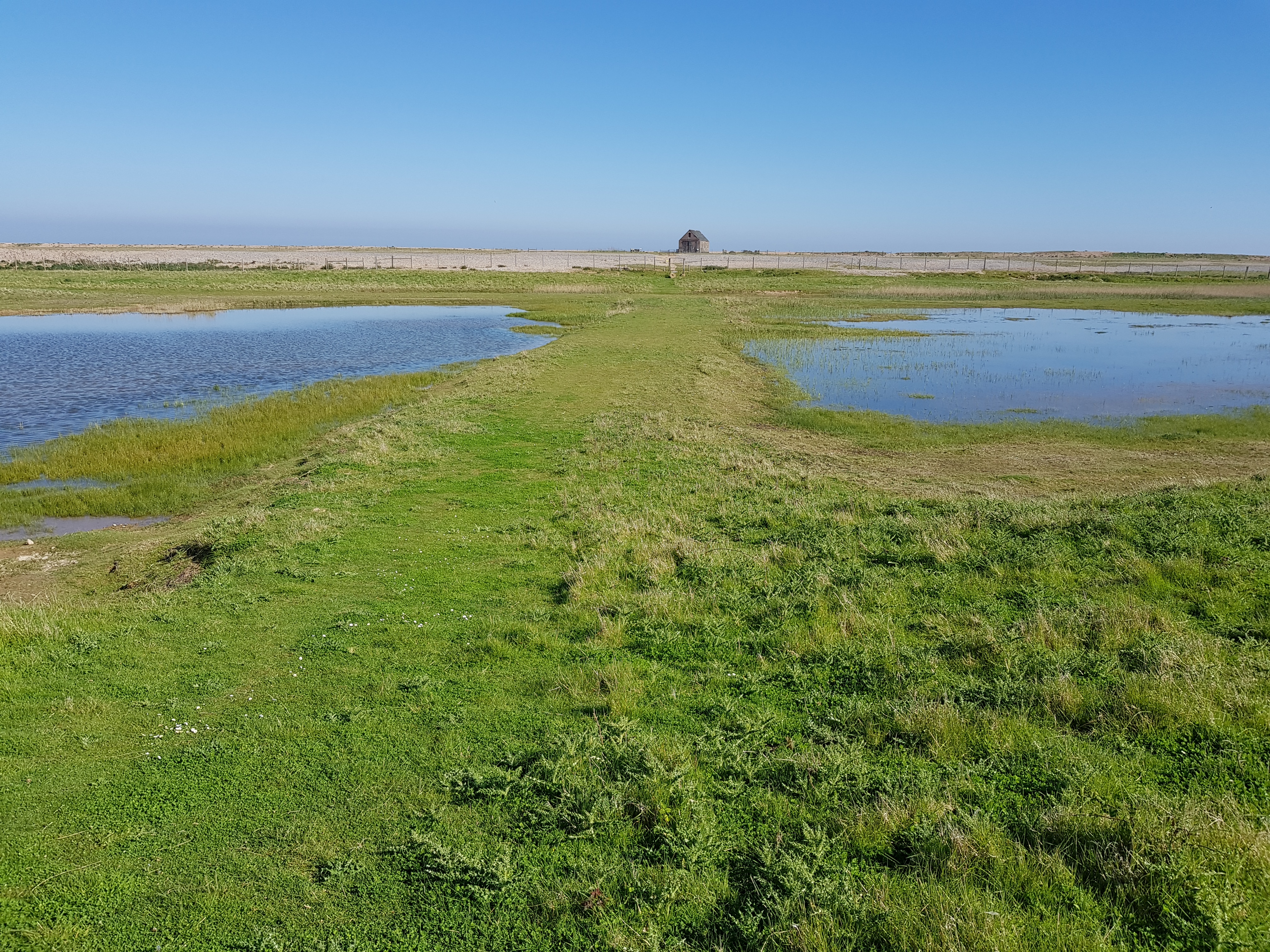
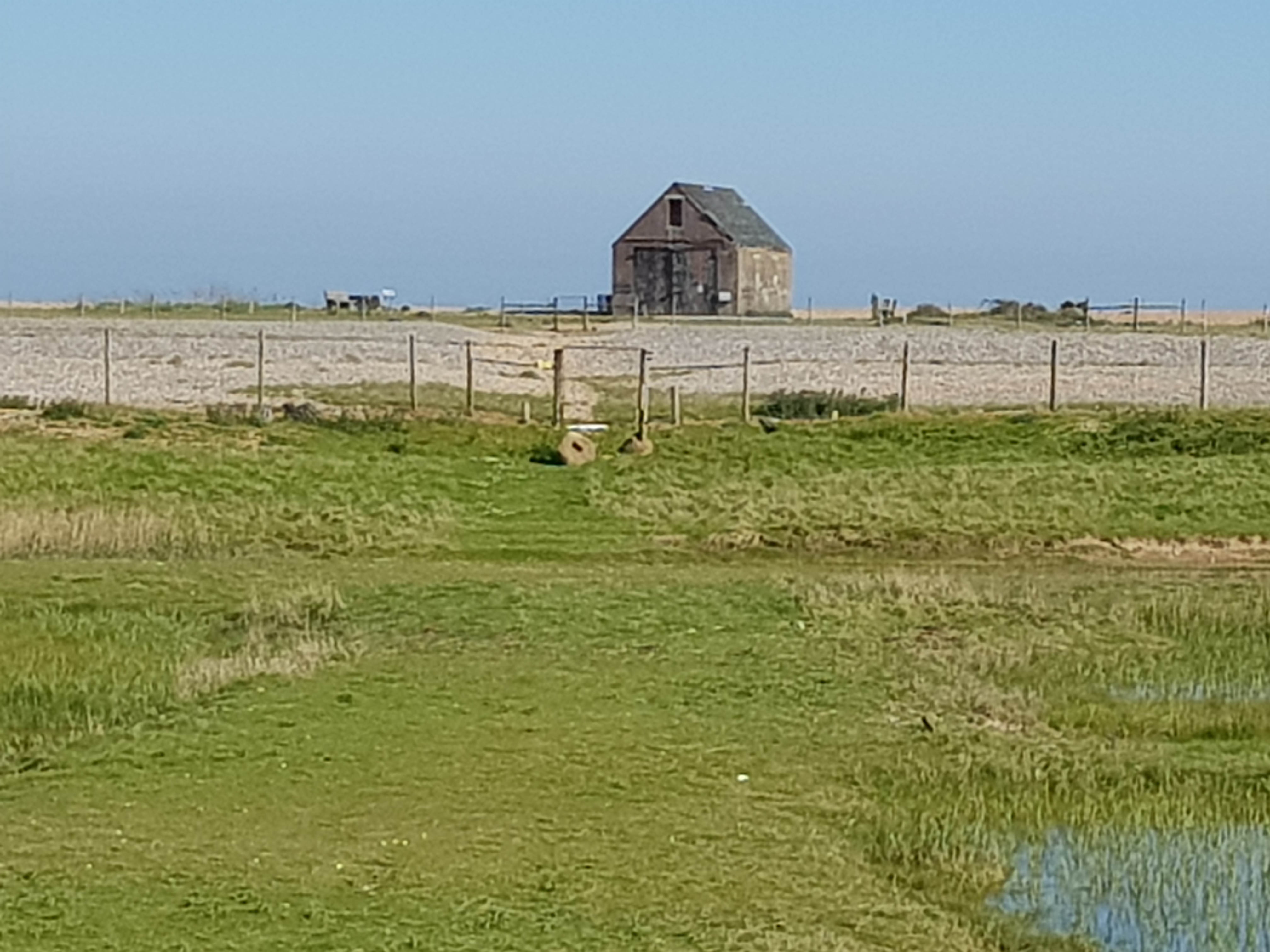
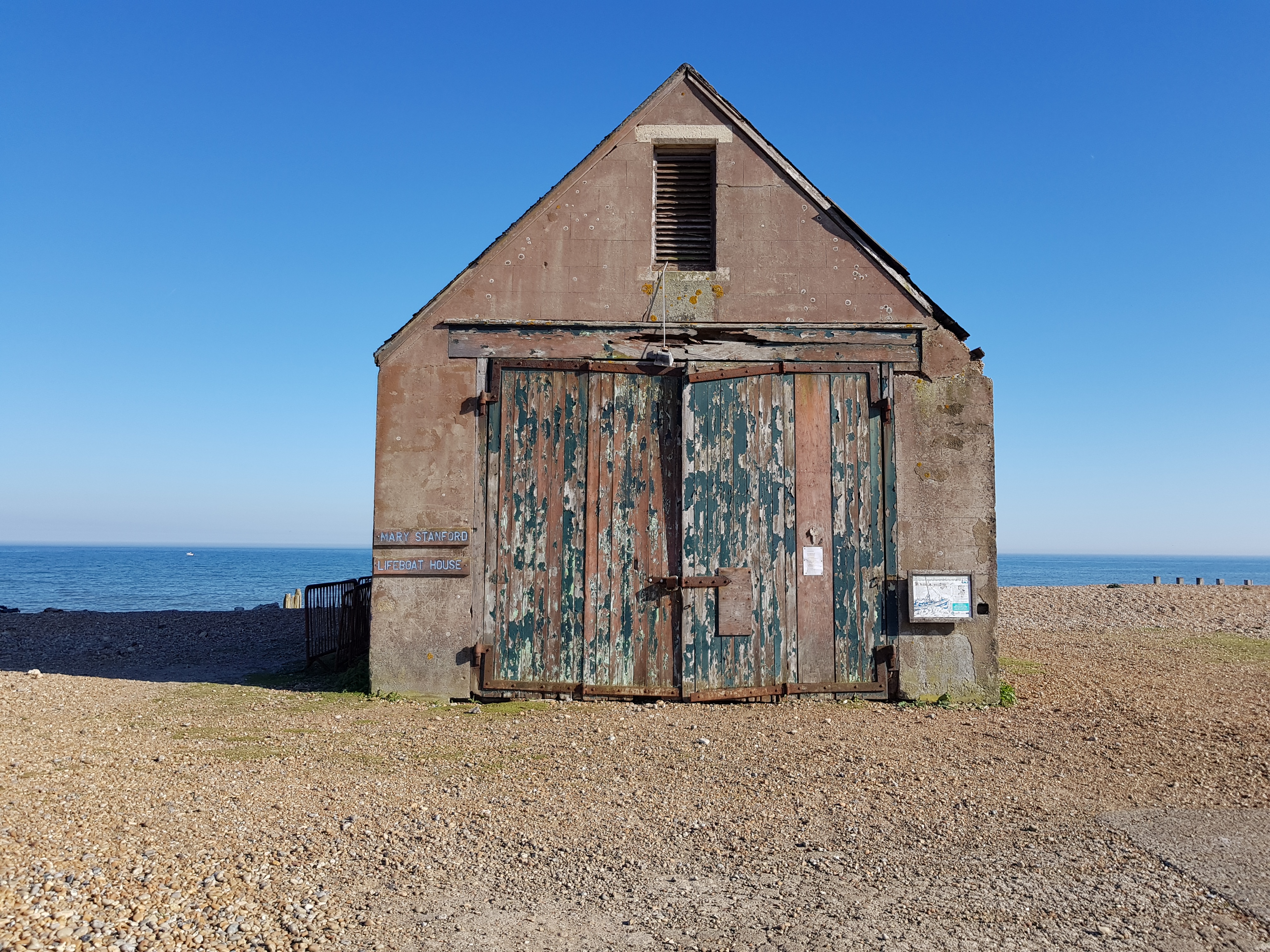
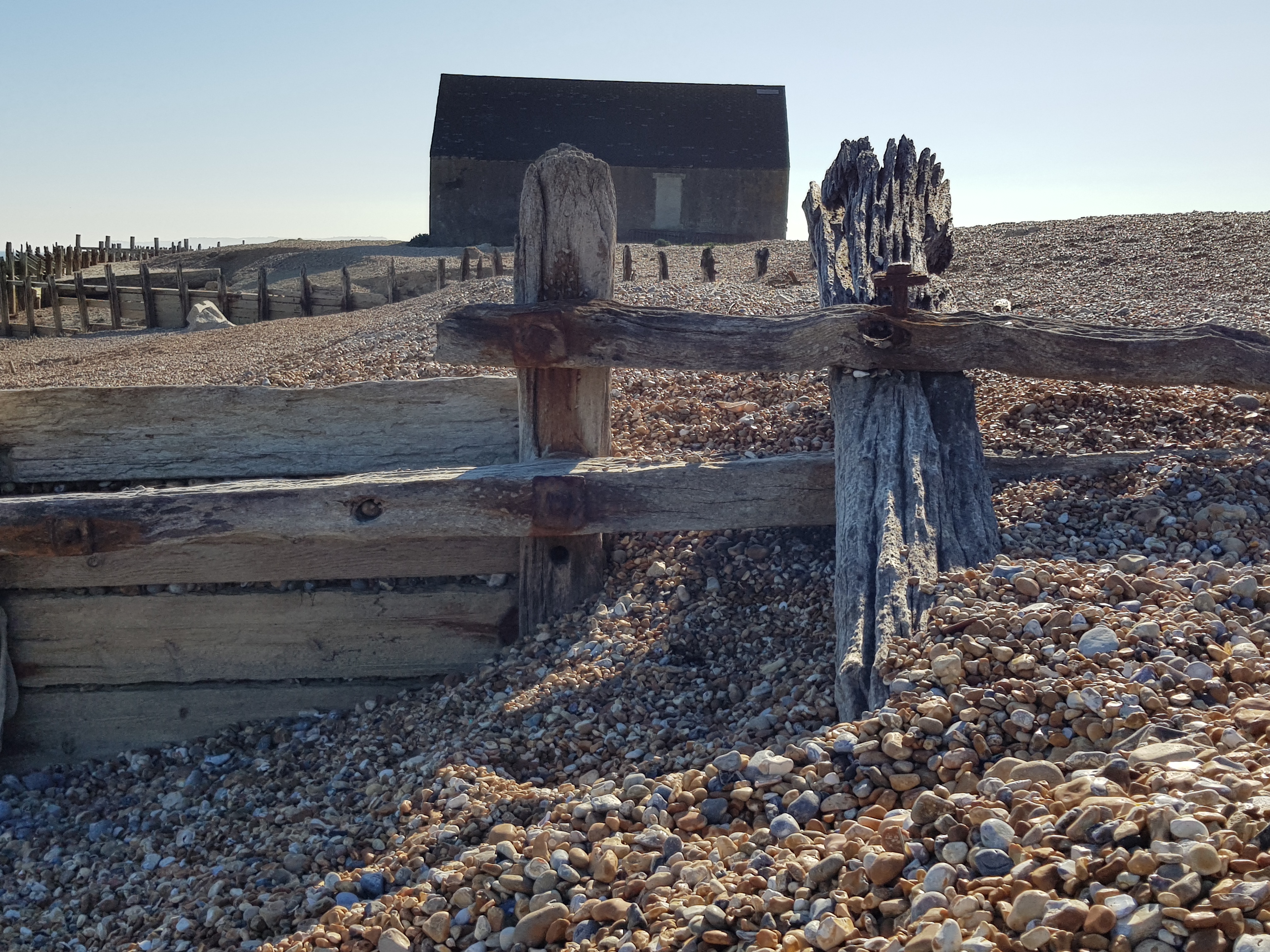
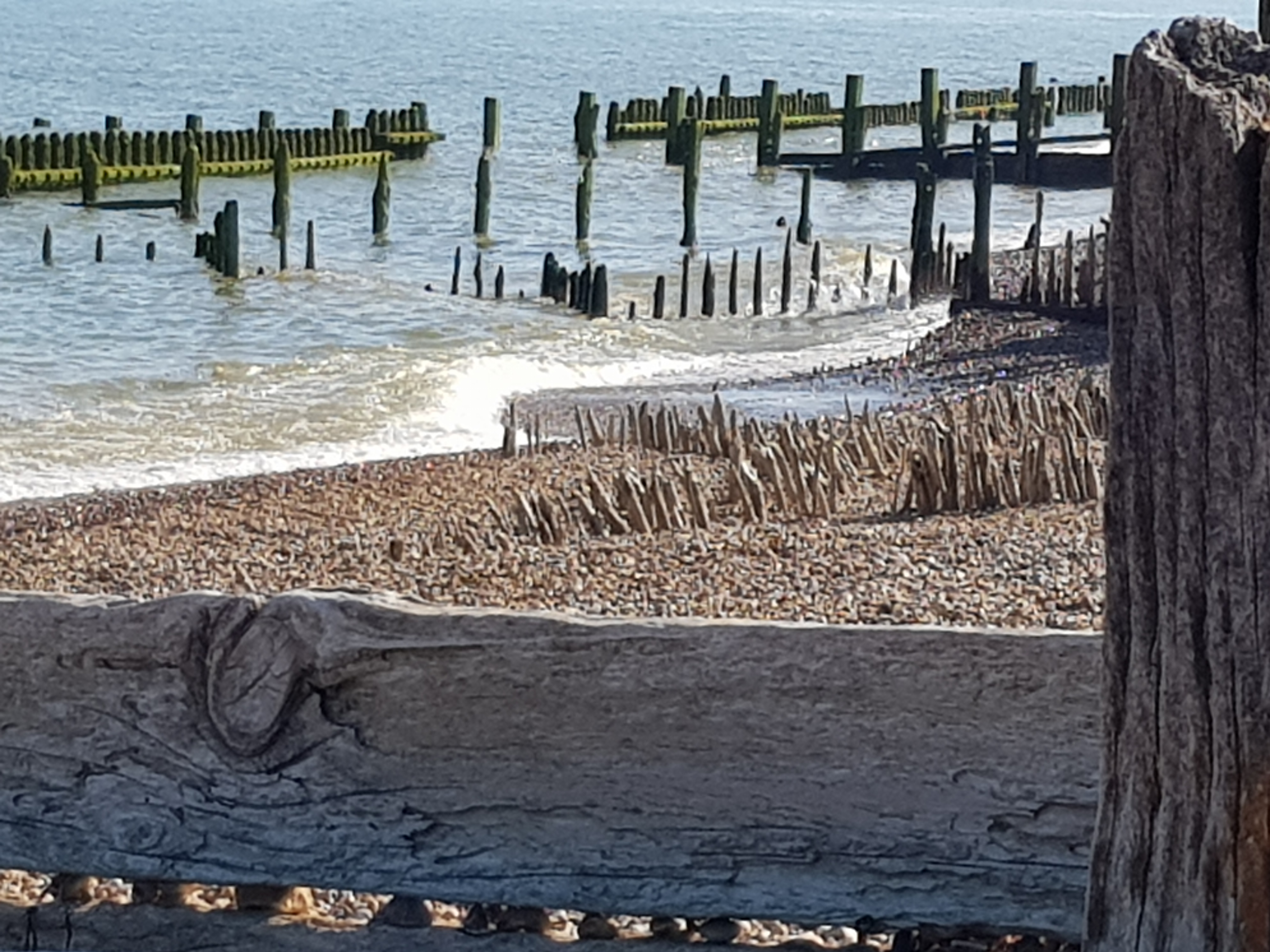
We walked out to the beach at Winchelsea, all shingle, to the Mary Stanford Lifeboat House, unused since its crew went out to save a Latvian boat in the English channel in the early hours of 15 November 1928, the boat capsized and all seventeen were lost. The lifeboat house has not been used ever since:-
St. Giles
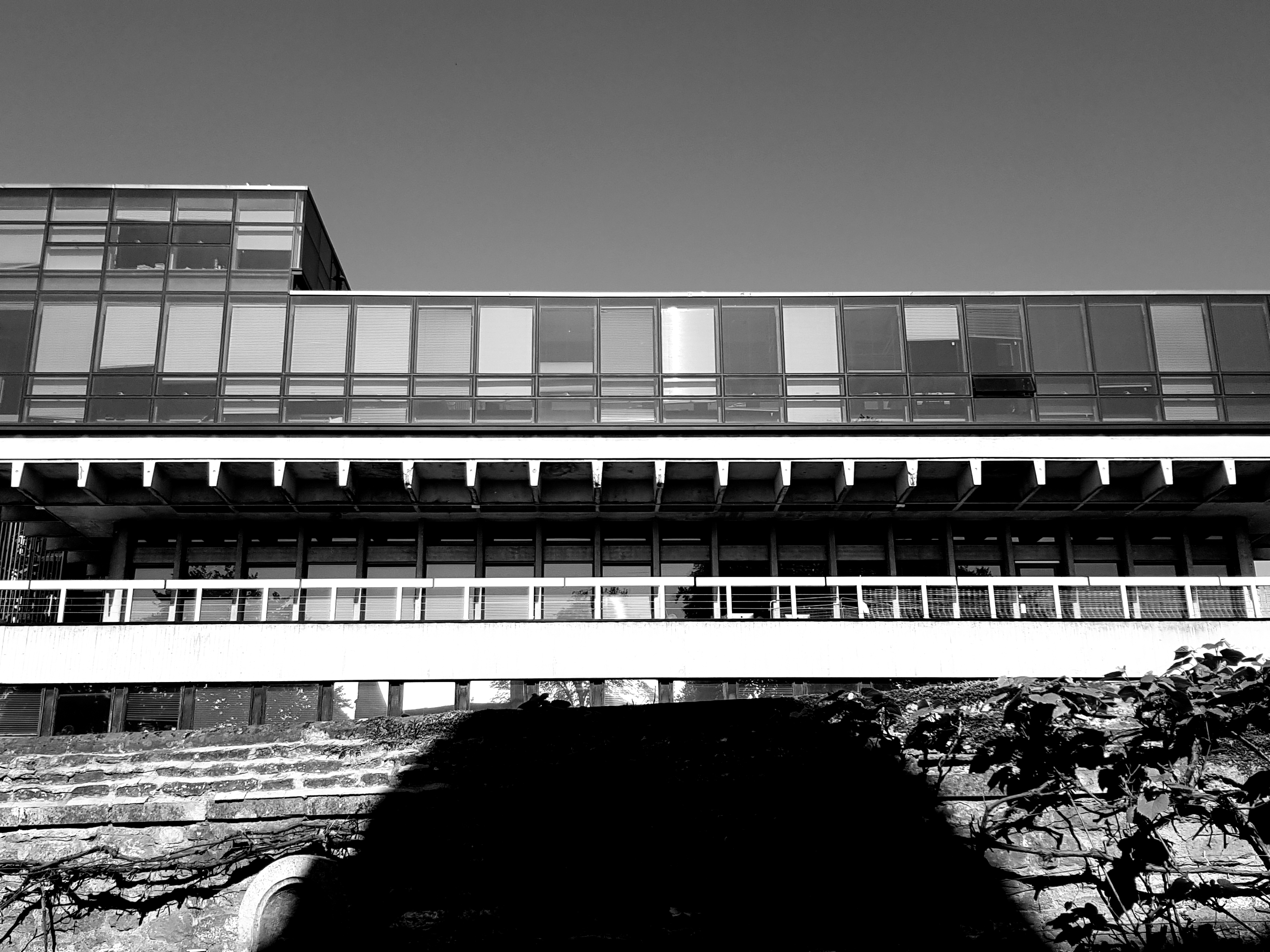
We wanted to have tea in the Ashmolean, but it was closed for repairs, so we sat in the garden of the Old Parsonage Hotel, looking out over the Denys Wilkinson building, one of Philip Dowson’s less lovely projects, designed in 1967 for the Department of Astrophysics:-
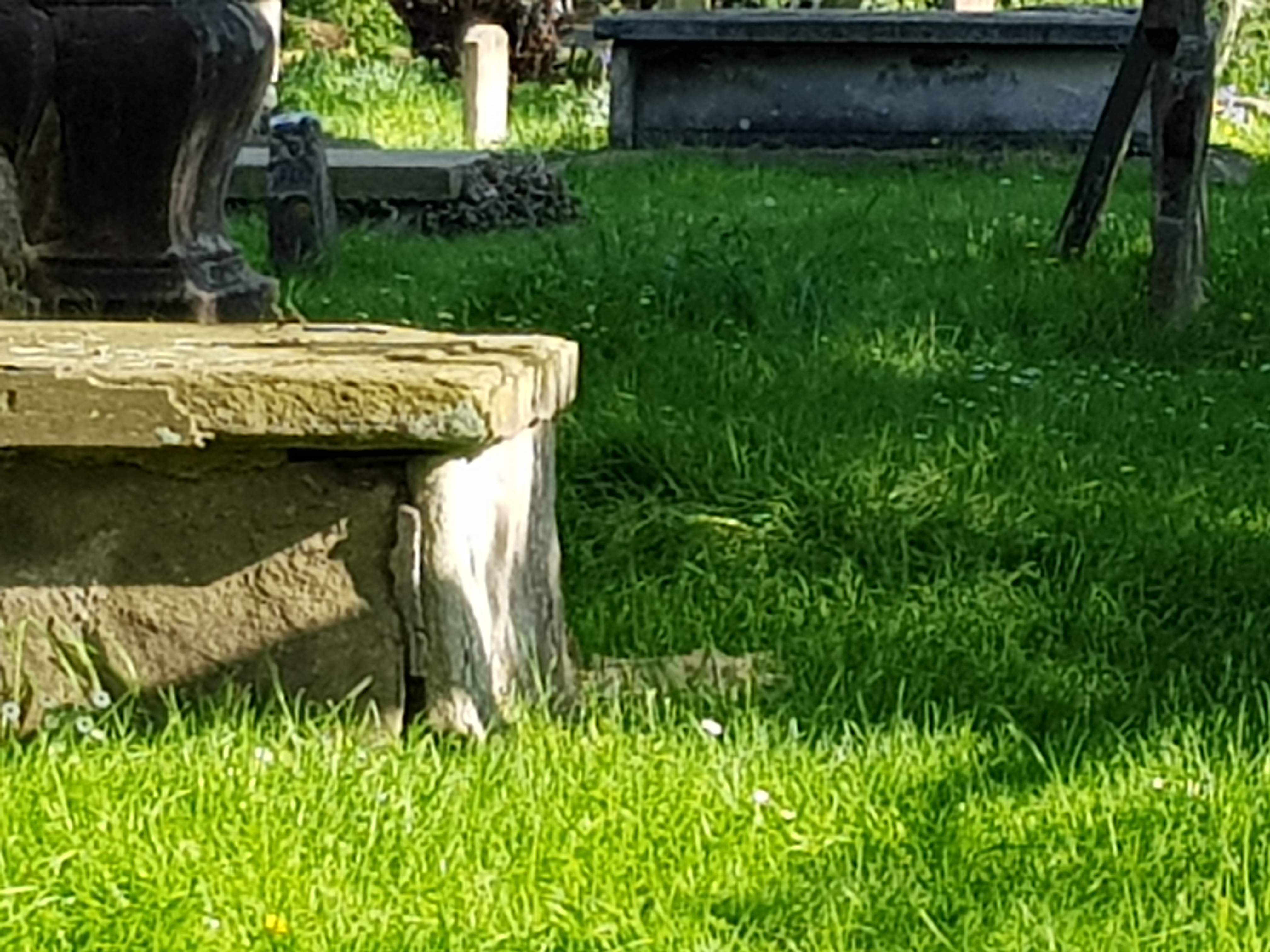
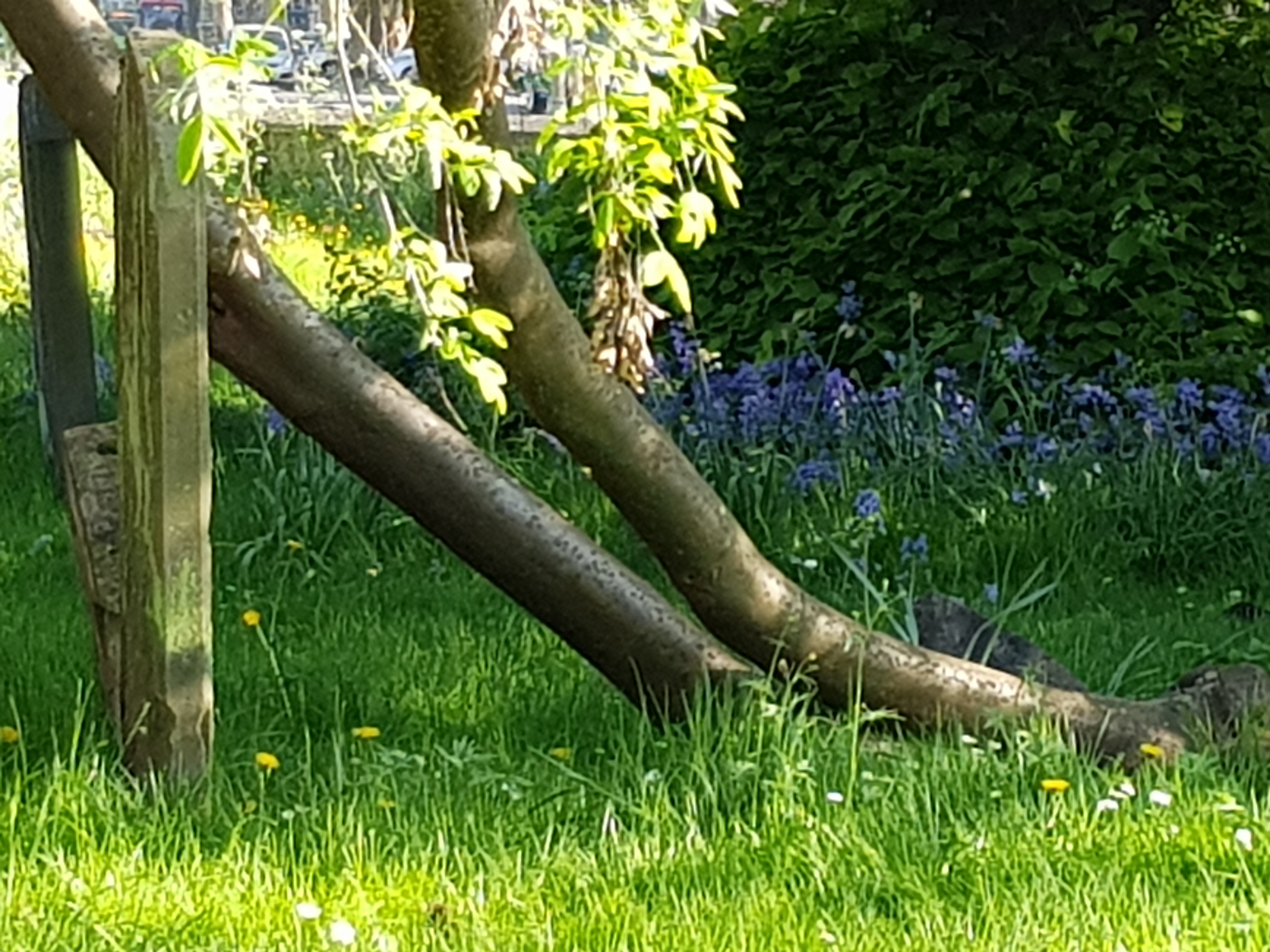
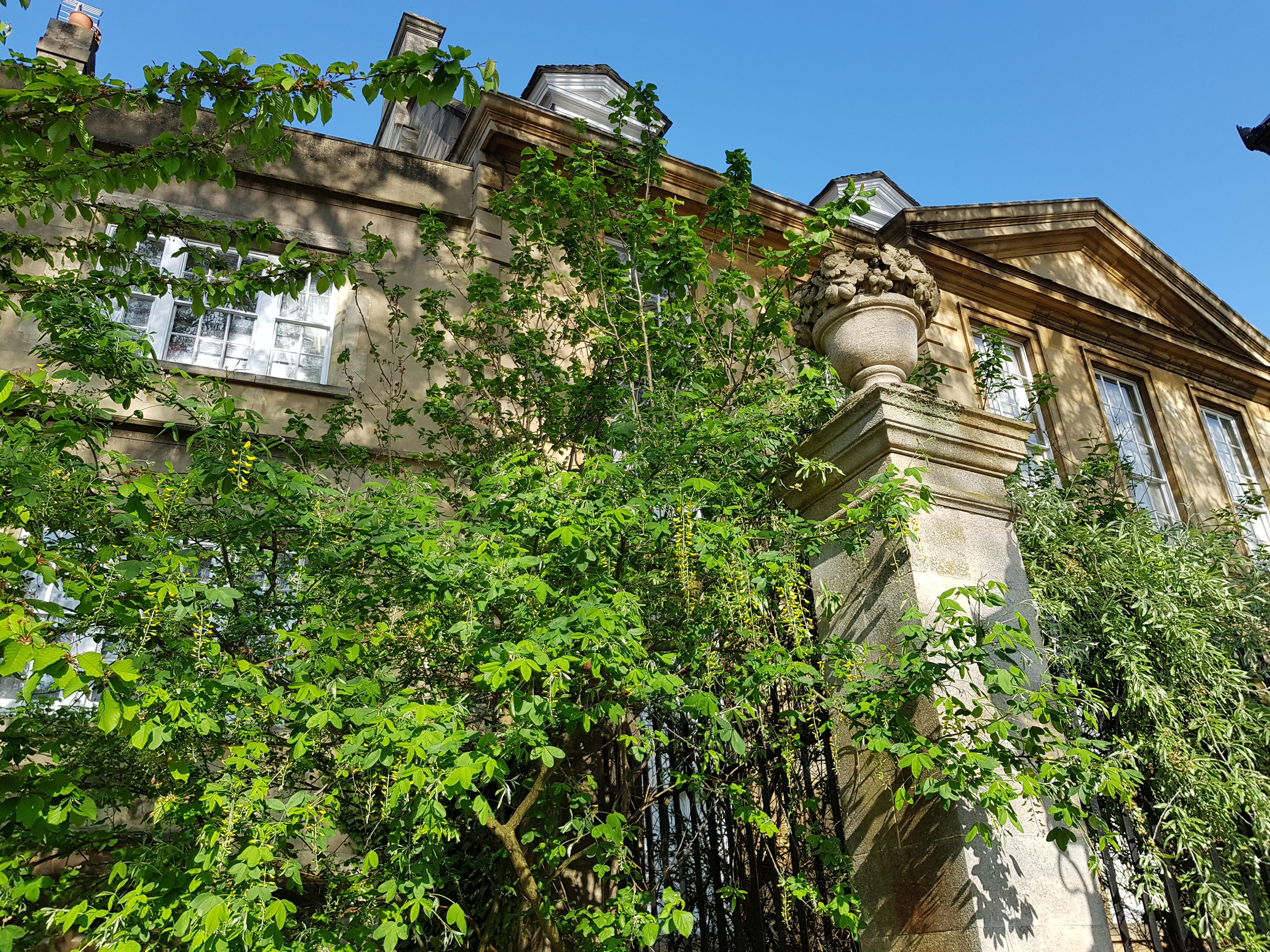
But we were consoled by the graveyard of the church of St. Giles and the fine architecture and unexpected rusticity of the street itself:-
Albion Barn
We went out to Oxfordshire – to that bit of rural Oxfordshire between Oxford, Thame and the Chilterns – to Albion Barn to see the current exhibition of Richard Long and the Boyle Family. But I only managed to take a photograph of a grandly ornamental bird house by the tennis court:-
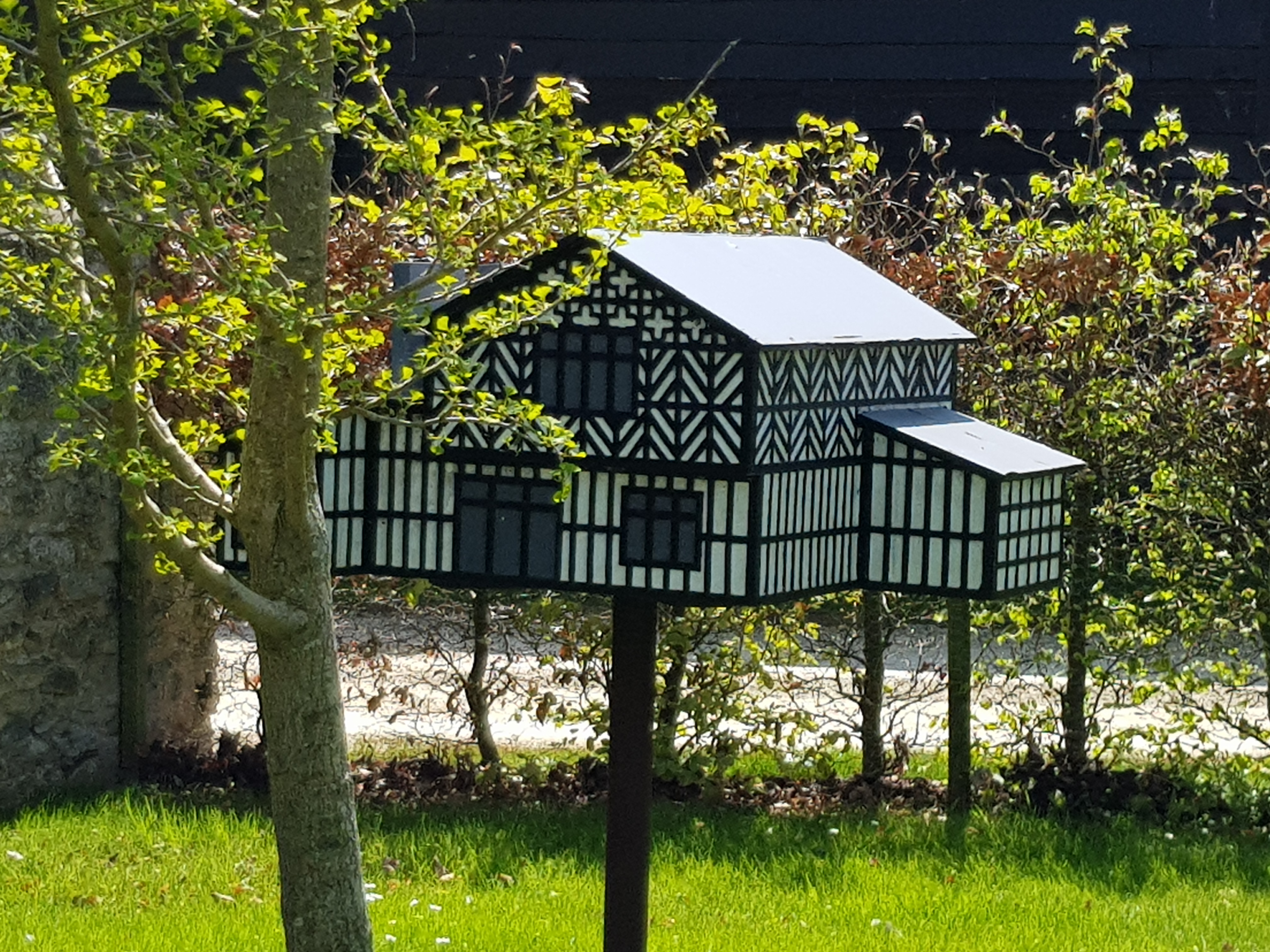
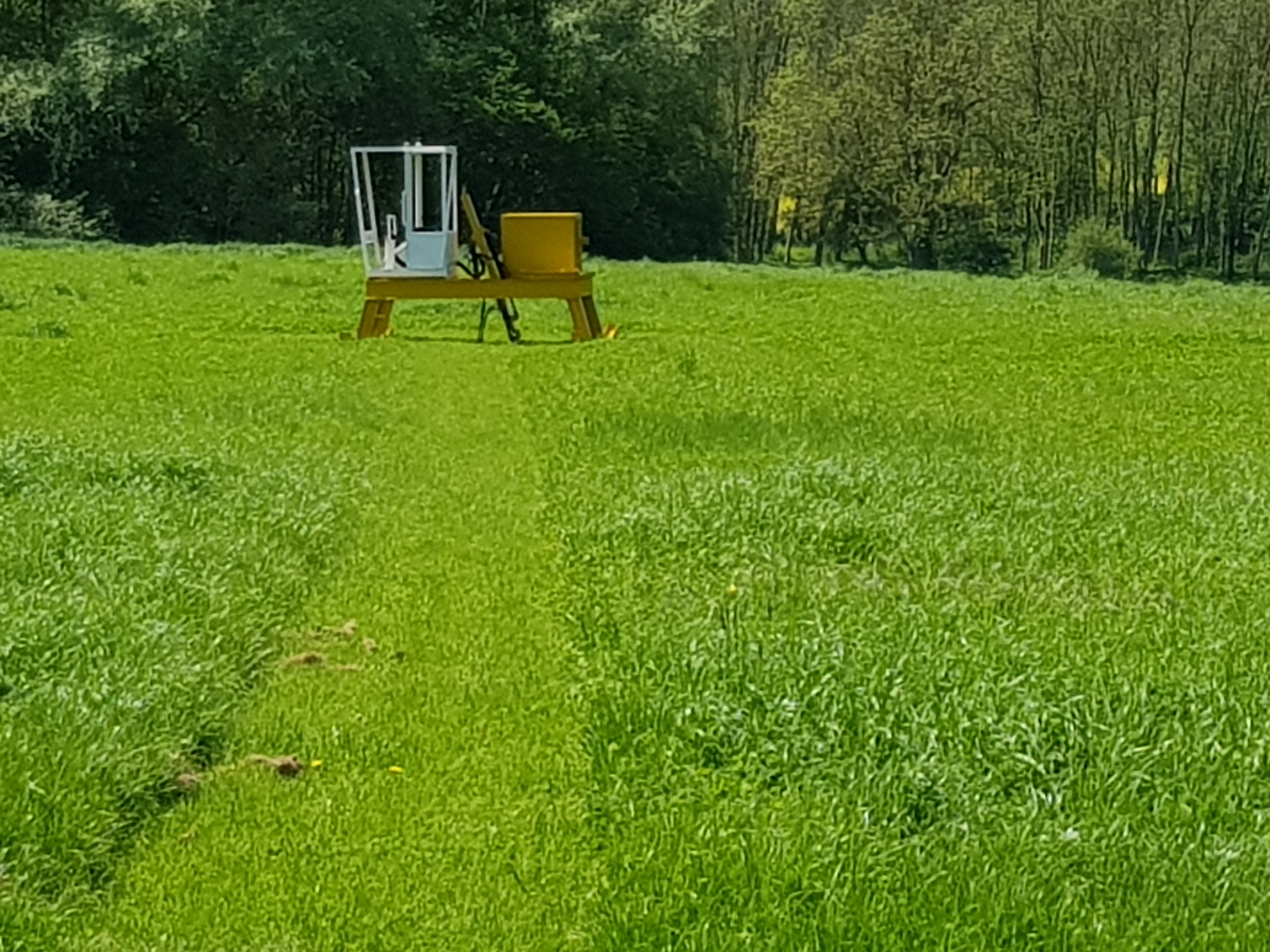
And a sculpture in a field and forgot to ask the sculptor’s name:-
Sir John Rothenstein
I have been reading the fascinating and revealing new biography of John Rothenstein by Adrian Clark, which by dint of good research in the Tate Gallery archive, Treasury papers and Douglas Cooper’s correspondence does much to elucidate why Rothenstein was such an extraordinarily divisive figure at the Tate in the early 1950s: starting well on his appointment in June 1938 aged 37, helped by his family friendships with artists; mysteriously taking a prolonged trip to the United States in the early years of the war; making a succession of disastrous appointments, including a South African adventurer, Le Roux Smith Le Roux; getting rid of Humphrey Brooke, who became Secretary of the Royal Academy and an implacable enemy; and persecuted by a gang led by Douglas Cooper and Denis Mahon. It makes the twenty-first century art world seem comparatively peaceful.
Architectural Education
I was asked yesterday what impact the Royal Academy Schools had on architectural education. The short answer was that I don’t know. Thomas Sandby RA was the first Professor of Architecture and held the post for thirty years from 1768 to 1798. What did he teach ? According to the Instrument of Foundation, he was ‘required to read annually six public Lectures, calculated to form the taste of the Students, to instruct them in the laws and principles of architectural composition, to point out to them the beauties or faults of celebrated productions, to fit them for an unprejudiced study of books, and for a critical examination of structures’. This is quite a challenging brief, presumably written by William Chambers on the basis of his experience of teaching in Paris. Sandby gave his first series of six lectures in 1770, illustrated by his drawings. There is one copy in the RIBA and another in the Soane Museum (and they were the subject of a recent research paper by Sigrid de Jong at the RA which I missedp). Soane was amongst the first pupils in the Schools, admitted as a student in October 1771. So, the long answer is that it introduced the first system of semi-professional training in architectural drawing and the critical examination of buildings.
David Chipperfield RA
I have just discovered that David Chipperfield’s interview with Jan Dalley, the arts editor of the FT, due to appear in tomorrow’s Life & Arts, is already available online (google David Chipperfield ft). It provides a characteristically thoughtful analysis of the state of architecture today – or, more especially, the impoverishment of architecture’s current ambitions for social reinvention through the design of housing, schools and cities; and how his philosophy has been applied to our project in Burlington Gardens, which he describes as not doing exactly what the client wants, but listening instead to the ambitions of the users, unlocking the potential of the institution: a mixture of architectural modesty and social and creative ambition. I think I recognise this combination of unexpected physical reticence and highly focussed, strategic intervention.
4Cose
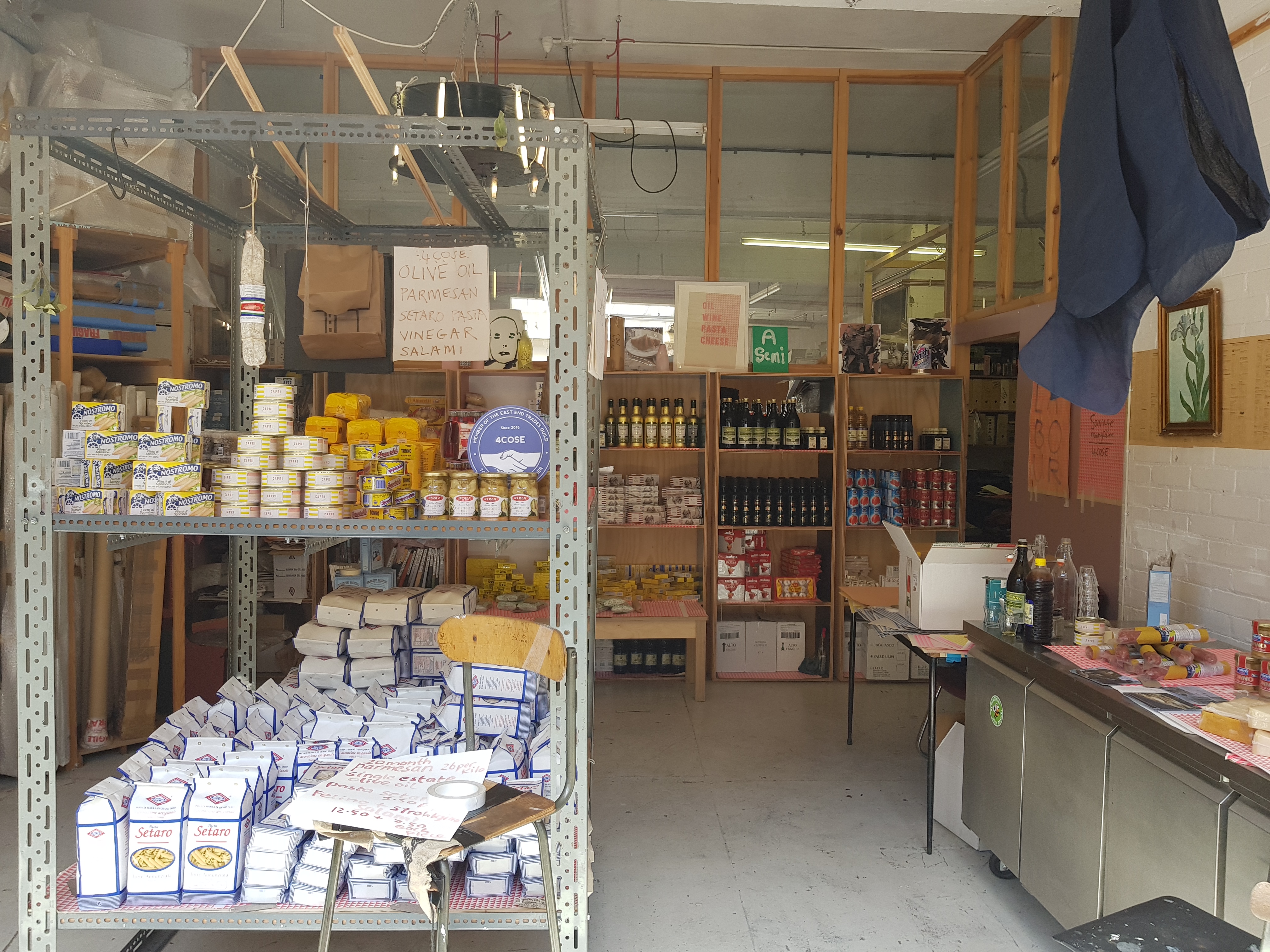
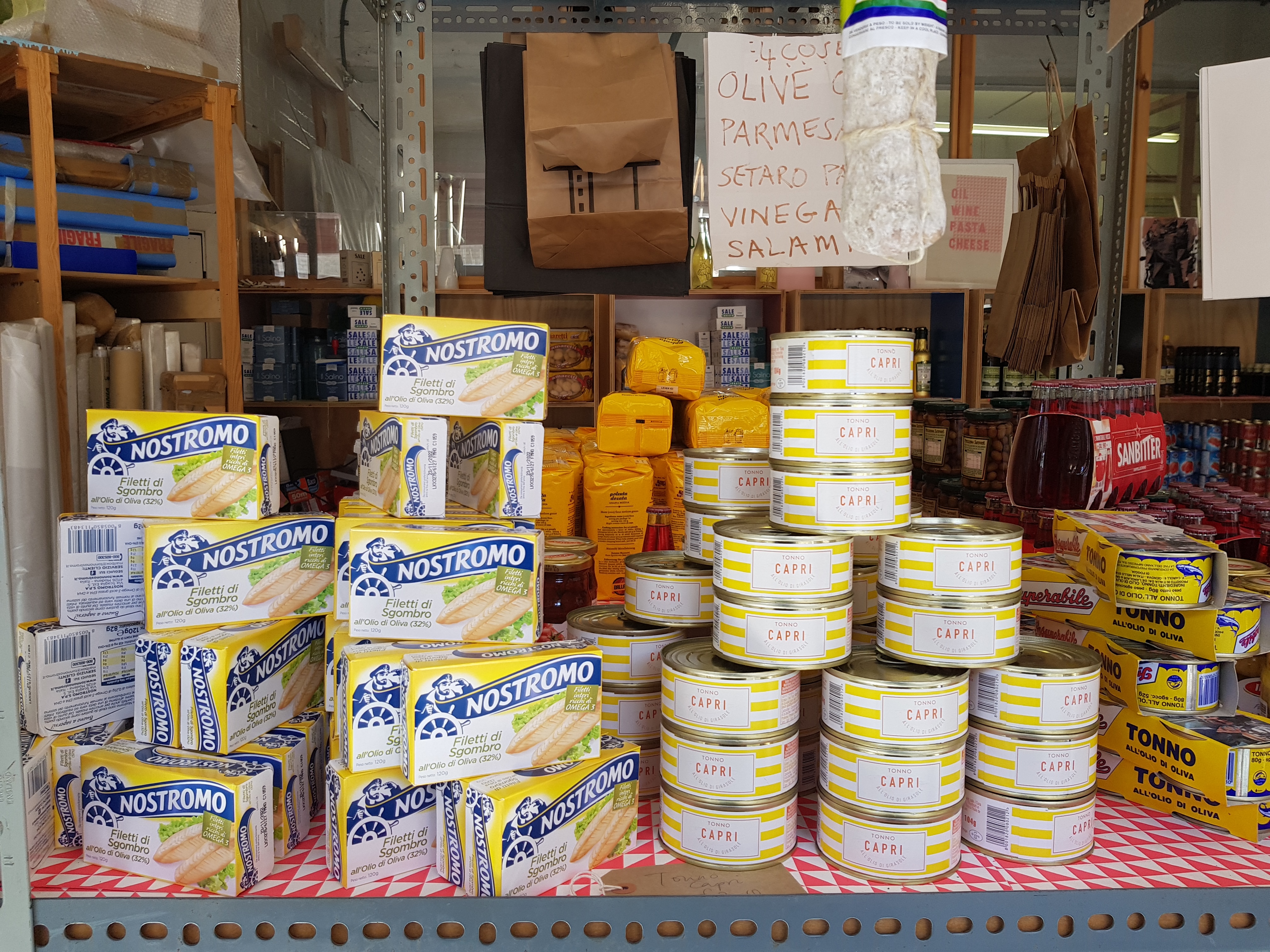
I should spend more time in Vyner Street, not least because it has an unexpected, but charming Italian delicatessen called 4Cose, intermingled with an artist’s studio, so that bags of spaghetti and parmesan sit amongst the paint pots, displayed as if it’s an art exhibition:-
 | Charles | Saumarez | Smith |
You must be logged in to post a comment.