
If you want to learn about the work of the Factum Foundation, which was heavily involved in the attempt to preserve the Whitechapel Bell Foundry, I strongly recommend the attached, quite long, but wide-ranging conversation between Richard Delmarco and Ferdinand Saumarez Smith which explains the nature of its work and historical interest:-
Liverpool Street Station (32)
I have been trying to figure out what has happened at Liverpool Street. It appears that Network Rail have dumped their partnership with Sellar as developers and Herzog & de Meuron as architects in favour of working directly with a big local architectural practice, ACME, based very near Liverpool Street in Tabernacle Street (this surely is an advantage).
So, who are ACME ? They were set up in 2007 by Friedrich Ludewig who came to London from Berlin to study at the Architectural Association with Farshid Moussavi and Alejandro Zaera-Polo and then worked with them on the John Lewis building in Leicester.
His practice has done a strange miscellany of projects internationally, including big masterplanning in Earls Court, but that is perhaps to be expected for a younger practice seeking work internationally. Their projects include an interesting housing project on the edge of the City and the pavilion which opened recently as the gateway to the Olympic Park. They have also done an organic food market in Wiesbaden.
What they are proposing looks definitely better than the crackpot Herzog and de Meuron scheme:-
- They are protecting the integrity of the Victorian Great Eastern Hotel instead of building on top of it.
- They are obviously celebrating the original ironwork of the train sheds which are indeed wonderful.
- They have somehow inserted two tower blocks which are apparently necessary to pay for the development.
I could live without the cauliflower on top of the tower blocks and the tower blocks themselves look bland; and I suspect there is considerable loss to the unlisted 1980s additions; but overall it looks as if they are at least trying to do something interesting and adventurous having been given a very tricky brief.
Daquise
We went to Daquise for lunch, half way through our visit to the wonderful Great Mughals exhibition at the V&A. It is one of those places that one assumes will always be there because it feels as if it has always been there, at least since 1947 when it was opened by Mr. Dakowski and his wife Louise. It has been poshed up a bit since I used to go there for lunch in the 1980s, but my veal meatballs looked unexpectedly familiar.
Now, of course, it’s at risk of redevelopment. The Rogers Stirk Harbour scheme which has been rumbling through planning approval forever is going ahead, so all that remains of the attractively seedy underground station and its surroundings, the remainder bookshop and no doubt Daquise, will be eradicated.
But it should really have a preservation order as a monument to the role of the Poles in post-war British culture when retired Polish generals could be spotted in Daquise playing chess.
https://www.standard.co.uk/going-out/restaurants/restaurant-review-daquise-b1187019.html
Joseph Rykwert (3)
I have been expecting there to be more obituaries of Joseph Rykwert, so was pleased to read the very well-informed one by Rowan Moore in yesterday’s Guardian which gives a very good sense of his widespread influence, as much through his personality as his writing:-
https://www.theguardian.com/artanddesign/2024/nov/04/joseph-rykwert-obituary
Czechoslovakia Embassy
I went to an exhibition in the Czech Embassy, so was able to see what was originally the administrative part of the building, now the Slovak Embassy, from their shared garden, both of them fine and well preserved examples of 1960s brutalism designed by three Czech architects, Jan Bočan, Jan Šrámek and Karel Štěpánský, all of it perfectly preserved:-


Anglesey Coastal Path (2)
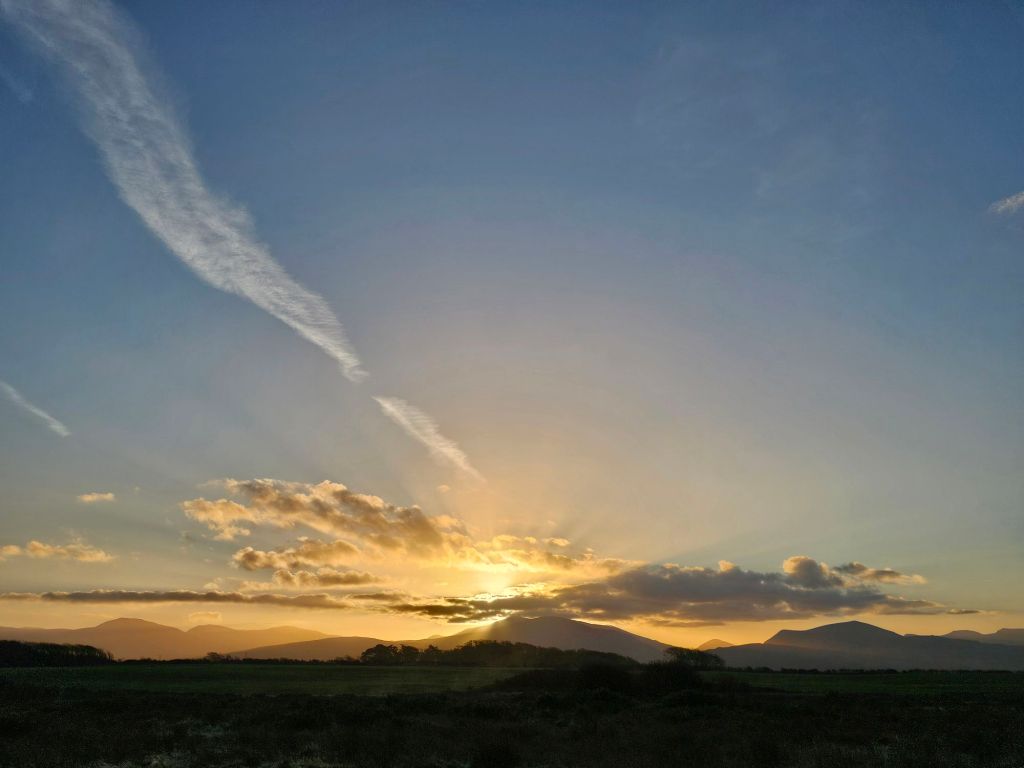
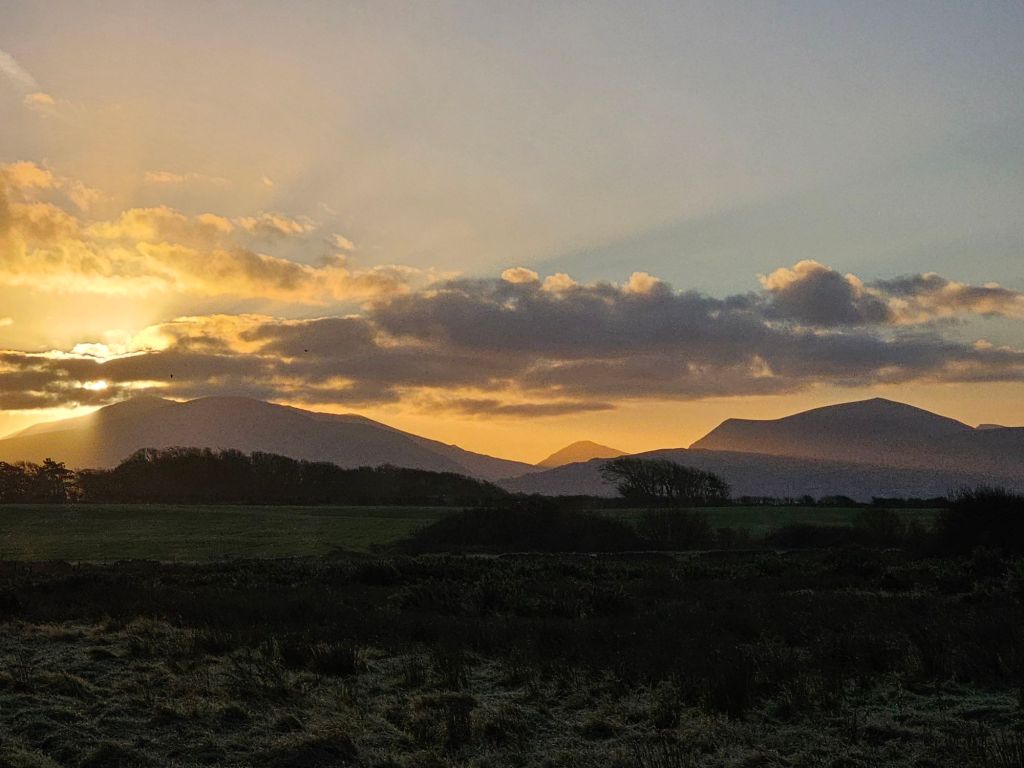
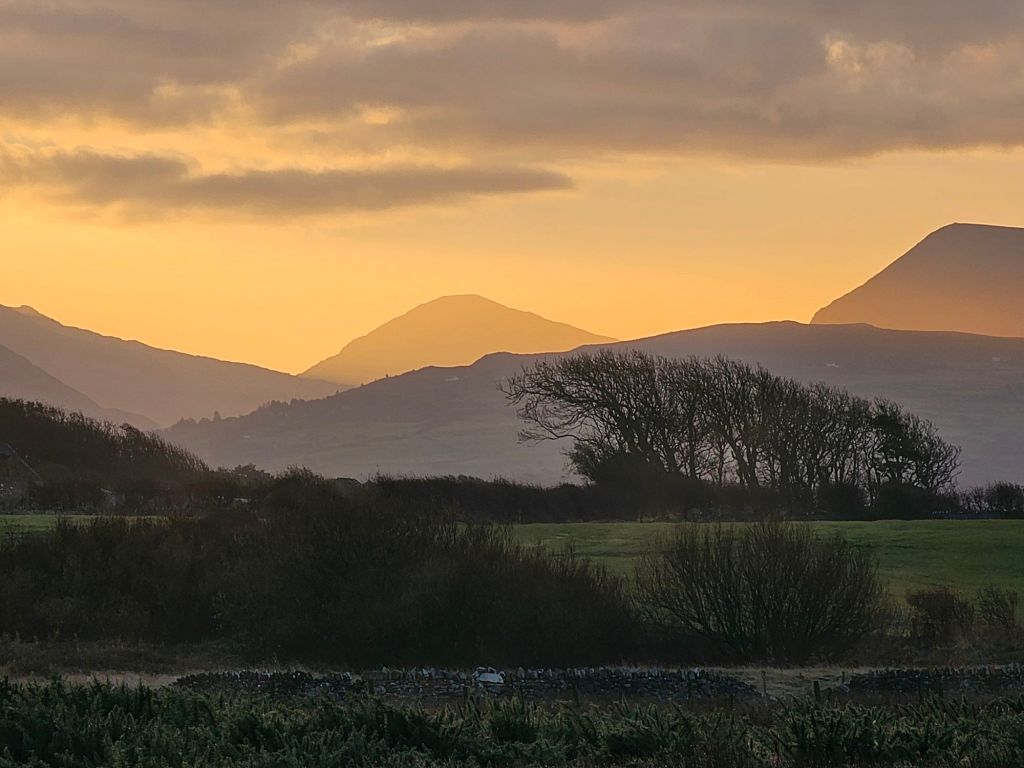
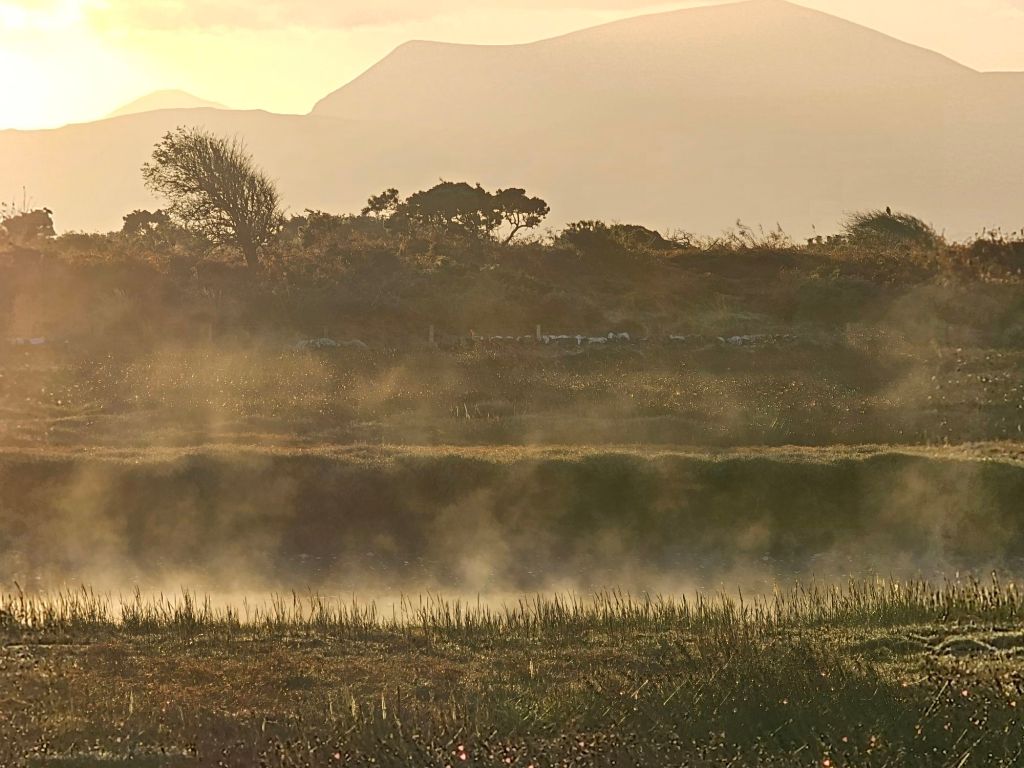
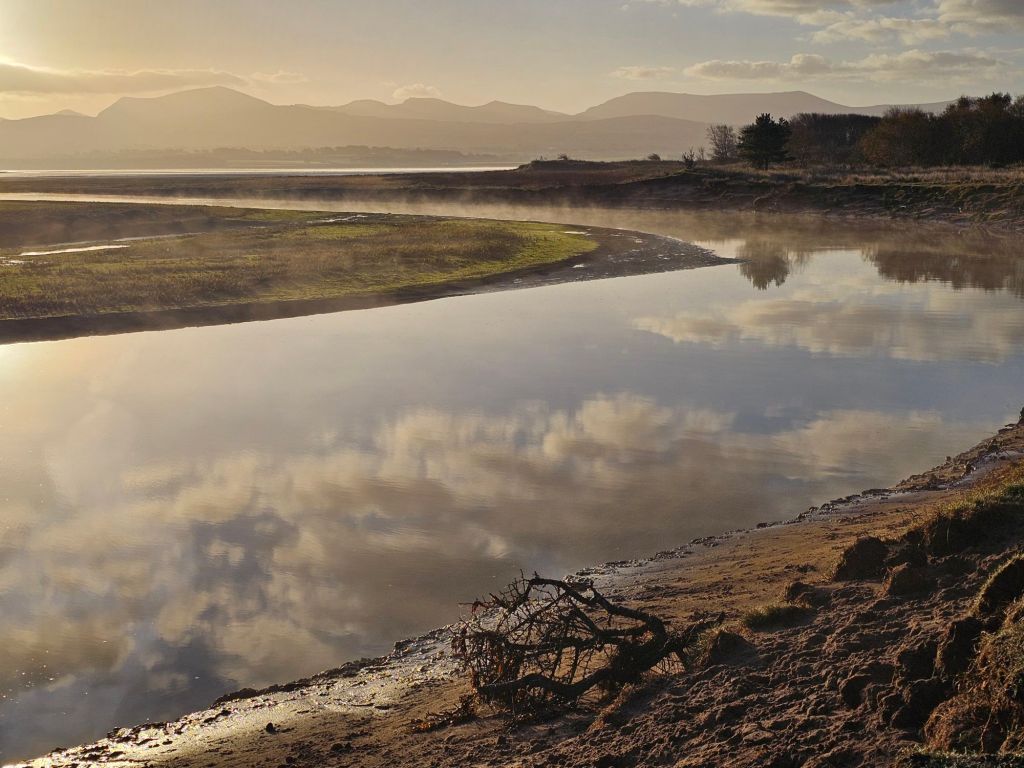
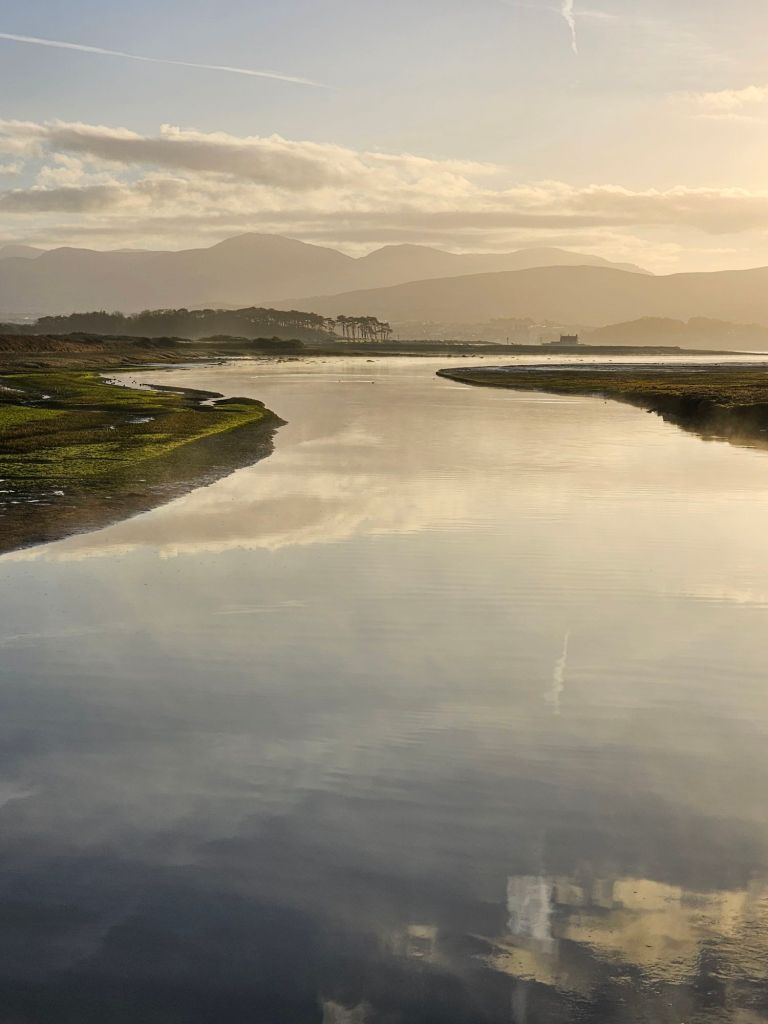
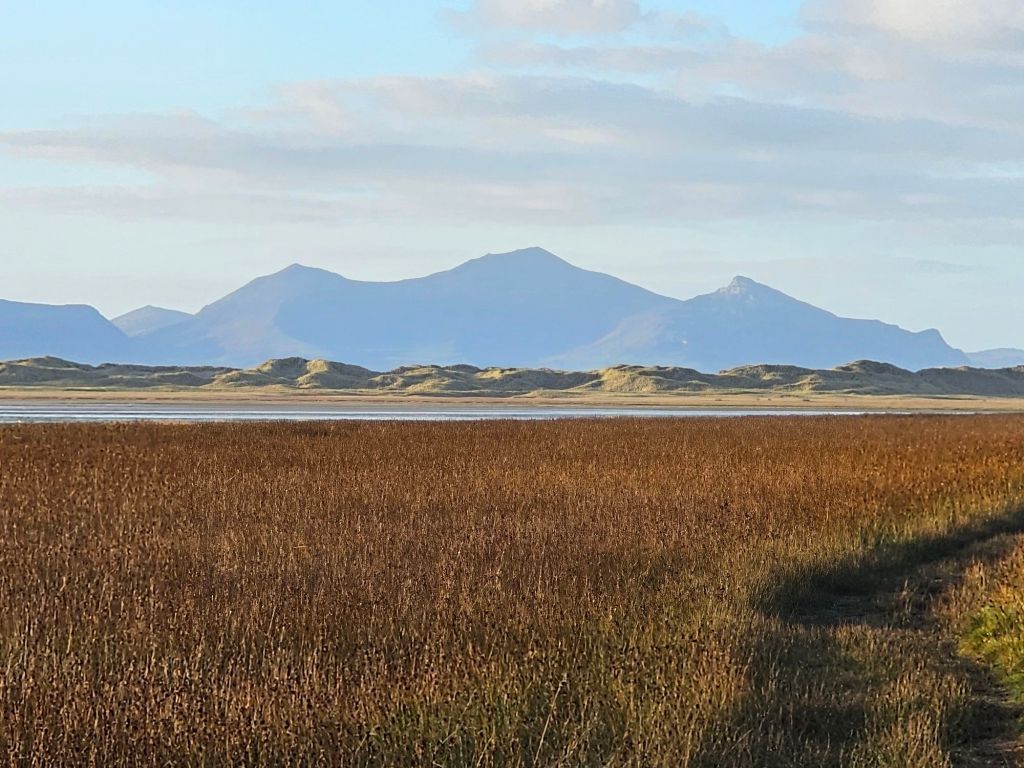
I got up early to catch the best of the day. In fact, the dawn sun was still rising behind the mountains as I walked west towards the sea:-
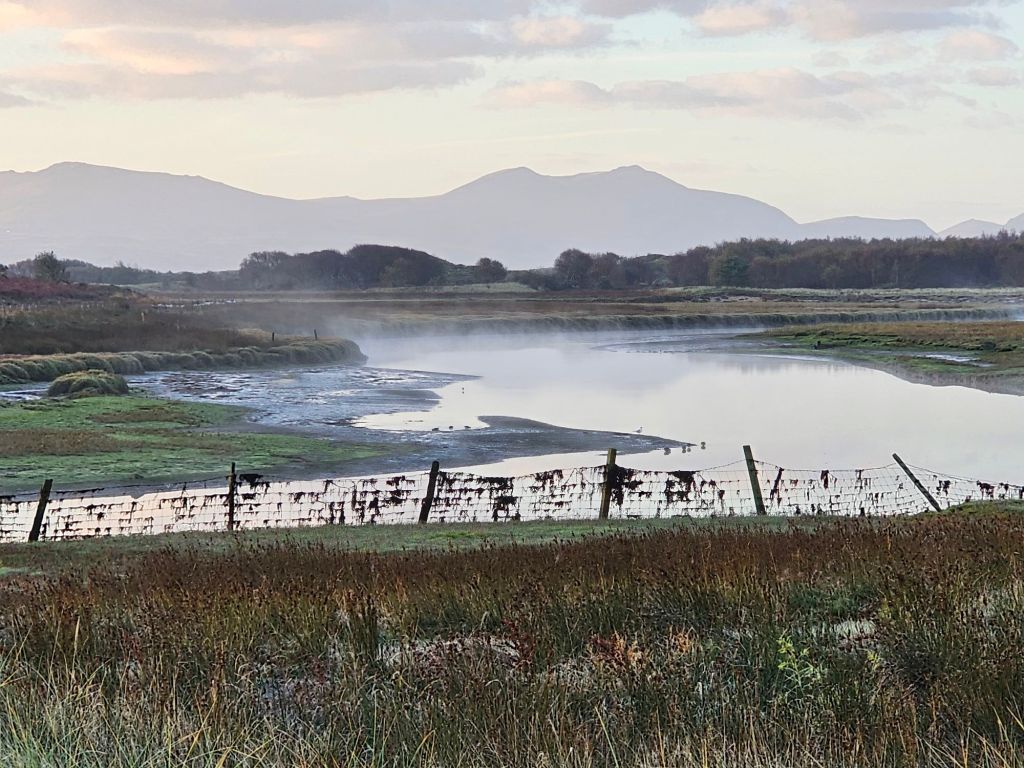
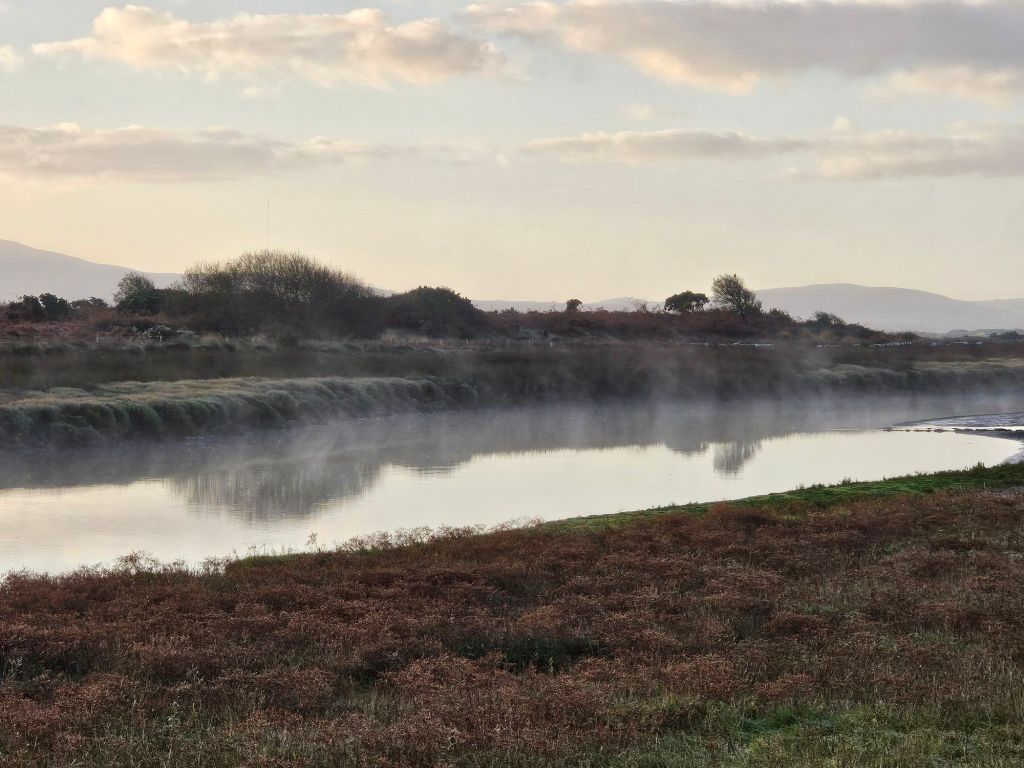
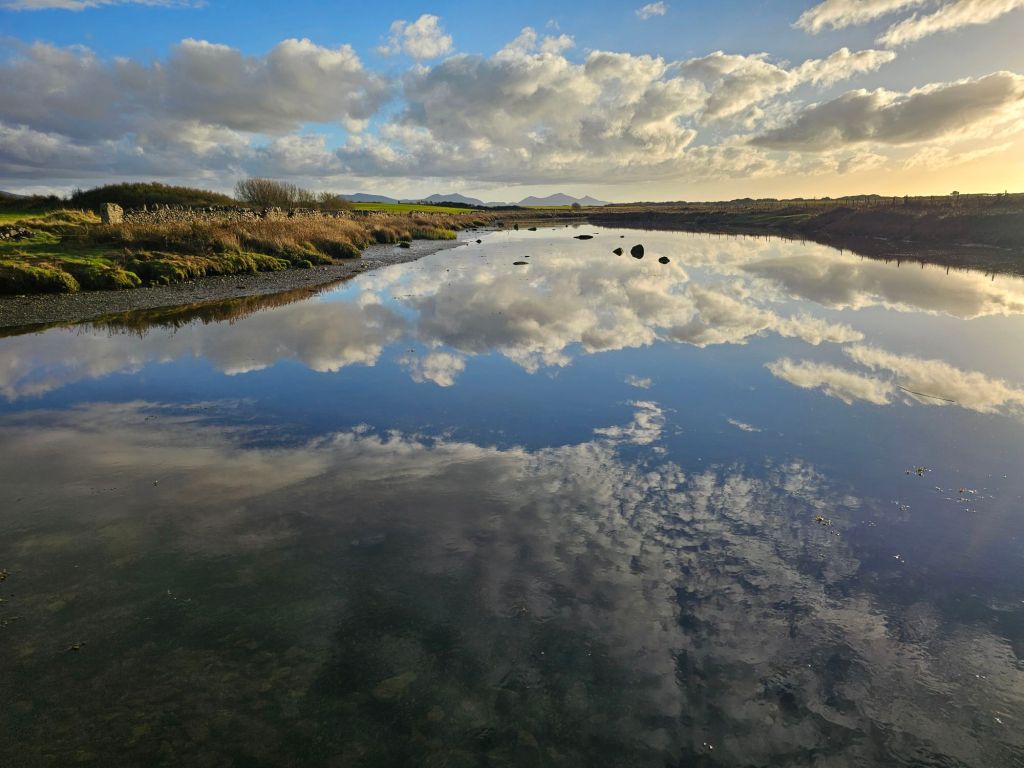
There was mist over the river:-
Anglesey Coastal Path (1)
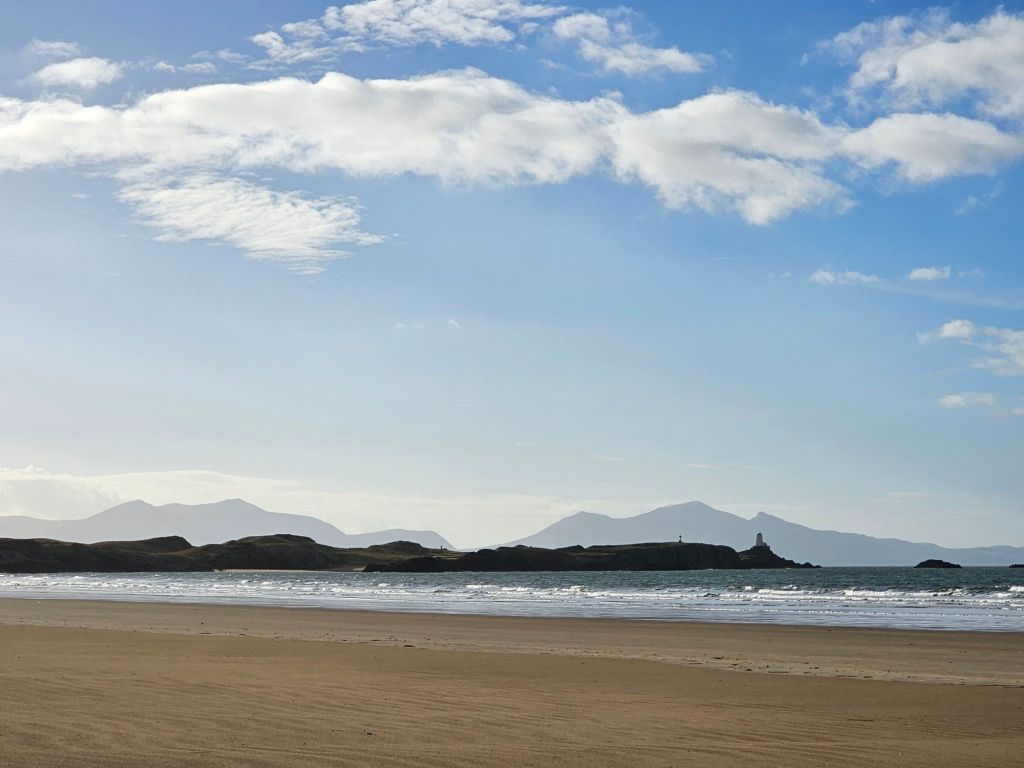
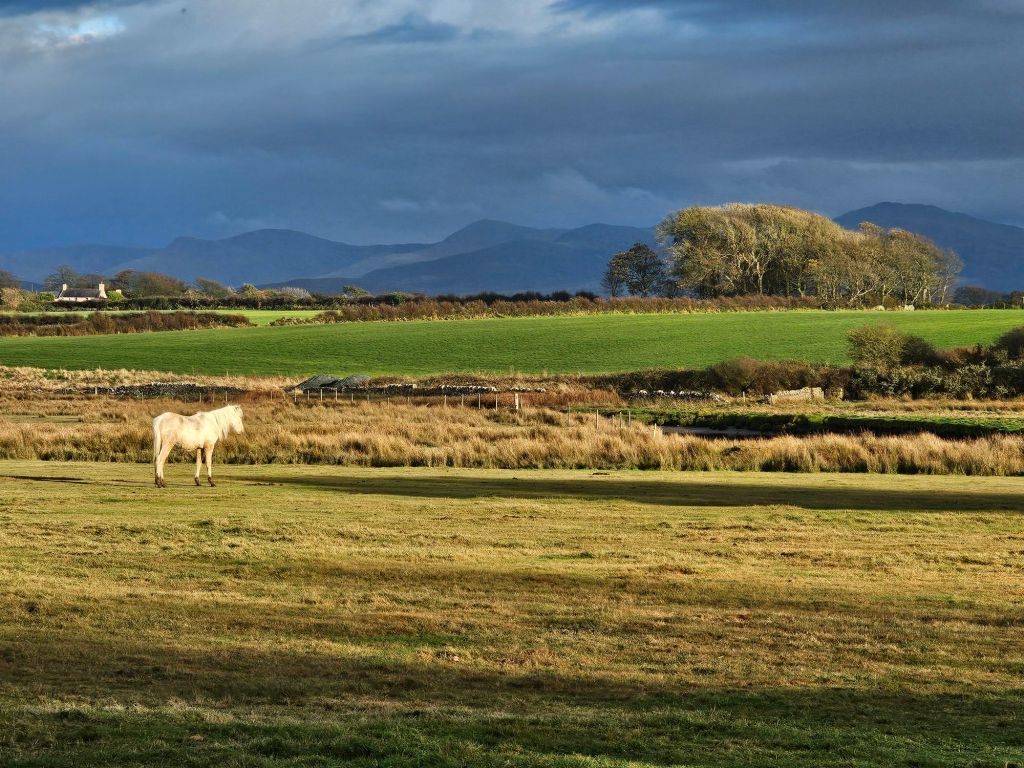
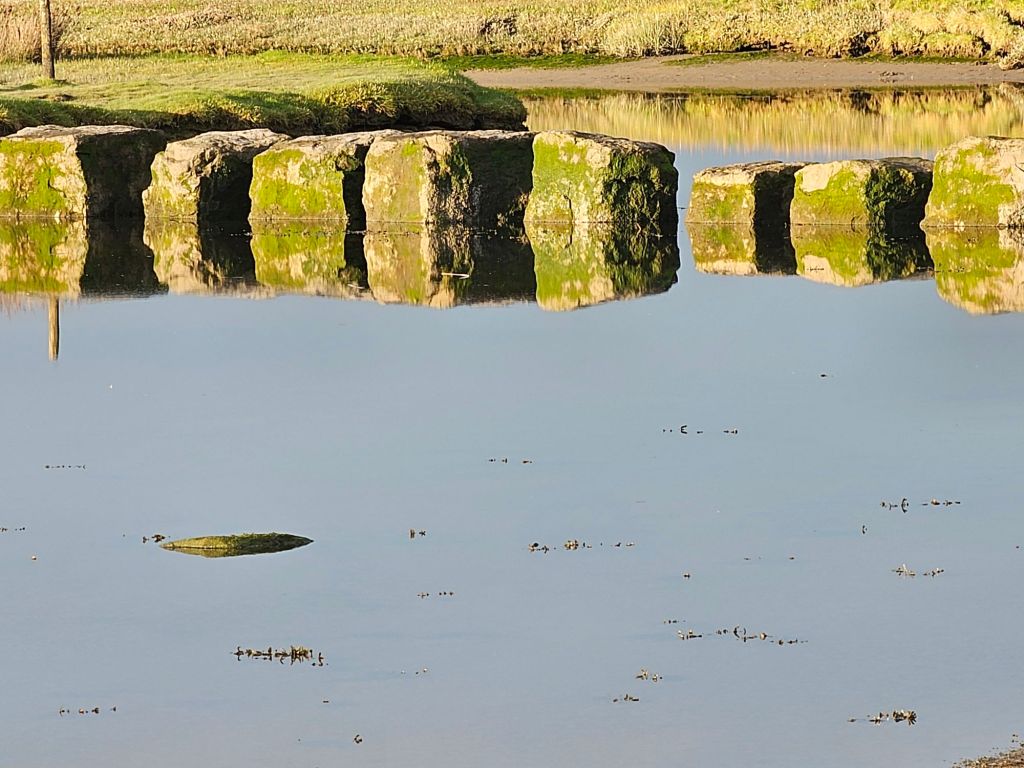
It’s a while since I’ve walked the Anglesey Coastal Path east from Newborough to Plas Newydd which goes across fields and along ancient tracks always with a view of the mountains across the Menai Straits.
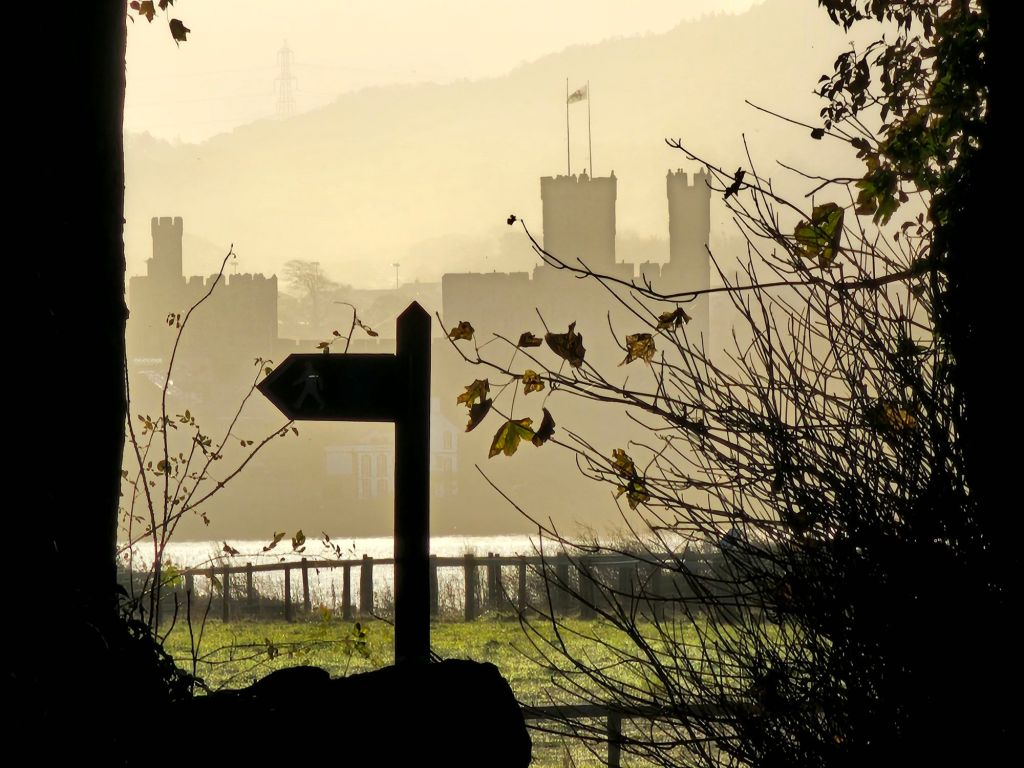
You get a glimpse of Caernarvon Castle in the distance:-
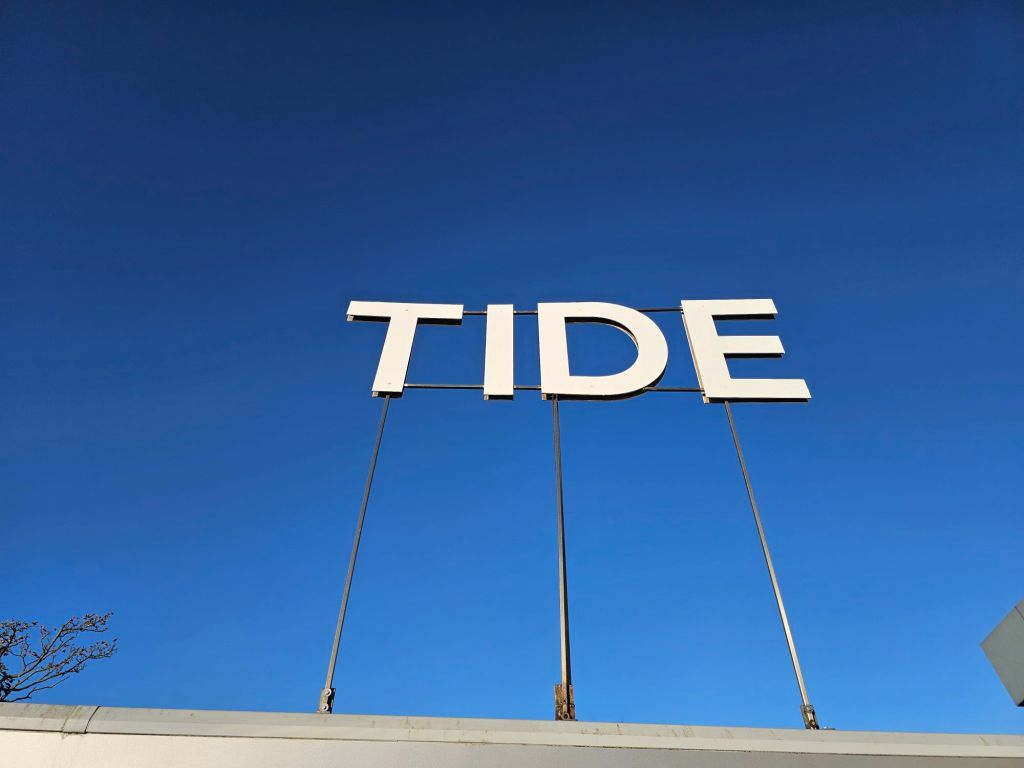
Tide provided a welcome cappuccino:-
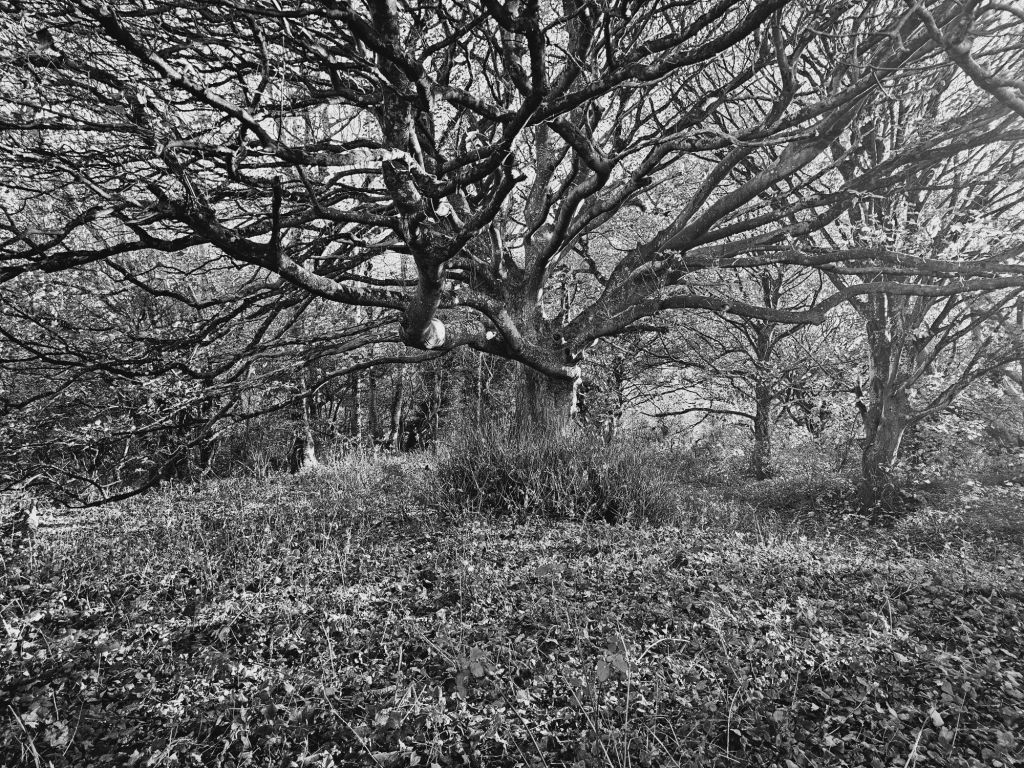
You then go through a patch of old woodland:-
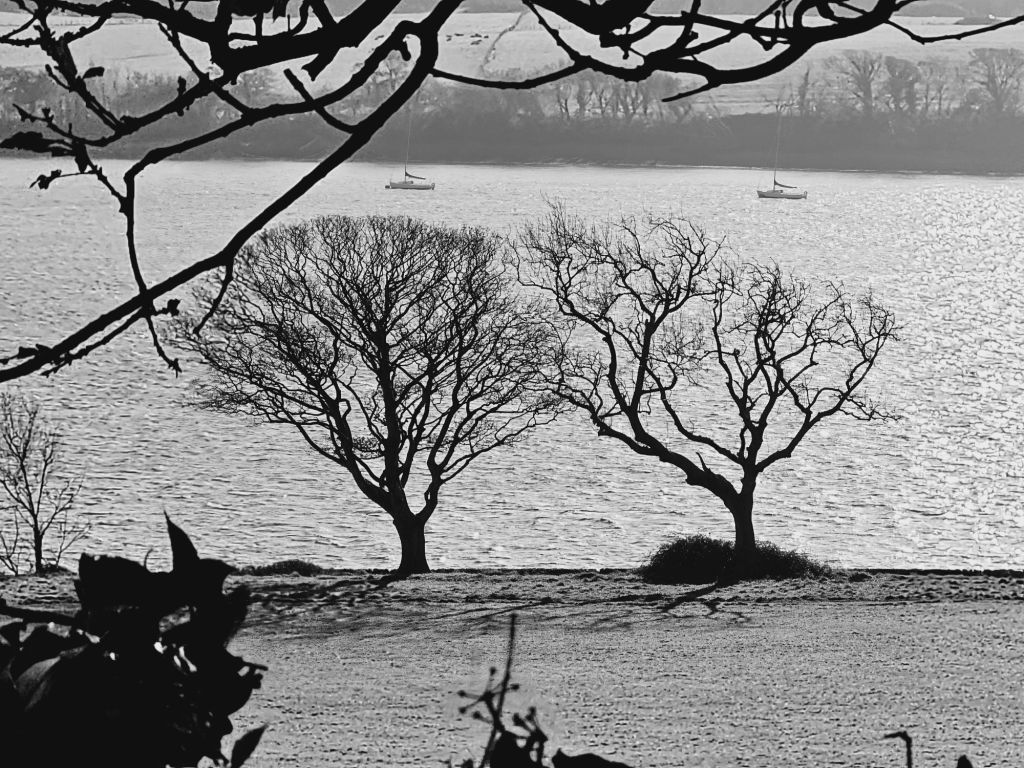
Down to the Straits:-
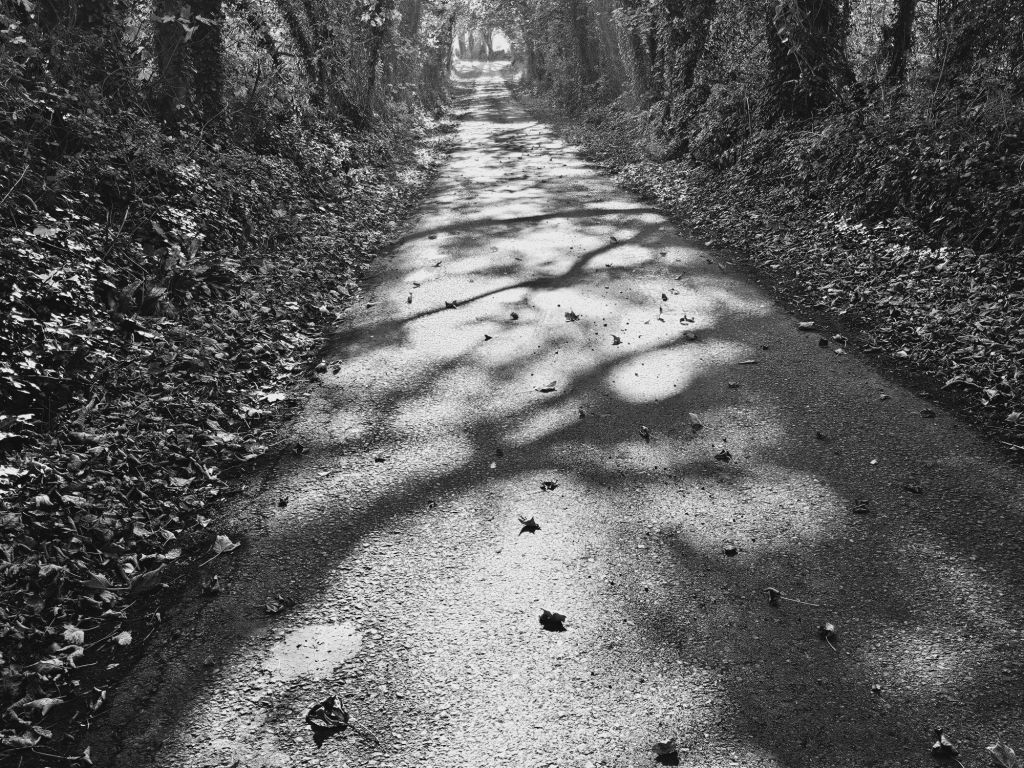
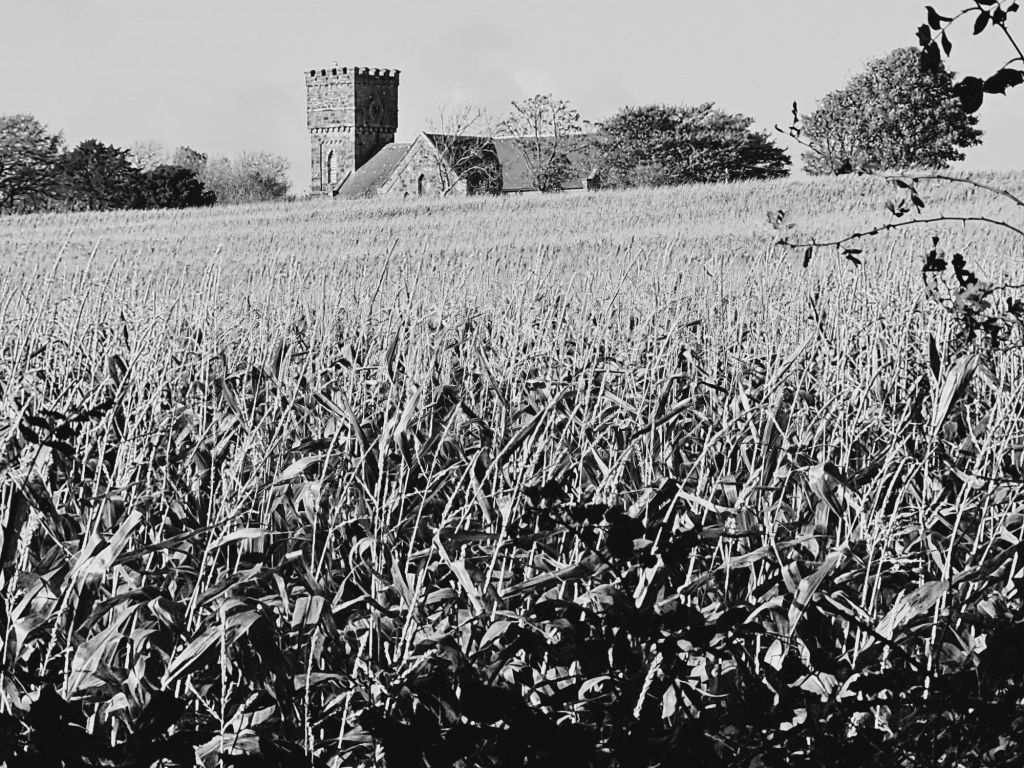
In the end, I doubled back to old St. Nidan’s and caught the bus back from Brynsiencyn:-


Building Culture
I didn’t do a post last week after I went to hear a public conversation organised by Gagosian between Nicholas Serota and Julian Rose about Julian’s new book about museums, Building Culture: Sixteen Architects on How Museums are Shaping the Future of Art, Architecture and Public Space. I wanted to read the book. I have now done so (https://papress.com/products/building-culture). It’s very good, based on sixteen conversations/discussions (he calls them interviews but he contributes much more than just the questions) with sixteen major architects who have focused on the design of museums internationally. Because of the layout of the book, they seem to be mostly men, but that is because Denise Scott Brown, Kazuyo Sejima and Annabelle Selldorf all have surnames towards the end of the alphabet.
In the conversation, I came away particularly impressed by the lay-out of the 21st. Century Museum of Contemporary Art in Kanazawa and hadn’t realised that the original competition was for a museum and community facilities to be treated separately and it was SANAA who suggested putting them together in a way which manages to be both beautifully coherent structurally, but also complex in the way the galleries are arranged.
The interview with Denise Scott Brown makes clear how much of a pioneer she was – more than Bob – in thinking about spatial layouts and the movement of people through the building. She describes the Sainsbury Wing as ‘a pop building in the sense that it considers the populace’.
Cumulatively, it’s a profound meditation on how museums have, and are evolving. I found it particularly interesting in the light of the current competition for the West Wing of the British Museum, not least because there is a long interview with Shohei Shigematsu who works with Rem Koohaas overseeing his museum projects.
The Lost Gardens of London
Last night we went to the opening of Todd Longstaffe-Gowan’s beautiful and unexpectedly moving exhibition of ‘The Lost Gardens of London’: so many gardens which, for obvious reasons, are unknown; most especially, the number of gardens and squares round Euston which have disappeared as a result of HS2, unlamented and apparently unprotested because it is a poor neighbourhood.
The exhibition has been beautifully designed by Jamie Fobert with strong colours (Papers and Paints) to provide the backdrop; and a wonderful deliberate mix of material – paintings, maps, photographs, even a photograph of the now happily forgotten mount at Marble Arch, one of the great follies of our time.
Highly recommended !
 | Charles | Saumarez | Smith |
You must be logged in to post a comment.