
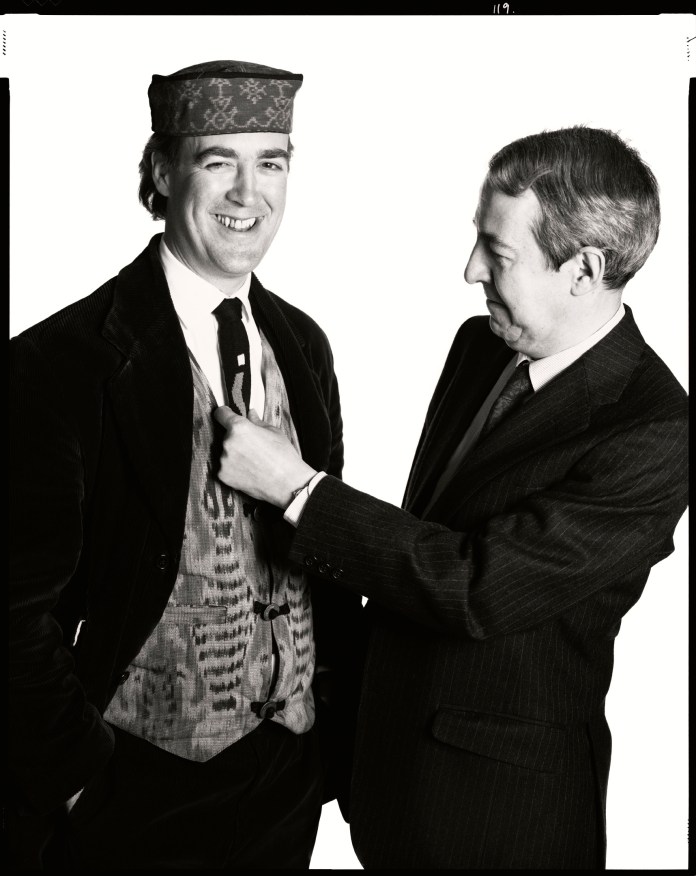
In the interests of historical truth, I feel that I should reveal that Avedon took not one, but two photographs of my brother and me. The first sitting was held in Heywood Hill, a difficult and cramped setting for Avedon’s style of pared down focus on the physical and facial features of the sitter, with the books on the shelves a distraction. So, he was dissatisfied with the result. That was why we were invited to what was in fact a second sitting in a South London studio where the background had been whited out. The reason I suppressed the account of the first sitting was that Avedon gave a lecture to a packed audience in the Queen Elizabeth Hall (I had been asked to book it) in which he stated proudly that he had never had to retake a photograph and I did not want to reveal that he had done so nearly the day before.
Unilever House
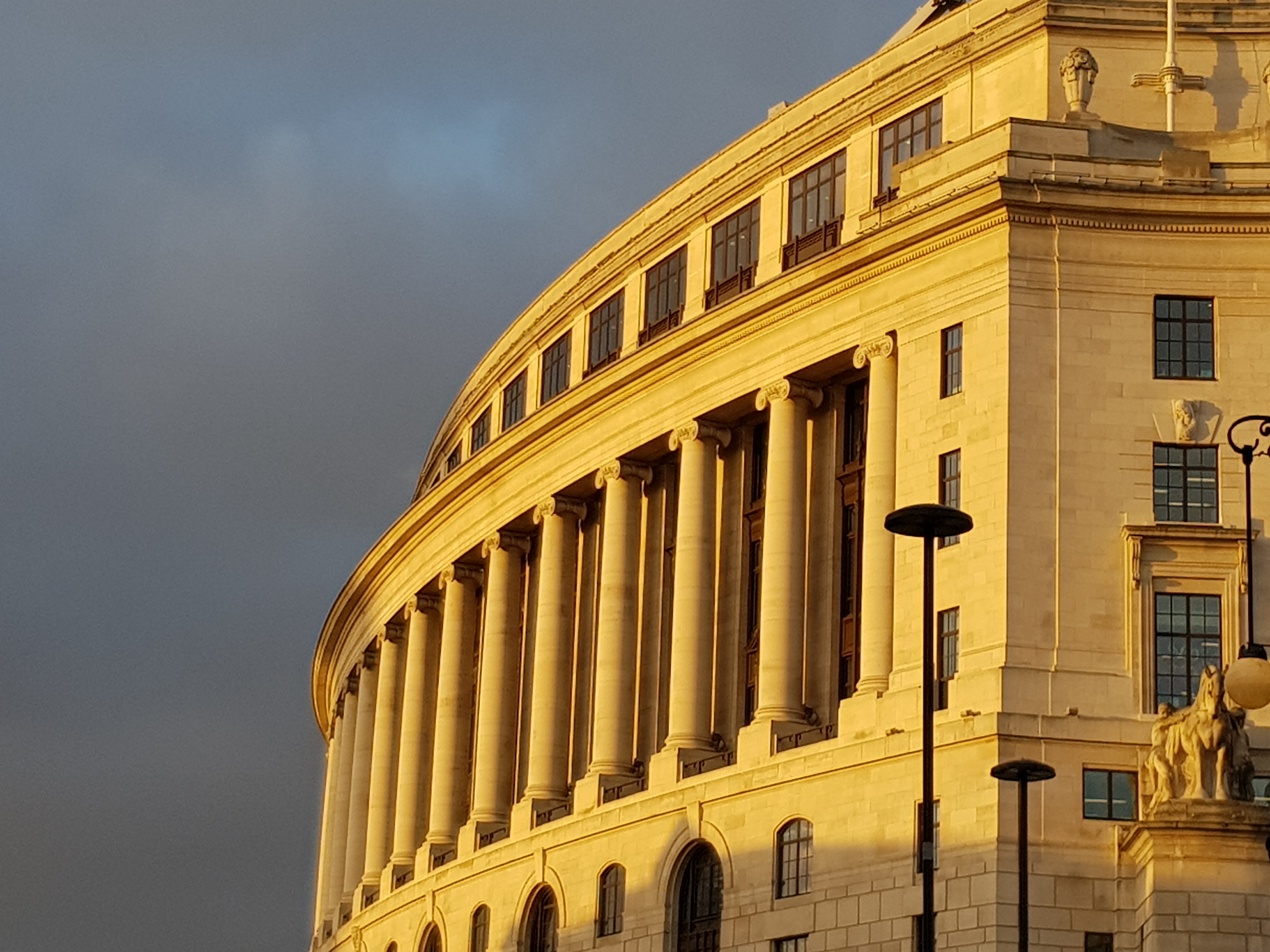
I happened to spot a picture of Unilever House I had taken when we first moved here a couple of years ago freely available on Google Images and am now posting a picture of it as we prepare to leave: a fine piece of grand 1920s triumphal classicism, designed by James Lomax-Simpson, with Burnet and Tait as executant architects (but I don’t encourage you to look up at the façade because you will very likely be mown down on the mad traffic junction):-
Richard Avedon (2)
Writing about Richard Avedon last week reminded me that I had been photographed by him at the time of the exhibition and I remembered that I had written about the experience, but never published it. I wondered whether I could locate what I had written. I could. Here it is, unedited, a document of a particular moment and what it was like:-
The message on the answering machine was that we were to present ourselves at a studio somewhere in Clapham at eleven o’clock on Tuesday morning. After a weekend in Dorset and a long week ahead making the final arrangements for the opening of the Richard Avedon retrospective at the National Portrait Gallery, I had not expected to accommodate being photographed by him as well; but ever since we had first met after the opening of his exhibition in Cologne and he had discovered that I was the younger brother of the proprietor of Heywood Hill, the Curzon Street bookshop where he had been a customer since the late 1940s, he had had it in mind that he would like to take a photograph of the two of us. He had been encouraged in this thought by Nicole Wisniak, the editor of L’Egoiste, an expensive and very grand French photographic magazine; she wanted to run an article on us.
So, at half past ten on Tuesday morning I picked my brother up in a taxi from his shop. We got to the studio with great ease and were ushered into a large, black, completely neutral room dominated by the studio set-up of lights and white background. Avedon was the master of ceremonies. Coffee was served. In the line before us was Kazuo Ishiguro, who was being photographed for a profile in the New Yorker. We talked of Ishiguro’s forthcoming book and the process of publication and pre-publicity. Avedon asked me to come into the dressing room in order to show him the extra clothes which Nicole Wizniak had suggested I should bring. Then he set to work.
Kazuo Ishiguro was asked to enter the arena of the studio set-up. He did so with admirable casualness and ostensible lack of self-consciousness. He had come in a perfectly nondescript mackintosh with a long, red, woolly scarf, wrapped around his neck. It was regarded as the perfect expression of who he was, because the symbolism of clothes – as is obvious for someone who has worked for so much of his life as a fashion photographer – is clearly important to Avedon.
Ishiguro stood there with his feet on the little cross of black masking tape, quite cool in the blaze of studio lights. Avedon stood just to the left of the large plate camera. He talked, making one or two fastidious suggestions about pose. Then he suggested that Ishiguro might lift his hand. Ishiguro lifted his hand in a twist of exceptional elegance. He has unusually long fingers. The pose was right. The picture was taken. The expression was in the movement of the hand, the machinery of Ishiguro’s writing.
I have thought about this experience a lot in the course of the week in which the exhibition opened, because it has helped me interpret the photographs which Richard Avedon has taken during a lifetime beside the camera. He has been accused by journalists of cruelty. It does not seem to me to be cruel to adopt a method of such subtle coaxing of the sitter to reveal an expressive characteristic. My sense is that he works with a genuinely eclectic curiosity about different types of people, who they are, what they represent, what they wear, how they want themselves to be recorded, and then, pop, pop, pop, they achieve a form of mildly idealised immortality.
One of the criticisms of the exhibition has been that the photographs show too strong a sense of control. This seems to me to be a ridiculous criticism. Of course, they are about control. They are about the reduction of the complex means of photographic composition into one click. He removes his sitters out of their world, out of their environment, and into a position of formal abstraction. Then he allows them to settle down into being who they are, but rather more intensively, because they have nothing around them in support and so are reliant entirely on the marks of age, the lines on their face, an expression; and, of course, the ability of the viewer to read intensively character into an isolated face. I would say that his photographs achieve a remarkable degree of control over the vocabulary of his art, which is a compliment. It derives from a democracy of interest in the potential of any single individual, whether they are a bank manager who is an amateur apiarist or an abdicated king or a fashion model, to be rather more than what they are.
It was our turn next. We were much more difficult as sitters, being far from relaxed. Also, I don’t think that I have ever stood so close to my much older brother so that our cheeks were nearly touching. Nor would I normally expect him to straighten my tie. I stood there, looking, I gathered from Richard Avedon afterwards, as if England had just lost India, while my brother was asked to adjust his pose constantly, so that it was different for every picture, hand under cheek, on cheek, nearly but not quite picking his nose. The effort was to get the picture to work and it was strenuous for everyone. I did once smile, but was told not to show my teeth, which are a monument to 1950s dentistry. How many pictures were taken ? I lost count. At the end, he took my pulse. My hand was sweating.
Of course, it is a moment of theatre, trying to express a lifetime of common, but different experience, where the viewer has nothing to indicate any blood relationship, although I suppose it is physiognomically evident. In the end, he is going to select the only moment when I was smiling, in spite of the teeth. My brother is grimacing, because I think he found the whole experience almost as bad as I did; but then we were not born to be photographed, nor do we have much previous experience of it.
Then we drove back to the Connaught. Ever since I have felt that I have been subject to an art which is half voodoo and I mean that as a compliment as well.
Photograph by Richard Avedon, © The Richard Avedon Foundation
Book of 2017
I was just sitting down to read the Weekend FT when I was alerted to the fact that East London has been very generously listed by Edwin Heathcote as one of his books of the year. Which reminds me to say that John Sandoe still have copies of the Special Edition if anyone is still looking for a Christmas present (www.johnsandoe.com):-

Tiepolo
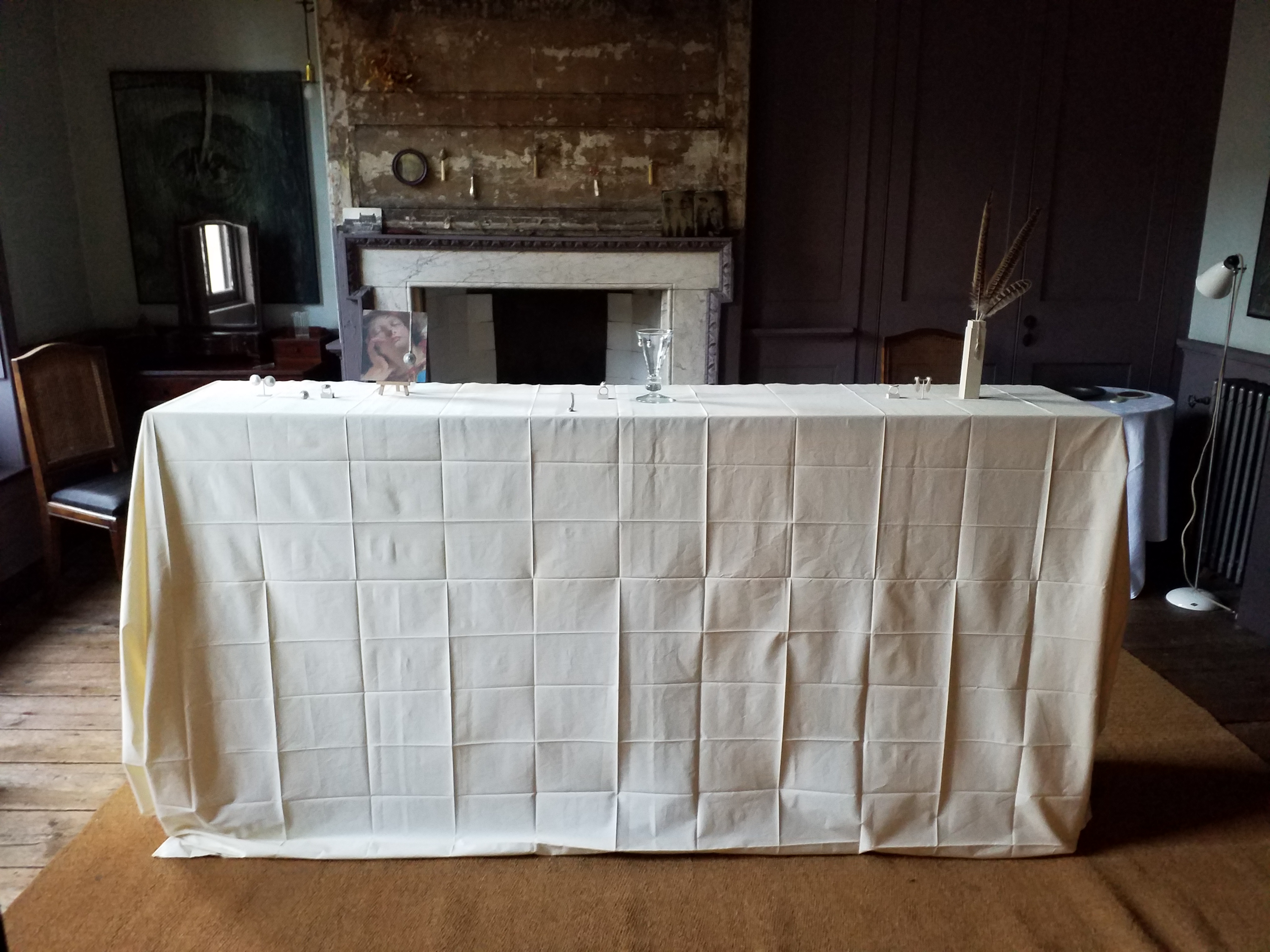
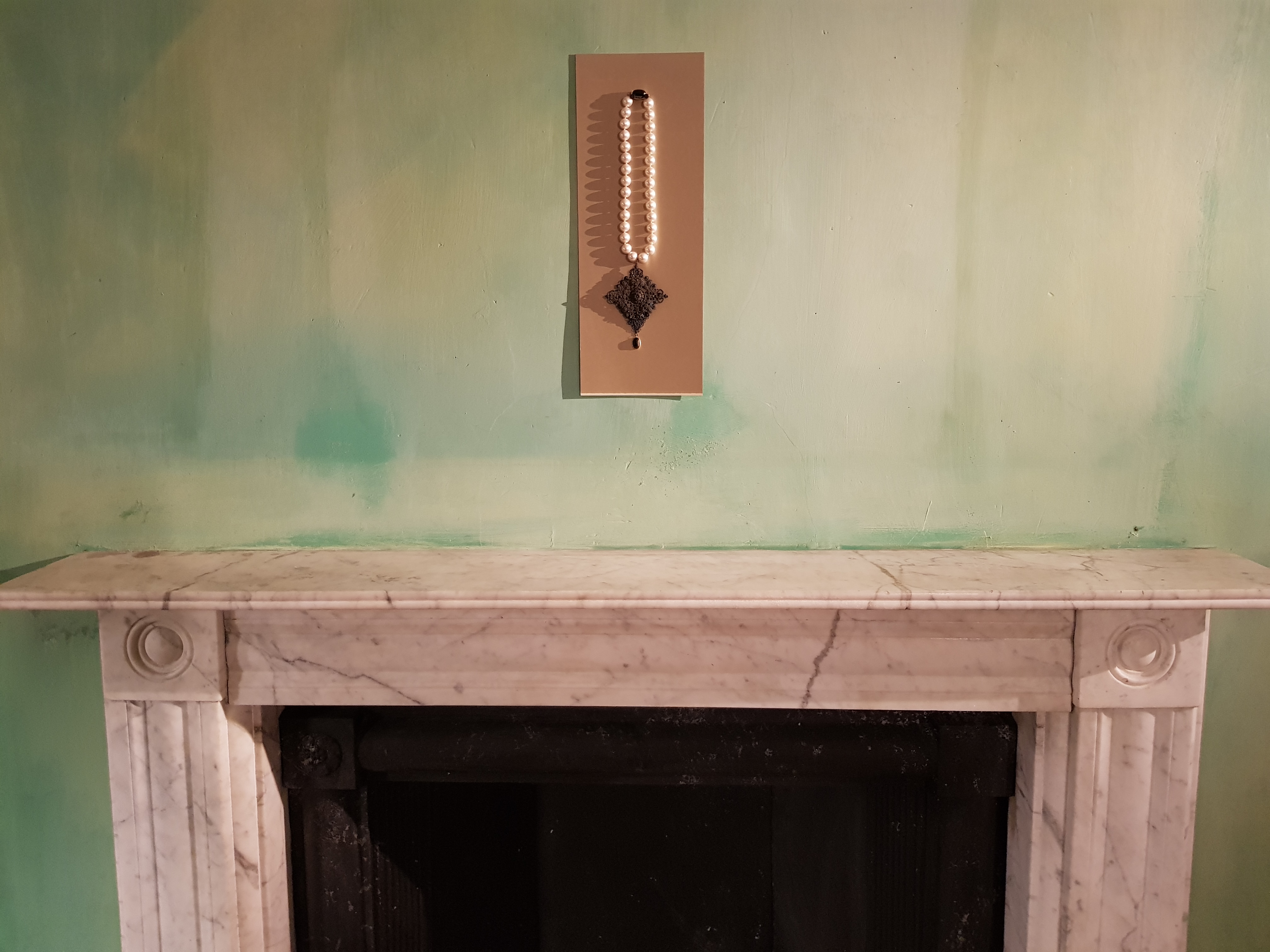
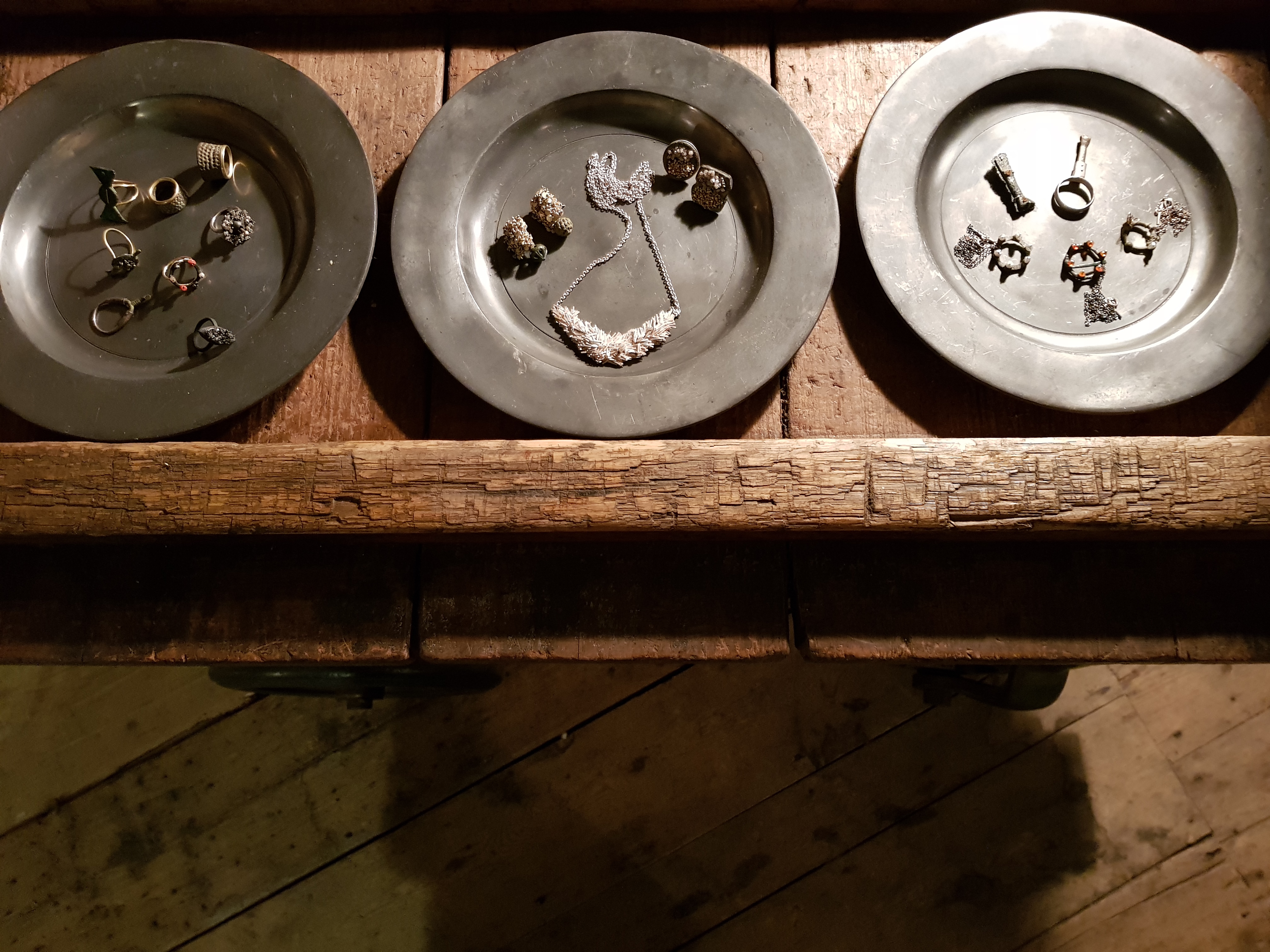
As a postscript to the pictures of Romilly’s book launch, I am posting more of the display of the new collection of jewellery inspired by the paintings of Tiepolo which was displayed in our house next door (see http://www.savageandchong.com):-


Richard Avedon (1)
Mention yesterday of the Richard Avedon exhibition at the National Portrait Gallery in 1995 and realising that it is now over twenty years ago made me look up if there was any information about the exhibition available online – reviews perhaps, or reports of the conference which was held to mark its anniversary. There is reference to it in a recently published book about Avedon, which suggests that he took Princess Diana on a private tour round the exhibition before it opened. This is not strictly accurate. As I remember it (I realise how fallible memory is), he made clear not long before the opening of the exhibition that he would like Princess Diana to open it. He said I should contact Marguerite Littman (née Lamkin), who had worked with Avedon during the civil rights movement in the early 1960s. I did, and even though she was ostensibly not undertaking any public engagements, she did (I remember saying to Patrick Jephson that she could always slip out of the back door and he made clear that she would certainly not want to do this). It is implied that Avedon was not susceptible to her charms, but I am not convinced that this is strictly true either, given his enthusiasm that she should open it and the way he treated her.
Newfoundland (2)
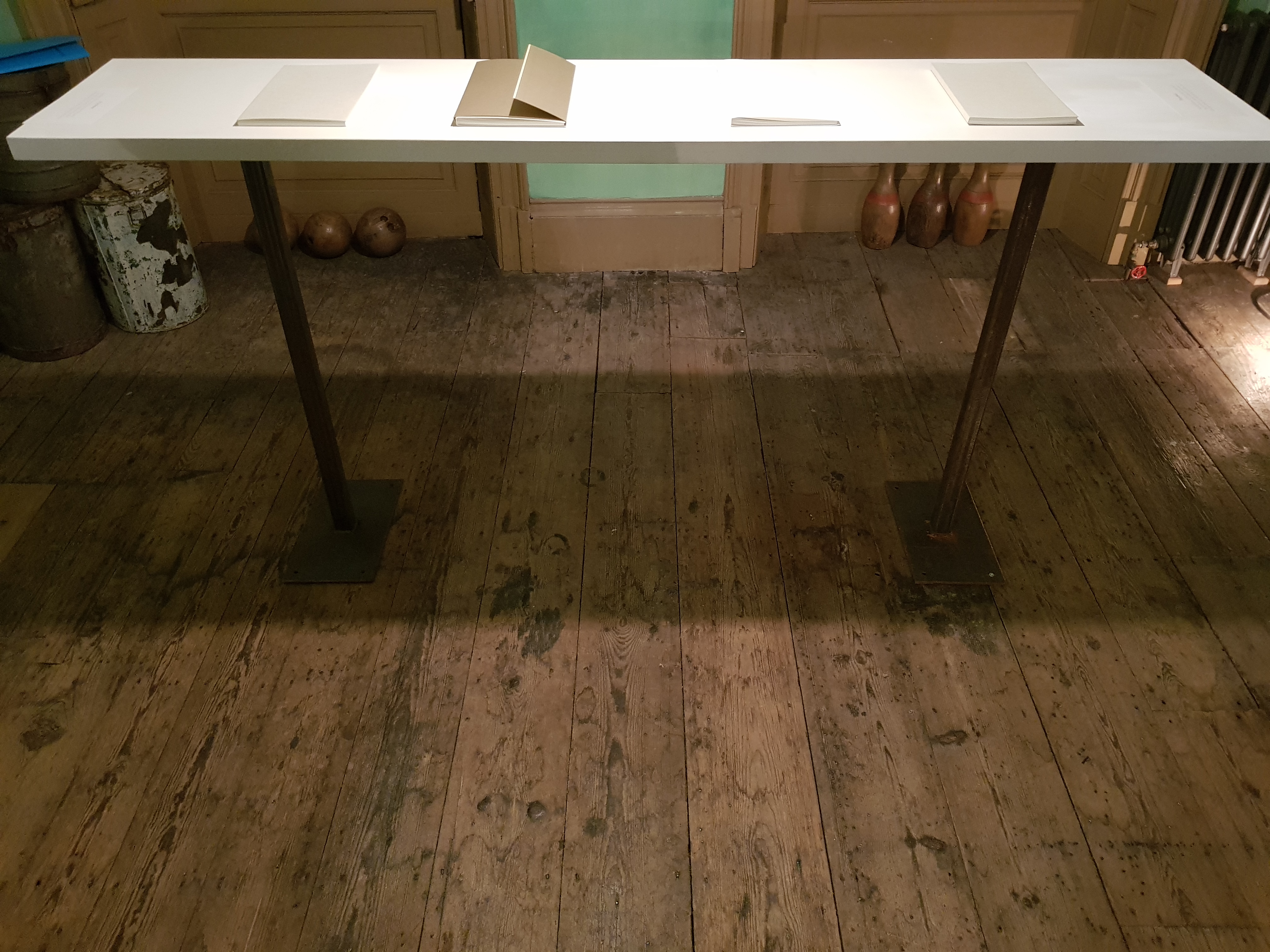
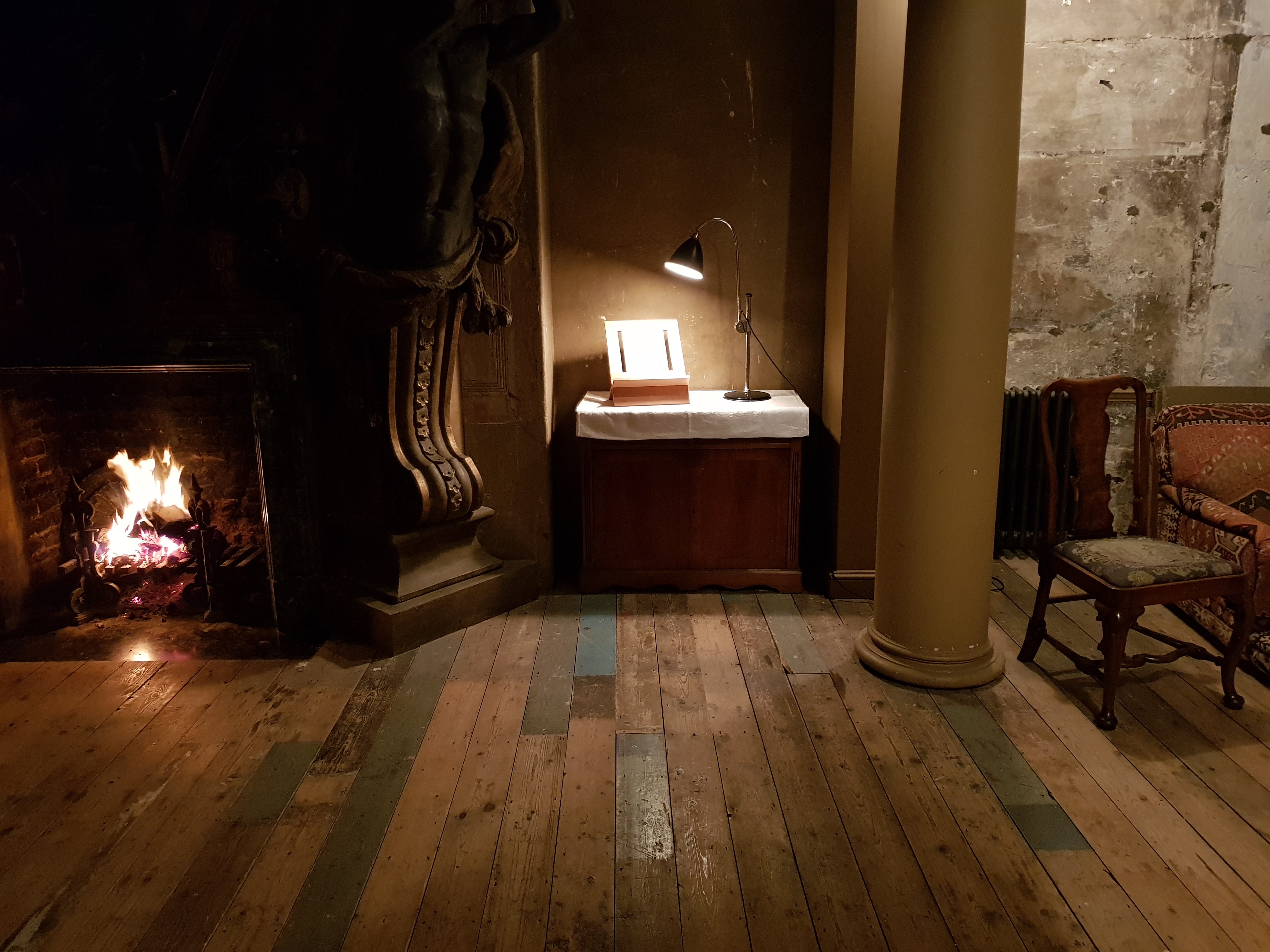
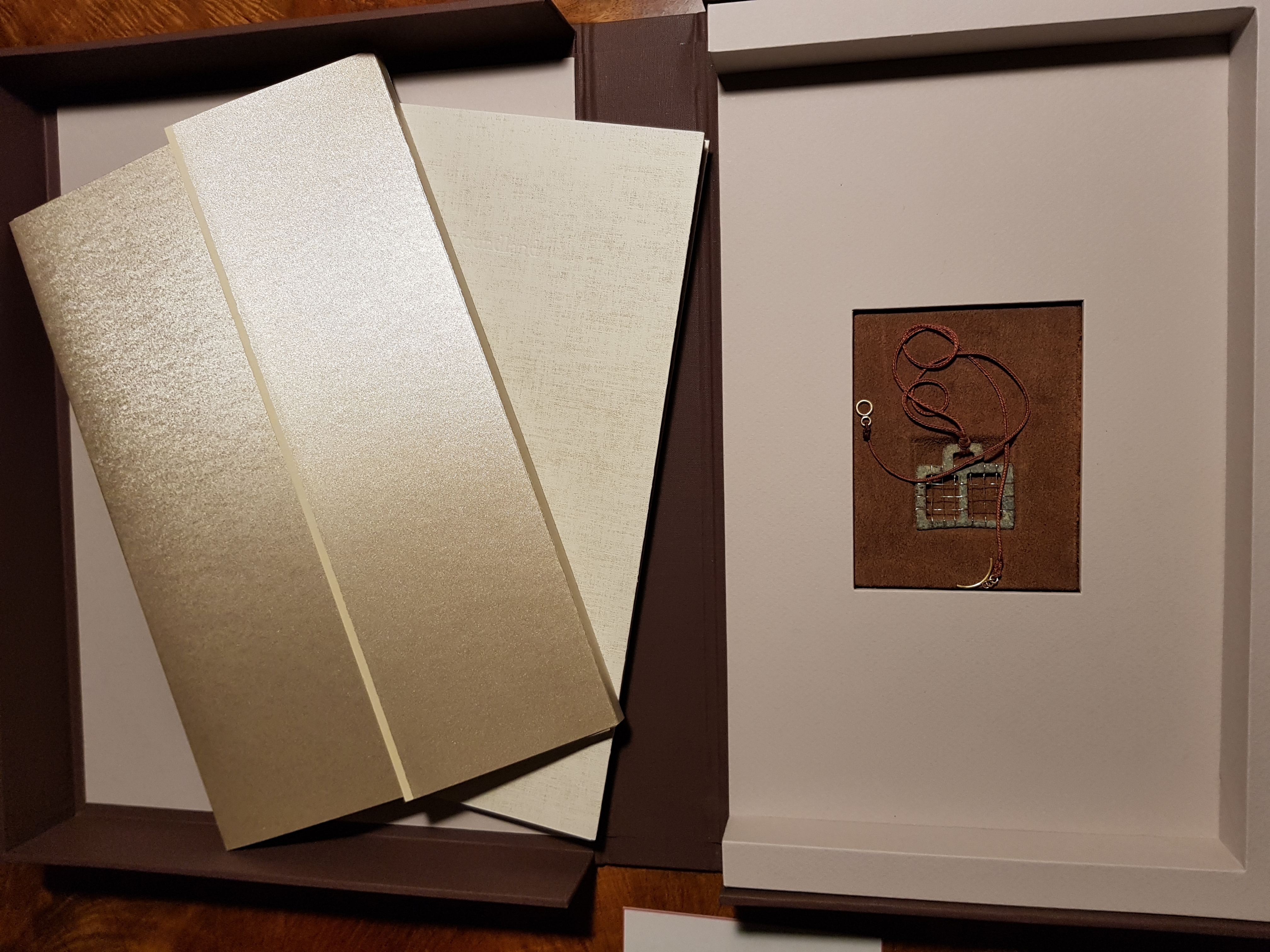
So, the book has been launched. A group of friends, bibliophiles and performance artists came to hear William Chubb give a theatrical rendition of Bryan Appleyard’s text about the art of memory and admire the extreme and fastidious precision of the book itself – the quality of the sewing, typography, the density of the blacks in the photographic reproduction – and the display of jewellery next door:-
Adam Gopnik
I met with Adam Gopnik today who is over to publicise his latest book At the Stranger’s Gate about his early life in New York. He mentioned casually that we had first met over twenty years ago and I realised that this was indeed true, as we were introduced by Richard Avedon at the time of Avedon’s great exhibition at the NPG in 1995. From memory, Avedon had packed a suitcase of gifts for Gopnik’s son, who was (I think) his godson. Avedon obviously liked the symbolism of a suitcase of gifts because not long after, he asked my wife what gift our son might like. She said – I thought unnecessarily sniffily – that there was nothing he could buy in New York which wasn’t already available in London. When he got back to New York, he obviously asked his studio assistants to scour the backstreets of Soho for what a boy might like, because not long afterwards a monstrous parcel arrived of all the things that precisely could only be bought in the United States, including comics and baseball boots and all sorts of other deeply unsuitable things: an act of supreme and memorable generosity.
Gabrielle Jungels-Winkler Galleries
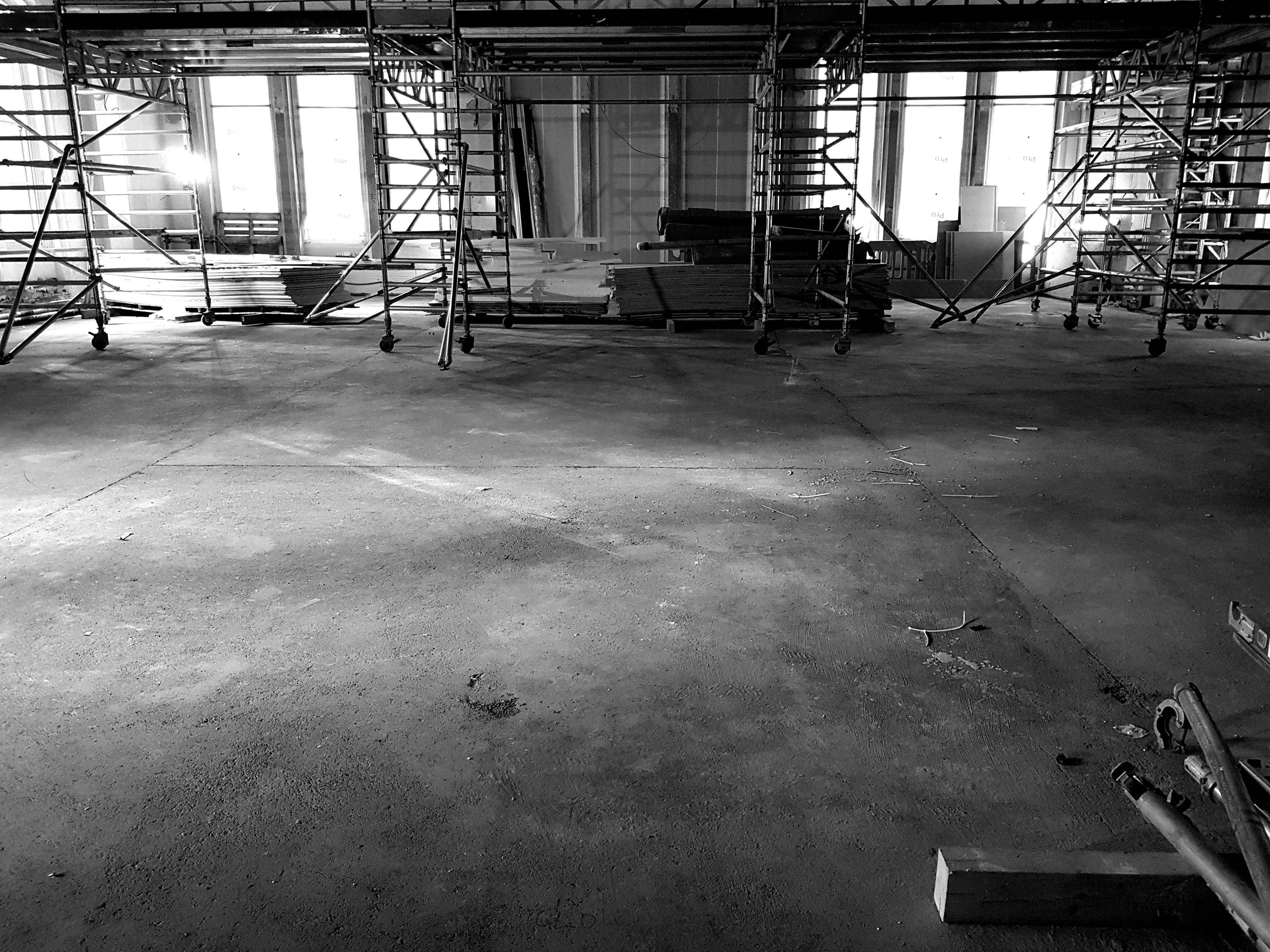
I failed to post views of our forthcoming new exhibition galleries yesterday because the pictures didn’t give a sense of their scale and the quality of the original top-lighting.
I do so now:-
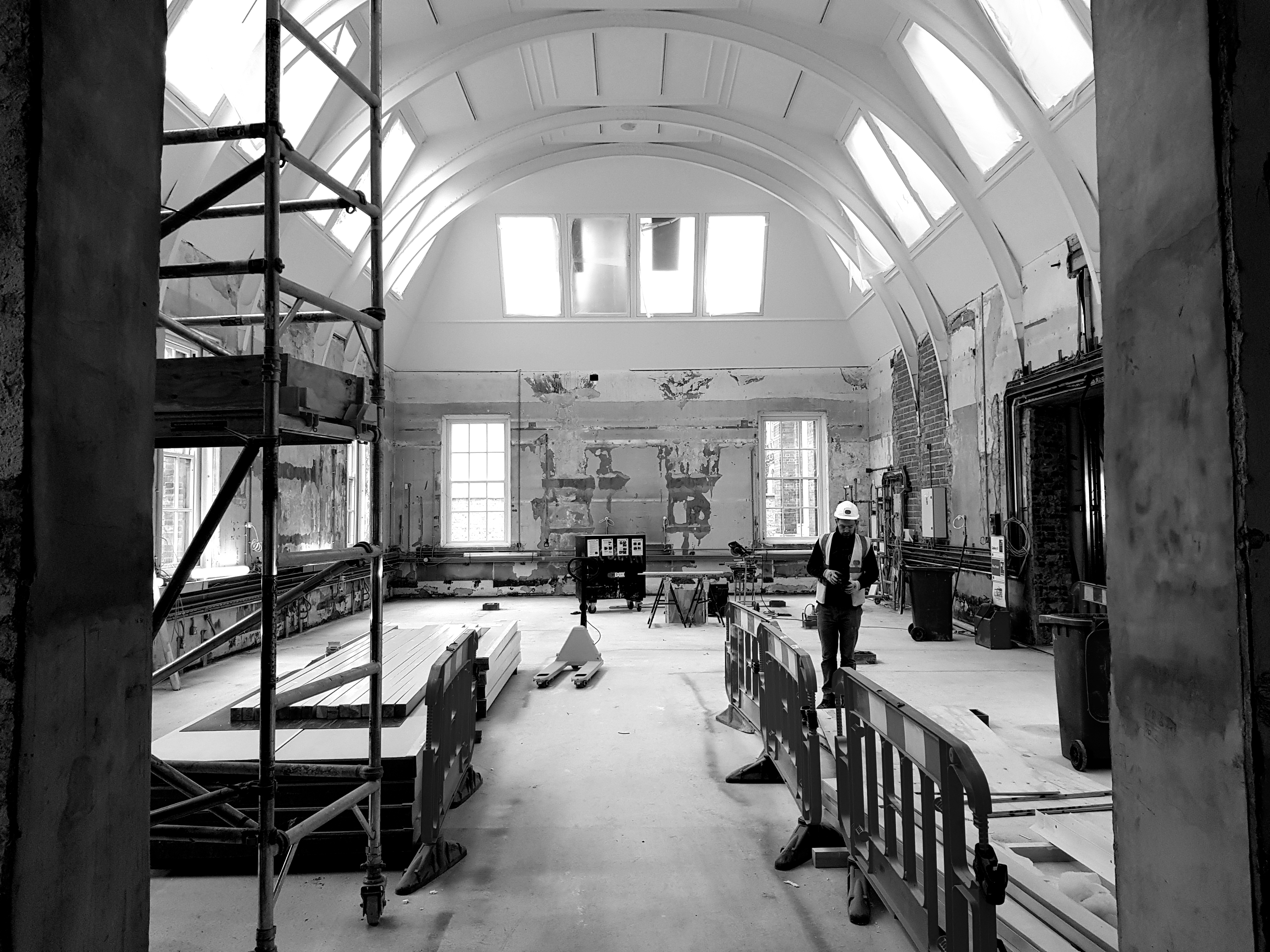
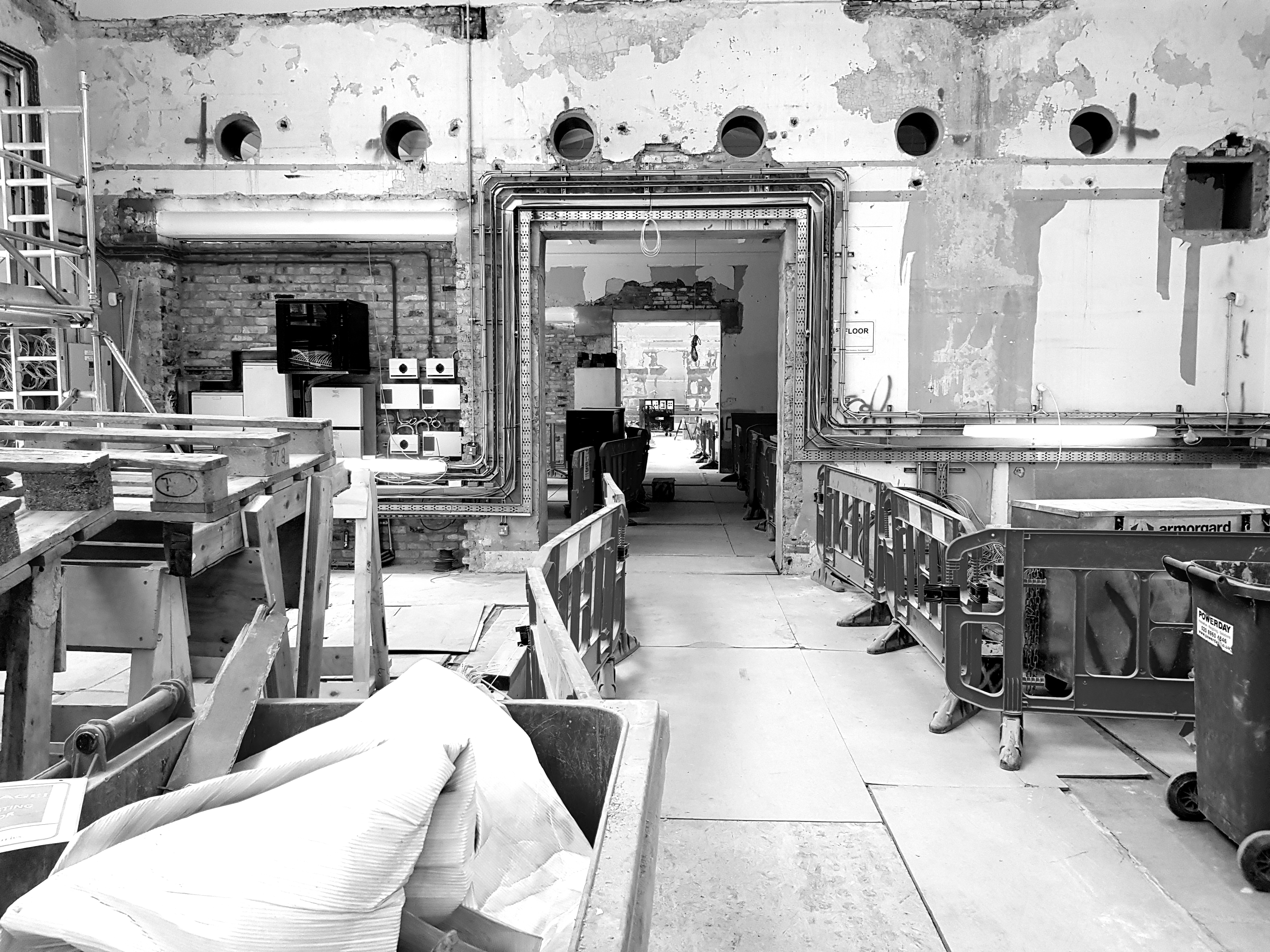
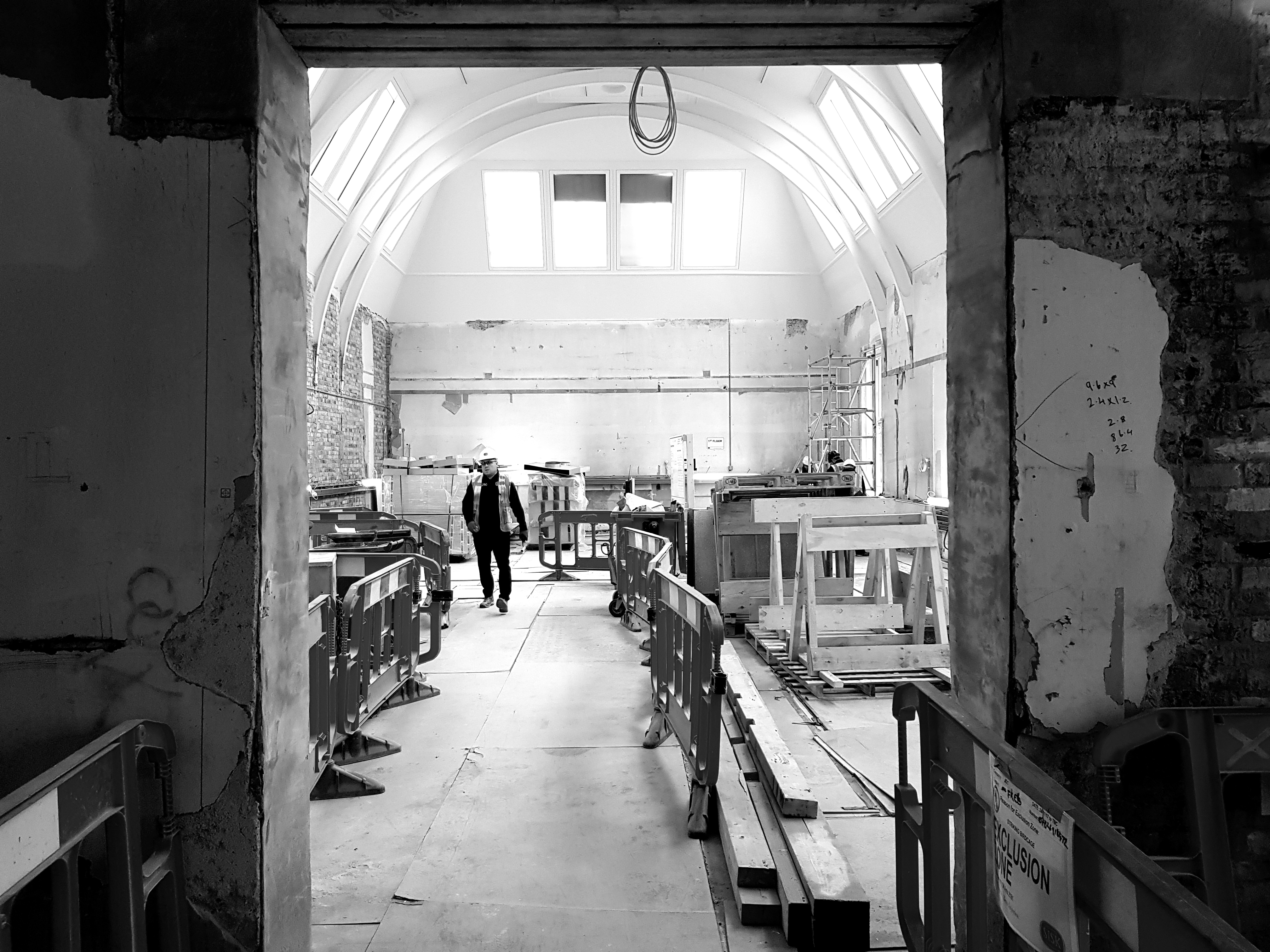
Burlington Gardens
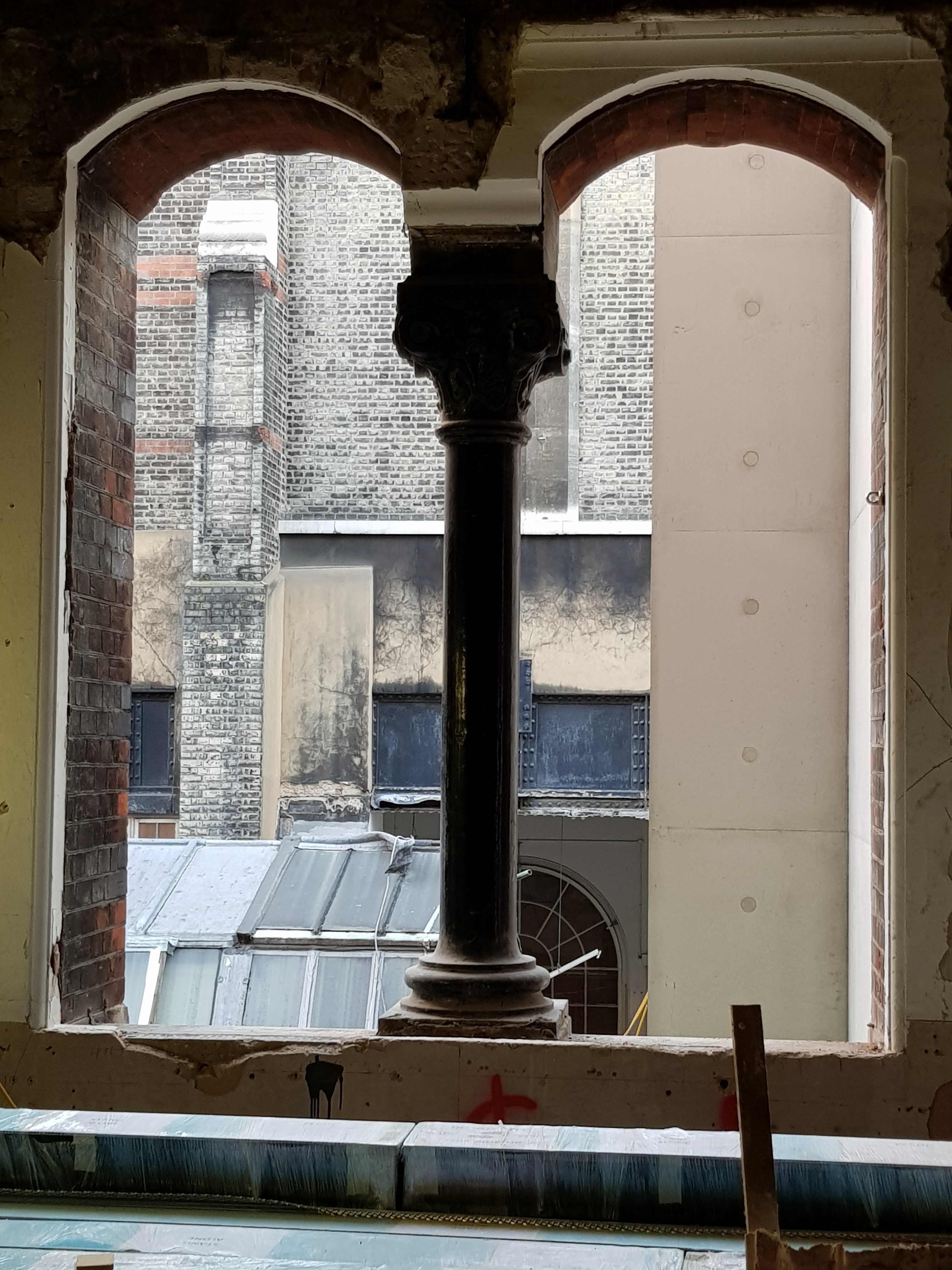
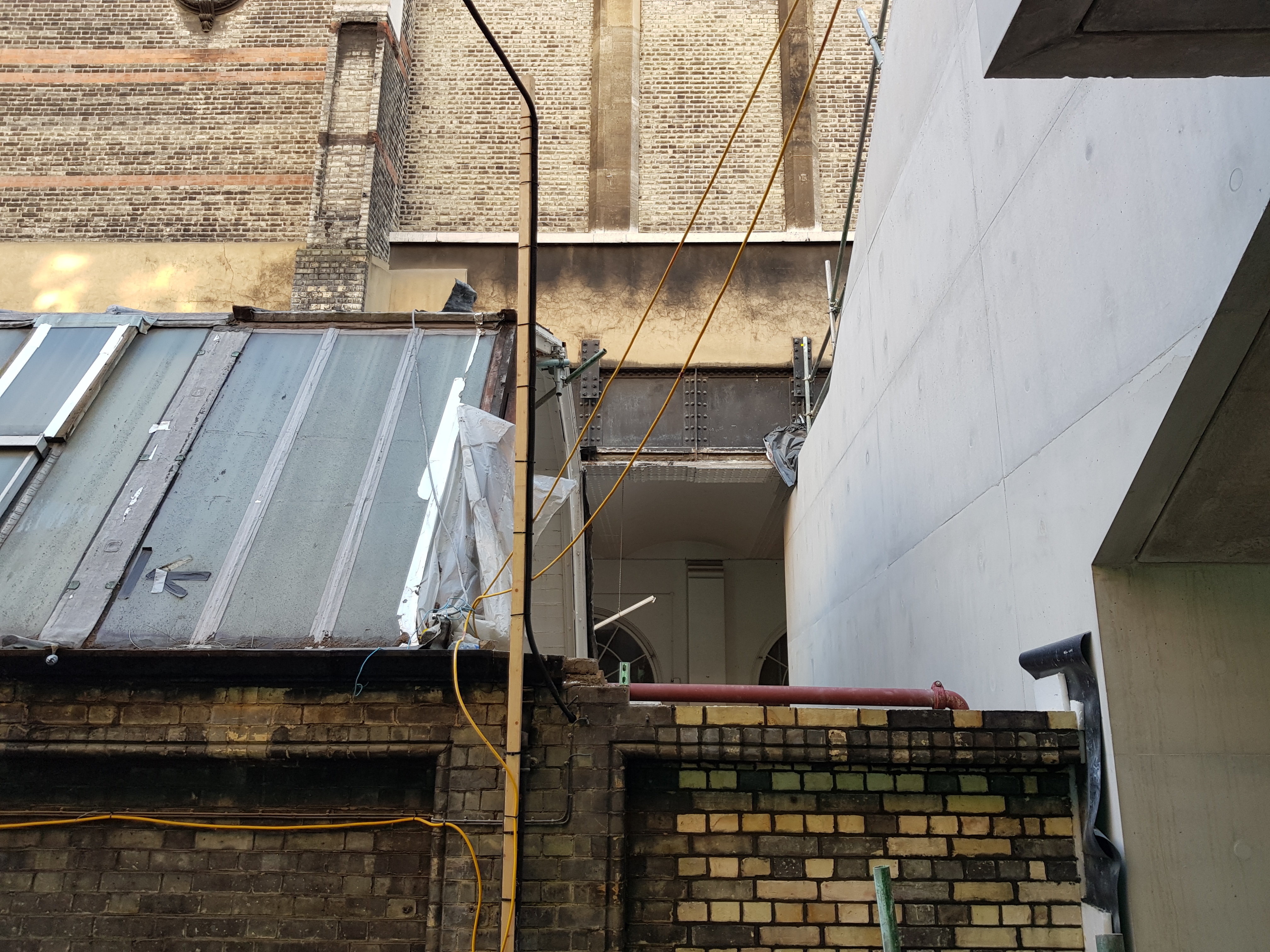
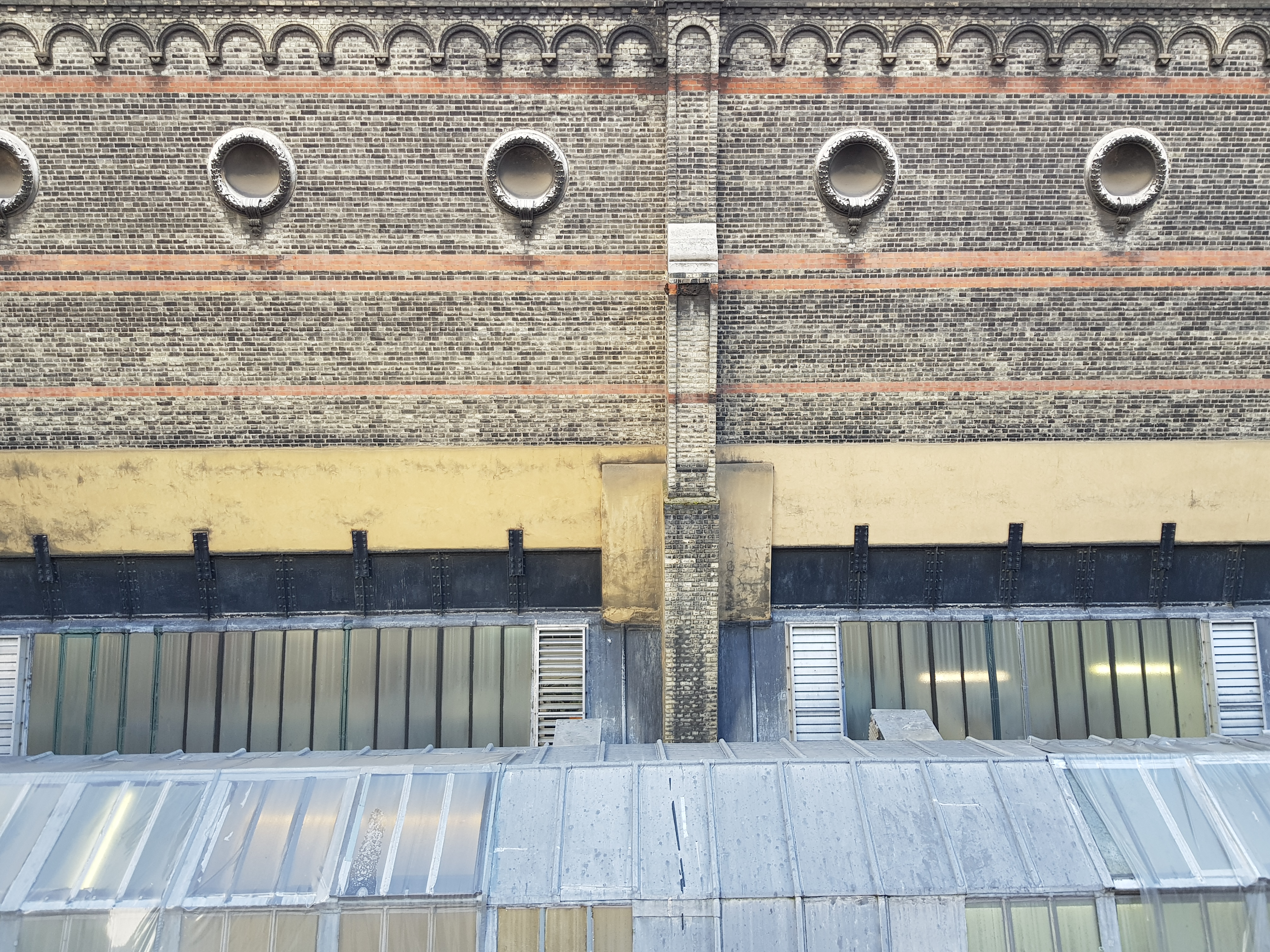
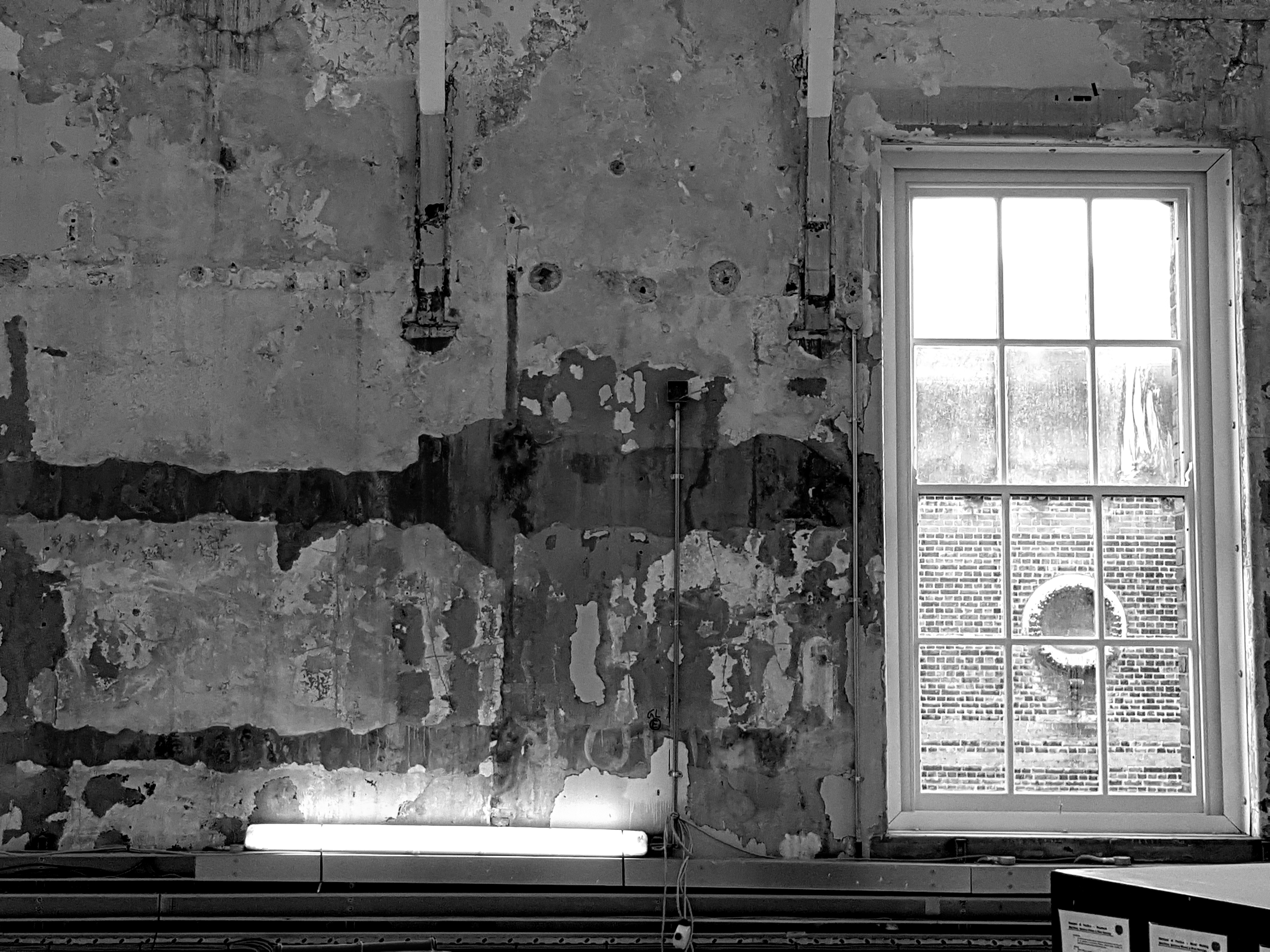
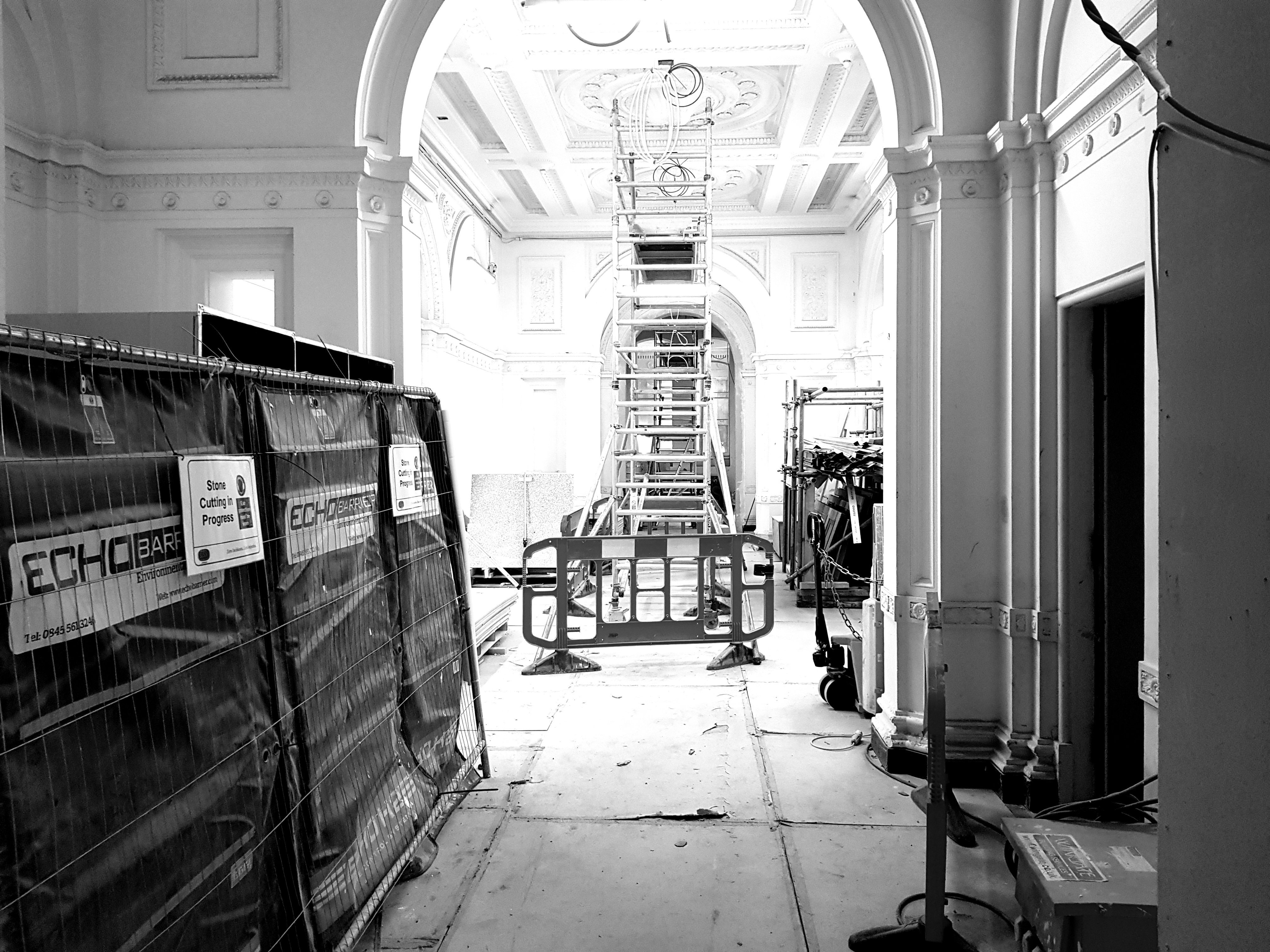
I walked round Burlington Gardens again this morning, admiring the cool monumentality of the connecting bridge, the views across the back yard and, best of all, the Gabrielle Jungels-Winkler Galleries where the scaffolding has now been cleared, revealing the ironwork of the vaulted roof:-
 | Charles | Saumarez | Smith |
You must be logged in to post a comment.