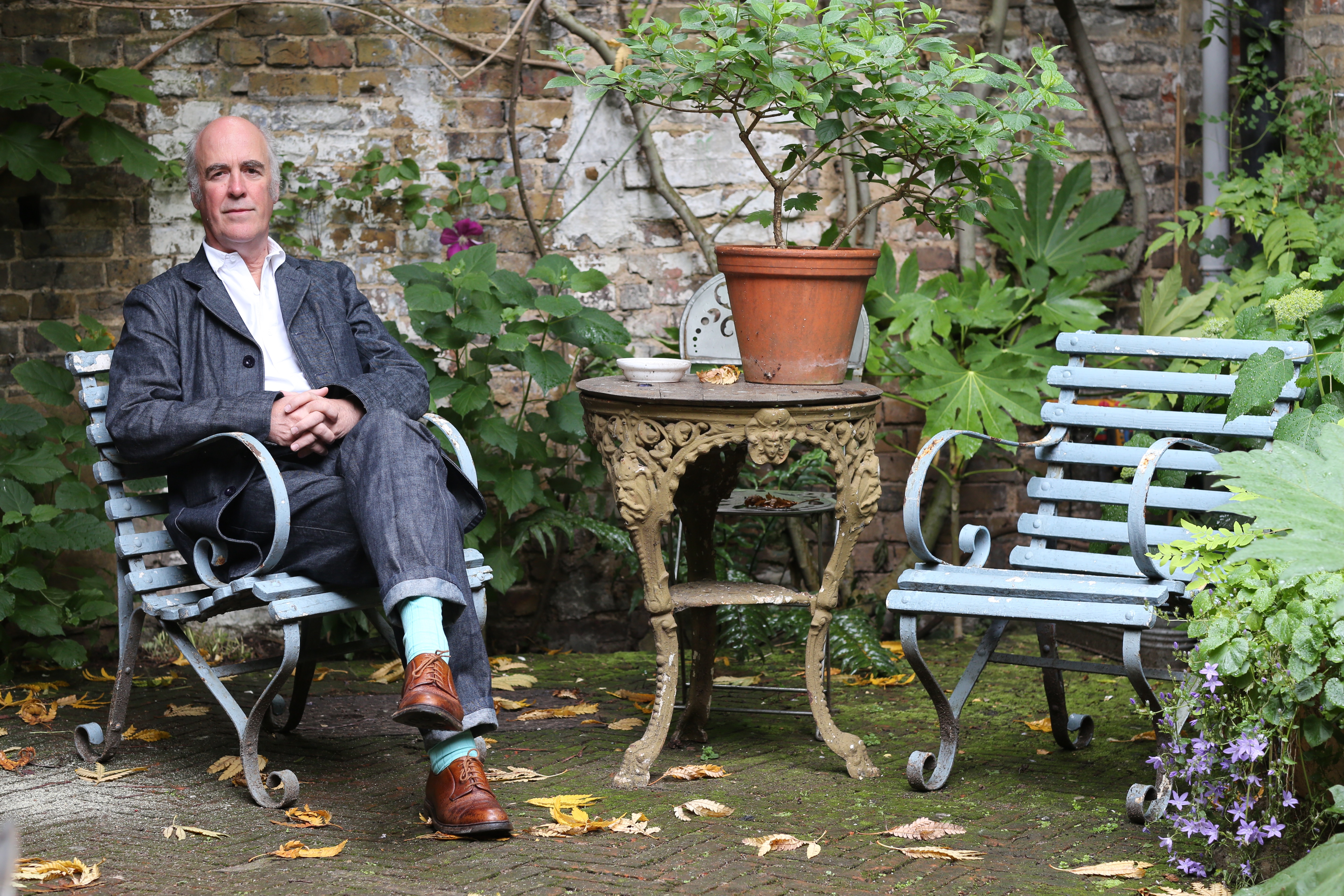
I went to the launch of Richard Rogers’s new book, A Place for all people, which grows out of the exhibition that he did in Burlington Gardens in 2013 and is similarly personal, reflective and wide-ranging. It starts (this is as much as I have had time to read) with an account of his unexpectedly privileged upbringing, born in an apartment overlooking the Duomo in Florence, surrounded by furniture designed by his cousin, Ernesto, then translated into the ghastliness of an English private school where he seems to have survived by a mixture of cunning, good looks and brawn (these characteristics maybe served him in his architecture as well). Looking at the picture of Ernesto’s Torre Velasca in Milan, designed when Richard was working in the office, it looks at least as radical and disruptive, although designed in traditional materials, as the Centre Pompidou was to be fifteen years later. The influences on his architectural development were what one might expect of someone of his generation – New York, Mies, the Smithsons, industrial buildings and Jim Stirling. What was distinctive were his interest in radical methods of lightweight construction and the depth of his social concerns.
The Limehouse Golem
I have been told by the film buffs in my family that I shouldn’t admit to having enjoyed the Limehouse Golem, owing to the hamminess of much of the acting (much is wilfully exaggerated) and the absurdity of the inclusion of Karl Marx (this is a feature of the original novel). But I did enjoy it. It was partly due to the complexities of the plot, which I half remember from the original 1994 Peter Ackroyd novel – half a parody of Conan Doyle in just the way that Ackroyd specialises. Then, I found it an interesting evocation of the world of the late nineteenth-century music hall. Dan Leno (the real one) first performed in Foresters’ Music Hall in Mile End and later in The Queen’s Theatre in Poplar. The fact that it was about music hall surely permits a degree of parody and burlesque. And I also thought it conveyed something of the roughness and brutality of the late Victorian docks – the Limehouse opium dens, the murders on Ratcliffe Highway, the prostitution on Cable Street. So, I’m not supposed to recommend it, but I do.
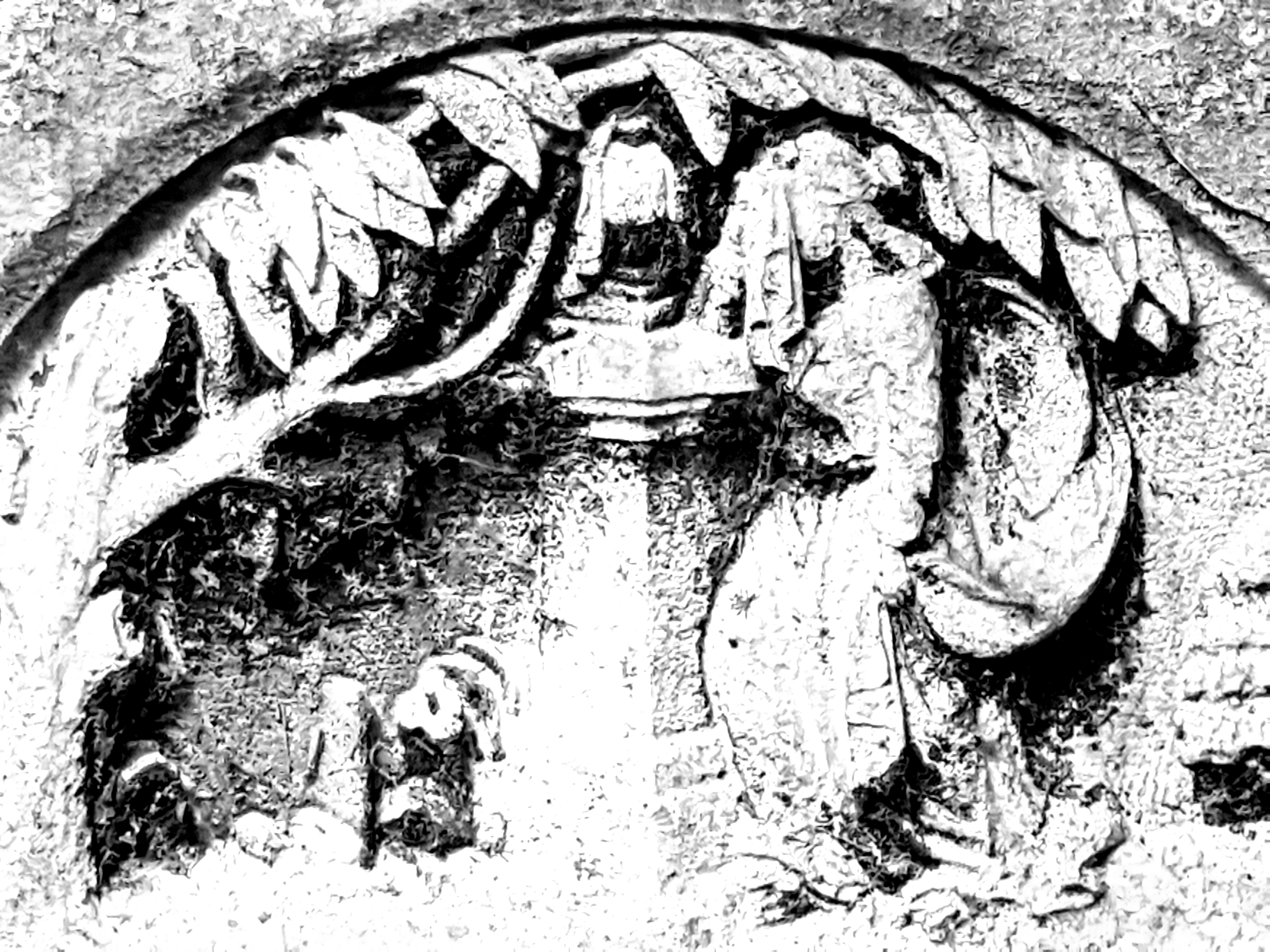
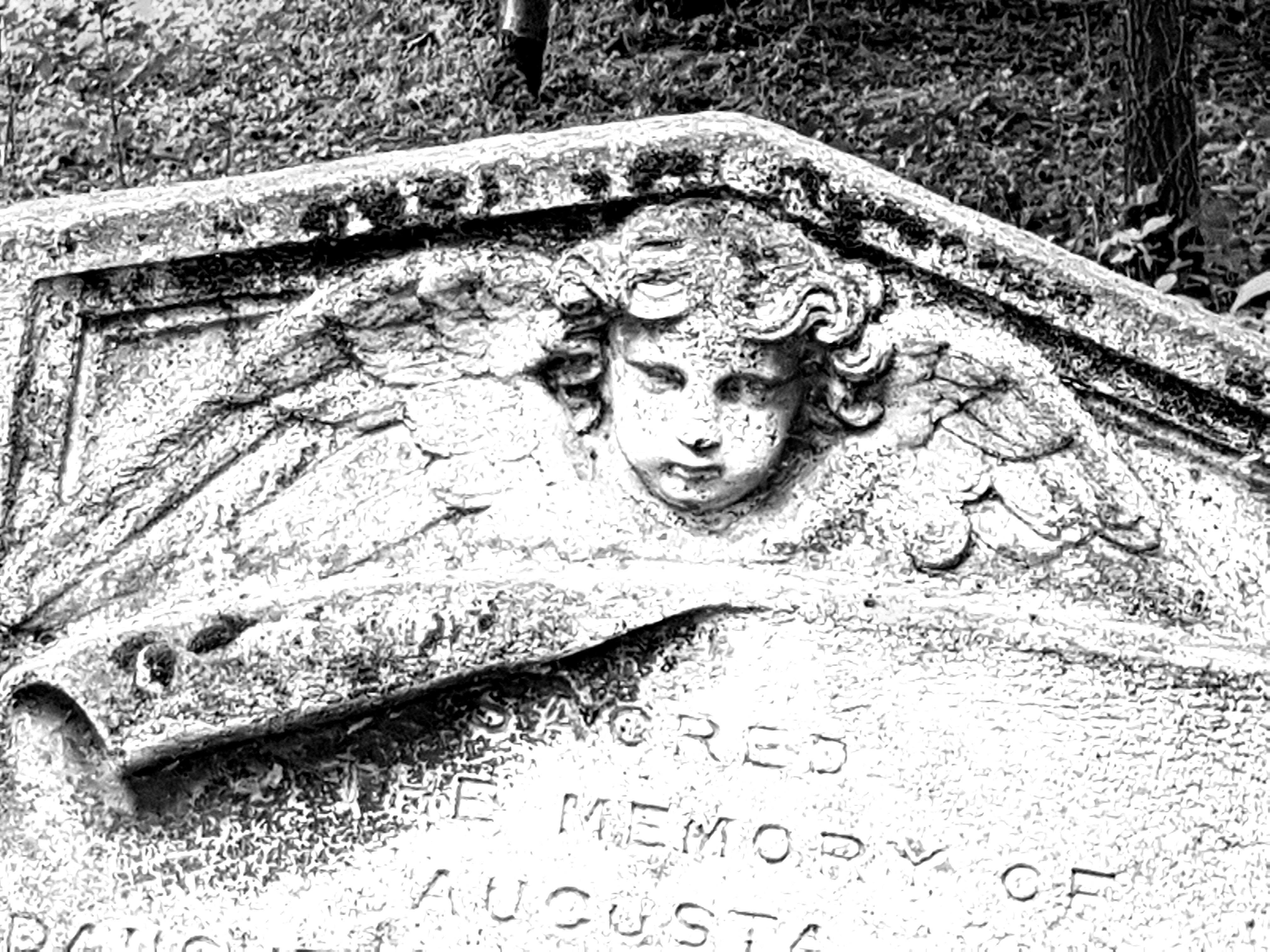
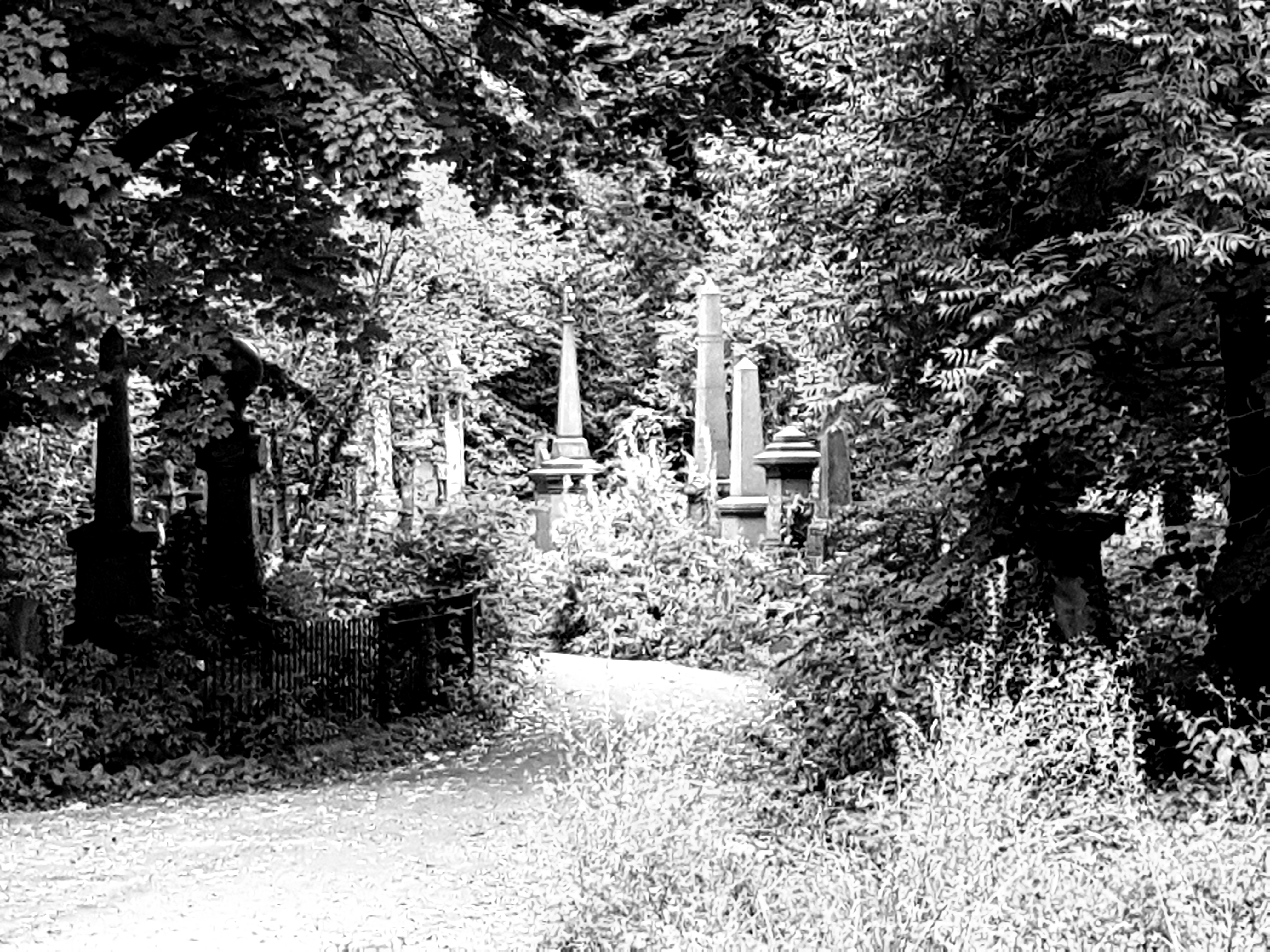
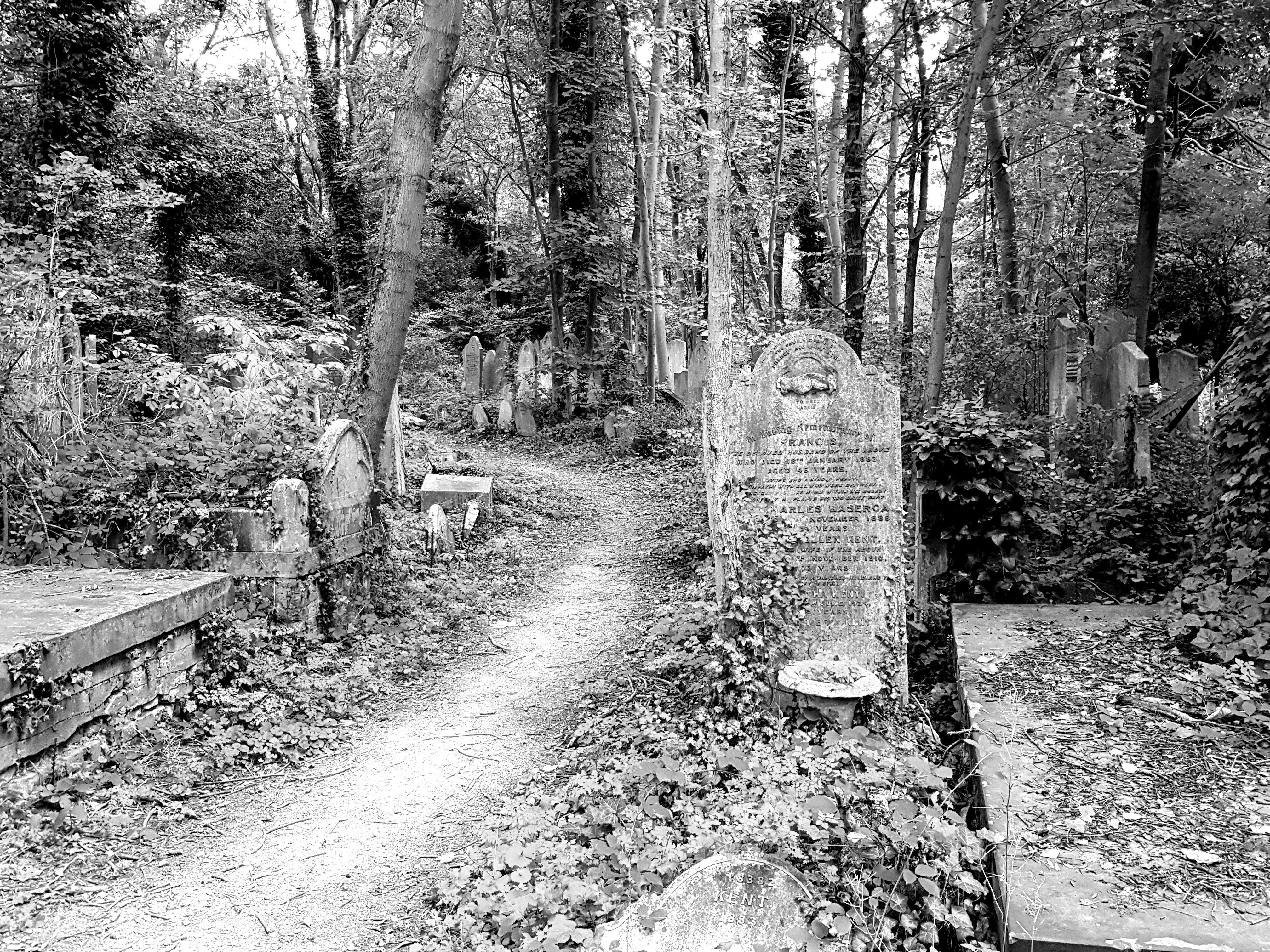
Tower Hamlets Cemetery (1)
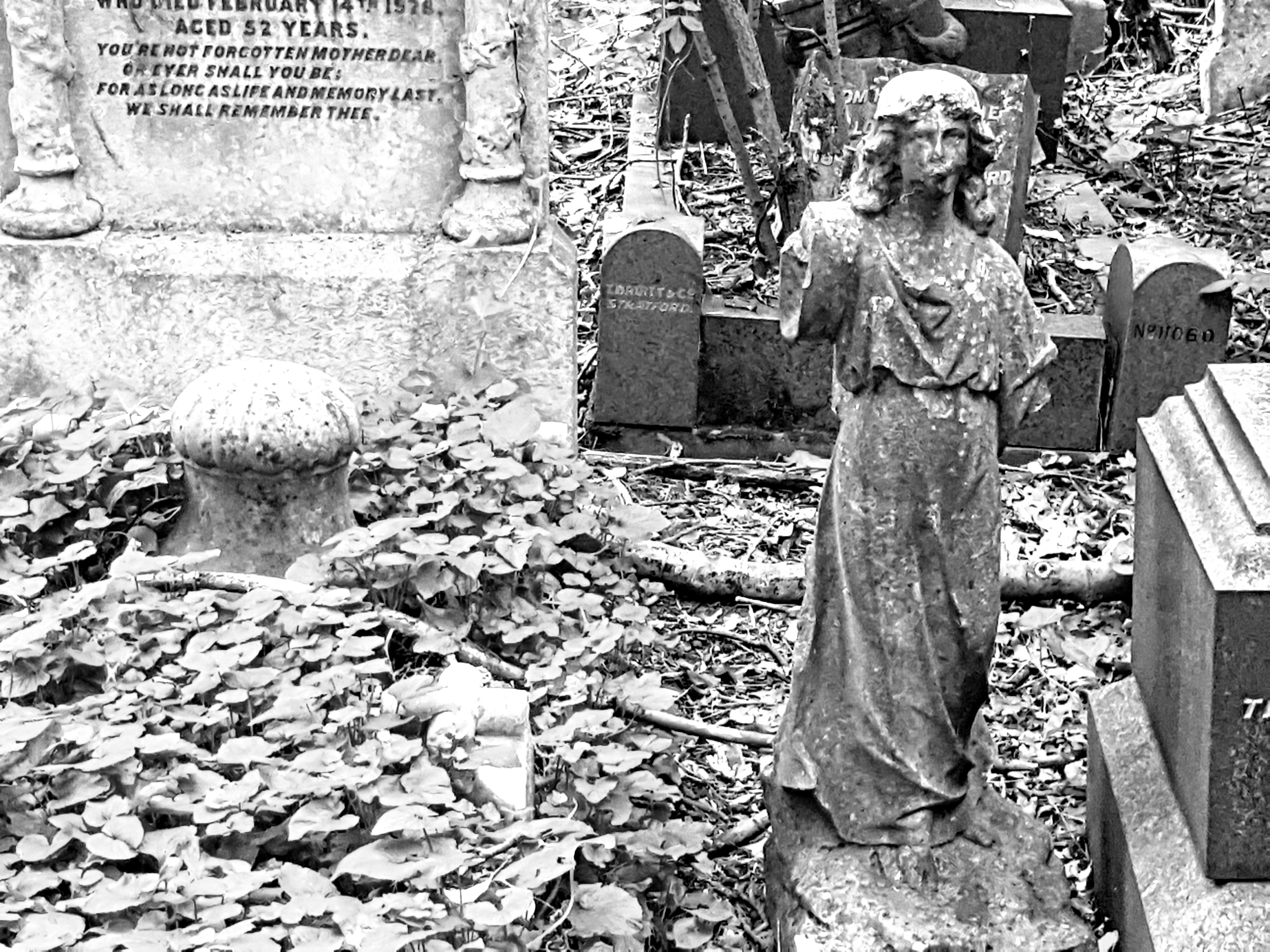
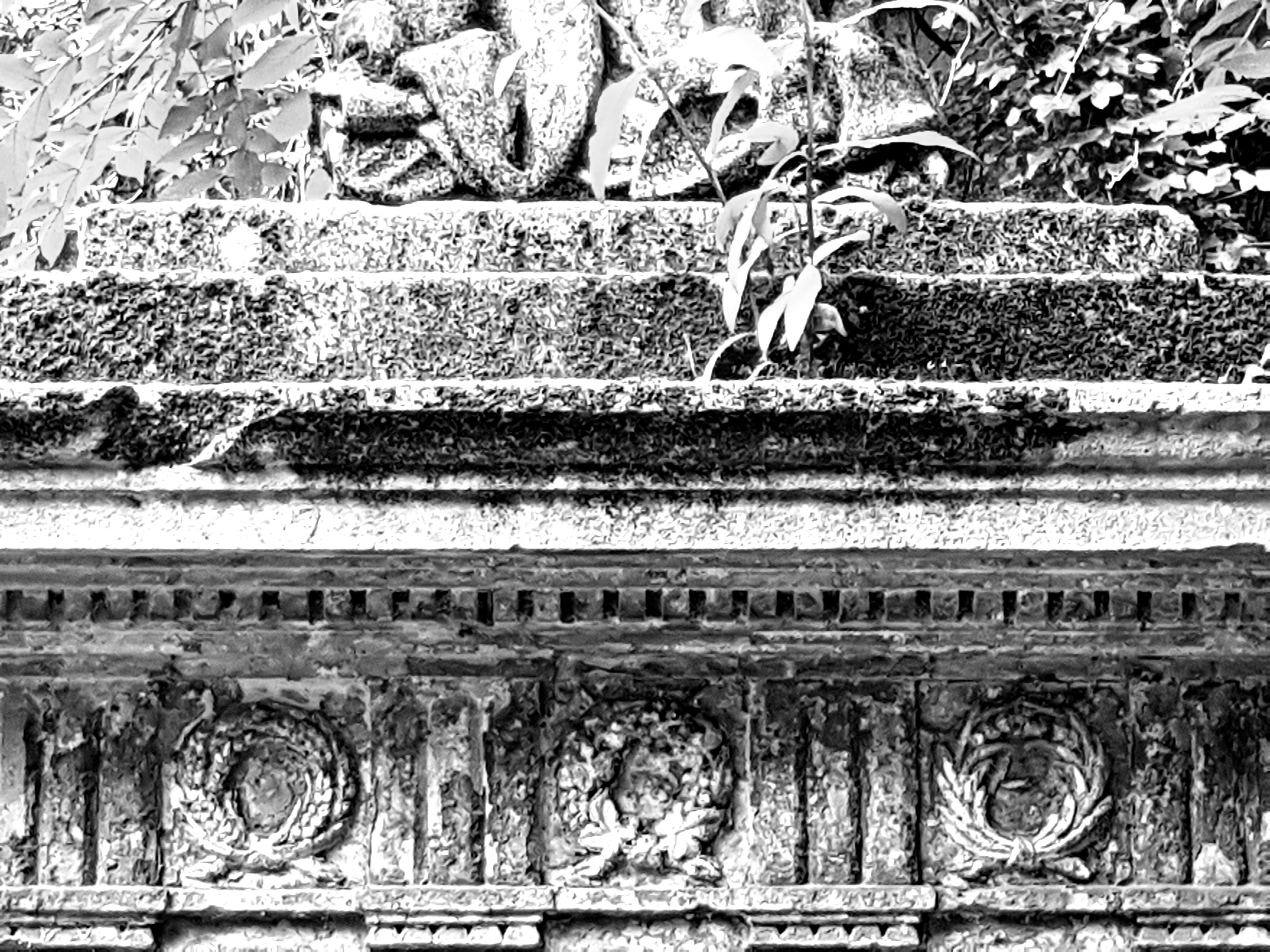
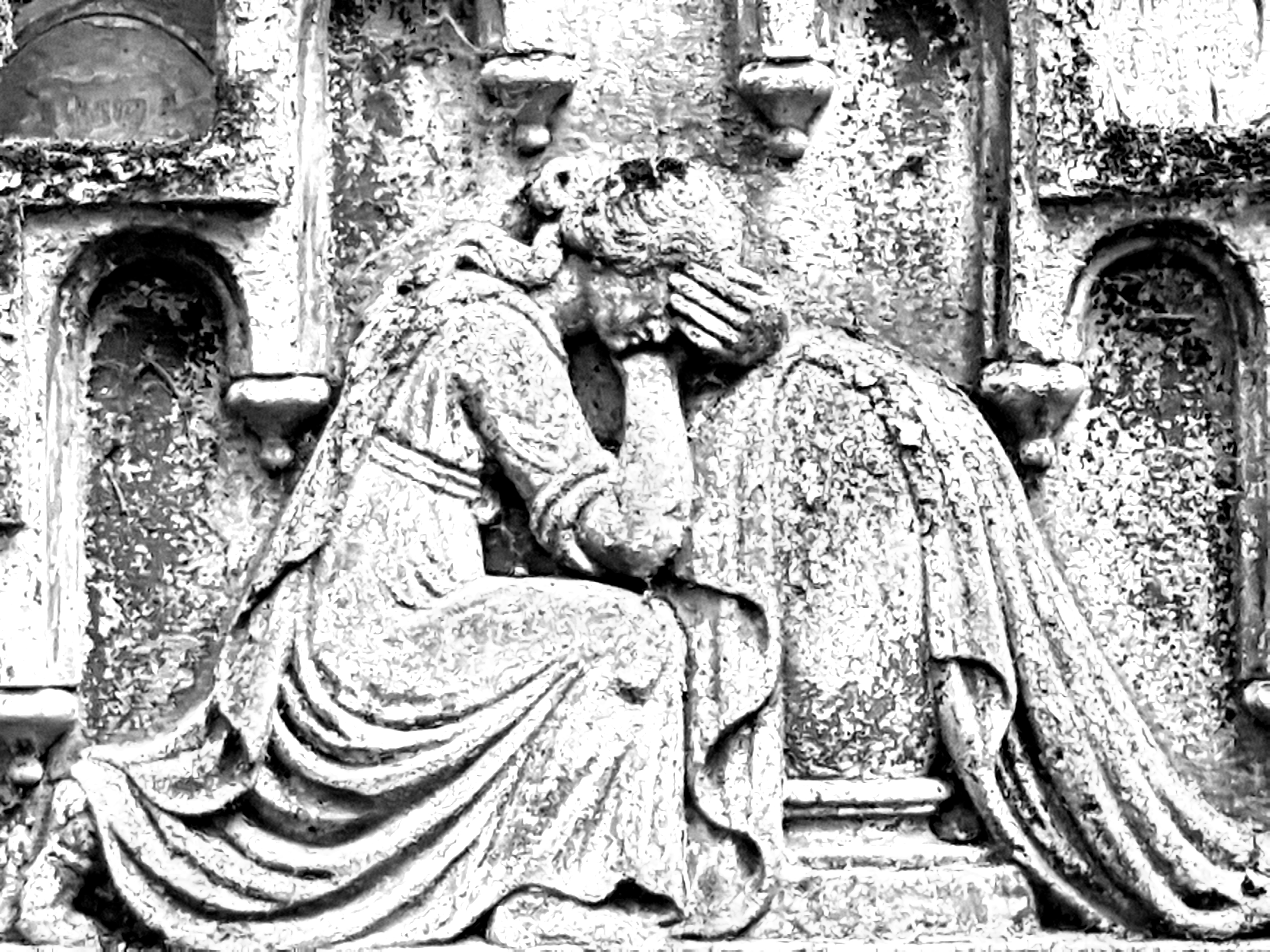
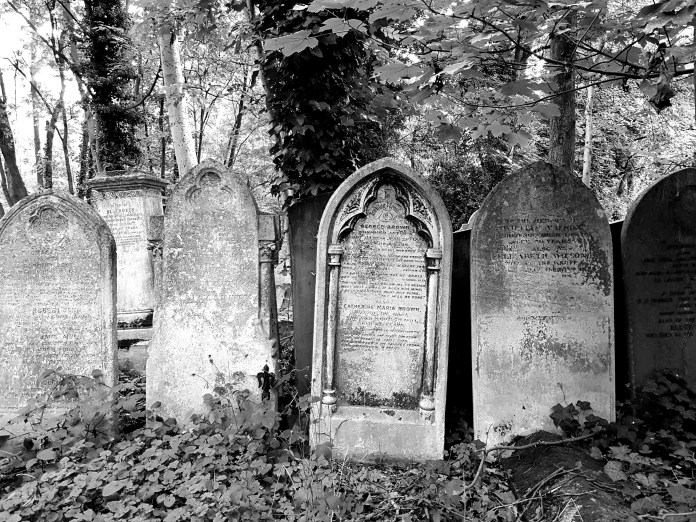
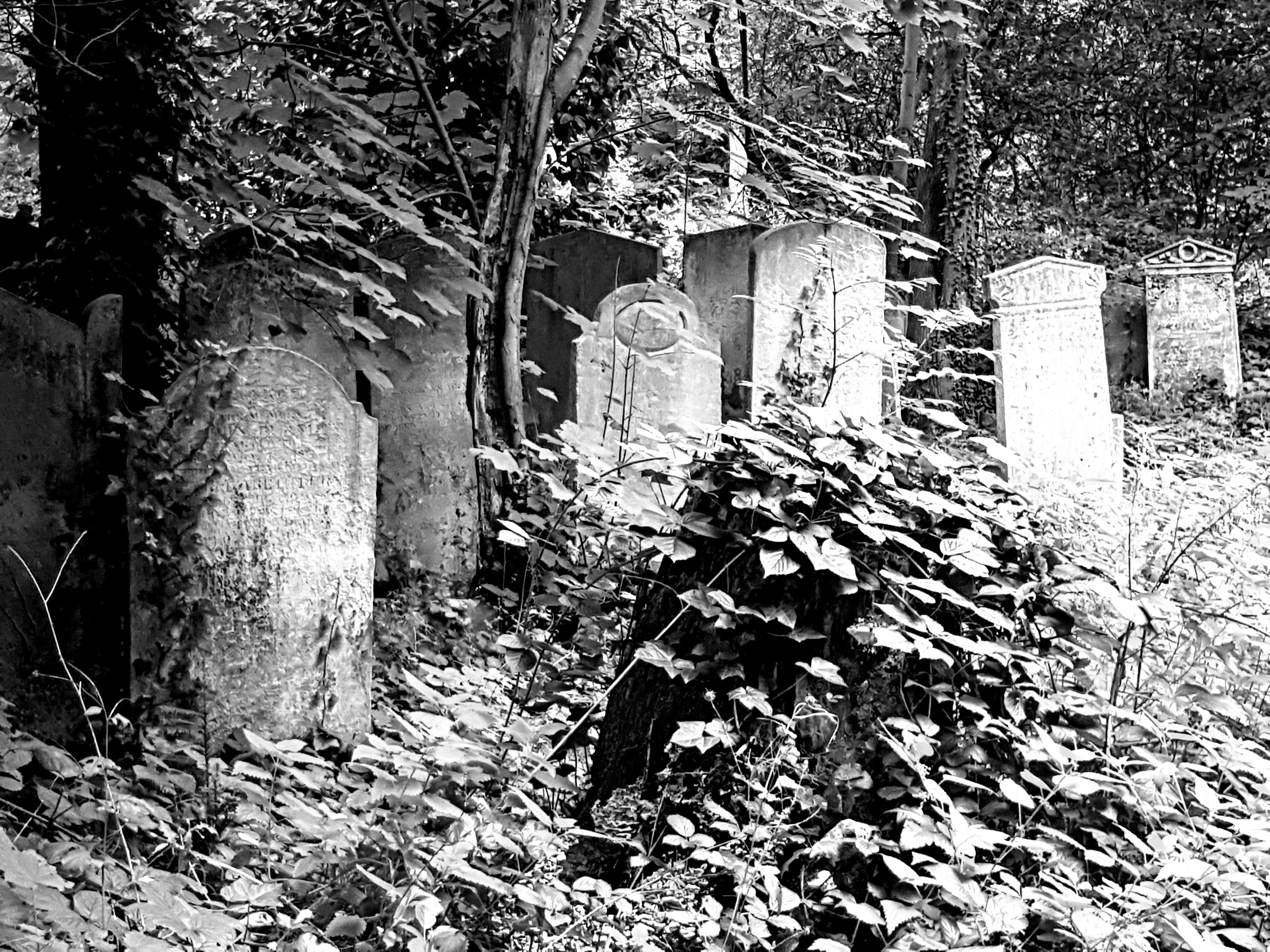
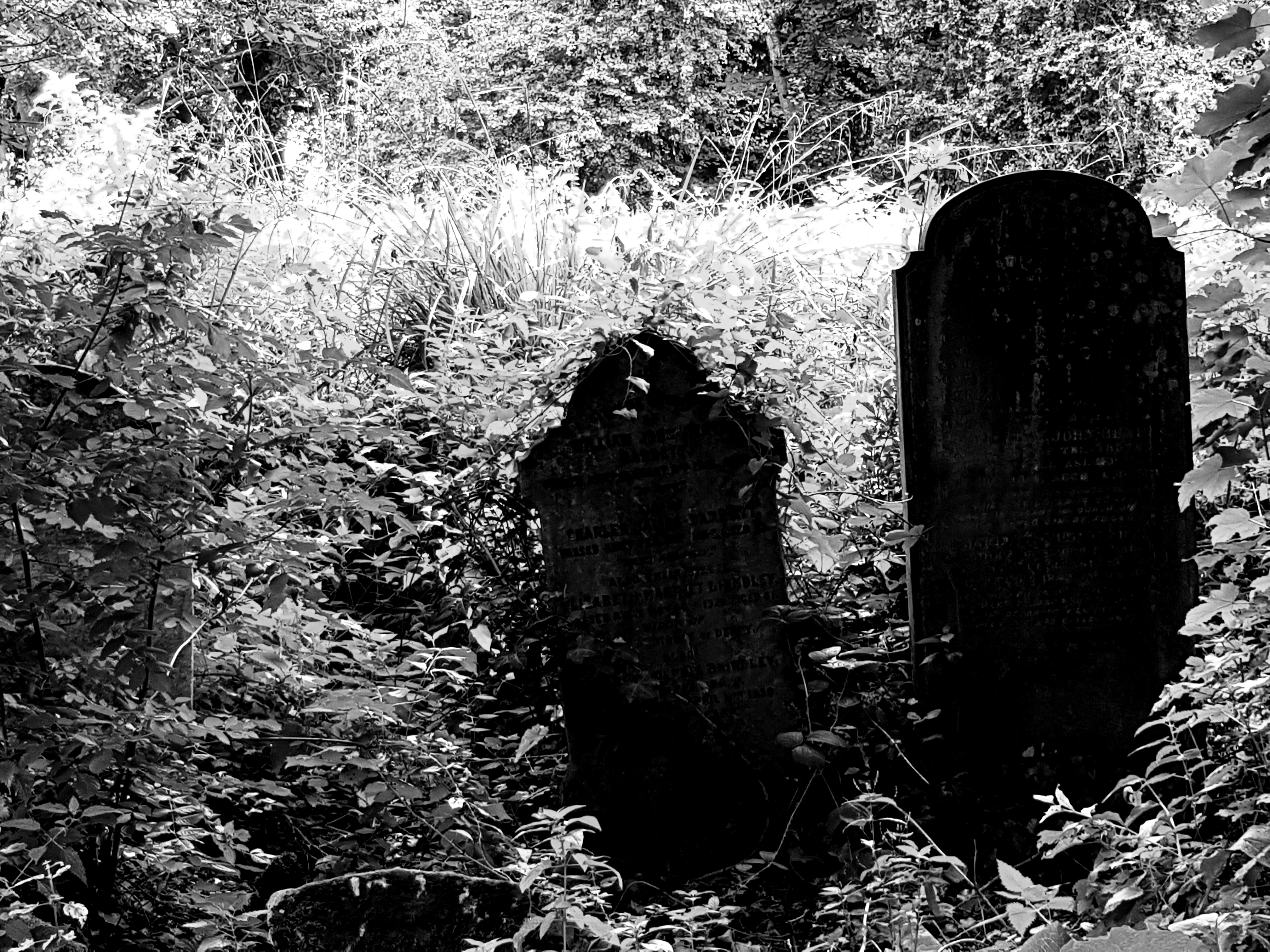
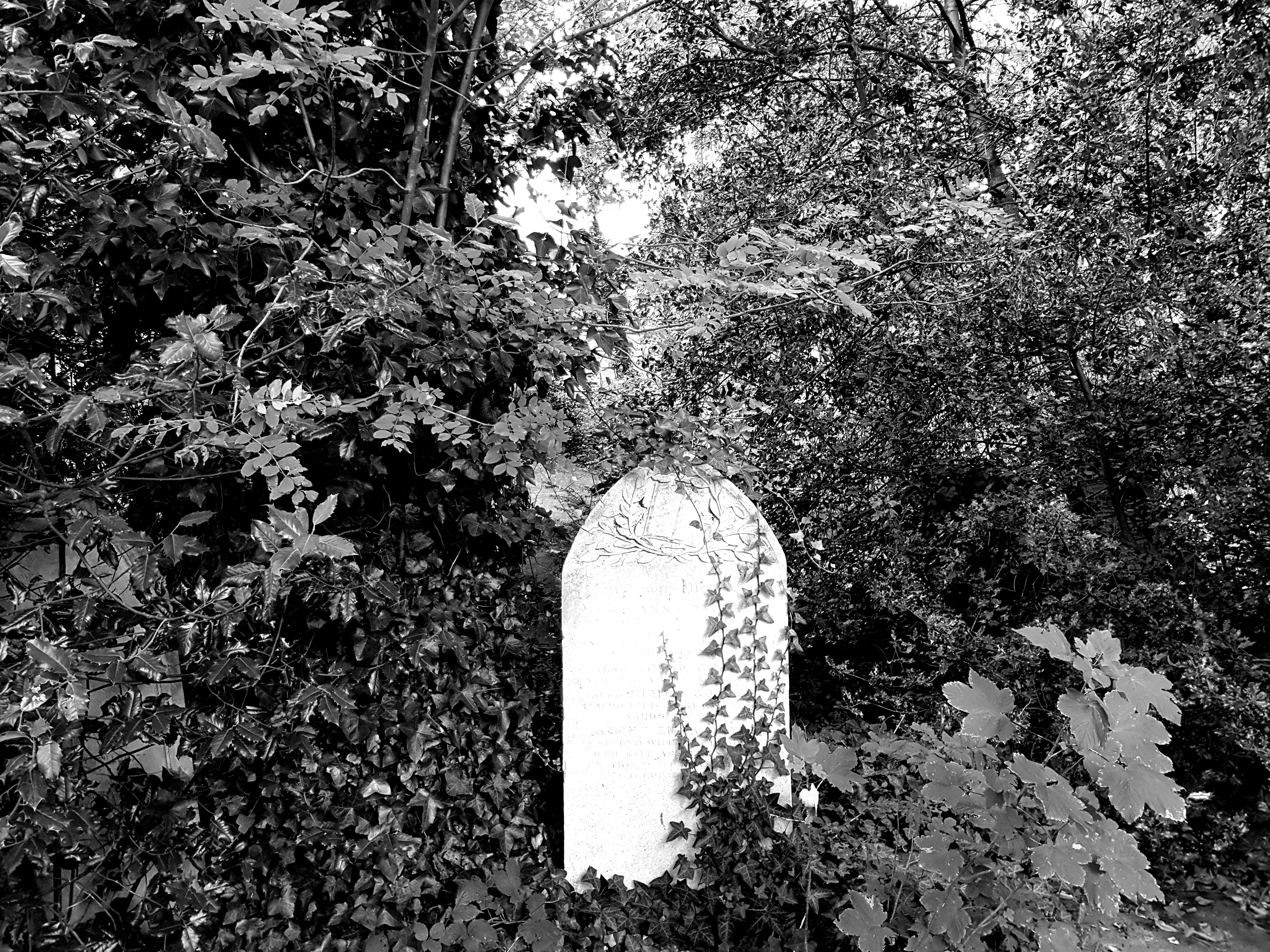
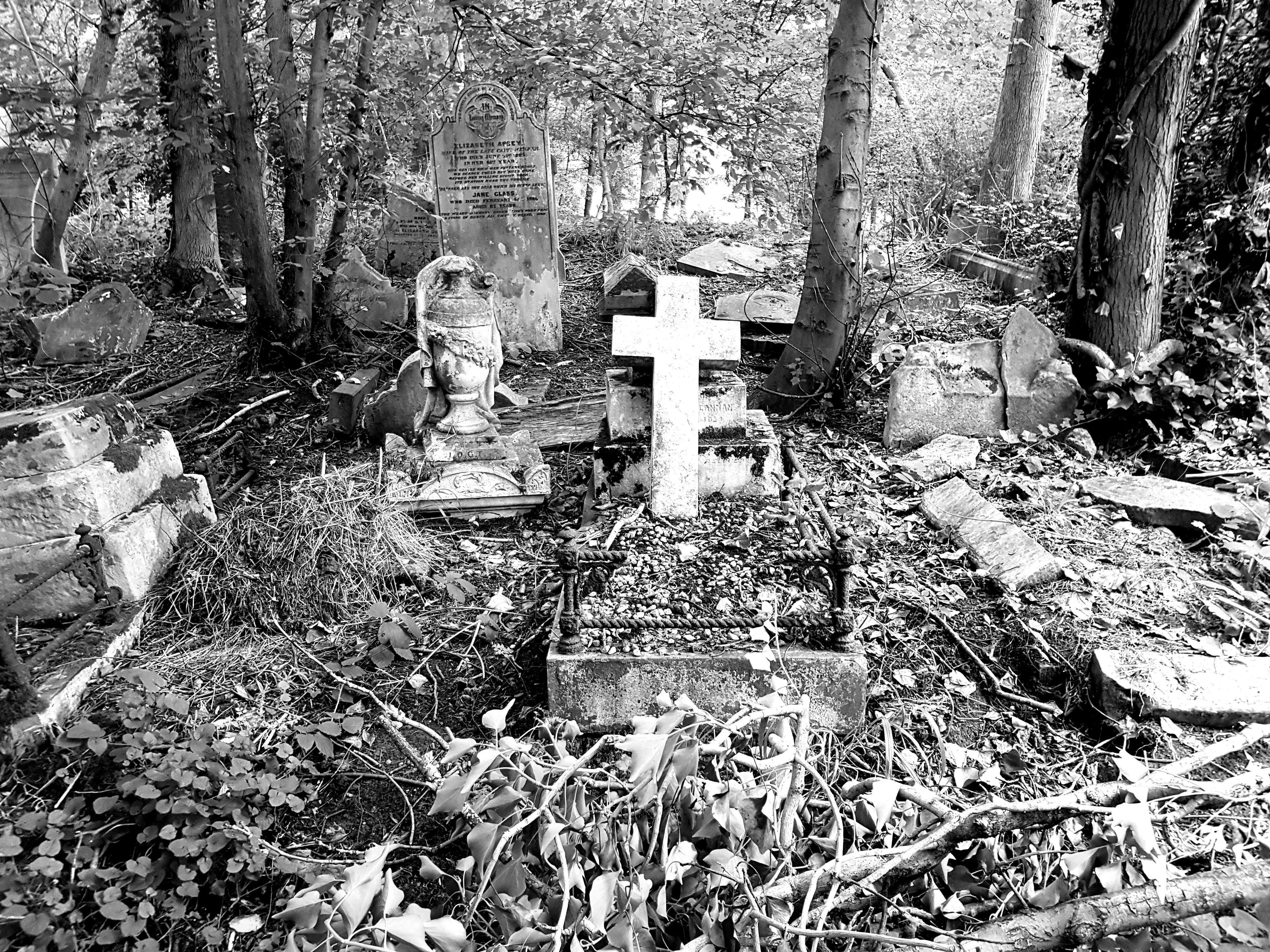
Readers will know that I am deeply enamoured of Tower Hamlets Cemetery – the last of the local wildernesses, with layer upon layer of east end history lost in an overgrown jungle. They are trying to clear it up now, make open spaces for people to sit and play like any other municipal park, but there is a big risk that it will lose its mystery. Of course, I know why they are doing it. It will be safer. The wildflowers will be documented. It will be tamed. But there will be a corresponding loss of wildness, of nature rampant, of imaginative fecundity:-
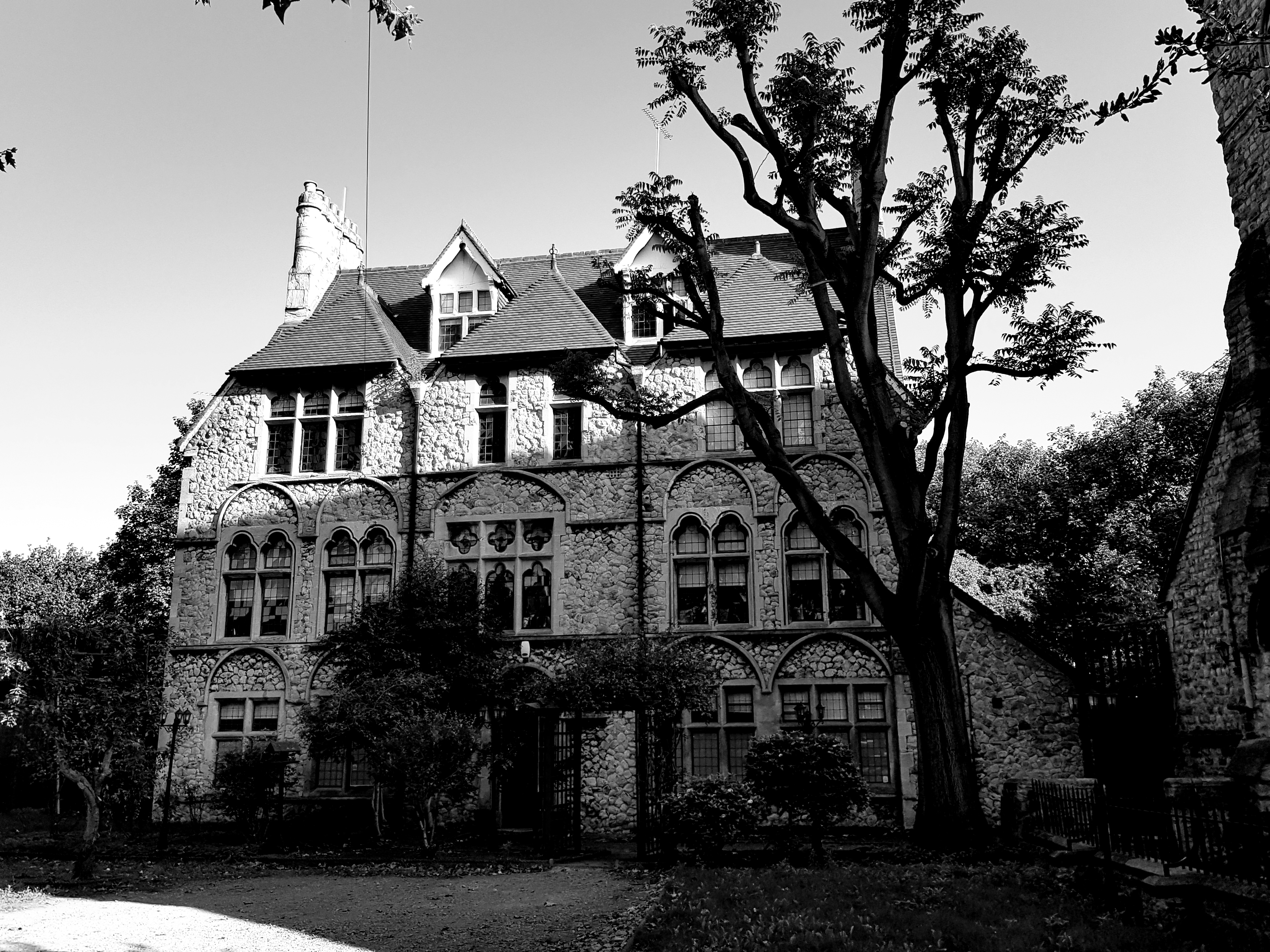
St. Andrew’s, Plaistow
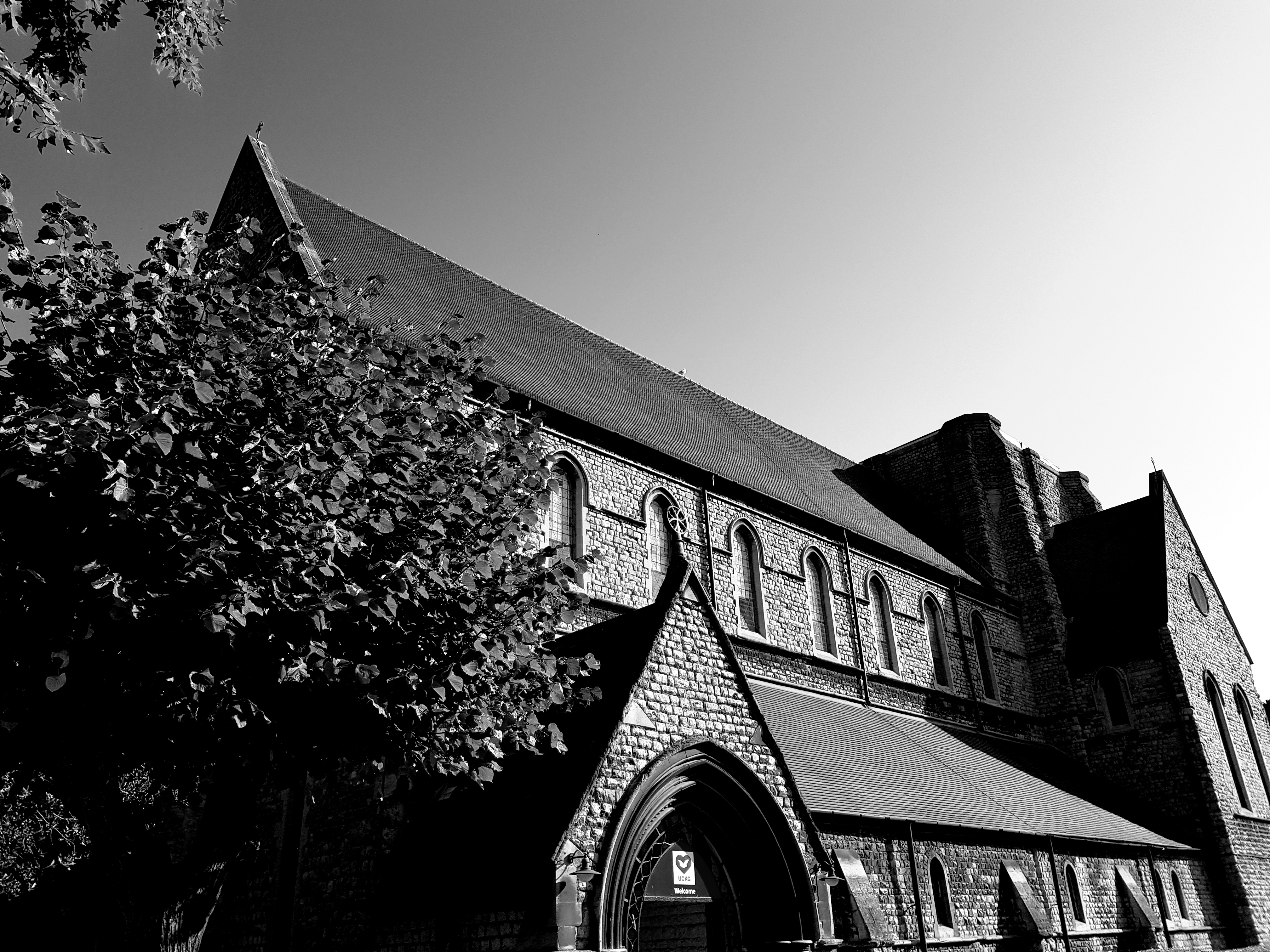
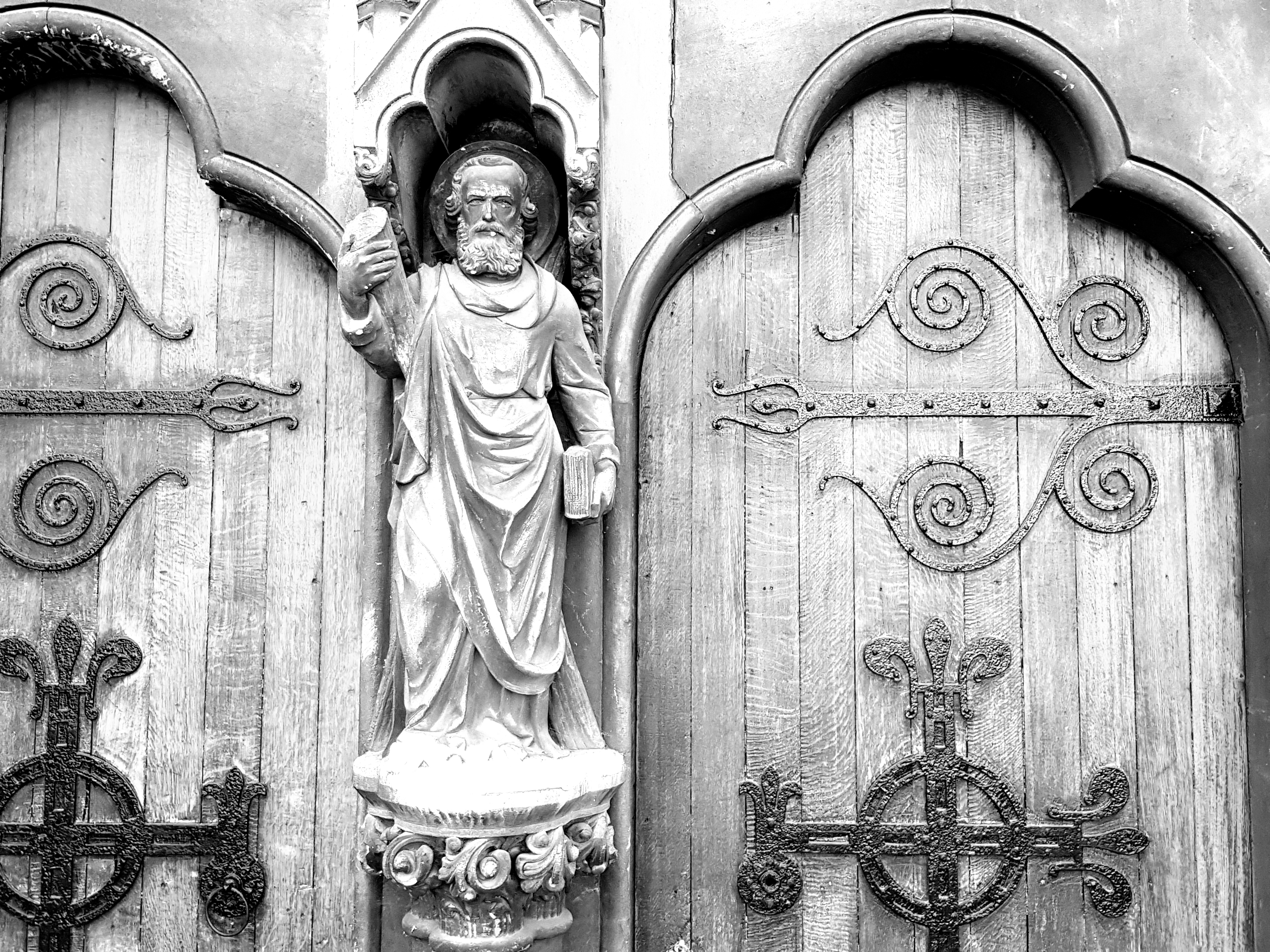
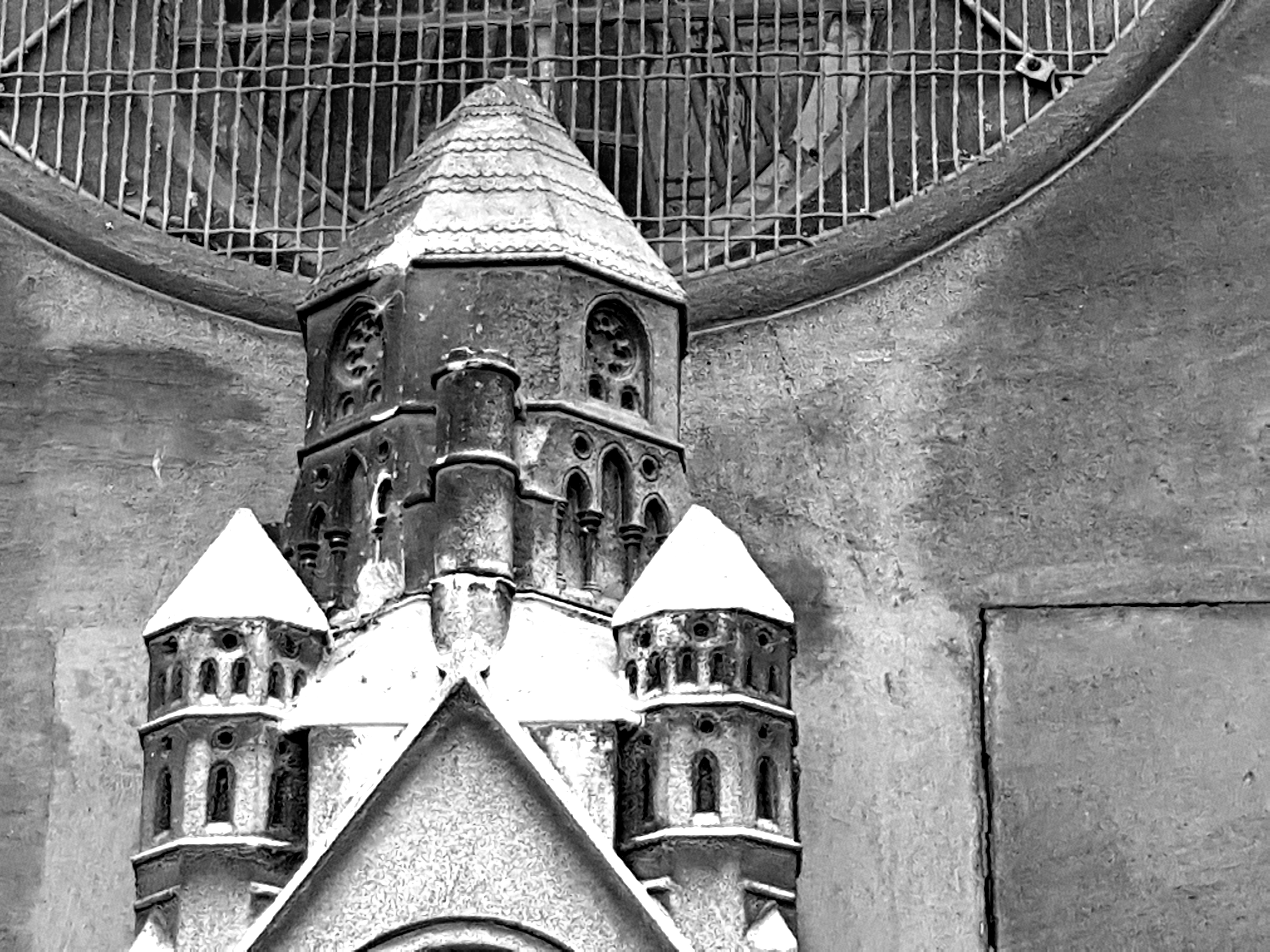
Although I walked right past it yesterday, I did not spot St. Andrew’s, Plaistow, James Brooks’s monumental Victorian church which, in 1870, brought Anglicanism to an area notorious for its dissent, alongside an equally fine, if not finer, high Gothic vicarage, slightly later in date, but also by Brooks:-
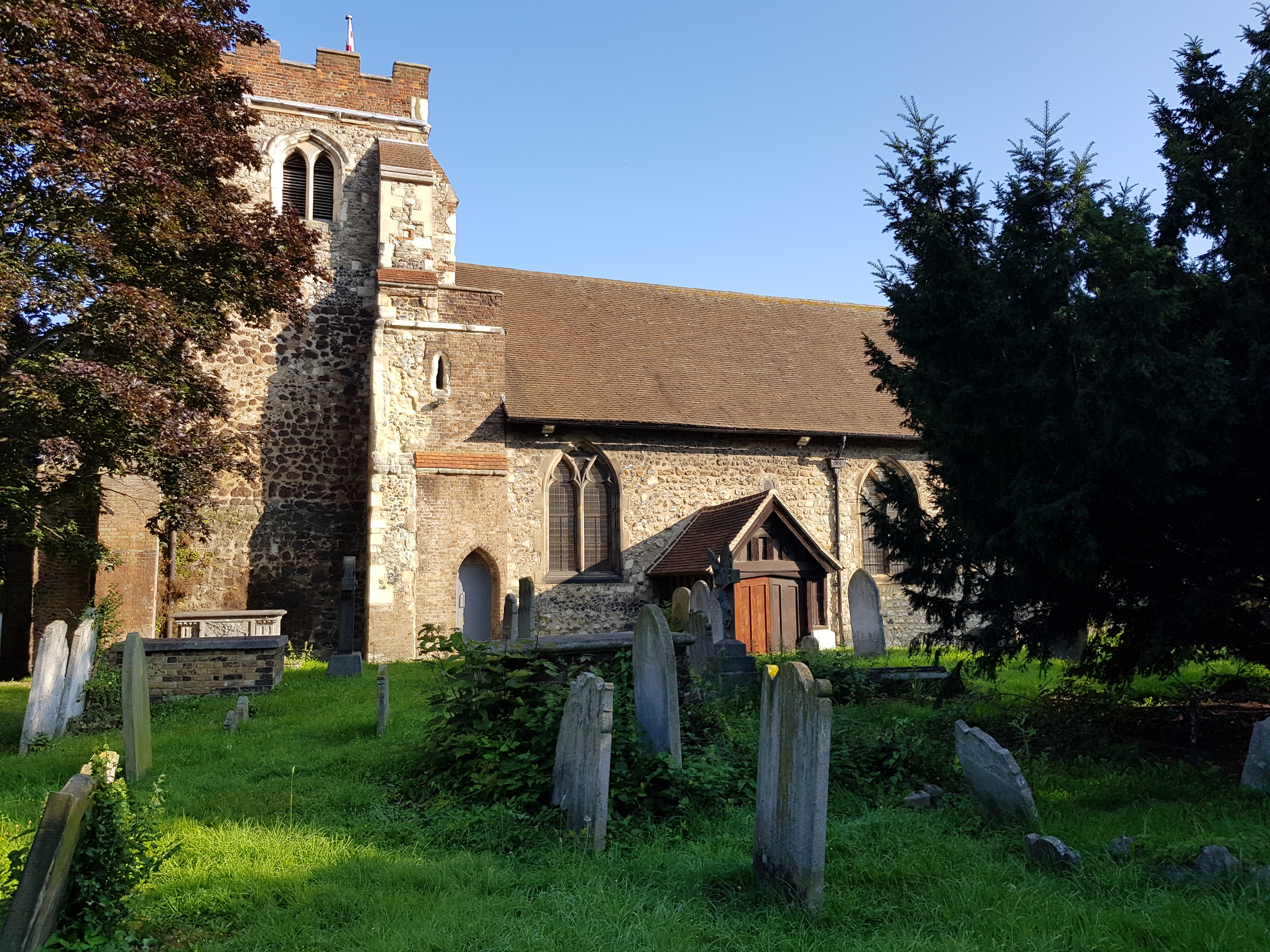
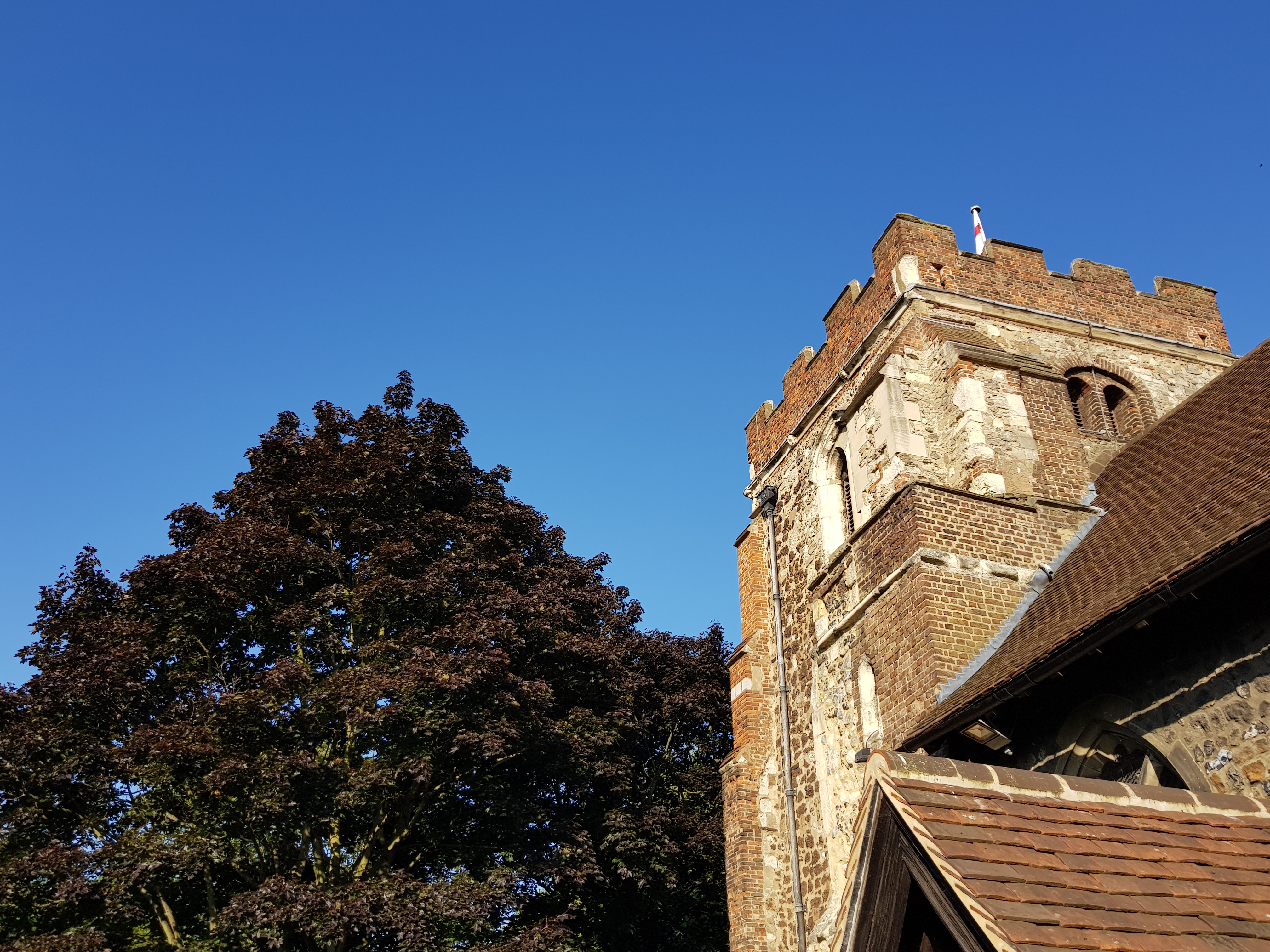
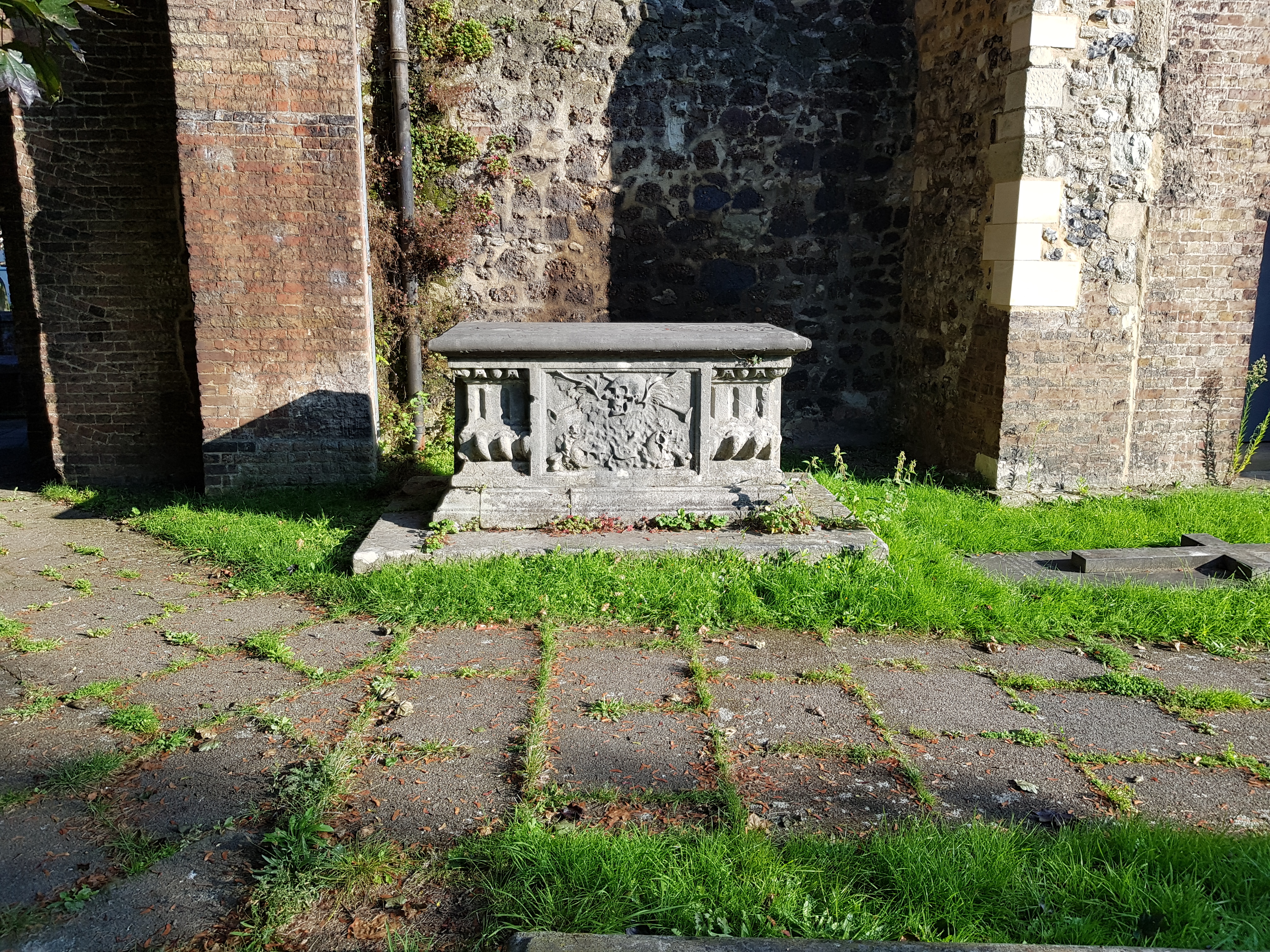
St. Mary Magdalene, East Ham
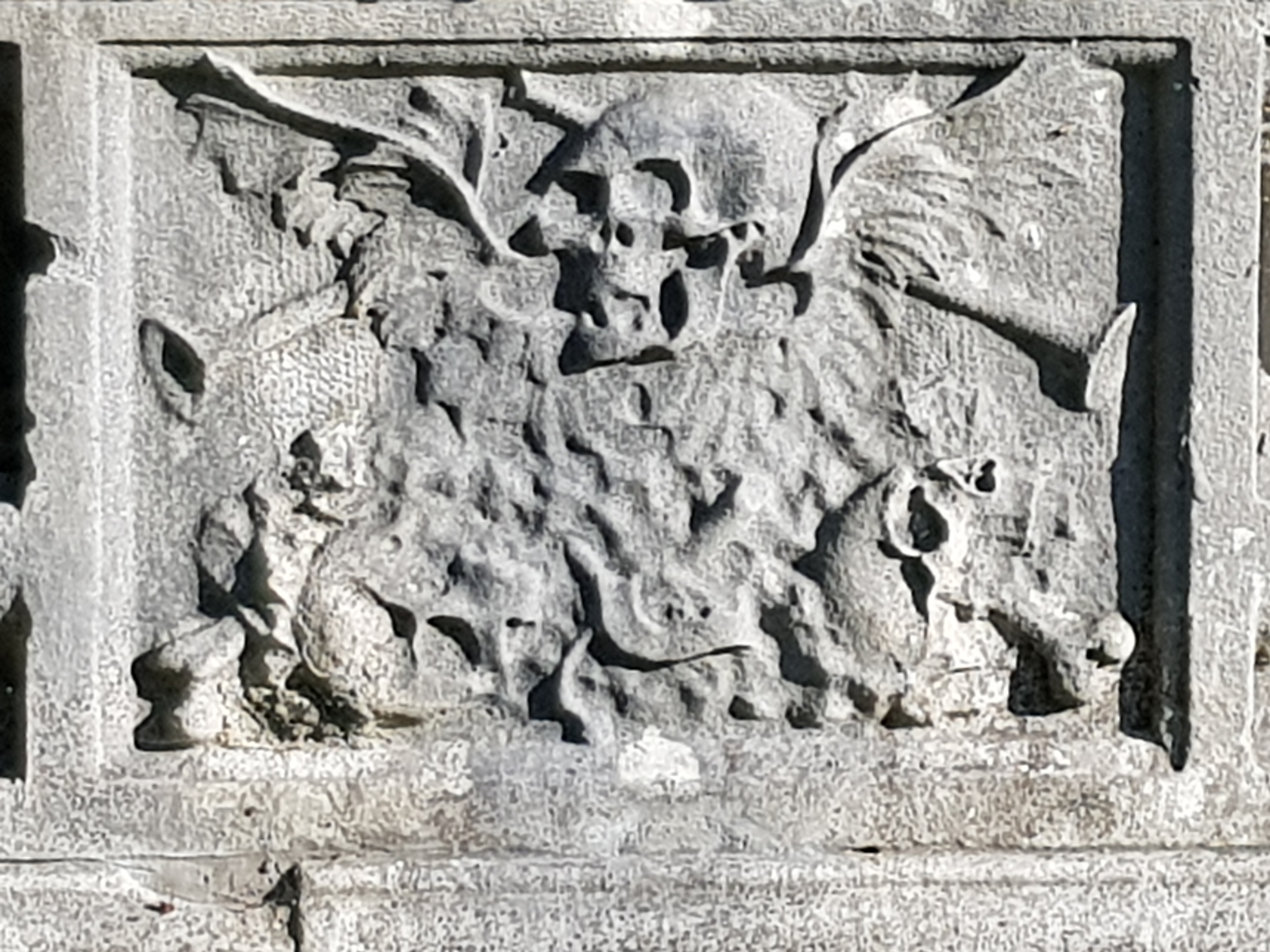
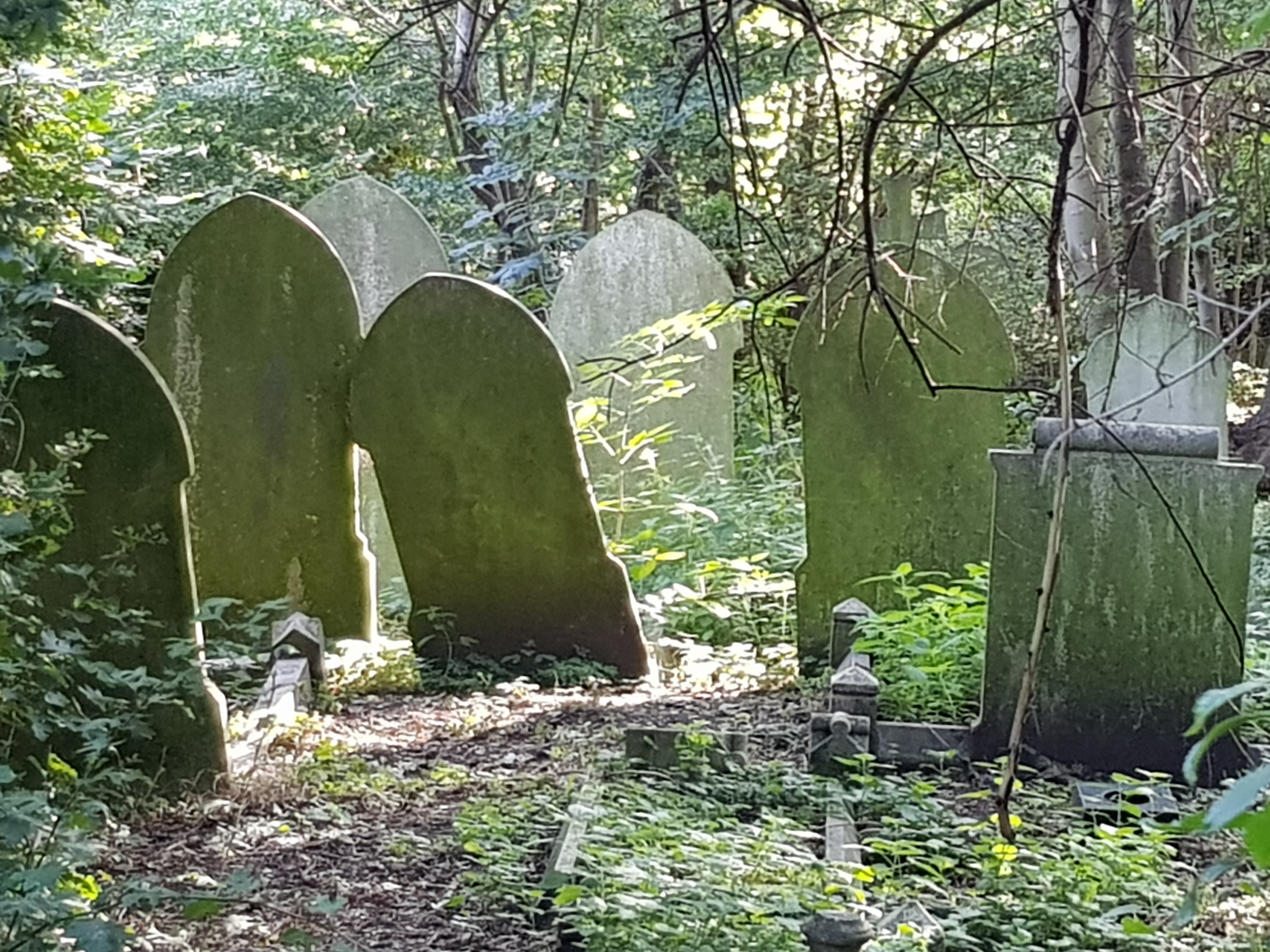
In discussing the characteristics of eighteenth-century East London – or Essex as it was before boundary changes in 1965 – I was reminded that William Stukeley, the great eighteenth-century antiquarian and freemason, was buried at his request in an unmarked grave in the churchyard of St. Mary Magdalene, East Ham. So, we went in search of it – and found, just to the north of the roaring A13, a perfectly preserved Norman country church and surrounding churchyard:-


Woolwich to Thamesmead
To complete the narrative of my walk from West Ham to Abbey Woods – rather further than I planned – I am posting a few miscellaneous pictures of the route, which is empty and along a bit of the Thames I didn’t know.
The tunnel at Woolwich (it’s actually only used for cycling):-

One of the deserted piers on the north side:-


And on the south side:-

At Tripcock Point, where the Princess Alice sank on 3 September 1878, with devastating loss of life, there are good views east:-
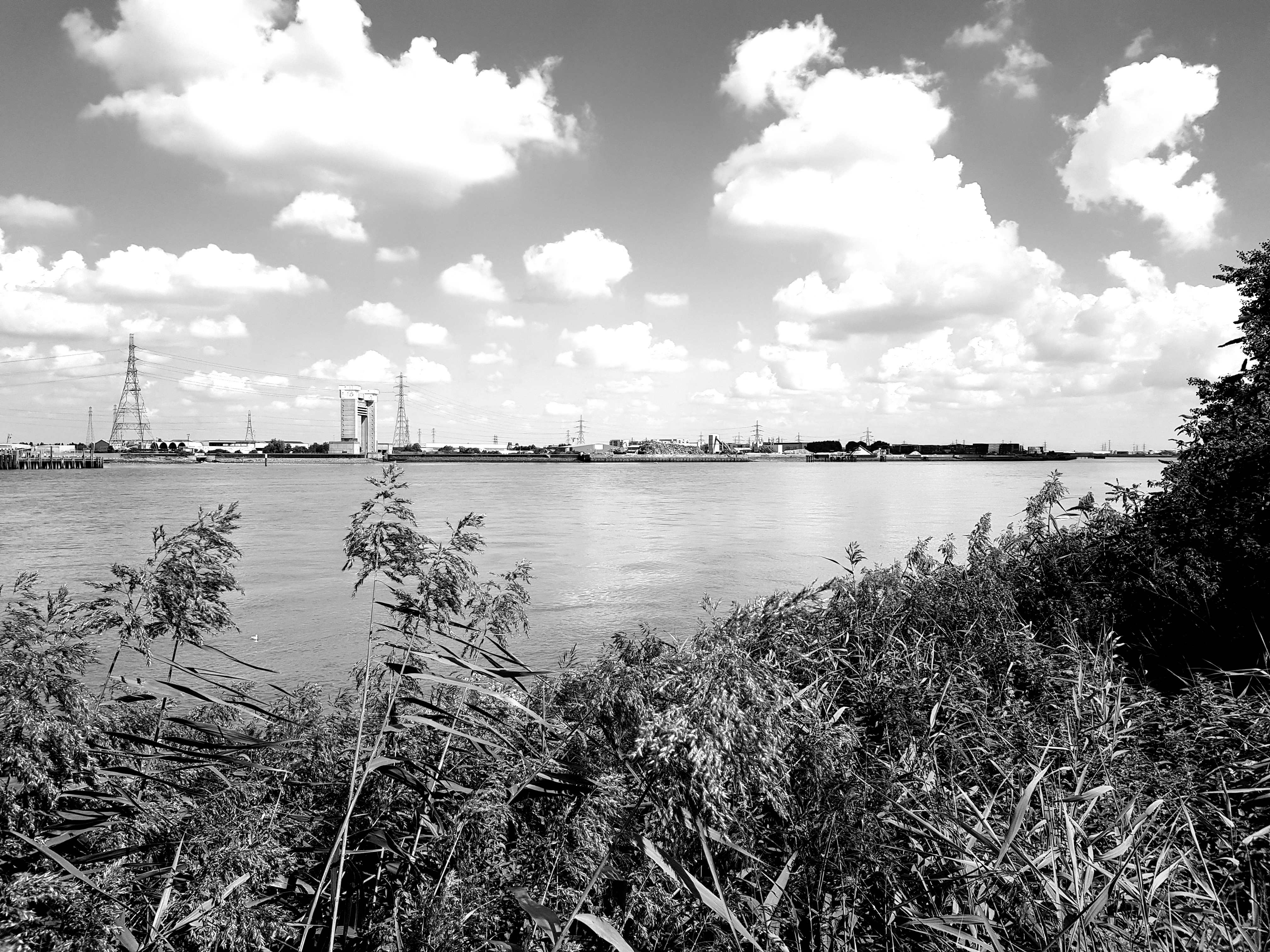
West:-

And north:-
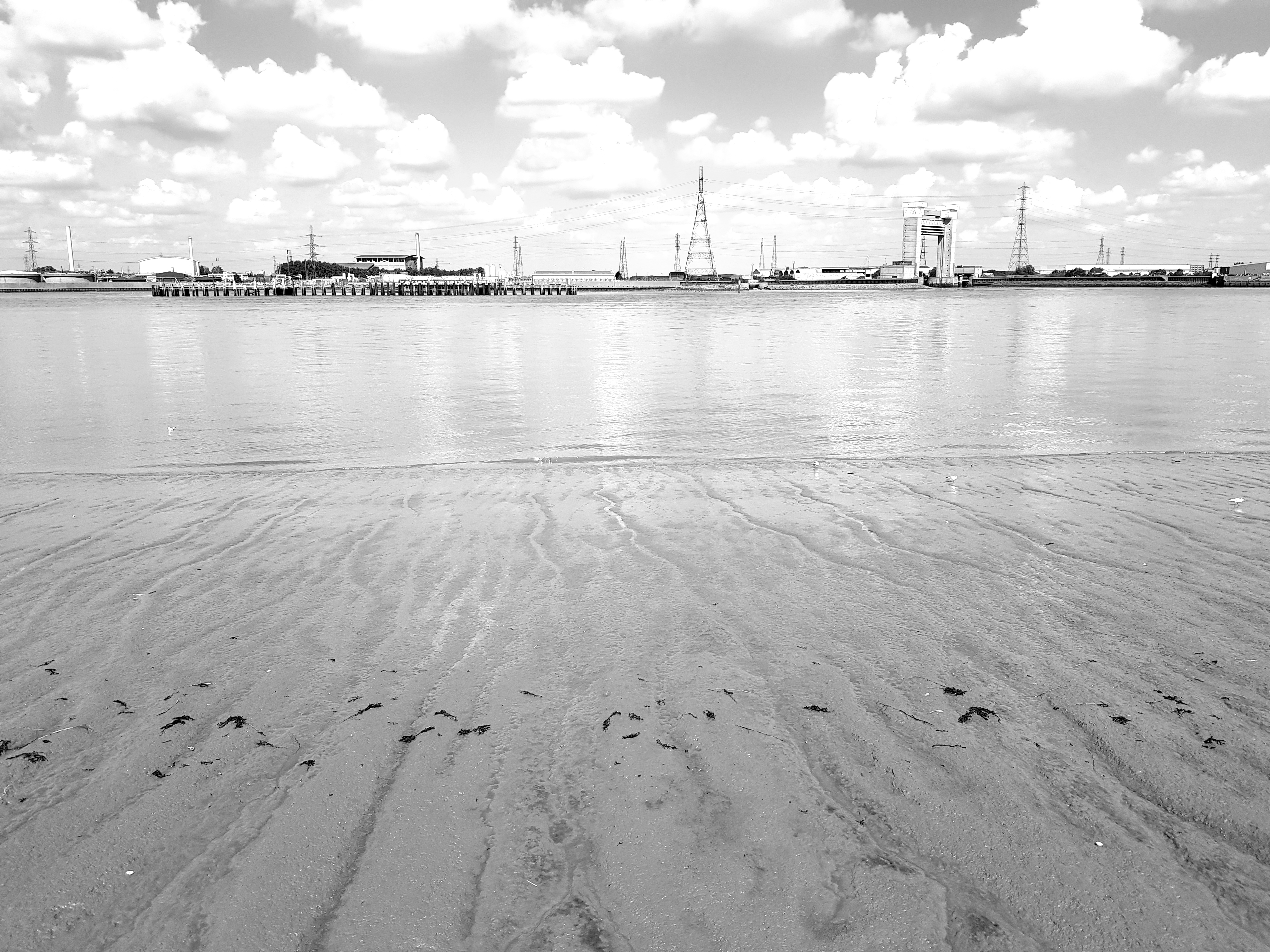
But it’s hard to see it as an area for pleasure steamers and to imagine Turner on a boat travelling downriver to Gravesend.
Thamesmead
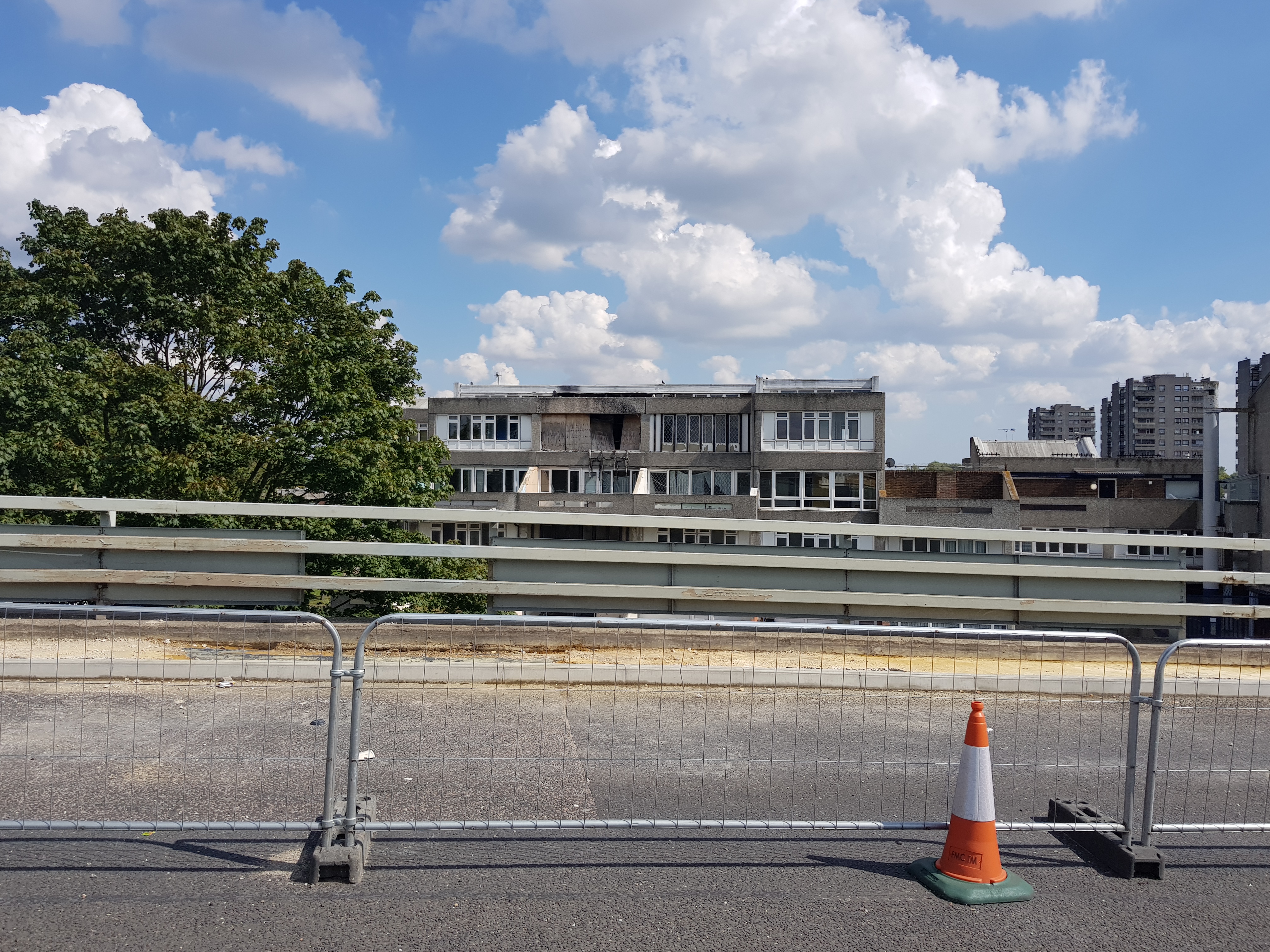
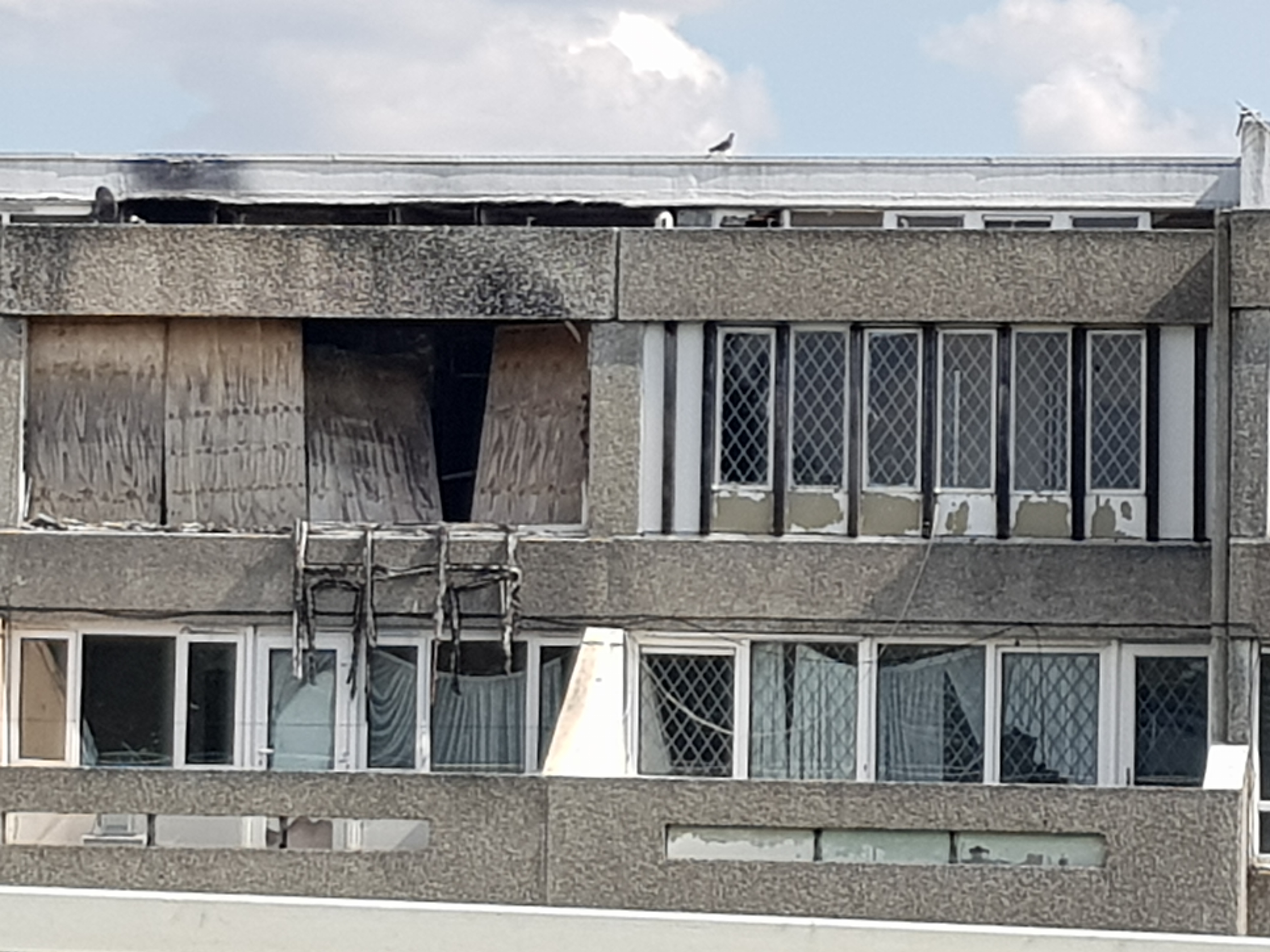
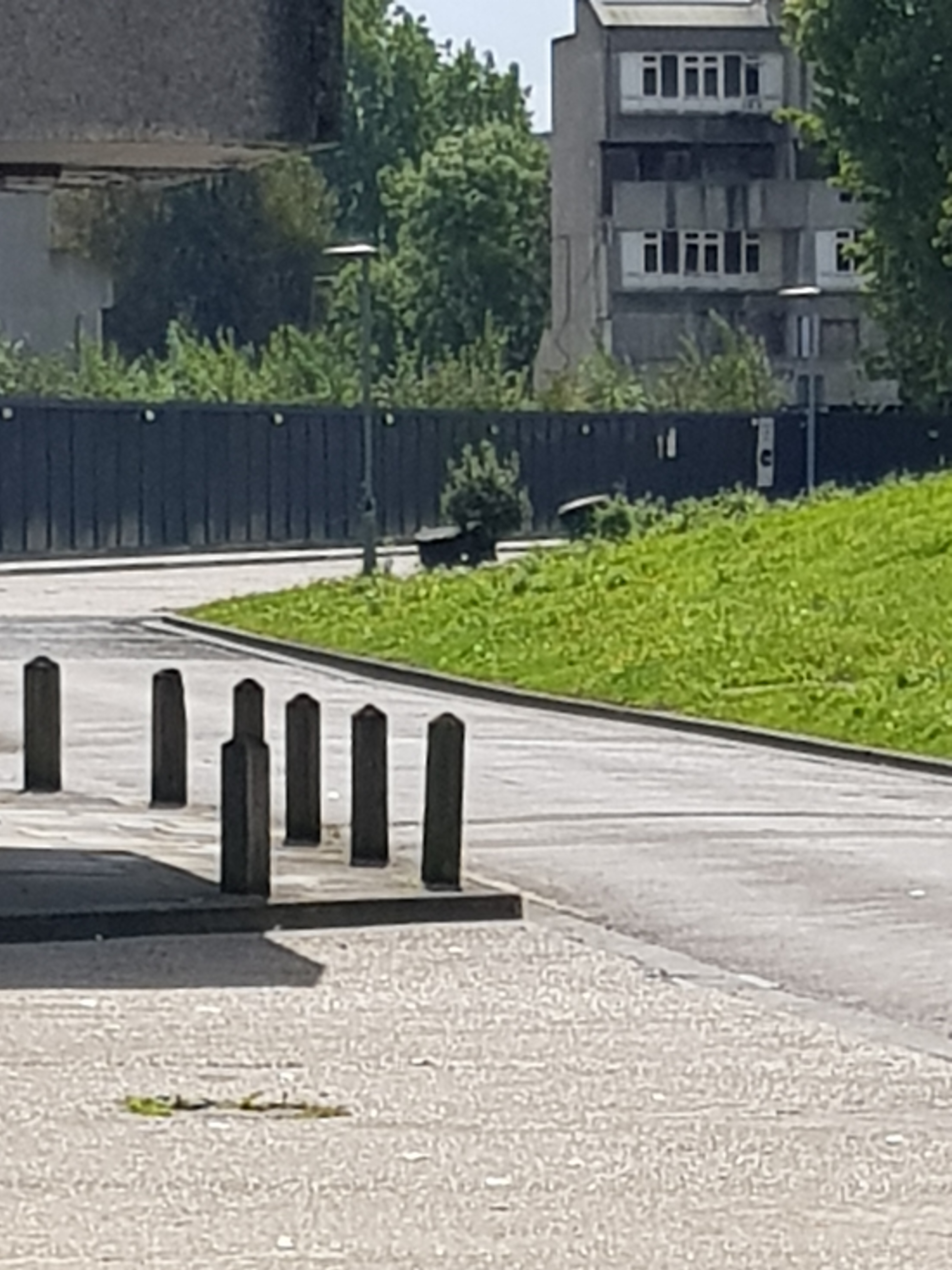
I had been encouraged to go to Thamesmead before it is too late and the dream of 1960s social housing which turned into the nightmare of 1970s dystopia is finally demolished. In truth, it looks as if it hasn’t long to go, with the Lasdun-like ziggurats by the lake all now boarded up. I liked the surrealism whereby the streetnames are called after leftist heroes – Octavia Hill, Lytton Strachey and, more unexpectedly, Raymond Postgate:-



Plaistow and beyond
Since it’s the last day of my holiday (and the first of September), I thought I would go on a walk to explore the territory which I left out of my book. Beyond the River Lea. It’s a set of towns which I scarcely know at all because the River Lea acts as a psychological, as well as physical barrier, as it did in the eighteenth century, although I’m intrigued to find that Defoe described Plaistow as ‘a town in which there had been much new building as well as repairs to existing building since the Revolution’.
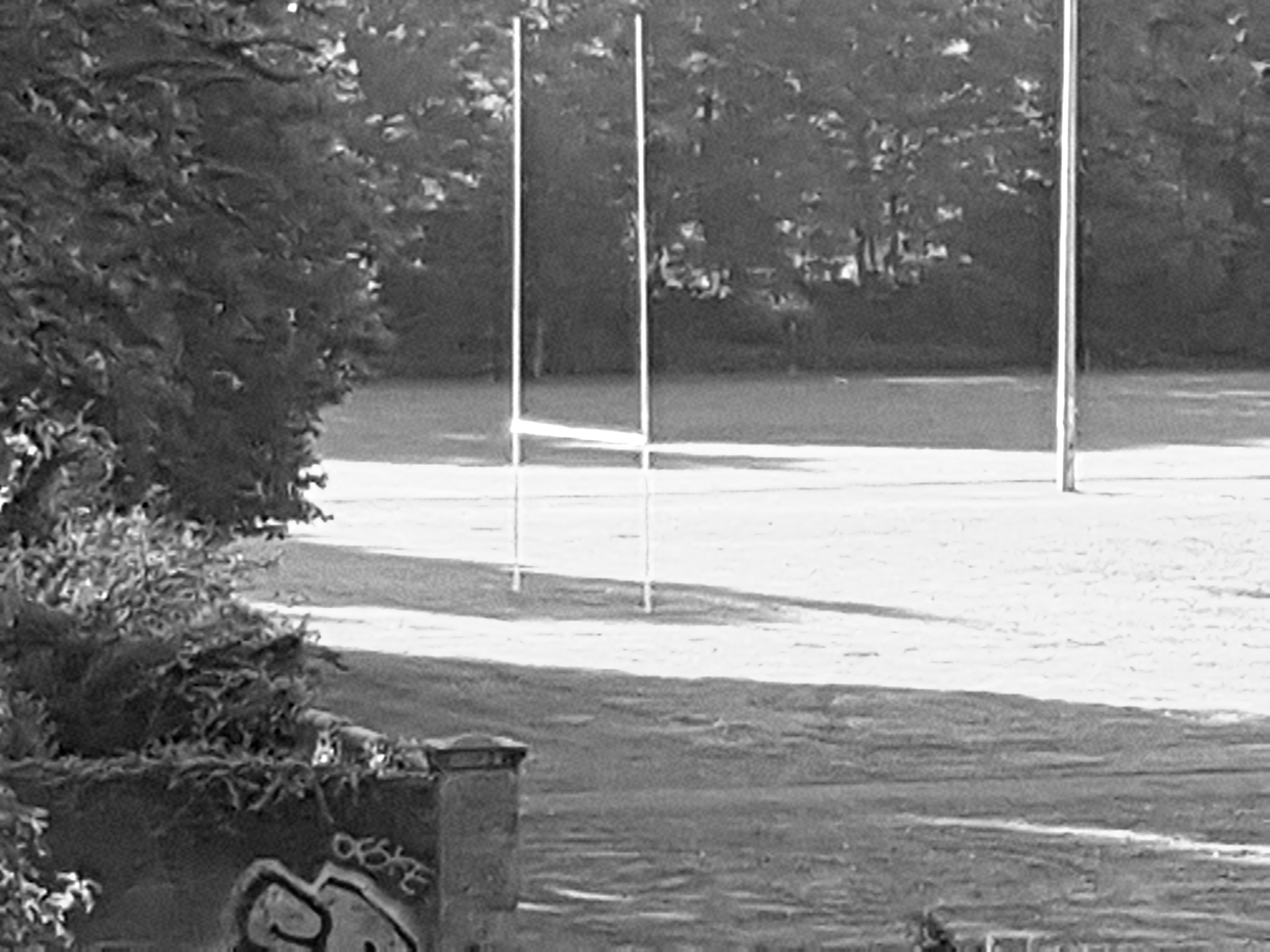
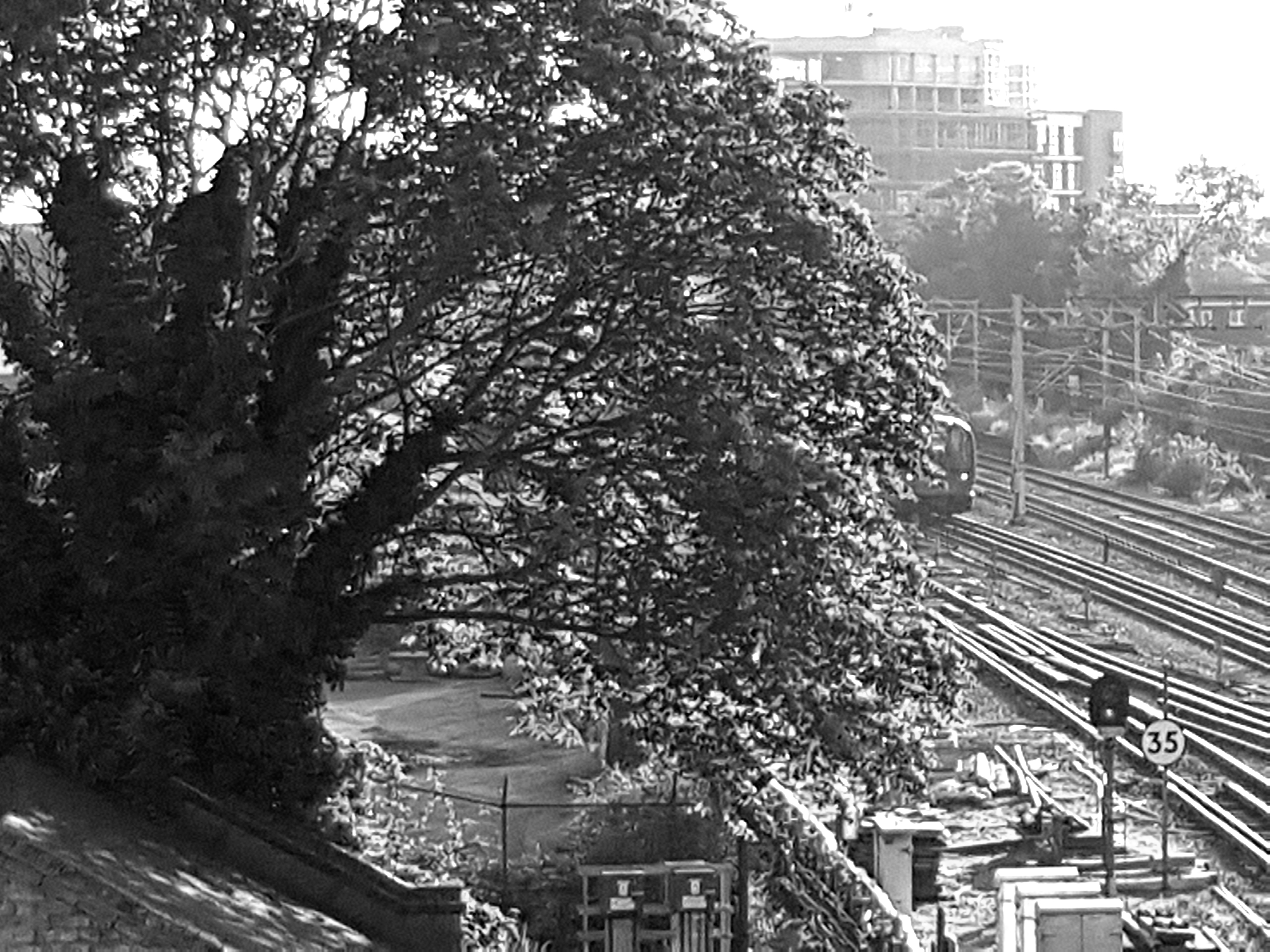
I started at West Ham Station in order to join the track which runs along the top of the Northern Outfall Sewer. It’s a long, straight path with occasional glimpses to tower blocks and playing fields on either side:-


Across the railway tracks:-
Past the cemetery:-
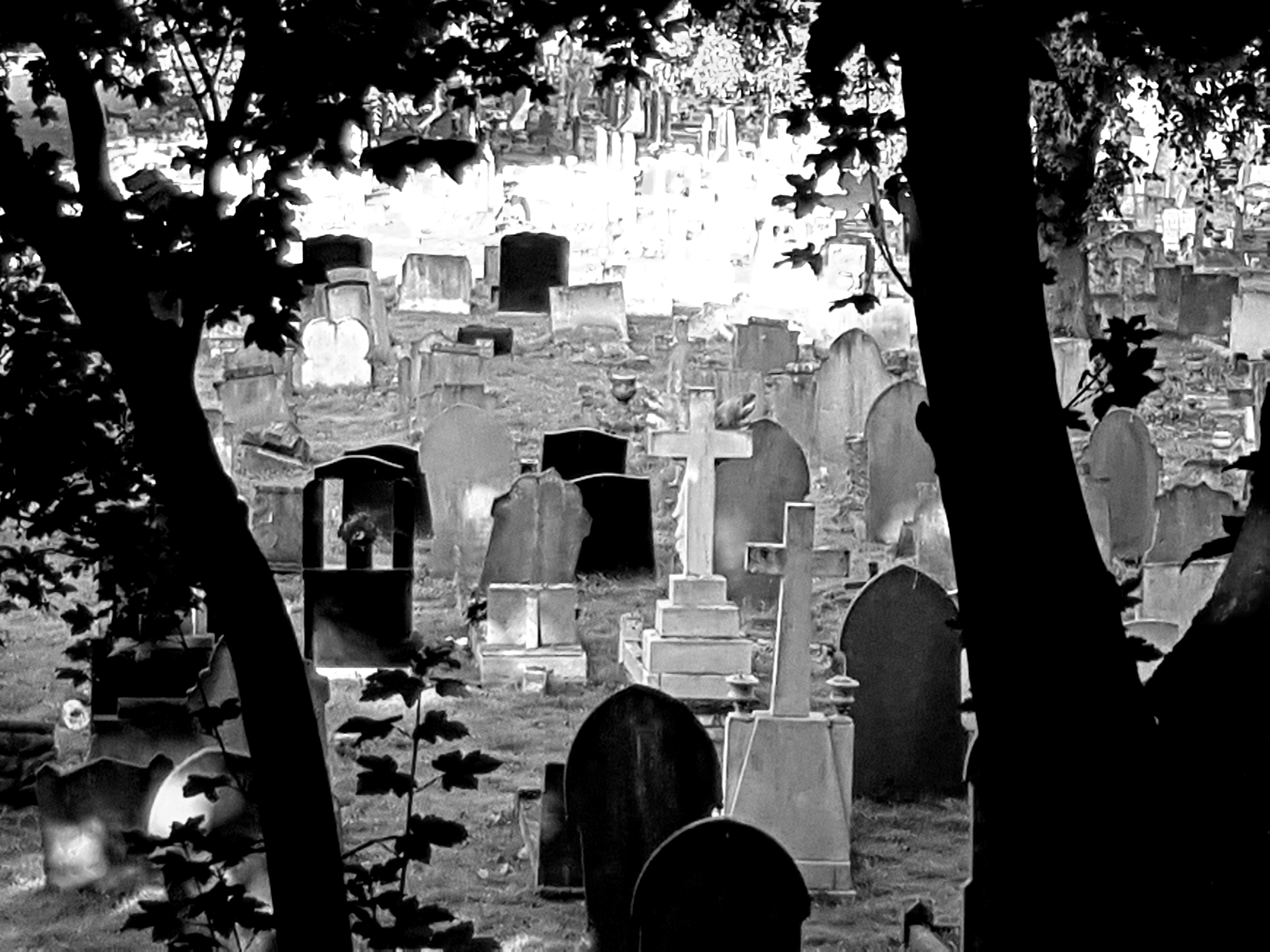
Eventually, one gets to Beckton – a landscape of empty parks and 1980s housing. Through the Docklands campus of East London University, one reaches the Thames, an area of wide expanses of water and extreme desolation, once an area of gasworks admired by Ian Nairn, now an area of new housing:-


George Elgar Hicks RA
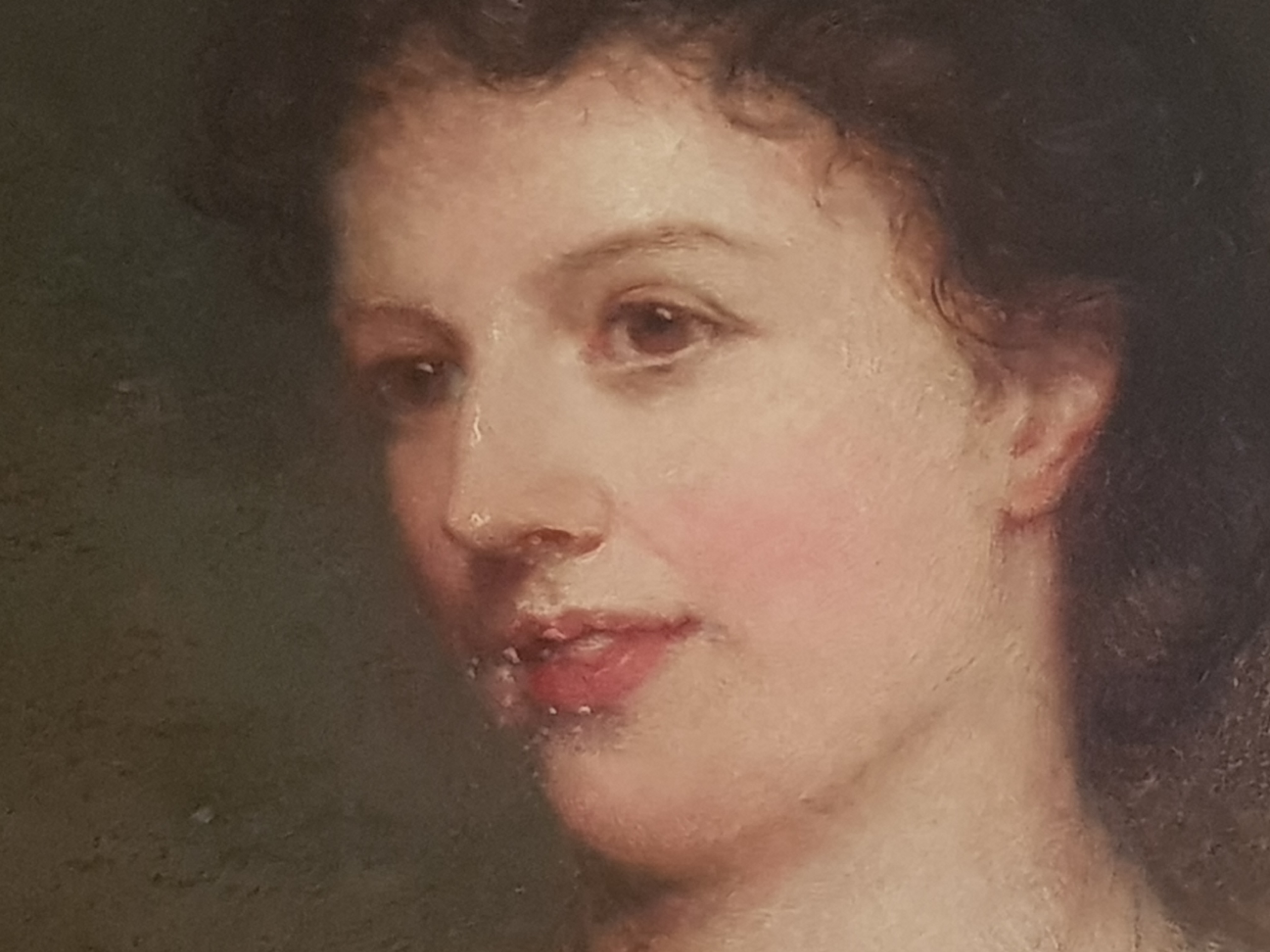
I’m grateful for the question about the identity of the sitters in the portrait over the fireplace in my study, because I’ve never paid it the attention it probably deserves. Hicks was a classic, successful Victorian RA: trained in the RA Schools, where he won prizes for his studies after the antique; worked as an illustrator; exhibited every year in the Summer Exhibition; became well known for big subject paintings, beginning with Dividend Day, Bank of England, shown in 1859, which were very popular with the public, but regarded as vulgar by the critics. By the 1870s, he had moved into the realm of society portraiture, of which my great grandmother’s portrait with her first child is probably a good example – immaculately well painted, as if in the style of the Old Masters, Reynolds especially, but a tiny bit saccharine, designed to appeal, as it no doubt did, to my ardently evangelical, philanthropic and, I suspect, fairly philistine great grandfather (it would have cost something over 300 guineas):-

 | Charles | Saumarez | Smith |
You must be logged in to post a comment.