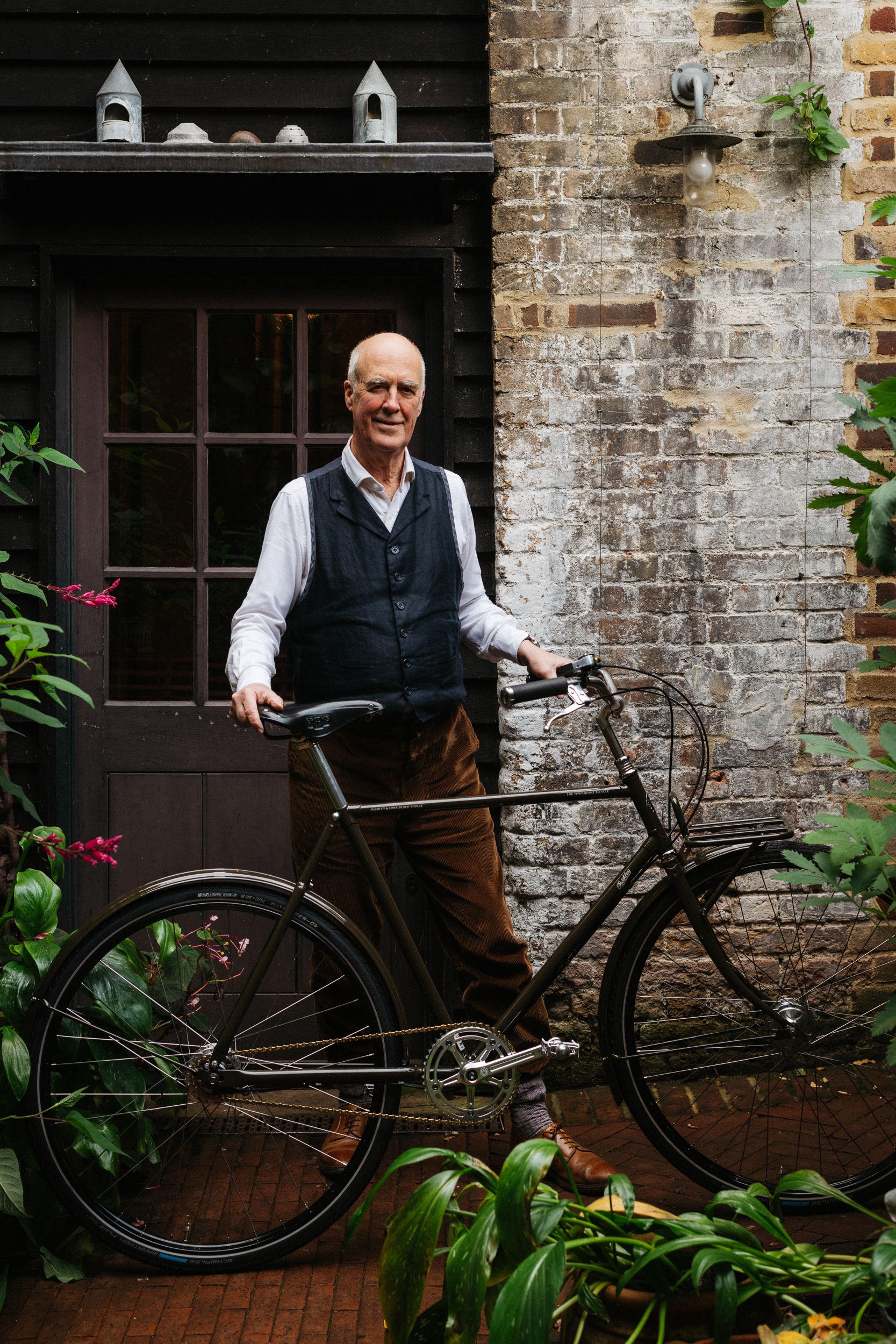
I may have got the best of the day as I walked down first thing into the local valley as the mist cleared:-
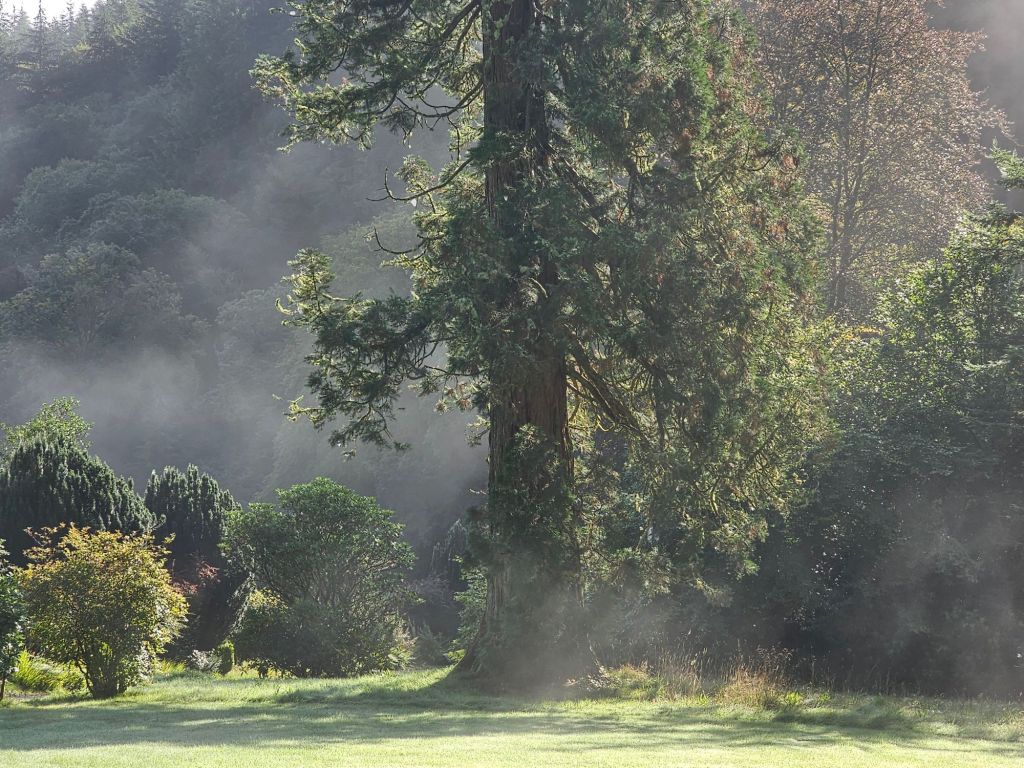
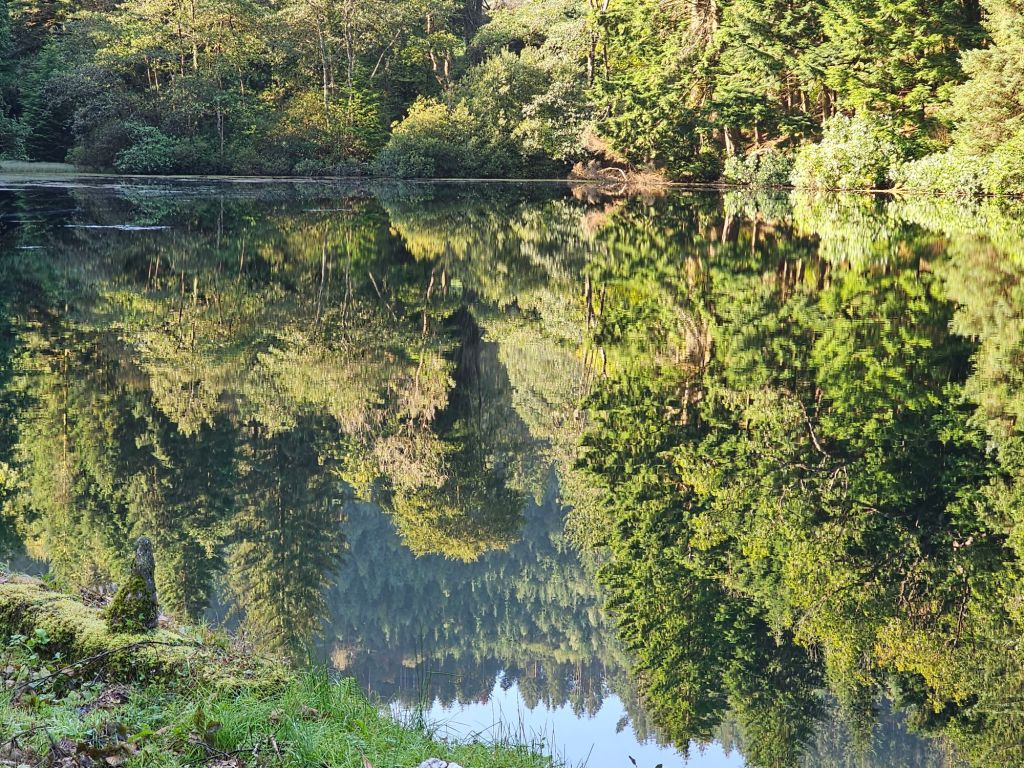
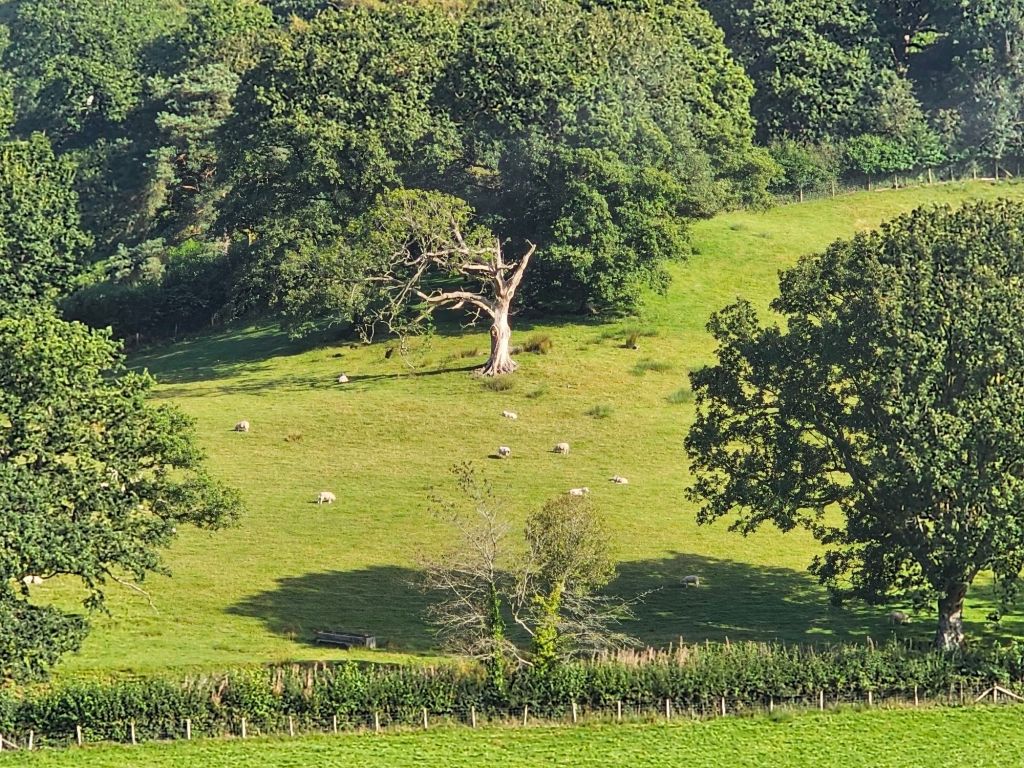
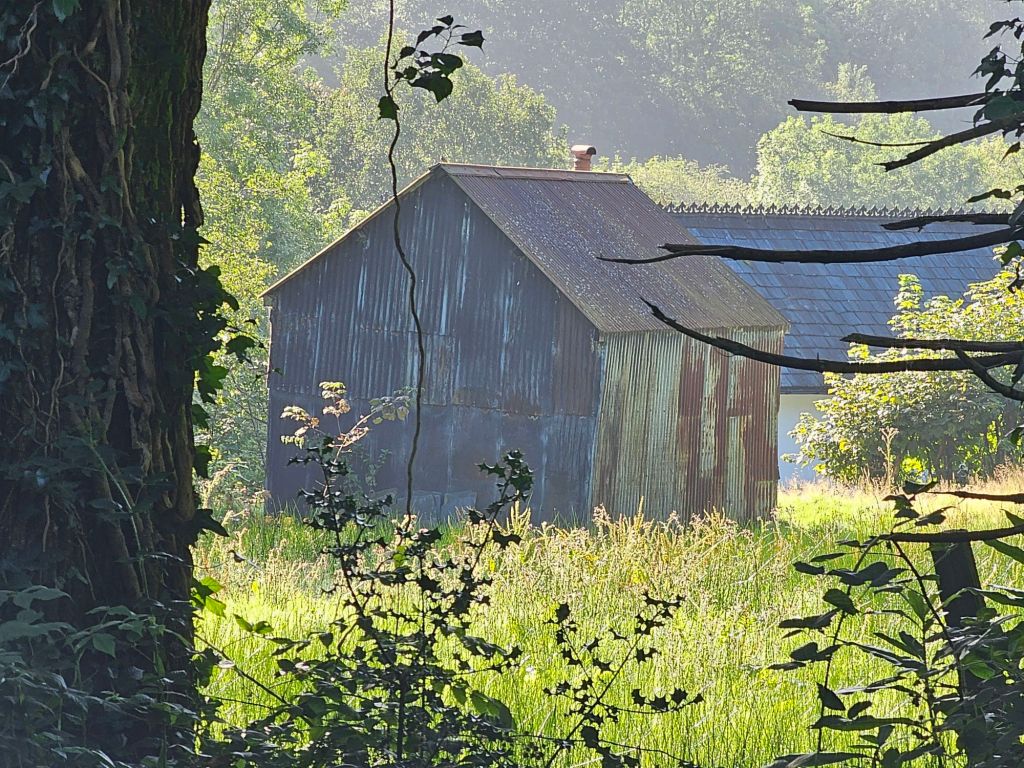
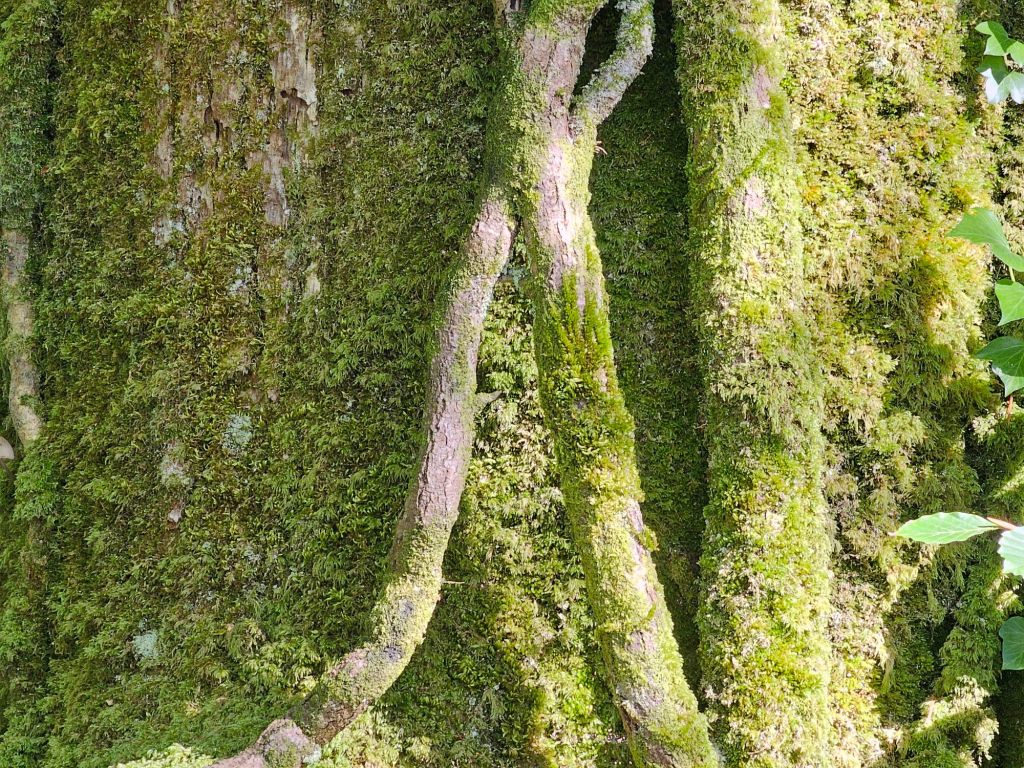
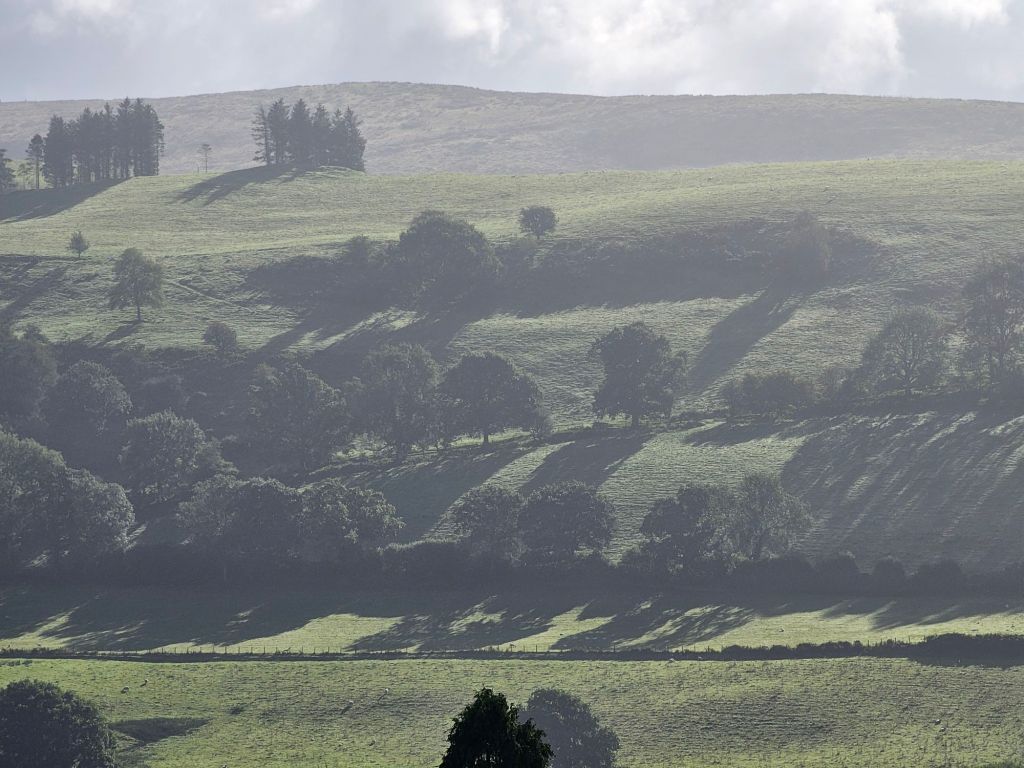
I may have got the best of the day as I walked down first thing into the local valley as the mist cleared:-
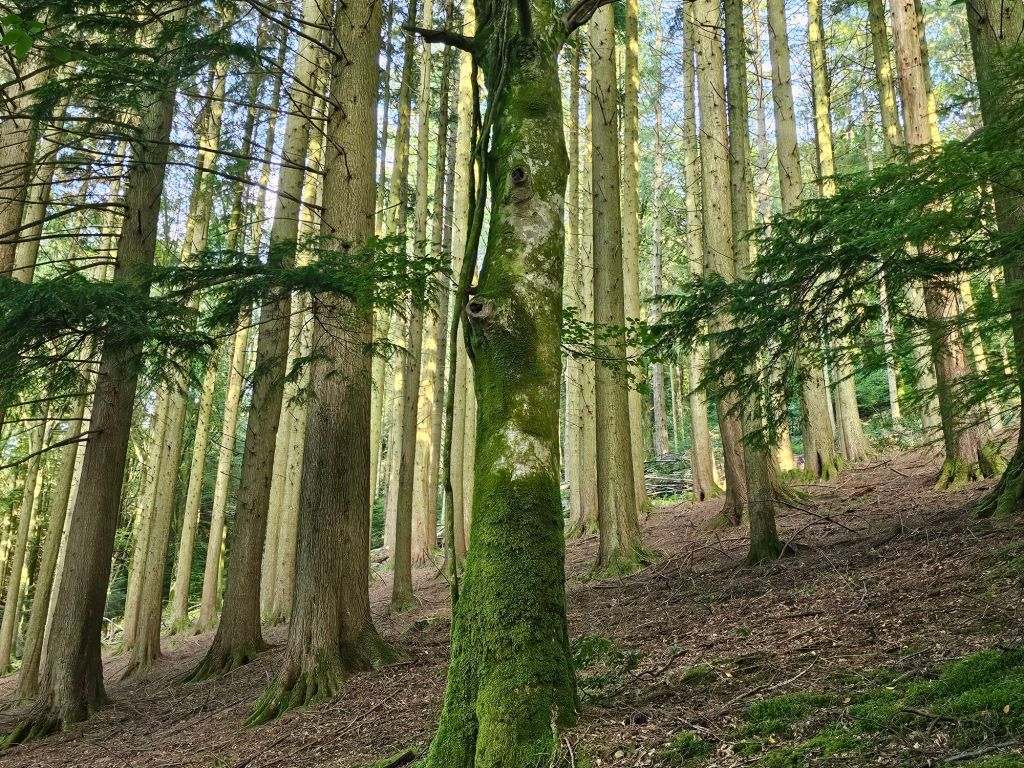
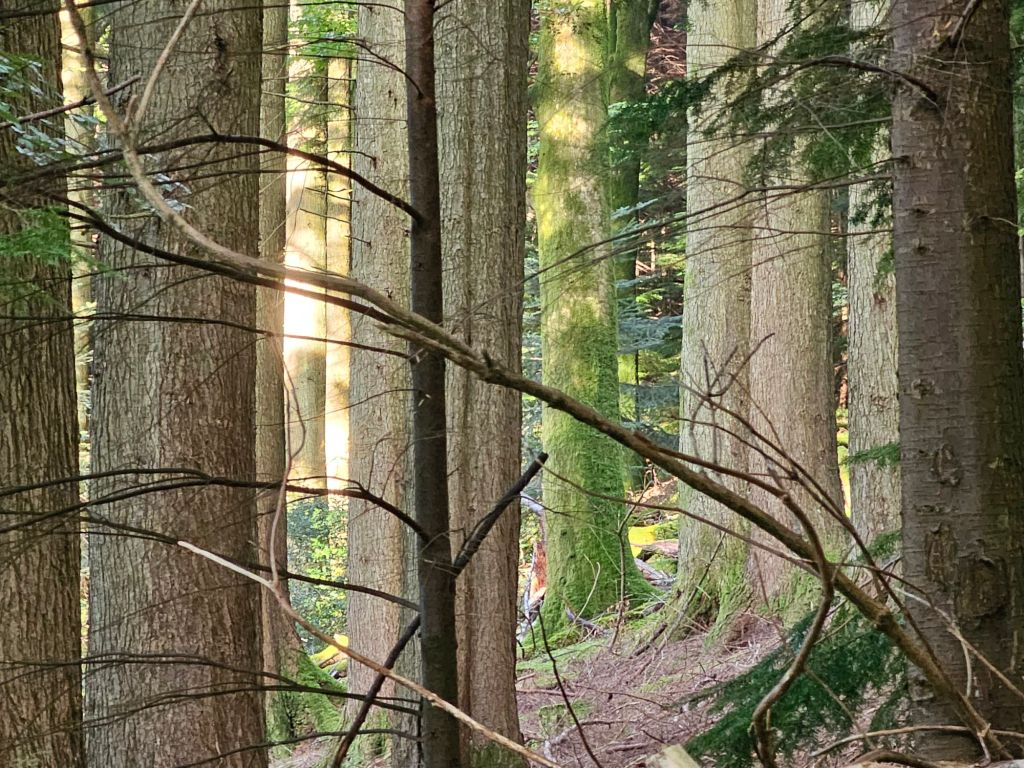
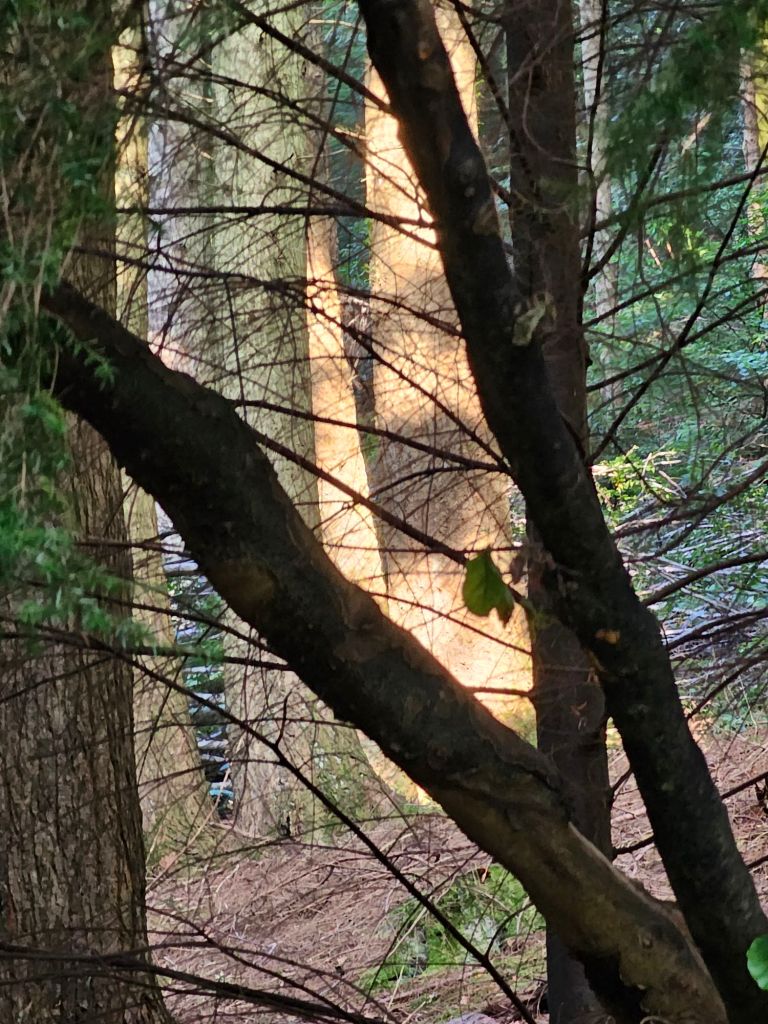
It’s very misty in west Wales, but last night the late evening sun lit up the woods:-
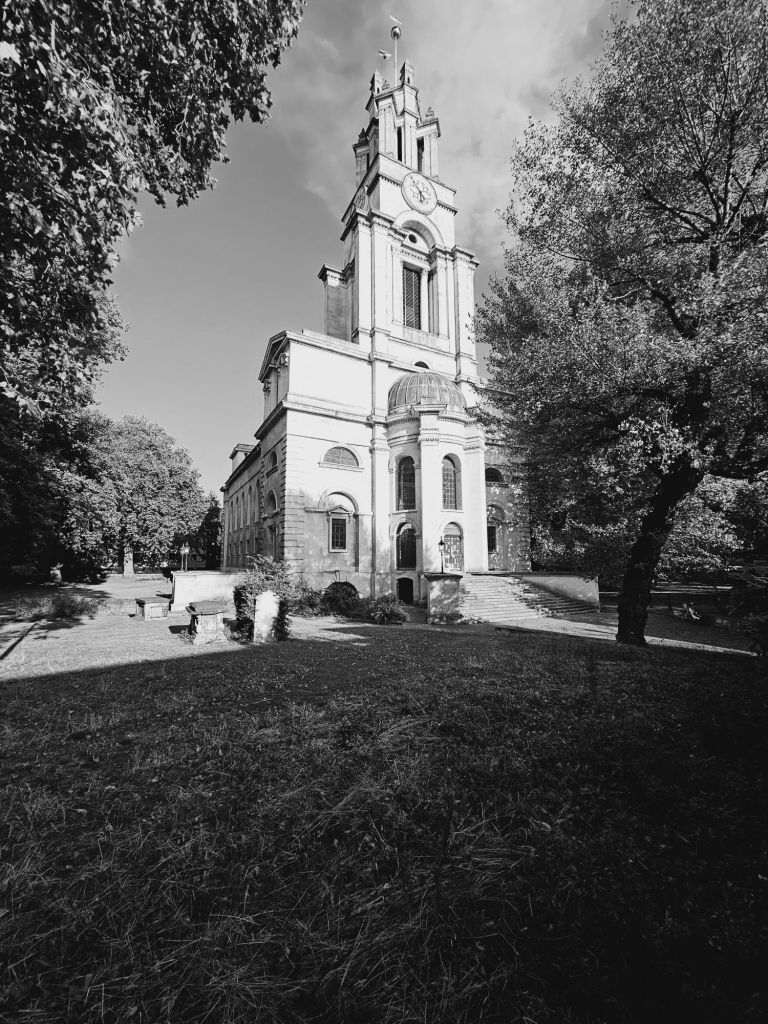
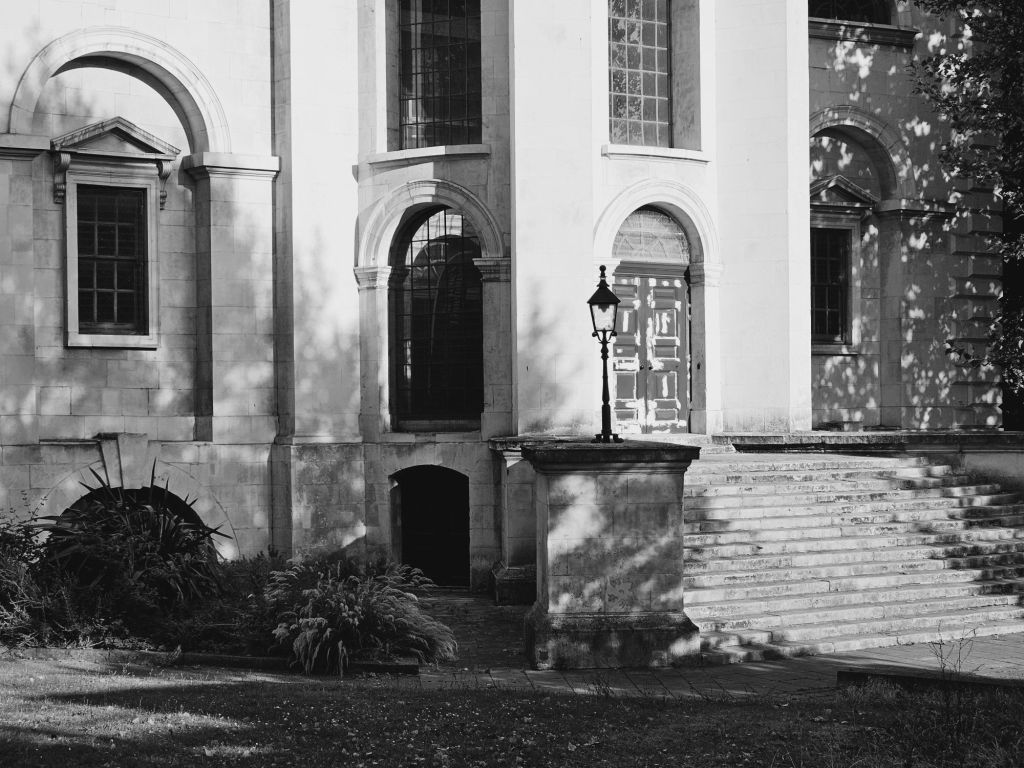
Inspired by St. Anne’s, Limehouse, I went also to St. George-in-the-East, similar to St. Anne’s, but slightly less muscular, more elaborate in its detailing, not at all like Vanbrugh:-
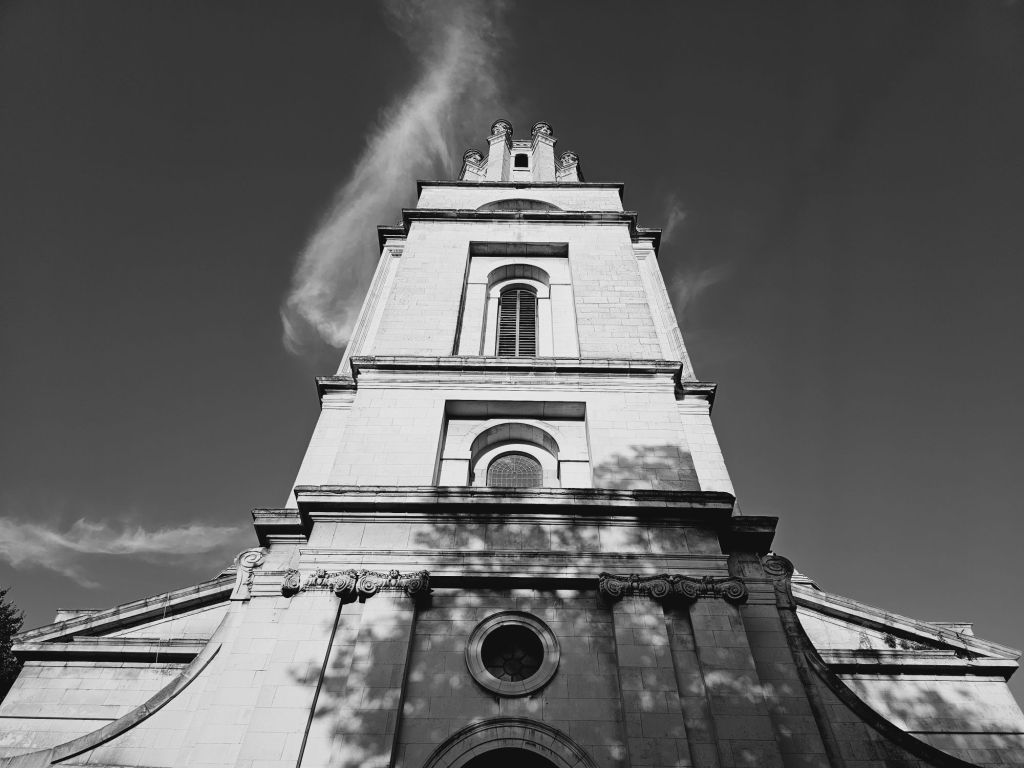
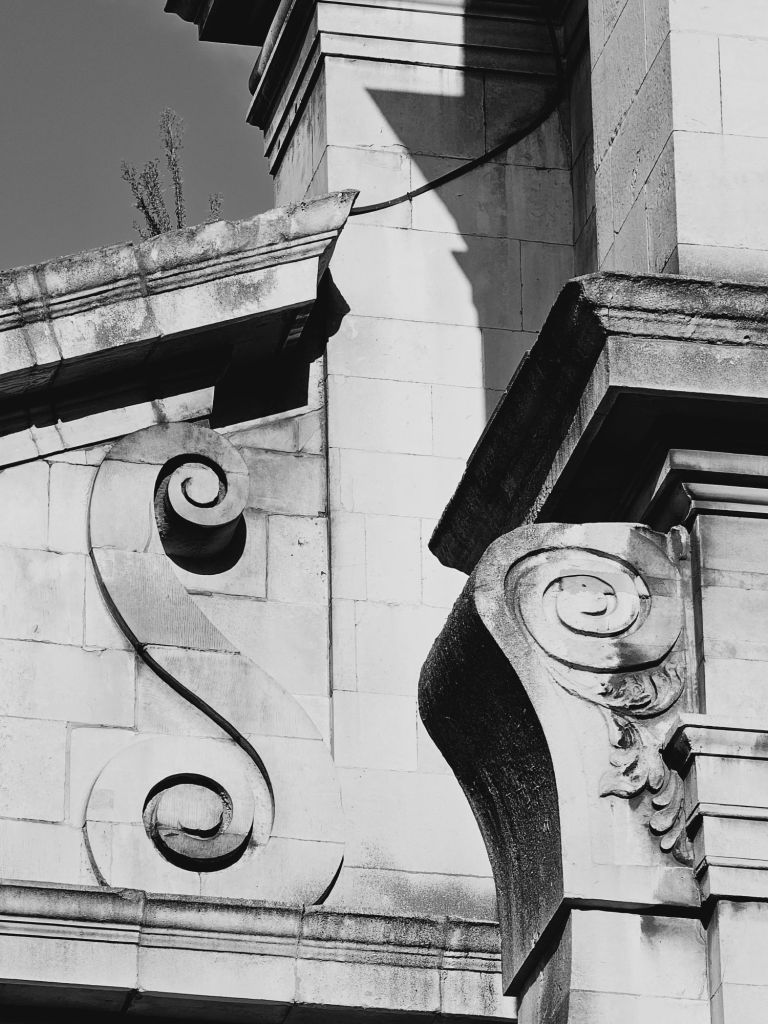
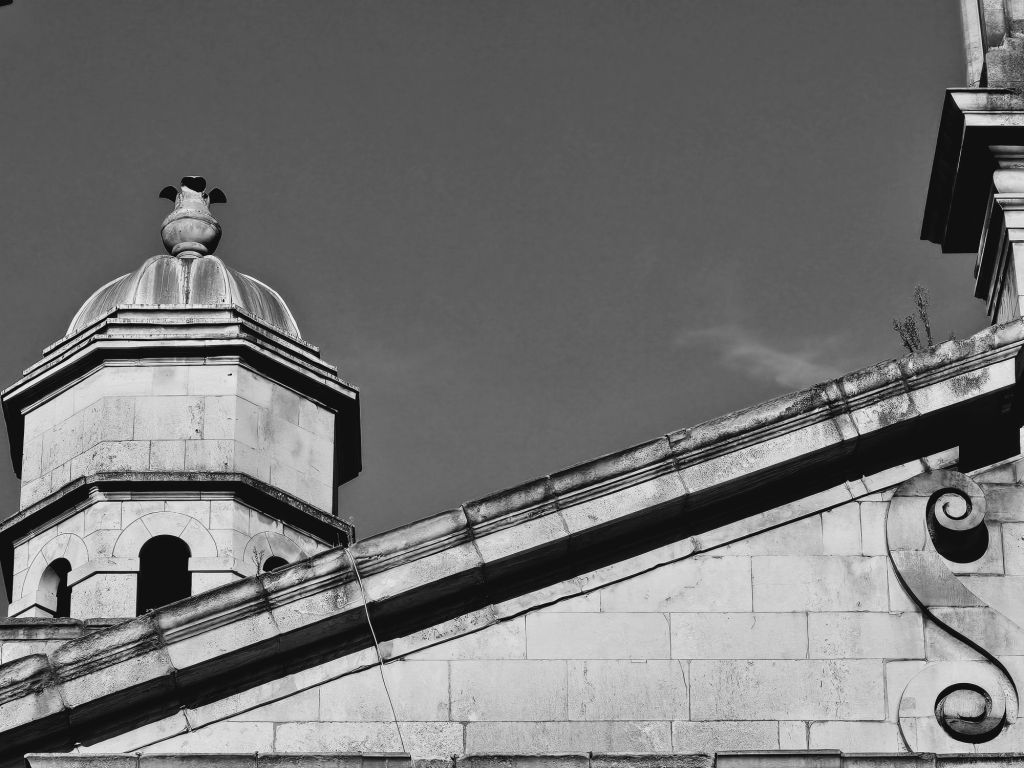
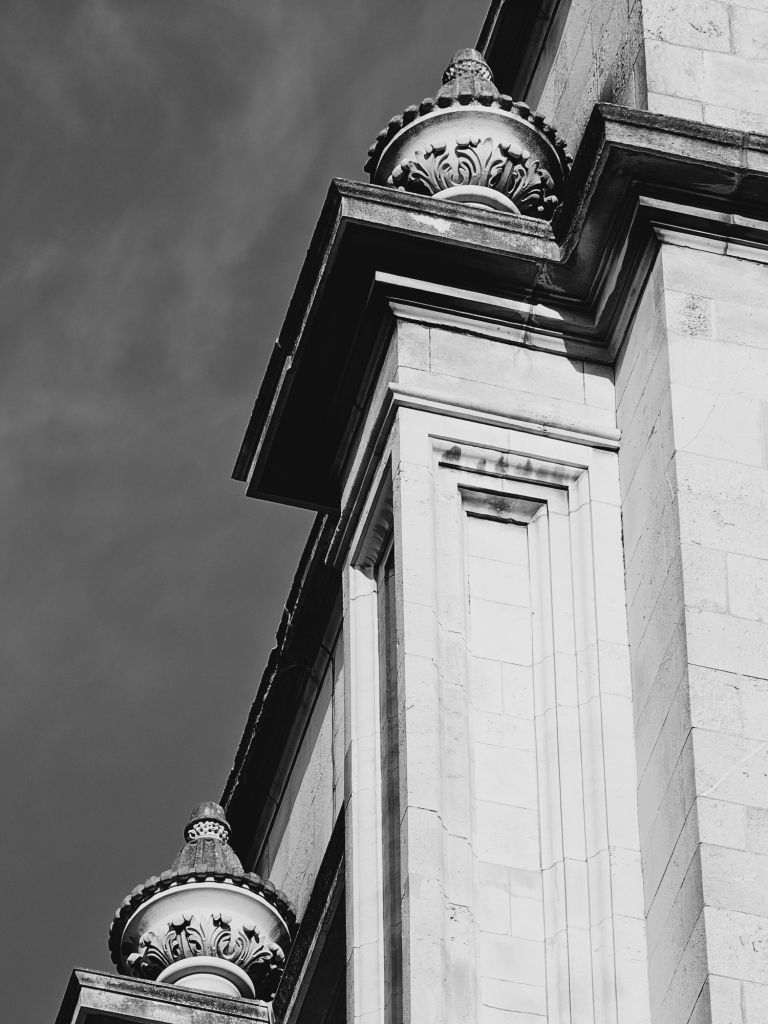
I was bicycling down the Limehouse Cut and stopped to pay my respect to St. Anne’s.
They are doing an exhibition of Hélène Binet’s Hawksmoor photographs which opens on September 14th. They were shown at the Venice Biennale in 2012 and then the following year at Somerset House. I missed the exhibition, so only know the work from the beautiful small book by Mohsen Mostafavi published by Lars Müller in 2015.
Meanwhile, here’s the church:-
I have realised in remembering the three days I spent in Santiago de Compostela that I totally neglected its wonderful food, most especially the two restaurants near the food market. Abastos 2.0 is in all the food guides, but we also had lunch in a less formal café nearly opposite the Igrexa de Santo Fiz de Solevio called (a bit confusingly) A Café Café, also run by Iago Pazos.
If you’re in Santiago, I strongly recommend them both.
This was a stall in the food market, which explains why the ingredients are good.
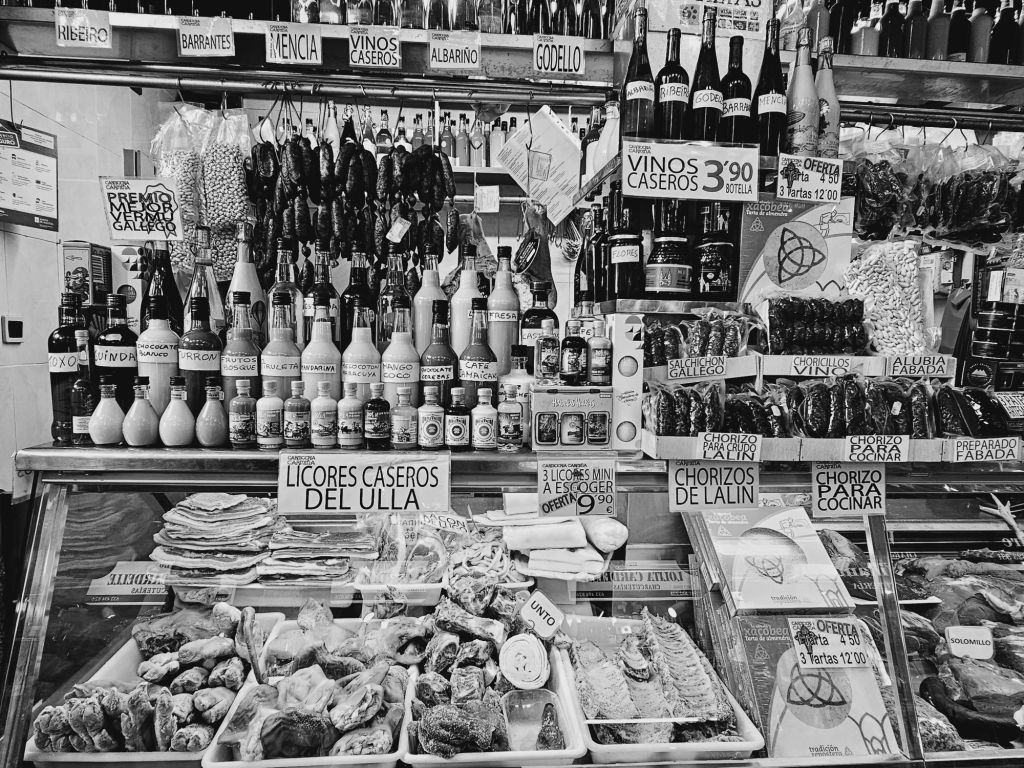
I have been waiting for the article I wrote on the Fundación RIA for the July issue of The Critic to be posted online.
It seems a long time ago that I was in Compostela, but it was a very stimulating three days, not just exploring the astonishingly well-preserved streets, but attending a remarkable conference on issues of historic preservation organised jointly by the Fundación, then not yet open, and the Oslo School of Architecture.
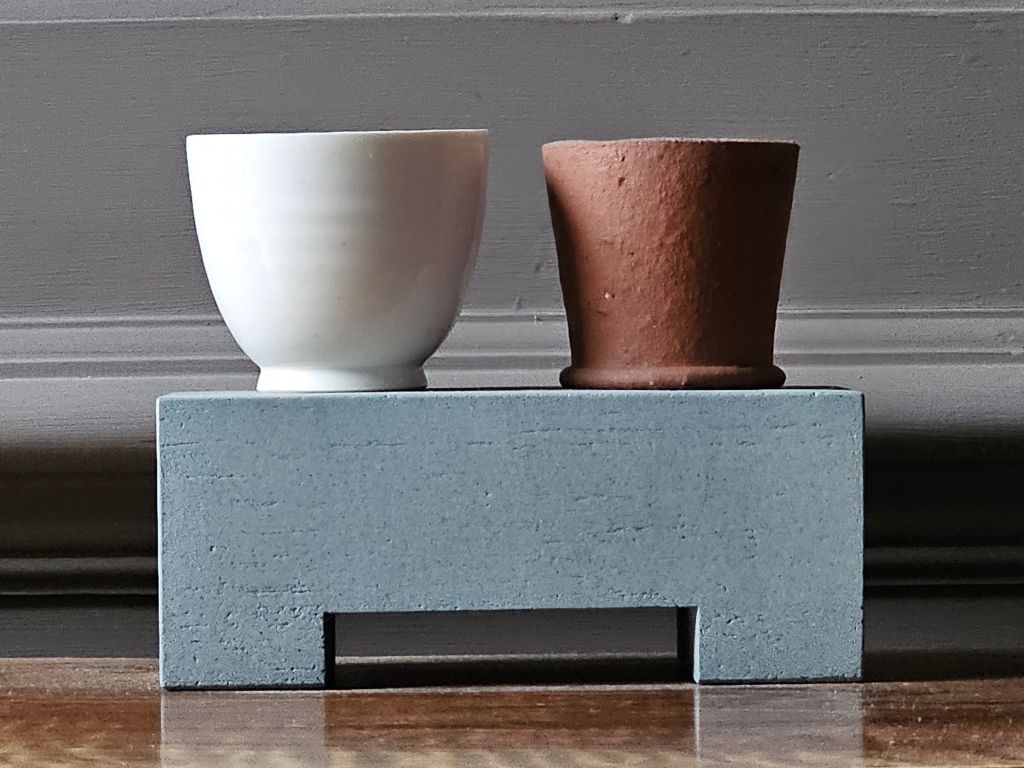
I have rather belatedly been reading the admirable, recently published book about Julian Stair’s work Julian Stair: Memory, Material, Ceramics. I was familiar with some, but certainly not all of his career and the book has increased my respect for the authority, some of it sacral, of his work:-
It is hard to beat David Anfam’s description of himself and his skills and interests on LinkedIn:-
Writing, curating, lecturing, public speaking, consulting, seeing, eating, drinking, cooking, traveling, driving (particularly over high mountain passes), cricket, snooker, pool, table tennis, squash, weight-training, running, connoisseurship, cyberspace… and editing. By contrast, I can barely ride a bicycle, am hard-of-hearing, tend towards Luddite technophobia (tho’ I’ve forced myself to overcome it) and am, according to some friends, clumsy beyond belief. Workaholic; worrier; sometime insomniac; Hispanophile; and hedonist.
I am shocked to read of the death of David Anfam, a remarkable and wide-ranging curator of contemporary and late twentieth-century art. He was one of the curators of the Abstract Expressionism exhibition at the RA in 2016, jointly with Edith Devaney, and he brought his deep scholarly knowledge and intellectual authority to the planning and catalogue of the exhibition. He knew a lot of artists and cared about their work in a highly independent and visually acute way – a product, I suspect, of his training under John Golding. I didn’t know that he had driven Volvos for a living, but it doesn’t wholly surprise me. He is a great loss.
I have in the past done a post on Roy Strong’s birthday and am doing so again this year. He recently published a book on Stuart Portraiture and I hope there might be further volumes of his diaries to come. Next year he will be 90.
I admire the way he has kept on writing into his late eighties.
Here he is as he was when I first knew him as Director of the V&A, full of reforming zeal (photo by Jill Kennington):-

 | Charles | Saumarez | Smith |
You must be logged in to post a comment.