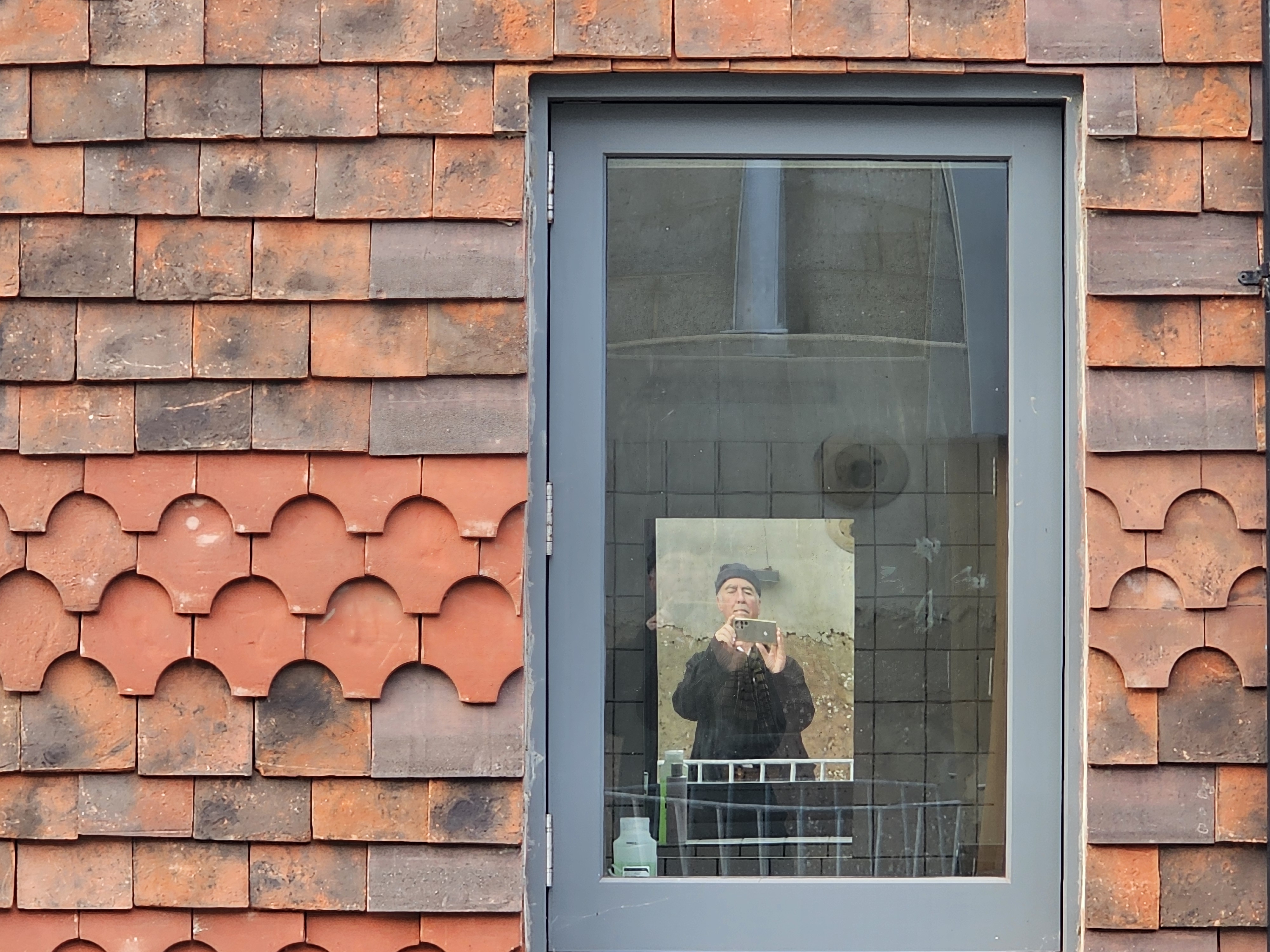
I woke up just at the moment when the sun came up and the early morning mist over the river was clearing:-
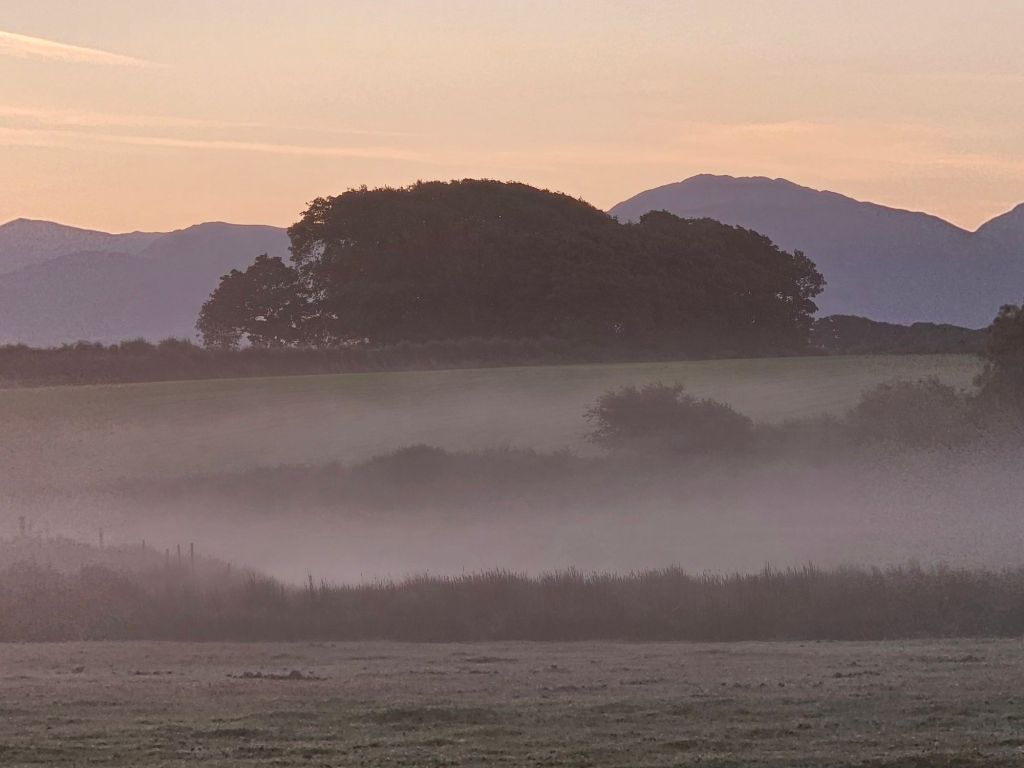
I woke up just at the moment when the sun came up and the early morning mist over the river was clearing:-
Whenever we are in north Wales, we try to go over to see Llanfairfechan, Herbert North’s model village, which he developed in the grounds of his father’s estate, beginning in 1899 whilst working for Lutyens and moving up Park Road.
This is one of the best preserved:-
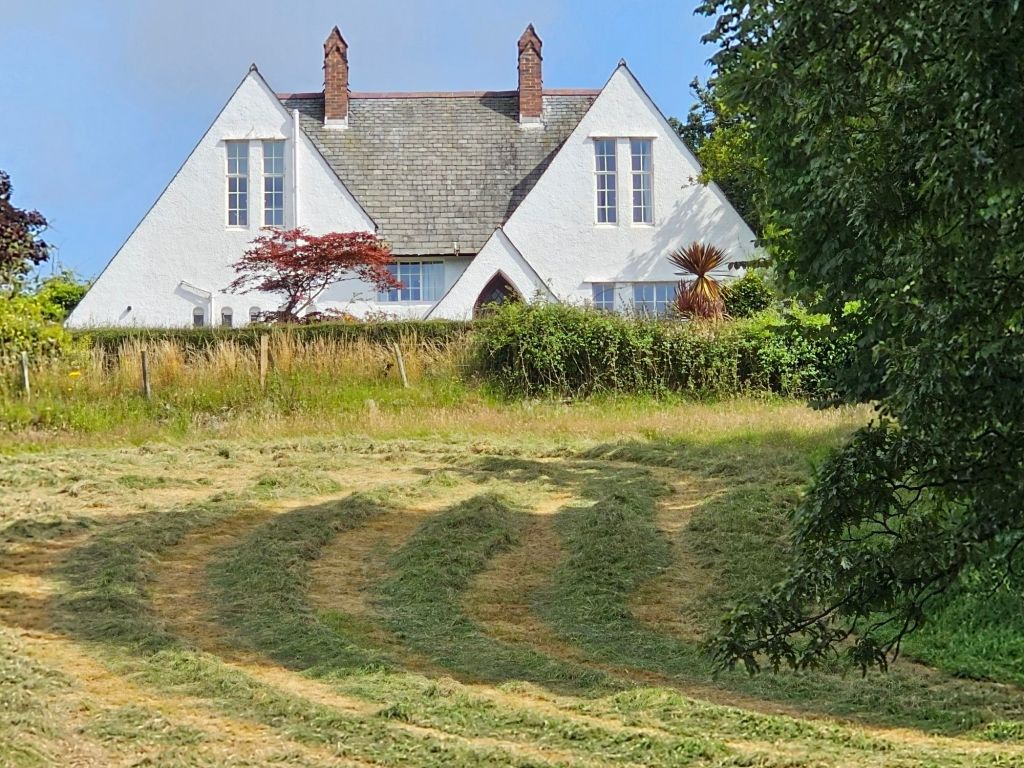
Then, it is always a treat to see the Churchmen’s Club, tucked on a path immediately behind the earlier Churchmen’s Institute, so redolent of village life between the wars:-
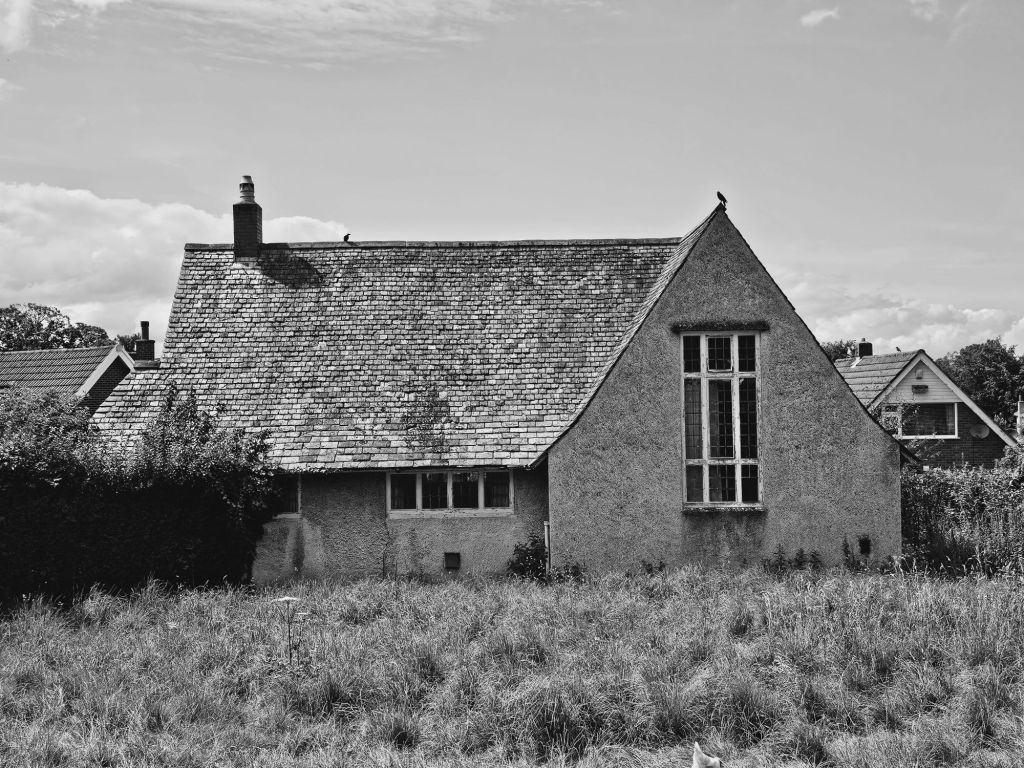
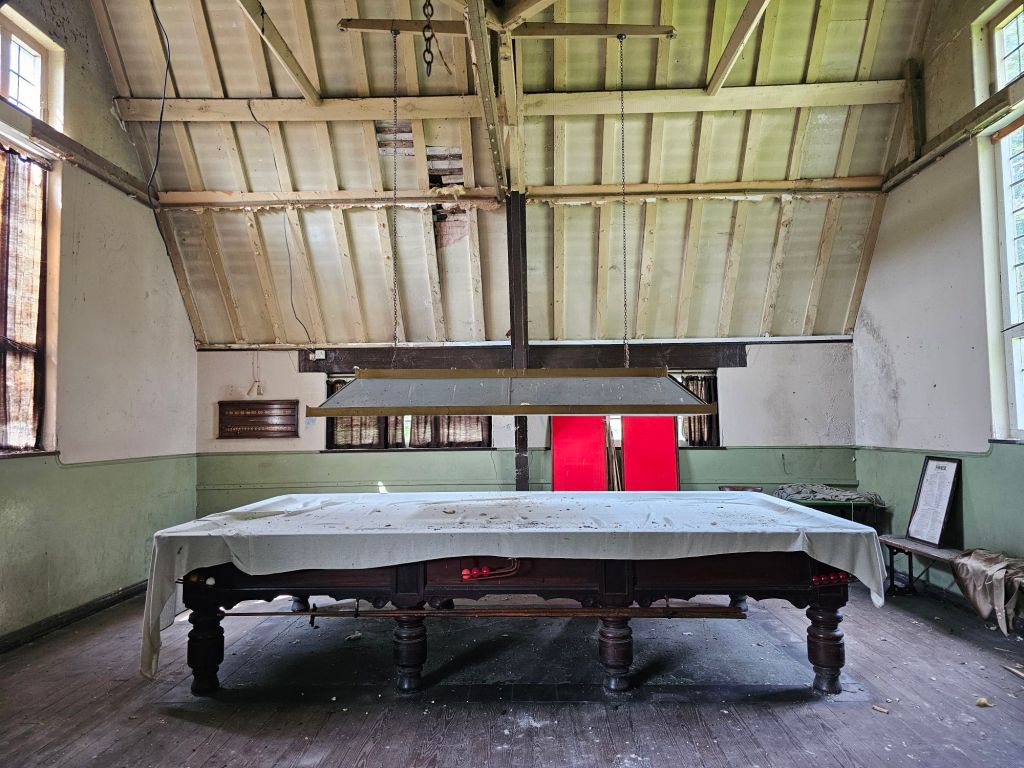
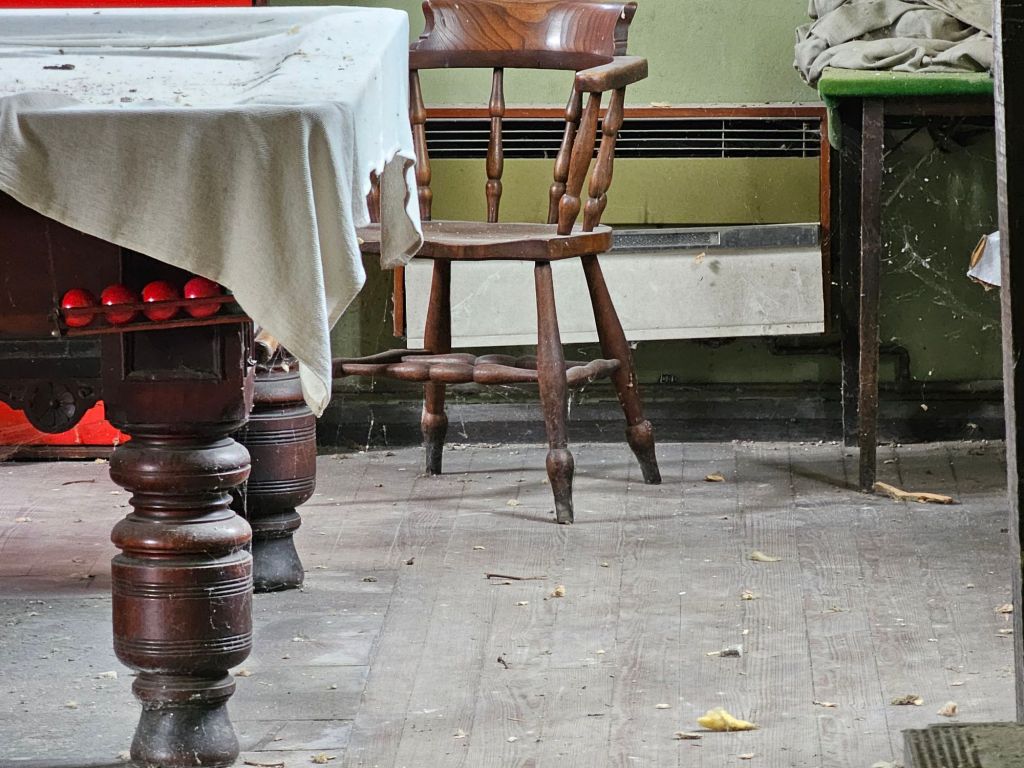
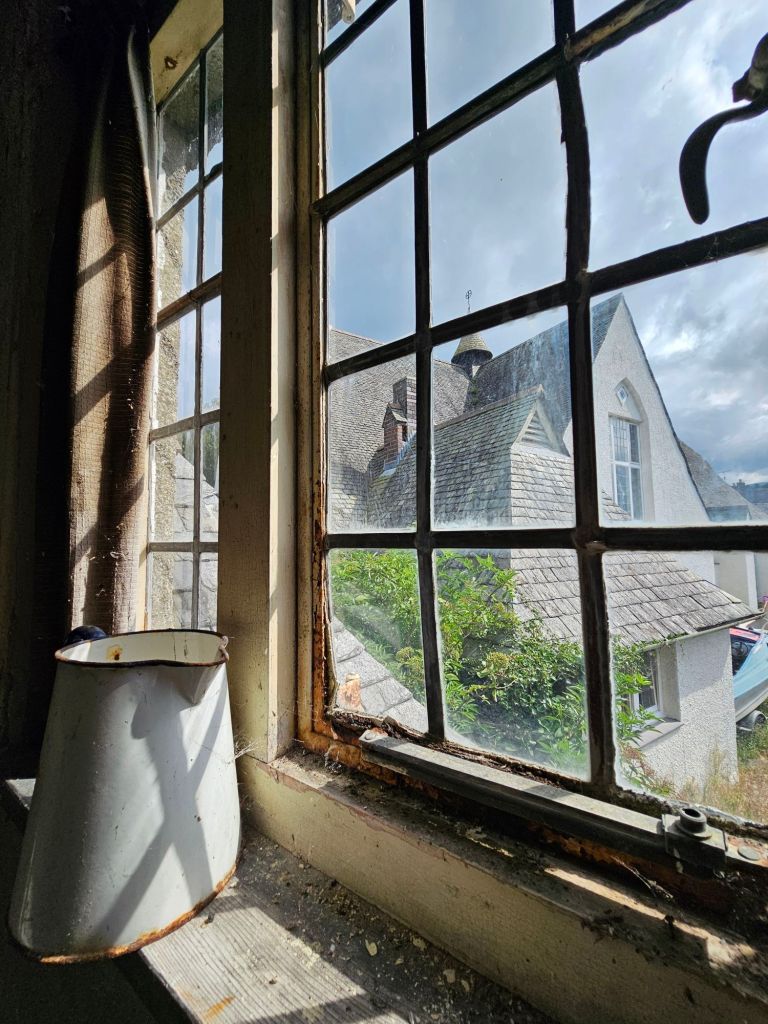
The charity which looks after the two buildings has been looking for someone to take them over. I have tried to find someone who might be interested without success. They are only an hour and a half from Liverpool.
A great number of people have read my post about Daphne Astor, which suggests how many people were devoted to her.
I have some additional memories.
One was when I was trying to find out more about the architect, Philip Johnson. I had an instinct Daphne might have met him as he was part of her father’s Harvard modernist circle. I asked her. She said, ‘Oh yes, we used to smoke dope together on the double bed of his guest house’.
Then, I totally left out Micky who she married in 1979 and probably rescued her from a rackety life. We travelled with them in a lorry on a memorable visit to La Ribaute. They shared a passionate interest in organic farming, the land, ecology and everything else.
Then, totally selfishly, she was an early supporter of my blog. She was, slightly oddly, doing an MA in creative writing – was it in Falmouth ? – and would ring up if she liked something, particularly during COVID. I didn’t know that once-upon-a-time she had been a professional photographer.
Finally, someone has kindly sent me a link to her obituary. It may work. It did for me. There you will discover much I didn’t know, including her mother’s side of the family in the wild west.
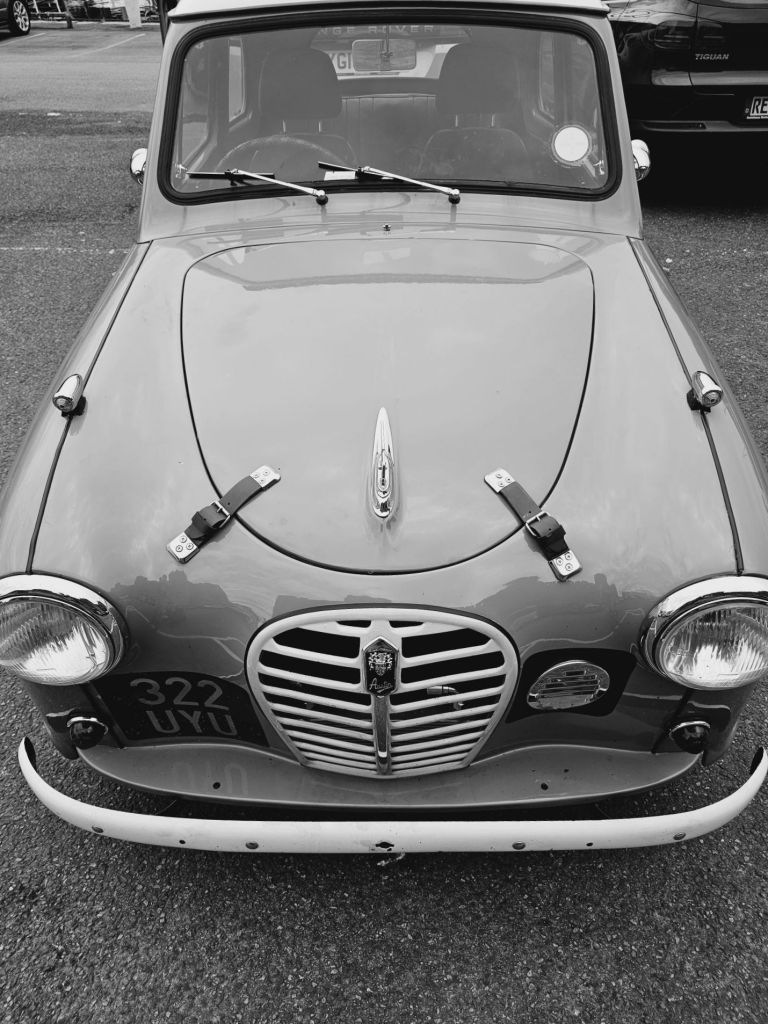
My eye was caught by a beautifully pristine Austin A30 in the car park below Caernarvon Castle, complete with bonnet straps which I have never seen before.
I find it odd to think that my first grand tour – 4000 miles round the sites of France, Italy, Germany and Belgium – was in the back of an Austin A30 in August 1971. I’m not sure I had passed my driving test.
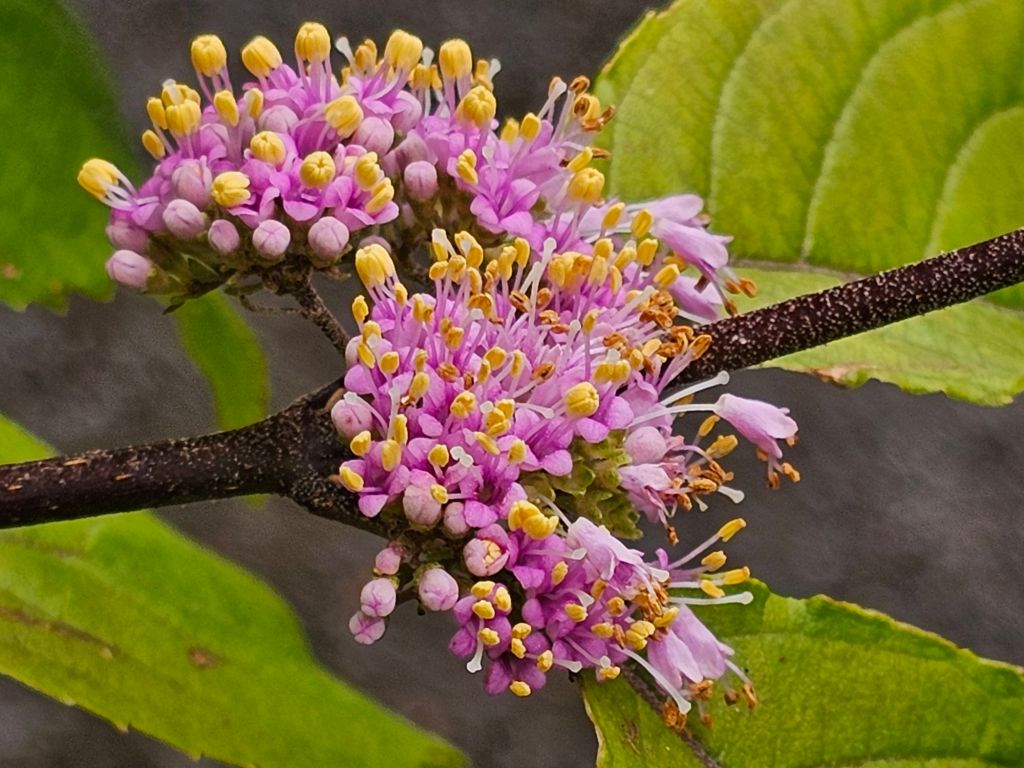
It’s such a long time since we’ve made it across the Menai Straits to Crûg Farm, the wonderful nursery run by Bleddyn and Sue Wynn-Jones.
We had a comprehensive and encyclopedic tour from Bleddwyn, including rare plants from Taiwan, South Korea and particularly Jeju Island off the coast of South Korea:-


I have forborne to write about the death of our friend Daphne Astor until her obituary had appeared in the Times, which it has now (but I don’t have a subscription).
Neither of us can remember how we met her, but it seems that we have known her for a really long time, partly because she had such vivid memories of New York as it had been in the early 1970s. We both remember lunch at Hatley on New Year’s Day round the turn of the millennium and meeting up in Brussels where she was doing work as an artist.
I only realised how much of a Warburg she was on a long train journey to Avignon when I asked her if she was in any way related to the great art historian, Aby Warburg. She described him as Uncle Aby, which was not strictly true because he was her great-uncle. Her father was Edward Warburg, part of the group at Harvard in the late 1920s who helped establish the Museum of Modern Art. He had a Picasso in his undergraduate rooms.
She probably wouldn’t have wanted to be remembered for this because she was truly and remarkably independent-minded: a free spirit, passionate about poetry and literature and art, creative herself, but creative also in the way that she encouraged and nurtured others.
In lockdown, she established the Hazel Press, an independent publisher, printing small books of poetry and other writing, printed in Suffolk, where she had a cottage in the countryside outside Aldeburgh (she helped establish Poetry in Aldeburgh, the successor to its poetry festival). It was a perfect vehicle for her talents, publishing work by people she knew and admired – slim volumes, but work to be treasured.
She found she was riddled with cancer about three months ago and treated it with characteristic anger on behalf of her fellow sufferers in the Royal Marsden, as well as mordant humour.
I miss her laugh most, always somehow both affectionate and conspiratorial. She was a wonderful friend to us both and many others.
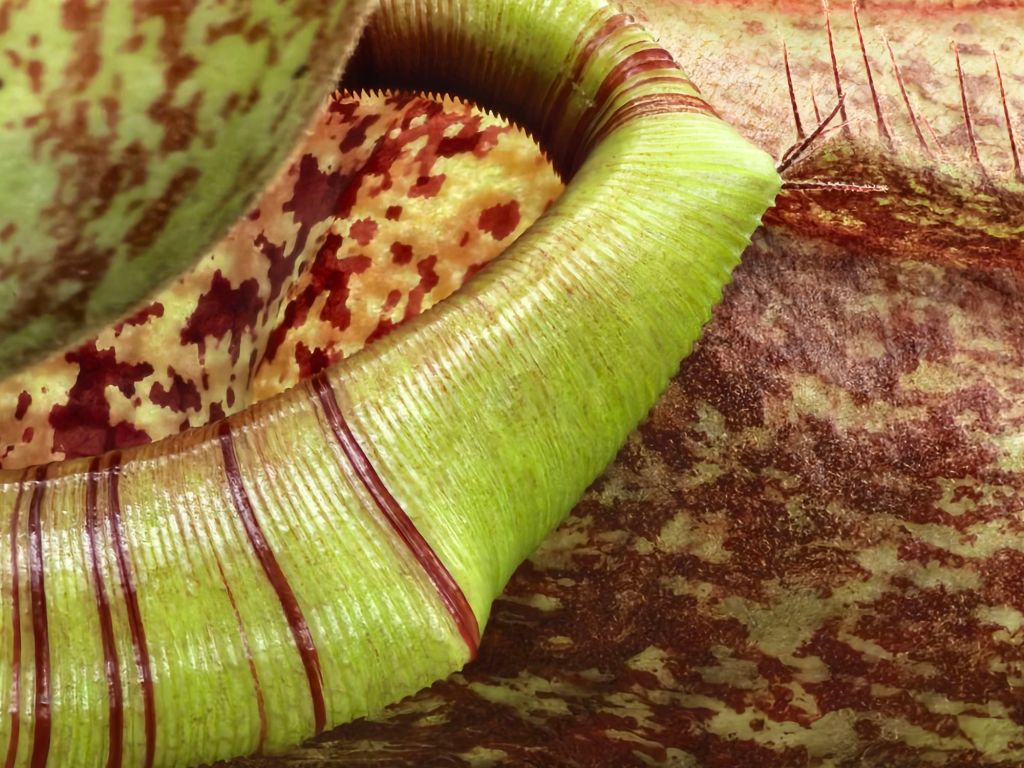
An antidote to Waitrose is a short trip to the tropical greenhouses in Treborth Botanical Garden, run (beautifully) by Bangor University:-


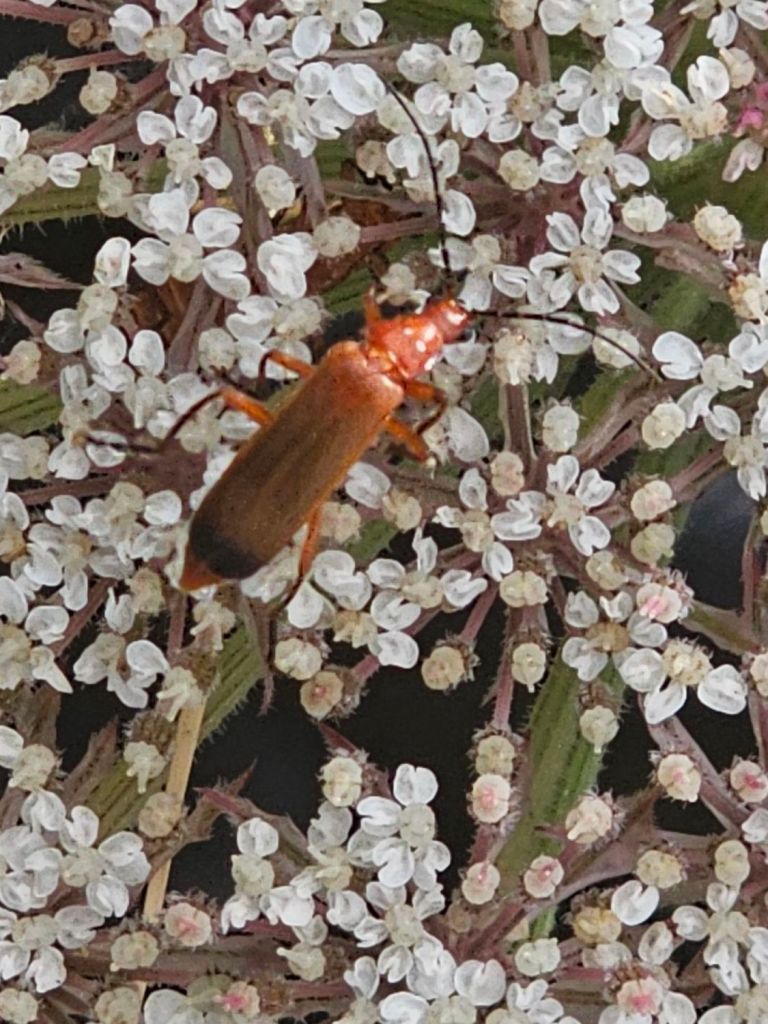
I didn’t know about soldier beetles. I’m sure I should have done. Now I’ve seen them copulating:-


 | Charles | Saumarez | Smith |
You must be logged in to post a comment.