The Election

It feels a bit perverse not to mention that there was an election yesterday.  Of course, it already feels as if it was a foregone conclusion – perhaps it was – but there were a few unpredictable aspects of it: the scale of the victory; and what would happen to the other parties, including Reform.

It always felt a touch unpremeditated, as if Sunak had decided on the date without wider consultation only so that his co-workers in 10, Downing Street could go on a flutter in the local betting shop once the date had been decided: a perfect image of the venality and politics of self-interest of recent years.

It will be interesting to see what steps Starmer and Sue Gray take to curb this lack of standards in public life, which they should.

Standard

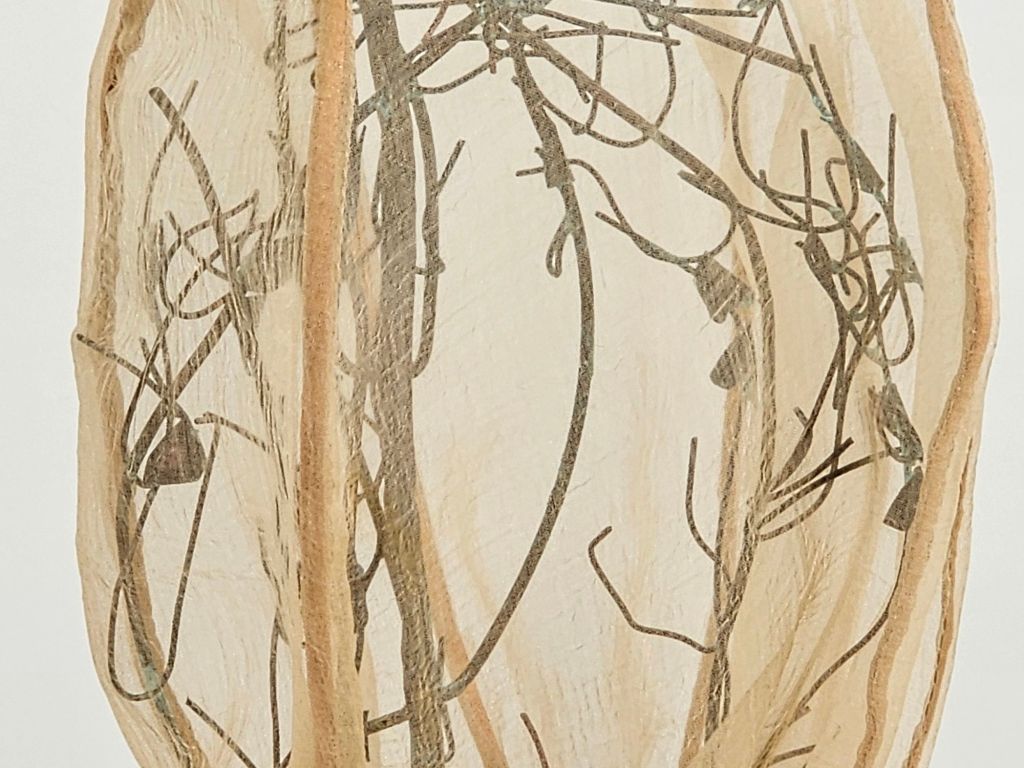
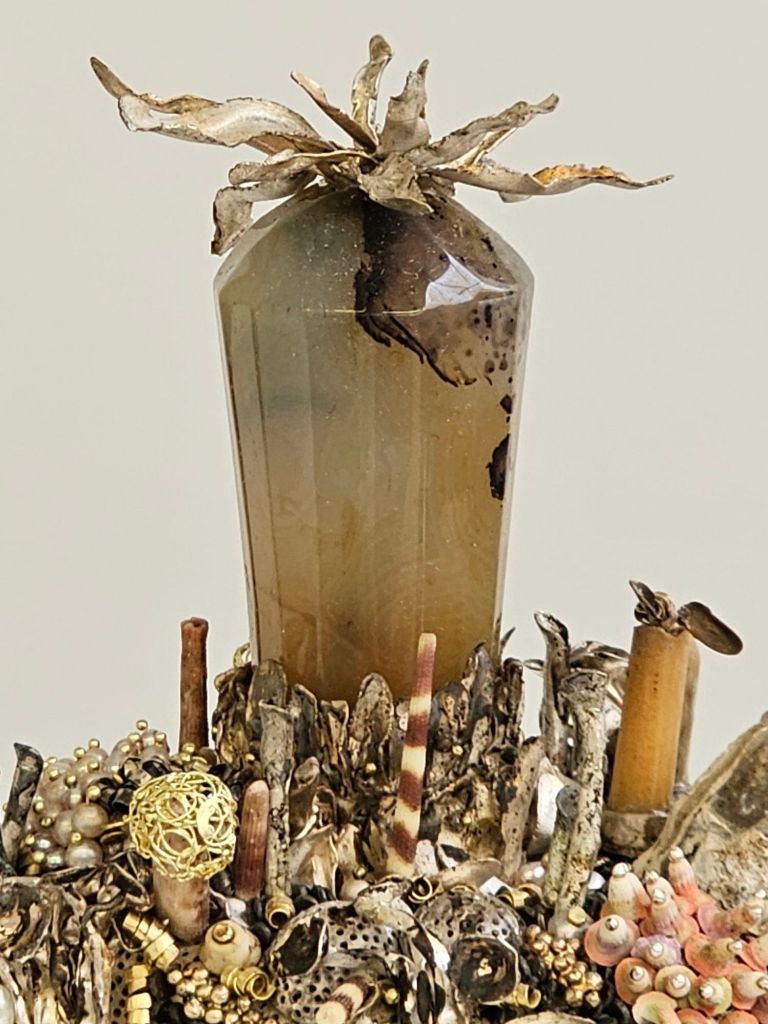
and dead objects would acquire souls (4)

It’s a very beautiful exhibition open tomorrow and Saturday 12 to 6.  Unit 3, 1-7, Ernest Avenue, SE27 0DQ.  Train or bus to West Norwood.  It’s next door to the bus depot.

Hard to locate even with Google.  Look out for the sign which says LONDON SIGNS and then press a square white button on door number 3, which doesn’t look like a door bell but is.

Then, there is a magical white exhibition space:-

Standard

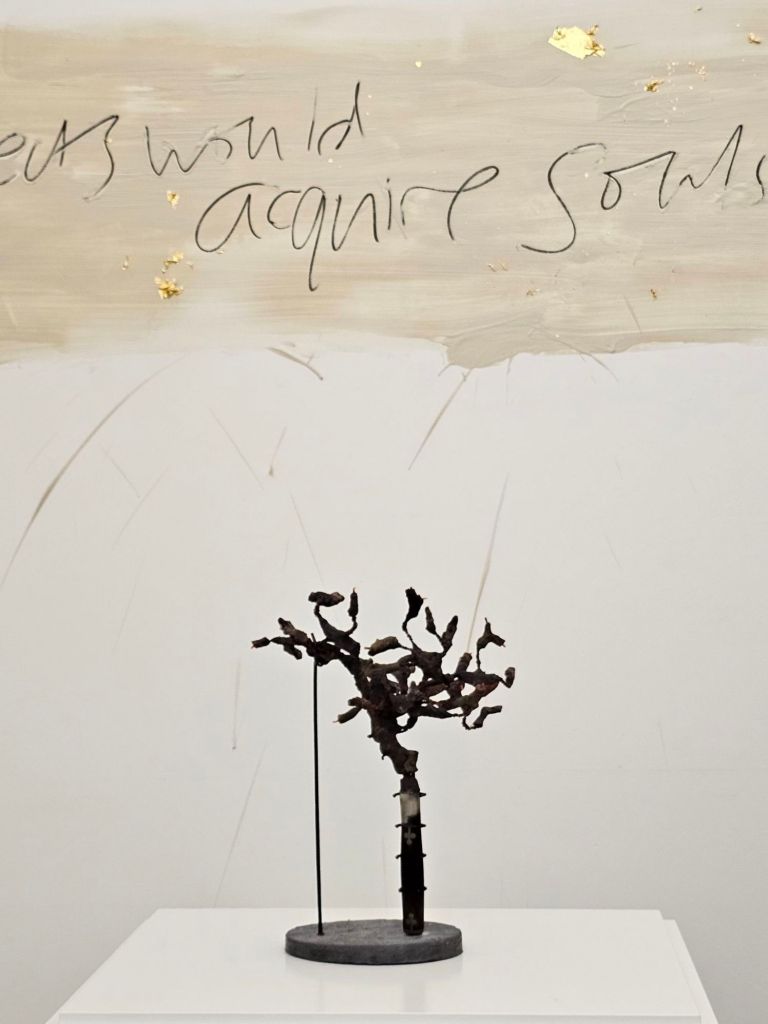
and dead objects would acquire souls (2)

It’s set-up day for Romilly’s exhibition in Edmund de Waal’s beautiful workshop/studio in Studio 3, 1-7, Ernest Avenue, West Norwood, SE27 0DQ (it’s an easy walk up the hill from West Norwood station on a line straight from Victoria).

The light in the studio is very beautiful, particularly in the space which is double-height and top-lit, like a sanctuary:-

Open from 12-6 on Friday and Saturday.

Standard

St. George, Esher

En route to Claremont, I stopped at St. George’s, Esher, the small, curiously rustic, old village church, where Thomas Pelham-Holles apparently asked Vanbrugh to install a family pew – not just any old pew, but a private side chapel from which the Duke would have found it hard to see anything except the Vicar in his fine double-decker pulpit.  You might have thought that he could have afforded to build a new church.

The church – charming and very unusual:-

The Newcastle Pew from outside:-

The interior of the church:-

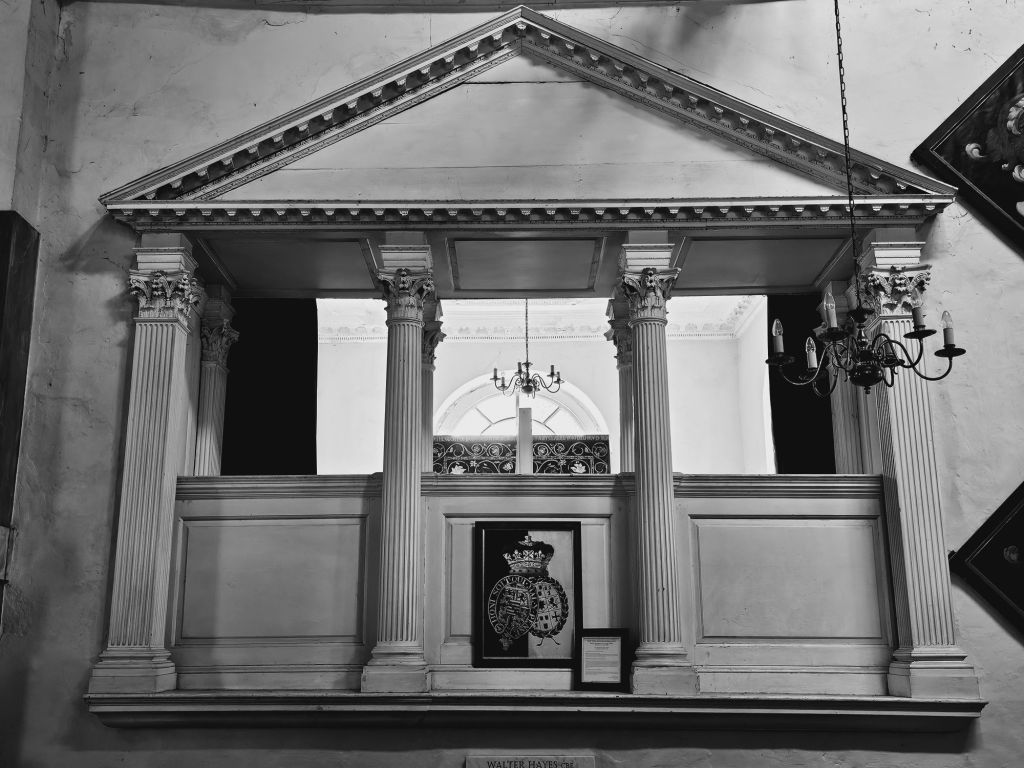
And the Newcastle Pew, very correct in its architecture and so not very obviously Vanbrugh.  Maybe he was becoming more correct in his old age:-

Standard

Claremont

I have been planning to go to Claremont for ages.  What I hadn’t realised is that by far the best of the surviving buildings – Vanbrugh’s brick belvedere – is not actually part of the landscape gardens looked after by the National Trust, but part of the estate of Claremont Fan Court School which now occupies the Capability Brown/Henry Holland house which replaced Vanbrugh’s original palatial mansion after it had been demolished by Lord Clive. So, you can only see it from a distance (the telephoto is deceptive).

Built in 1717, it maybe marks the beginning of Vanbrugh’s half-serious, half-playful medievalism which led him to design Vanbrugh Castle for himself two years later.  It is perhaps not surprising that Jonathan Swift likened Vanbrugh’s design style to a child’s because he uses very simple brick forms in a highly imaginative way.  Swift intended it as an insult, but Vanbrugh may have taken it as a compliment:-

Standard

Grimsthorpe

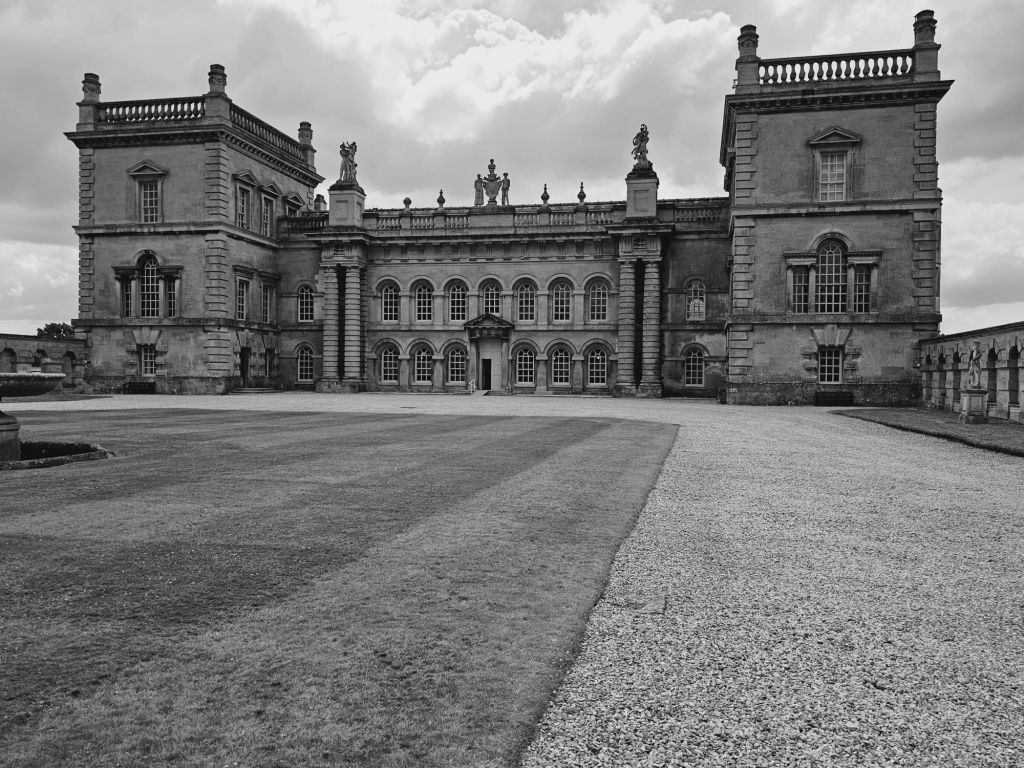
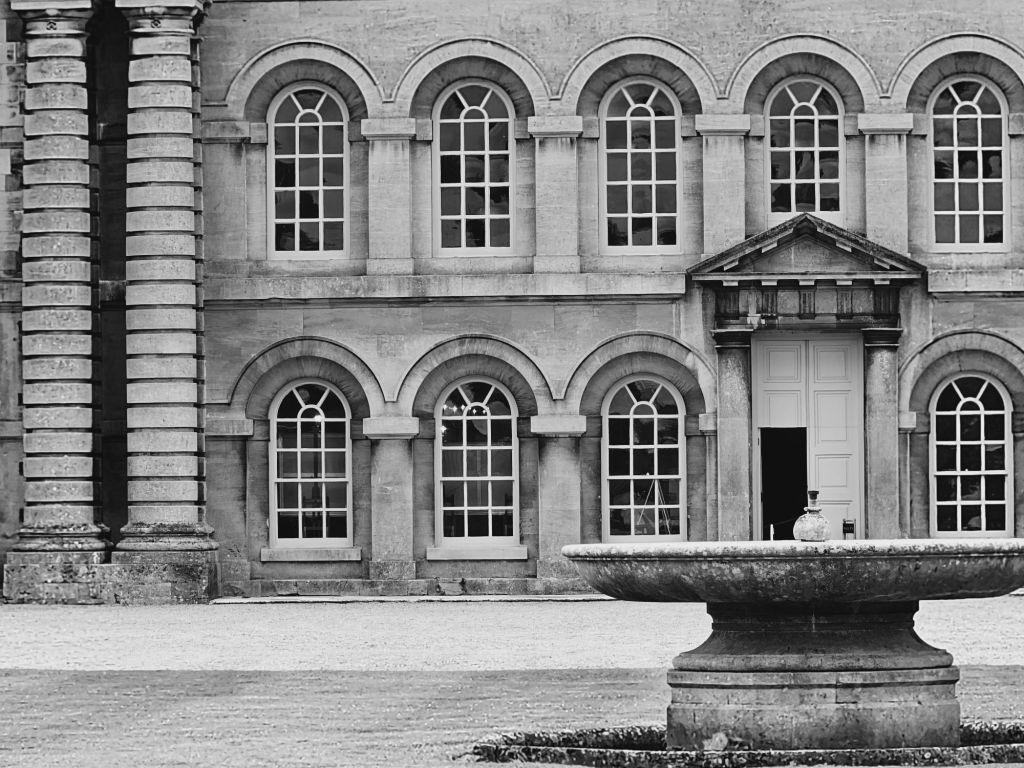
I spent a wonderful day at Grimsthorpe today – a great Vanbrugh house and surprisingly easy to get to from London (twenty miles or so north of Stamford, Lincs), but hard to photograph because it faces north (the other façades were never built):-

Standard

Kunstsilo (4)

I have been encouraged to share my article on the Kunstsilo in Kristiansand.  Well worth a visit.  They are showing an exhibition of work by Edmund de Waal and Axel Salto from September 27th.

Standard

Perry T. Rathbone (2)

Following Ivan Gaskell’s comment on my post about Perry Rathbone, describing what it was like when he went as the Margaret S. Winthrop Curator to the Fogg in 1991, I freely confess that part of my interest in Rathbone’s diary was that it described a milieu that I discovered and hadn’t expected when I went to the Fogg as a Henry Fellow in 1976.

John Coolidge, who had been Director of the Fogg from 1948 to 1972 – a brahmin if ever there was one – was still teaching a course based on the research he had published in 1942 on Lowell, Massachusetts.  To this day, I wish I had taken it as the field trips might have given me a better knowledge of Massachusetts architecture.

And I was invited to celebrate Thanksgiving with Cornelius and Emily Vermeule.  Cornelius Vermeule III had been a curator of Classical Art at the MFA since 1957.

I realise now it was brahmin-land.  At the time, it seemed a bit unreal.

Standard