St. Paul’s

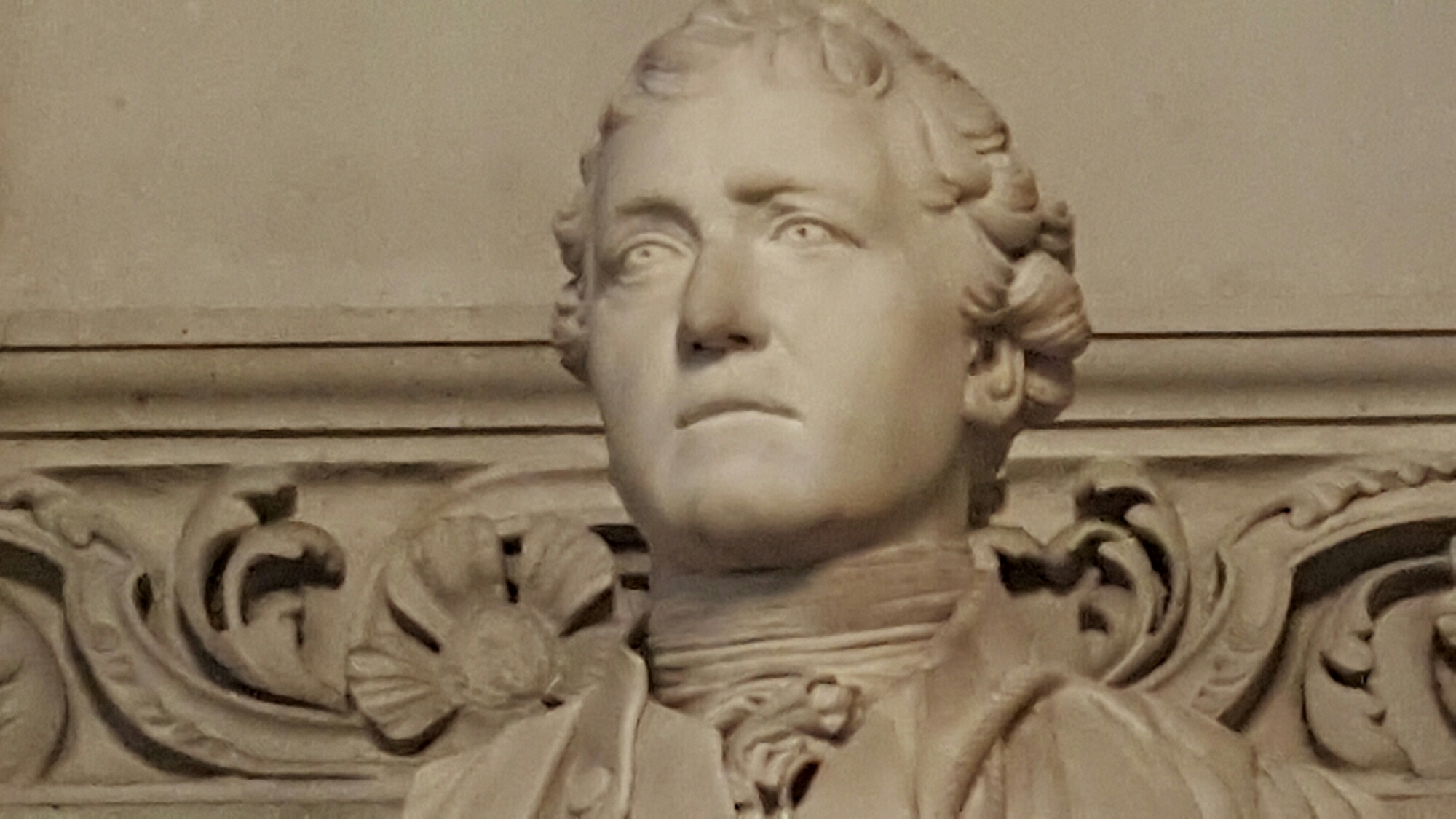
I went to the installation of the new work by Bill Viola in the north quire of St. Paul’s Cathedral, which is the result of a thirteen-year project to seek the approval of the Dean and Chapter for a piece of video art on permanent display, although owned by the Tate (one of the Deans is said to have thought that it was better for the church to align itself not with the Medicis, but the Borgias).   Since I assumed that I wasn’t allowed to photograph the work itself, I found my eye wandering to the extraordinary array of funerary monuments.

Reynolds, completely unrecognisable, in a statue by John Flaxman under the dome (supposedly close enough to the pulpit to hear):-
Continue reading

Standard

Michael Manser RA

I have just been to the memorial event for Michael Manser who died after a dinner at Brooks’s in early June – a very young and well preserved 87-year old.   What was clear was how much everyone had liked, admired and respected him, not just for his architecture so little of which – because it was domestic – was well known, but as an architectural writer in the 1960s, as President of the RIBA in the mid-1980s, where he both designed and paid for disabled access into the building, and latterly as an RA, active in the architecture committee and the General Assembly to the end.

Standard

John Gibson RA

I annoyingly missed the opening of our small John Gibson exhibition last night.   Born in Gyffin in the hills just above Conway Castle in north Wales, the son of a market gardener, Gibson’s family were due to emigrate to America, but stayed in Liverpool instead, where he was first apprenticed to a firm of cabinet makers and then worked for the marble masons Samuel and Thomas Franceys.   His obvious talent was recognised by a group of collectors, including William Roscoe, the banker, who encouraged him to study ‘the Greeks’ simple actions and pure forms’ and to attend lectures at the Liverpool Academy.   He had a dream that he would travel to Rome on the back of an eagle and his supporters organised a subscription to send him there.    In Rome, he had an introduction to Canova who allowed him to work in his studio until he set up his own in the via della Fontanella.   With Charles Eastlake and Joseph Severn, he helped establish the British Academy of Arts in Rome and remained in Rome for the rest of his life, living simply, but working grandly, in spite of occasional visits to England and the support of the Queen and Prince Consort.   As he said, ‘I thank God for every morning that opens my eyes in Rome’.   But he left the contents of his studio to the RA and most of his fortune.

Standard

1960s

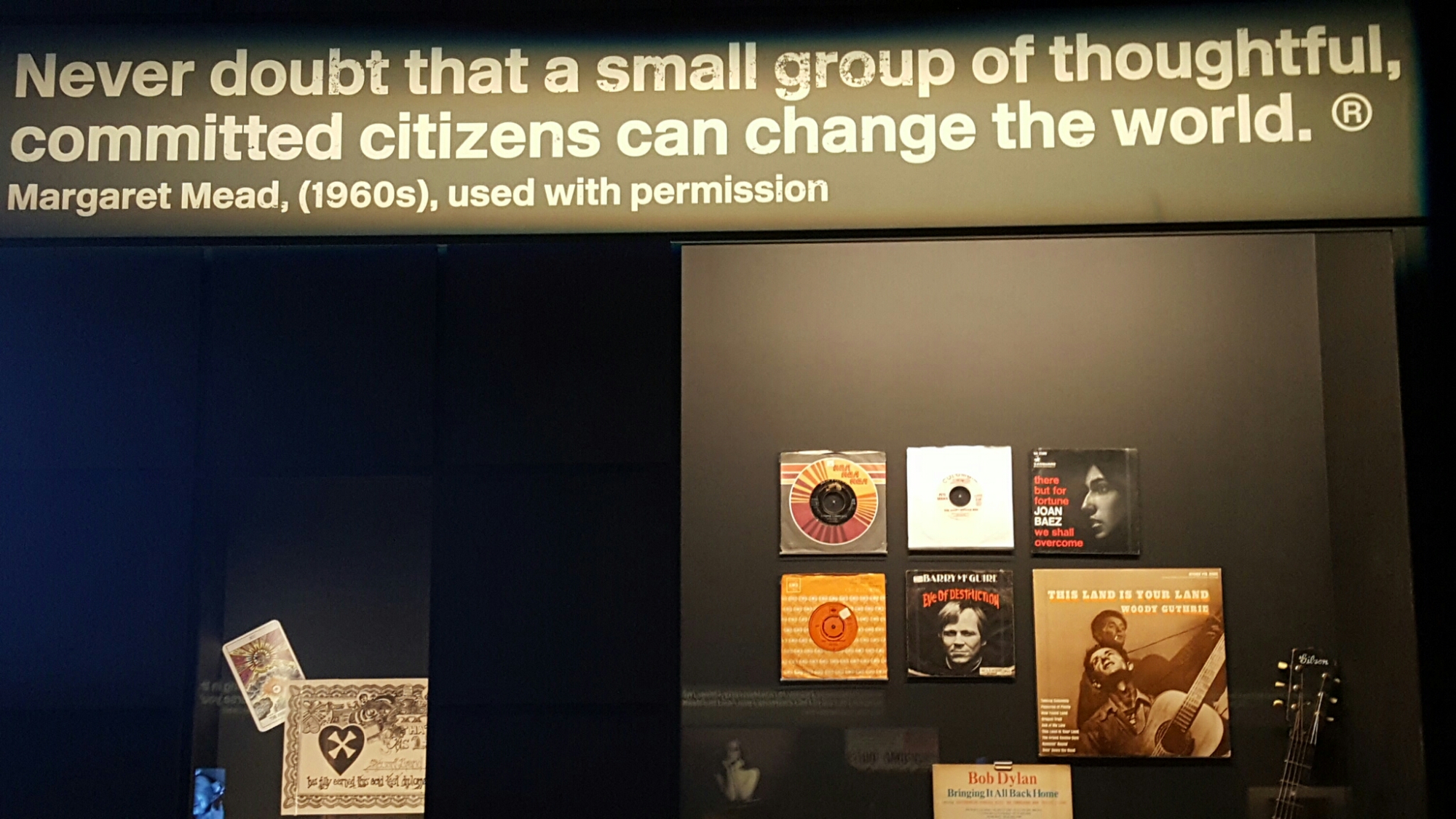
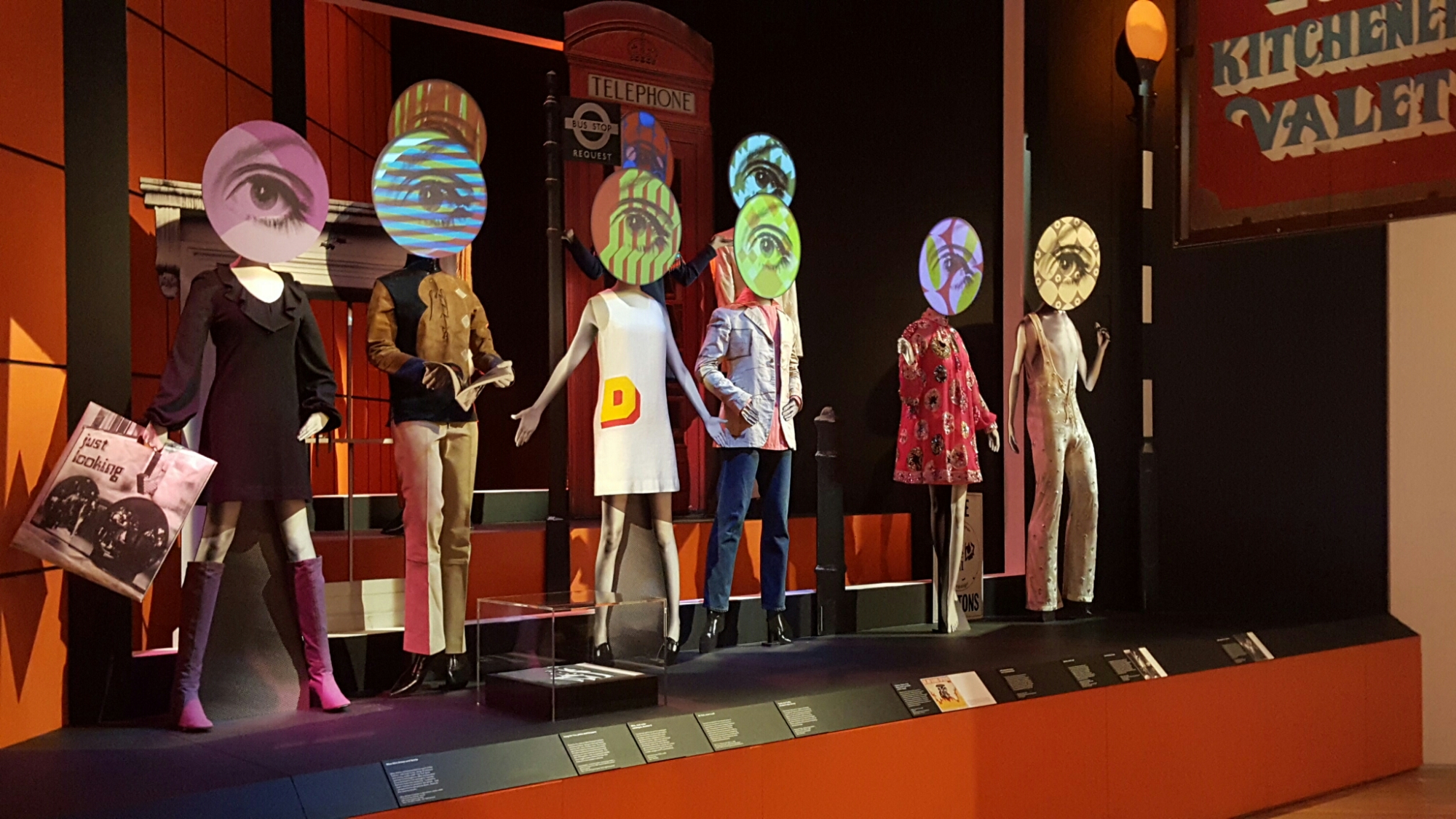
I had a very enjoyable time at the opening of the V&A’s 1960s exhibition, going round with Jon Savage, the historian of 1966 and lender of some of the arcana to the exhibition.   Everything was there: the Beatles, psychedelia, Carnaby Street, Blow-up, the album cover of Sgt. Pepper and the first computer mouse.   It’s about music, drugs and performance more than art, architecture and design, but none the worse for that:-

Continue reading

Standard

The Weald

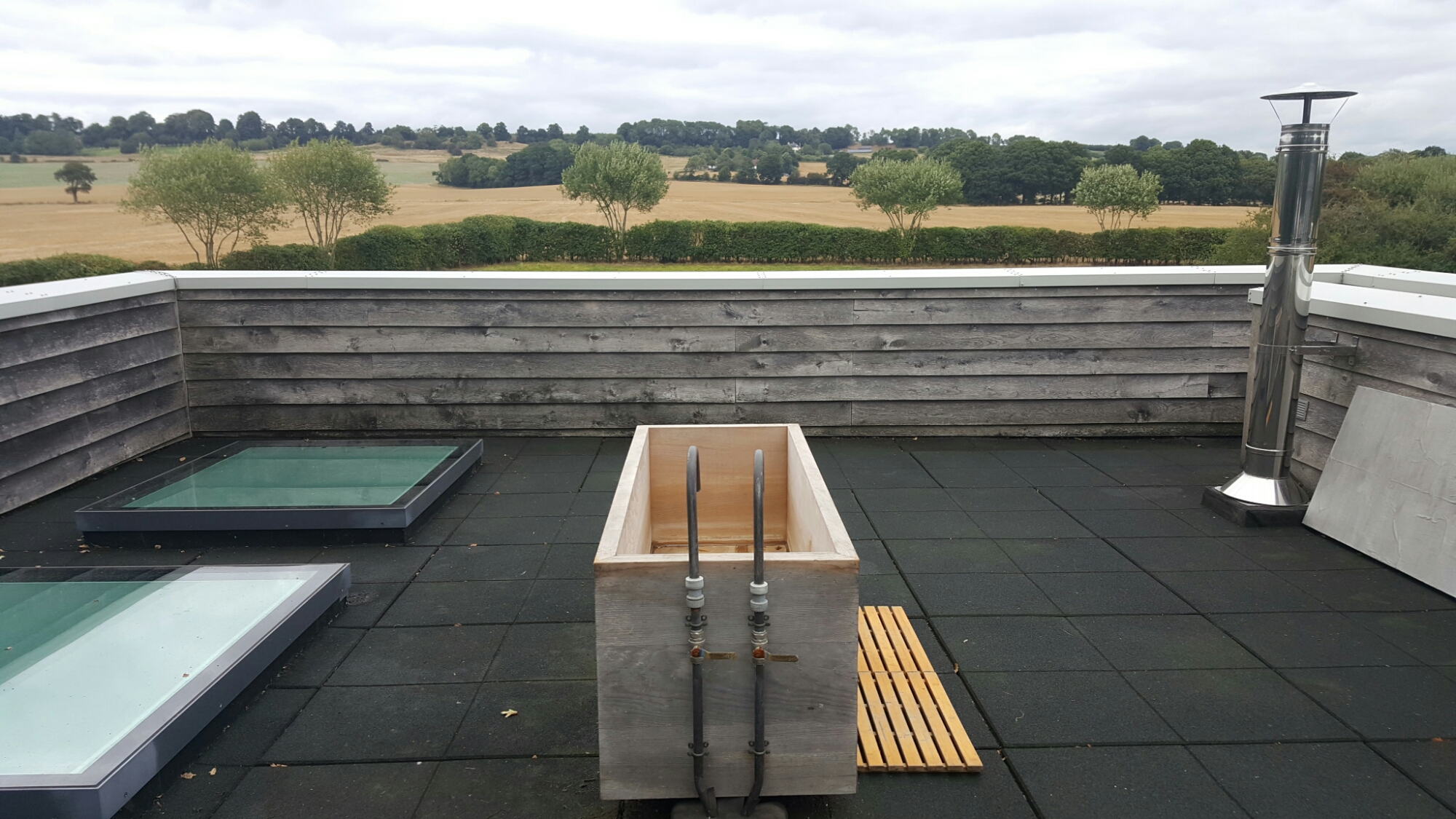
We had lunch deep in the Weald.   It’s rather reassuring that it’s still possible to take a turning off the M20 and find oneself negotiating small country lanes.   We were near Grafty Green:-

I particularly liked the Japanese wooden bath on the roof overlooking the view:-

Standard

Woolwich Arsenal

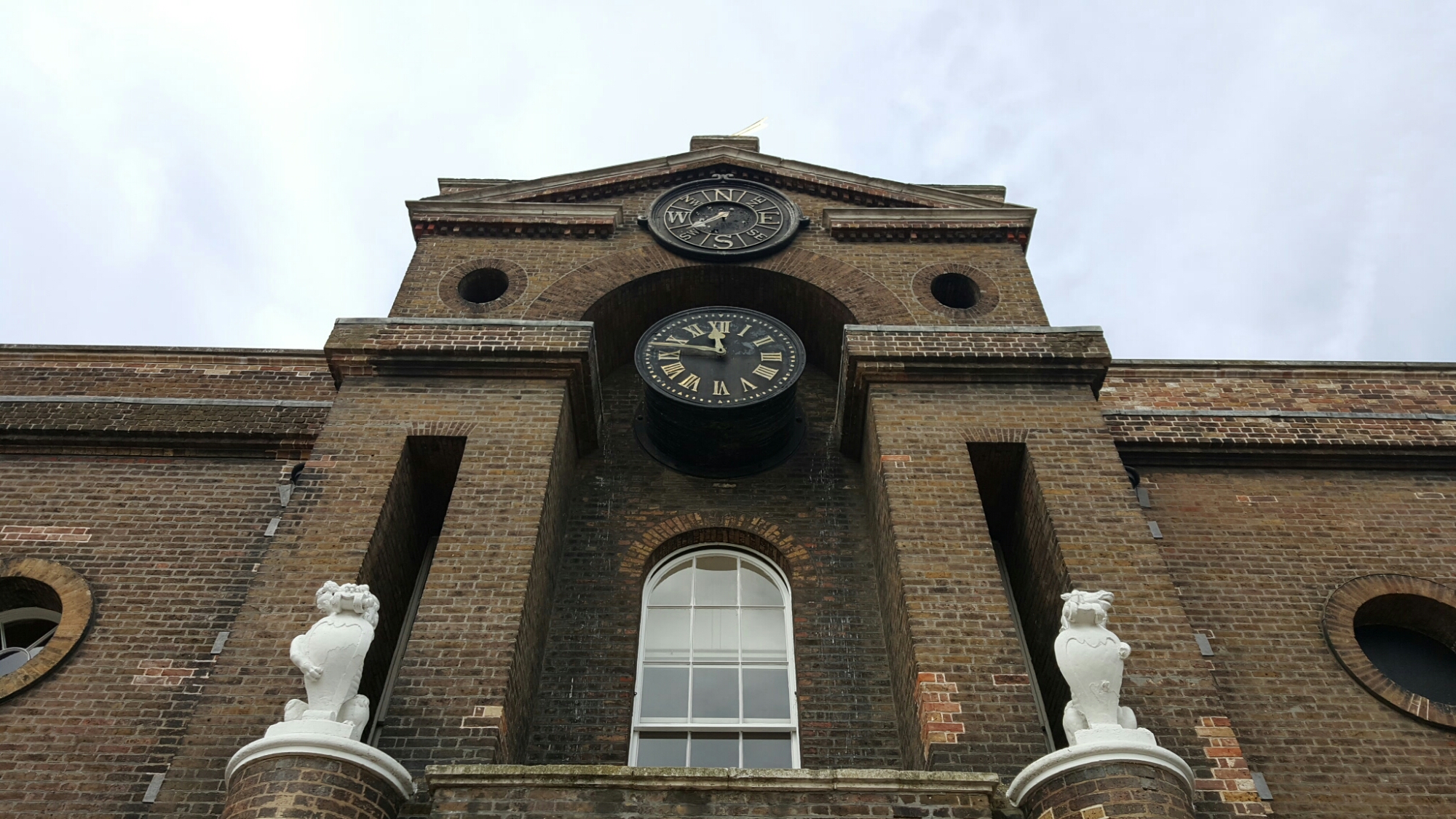
I called in at Wooolwich Arsenal, on the edge of the town, mainly in order to see the Offices of the Master of the Ordnance, which housed the Board Room of the Board of Ordnance and, on its left hand side, the Academy established in 1720 to train young officers, later used as a Model Room (hence the different ways the building is described).   It has a long-standing attribution, undocumented, to Vanbrugh, who lived nearby on Maze Hill and had after all served in the army in the early 1690s, but it is now, according to the recent Survey of London, thought more likely to have been designed by Brigadier General Michael Richards, who had been appointed Chief Engineer in 1711 and became Surveyor General in 1714.   It dates from a period when the dockyard was expanding, following the end of the war with France.   It certainly is reminiscent of the work of Vanbrugh, sharing many of his mannerisms in the brickwork, freely inventive like the Carrmire Gate at Castle Howard which was designed at more or less the same time:-

Continue reading

Standard

Royal Artillery Barracks

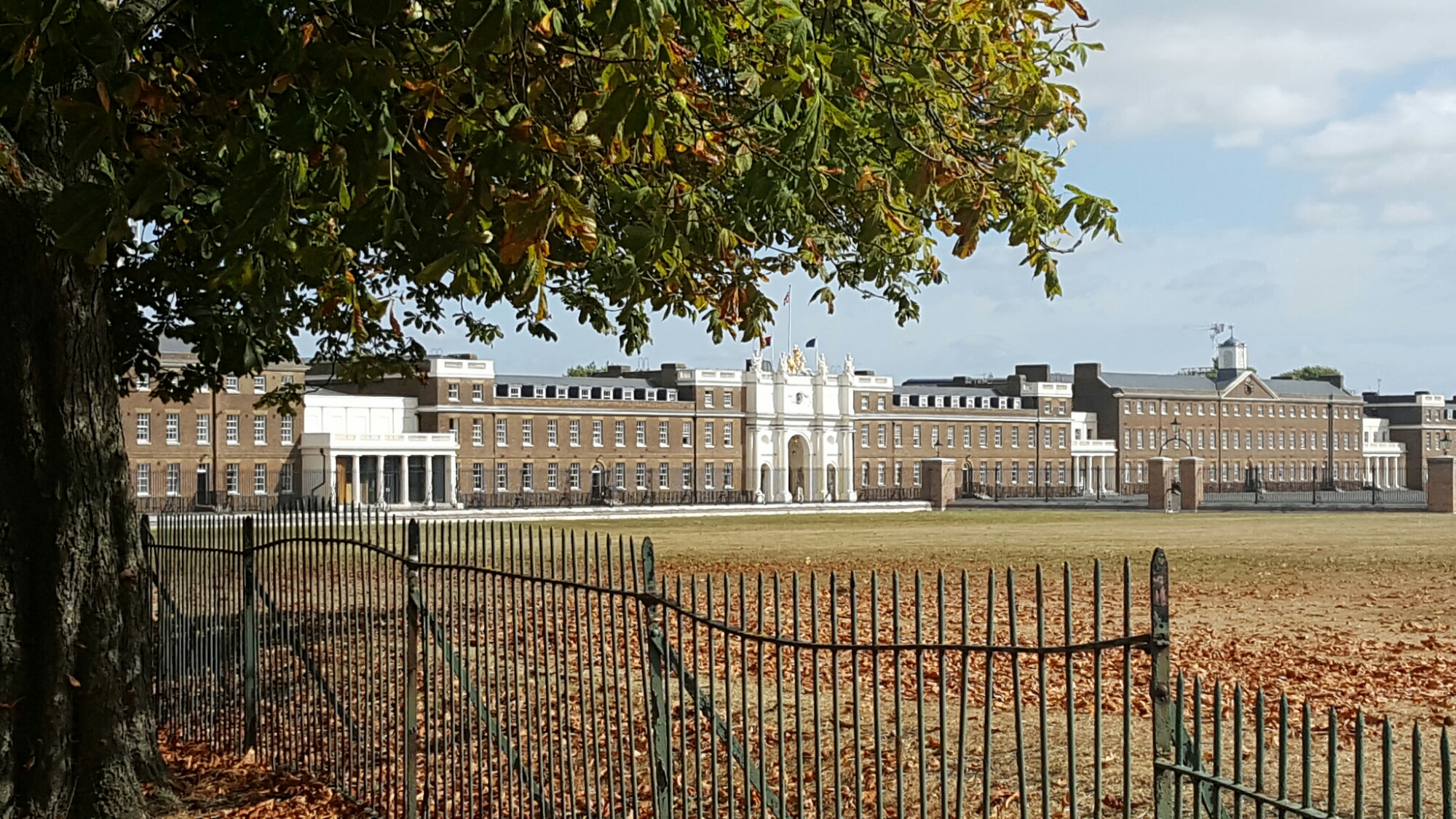
The Royal Artillery Barracks, with its monumental façade and gigantic parade ground, is, as Nairn says, the nearest place to Leningrad in South London.   The first phase to the east was constructed in 1776.   Twenty five years later James Wyatt doubled it in size to over 1,000 feet.   Behind was accommodation for 4,000 men.   Nothing more obviously reveals the scale of the eighteenth-century military state:-

Standard

Rotunda Museum

I had been looking forward to seeing the Rotunda Museum again, the tent which was erected in St. James’s Park in 1814 to celebrate Wellington’s victories and then converted by John Nash into a permanent structure with a lead roof which was turned into an Artillery Museum alongside Woolwich Arsenal in 1820:-

It’s now apparently no longer open to the public and used by the King’s Troop as a boxing ring:-

Standard

Charlton House (1)

I set off early in order to visit Charlton House, the Jacobean mansion halfway between Greenwich and Woolwich which I haven’t visited since the early 1970s, Nairn in hand.

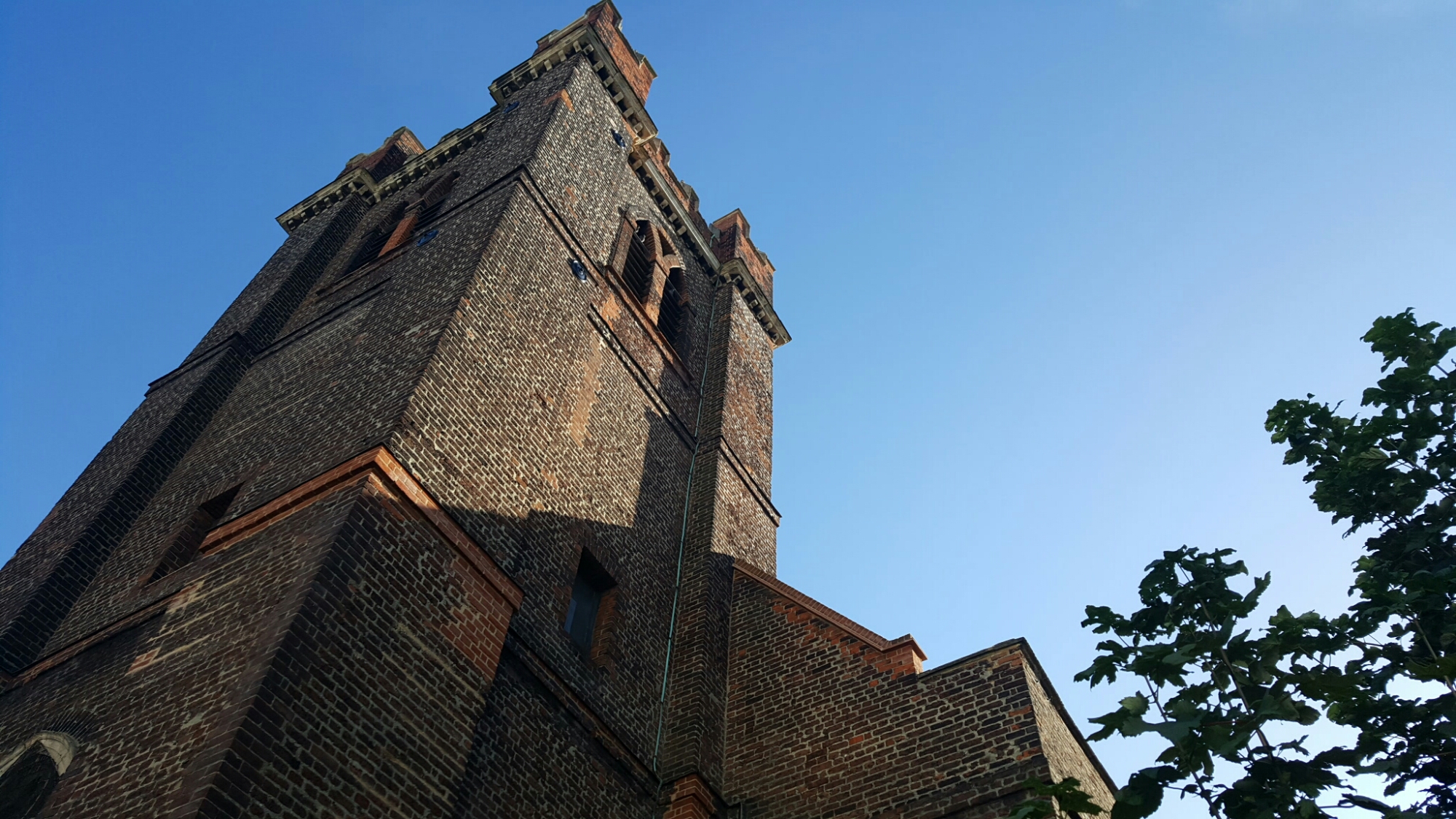
One climbs up the leafy suburban street from the railway station and finds, first, the old parish church of St. Luke, built, as was the house, by Sir Adam Newton, tutor to Henry, Prince of Wales.   Nice Jacobean tower and entrance porch:-

Continue reading

Standard

Veronica Scanner

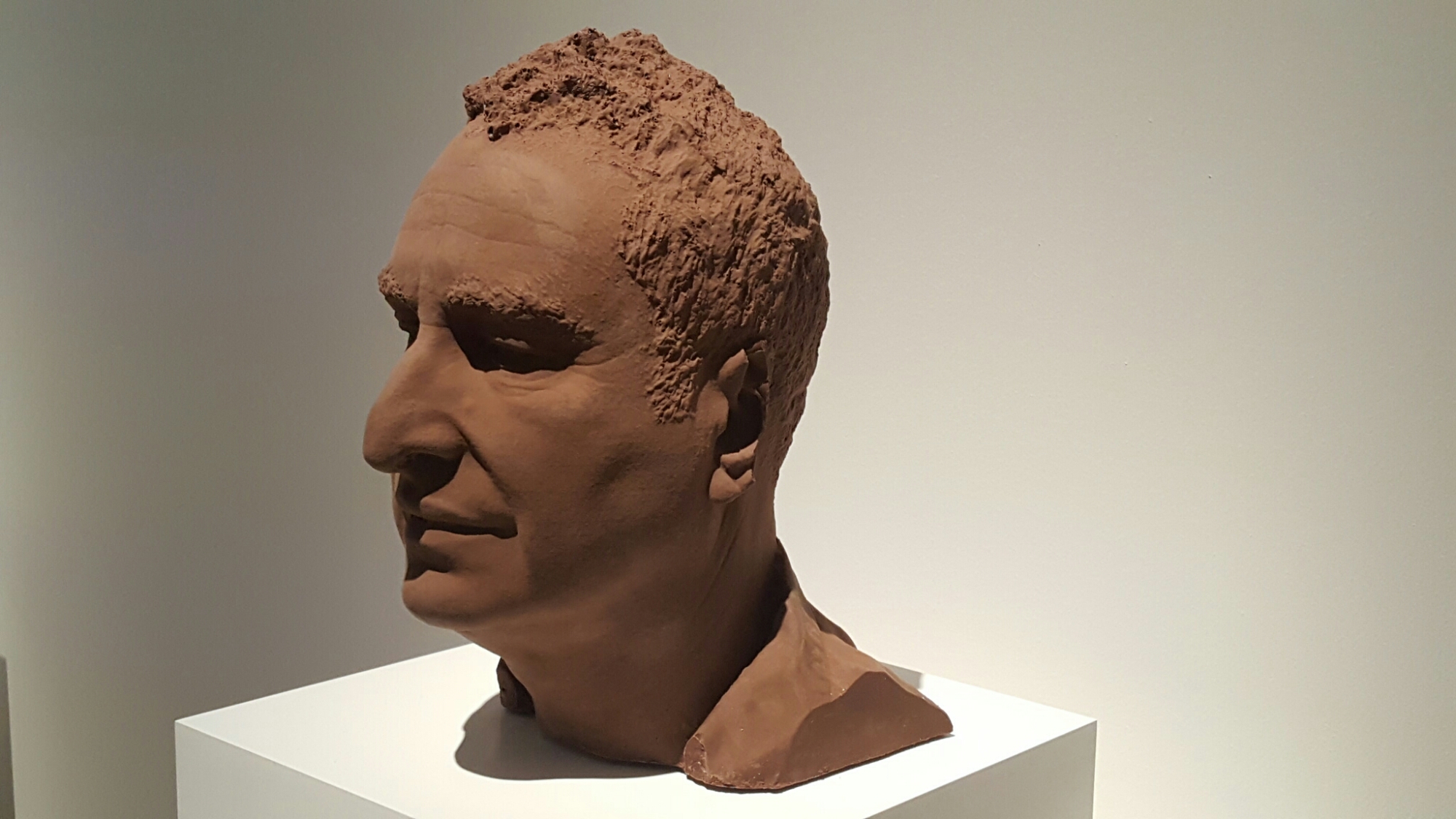
The big event today has been the launch of our display of the so-called Veronica Scanner, a system of 3-D digital scanning which enables a very precise record, and hence replica, of a head.   I had seen the result once before in the head of Jacob Rothschild which was shown in Masterpiece in June.   But it is much more impressive to see the technology in action and then to see the results, including the head of Stephen Rubin QC made out of red wax, glass, chocolate and scagliola.   I particularly admire the chocolate head for its combination of precision and extreme fragility (it has already lost an ear):-

Continue reading

Standard