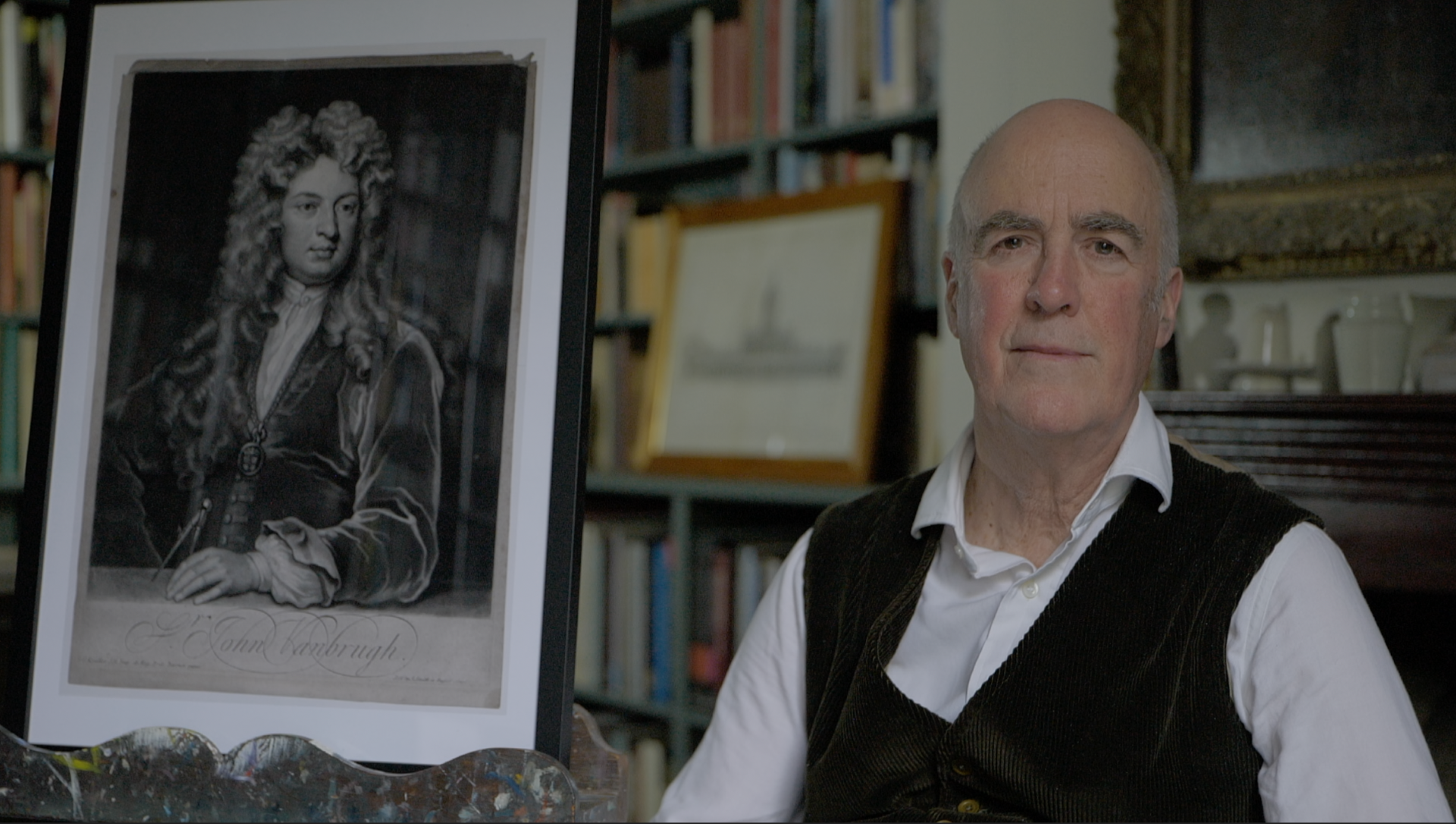
Fundación RIA (1)
I’m glad to see Rowan Moore’s piece about the Fundación RIA in Santiago de Compostela which hosted the conference I went to last month: a very thoughtful project which I have written about in the July issue of The Critic, not due out for a couple of weeks.
The City (2)
Since getting interested in the city’s planning procedures in recent years, I have tried, mostly unsuccessfully, to understand how the City operates. So, I was pleased to read a relatively straightforward account of it in this morning’s FT by Patrick Jenkins who obviously knows and understands it inside out.
The odd thing is that the more I read how wonderfully the City is doing and how robust the demand for new office space, the more it has the opposite effect, making me wonder if the City is actually anxious about losing its global authority.
I walk and bicycle through the City quite often and it doesn’t feel as Peter Rees describes it, like a honey pot, but actually a touch deserted for a lot of the week. Many of the new office developments are putting shops, restaurants and gyms indoors. Yet they go on knocking the old City down, making it look more and more like Hong Kong.
Maybe this is the right strategy, but I am not totally convinced by all the PR.
See:-
Undemocratic, anachronistic, fantastic. How the City of London survives – https://on.ft.com/3VISBIs via @FT
G.E. Street
It is the bicentenary of G.E. Street’s birth on June 20th. next week and the Victorian Society is holding a gala dinner in St. James-the-Less.
I wrote about Street and the new biography of him in this month’s The Critic and I see that my article has just been posted online.
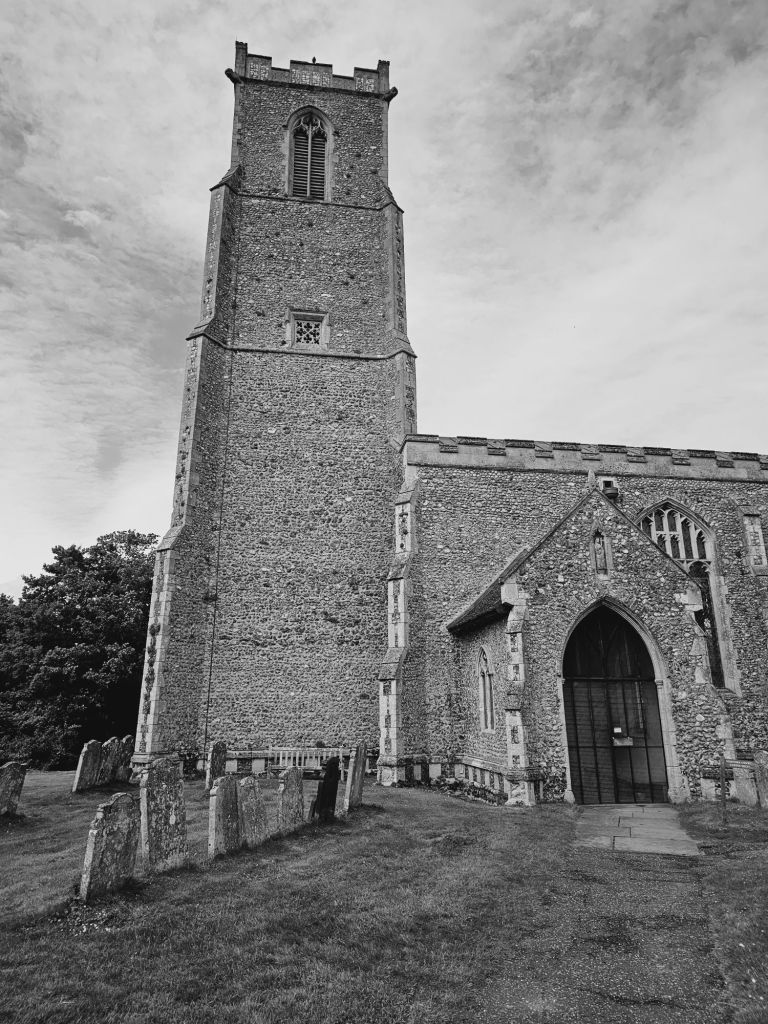
St. Helen, Ranworth
Ranworth feels pretty remote. You are allowed to climb the church tower and look out over miles of the Norfolk Broads. I’m not sure I recommend it after lunch at the Gunton Arms.
The church:-
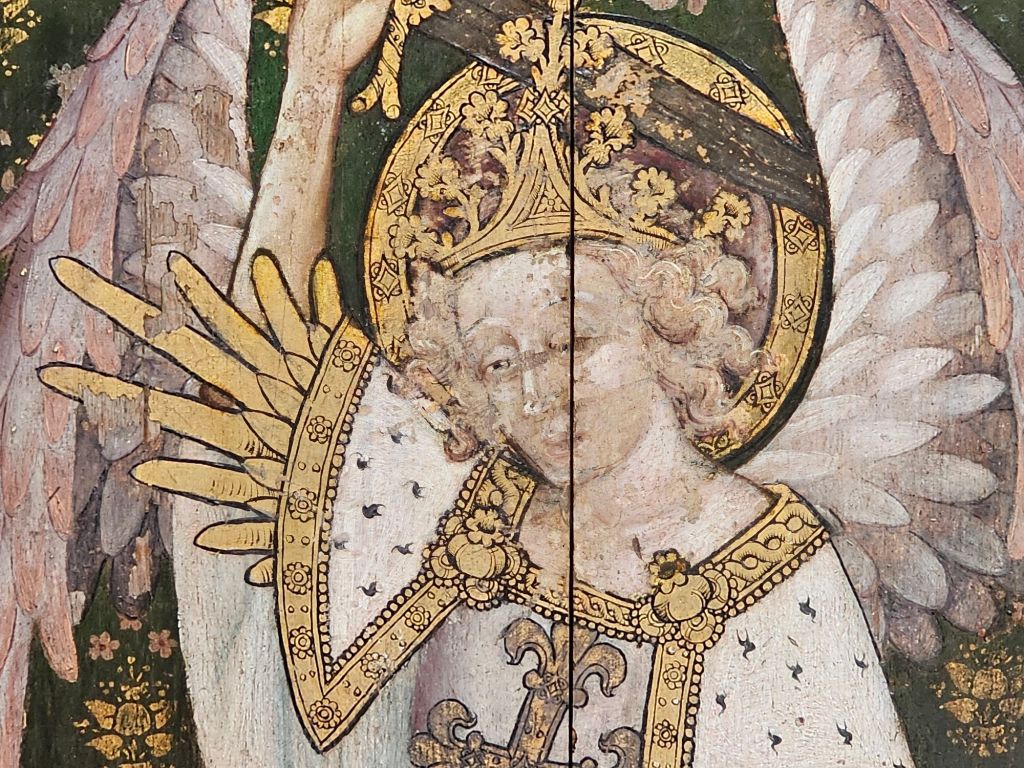
The best thing is the wonderful painted rood screen, beautifully well preserved, with paintings which are pretty sophisticated, dating from c.1470:-

You can get tea and biscuits, but not on Friday:-
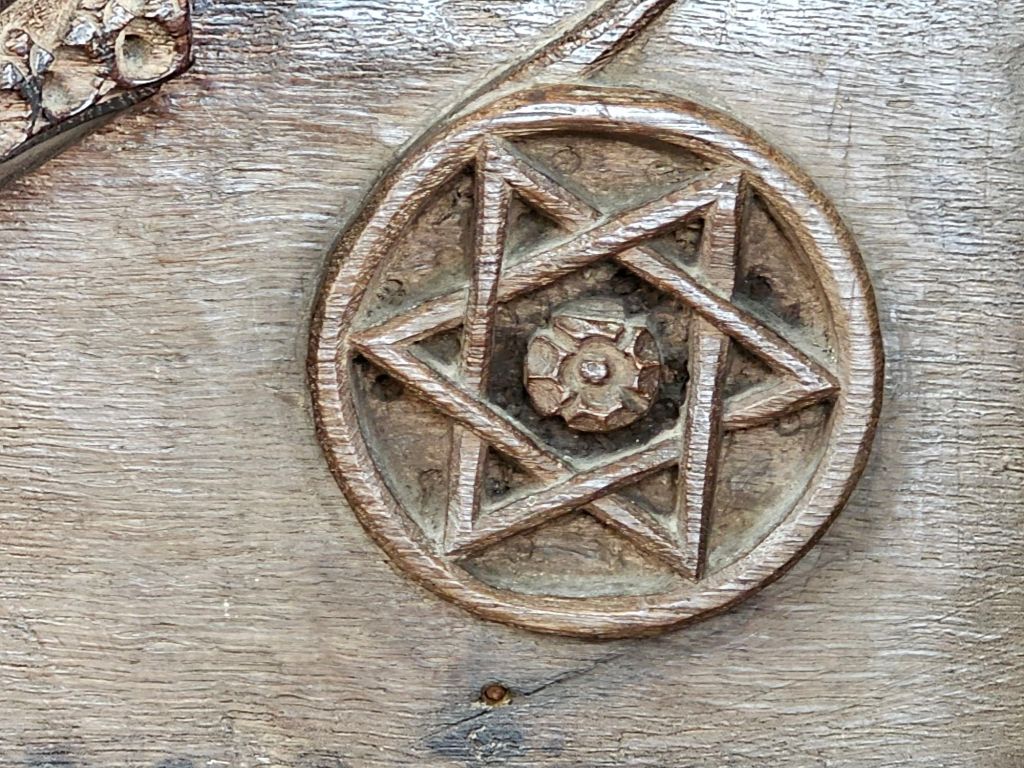
St. Botolph, Trunch
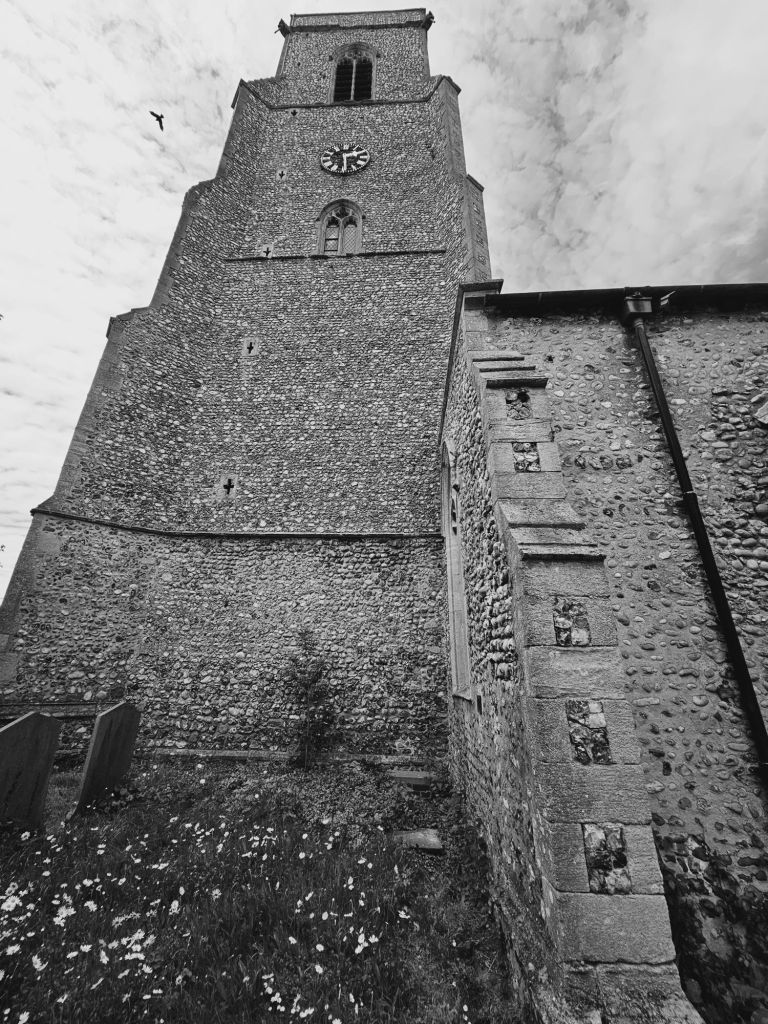
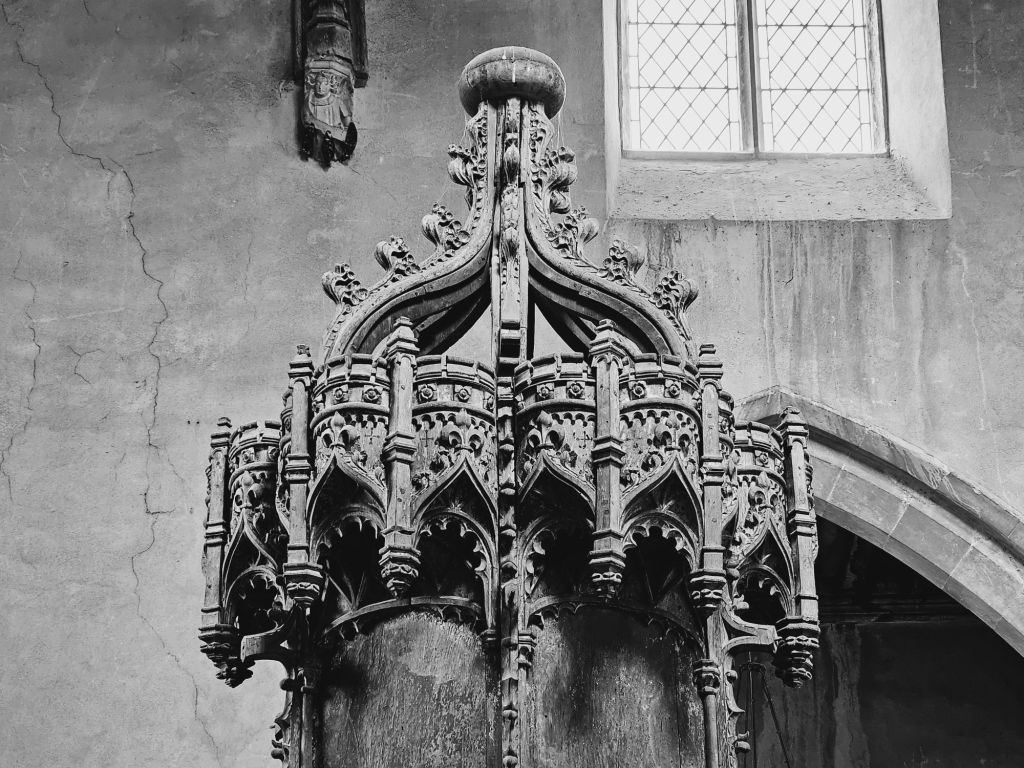
Pevsner says that ‘Trunch will always remain in one’s mind as the church with the font canopy’. Indeed. I’ve never seen anything like it (there are only three others: Norwich, Durham and Luton).
This is the church:-
And this is the canopy:-


St. Botolph, Hevingham
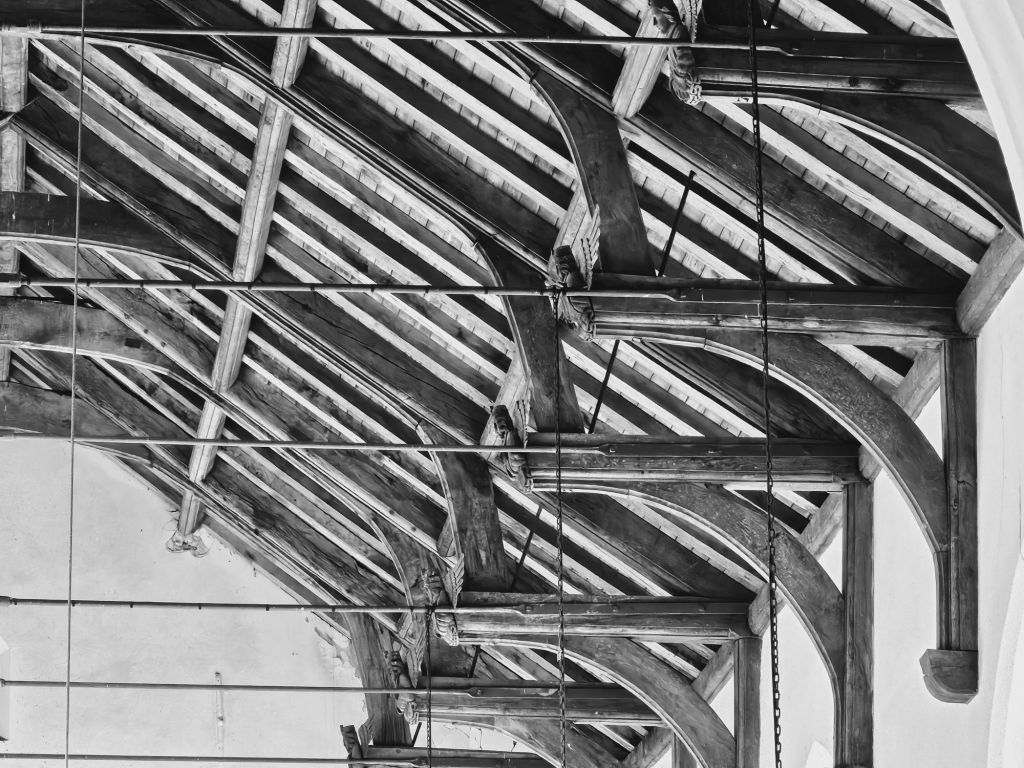
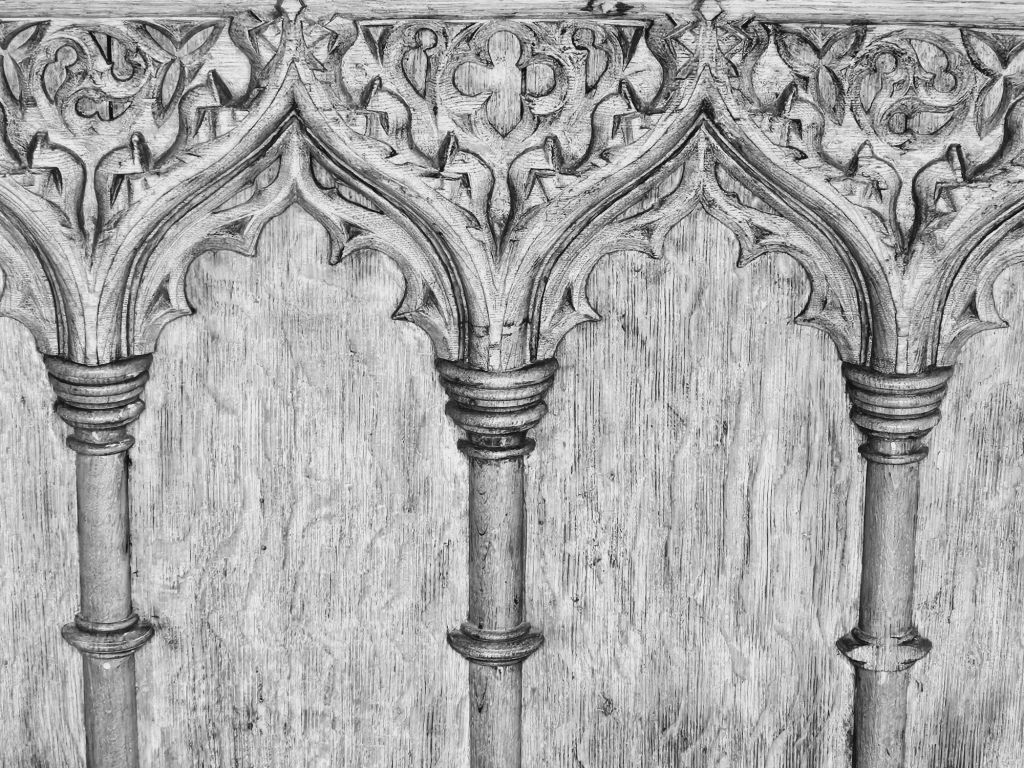
Every so often I go on a Norfolk church crawl – today totally unfamiliar, mostly unspoilt flat lands of east Norfolk with lots of medieval churches, starting with Hevingham, a bit Victorianised, but with a fine hammer beam roof and medieval stalls from the school room which used to be above the south porch:-

Stowe (4)
I spent a lovely afternoon the day before yesterday exploring the complexities of Stowe’s garden monuments with Richard Wheeler who for a long time was in charge of them and knows every inch of their history.
We started with the two garden pavilions at the entrance to the estate:-

The Rotunda:-

The Temple of Venus designed by Kent in 1731:

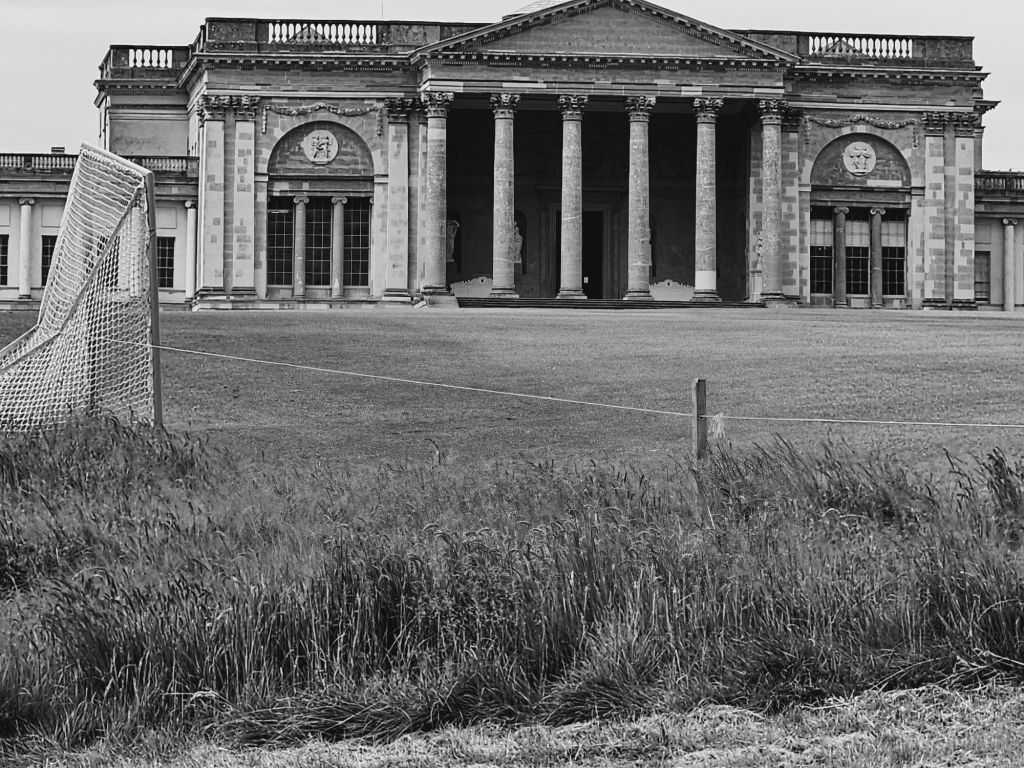
Past the School, with its main façade designed by Thomas Pitt:-
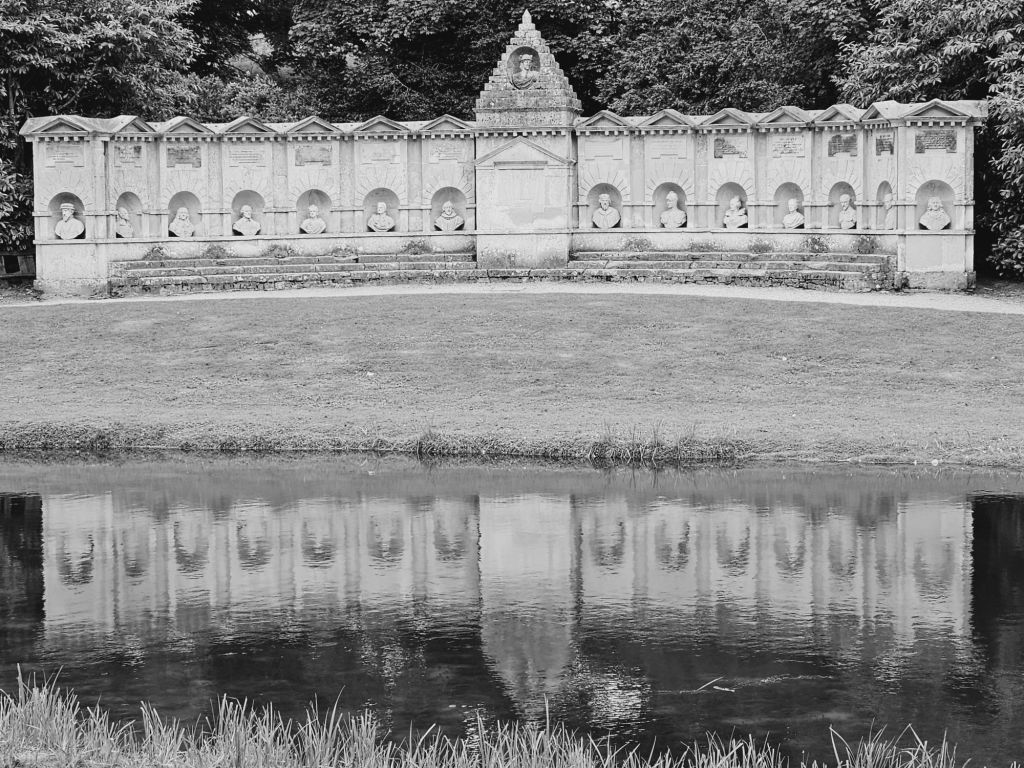
To the Temple of British Worthies:-
The Gothic Temple:-

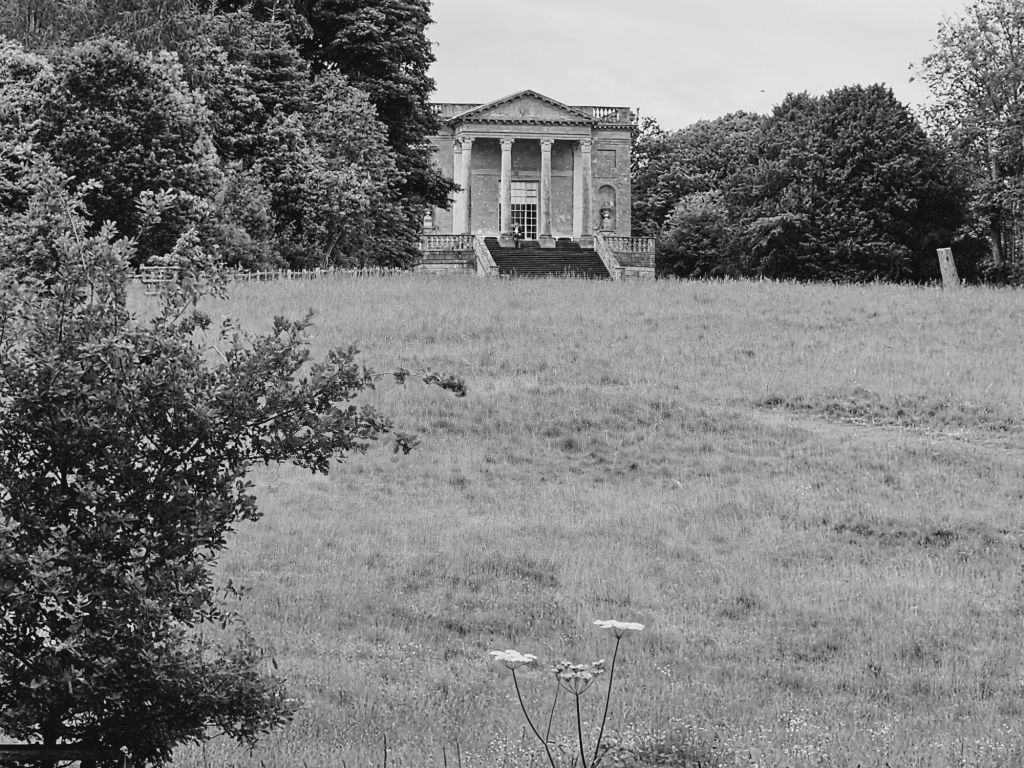
And the Queen’s Temple:-
It gave me a much better understanding of the layout of the estate – far from straightforward – and the many garden monuments.
The Garden (2)
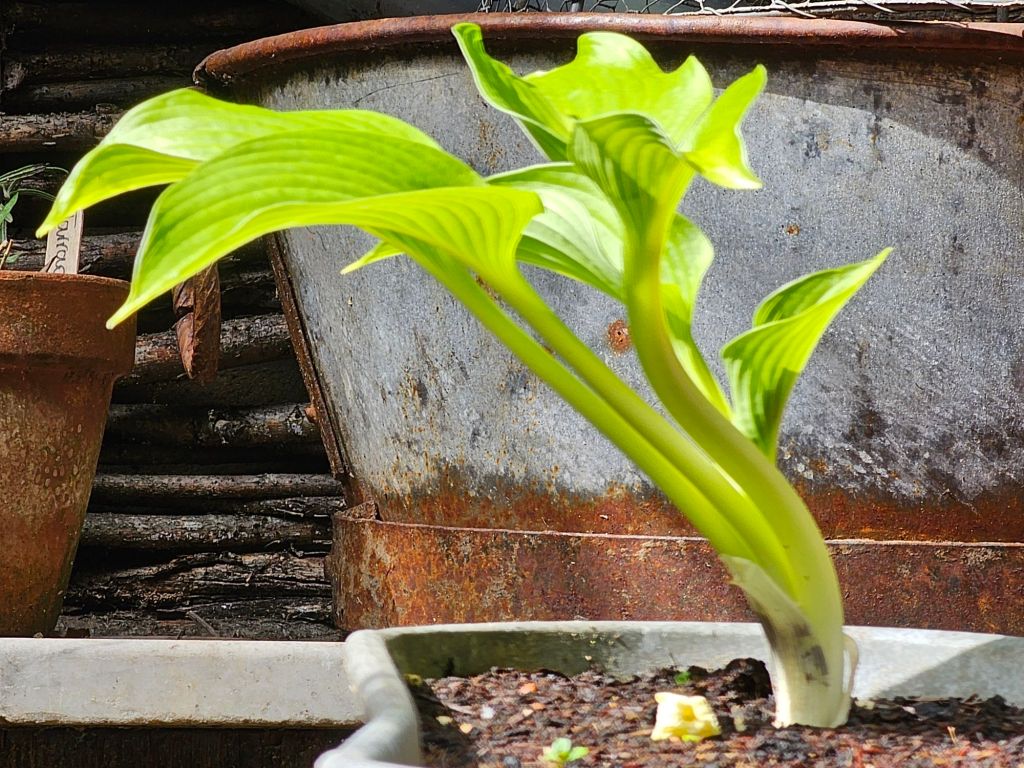
We haven’t been able to sit in the garden for the last few months – a combination of the atrocious weather and reconstruction of the verandah; but today it has come back to life:-

St. Alfege, Greenwich (2)
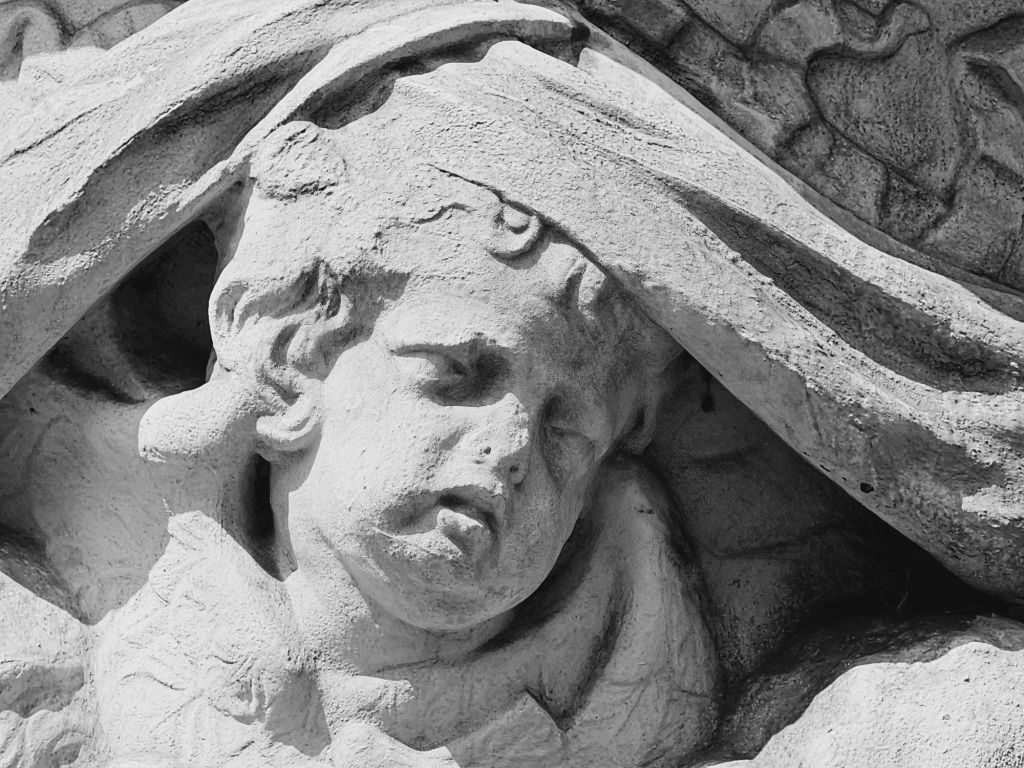
I was prompted by the very good recent book on Hawksmoor – Terror and Magnificence: The London Churches of Nicholas Hawksmoor by David Meara, a retired archdeacon – to stop and have a look at the carvings on the small circular bollards which protect the St. Alfege from the adjacent road.
The carvings are, of course, very worn – three hundred years of weather and exhaust – but are fine. Hawksmoor ? Or the free invention of stone carvers who look as if they have worked on St. Paul’s:-

 | Charles | Saumarez | Smith |
You must be logged in to post a comment.