Last night was my first chance to see the fine facsimile of the Kriophoros which used to stand in the entrance hall of the Warburg Institute, borrowed by Gertrud Bing from Wilton House in 1957, but returned in 2007.
The facsimile will stand in the new entrance hall as reconfigured by Haworth Tompkins, when it reopens in October:-
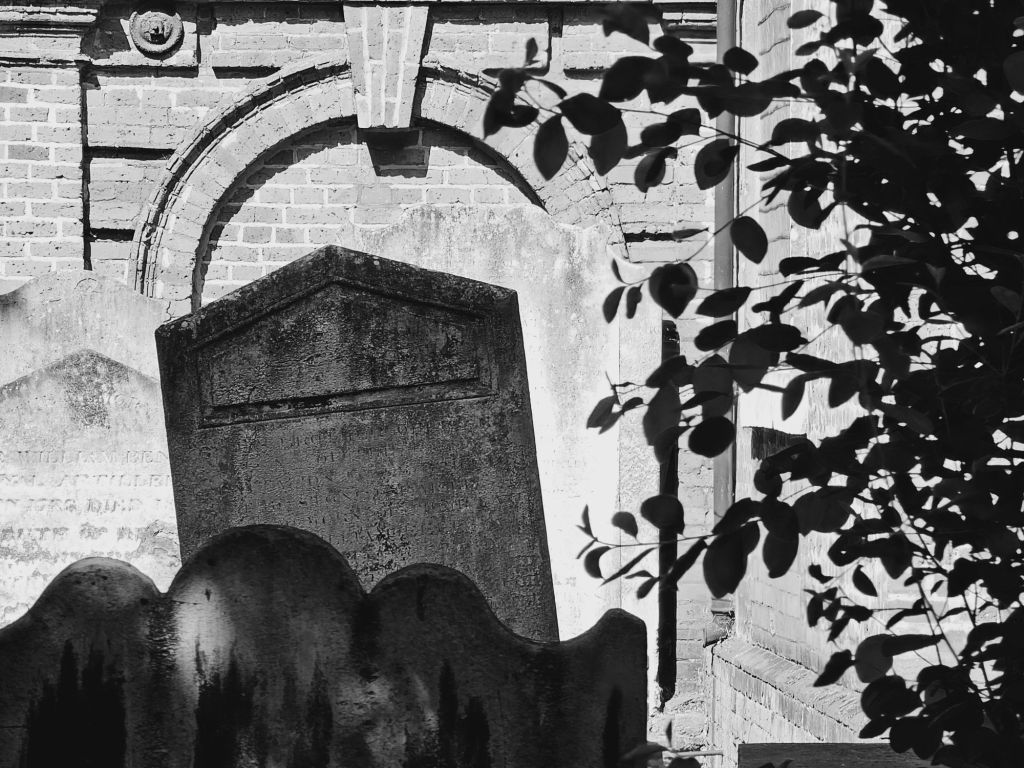
I bicycled to St. Luke’s, Charlton (between Greenwich and Woolwich) to see the tomb of Brigadier Richards, a friend and neighbour of Vanbrugh and recipient of the Duchess of Marlborough’s long letter of complaint about Vanbrugh’s malpractices at Blenheim, which caused Vanbrugh to resign in November 1716.
The church is just to the north of Charlton House and dates from the 1630s:-
It must have been a prosperous suburb in the early eighteenth century, attracting at least two prominent figures associated with Vanbrugh – James Craggs, the Postmaster General, who the Duchess of Marlborough blamed for recommending Vanbrugh as architect for Blenheim:-
And Brigadier Richards, who had been Commander-in-Chief on an expedition to Newfoundland in 1696 and, after serving in the army under the Duke of Marlborough at Blenhein and Ramillies, was appointed Surveyor of the Ordnance to King George I. He may have been involved in the design of buildings for the Royal Arsenal in Woolwich.
His monument is pretty elaborate, attributed to Guelfi:-
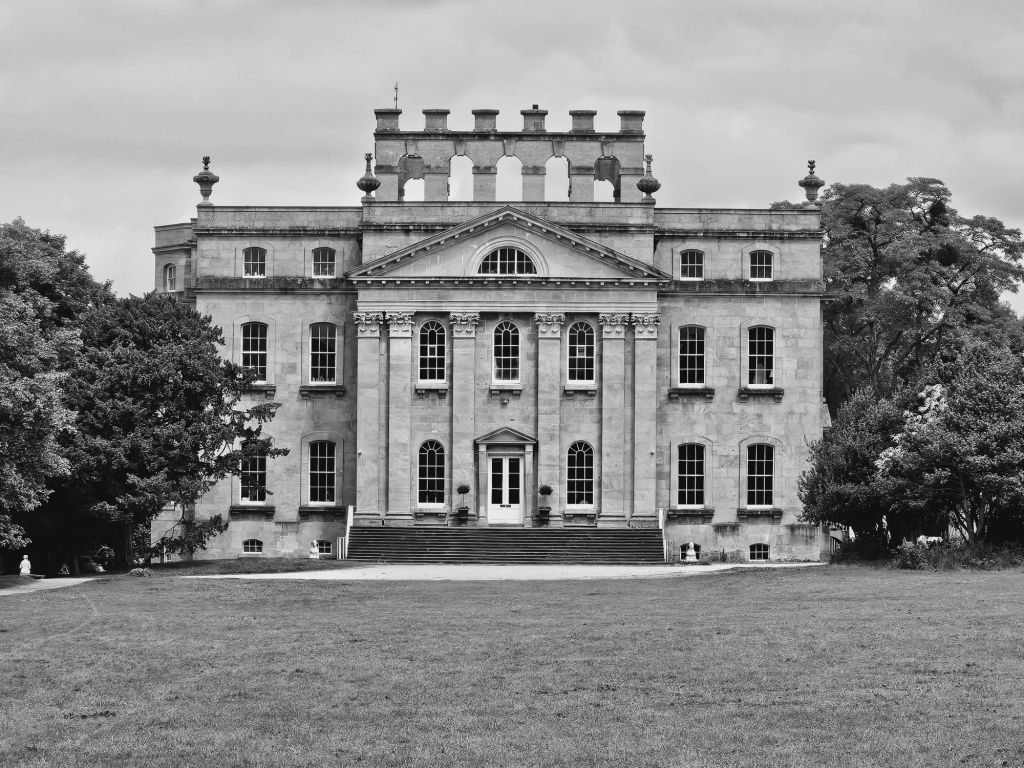
I went on a day trip to see and study King’s Weston, one of Vanbrugh’s less familiar houses, although important as dating from 1711 when work on Blenheim had pretty well stopped.
It’s a curious mixture of conventional façades, but with Vanbrugh’s characteristic tweaks, including the urns on the parapet and the brilliant, but idiosyncratic arcaded chimneys on the roof:-
I was asked to review the new and very beautiful book on the work of Carlo Scarpa with its wonderfully meticulous photography by a Turkish architect photographer, Cemal Emden, as good an architectural photographer as any I know because so interested in the nature of architectural construction, details and form:-
Having now listened to the ninth and final episode about the thefts at the British Museum, I am left with one very obvious question.
If it is as clear as it appears to be that the thief is Peter Higgs, the former acting Keeper of the Department of Greek and Roman Antiquities, then why hasn’t he being prosecuted ? And why is the museum itself having to launch civil proceedings ? If theft in a senior position in a government funded institution does not lead to prosecution, then what hope is there for the law ?
I know that the man who stole Goya’s portrait of Wellington from the National Gallery was only prosecuted for damage to the frame, but does this mean there is some kind of immunity from prosecution for theft of works of art, providing they are not damaged ?
Of course, the police refused to intervene when half the senior civil service and the Prime Minister himself was breaking the law in 10, Downing Street. Even now, I’m not sure anyone was prosecuted except for the poor people who were copped for having drinks with friends.
We were sent a link to the series of radio programmes on the thefts at the British Museum (as below) which make for fascinating listening, partly because Dr. Ittai Gradel, the Danish antiquities dealer who reported the thefts talks so interestingly about how he worked out who was selling them – not so difficult once he realised that the putative thief had supplied his home address and used his regular twitter handle as his alias.
It is a bizarre and horrifying story, much worse than it was originally possible to imagine. Not quite enough on the psychology of in-house theft. It seems strange that it wasn’t noticed since the thefts were so extensive and the thief made so few efforts to cover his tracks, as if willing himself to be caught.
I was reading about Rex Whistler this morning and discovered that his talents were spotted early by winning annual prizes in the competitions organised by The Royal Drawing Society. It was the first I had heard of it.
It was apparently established in 1888 with the support of artists including Lord Leighton and Sir John Millais to promote drawing in schools. It was recognised that children can draw before they can write and that teaching drawing promotes both perception and memory. There were certificates which were won not just by Rex Whistler, but many artists of the early twentieth century until the competitions came to an end in the 1960s.
As I watch the City of London being torn down and vast new office blocks are built at a time when big companies are downsizing, I can’t help wondering what is going to happen to the older office blocks which the big international firms don’t want.
A friend has pointed me in the direction of a recent New Yorker article and although I don’t have a subscription, I was able to read it as my one free article this month.
If you are able to open the attached article in the Daily Telegraph, it is a sensible, moderate critique of the decision to demolish the old Museum of London. It may not be the end of the world, but it is symptomatic of an attitude of mind which is disdainful of history and the environmental consequences of demolition.
The weird thing is that Bastion House is the best surviving monument of the Brave New World of the City Fathers of the 1970s, only one generation, maybe two generations ago.
In fifty years time, their successors will look at the complete idiocy of the current generation.
So dim of them not to have paid attention to their past. So idiotic of them not to have paid attention to the future.
Tonight, there was a party to celebrate the 75th. anniversary of the foundation of Thames & Hudson: a remarkable publishing house which contributed substantially to my – and my generation’s – art historical education.
My first memory of Thames & Hudson books was big photographic books which my parents owned, including Martin Hürlimann’s book on English Cathedrals; Michael Levey wrote Giotto to Cézanne, published in 1962; I still use and refer to Kerry Downes’s Hawksmoor, published in the World of Art series in 1969. They were accessible and affordable, illustrated throughout, unlike the posher books published by Phaidon.
I also owe them two great debts of gratitude – for publishing my book on East London in 2017 and The Art Museum in Modern Times in 2021.





 | Charles | Saumarez | Smith |
You must be logged in to post a comment.