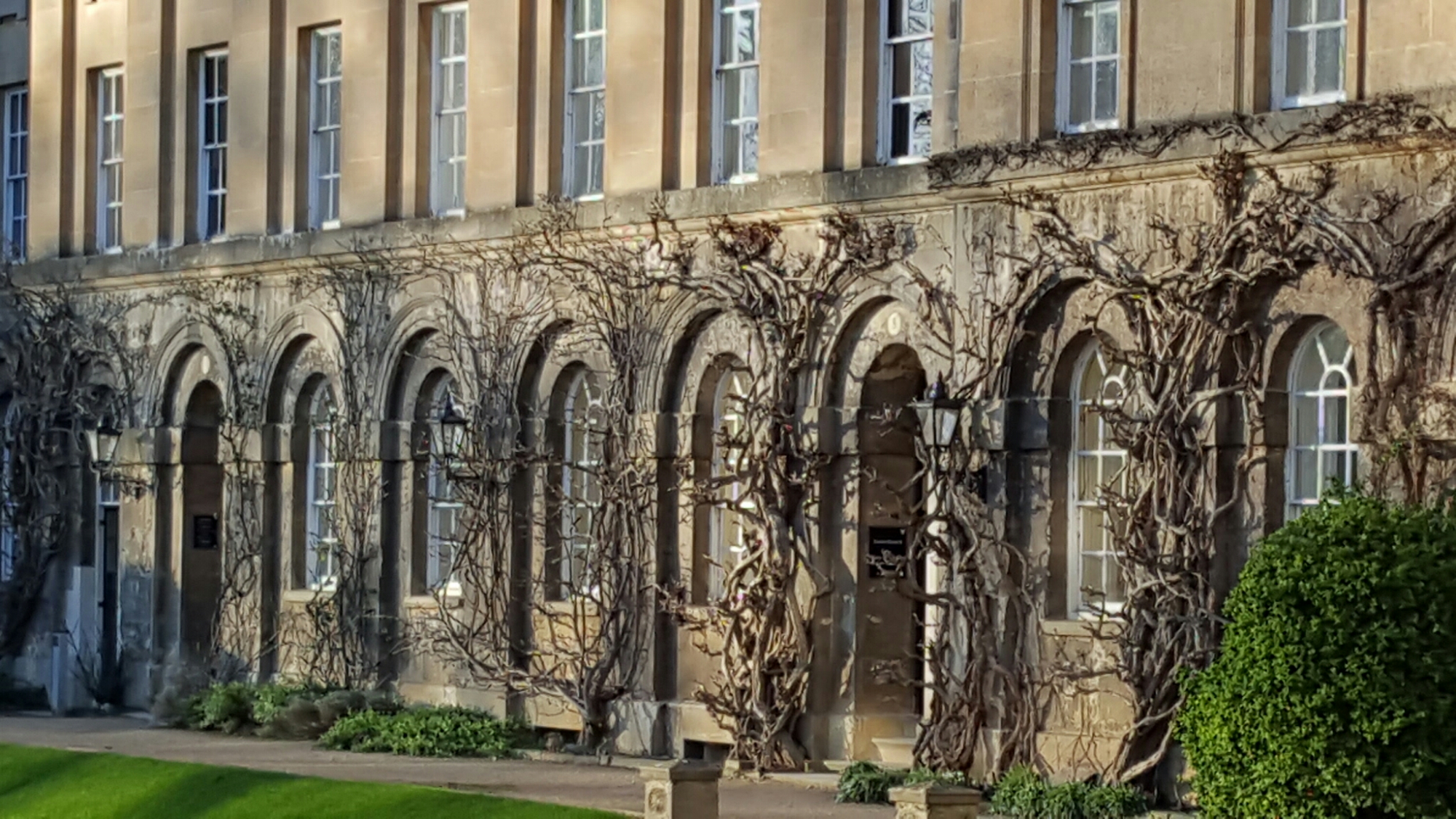
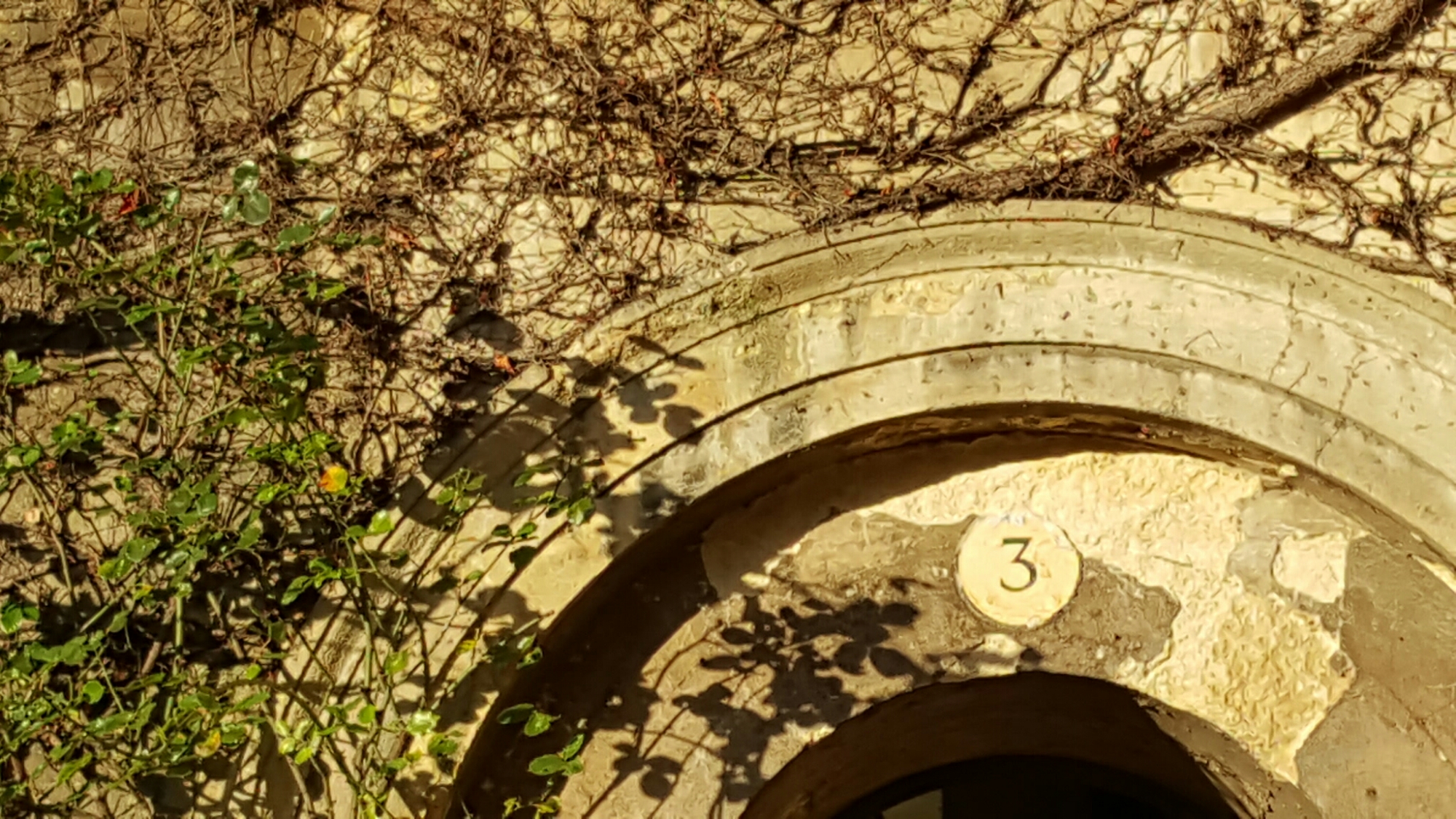
I called in at Worcester College, one of my favourite of the Oxford colleges because of its sense of survival as an eighteenth-century ensemble, designed by Dr. George Clarke, a Fellow of All Souls, MP for Oxford and extremely knowledgeable amateur architect. He did it with help from Nicholas Hawksmoor:-
Radcliffe Observatory
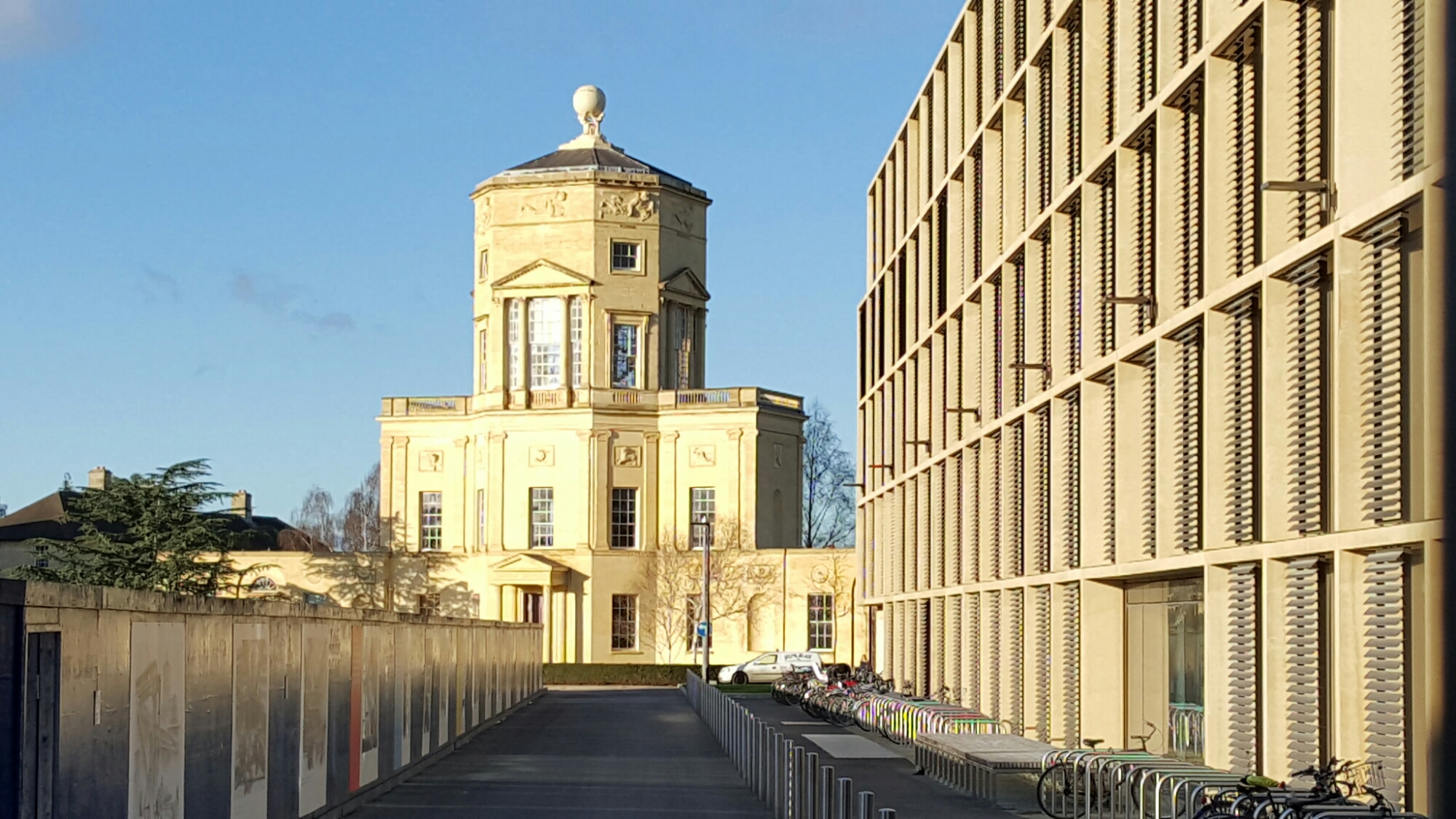
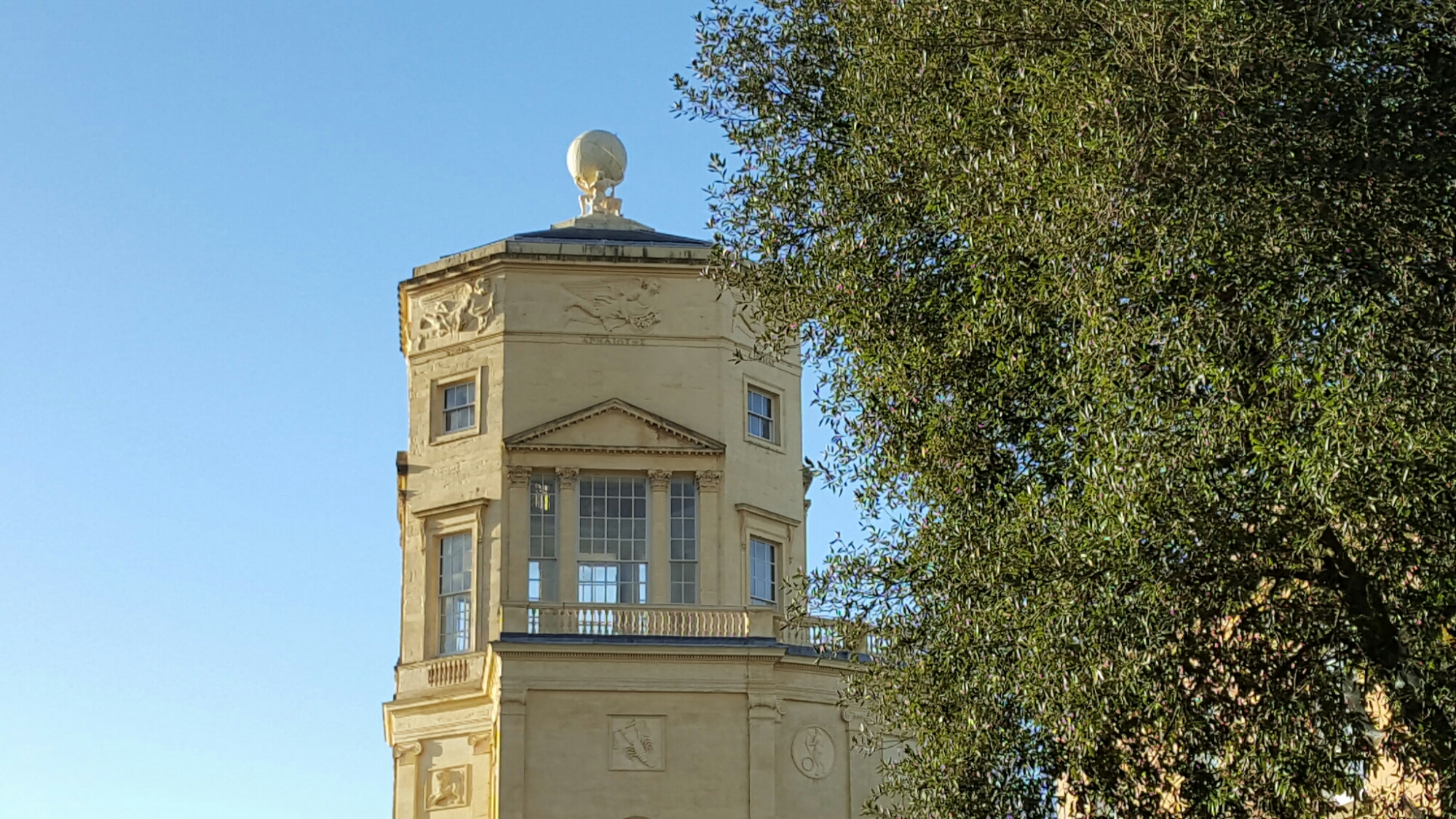
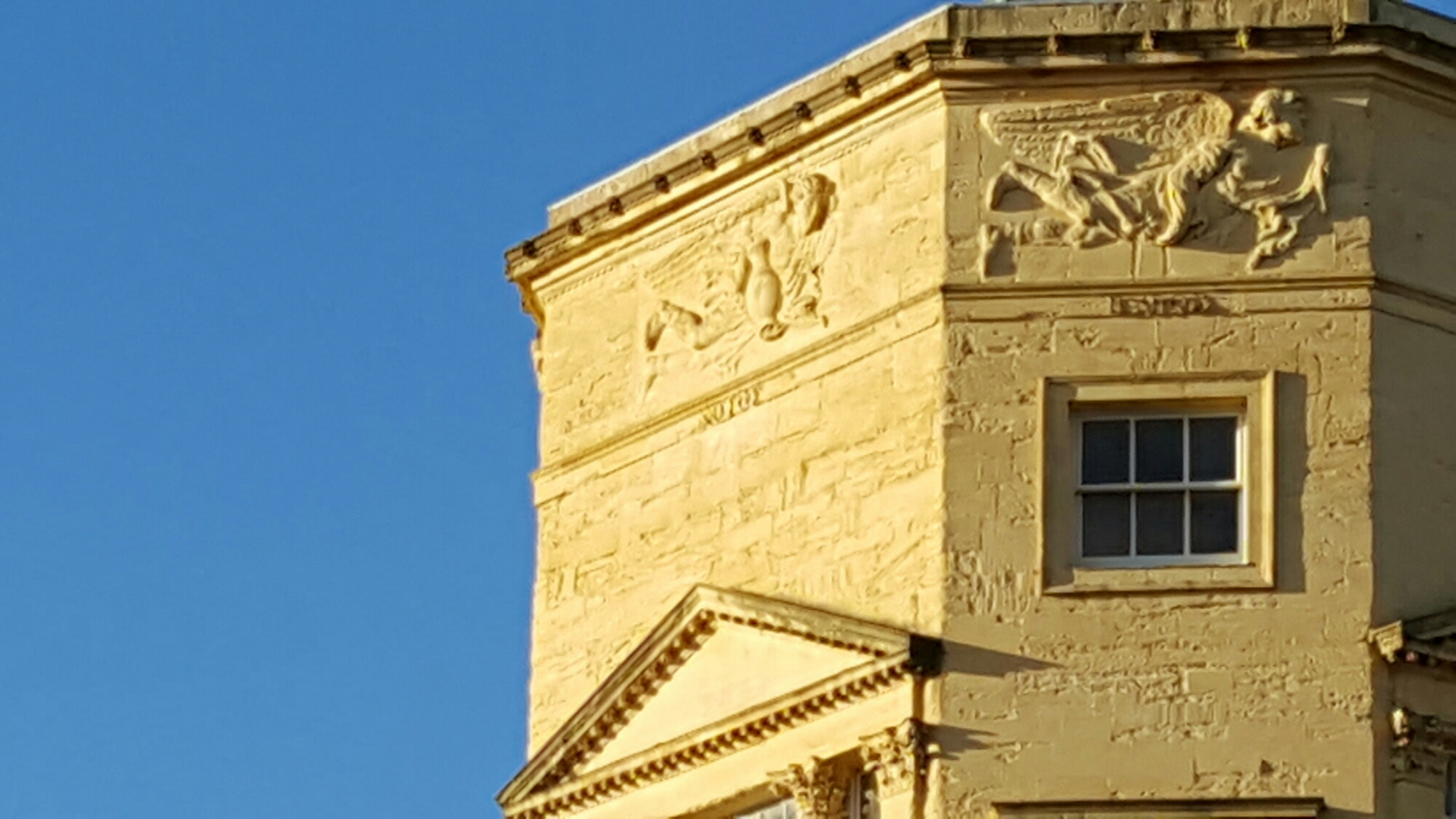
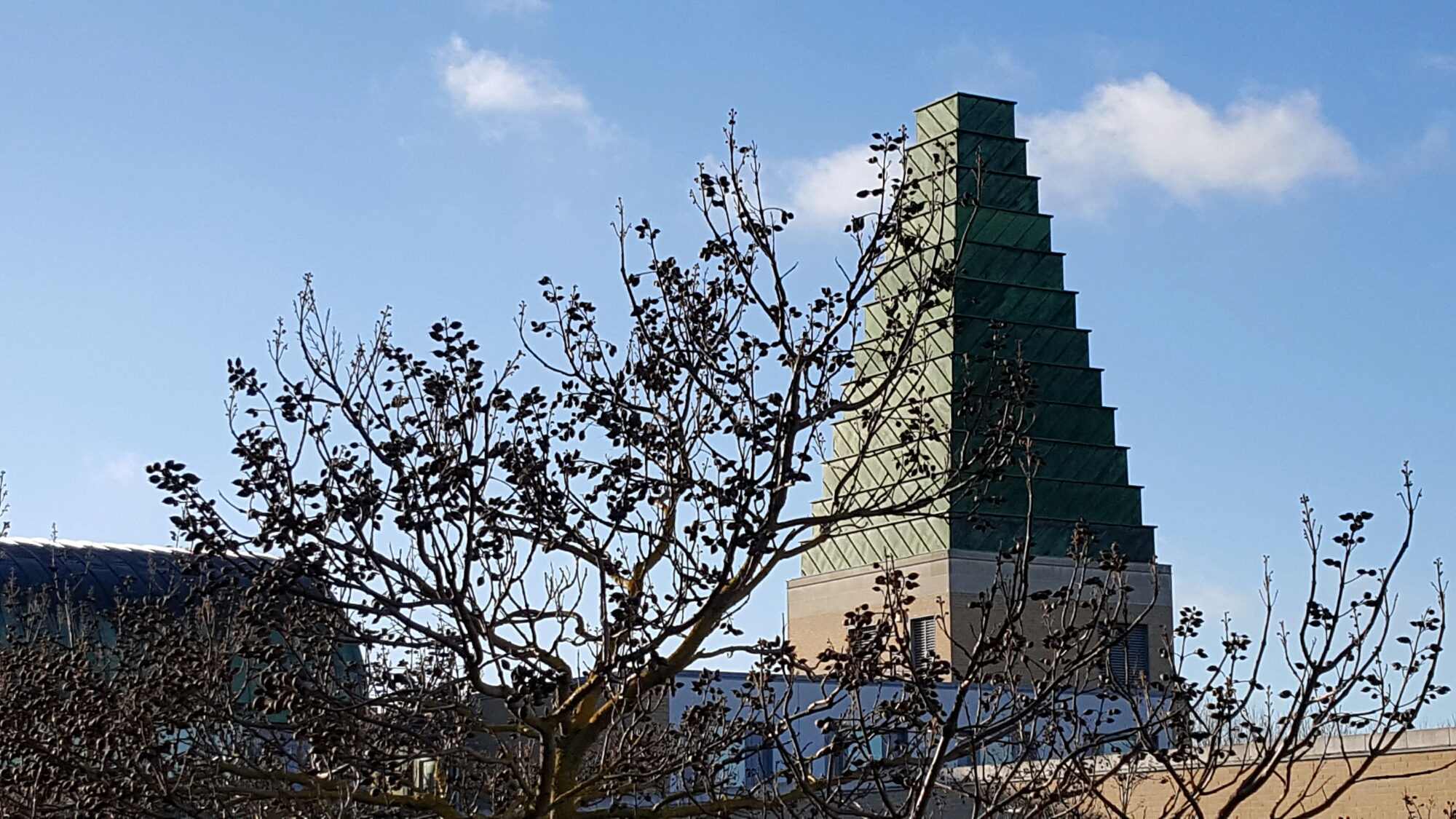
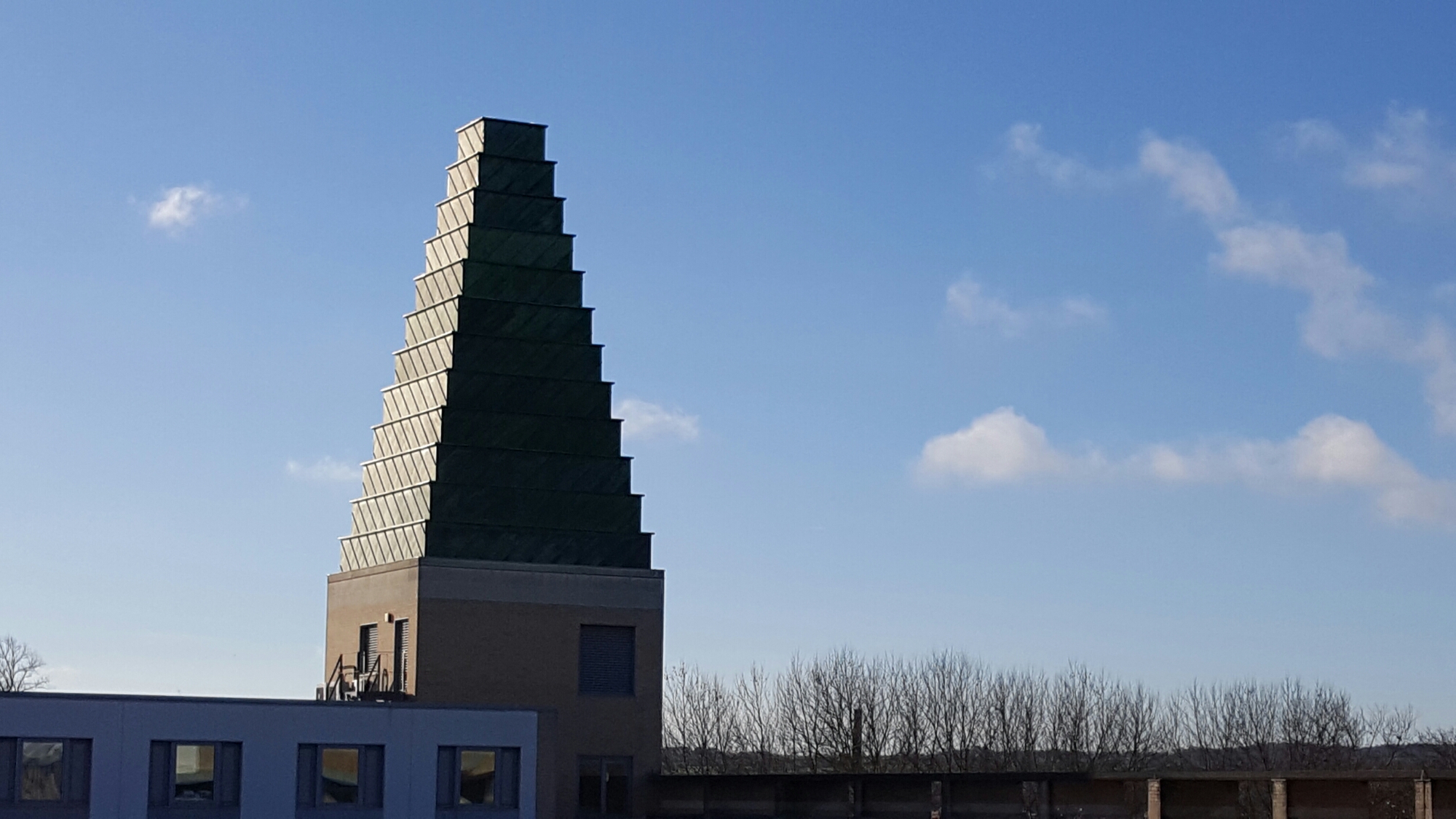
I don’t remember ever having seen the Radcliffe Observatory before. The original design was by Henry Keene in 1772, but it was then redesigned by James Wyatt, a remarkably fine building now much more visible owing to Viňoly’s development of the Infirmary site. It’s very obviously based on the Temple of the Winds:-
Investcorp Building
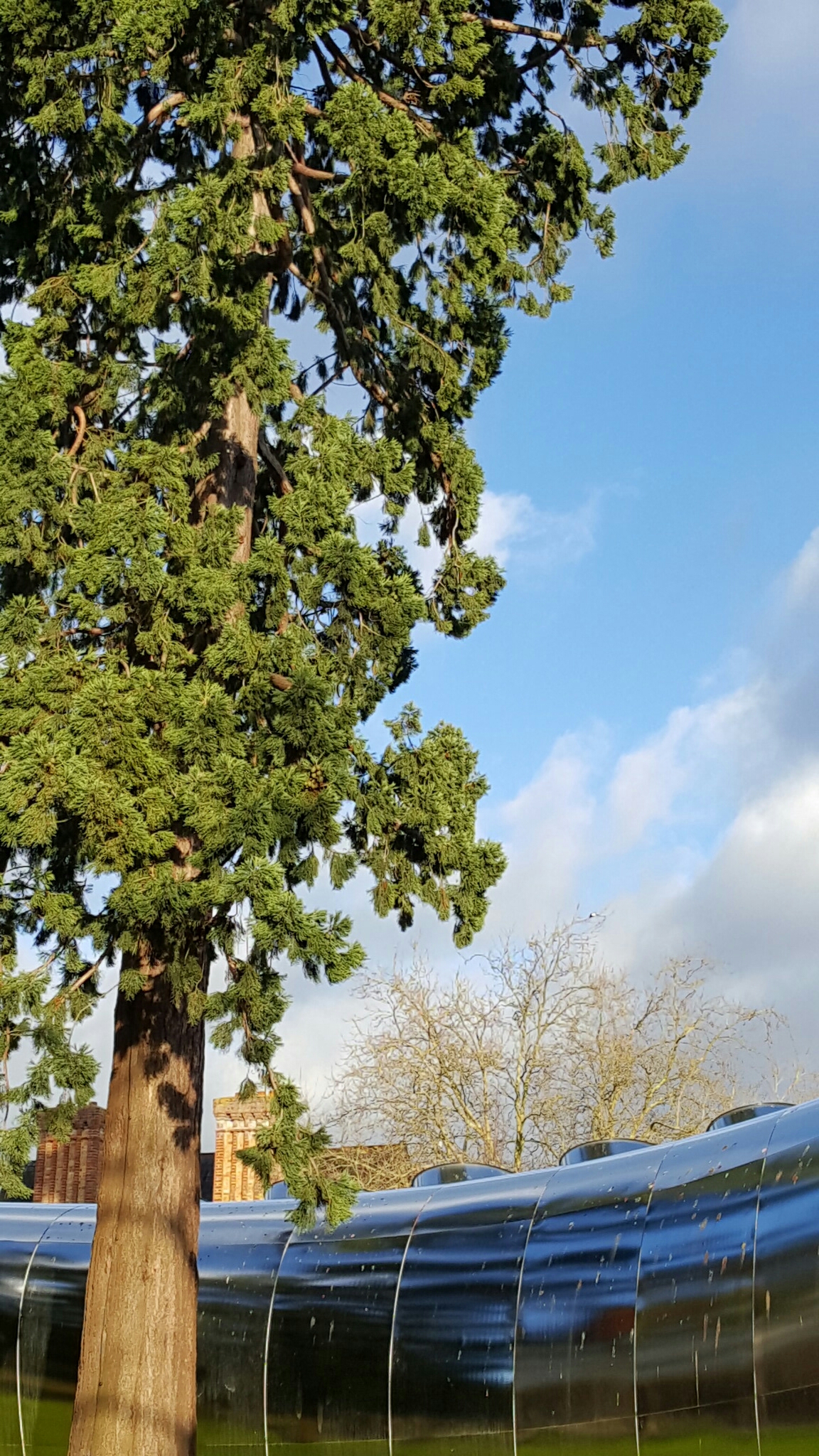
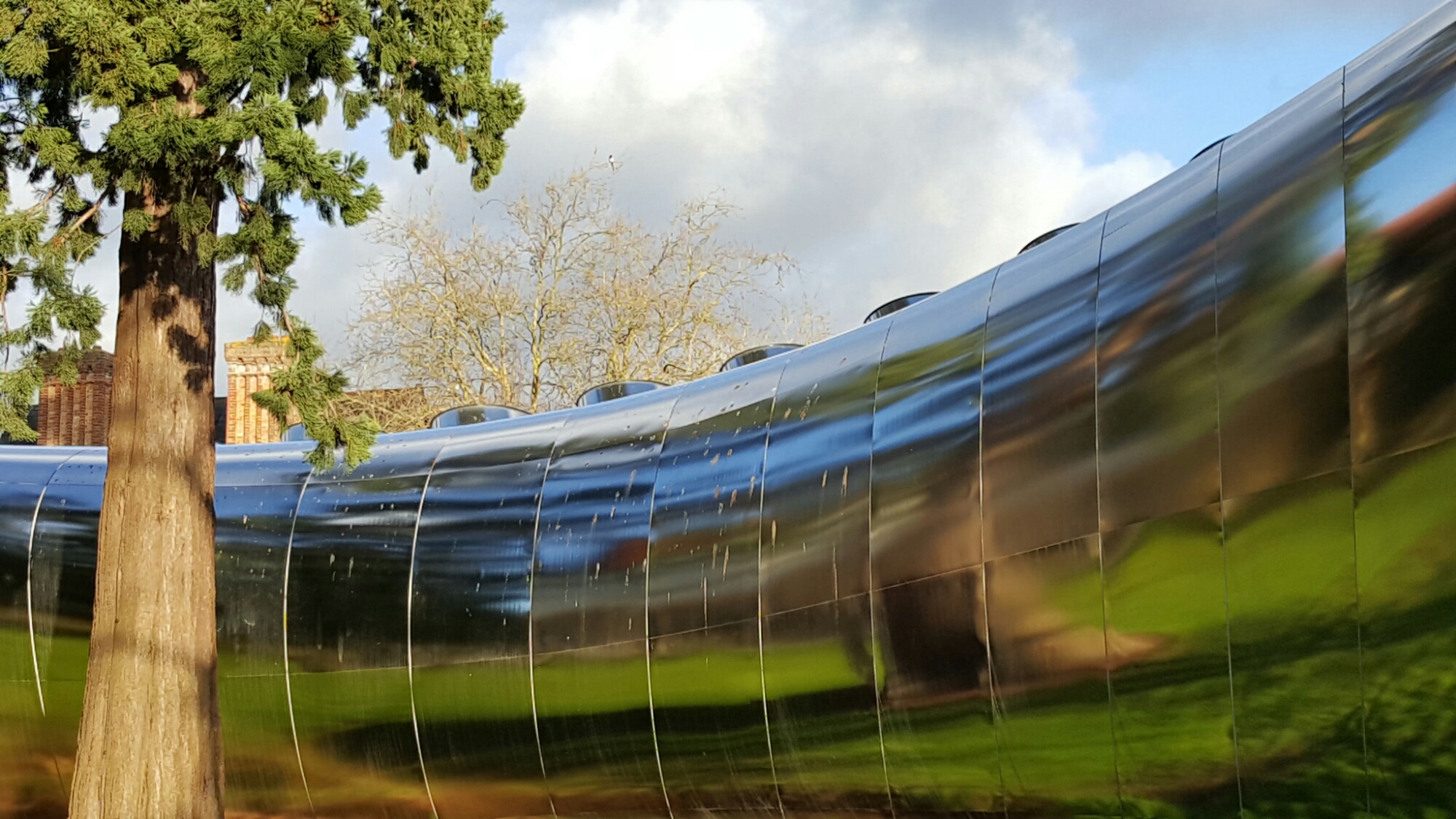
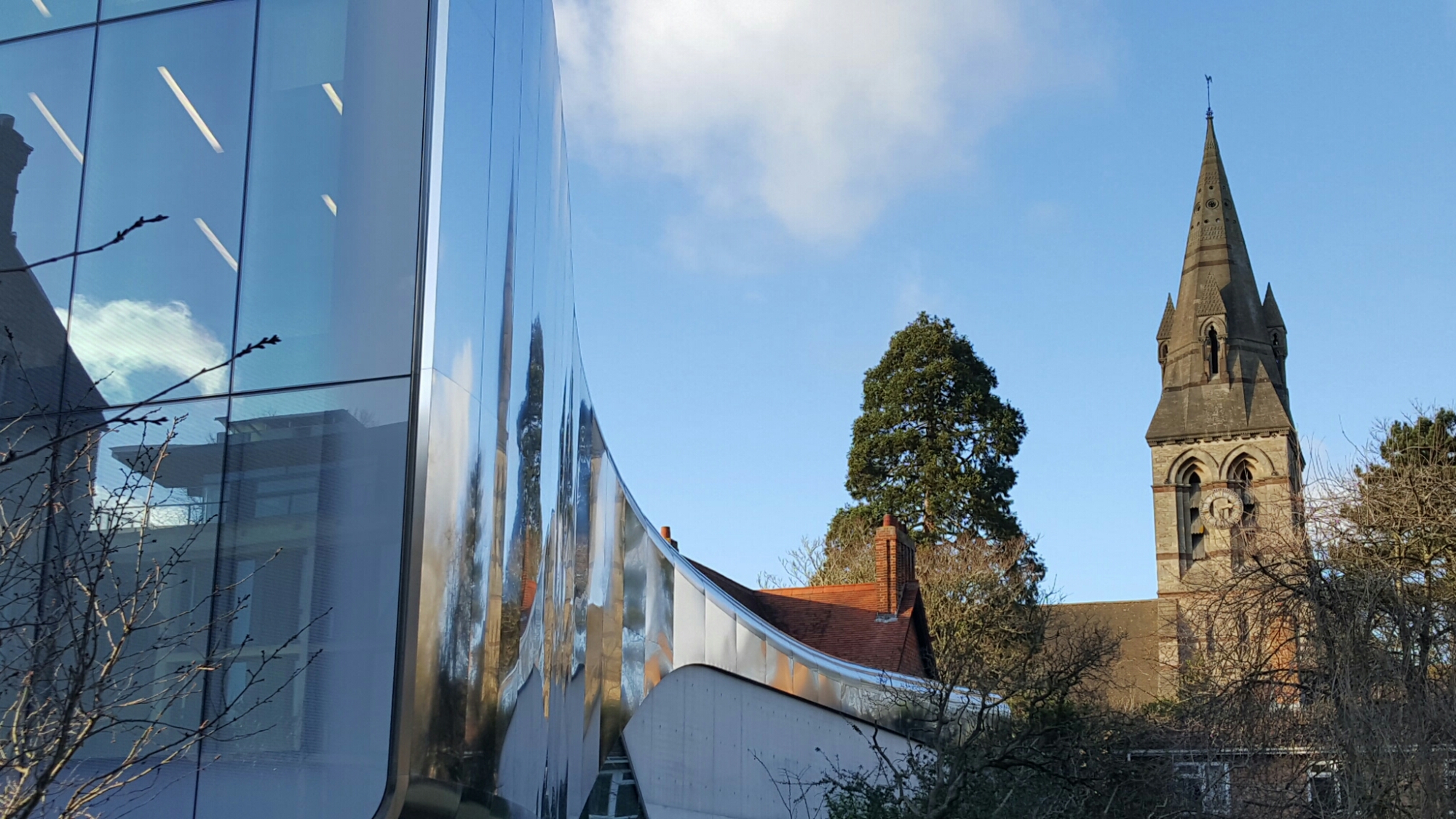
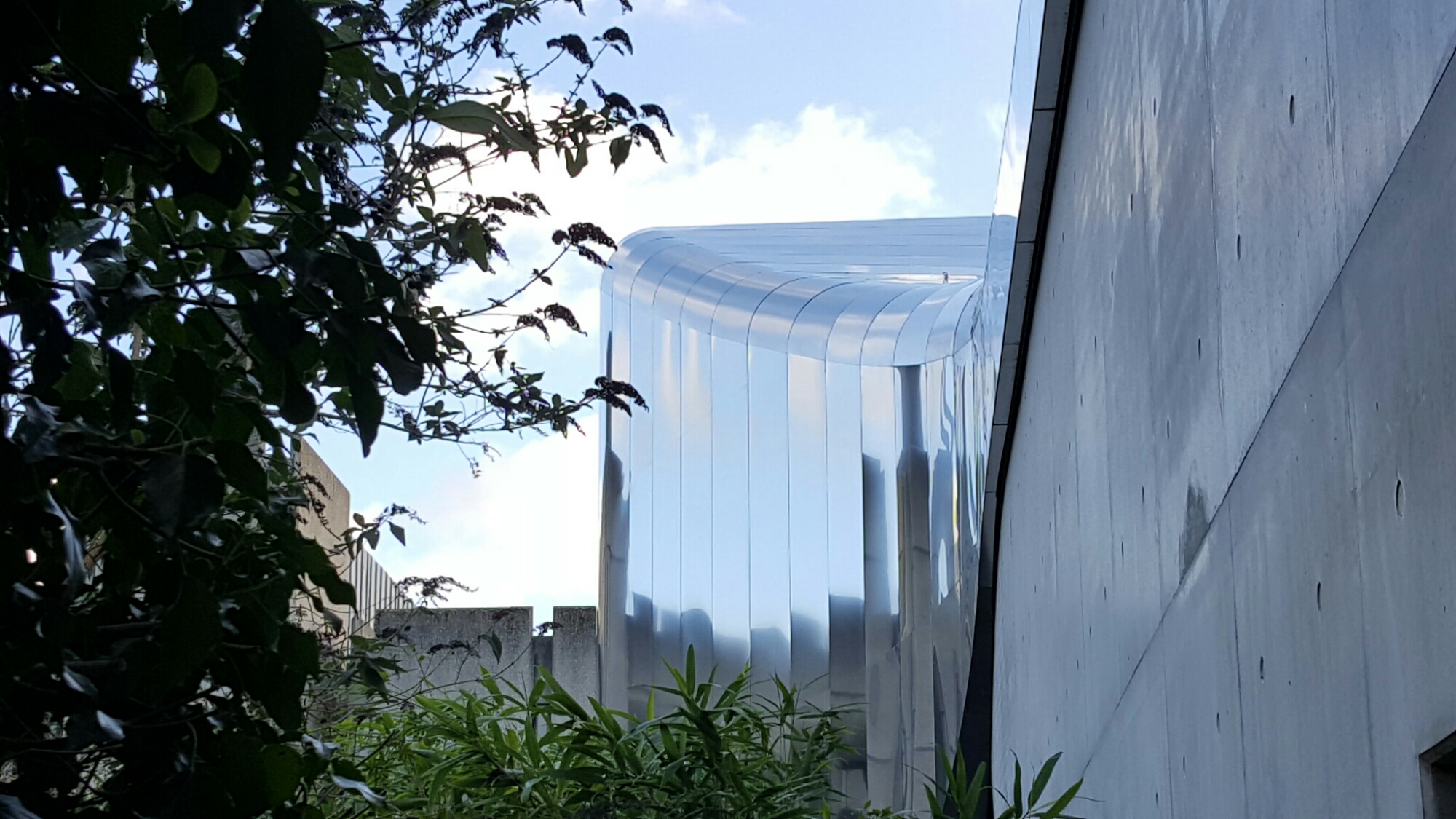
I was tipped off that it was worth walking up the Woodstock Road to see the new Zaha Hadid building, which is a smooth silver sheath attached on the north side of St. Antony’s College to house its Middle East Centre. It is indeed a surprising building, tucked into the Victorian buildings of north Oxford:-
Trinity College Chapel
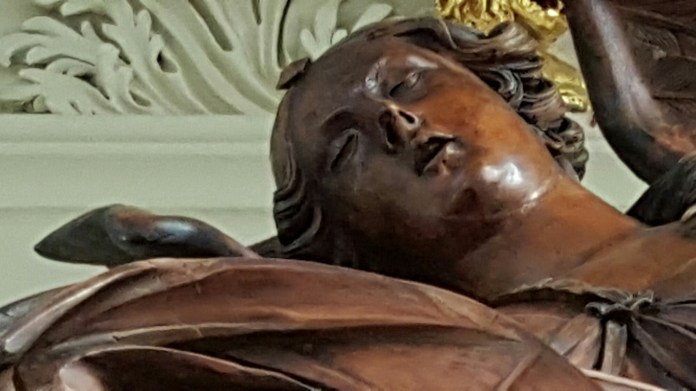
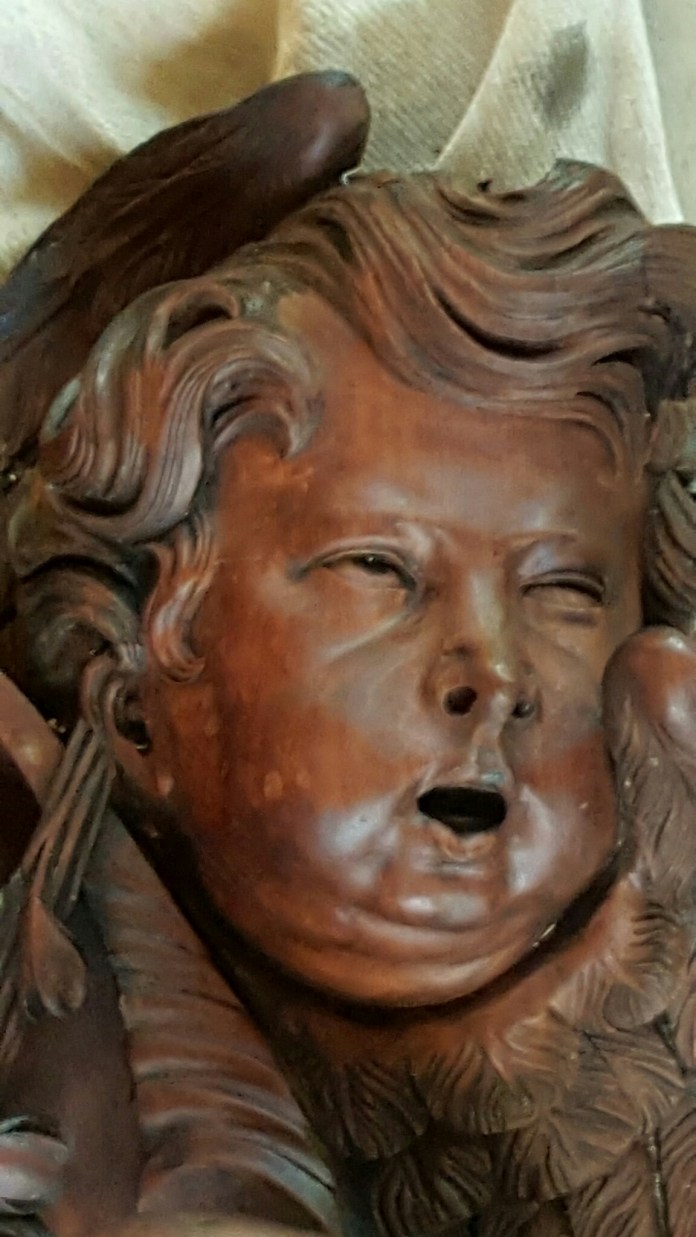
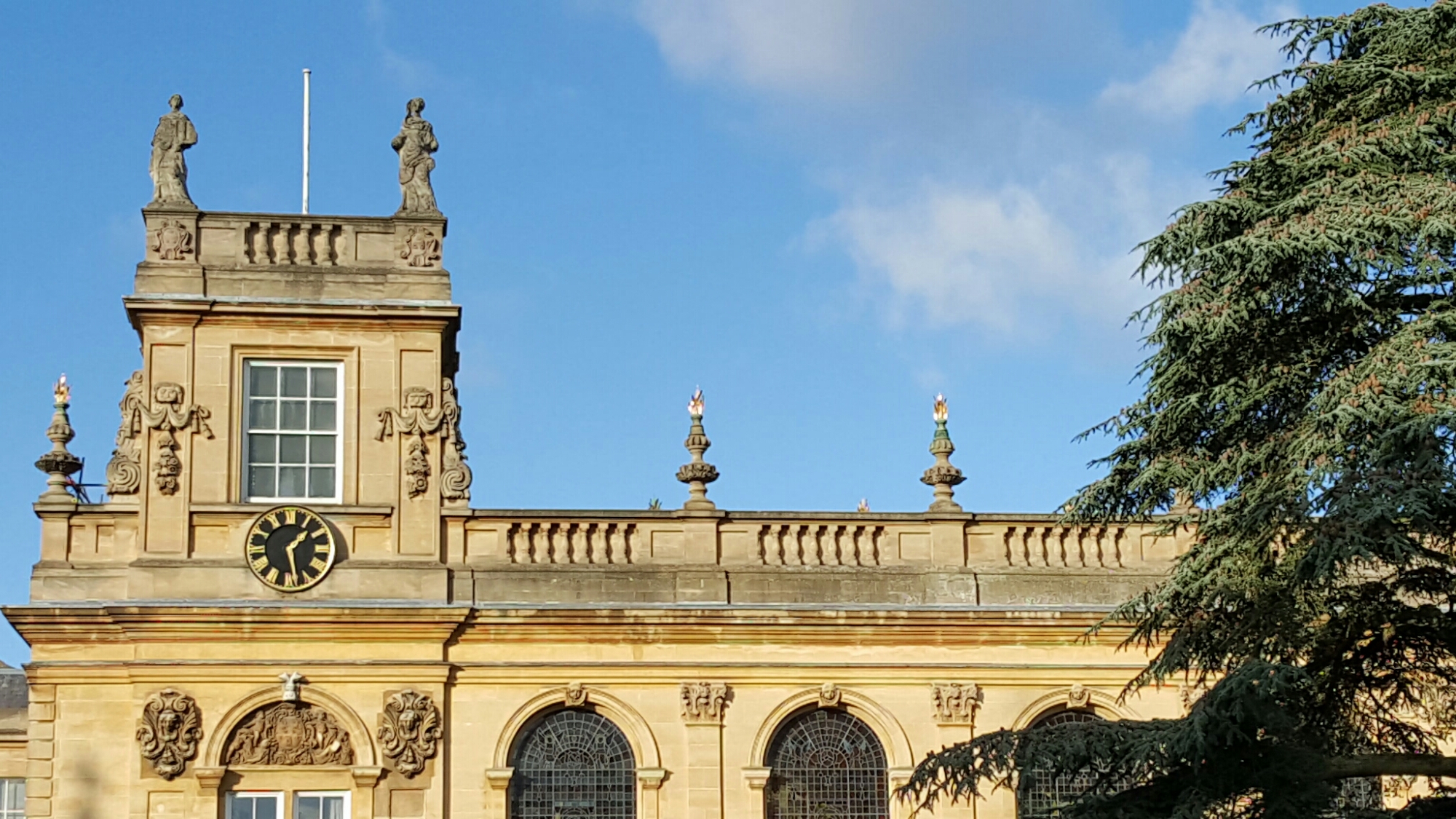
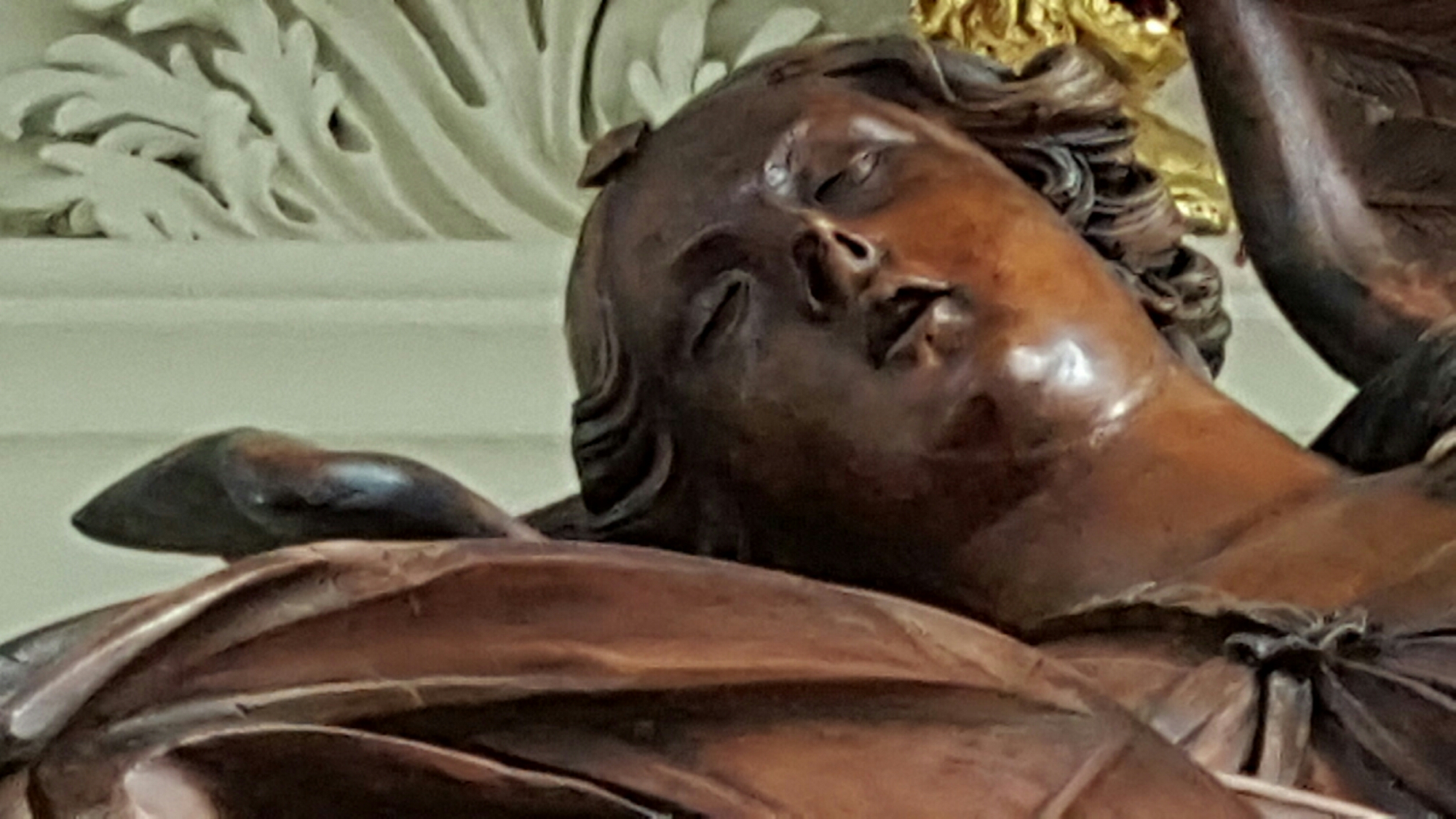
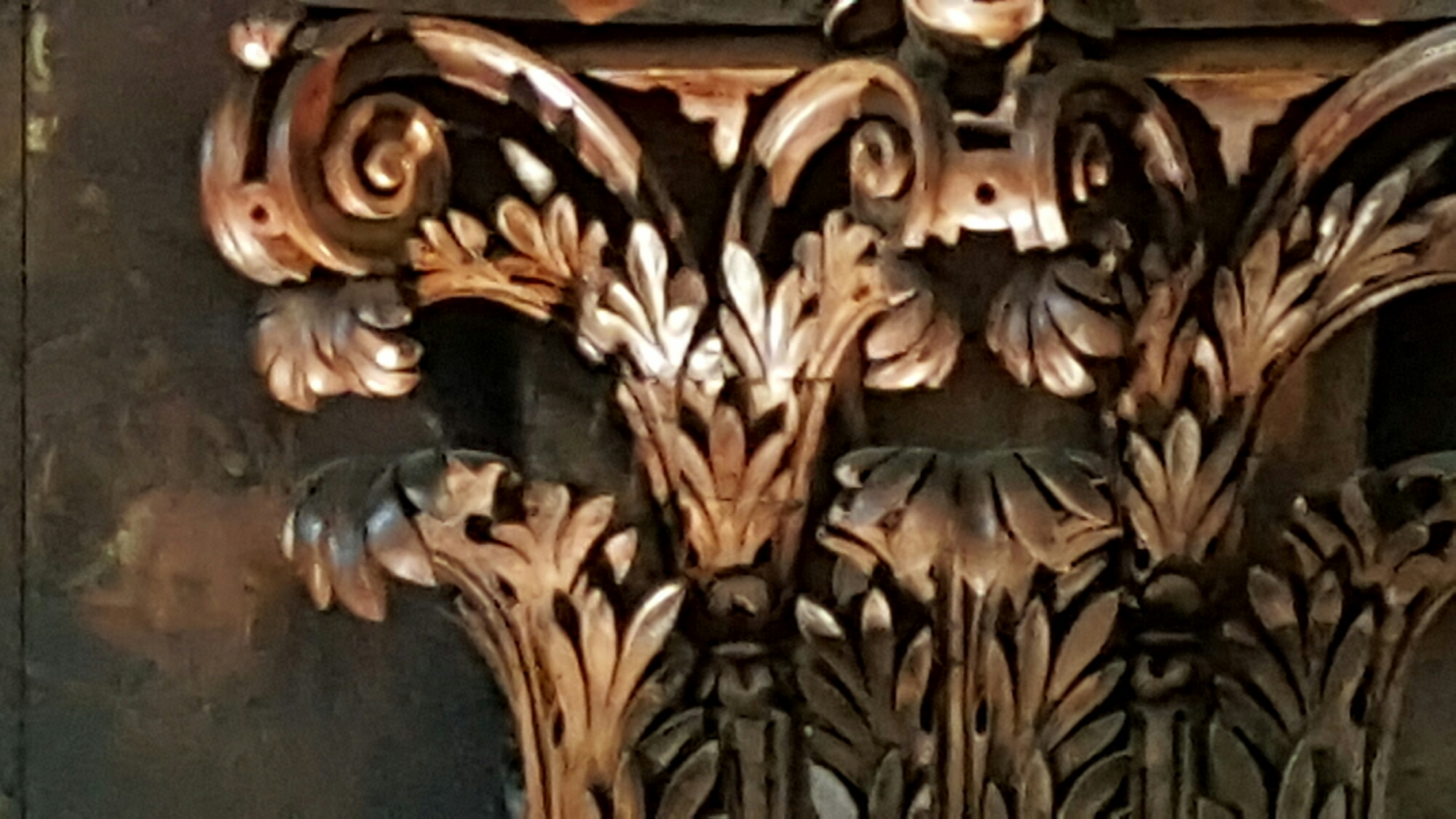
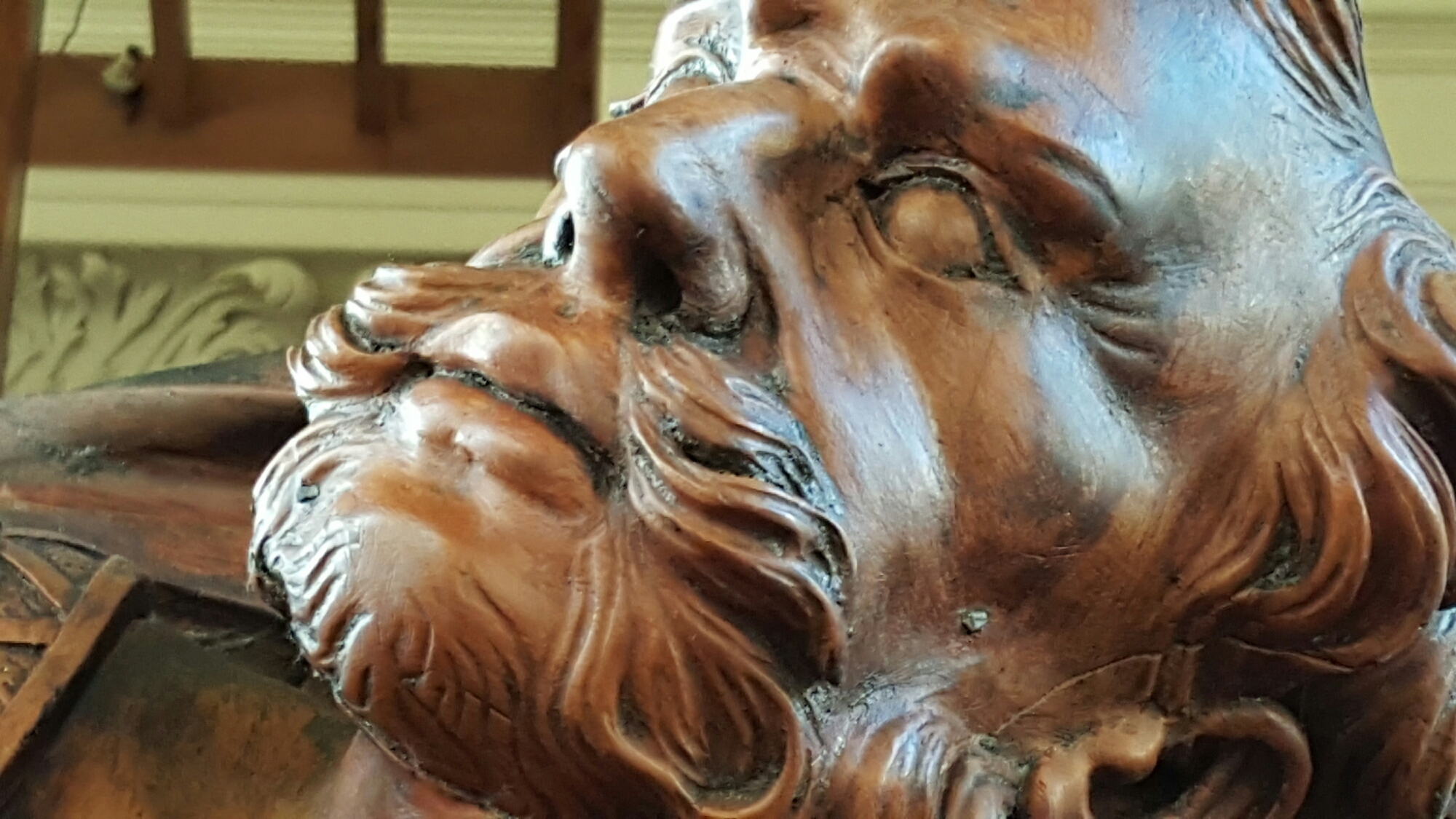
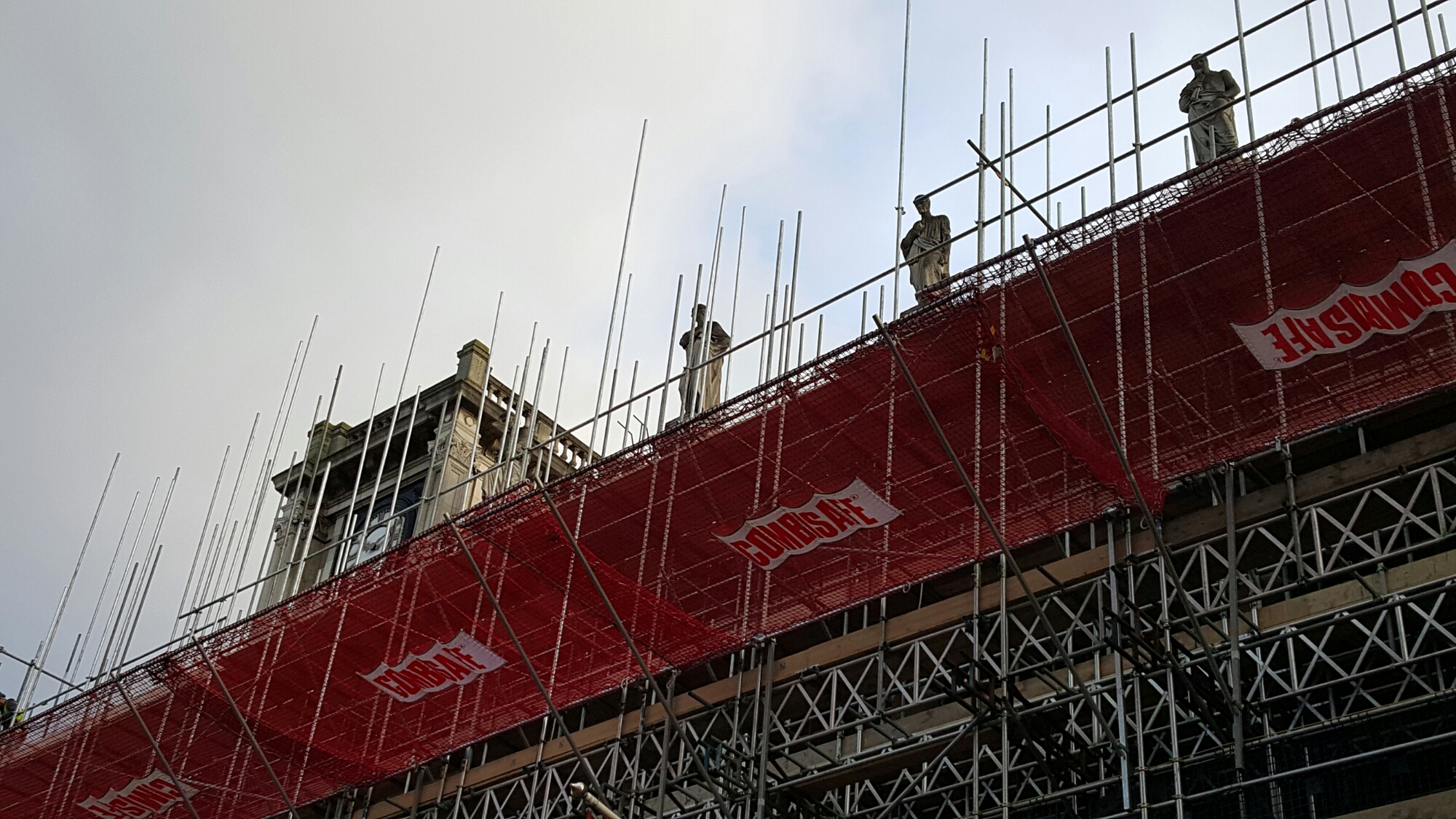
As we were having lunch in the Ashmolean, we were asked if we would like to see the Grinling Gibbons carvings in Trinity College chapel close up. Of course. It’s not known who designed the Chapel. It used to be thought to be by Wren or Dean Aldrich, but the key person was Ralph Bathurst, who helped found the Royal Society, was chaplain to the King and became President of Trinity in 1664. He commissioned Wren to design a new building in 1665, but work on the chapel only began in 1691. He was a vigorous fundraiser, lamenting that a potential donor had gout in her right hand ‘which the Scripture makes to be the Giving Hand’:-
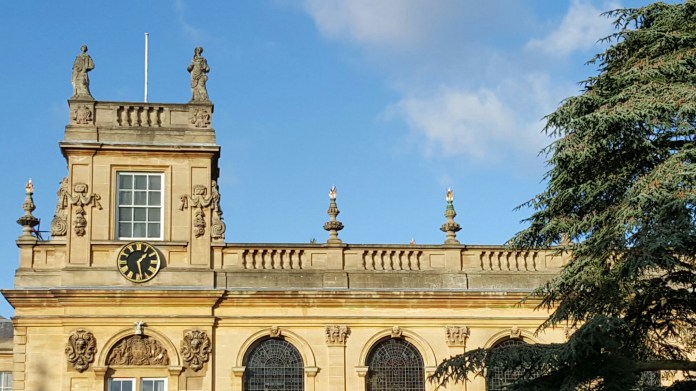
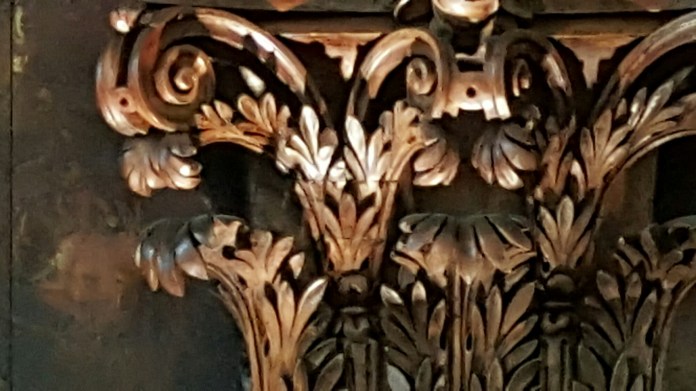
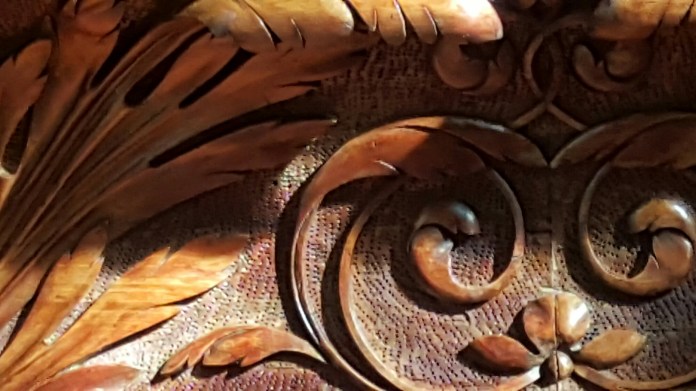
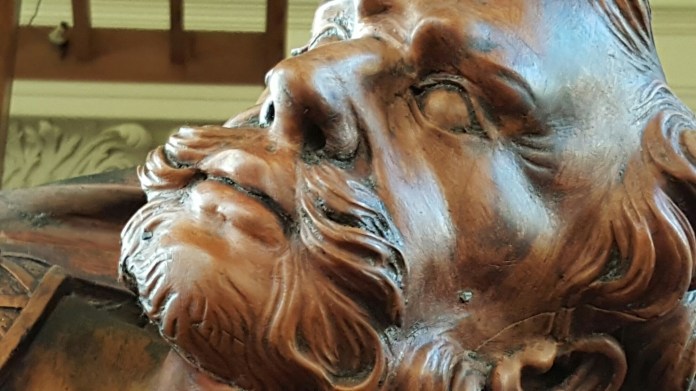
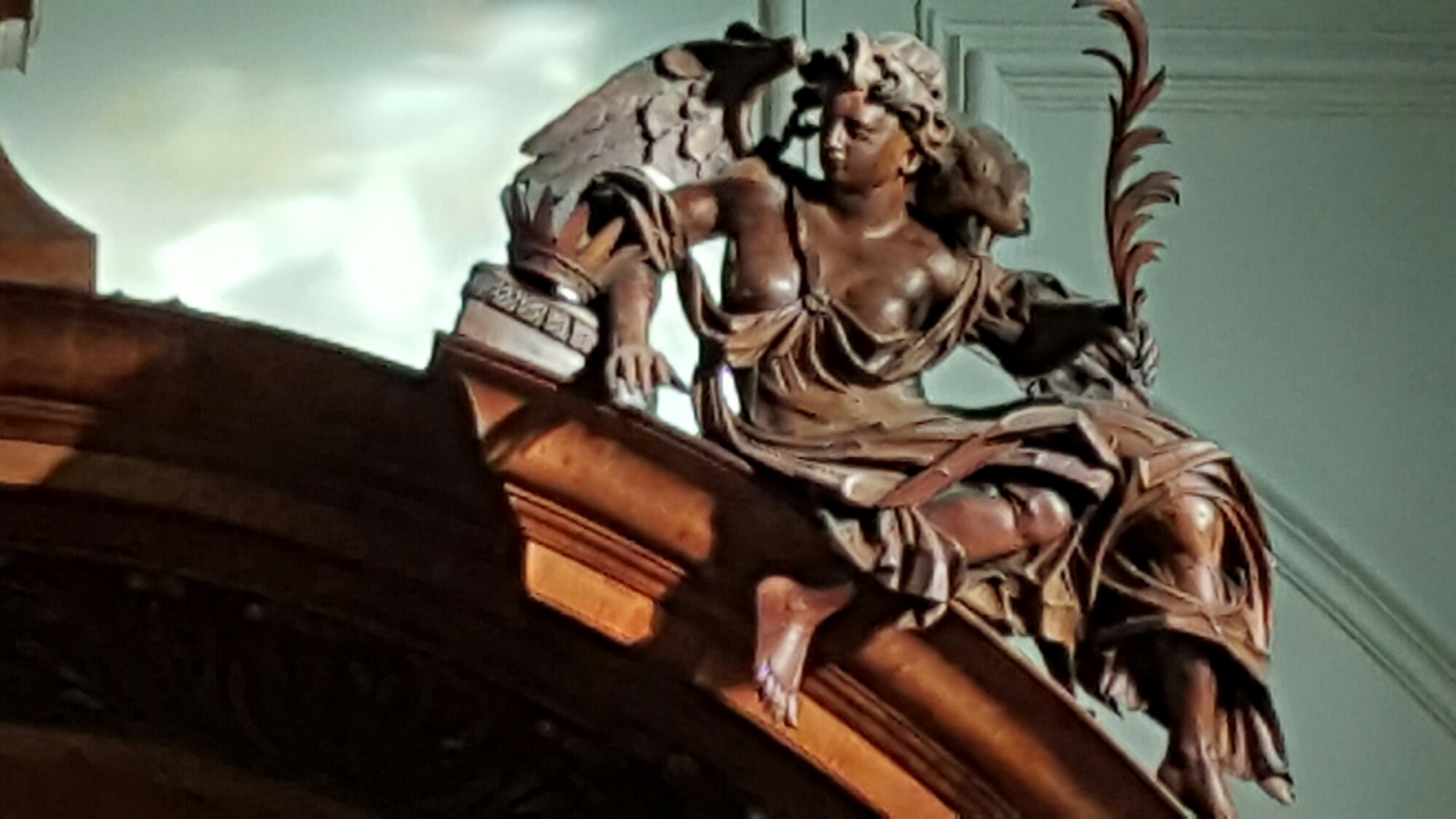
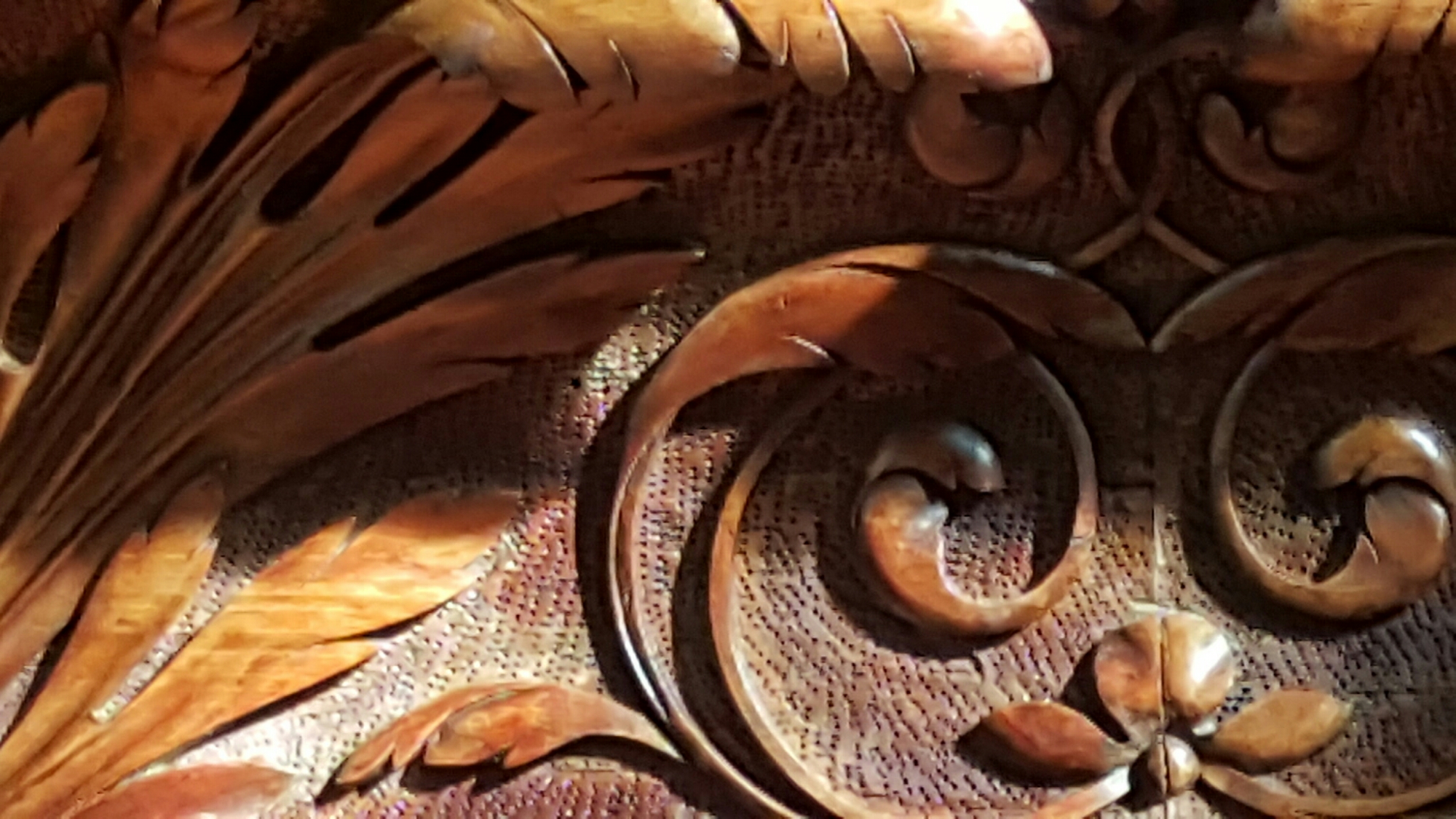
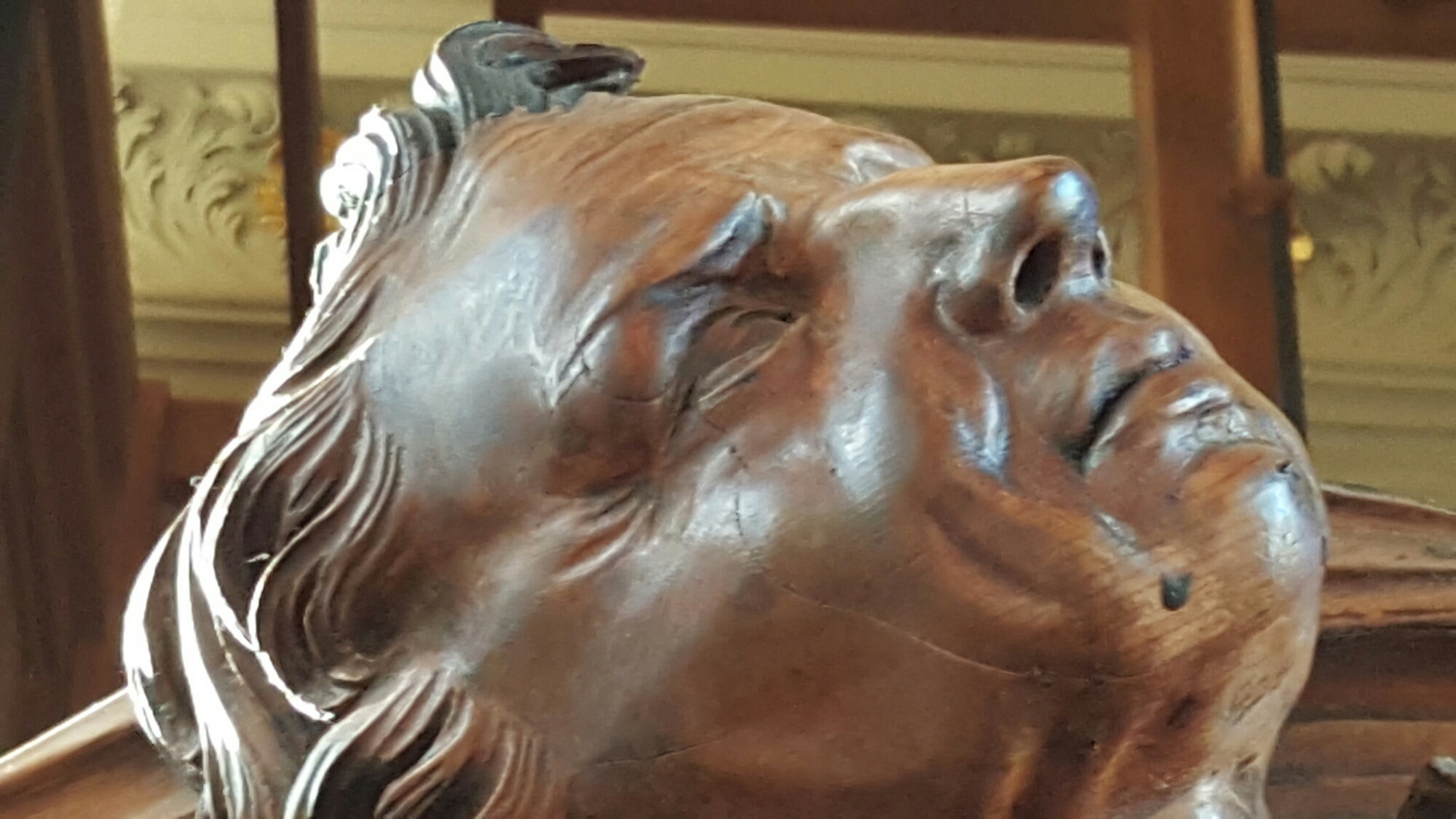
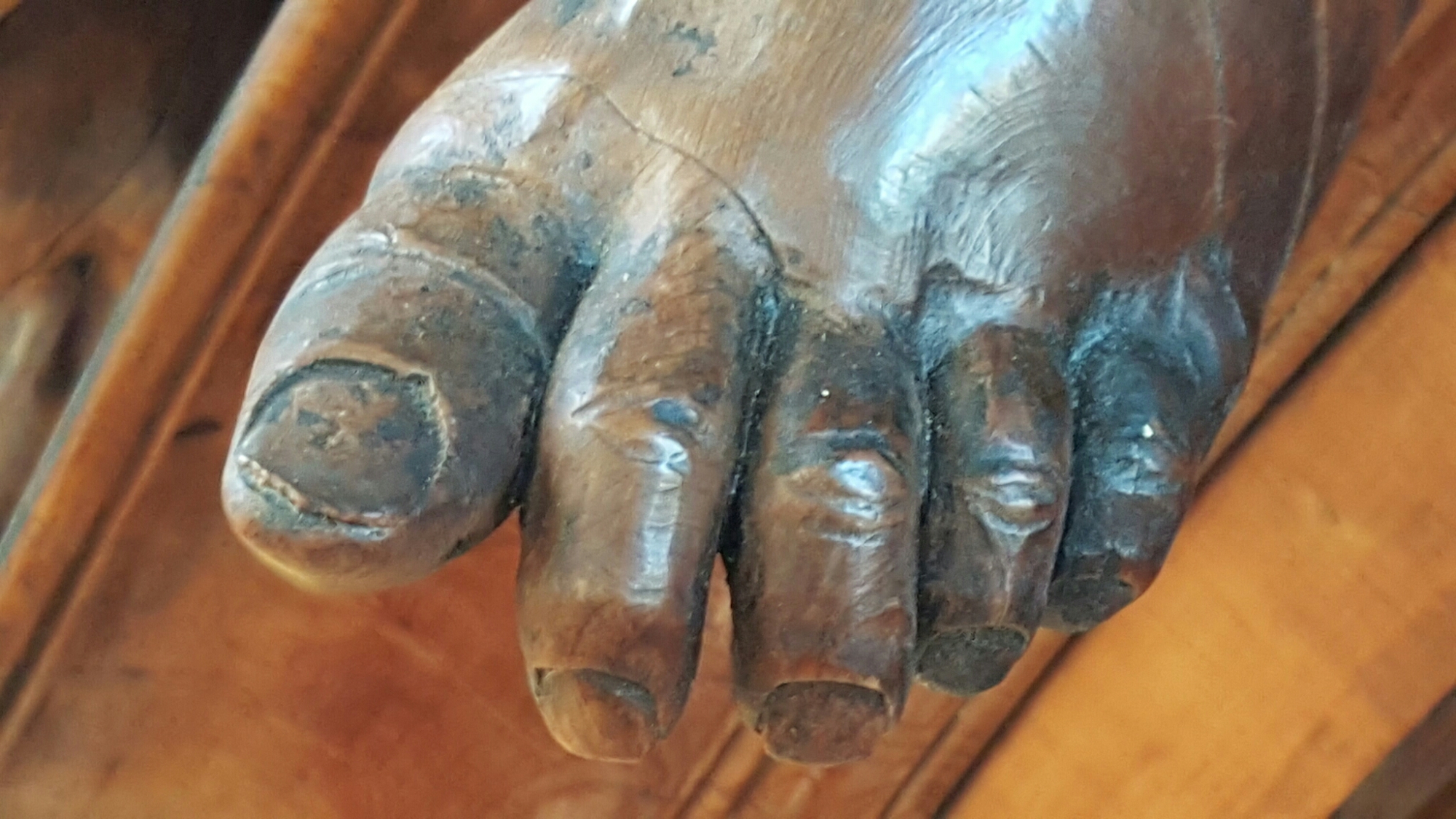
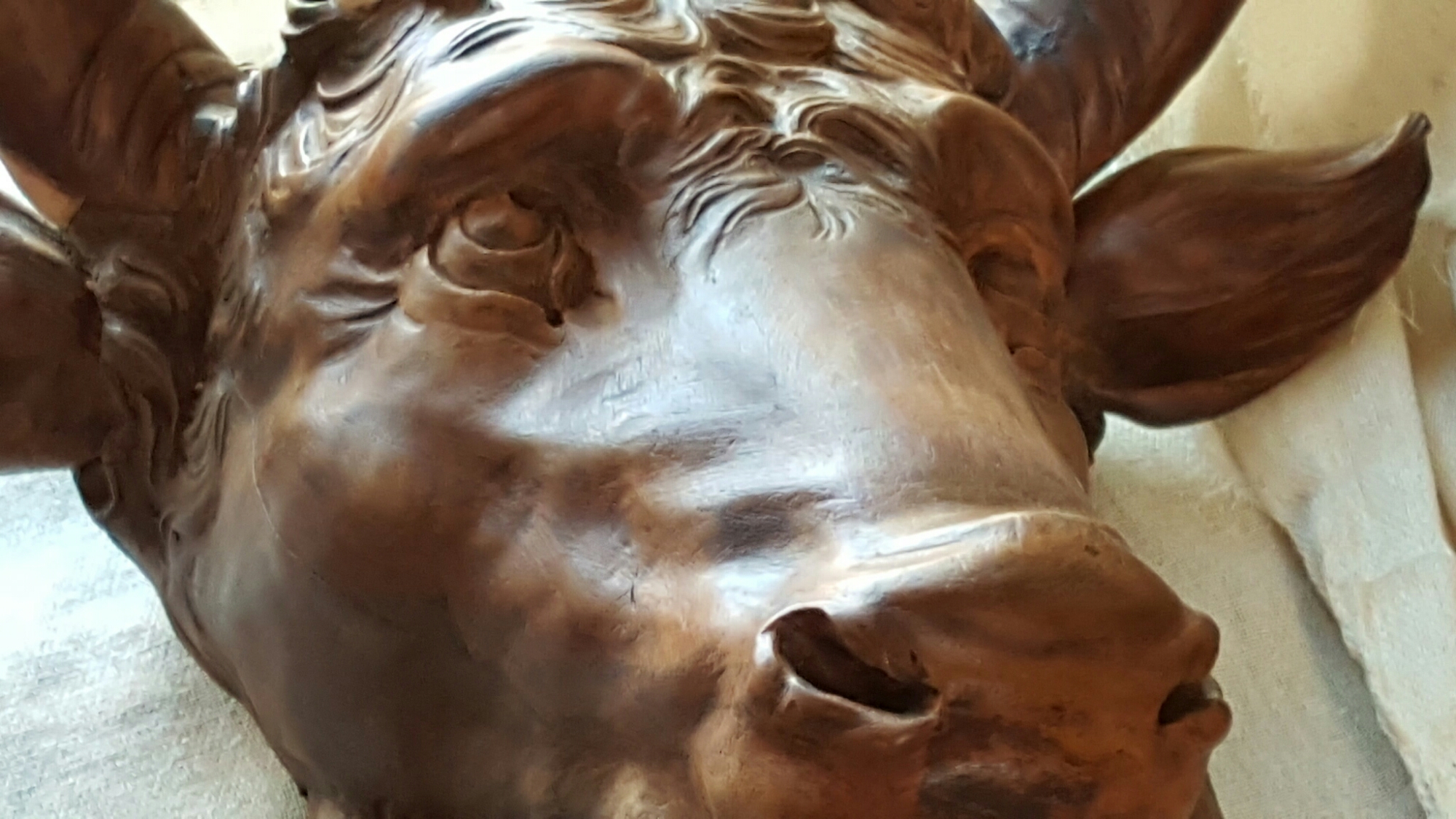
We climbed the scaffolding and were able to see the detail of the carving, previously ebonised. Who was responsible for them ? It could be the Gibbons workshop. There was an Oxford joiner called Arthur Frogley who had been mastercarpenter at the Sheldonian and worked on the chapel at St. Edmund’s Hall. Or Jonathan Maine who worked for Wren at St. Paul’s.
The figures on either side of the altar:-
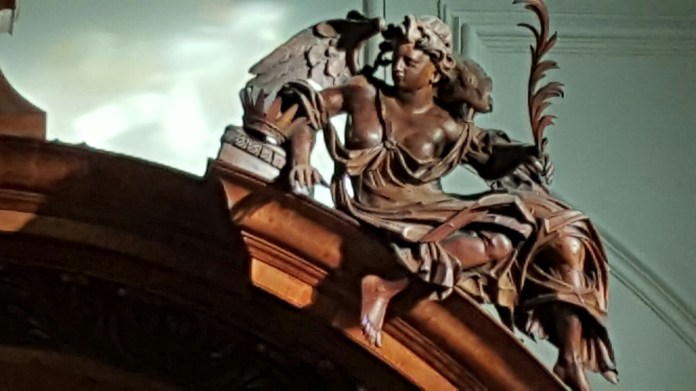
Details of the carving at the east end:-
The figure carving at the west end:-
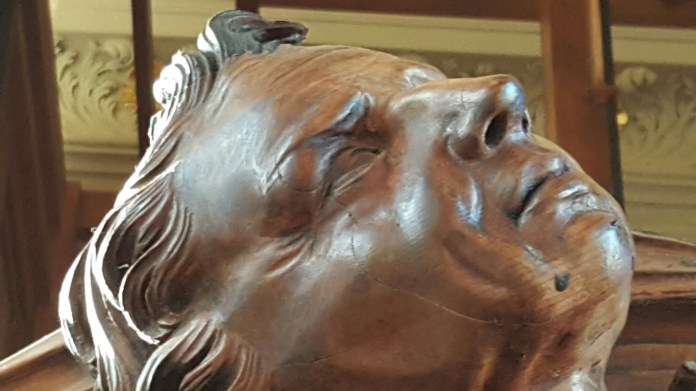
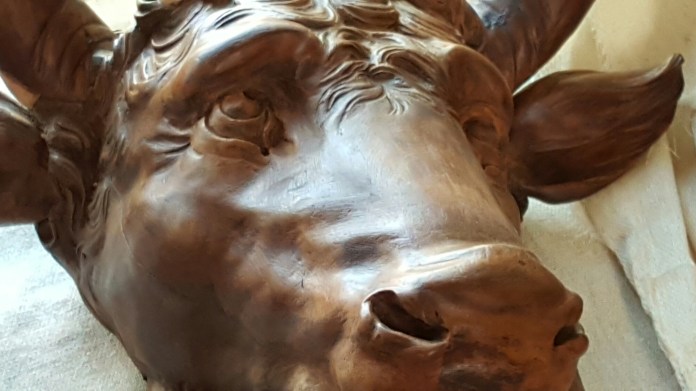
And some of the pieces on the floor waiting to be reinstalled:-
Blavatnik School of Government
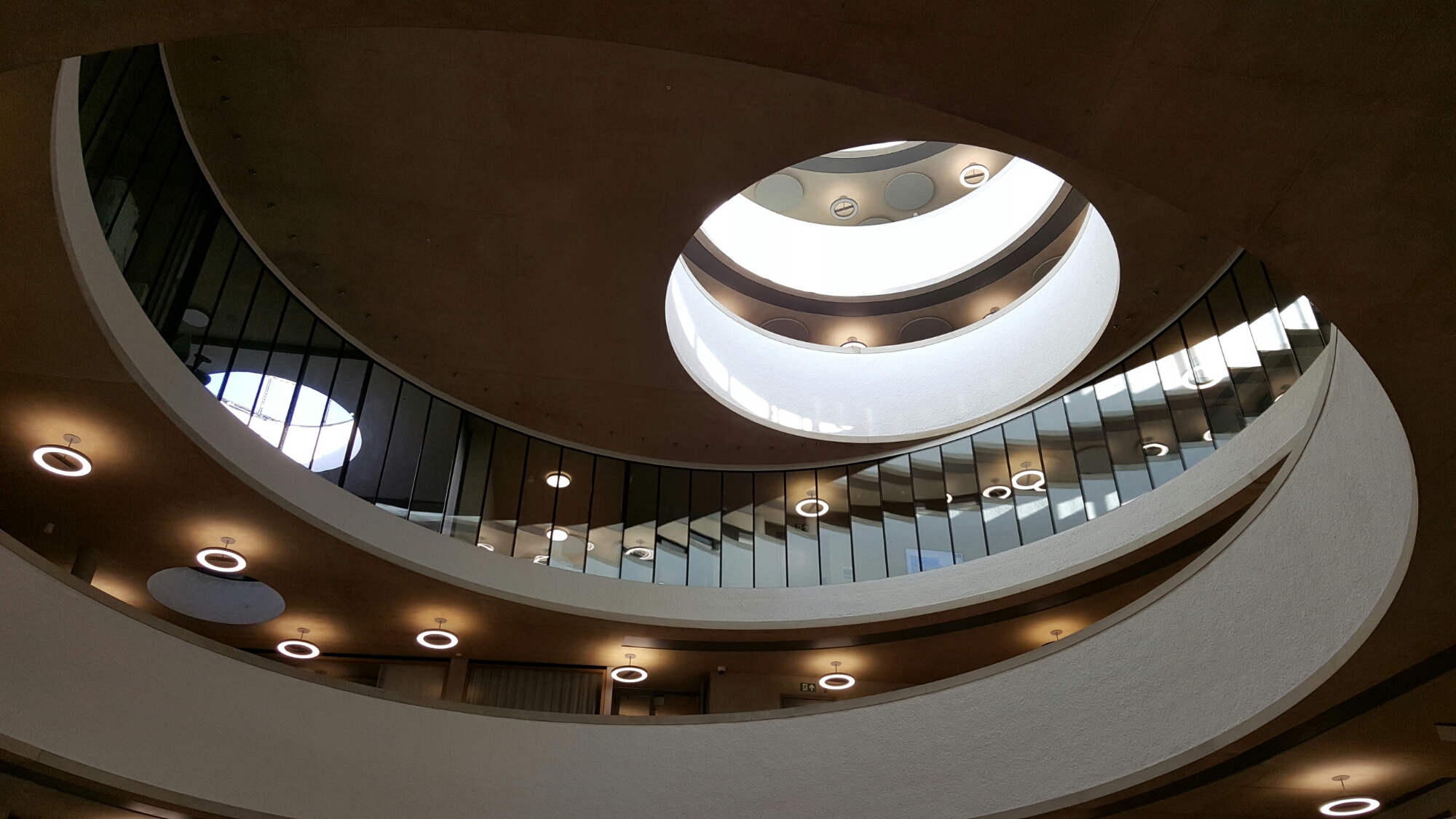
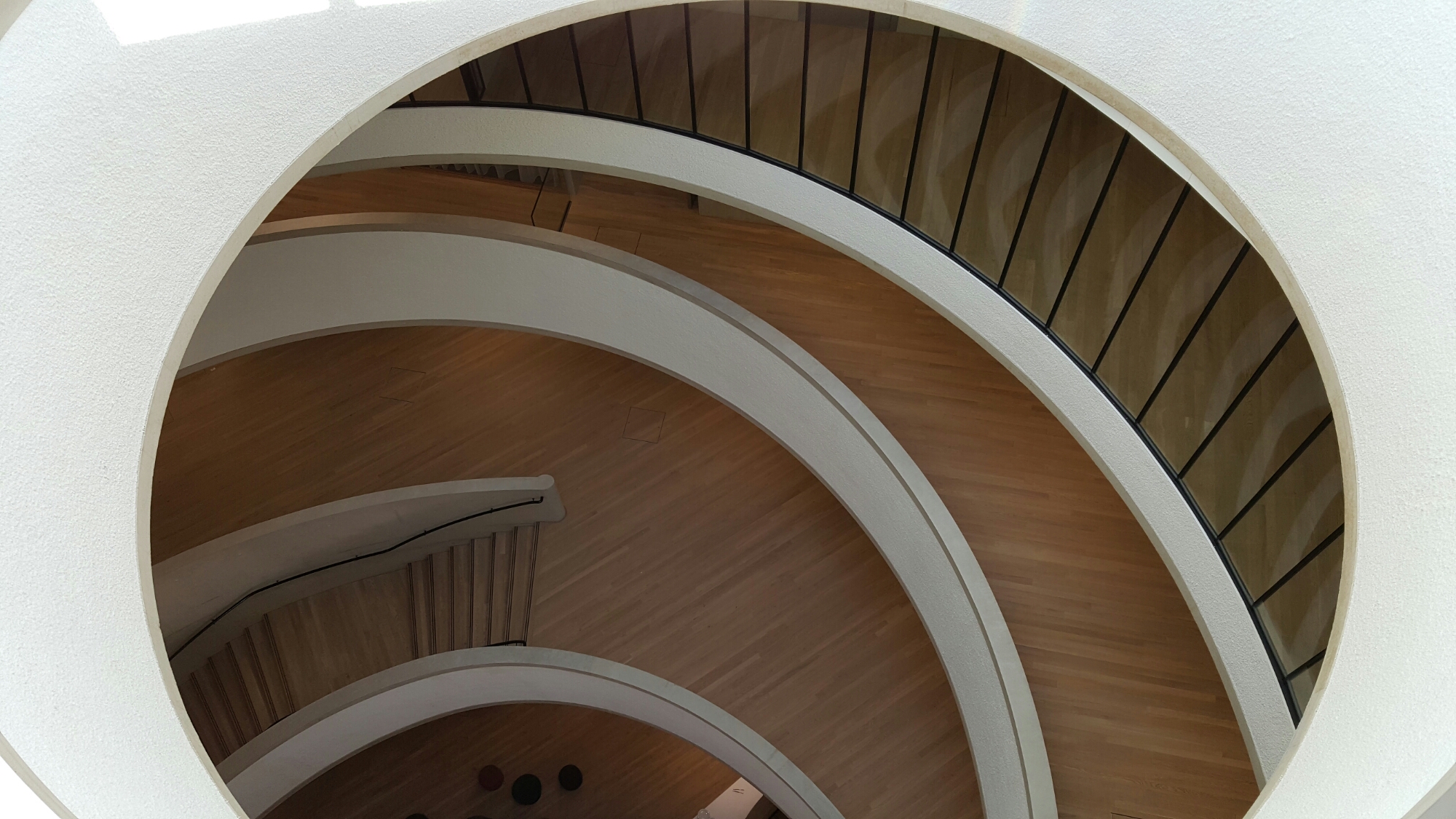
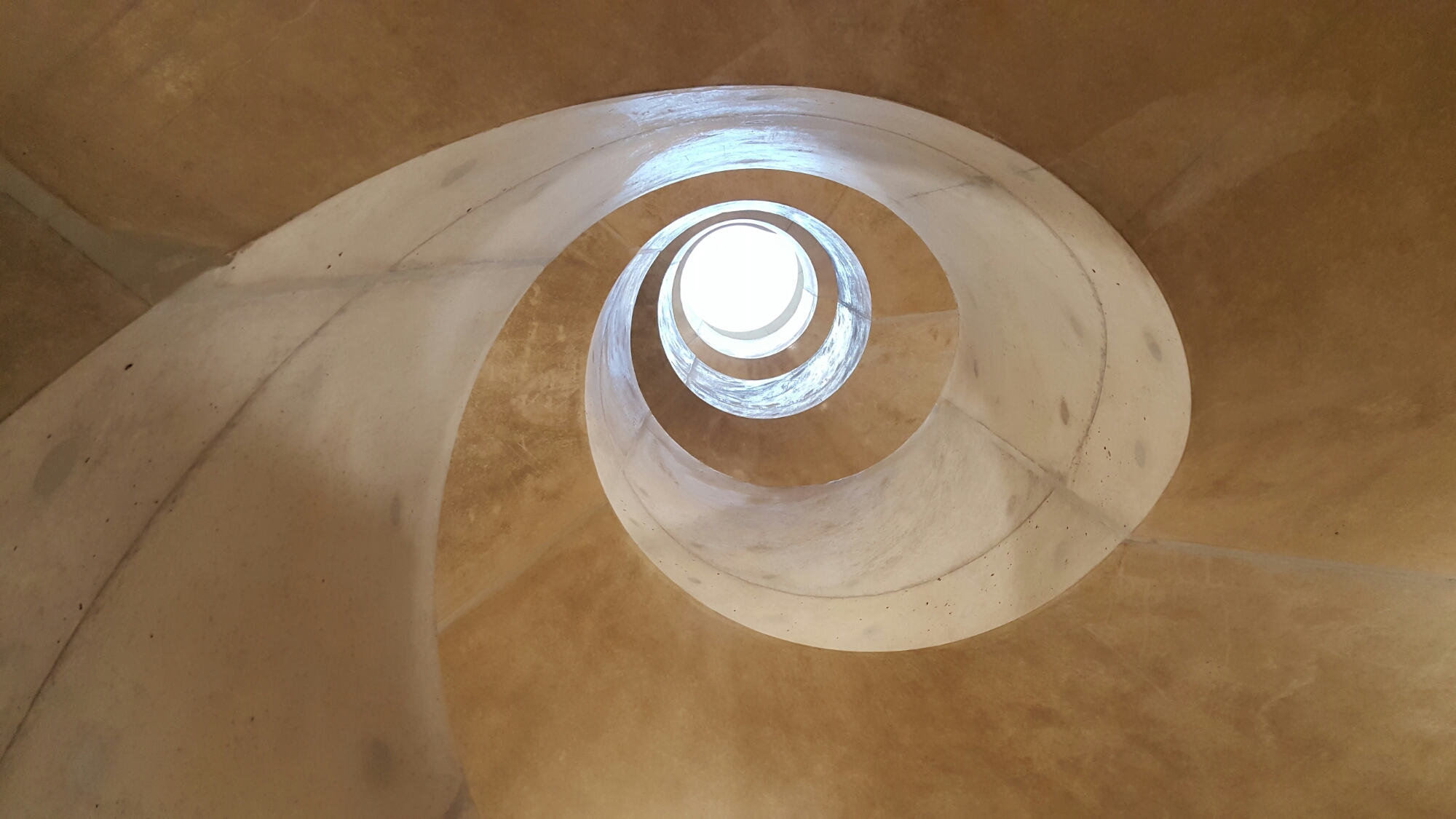
Since we were in Oxford, we took the opportunity of visiting the brand new Blavatnik School of Government by Herzog and de Meuron, only just opened on the big Radcliffe Infirmary site up Walton Street. Dixon.Jones were candidates for the project. So was David Chipperfield. Herzog de Meuron have designed an opulent spaceship with a generous curving interior like the inside of the Guggenheim, sweeping and swooping in concrete expressionism:-
Saïd Business School
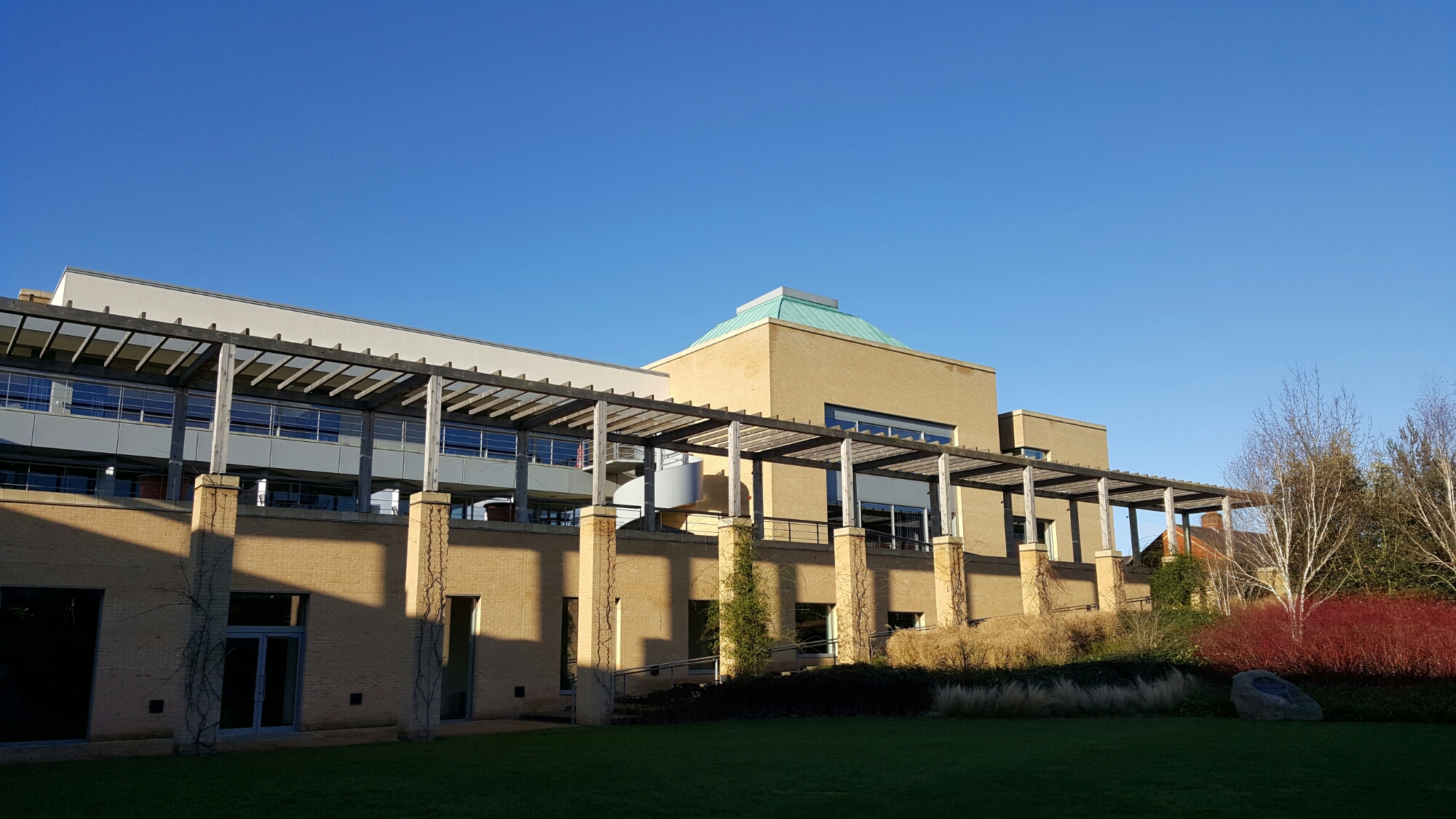
I went to Oxford yesterday to visit the Saïd Business School with its architects, Jeremy Dixon and Edward Jones. I have often admired the Mausoleum of Halicarnassus as one gets out off the train and walks past the brise soleil on one’s way into the city. But I had not registered how extensive it is, stretching back with two classical arcades, one open, the other closed, to an open amphitheatre at the end. The client wanted the strong element of classicism. It creates a satisfying hybrid, with a touch of California or is it Asplund ? Beyond is the more recent block for executive education reached by a ramp under a pergola to a deck looking out over the garden and the city.
The Mausoleum:-
The Executive wing:-
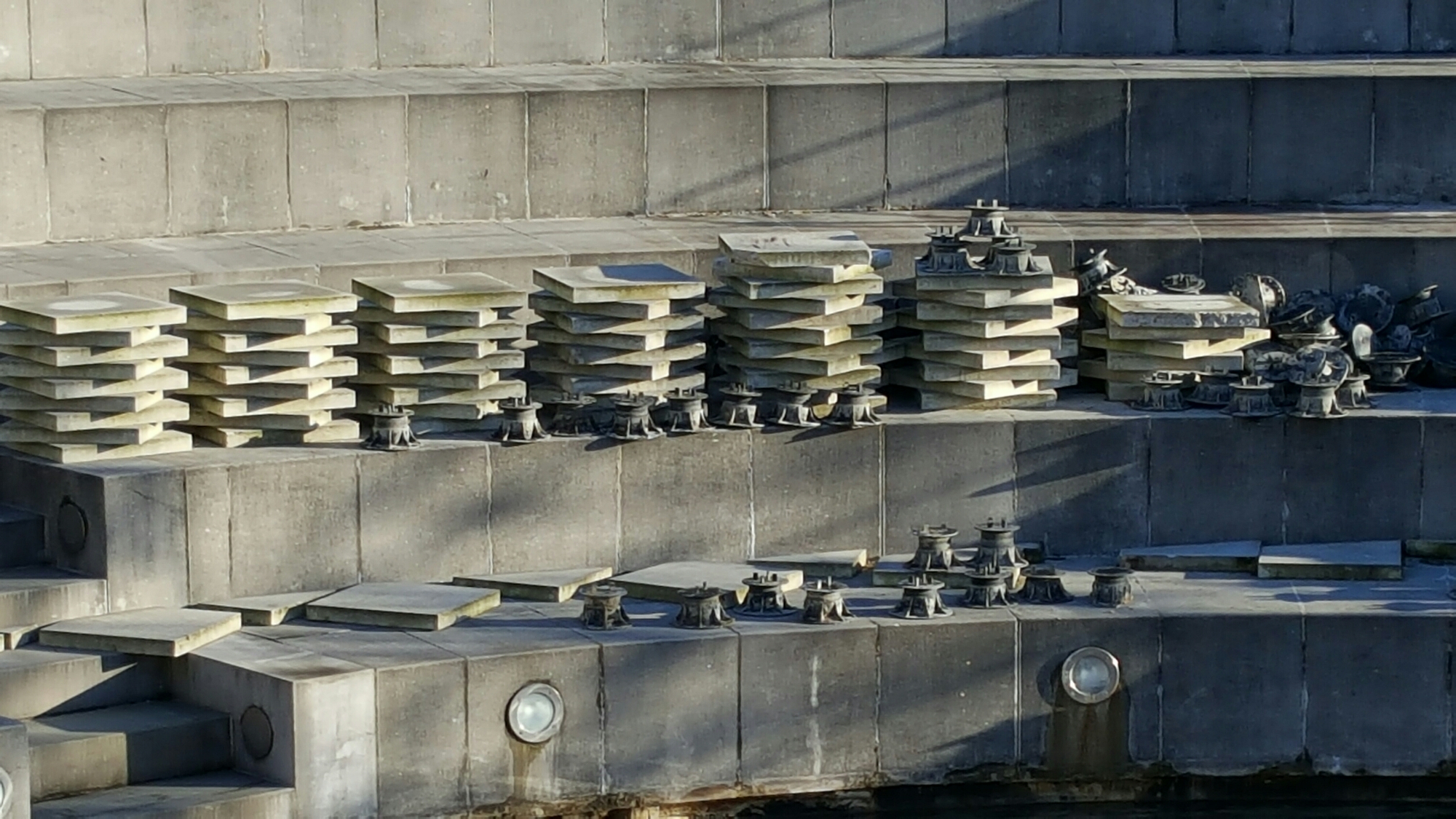
The amphitheatre:-
Maurice de Sausmarez (2)
I have been kindly given a copy of the catalogue of the exhibition of the work of Maurice de Sausmarez ARA which is currently on at the University Gallery at Leeds, together with the book of his writings, On Artists and their Making. It has taught me a lot about him: that he was born in Sydney and his father was eaten by a shark; educated at Christ’s Hospital and the Royal College of Art; a friend of Peggy Angus; he established the teaching of Fine Art in Leeds University at a time when art history was only taught at the Courtauld and Glasgow; became Principal of Hornsey School of Art in 1959 and of the Byam Shaw in 1962; an ARA in 1964, he died in 1969 aged only 54. He did a lot in a short life.
Ed Vaizey
I went to an event at the Royal Opera House to celebrate the fact that Ed Vaizey has now been in post as Minister for the Arts for longer than any of his predecessors, stretching back to Jennie Lee, who was appointed Minister of the Arts by Harold Wilson in 1964. It’s impressive that he has remained in post from the beginning of the Coalition Government, taking up his current post on 14 May 2010. And he was Shadow Minister before that. He gave a speech which was wry, funny and self-deprecating (well, not entirely). Let’s hope that he has written his White Paper in this new, pugnacious style.
Adelaide House
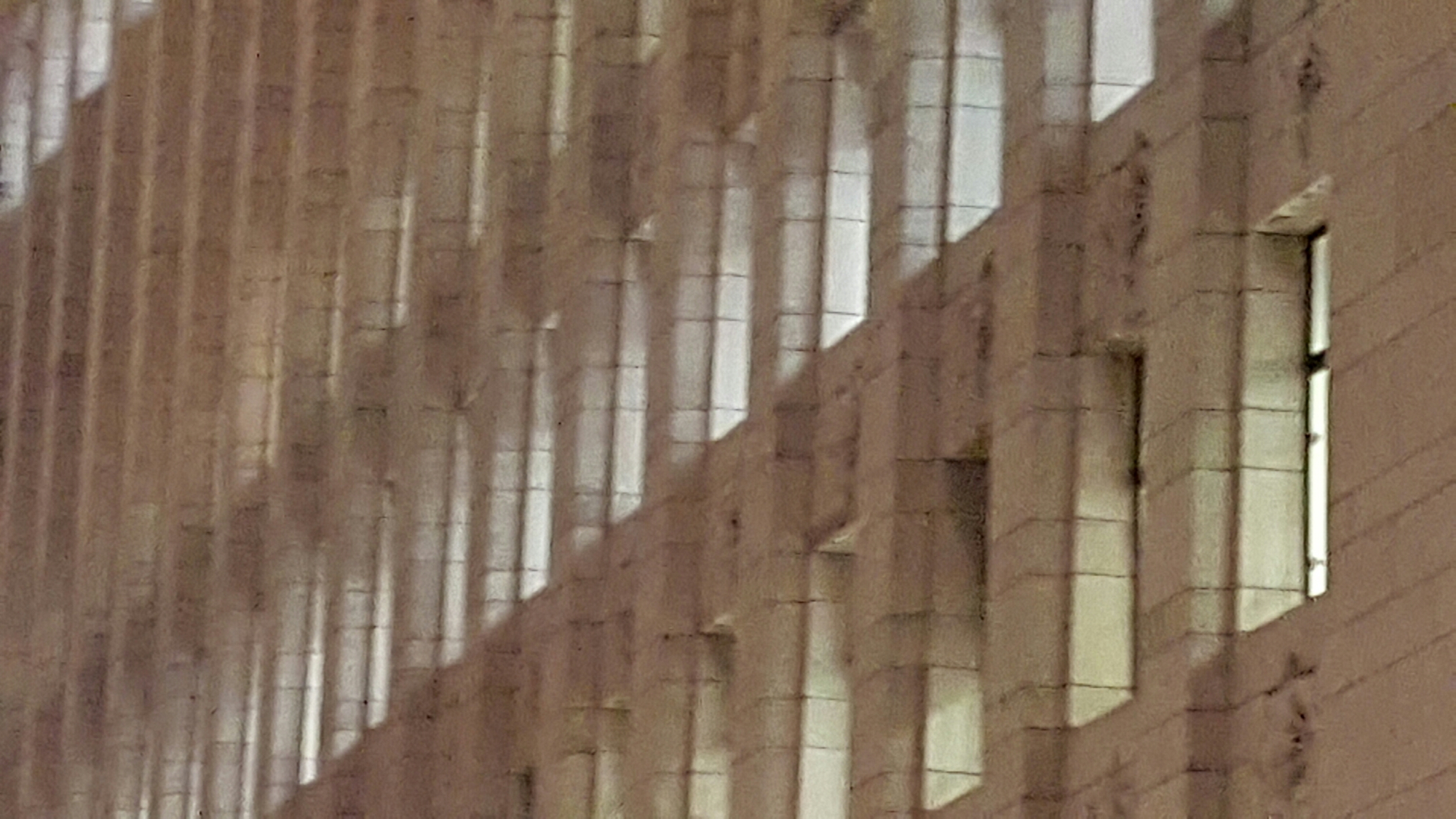
I was walking past Adelaide House last night on the north side of London Bridge and was impressed by the American style of its façade, designed by Burnet and partners at more or less the same time that they were working on Unilever House. When built, it was the tallest building in London (hard to believe) and it has an Egyptian style entrance, as well as sculpture by Sir William Reid Dick. Apparently there used to be a golf course on the roof:-
Burlington Gardens
I went on a site visit of our building project in Burlington Gardens for only the second time since building work began in late October. It’s a strange experience seeing a building stripped to its bones, like an old lady seen in corsets. The volumes change. With all the later accretions removed, one can see how grand the big spaces are going to be.
This is the view of Pennethorne’s north façade:-


You must be logged in to post a comment.