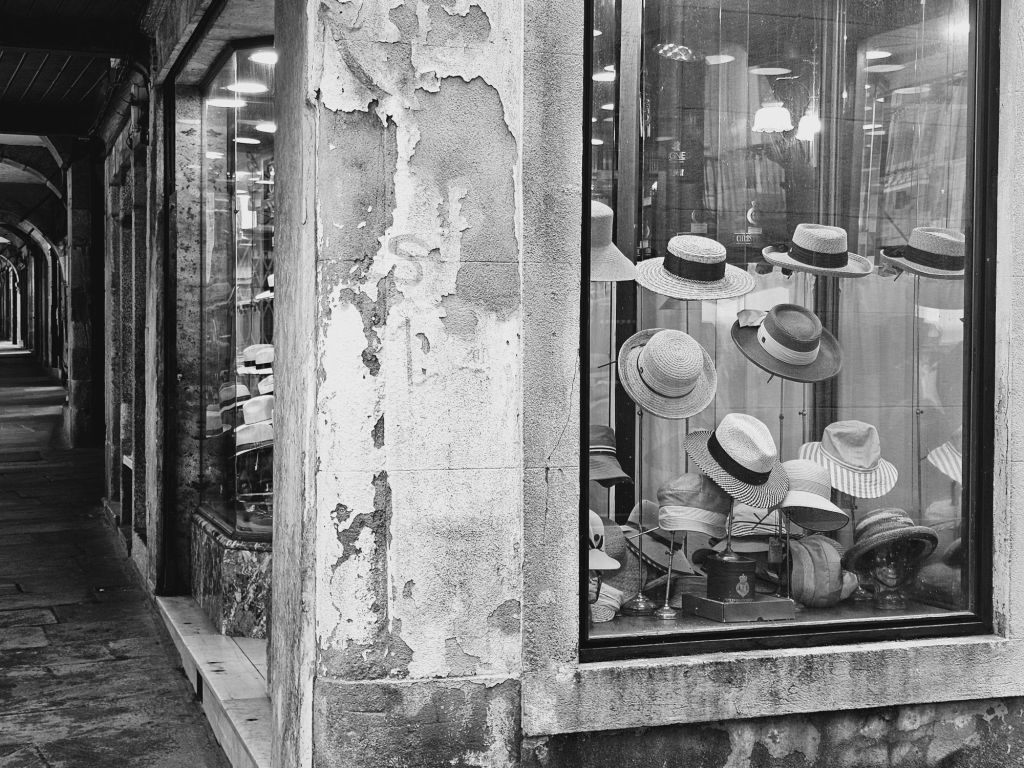
Lourizán (1)

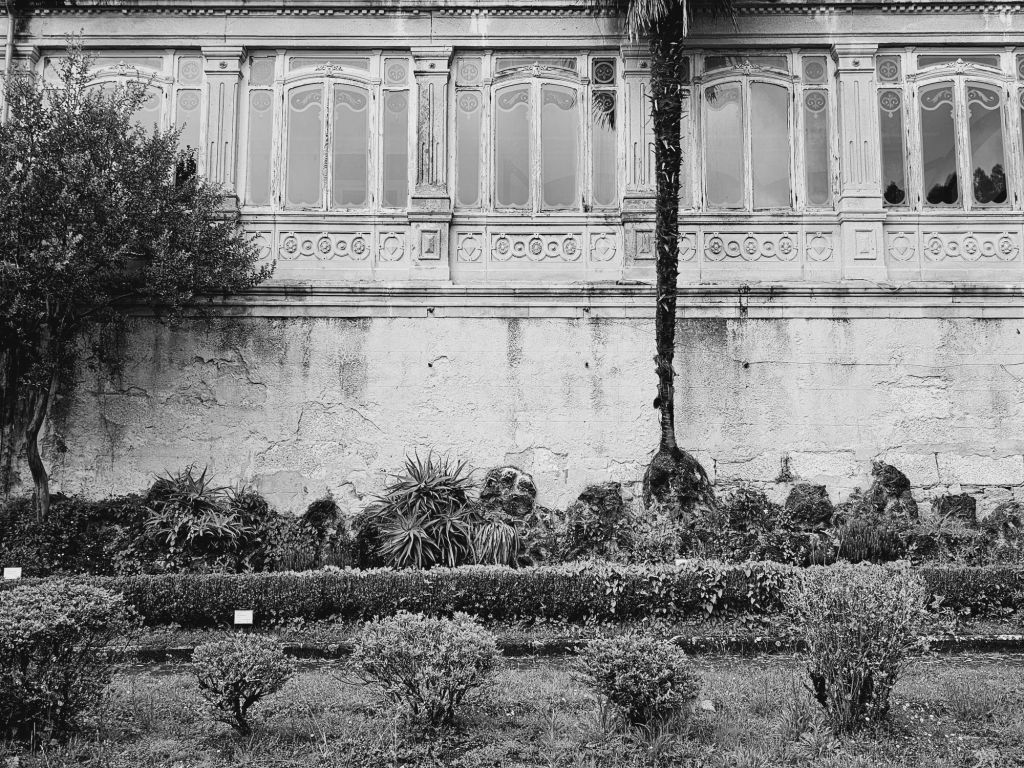
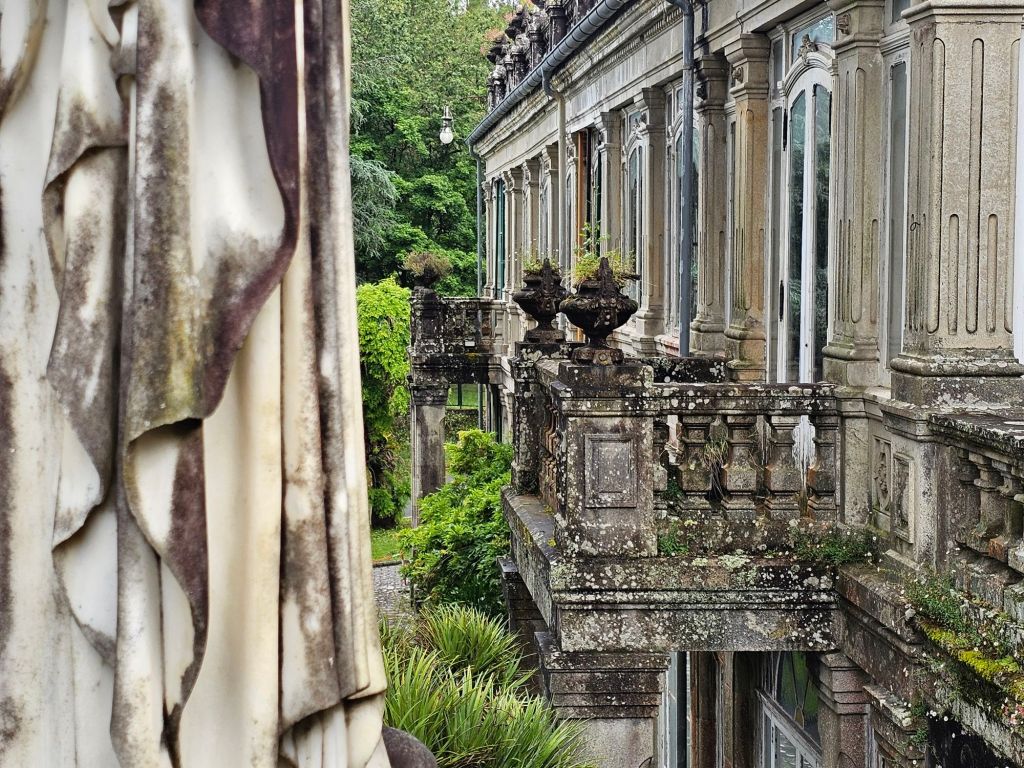
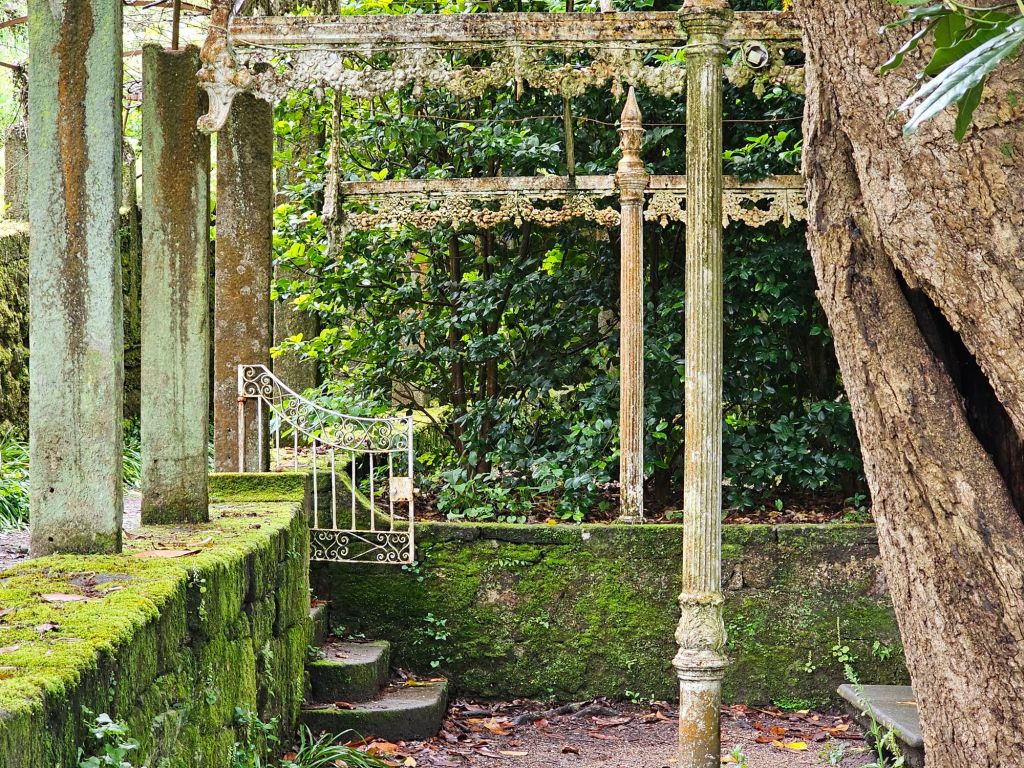
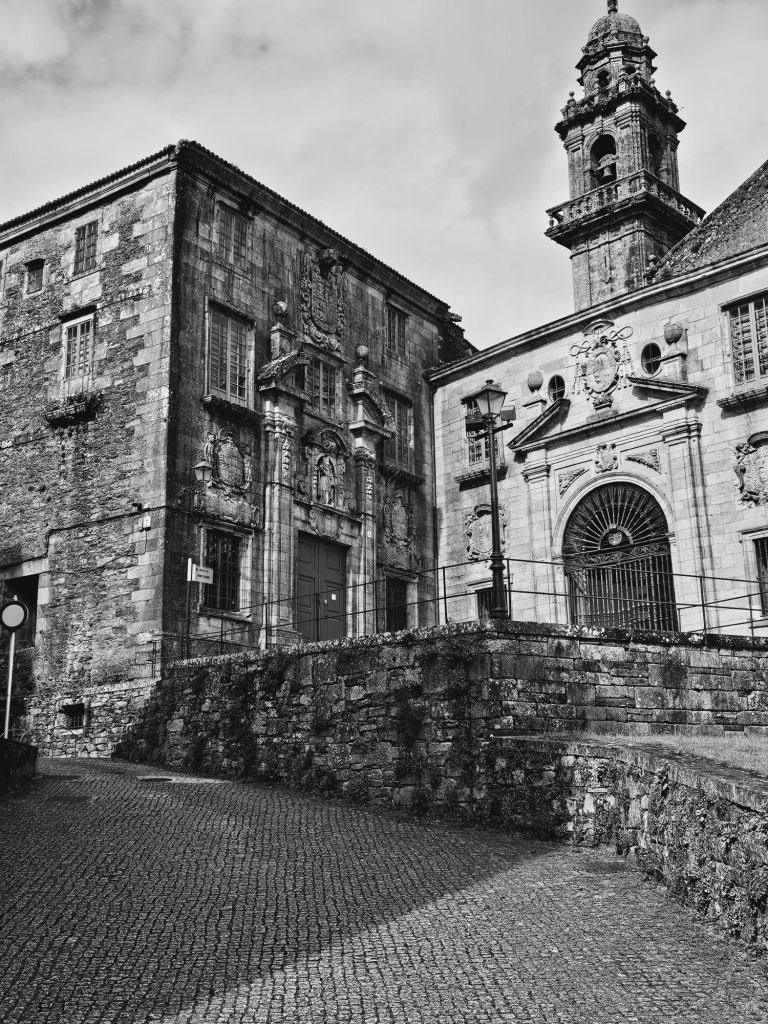
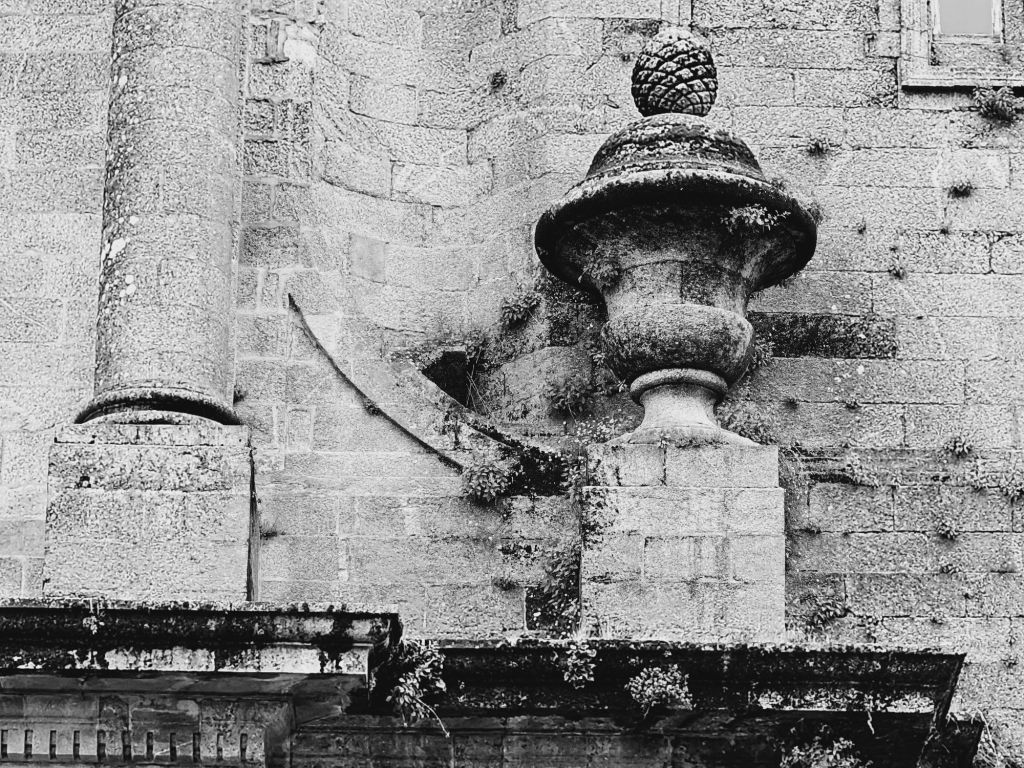
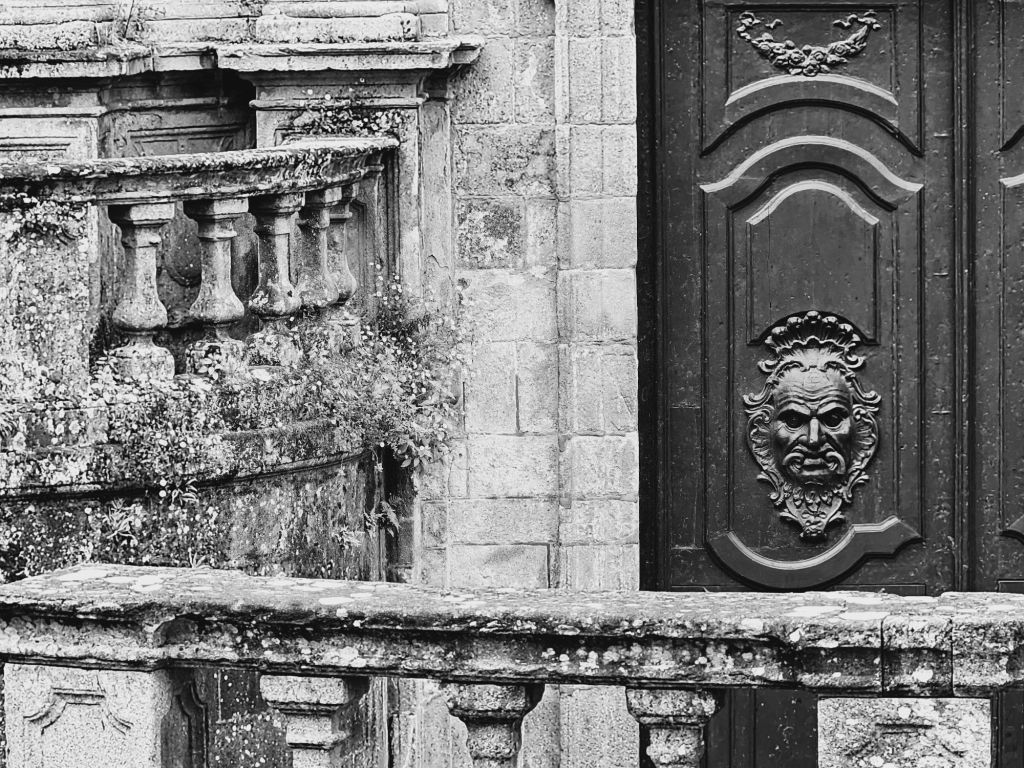
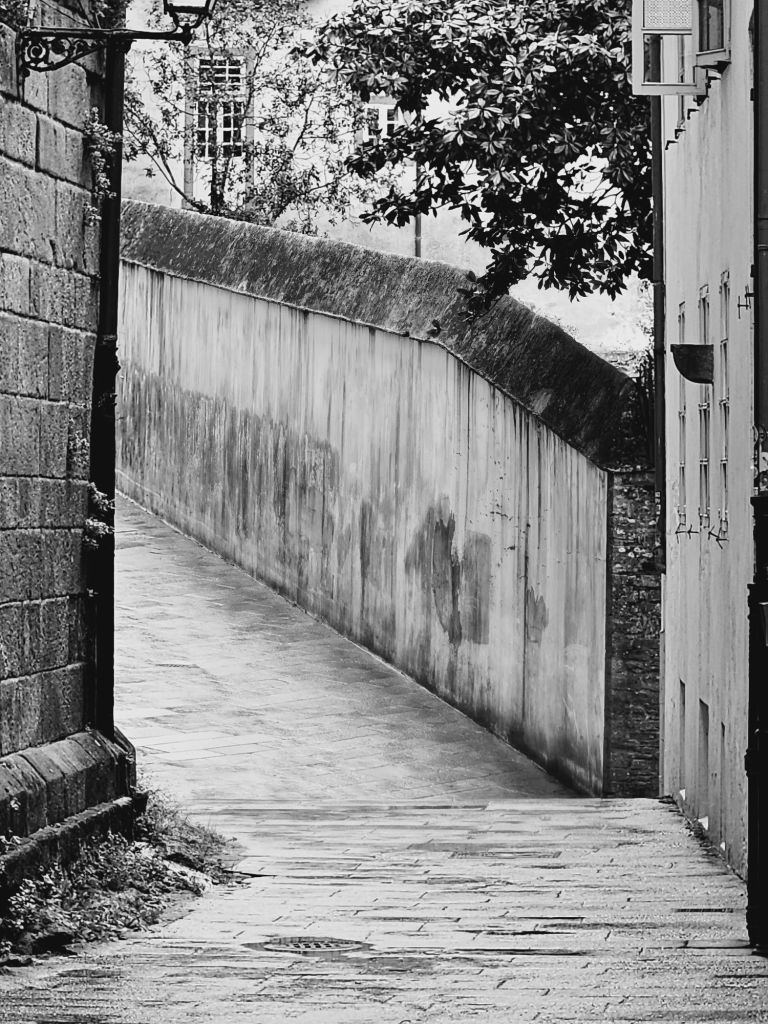
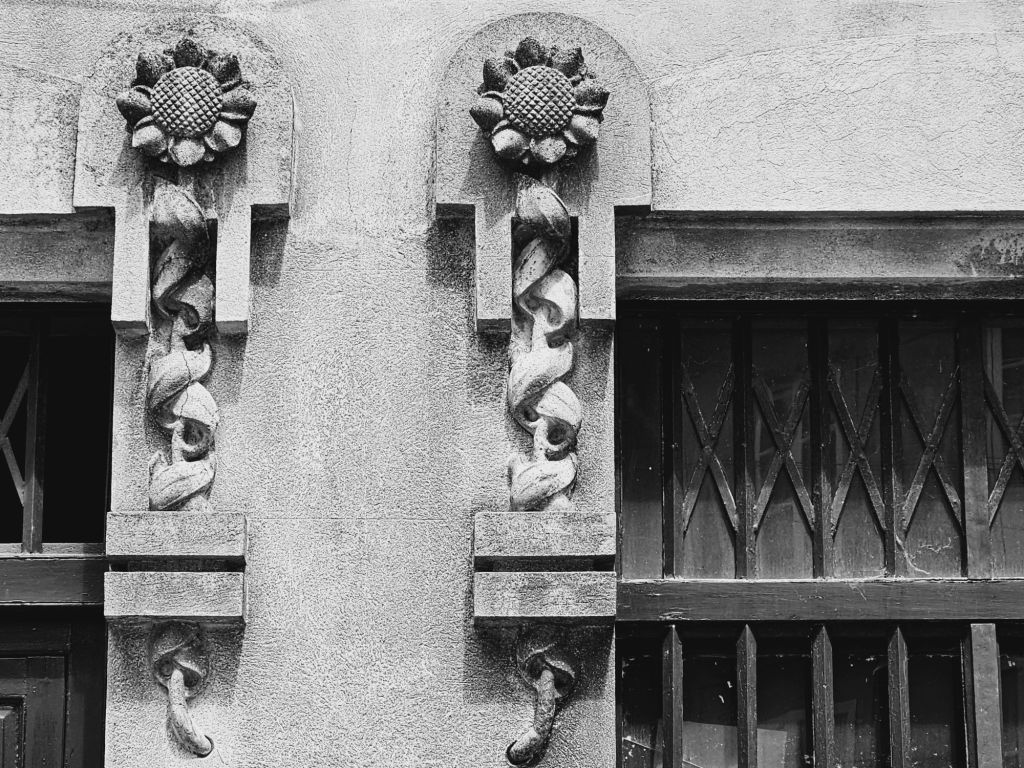
We came by bus to the estate at Lourizán, a nineteenth-century summer cottage, partly dating from 1893, but substantially renovated in Second Empire Style in 1909 by Jenaro de la Fuente Domínguez.  In 1946 it was turned into a technical school for forestry, but is now dilapidated, awaiting renovation following an architectural competition organised by the Fundación RIA:-
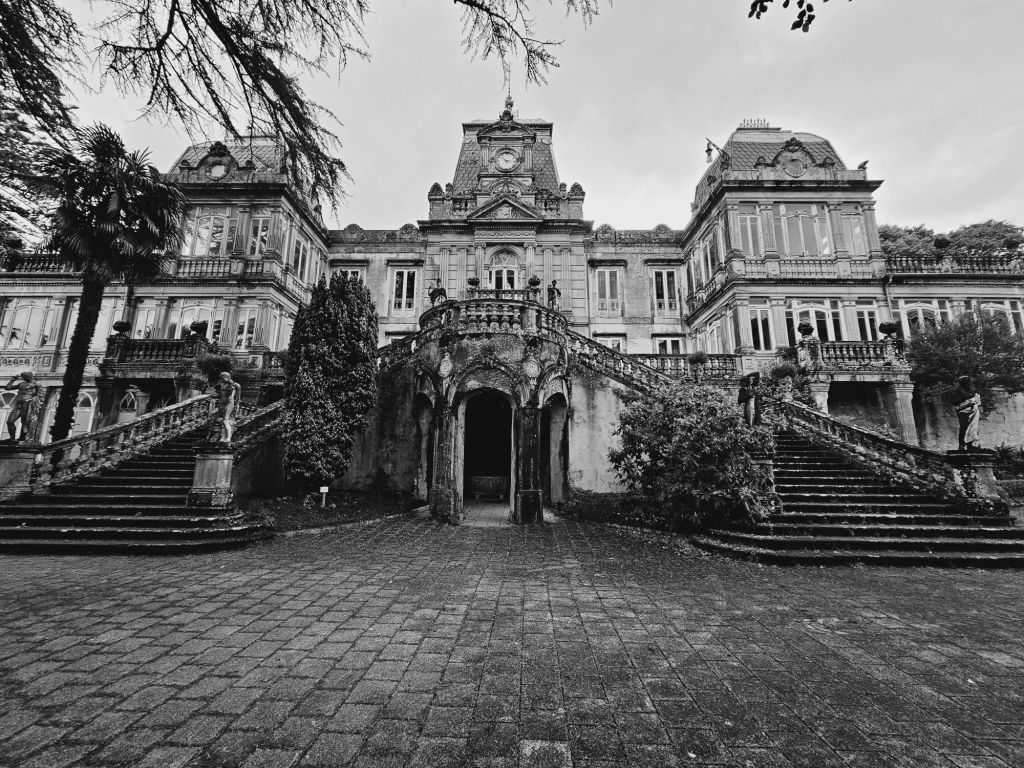
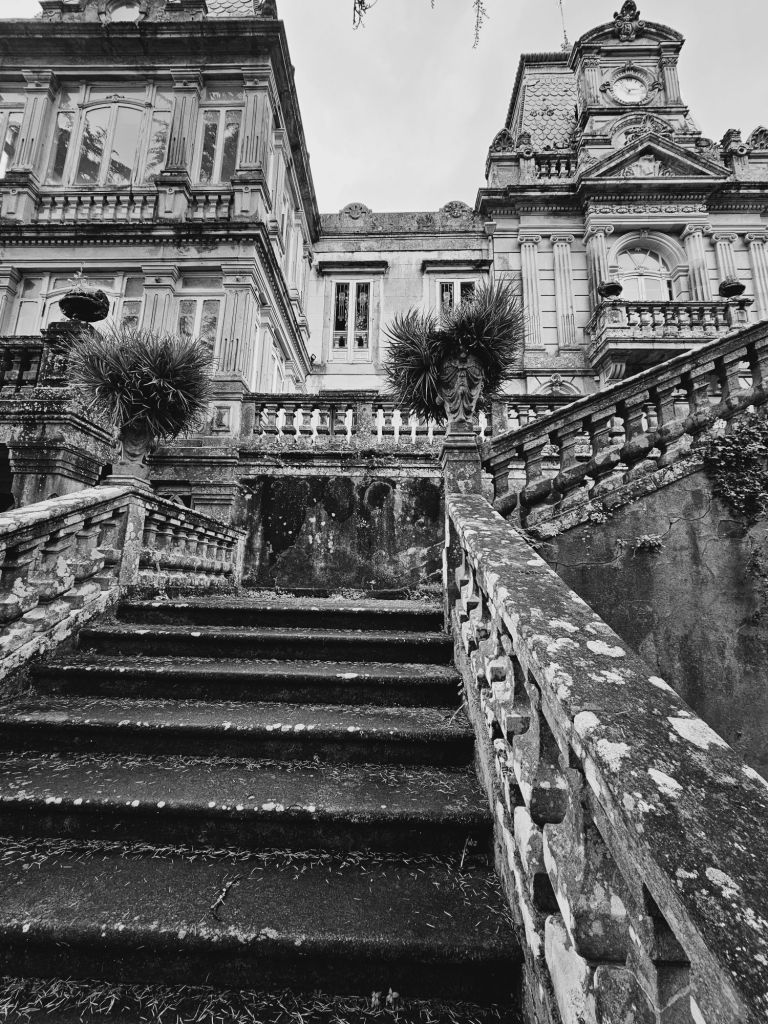
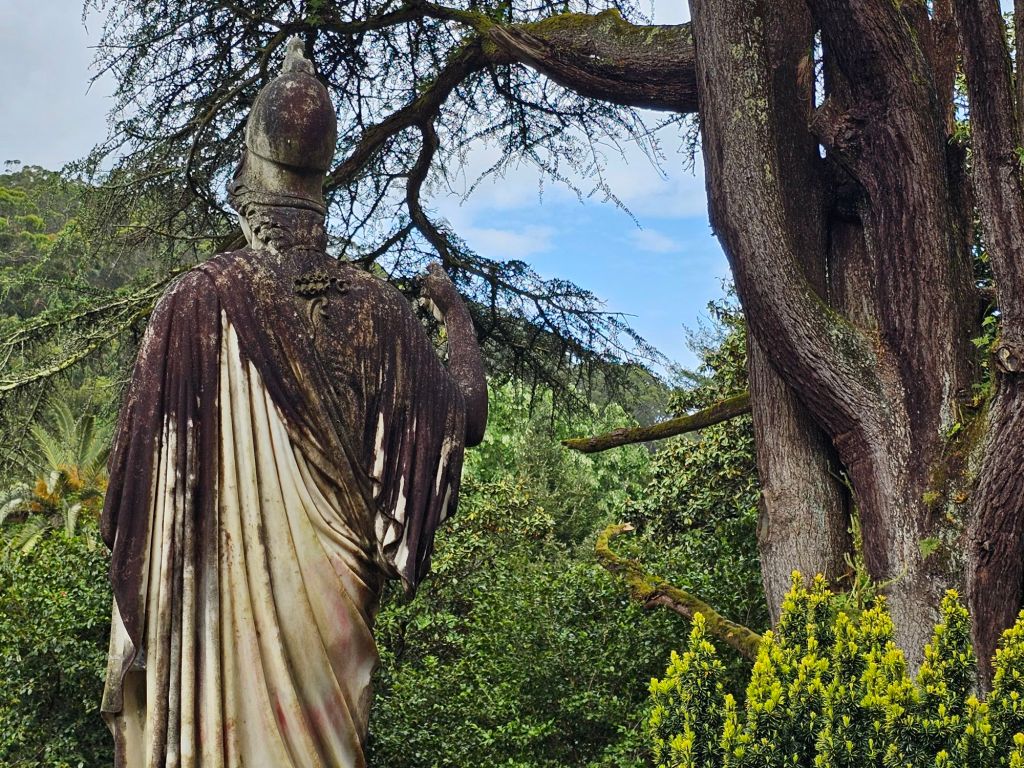
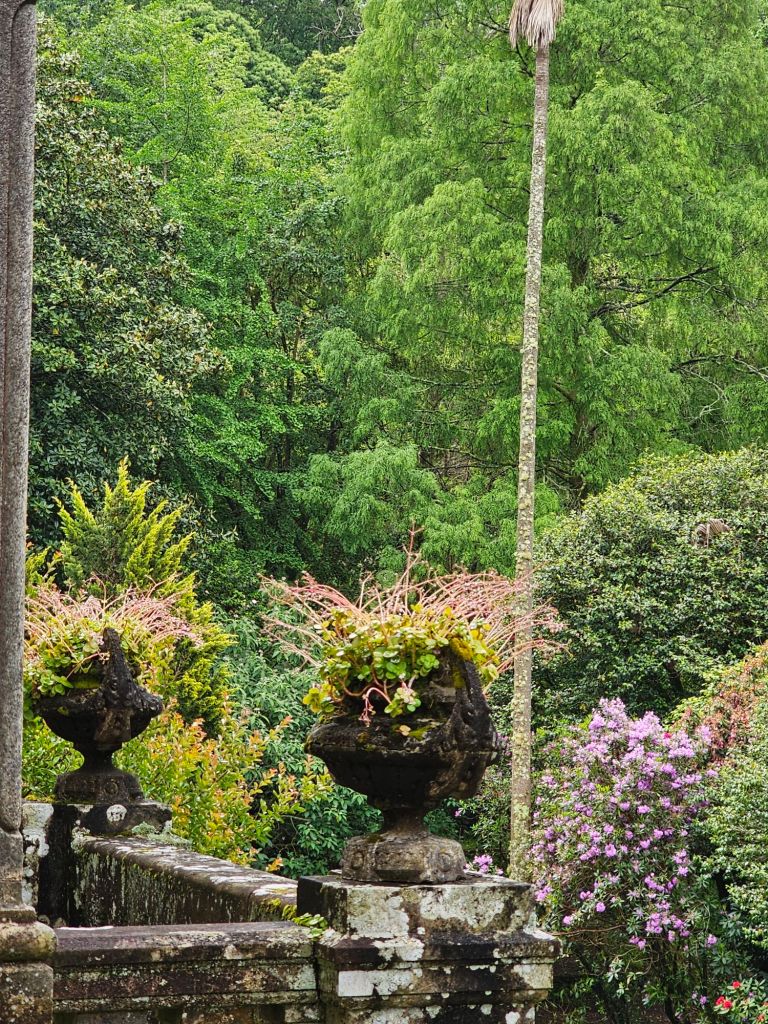
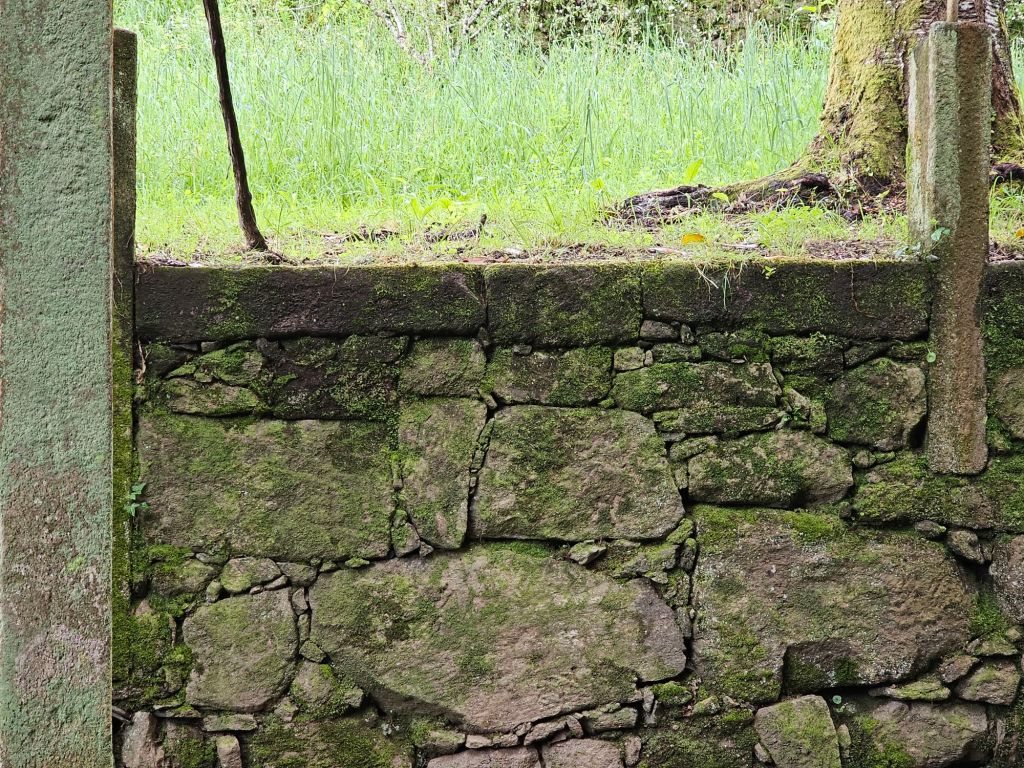
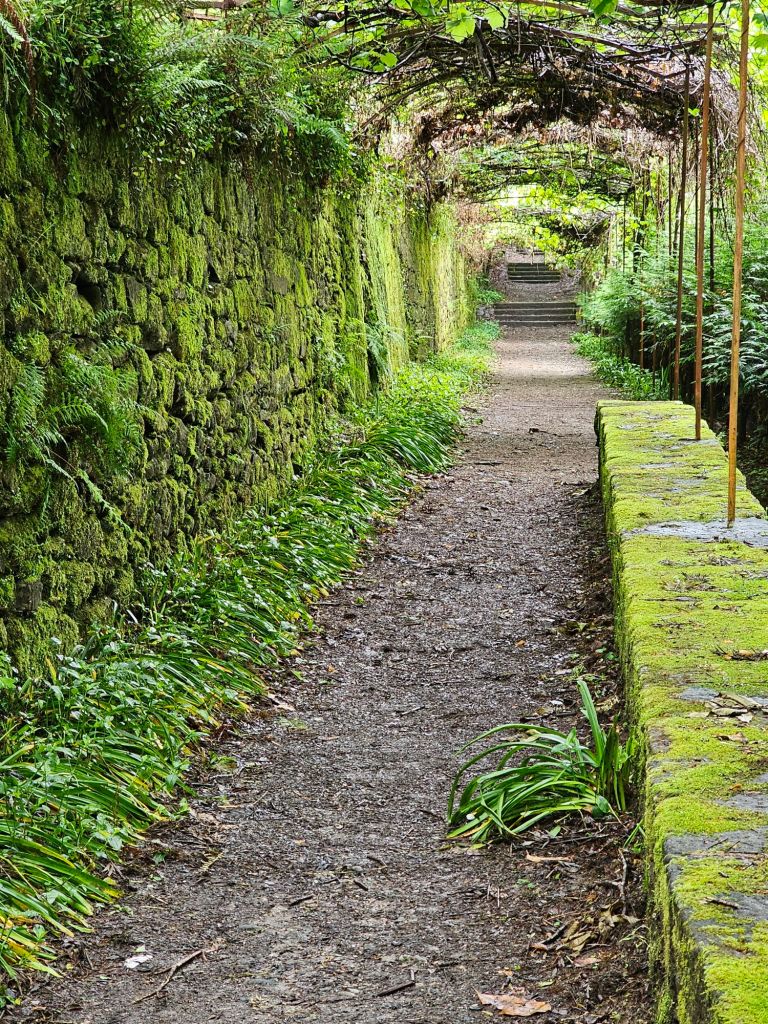
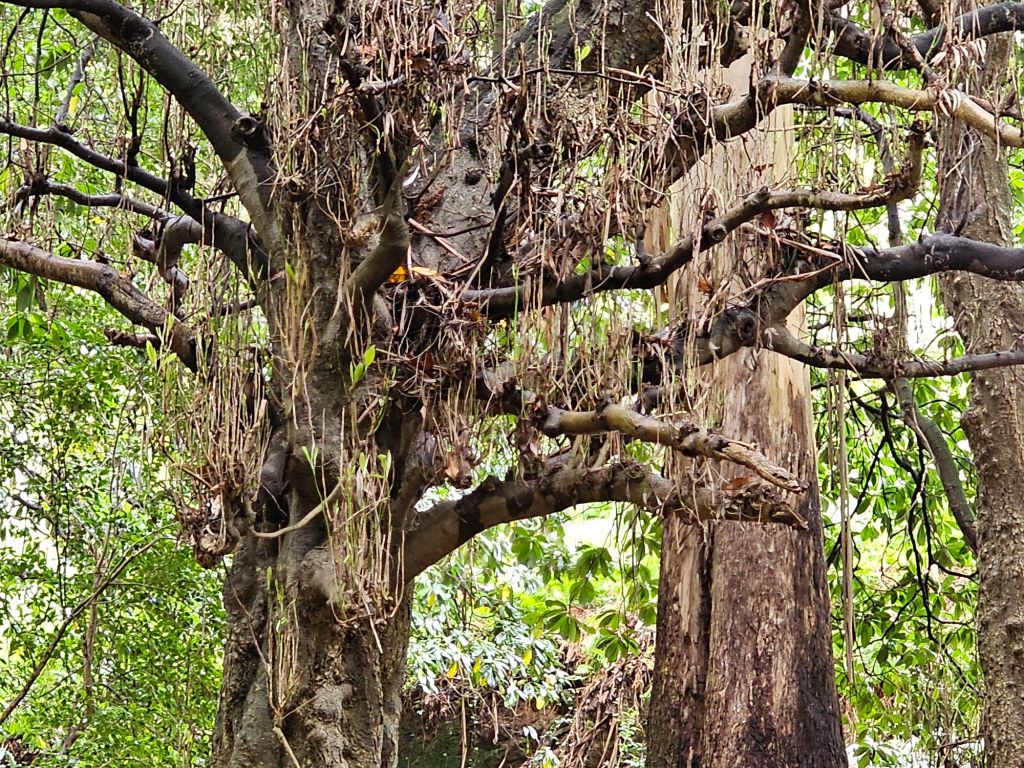
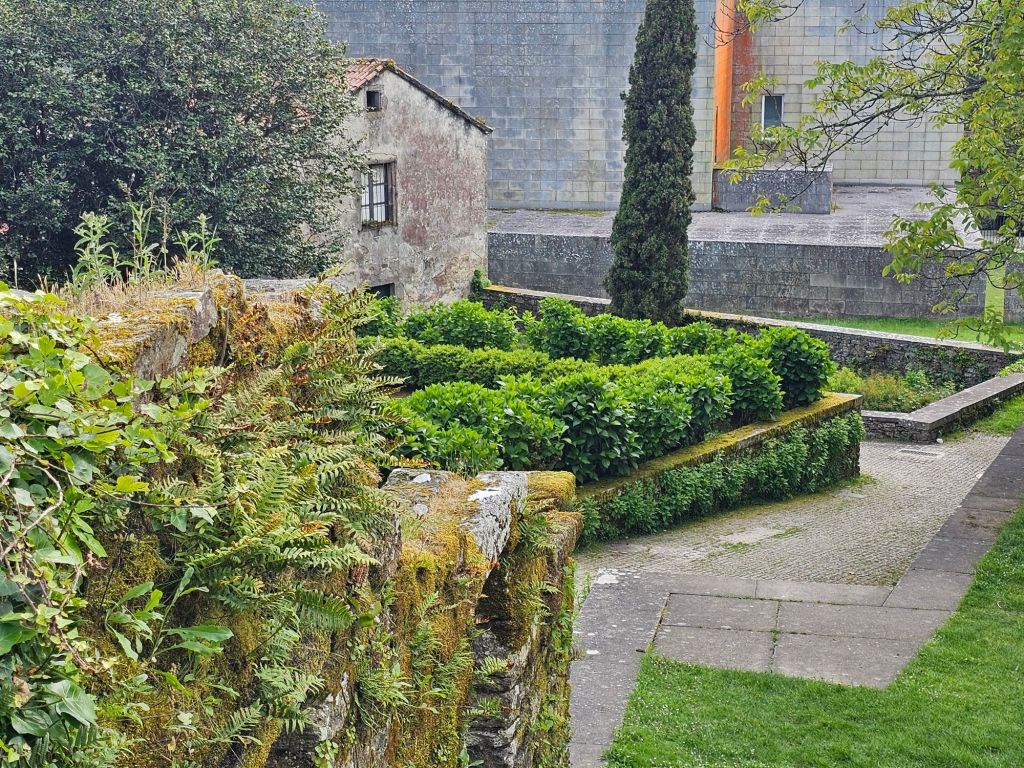
The gardens are magical, formally laid out, but now overgrown:-
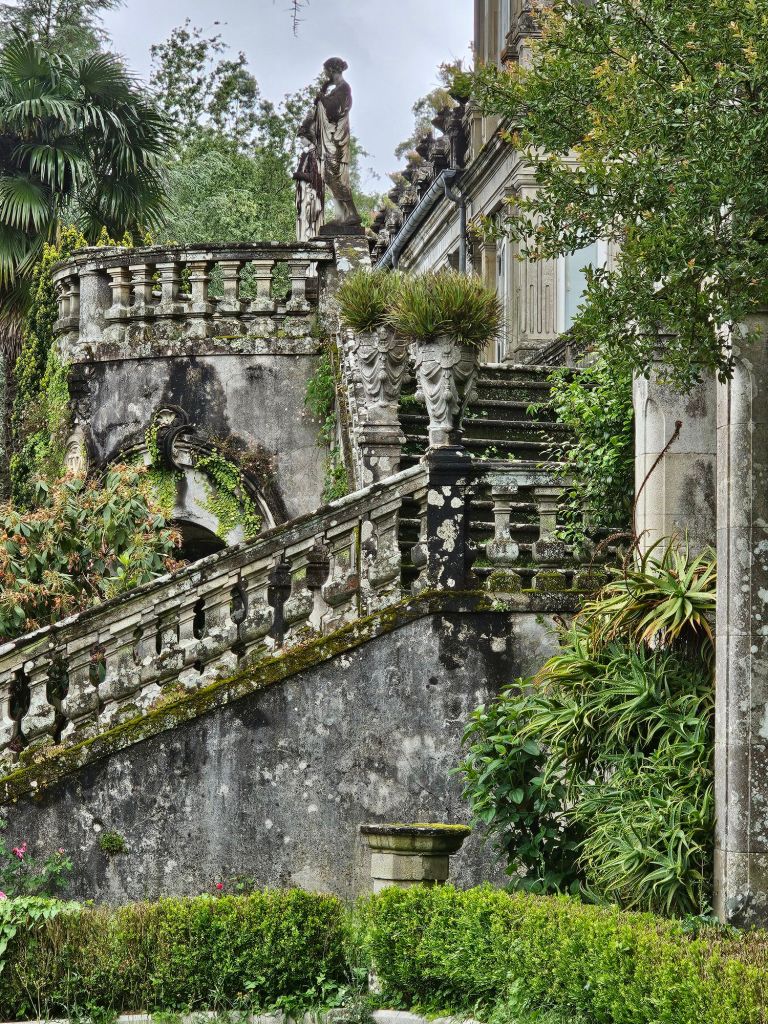
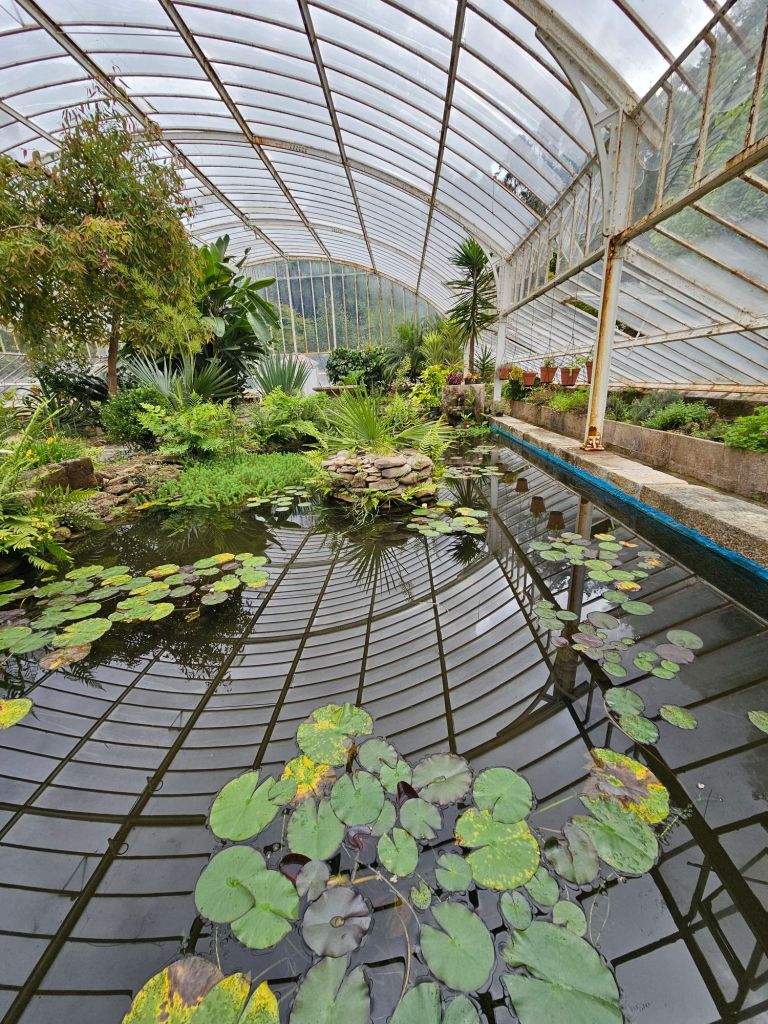
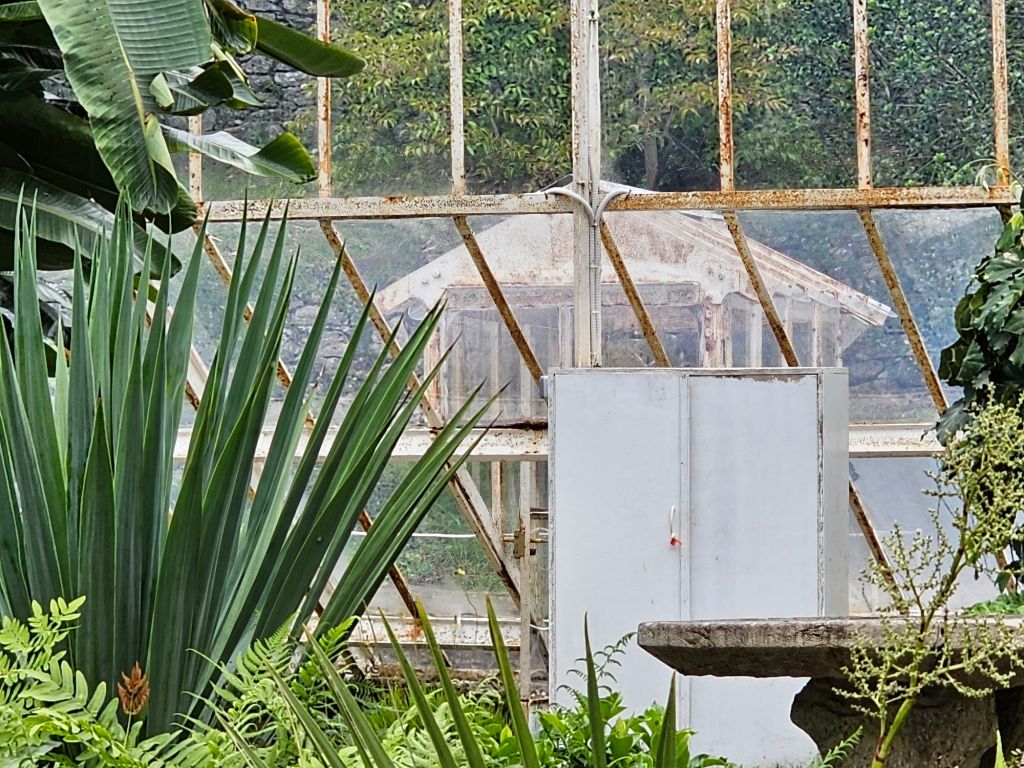
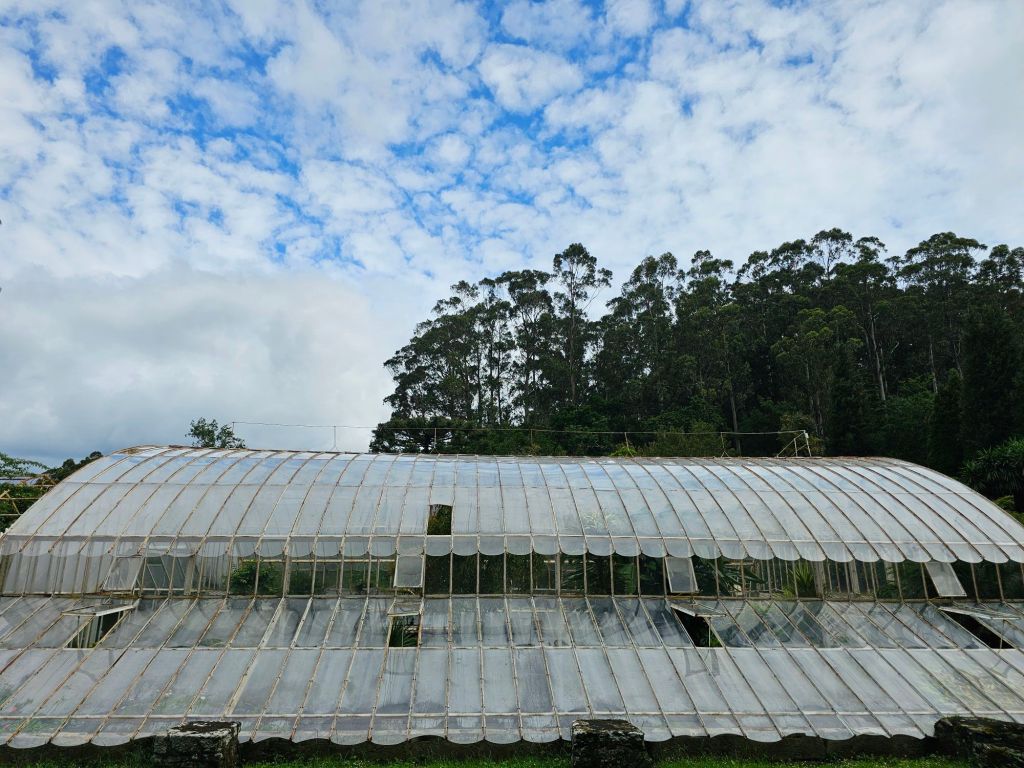
We ended at the greenhouse:-
Standard

Santiago de Compostela (7)

My last post from Compostela is of the park next door to the Galician Contemporary Art Centre which was also apparently laid out by Alvaro Siza, a beautiful hybrid between formal and informal.  I even photographed it in colour:-

Standard

Santiago de Compostela (6)

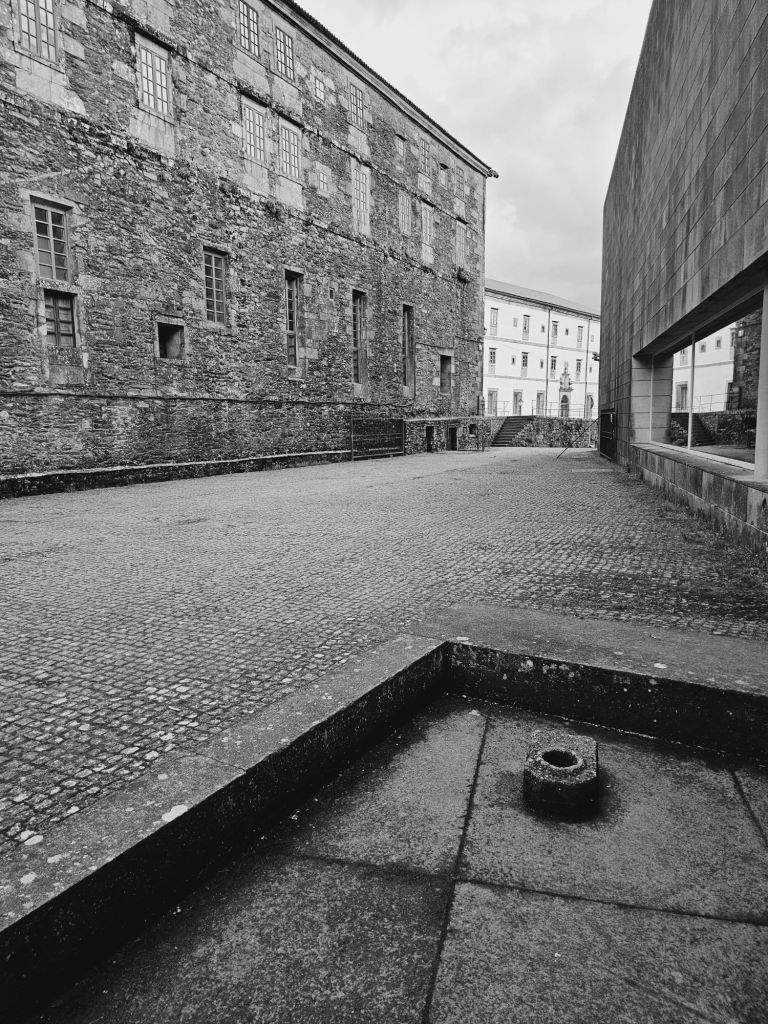
I did not know and should have done that the Galician Contemporary Art Centre was designed by Alvaro Siza between 1988 when the project was first planned and 1993 when it opened.

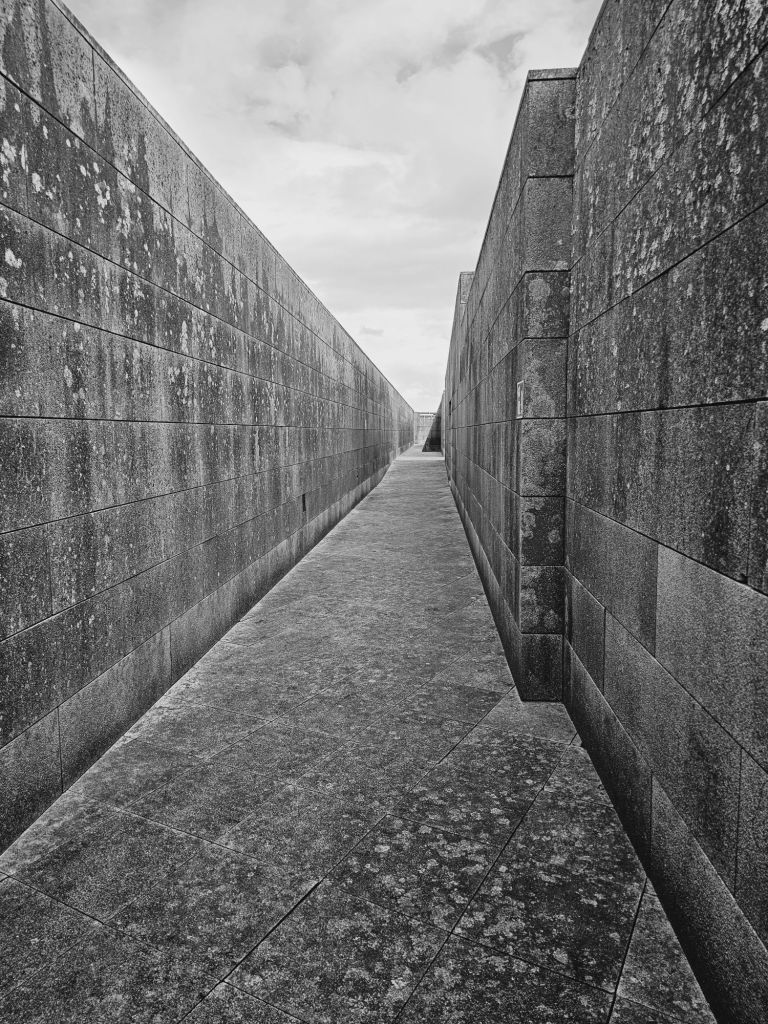
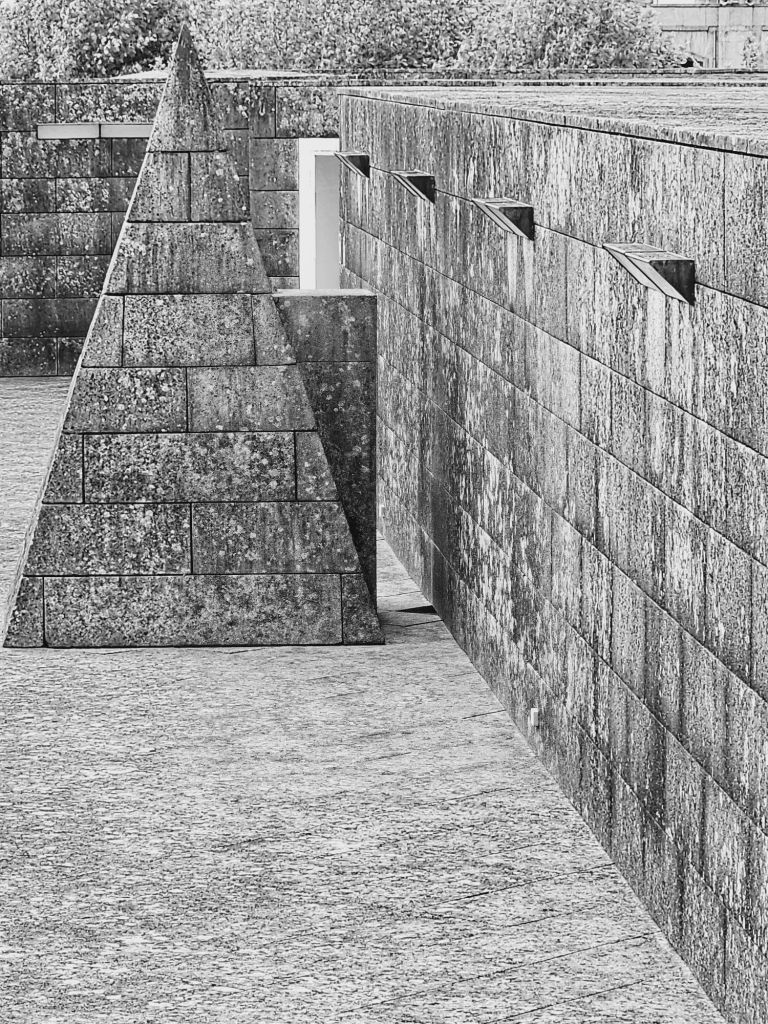
It’s a tough building, of Galician granite, in a beautiful setting opposite the Convent of San Domingos de Bonaval, just outside the city centre:-

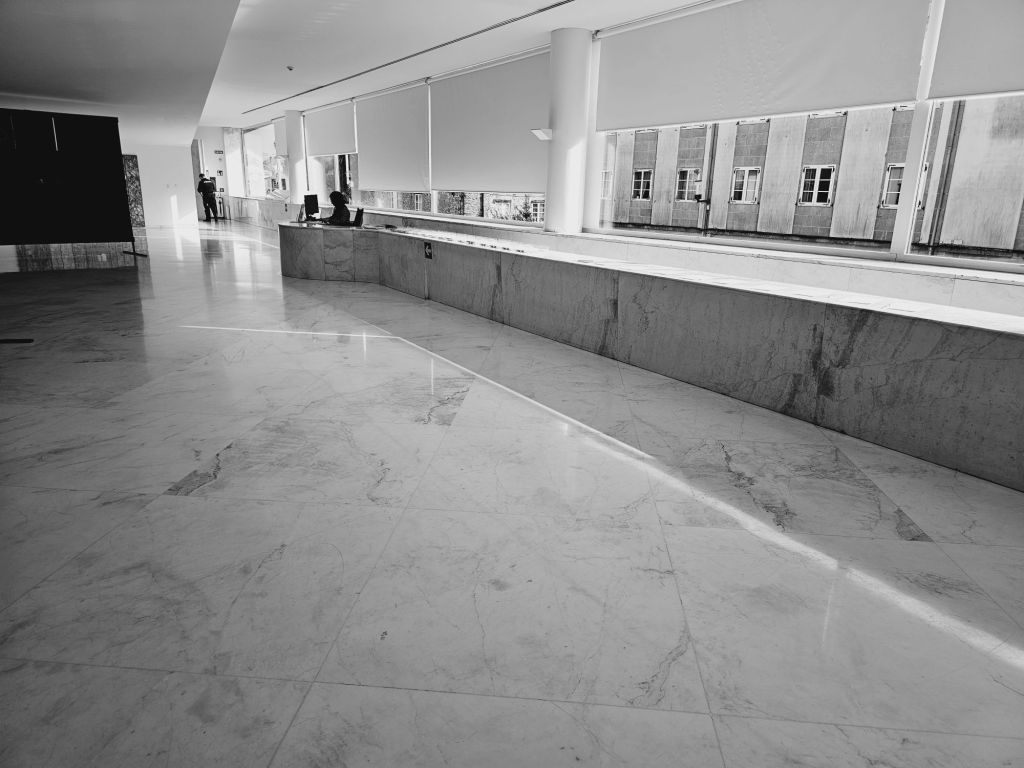
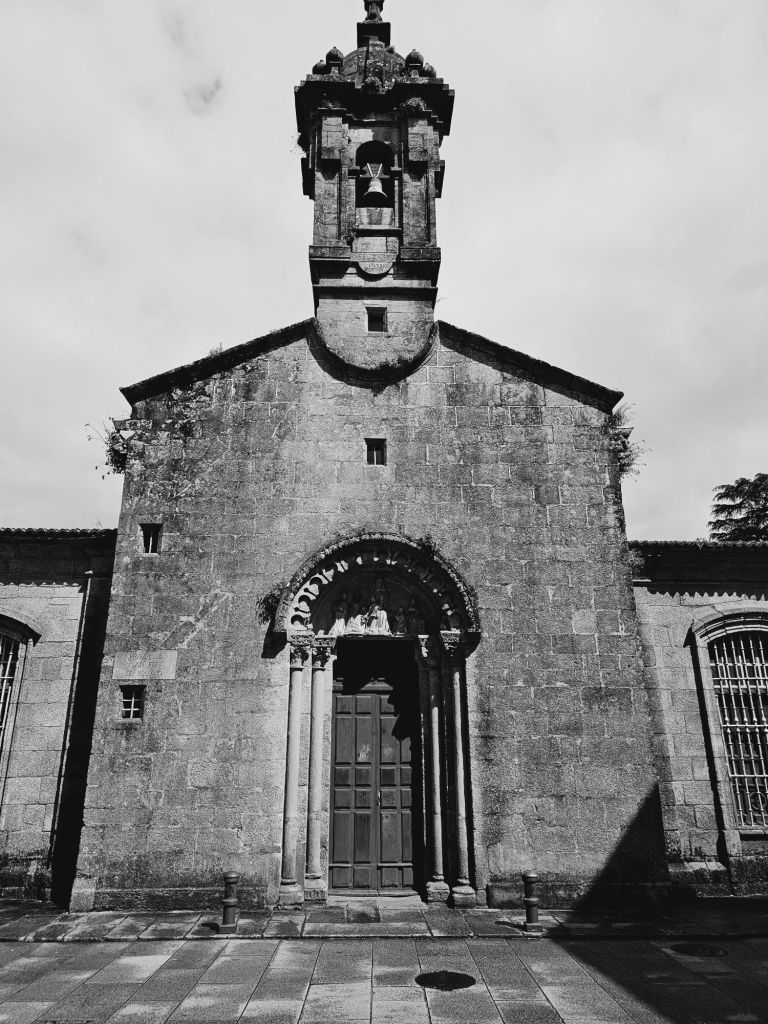
There is a ravishing daylit entrance, all of Galician marble:-
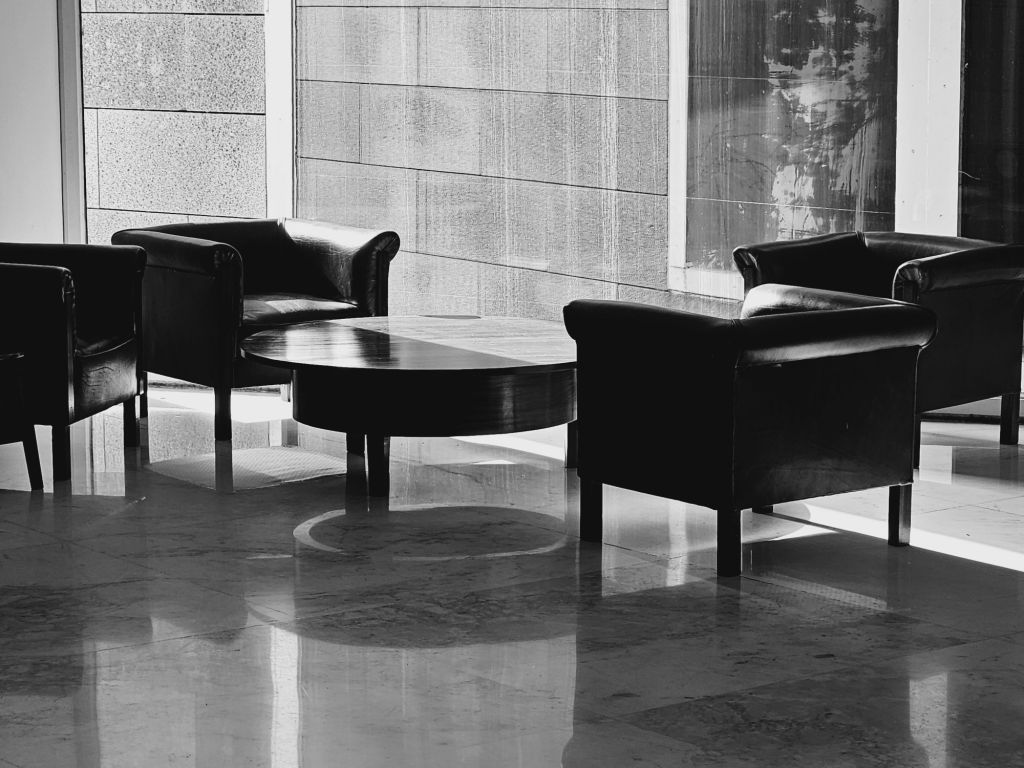
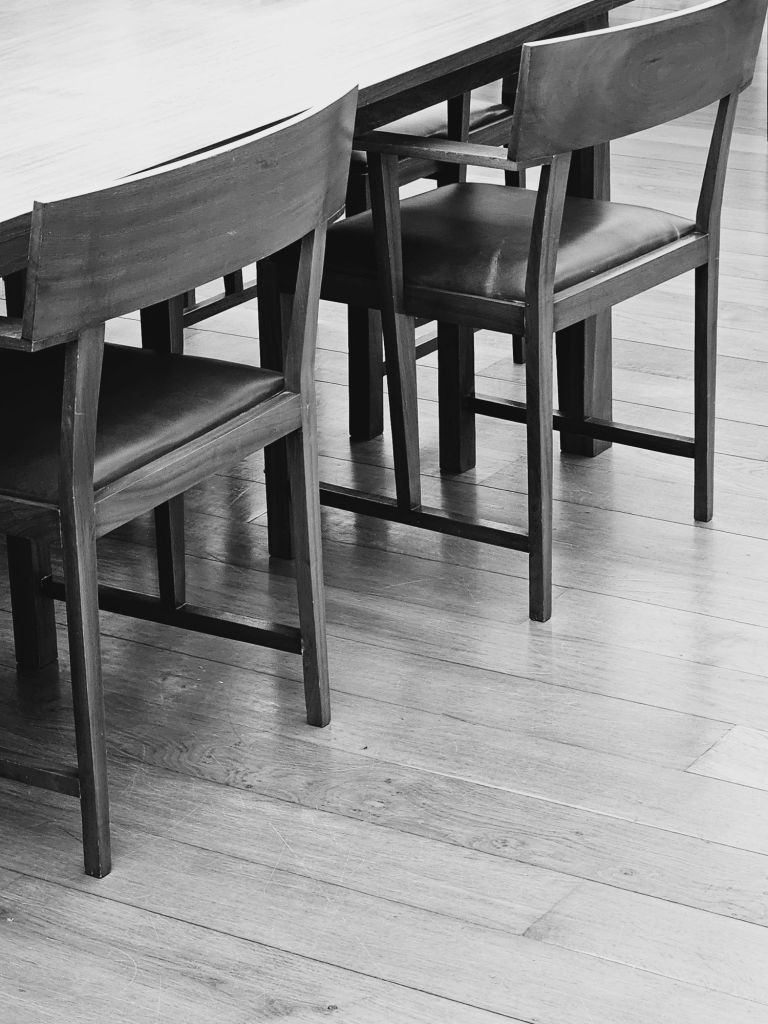
There is beautiful furniture designed by Siza:-
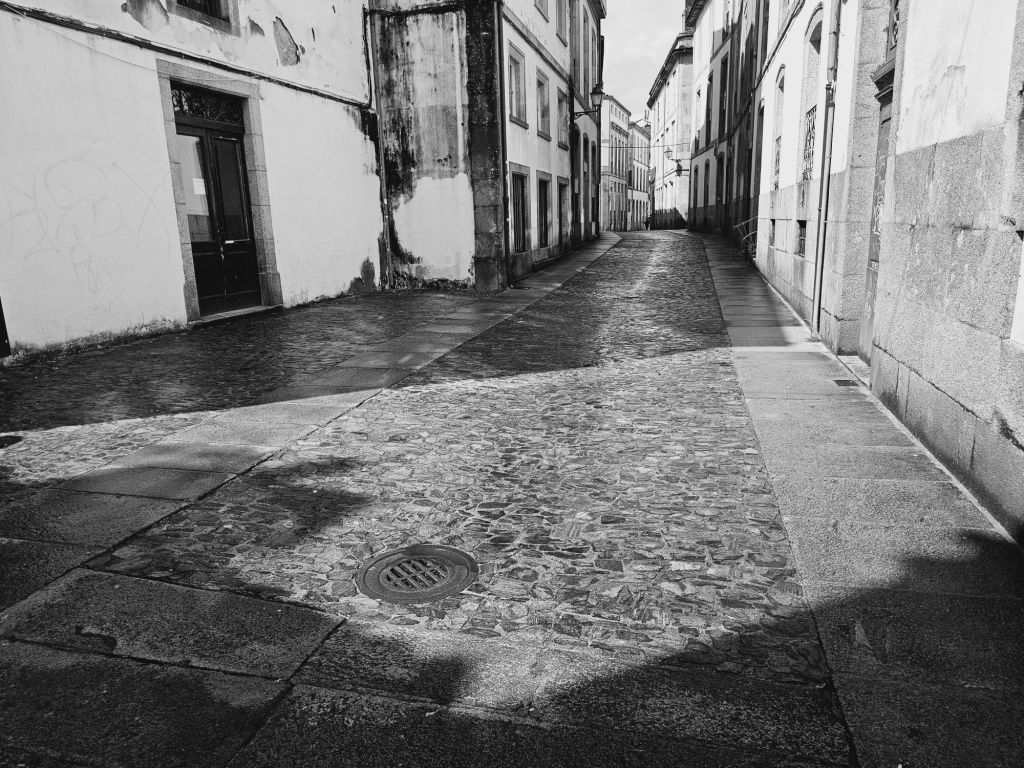
And a strange roof-top, replicating the alleyways and urban spaces in the city below:-

Standard

Santiago de Compostela (5)

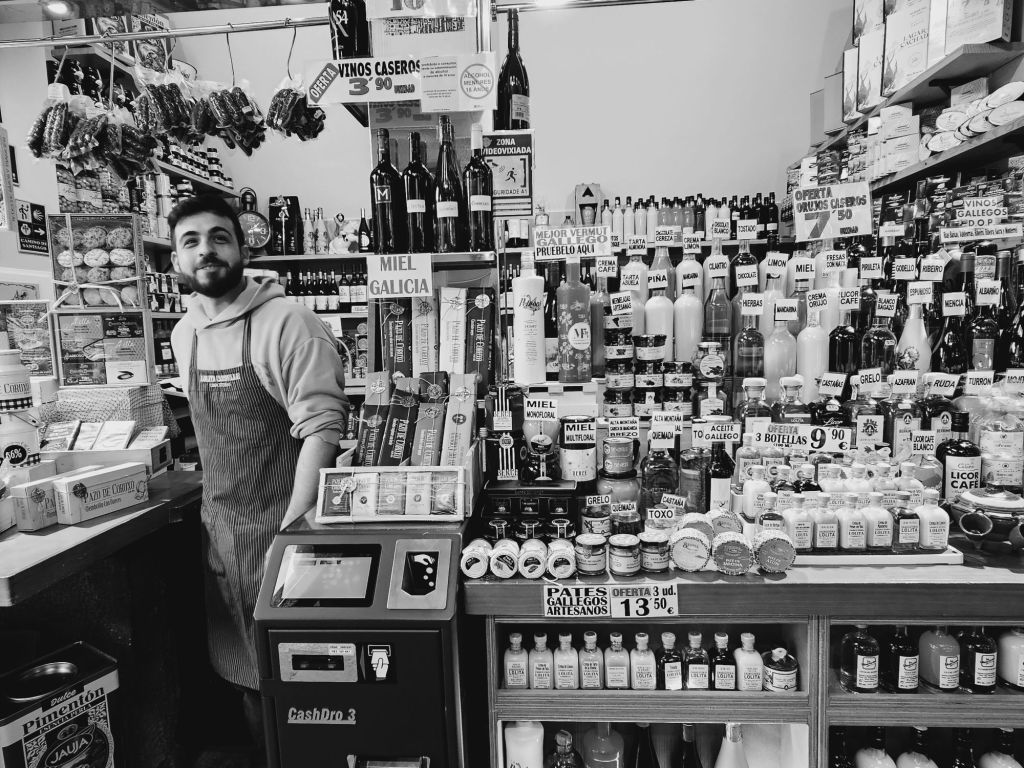
One of the best places in Santiago is its market, designed in 1937 by Joaquín Vaquero Palacios in a style of robust, rustic classicism, opened in 1941, much admired by Aldo Rossi when he visited Compostela for SIAC 1976:-

Standard

Santiago de Compostela (4)

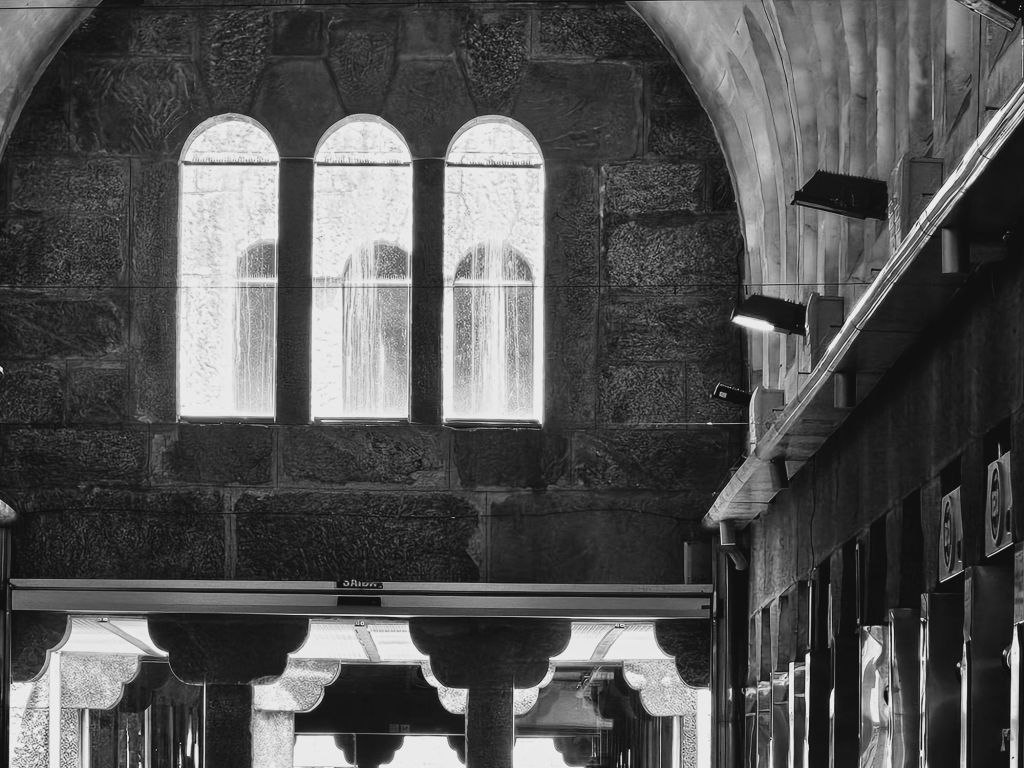
I took the long route to lunch calling in on the courtyards of the former Pilgrim’s Hospital, now the Parador:-

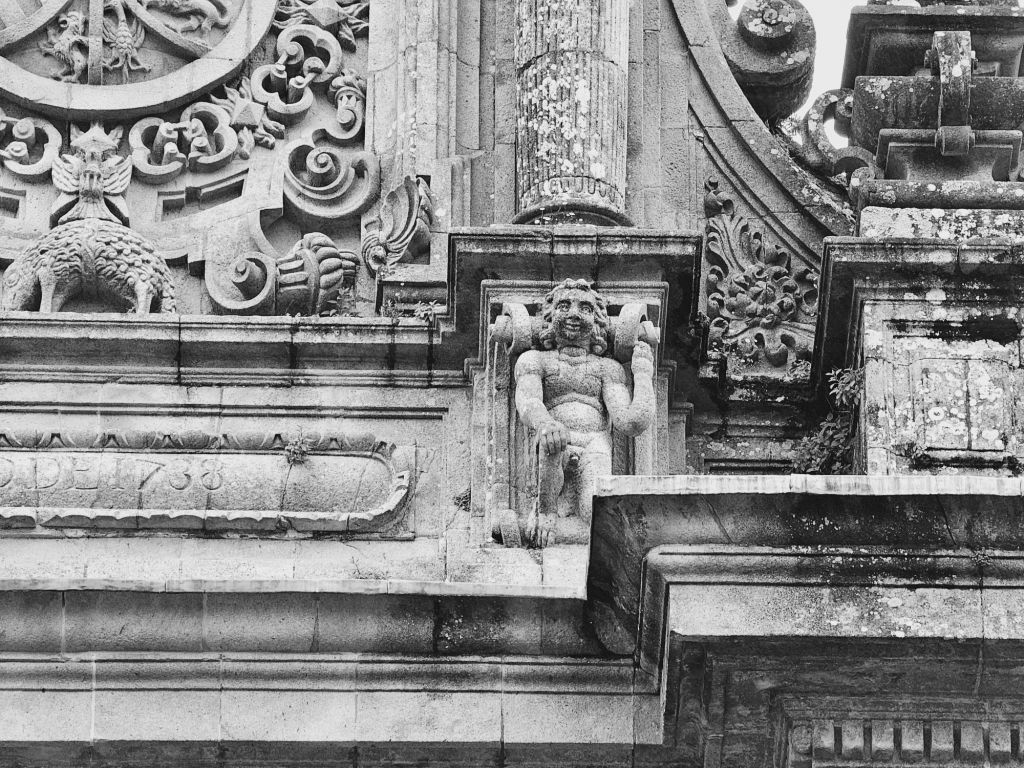
And admired the sculpture of Adam on its façade:-

The church of St. Francis looks unused:-

The church of St. Martin Pinario was also shut:-

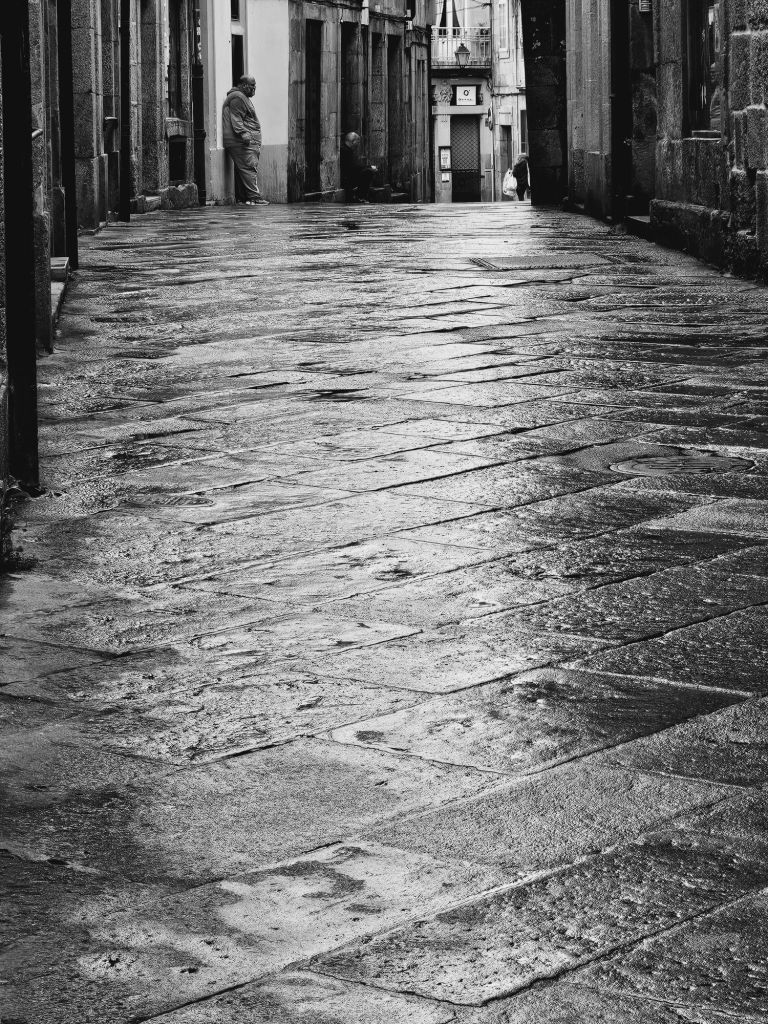
Then I walked by back streets and alleyways to our rendezvous at Abastos 2.0 by the market place:-

Standard

Santiago de Compostela (3)

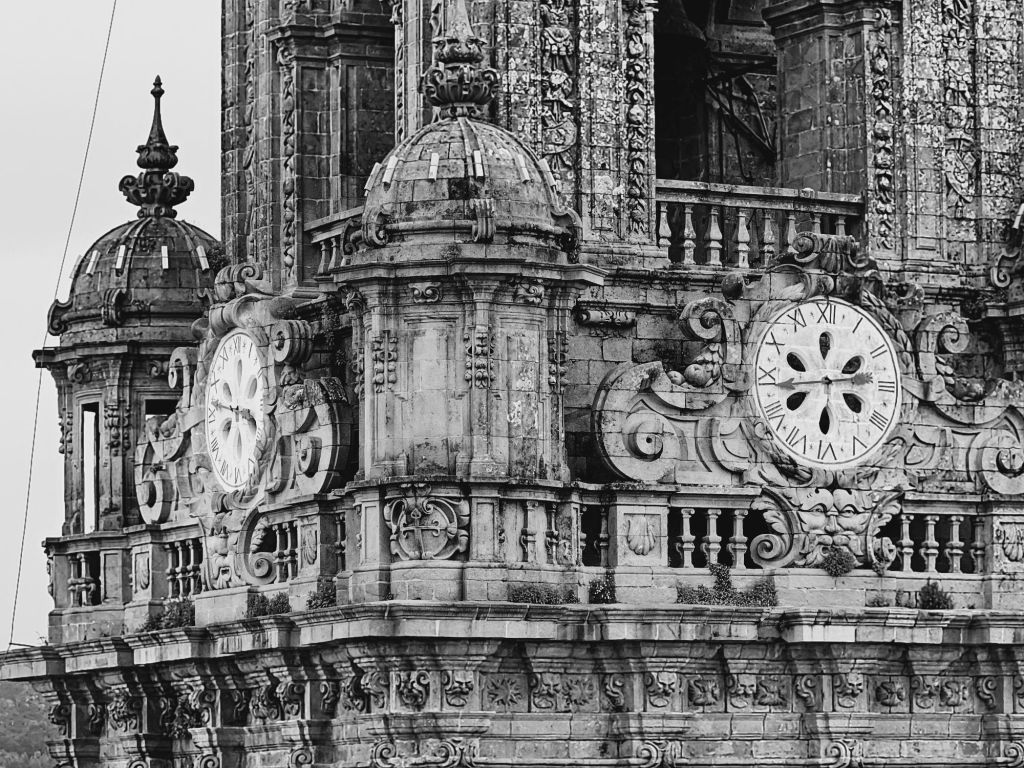
We were able to walk across the roof of the Cathedral.  Quite an experience, seeing the baroque towers so close up:-

We ended up in front of the Pórtico de la Gloria, an extraordinary feat of medieval carving, so unexpectedly life-like, s much less stylised than the equivalent sculpture of south-west France to which it is compared.

No photography.

Then to the little museum.

S. Sebastián c.1450:-

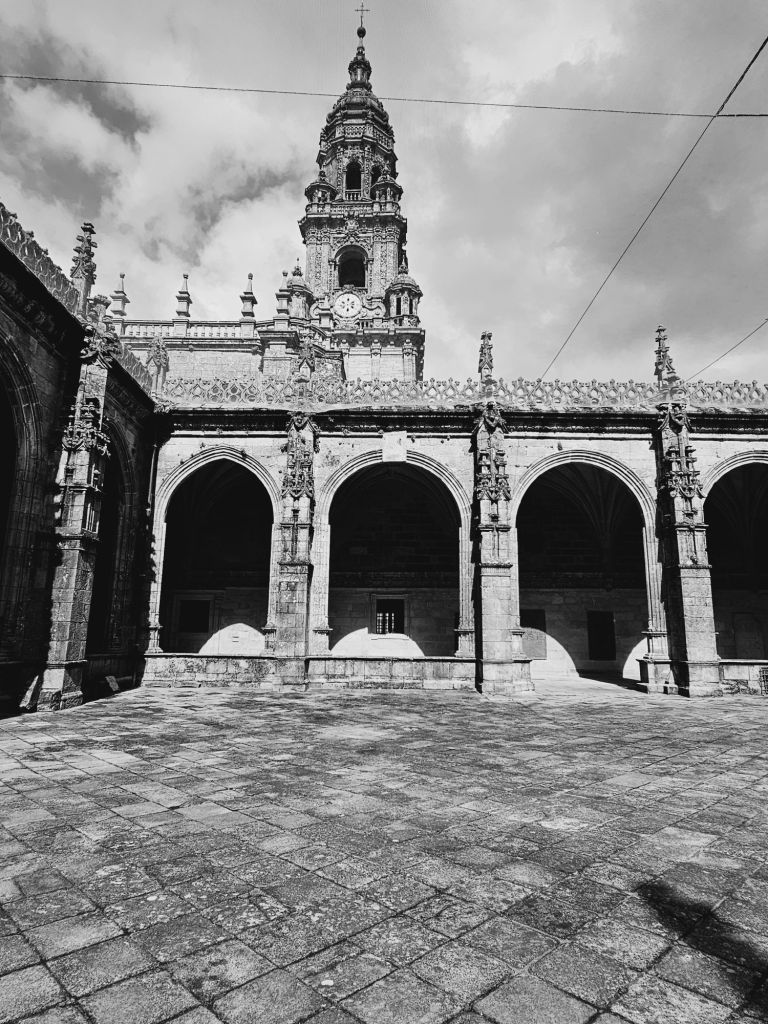
And the cloister:-

Standard

Santiago de Compostela (2)

So, the day began with Goretti Sanmartin, the Mayor of Compostela, encouraging us to get lost.  I thought: has she been reading my blog ?  It was precisely the sensation I had enjoyed of being able to explore the city without a map or any plan of what to see because it is so well preserved as a totality, an urban environment which the city cares about not building by building, but as a whole. 

And she described the purpose of the day’s conference so precisely: to think about provenance; the ways in which an understanding of a city’s history, the trajectory of urban change, can benefit its culture.  It’s hard to imagine the Mayor of London saying anything comparable.  But, then, our Mayor was not trained as a philologist:-

Standard

Santiago de Compostela (1)

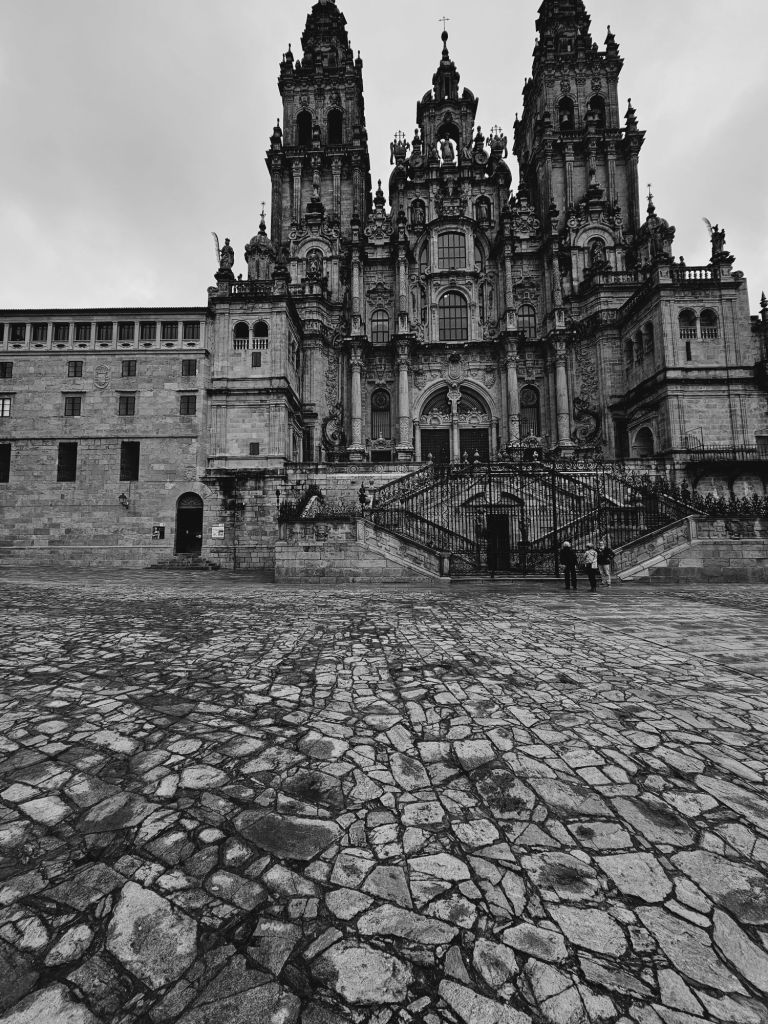
I walked round the old town of Compostela, mostly in the lightest drizzle, to get a feel of its historic environment – the still medieval streets with their arcades, the seminaries, the absence of traffic, the sense of it being a place of pilgrimage round its great cathedral:-

Then I found a map and lost the magic of exploration.

Standard

Smithfield Market (1)

In looking at the future development of Smithfield Market, I have been pointed in the direction of a report Terry Farrell did a while back which retains its validity now that the Market traders may move out: that it should retain its identity as a mixed use, cultural project, part of a Culture Mile, rather than be treated as a site for large-scale commercial development.

It’s into this context that the RIBA Drawings Collection might fit, alongside the new London Museum.

https://farrells.com/wp-content/uploads/2019/09/Smithfield-Market_Understanding-the-Site.pdf

Standard