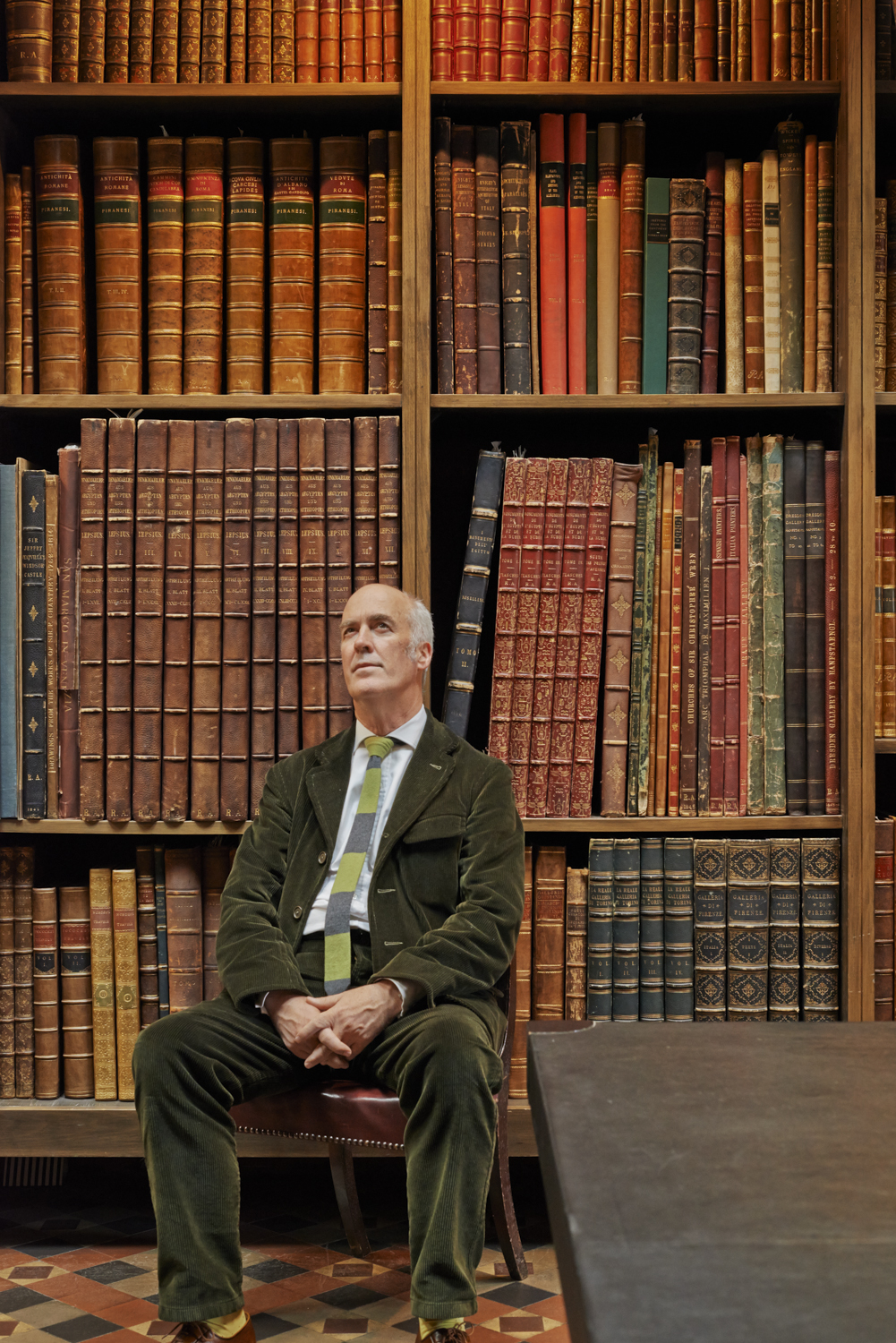
I spent the evening in Cambridge at a dinner in honour of Judith Aronson, the American portrait photographer, who in 1979 was asked by J.H. Plumb, the Master, to document the Fellows of Christ’s. She had set up her studio in the rooms of her husband, Christopher Ricks (her darkroom was in the kitchen), and we were each allocated 15 minutes in quick succession, photographed against a plain white background in the tradition of Richard Avedon. But, unlike Avedon, she liked an atmosphere of informality and employed someone to make conversation. It’s intriguing to see the set, thirty six years on, Jack Plumb seen from a side view, David Cannadine in a wide lapelled suit, some people easily recognisable. I only half recognise myself.
Jean-Etienne Liotard (2)
Our Liotard exhibition has arrived from Edinburgh. It looks wonderful in the Sackler galleries with their good height and generous proportions, enhanced by clever but low-key design by Eric Pearson with minimal red banding in the first gallery to give a sense that they are works for private rather than public space. The exhibition gives a particularly good view of the aristocracy in the late 1730s, grand tourists in Rome and Constantinople, cultivated and louche, members of the Society of Dilettanti (Viscount Duncannon was a founder member) and of the Hellfire Club (Simon Luttrell founded the Dublin Hellfire Club). Viscount Mountstuart stayed in Geneva with the Pictet family, whose bank are sponsoring the exhibition.
Marina Abramović
Marina Abramović came to talk to the students of the Royal Academy Schools this evening. She started by showing a picture of her great uncle, who was a patriarch of the Orthodox church, and her parents, her father who was a devoted communist and her mother who was Director of the Museum of the Revolution and Art in Belgrade. She fell in love with Ulay, a performance artist in Amsterdam (she left out the fact that she had already been married) and they lived and worked together until she was 40.
I was left with the strongest possible impression that she is a high priest herself – of a cult devoted to silence and contemplation, the turning inwards to experience, performance art as a version of what Simeon Stylites practised so successfully, the flagellation of the body as a cure for the ills of society.
Sussex
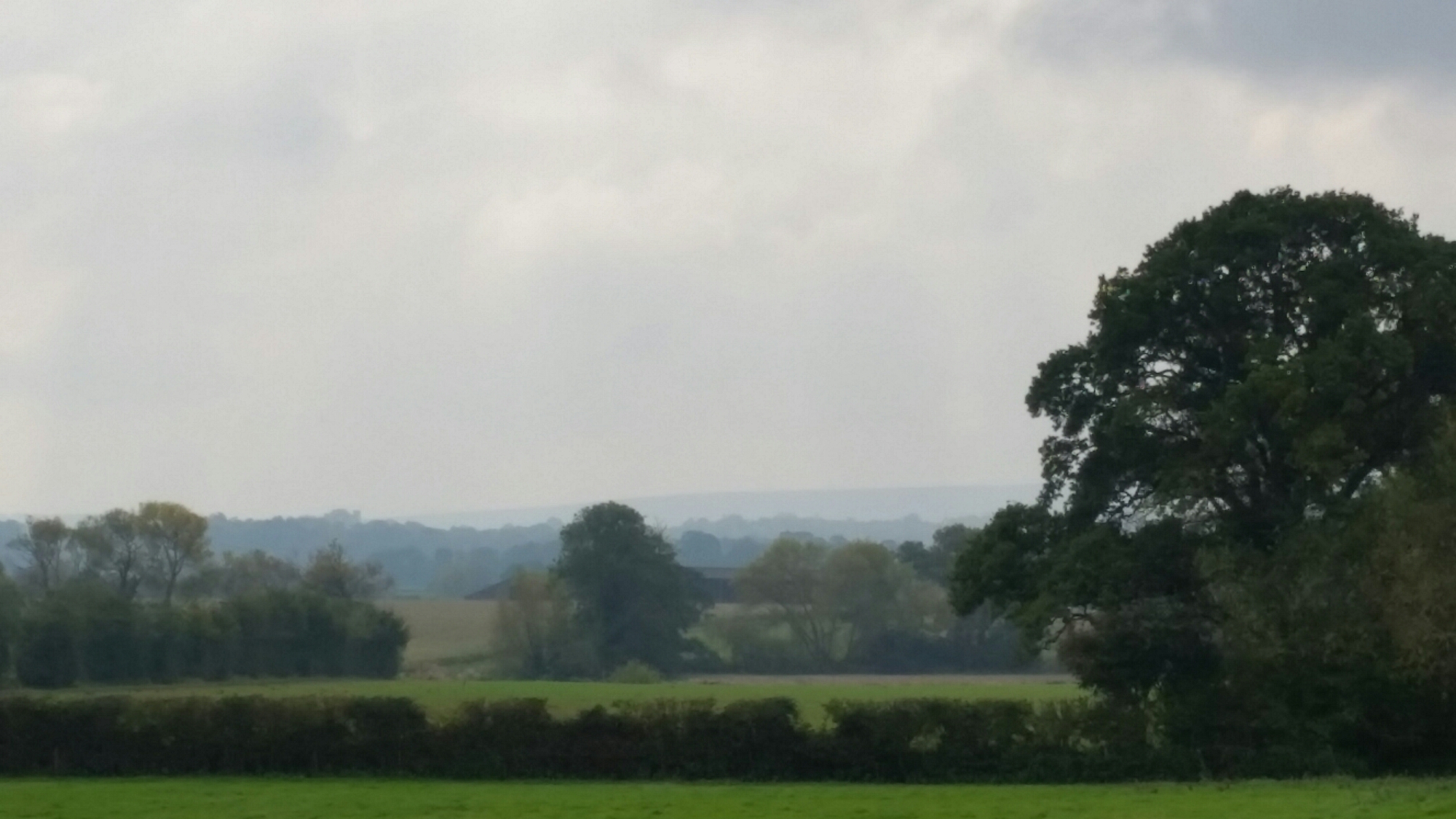
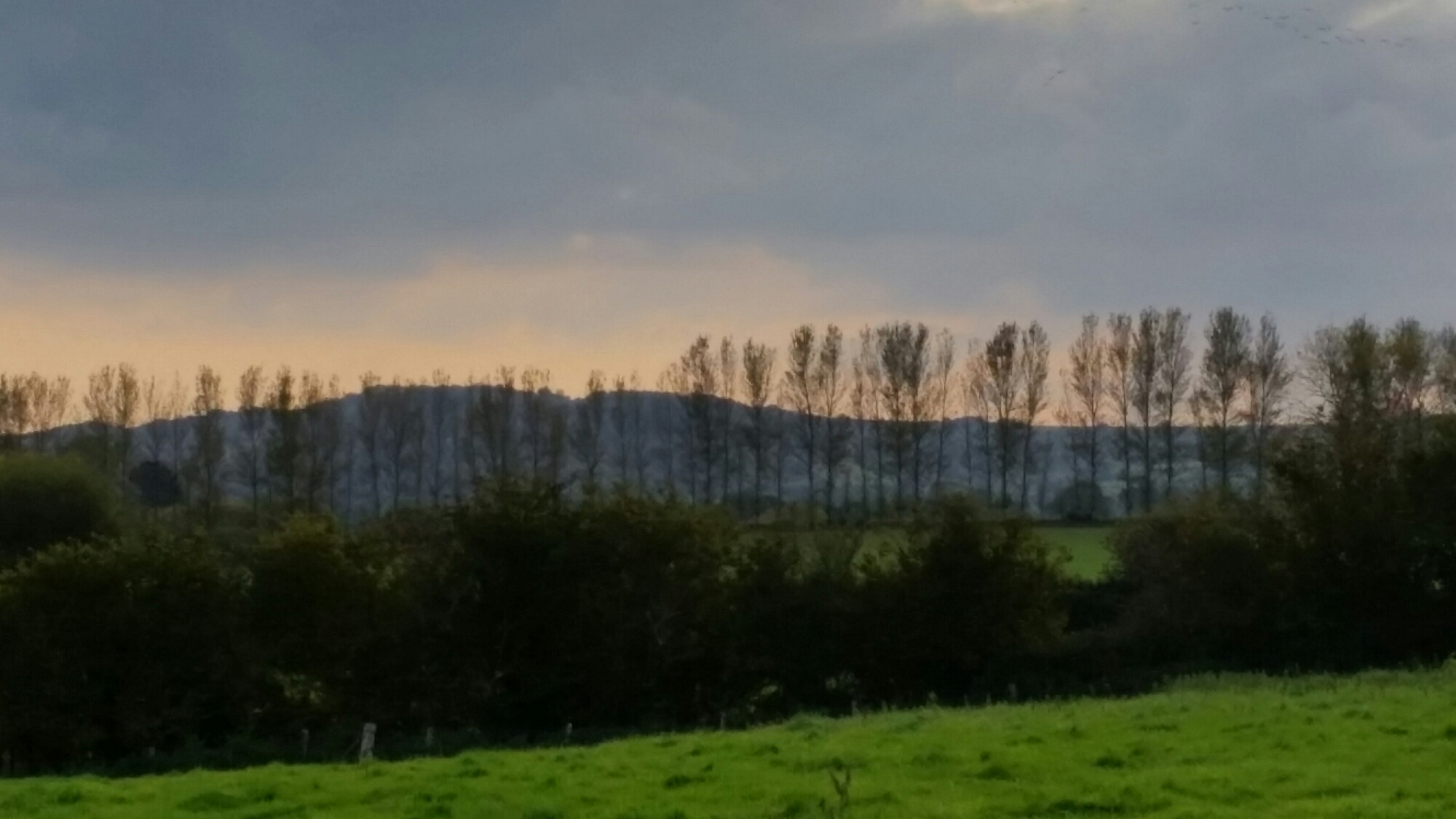
We drove through the Weald to a sixtieth birthday lunch. We admired the country settling into late autumn:-
Frank Auerbach
I liked and admired the intensity and viscosity of the Auerbach exhibition, treating the same subjects over and over again, the view from Mornington Crescent or Primrose Hill, his wife Julia or, much less often, Jake, and his regular sitters, Catherine Lampert and David Landau, described in the commentary as a businessman, but, just as importantly, an art historian. I particularly admired the two Self Portraits, one early one from 1958, chalk and charcoal, and a later drawing which ends the exhibition from only last year. It’s quite reassuring to see someone so consistently responding only to the challenges of the interpretation and layering of paint as decade follows decade in the sequence of rooms.
Barbara Hepworth
It was only when I walked upstairs at the Tate and saw the thickly coagulated pigment of works by Frank Auerbach that I realised how much I had appreciated the beautiful sensuality with which Barbara Hepworth used materials, not just the smooth forms of abstract marble in the mid-1930s, juxtaposed together, but, most especially, her use of wood – holly and lignum vitae, smooth and beautifully polished – and her abstract shapes hollowed out in inverse, sometimes held together in tension with string, from later in the same decade.
The Front Desk
When we have a very busy exhibition, as Ai Weiwei is, I like to take a turn on the front desk, not to sell tickets (I haven’t had the training), but to observe the responses and reactions of visitors and what it’s like for staff. I could scarcely have chosen a trickier morning as we are having to limit the number of tickets sold on the desk to 25 per half hour, owing to the great number of tickets presold online. What struck me was the infinite patience, tolerance and good humour of those waiting in line, even if they had international flights to catch, and the infinite patience, tolerance and good humour of the person selling tickets in multiple and totally unpredictable combinations. Then I went to see how Edmund de Waal was doing and was conscripted to take the tickets of visitors myself.
Ken Stradling
I was invited by Margaret Howell to see the work she has selected from the Ken Stradling Collection, modernist pieces of glass and furniture which Stradling collected while he was working as a buyer for the Bristol Guild of Applied Art during the 1950s, buying studio glass in Scandinavia. He also acquired furniture designed by Marcel Breuer and made by P.E. Gane, a firm in Bristol run by Crofton Gane who supported and promoted modern design. The work is displayed throughout the shop.
A trip round the galleries
In honour of Frieze week, I did something which I should do more often, namely visit the galleries in the vicinity of the RA, starting at Alan Cristea in Cork Street. He is showing an exhibition of new work by Cornelia Parker, based on photographs of silver ware in Spink which she found in a skip and has converted into short run editions of prints. He also has a room full of installation works by Edmund de Waal and new prints by Michael Craig-Martin.
I liked the exhibition at Ordovas on Savile Row installed round one of Damien Hirst’s sharks and based round the theme of the sea, including a fragment of a Roman sarcophagus, a wonderful Yves Klein and works by Picasso, Francis Bacon and Max Ernst.
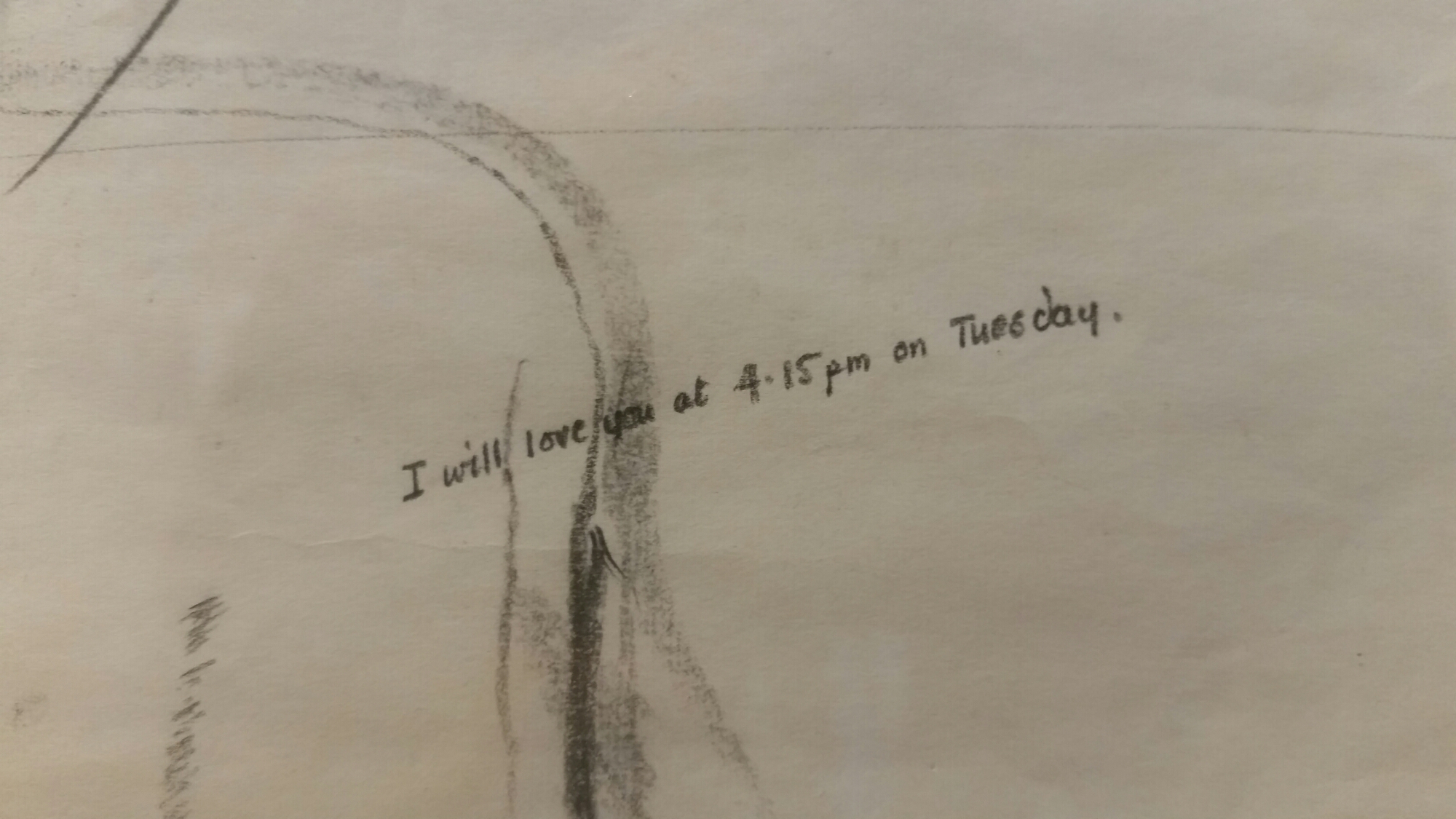
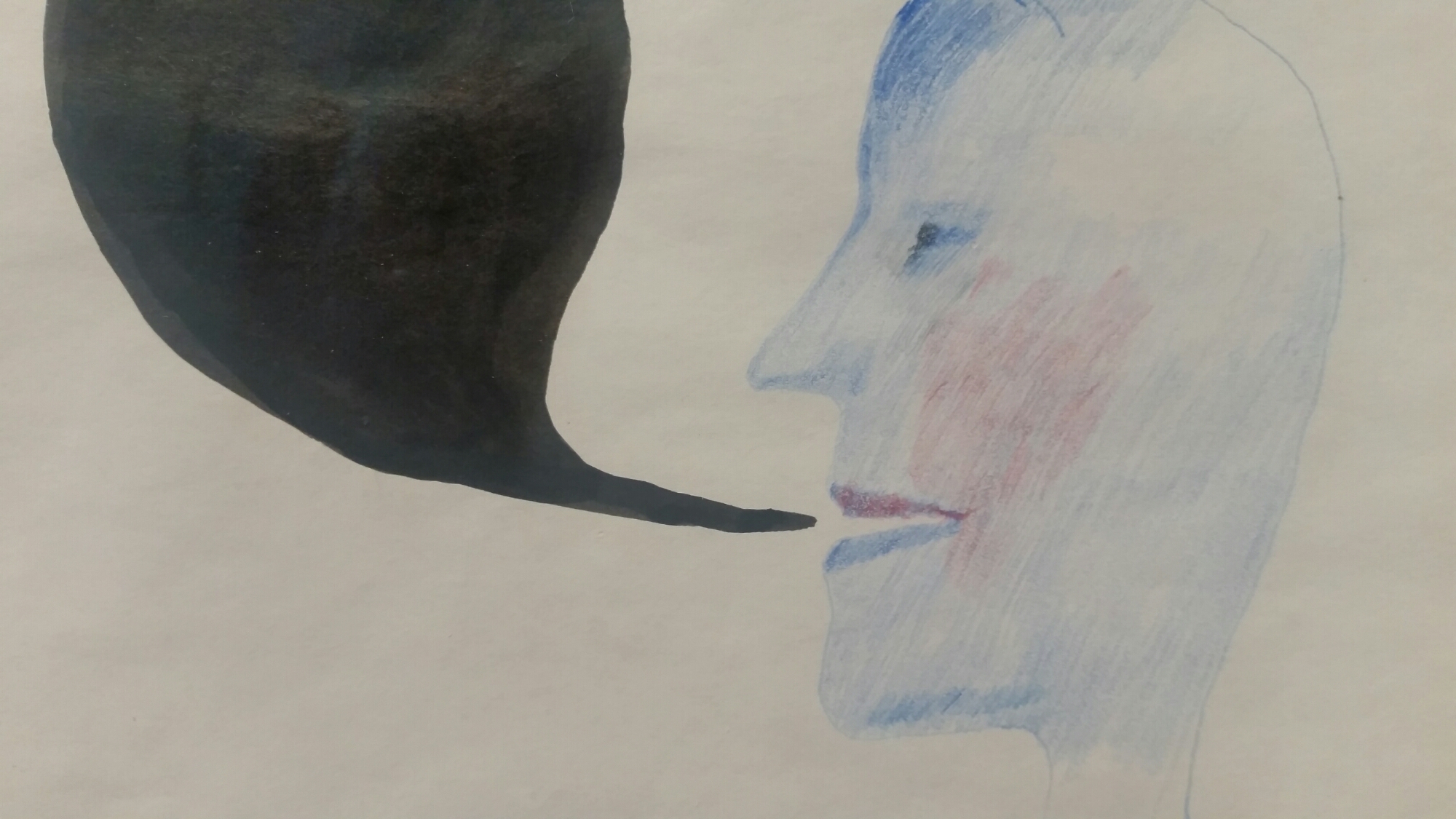
The best of the exhibitions I saw was the beautiful and unexpectedly extensive exhibition of early Hockney portrait drawings in the new Offer Waterman gallery in St. George Street. The gallery is an early eighteenth-century house which was once once the showroom of William Morris and has been immaculately converted (look at the oak floorboards). The drawings date back to 1961, when Hockney was still a student at the RCA:-
Charles II
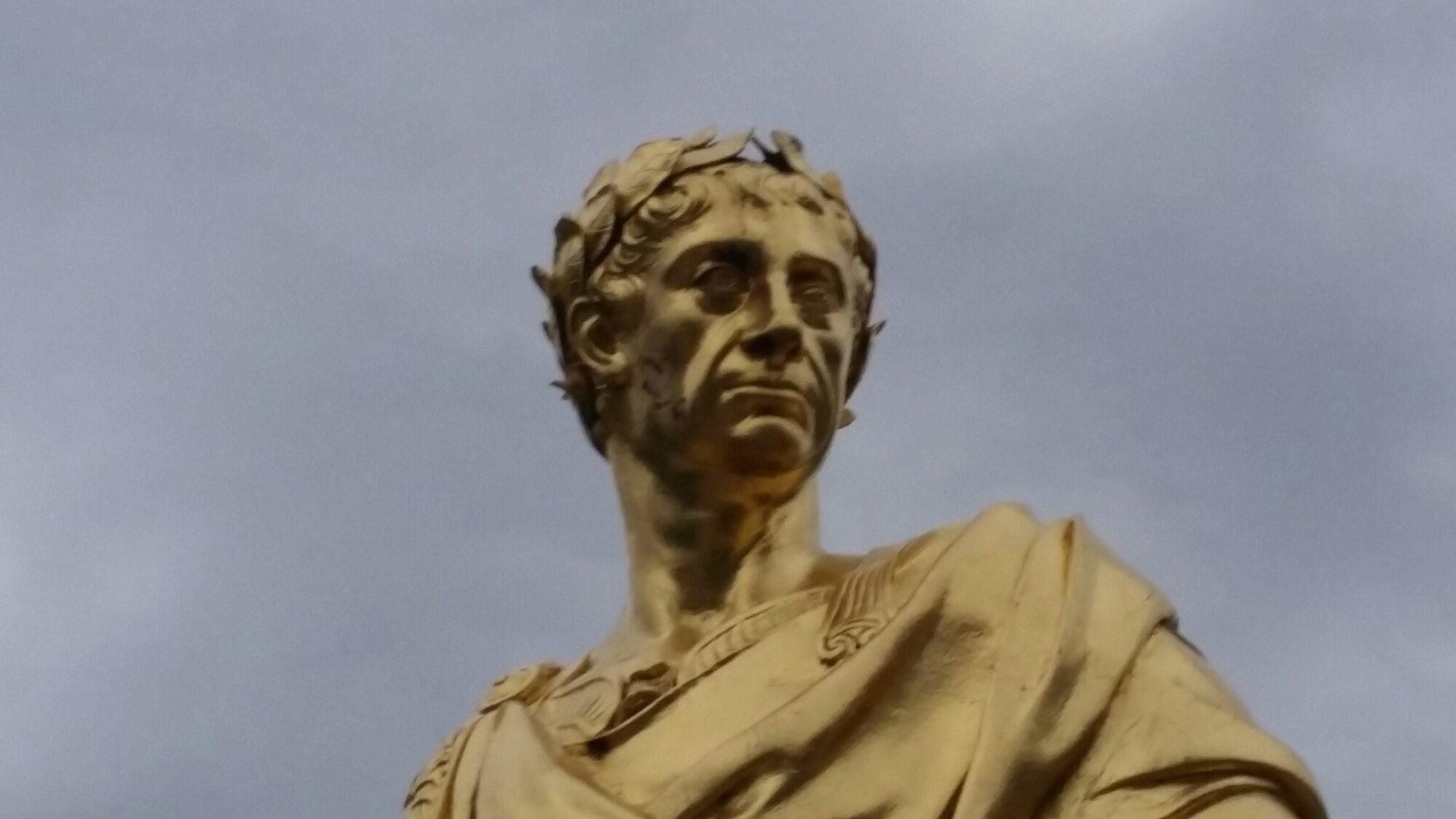
I was on my way to a lecture by Adrien Gardère last night at the Royal Hospital in Chelsea when I nearly bumped into a large gilt statue of Charles II in the so-called Figure Court on the south side. Oddly camp, it was presented in 1682, the year the Hospital opened to treat the victims of the Battle of Sedgemoor and two years after its sculptor, Grinling Gibbons, so much better known for his wood carving, had been made King’s Carver:-

 | Charles | Saumarez | Smith |
You must be logged in to post a comment.