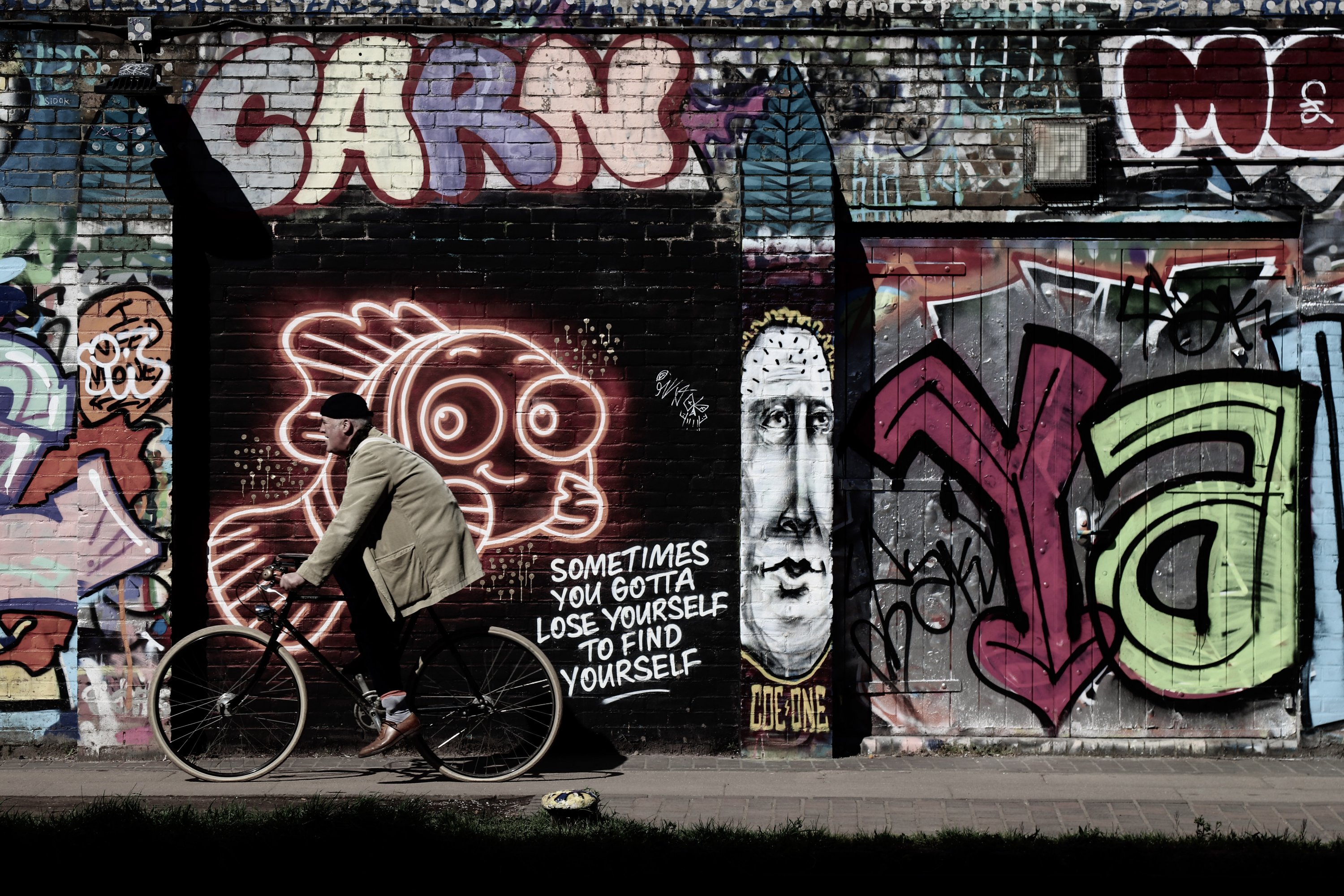
Frieze Masters

Frieze itself was mobbed at opening time, so I was only too happy to walk through the park to Frieze Masters, not so crowded and a bit more thoughtful.

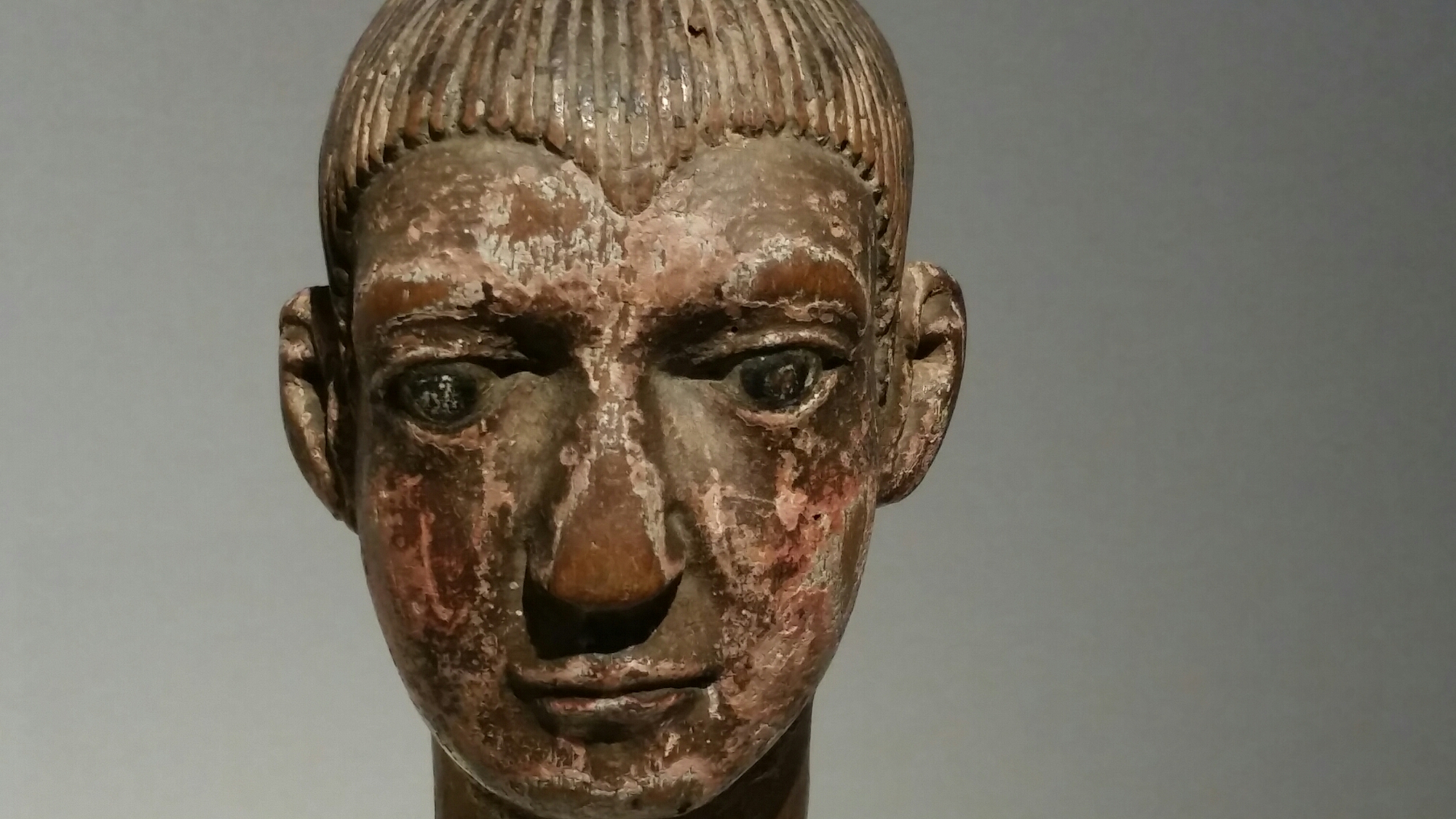
I always like Sam Fogg’s stand, surprised that such great works of medieval art are nearly affordable.   This a twelfth century French head of a Christ Child.   Only £10,000:-
image

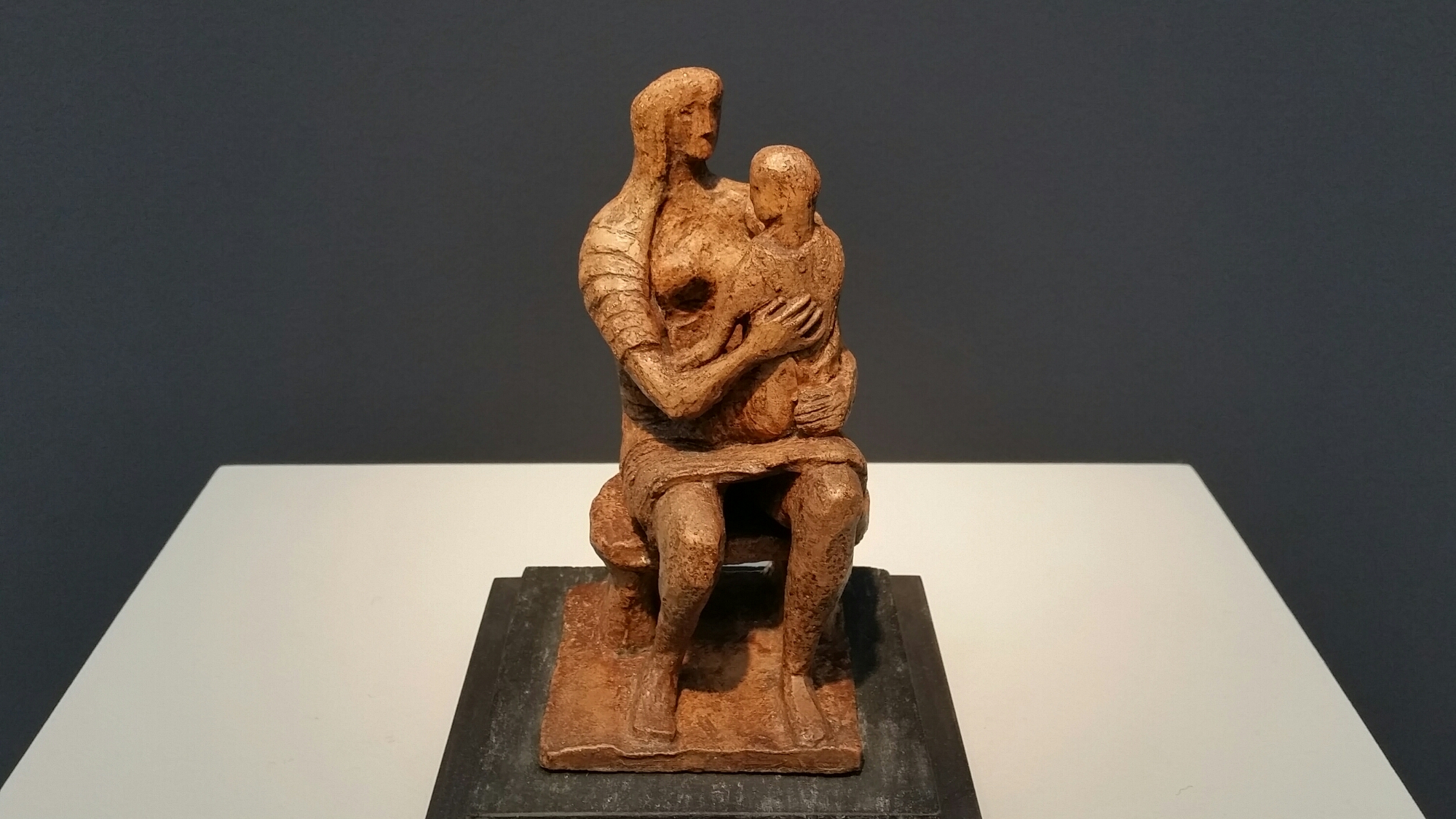
Hauser and Wirth have a beautiful terracotta model by Henry Moore for his Madonna and Child in St. Matthew, Northampton:-
image
Continue reading

Standard

Gagosian

I started my Frieze day tour at the new Gagosian Gallery on Grosvenor Hill, tucked in behind Alfred’s Club, a grand new space, designed, like Damien Hirst’s Newport Street Gallery, by Caruso St. John, helping to consolidate Mayfair as a place for art as well as fashion.   The spaces look good for a small number of big pieces by Cy Twombly.

Standard

Shepherd Market

I had a drink tonight in Shepherd Market (named after Edward Shepherd, its architect and the site of the old May Fair) and felt a sudden deep wave of nostalgia for its old, scuzzy character in the days when I worked – rather briefly – as a delivery boy for Heywood Hill.   I have resisted nostalgia for old Soho, preferring its new found smartness to its old seediness, but in Shepherd Market I found myself missing the old ambiguity between aristocracy and tarts:-

image

Standard

Will Alsop RA

I was asked to take part in a conversation with Will Alsop held at Phillips as part of Frieze Week, organised by Surface magazine, and chaired by Sarah Thornton, the author of Seven Days in the Art World and 33 Artists in 3 Acts (very good on Ai Weiwei).   Two things will stick in my mind.   The first is the way that Alsop uses painting rather than drawing as a way of conceptualising a building project, often collaboratively.   The second is why it is that Alsop has never been asked to design a museum in spite of his prominence as an architect and the fact that he has a genuine and deep interest in the practice of art.   I remembered that he had been on the shortlist for Tate Modern.   Nobody mentioned The Public in West Bromwich.

Standard

The bust of Charles Raven

In clearing out my study today, an annual ordeal, I came across a curiosity, which I am not even sure I acknowledged when it arrived.   Ever since I first met Anthony Caro in the mid-1990s, I have been intrigued that he told me that when he was an undergraduate reading Mechanical Sciences (ie engineering) at Christ’s College, Cambridge, he had done a bust of the then Master, my grandfather Charles Raven.   It was Caro’s first – unrecorded – experiment in sculpture.   I have often wondered what became of it, as did Caro.   No-one, including the College, knew.   Then out of the blue came a letter from one of Caro’s college contemporaries containing a misty, but perfectly identifiable, photograph of the undeniably noble, quasi-Roman bust with Caro himself gingerly holding the backcloth behind it.   This at least makes it possible to document the bust, and might make it easier to locate it:-

image

Standard

Crossrail Place

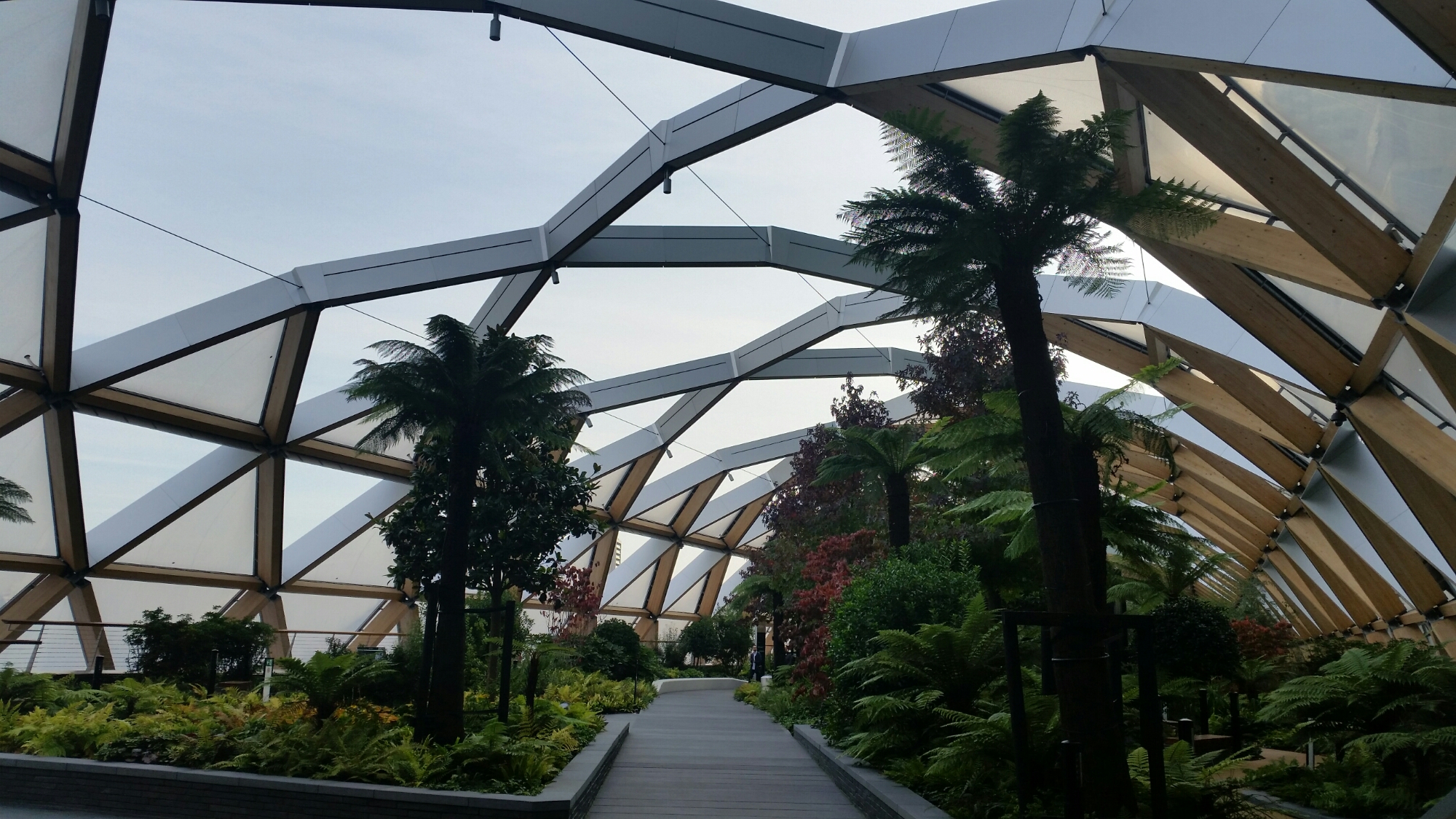
We went to explore the new Norman Foster building which has been attached to the north side of Canary Wharf and will in due course house its Crossrail Station.   It’s a mixture of ballooning high tech and craft detailing in the engineered wooden struts:  currently a bit bland because it’s not yet functioning, but with an elaborate antipodean roof garden:-

image

image Continue reading

Standard

Wedgwood Museum

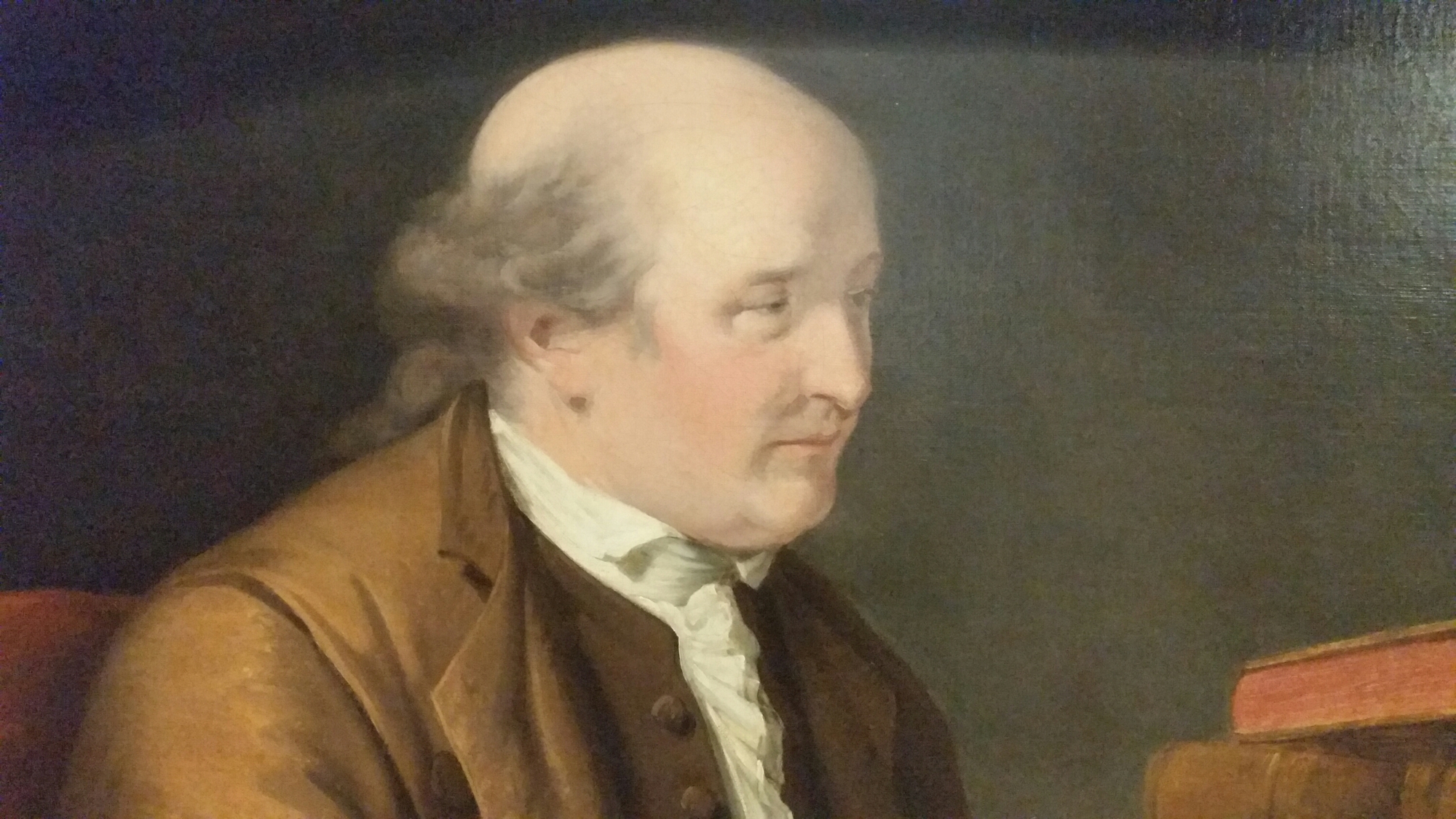
We ended up at the new Wedgwood Museum out at Barlaston:  hard to get to and in a brand new building cum visitor centre, but beautifully displayed and unexpectedly informative about Wedgwood’s origins, his relationship to his wife Sarah, the influence of his father-in-law, his development of Queen’s Ware at the Ivy House Works, and his meeting and working partnership with Thomas Bentley.   I only had time to photograph the portrait of Bentley attributed to John Francis Rigaud:-

image

Standard

Bethesda Chapel

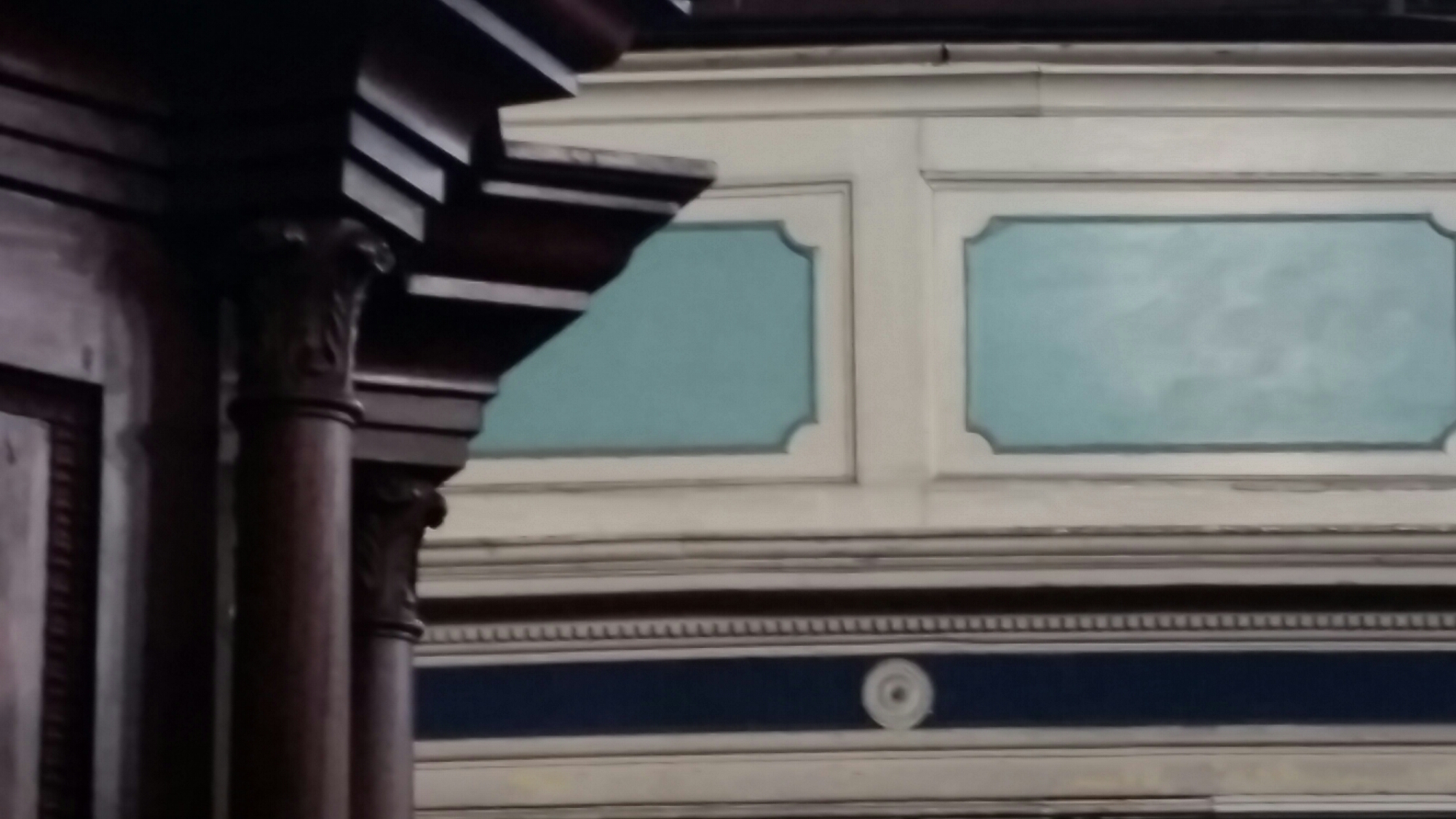
Immediately opposite the Potteries Museum is the Bethesda Chapel, known as the cathedral of Methodism, opened in 1798 after the establishment of the New Methodist Connexion, but not big enough as it only held 600 people, so reconstructed in 1819 for 2,000, with three services a day:-

image

image Continue reading

Standard

Emma Bridgewater

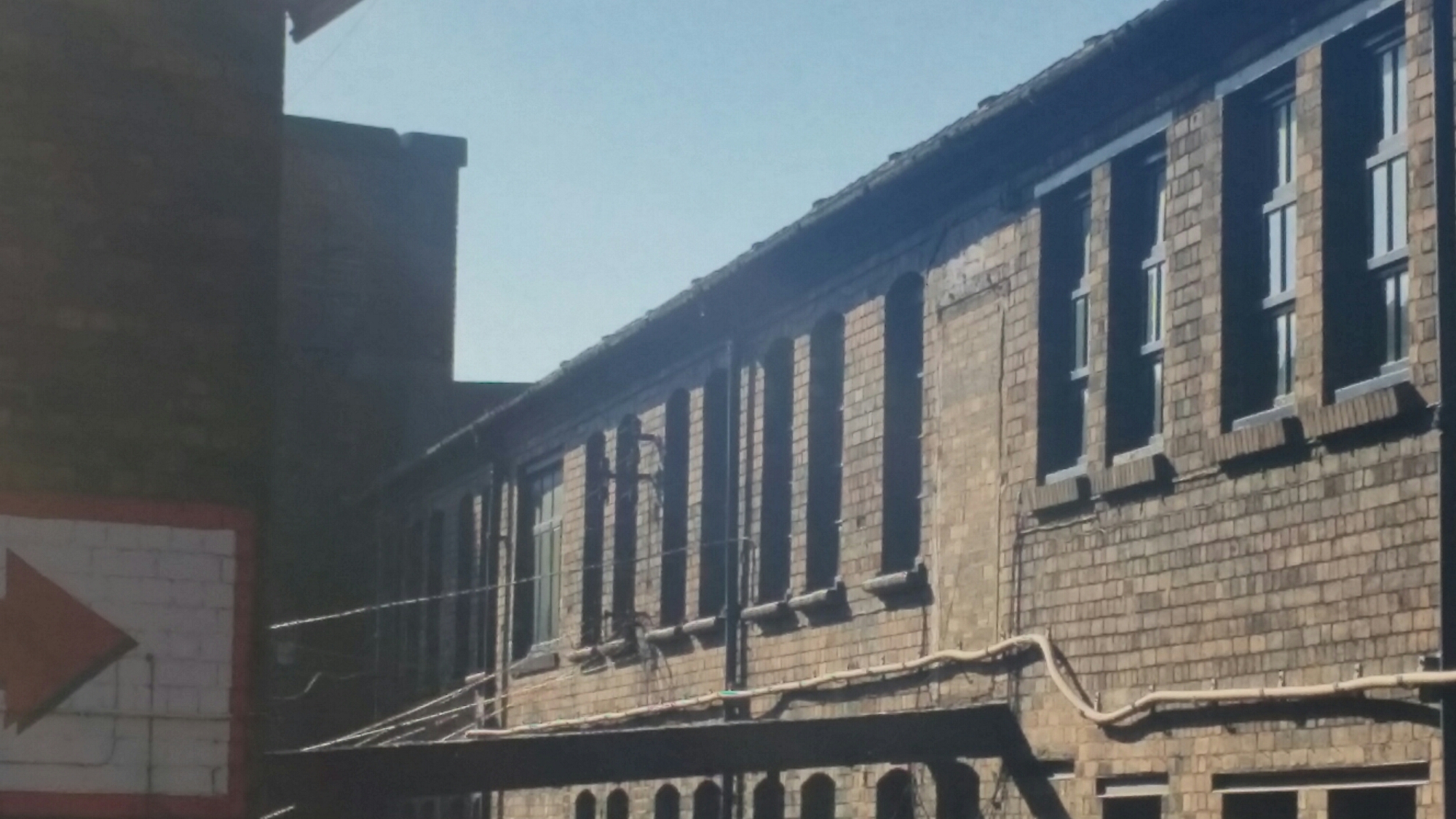
I went on a tour today with the Omega Group of Emma Bridgewater’s factory in Hanley.   Bought sixteen years ago at a time when all the traditional potteries were closing (they had wholly failed to adjust to changing tastes, continuing to produce porcelain long after people had stopped buying it), the factory was originally built for the Meakin Brothers (J&G Meakin), which had been established in 1851 to supply the American trade with cheap ironstone ware.   It opened in 1882.   It’s now, once again, a big operation, employing 250 people in all the various stages of production, highly systematised as in the nineteenth century, men doing the mould making and shapes, women the highly skilled transfer and sponge decoration.   The design work is done by Emma herself and Matthew Rice, her husband and managing director, then translated in order to be reproducible.

This is the entrance to the factory:-

image

image Continue reading

Standard

Daily Telegraph Building

I walked past the old headquarters of the Daily Telegraph on Fleet Street yesterday morning and was impressed by its neo-Egyptian magnificence, once the home of right wing journalists, now of Goldman Sachs traders.   It was designed by Charles Elcock of Elcock, Sutcliffe & Tait in 1928, more or less at the same time as Unilever House and with similar ostentation.   The stonework carving was done by Alfred Oakley who became a monk:-

image

image Continue reading

Standard