Gough Square

I thought I should start my day in Gough Square where I am due to give a talk tonight to a group of Johnson enthusiasts, if only to remind myself of the topography local to Samuel Johnson’s House and the fragmentary survival of eighteenth-century London as one takes a little alleyway off Fleet Street (Wine Office Court), up past the Cheshire Cheese tavern (rebuilt 1667) into Gough Square, where not only Johnson, but also Oliver Goldsmith lived.   There is a quotation from Johnson on the wall of Wine Office Court:  ‘Sir, If you wish to have a just notion of the magnitude of this great City you must not be satisfied with seeing its great streets and squares but must survey the innumerable little lanes and courts’.   It’s a reminder of the tightly knit network of medieval alleyways and courtyards which still half survives in amongst the megalith office blocks north of Fleet Street;  and also of the difference in surroundings between Johnson’s London, all alleyways and bookshops and taverns and the Inns of Court, and Reynolds’s London, a mile to the west, which was much more spacious, with workshops and shops and coffee houses in Covent Garden, close to the parks and the Court.

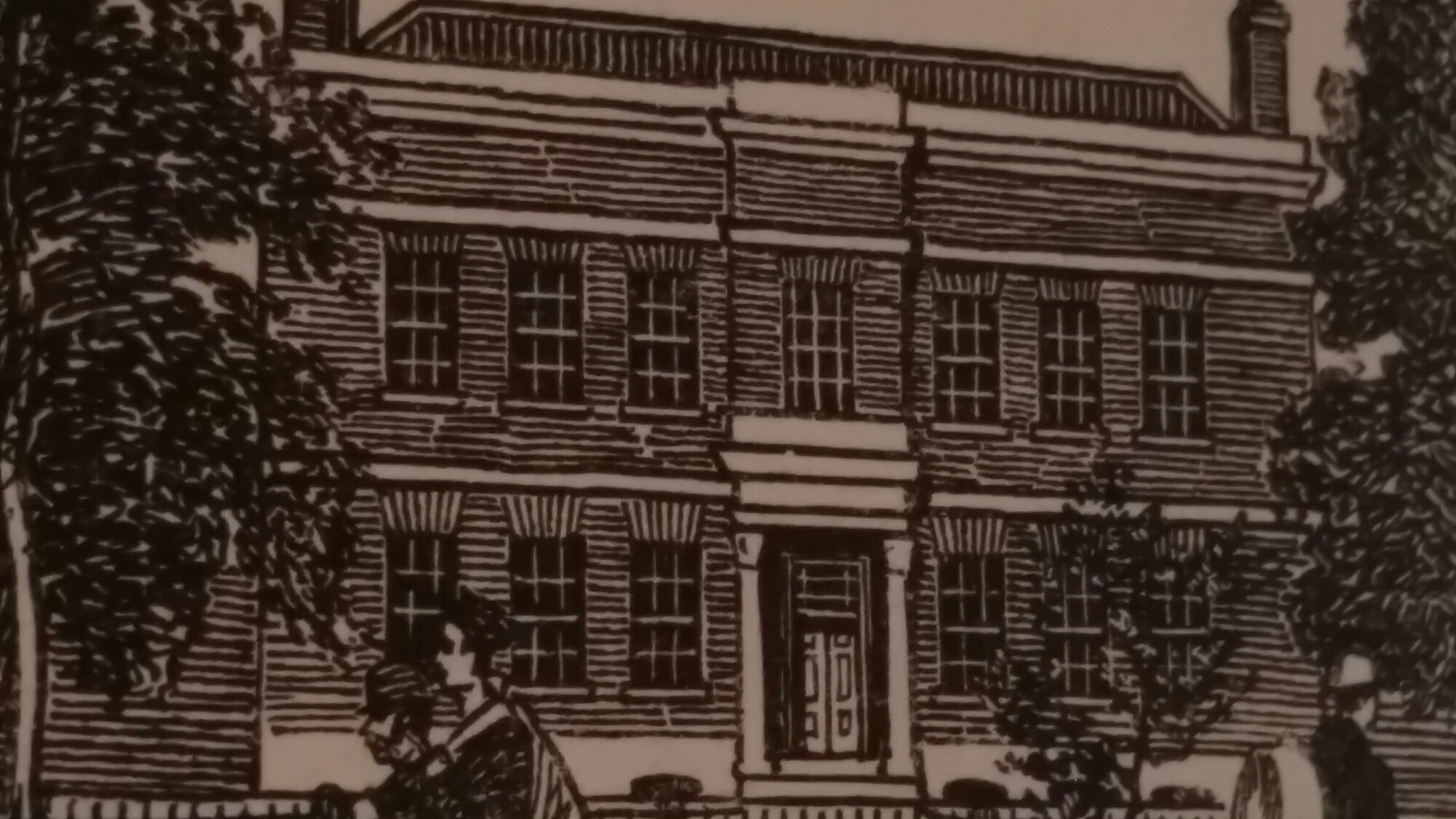
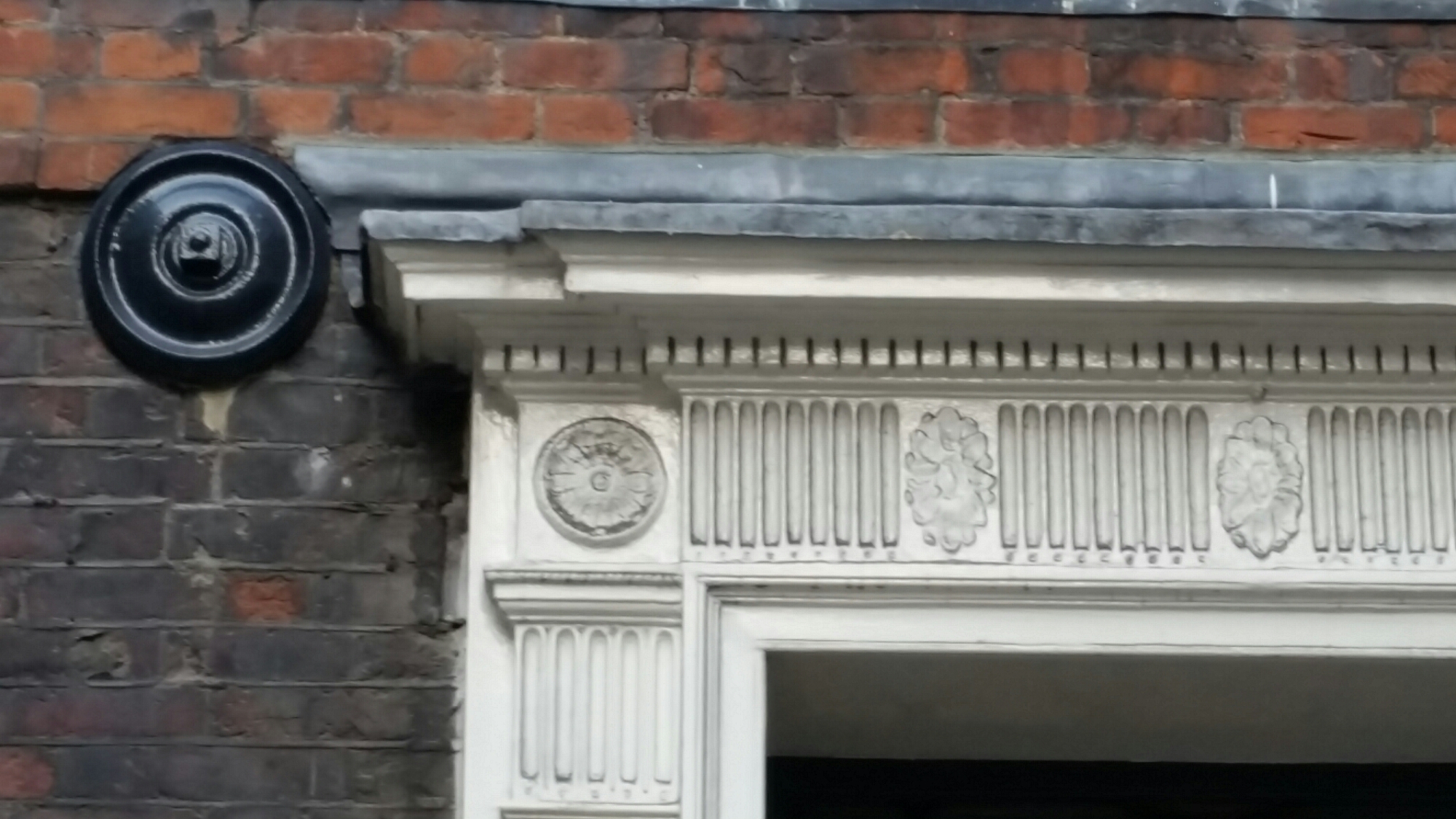
This is Johnson’s House:-
image

image

Standard

Christopher Le Brun (3)

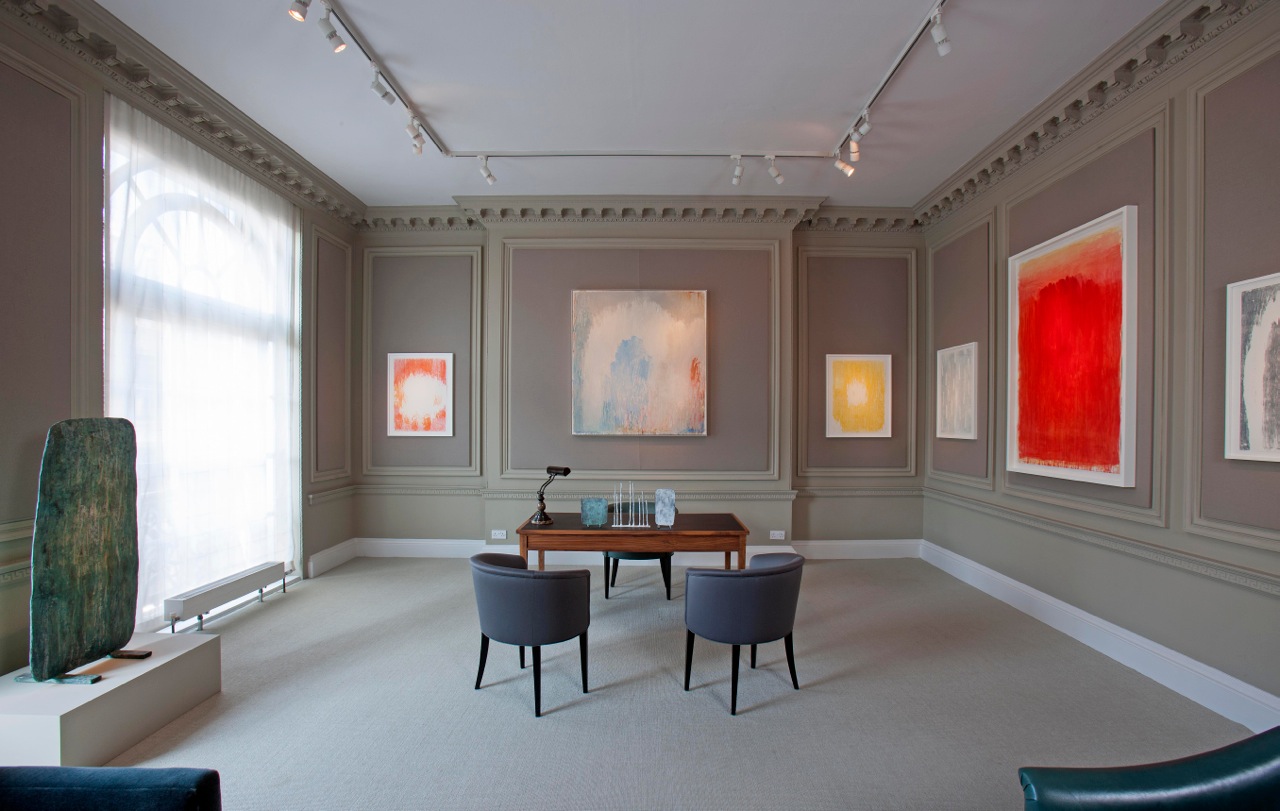
It was the opening night of the PRA’s small, but choice exhibition on the top floor of Colnaghi’s in Bond Street where the work looked really good in spite of the heat of the private view:  big, bold, hotly coloured watercolours, red and orange, freely painted;  monoprint woodcuts, all of which had been bought by the time I arrived;  small-scale, table sculptures, most of which had also already been sold;  and a single rug of three commissioned by Christopher Farr, one of which – the one in the exhibition – had been woven in Afghanistan:-

Standard

Stepney Green Court

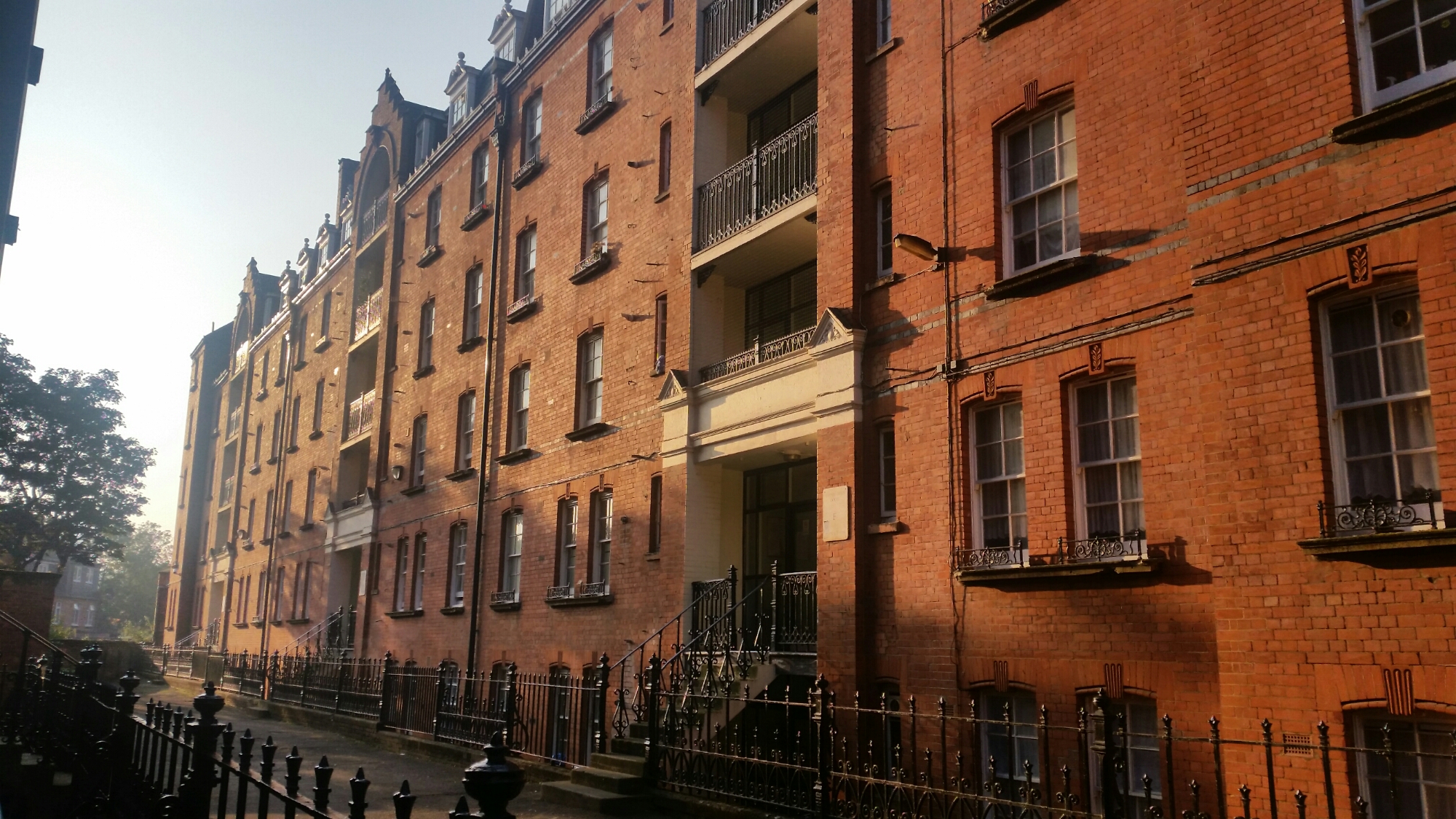
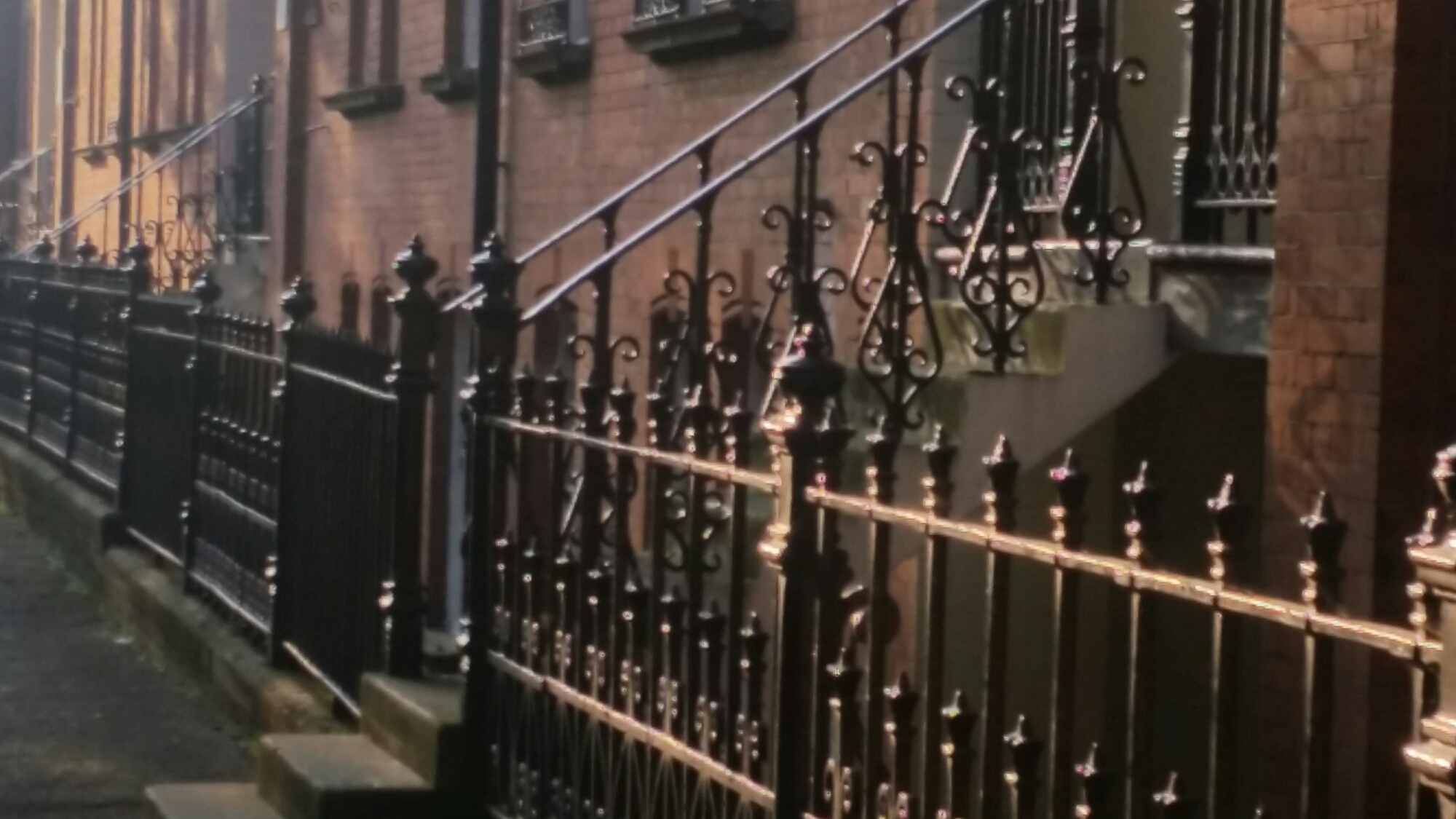
On Sunday morning I went on a casual search for Bert Irvine’s studio which I knew had been on Stepney Green in a Jewish School – I assume the old Stepney Jewish Primary and Infants School on the south end of the old village green which was converted into municipal gardens in 1872.   Instead, I found myself inspecting the back façade of Stepney Green Court next door, a noble set of artisans’ dwellings, designed by Solomon Joseph and built in 1895.   I’ve photographed the ironwork detailing on the street front before, but I haven’t previously appreciated the scale of the buildings in two parallel lines off the street:-

image

image Continue reading

Standard

Walthamstow Town Hall

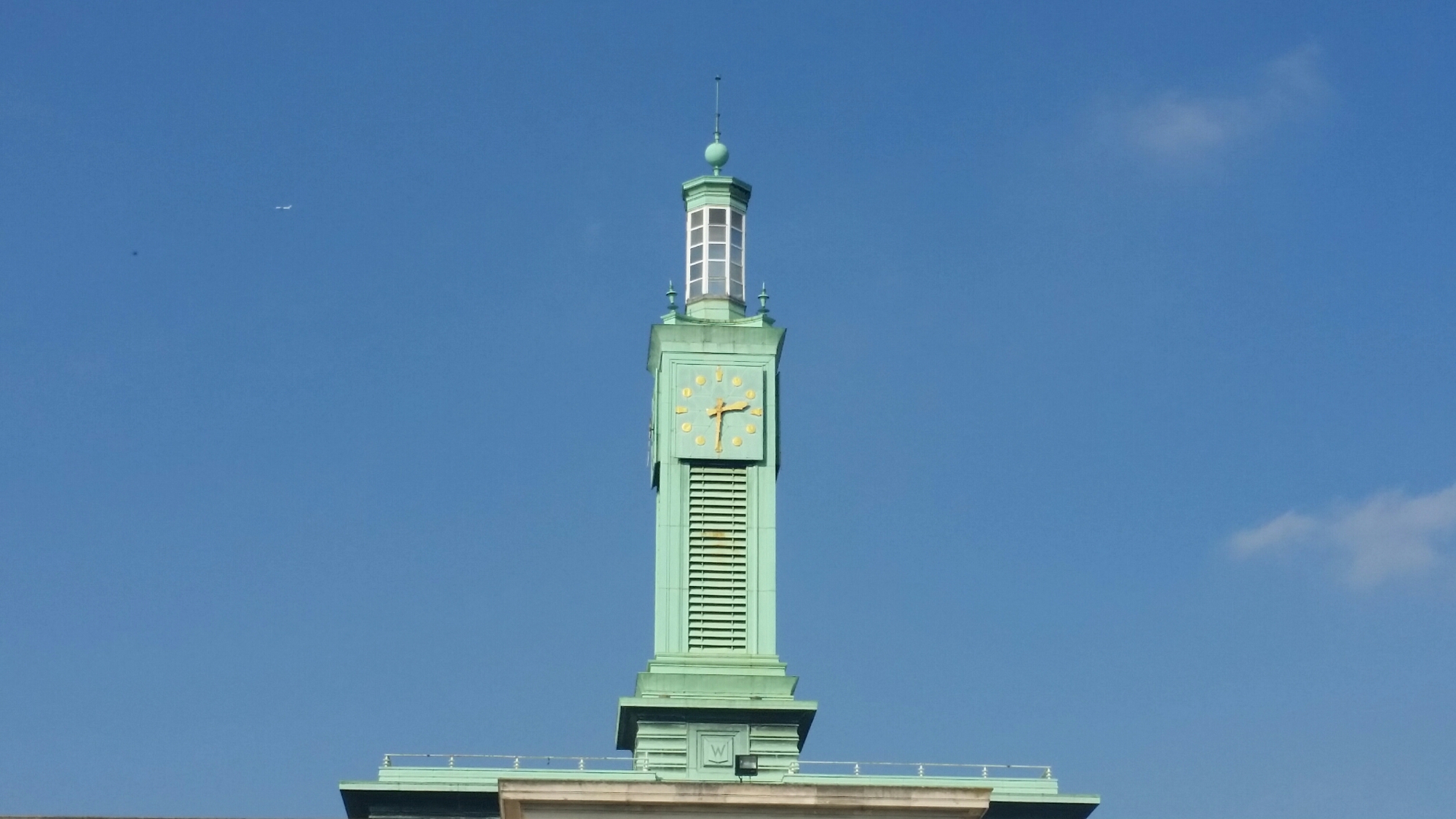
Walthamstow Town Hall looks uncannily like the Boijmans Museum, belonging to the same family of 1930s Scandinavian, stripped-down, civic classicism.    It was designed by Philip Dalton Hepworth who had been a student at the AA, had designed war memorials in the 1920s, and won the competition in 1932.   It opened in 1941.   Yesterday there was a rather wonderful Indian wedding, complete with horse and carriage:-

image

image Continue reading

Standard

Essex House

In the William Morris Gallery I noticed the frontispiece of C.R. Ashbee’s pamphlet An Endeavour towards the Teaching of John Ruskin and William Morris, which was published by the Essex House Press in 1901, employing workers and equipment from the Kemscott Press which closed in 1898.   Its frontispiece is Essex House itself, which was immediately opposite Mile End tube station:-

image

Standard

William Morris Gallery

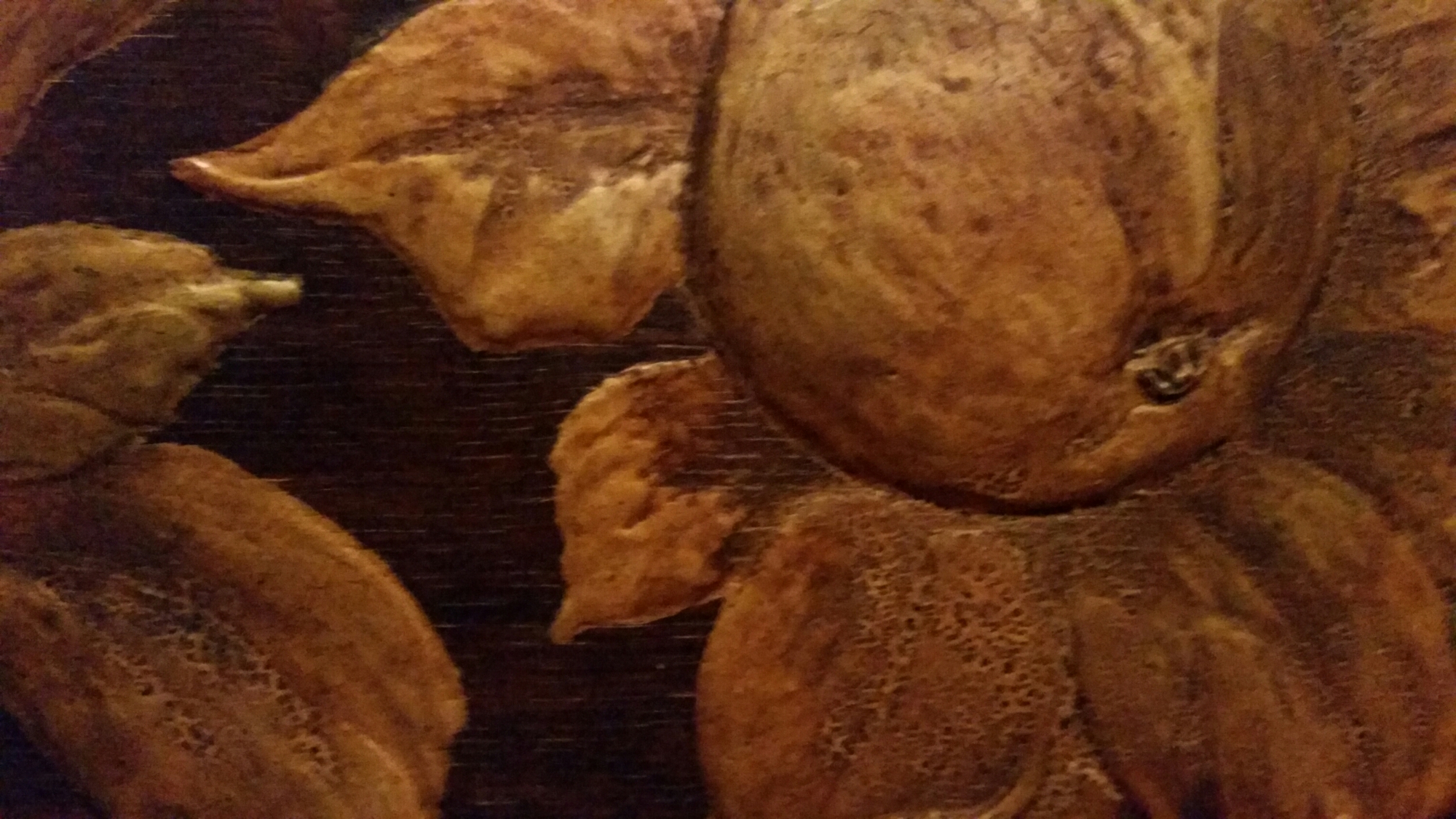
After walking in Epping Forest, we stopped off at the William Morris Gallery, which occupies Water House, the third house that Morris lived in in Walthamstow, after being born in Elm House in 1834, then moving to Woodford Hall in 1840, and to Elm House in 1847, following the death of his father.   I hadn’t been there since the exceptionally intelligent redisplay by Pringle, Richards, and Sharratt, which – deservedly – won Museum of the Year Award.   This was a detail of the wood carving on a Morris and Company bench:-

image

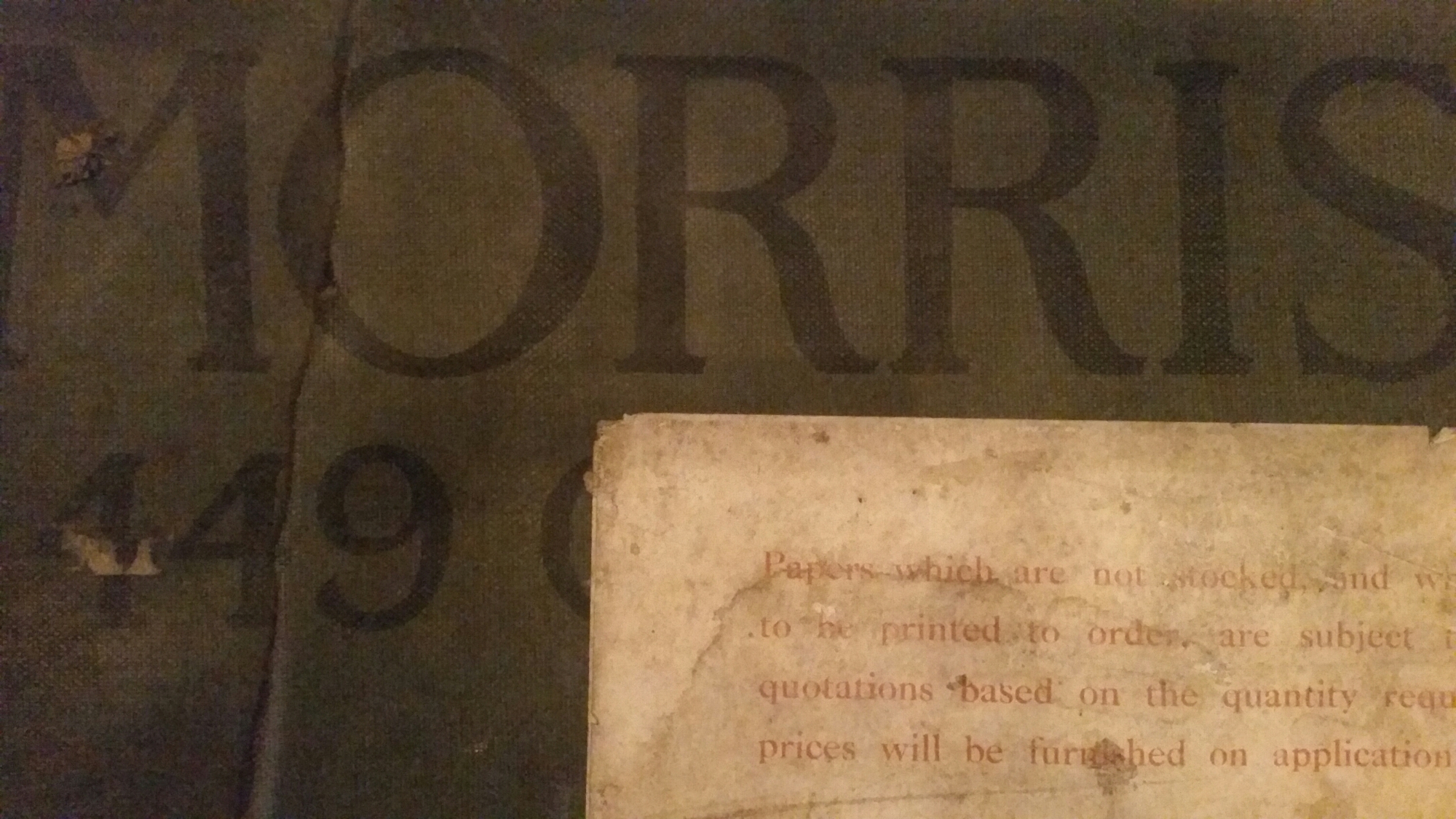
A detail of his sample books:-

image Continue reading

Standard

Epping Forest

After the glories of the trees in Devon last weekend, we decided this weekend to explore Epping Forest, that area of ancient woodland which connects Chingford to Theydon Bois.   We parked on Golding’s Hill and found it surprisingly easy to get lost in the rides through the woodland copses:-

image

image Continue reading

Standard

Rotterdam (2)

We spent all day at the Kunsthal, which had kindly invited the entire senior management of the RA to compare notes on our respective operations, as well as provide somewhere to discuss key priorities for next year.   They run 25 exhibitions a year on a staff of only 38, on subjects which are wider ranging than ours, including Dinosaurs, James Bond and Jean-Paul Gaultier as well as Munch, Giacometti and Henry Moore.   It’s in a building by Rem Koolhaas, opened in 1992.   The big difference is that 47% of their funding comes from the city, and less than 1% from Friends:-

image

image

Standard

Rotterdam (1)

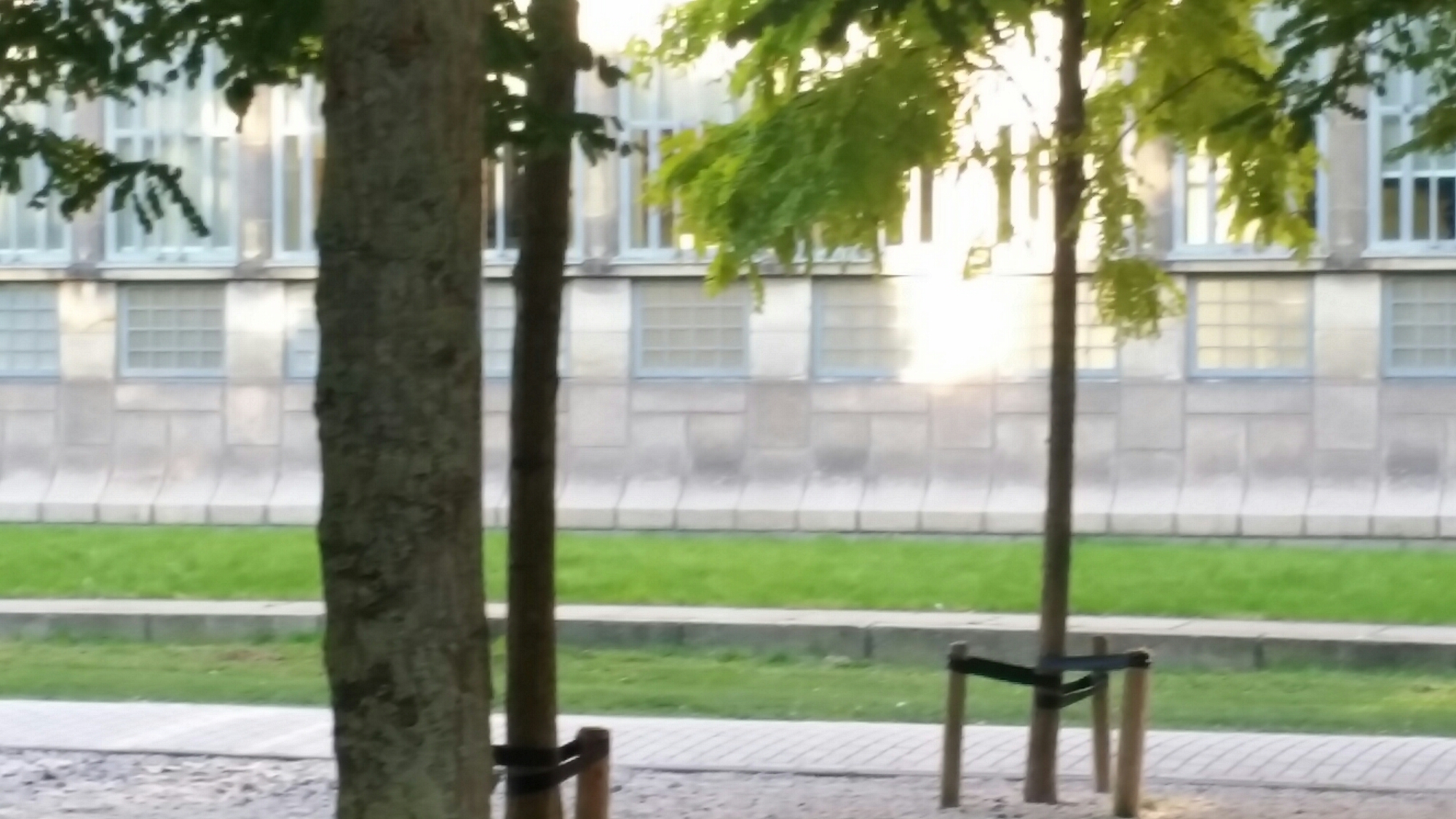
I wandered back to the hotel by way of Museumpark, a big civic space intelligently laid out by OMA, connecting the Boijmans Museum to Het Neuwe Instituut and the Kunsthal:-

image

image Continue reading

Standard

Museum Boijmans Van Beuningen

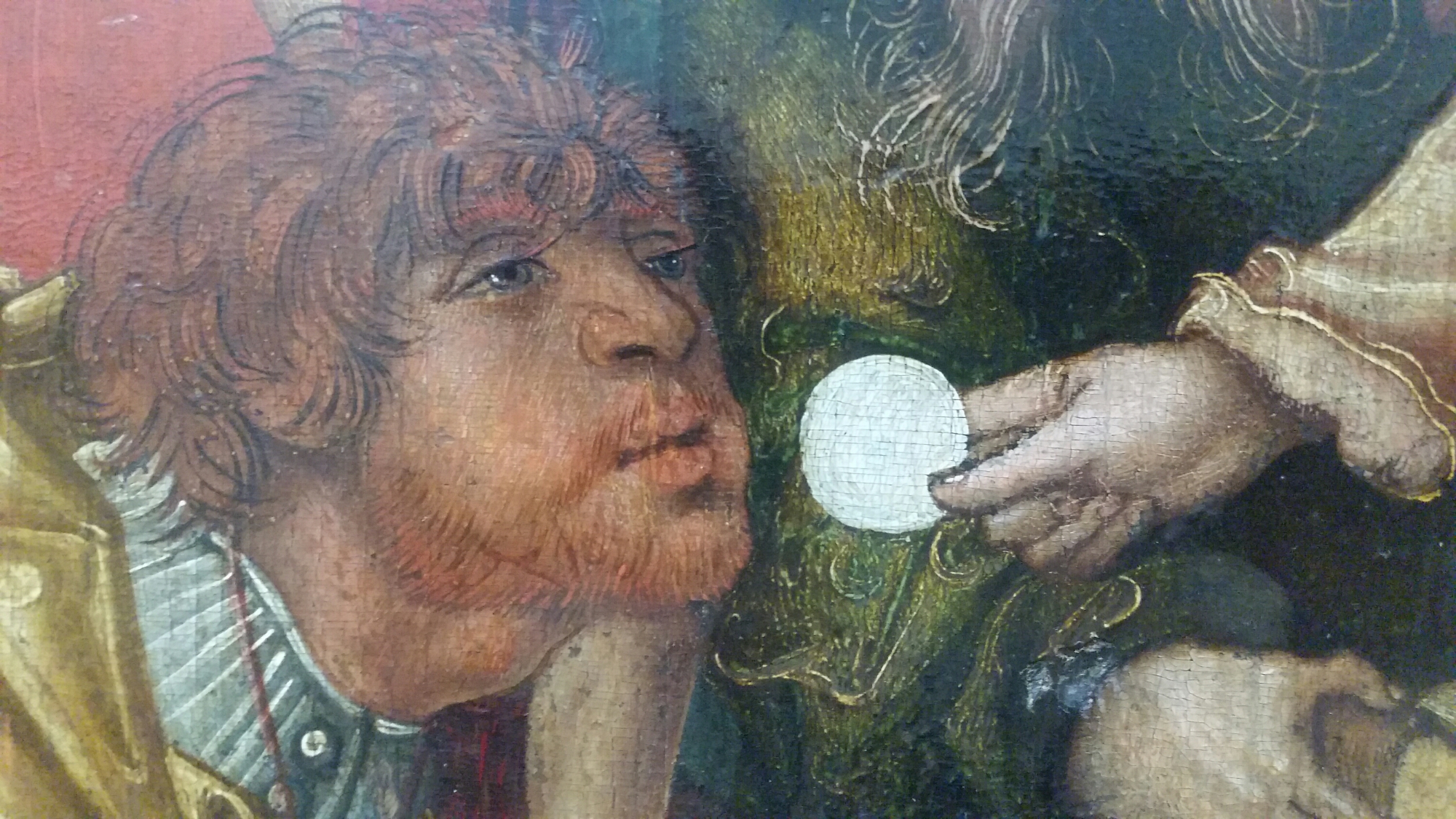
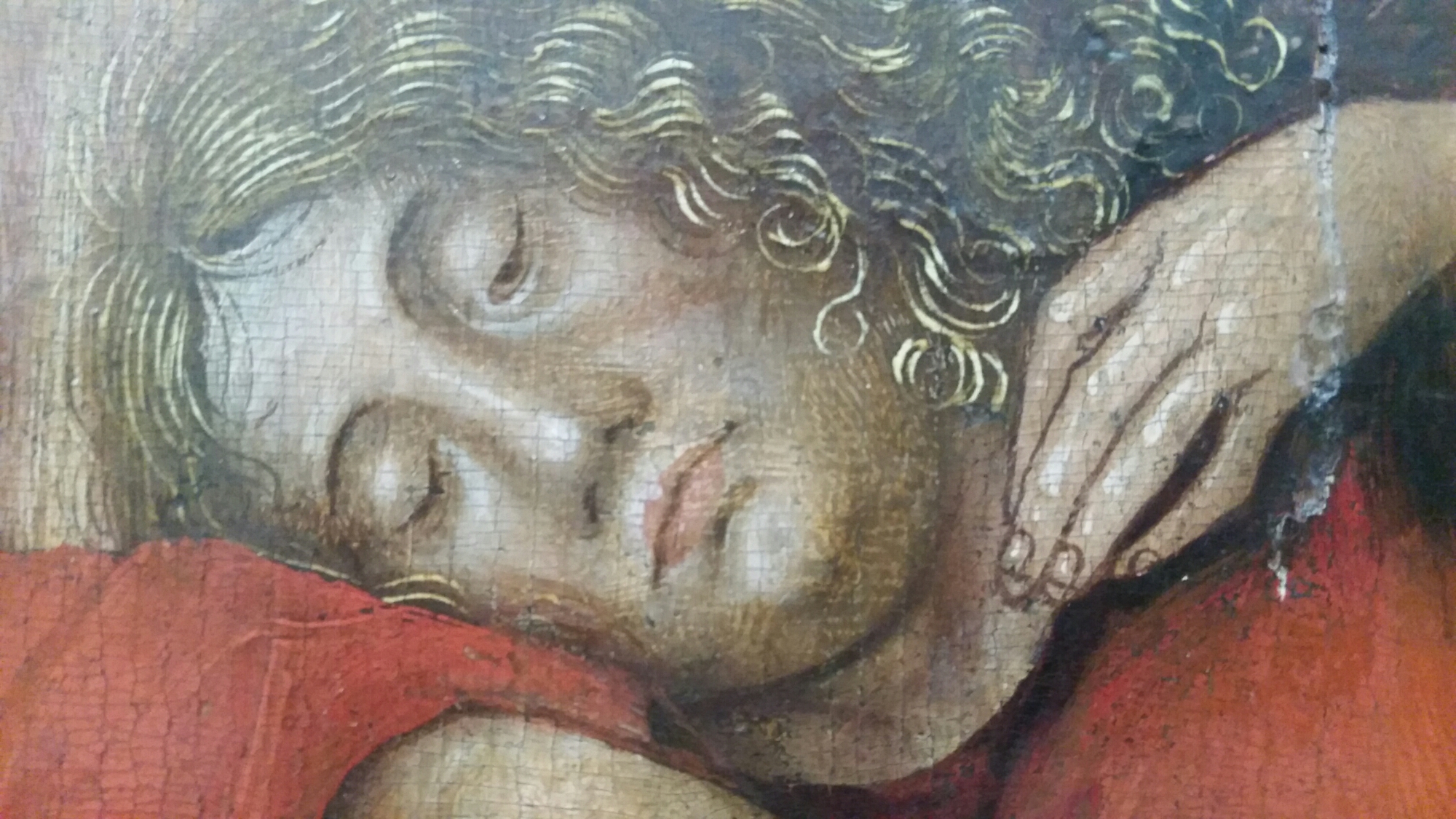
I had only half an hour before the Boijmans Museum closed:  not nearly enough time to see a major European collection, austerely, but beautifully displayed in spookily empty galleries.   I liked The Last Supper by Jörg Ratgeb:-

image

image
Continue reading

Standard