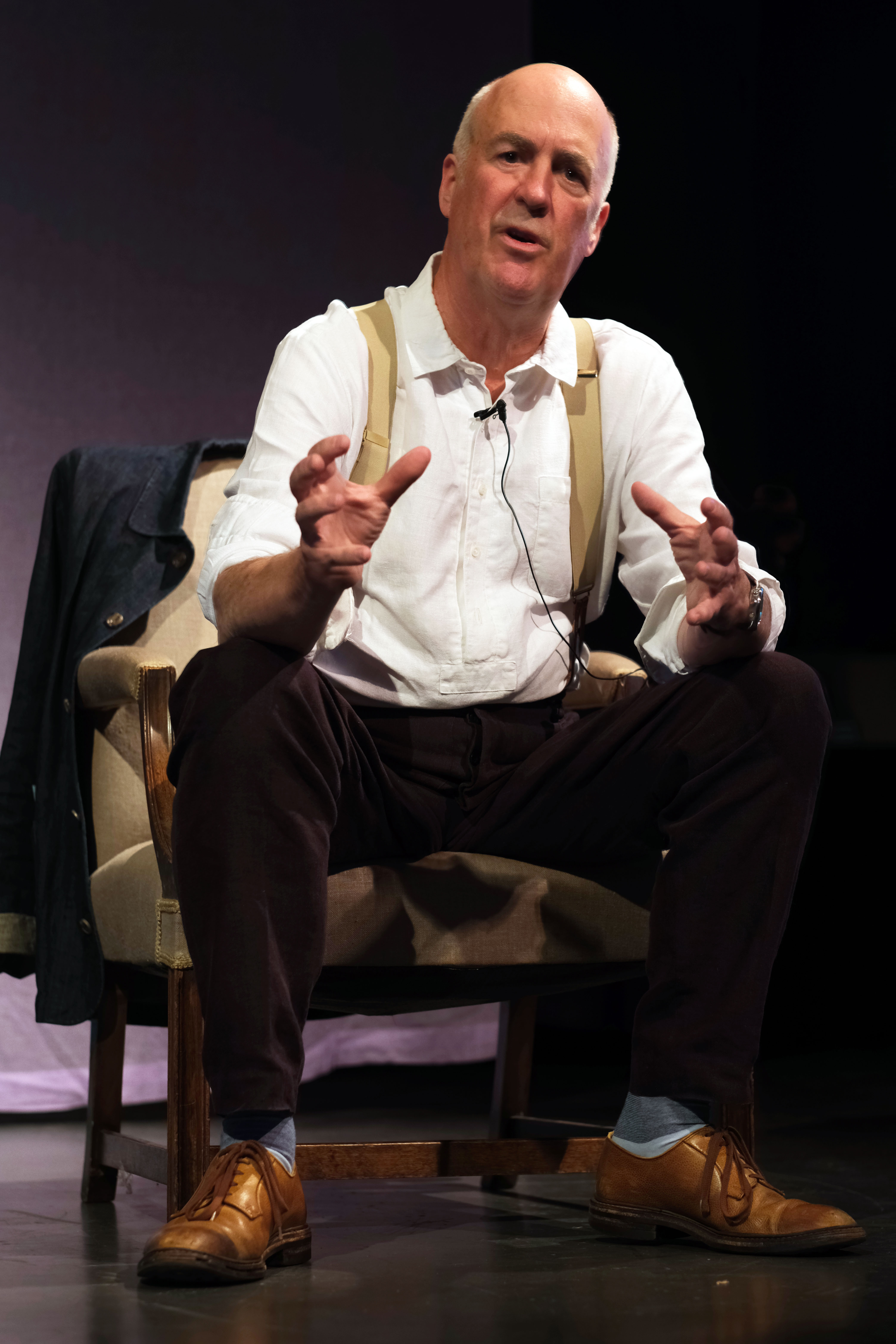
I have just been to a discussion between Cornelia Parker RA and Jimmy Wales about the embroidery that Cornelia has made based on the Wikipedia entry for Magna Carta. The embroidery is currently (and temporarily) exhibited in the British Library before going on tour to the Whitworth Art Gallery, the Bodleian and other venues. There was an intriguing contrast between Cornelia’s views of Wikipedia as a pre-eminently democratic medium reflecting the voice and, by implication, the views of its individual contributors and Jimmy Wales’s description of the average Wikipedian who is a young, male techie (average age 27). Wales said that bloggers tend to be obsessed by the sound of their own voice whereas Wikipedians are obsessed by the protocols of accuracy.
Pullens Yard
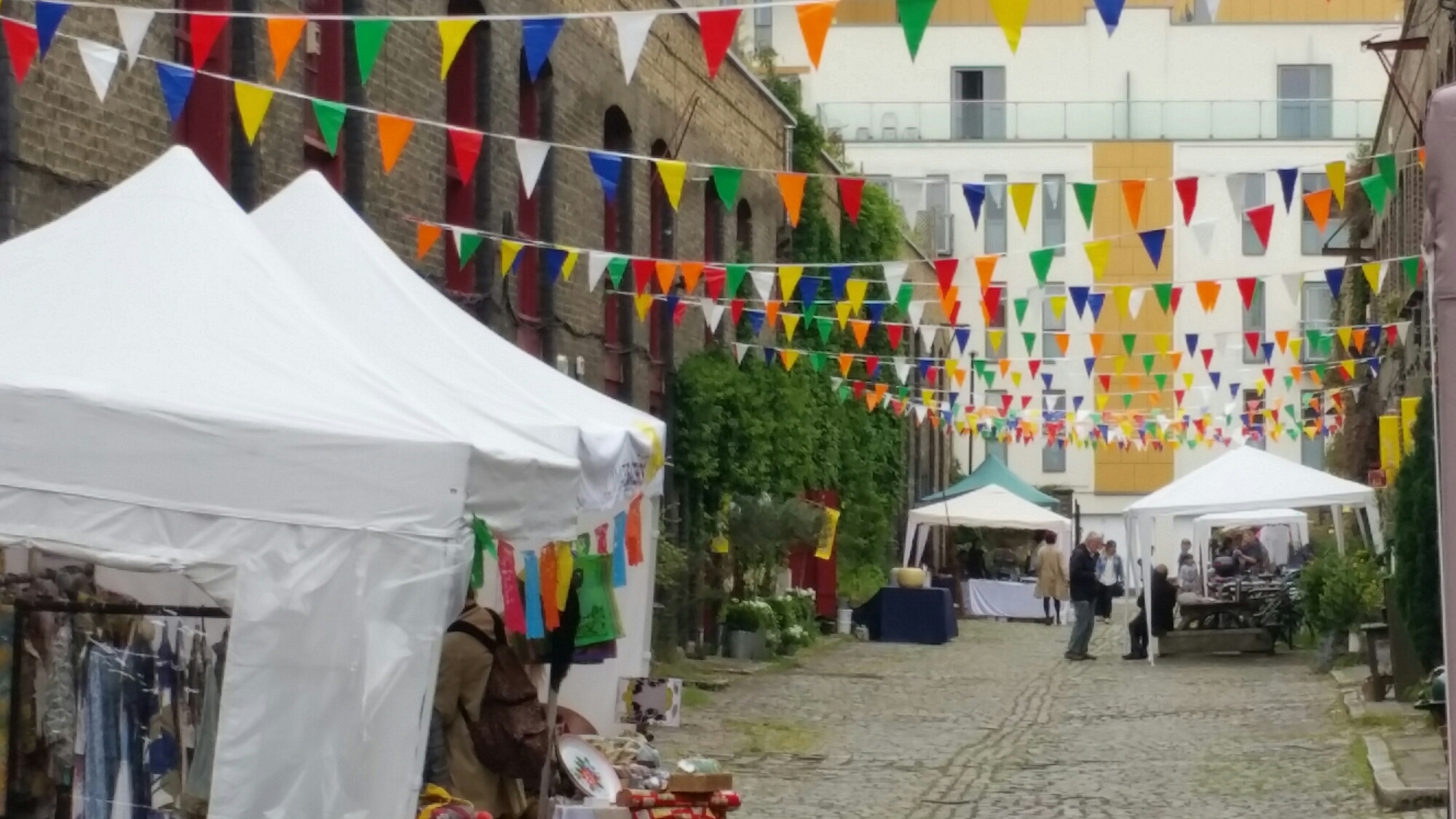
We made a short excursion this morning to see the Pullens Yard Open Studios, a bit of unexpected late nineteenth-century urban development just south of the Elephant and Castle where James Pullen, a local builder, created an estate of 12 blocks intersected by workshop yards, now occupied by a miscellaneous collection of artists, writers, clothesmakers and a florist, serviced by the Electric Elephant Cafe:-

Canterbury Cathedral Stained Glass
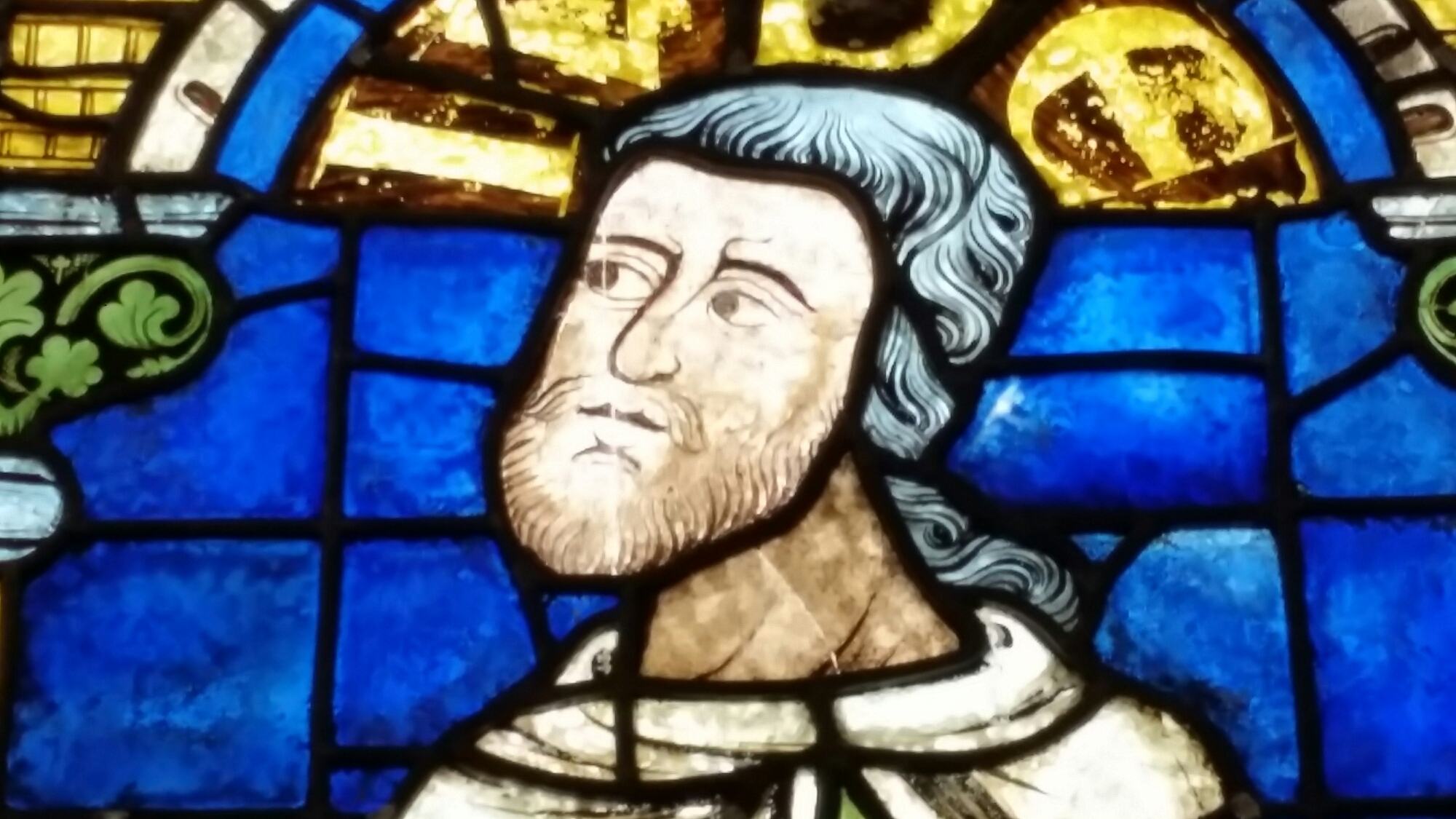
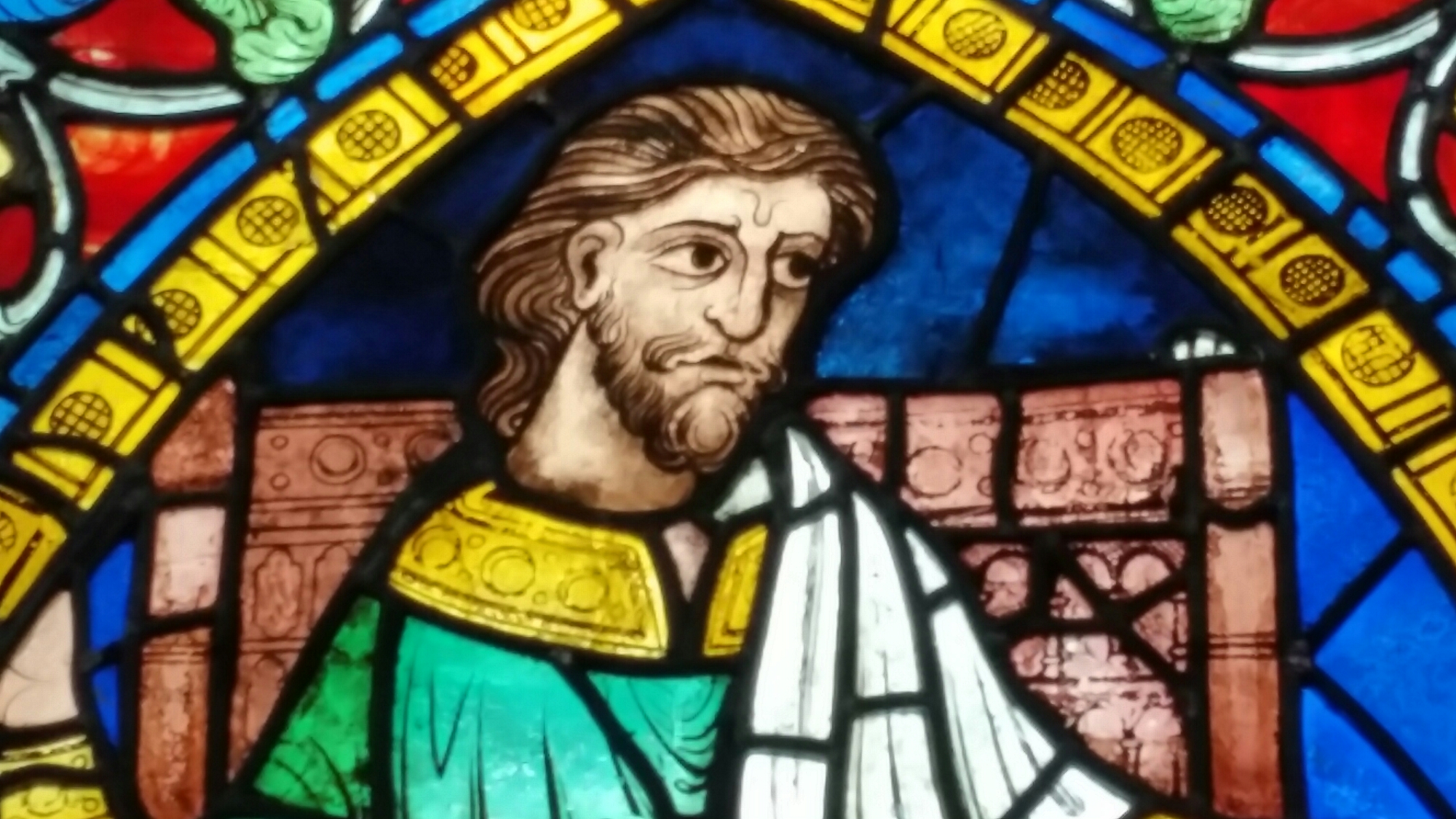
We slipped into the Chapter House of Canterbury Cathedral in order to see the exhibition of Romanesque stained glass from the South Window. Some of the figures date from before the fire of 1174, so are amongst the earliest stained glass in the country, designed by an artist known only as the Master of Methuselah. They are what remains of 86 figures originally placed in the clerestory of the choir, so invisible to the human eye. This did not prevent an extraordinary display of vigour and humane realism:-
Cotesbach
I haven’t been to Cotesbach since December 1973. It’s a Queen Anne house, added to in the later eighteenth century, and owned since 1759 by generations of Marriotts, who tended to be parsons as well as Leicestershire landowners and whose family papers are now preserved as an educational trust:-
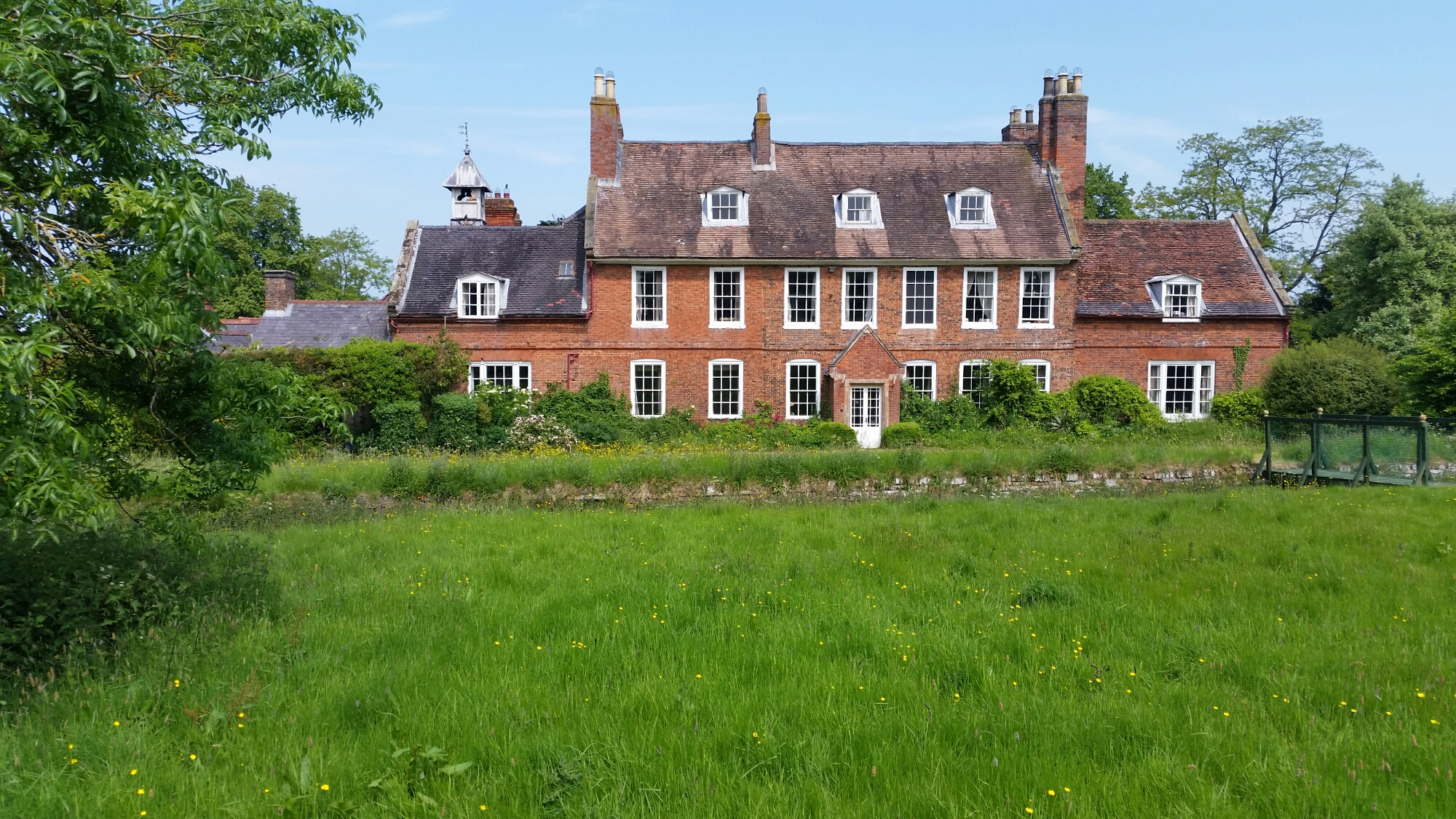
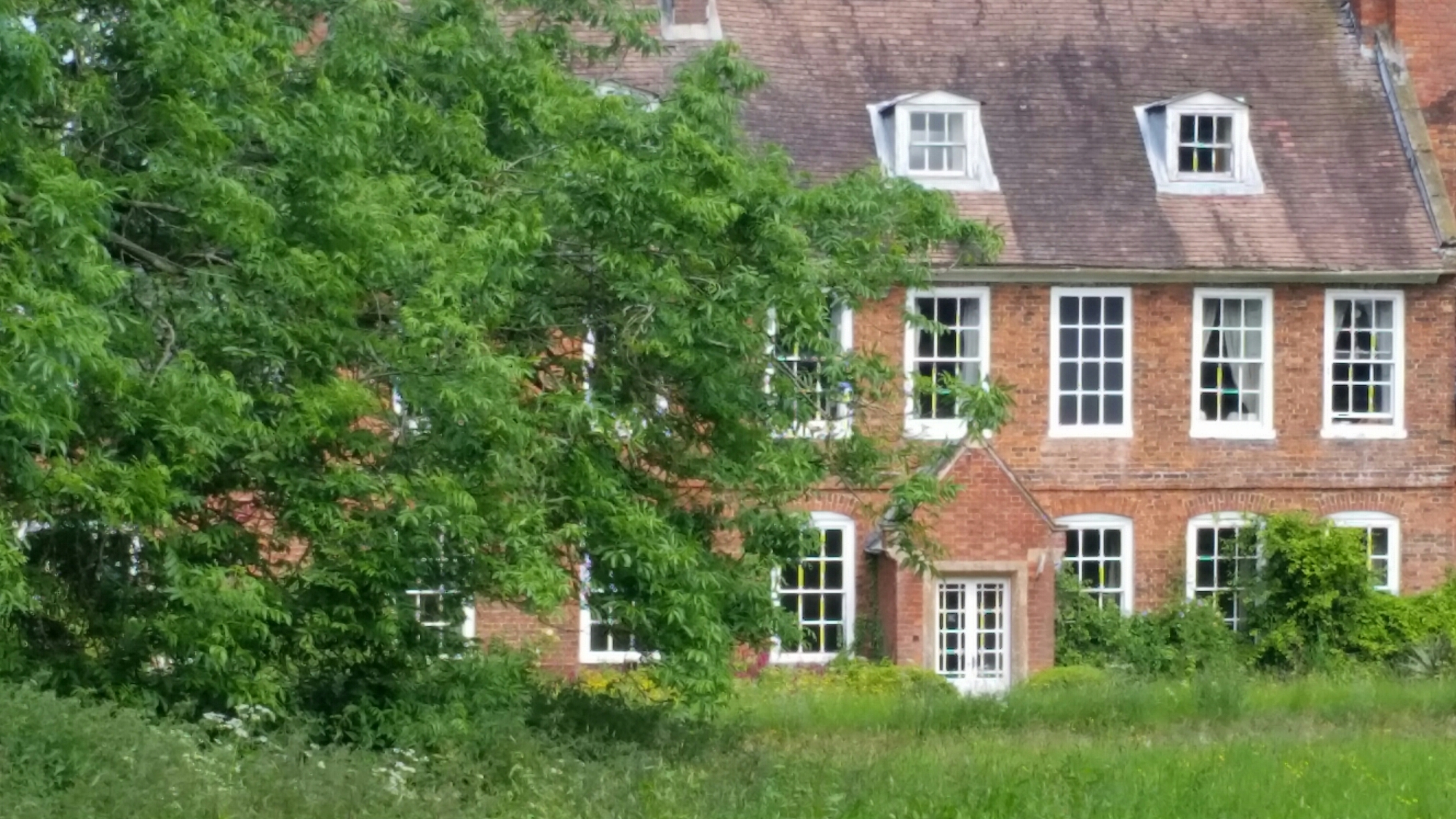
A family album
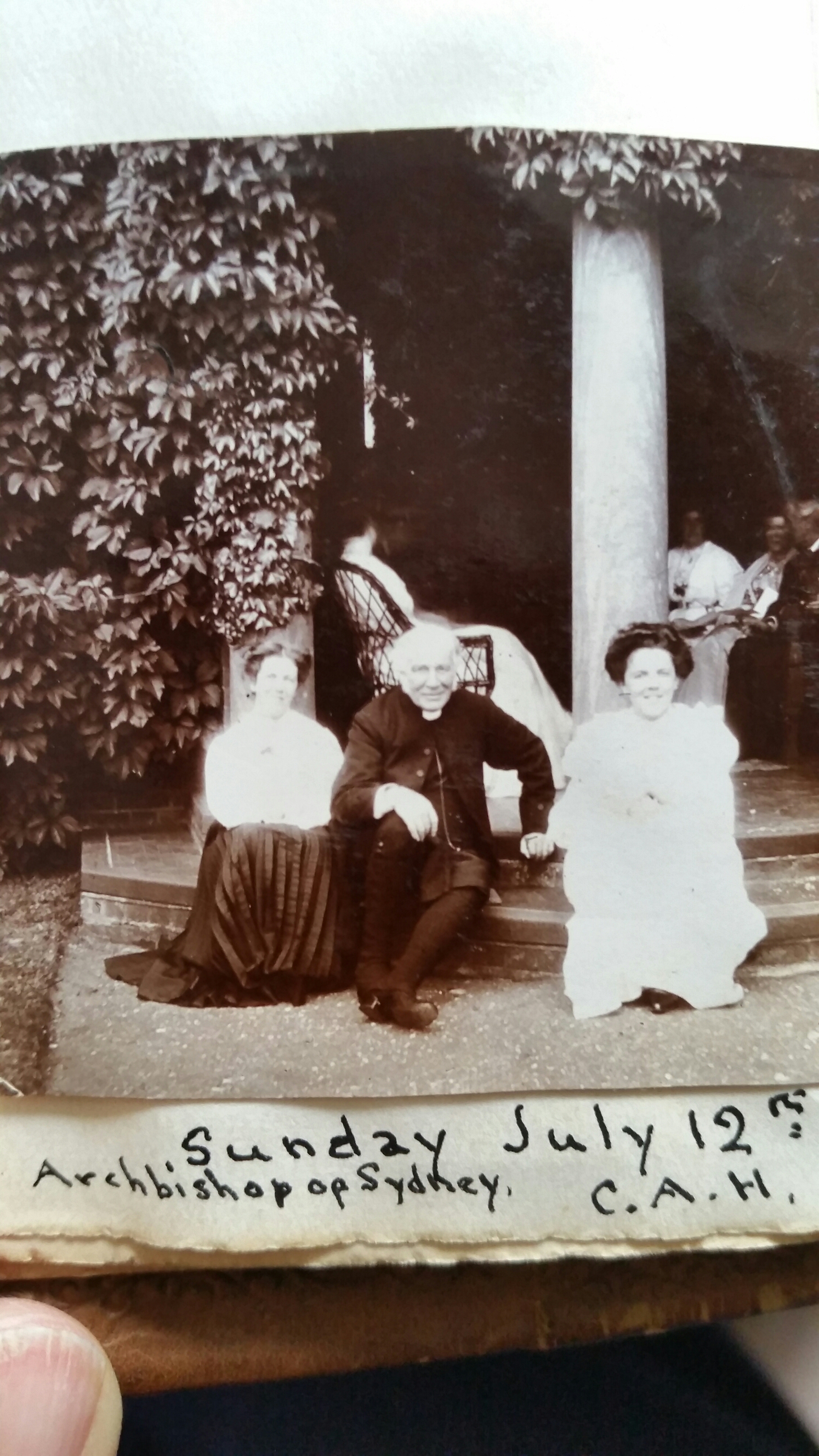
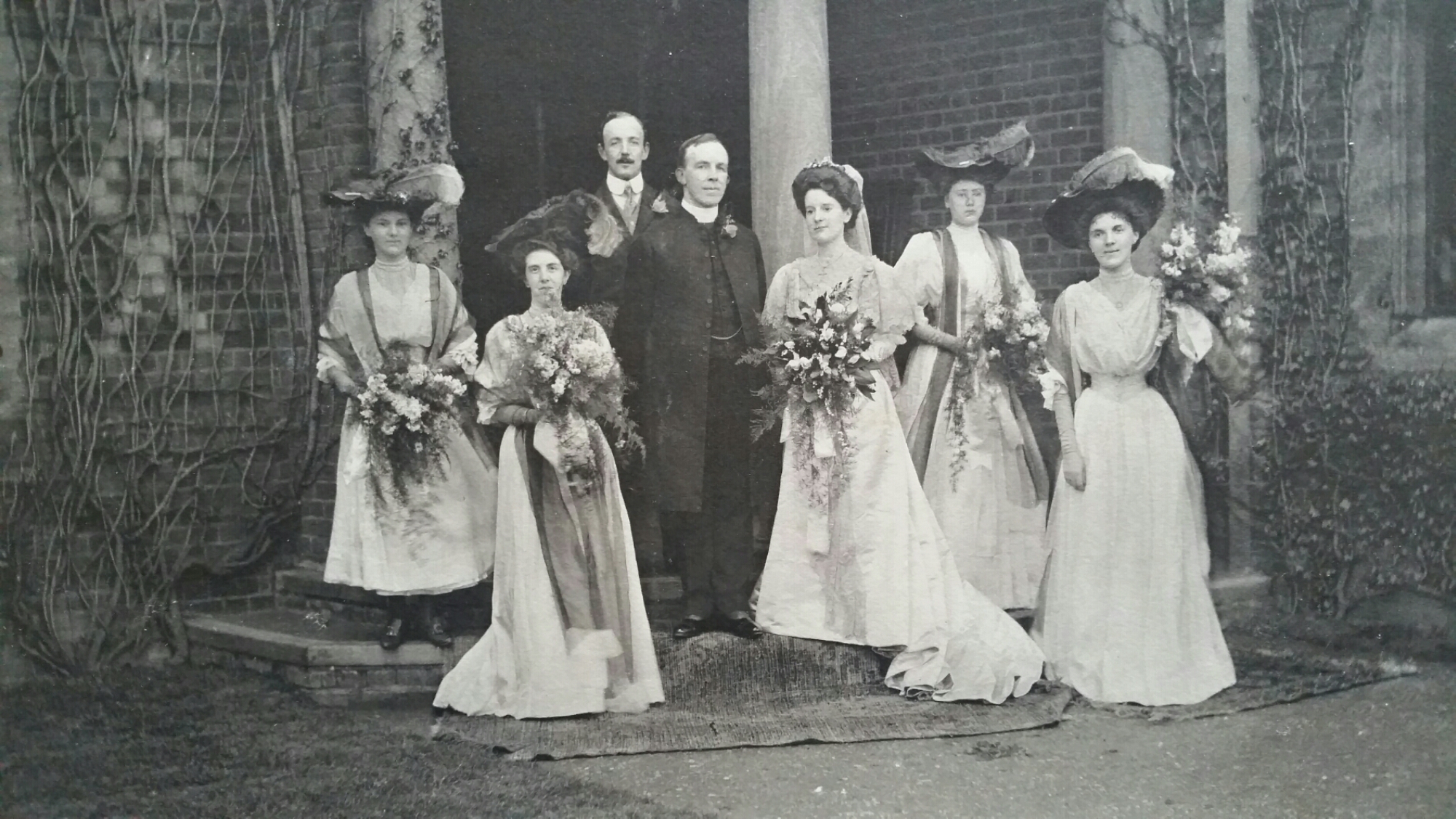
After lunch today I was asked if I would be interested in seeing some family albums. I found myself having the unexpected experience of seeing photographs of my father and his sister as children, my grandfather, who I never met and had no real idea of what he looked like, and my great grandfather, the Archbishop of Sydney, at my grandmother’s family house in Hertfordshire. They show a prosperous, rather clannish Edwardian family circle, with a great deal of hunting and endless holidays in Scotland, just before the outbreak of the first world war.
My great grandfather:-
My grandparents’ wedding (my grandmother Muriel had met my grandfather in Sydney):-
Ideal House
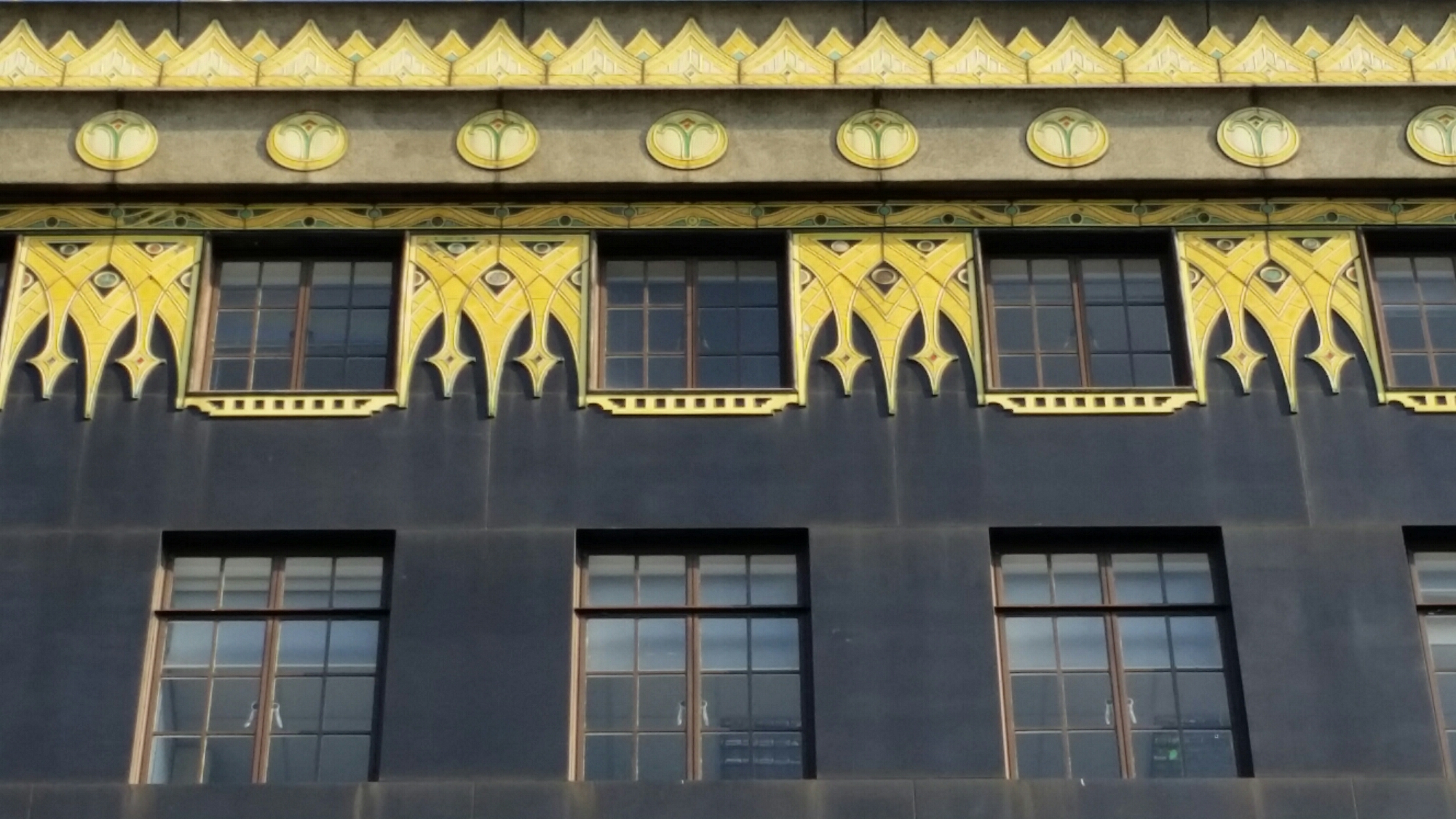
I don’t know why I’ve never previously registered the grand black polished façade of Ideal House, just down the street from Oxford Circus tube station and immediately opposite Liberty’s. It was designed by an architect called Gordon Jeeves, a Scot (all early twentieth-century architects seem to have been Scottish), working with the American art deco architect, Raymond Hood. It’s not surprising that it looks as if it’s strayed from the streets of New York because it is a small-scale copy of Hood’s building in New York for the American Radiator Corporation:-
RA Schools Show
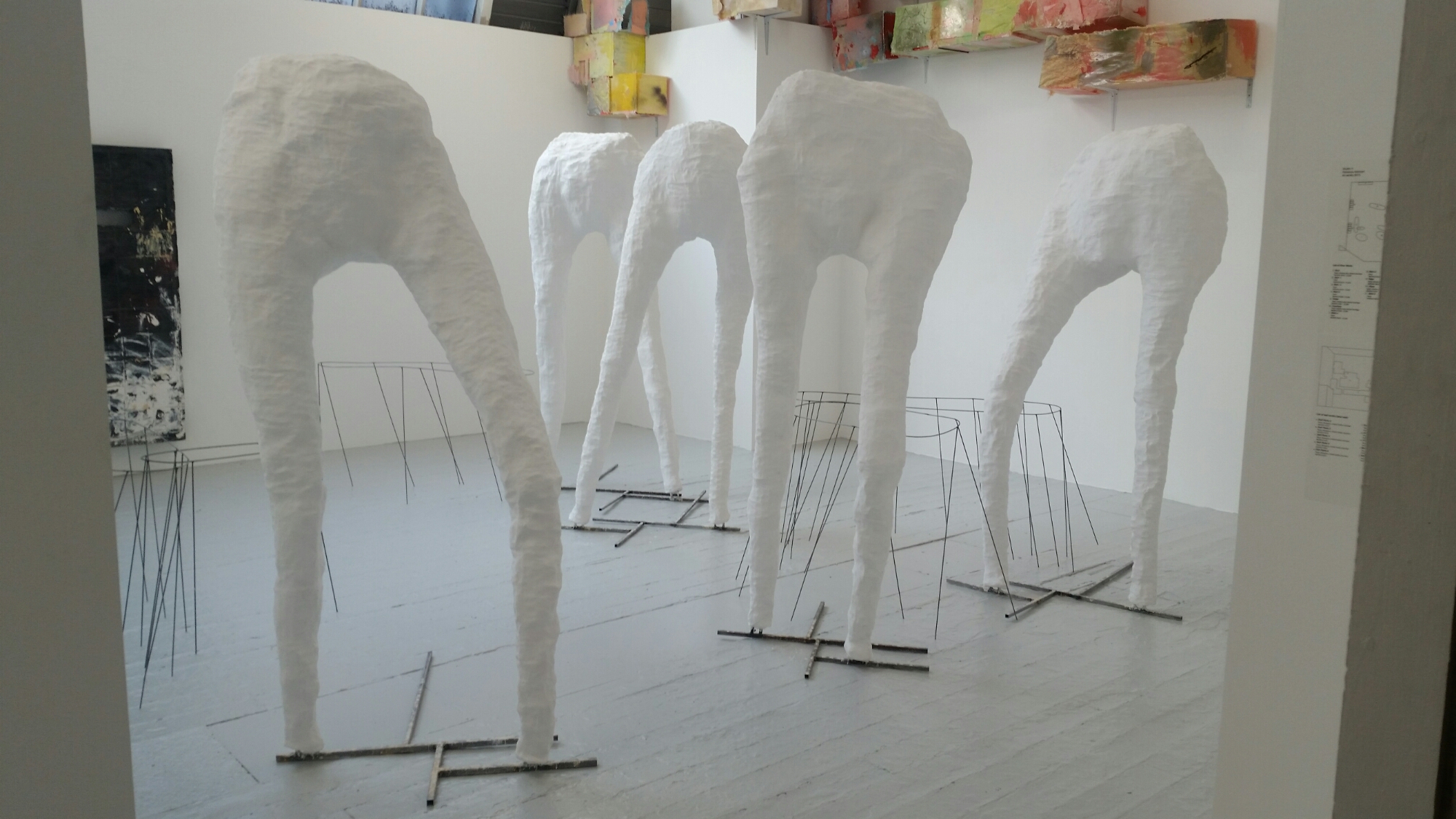
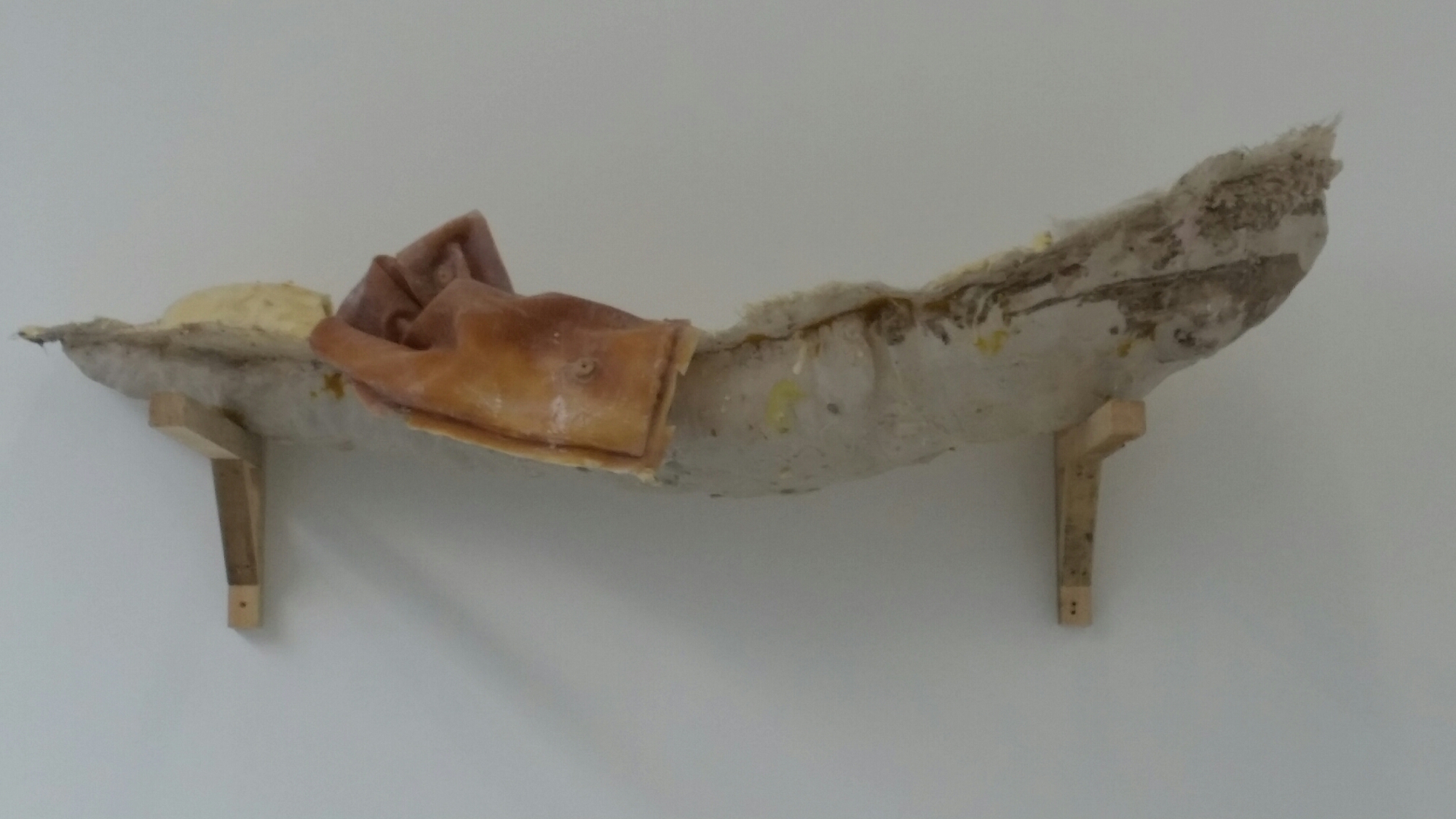
I have just been to see the RA Schools Show which is this year (as always) well worth seeing, partly because there is the vicarious sense of talent-spotting for the future, partly because it is a way of gauging the interests of a group of disparate postgraduate students and their attitudes to the use of media (this year painting, ceramics, woodcut monotypes and books) and partly just for the pleasure of seeing new work. One of them, Henry Coleman, has done a work which aims – and succeeds – in demonstrating what the effect will be when the new Chipperfield scheme allows the public to cross the Cast Corridor.
I only managed to take two photographs, one of the room by Rebecca Ackroyd:-
The other is of a rather fascinating work by Adam Collier:-
St. John, Bethnal Green
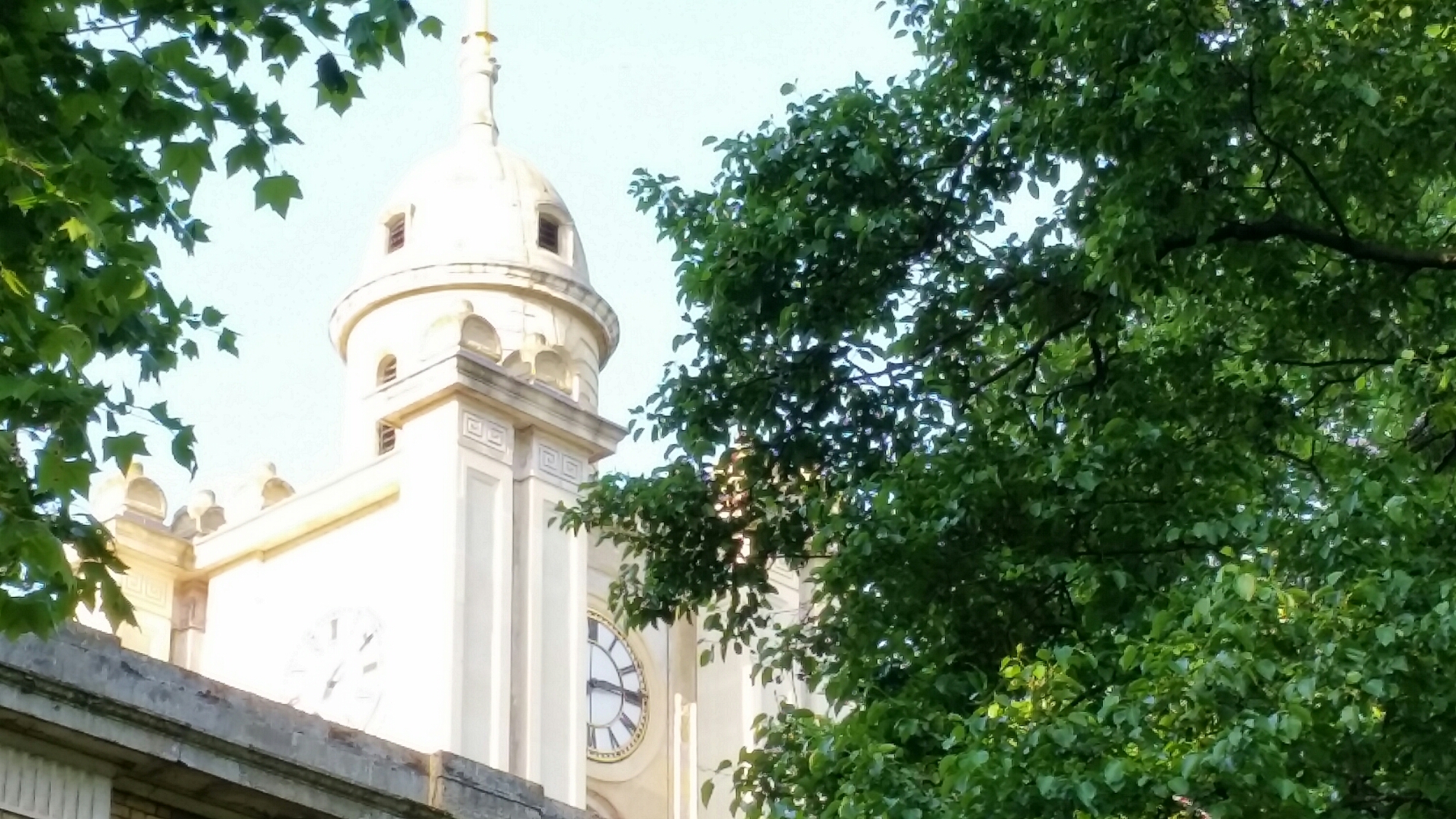
A trip to the local polling station gave me a chance to document the church tower of St. John, Bethnal Green, designed by Sir John Soane in 1826 for the Commissioners of the 1818 Church Building Act at more or less the same time that he was designing St. Peter, Walworth and Holy Trinity, Marylebone. It’s the standard model of Comissioners’ church: a big, barn-like interior to maximise the number of pews; ornament restricted to the church tower, which is characteristic of Soane with a small pepper pot, which was originally planned to be much higher:-
Wolfson College
I have just been to a lecture by Neil MacGregor at Wolfson College, Oxford to celebrate the 60th anniversary of the Wolfson Foundation. It managed to weave together poverty in Hogarth’s England with the development of obstetrics in the Gorbals, the importance of William Hunter as a collector and the role of Sir Hans Sloane in the foundation of the British Museum, ending with the importance of museums in the development of global citizenship and the ways in which the Wolfson Foundation has supported health in the body and in the mind.
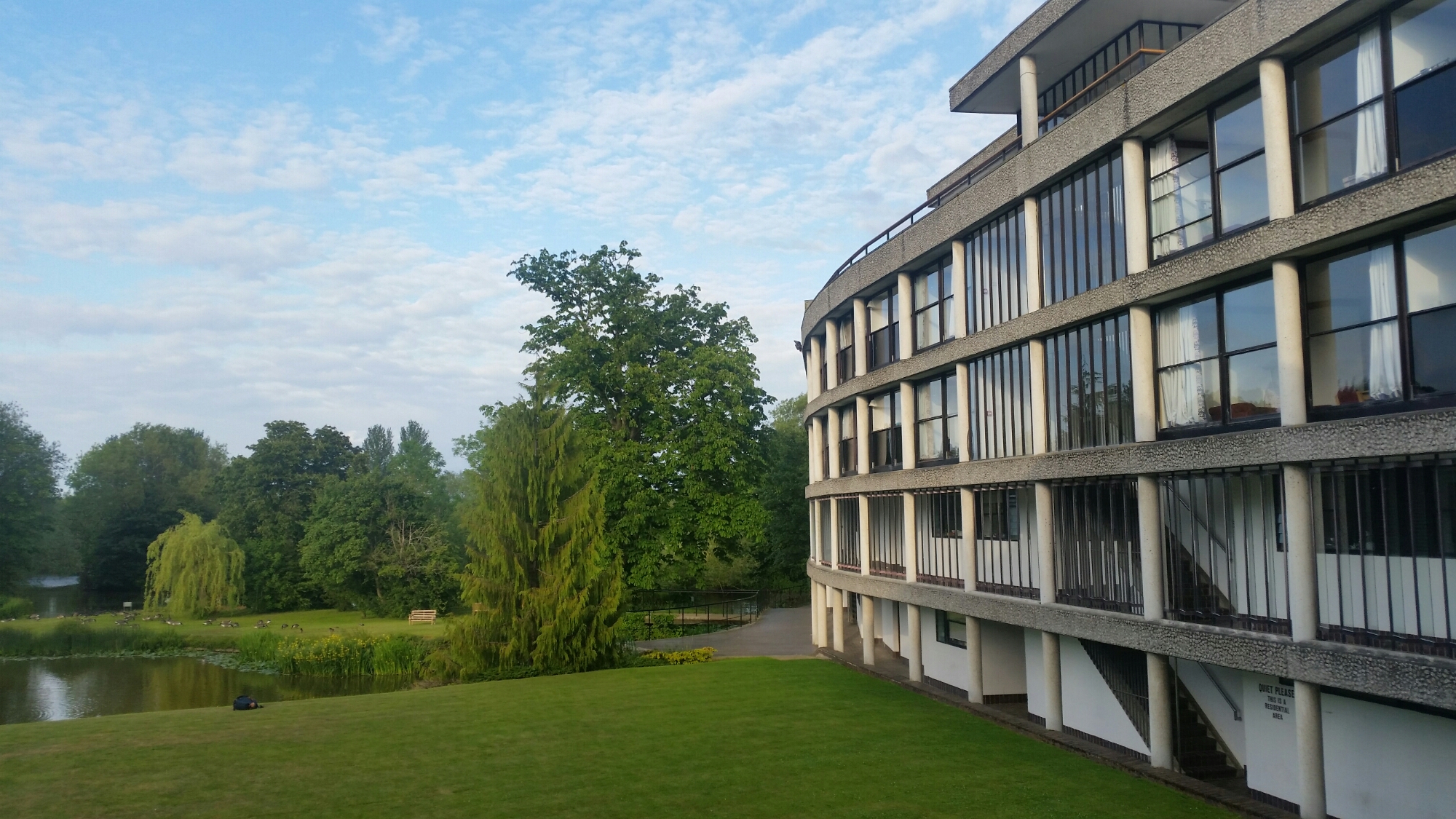
I had never actually been to Wolfson College which must have been under construction when I lived outside Oxford. It was designed by Powell and Moya in the late 1960s, when they were also doing Blue Boar Quad for Christ Church after the success of their design for Christ Church Picture Gallery. I was told to admire the view of the Cherwell which I did:-
St. Thomas’s Burial Ground
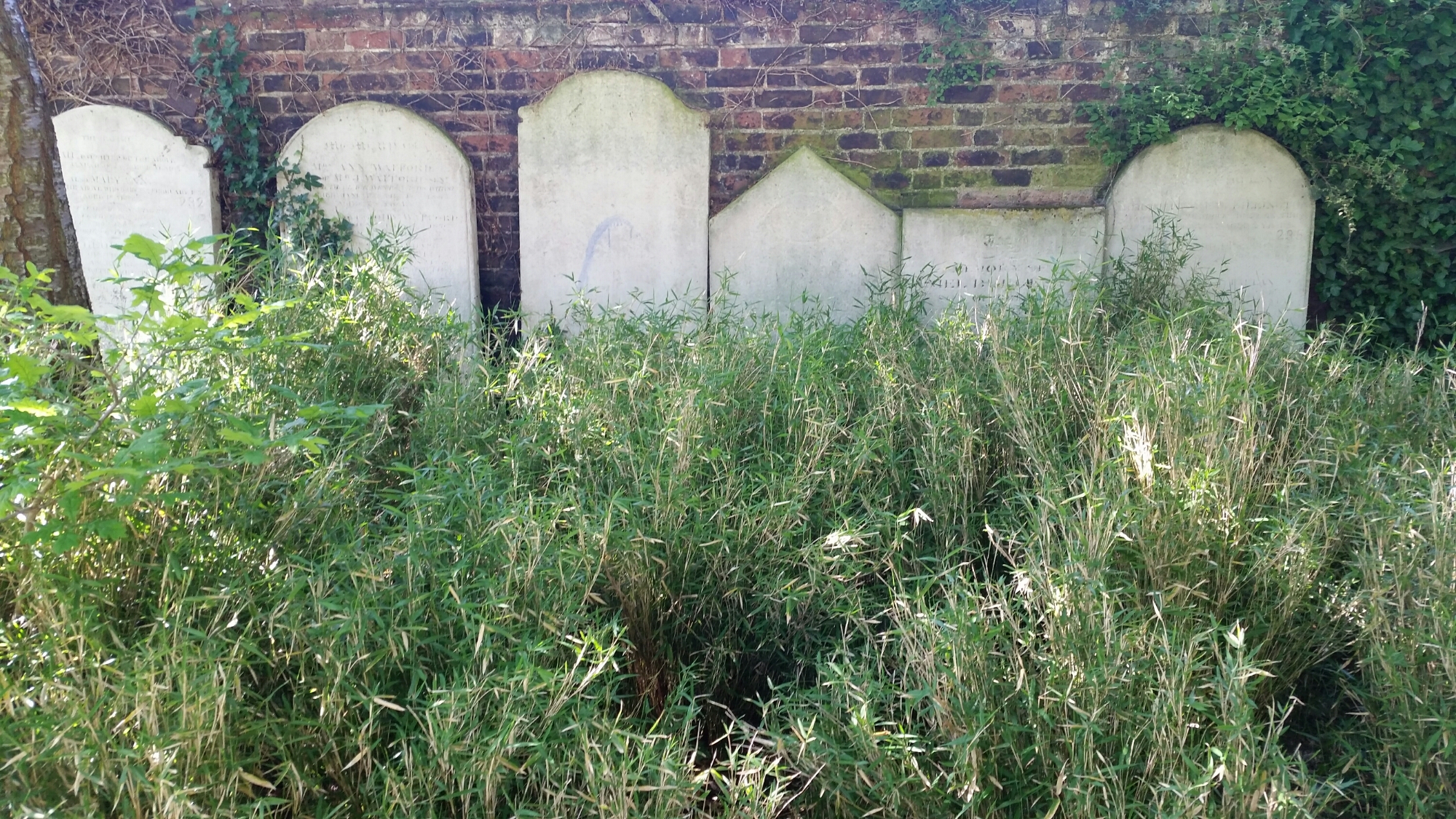
In cutting through from St. John of Jerusalem to London Fields, I have several times been surprised by the survival of the burial ground behind the site of St. Thomas’s Chapel on Mare Street, where the Rev. W. Bates established a nonconformist chapel in 1672 on land owned by St. Thomas’s Hospital and where there is now a Greek Orthodox church:-

 | Charles | Saumarez | Smith |
You must be logged in to post a comment.