
I spent some of the morning at the Global Private Museum Summit which is being held alongside Art 15 at Kensington Olympia. The Summit reflects the astonishing rise of private art museums in nearly every country across the world including France, Germany, Italy and Romania and with representatives from Miami, Indonesia and Shanghai. The idea was that I should talk about the RA as the world’s oldest private museum which in some ways it is in not having government funding, but the problems and issues felt different to those of recently established contemporary museums which are generally relatively small-scale and run by their owners.
Alfred’s Club
I went to breakfast this morning in Alfred’s Club, one of those mysterious private clubs in Mayfair. It occupies premises just behind Bourdon House, which used to be Mallett’s and is now Dunhill, with its own humidor downstairs. Little is known of Bourdon who was the first lessee of the house in the early 1720s. It’s presumed that he was Lieutenant William Bourdon who had been in the foot guards and was a Justice of the Peace, but the name was only attached to the house in the 1860s. It’s the closest one can get to eighteenth-century Mayfair.


Victoria and Albert Museum
I was loitering outside the doors of the V&A waiting for them to open and remembering Roy Strong saying that whenever he walked back to the V&A after lunch he thought of Elgar: it’s that strain of slightly overblown pomp and nationalism. Anyway it looked as magnificent as ever in the morning sun:-


Banknotes
I went to an event this morning to celebrate the fact that the Bank of England has decided, after a mere 321 years, to put the face of a British visual artist on its £20 note. It has established a grandly named Banknote Character Advisory Committee to decide, but is asking the public to send in recommendations. My vote would go to Sir Joshua Reynolds, of course, but I detected a certain disapproval on the part of Andrew Graham-Dixon that he painted portraits. Blake should be a candidate as a poet artist working in a number of different genres. Graham-Dixon spoke in favour of Constable and Turner. Gwen John, perhaps ? It can’t be David Hockney because he’s still alive.
St. Chad, Dunloe Street
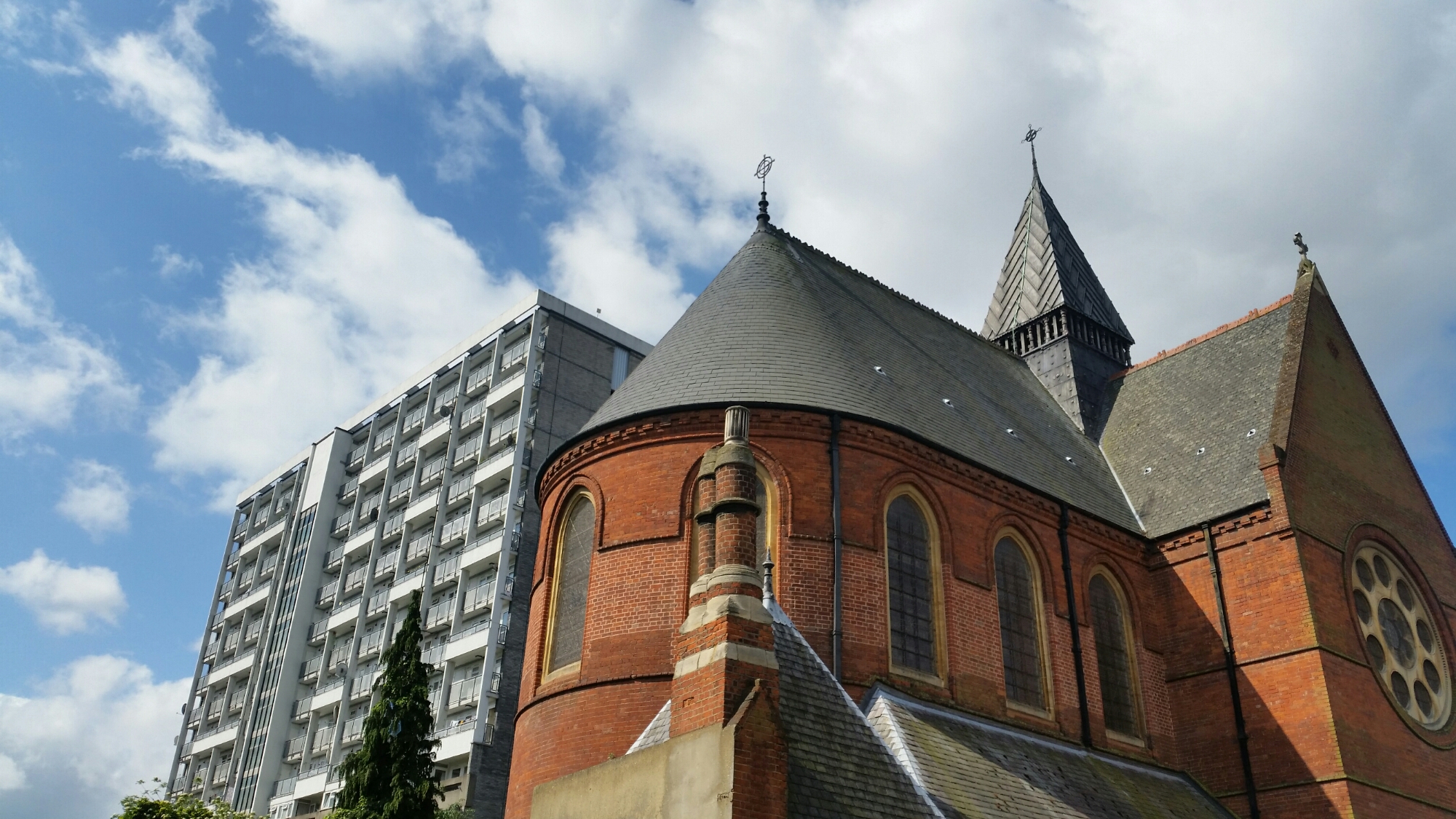
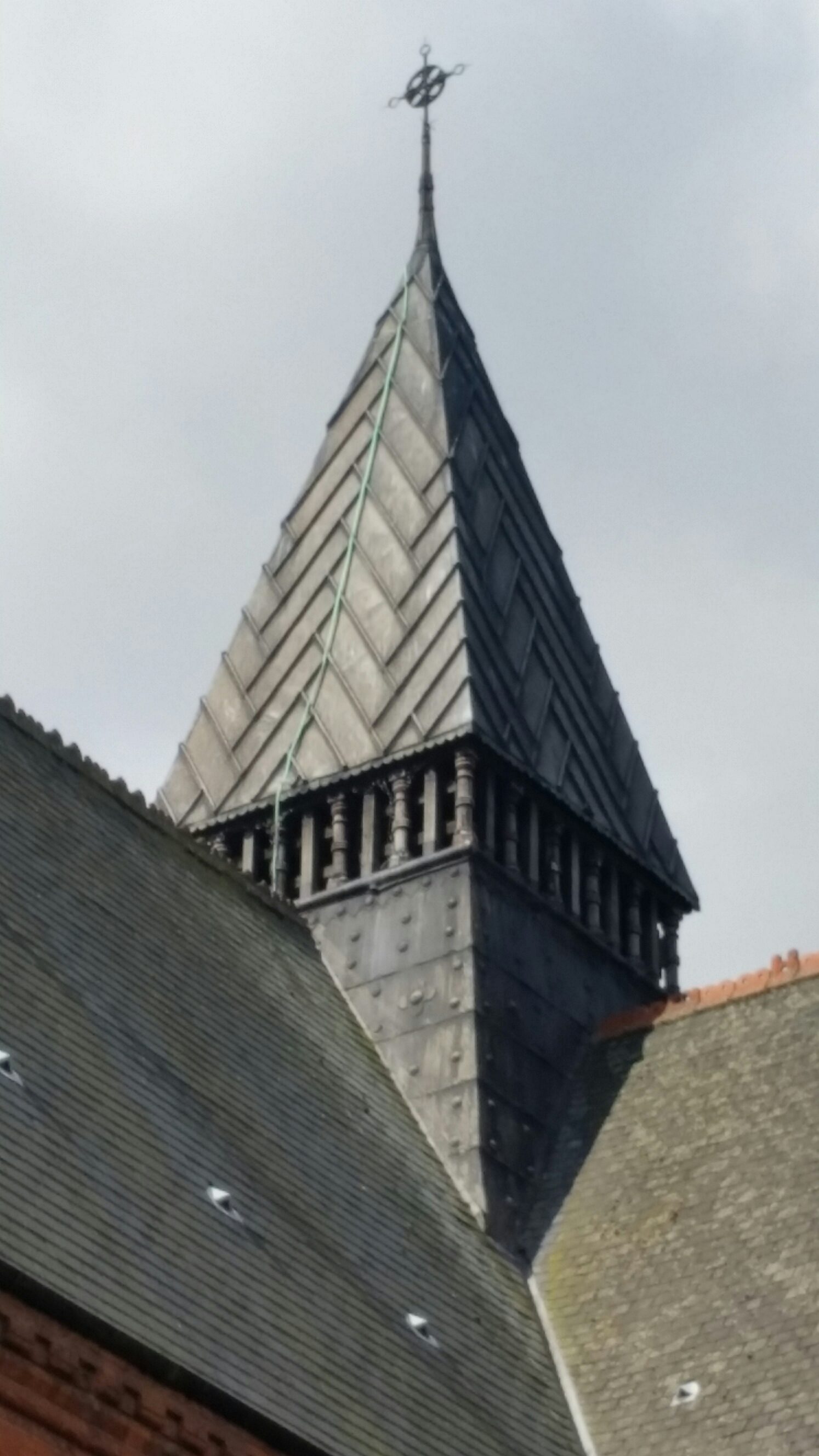
I failed to post photographs of St. Chad’s, a large barn-like church designed by James Brooks on a street just behind Haggerston School. Brooks became a student in the Royal Academy Schools, and set up in practice as an architect in Bloomsbury Square. In 1862, he moved to a house he designed for himself in Clissold Crescent in Stoke Newington. Commissions for east end churches, including St. Chad’s, came from fellow parishioners at St. Matthias’s, Stoke Newington who established the Haggerston Church Scheme. St. Chad’s is a good example of Brooks’s austere and muscular red brick Gothic, entirely appropriate to bring Anglo-Catholicism to Haggerston:-
Henry Tonks
One of the strong moments in Margy Kinmonth’s film about War Art is the way that the viewer is compelled to confront the drawings which Henry Tonks did of the facial disfigurement of wounded soldiers in Aldershot Military Hospital after the battle of Ypres and which belong to the Royal College of Surgeons. They are extraordinarily unflinching images, informed as much by Tonks’s surgical practice as by his training as an artist (he studied at the London Hospital under Sir Frederick Treves before becoming an Assistant Professor at the Slade).
War Art
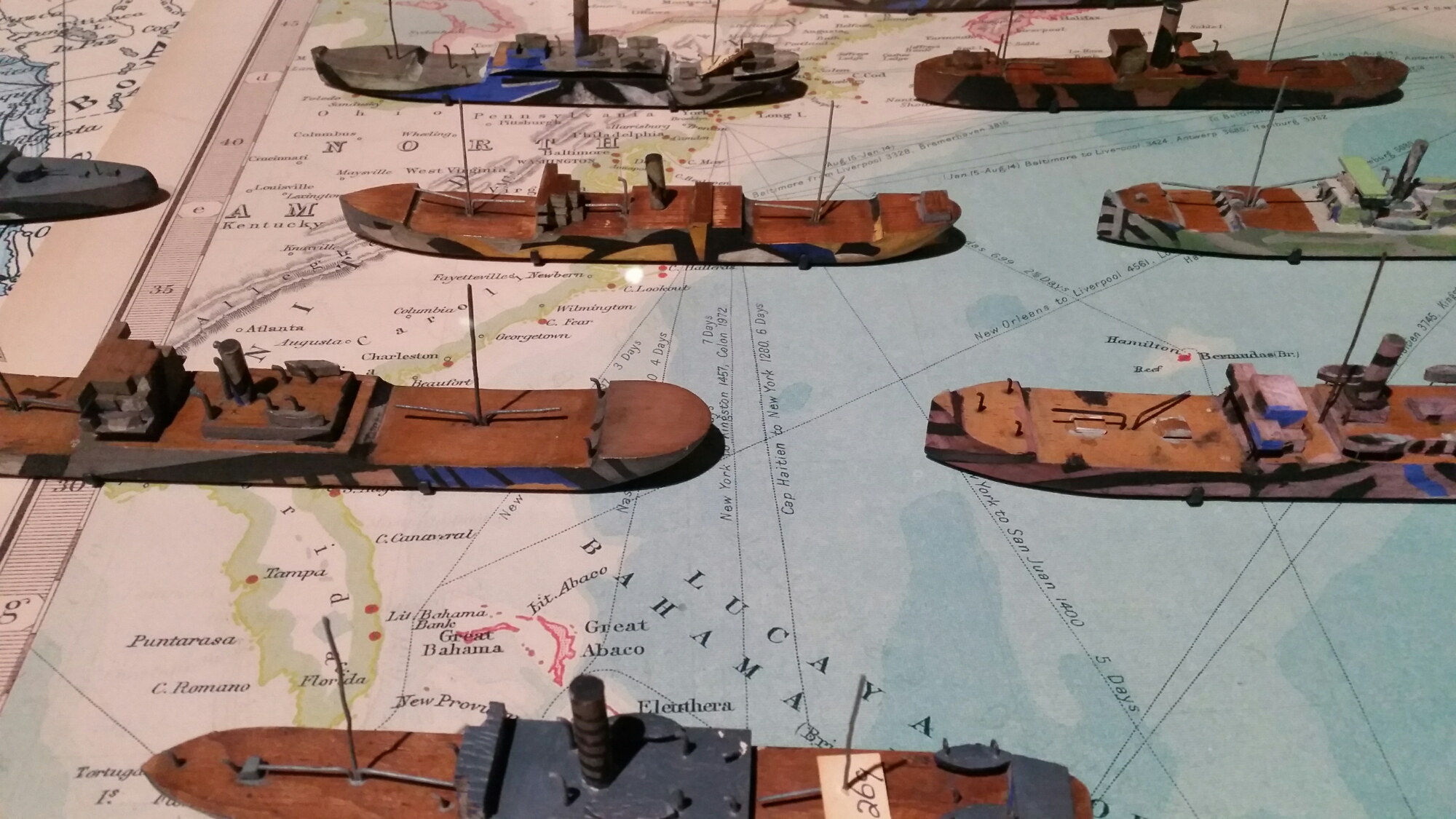
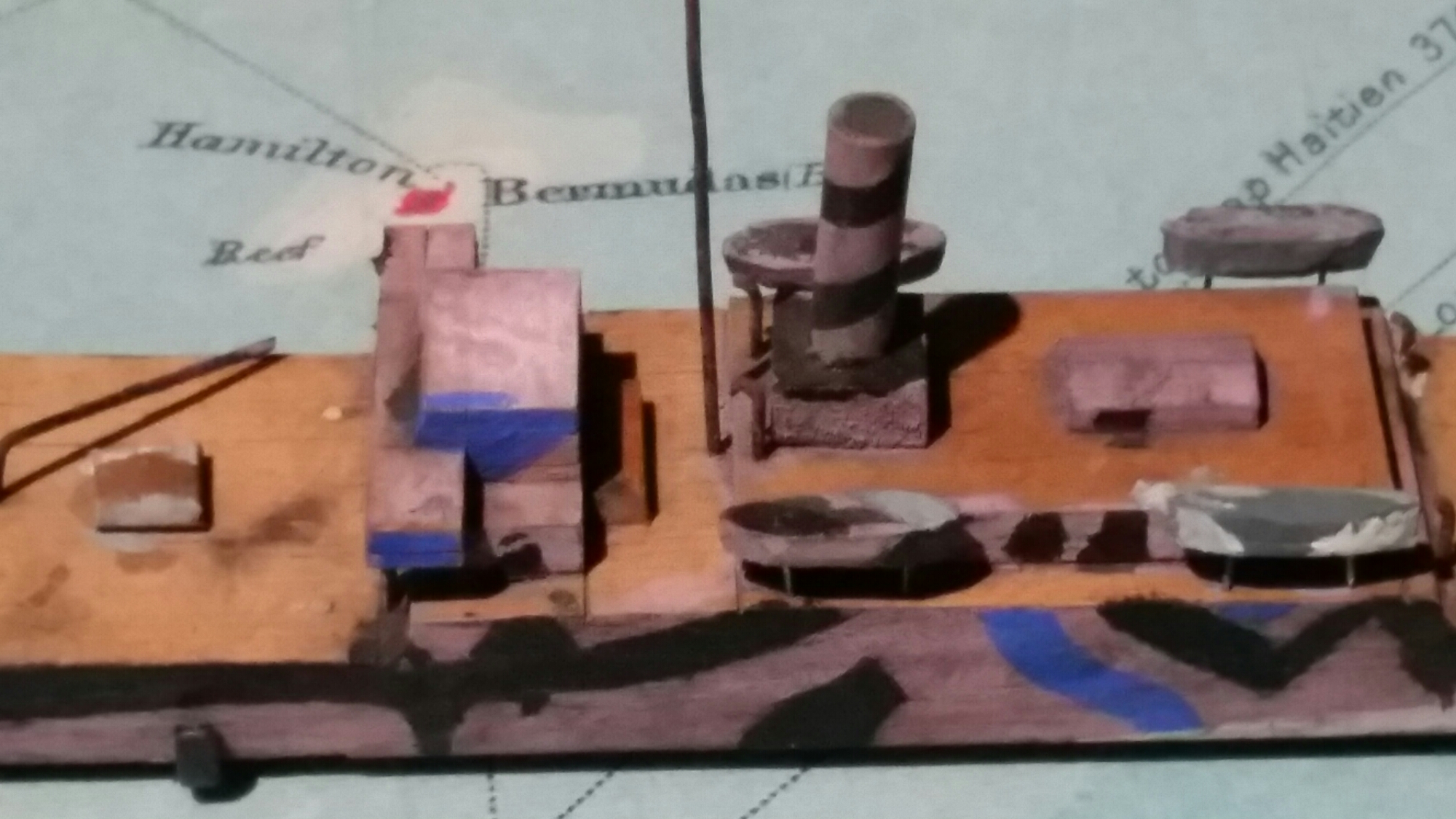
We went to a preview of a television film that Margy Kinmonth has made with Eddie Redmayne on the impact of the first world war on art. He comes across incredibly well – knowledgeable and unself-important, with an interest in the subject based on reading art history at Cambridge. The Royal Academy appears because of the memorial outside to the Artists’ Rifle Brigade and because the female students in the RA Schools were employed to paint the dazzle camouflage on the ships employing the pictorial devices of cubism. We were so inspired by the number of pictures shown in the storerooms of the Imperial War Museum – works by Nevinson, Bomberg, Sargent and both Nashes – that we set off to see them.
We found the dazzle boats which were apparently found in a store in Duxford:-
Islip Odell
Who exactly was Islip Odell ? He was a builder, based in Upper Clapton, who worked for Sir William Middleton when he developed his estate in Haggerston, making an agreement with him for the development of the eponymous Middleton Road in 1840 and also supplying the bricks for the building of Middleton’s country estate, Shrubland Park in Suffolk. Middleton’s surveyor was called George Pownall, who may have been responsible for the layout of Albion Square. I missed out that one side of Albion Square was occupied by Albion Hall, leased by the Kingsland, Dalston and De Beauvoir Scientific Institution, which gives some clue to the aspirations of the neighbourhood. It taught chess, French and book-keeping and hosted the local choir.
Haggerston
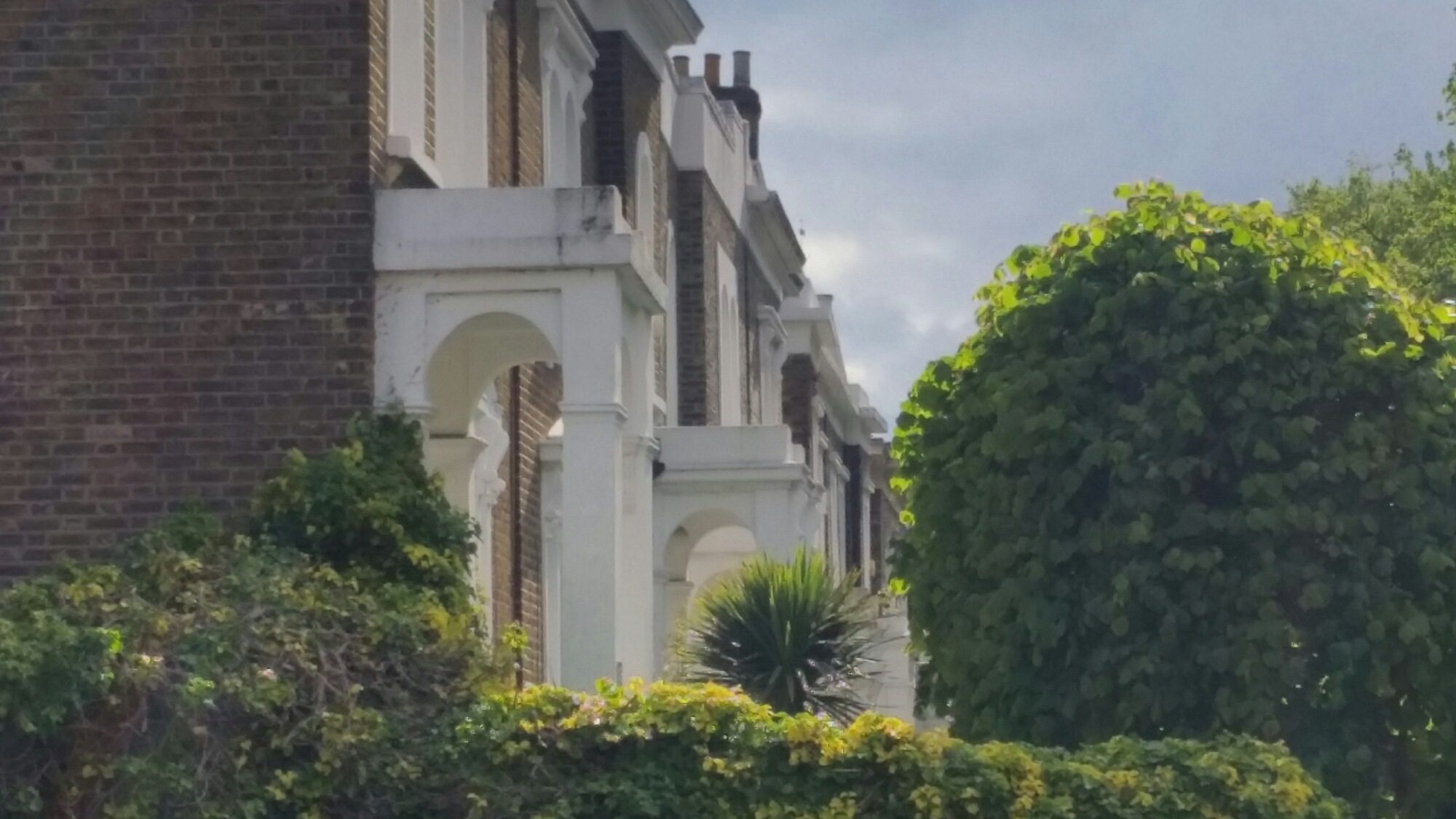
Our trip to Cambridge was cancelled, so I spent the morning trying to make sense of Haggerston instead. I had never been to Albion Square, laid out in the 1840s by Islip Odell, a brick-maker, and was surprised and impressed by its stateliness, its sense of municipal improvement, with drinking fountains and public gardens:-

Olympicopolis
I attended the discussion this afternoon about Olympicopolis, with Munira Mirza, Martin Roth and others on the panel. What’s the idea ? It comes from the Olympic Legacy Development Corporation and from Boris Johnson as Mayor. Some of it is the neo-Victorian idea of social improvement, bringing culture to an area of urban deprivation, as the Bethnal Green Museum did nearly 150 years ago. They’ve provided housing and sports facilities and a big public park, but nothing so far for the arts. Then, there’s the link between the arts and practice, providing visible studio space where artists and designers will be expected to interact with the public. Also, it’s neo-Victorian in being a grand initiative of central government. As Munira Mirza described it (excitingly), it’s about the sexiness of Victorian self-confidence, inspired as much by Cedric Price as Prince Albert.
 | Charles | Saumarez | Smith |
You must be logged in to post a comment.