
I attended the discussion this afternoon about Olympicopolis, with Munira Mirza, Martin Roth and others on the panel. What’s the idea ? It comes from the Olympic Legacy Development Corporation and from Boris Johnson as Mayor. Some of it is the neo-Victorian idea of social improvement, bringing culture to an area of urban deprivation, as the Bethnal Green Museum did nearly 150 years ago. They’ve provided housing and sports facilities and a big public park, but nothing so far for the arts. Then, there’s the link between the arts and practice, providing visible studio space where artists and designers will be expected to interact with the public. Also, it’s neo-Victorian in being a grand initiative of central government. As Munira Mirza described it (excitingly), it’s about the sexiness of Victorian self-confidence, inspired as much by Cedric Price as Prince Albert.
Victorian Futures
I’ve spent the day at a conference called Victorian Futures which is exploring the ways in which ideas and ideals of the 1830s which led to the Great Reform Bill and the Select Committe on Arts and Manufactures have continued to influence the action and rhetoric surrounding all subsequent government cultural initiatives, including the Great Exhibition, many aspects of the South Kensington Museum (Henry Cole was an ardent utilitarian), the Festival of Britain, and now, it is suggested, Olympicopolis. I was sceptical of the latter until I heard that Boris Johnson’s original idea for the Arcelor Tower was to produce a version of Trajan’s Column. And listening to Kieran Long talk about the V&A’s plans for the Olympic Park made me think that he is a reincarnation of Cole in his beliefs in the power of display, the politics of objects, and the Museum’s social mission.
Venetian Streets
I didn’t have much time to walk the streets of Venice, the calli and the sottoportegi, to enjoy Venice early in the morning when there are only a few tourists catching an early morning flight and otherwise it is quiet with only dogs and the rubbish boats loading up.
A back street in Cannaregio:-

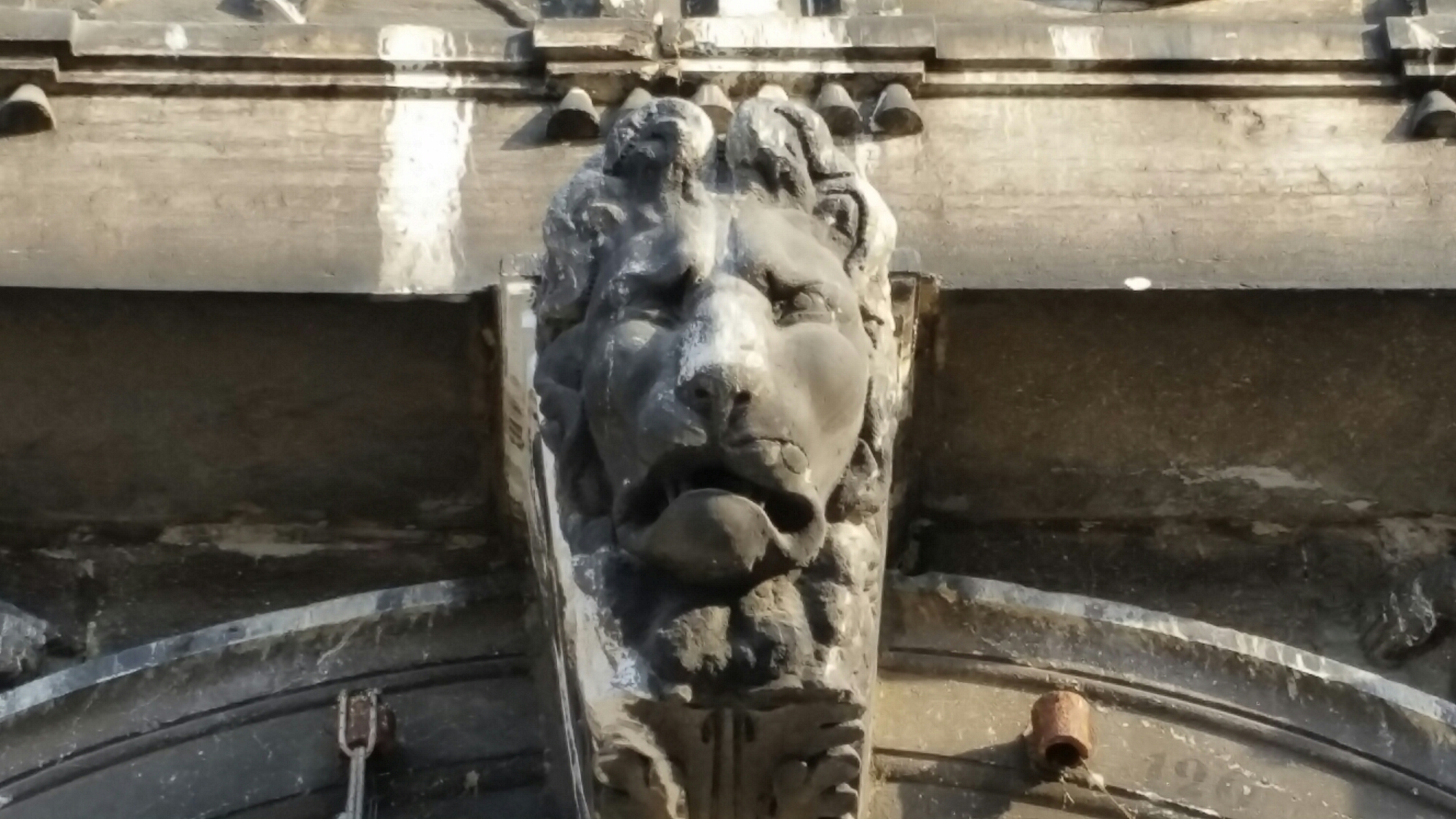
Lots of carved keystones:-

S. Maria della Salute
Everywhere one looks, one sees the Salute: from the hotel, across the canal, from where we had lunch, from the terrace where we had dinner: grand and majestic and slightly larger than life with its spiral volutes, designed by Baldassare Longhena, who was small and dapper and lacking in self confidence. But I’ve never actually seen it close up, so this morning I walked across the Accademia bridge and through the back streets of Dorsoduro to see it close up:-


Palazzetto Pisani
We had lunch in the Palazzetto Pisani in a first-floor room on the Grand Canal.
This is the façade of the Palazzetto:-
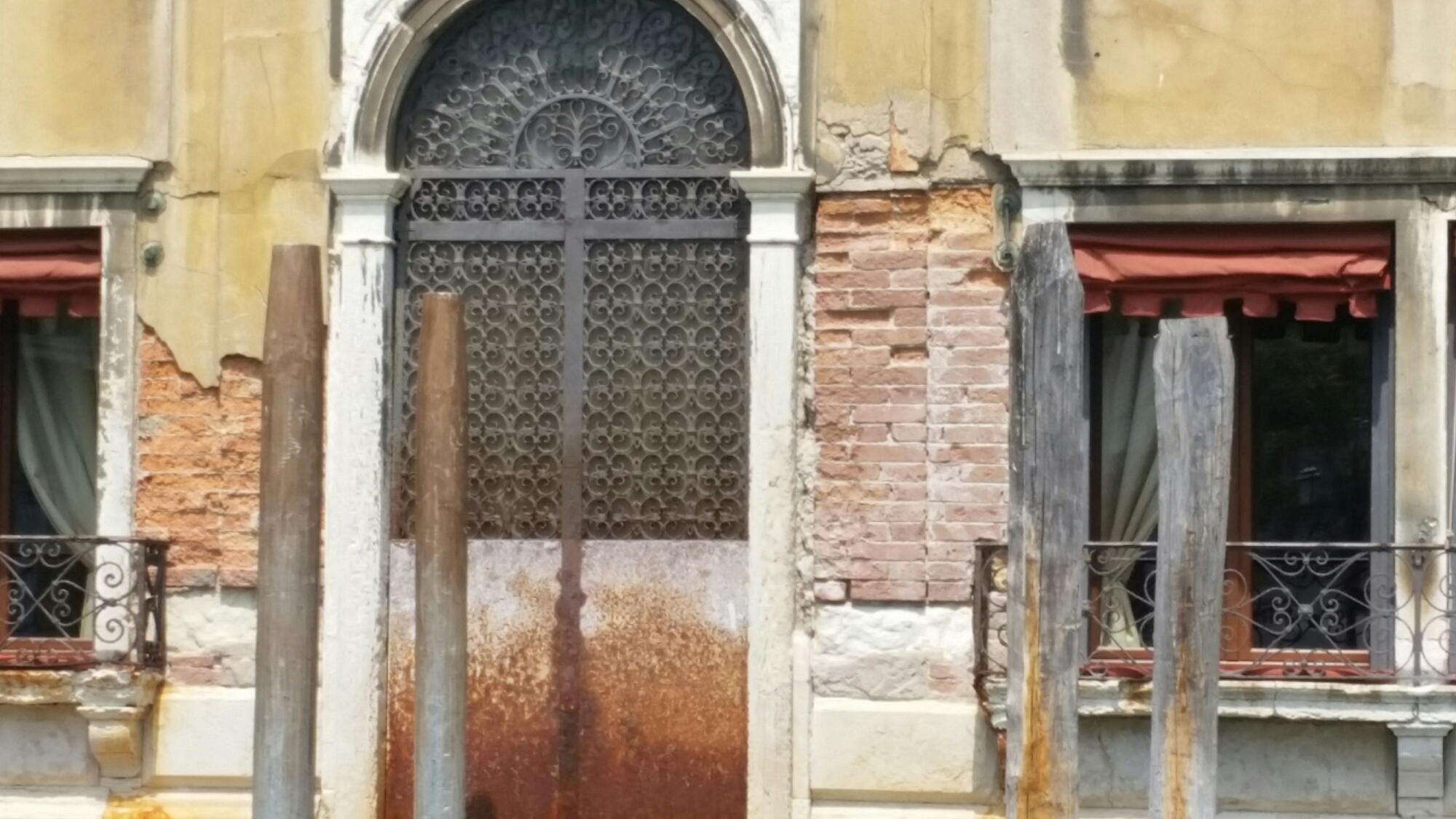
We arrived by water taxi:-

Chiharu Shiota
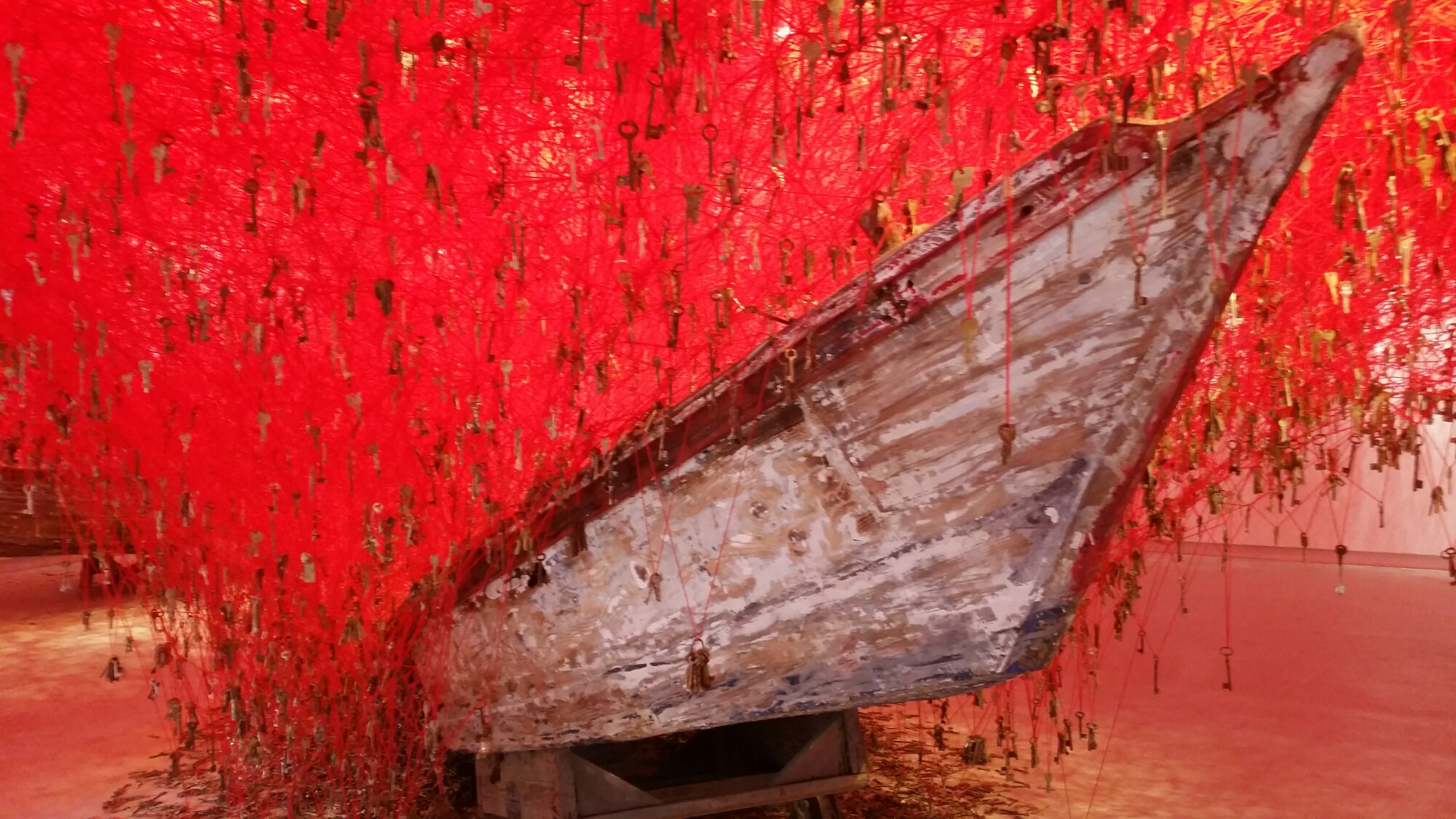
After an afternoon wandering through pavilions in the Giardini which were variously political, it was a pleasure to walk into the Japanese Pavilion which is about pure visual pleasure, a complex piece of blood red lattice work holding up an infinite collection of keys: if symbolic, not political, but about life experiences sublimated:-

Luigi Bevilacqua
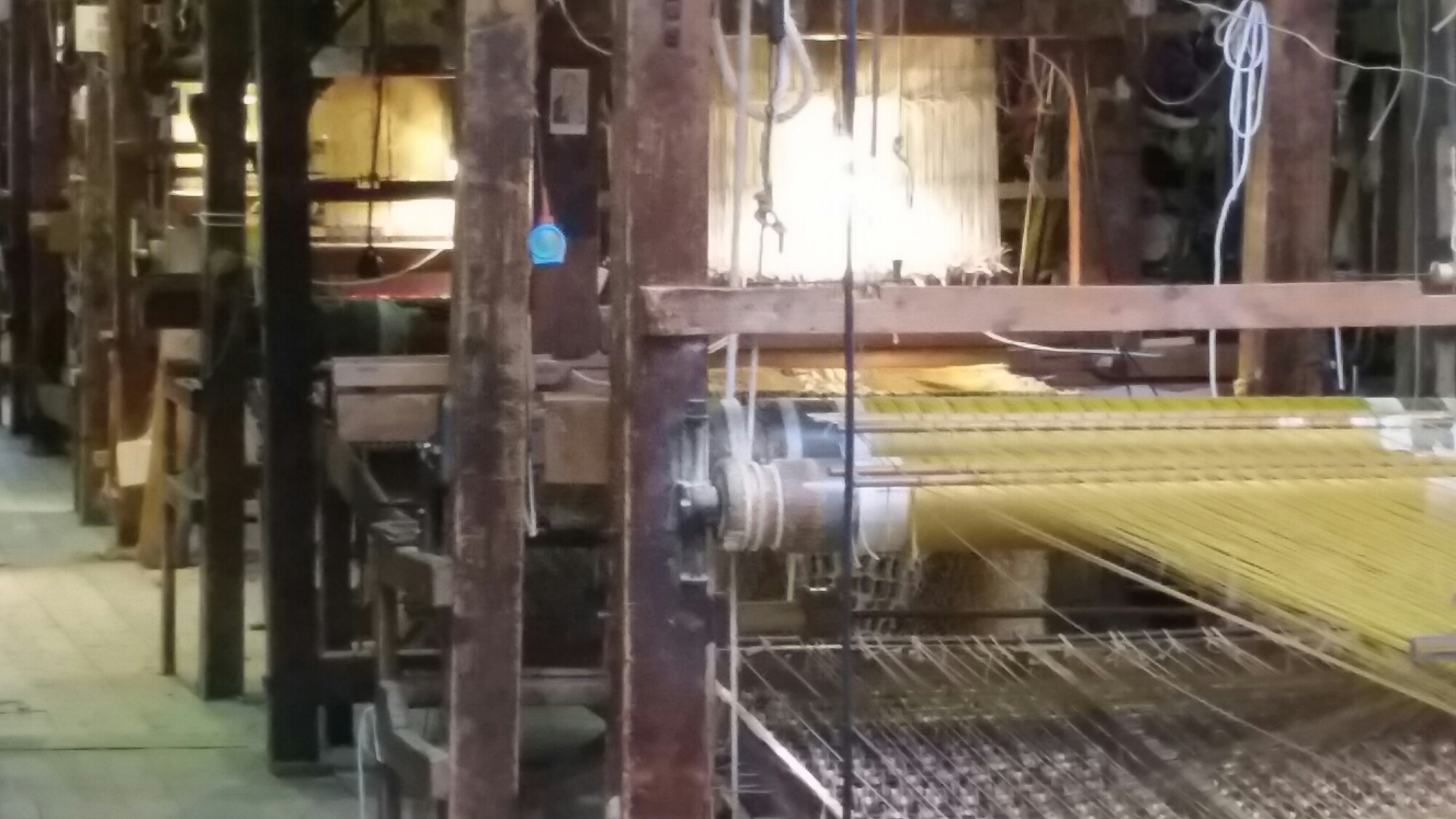
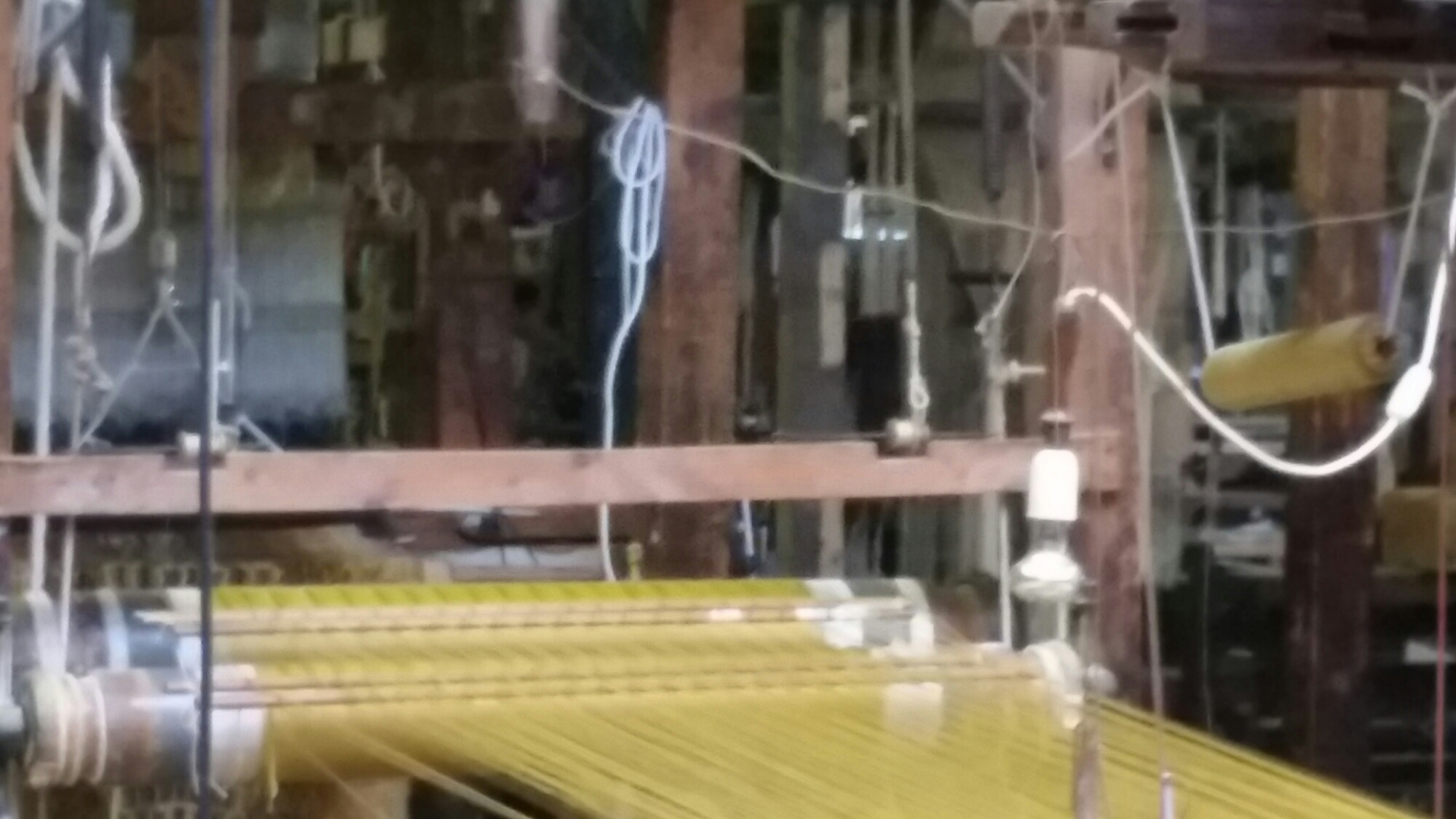
We visited the workshop of Luigi Bevilacqua, which still has fourteen looms from the eighteenth century where they handweave velvets, damasks and brocades to historic patterns. It may just be preserved as a historic relic, but what a relic:-
Orsoni
We went into the backstreets of Cannaregio to visit Orsoni, an old established industrial manufacturer of mosaics, with an amazing library of mosaic glass, every colour except fuschia:-


Companion Guide to Venice
I was pleased to discover that I still had my original copy of Hugh Honour’s Companion Guide to Venice in my travel cupboard, not the first edition of 1965, but the second edition of 1967, which still has a dutiful copperplate inscription in it that it was given to me by my Aunt Margaret in 1967, presumably for Christmas. This confirms what I had always slightly doubted that my first visit to Venice was in Easter 1968 when I was allowed to stay a couple of nights on my own in a hotel behind the Accademia and explored the city – the Carpaccios in S. Giorgio degli Schiavoni, the Colleoni monument, the Accademia itself – with the Companion Guide in hand.
Piazza S. Marco
I thought I should pay my respects to S. Marco and to hear the band play at Florian’s, but I spent my time instead examining the sculptural decoration on the Procuratie Nuove, begin by Scamozzi in 1586 when the Empire was already in decline:-

 | Charles | Saumarez | Smith |
You must be logged in to post a comment.