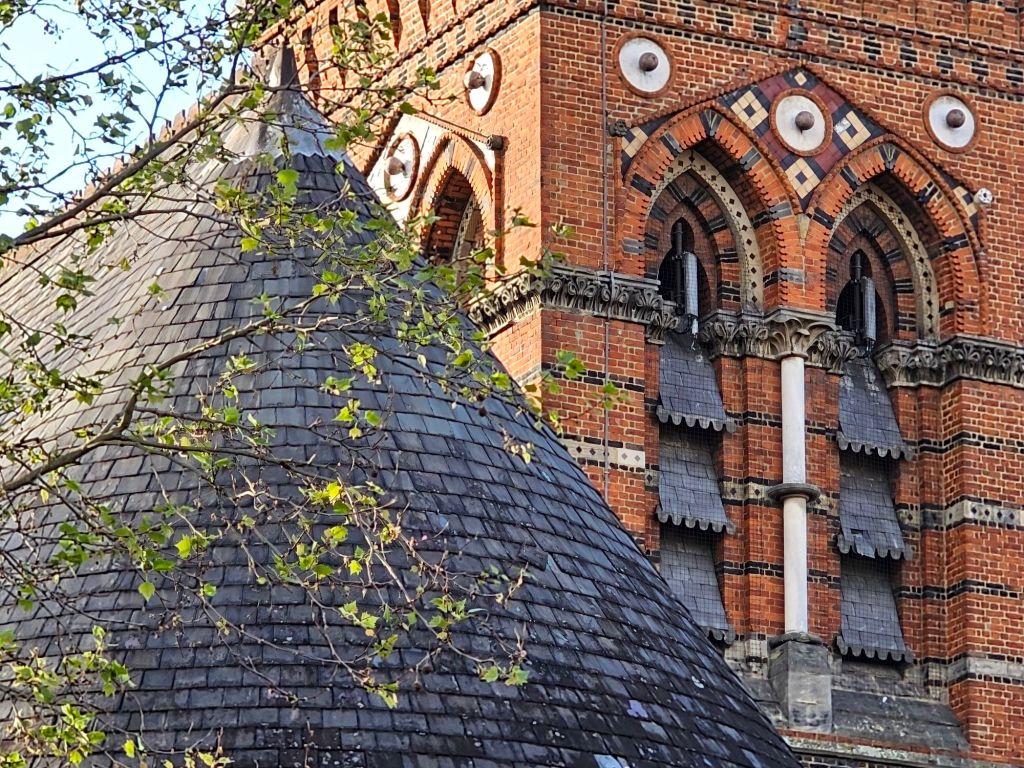
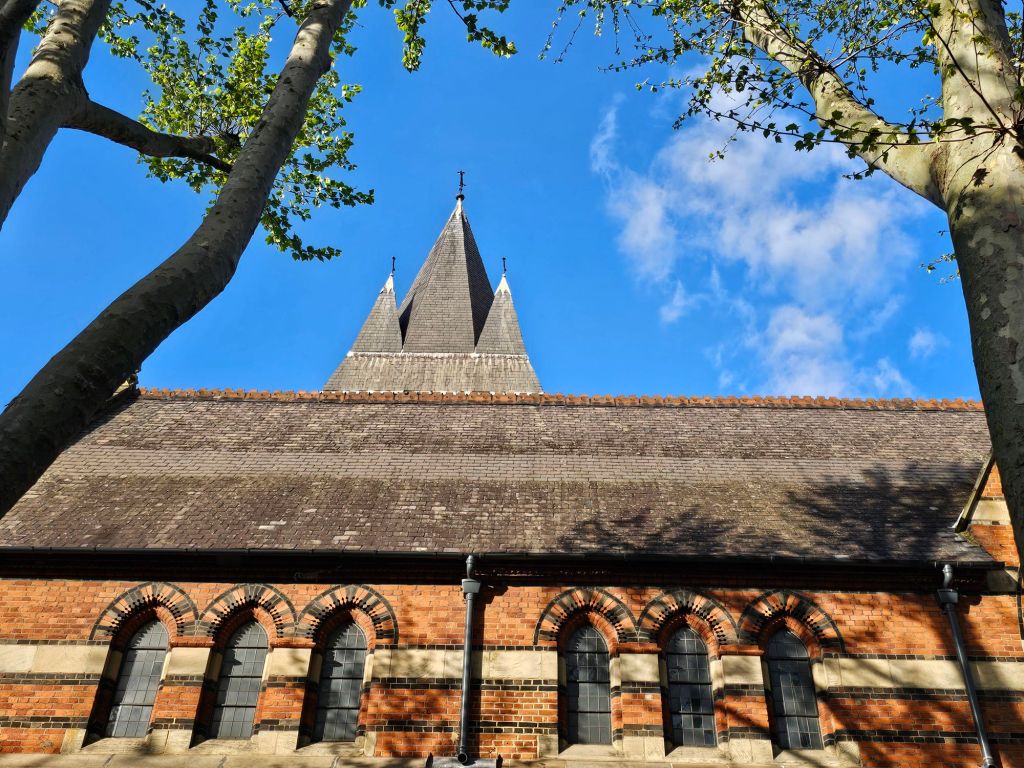
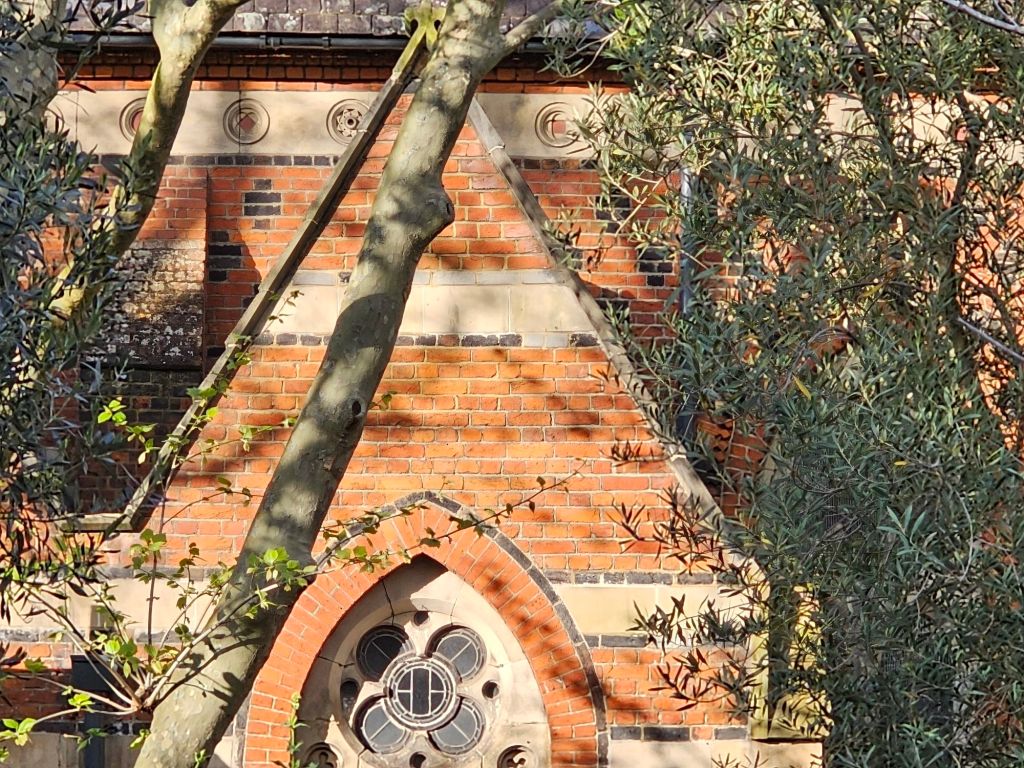
I always like visiting St. James-the-Less in Pimlico, such a great Victorian church, not least for its surrounding Darbourne and Darke estate which enhances the sense of surprise at its polychromatic brick exterior:-
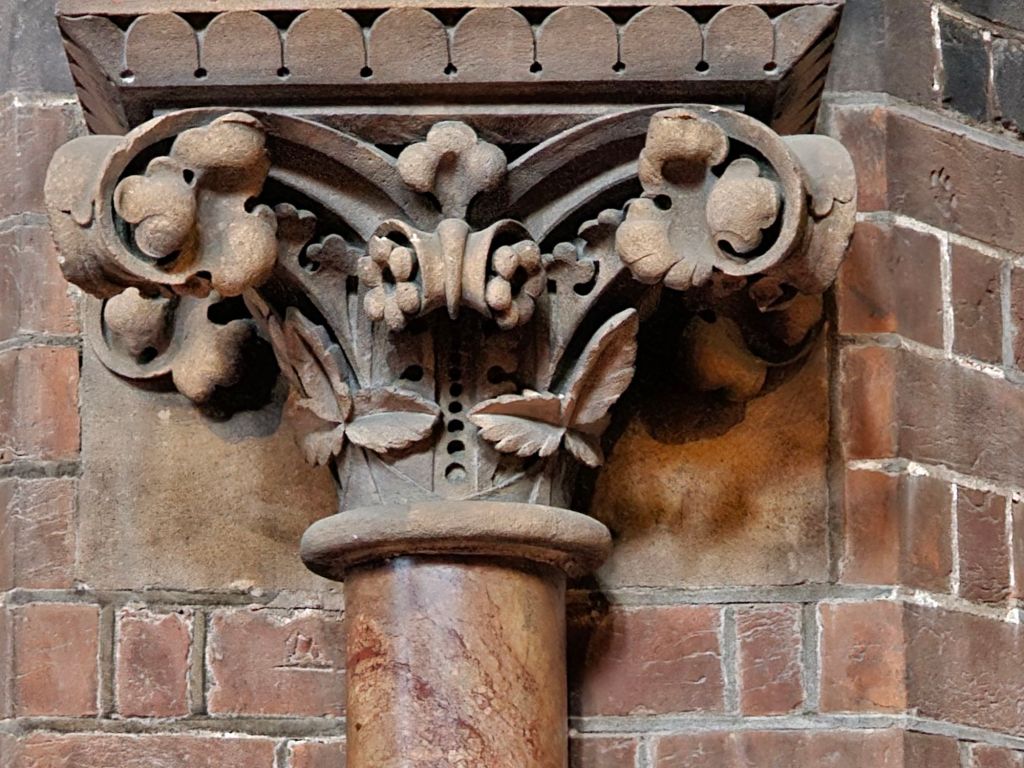
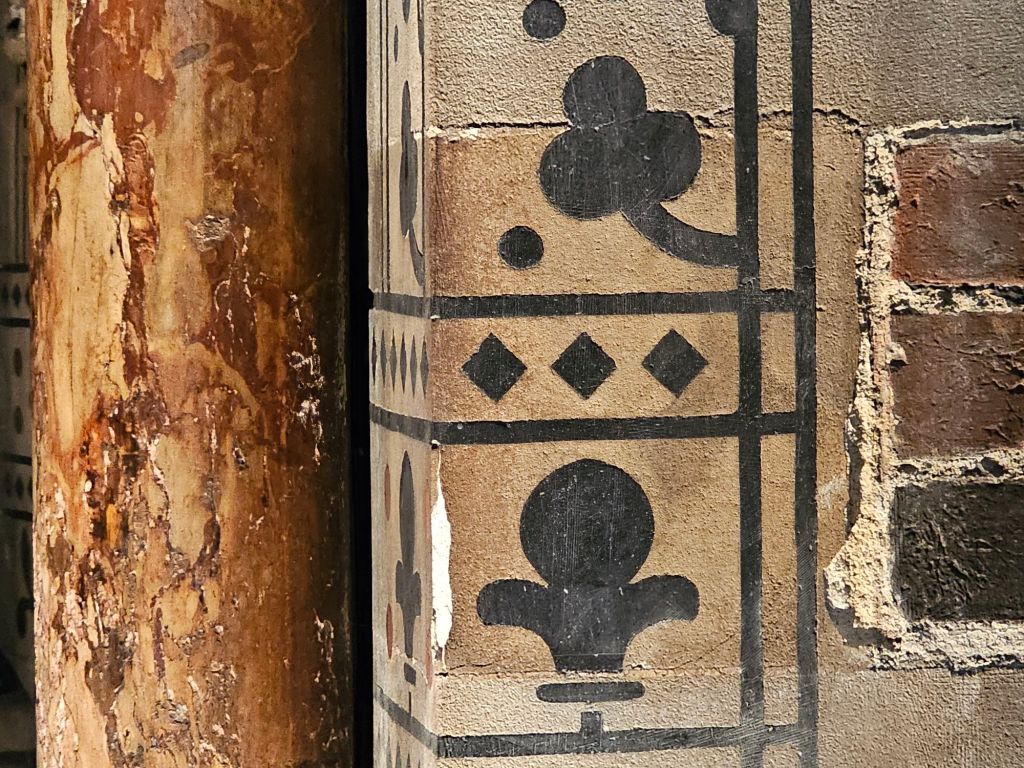
Inside, beautiful, rich detailing, but it was already getting dark:-
At the weekend, we were shown and greatly admired a small printed volume which combines a lecture Fiona MacCarthy gave to the Biographer’s Club with a short memoir by Richard Calvorcoressi, her literary executor and adviser on her last book on Walter Gropius. I was just about to find out if it was possible to acquire one when I discovered a copy in our letter box, so have been able to enjoy her curious mixture of the ingenue, half a pose, with the highly sophisticated and endlessly curious biographer who treats her discovery that Eric Gill was incestuous with magnificent half casualness. She died just before Covid, so it has been hard to mourn her properly, but I see that her ODNB entry has just appeared along with other deaths of 2020.
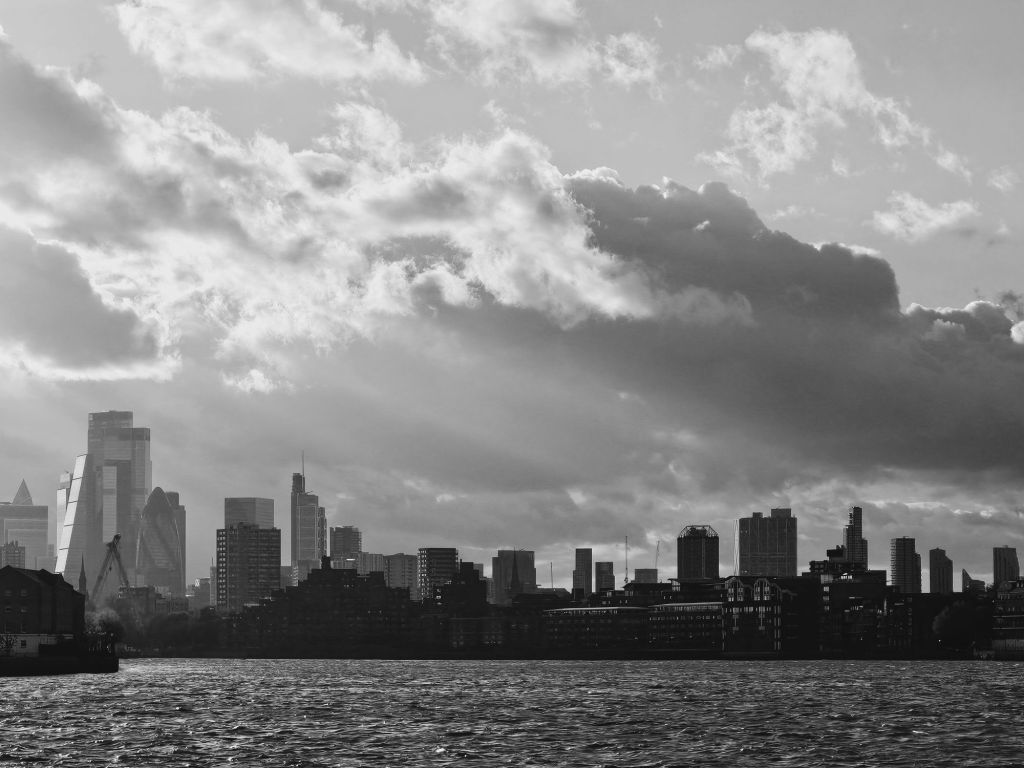
As you know, I don’t like the architecture of the new City – too over-scaled, incoherent, fine from a distance, not good at street level where the blocks are over-bearing. But it doesn’t look bad in the evening sun:-
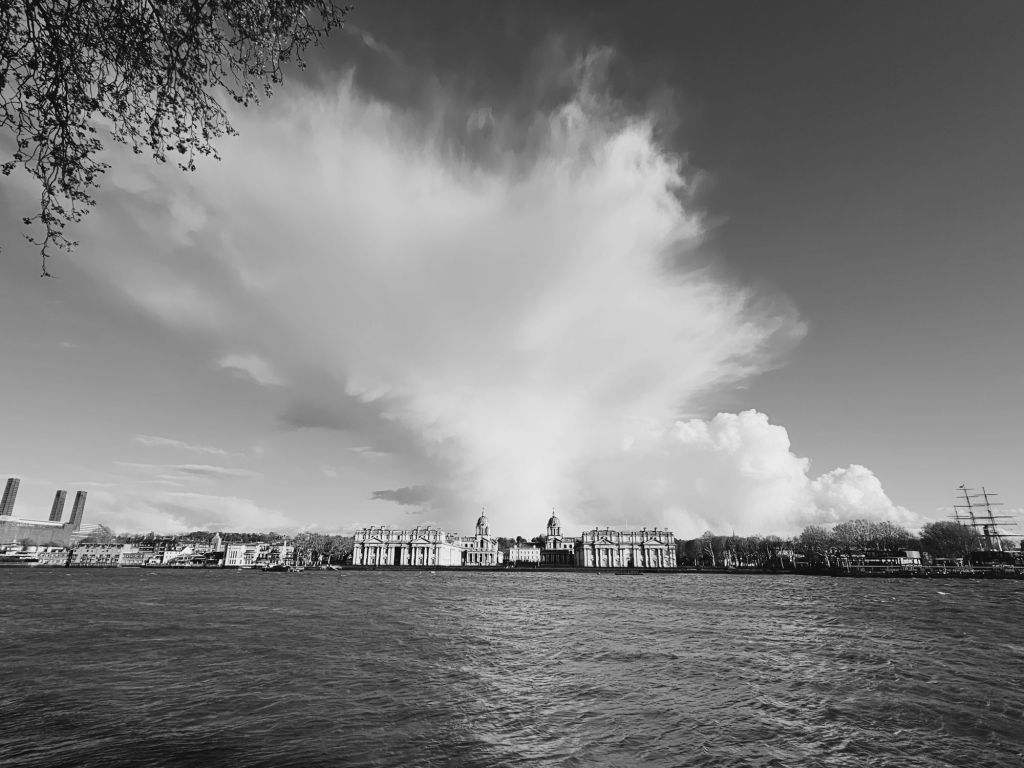
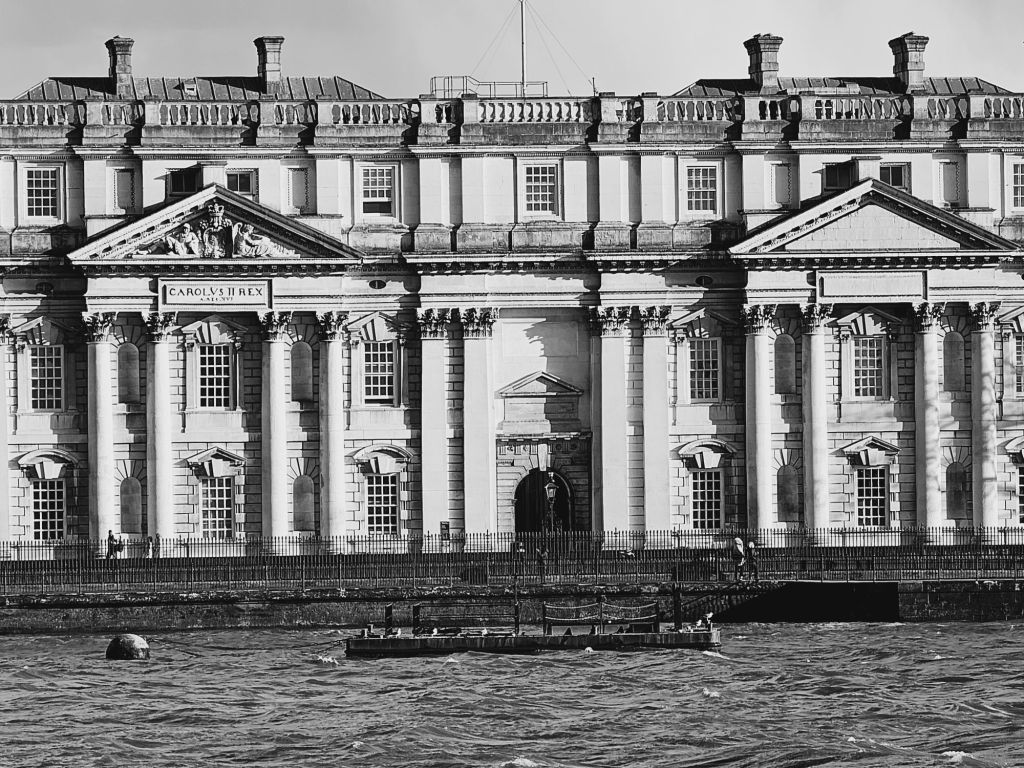
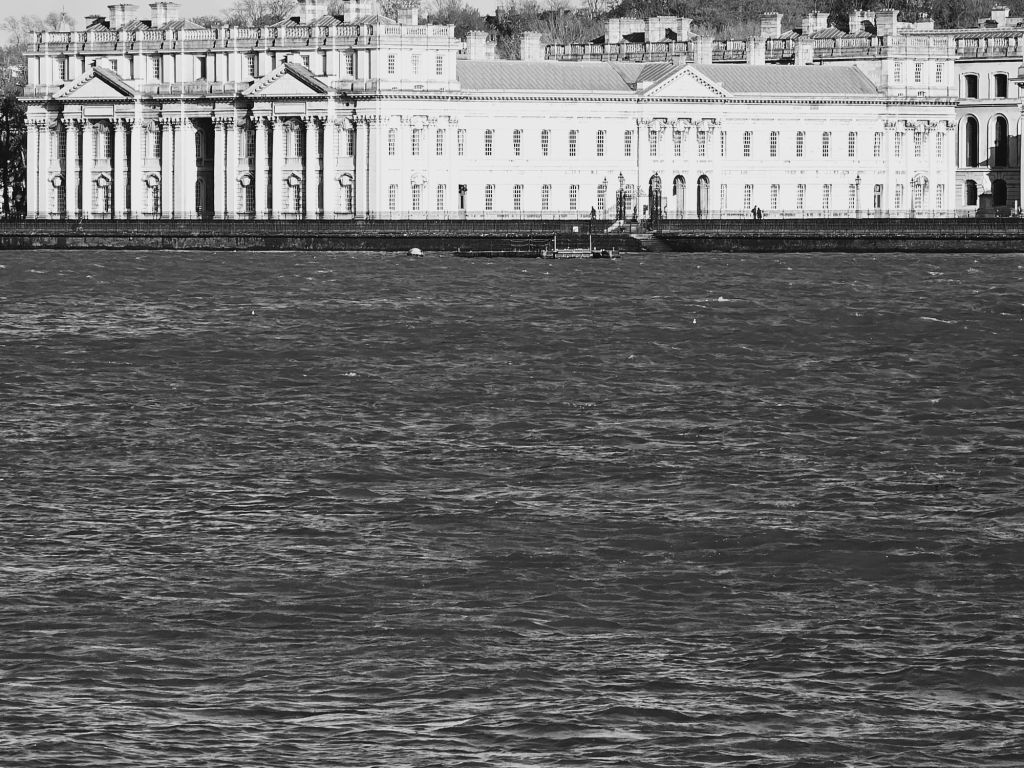
It was such a strange, stormy day, one minute hail, then fierce light, that I thought I would bicycle down to see Greenwich Hospital from across the river, one of the great views in London:-
I realised that the composition of the blocks by the river, including the King Charles block by John Webb, is odd because the façade facing the river is so much more elaborate – if you like, more baroque – than the two long and more Palladian façades facing one another across the great courtyard.
This is the river façade – two temple fronts joined together, itself an unusual composition:-
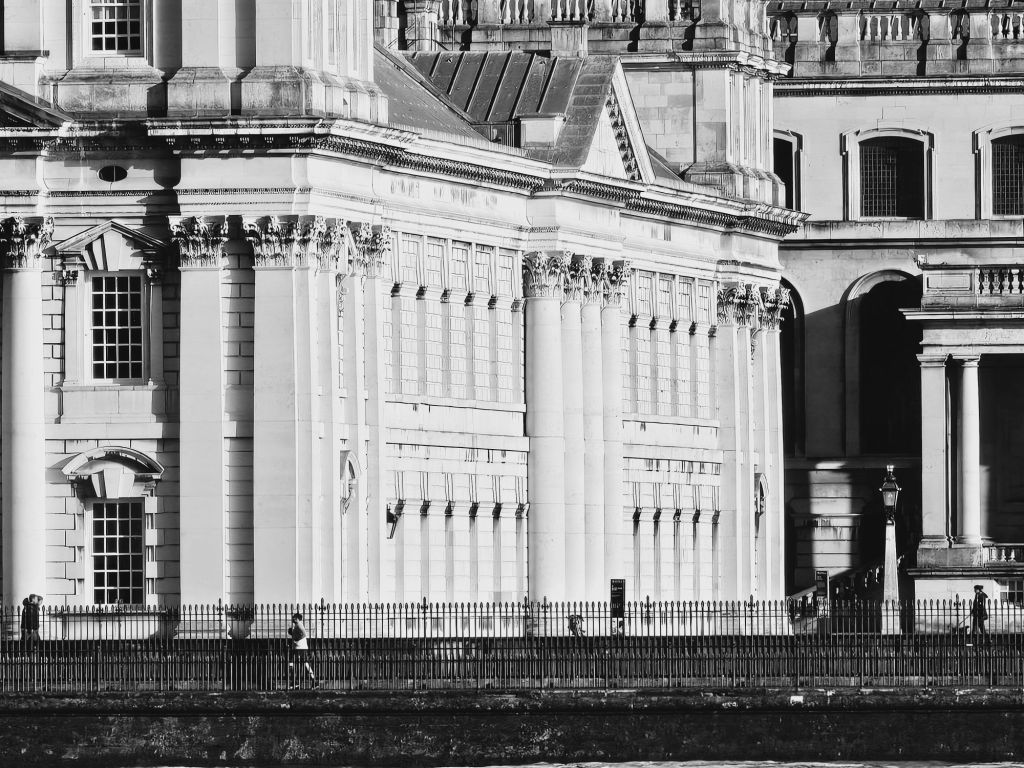
Then the adjacent façade is compositionally quite different (I show the replica façade on the Queen Anne block):-
Here they are together, seen from the east. Maybe this is a view not many people see and Webb didn’t expect one to see:-
I have just been pointed in the direction of Bill Sherman’s own longer and much more scholarly article on Senate House which fills in many of the cracks in mine:
I was inspired to write about London University’s Senate House by a talk given by Bill Sherman, the Director of the Warburg Institute. It’s a huge building, but in an odd way invisible and I realised that I had never given it much thought, did not know its history and, not least, that its tower is occupied not by bureaucrats, but by books:-
I have been thinking about William Whyte’s paper about Noel Annan which adopted an idea from a critical review of Annan’s Our Age by Stefan Collini that there were two Noel Annans: the real Noel Annan who was an intellectual, the author of a study of Leslie Stephen and an influential essay on the Intellectual Aristocracy in J. H. Plumb’s festschrift for G. M. Trevelyan; and Lord Annan, the academic bureaucrat.
I think Annan was a very obvious product of King’s College, Cambridge in the mid-1930s where he became an Apostle and friend and protégé of Maynard Keynes and Dadie Rylands. He probably always thought, as does Collini, that the life of the mind was superior to the life of action – or as King’s always calls it, the life of administration, a clear put-down of professional administrators, as Annan became. But is it really better to remain a Don and retain the purity of the academic life than to go out into the world and run things which was a theme of the conference ?
I think I remember two things that Annan said: that no-one ever got thanked for being on a committee; but that it was important to learn how to exercise power through committees, which is indicative of his attitude towards his life as a committee-man.
Anyway, he arranged for his funeral to be held in King’s College, Cambridge, an indication that he wanted to be received back into the monastery.
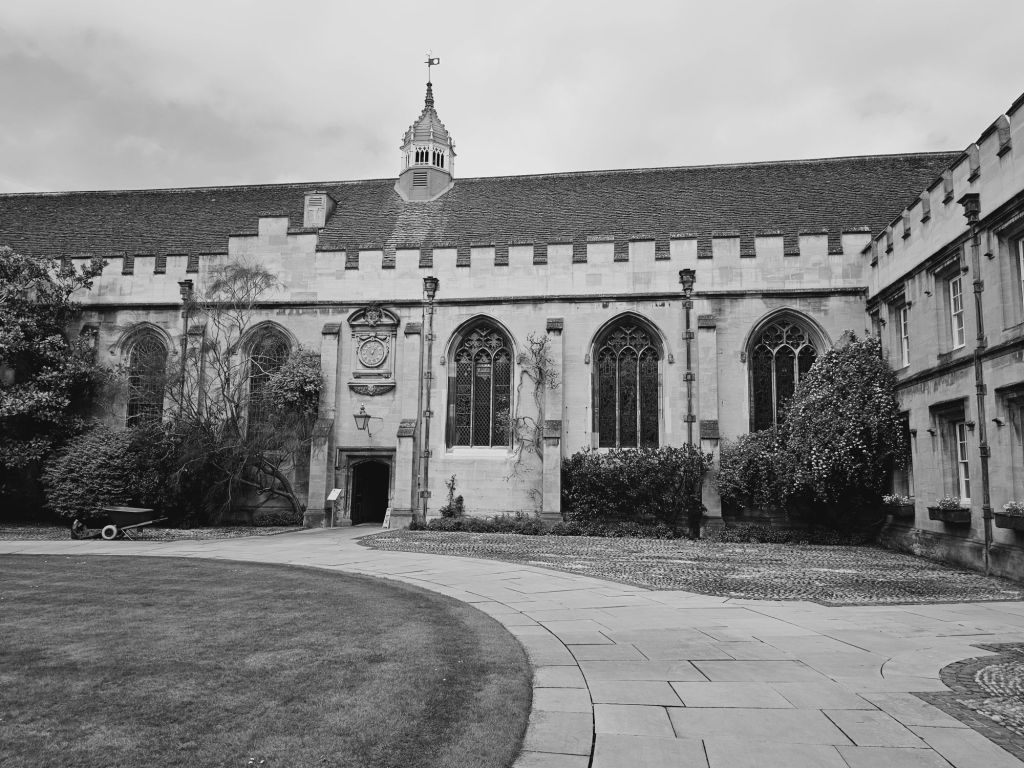
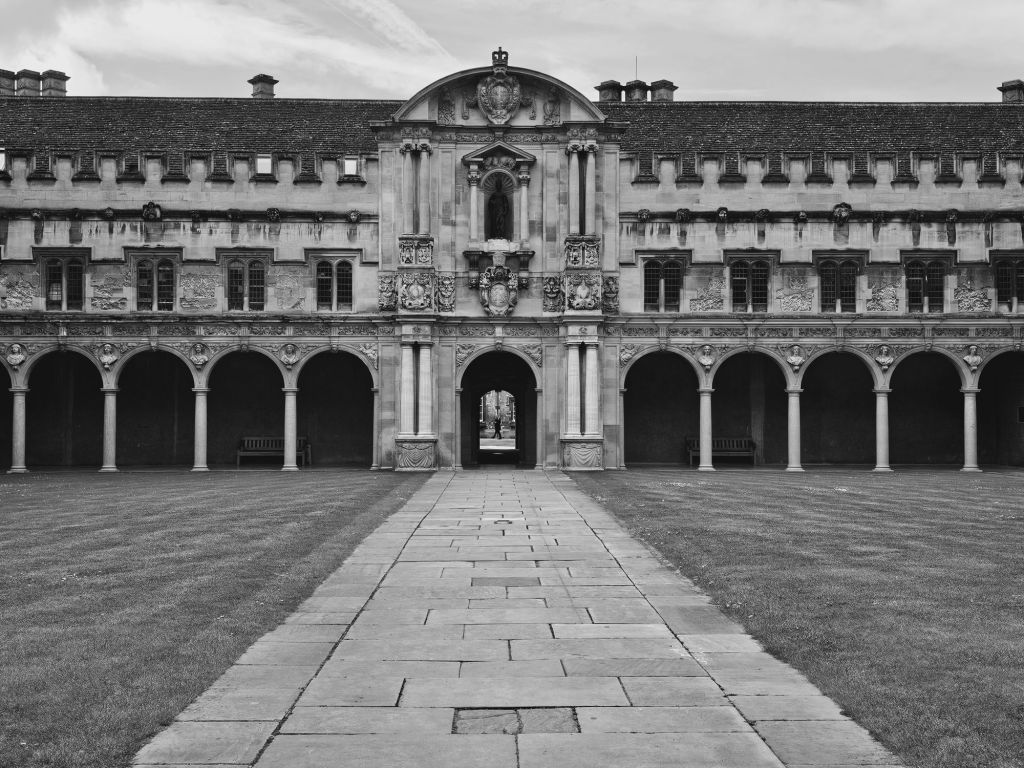
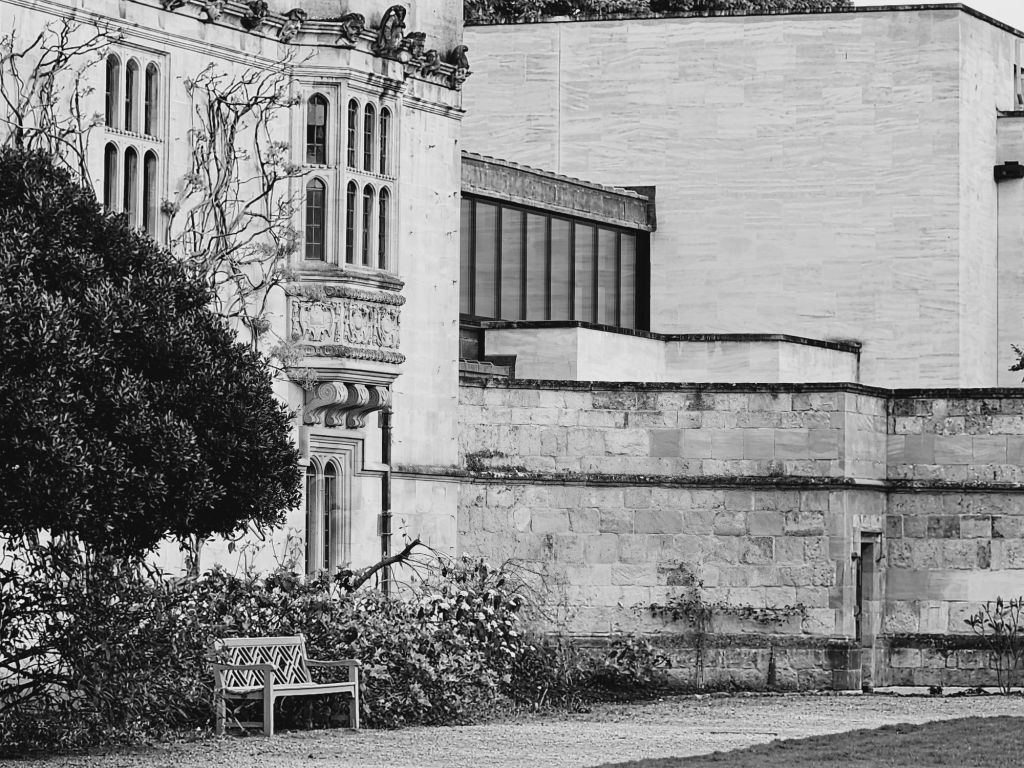
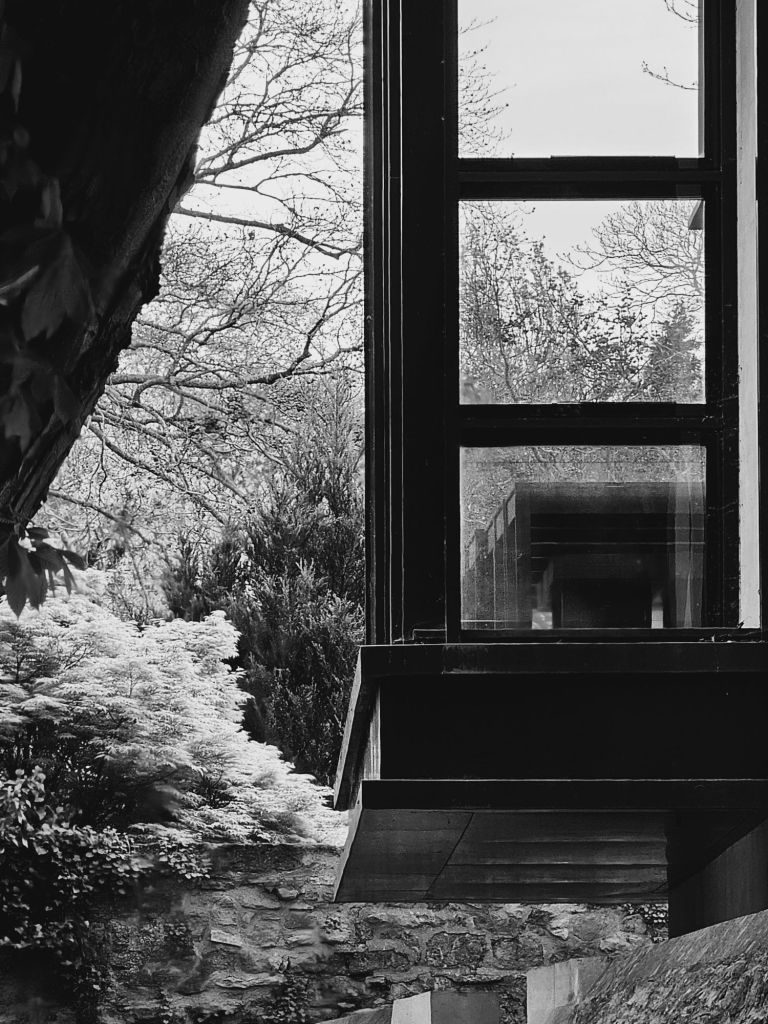
Staying the night at St. John’s College, Oxford for a conference in honour of David Cannadine, I was able to explore (and frankly get lost in) its extensive and impressive collection of modern buildings which are not normally accessible to the passing visitor.
The college was founded in 1555, but the Front Quadrangle is older, monastic in its origin, housing chapel and hall to its north:-
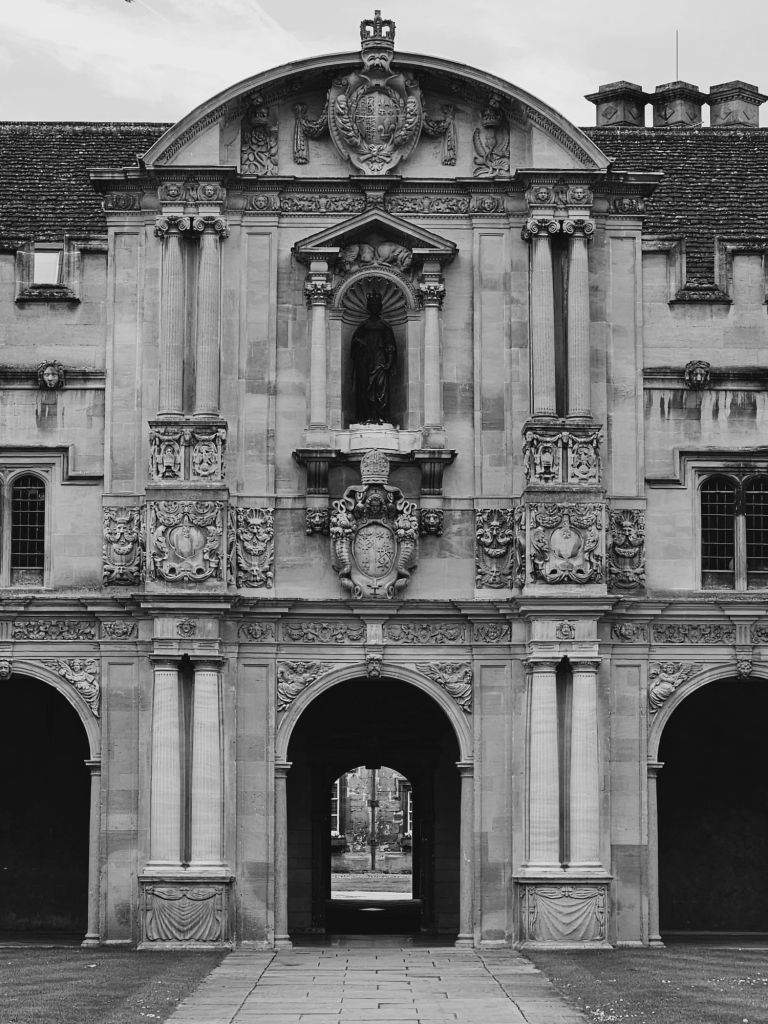
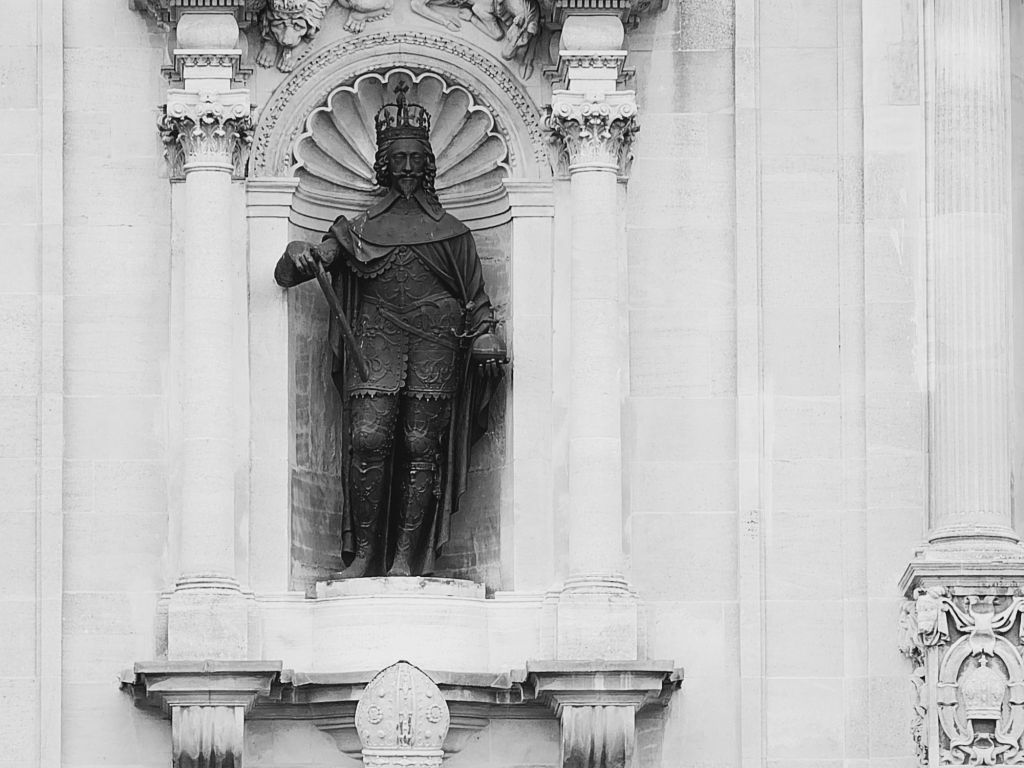
Beyond is the Canterbury Quadrangle, so beautifully preserved, paid for by Archbishop Laud, with bronze statues of Charles I and Henritta Maria in niches over the arches:-
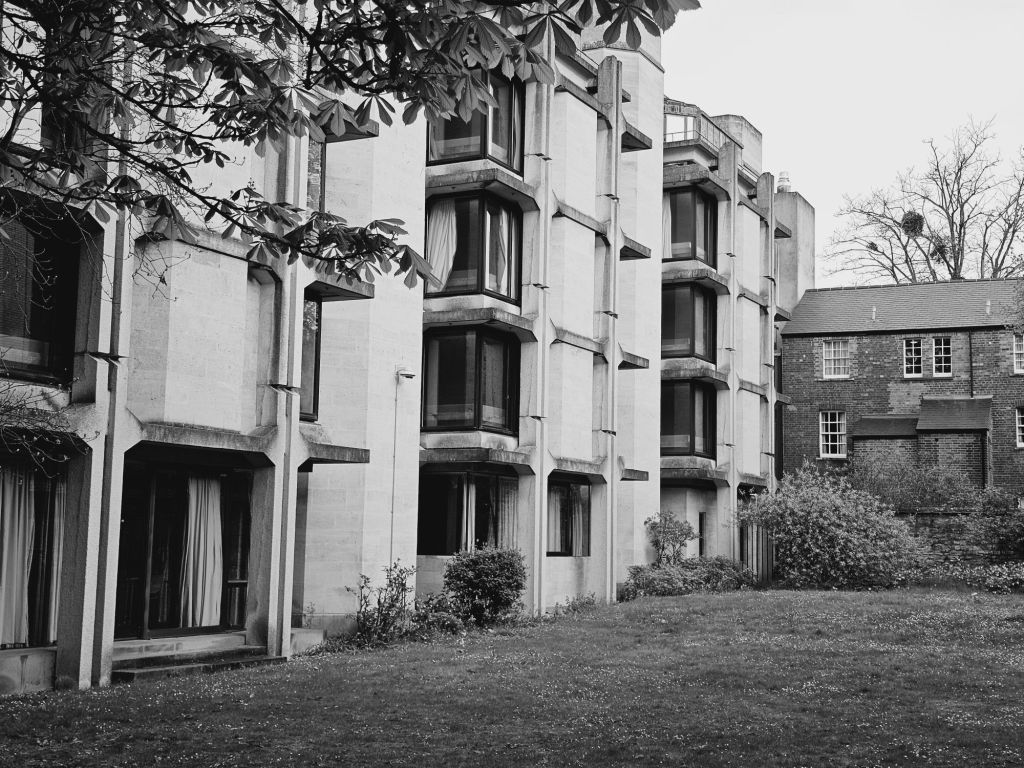
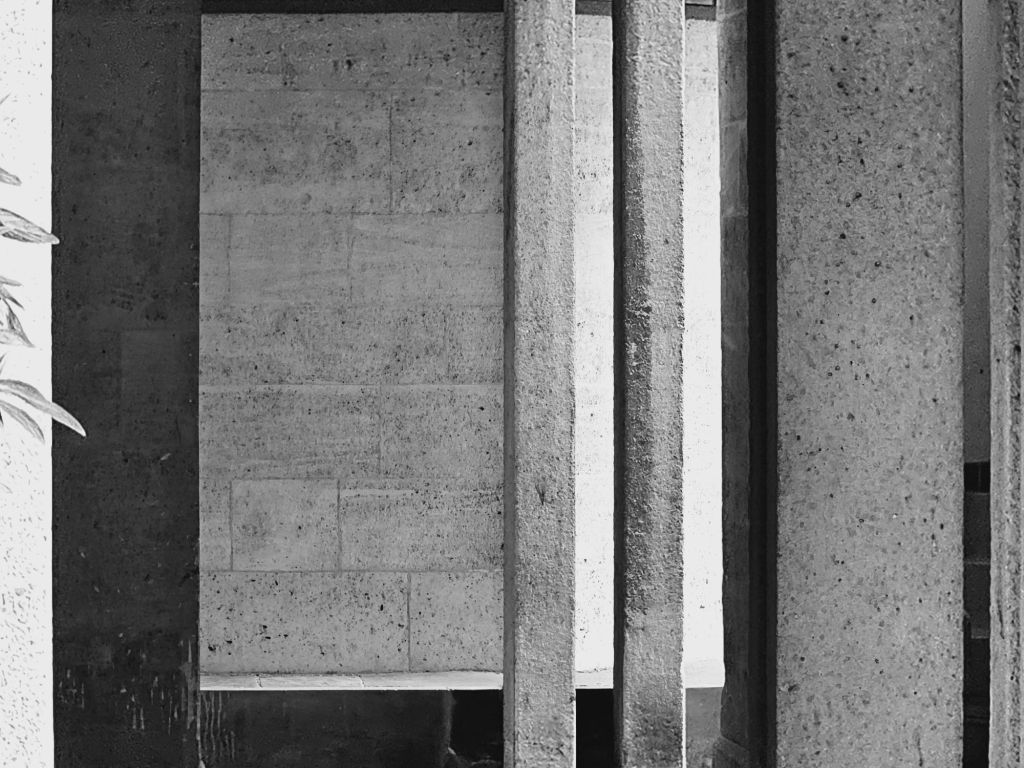
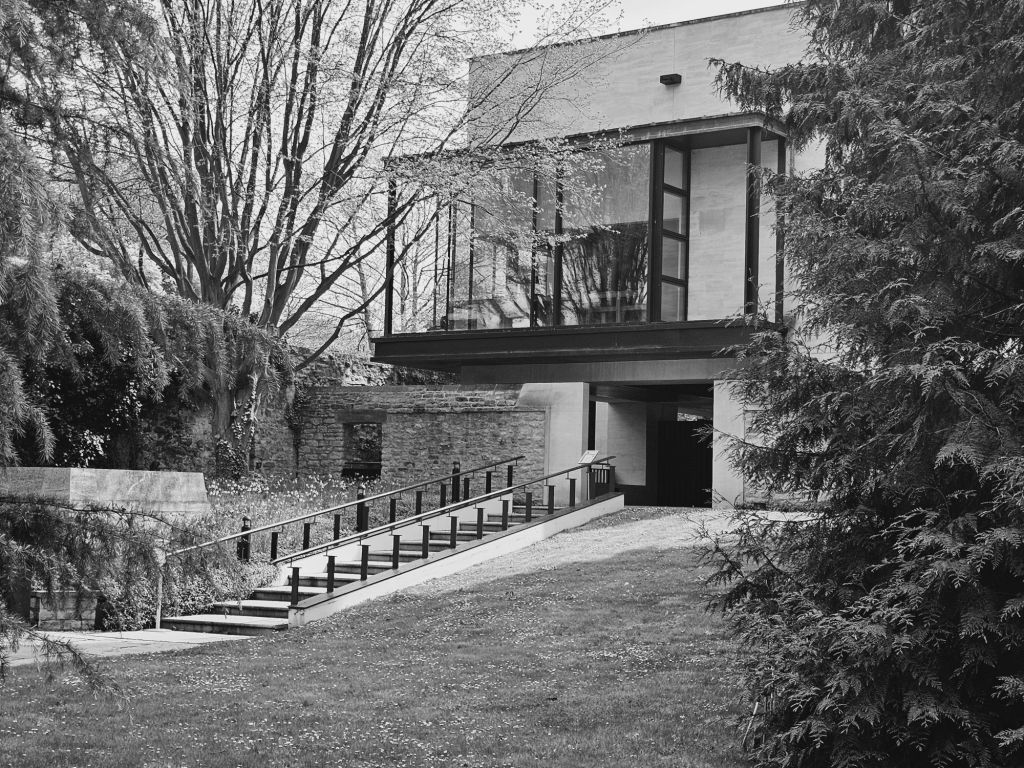
The modern buildings begin with the so-called Beehive Building by Michael Power of Architects’ Copartnership. Next in the sequence was the Sir Thomas White Building by Philip Dowson of Arup Associates:-
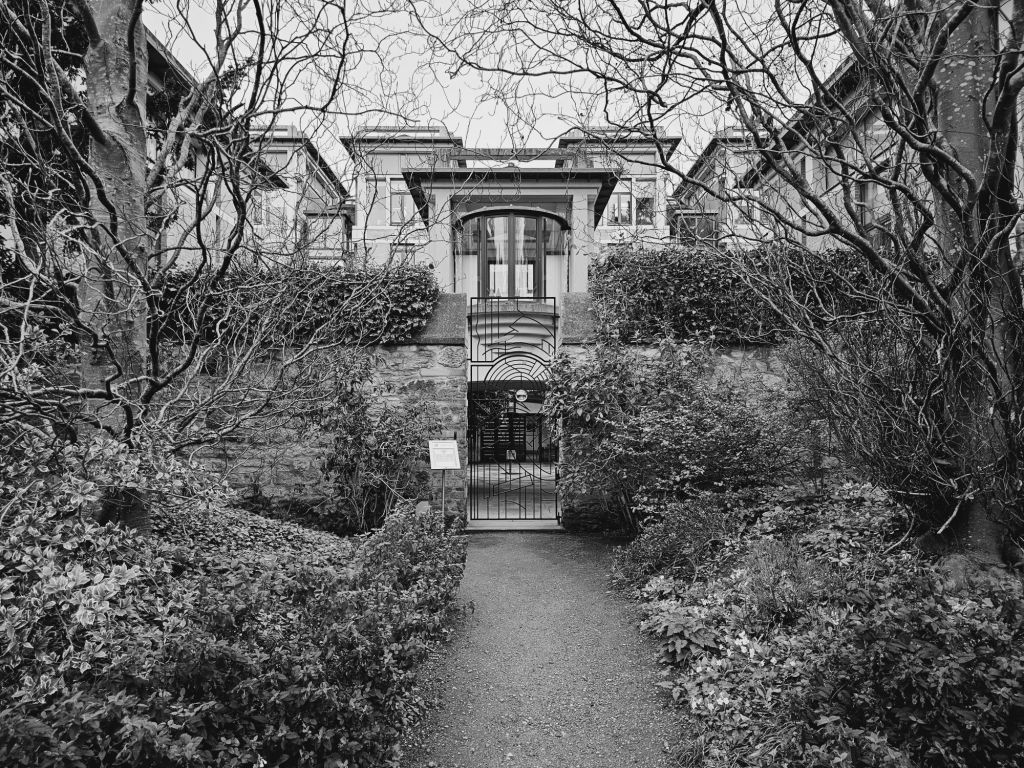
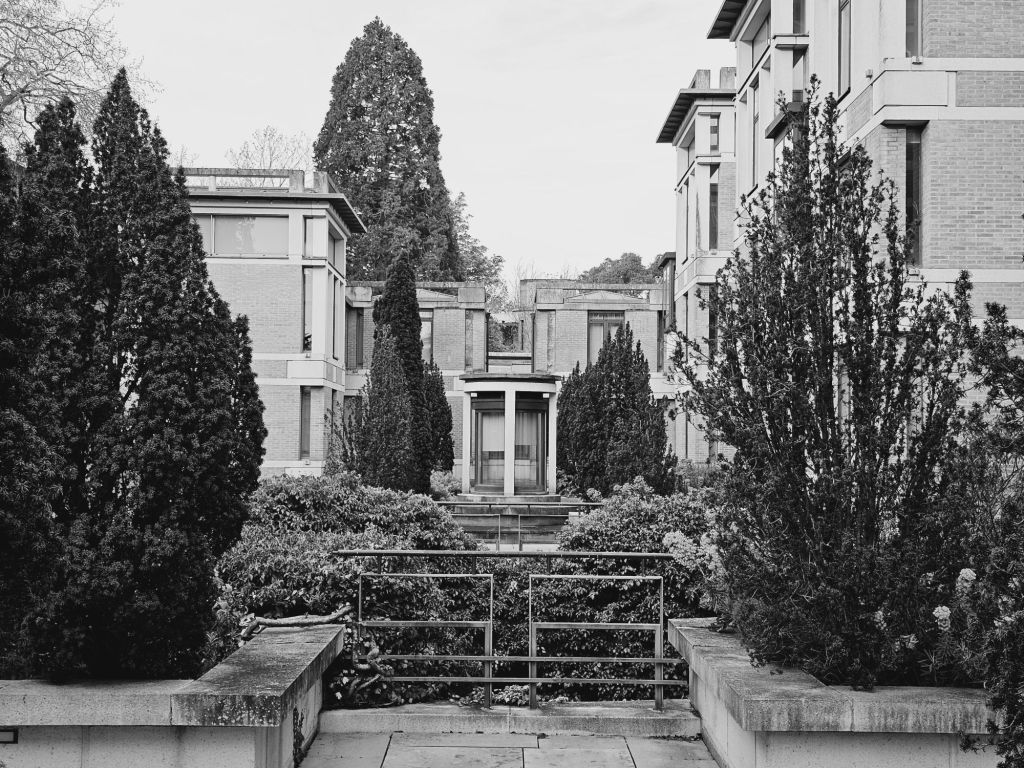
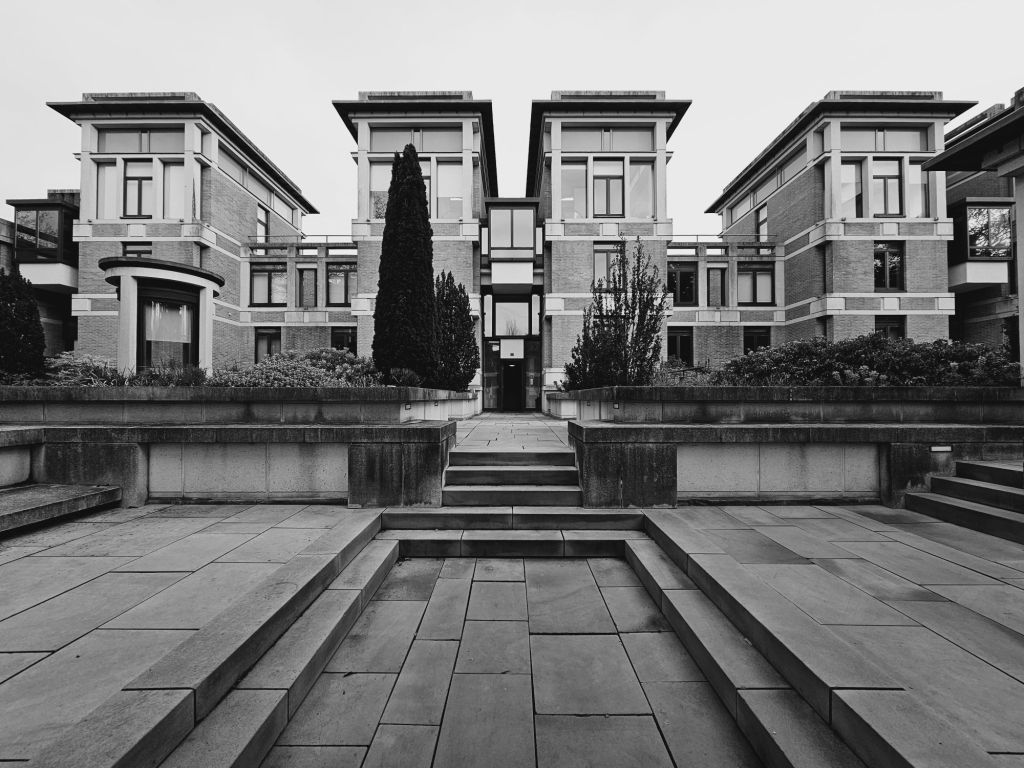
Beyond that is the Garden Quadrangle, a fascinating and surely very post-modern, even neo-Vanbrughian Building by Sir Richard MacCormac, which I don’t remember seeing or if I did, I didn’t properly appreciate it:-
Finally and most recently is the new Library and Study Centre which has been inserted into this melange with the utmost ingenuity:-
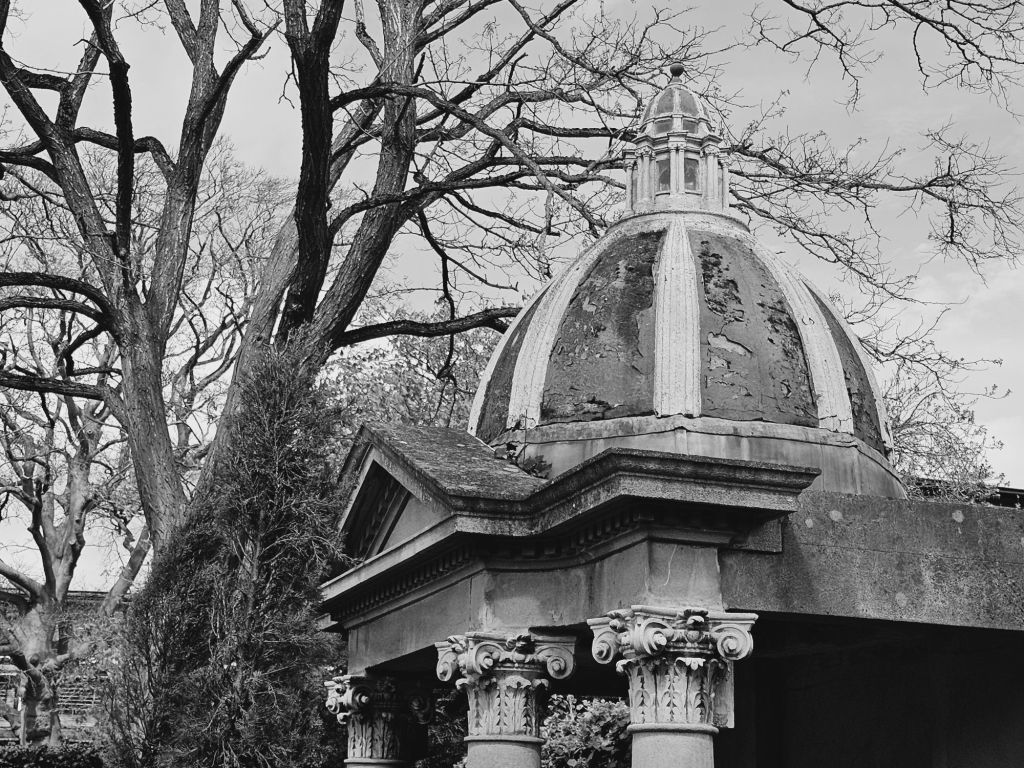
Finally, the dome of the Radcliffe Camera has been converted into a folly in the garden of St. Giles’s House:-
 | Charles | Saumarez | Smith |
You must be logged in to post a comment.