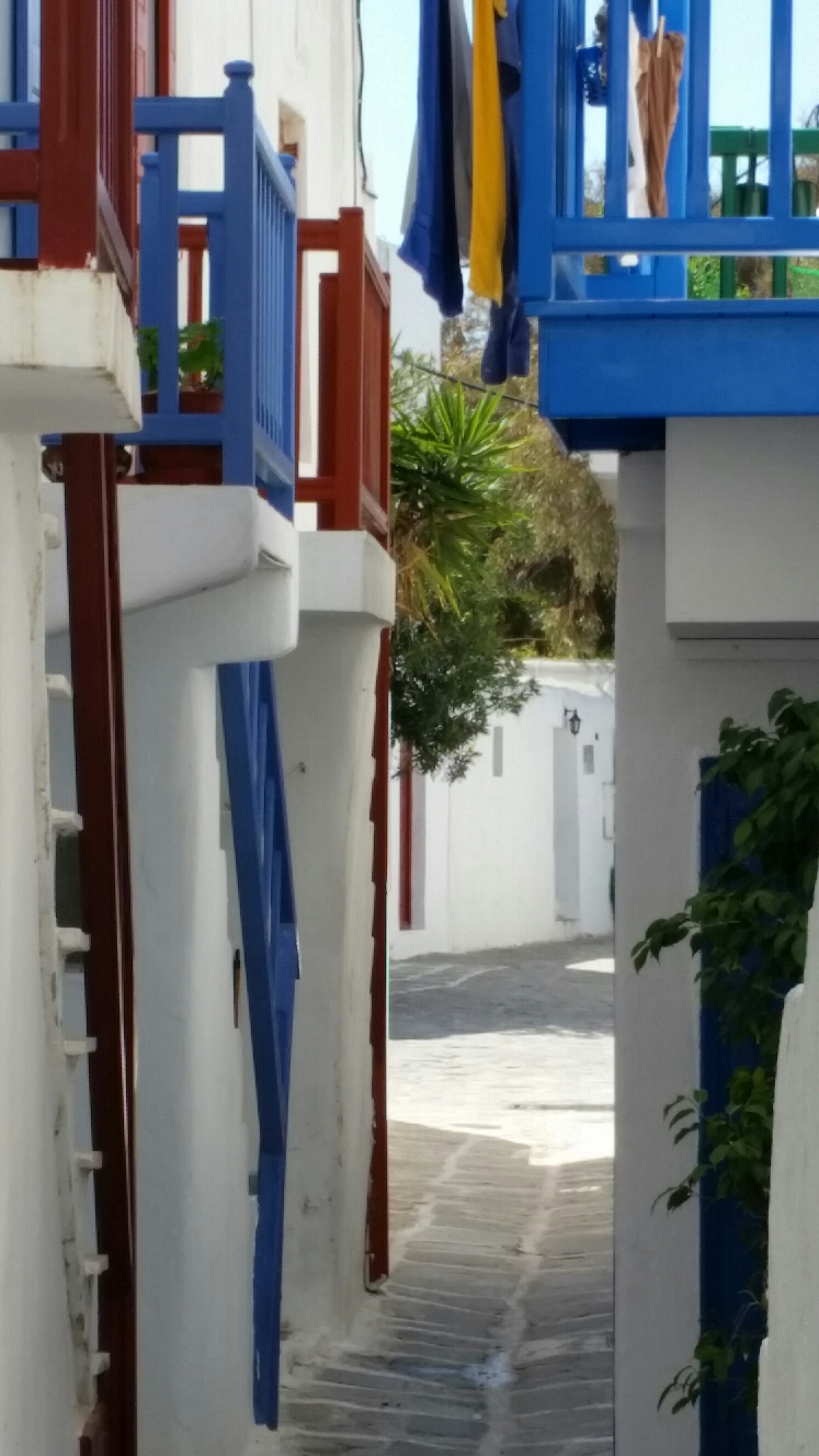
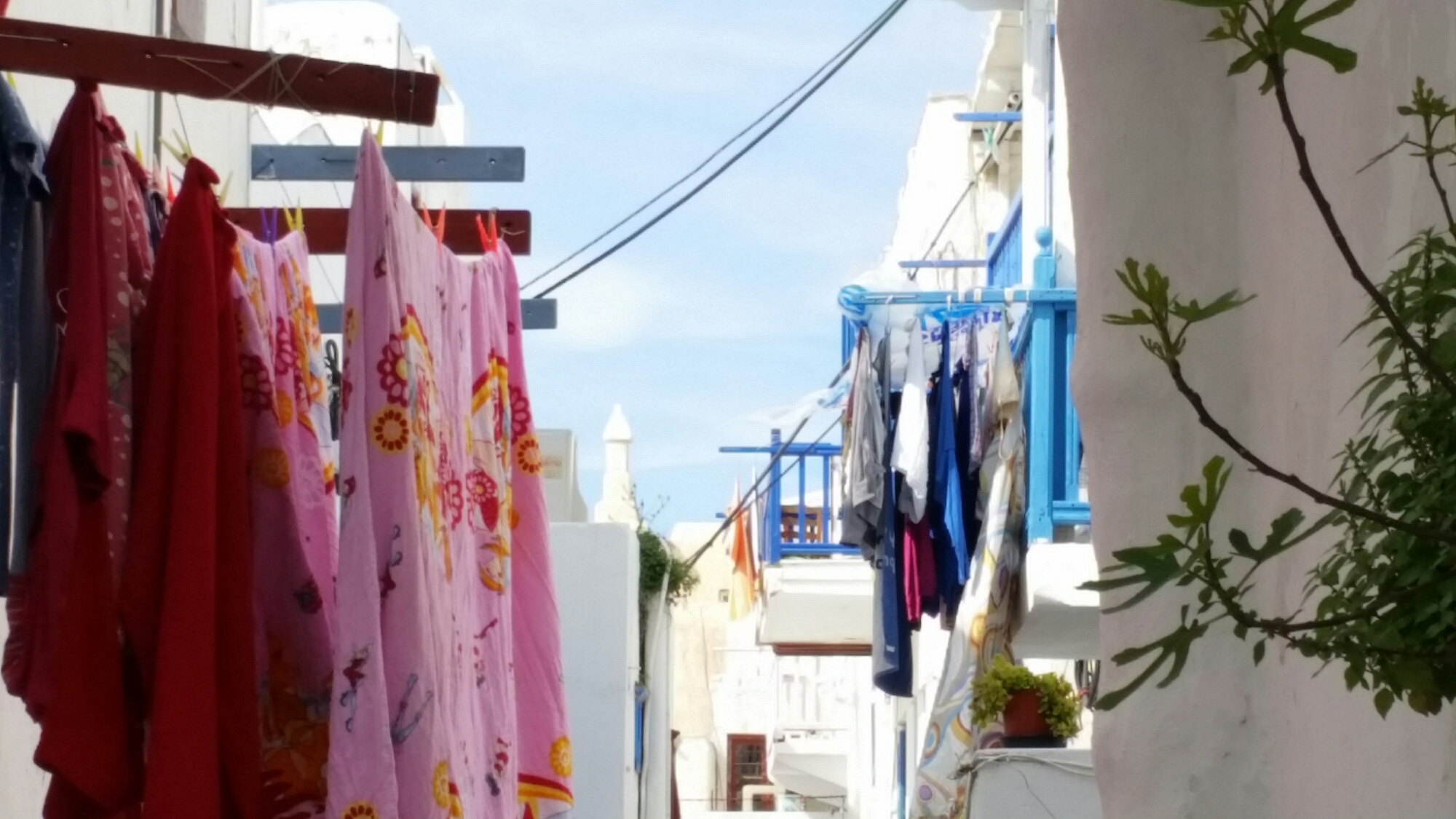
I walked through the backstreets of Chora on Easter morning (Greek Easter) which were empty but for a few lone Japanese tourists and a family roasting a suckling pig – or maybe it was paschal lamb – in the street. It was uncannily quiet after the Easter parade with candles sent from Jerusalem and there was a blue blue sky:-
Mykonoan Decoration
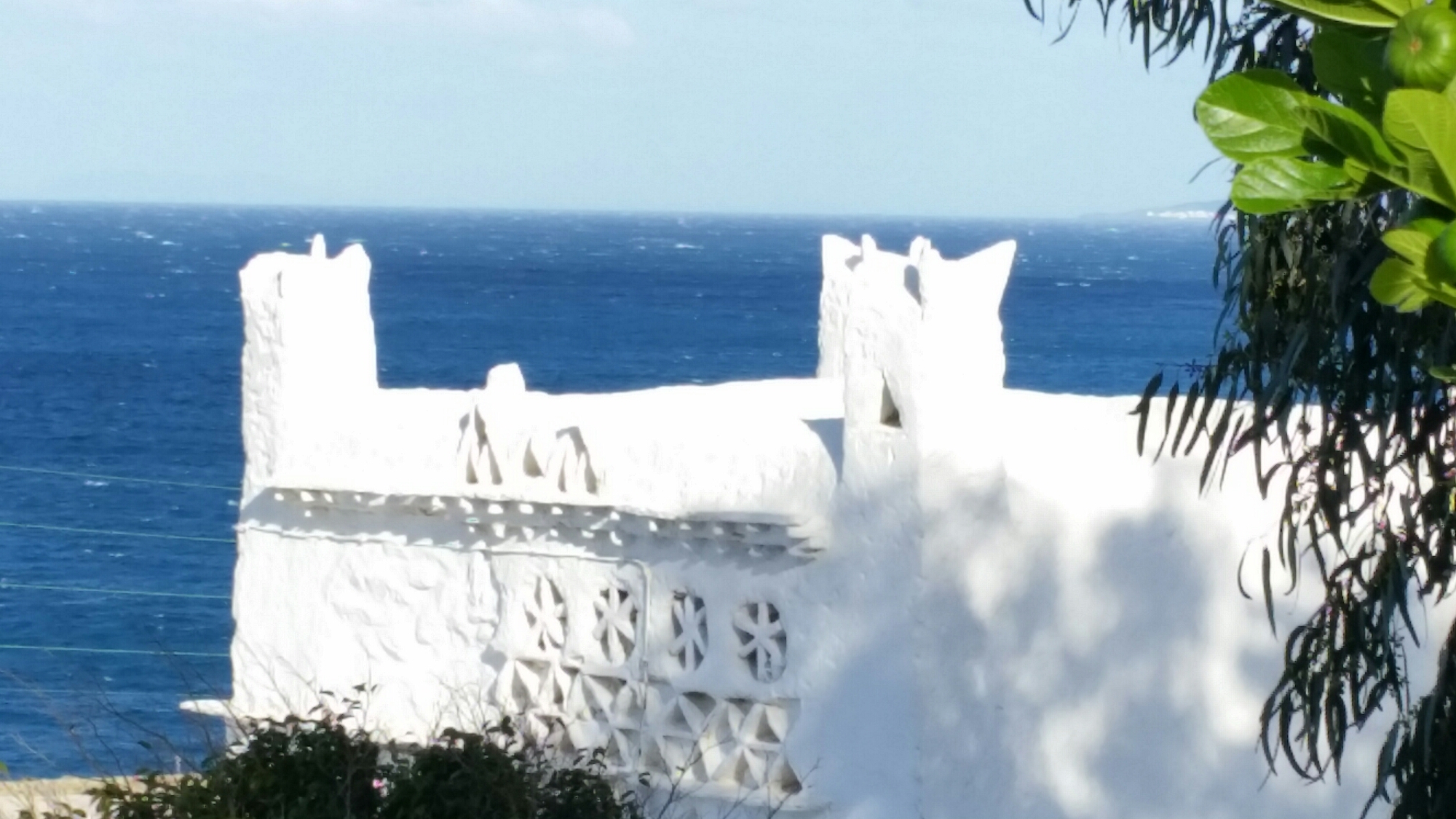
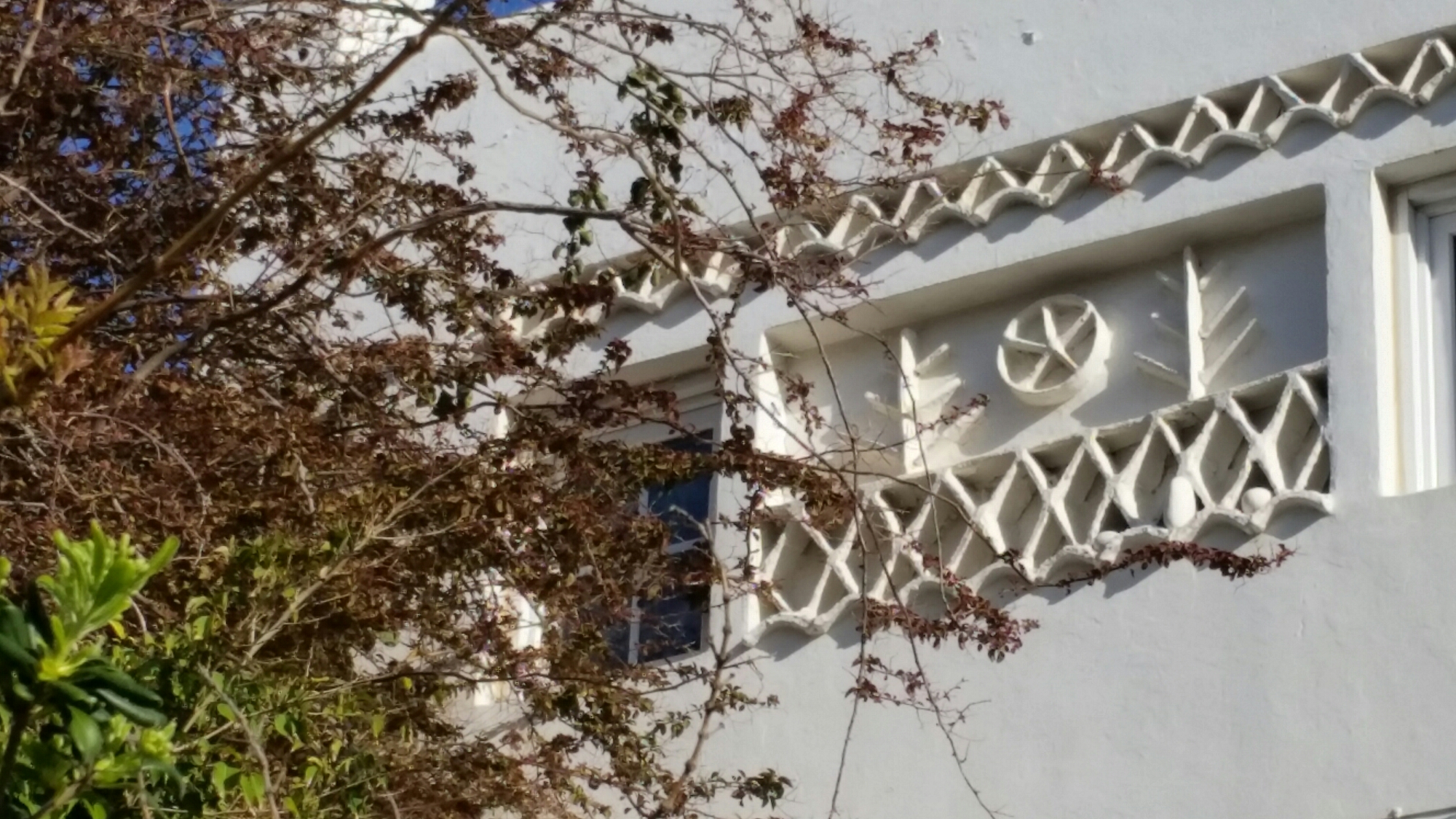
One of the characteristics of Mykonoan architecture is a form of incised decoration which is clearly of quite ancient origins, a type of folk art which helps to give the houses individuality. Here are some examples:-
Sir Thomas Roe
Kenelm Digby was not the only Englishman searching for antiquities in the Mediterranean in the 1620s. Thomas Roe, our ambassador at the Ottoman court in Constantinople, wrote to the Earl of Arundel on 27 January 1622 how ‘Concerning antiquities in marbles, there are many in divers parts, but especially at Delphos (by which he meant Delos), unesteemed here; and, I doubt not, easy to be procured for the charge of digging and fetching’. In 1625, he told the Duke of Buckingham to send an expeditionary force so that they ‘may take, without trouble or prohibition, whatsoever they please’. Roe sent a consignment of antiquities to Buckingham in 1628, but too late. He had been assassinated.
Sir Kenelm Digby
I was intrigued to read that Kenelm Digby visited Delos. Indeed he did. In his Voyage into the Mediterranean, he records how on a privateering expedition against the Ottomans in 1628 he found ‘brave marble stones heaped up in the great ruines of Apollo’s temple’. But his admiration did not prevent him from deciding ‘to avayle myselfe of the convenuencie of carrying away some antiquities there’, so asked his sailors, in case they had ‘untoward fantasies’, to occupy themselves in ‘rolling of stones down to the seaside’. His trophies included ‘Old-greeke-marble-bases, columnes, and altars’ which he later sold to Charles I.
Delos Museum
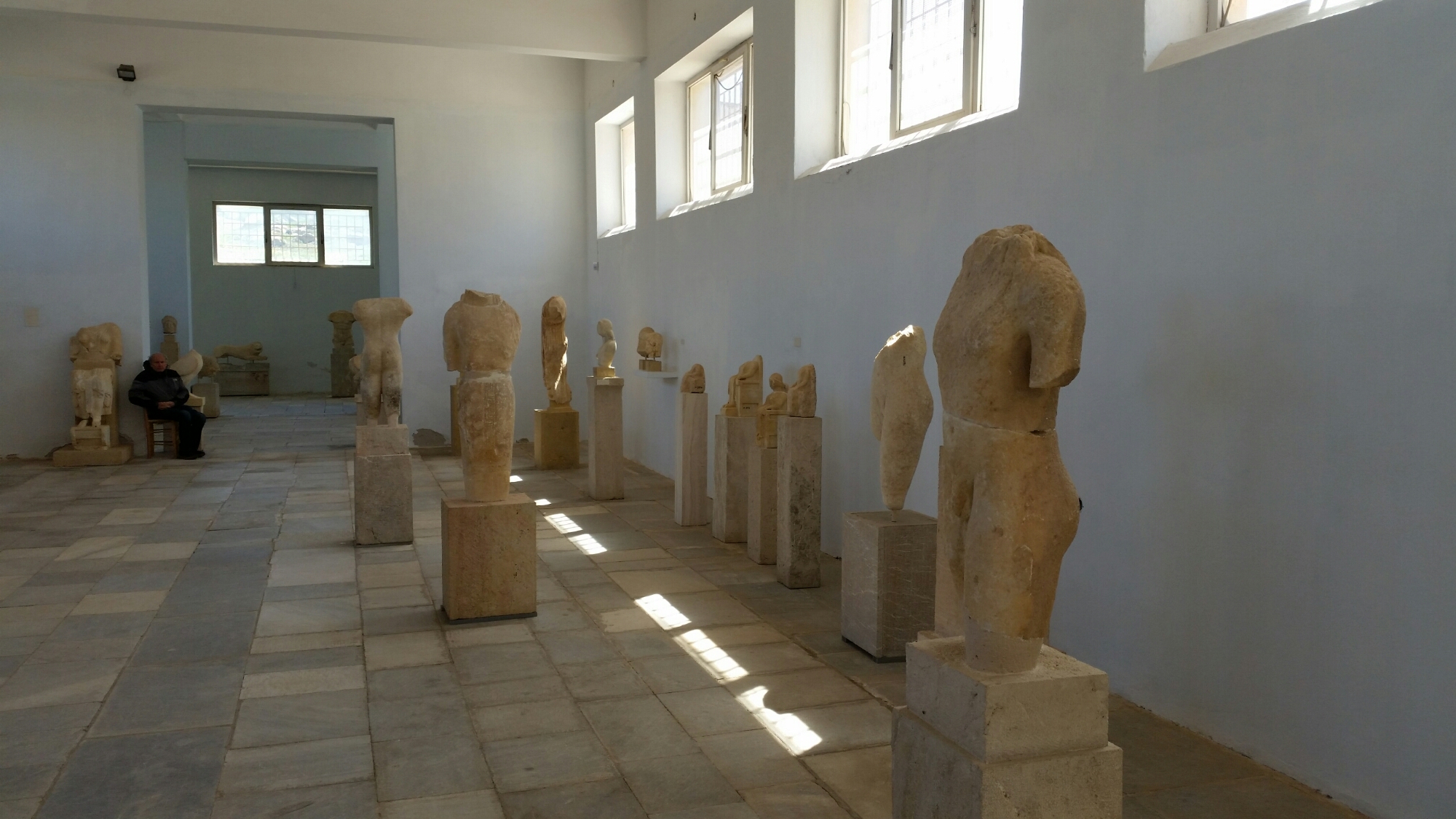
I had forgotten how completely wonderful the Delos Museum is, not perhaps by the standard of modern museography, but as a survival of the early period of archaeology, digging and discovering great works of ancient art, and retaining them on site, unornamented and unexplained:-
Delos
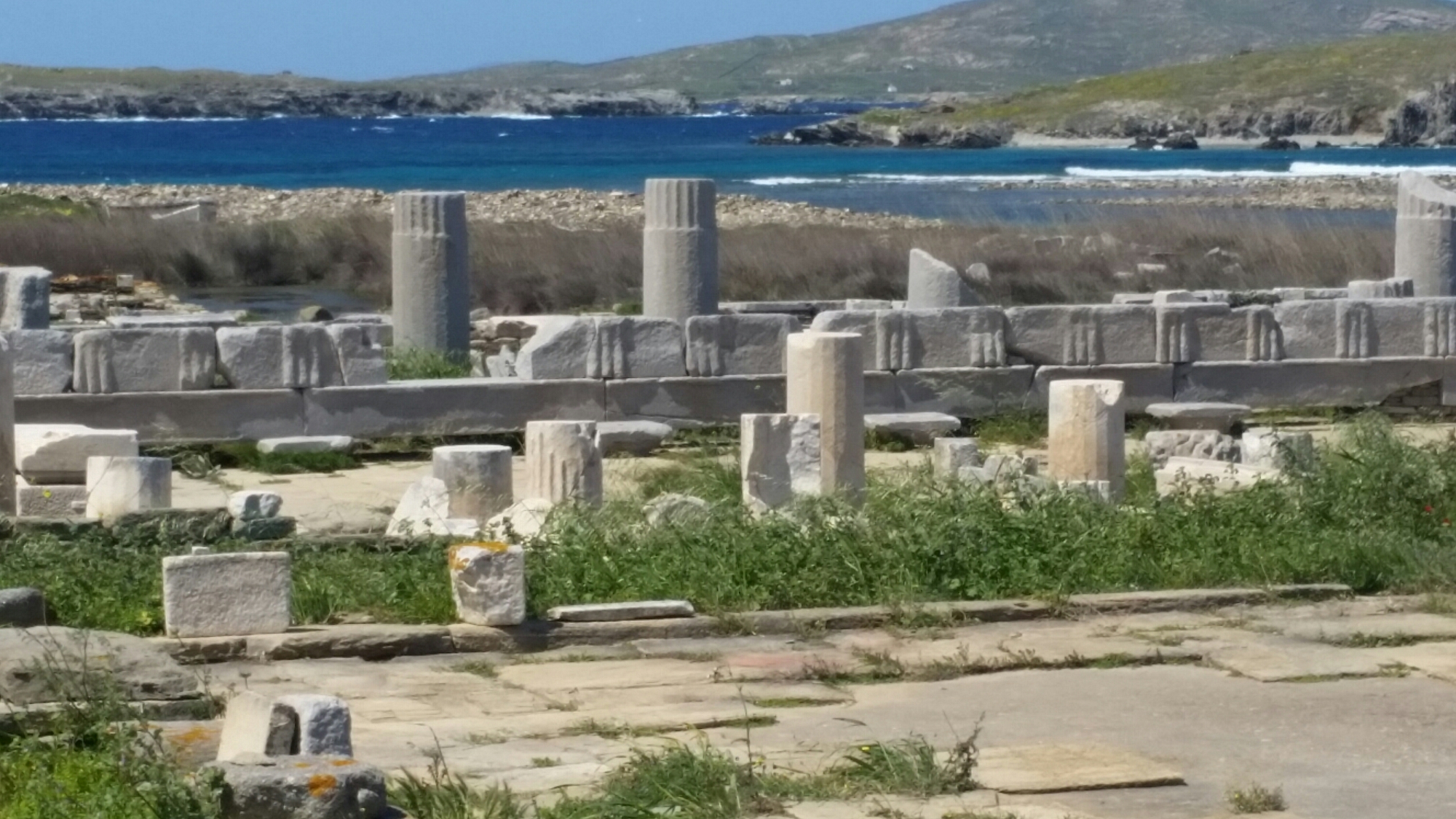
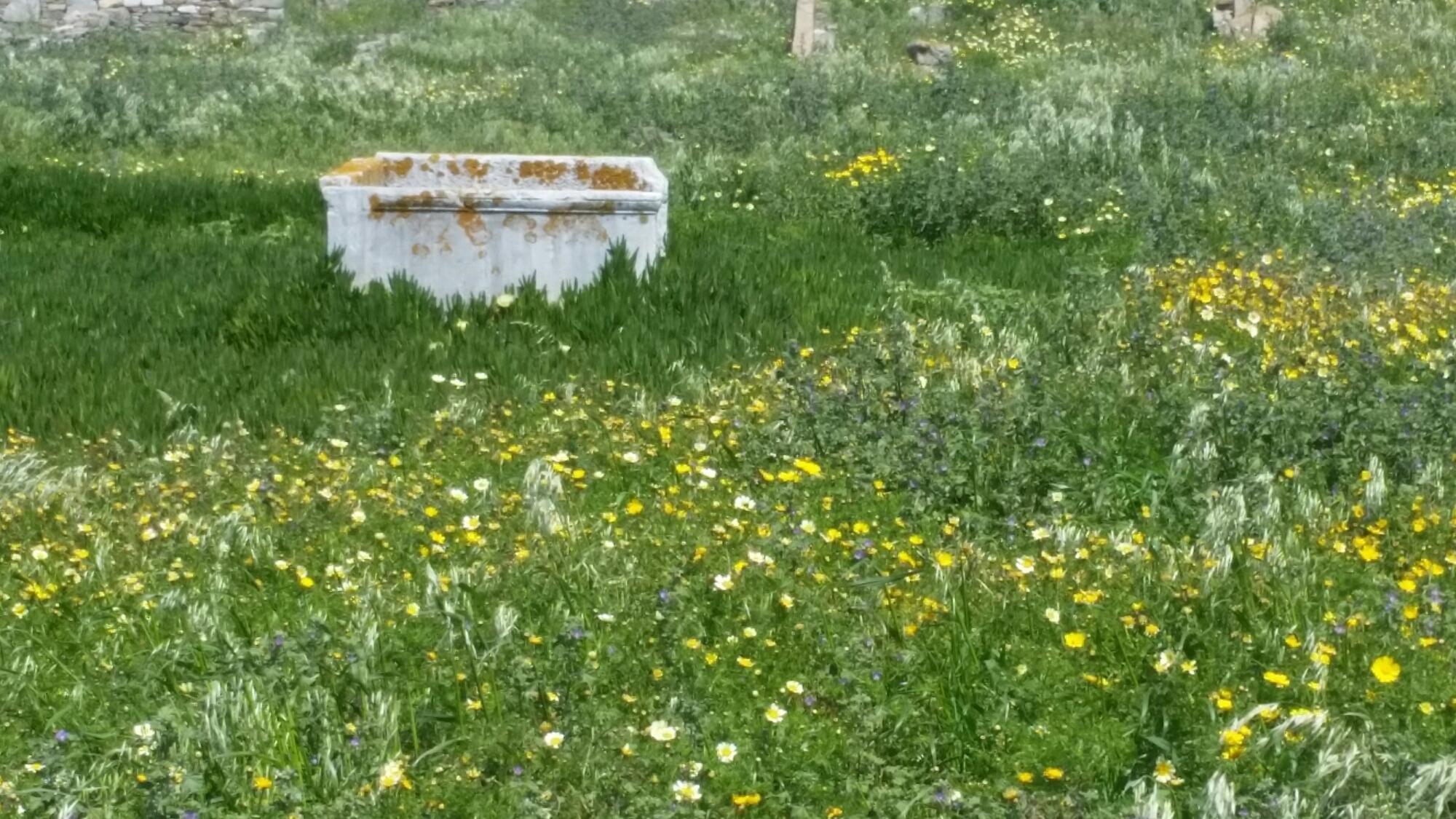
The weather set fair and the wind down, we set sail for Delos, the great trading centre of the Cyclades and birthplace of Apollo, now nearly uninhabited, but full of ancient remains. I had forgotten how complete it is, a winding city street going up the hill, past innumerable houses and shops up to the ancient theatre, all partially reconstructed, but still an astonishing survival:-
Mykonoan Churches
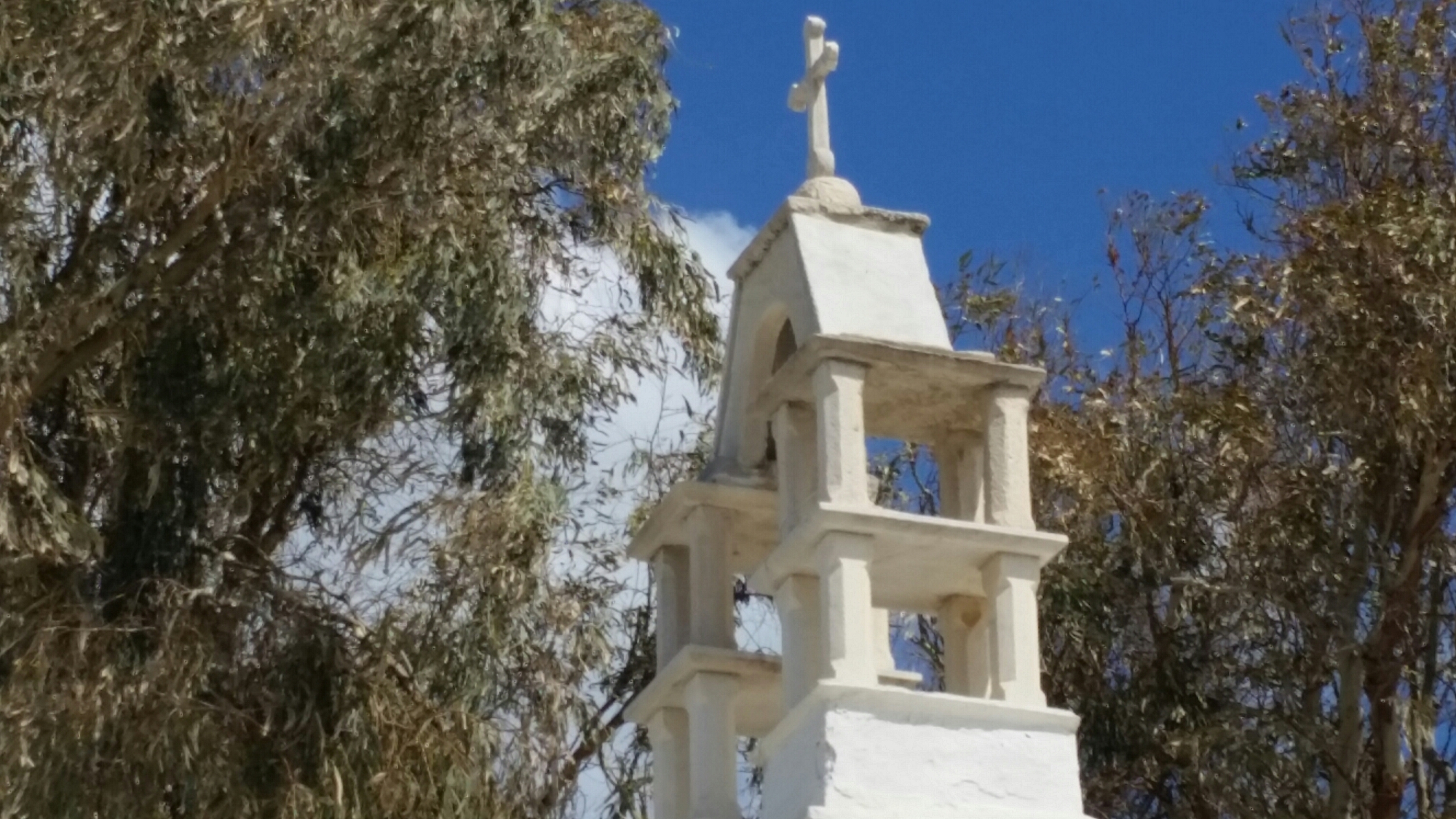
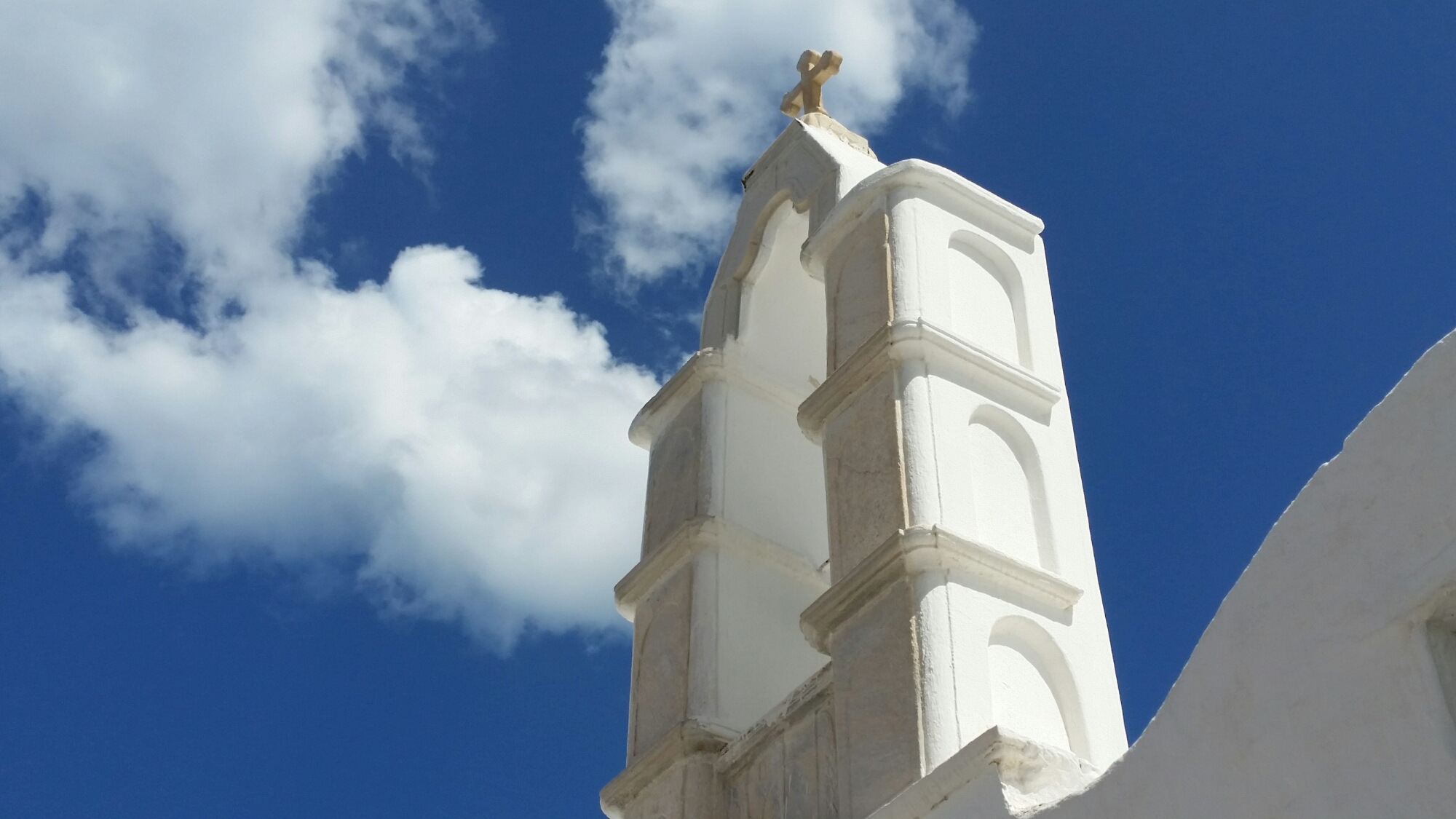
In honour of Good Friday, I’m posting some more pictures of Mykonoan churches and church towers:-
Mykonoan Windmills
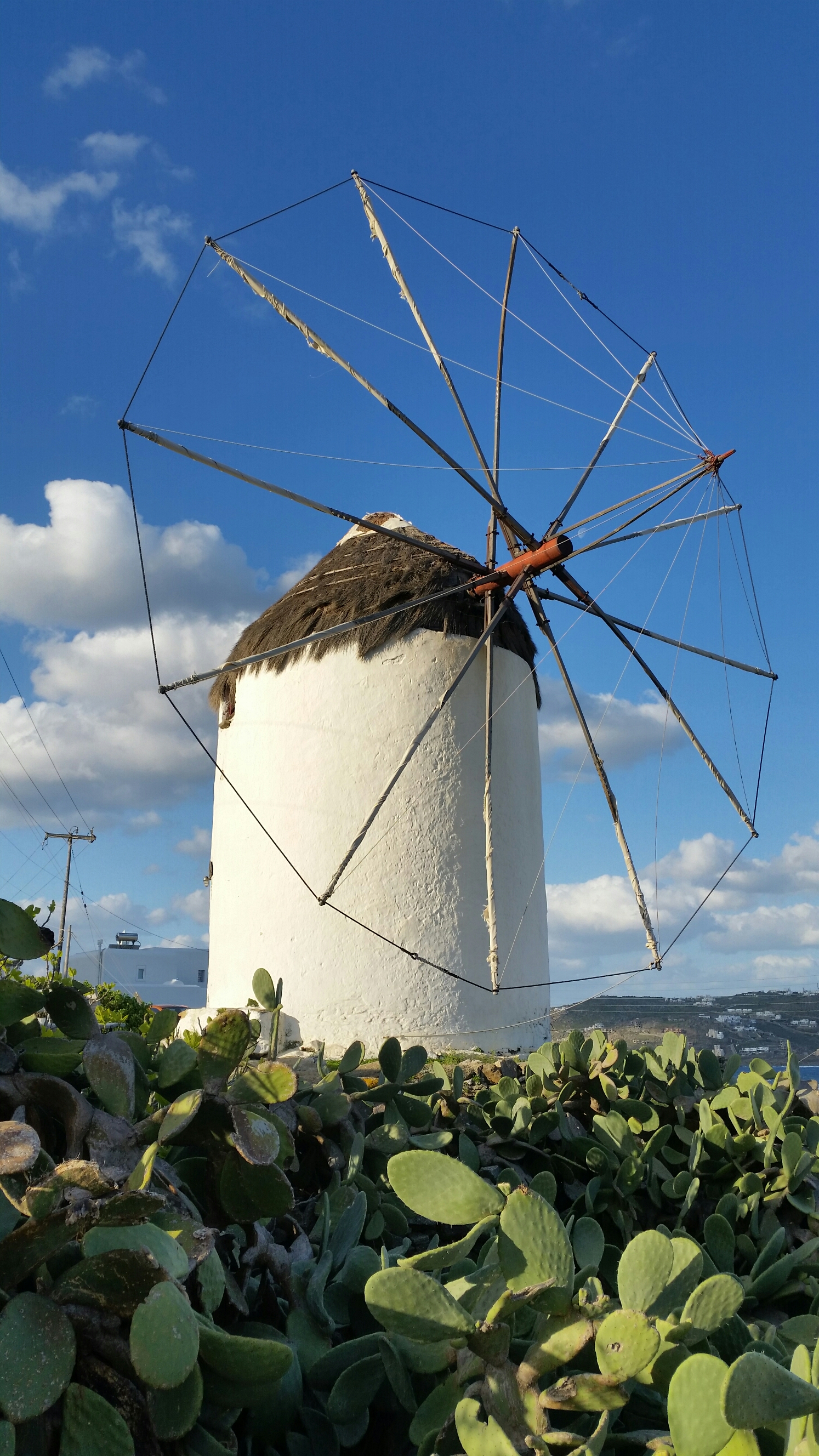
It is not surprising that it is known as The Island of the Winds. Yesterday the wind got up and we can’t take the ferry to Delos. This morning I thought I would explore the windmills which are such a feature of the island, prominent in the town and on the hillside above. They apparently date back to the 16th century when the island was occupied by the Venetians as part of their maritime empire and are an admirable example of form and function, the subject of Nick Grimshaw’s dissertation at the Architectural Association:-
Mykonos
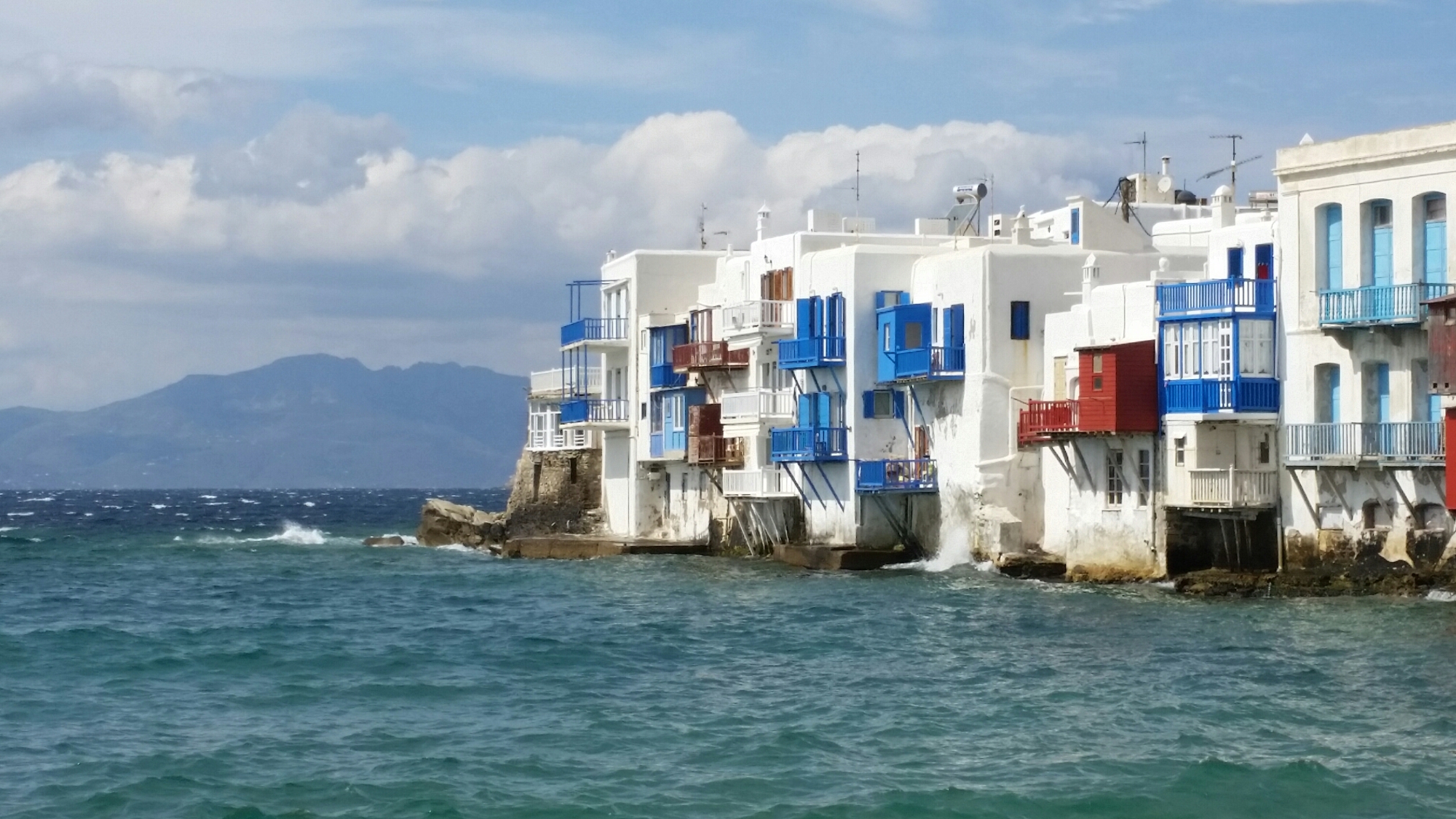
It’s hard to take any photographs of Mykonos which haven’t been taken a thousand times before – the town bleached in the sun, the universal whitewash, the straggling backstreets interspersed with small churches, and the ornamental chimneypots:-
Marc Corbiau
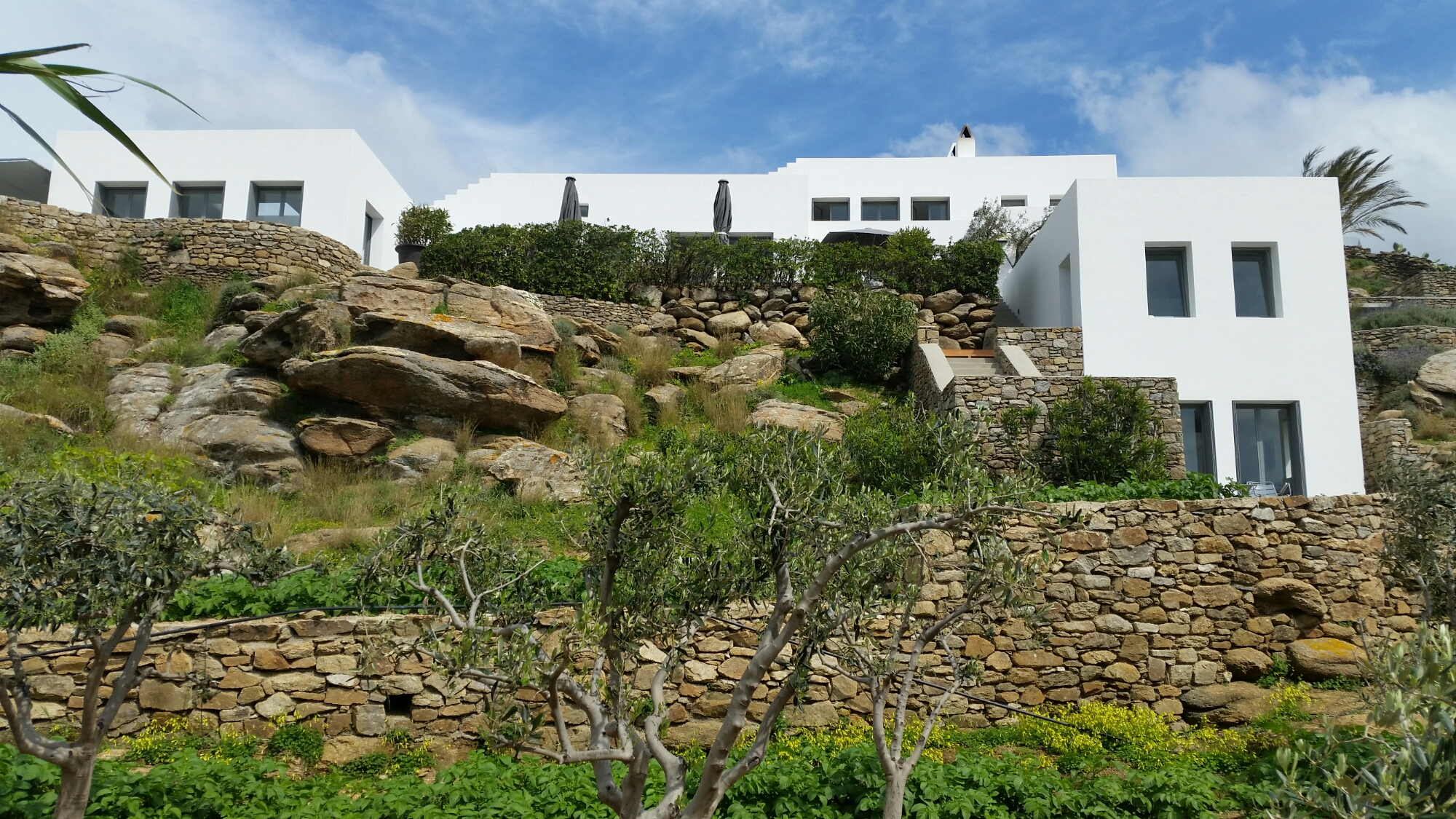
We are staying on Mykonos in a villa designed by Marc Corbiau, a Belgian architect who has perfected a combination of well-considered sybaritic modernism with a sculptural approach to the Mykonoan vernacular:-


You must be logged in to post a comment.