St. John’s College, Oxford

Staying the night at St. John’s College, Oxford for a conference in honour of David Cannadine, I was able to explore (and frankly get lost in) its extensive and impressive collection of modern buildings which are not normally accessible to the passing visitor.

The college was founded in 1555, but the Front Quadrangle is older, monastic in its origin, housing chapel and hall to its north:-
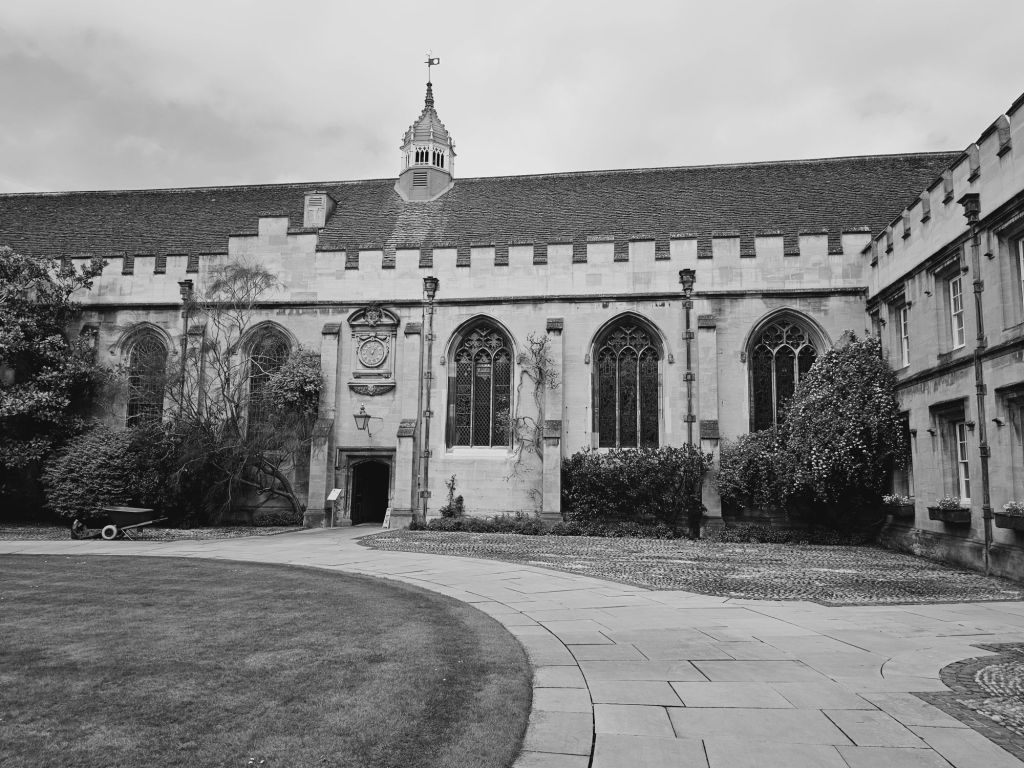
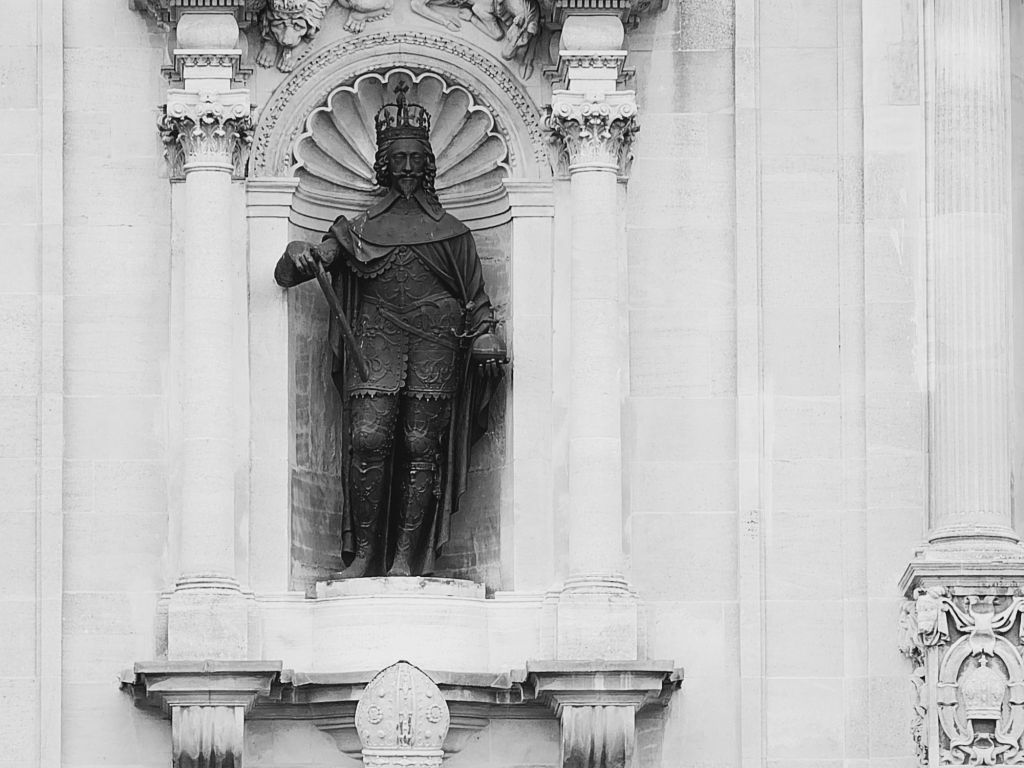
Beyond is the Canterbury Quadrangle, so beautifully preserved, paid for by Archbishop Laud, with bronze statues of Charles I and Henritta Maria in niches over the arches:-
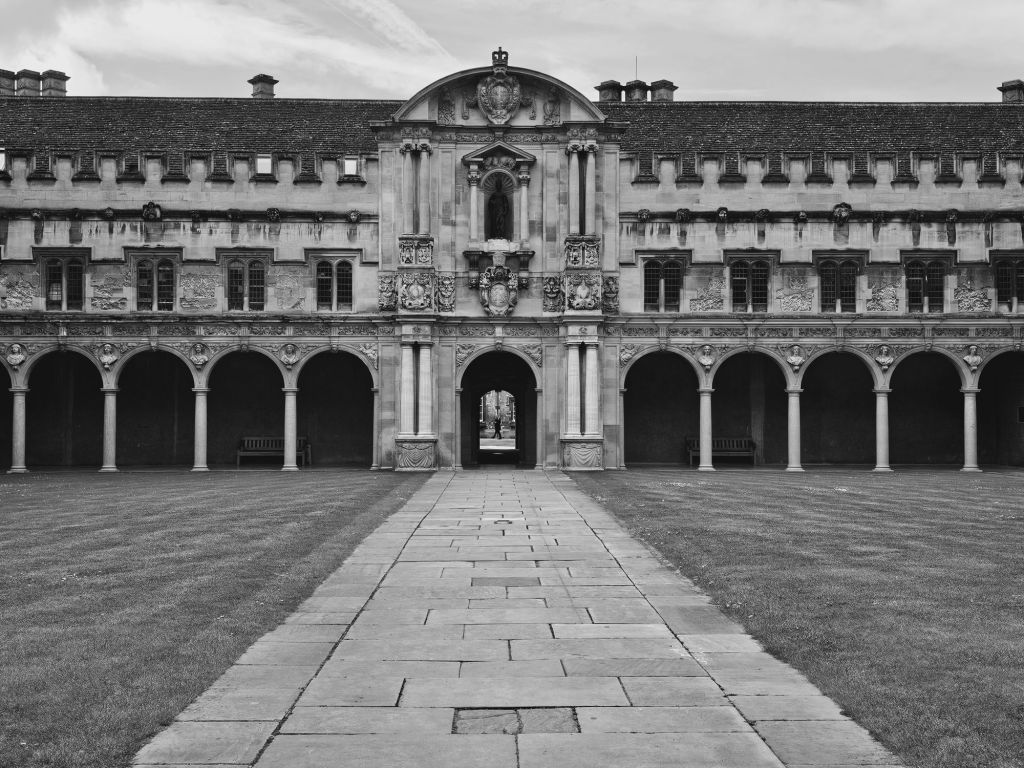
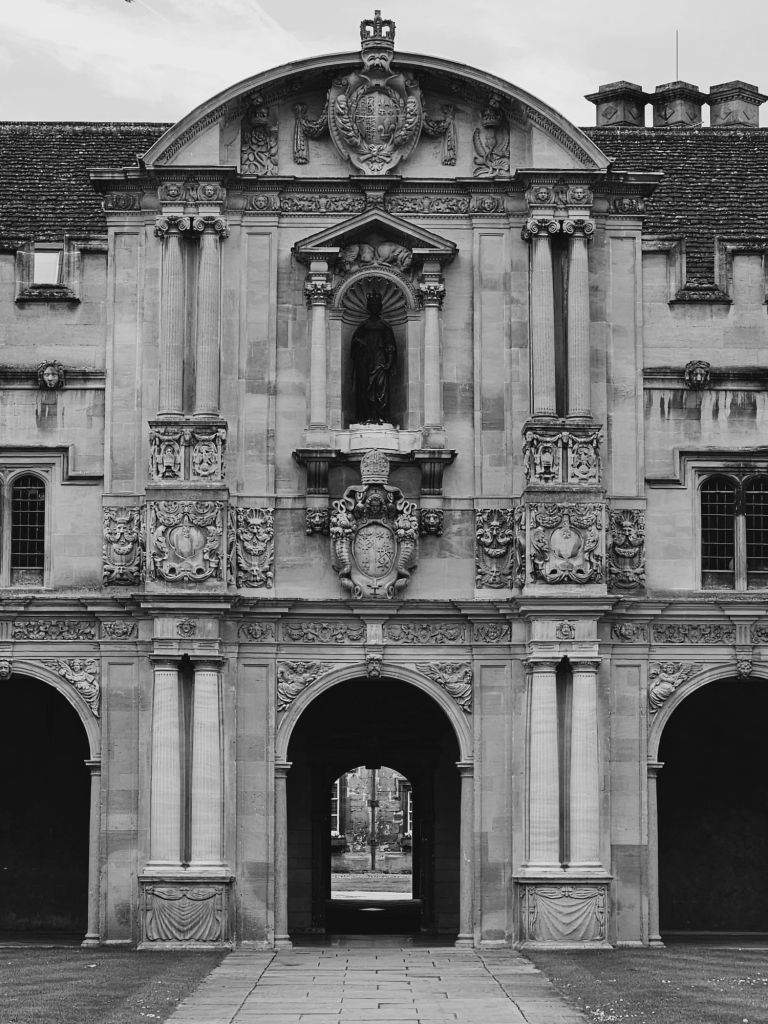
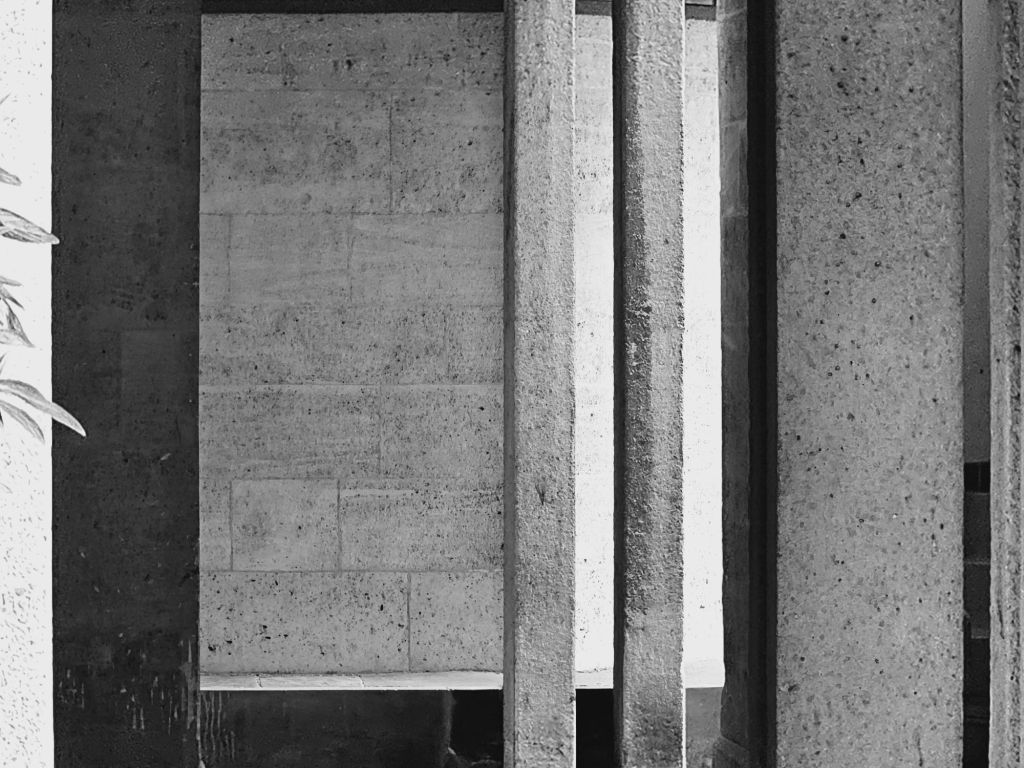
The modern buildings begin with the so-called Beehive Building by Michael Power of Architects’ Copartnership.  Next in the sequence was the Sir Thomas White Building by Philip Dowson of Arup Associates:-
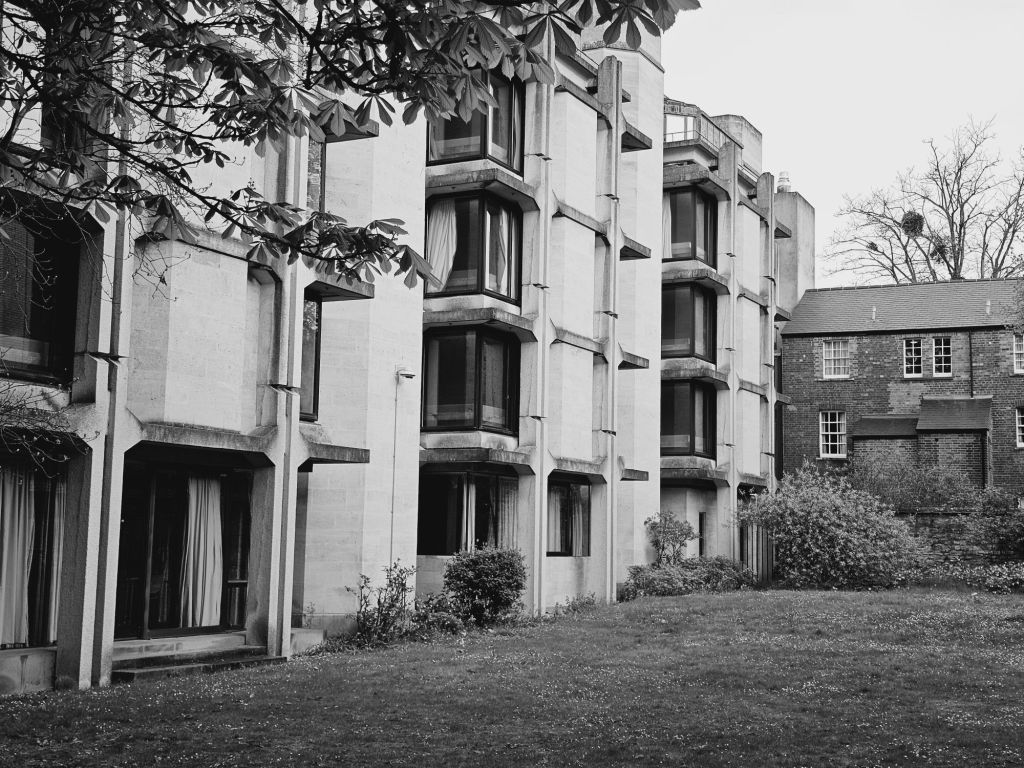
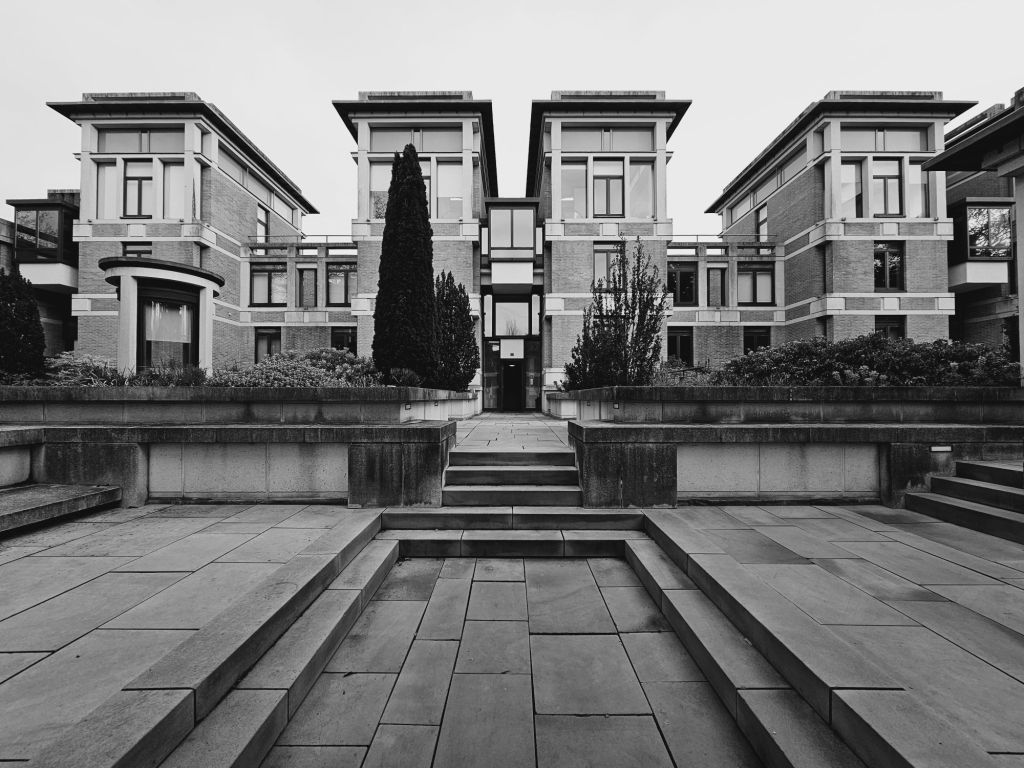
Beyond that is the Garden Quadrangle, a fascinating and surely very post-modern, even neo-Vanbrughian Building by Sir Richard MacCormac, which I don’t remember seeing or if I did, I didn’t properly appreciate it:-
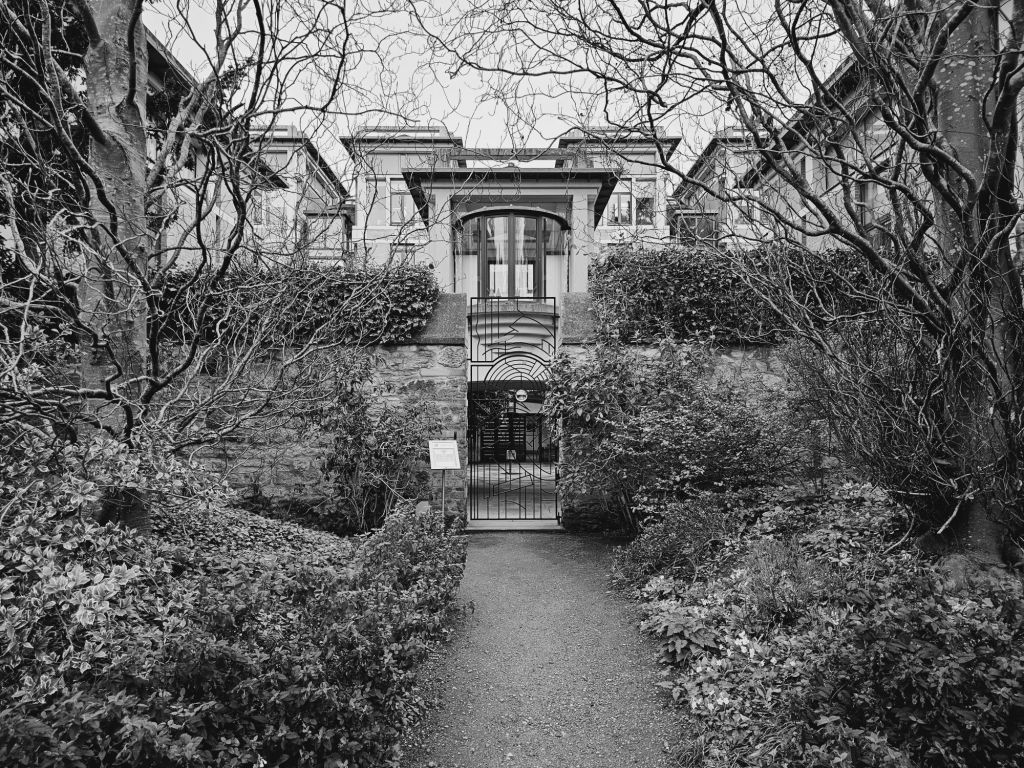
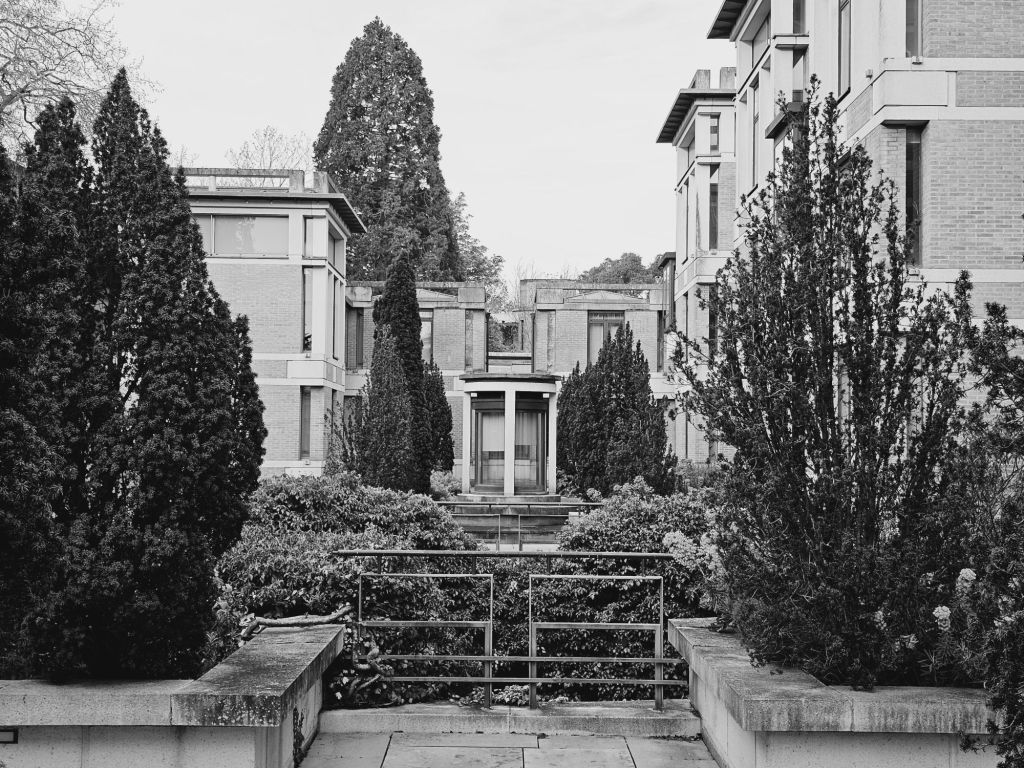
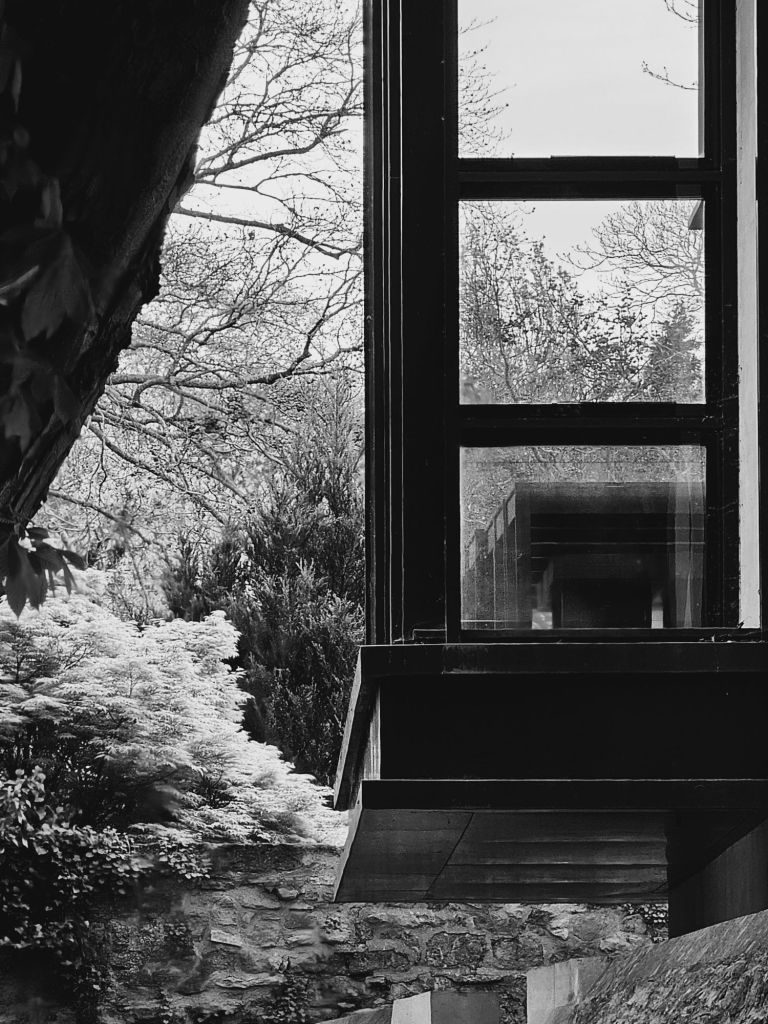
Finally and most recently is the new Library and Study Centre which has been inserted into this melange with the utmost ingenuity:-
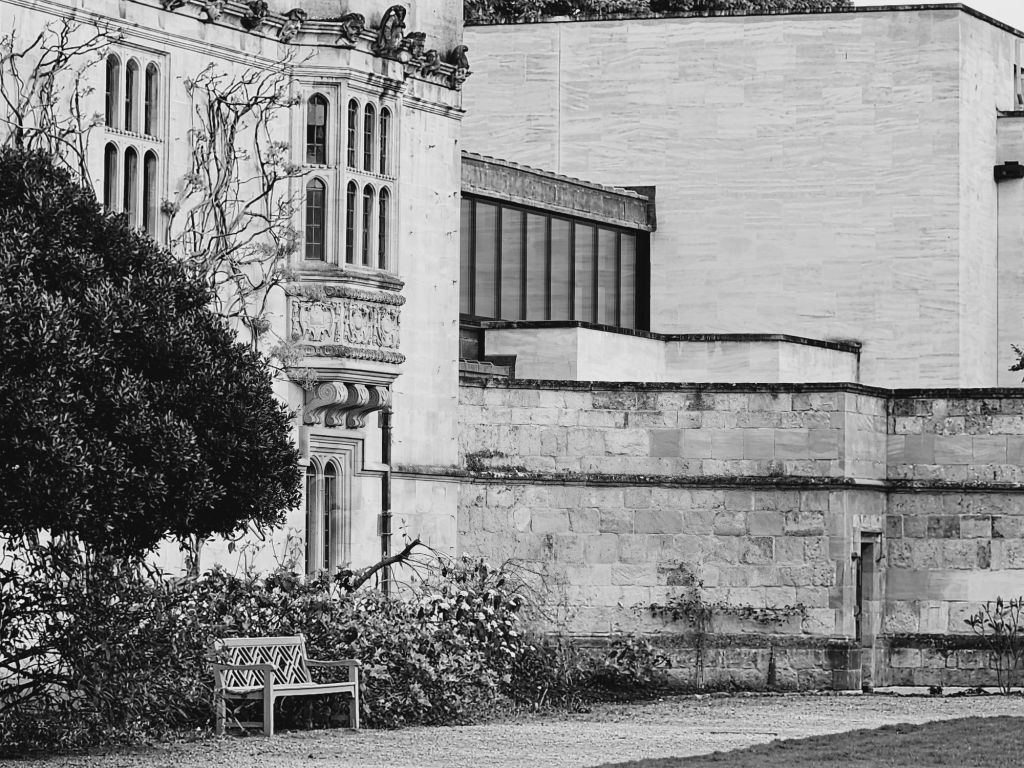
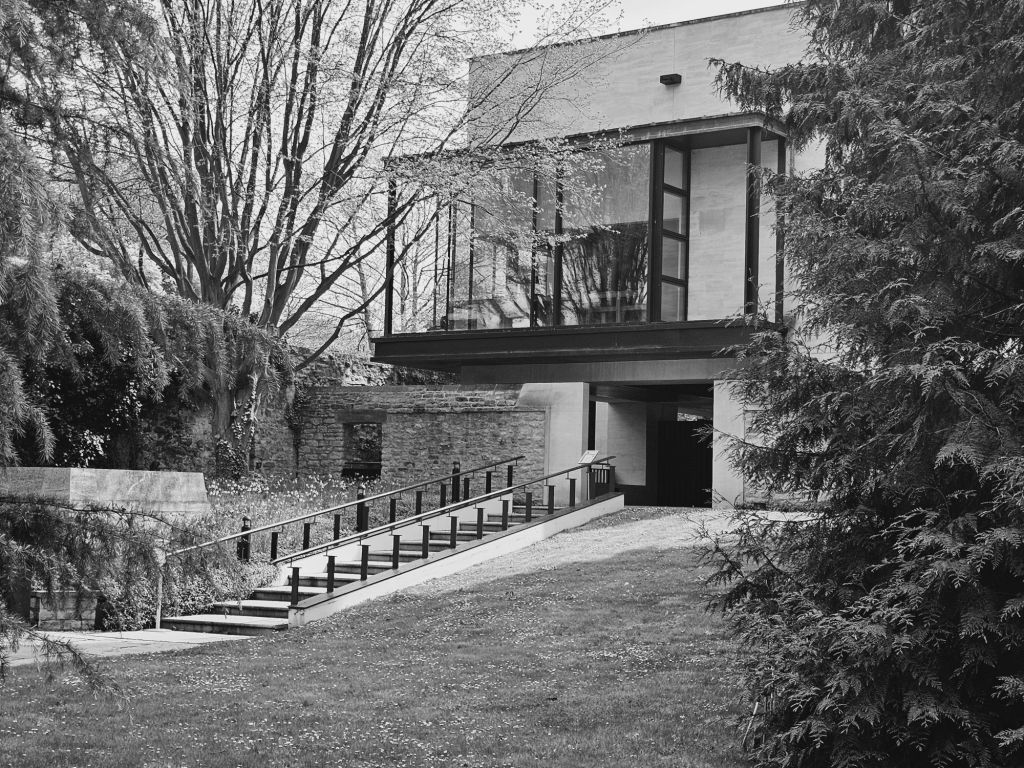
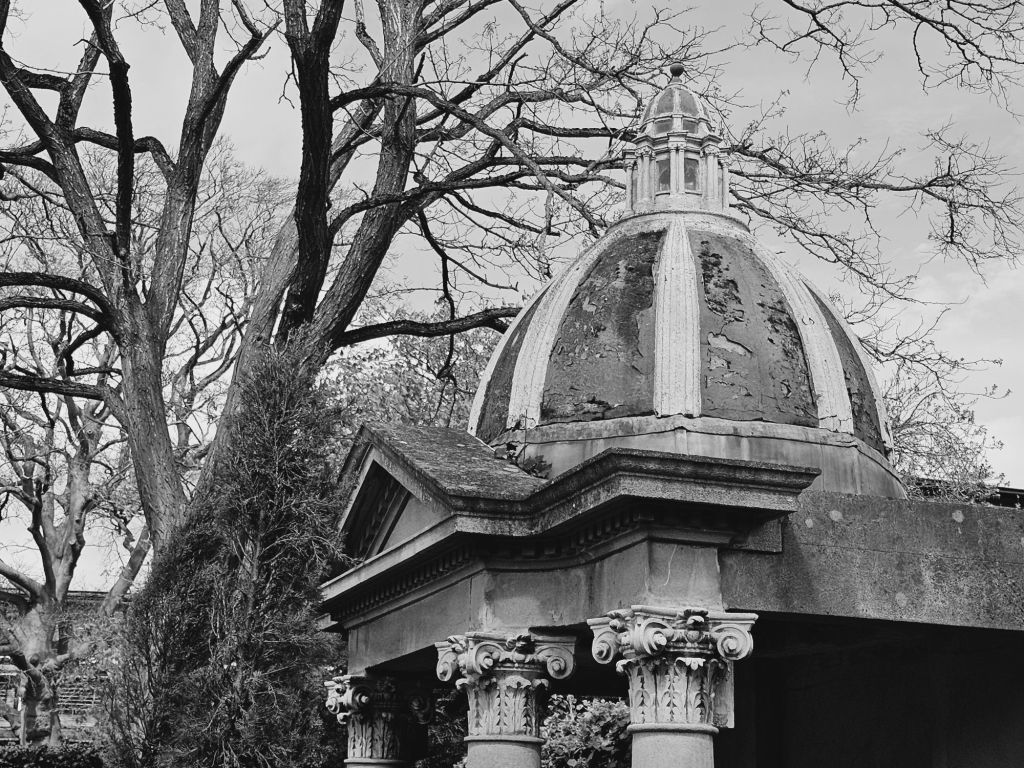
Finally, the dome of the Radcliffe Camera has been converted into a folly in the garden of St. Giles’s House:-
Standard

Cuckmere Haven

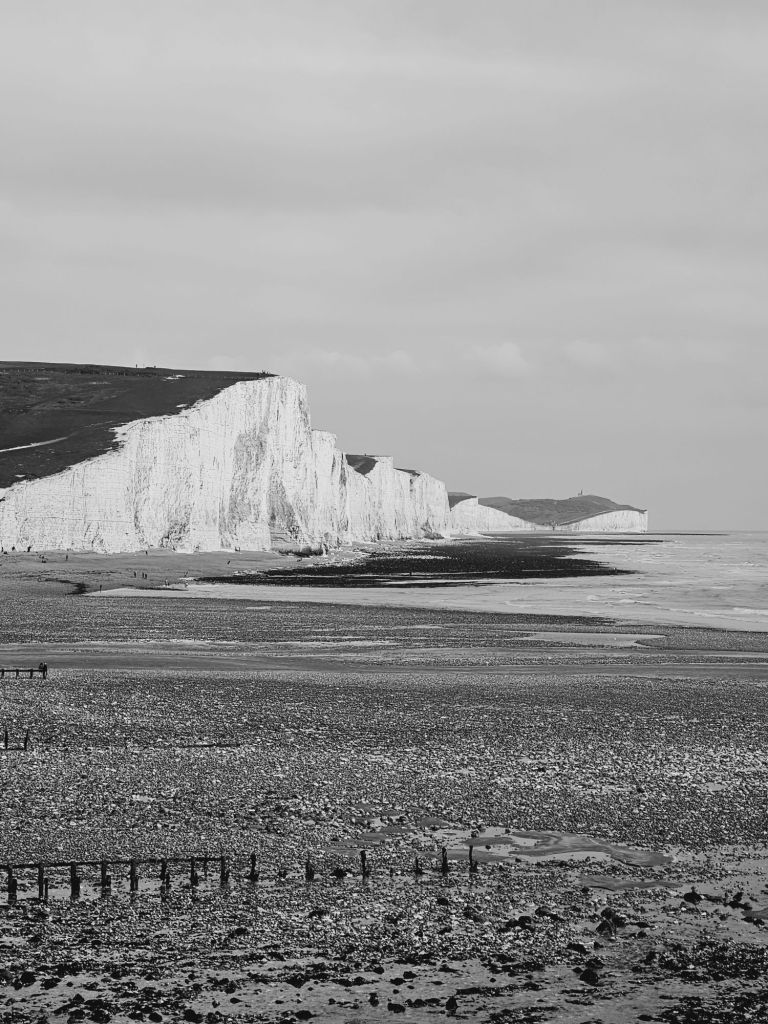
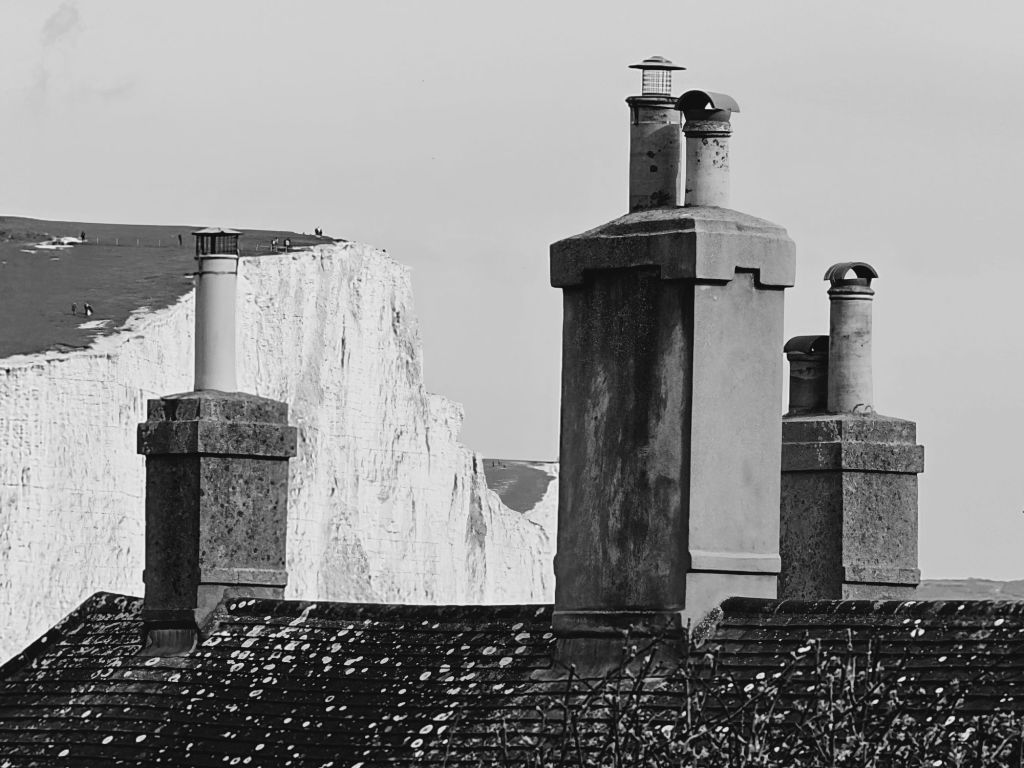
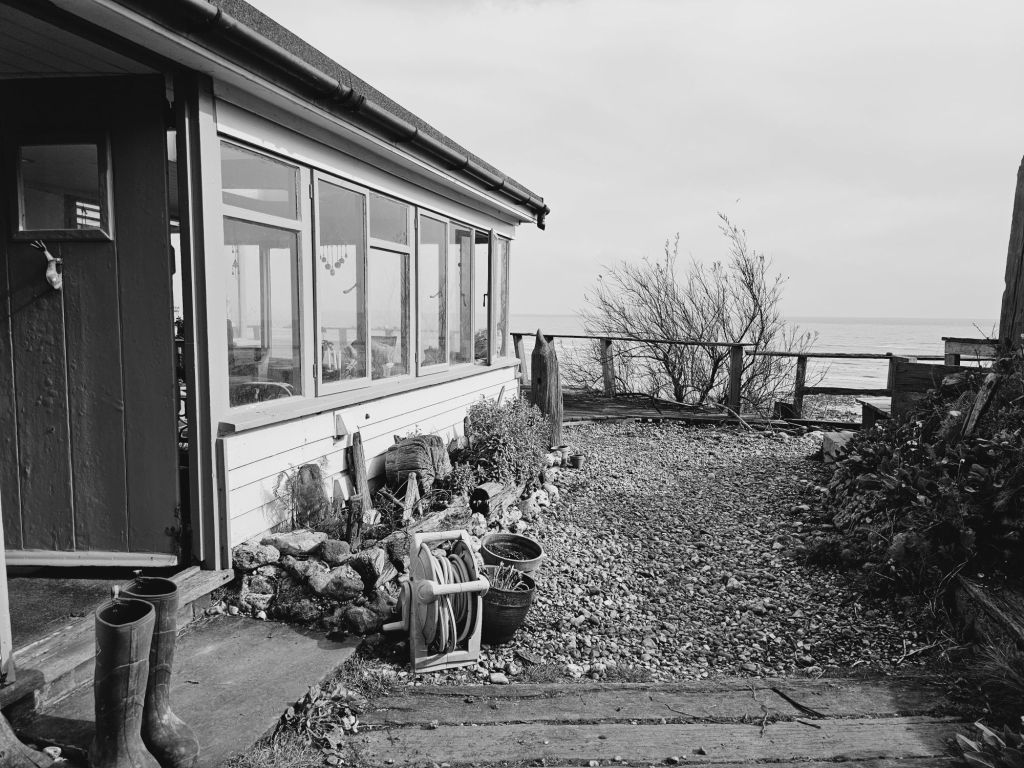
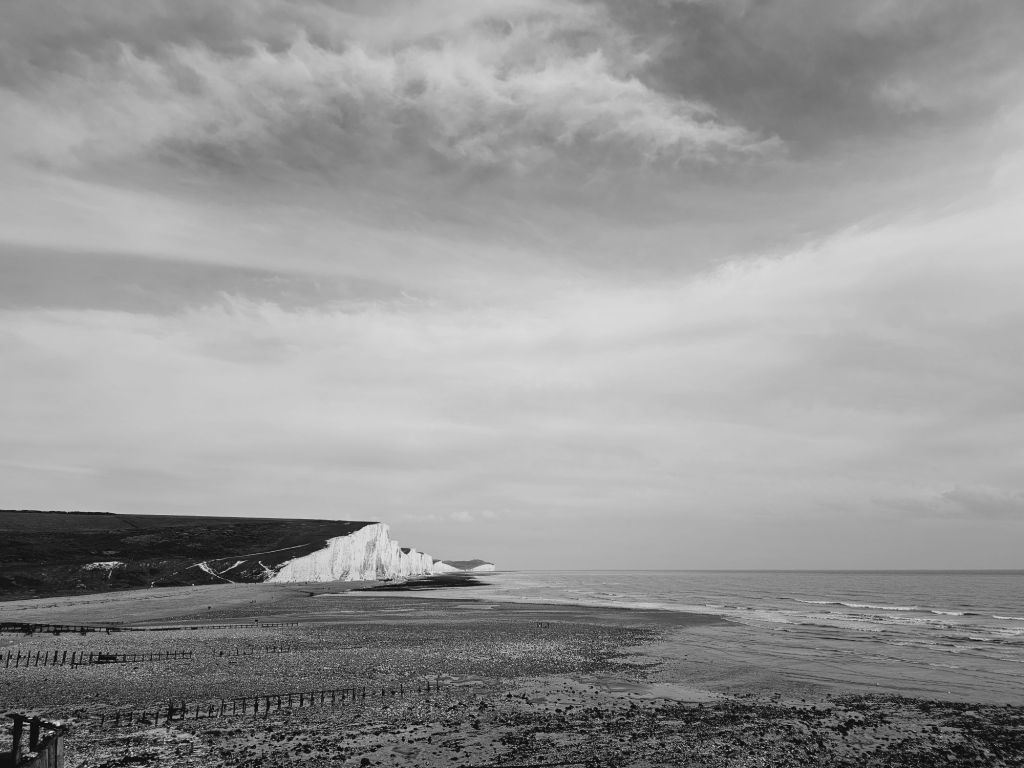
It’s a very long time since we’ve been to Cuckmere Haven – at least to the coastguard cottages perched above it until they fall into the sea.

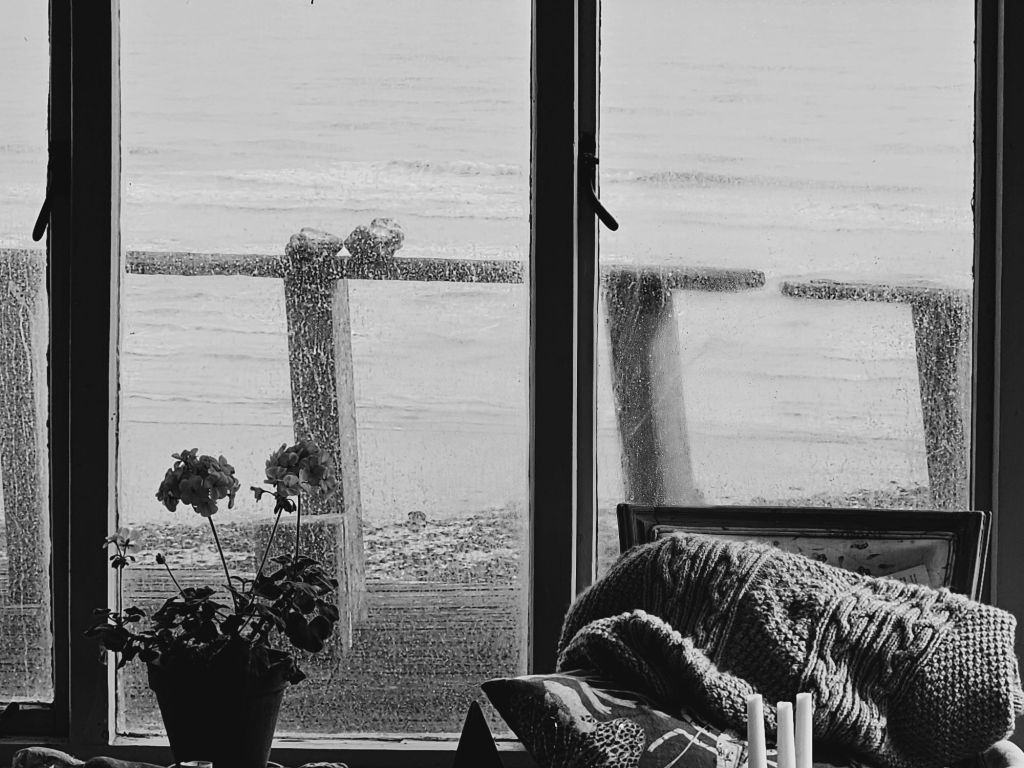
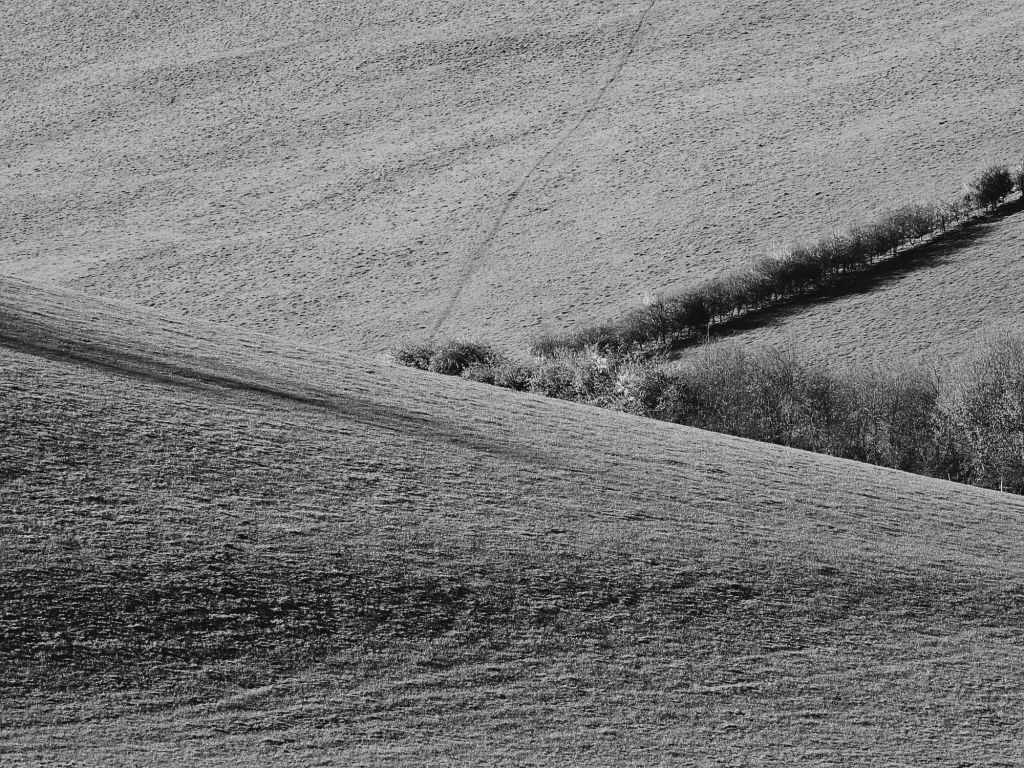
A magical place with the long views across the beach to the Seven Sisters beyond:-

Standard

Christopher Chapman

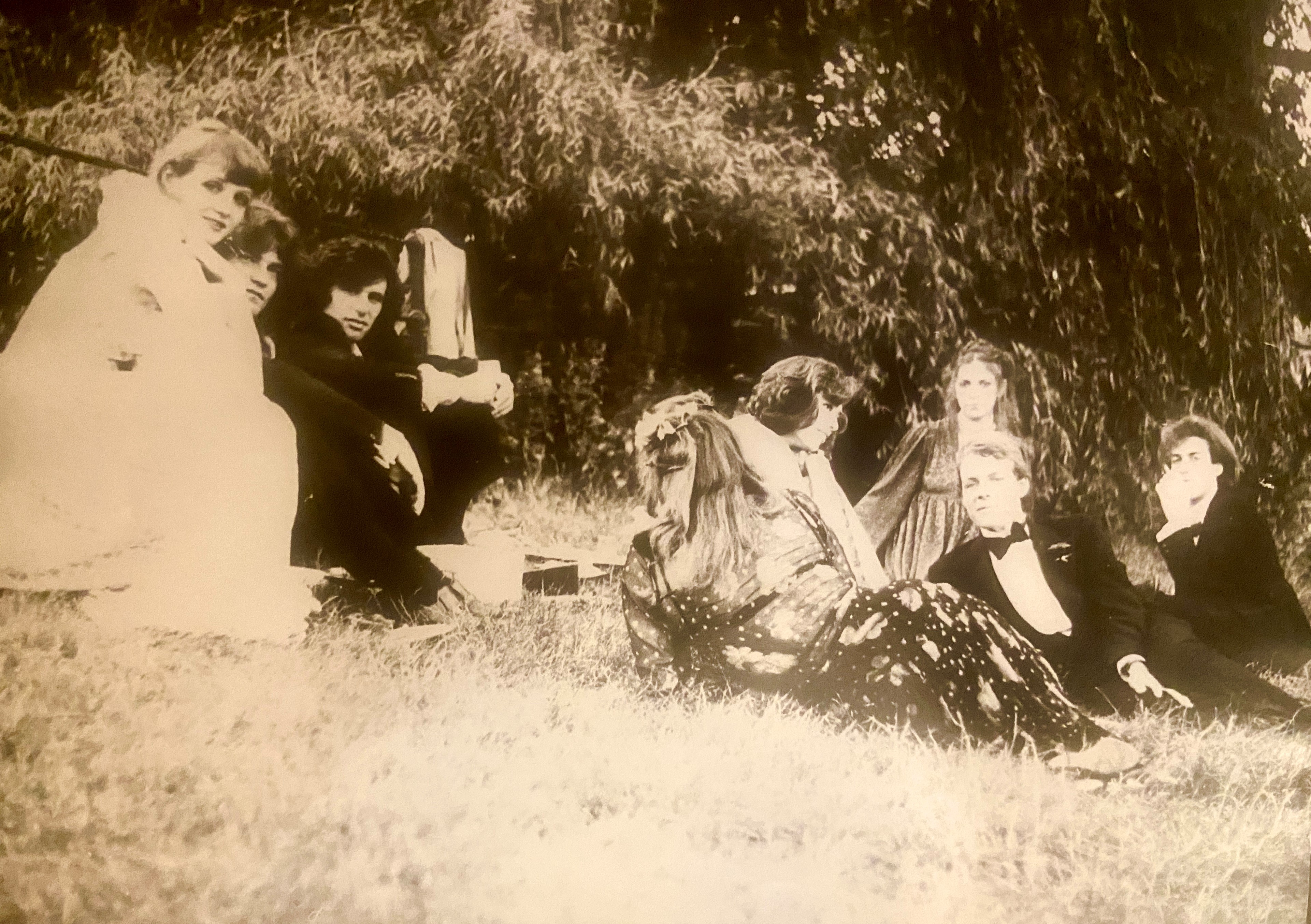
Yesterday, we went to a memorial event in Lauderdale House for Chris Chapman, who arrived at King’s College, Cambridge in October 1973 as a late vocation undergraduate – a painter with film star good looks, who had left school without many qualifications to study at Hornsey School of Art in 1960.

In the summer of 1975, we spent a month staying in a monastery just outside Siena in order to study works of art for our special subject paper on ‘Painting in Italy 1300-1350’, so had a happy time hitch-hiking to Arezzo, Assisi, Perugia and Pienza, looking at paintings, eating evening meals in the refectory of the monastery, struggling with our inadequate Italian and watching the Palio.

It was clear from the speeches that everyone remembered him as a glamorous figure, extremely keen on clothes (those exceptionally wide trousers and carefully pressed shirts), teaching life drawing and walking the streets of Cambridge with his equally glamorous girlfriend of the time, Harriet, who sadly wasn’t able to be there.

Here we all are in the summer of 1976 on the banks of the River Cam. Christopher is third from the left (photo courtesy of Jo Hugh-Jones):-

Standard

Centro de Arte Hortensia Herrero

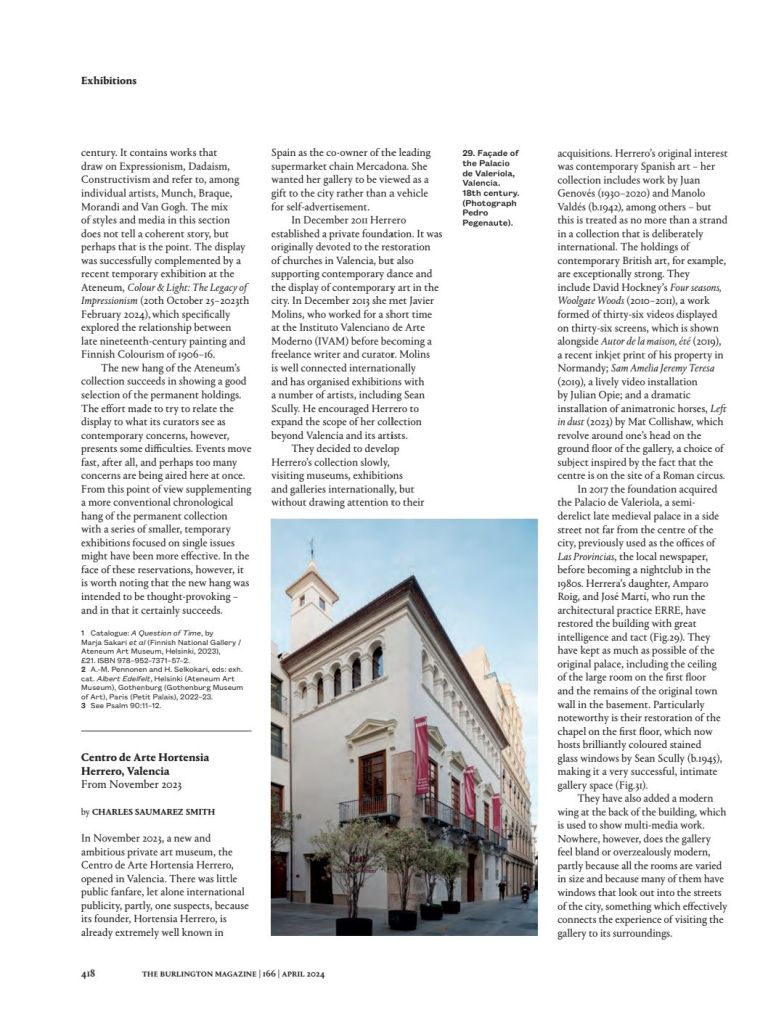
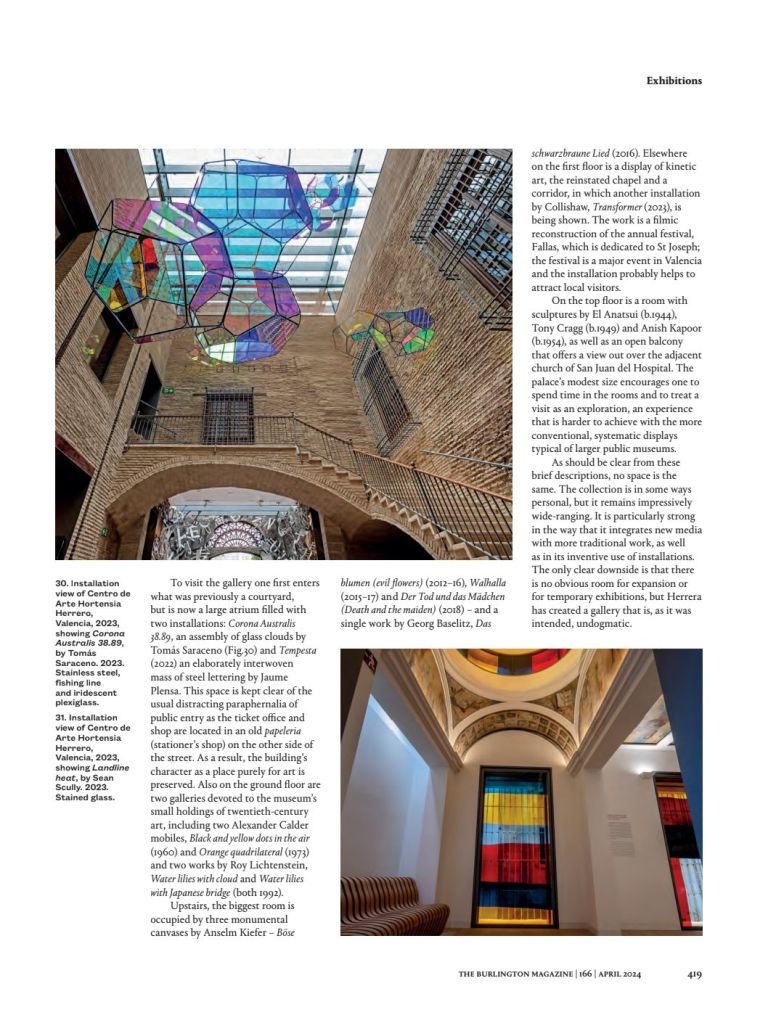
A month or so ago, I was able to visit the new Centro de Arte Hortensia Herrero in Valencia for the Burlington Magazine and my review of it has now appeared in the April issue – quick work.

I have not merely been authorised, but encouraged to share it, which I am now doing.

Standard

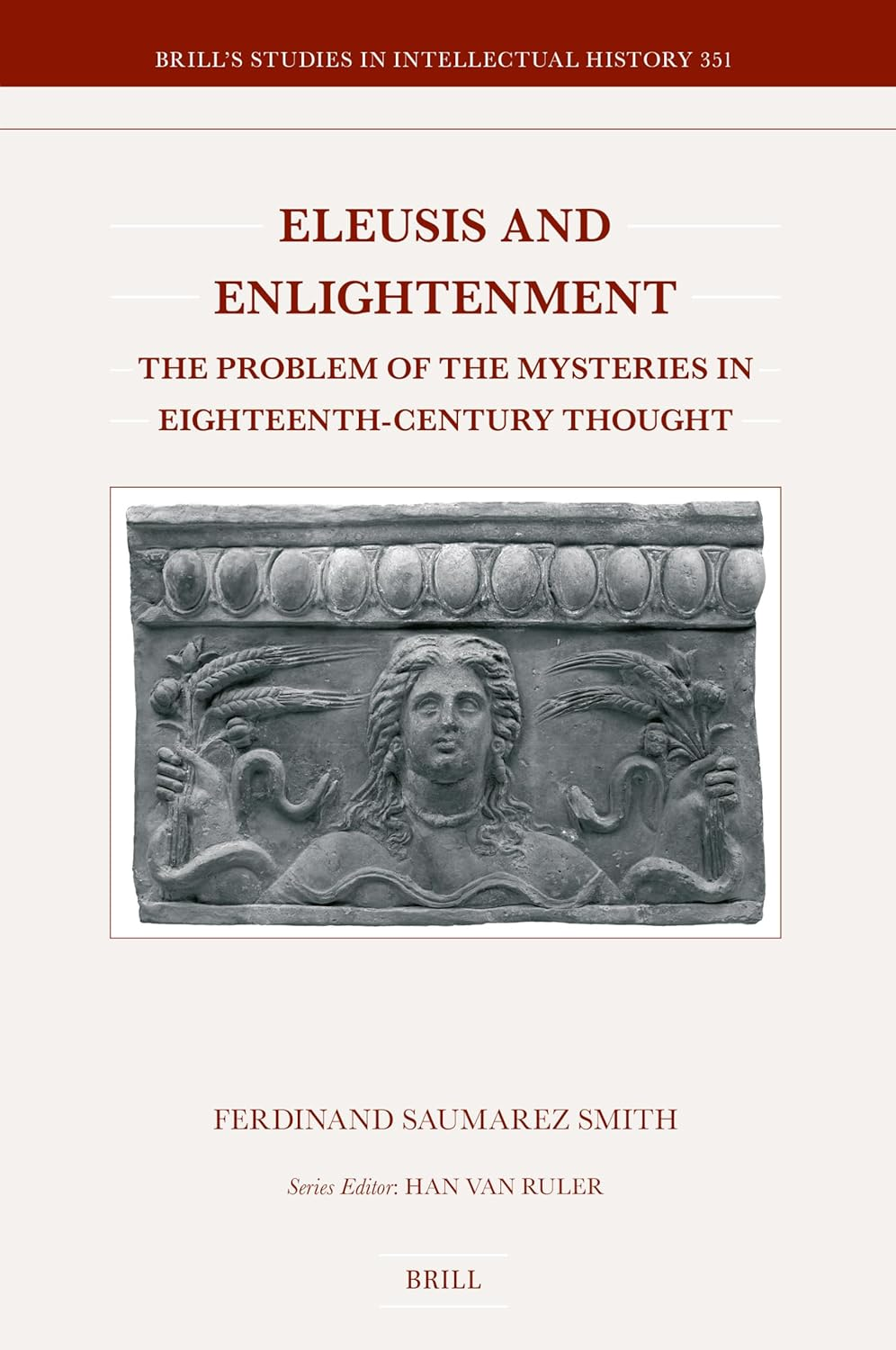
Eleusis and Enlightenment

For those people with an interest in the history of eighteenth-century ideas, I recommend a new book which was published by Brill yesterday (available by mail order from Brill.com) on those people in the eighteenth century, including many now rather obscure clergymen and freemasons, who were interested in the Eleusinian Mysteries as a possible origin for Christianity.

It helps one to understand some of those undercurrents of eighteenth-century thought which have now been forgotten, including the work of William Stukeley who travelled the country looking at ancient monuments, was one of the founding members of the Society of Antiquaries, and became a freemason in 1721 – ‘his Curiosity led him to be initiated into the Mysteries of Masonry; imagining them to be the Remains of the famous Mysteries of the Antients.’

Standard

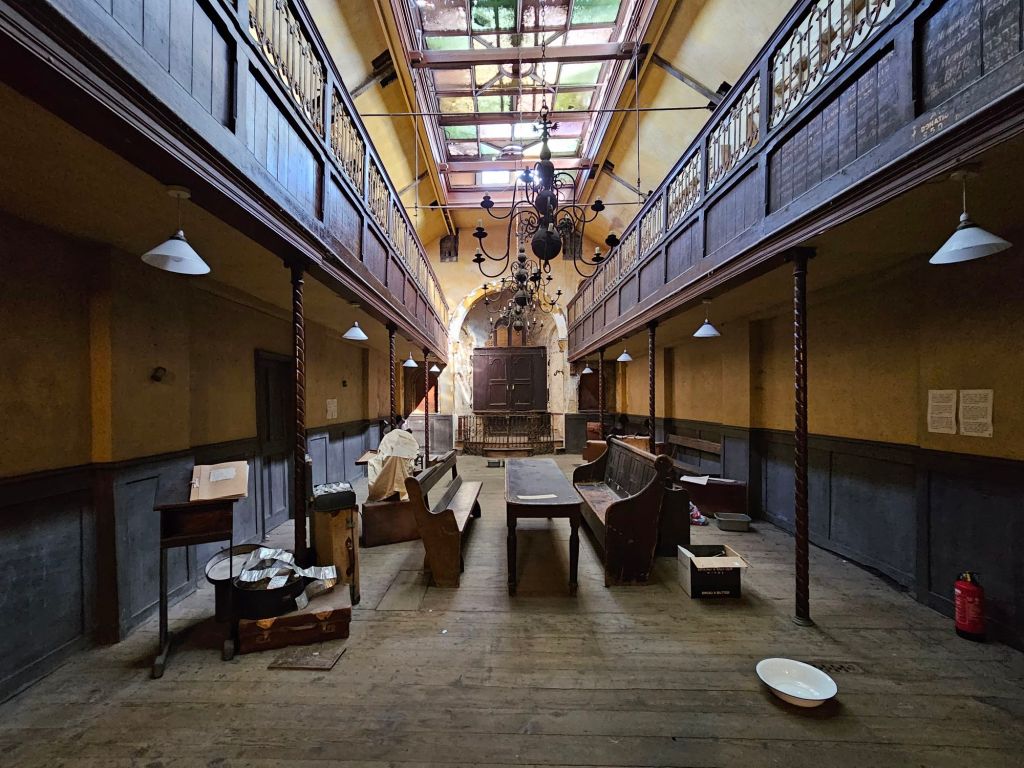
19, Princelet Street (1)

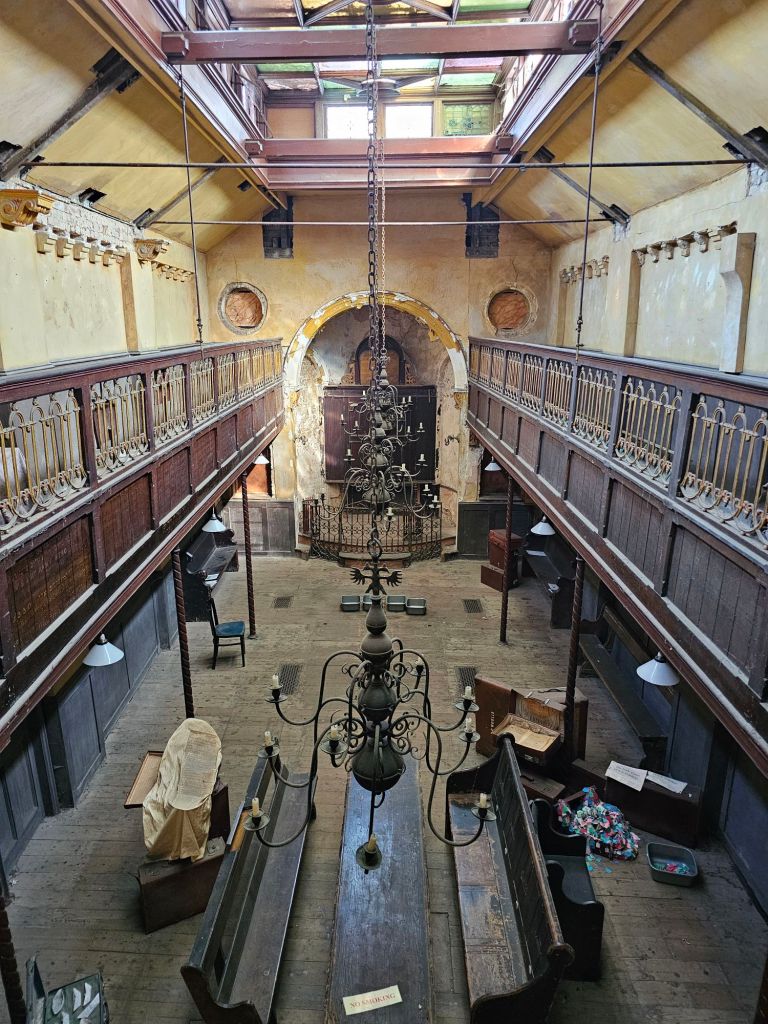
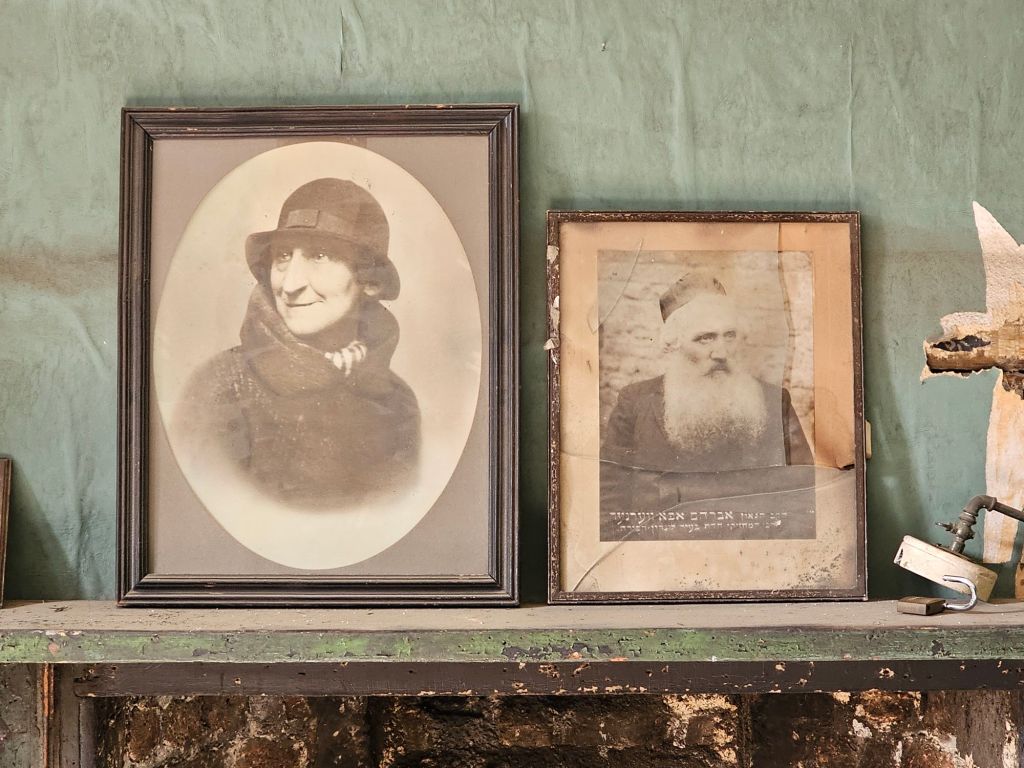
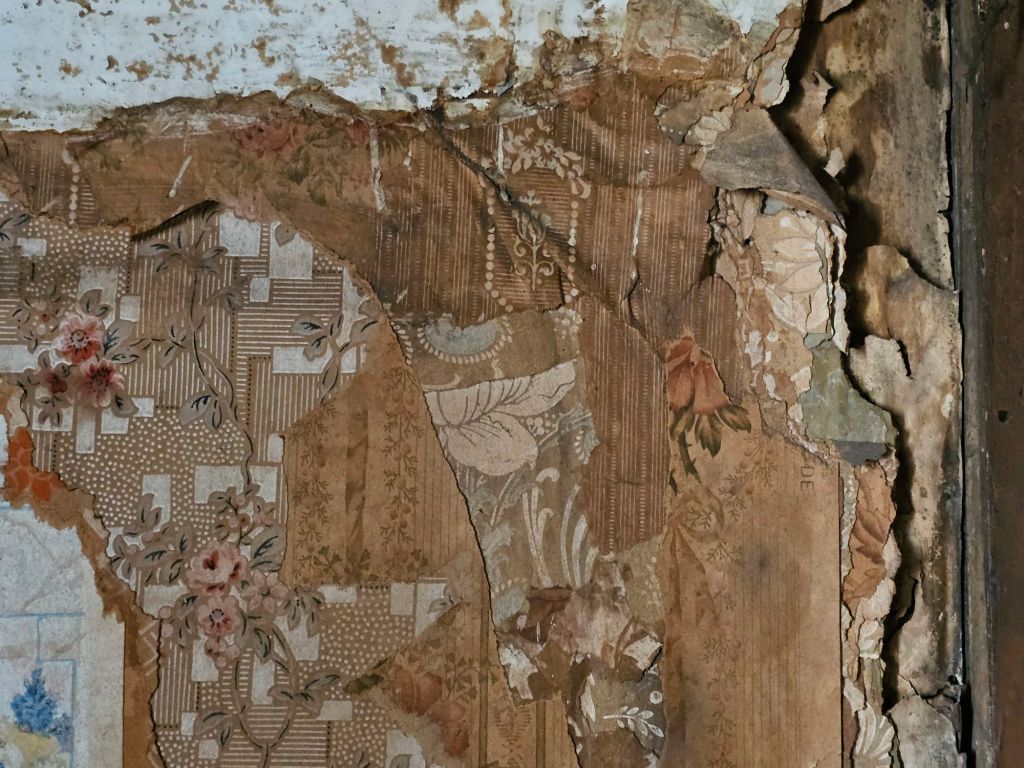
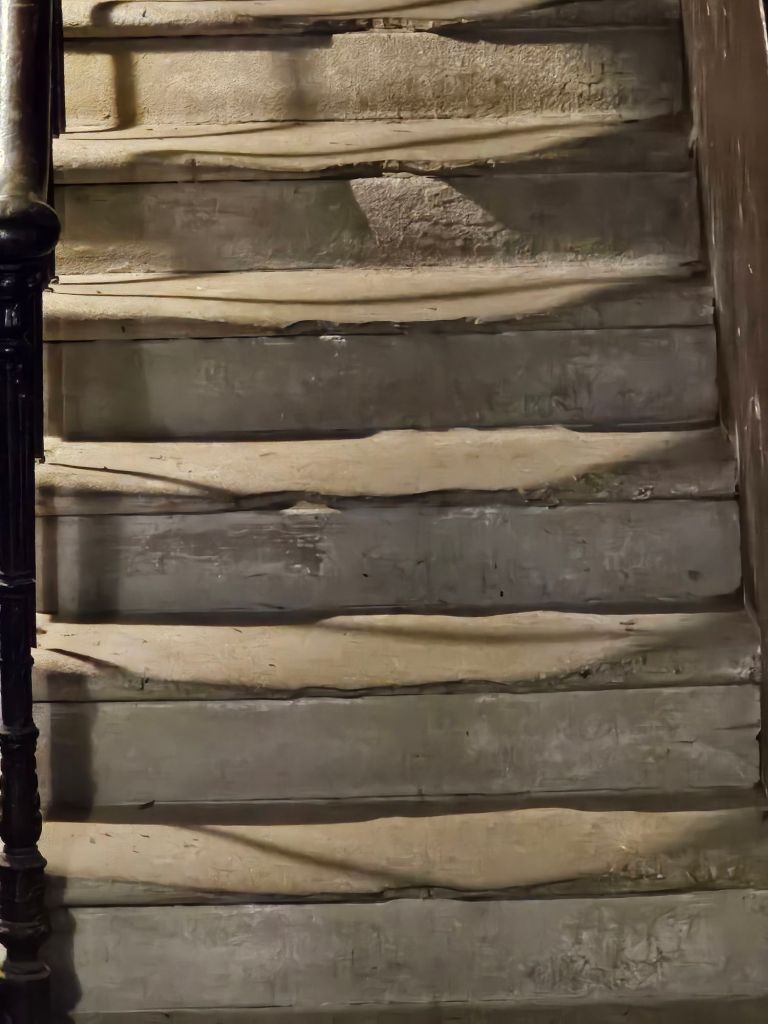
I have never previously been into 19, Princelet Street, a house which was built by Samuel Worrall, a builder entrepreneur, in 1718, for Peter Abraham Ogier, a Huguenot silk merchant.  In 1869, the ground floor was turned into a synagogue which was abandoned after the Second World War.  The house and its contents were acquired by the Spitalfields Trust in 1981 and for a time efforts were made to turn it into a Museum of Immigration and Diversity.  This seems to have failed and the lease has been reacquired by the Spitalfields Trust.

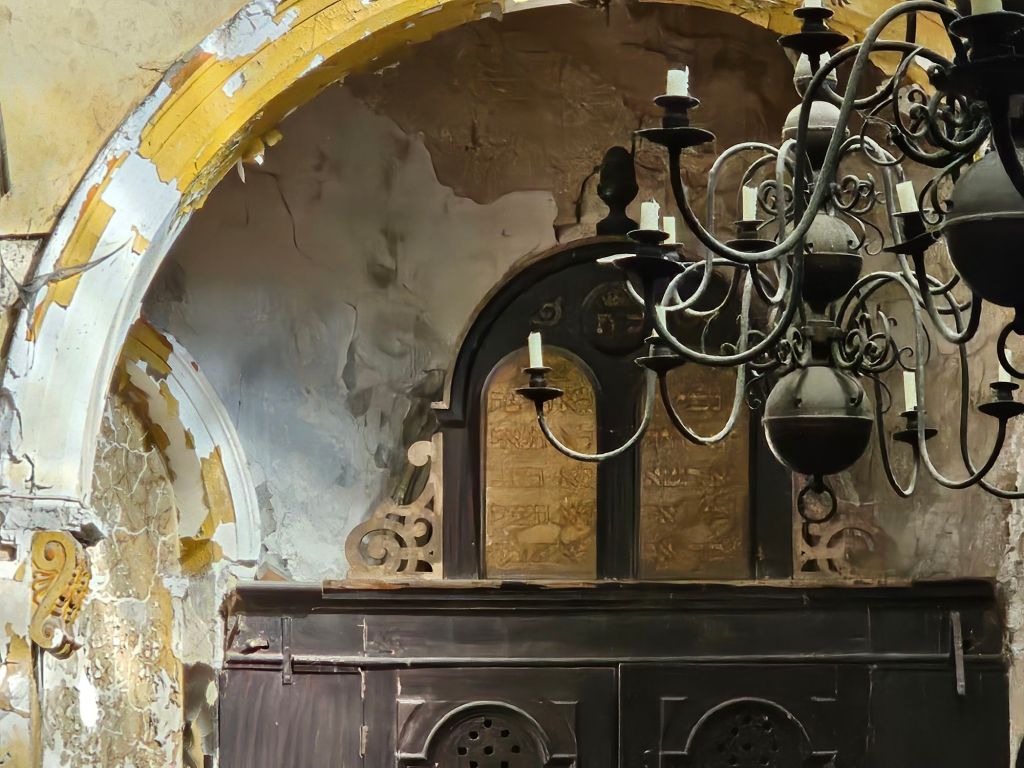
This is the Synagogue, nearly intact:-

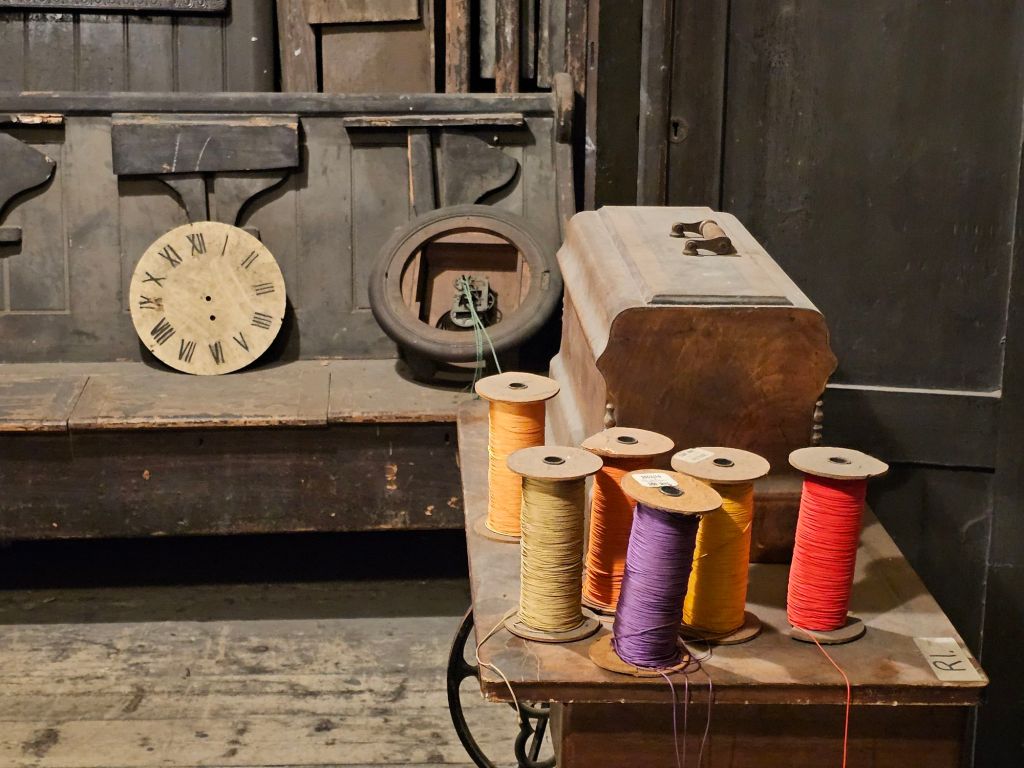
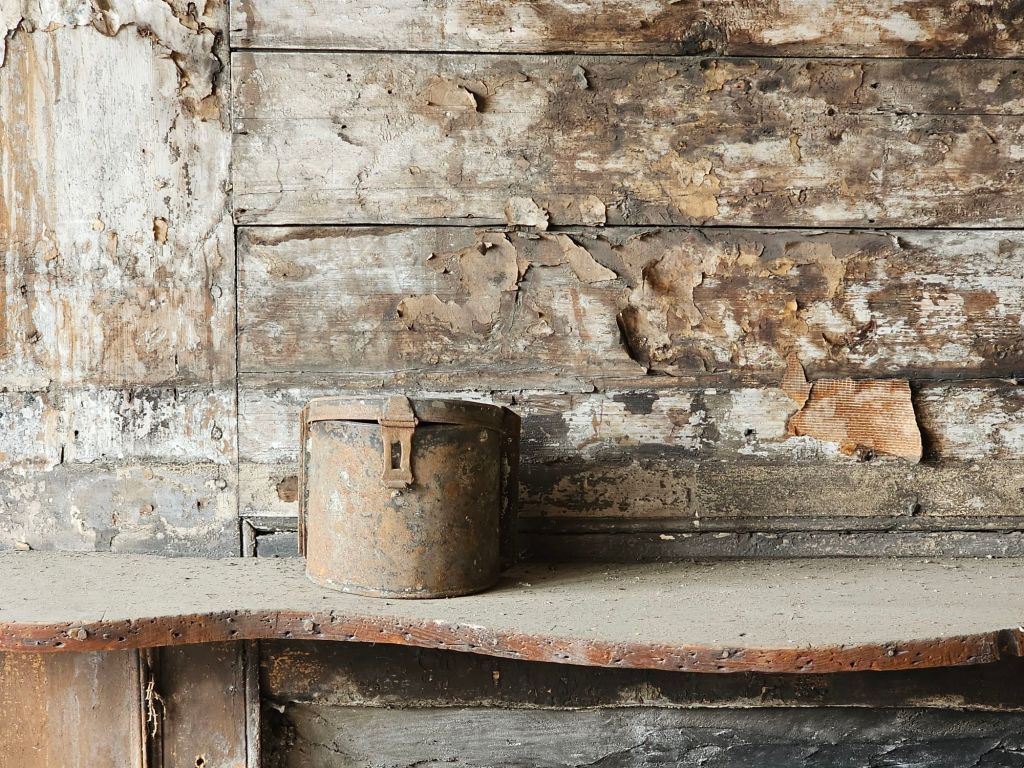
So much survives – its artefacts and material culture:-
On the top floor, a reclusive Jewish scholar, David Rodinsky, lived, but disappeared in the late 1960s.  He was the subject of a book, Rodinsky’s Room by Rachel Lichtenstein and Iain Sinclair, published in 1999.  This room, too, survives pretty intact:-
It poses a classic problem – how to preserve its atmosphere, but make it in some way open to the public, if only for small groups on guided tours.

The Spitalfields Trust, of course, has good experience of how to manage this dilemma at Dennis Severs’s house in Folgate Street. 

I hope they can make it work.

Standard

Villa Ventorum (2)

A bit more about the Villa Ventorum:-
The site has been known as a possible Roman villa since the early nineteenth century when remains may have been discovered when the nearby turnpike road opened.  The Rev. William Phelps described it in his History and Antiquities of Somersetshire (1836).

Koos Bekker and Karen Roos bought Hadspen in 2015.  It’s a big project, based on their hotel Babylonstoren in South Africa.

Much of the work on the Villa was done during COVID, a pretty remarkable achievement.

It’s open to the public, but only if you buy an annual membership:  not cheap, but it’s a new model for museums – small numbers of visitors for a high-quality, all-day experience.

Standard

Villa Ventorum (1)

We had the opportunity of seeing the Villa Ventorum, a Roman archaeological site in the grounds of the Newt, the luxury hotel just south of Bruton, with Ric Weeks, the extremely well-informed, on-site archaeologist who has overseen much of it.

It’s an impressive project, based on meticulous archaeology run by the Oxford Archaeological Unit under the auspices of the Southwest Heritage Trust and then equally meticulous architectural reconstruction by Nicola du Pisanie of Stonewood Design, the design arm of Stonewood, high quality local building contractors based in Castle Combe.  It is all done to an incredibly high specification, including hand-made tiles from Italy to replace the initial machine-made tiles.

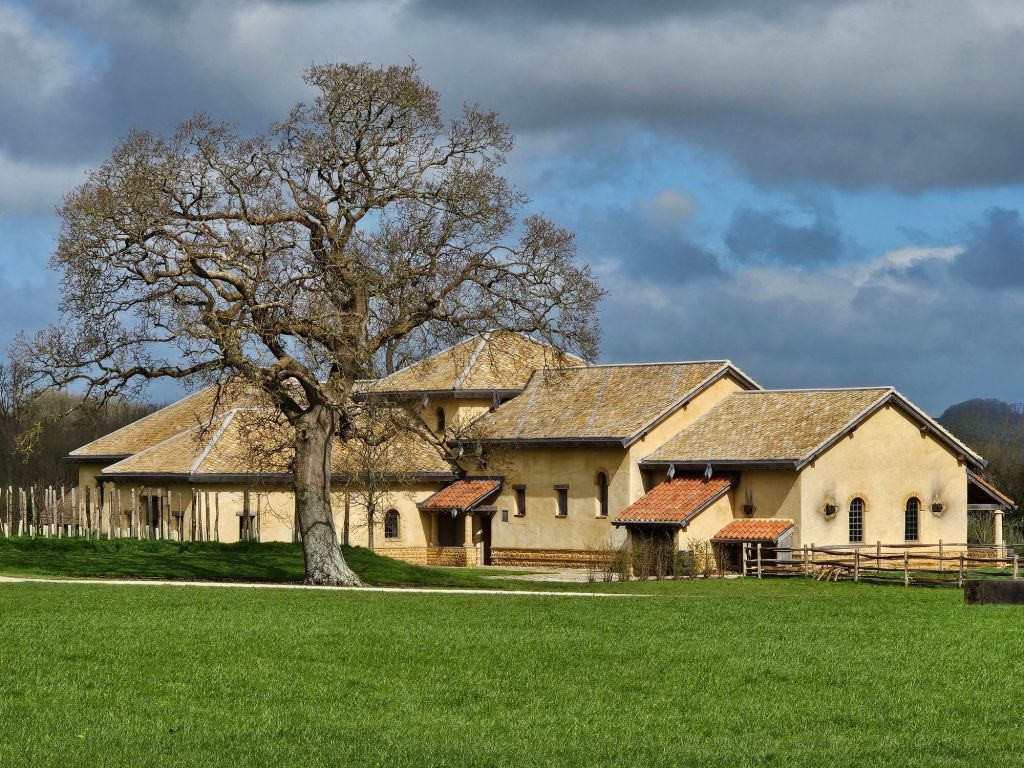
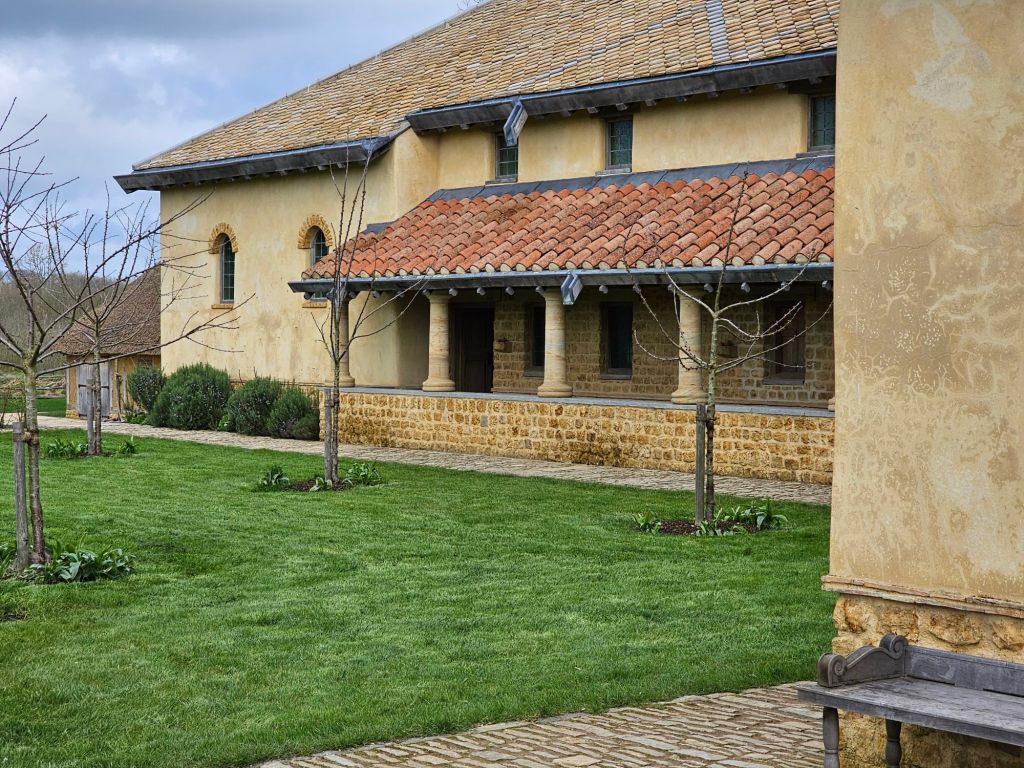
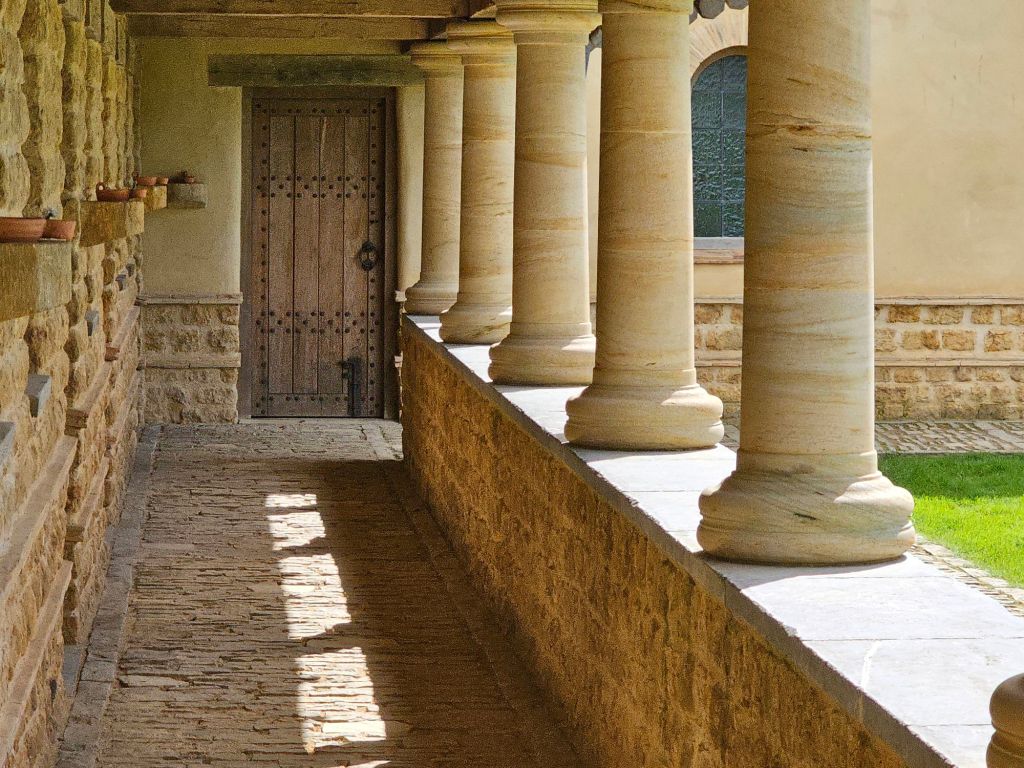
This is the reconstructed villa:-

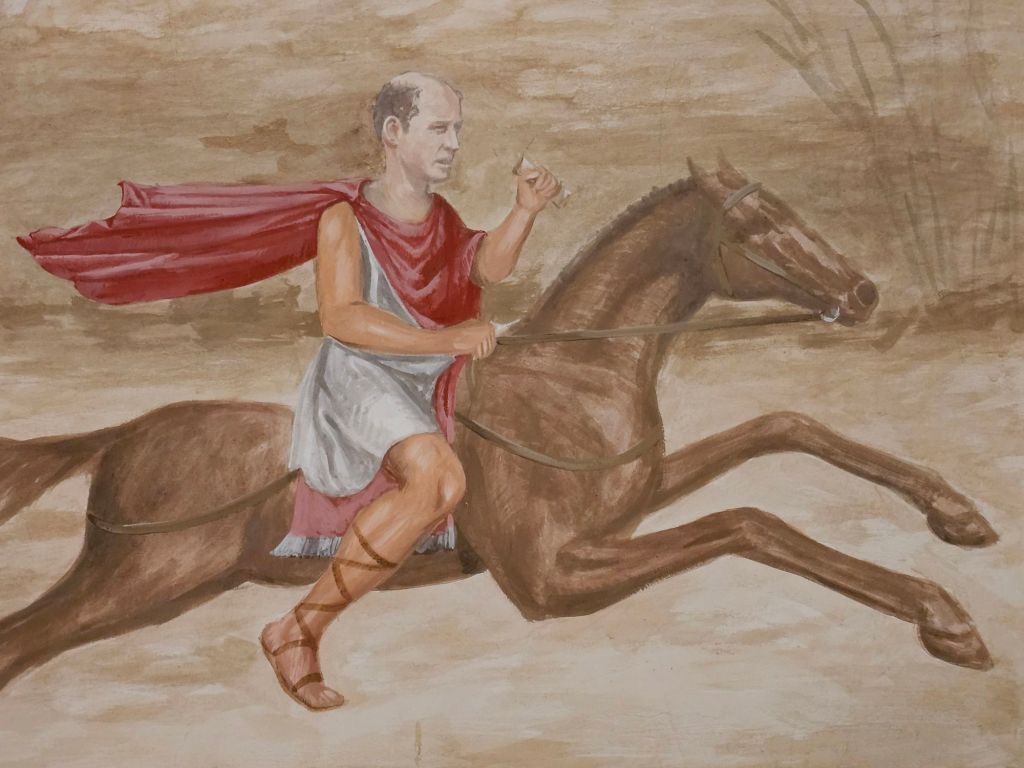
The fresco of the Roman emperor is based on the Prince of Wales:-

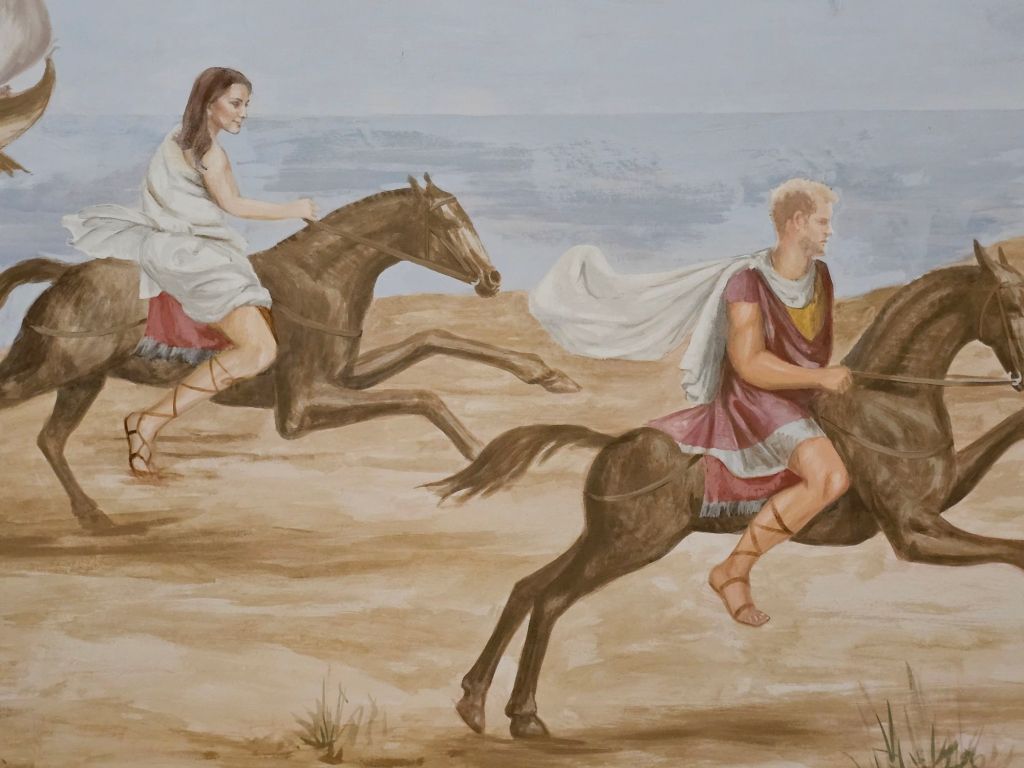
And the Empress is riding behind with Prince Harry:-

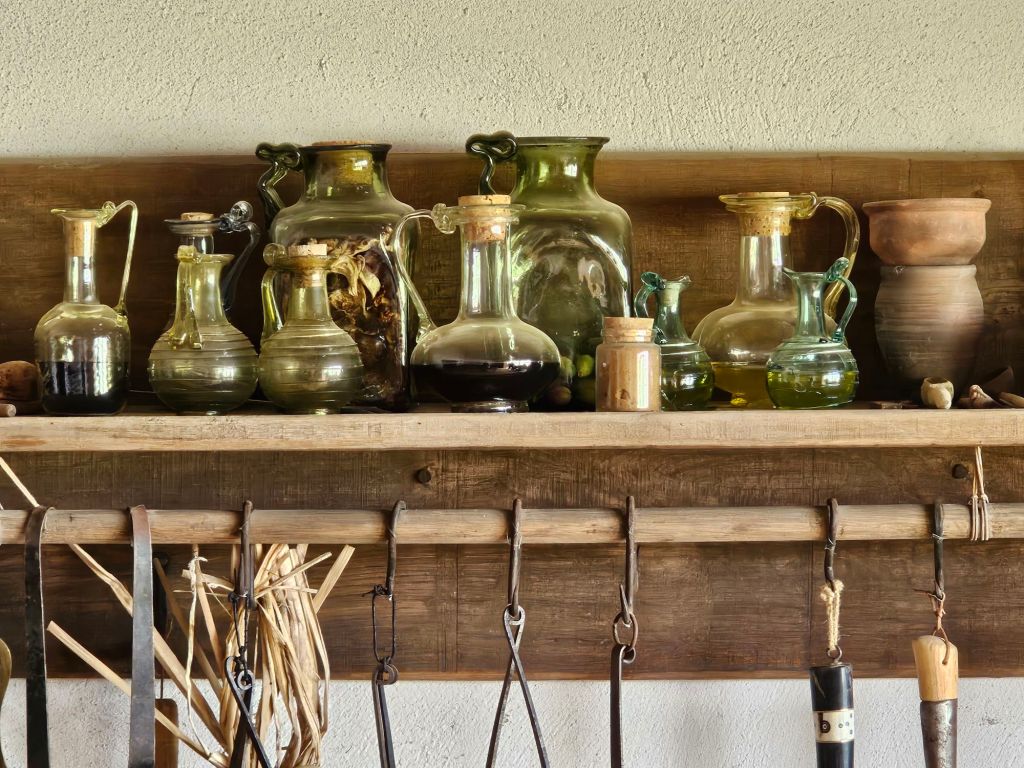
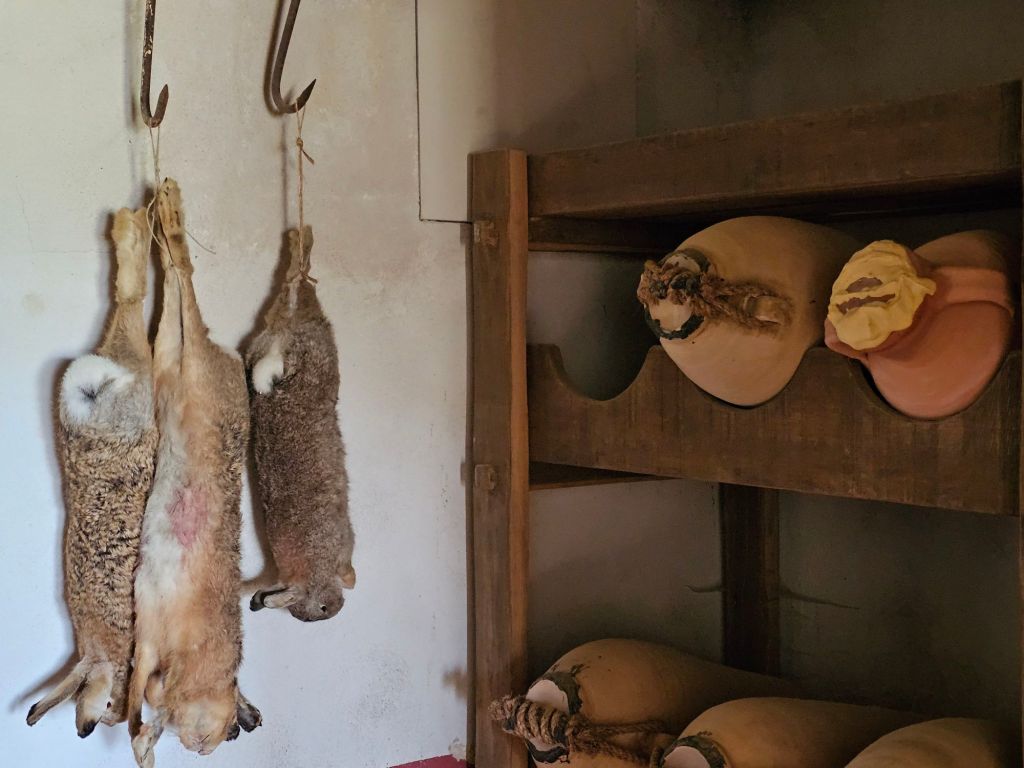
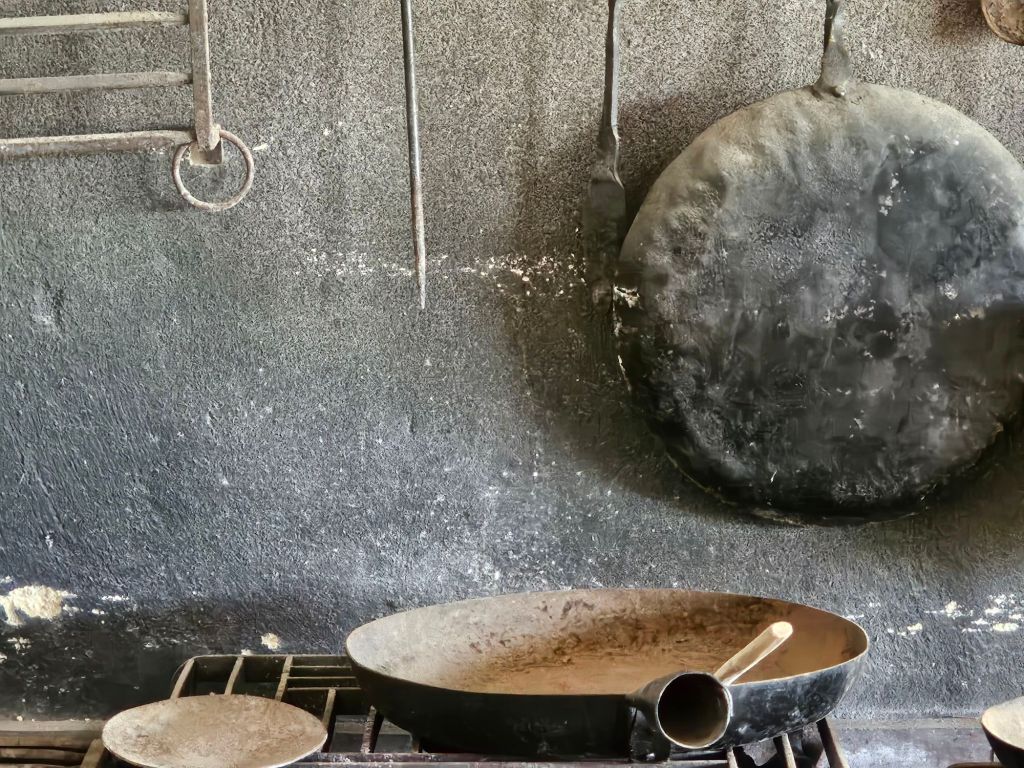
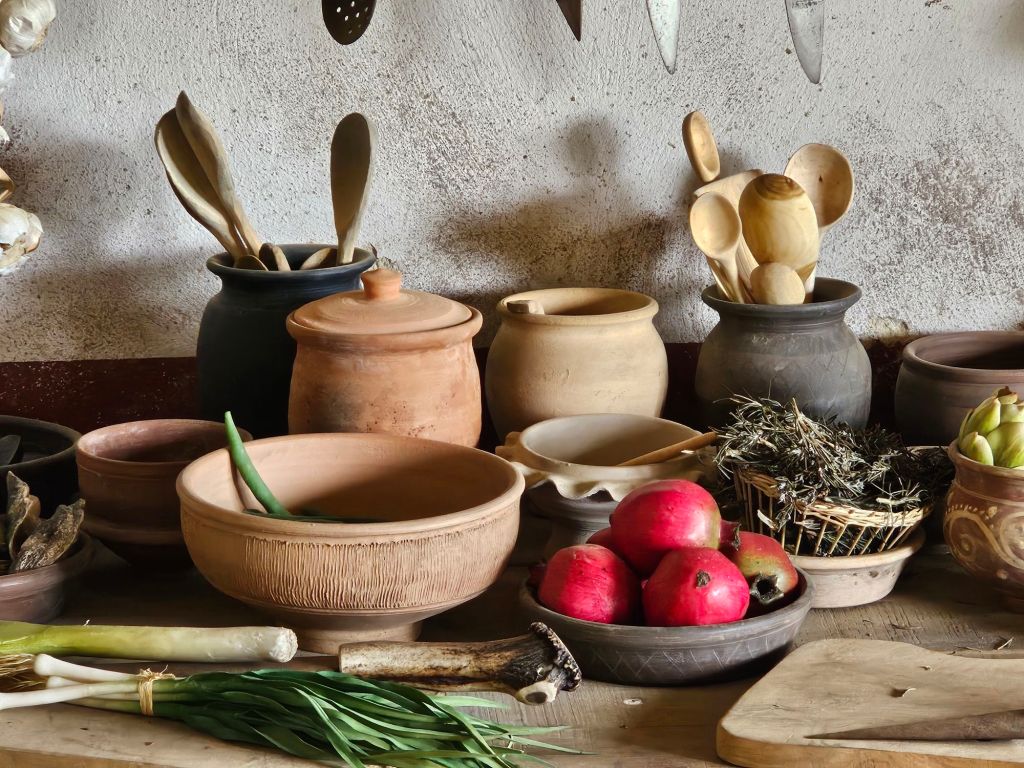
The kitchen is strangely modern because so many kitchen implements are based on antique prototypes (I don’t doubt the care which has gone into the reconstruction):-

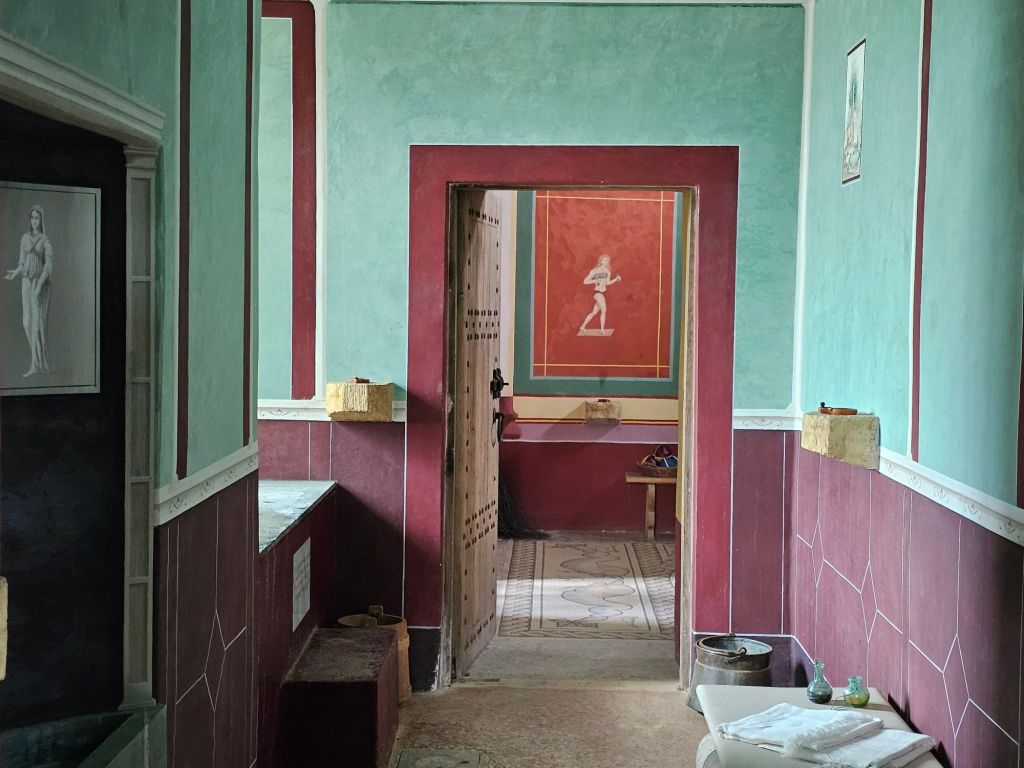
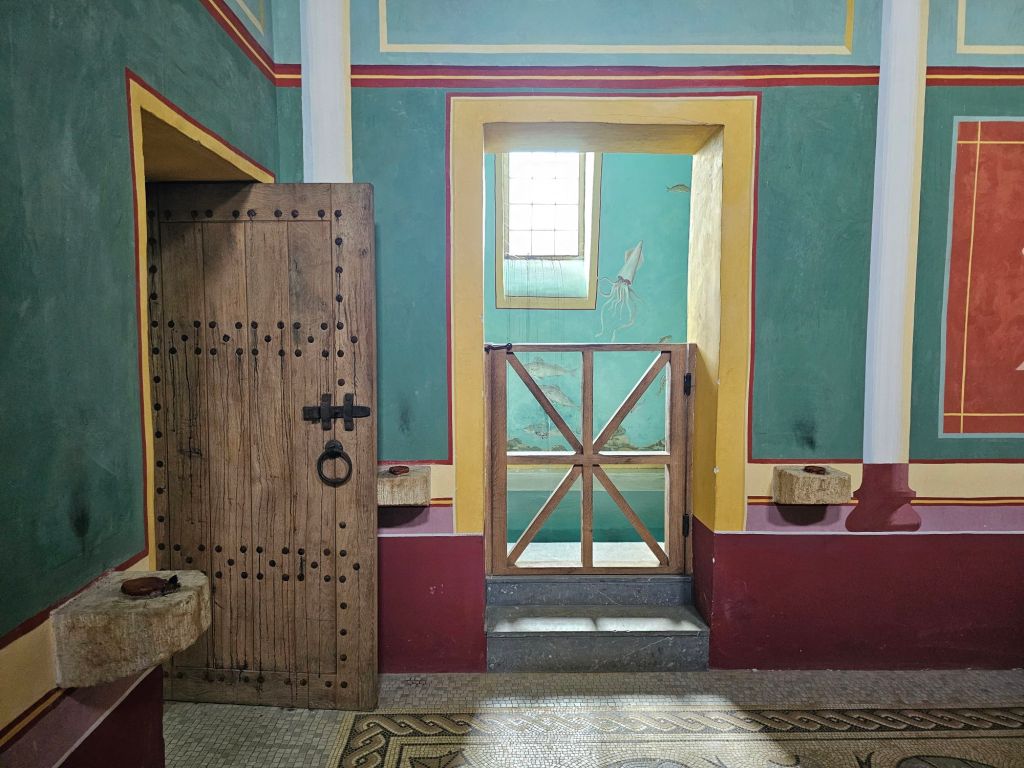
The reconstruction of the frigidarium looked to me more neoclassical than antique – not surprising since so many neoclassical interiors were based on what survives in Pompeii and Herculaneum:-

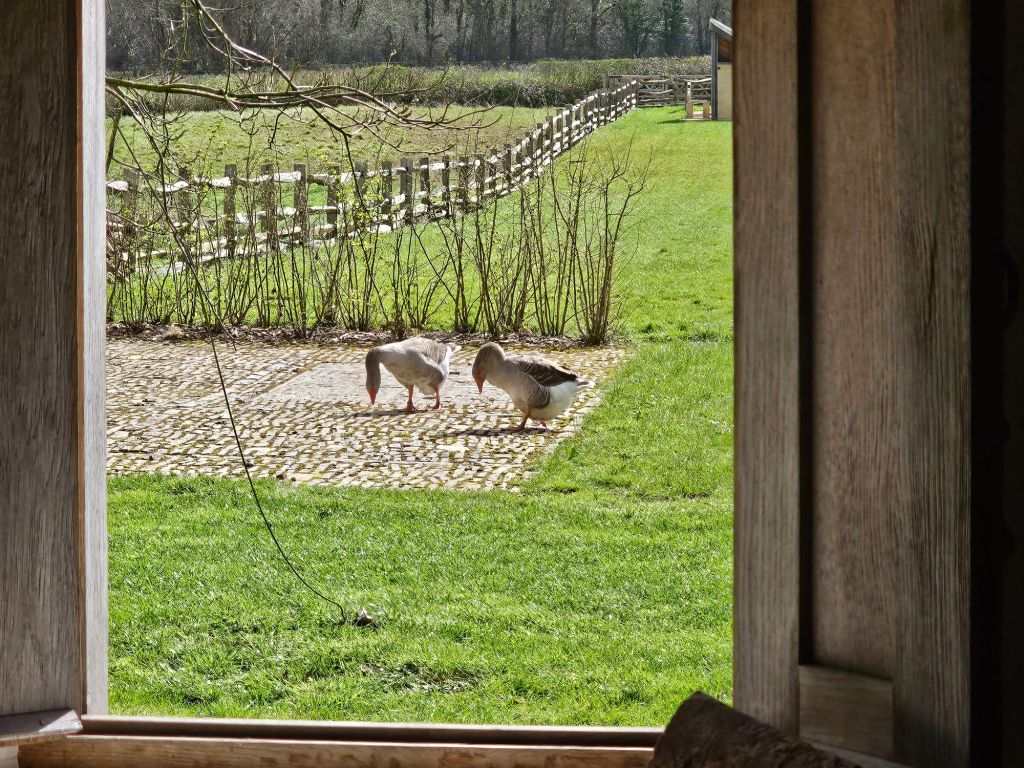
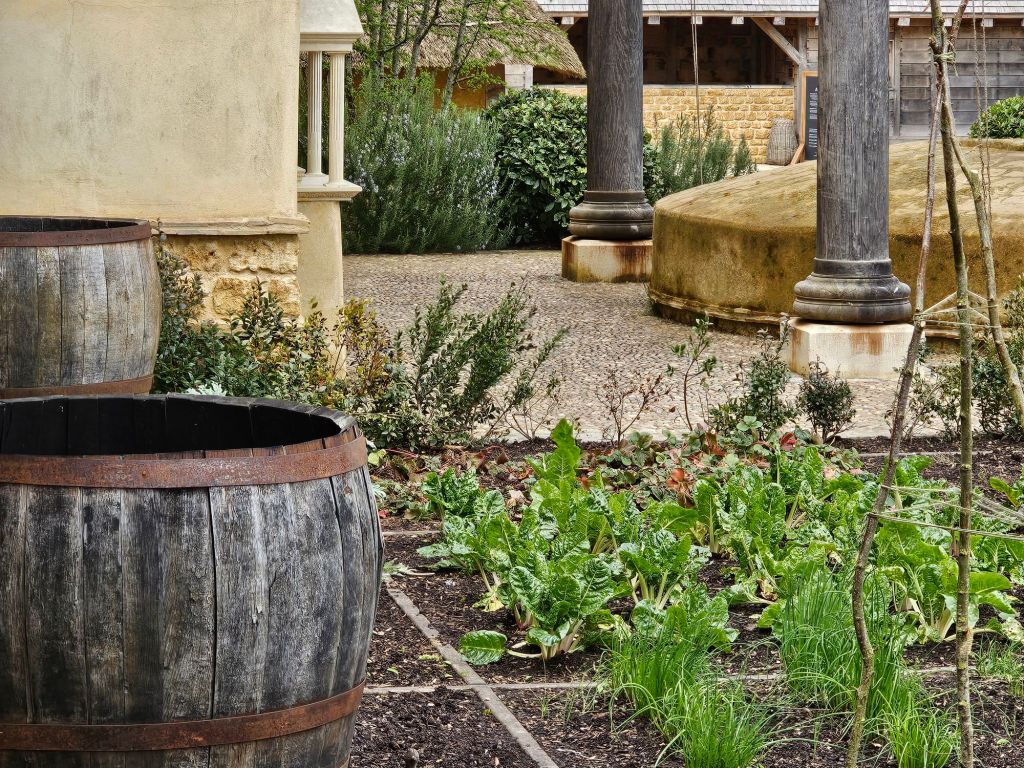
Outside is the herb garden:-

South of the archaeological site is a new museum.  We would have liked more time to linger.  Again, it was extremely impressive, done to meticulous high standards by Kossmandejong, Dutch exhibition designers.  I would recommend that the newly appointed Director of the British Museum pays an early visit.

Standard