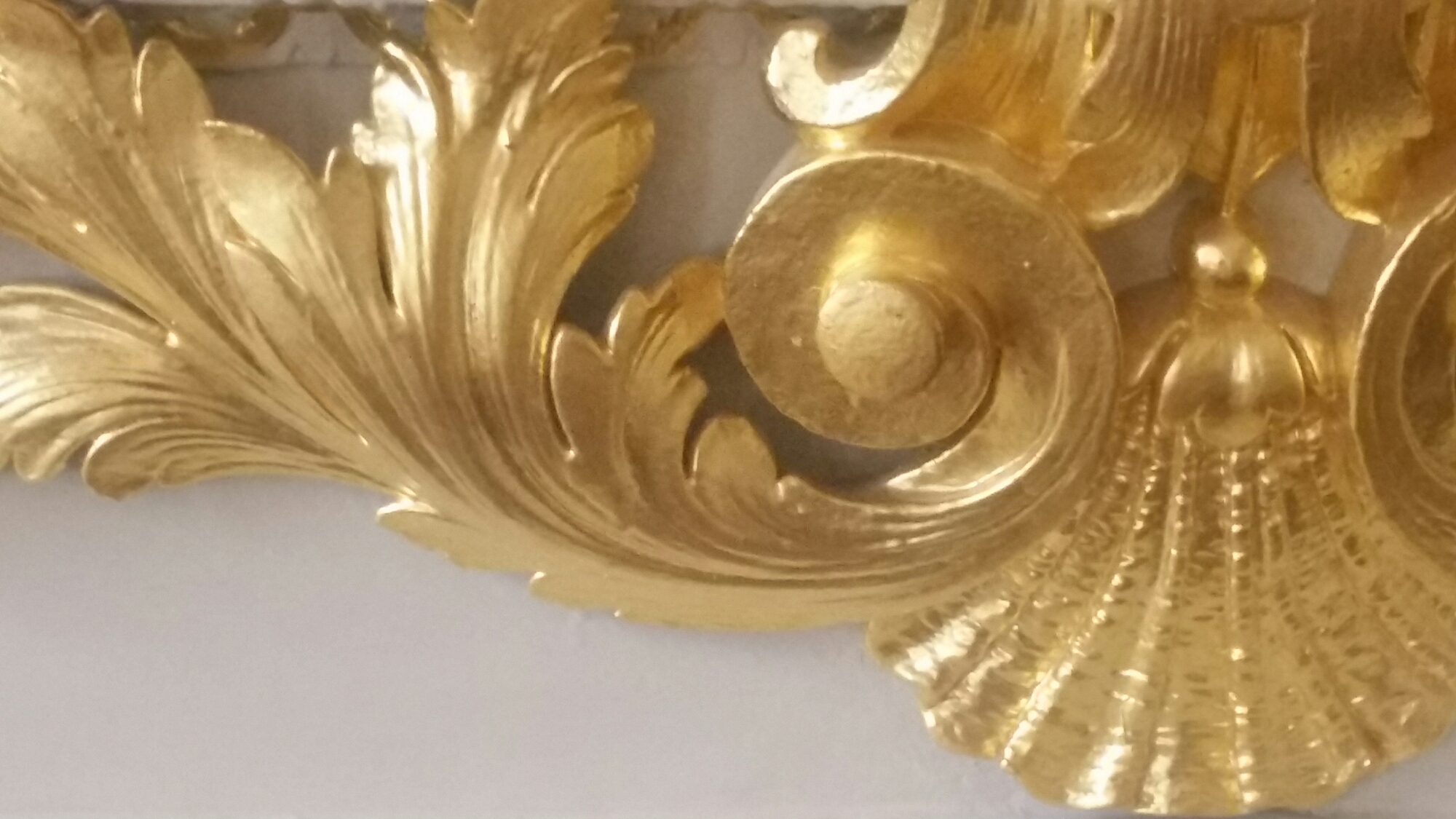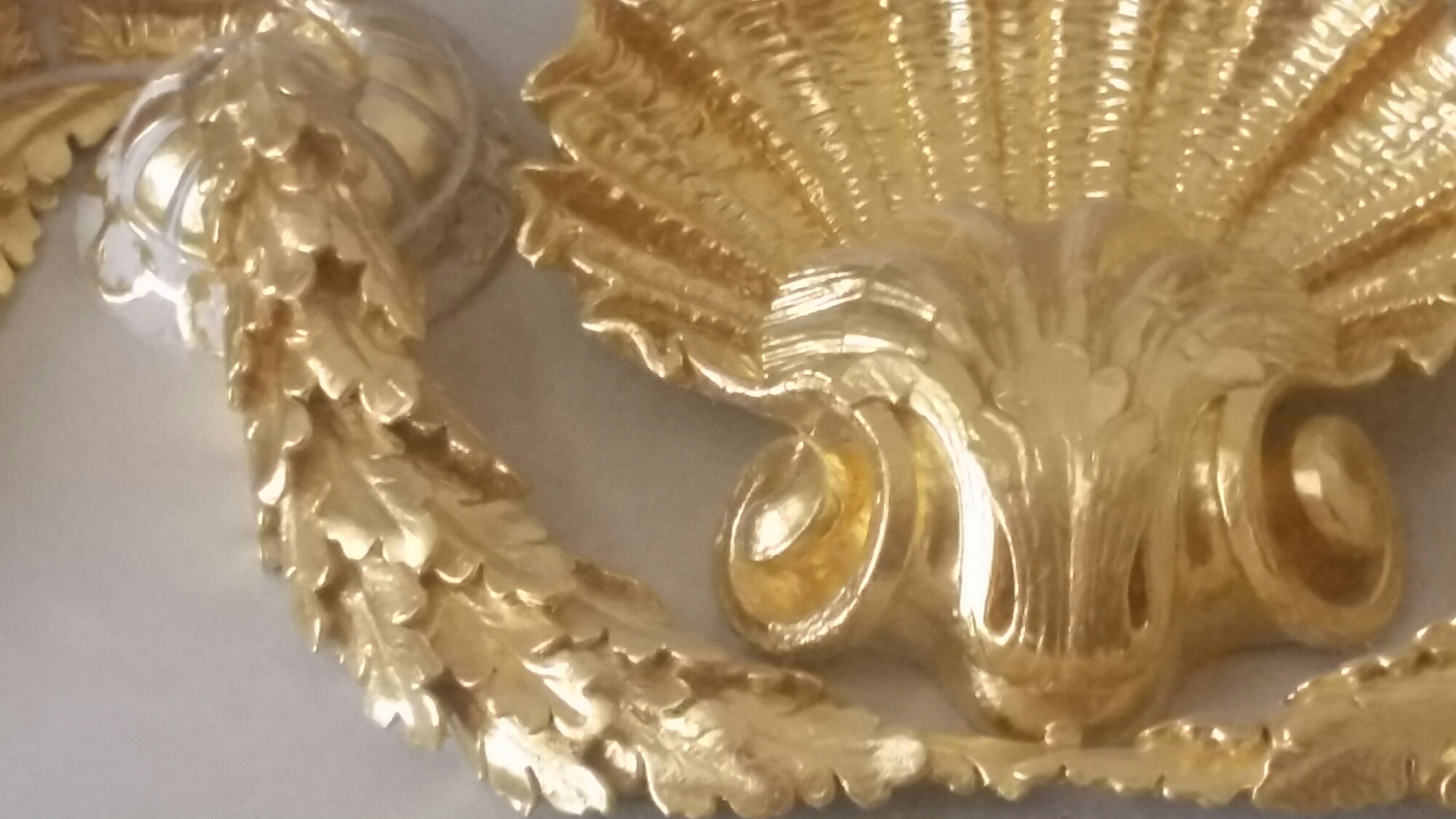
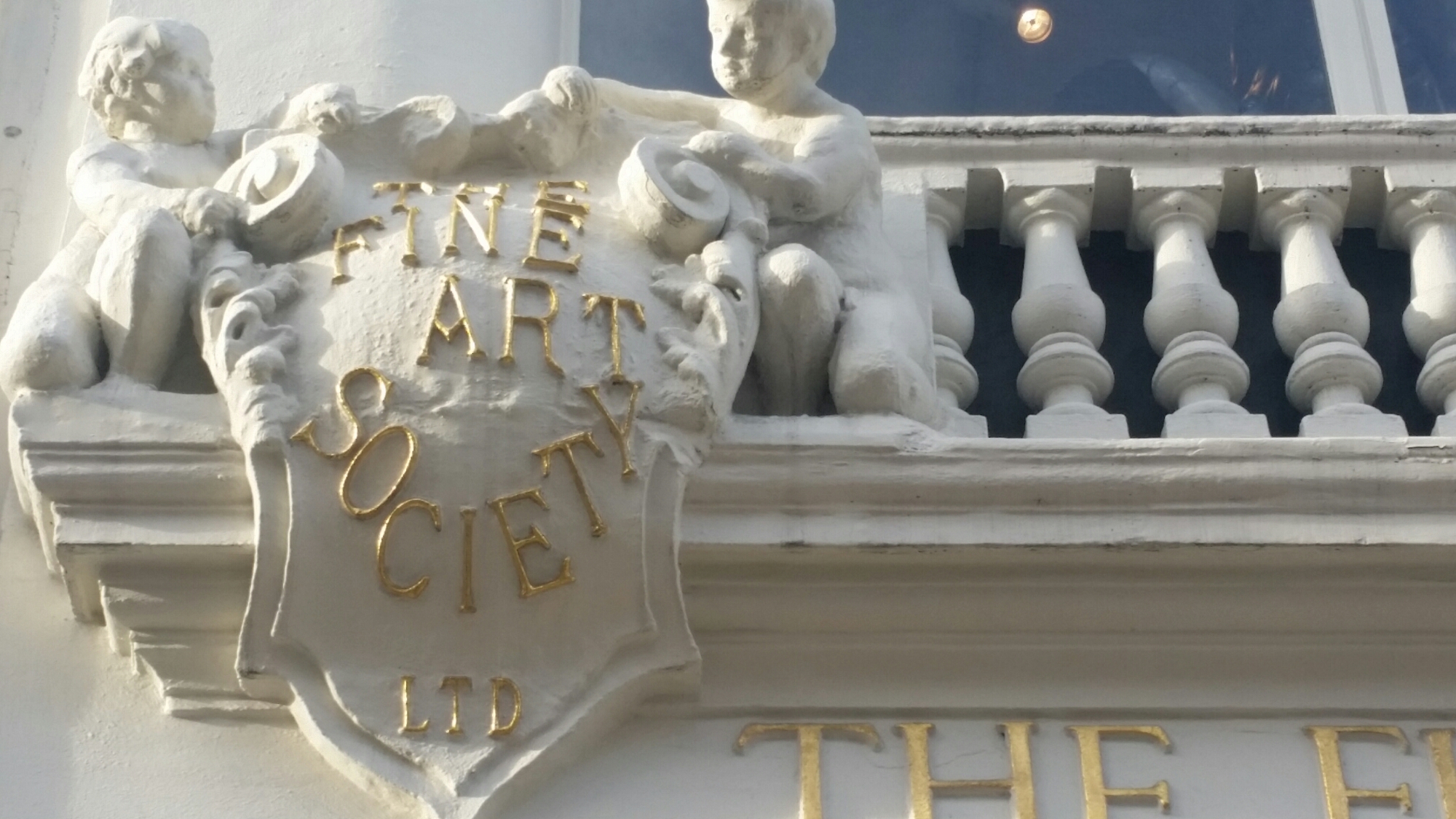
Last night I went to a party to celebrate the career of Robert Dalrymple, the Scottish book designer (and reader of this blog). It was held at the Fine Art Society, one of the oldest and best surviving of the Bond Street galleries, patrons of Whistler and the Arts and Crafts Movement, originators of the one-man exhibition (with catalogue) and still in its original premises, which they moved to in October 1876, and had renovated by E.W. Godwin in 1881:-
David Freedberg
I have just received news of the announcement of David Freedberg as the new Director of the Warburg Institute, my alma mater. I’m really pleased that he has taken the post: partly because it sees the return to this country of a major scholar, who trained here, but has spent most of his career in New York; partly because it provides an opportunity for the Warburg to solve the problems it has been having over its funding with the University of London; but, most of all, because he is so obviously committed to Warburgian studies, the history of science as well as the history of art, their relationship to the history of ideas, and the development of an understanding of the relationship between the mind and eye.
William Kent (2)
My eye was caught half way through a meeting yesterday by the way the light was falling on the decorative surrounds of the Burlington House Saloon. Lord Burlington is always associated with a rather puritanical version of neo-Palladianism, as exemplified by the publication of Colen Campbell’s Vitruvius Britannicus, whose tercentenary we are celebrating later this year. What struck me is how rich and opulent and essentially neo-baroque Kent’s detailing is, a style which he presumably picked up during his time spent studying at the Accademia di San Luca in Rome:-
Grocers’ Company
I had dinner last night at Grocers’ Hall, the home of the second oldest (or is it the second richest ?) of the city livery companies, which date back to the reign of Elizabeth I and beyond, and are now devoted to good works, with a certain amount of civic ritual. The building is relatively recent, set back from the street just by the Bank of England, and one realises that the guilds and the combination of charity and community stretches back to the middle ages.
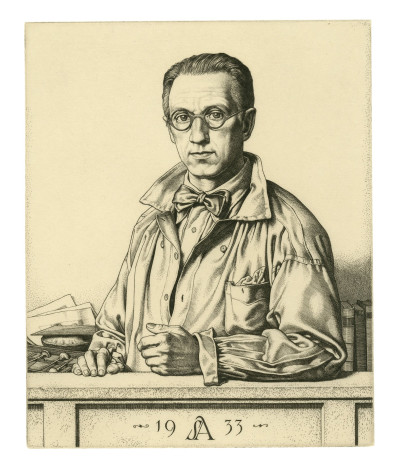
Stanley Anderson RA

Stanley Anderson RA, Self Portrait, 1933 ©Stanley Anderson Estate
I missed the opening of our display of the work of Stanley Anderson in the Tennant Gallery, which shows the extraordinary technical skill of printmakers between the wars. Trained originally as an apprentice engraver, he moved to London to study at the Royal College of Art and became a teacher at Goldsmith’s. Travelling the continent and back streets of London, he produced dark and animated line engravings, including tramps in the National Gallery and scenes of agricultural labour, as well as occasional paintings in egg tempera.
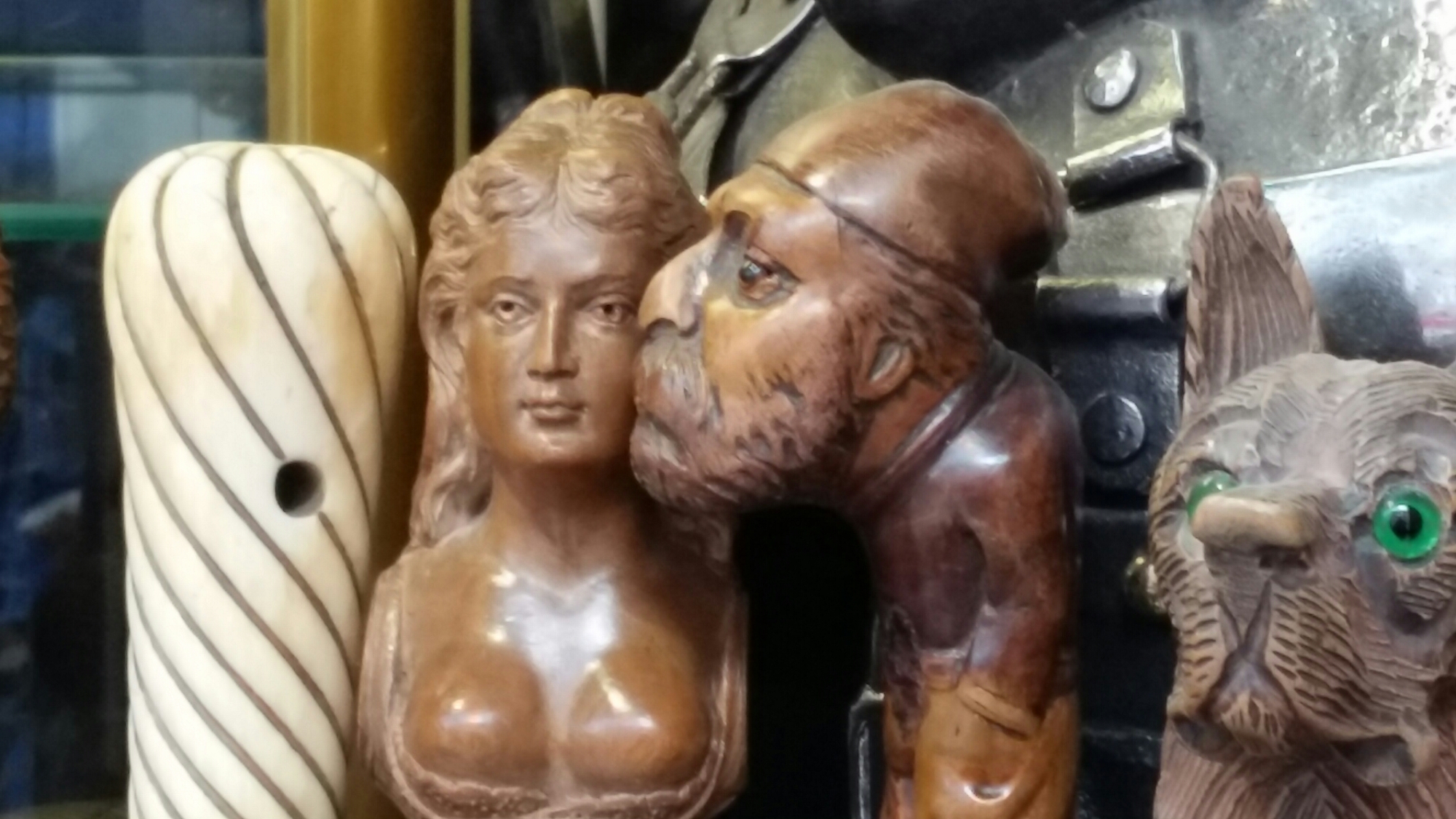
Michael German
We parked this afternoon outside a shop in Kensington Church Street which sold ornamental canes:-
Kensington Palace (2)
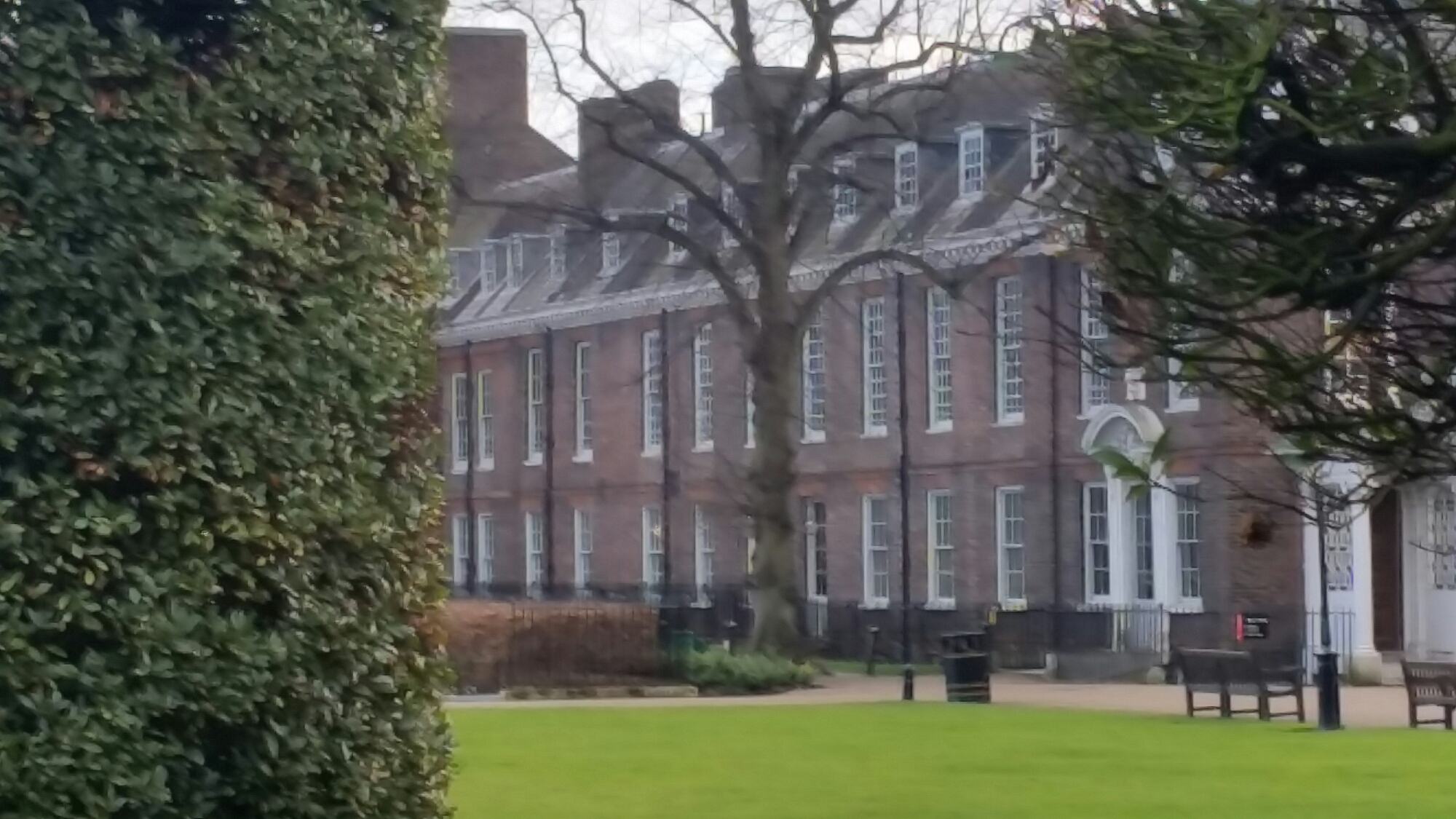
We spent the late afternoon in the gardens of Kensington Palace, admiring the planting of the parterres by Todd Longstaffe-Gowan and the dark smooth brickwork of the original Wren building, including the long range of the Queen’s Gallery added to the north, and the brighter, but still immaculately smooth brickwork of the Orangery, thought to be by Hawksmoor when he was Clerk of Works, with possible ornamental flourishes by Vanbrugh:-
Regent’s Canal
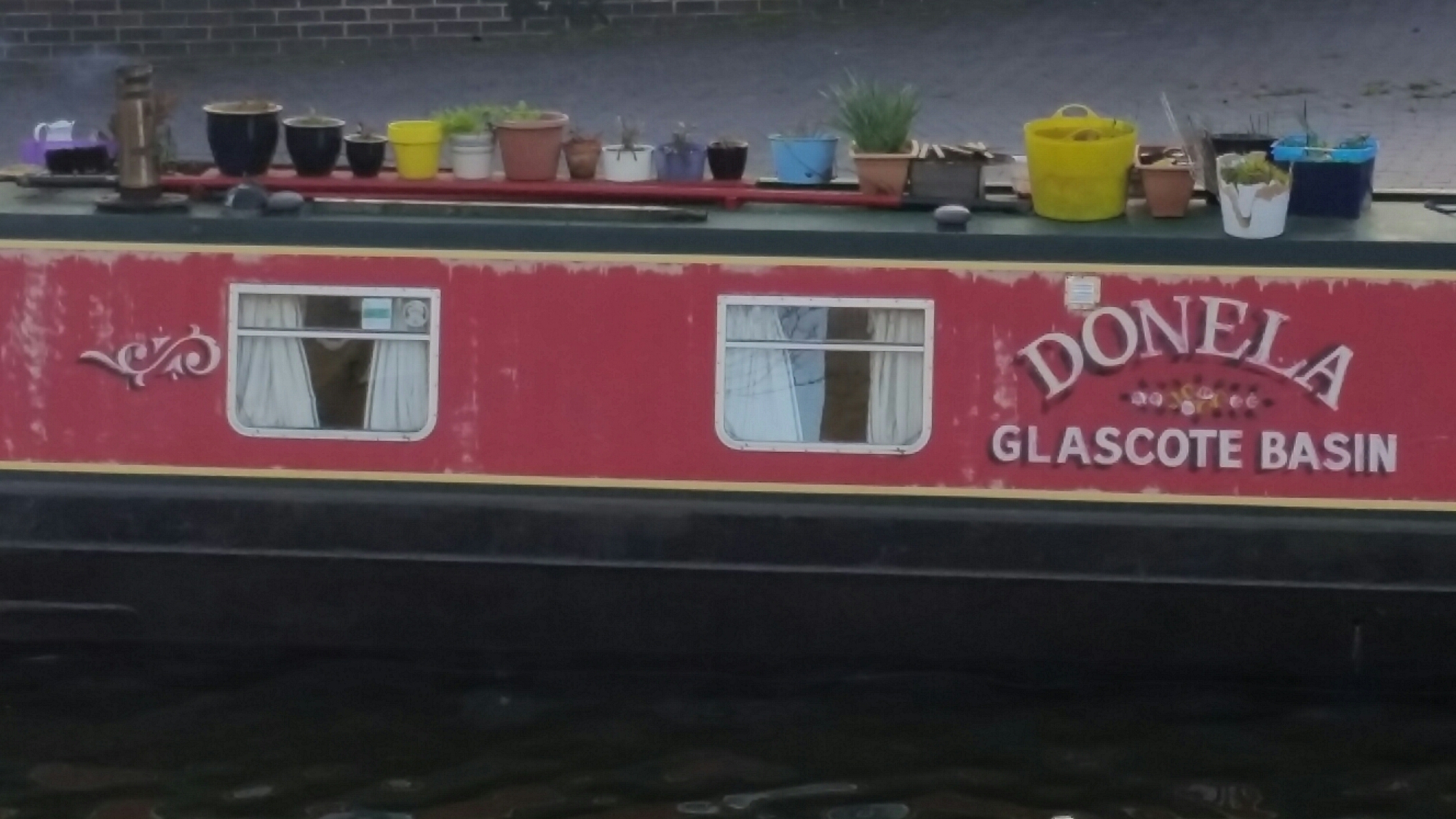
Everyone was out in force on the towpath this morning – walkers, runners, more barges than usual – all enjoying the first tincture of spring:-
FARM: shop
My other discovery this morning has been a slightly eccentric café in Dalston called Farm: shop where you can drink your coffee in amongst fluorescently lit exotic pot plants:-
Natasha Kerr
I had in my diary that Natasha Kerr had an open studio today beside the Regent’s Canal near Broadway Market (G6 Northside Studios, 16-29 Andrews Road E8 4QF). I like her work. It’s quiet and thoughtful, based on autobiography and the memory of her refugee family and its dysfunctionality, using patchwork, collage, painting and quiltwork (she calls them textile pieces):-


You must be logged in to post a comment.