Working Lads Institute

Every morning as I come out of the London Hospital, my eye is caught by the very faint lettering on the tall building next to the tube.   It says, but so faintly as to be scarcely legible, WORKING LADS INSTITUTE and down below there are entrances to what were once a Lecture Hall and Gymnasium.   It goes back to late Victorian philanthropy which launched the Institute at Mansion House in 1876 and opened the building, designed by George Baines, in 1884.   It had a library, gymnasium, bank and swimming baths to give boys something to do outside work and provide a home for those coming out of gaol.   In 1896, it was taken over by the Rev. Thomas Jackson as the headquarters of the Whitechapel Methodist Mission, which continued the good work of helping orphans and destitute lads, sending them to work on farms in Devon:-

image

Standard

Whitechapel Station

I’ve always liked Whitechapel Station, where the District line emerges blinking into the daylight and curves round to head eastwards towards West Ham and Upminster, whilst below one could catch the old branch line of the Metropolitan down to New Cross, now revitalised by becoming part of the London Overground.   The station opened in 1902 and one used to be able to get the Whitechapel & Bow Railway all the way to Southend.   It had four platforms, now reduced to two, and it’s gradually losing its character as it is submerged by the changes required for Crossrail:-

image

image Continue reading

Standard

Paul Mellon Lecture

I was able to attend only the last of Penelope Curtis’s Mellon Lectures at the National Gallery tonight.   The series as a whole was called Sculpture on the Threshold and has been about the way that sculpture is viewed and constructed in different settings and in space.   The last was entitled The Ensemble and, like – I assume – the rest, ranged widely historically and provocatively, including The Temple of the Four Winds at Castle Howard, Stourhead, as well as contemporary work, Roger Hiorns and Rosemarie Trockel, not always understood as formally related, ending up, as she began, with Rilke.   I wish I had been able to go to them all.

Standard

The London Hospital (2)

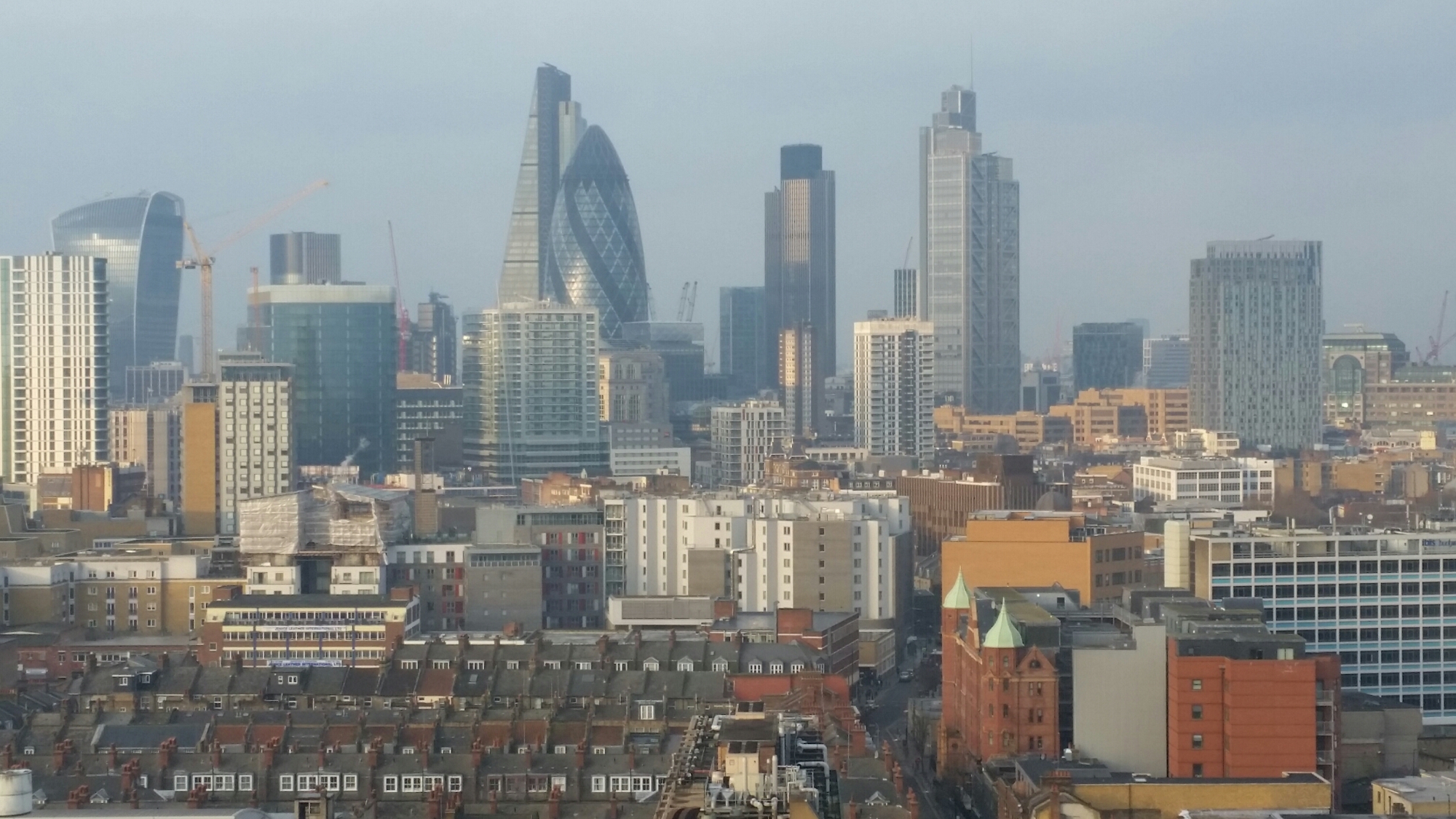
I have realised that it was fatal to do a post about the London Hospital without explaining what I was doing there.   The short answer is that Romilly went into hospital last Wednesday with a small blood clot and is still there under observation.   I am really grateful to the well wishers from around the globe.

For two days, we were able to enjoy the view:-

image

It certainly makes a change from the old London Hospital which is due to be developed as the new Town Hall:-

image Continue reading

Standard

Victoria Cottages

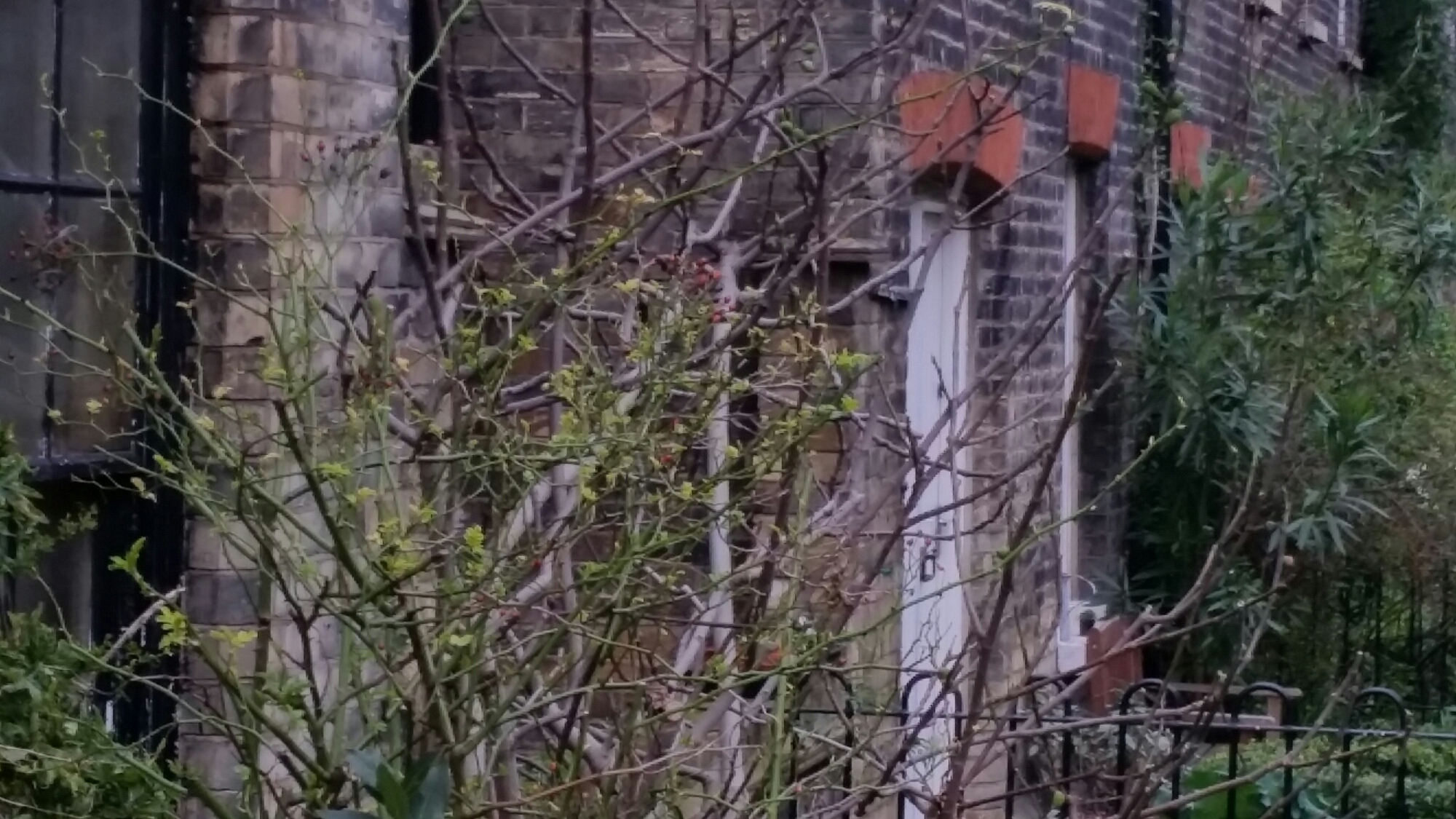
I’ve often passed, but never investigated, the little run of Victorian cottages off Deal Street.   They were designed in 1864 for the Metropolitan Association for Improving the Dwellings of the Industrious Classes (founded 1842) and are a relic of the low-rise, more domestic east end, community-oriented and pre-war, as documented by Young and Willmott in their very influential 1957 study of Family and Kinship in East London:-

image

image Continue reading

Standard

St. Anne’s, Underwood Road

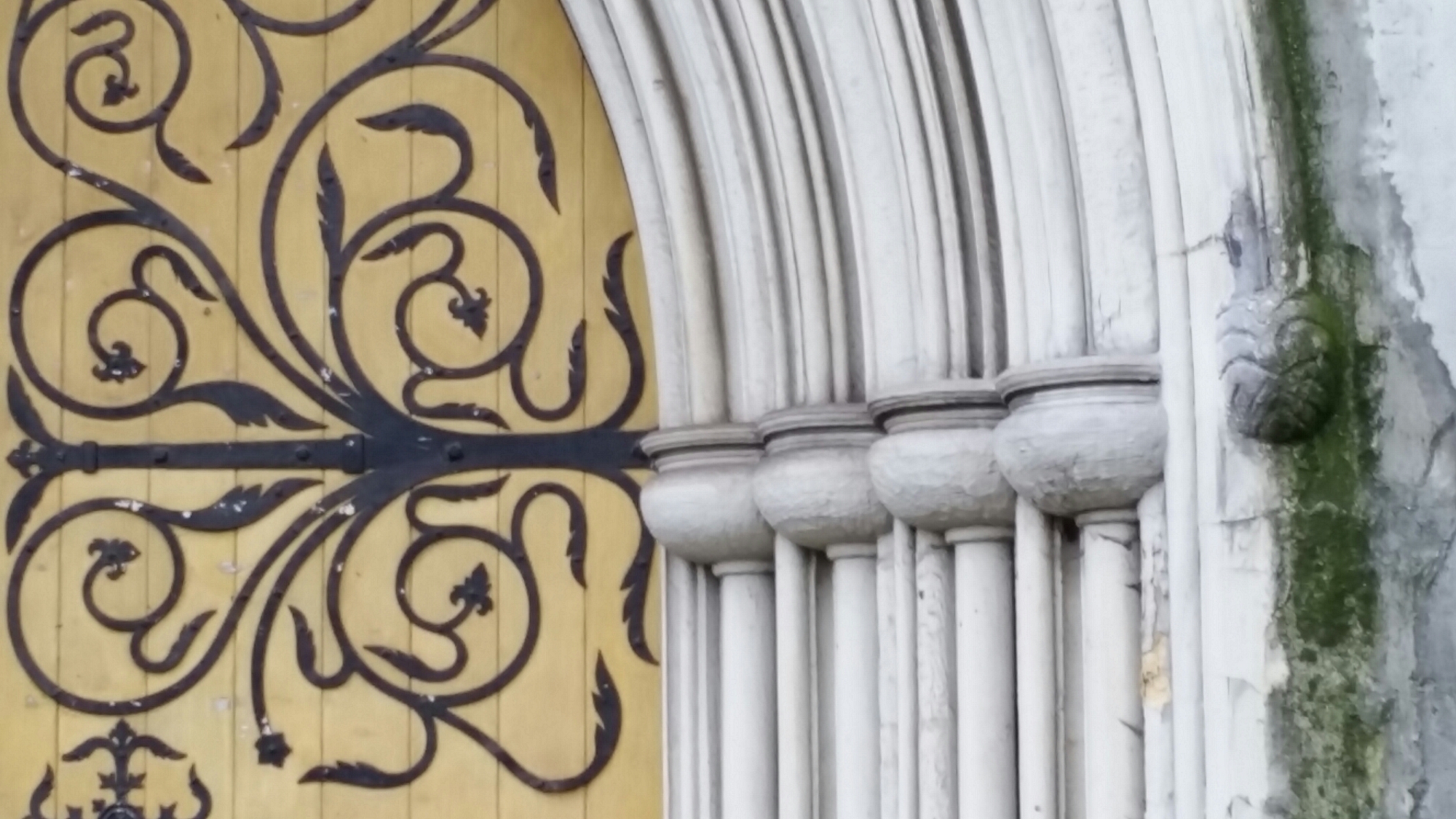
The east end is full of surprises.   This is the Roman Catholic church of St. Anne’s, designed in the 1850s by Gilbert Blount, a pupil of Pugin, to bring catholicism to the Irish poor who had moved to east London as labourers after the potato famine.   The church and adjacent Presbytery, both built in Kentish ragstone, were in the heart of what was Mile End New Town and are now lost amidst an area of flatlands created by urban clearance and bombing, next door to Spitalfields urban farm.   This is the front door of the Presbytery:-

image

And this is the door of the church:-

image Continue reading

Standard

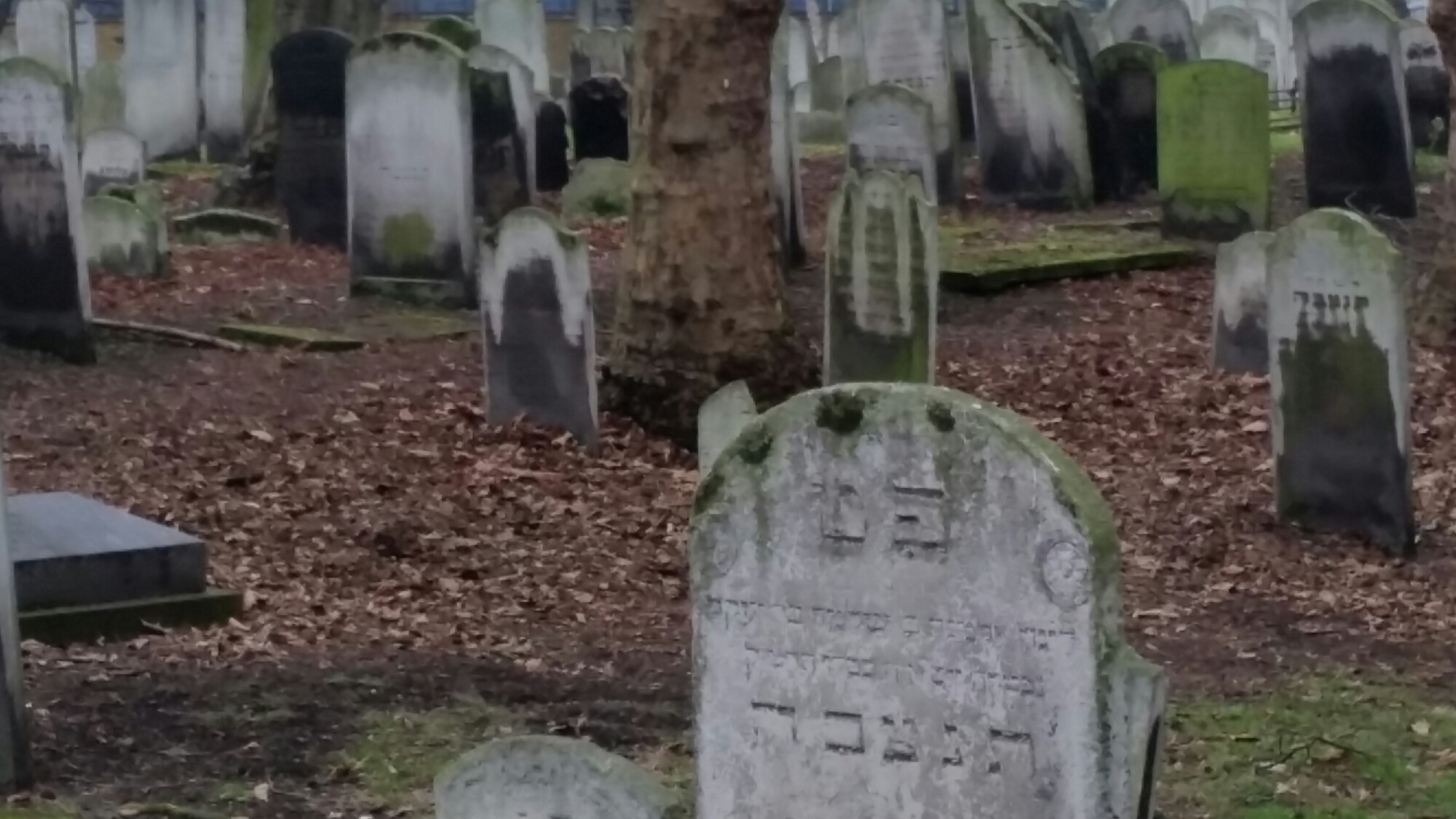
Brady Street Cemetery

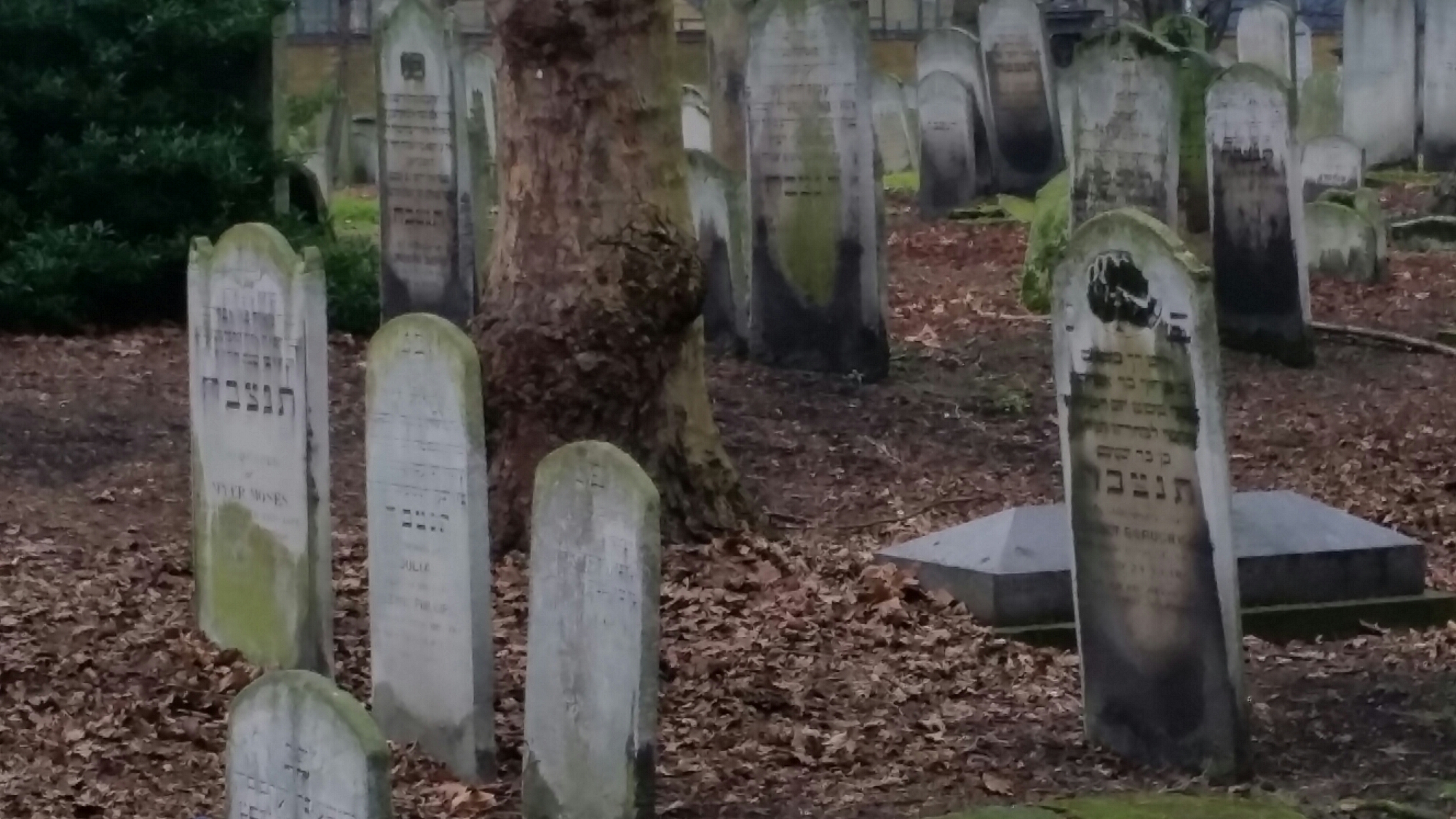
I have been meaning to investigate Brady Street Cemetery, one of the oldest and largest of the East End Jewish cemeteries, opened in May 1761 in what was then called Ducking Pond Lane and now sandwiched between Sainsbury’s and the railway tracks, an inaccessible piece of empty woodland not much more than a long stone’s throw from the City.   It was due to be redeveloped in the 1980s until Victor Rothschild, the bibliophile and founder of Heath’s think tank, was buried next door to his ancestors, Nathan and Hannah.   One is not allowed in:-

image

image Continue reading

Standard

Burlington Fine Arts Club

I’ve been doing a bit of reading about the Burlington Fine Arts Club, which I vaguely knew about, but is not well documented.   The answer is that it was indeed, as it sounds, a gentleman’s club, equivalent to the Arts Club, but for those who were more interested in Old Master painting.   Established in 1866, it grew out of a Fine Arts Club, a group of fine art enthusiasts who met regularly at Marlborough House under the auspices of John Charles Robinson.   For its first three years it occupied three floors of 177, Piccadilly and then moved to 17, Savile Row, where it held annual small-scale and scholarly exhibitions on subjects including Japanese porcelain and German woodcuts and, in 1876, the first scholarly study of the work of William Blake (as well as a centenary exhibition in 1927).   It survived until the outbreak of the second world war and was dissolved in 1952, its assets donated to the National Art-Collections Fund.

Standard

Dalston

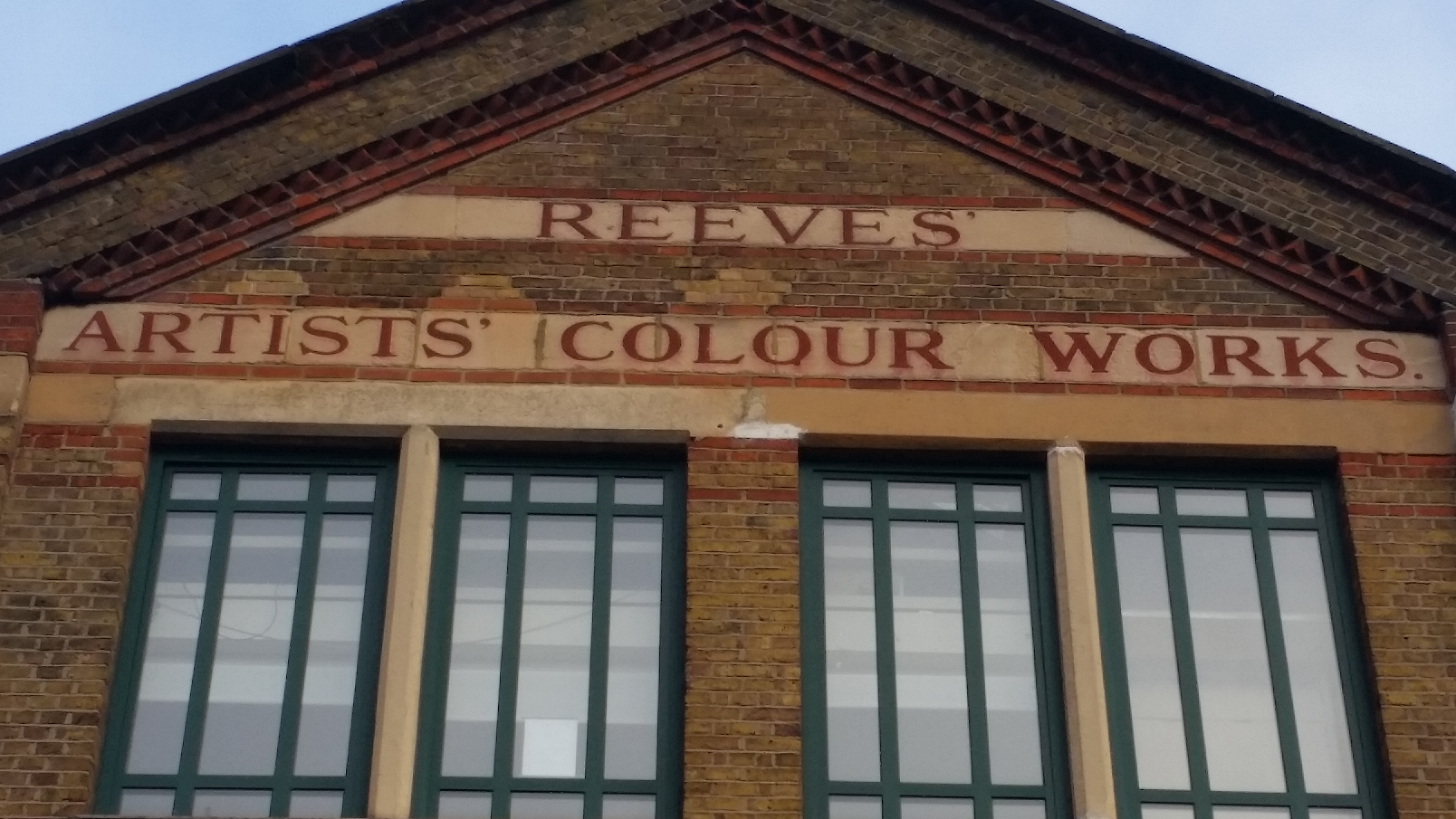
In the intervals of hospital visiting, I thought I would go on an expedition to Dalston.   As I emerged from the station, I was pleased to spot the old Reeves’ Colour Works, opened in 1868 when Reeves was expanding its exports into South America and developing cheap paints for use in schools:-

image

image Continue reading

Standard

St. George’s German Lutheran Church

I was wandering past the front door of the old-established Lutheran church on Alie Street and luckily realised that there might be someone able to let me in.   It’s an extraordinarily pure survival of the German community in eighteenth-century London, who came in search of work (they ran the local sugarhouses) or service at the Hanoverian court.   The church was consecrated on 19 May 1763.   It cost £1,802 10s 6d, most of which was provided by Dederich Beckmann, a local sugar refiner and father-in-law of the first pastor.   The builder was Joel Johnson who had a workshop nearby, had been involved in the construction of the London Hospital, and is said to have been the architect of the church of St. John in Wapping:-

image

image Continue reading

Standard