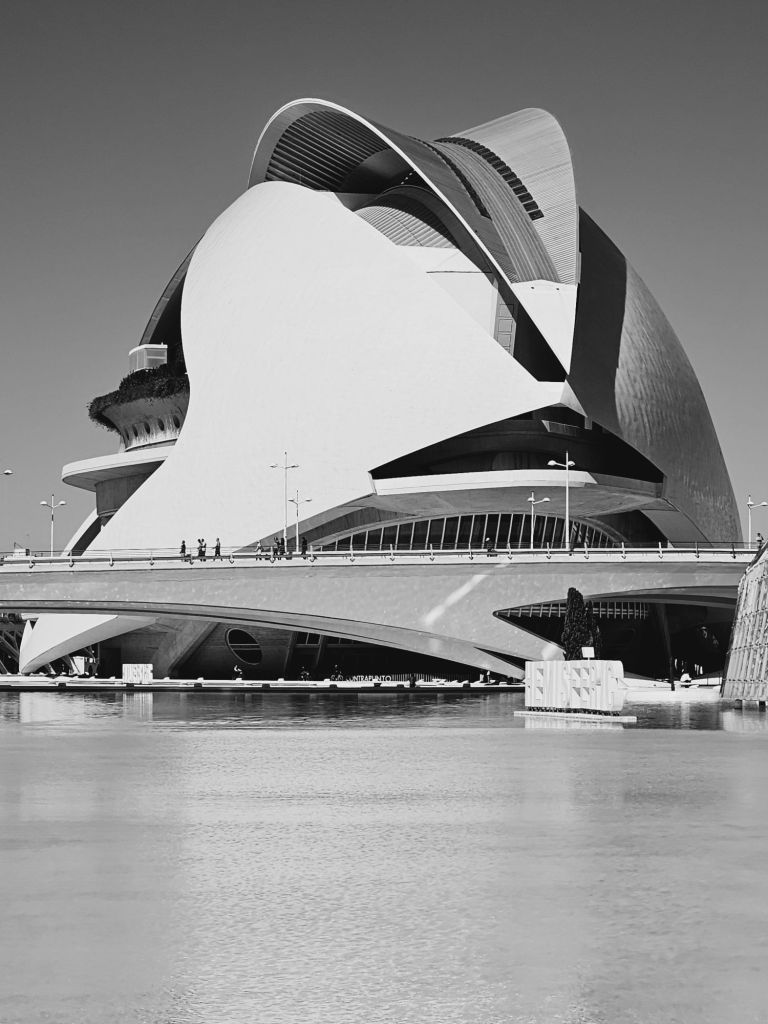
I wasn’t sure what to make of Santiago Calatrava’s massive projects for the City of Arts and Sciences. Undeniably impressive. And popular. They have put Valencia on the map.
The opera house:-
And the Science Museum:-
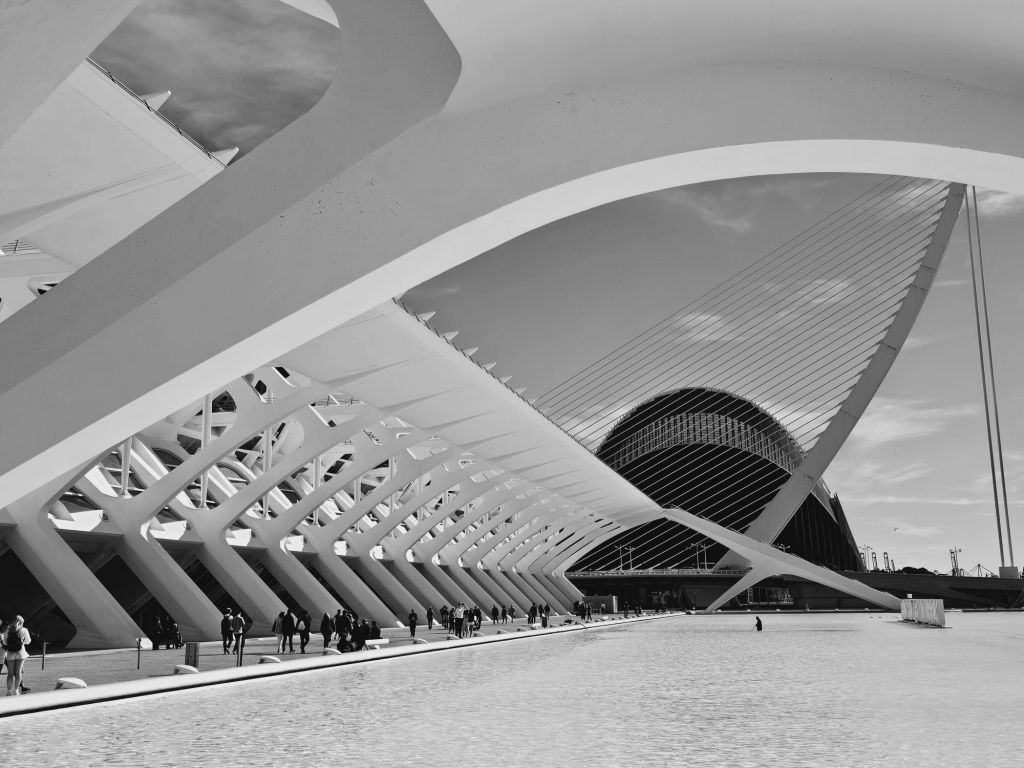
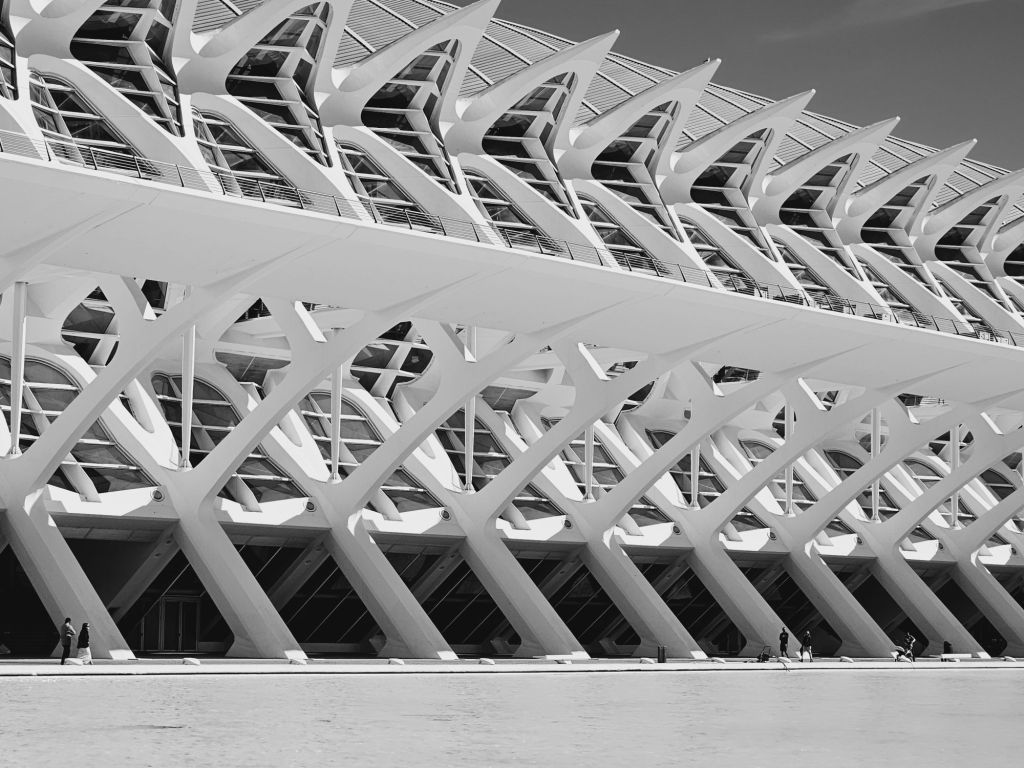
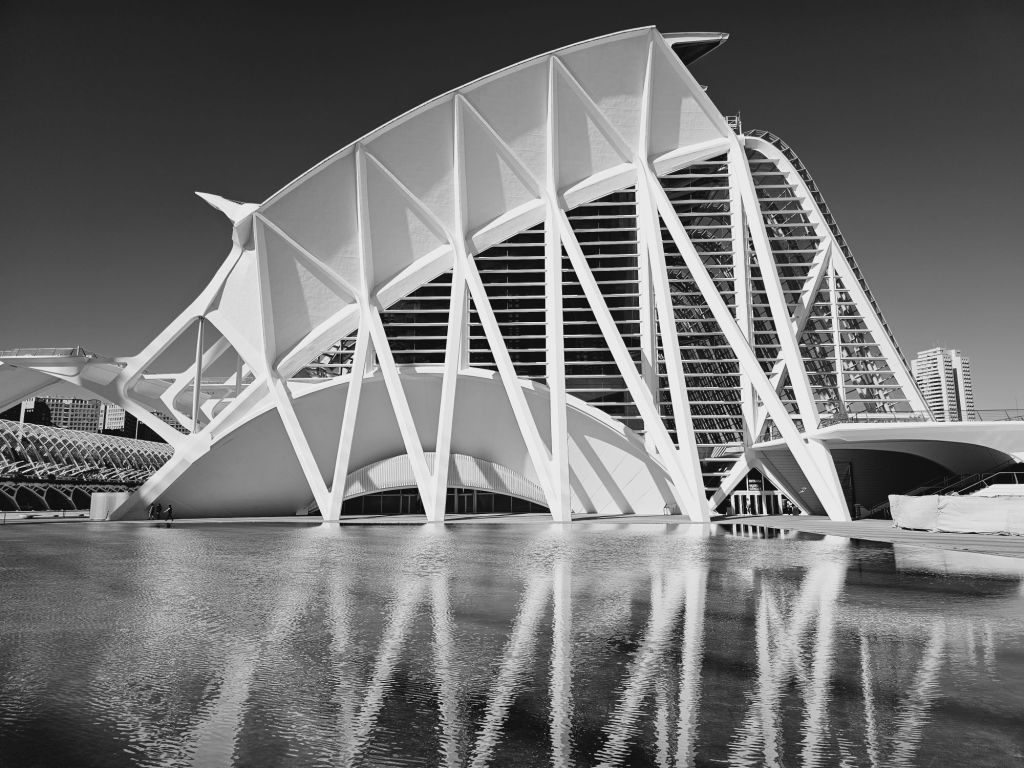
I wasn’t sure what to make of Santiago Calatrava’s massive projects for the City of Arts and Sciences. Undeniably impressive. And popular. They have put Valencia on the map.
The opera house:-
And the Science Museum:-
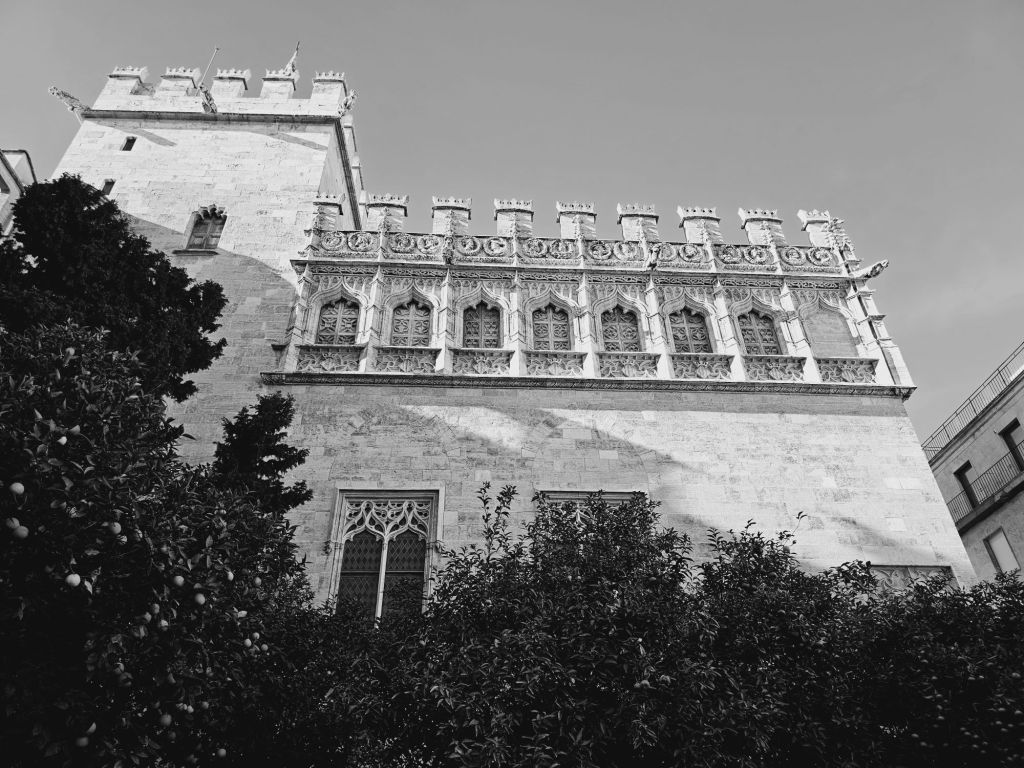
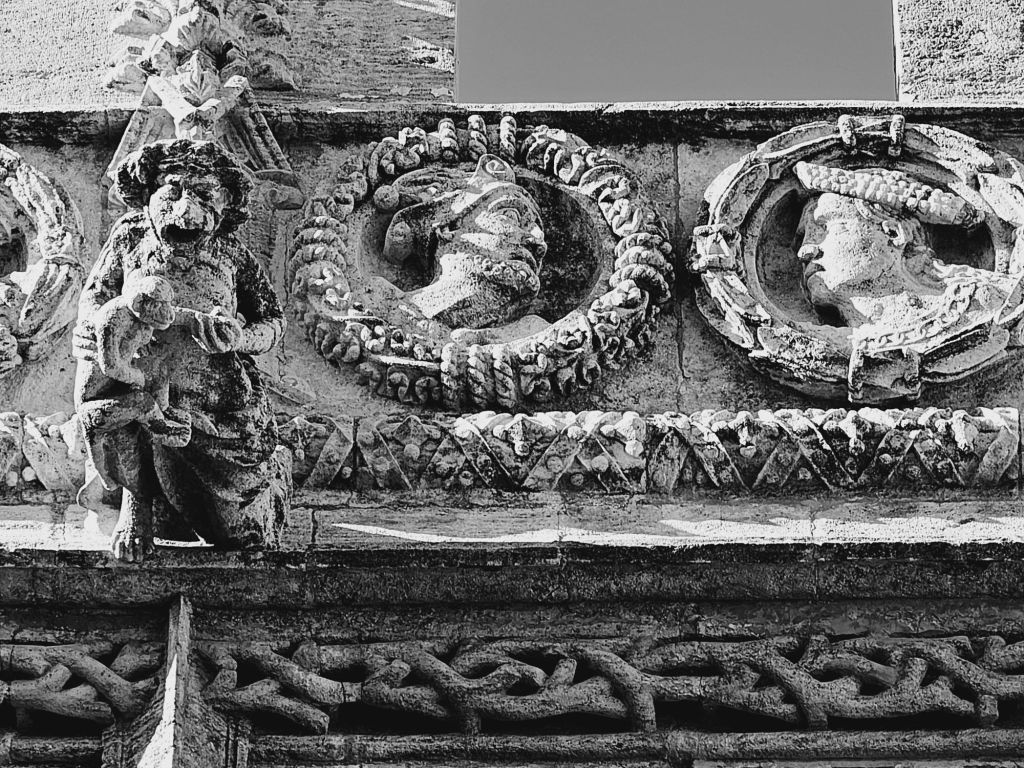
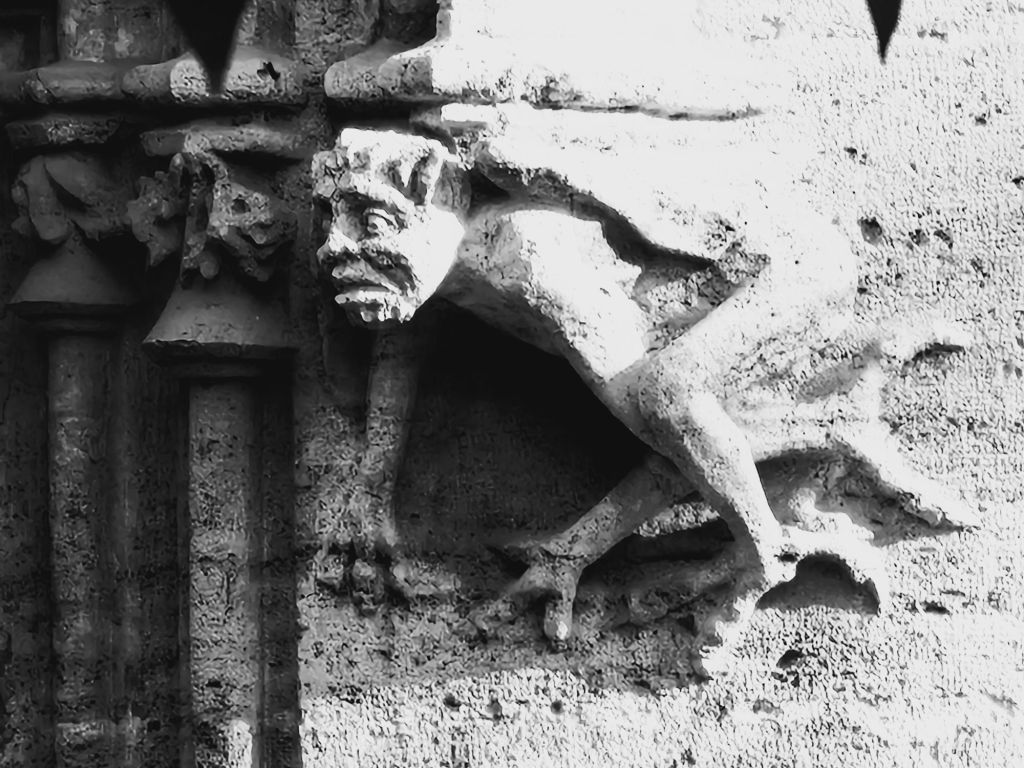
We saw La Lonja, the late medieval hall for the trade in silk.
This is the internal courtyard:-
And the great vaulted spaces of the Transactions Hall:-
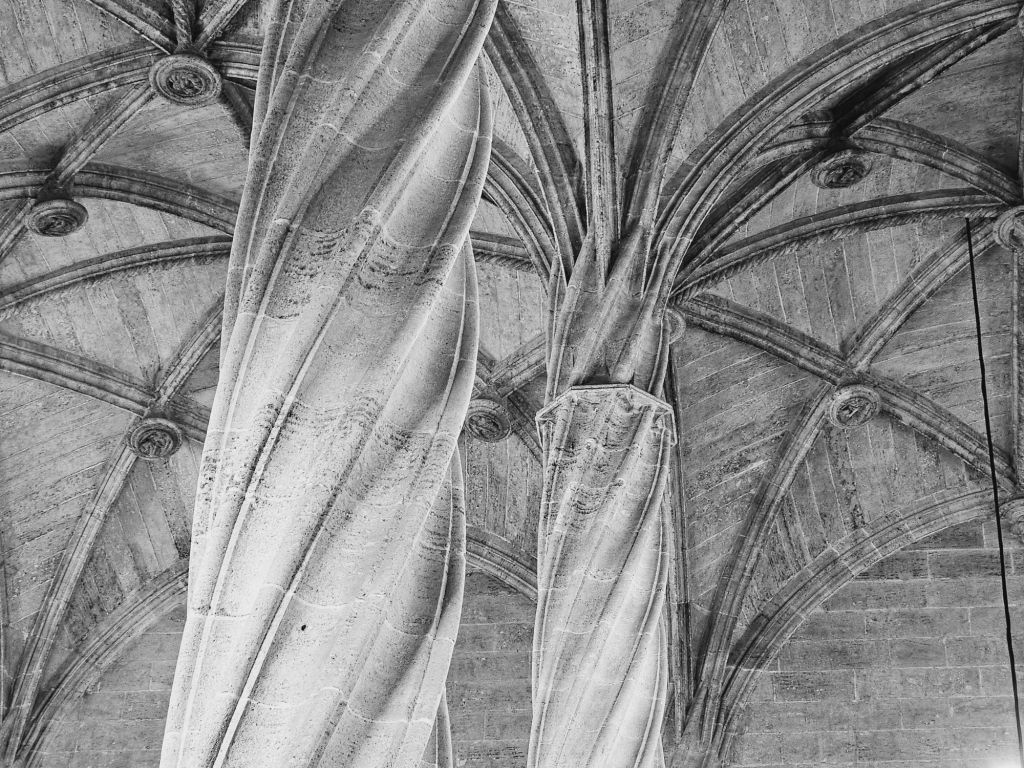
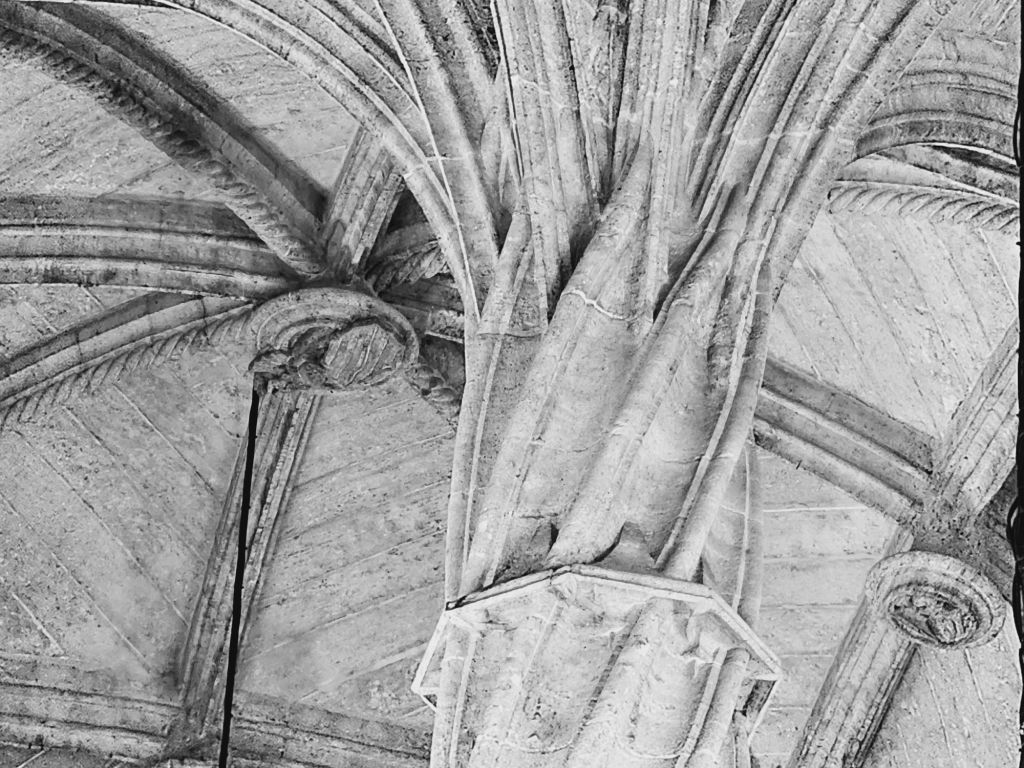
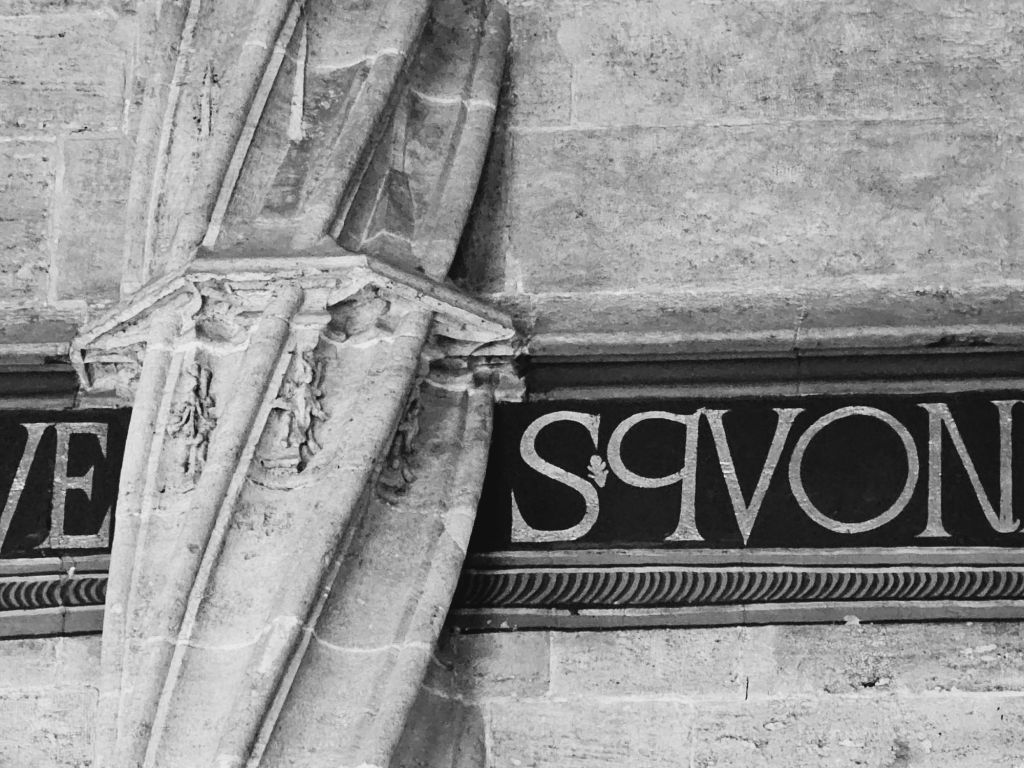
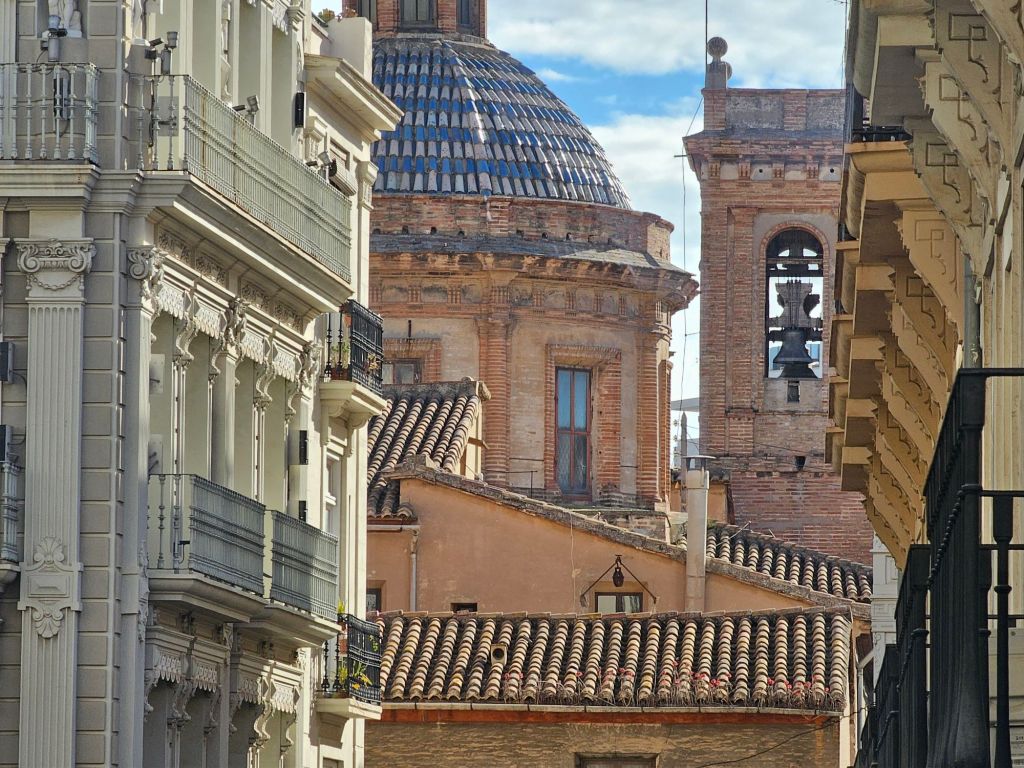
Then to the church of St. Nicholas of Bari and St. Peter Martyr with its opulent, recently restored baroque interior:-
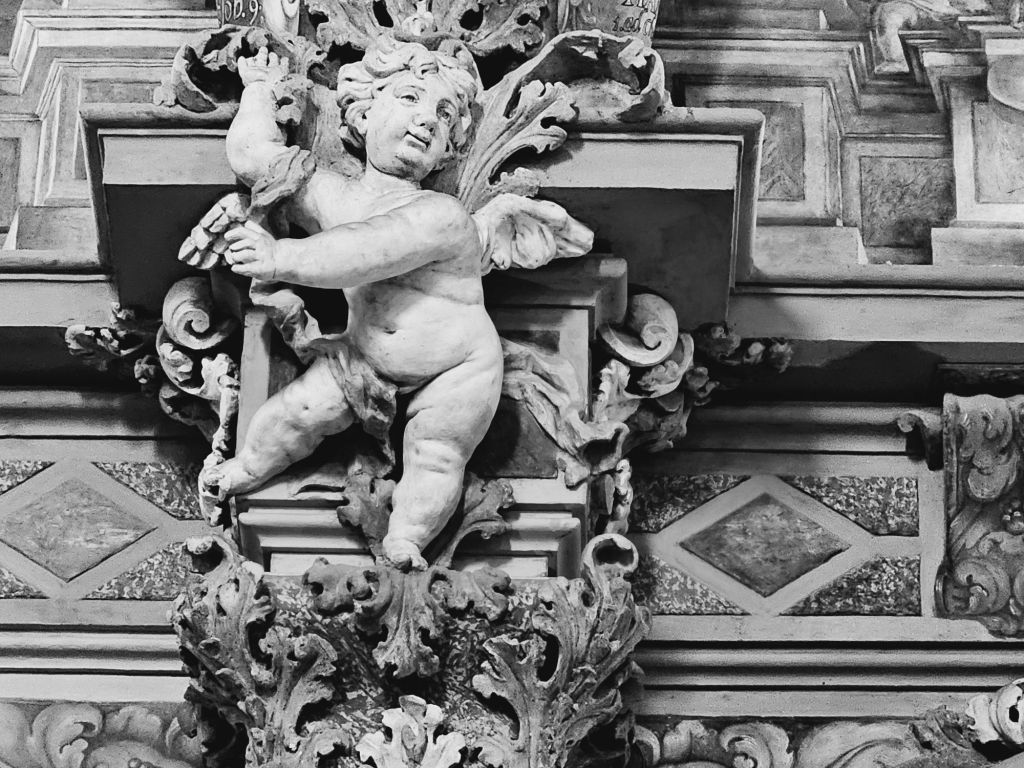
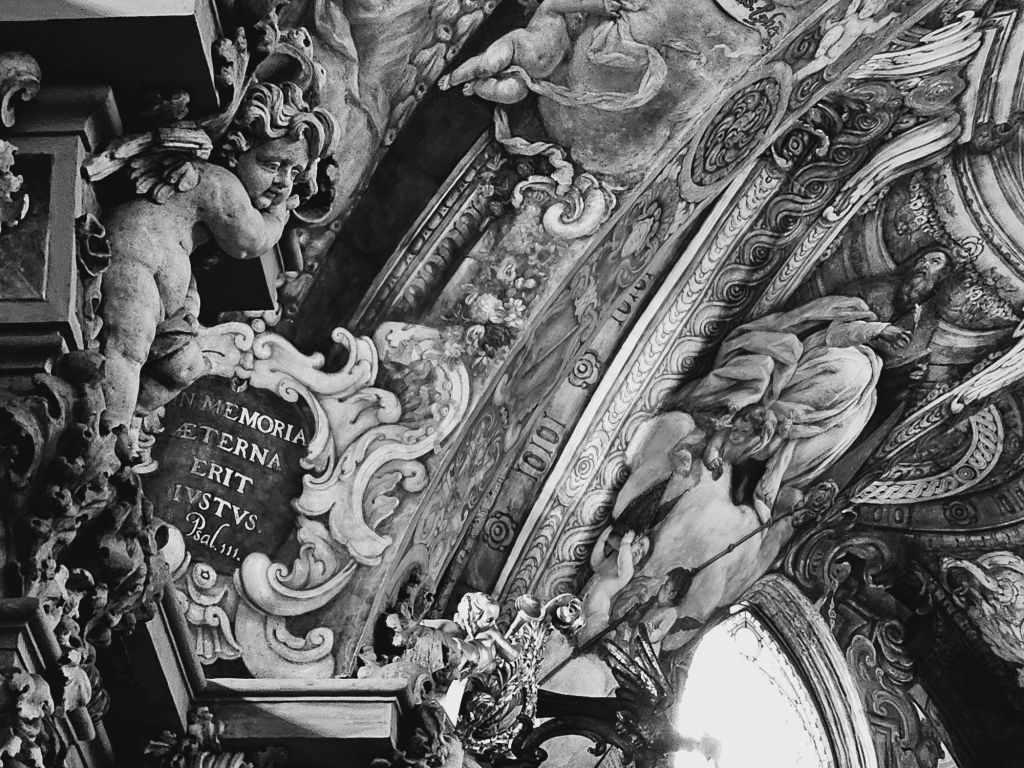
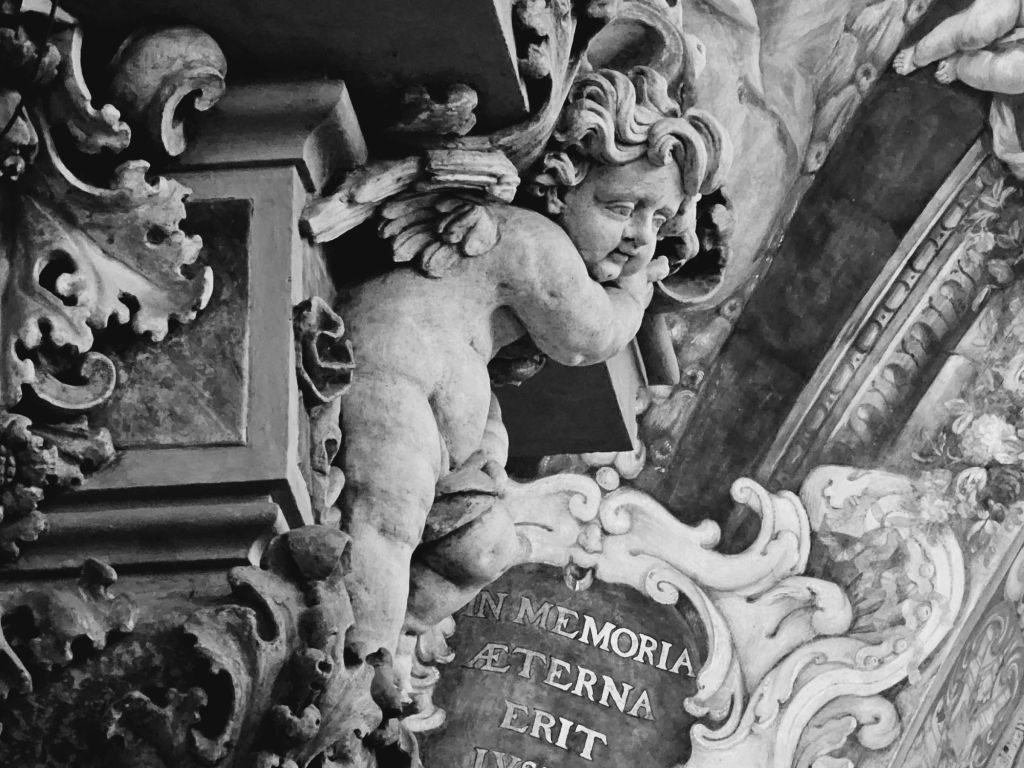
And back by way of the Cathedral:-
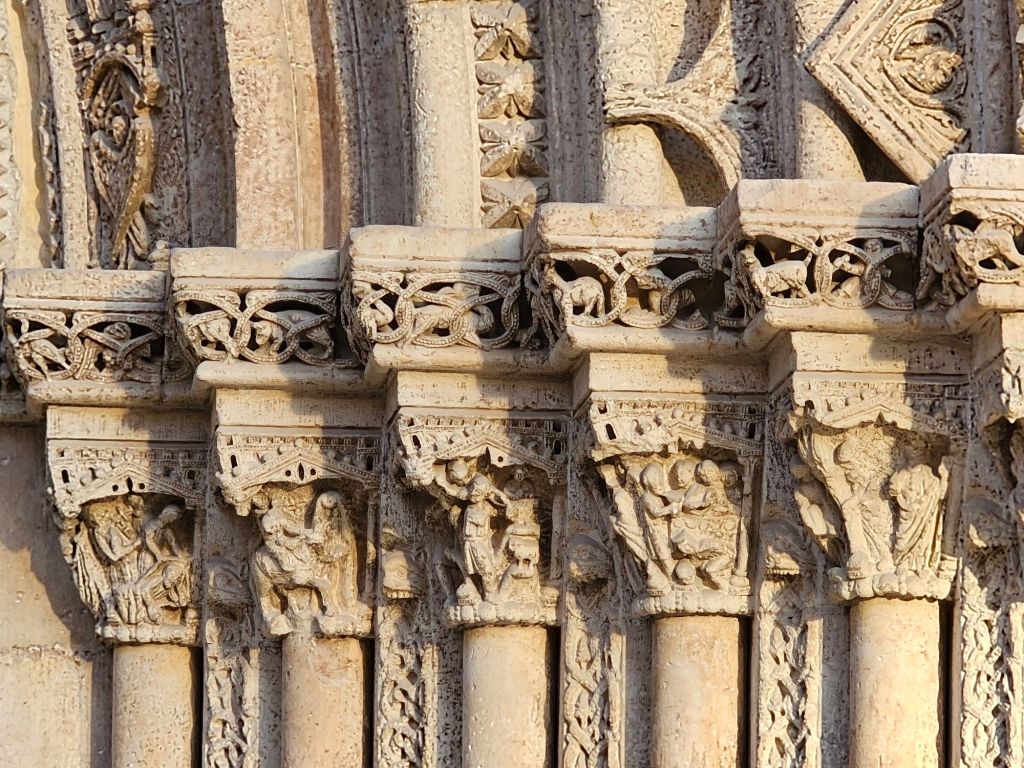
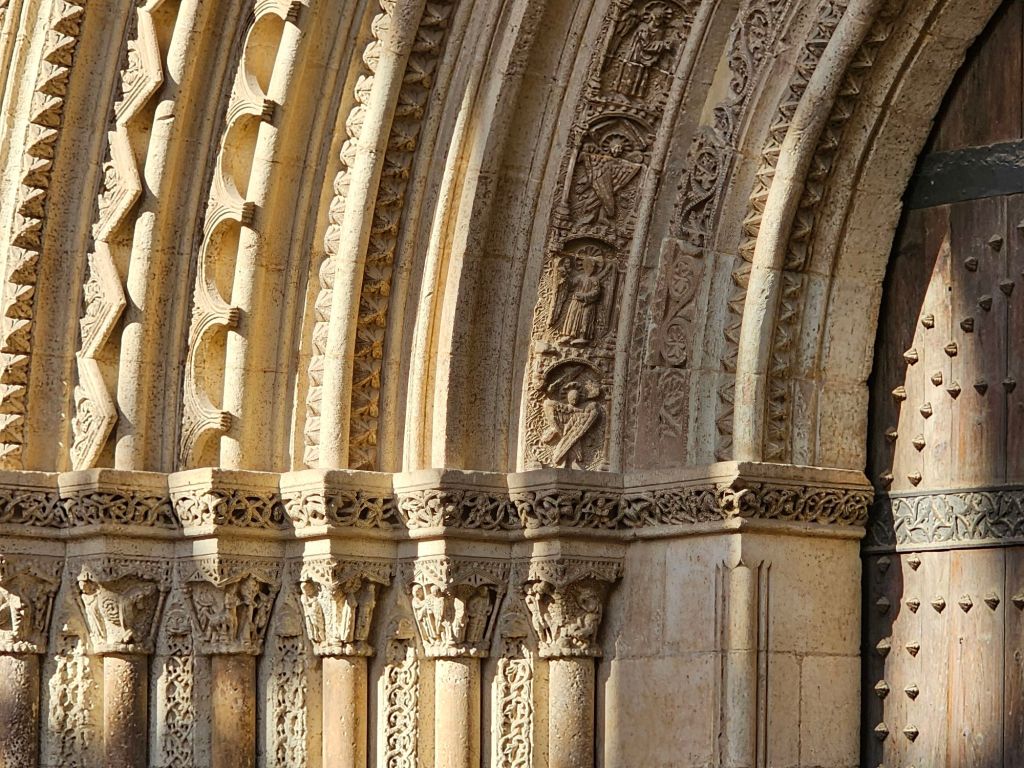
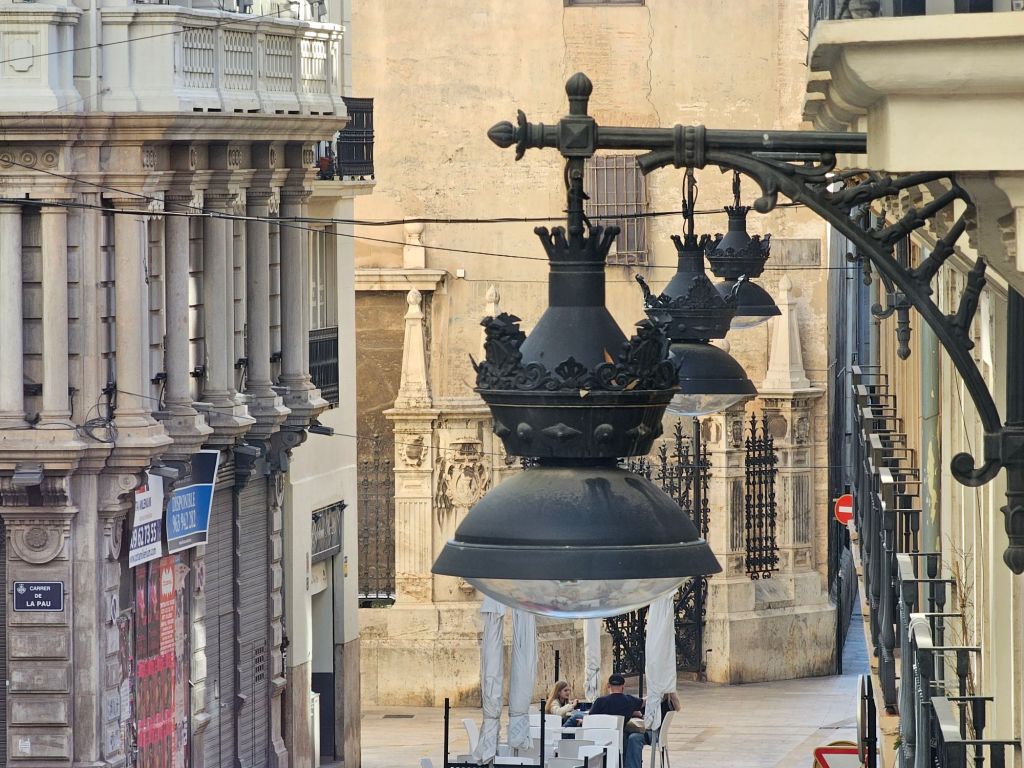
I spent the morning walking the streets of old Valencia:-
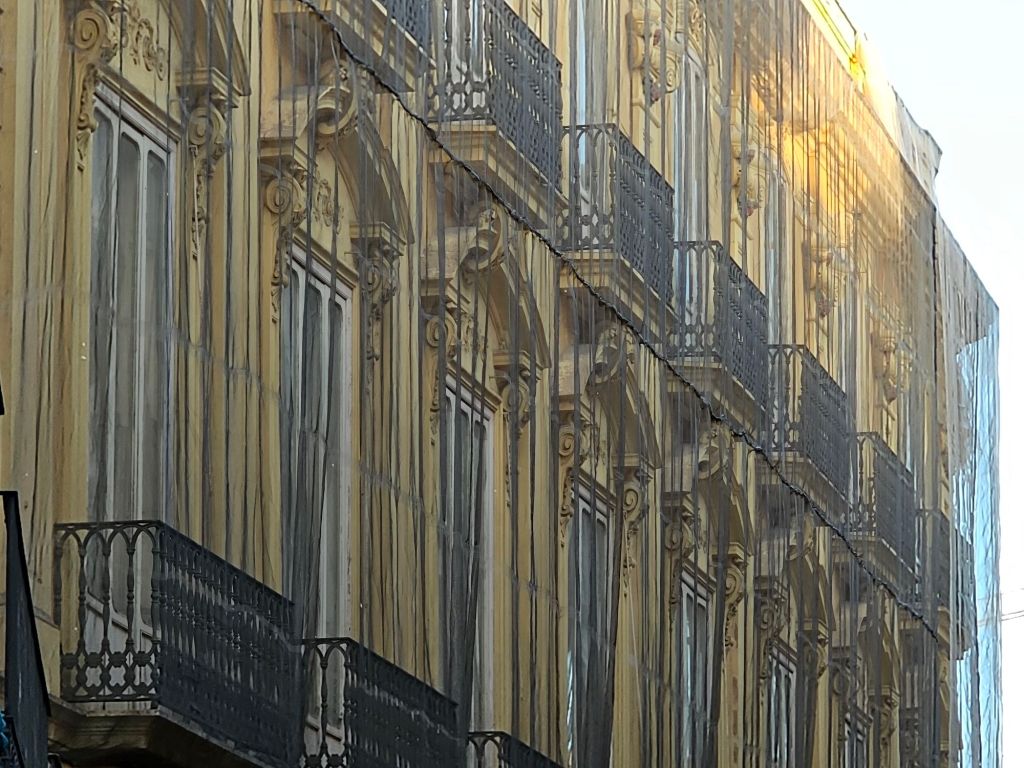
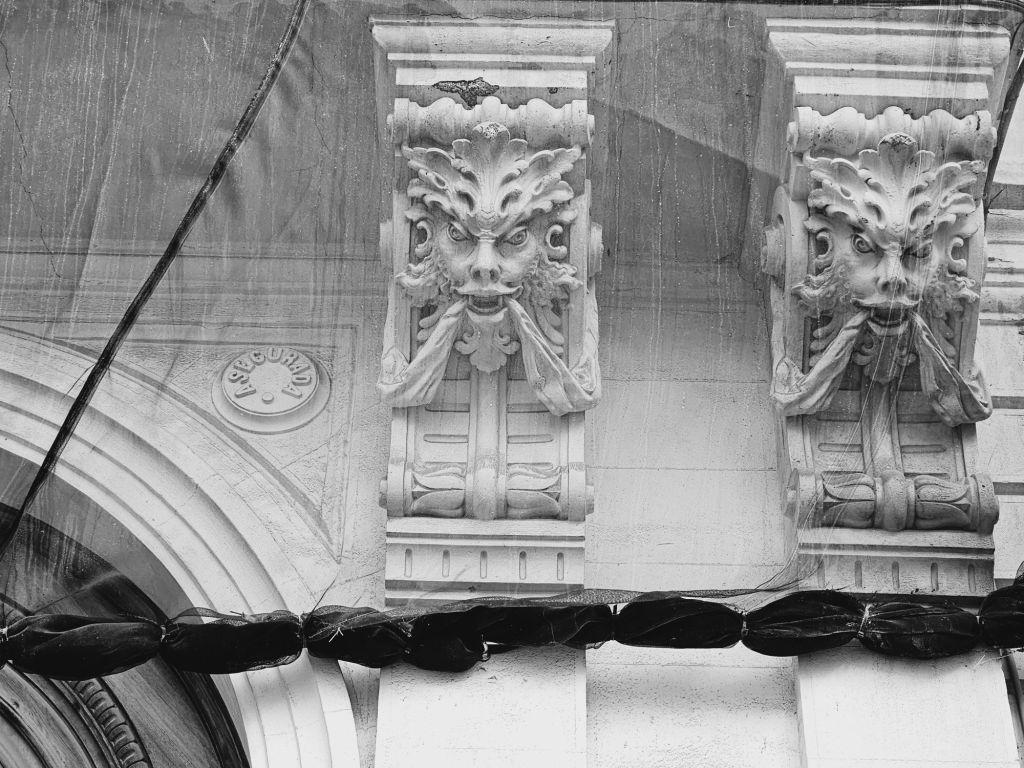
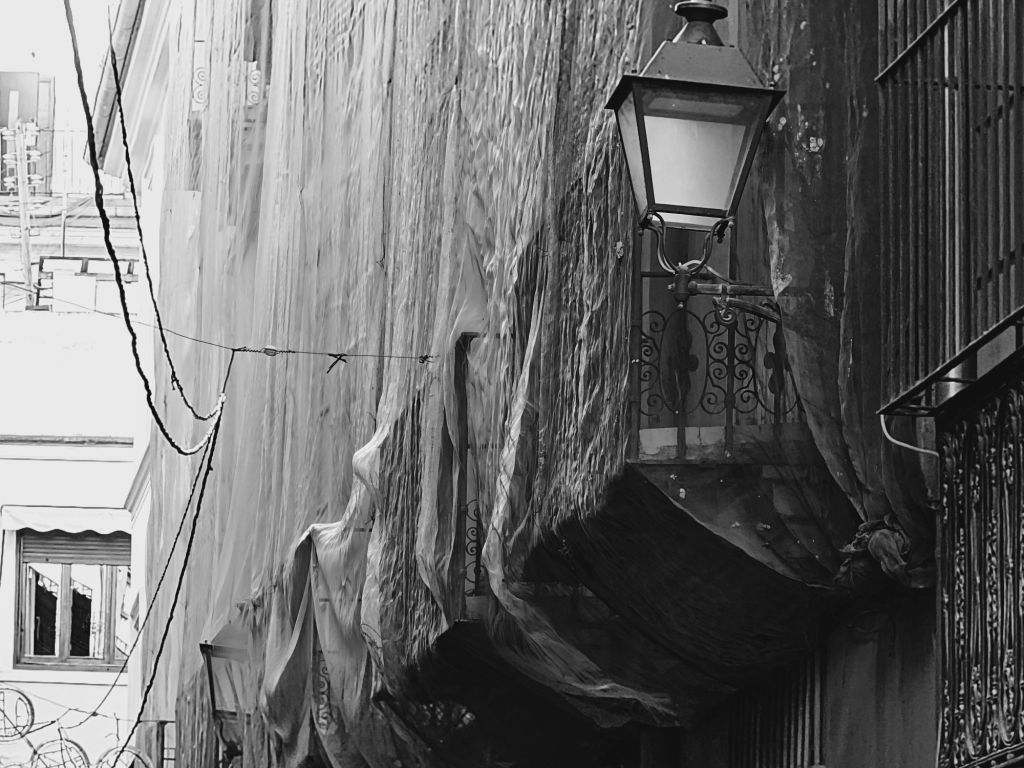
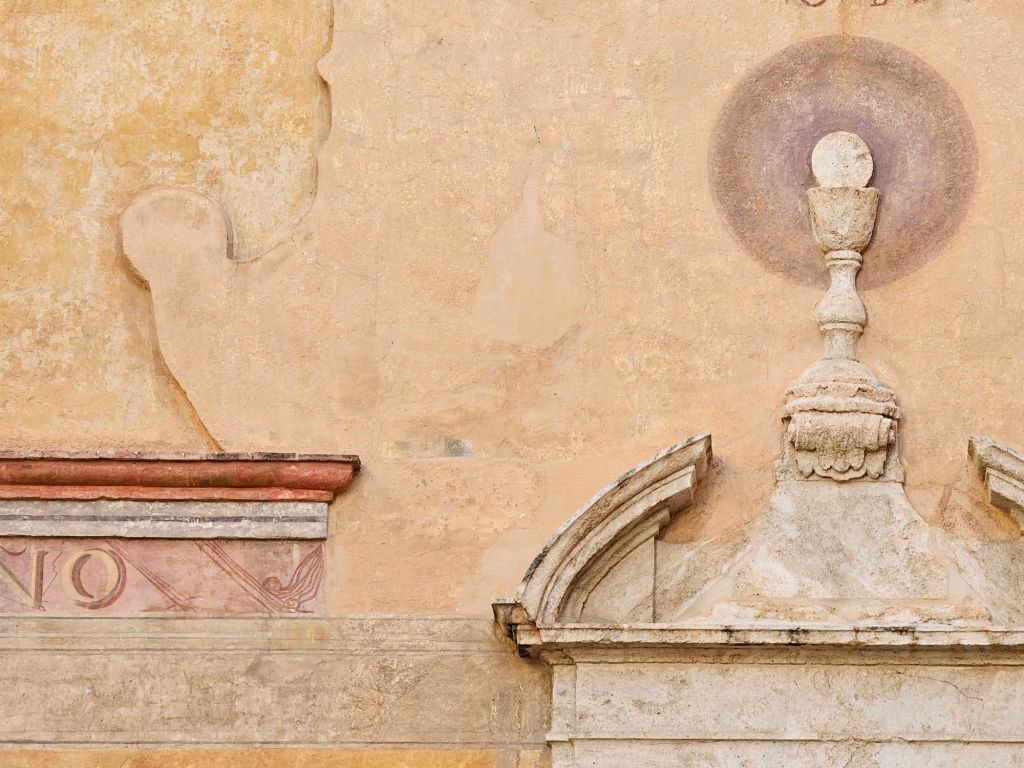
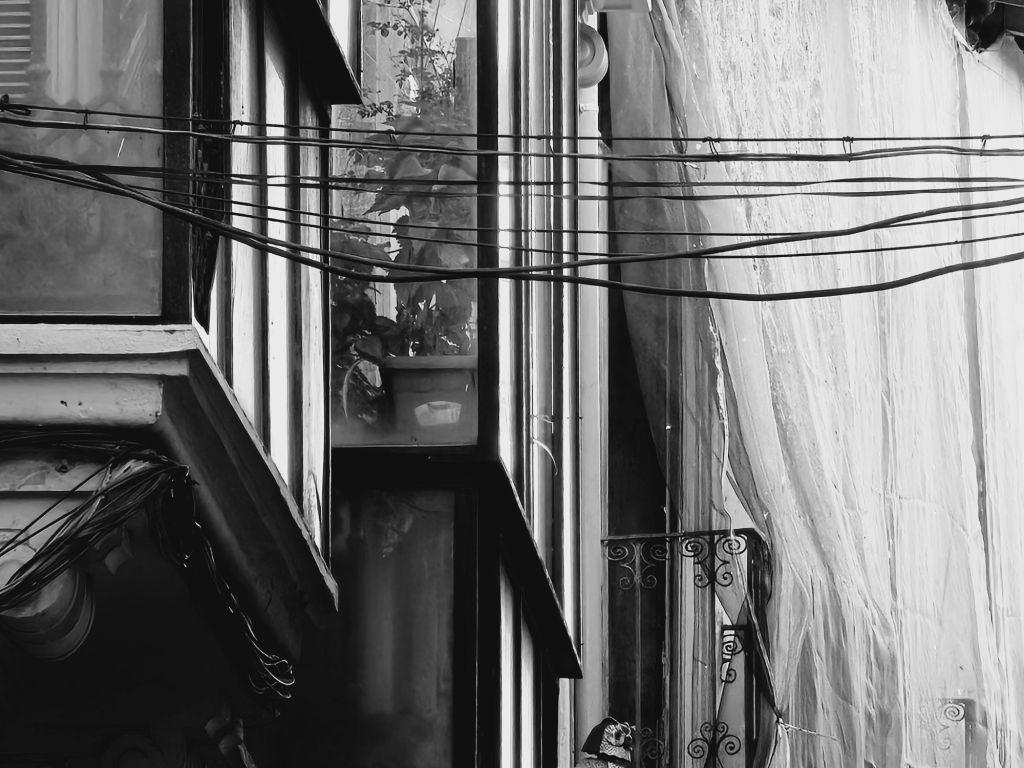
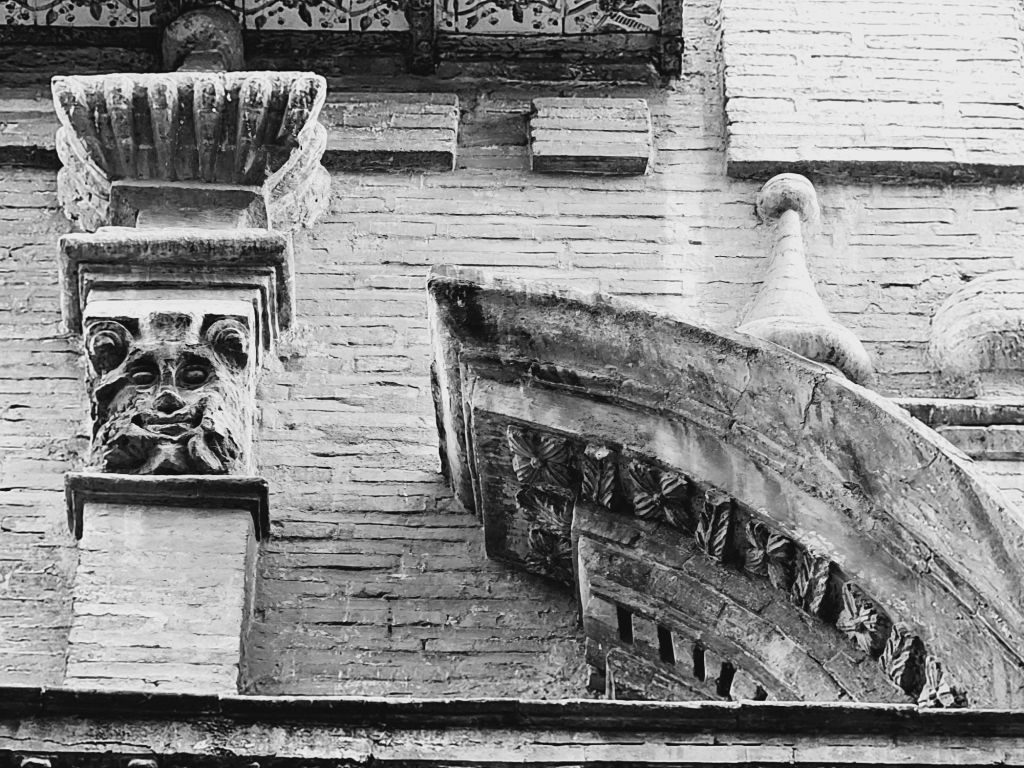
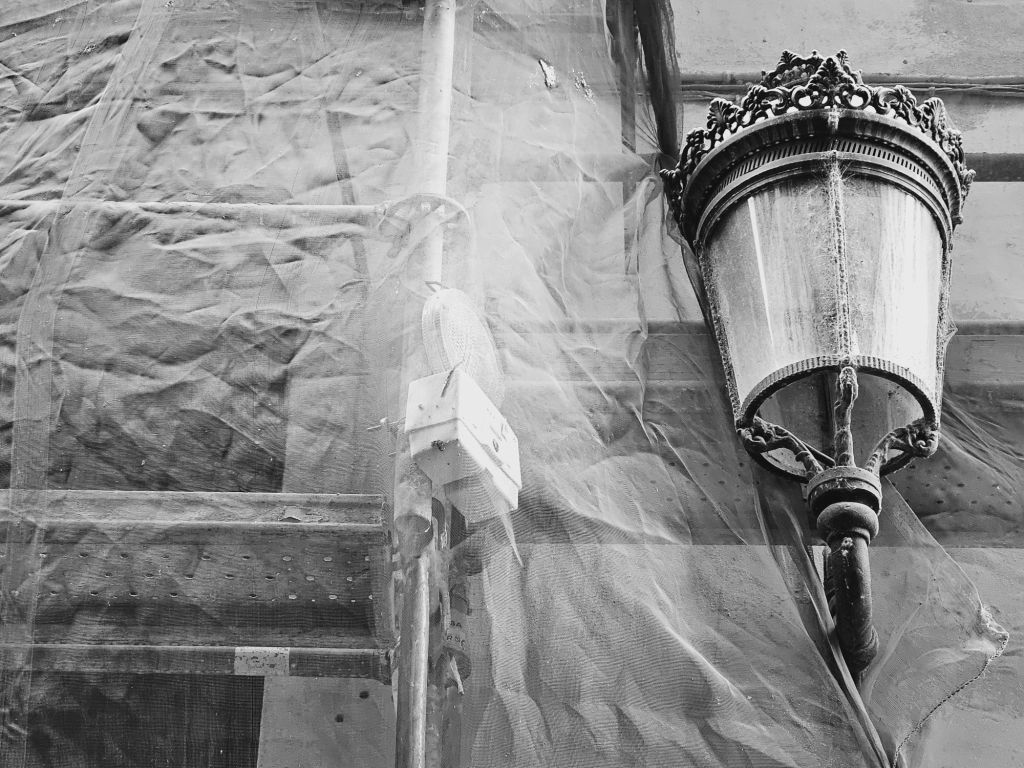
Ending up in the old market for coffee:-
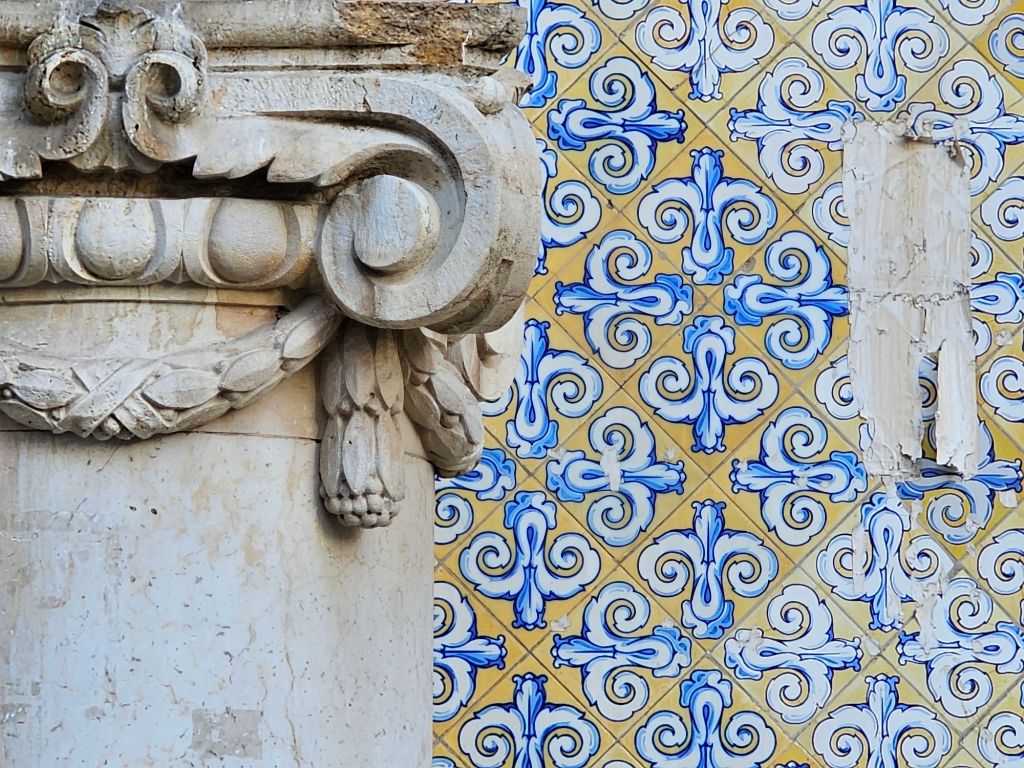
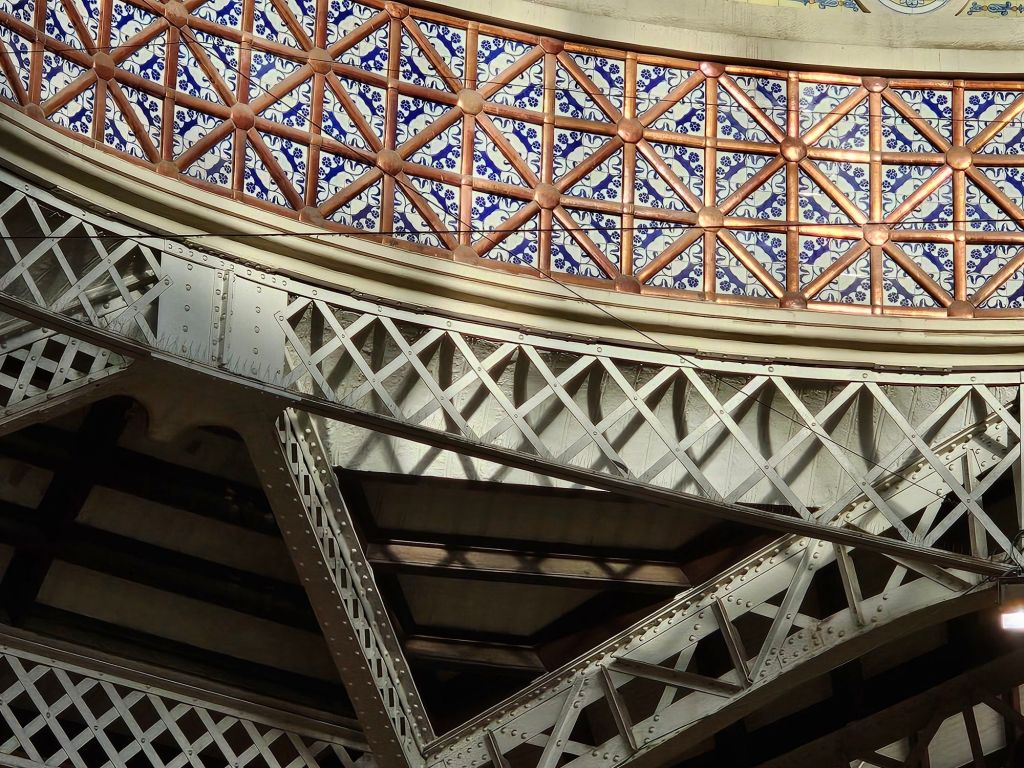
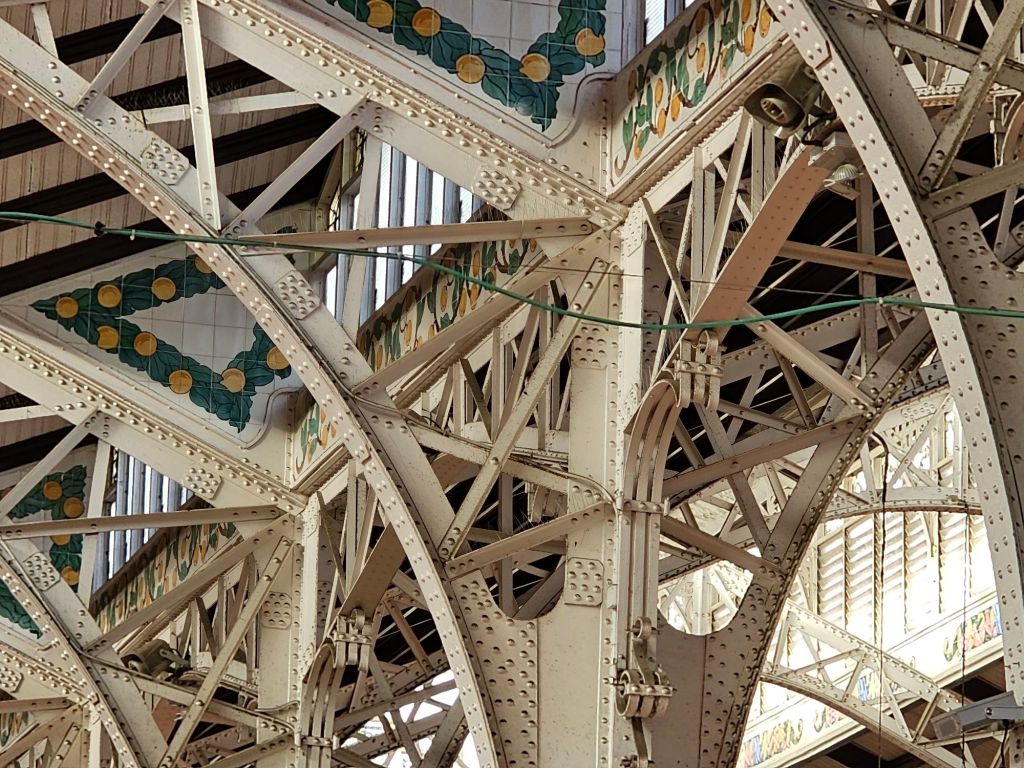
The Centro de Arte Hortensia Herrero opened in November, but I wasn’t able to make it to the opening, so it was a treat to see it today.
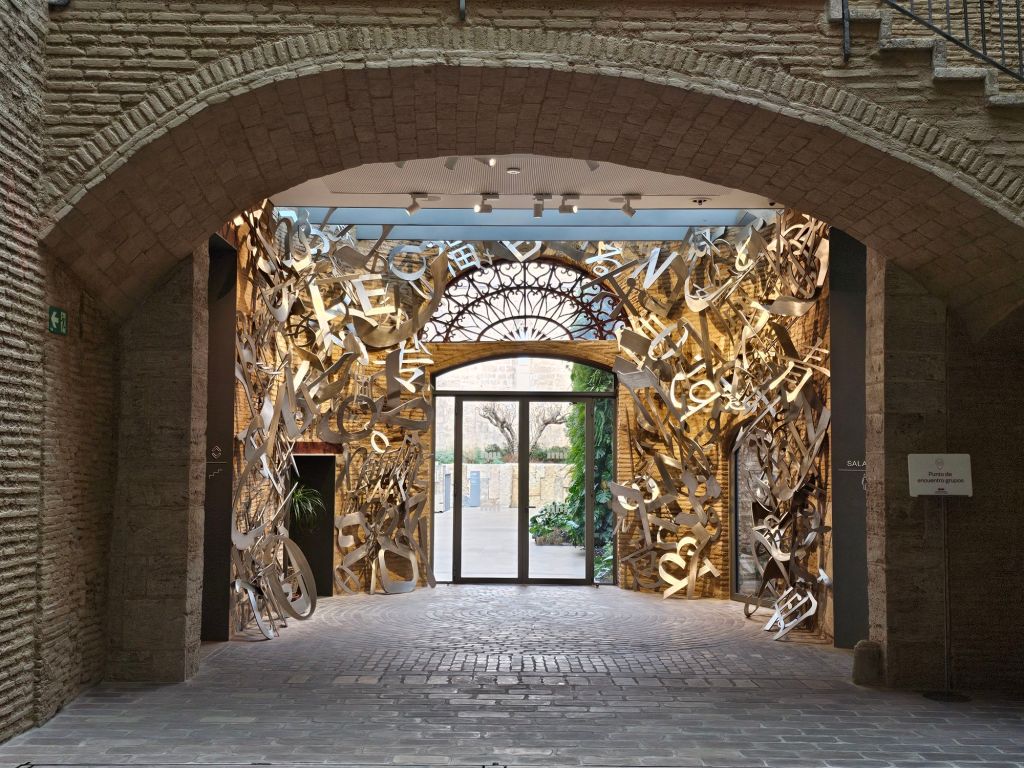
It’s in a restored medieval palace. This is the entrance looking out into an external court with an installation by Jaume Plensa:-
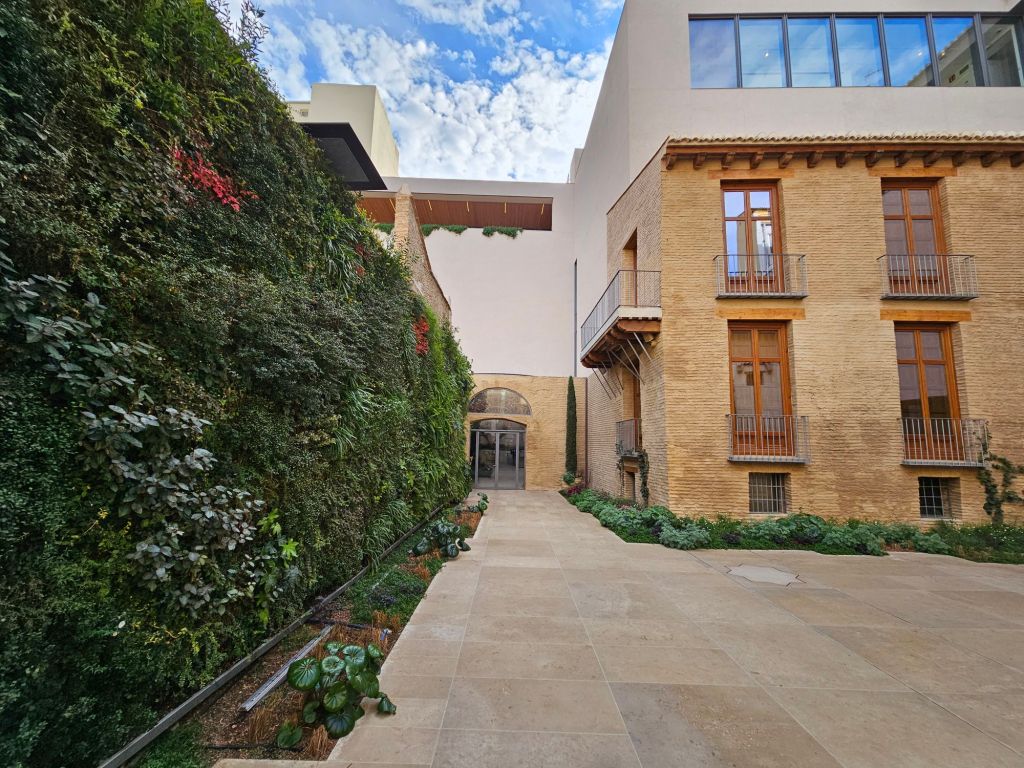
This is the courtyard beyond:-
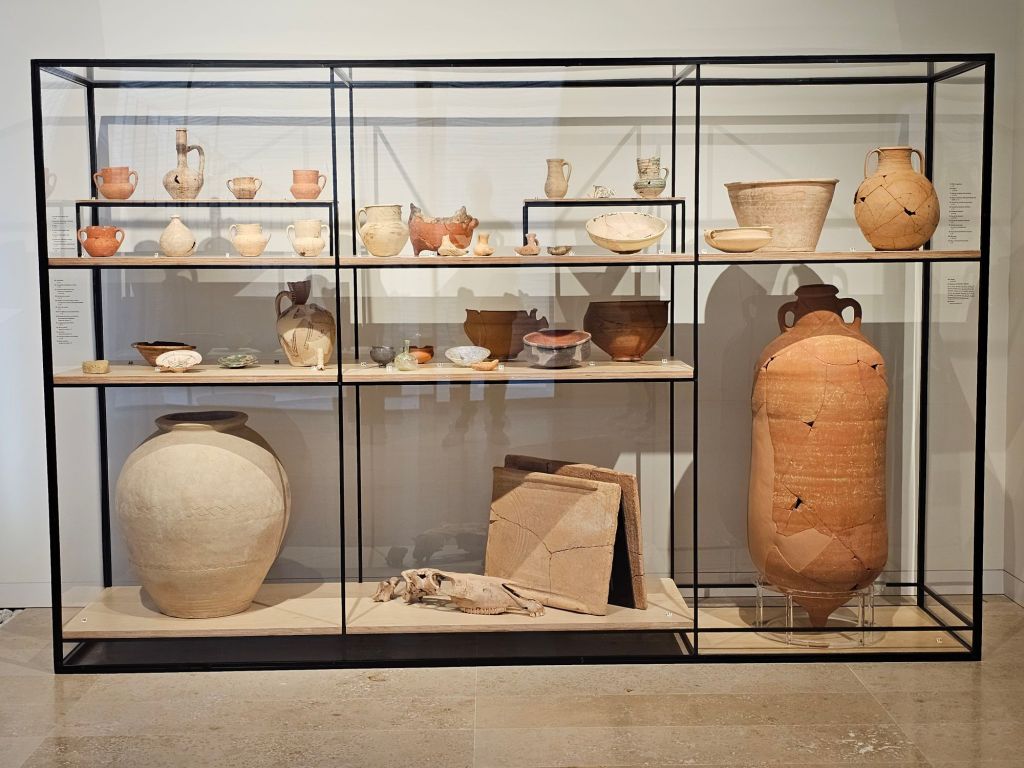
Downstairs is a vitrine of many of the archaeological remains found while excavating on site:-
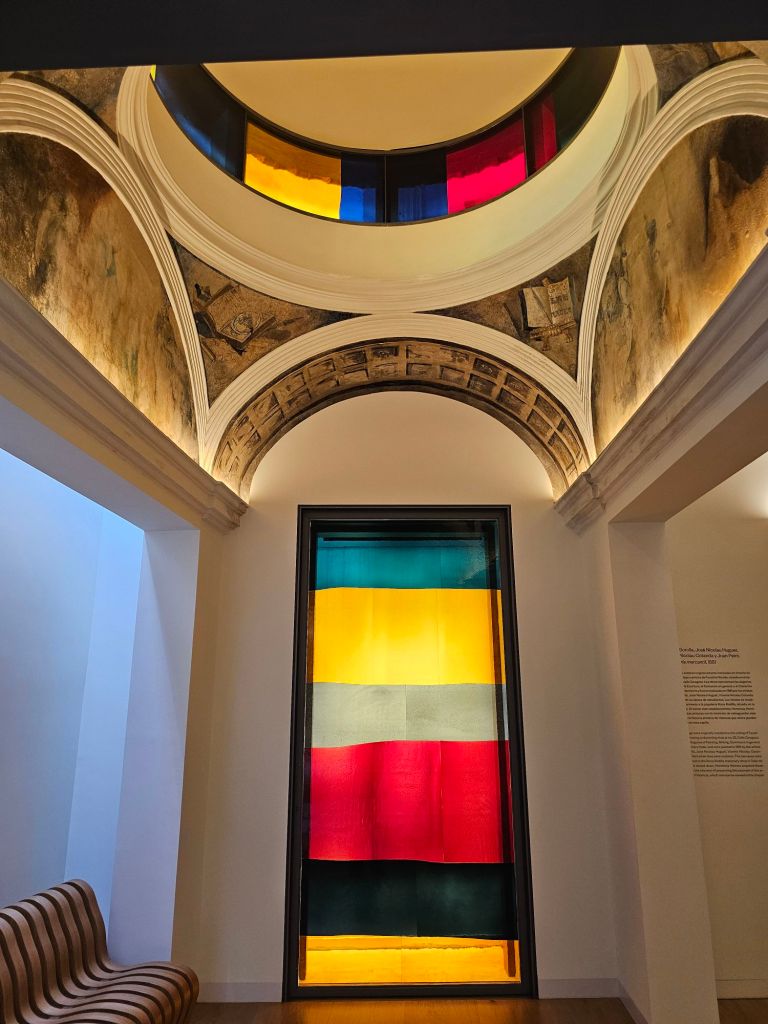
I particularly admired the restoration of the Chapel upstairs, with stained glass windows by Sean Scully:-
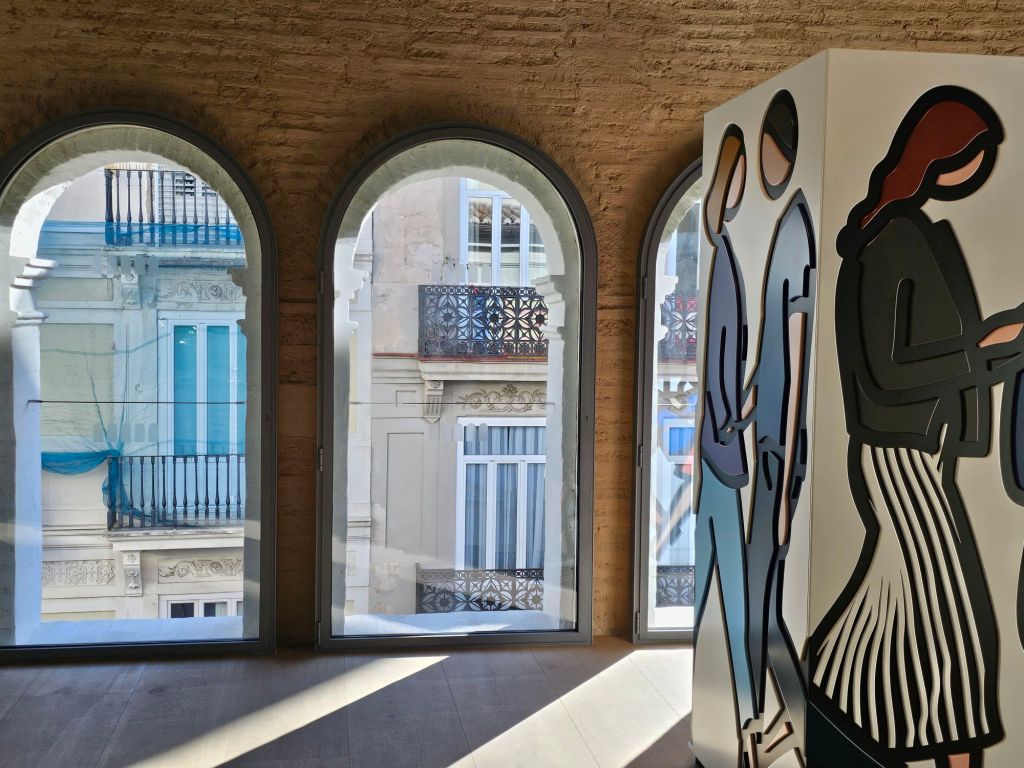
You can look out of the windows to the city beyond:-
I had a faint recollection that I started my blog ten years ago, but didn’t have the appetite to scroll all the way back. But then I realised that my first post was called, not very imaginatively, ‘My first blog post’. Lo and behold, it is dated 19 February 2014. So, it was exactly ten years ago, when the Royal Academy was in the process of launching a new website.
The original idea was that it would be a way of communicating with the Academy’s staff, but it quickly became evident that I would put my foot in it whenever I wrote about the RA, so I started writing about everything else I was doing away from the RA, helped by the fact that I went to China not long afterwards.
I have a suspicion that there may be some readers who signed up ten years ago, in which case, I salute you !
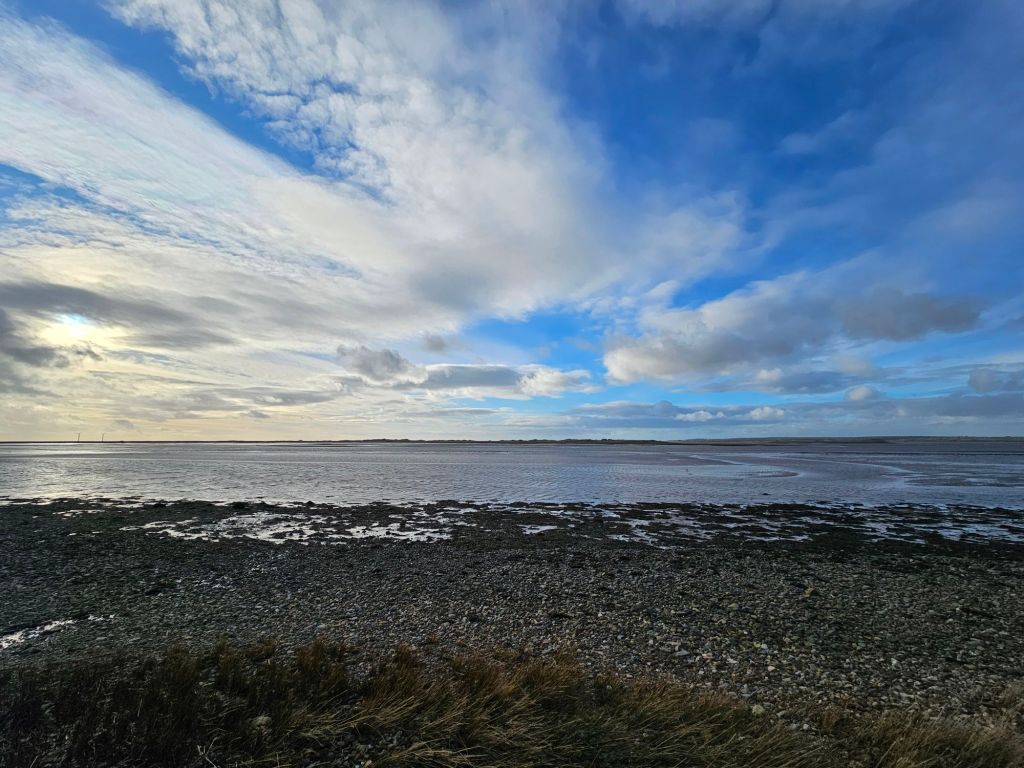
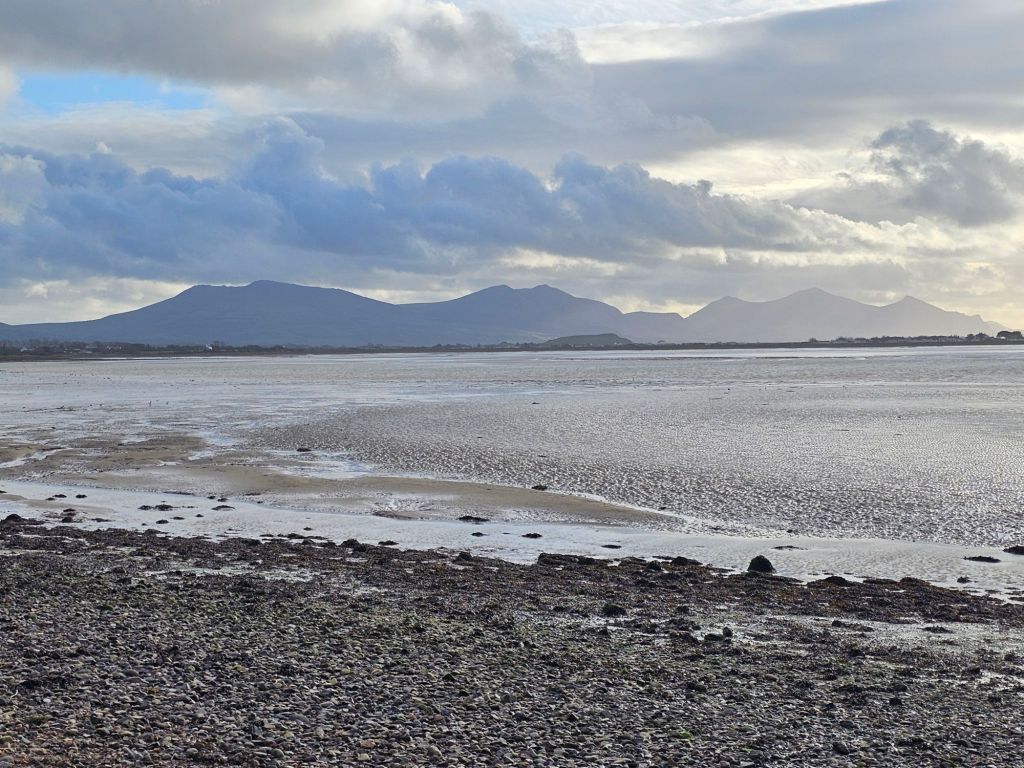
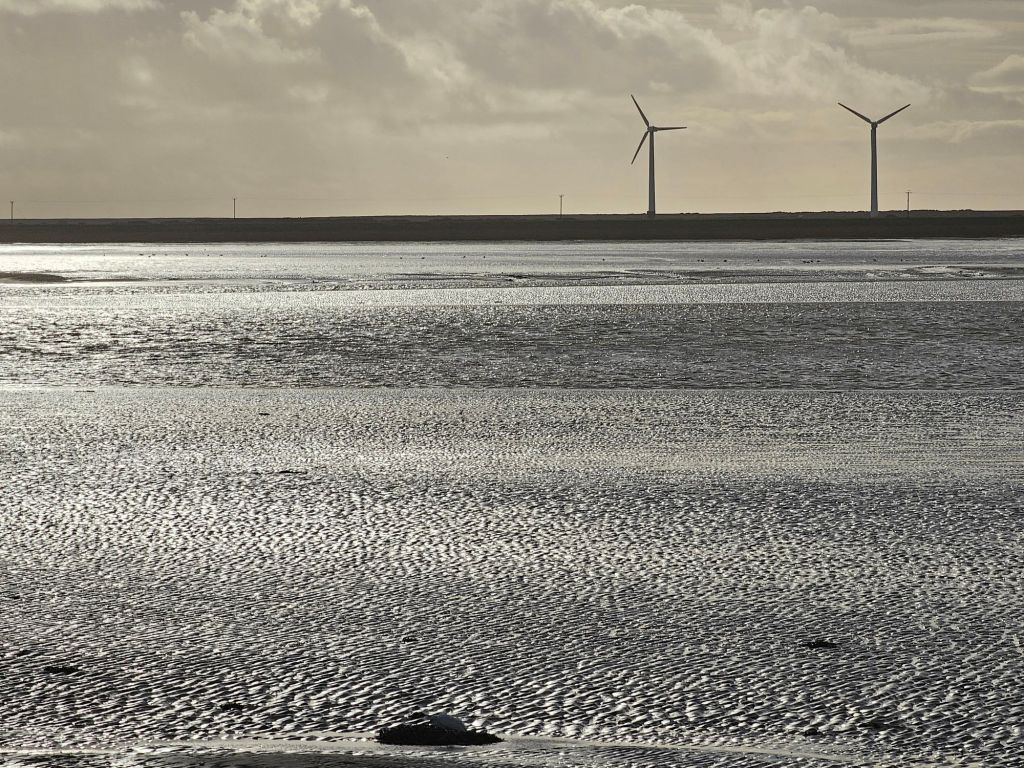
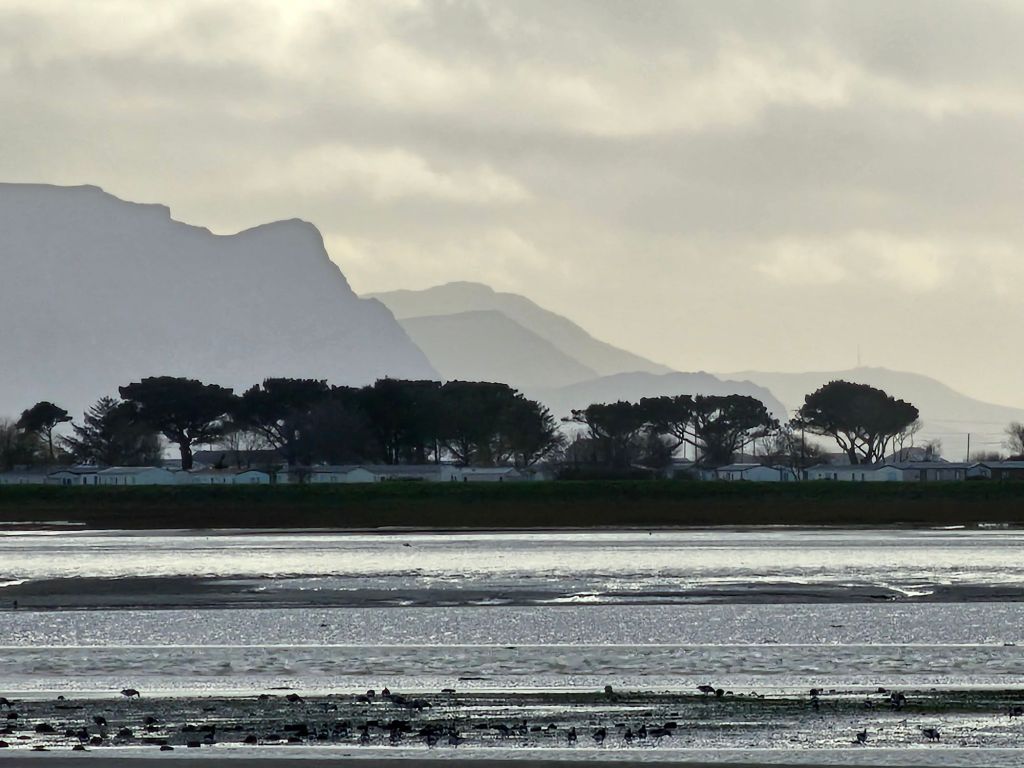
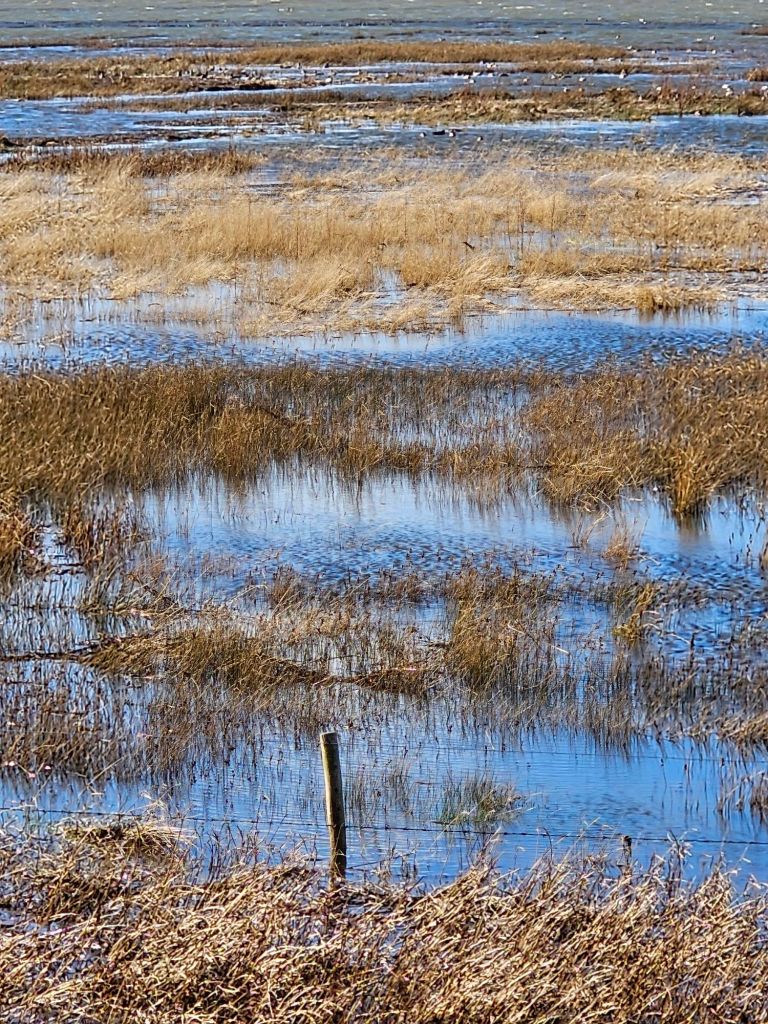
We walked down by the shore at Llanfaglan which was, as always, extraordinarily beautiful in the late afternoon light:-
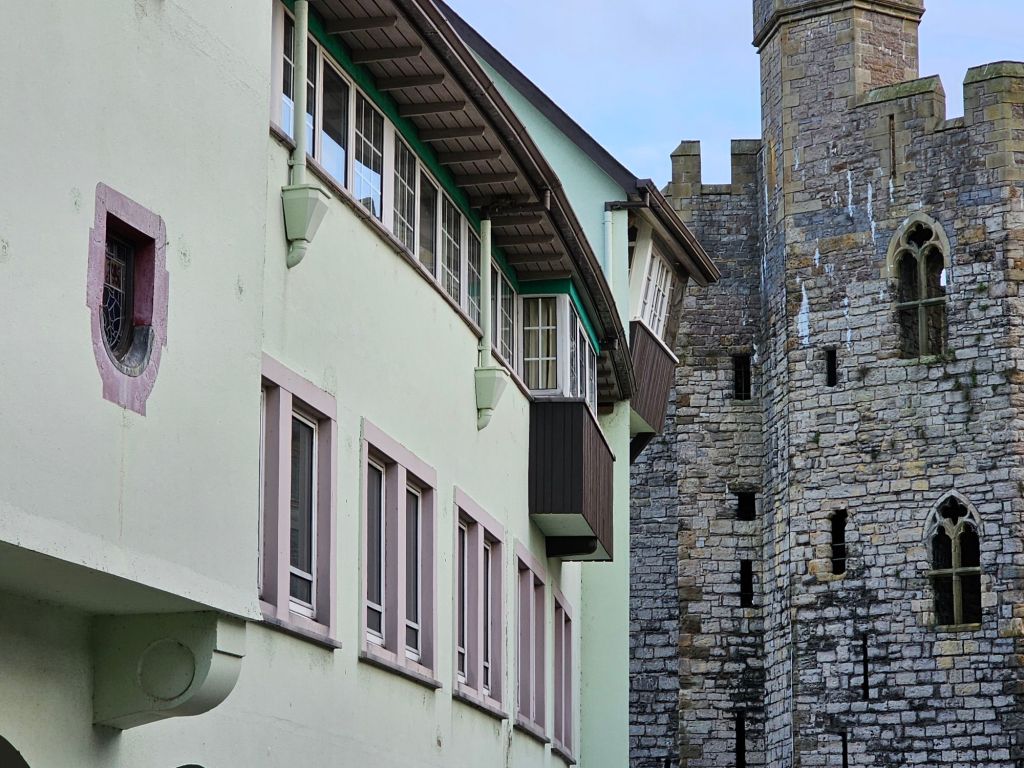
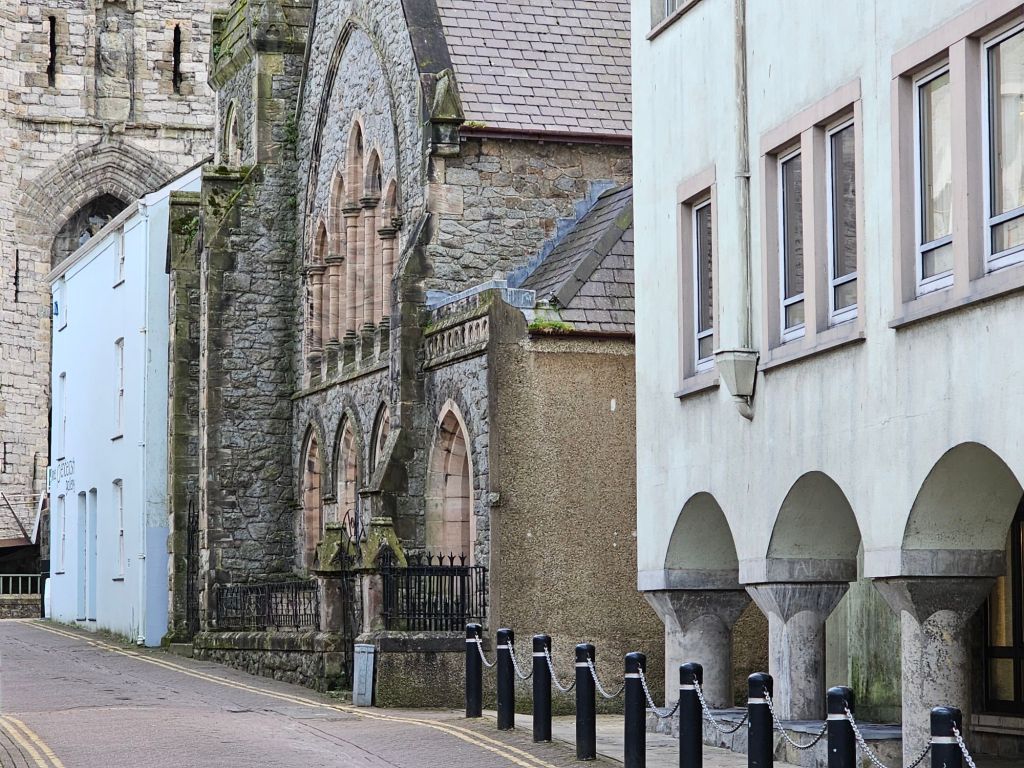
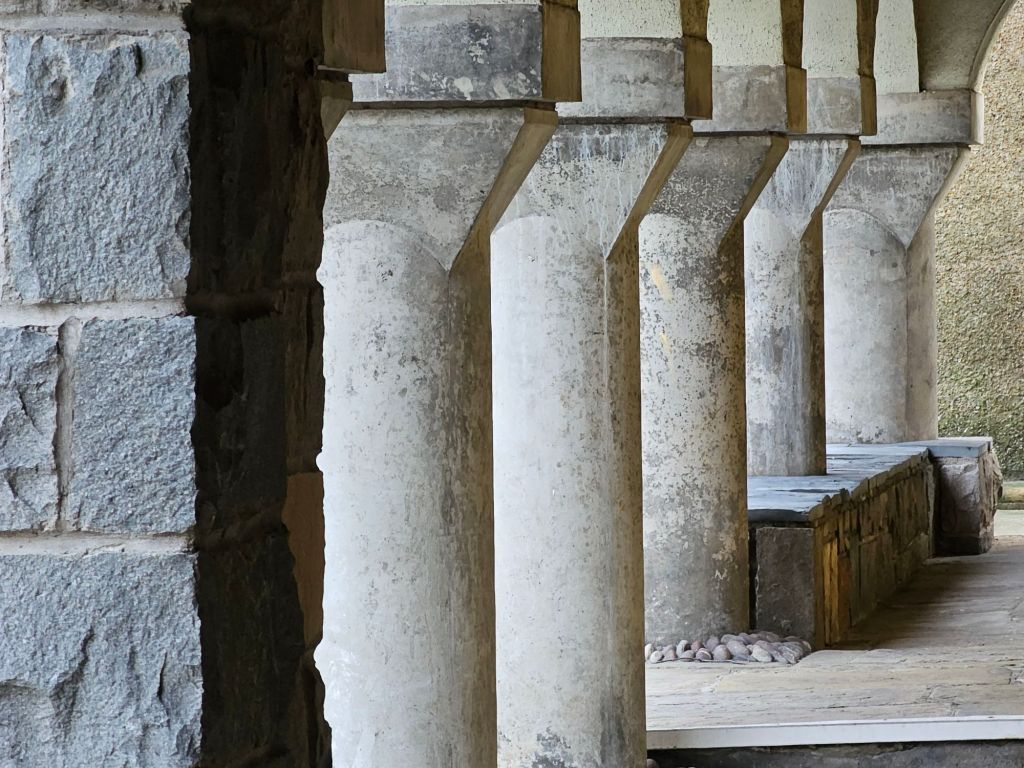
Following the recent Grade II listing of the headquarters of Gwynedd County Council (see below), I went to have a close look at them. It is scarcely believable that they were designed and built between 1982 and 1984. Pevsner in 2009 was pretty dismissive, describing them as relying ‘on pastiche instead of eloquent restraint’. This feels unfair. Given the extreme sensitivity of the site, in a street right next door to one of the greatest of Edward I’s castles, it looks to me to be an intelligent and thoughtful way of inserting large modern office buildings into a complex grid of essentially medieval streets. It was done by the county architects, but under the aegis and in conjunction with Professor Dewi-Prys Thomas, who ran the Welsh School of Architecture and was deeply interested in traditional Welsh architecture:-



As a long-standing supporter of Neal’s Yard, both in Borough Market and, particularly during COVID, at Spa Terminus, I was pleased to be alerted to the attached, fascinating Guardian Long Read by Jonathan Nunn about its origins in 1970s counter-culture.
I vaguely remember the atmosphere of Neal’s Yard as it once was, and particularly the Monmouth Coffee House before the days of ubiquitous coffee shops, but did not know the story of its rise:-
https://www.theguardian.com/food/2024/jan/23/nicholas-saunders-forgotten-genius-changed-british-food

 | Charles | Saumarez | Smith |
You must be logged in to post a comment.