The National Slate Museum

We have never previously been to the National Slate Museum close to Llamberis – in fact, shamefully, I didn’t know of its existence.

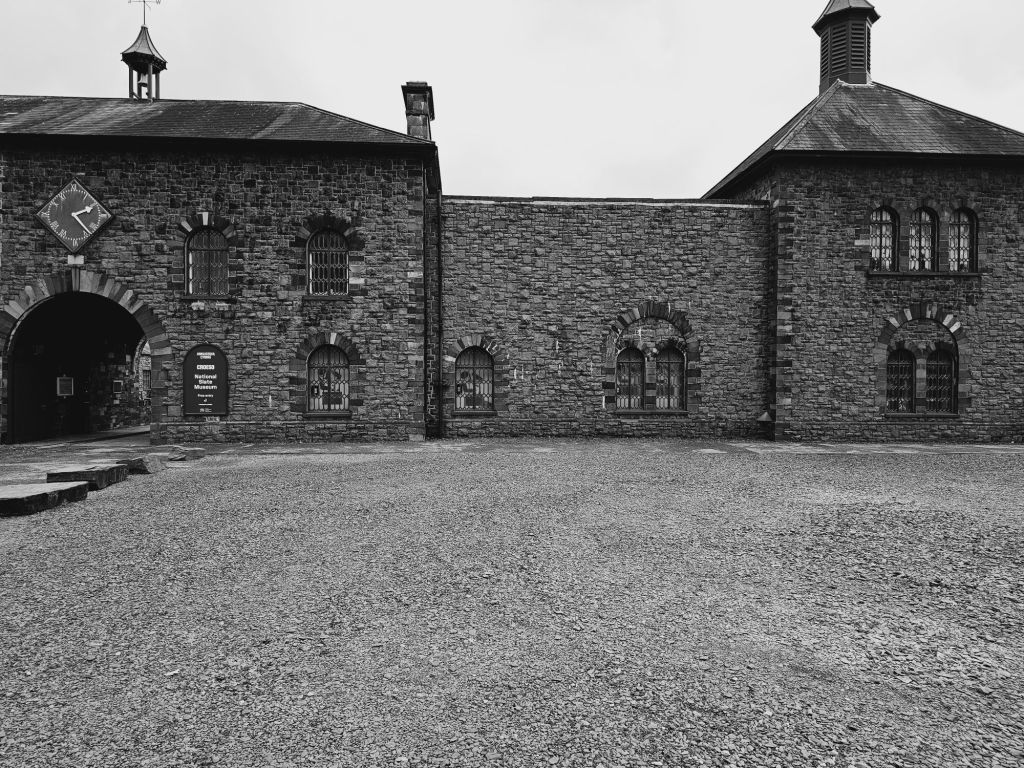
It’s magnificent.  It occupies the workshops of the Dinorwic Slate Quarry, closed in 1969, reopened in 1972, so able to keep many of the workshops with the signage and equipment intact.

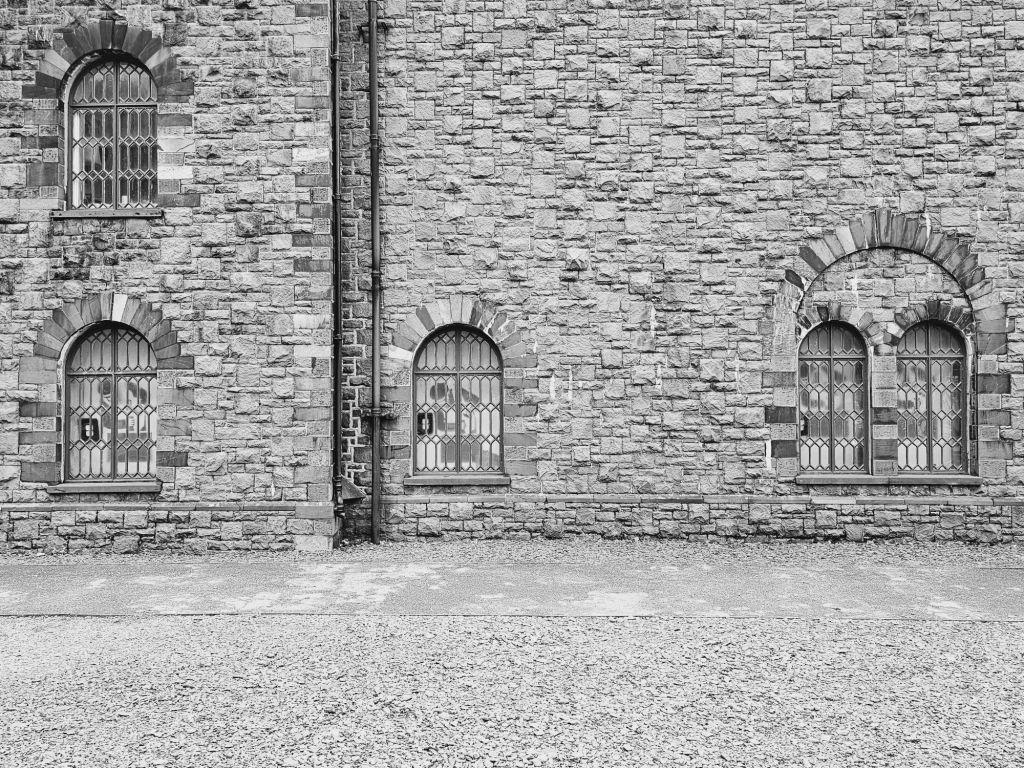
This is the entrance front, dated 1870, rather Eastern European in feel:-

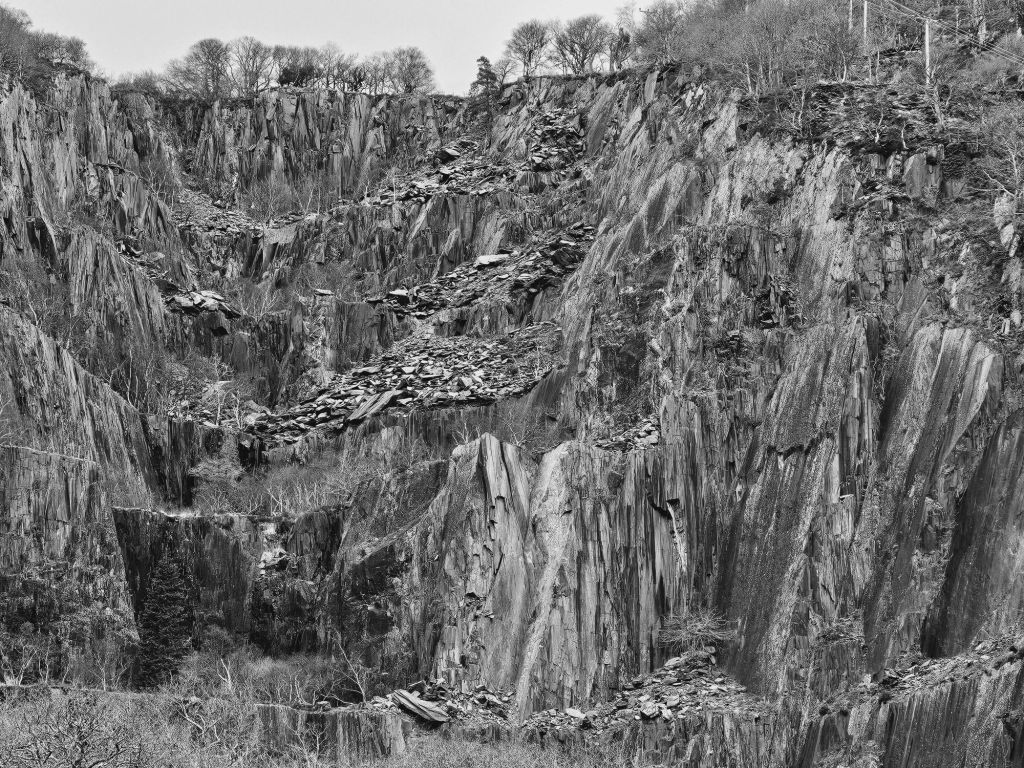
The remains of the Quarry looms above:-

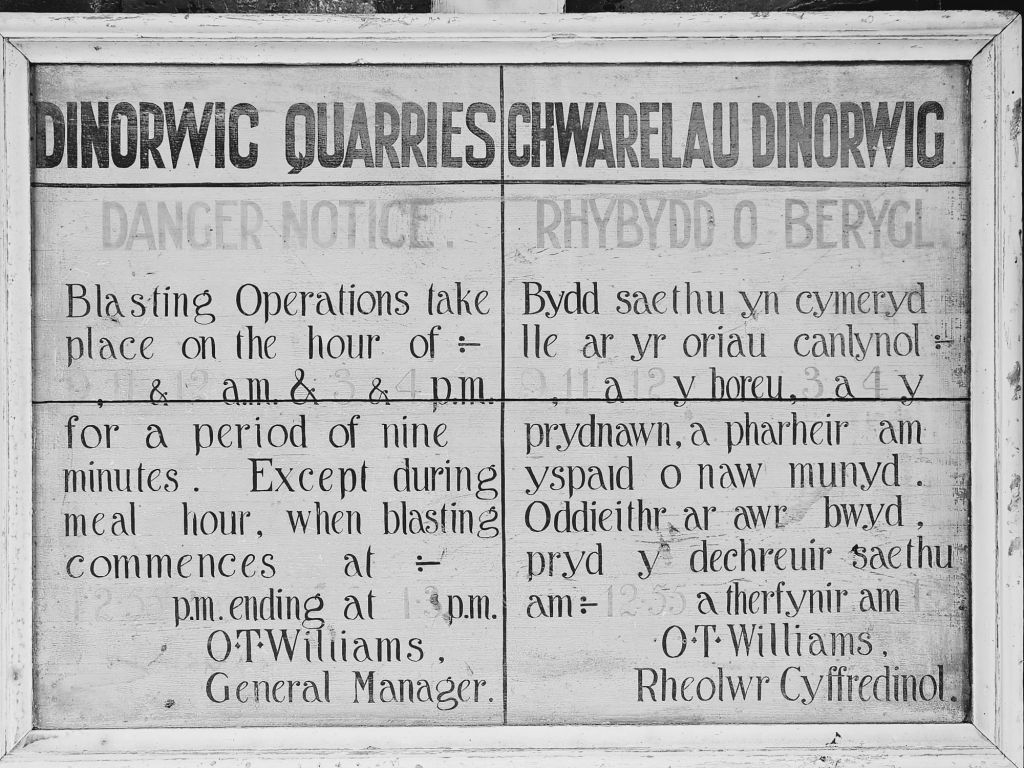
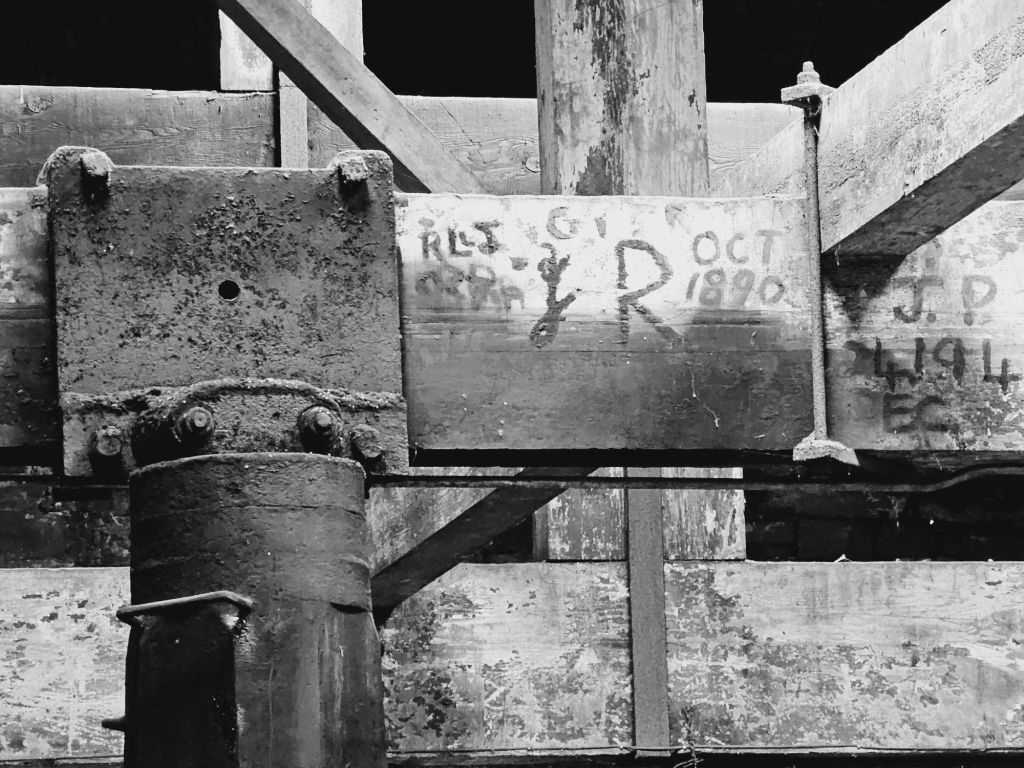
Old signage:-

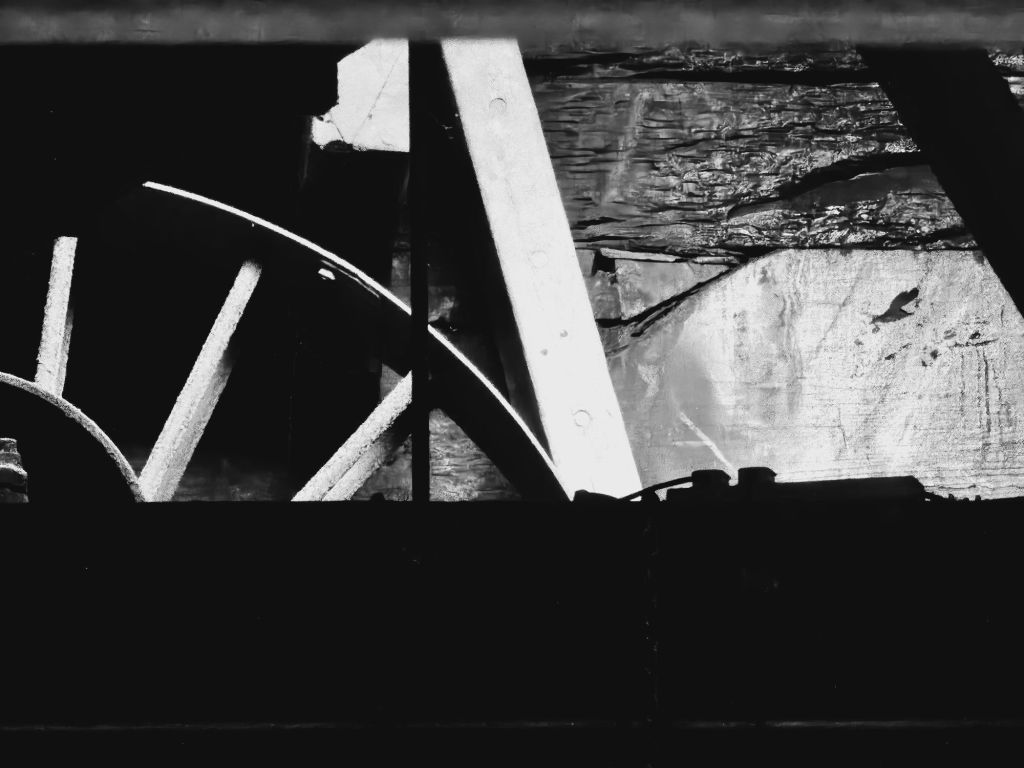
The Power Hall:-

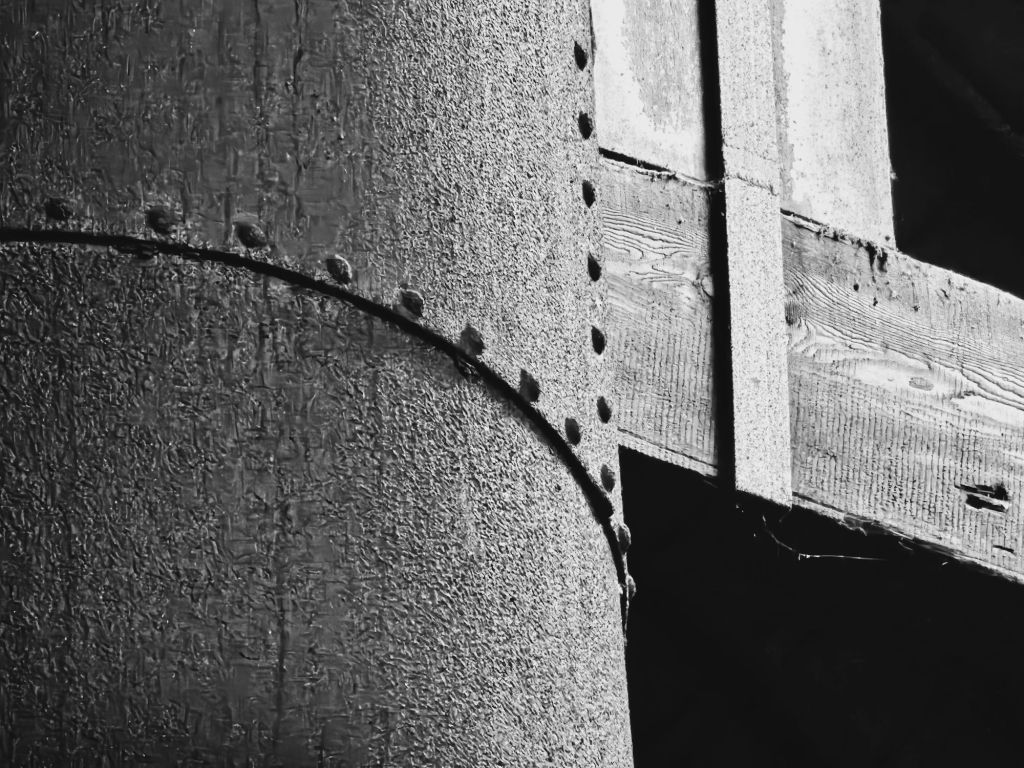
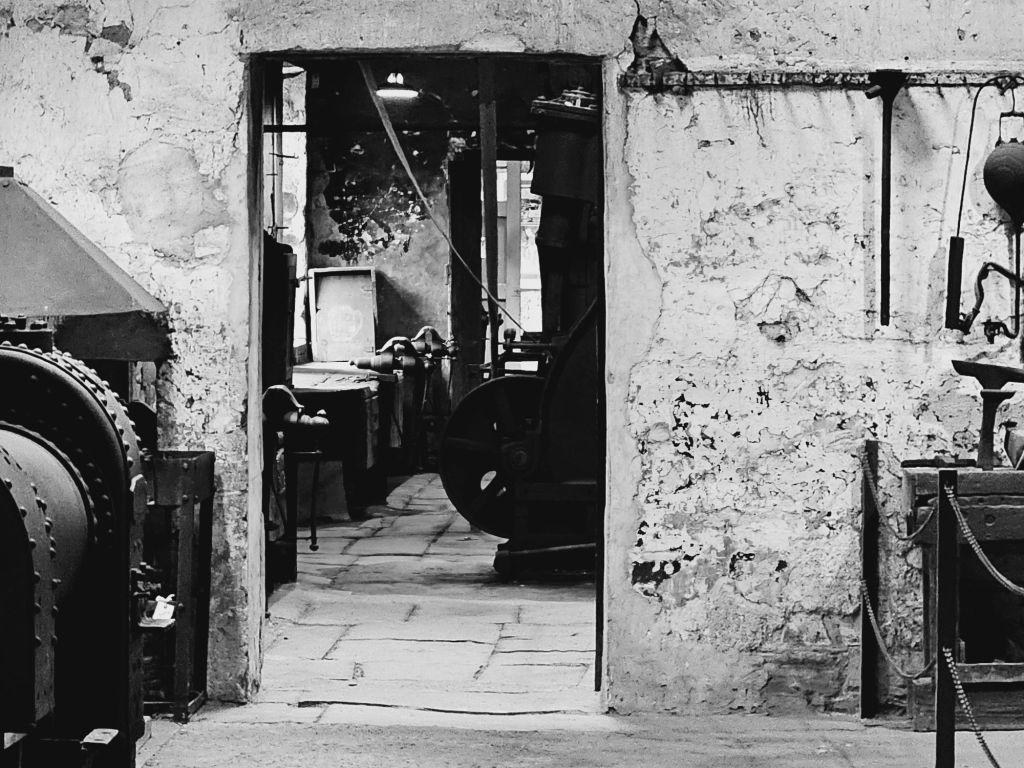
Through to the Foundry:-

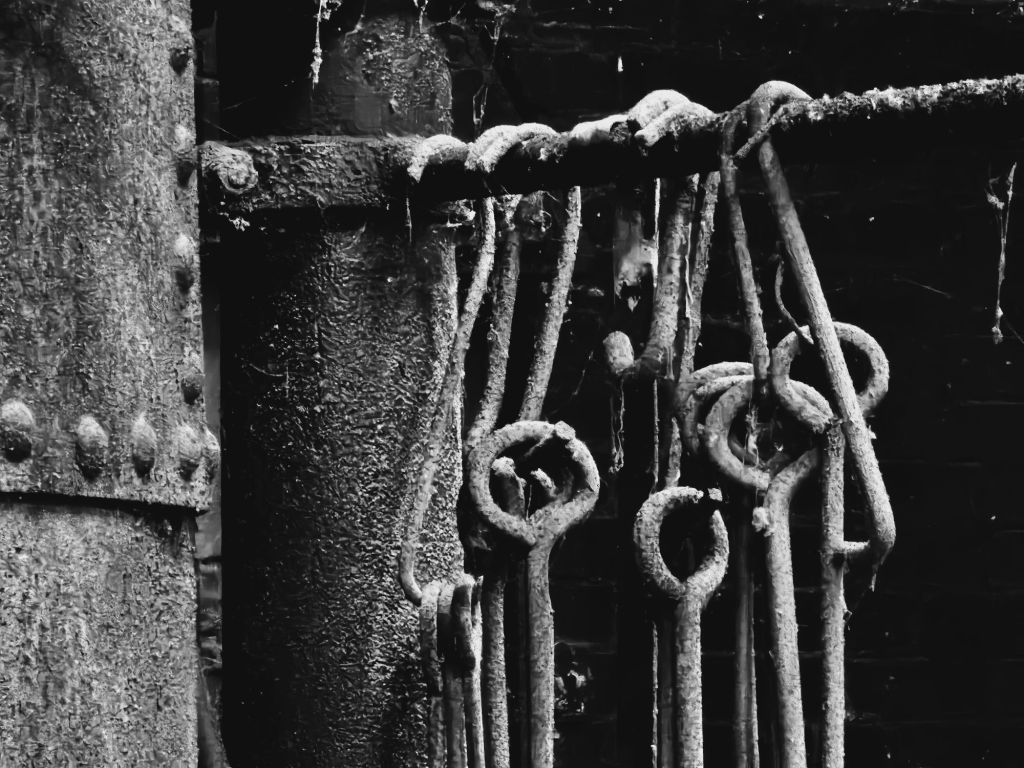
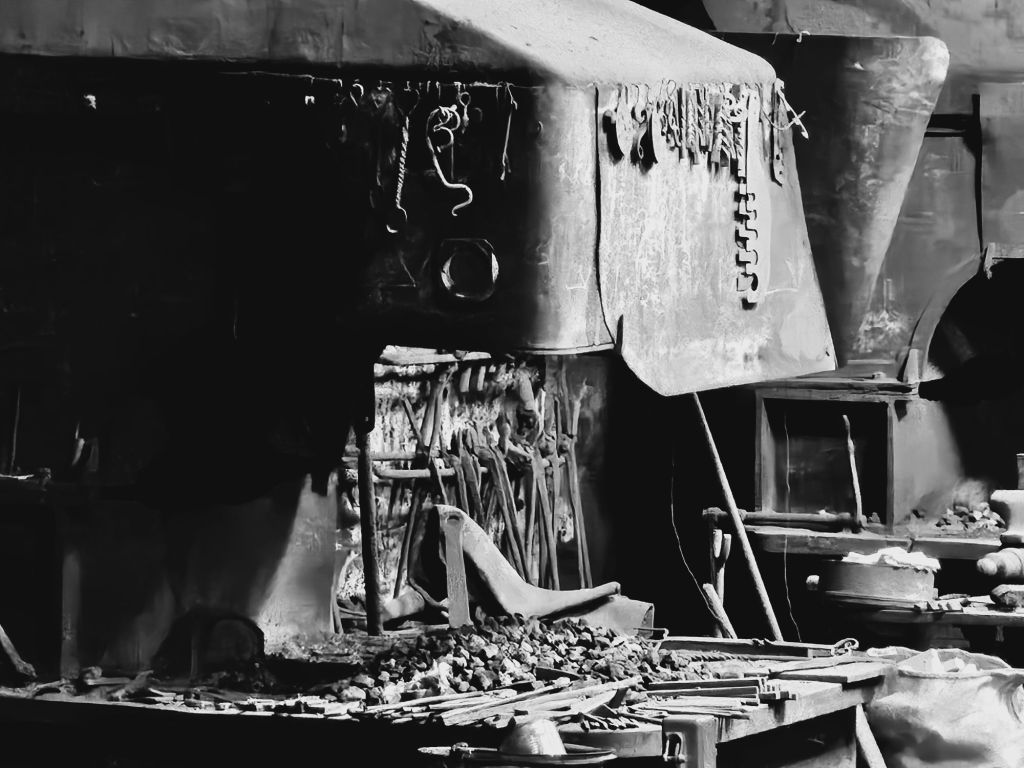
To the blacksmith’s forge:-

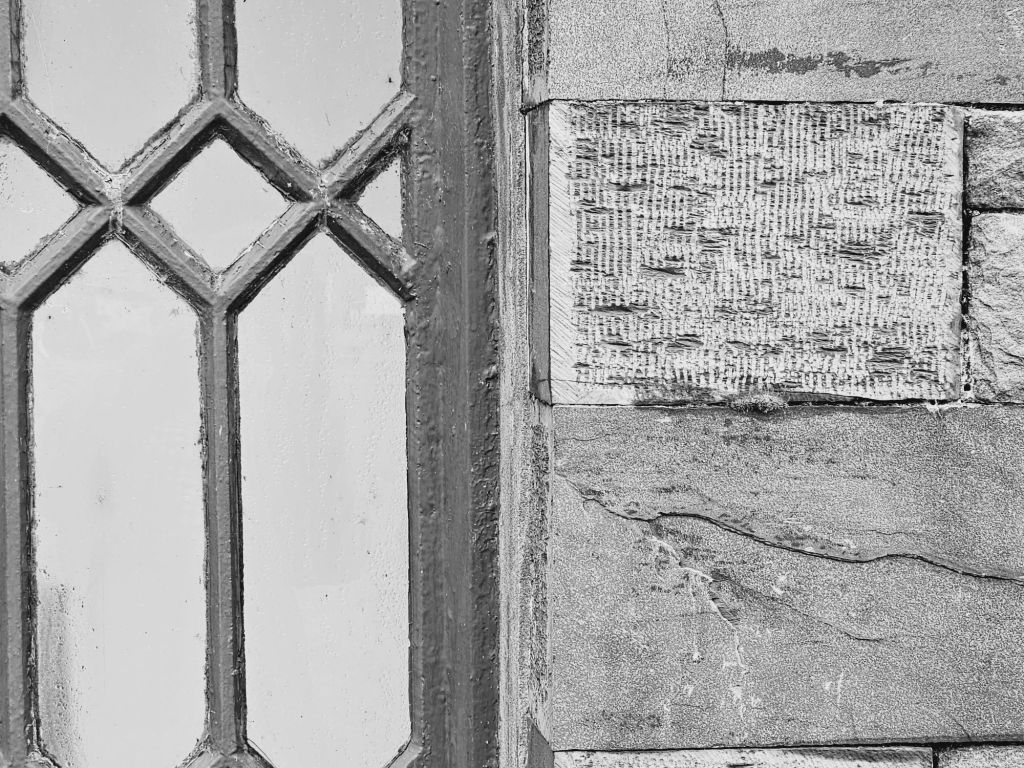
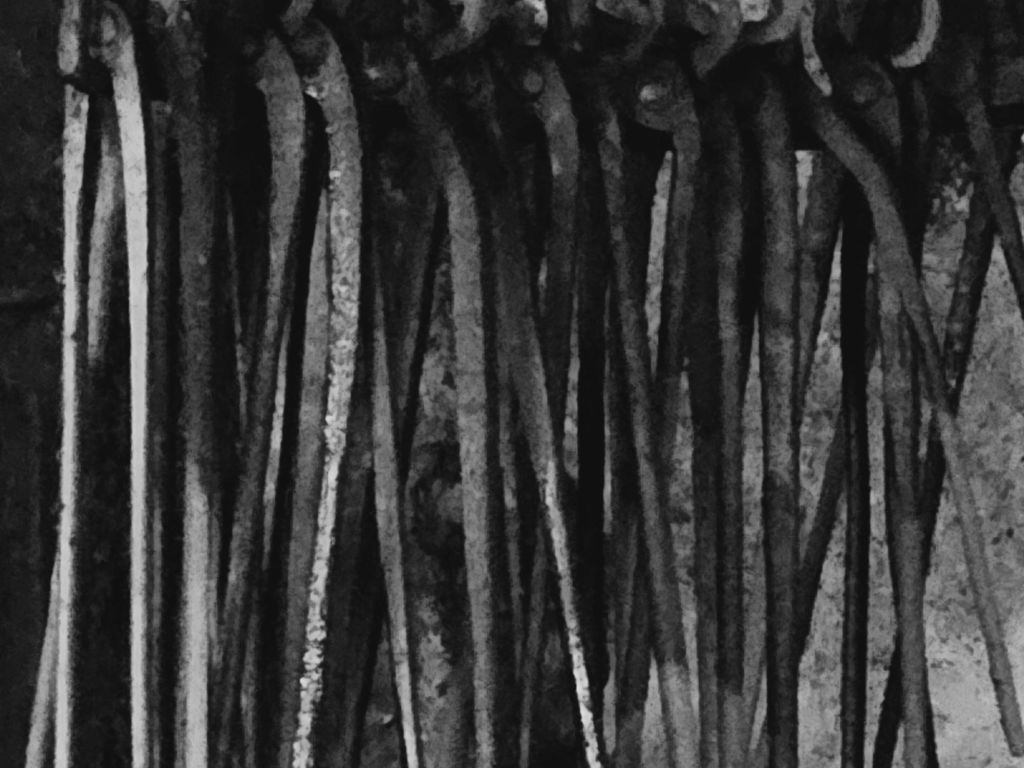
Tools of the trade:-

It is the most evocative site of industrial archaeology I’ve been to since I first visited the Whitechapel Bell Foundry in February 2017.

Standard

The Slab (9)

I notice that most of the discussion about The Slab, including the Secretary of State’s very lukewarm support for it, couches the argument as one between ‘conservationists’ and ‘aesthetics’ versus economic growth.  It’s viewed as a victory for economic growth consolidating London’s position as a global financial centre.

This prompts the questions:  is there a proven link between high-rise development and economic growth ?  Who are the tenants of The Slab likely to be ?

I ask this question because my own experience of the leaders of global finance, including those who worked in the offices of the oligarchs, is that they liked relatively small offices in Mayfair or St. James which were in easy reach of their houses in the west end and so they could congregate in the clubs and smart restaurants for breakfast and in the evening nearby.

I don’t see them sitting in vast open-plan offices South of the river, just because it’s close to Waterloo.

The only time that I have attended a meeting for inward investors, London was being sold for the quality of its environment, its schools, its housing stock, the community of other investors, not because of the availability of vacant tower blocks.

So, does disfiguring the urban environment automatically lead to financial growth ?  I doubt it.

https://bnnbreaking.com/politics/the-slab-a-colossal-structure-redefining-londons-skyline-and-igniting-global-debate
Standard

The Slab (8)

A very fine piece of polemic by Simon Jenkins about the Slab has just appeared online.  He is right that it poses a problem as to what Labour Party policy should be.  Surely not so free market, Singapore-style abolition of planning controls as the current government has favoured, whatever it says to the contrary. 

So much damage has already be done to the fabric of the city that it will be hard to knit it back together.  What happens to Smithfield Market will be a test of future policy making.  And whether the destruction of Liverpool Street Station is approved.  It was Ken Livingstone and John Prescott who liberated controls on tall building, so policy on London has been cross party.

I sometimes wonder whether it might be worth re-establishing The Royal Fine Arts Commission which had an advisory function in issues of national planning.  But it was the Blair government which abolished it because they couldn’t bear Norman St. John Stevas, its chair.  But nothing effective has replaced it.

Before the Blair government came in, Mark Fisher and Richard Rogers published A New London on what architectural policy should be, a thoughtful and influential book which is what is needed now.

https://www.theguardian.com/commentisfree/2024/feb/08/slab-london-monument-ugly-expensive

Standard

The Slab (7)

I see that Michael Gove stops a long way short of saying that the Slab will make a positive contribution to its surroundings. In fact, of course, it will disfigure them forever, encouraging other big new development in the area as has happened in Nine Elms.

If he is so lukewarm about it, why did he approve it ?

Money, money, money.

https://www.theguardian.com/politics/2024/feb/06/michael-gove-approves-the-slab-development-south-bank

Standard

The Slab (6)

Yesterday was a sad day for London. After it seemed as if Michael Gove might have half a spine when it comes to big new developments in London, he signed the approval for the so-called Slab, the biggest of them all. I suppose he is thinking of the forthcoming election and all those developers and city financiers who will have to bankroll their campaign. He will have been lent on by a host of lobbyists. At every fundraising dinner, party donors will have sidled up to him and made clear that they expected to be able to count on his support. So, I hope with a quivering hand, he will have signed the approval for the biggest development of them all – a set of towers which will overwhelm not just the local neighbourhood and the National Theatre, but will change the relationships of scale in buildings between the Houses of Parliament and St. Paul’s and including especially Somerset House on the other side of the river. It will be too big, full of offices which may no longer be needed. But Gove will be long gone. Gove Towers. It will be a monument to the end of effective planning controls.

Standard

Warburg Institute (4)

No sooner had I returned from my visit to the Warburg’s exhibition at the Architectural Association than I was sent a link to a project by the Factum Foundation to recreate digitally the statue of the Hermes Kriophoros which was lent by the Earl of Pembroke and used to stand in the Warburg’s entrance hall (The Statue: A Wilton-Warburg ‘Kriophoros’ | The Warburg Institute (sas.ac.uk)).

It is planned that the replica should stand in an equivalently prominent position in the new entrance hall which is expected to open in September, reconfigured as part of the admirable project, led by Bill Sherman as the Institute’s Director and with Haworth Tompkins as architects, to renovate the building as a whole. 

Here is the ground plan of the reconfigured ground floor which will have a new lecture theatre at its symbolic heart:-

If you want to support the project, this is the link (Resurrecting the Ram-Bearer: The Wilton-Warburg Kriophoros Restoration Campaign | The Warburg Institute (sas.ac.uk)). It’s a very good cause. 

Standard

Warburg Institute (3)

I revisited the exhibition at the Architectural Association which demonstrates the changing form of the Warburg Institute, originally housed in luxury in a suburb of Hamburg, next door to Warburg’s house (the exhibition closes March 7):-

Then briefly in Thames House on Millbank in a layout designed by Godfrey Samuel of Tecton:-

Then, from 1937 to 1958, in the Imperial Institute:-

Finally, in Woburn Square:-

It tells one a lot about the relationship between a library, the nature of reading, and the history of ideas.

Standard

Whitechapel Bell Foundry (117)

Otto SS has sent me the attached advert for the Bell Foundry with a nicely abstracted view of the bells of Liverpool Cathedral, installed in the 1930s. The Bell Foundry tends to be associated with historic bells – the city churches, St. Paul’s, the Liberty Bell, Big Ben. It’s nice to see an image of its twentieth-century incarnation.

Factum Foundation is making bells – but not at the Bell Foundry because Historic England thought it was more exciting for the Bell Foundry to be turned into a boutique hotel than remain a Bell Foundry.

It’s what they call ‘adaptive re-use’. The only problem is that the boutique hotel hasn’t happened. So, they have allowed – and indeed encouraged – a historic building to decay, not what I regard as their statutory function.

Standard